Adolescence is the age group which is extremely sensitive one. It is that stage of life when ones perception and behavior completely changes. Addiction is a chronic disorder which is characterized by consumption of drugs in spite of knowing that it has harmful consequences. Addiction to something directly results in creating a stressful situation if a person is caught in the trap of craving. Addiction to anything is like any other disorder which fallouts as an unhealthy body, lifeless mind, etc. sometimes addiction stayed lifetime with a person and ultimately leads to death. Addiction to anything is quite harmful and ultimately results in treacherous outcome.
When comes to drug and addiction teens come under highest rank. Adolescence is that stage of life when everything is new and people try it for the first time. Be it first time smoking, first glass of drink or first love. Teen age is the most difficult period of one’s life. Usually the reason behind teenager’s involvement in addiction is either to show off and become relax or it help in dealing with problems and social conflicts as well as for the sake of curiosity. But no matter whatever the reason such behavior is neither acceptable nor suits the teens. What is important is to identify at the right time that one is getting addicted. The person who is addicted has characteristic like regular mood swing, ignorance of appetite and hygiene, decline in family relationship, lack of self-motivation, a behavior which is too violent and aggressive. The characteristic are very common as it is of hormonal change thus it often makes difficult for people to identify whether they are caught in the trap of addiction to any substance or it’s just a normal hormonal balance in body. Adolescence and addiction is not just a problem from the teen but for the family too. Seeing the child going into the wrong path can be extremely dreadful for the parents as well. One should never ignore the teen problems as if often results in getting used to addiction which gives a disastrous results. Recognizing one’s own flaws and taking necessary steps to get rid of it important. Addiction is divided into two categories. Where the first one is physical addition, where one acquires craving for drugs and the whole body becomes completely dependent upon that substance. The other one is psychological addition where the craving is psychological or full of emotion. In this people have the desire to have drugs anytime and anywhere. Adolescence is the only stage where there are lots of ups and downs in one’s life. It is a phase between childhood and adulthood. With the arrival of this stage one needs to be extremely careful in life. Recovering from such disorders generally takes lifetime, it is not a process which can be rid in few weeks, rather than it takes long lasting treatment. There are many supports groups available which help the people in overcoming from this problem. As soon as the addiction is treated it gives a more powerful and successful results. Obsession of anything is a problem which need to be stop as soon as possible before it turn out to give a sever outcome.
After the independence of India there was the urgent need for change in the education system. British education system was rigid and followed their principal. The evolution in education policies was slow. One education policy worked as the draft for another policy.
Introduction
Education policy : policies are a set of written rules and strategies given to an organisation ( government and private). Education policy is about policy which helps to set rules in the educational department. Education policies help the government to decide the objectives of education. Government decided some goals to empower the youth and achieve them through educational policies.
How many policies have been established after independence.
After independence, Indian decided to degarde the British education system. British education system is just helpful for them. They have difficult course and exam patterns. There was an urgent need for new education policies which related to Indian context.
Universal education system (1948)
It was the first education policy of independent India. It was headed by the first president Dr. Sarvepalli radhakrishnan. The committee gave recommendations for reorganising the examination pattern, medium of instruction, cultural heritage, vocational education and many more.
Secondary education system (1952)
This committee works with primary and secondary levels of education. The committee was headed by the Dr. A. L murlidhar. Recommendations given by the committee were reorganising the aim of education and teaching medium at the secondary level. It is also known as muralidhar committee.
Indian education system (1964-66)
After the Two committees there were still some defeats in the education system. The previous committees gave suggestions to organise a new committee. The committee is known as the Kothari commission. It was headed by the D. S. Kothari. The major recommendations were improvement in the education system, focus on national development, addressing the needs and interest of aspiritant. The committee emphasized education for national development
National education policy (1968)
In 1968, late former prime minister shri rajiv gandhi introduced the new education policy. According to him, we have an urgent need for a new education policy for the holistic development of the nation. Free and compulsory education for the children, protection and development for all education systems, and work experience in every field were the programmes under the NEP 1968. It was the first education policy which included agriculture and industries as the courses in education.
National educational policy (1986)
National education policy came in 1986. It was focused on equal opportunities for all. The police have an idea of inclusion of scheduled tribes, scheduled caste, handicapped, and women in education. NEP 1986 had 23 task forces under it.
New education policy (2020).
The new education policy 2020 was introduced by the prime minister of India, Shri Narendra Damodardas modi.
The main aim of NEP 2020 is to provide infrastructure support, innovative education centres to bring back dropouts into the mainstream besides tracking of students and their learning levels, facilitating multiple pathways to learning involving both formal and non-formal education modes and association of counsellors or well-trained social workers with schools.
The vision of NEP 2020 is The vision of the Policy is to instill among the
learners a deep-rooted pride in being Indian, not only in thought, but also in spirit, intellect,and deeds, as well as to develop knowledge, skills, values, and dispositions that support responsible commitment to human rights, sustainable development and living, and global well-being, thereby reflecting a truly global citizen.
The new education policy changed the school structure from 10+2 to 5+ 3+3+4.
In the new education policy, early childhood and care is considered as the foundational year of learning. The ECC consists of 5 year of school structure. Children will go to bal vatika and anganwadis. There will be universal access to early child care and education.
Upliftment of literacy and numeracy, cutting the droprate rates, universal access of free and compulsory education, change in pedagogical and curriculum system, rigid to flexible and enjoyable classroom environment, holistic development of the learner, increasing the critical thinking among the learners, empowerment of student through the flexibility in the subject choices, vocational education and teacher training are some major recommendations of new education policy 2020.
Conclusion
The Indian education system always works for the better development of the nation. Every education gives recommendations on the basis of the first one. The aim of all education policies was to provide education facilities to all.
The United States, Pakistan, Afghanistan and Uzbekistan have agreed to establish a new quadrilateral diplomatic platform to enhance regional connectivity. The US State Department announced the setting up of the new diplomatic platform on July 16, 2021 to help strengthen economic connectivity across the region. The department announced that representatives from Washington, Kabul, Islamabad, and Tashkent had agreed, in principle, to establish a new quadrilateral diplomatic platform focused on enhancing regional connectivity.
“The parties consider long-term peace and stability in Afghanistan critical to regional connectivity and agree that peace and regional connectivity are mutually reinforcing,” the State Department said. Afghanistan’s strategic location has for a long time been touted as a competitive advantage for the country.
This development comes as the security situation in Afghanistan has been deteriorating following the withdrawal of US military forces from the country. The drawdown is set to be complete by the end of August. As the Taliban continues to seize new territory, US officials have been engaged in talks with countries neighboring Afghanistan to support the Afghan defense forces. Other south and central Asian countries are also engaged in talks to advance peace talks.
The new quad group’s formation is significant as it comes amid China’s efforts to extend its Belt Road Initiative (BRI) to Afghanistan. The Belt Road Initiative was launched by Chinese President Xi Jinping when he came to power in 2013. The Belt Road Initiative aims to link Southeast Asia, Central Asia, the Gulf region, Africa and Europe with a network of land and sea routes. Afghanistan due to its strategic location can provide China with a strategic base to spread its influence across the world. Pakistan Prime Minister Imran Khan had visited Uzbekistan in the past week for an official two-day visit during which he highlighted the benefits of regional connectivity and invited the nation to become party to China’s Belt and Road Initiative.
Pegasus is a spyware program developed by the Israeli business NSO Group that may gather data from mobile phones. Stating simply, It is a type of malware that infects iPhones and Android smartphones, allowing its users to extract texts, images, and emails, as well as record calls and covertly activate microphones.
Pegasus was found to be spying on roughly 50,000 phone numbers throughout the world, according to a worldwide investigation. Out of which 300 of them being confirmed Indian numbers. According to an investigation into a large data breach, authoritarian regimes have targeted human rights activists, journalists, and attorneys all around the world using hacking tools provided by the Israeli spy business NSO Group. In India, the phone numbers include of the legal community, businesspeople, government officials, scientists and acitivists. According to THE WIRE, Over 40 journalists, three major opposition figures, one constitutional authority, two serving ministers in the Narendra Modi government, current and former heads and officials of security organizations, and scores of businesspeople are among those in the database and their names would be soon released in the upcoming days. Newspapers like, The Guardian and The Washington Post, among others, released important facts showing the extent of what they dubbed “global surveillance operations” using Pegasus. The NSA whistleblower Edward Snowden tweeted on Sunday that this “spill” might be “the tale of the year.”
So basically, all we have to know is how Pegasus operates and how does it actually work. So after it is installed, it may collect data from emails, text messages such as SMS, WhatsApp conversations, phone records, contact lists, and GPS data and send it to the attacker. It can also activate a microphone, call recorder, and camera to give the attacker with surveillance capabilities. Forensic examinations on certain phones linked to the target numbers found unmistakable indications of Pegasus malware targeting and this task made simpler by the fact that the device was an Apple iPhone.
However, The Israeli firm that distributes Pegasus, NSO Group, disputed the claims, claiming that it only sells its spyware to “vetted countries.” Representatives claimed the business was “considering a defamation action” after allegations that it sold malware to intelligence, military, and law-enforcement organizations in 40 nations. On the other hand, the government of India also denied any involvement in the hacking, claiming that “the claims about government monitoring on individual people have no solid basis or truth linked with it whatsoever.” They also released a statement which states that in the past, similar accusations were made regarding the Indian State’s use of Pegasus on WhatsApp. In the Supreme Court, all parties, including WhatsApp, explicitly rejected the reports. They also said that this press release looks to be a similar fishing expedition, based on speculation and exaggeration in order to discredit India’s democracy and institutions.
Nevertheless, Pegasus was reportedly used to target journalists and human rights activists in India by Facebook-owned WhatsApp in 2019, according to a few sources. This information was revealed in a lawsuit filed in a US court in San Francisco by WhatsApp.
Stock investments are one of the most popular avenues of generating wealth in the modern world. You might have heard several things about stock market investors ranging from some horrific losses to inspiring ‘rags-to-riches’ stories. The beauty of this investment avenue is that it treats every investor differently based on his/her approach to investments. Hence, understanding how to invest in stocks is paramount to your success.
What is the share Market?
Before we talk about the share market, let’s understand shares.
What are shares?
Imagine a company running its regular business earning profits and looking for ways to expand.
It decides to launch a new type of product that requires a huge factory installation and skilled workforce – a huge investment.
The company does not have the required funds to create this set-up. Hence, it looks for a loan from a bank or a financial institution or raising money in some other way that does not require interest payment on the raised sum.
One way to do this is to add partners by asking them to contribute a certain amount towards the capital of the company.
A company is legally permitted to do this by issuing shares. When a company decides to raise capital, it issues shares to people. The amount of shares held by you determines the percentage of holding you have in the company.
So, if a company is worth Rs.10 lakhs and you hold shares worth Rs.1 lakh, then you are a 10% partner in the company. You will be eligible to receive a share of the profits made by the company.
This is a very simple way of understanding shares.
Since a share is a document certifying your ownership in a company, you can sell it to someone for a price.
So, if you are a partner in ABC Ltd, you can transfer your rights in the company to a third party by informing the company about the same.
For Example,
Let’s say that you want to become a partner in HDFC Bank Ltd. Where would you go to find its shares? The company issues shares only when it wants to raise capital. How do you find the existing shareholders of the company and at what price do you buy the shares?
To facilitate this, regulators around the world developed a marketplace where investors could buy and sell shares of any company listed on the stock exchange.
So, if you wanted to buy shares of HDFC Bank Ltd., you can visit this marketplace and buy them at the current market price.
The marketplace has a process with several intermediaries that ensures that the company is informed about the change in shareholder, the buyer receives the shares, and the seller receives the money. This is the Share Market.
When a company issues shares to the public for the first time, it launches an Initial Public Offering (IPO) by predetermining the share price.
This is the primary share market where you purchase the shares directly from the company during an IPO. As soon as the company finishes issuing shares through the IPO, they are listed on a stock exchange. This is the secondary market where you can buy and sell shares to other investors.
Intermediaries in a Share Market:
When you buy a share of a company from another shareholder, there are many things that can go wrong. Hence, every country has a regulatory body that ensures that the stock transactions are smooth and devoid of fraud.
In India, this body is the Securities and Exchanges Board of India (SEBI). This body has defined a process for share transactions to help ensure maximum protection to all investors that include the following intermediaries:
1.Stock Broker– SEBI has mandated that all transactions in a stock exchange must be done through a stockbroker registered with the exchange.
2.Depository and Depository Participant– While traditionally, shares were allotted in the form of physical share certificates, this has now given way to electronic or dematerialized shares. Just like you need a bank account to keep a record of your dematerialized money, you need a Demat account for your dematerialized shares. This account is provided by a depository participant.
3.Bank- You need money to buy shares and a bank account to receive sales proceeds. Hence, a bank is an essential intermediary in share transactions.
4.Clearing Corporation- This body ensures that all transactions are cleared successfully.
How to Invest in the share Market?
Now that you understand shares and the concepts of a share market, we come to the next important question i.e:How to invest in shares?
REQUIREMENTS TO INVEST IN THE SHARE MARKET:
Let’s first look at what you need to begin investing:
1.PAN Card– It is mandatory to have a PAN Card to invest in stocks.
2.Demate Account– This is the account that will hold the shares in the name of the buyer. You can open a Demat account with any depository participant. Most banks offer Demat account services. New age investment platforms also offer Demat account opening in a hassle-free manner.
3.Trading Account- To start making a stock market investment, you need a trading account with a stockbroker. Remember, stockbrokers, register with stock exchanges. While most good-quality stocks are listed on both primary exchanges (BSE & NSE), some might only be available on either of the two. Ensure that you open a trading account with a broker registered with both BSE & NSE. 4.Linked Bank Account– Since you are investing in stocks, you will be buying and selling them over time. Hence, you will need a bank account that is linked to your trading account to ensure that money flows in and out of your account seamlessly when youtransact.
DOCUMENTS NEEDED:
1.PAN Card 2.Aadhaar Card 3.A cancelled cheque from your bank account with your name on it 4.Proof of address (from the list of documents accepted by the bank/depository participant/broker) 5.Proof of income 6.Photographs With these accounts in place, you are set to begin your stock market investment journey.
INVESTMENT PROCESS:
As explained above, there are two markets that you can consider – primary and secondary. We will look at the investment process in both these markets.
1.Investing in the Primary Market(IPOs):
Investing in the primary market involves investing in an IPO. You will need a Demat account to hold the allotted shares and a trading account to apply online. You can also apply through your bank account. Now it’s important to remember the number of shares allotted to you will depend upon the market’s response to the IPO. Once the company receives all IPO applications, it allots shares based on the demand and availability of shares.
You can easily apply for an IPO through your net banking account through a process called ASBA (Application Supported by Blocked Amount). In this process, if you have applied for shares worth Rs.1 lakh in an IPO, the amount is blocked in your banking account instead of being sent to the company. Once the shares are allotted the exact amount is debited and the balance is released. It is mandatory for all IPO applications to follow this procedure. Once the shares are allotted, they are listed on a stock exchange within a week and you can start trading them.
2.Investing in the Secondary Market:
This is where all the action is. The secondary market is usually what we refer to when we say the stock market. It is the place where investors and traders buy and sell stocks. To invest in the secondary market, you will need a trading account, Demat account, and a linked banking account. If you are thinking about how to invest in share market online, then the answer is simple:
i) Open a Demat and trading account with a linked banking account. ii) Log in to the trading account iii) Choose the share that you want to buy or sell iv) Ensure that you have funds in your account for buying and shares in your Demat account before selling v) Determine the price at which you want to buy/sell vi) Wait for the seller/buyer respectively vii) Complete the transaction by transferring shares/money and receive money/shares The process is simple. However, becoming a successful investor is hard work. Let’s look at some concepts that you need to understand and tips that you can use for investing in the secondary market.
THINGS TO KEEP IN MIND BEFORE INVESTING:
Now that you are clear with the basics, let’s see what are the other things you need to consider before investing.
i)Understand Your Investor Profile:
Every investor is unique. Hence, you must ensure that you invest based on your investor profile. There are three critical factors that can help identify your profile:
Financial goals– Define your financial goals. What are you trying to achieve? Retirement corpus? Funding your world tour? Planning a marriage? Thinking of buying a house? These goals will help you get clarity on how and which stocks to invest in.
Risk Tolerance – How much risk can you stomach? If you invest in the stock of a strong company like Tata, then the price will not move up or down a lot. It will be relatively stable. On the other hand, if you invest in a small company that seems promising, then every small achievement will boost the stock price and failure will result in a crash. You need to determine how much volatility you can handle without panicking and making wrong decisions.
Investment Horizon – Stock investments tend to offer good returns over a period of 7-10 years (long-term). Based on your financial goals, determine the period for which you want to stay invested in a particular stock.
ii)Research the Company Before Investing:
Unless you are trading, don’t make investment decisions based on the stock price alone. Stock investment is a marathon – not a sprint. Hence, you need to invest in a stock that can endure a long journey and generate good returns too.
One of the best ways to find such stocks is by looking at the financials of the company. Without complicating things, simply try to assess if the company is financially sound and can withstand any economic turbulence that the future might bring. A strong company usually attracts positive investor perception and a higher stock price.
iii) Diversify:
Since stock investments carry market risks, it is important to make efforts to reduce the risk of your equity portfolio as much as you can. One of the best ways of reducing risk is diversification. Here’s why –
a) If you invest in too many banking stocks and some policy change or international event impacts the banking sector negatively, then a huge part of your investment can suffer. Hence, while investing ensure that you diversify across sectors and industries. b) If you invest in stocks of companies having their primary office in Mumbai and some incident brings Mumbai to a halt, then your returns can get impacted. Hence, diversify across cities, states, and even countries to minimize this impact. c) We all like to bet on the dark horse. In the share market, stocks of small-cap companies are the proverbial dark horses, and stocks of large-cap companies are the defending champions. While choosing either is your decision, it is better to invest across all market-caps.
iv) Track Your Investments Regularly:
While many investors believe in the concept of ‘invest and forget’, investors must keep track of their investments. A stock market is a volatile place. By tracking your investments, you can identify opportunities to sell and rebalance your portfolio to maximize gains. You can also curb your losses by selling non-performing stock before they hit rock-bottom.
We hope that this article covered most of your questions regarding how to invest in the stock market. This is one of the best ways to generate wealth but requires some patience, persistence, and a strategic approach.
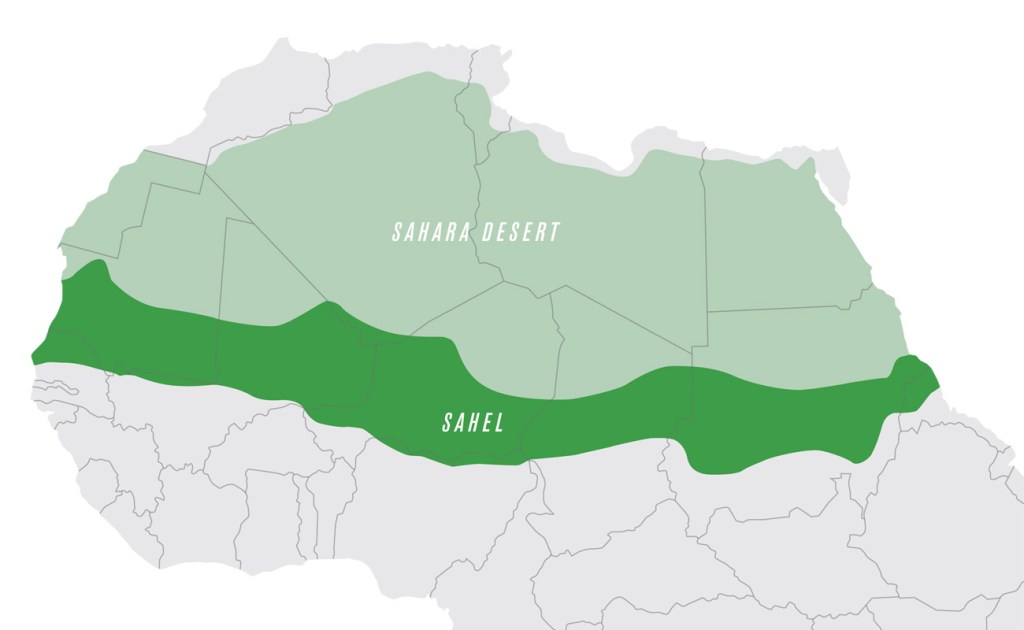
The Sahara, the world’s biggest hot desert, the third largest desert overall, is getting even bigger. In fact, it is currently about 10 percent larger than it was nearly a century ago, and scientists suggest that climate change is partly responsible.
To qualify as a desert, a region has to see 4 inches (100 mm) or less of rainfall per year. The Researchers looked at rainfall data from across Africa recorded between 1920 and 2013. They found that more of the area around the Sahara — about 10 percent more — qualified as desert, making the largest hot desert even larger.
At the southern border of the Sahara lies a semi-arid grassland known as the Sahel. It’s a buffer zone between the harsh Sahara and the fertile savannas in southern Africa, particularly Sudan and Chad. Lake Chad, for example, has been getting smaller due to climate fluctuations and because its used to irrigate crops. The lack of rainfall does not help the situation.
The study also points out that it’s probably not just the Sahara that’s expanding. Deserts around the world are likely experiencing the same climate changes and growing larger as well. Deserts are all formed pretty much the same way: Warm air rises in the tropics, which are near the equator, then spreads toward the poles, a frightening prospect fot the locals.
Some people always wanted to move different countries for their education and to upgrade their lifestyle. If you are one of them and have always had a mind to study abroad then here is the top 8 places to study with the most affordable price.
8. Taiwan
Taiwan in Asia is a one of the cheapest country to study abroad. The universities of the country offer more than 120 Courses which are taught in English. One of the top universities like National Taiwan University ranked top 20 Universities in ASIA and 66th in the world. The fees for undergraduate programs can cost US $ 3350 and can go till US $ 4050. The cost of living is quite cheaper than other countries and it is US $ 2900.
Paris, the capital of the country was named the best place for student and ranked 1st in a row. The cost of living may get expensive, but the school and tuition fees are way less than other countries. The fees are same for Local as well as for international students. A year back it was US $200 for a bachelor degree, and US $300 for the master program. If you think that your french should be fluent or you must know how to speak french to study in that country, then it’s not, One can easily study opting English while studying In France.
India, One of the most affordable and the best country to study in Asia. The country is well known for its culture, Tourism, and the best education around the world. English is often used in High level education and in universities. The tuition fee varies with the different courses and universities in the country. The maximum it can be US $7900 and less in a year. The living is affordable and one can live luxuriously just with US $4700 a year.
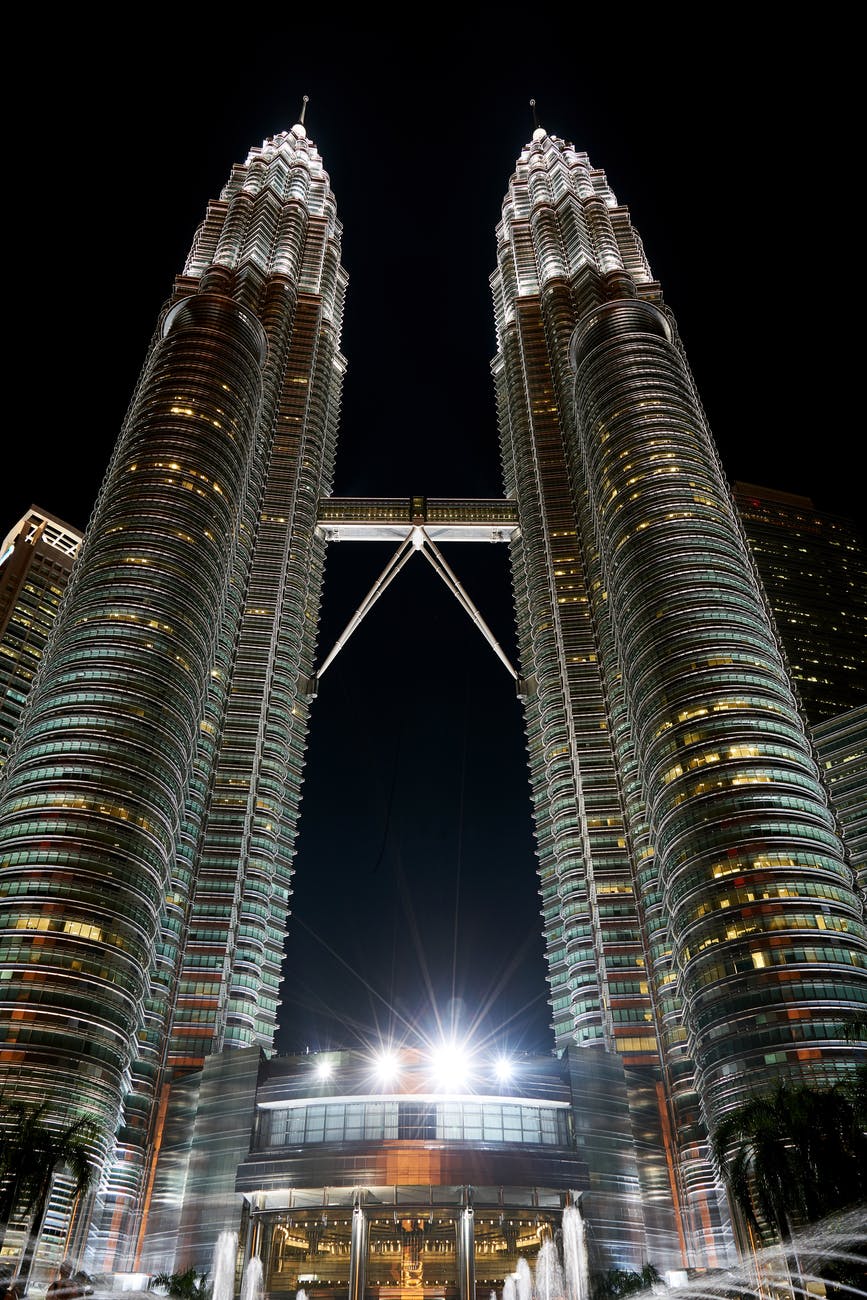
One of the best country for education with cheapest the cost of the student’s living and tuition fees. The capital city, Kuala Lumpur was ranked 1st by QS 2016 and named as the best and affordable city for the student’s living and education. The living can cost as high as 4000 US $ and the tuition fee varies for different courses, but maximum it can be US $ 4200 a year. They also have the International University’s branch for offering international degrees to the students.
One of the most beautiful country around the world, Spain is one of the Cheapest for education as well as for living of students. It can cost 7400 US $ per semester for tuition fees and less and more, varies from different courses and a university. The cost of living is quite higher than the fees if one lives in the city, it can cost US $ 8000 per year.
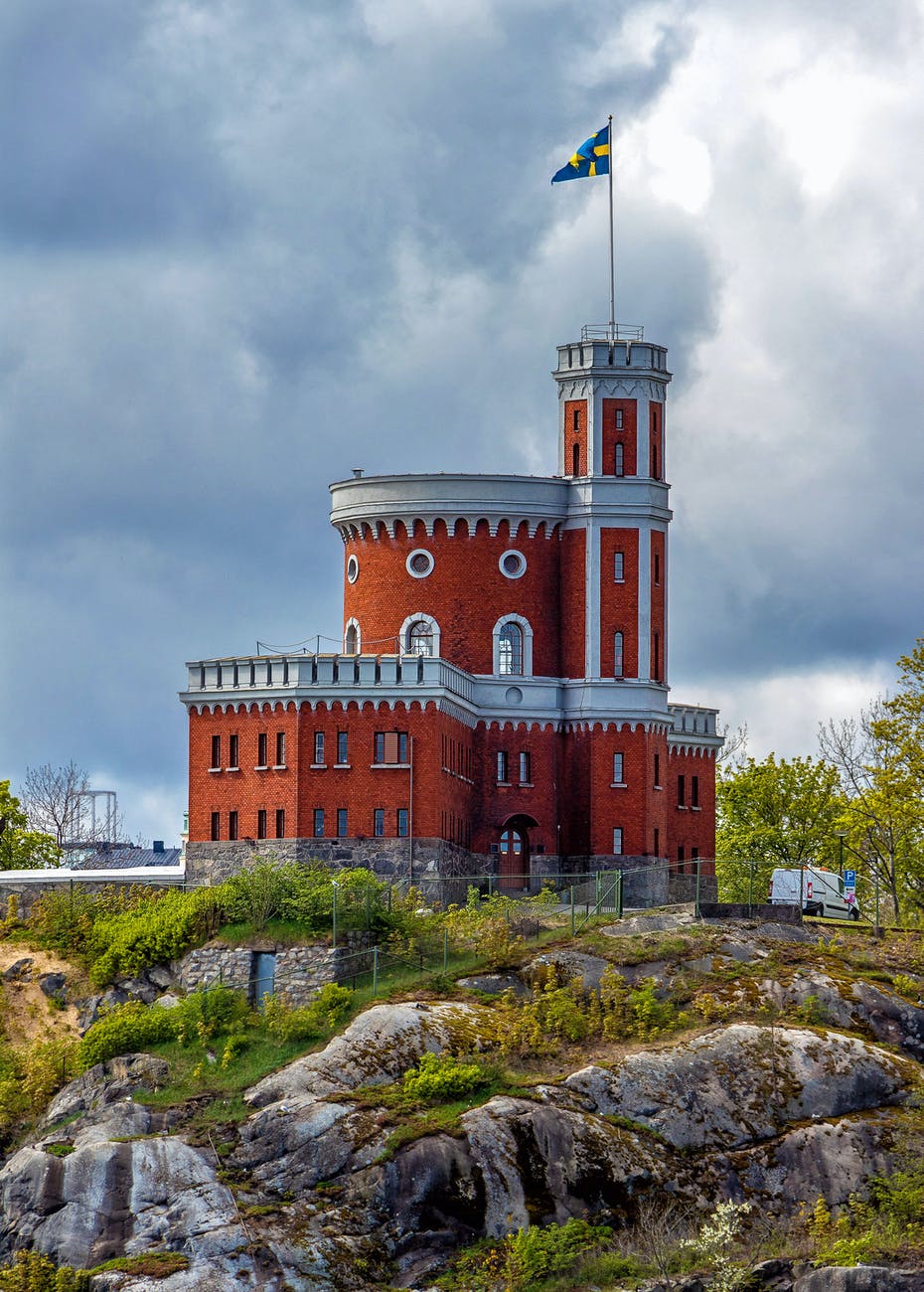
Sweden was always set as a priority to study by a student. The country with one of the safest environment for the students and as well as for citizens. One who wants to enjoy his/her education while living in a beautiful environment and having a sustainable able, Sweden can provide all those facilities to a student. The tuition fee cost US $ 5000 per semester, which also varies with different courses and universities. The living cost can be up to US $ 8000 per year.
If one can speak Polish and are prepared to give entrance exams for the courses in polish, then the tuition fee can costs US $ 0 to a student. There are many English based courses which can cost US $5000 per year and also varies with different courses and universities. The country’s capital was Ranked Under top 20 cities by QS for affordability.
Number 1 in the list of best education all over the world with affordable costs. Germany is targeted by the students for their education the way of living. It has the reputed universities, International Branches and the best atmosphere for the education of the children. One can have a sustainable and balanced life for their education and living. The universities also help to build the extra skills for their children with 100% of its working in real life. The cost of living can be higher in the way of one’s living which is US $ 10,000 per year. The tuition fees vary from different courses and universities. It costs around US & 12,000 a year and one also can get scholarships as per their skills. One should set Germany as in their top of the priority list for their Education with affordable prices.
Above All the country’s was listed as per their cheaper costs of living and education. There are countries like US, UK, CANADA and many others who offer the best education in the world, but their costs were higher than above all the above listed Countries.
The Pradhan Mantri Shram Yogi Maan-dhan (PM-SYM) announced in the interim budget 2019 has been notified by the Ministry of Labour and Employment. Features of the PM-SYM PM-SYM is a voluntary and contributory pension scheme on a 50:50 basis where prescribed age-specific contribution shall be made by the beneficiary and the matching contribution by the Central Government. The salient features of the PM-SYM are:
Each subscriber under the PM-SYM, shall receive minimum assured pension of ₹ 3000/- per month after attaining the age of 60 years, If the subscriber dies during the period of receipt of the pension, the spouse of the beneficiary shall be entitled to receive 50% of the pension received by the beneficiary as a family pension, If the beneficiary had died due to any cause (before age of 60 years), his/her spouse will be entitled to join and continue the scheme subsequently by payment of regular contribution or exit the scheme as per provisions of exit and withdrawal, The subscriber must not be a taxpayer. The scheme is expected to benefit as many as 42 crore workers are estimated to be engaged in the unorganized sector of the country whose monthly income is ₹ 15,000/per month or less and belong to the entry age group of 18-40 years who are not be coveredunder New Pension Scheme (NPS ), Employees ’ State Insurance Corporation (ESIC ) scheme or Employees’ Provident Fund Organisation (EPFO).
Enrollment process- The Unorganised Worker will be required to visit the nearest Common service centre (CSC) and get enrolled for PM-SYM using Aadaar card and Savings bank/Jan-Dhan account number on self-certification basis. First subscription to be paid in cash and auto debit from next month onwards. Later, facility will be provided where the UW can also visit the PM-SYM web portal or can download the mobile app and self-register using Aadhar number/savings bank account/Jan-Dhan account number on self-certification basis.The enrolment will be carried out by all the CSC in the country. Customer Care number 1800-2676-888 (available 24*7).Web portal/app will also have the facility for registering the complaints.In case of any doubt on the scheme, clarification provided by the Joint Secretary & Director General (Labour Welfare) will be final.
The pandemic has hit hard on the economy and disrupted the lives of many around the world. For some it is the question of health, for some it is the question of lives vs livelihood. One of the worst hit section of the society are the migrant workers for whom food, shelter and income has become the main concern.
In order to tackle the issue of food security, the Government of India introduced the One Nation One Ration Card scheme (ONORC). ONORC allows a beneficiary to access his food entitlements from anywhere in India irrespective of the place where the ration card is registered.
Presently, thirty-two States and Union territories have already completed the formalities of the scheme, which include linking beneficiaries’ ration cards with their Aadhaar numbers and installing e-Point of Sale (e-POS) machines in each FPS.
The full mobility of food subsidy under the National Food Security Act (NFSA), 2013 relies on digitisation of the public distribution system (PDS), a network of over 5,00,000 fair-price shops (FPS). This would be ensured on the basis of Aadhaar authentication and validated data.
The Integrated Management of Public Distribution System (IMPDS) portal records all purchases made under ONORC.
What are the benefits of this scheme?
Ensuring Right To Food: Previously, ration cardholders can avail their entitlement of subsidised food grains under the National Food Security Act, only from the designated Fair price shop (FPS) within the concerned state. However, if a beneficiary were to shift to another state, he/she would need to apply for a new ration card in the second state. Thus, ONORC envisages removing the geographical hindrance to social justice and enabling the right to food.
Supporting the migrant Population: Nearly, 37% of the population is that of migrant labourers. The scheme is therefore important for anyone who is going to move from one place to the other.
Reducing Leakages: The ONORC can reduce leakages, because the fundamental prerequisite of this scheme is deduplication. This will ensure that the same person does not figure as a beneficiary in two different locations of the country. Further, the scheme is linked with Aadhaar and biometrics, this removes most possibilities of corruption.
Reducing Social Discrimination: ONORC will be particularly beneficial for women and other disadvantaged groups, given how social identity (caste, class and gender) and other contextual factors (including power relations) provide a strong backdrop in accessing PDS.
What are the Roadblocks?
Exclusion Error: The digitisation of this PDS process, through Aadhaar-linked ration cards and smart cards, has been pushed in an effort to reduce leakages. However, there has been a rise of exclusion errors in post-Aadhaar seeding. There are many sections of society who still don’t have Aadhar Cards, thereby depriving them of food security.
Domicile-Based Social Sector Schemes: Not only PDS, most of the anti-poverty, rural employment, welfare and food security schemes were historically based on domicile-based access and restricted people to access government social security, welfare and food entitlements at their place of origin.
Disrupting Supplies At FPS: An FPS receives the monthly quota of products strictly in accordance with the number of people assigned to it. The ONORC, when fully operational, would disrupt this practice, as some FPSs may have to cater to more numbers of cards even as others cater to less, owing to migration of people.
Suggestions by some experts
Opening up Alternate Delivery Centres: If emergencies continue to hamper uptake at ration shops, alternate delivery channels can be considered for delivering food grains to vulnerable groups.
Focusing on Nutritional Security: Food security should be seen from a broader framework of nutritional security. Therefore, ONORC must allow the portability of Integrated Child Development Services, Mid-Day Meals, immunisation, health care and other facilities.
Replacing PDS With Food Coupons: In the longer run, the PDS system may be replaced by a fool-proof food coupon system or direct benefit transfer. Wherein, a Below Poverty Line family can buy rice, pulses, sugar and oil from any Kirana store at the market price, by either paying fully through the coupon or by cash.
Conclusion
ONORC is the far-reaching reform of the public distribution ecosystem since the Food Security Act. It will provide food security to jobless migrants and will help achieve the target set under SDG 2: Ending hunger by 2030.
3D printing or additive manufacturing is process of making three dimensional solid objects from a digital file. The creation of a 3D printed object is achieved using additive process an object is created by laying down successive layers of material until the object is created . Each of these layers can be seen as thinly sliced cross- section of the object. 3D printing is the opposite of subtractive manufacturing which is cutting out/ hollowing out a piece of metal or plastic with for instance a milling machine. 3D printing enables you to produce complex shapes using less material than traditional manufacturing methods. work : It all starts with a 3D model. You can opt to create one from the ground up or download it from a 3D. 3d Software : There are many different software tools available . From industrial grade to open source . we’ve created an overview on our 3d software page. Next is Slicing Its a basically means slicing up a 3D model into hundreds or thousands of layers and is done with Slicing software. A fe examples of 3D printing : consumer products ( eyewear, footwear , design , furniture ) ; Industrial products( manufacturing tools, prototypes) ; dental products and more on
Earlier this year in June, Apple CEO Tim Cook came up with a new hybrid working protocol that tells employees that they would be required to be present in the office thrice a week starting from September. But, it turns out that didn’t go well, as some of the employees claiming to leave the company if Apple directs their physical presence in the office.
After the announcement was made, employees conveyed their frustration in their letter telling that it forced some of the employees to resign. Although a new report says that now Apple is denying even more appeals from the employees who are insisting to continue working from home. With around 6,000 members in a Company Sack channel, employees are pleading about leaving one of the world’s leading firms if it doesn’t change its decision.
A report from the Verge said, “while in a company Sack channel where employees support for remote work, approximately around 10 employees said about quitting their job due to the hybrid work protocol or knew others who’d been forced to quit.”
The report also said that the tech giant has told the employees that those staff who documents their medical reports with the firm will only be getting permanent work from home, which “made some people uneasy.”
Also, according to a survey around 90℅ of the employees said that flexible working options are much important to them. Now, some of them are thinking to write a letter again to Apple while some are thinking to take the legal route.
Even Google’s employees are not much happy about the company’s decision to bring employees back to the office. Earlier this year in May, Google CEO Sundar Pichai has announced a hybrid working protocol similar to Apple’s, according to which employees would be required to be work from their offices thrice a week, which also starts from September. According to the new protocol, 20℅ of the staff would work remotely, and another 20% could work from fresh locations, but the salary would be adjusted according to the local market.
Though Google is trying to bring employees back to the office, some employees are getting more frustrated with the anxiety over their shoulders. Employees are being tensed regarding office transfers and pay cuts. The widespread confusion and jagged enforcement of the new protocol, particularly among ground-level staff, also doesn’t help.
Although in a recent survey Google software engineers said that they found themselves as constructive as they were before the pandemic.
Workers in many industries found it difficult to work virtually and have decided to quit their jobs. However, it is not the deal with the tech giants like Apple and Google, but it would be interesting to see when their employees shift back to the office.
Kankaria Lake – This lake is situated in Maninagar area of Ahmedabad district in Gujarat. It was built in the regime of Sultan Qutb-ud-Din Ahmad Shah Il. It is 1,840 ft in length and 1,840 ft in width. It is spread in an area of 76 acres. The lakefront built here attracts many tourists specially kids. Kankaria Zoo, Balvatika, Amusement Park, Kids City, Toy Train, Balloon Safari, Nagina Wadi, Stone Mural Park, Joyride, temples and so on. There is almost everything here for the tourists belonging to different age groups. Kankari Carnival is a cultural festival organized every year and runs for a week. In this, artists , musicians, social awareness programmes, etc. are included.
KANKARIA LAKE
Sabarmati Ashram –It was the residence of Father of India Mahatma Gandhi for many years. It is located in the outskirts of Ahmedabad district. It got its name Sabarmati Ashram as it is located on the banks of river Sabarmati. From here only, Mahatma Gandhi started his historic Dandi March against the Britishers in the year 1930. In the year 1963, it was converted into a Memorial Museum. Here a gallery is made which depicts the various events that took part in the life of Mahatma Gandhi and also his belongings are preserved here.
SABARMATI ASHRAM
Sabarmati Riverfront – As the name suggests, this riverfront is constructed along the banks of river Sabarmati in Ahmedabad. It is being constructed at an estimated cost of more than ₹ 1,400 crores. This riverfront is actively used in many cultural festivals and annual programmes like Sabarmati Marathon, International Kite Festival, trade shows, exhibitions, etc.
SABARMATI RIVERFRONT
Gir National Park –It is a wildlife century in Gujarat spread in the districts of Gir Somnath, Amreli and Junagarh districts. It is home to the endangered Asiatic Lions. It covers an area of 545 square miles. It is very rich in its bio-diversity and is estimated to have more than 400 species of flora and 2300 species of fauna. More than 600 Asiatic Lions are living here. It is closed for the visitors every year from 16 June to 15 October. In rest months of the year, thousands of tourists visit here.
GIR NATIONAL PARK
Somnath Temple – It is located in Veraval area of Gir Somnath district of Gujarat. It is considered as the first jyotirling of Lord Shiva out of twelve as per Hindu religion. It is believed that 17 times it was completely destroyed and looted but again reconstructed. The present building was complete in the year 1951 and based on Chalukya style. Every year on the auspicious occasion of Maha Shivratri festival, tourists and devotees in thousands of number visit Somnath Temple.
SOMNATH TEMPLE
Rann of Kutch – It is miles long stretch of salt marsh land in the Kutch district of Gujarat. The temperature here remains quite high nearly 50°C in summer season but drastically go below 0°C in the winters. Its northern boundary touches the India-Pakistan border. Every year the Gujarat Government organises “Rann Utsav” which runs for a time period of 3 months. In this festival, many cultural programmes and games for children are organized. People visiting here can enjoy the local food and dishes of Kutch. Many renowned personalities from handicrafts amd artist industry visit here. Thousands of tourists from almost every part of the world visit here.
I always look forward up to the nights. Because that’s when we meet, right? I never felt myself until I met you. Like the day, I don’t feel the need to hold up a bright smile before you; I don’t feel the need to turn back and look at my shadow(s). With you, they go nowhere but into an invisible bin in space but come back again the following day. But with you, I am ready to embrace it all. With you, even the silence feels comfortable, and it doesn’t creep in into every vein in my body. With you, it’s all easier, easier to live, to breathe, to laugh, talk and have fun. Whenever the thoughts in my mind get a bit louder than the silence the night holds, you’re there to hear me out. You never say much, it’s always me rabbling on things, and you hear it all without complaints. With you, I feel like I’m being listened to. With you, I don’t feel judged; like the night sky, you have seen me cry.
Is it only me who felt warm last night?
The nights are often cold and frigid, but with you, they’re warm and cozy. I feel safe when you place your right arm on my right shoulder, and I lay my head on your chest – your language of telling me not to worry and life’s momentary; this shall pass too. But I don’t want this to pass away just like that. I want to lie against your chest a bit longer. I want you to hold me this way a bit longer.
But that’s when mum stepped in and invaded our personal space. As she switched on the lights, you were nowhere, as if you disappeared in the thin air.
Mom: Siya, who are you talking to?
Siya: I’m talking to Ajay. Please leave my room mom and don’t interrupt our talk.
Mom: Who Ajay? Our neighbour’s child? But, I can see no one here.
Siya: But he is right here (pointing towards the left), can’t you see him?
Mom: I can see no one here. You gotta sleep.
Siya: Fine.
*While walking back to her room, Siya’s mom was in a riddle. How could Siya talk to someone who died a week ago?*
The following day, Siya was drawing while chit-chatting with someone asking how was the drawing. Her mom when peeped at the paper, it was a guy aged as same as Ajay and wearing clothes similar to his style. When asked to Siya, she said that Ajay liked her drawing too and later she went to play chess in her room. Siya’s mom followed her to figure out the situation and realised Siya’s just 13, who taught her to play chess, that’s when she remembered Ajay; he was a state-level champion of chess. Siya’s mom was concerned about her daughter, so along with her dad, she took Siya to a child psychiatrist. The psychiatrist came up with a conclusion that she’s affected by a major psychiatric illness – schizophrenia. The disease is called “early onset” schizophrenia when it occurs before the age of 18. And this is the reason she’s been seeing visuals of things/ peoples that ain’t actually there.
What happens next once your child is diagnosed with schizophrenia?
Siya’s parents were quite distressed if there was a treatment to this or lifelong she’ll have to deal with the positive or negative symptoms. Further, the psychiatrist explained to them that there is no permanent cure for this but they could try reducing the severity of symptoms. The next step is developing a mutually agreed-upon treatment plan — incorporating psychotherapy, medication, and school and community support — that works for you, your child, and your family.
How do we treat schizophrenia?
As you addressed this early, the treatment might turn out more successfully. Your clinician will prescribe treatment methods that may include medication, psychotherapy, specialized educational or activity programs, and support groups. Siya’s parents supported the treatment as advised by the clinicians, which obviously freed Siya from often repercussions.
So, this is just a request to all the parents to address thier child’s mental health every once in a while and support the treatment procedures too. If addressed early, it’s better for everyone, the child, the parents and for the family too. Ignoring the symptoms might just worsen the symptoms and make the recovery impossible.
Water is a vital part of our everyday lives and is used by our body in many different ways. It is so important that humans can’t survive for more than a week without fresh water. However, a lot of us underestimate the importance of drinking water daily and do not truly appreciate what water does for our bodies. Depending on factors such as location, fat index, age and sex, the average human is between 55-60% water. In fact, the brain alone is made up of 73% water, the lungs are 83%, and even bones contain some amount of water. Despite all this, many people take it for granted, not drinking even close to the adequate amount of water needed for bodily functions to take place properly. So, an understanding of how water helps us may encourage people to drink water more frequently.
Some of its Benefits
You need water to stay hydrated and maintain an adequate amount of fluid in your body. Water helps in the production of sweat, which keeps body temperatures cool as you exercise. When you perspire, the excess heat from your body is lost to the atmosphere through evaporation, regulating your body at an optimal temperature. Water also prevents your muscles from getting tired as fast and allows you to have a quicker recovery post-workout.
Drinking more water can actually help in weight loss. When your stomach senses that it is full, it sends signals to the brain to make you feel full. This reduces your hunger and makes you less likely to overeat.
There is a strong correlation between your mental energy levels and how hydrated you are. Water is needed in every cell in your body and your brain cells are no exception. Water helps transport oxygen and nutrients to the brain for optimal mental function.
One of the most common causes of headaches is dehydration. When you are dehydrated, the brain contracts temporarily due to fluid loss. Hence, drinking water helps in preventing headaches and other minor health problems.
Constipation occurs when the stools in your colon don’t get enough water. When you are dehydrated, water is diverted from the large intestine to hydrate the rest of your body. So, ample amount of water needs to be consumed to ensure healthy bowel movements.
Kidney stones are hard deposits of salt and minerals that form within the kidney or urinary tract. You need enough fluids in your system to dilute the concentration of minerals that can turn into these stones. Hence, water prevents the formation of kidney stones.
When your skin is dehydrated, it will become dry, tight and flaky. Staying hydrated can reduce the appearance of ageing, making you look younger and fresher.
How much water should you drink?
The body constantly loses water throughout the day, mostly through urine and sweat but also from regular body functions like breathing. To prevent dehydration, you need to get plenty of water from drink and food every day. The recommended daily water intake for adults is 8 – 10 glasses of 250ml each glass. However, there is no universally agreed quantity of water that must be consumed daily, and the amount may vary depending on the person. Many internal and external factors determine how much water a person should drink per day. So, we must identify in our own lives whether we think we are getting enough water or not. In case you are feeling excessive thirst, dry mouth, dry skin, headaches, sleepiness, dizziness, etc., it is an indication that you are not drinking enough water.
It is also important to highlight that though drinking ample amount of water everyday is important, one should not overdo it. Drinking too much water can lead to water intoxication, which is when the levels of salt and other electrolytes in your body become too diluted. While it is rare, this can be a medical emergency if the electrolytes in your body fall too low and too fast.
At the end of the day, we should drink an adequate amount of water as per our requirements. This will allow us to reap the benefits of water, and prevent symptoms of not drinking water.
Cacao tree belongs to the family Malvaceae, native to the deep tropical regions of Mesoamerica. Its seeds and beans are used to make chocolate liquor, cocoa solids, cocoa butter and chocolate.
Yes, you heard me right. Cocoa are Cacao are different from one another. Though they start their journey from the same station i.e. the cacao plant, yet they end up to different final destinations with major differences in their nutritional values. Theobroma cacao or the cacao tree, also known as the ‘food of the Gods’ produced many cocoa pods. These pods include beans (which are later converted into cocoa or cacao) and a white fleshy pulp called Baba (which is used in making white chocolate).
Cocoa starts its journey from cacao. Cacao seeds are raw beans from the cacao plant. They undergo fermentation process that develops their distinct chocolate flavour and aroma. The dried, roasted and crushed beans then form nibs that are used to make cocoa.
It is the roasting process that converts cacao to cocoa. Cacao is made from fermented, dried, unroasted cacao beans. Being unprocessed they contain a higher amount of nutritional values that the cocoa looses to the heat. The roasted beans are further treated with alkaline to reduce its bitterness. This makes them loose60% of their flavanol.
Cacao contains flavanols, which have various antioxidant, heart-protective and anti-cancer properties. They are a good source of several minerals, including selenium, magnesium, chromium and manganese. They are rich in tryptophan, an amino acid our body uses to make serotonin (a brain chemical that helps the mind relax). The polyphenols in cacao is linked to numerous health benefits, including reduced inflammation, better blood flow, lower blood pressure and improved cholesterol and blood sugar levels
Bottom line : Higher bitterness indicates higher content of cacao, and hence provides more nutritional benefits.



























 Eduindex News
You must be logged in to post a comment.