THE FATHER OF OUR NATION

— MAHATMA GANDHI

Mahatma Gandhiji

A Great soul who struggled endlessly till his last breath for the independence of our nation. Mohandas karamchand Gandhi was commonly known as Mahatma Gandhi . Mahatma was a name assigned to Gandhi for his pure soul which is reffered as great soul.

Gandhi was an Indian lawyer , spiritual leader ,anti-colonial nationalist and political ethicist. He was born in a Gujarati Hindu Bania family on 2 October 1869 , Porbandar , India . His main motive is Peace .He is very dedicated to it and teached everyone how to be calm and relaxed when even at toughest situations . The power of Gandhi’s words still inspire us to be able to fight just by changing our attitude towards a situation.He strongly believes nonviolence is a weapon of the strong and fought for it until it become true. The words that he express were soo inspiring and true : Here are some :

“Earth provides enough to satisfy every man’s needs ,but not every man’s greed.”

This was so true , a person should never hope for more when he already have enough. He’s such a great personality .

“The best way to find yourself is to lose yourself in the service of others “

” Freedom is not worth having if it does not include the freedom to make mistakes.”

” The greatness of humanity is not in being human,but in being humane.”

“Live as if you were to die tomorrow . Learn as if you were to live forever.”

“In a gentle way , you can shake the world.”

He’s a living legend in our heart . He’s usually a desire for justice and equality and is motivated by a strong sense of right and wrong .He tends to be a empathetic ,warm-hearted and supportive.He believes in resistance and persistence- “first they ignore you ,then they laugh at you , then they fight you ,and then you win. He always suggests to build love about a person instead of hate ,it will always effect you in a positive way.

He lead so many missions such as salt satyagraha, Quit India movement,Kheda agitation ,Champaran agitation, Khailafat movement , non-corporation movement, and many more . He’s one of the main reason for the inpendence of our country.Gandhi’s statements, letters and life have attracted much political and scholarly analysis of his principles, practices and beliefs, including what influenced him. Some writers present him as a paragon of ethical living and pacifism, while others present him as a more complex, contradictory and evolving character influenced by his culture and circumstances.

Being a active leader ,he fought for swaraj- self rule by his motto “DO OR DIE”. He believed that swaraj can also be possible by non-violence.According to Gandhi, a non-violent state is like an “ordered anarchy”.Swaraj to Gandhi did not mean transferring colonial era British power brokering system, favours-driven, bureaucratic, class exploitative structure and mindset into Indian hands. He warned such a transfer would still be English rule, just without the Englishman. “This is not the Swaraj I want”, said Gandhi.

Hannibal Lecter : The Greatest Villain of all Time

One of the great villains created in the past 50 years is Hannibal Lecter, in the movie The Silence of the Lambs, from the book by Thomas Harris, Red Dragon. The original film created from Harris’ book, entitled Manhunter, going on in the films that followed, and has given us a bar to reach for as far as villains are concerned. Hannibal the Cannibal was one of the key characters that inspired audiences to clamor for stories, movies and TV that feature him, Manhunter, The Silence of the Lambs, sequel and two prequels: HannibalRed Dragon and Hannibal Rising, and a relatively successful NBC television series, Hannibal.

Characteristics

Some of his characteristics are obvious; he is a murderer and eats human flesh, which is gruesome. In exchange for some freedoms, Hannibal cooperates with FBI profiler Will Graham, offering information to hunt down a killer on the loose. There are several facets that contribute to Hannibal’s draw, not just his smarts and charisma, ruthlessness and perversion, but he also has his own bizarre code of ethics. His intelligence is revealed to the audience not only in the way he manages and negotiates for himself, escapes imprisonment, in his ability to accurately track down the killer, but also in the insane rationalization for his bizarre behaviors. He kills people he thinks commit insufferable crimes, but also those who insult his cultural sensibilities. He tries to kill Mason Verger just because he was rude while his therapy session.

Chilling Quotes

Hannibal Lecter portrayed by Mads Mikkelsen

His humor and intelligence are weapons he wields with facility at will. One of his most famous lines in Silence of the Lambs shows Clarice Starling exactly the lengths to which he will go to satiate himself. “A census taker once tried to test me. I ate his liver with some fava beans and a nice Chianti.” “Killing must feel good to God too. He does it all the time, and are we not created in his image?” “I do wish we could chat for longer but I’m having an old friend for dinner.” Saying stuff like that while keeping a straight face makes Hannibal Lecter a charming yet terrifying person.

Performances

  • Brian cox played Lecter in 1986’s Manhunter. Manhunter centers on Will Graham, a retired criminal profiler who seeks an incarcerated Lecter’s assistance after being recruited to hunt down a new killer known as “The Tooth Fairy”. Cox’s Lecter is much more low-key and less charismatic than Anthony Hopkins’ version.
  • Gaspard Ulliel, a French actor and model, as a young Hannibal in 2007’s Hannibal Rising, which reveals the cannibalistic serial killer’s backstory. Unfortunately, Hannibal Rising earned bad reviews, and is almost unanimously considered the worst movie featuring Lecter. Ulliel’s Hannibal doesn’t at all seem like he would grow up to be the man we saw in the Hopkins films, and also looks and sounds absolutely nothing like Hopkins.
  • Mads Mikkelsen: If there’s anyone in Anthony Hopkins’ league when it comes to playing Hannibal Lecter, most fans would argue it’s Mads Mikkelsen, star of NBC’s Hannibal TV series. Many Lecter fans were skeptical of a new take on the character, especially one on network TV. Those same fans were taken aback at just how great Bryan Fuller’s series turned out, and how spellbinding Mikkelsen proved to be in the role. While Hannibal was never a ratings hit, it lasted for three highly acclaimed seasons.
  • Anthony Hopkins: One of the greatest suspense thrillers of all time, The Silence of the Lambs adapted Thomas Harris’ sequel to Red Dragon, which in many ways boasts a similar setup. FBI rookie Clarice Starling (Jodie Foster) is tasked by boss Jack Crawford with seeking the help of an incarcerated Hannibal (Anthony Hopkins) in order to track down a killer dubbed “Buffalo Bill” (Ted Levine). The Silence of the Lambs went on to clean up at the Oscars, and make Hopkins’ Hannibal a pop culture touchstone. Hopkins would reprise the role for 2001’s Hannibal, which saw Julianne Moore take over as Clarice, and return again for Red Dragon, which saw a redo of the Lecter/Graham story with Edward Norton as Will.

What Are Superfoods?

Superfoods are food items that are considered to be highly nutritious and hence beneficial to one’s health. They are primarily plant-based, however some include fish and dairy. Blueberries, salmon, kale, and acai are some of the few foods that have earned the “superfood” moniker. Nevertheless, there are no hard and fast rules for defining what is or isn’t a superfood.

Superfoods include a wide range of nutrients, including antioxidants, that are considered to protect against cancer. They also include good fats, that are considered to protect one against heart disease; fibre, that is believed to reduce diabetes and digestive issues; and phytochemicals, that are the compounds in plants that give plants their vivid colours and aromas and have various health advantages.

Consuming nutrient-dense foods (such as several so-called superfoods) is unquestionably beneficial. The best approach to a balanced diet, however, is to eat a variety of healthy foods in the appropriate proportions.

Some of the most common superfoods are:

BERRIES

Berries’ greater flavonoid content have been found to reduce the chances of a heart attack.  Acai berries, blueberries, raspberries, tart cherries, cranberries, and goji berries are some of the most well-known superfood berries. 

Acai berries are tiny, dark purple berries native to South America. They include 19 amino acids as well as several antioxidants. Blueberries have a high fibre, manganese, and vitamin K content. Cranberries include a flavonoid which helps reduce the incidence of urinary tract infection. Goji berries are a tiny red fruit originating from Asia that is strong in vitamin C and E, as well as a variety of flavonoids. These are commonly used in Eastern medicine for treating diabetes and hypertension as well as to promote the health of the eyes, liver, and kidneys.

SOY

Soybeans contain a high amount of isoflavones, a kind of phytochemical. Phytochemicals are substances which are naturally found in plants. According to some studies, isoflavones in soy assist in lowering the quantity of bad cholesterol in the blood.

Soy has been demonstrated in a few trials to help reduce age-related dementia. Soy isoflavones may help decrease bone degeneration and enhance bone mineral density following menopause, in addition to alleviating menstrual pain.

TEA

Tea has minimal calories, aids in water absorption, and is high in antioxidants. Catechins, which are powerful antioxidants found predominantly in green tea, have anti-inflammatory and anti-carcinogenic effects. According to one study, both green and white tea decreased stress levels, with white tea having an even larger effect. Green tea could possibly possess anti-arthritic properties due to its ability to reduce general inflammation.

LEAFY GREENS

Superfood leafy greens include kale, spinach, Swiss chard, beet greens, and collard greens. These foods tend to be high in vitamin A, C, E, and K, as well as several B vitamins. Carotenoids, iron, magnesium, potassium, and calcium are also abundant in leafy greens.

Kale and other leafy greens are rich in fibre and water content, which aid in constipation prevention and encourage regularity as well as a healthier intestinal system.

SALMON

Salmon and other fatty fish, such as trout and herring, have high omega-3 fatty acid content, which can reduce the risk of irregular heartbeats, lower cholesterol, and prevent the formation of arterial plaque.

DARK CHOCOLATE

Dark chocolate contains a high concentration of flavonoids, according to research. Flavonoids have antioxidant properties, can actually reduce the risk of  coronary heart disease and some forms of cancer, and therefore can enhance the immune system. Cacao powder is the ingredient in chocolate that is mainly responsible for these properties.

WINE AND GRAPES

Resveratrol, a polyphenol contained in wines which has earned itself the moniker “heart healthy,” is found in the skins of red grapes. Several studies have suggested that resveratrol can help prevent diabetic neuropathy and retinopathy. Resveratrol has also been proven to be useful in the treatment of Alzheimer’s disease, the alleviation of menopausal symptoms, and the improvement of blood sugar regulation. Nevertheless, large-scale human-subject research is still needed to validate these conclusions.

Although wine contains antioxidants, remember that munching on grapes provides the very same benefits as well as added fibre.

Invertebrata

Phylum porifera

These are multicellular,non – motile aquatic organisms, commonly called as sponges.They exhibit cellular grade of organization.Body is perforated with many pores called Ostia and leads to a canal system.It circulates water throughout the body and carries food, oxygen.The body wall contains spicules,which form the skeletal framework.Reproduction is by both asexual and sexual methods.e.g-Euplectella sycon.

Sycon
Pore bearers

Phylum coelenterata ( Cnidaria )

Coelenterates are aquatic organisms, mostly marine and few fresh water forms. They are multicellular, radically symmeterical animals with tissue grade of organization. Body wall is diploblastic with two layers. An outer ectoderm and inner mesoderm are separated by non- cellular jelly like substance called mesoglea. It has a central gastrovascular cavity called coelenteron with mouth surrounded by short tentacles.The tentacles bear stinging cells called cnidoblast or nematocyst.

Jelly fish

Many coelenterates exhibit polymorphism,which is the variation in the structure and function of the individuals of the same species. They reproduce both asexually and sexually.e.g. Hydra, Jelly fish.

Phylum platyhelminthes (Flat worms)

They are bilaterally symmetrical,triploblastic,acoelomate (without body cavity) animals. Most of them are parasitic in nature. Suckers and hooks help the animal to attach itself to the body of the host. Excretion occurs by specialized cells called flame cells. These worms are hermaphrodites having both male and female reproductive organs in a single individual.e.g – Liverfluke, Tapeworm.

Phylum Aschelminthes ( Round worms )

Aschelminthes are bilaterally symmetrical, triploblastic animals. The body cavity is a pseudocoelum. They exist as free-living soil forms or as parasites. The body is round and pointed at both the ends.It is unsegmented and covered by thin cuticle. Sexes are separate. The most common diseases caused by nematodes in human beings are elephantiasis and ascariasis.e.g – Ascaris, Wuchereria.

Liver fluke
Tape worm

Phylum Annelida ( segmented worms )

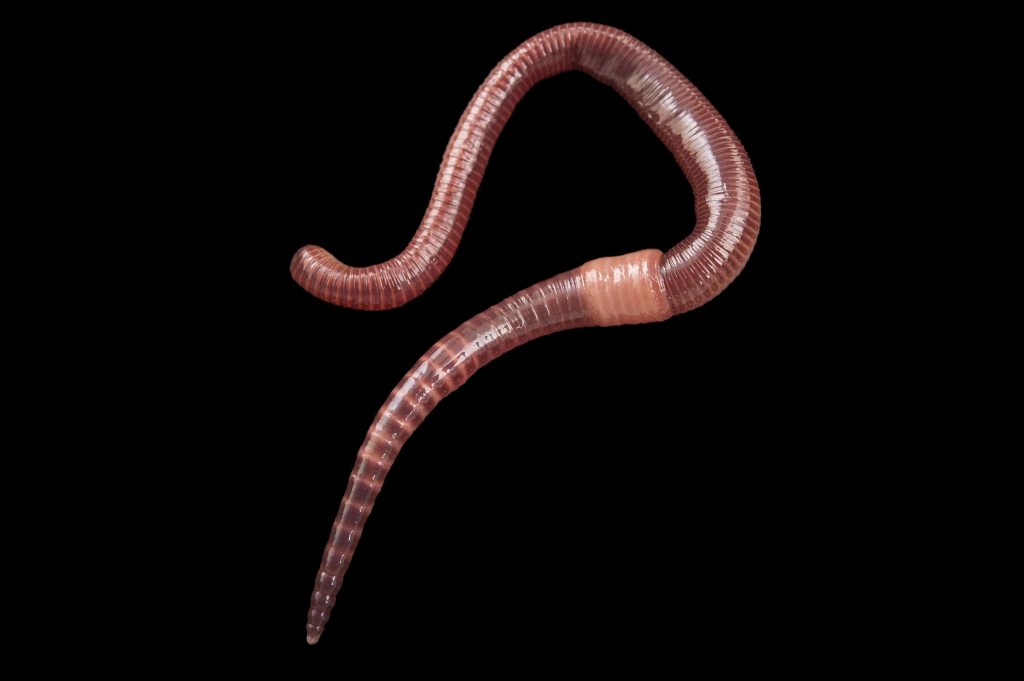
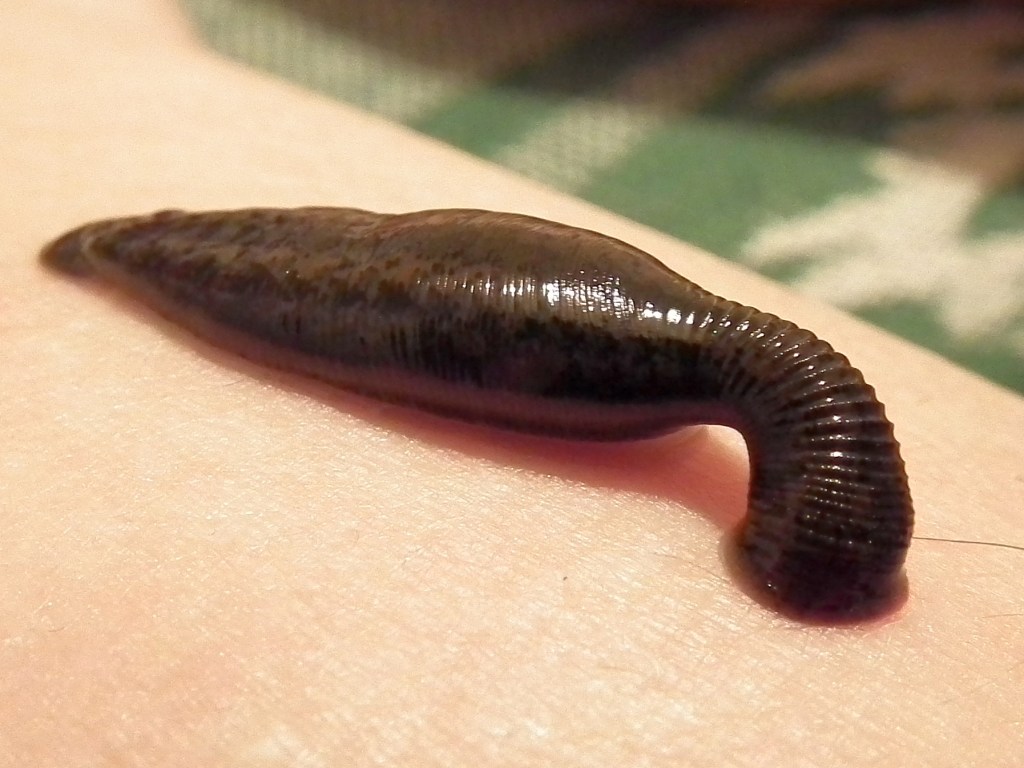
These are bilaterally symmetrical, triploblastic,first true coelomate animals with organ-system grade of organization.Body is externally divided into segments called metameres joined by moist thin cuticle. Setae and parapodia are locomotor organs. Sexes may be separate or United (hermaphrodites).e.g. Nereies, Earthworm,Leech.

Earthworm
Leech

Phylum Arthropoda (Animals with jointed legs )

Arthropoda is the largest phylum of the animal kingdom. They are bilaterally symmetrical, triploblastic and coelomate animals. The body is divisible into head,thorax and abdomen.Each segment bears paired jointed legs. Exoskeleton is made of chintin and is shed periodically as the animal grows. The casting off and regrowing of exoskeleton is called moulting.

Body cavity is filled with haemolymph (blood).The blood does not flow in blood vessels and circulates throughout the body (open circulatory system) . Respiration is through body surface,gills or tracheae(air tubes). Excretion occurs by malphigian tubules or green glands.Sexes are separate.e.g., Prawn,Crab, Cockroach,Millipedes, Centipedes,Spider ,Scorpions.

Centipede
Millipede

Phylum Mollusca ( soft Bodied Animals )

They are diversified group of animals living in marine,fresh water and terrestrial habitats.Body is bilaterally symmetrical,soft and without segmentation. Is is divided into head, muscular foot and visceral mass. The foot helps in locomotion. The entire body is covered with fold of thin skin called mantle, which secretes outer hard calcareous shell. Respiration is through gills (ctenidia) or lungs or both. Sexex are separate with larval stages during development.e.g.Garden snail, Octopus.

Phylum Echinodermata ( spiny skinned Animals )

They are exclusively free-living marine animals. These are triploblastic and true coelomates with organ-system grade of organization. Adult animals are radially symmetrical. A unique feature is the presence of fluid filled water vascular system. Locomotion is affected by tube feet.Body wall is covered with spiny hard calcareous ossicles.e.g. -Star fish,Sea urchin.

Phylum Hemichordata

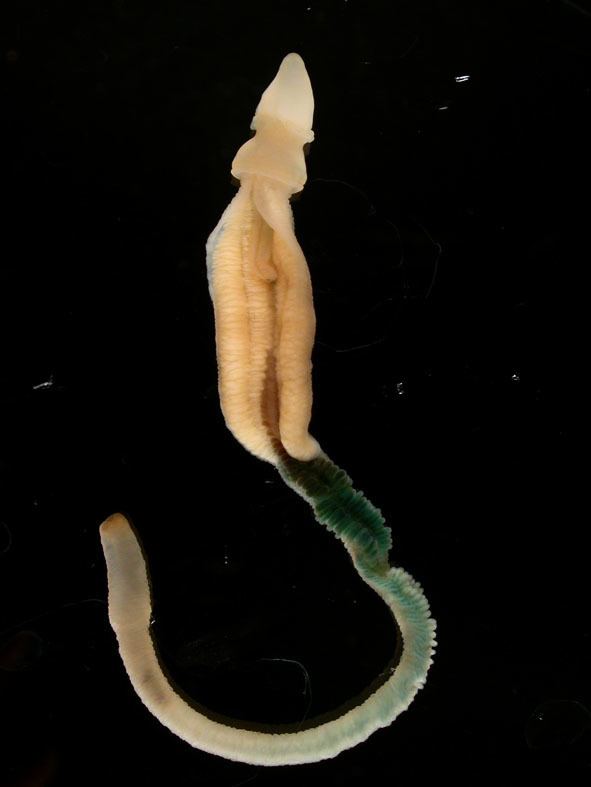
Hemichordates are marine organisms with soft ,vermiform and unsegmented body. They are bilaterally symmetrical, coelomate animals with non-chordate and chordate features. They have gill slits but do not have notochord. They are ciliary feeders and mostly remain as tubiculous forms.e.g.- Balanoglossus(Acron worms).

Balanoglossus

A Stitch in time Saves Nine

“A stitch in time saves nine”

This is an old saying which means that immediate action taken as soon as something goes wrong saves a lot of work and expenses later. Like all other sayings and proverbs this saying is also steeped in great wisdom, lifelong experience and the truth. Sayings etc are like valuable pearls taken out from the deep ocean of life. Proverbs express human learning and wisdom so appropriately, exactly and briefly that the whole universe appears to be confined to a room. “What often was thought but never so well expressed”, applies very accurately to the sayings and proverbs.

Timely action is of great significance. An evil nipped in bud, a mistake corrected on the right time or a damage mended before it is too late would save us a lot of expense, trouble and time. In every walks of life timely action and remedies are of vital importance. We must set right a wrong immediately or else it would grow into a very serious problem difficult to be tackled in future. Problems not addressed in the very beginning often become unmanageable later. The same wisdom is being highlighted by another saying, “Prevention is better than cure”. We should not allow a disease to originate and develop at all. It should be prevented from being born. Why a problem should be allowed to crop up at all? The best is to prevent a bad situation from being arising. Cure and remedy is of secondary importance and it involves more efforts, expenditure, labour and time.

For example, let us take formation of bad habits- smoking, drinking, eating too much sweets, seeing too much of television programmes or indulging in playing cards. These bad habits can be very easily acquired but are very difficult to be eliminated and rooted out. If a child is found smoking or stealing or telling a lie, he or she must be immediately checked and the evil nipped in the very initial stage before it becomes a habit. Once a bad habit is formed it is very difficult to get rid of it. We should never connive at the bad habits of the children. They should be firmly rooted out and all possible steps taken so that the child does not become habitual of them. Similarly, we elders should always be at a guard and be ruthless in stamping out our bad and undesirable tendencies, attitudes, and ideas before they mature into habits and deep rooted practices. The force of habit is very powerful and obliges a person to practice that evil action again and again. If he does not repeat it, he feels very uncomfortable and restless. And one evil leads to so many other evils. A habit of stealing things would lead a person to telling lies, cheating, drinking, drug addiction, illegal and immoral activities and the company of anti social elements. It creates an endless vicious circle. Once you throw a stone into the water and then there endless waves in circles, one after the other, then more and still more. You cannot escape it. Things should be mended and set right then and there. Time or opportunity lost once, is lost forever.

Many of our tragedies, disasters, losses and evils are because we do not pay heed to this saying. In personal, social and national life, there are many examples which very well bring home the truth and wisdom of the saying. Evils in their very serious and devastating forms happen only because we allow them to grow and strike roots deeper and fail to nip them in the bud. A soldier lost the battle and was disgraced only because he did not nail the shoe of his horse in time. A small negligence and so much loss!

HISTORICAL EVENTS

today historical event occurred

17 July – World Day for International Justice
World Day for International Justice is observed annually on 17 July every year. It is also known as the Day of International Criminal Justice or International Justice Day. This day recognise the emerging system of international criminal justice.

17 July – World Emoji Day

World Emoji Day is observed on 17 July every year since 2014. The day is celebrated to represent an idea or an emotion through electronic means. 

keep smiling

BIODIVERSITY

The different types of organisms found in an area is known as biodiversity or you can define it in a more accurately as ” the totality of genes, species, and ecosystems of a region”.

Biodiversity differ from place to place and dependence of human population has been enormously increased on biodiversity for their necessities.

The known and described number of species of all organisms on the earth is between 1.7 and 1.8 million which is fewer than 15 percent of the actual number. The predicted number of total species varies from 5 to 50 million averages at 14 million. About 61 per cent of the known species are insects. A large number of plant species and vertebrates are known. There are many more species that have not been described.

Biological diversity includes three hierarchical levels :

1. Genetic diversity

We know that each species, varying from bacteria to higher plants and animals, stores an immense amount of genetic information.

Genetic diversity refers to the variation of genes within species. The genetic diversity enables a population to adapt to its environment and to respond to natural selection. If a species has more genetic diversity, it can adapt better to the changed environmental conditions.

2. Species diversity

Species are distinct units of diversity, each play specific role in an ecosystem.

Species diversity refers to the variety of species within a region. Simplest measure of species diversity is species richness, I.e., the number of species per unit area. The no. Of species increases with the area of the site. Generally, greater the species richness, greater is the species diversity

3. Community and Ecosystem Diversity

Diversity at the level of. community and ecosystem has three perspectives. :-

◆ Alpha diversity ( within community diversity). Refers to the diversity of organism sharing the same habitat.

◆ Beta diversity ( between community diversity). Refers to species composition of community along environmental gradient.

◆ Gamma diversity ( diversity of the habitats over the total landscape or geographical area) Greater the dissimilarity between communities, higher is the beta diversity

USES OF BIODIVERSITY

source of food and Improved Varieties. ● Drugs and Medicines. ● Aesthetic and cultural Benefits. ● Ecosystem service

THREATS TO BIODIVERSITY

Habitat loss and fragmentation. ● Disturbance and pollution. ● Introduction of exotic Species. ● Extinction of species.

CONVERSATION OF BIODIVERSITY

Conversation of biodiversity is now important for us. We know that ecosystem are undergoing change due to pollution, invasive species, over exploitation by humans, and climate change.

Most people are beginning to recognise that diversity at all levels – gene pool, species and biotic community is important and need conservation.

There are two basic strategies of biodiversity conservation, institute (on site) and exsitu ( off site).

° Insitu conservation strategies

The in situ strategies emphasis protection of total ecosystems. The in situ approach includes protection of a group of typical ecosystem through a network of protected areas.

Protected Areas

These are areas of land and sea, especially dedicated to the protection and maintenance of biological diversity. Examples are National parks and wildlife sanctuaries.

Biosphere Reserves

It is special category of protected areas of land and coastal environment where people are integral components of the system. There are 13 biospheres in india.

Sacred forests and sacred lakes

These are forest patches of varying dimensions protected by tribal community due to religious factors.

° Exsitu conversation strategies

Cryopreservation

In vitro conservation especially in liquid nitrogen at a temperature of -196℃. It is a storage of vegetatively propagated crops like potato.

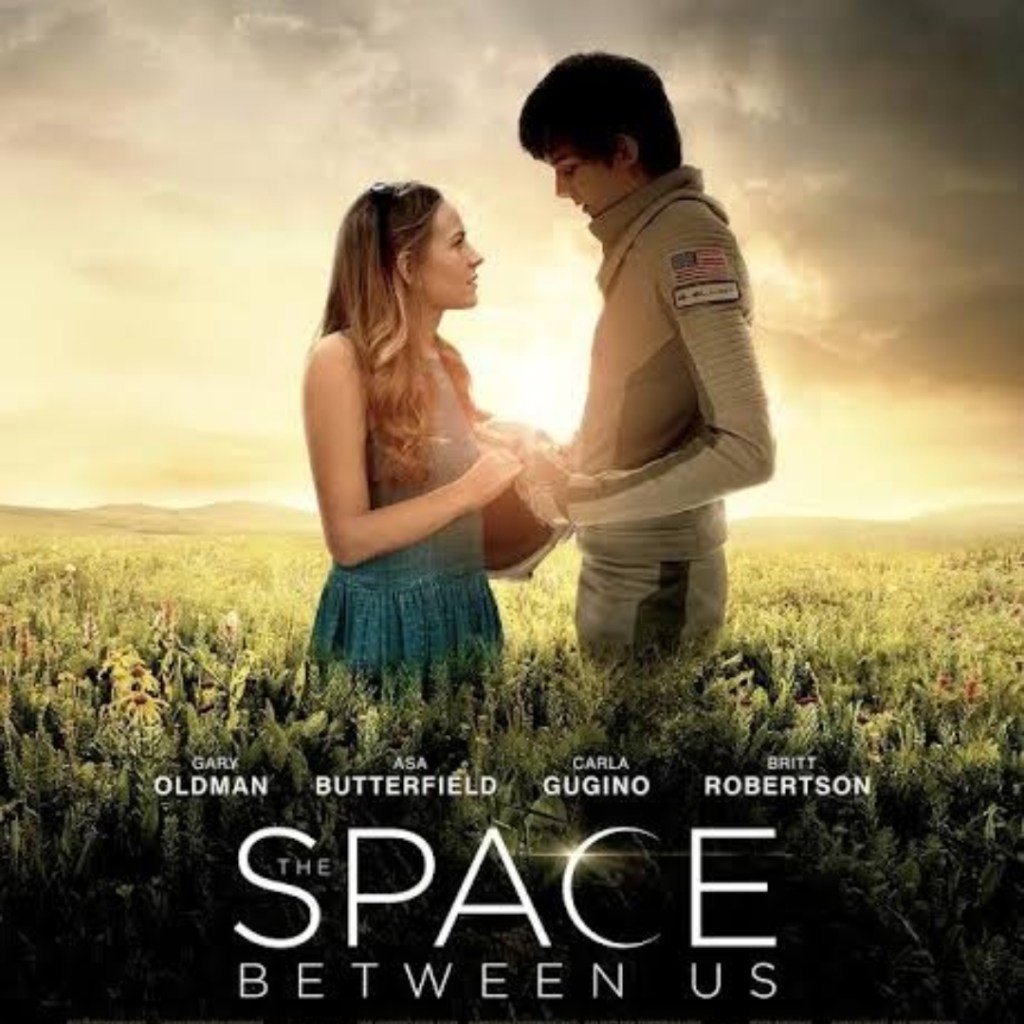
THE SPACE BETWEEN US

Love. We heard people talk about love and in love. But how many of you really believe in love. I use to think or wonder sometimes how a person could love another person other than his/her family and friends with all their heart without any expectations. More specifically how could you fell in love in his/her at their first sight. They are literally strangers.

Do you believe in long ship relationship? But do you believe that there is a boy way travelled all the way space to find his father which is also a kind of love. You may think how this could be possible. No, it is not. But it is possible in movies. The movie is “The space between us”.

ABOUT THE MOVIE:

The space between us is a American movie released in 2017. It is romantic science fiction film directed by Peter Chelsom. The story follows a teenage boy Gardner Elliot whose mother Sarah Elliot is an astronaut who is sent to mars. There she is found to be pregnant and dies while giving birth to him. Then the boy visits Earth and starts to search for his father with the help of a clever girl.

MAIN CHARACTERS:

Gardener Elliot, Sarah Elliot, Nathaniel Shepherd, Kendra wyndham and Tulsa.

PLOT:

The Multi billionaire Nathaniel Shepard who is the Chief executive officer Genesis plans to launch the first mission to mars and also did. During the travel to mars, one of the astronauts Sarah Elliot find out she is pregnant. In the mars itself she gave birth to her son and dies from eclampsia. But the baby,s father is unknown. Nathaniel ordered to keep the baby Gardner Elliot in the mars itself as a secret. He is afraid that the environment that was surrounded by him during the birth  made him to adapt himselve their. If he returns to earth it will bring difficulties in surviving and may also cause him death. Gardener is raised by astronaut Kendra Wyndham and the other scientists on Mars.

SIXTEEN YEARS LATER:

To know about his mother, Gardener hacks into a robot with the help of it he got access to his mother’s personal belongings. He finds a wedding ring of his mother and a video of Sarah Elliot and a man in a beach house. They seemed so close which convinced Gardener that the man is his father and he decided to find him. Gardener use to talk with a girl Tulsa from earth via internet chatroom. Tulsa is a common girl without any background but cleverness. She is a normal street girl from colorado. She believes that Gardner is confined to penthouse due to osteogenesis imperfecta(A group of inherited disorders characterised by fragile bones that break easily). They use to talk daily and he promise’s her to visit her someday.

Kendra video chat with Nathaniel and director Tom chen about Gardener’s wish to visit the earth. But Nathaniel highly refuses that he cant be able to adapt to earth atmospheric pressure. In order to visit he have to undergo risky surgery to increase his bone density and do some trainings. Gardener only listened to the surgery and training. He didn’t care about Nathaniel and others concern. All he wanted is to visit the earth as soon as possible to meet Tulsa and to find his father. After the surgery and training he boards to earth along with other astronauts.

After reaching Earth, Gardener was kept isolated at NASA because of his body conditions. He was very mad at director Tom who refused to allow him outside. He was also taken some medical tests which clearly shows that Gardener cannot live in Earth very long. On the same night he escapes from the place and found Tulsa convinced her to find his father. Nathaniel and Kendra discovered that Gardener body contains troponin and indicative of an enlarged heart which cannot handle the earth atmospheric pressure. So they followed Gardener. Gardener and Tulsa found the man Neka who married Gardener’s parents.

Tulsa with the help of her computer and with the help of Neka located the place in the video of Sarah and the other man. They travelled to summer land in California. During their travel Gardener tell the truth about him but Tulsa refused to believe him. At somepoint Gardener collapses and admitted in hospital. From the X-rays carbon tubes Tulsa finally believes that Gardener is really from mars. Gardener started to get afraid that he will die so he want to find his father before he dies. They both escaped from the hospital and reached the beach house that they saw in the video. There they found that the man from the video is Sarah’s brother not Gardener’s father. Hearing that he runs to sea to die.

Nathaniel and Gardener arrived there and saved him with CPR. There Gardener finds that Nathaniel is his real father. Kendra, Tulsa and Nathaniel took Gardener to Dream chaser and launched him into orbit to stabilize him. Now Gardener is free from Earth’ gravity. Soon after, Gardener boards a space shuttle to Mars after a emotional seperation with Tulsa. Kendra adopts Tulsa who is determined to join Gardner on Mars. She joins training program in NASA. Gardener is seen back on Mars with Nathaniel.

Polysaccharides

Polysaccharides are major classes of biomolecules. They are long chains of carbohydrate molecules, composed of several smaller monosaccharides. These complex bio-macromolecules functions as an important source of energy in animal cell and form a structural component of a plant cell. It can be a homopolysaccharide or a heteropolysaccharide depending upon the type of the monosaccharides. Polysaccharides can be a straight chain of monosaccharides known as linear polysaccharides, or it can be branched known as a branched polysaccharide.

Functions of Polysaccharides-

The polysaccharides serve as a structural organization in animals and plants. Other functions of polysaccharides include:

  1. They store energy in organisms.
  2. Due to the presence of multiple hydrogen bonds, the water cannot invade the molecules making them hydrophobic.
  3. They allow for changes in the concentration gradient which influences the uptake of nutrients and water by the cells.
  4. Many polysaccharides become covalently bonded with lipids and proteins to form glycolipids and glycoproteins. These glycolipids and glycoproteins are used to send messages or signals between and within the cells.
  5. They provide support to the cells. The cell wall of plants is made up of polysaccharide cellulose, which provides support to the cell wall of the plant. In insects and fungi, chitin plays an important role in providing support to the extracellular matrix around the cells.

Visiting Places

Looking at the computer desktop , burning your eyes , sitting on the chair for too long and attending clients could be so tiring sometimes.Some of the simple task that we perform everyday, like even cooking could be so exhausting and doing such work everyday single day can take toll on us.

Yes, we set some time apart for our relaxation , we read books, watch anime or any other work that helps us relaxing. But is it enough?? Can it detox all mental junks that we have storing, for God knows how many years. Yes, it is for sure that doing something that we love really boost our mind and prepare us for the day , but it is also true that it is just not enough. We can easily slide back to our mental depression or pressure once we resume our daily activities

So here is what we need to do . A long trip. Taking a trip once or maybe twice a year can be very therapeutic. Expert says that we should atleast take 8 – 14 days off and do something exhilarating like “trip”. Well, we all can agree that there is something in wilderness and nature that calms and soothes our otherwise disturbed mind.

Exploring and visiting broadens our mindset and prepare us for fighting another silent battle with life. Not only that people should go on a vacation for real life educational purpose too. The knowledge that we gain just by exploring is beyond what a book can provide us.

All people should try to choose different destination everytime they plan a trip. This helps in knowing about different cultures and customs. It help a person to become more accepting and acknowledging. It also helps a person to embrace difference

Planning adventurous trip like sky diving or bungee jumping etc can also be very beneficial. It sounds scary , but this scariness is what drives a person to embrace life. Such trips are ” realisation experience” for everyone. It makes us realise how tiny little being we as compared to the world. Gives us the reason to be happy about this life.

Travelling also boosts a person’s confidence. Usually travelling is packed with many hurdles , just the activity of packing could be burdening at times . Travelling unknown and completely different place let alone is such hurdle. This gives more confidence . Facing all this hurdles downsizes daily problems almost to zero.

There are many other benefits of travelling like moral boosting ,improvement in communication skills , enhancement of creativity and the list goes on.

Remember we all are humans , not working robots. We need some time off , to clear the negative thoughts from our brain. We all need time to reset ourselves. At times small small task seems overwhelming. So next time if you feel burdened and your chest tightens due to suffocation, if you get tired of doing the same work every single day , then grab your bag, pack some nice clothes and get lost on the foreign land , let mother nature heal you

ARE YOU FEEL FRUSTRATED?HERE SOME STEPS TO OVERCOMING FRUSTRATION 👇👇

Frustration. It happens to everyone at one time or another. Itcan make you angry, feel anxious, and be very overwhelming.

When you’re frustrated, it can feel like nothing is under your control and everything is chaos. It’shard to know where to begin. When you’re flooded with emotion,it’s difficult to think straight.

How do you calm down and begin to tame those feelings when they come up? Where do you begin?

Here are some steps to help you manage your frustration in a productive and enriching manner. Believe it or not, frustration can teach you a lot about your problem and when it’s dealt with, it can help you can you gain the skills for managing other intense feelings.

“To conquer frustration,one must remain intensely focused on the outcome, not the obstacles”.

Here are 10 steps:

1.Calm down. This will help stop your mind from racing, which is something that happens at the start of an anxiety producing situation. There are several ways to do this. One is to work on your breathing. Take five deep breaths. Slowly breathe air in through your nose, hold it for five seconds, and then exhale slowly through your mouth. Another way to calm down is to close your eyes and focus on a place that relaxes you, such as a beach or a forest.


2.Clear your mind. Everyone does this differently. Some people stand and stretch. Others pet an animal, or step outside for a moment. There are many more examples you can try. Find one or two that work best for you. What’s important is that it’s something that you can focus on for a couple of minutes that is not what’s bothering you. Clearing your mind is taking a quick mental break.


3.Come back to your problem or stressor, but this time do it in a calm manner. Look at it in a new way. Imagine how a friend would see it if they just came across it. Try to see it differently.


4.Describe the problem in one sentence. For example, “I’m frustrated that I spilled coffee on my paper and I am not going to have time to print off a clean copy.”


5.Define why this frustrating thing concerns or worries you. It could be something simple like “I’m worried I’m going to be late again to work” or as complex as “My marriage is falling apart and I’m afraid our relationship will end in divorce.”


6.Think through realistic options. It could be making a phone call, agreeing to begin therapy, start walking with a friend.


7.Make a decision, and stick to it. If you waffle back and forth, you’ll fall back into frustration again. This is one of the most difficult steps and one of the most important steps.


8.Act on your decision.Once you’ve made the commitment to decide on a way to reduce your frustrating situation, take action.


9.Get it out of your mind. Don’t spend any time or energy thinking through it. It’s done and whatever will happen will happen.


10.Allow yourself to enjoy being done with what was frustrating you. Think about what you want to do now that the stress is gone.


Frustration happens to everyone. The key to managing it is to understand your feelings and emotions before they get out of control and you lose the ability to think clearly.You can’t avoid frustration in life, but you can learn to effectively manage it in the beginning. Like so many other things, managing feels of frustration may not be easy at times,but it is definitely worth it in the end.

Mendel’s laws of inheritance

Gregor Mendel, through his work on pea plants, discovered the fundamental laws of inheritance. He deduced that genes come in pairs and are inherited as distinct units, one from each parent. Mendel tracked the segregation of parental genes and their appearance in the offspring as dominant or recessive traits. He recognized the mathematical patterns of inheritance from one generation to the next. Mendel’s Laws of Heredity are usually stated as-

The Law of Segregation: Each inherited trait is defined by a gene pair. Parental genes are randomly separated into the sex cells so that sex cells contain only one gene of the pair. Offspring, therefore, inherit one genetic allele from each parent when sex cells unite in fertilization. In the case of flower colour, the Mendel Pea Experiment showed that a cross between a purple flower plant and a white flower plant produced only purple flower plants for the F1 generation. It appeared that the white flower characteristic had disappeared. However, the F2 generation threw up a surprising result; the white flower variant appeared in a quarter of this generation.

The Law of Independent Assortment: Genes for different traits are sorted separately from one another so that the inheritance of one trait is not dependent on the inheritance of another. Mendel examined two different traits, seed colour and seed shape. Two alleles at the locus controlling seed shape were studied, the dominant round (R) and recessive wrinkled (r) alleles. Mendel crossed one parent that was homozygous for the dominant alleles of these two different genes (round yellow RRYY) with another parent that was homozygous for the recessive alleles of those two genes (wrinkled green rryy). Re-stating the basic question, do the alleles at each locus always stay together (i.e. round with yellow, wrinkled with green) or do they appear in new combinations in the progeny? As expected from the 1st law, the F1 generation shows a uniform round yellow phenotype, since one dominant and one recessive allele was inherited from the parents. When the F2 progeny are obtained by crossing the F1 generation, the parental phenotypes reappear (as expected from the first law), but two nonparental phenotypes also appear that differ from the parents: wrinkled yellow and round green! The results can be explained by the alleles of each different gene assorting into gametes independently. For example, in the gametes from the F1 generation, R can assort with Y or y, and r can assort with Y or y, so that four types of gametes form: RY, Ry, rY, and ry. These can rejoin randomly with other gametes from the F1 generation.

The Law of Dominance: An organism with alternate forms of a gene will express the dominant form. The genetic experiments Mendel did with pea plants took him eight years (1856-1863) and he published his results in 1865. During this time, Mendel grew over 10,000 pea plants, keeping track of progeny number and type. Mendel’s work and his Laws of Inheritance were not appreciated in his time. It wasn’t until 1900, after the rediscovery of his Laws, that his experimental results were understood.

Single gene disorders

Single gene disorders are caused by DNA changes in one particular gene and often have predictable inheritance patterns. Over 10,000 human disorders are caused by a change, known as a mutation, in a single gene. These are known as single-gene disorders. The mutated version of the gene responsible for the disorder is known as a mutant, or disease, allele. Individually, single-gene disorders are very rare, but as a whole, they affect about one per cent of the population. Since only a single gene is involved, these disorders can be easily tracked through families and the risk of them occurring in later generations can be predicted. Single gene disorders can be divided into different categories: dominant, recessive and X-linked.

Dominant diseases – Dominant diseases are single-gene disorders that occur in the heterozygous state –when an individual has one mutant copy of the relevant gene and one healthy copy. The effects of the mutant version of the gene (allele) override the effects of the healthy version of the gene. So, the mutant allele causes disease symptoms even though a healthy allele is present. Dominant disorders tend to crop up in every generation of an affected family because very one carrying a dominant mutant allele shows the symptoms of the disease.  Dominant disorders spread vertically down family trees, from parent to child. In rare cases when an individual has two copies of the mutant gene  (also known as being homozygous), the disorder symptoms are generally more severe.  An example of a dominant single gene disorder is Huntington’s disease, which is a disease of the nervous system.

Recessive diseases – Recessive diseases are single-gene disorders that only occur in the homozygous state – when an individual carries two mutant versions (alleles) of the relevant gene. The effects of the healthy allele can compensate for the effects of the mutant allele. The mutant allele does not cause disease symptoms when a healthy allele is also present. However, if a parent inherits two mutant alleles, there are no healthy alleles, so the mutant allele can exert its effect. As shown in the diagram below, affected individuals arise when both of their parents carry a single mutated allele and each pass on that mutated copy to the child so the child then has two mutated copies. In this diagram, the mother of the affected grandson has inherited a mutated copy from the grandmother, and the father has inherited a mutated copy from his family. Recessive diseases are more difficult to trace through family trees because carriers of a mutant allele do not show symptoms of the disease. It, therefore, appears that the disease has skipped a generation when it is seen in groups of children within a family. The risk of an individual having a recessive disorder increases when two closely related people have a child together (consanguinity). This is because there is a much greater chance that the same mutant allele will be present in related parents.

X-linked disorders – X-linked disorders are single-gene disorders that result from the presence of a mutated gene on the X chromosome. Because females (XX) have two copies of the X chromosome, but males (XY) only have one copy, X-linked disorders are more common in males. If a male’s single copy on the X chromosome is mutated, he has no healthy copy to restore healthy function. The inheritance patterns of X-linked diseases are simplified by the fact that males always pass their X chromosome to their daughters but never to their sons. Like other single-gene disorders, X-linked disorders can be either recessive or dominant.

X-linked recessive diseases – Examples of X-linked recessive disorders include red-green color blindness,  hemophilia and the Duchenne and Becker forms of muscular dystrophy.  X-linked recessive disorders are much more common in males than females because two copies of the mutant allele are required for the disorder to occur in females, while only one copy is required in males. The inheritance patterns of X-linked recessive disorders are as follows: The overall pattern of the disease is characterized by the transmission of the disease from a carrier mother, who inherited a copy of the mutant gene from her affected father.

CRIMINALS:ARE THEY BORN (OR) MADE

When we think about how we should prevent and punish criminals on the question of whether criminals are born or made. We first should understand the behaviour traits of criminals because personality is the major factor in many kinds of behaviour, one of which is criminal behaviour. To determine what makes a criminal to become as “a criminal,” we must understand his/her personality.

Are criminals born or made? This question has been crushed the brains of psychologists, sociologists, and criminologists for many years at several incidents and efforts have been made to establish the nature of criminality. The born or made argument, known as the “nature versus nurture” debate, arises the question, whether criminality is due to genetic factors, and therefore unavoidable, or whether it is the product of social, situational, environmental surroundings, and other external factors.

Criminal behaviour has been increasing virtually throughout the every part of the world because such behaviour may be passed on from father to son and the genetically deprived criminal under class is breeding faster than the rest of society, he argues. Majorly, the psychological factors which inhibit criminal behaviour are fear and conscience.

Psychologists after many experiments they came up with an opinion that criminal behaviour lie in genetics and as well as environmental situations but it doesn’t mean that every criminal will posses with same type of behavioural traits. According to the population census of India the children who were born to thug is used to be recorded as a thug, this was registered under the criminal tribe act(1870). This act resembles that there is a chance of getting criminal behaviour if the child was born to a thug.

In these days we are observing that even some of the common people are also becoming criminals with out having any past crime background. So, this is the point where we have to think about the impact of society or the environment on the criminal. Guys, a criminal is also a human who posses all the common things as we all have but the only difference is that the perspective and the surrounding where a criminal has risen.

Most of the teenagers and children has a high tendencies to learn from their surroundings. Petty crimes committed by children may appear to be a tale to friends who may also be involved the same for pleasurable. Over duration of time, this behaviour may prove to become a permanent thing. Peer pressure is mainly clear in the slums where houses close to one another. Among other factors, this explains why crime rate is on the higher on average in poor vicinity.

According to study, families in inner cities are facing many challenges. There is extremely huge number of single parent families where mostly the father is missing. This impacts the children in those families a lot especially boys need a father figure in the family to help them grow and learn how to control their manhood. Surroundings around a person influences a person a lot as like an old proverb says that wicked group damage decent principles. There are several reasons behind a person to become as a criminal that may be because of his financial standards or because of family issues or sometimes because of being as victim also.

Now a days we see many people who are at higher positions in their career are also becoming as a criminals. This type of scenarios clearly show us that having lots of degrees in hand can’t stop the people in turning them as a criminals. The main reason behind these scenarios are lack of essential values and ethics which are missing in todays education system and this effect is adversely creating a negative roots on society.

An Author Ahead of his Time

People travelling ahead of time is not something that we get to come across daily. Well, maybe we do, but we just don’t know because they are ahead of their time, and are probably considered outrageous or maybe just stupid by us today.

One such person who was WAY ahead of his time was Vaikom Muhammad Basheer. Basheer was born in Thalayolaparambu near Vaikom in the Kottayam distrect of Kerala in 1908. He was a freedom fighter, writer, novelist, and short story writer. He has also written screenplays and dialogues for movies. He is well known for his down-to-earth and unconventional style of writing.

Basheer was also a follower of Gandhian ideologies, after he was introduced to them during the Vaikom Sathyagraha during which Mahatma Gandhi had visited Vaikom. This incident and the ideologies that formed afterwards became the content and inspiration behind a lot of Basheer’s works.

Basheer wrote his first works in his early 30s, and in order to sell those, he himself carried those in trains, sold them to interested people, waited till they finished reading it (which was possible because most novels by Basheer are pretty small, around 70-90 pages), and got it back to sell to the next customer.

Basheer’s writings cover an entire spectrum of genres, from comedy and satire to poignant stories, and love stories. But one common feature seen in the works of Vaikom Muhammad Basheer are the underlying social commentary. Basheer was very vocal in his criticisms of various religious and social aspects. He was never one to shy away from controversial topics. He believed what he wrote was his point of view, and no one else had a say in his beliefs. In fact, he was so vocal that he has even been sent to jail for the content he wrote.

Even though the social commentary can be seen in most of Basheer’s works, the one that stood out, among critics and avid readers is the 1947 novel Shabdangal (The Voices), in which he talked about orphanhood, war, hunger, disease and prostitution. The entire novel is set up as a conversation between a soldier who fought in the Second World War, and the author. The soldier was left at a four way junction as soon as he was born. He had never known the taste of breast milk, or the warmth of a mother’s hands. All he had done in life was kill people for other people. Once, he had to kill his friend, at the request of the same friend because he was injured during the war, and had no chance of survival. Basheer cleverly states the symptoms of PTSD, without citing the actual disease. The soldier cannot bear the sight of blood, and he is afraid to bathe as he considers water to be the blood of the earth. He is disgusted at the sight of “those dyed pieces of cloths” referring to flags. He claims that all flags do is create a divide among humans.

Upon returning from the war, he is curious about sex, and the female body, which leads him to his first sexual encounter, which turns out to be with a male prostitute dressed as a female. Following this he contracts gonorrhea and syphilis and becomes a homeless wanderer.  The insanity of the world and the futility of life pushed the soldier to attempt suicide. But he failed. He wished to confess about his life, which brought him to the doorstep of the author.

Mathilukal is just one of the many novels in which Basheer talks about the hypocrisy of mankind, and the divisive nature of the ones who govern the people. His protagonists were usually thieves, prostitutes, pickpockets, gamblers, etc. whom he portrayed to be naïve, pure, and to be victims of the system. The thoughts that Basheer exhibited in the novels weren’t welcome back in the day when it was written, but soon around 20 years after they were wriiten, people started seeing how it was a true masterpiece. Basheer wrote down thoughts in a manner that even the lowest sects of the society could understand them. Basheer had the rare talent to leave a long lasting impression in the mind of the readers, something that we don’t get to see daily!