Animal Farm

by George Orwell

Animal Farm by George Orwell tells the story of a group of farm animals who rebel against their human farmer, hoping to create a society where the animals can be equal, free, and happy. Their first leader, a pig, Old Major, was kind and fair who knew animals should be equal. But when Napoleon, also a pig, became the leader, it was very unpleasant. Napoleon wanted more power. The rebellion is betrayed, and the farm ends up in a state worse than it was before, under the dictatorship of Napoleon. He made a rule that allowed the pigs to have better food and that forced all of the other animals to work very hard in dangerous working conditions every day and night while the pigs laid on the bed all day, drinking and living in luxury. Pigs could speak fluently in English unlike the other animals, and that gave them the power to be leaders. Little by little, the rules begin to mysteriously change, and the pigs seem to gain power little by little, making the rest of the animals question what society they were striving for in the first place and whether their new-found freedom is as liberating as they have hoped. The cleaver pigs had already taken advantage of the naïve animals, and by the time the animals realised what the pigs had done, it was too late.

As soon the animals got freedom over the farm, they came up with a set of seven rules that will be the base of the Animal Farm. One of which was “All animals are equal”. This fair and just rule was later modified by the corrupt rulers into “All animals are equal, but some animals are more equal than others”. With this the original purpose of the Seven Commandments, which were supposed to keep order within Animal Farm by uniting the animals together against the humans and preventing animals from following the humans’ evil doings, is ruined and it demonstrates how even the best of us can be corrupt when power lies in our hands.

Author Orwell said that the book was based on the events of Russia’s Bolshevik revolution and the betrayal of the cause by Joseph Stalin. Published in 1945, this book still stays relevant in today’s world, even after 76 years. It highlights the demons within every human; jealousy, greed, laziness and cruelty. Animal Farm is bitter reminder from history warning us that no good will come to us or anybody unless we set aside our egos and greed to help and support each other selflessly when the whole world is against us.
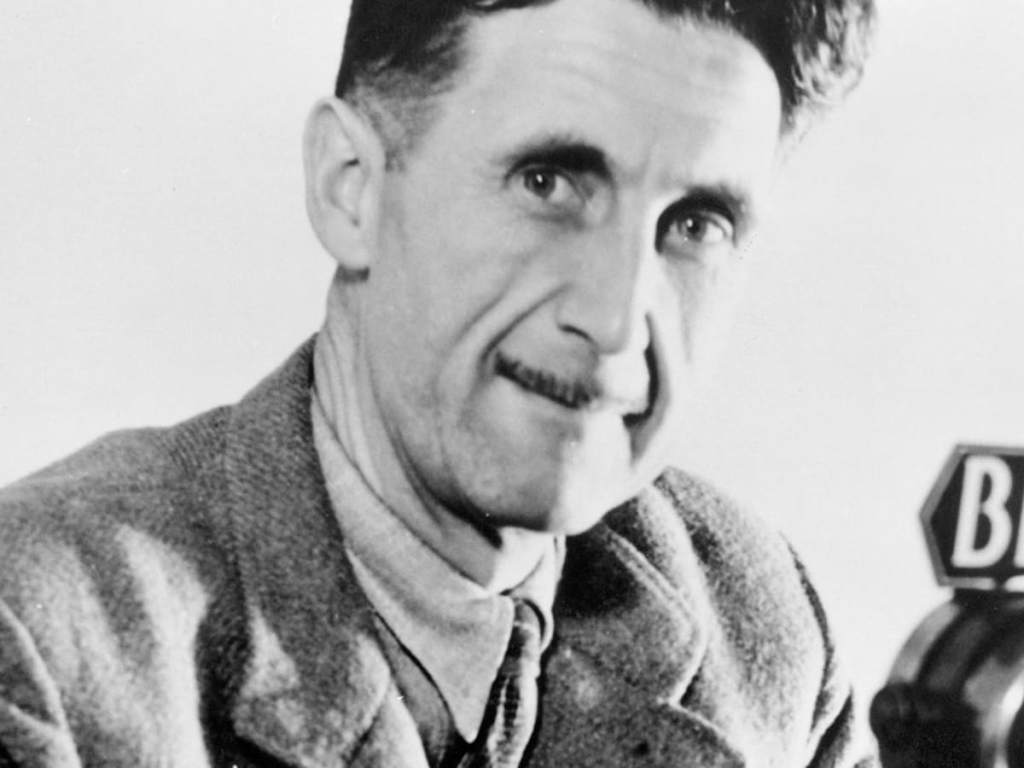
Author George Orwell

What lies ahead for Afghanistan

On July 2, U.S. troops departed from the Bagram Air Base that coordinated the 20-year-long war in Afghanistan, effectively ending their military operations in the country. The exit is part of President Joe Biden’s plan to withdraw American troops from Afghanistan by September 11, the 20th anniversary of the terrorist attack on the twin towers of the World Trade Center and the Pentagon. Ever since the remaining U.S. troops began pulling out on May 1, the Taliban have made rapid territorial advances. If the Taliban had controlled 73 of Afghanistan’s 407 districts before May 1, the number of districts went up to 157 in two months as of June 29. They contest another 151 districts, which leaves 79 districts firmly in the hands of the government. The Taliban’s military offensive is focussed on the northern districts, far away from their southern strongholds, and several provincial capitals are under threat.

Why did the U.S. invade Afghanistan?

Weeks after the September 11, 2001 terrorist attacks, U.S. President George W. Bush declared war on Afghanistan, which was then ruled by the Taliban. Mr. Bush said the Taliban regime had turned down his demand to hand over al-Qaeda leaders, including Osama bin Laden, who plotted the attacks. Inside Afghanistan, the NATO coalition troops led by the U.S. quickly dislodged the Taliban regime and established a transitional government. Al-Qaeda’s leaders and key operatives fled to safe havens in Pakistan. The U.S. rejected an offer from the Taliban to surrender and vowed to defeat the insurgents in every corner of Afghanistan. In May 2003, Defense Secretary Donald Rumsfeld announced that major military operations in the country were over. The U.S. focus shifted to the Iraq invasion, while in Afghanistan, western powers helped build a centralised democratic system and institutions. But that neither ended the war nor stabilised the country.

Why is the U.S. pulling back?

The U.S. had reached the conclusion long ago that the war was unwinnable. Presidents, starting with Barack Obama, had promised to bring American troops back home from Afghanistan. But the U.S. wanted a face-saving exit. In July 2015, the Obama administration had sent a representative to the first-ever meeting between the Taliban and the Afghan government that was hosted by Pakistan in Murree. The Murree talks did not progress as the Afghan government disclosed after the first round that Taliban leader Mullah Omar had died two years earlier.

Later, President Donald Trump appointed a special envoy for Afghanistan, Zalmay Khalilzad, with a mandate to directly negotiate with the Taliban. Mr. Khalilzad and his team held talks with Taliban representatives in Doha that led to the February 2020 agreement between the U.S. and the insurgents. In the agreement, the Trump administration promised that it would withdraw all American troops from Afghanistan by May 1, 2021. President Joe Biden endorsed the Trump-Taliban deal, but pushed the deadline for withdrawal to September 11. Mr. Biden said on Friday, “We’re on track, exactly where we expected to be.”

What are the terms of the Trump-Taliban deal?

Before the Doha talks started, the Taliban had maintained that they would hold direct talks only with the U.S., and not with the Kabul government, which they did not recognise. The U.S. effectively accepted this demand when they cut the Afghan government off the process and entered direct talks with the insurgents. The February deal dealt with four aspects of the conflict — violence, foreign troops, intra-Afghan peace talks and the use of Afghan soil by terrorist groups such as al-Qaeda and the Islamic State (the IS has an Afghan unit, the Islamic State Khorasan Province, or ISKP, which largely operates from Nangarhar in eastern Afghanistan). According to the agreement, the Taliban promised to reduce violence, join intra-Afghan peace talks and cut all ties with foreign terrorist groups, while the U.S. pledged to withdraw all its troops, roughly 12,000 at the time of the signing of the agreement in February 2020, by May 1, 2021.

After the agreement was signed, the U.S. put pressure on the Afghan government to release thousands of Taliban prisoners — a key Taliban precondition for starting intra-Afghan talks. Talks between Taliban representatives and the Afghan government began in Doha in September 2020 but did not reach any breakthrough. At present, the peace process is frozen. The Taliban reduced hostilities against foreign troops but continued to attack Afghan forces even after the agreement was signed. Afghanistan also saw a series of targeted killings of journalists, activists and other civil society figures over the past many months, which the Afghan government says is a Taliban act. Kabul maintains that the Pakistan support for the Taliban is allowing the insurgents to overcome military pressure and carry forward with their agenda.

Is the Afghanistan government doomed?

The American intelligence community has concluded, according to The Wall Street Journal, that Kabul could fall within six months. None of the American leaders, from General Austin Miller to President Biden, is certain about the survival of the Afghan government. When Mr. Biden was asked this question on Friday, he didn’t say that the government would survive, but said, “They have the capacity to sustain the government”. One thing is certain — the American withdrawal has turned the balance of power in the battleground in favour of the Taliban. They are already making rapid advances, and could launch a major offensive targeting the city centres and provincial capitals once the Americans are out.

So, there could be three scenarios, according to experts. One, there could be a political settlement in which the Taliban and the government agree to some power-sharing mechanism and jointly shape the future of Afghanistan. As of now, this looks like a remote possibility. Two, an all-out civil war may be possible, in which the government, economically backed and militarily trained by the West, holds on to its positions in key cities and the Taliban expand its reach in the countryside, while other ethnic militias fight for their fiefs. This is already unfolding. A third scenario would be of the Taliban taking over the country.

GST – Good and Simple Tax?

Its been 4 years since Goods and Services Tax (GST) was introduced! How much do we know about it?

What is GST

  • The GST is a value-added tax levied on most goods and services sold for domestic consumption.
  • The GST is paid by consumers, but it is remitted to the government by the businesses selling the goods and services.
  • GST, which subsumed almost all domestic indirect taxes (petroleum, alcoholic beverages and stamp duty are the major exceptions) under one head, is perhaps the biggest tax reform in the history of independent India. It was launched into operation on the midnight of 1st July 2017.

What is special about GST?

  • Applicable on Supply Side: GST is applicable on ‘supply’ of goods or services as against the old concept on the manufacture of goods or on sale of goods or on provision of services.
  • Destination based Taxation: GST is based on the principle of destination-based consumption taxation as against the principle of origin-based taxation.
  • Dual GST: It is a dual GST with the Centre and the States simultaneously levying tax on a common base. The GST to be levied by the Centre is called Central GST (CGST) and that to be levied by the States is called State GST (SGST).
  • Import of goods or services would be treated as inter-state supplies and would be subject to Integrated Goods & Services Tax (IGST) in addition to the applicable customs duties.
  • GST rates to be mutually decided: CGST, SGST & IGST are levied at rates to be mutually agreed upon by the Centre and the States. The rates are notified on the recommendation of the GST Council.
  • Multiple Rates: GST is levied at four rates viz. 5%, 12%, 18% and 28%. The schedule or list of items that would fall under these multiple slabs are worked out by the GST council.This is apart from the tax on gold that is kept at 3% and rough precious and semi-precious stones that are placed at a special rate of 0.25% under GST.

The GST Council

  • It is a constitutional body (Article 279A) for making recommendations to the Union and State Government on issues related to GST.
  • The GST Council is chaired by the Union Finance Minister and other members are the Union State Minister of Revenue or Finance and Ministers in-charge of Finance or Taxation of all the States.
  • It is considered as a federal body where both the centre and the states get due representation.

GST – Reform?

  • Creation of a common national market: By amalgamating a large number of Central and State taxes into a single tax.
  • Mitigation of cascading effect:
    • The GST that a merchant pays to procure goods or services (i.e. on inputs) can be set off later against the tax applicable on supply of final goods and services. The set off tax is called input tax credit.
    • The GST thus avoids cascading effect or tax on tax which increases the tax burden on the end consumer.
  • Reduction in Tax burden: From the consumers’ point of view, the biggest advantage is in terms of reduction in the overall tax burden on goods.
  • Making Indian products more competitive: Introduction of GST is making Indian products more competitive in the domestic and international markets owing to the full neutralization of input taxes across the value chain of production.

What are the achievements of GST

  • Automated Indirect Tax Ecosystem:
    • The introduction of e-way bills coupled with the crackdown on fake invoicing has helped in bringing in a substantial portion of GST revenues, which were either being evaded or under-reported.
    • E-invoicing system would also usher the taxpayers into a fully automated compliance regime wherein the computation of tax liabilities and matching of input tax credit would become very simple.
  • Simplification of Compliance:
    • Various initiatives like linking the customs portal with GST portal for credit availability on imports, making available proper means for matching input tax credit, increased automation of the refund procedure to seamless operation of the Invoice Registry Portal, helped simplify tax compliance.
  • Functioning of GST Council:
    • The GST Council made corrections to law, issued clarifications on complex issues, rationalized GST rates and introduced relaxations for dealing with the Covid-19 pandemic, which establishes that the GST Council structure has been very functional and agile.
  • Example to the World:
    • India has served as an example to the world by successfully implementing one of the most complex tax transformation projects for the country.

Criticisms of GST

  • Fiscal Federalism:
    • This issue became controversial when GST collections fell because of the pandemic.
    • Because GST entailed a bigger surrender of taxation powers for the states – states do not levy direct taxes or customs duties – a guaranteed revenue growth of 14% for a period of five years was offered to them by the centre to get them to agree.
  • Issues Highlighted by the 15th Finance Commission:
    • The 15th Finance Commission has highlighted several areas of concern in the GST regime relating to multiplicity of tax rates, shortfall in GST collections vis-à-vis the forecast, high volatility in GST collections, inconsistency in filing of returns, dependence of States on the compensation from Centre and so on.
  • Large Businesses vs Small Businesses:
    • The fundamental principles on which the GST law was built were seamless flow of input credits and ease of compliance has been impaired by IT glitches.
    • Indirect taxes, unlike direct taxes such as income tax, do not differentiate between the rich and the poor and therefore put a bigger burden on the later.
    • Further, small and medium businesses are still grappling to adapt to the tech-enabled regime.

What are some suggestions by experts?

  • With oil prices sky-rocketing across the country, the policymakers need to contemplate the inclusion of petroleum and related products within the GST net.
  • It is vital to finally constitute the GST Appellate Tribunal as it is obvious that all taxpayers do not have the finances or means to approach the High Court for every practical difficulty faced.
  • Streamlining of anti-profiteering measures and simplification of compliance procedures also needs to be revisited to ensure that the cost efficiency and reduction in prices envisaged under GST law finally reaches the common man.

Conclusion

In the four years of GST, It has undoubtedly been successful in many areas but the pandemic has exposed several problems in its structure and implementation. The law is still a ‘work-in-progress’, and the process of evolution, in such a complex journey, cannot be eliminated. The Government is taking several measures to make it resilient. We can definitely hope for a Good and Simple tax in the times to come.

Join hands to save environment

An environment is everything that is around us, which includes both living and nonliving things such as soil,water,animals and plants, which adapt themselves to their surroundings. It is nature’s gift that helps in nourishing life on the earth.

Environment includes physical,chemical and other natural forces. Living elements that an organism interacts with are known as biotic elements: animals,plants,etc., abiotic elements are non living things which include air,water,sunlight etc.

Since everything is part of the environment of something else, the world environment is used to talk about many things. People in different fields of knowledge use the word environment differently. Electromagnetic environment is radio waves and other electromagnetic radiation and magnetic fields. The environment of galaxy refers to conditions of interstellar medium.

In psychology and medicine, a person’s environment is the people, physical things and places that the person lives with. The environment affects the growth and development of the person. It affects the person’s behavior,body,mind and heart.

The living conditions of living organisms in an environment are affected by the weather or climate changes in the environment.

How dangerous will the third wave of COVID-19 be?

A potential third wave would unlikely be as severe as the second wave, according to a modelling study by a team of scientists from the Indian Council of Medical Research (ICMR) and the Imperial College London, U.K. For it to be as devastating, at least 30% of the population who had been infected earlier must entirely lose their immunity, or an emerging variant of the virus must have a reproductive rate (R) over 4.5, that is, each infected person should be spreading to at least 4-5 others and these must occur almost immediately after the second wave ends.

Thereafter, a second wave was simulated assuming a more infectious variant, and therefore a higher R value, and accounting for the fact that second wave saw a peak about four times higher than the first wave. Once this was done, and estimating the number of people who had been likely exposed to the infection, they then modelled a future third wave under several scenarios: a complete loss of immunity from previous waves; emergence of a variant that was more infectious and capable of thwarting immunity than the ones observed; the impact of moving out of lockdowns; and the role of a highly infectious variant in a scenario of a certain percentage of people getting vaccinated.

Their results showed that under all of these situations, the peak number of infections remained much lower than during the second wave, unless the R rate exceeded 4.5, or those previously susceptible exceeded 30%.

The emergence of a third wave could be significantly buffered by expanding vaccination, they contend. Illustratively, the authors calculate that were vaccines rolled out in a way to cover 40% of the population with two doses over a period of three months following the end of the second wave, it could reduce symptomatic incidence by around 55%.

Less than 20% of Indians have received at least one dose of the vaccine and only 4% are fully vaccinated. The Centre proposes to vaccinate all adults — about 94.4 crore — by the end of 2021.

while several factors needed to converge for a third wave as devastating as the second, complacency in observing physical distancing or mask usage could be dangerous. “Wearing masks consistently and correctly as well vaccination are critical to ensure that a third wave isn’t severe, even though the evidence, as we’ve calculated, shows that it is quite unlikely,”

This is the first time that the ICMR’s scientists have attempted a formal forecast of a future wave. In spite of several modelling experts, no group estimated or warned of the severity of the second wave that saw new infections rise to nearly 400,000 a day. Currently, India’s second wave is on a decline, with about 50,000 cases being added daily. India, with over 30 million confirmed coronavirus cases and nearly 400,000 deaths, is the second most affected country after the United States.

Behind The Scenes!

“We all make mistakes, have struggles, and even regret things in our past. But you are not your mistakes, you are not your struggles and you are here now with the power to shape your day and the future.”

  • Steve Maraboli

Today’s article highlights, ‘Behind the Scenes of Article Writing’. Yes! It is similar to the Behind The Scenes shown during shoots for sitcoms and TV serials.

However, there is a difference. There is no shooting here. I shall be discussing the ‘Off screen tasks’ I perform when framing the articles. So, Lights. Camera. Action! Let’s begin.

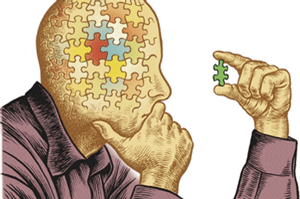
Thinking Over The Topic!

Greatest struggle everrrrr! Thinking over a relevant topic for my amazing audience out there is a complex task. There have been times when I just sat at the laptop, staring at the blank word document, wondering what to write and then after realizing that I am out of the ‘mood’ factor, I shut the laptop and decide to work over it maybe later! But still, I manage to come up with some interesting topics for all of my enthusiastic readers who show so much love and appreciation towards my work. Thank you for that! 🙂

Making Word Errors!

Another one of my struggles. While writing the articles, there are many such word errors which I make, while typing with excess speed on the keyboard. I know, I know, the solution is to type with a relaxed pace but I just can’t help it. For me, Writing without speed is like writing without passion.

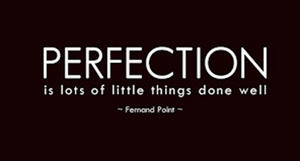
Working On ‘Perfection’!

Perfection is the key to efficient work. So, that’s exactly my motto. I look forward to adding friendly and interactive connotations in order to make reading an easier task for you!

Thinking Over Framing Of Sentences!

Framing of sentences in an accurate manner is so essential. English is rather a complex language and one needs to be careful in choosing proper set of words that don’t sound impertinent. So, yes! Working over it is a task but that doesn’t actually freak me out!

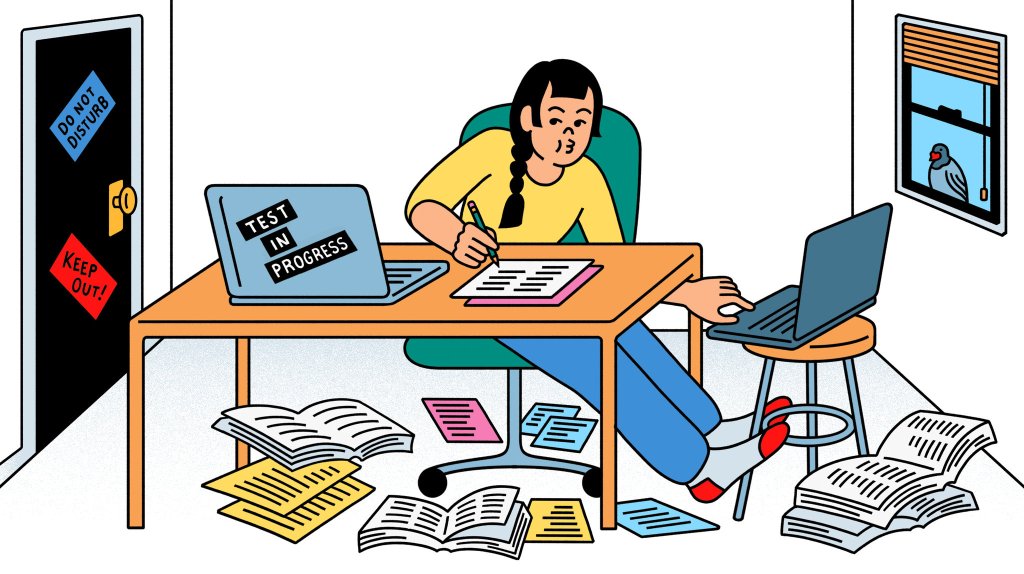
Sitting Alone In Peace While Writing!

That is so important for me. When writing, I shut the door to my room and just breathe, letting fresh air stroke my mind calmly. Then come the topics which pass my mind like a slideshow and I select the appropriate ones for you!

Thinking Over The Topics And Jotting Them Down For Future Reference!

In that slideshow of thoughts, there occur two or more ‘apposite’ topics which I feel the need to jot down and use them later without forgetting the ‘creativity’ factor in them of course.

Pondering Over The Birth Of Various Fictitious Characters!

Since our company recently incorporated Fiction in the publishing options, I felt the need to make some of the writing medium speak ranging from the inkpot to the laptop! It may sound crazy but that is what makes fiction such an amazing genre. This genre allows you to be crazy and senseless!

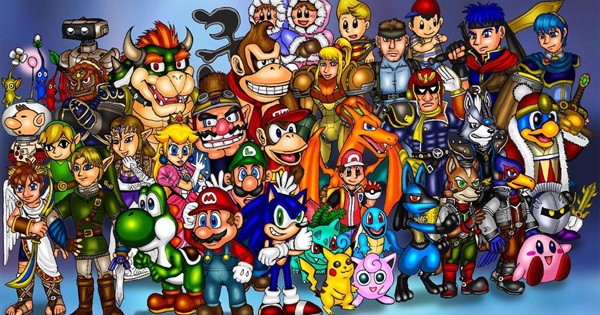
Famous Fictional Characters Everyone Knows

These were some of the steps I take, in order to ensure that good content turns out (specifically for the articles). Thank you for tuning in! You are free to contemplate over the message if you want to! 😉

Happy Writing! 🙂

Thank You For Reading!

ONLINE EXAMS

A Critical Evaluation!

The Coronavirus pandemic has disrupted the working of all the sections of the society. Tourism sector, consumer sector, IT sector, Pharma sector, you name it and the reports will show you how adversely are they all affected. One of the most crucial sectors which is brutally affected is the education sector. The sector that is responsible for building future leaders have become merely a formality. Students give exams but not for value addition but just for the sake of giving them. If you ask what a student has learned in the last year and a half, more than half of them would be completely clueless.

Since the beginning of 2020, we have seen a new way of conducting exams but is this way better than the offline exams? Let us ponder upon that. There is no question that online exams are economical and does save a lot of time and the environment but the real question is “Is it worth it”? A lot of students have been welcoming to the concept of conducting exams online but a lot of them have also opposed it on various grounds.
To begin with, not all students have access to a computer or a laptop or a stable internet connection which makes it difficult for them to attempt their exams and buying a new devise puts a lot of financial pressure on the families. Students living in technologically backward areas are suffering the most.
In addition to this, students who reside in areas where there is unstable electricity or internet connection have difficulty connecting with their teachers in case there is a problem with their class or exam. This creates additional pressure on the child. Institutions must understand that problems like having unstable electricity and internet connection are out of their control and thus ensure all students are well prepared before the exams are conducted.
Furthermore, there is the biggest barrier while conducting online exams and that is Cheating. There is no way of knowing if the student has written the exam himself or did he take the assistance of external resources. If the exam has been completely cheated then what is the point! Children are the future of this nation and if they rely solely on cheating to pass their exams then what kind of future are we building here? Not only the university students but the students who are still in school are inclined towards cheating to pass their exam rather than studying before hand. The mentality that has been going around is “If everyone is cheating then why can’t I”. Students cheat using their cell phones, laptops and even books. Online exams have completely turned into open book exams with zero value addition. Everyone is so dependent on cheating that now they are worried as to how they will attempt the offline exams as and when the institutions open.
Lastly, students are not the only ones who have been suffering in one way or the other, the teachers are also facing difficulties while teaching as well as while grading the exams. Professors who have been teaching for a long period of time found it very difficult to shift to online mode of teaching. Not only this, the teachers are unable to complete the syllabus on time which ultimately affects the students.

While online exams have proved to be a blessing during these testing times, they should not be used to judge a candidate as a whole. People who are scoring good could be naturally intelligent or could just be relying on cheating. Thus colleges and universities need to work a little harder to design a question paper that is intellectualy challenging and that would judge the aptitude level of the student rather than asking questions on what is given directly in the book or on the internet. Teachers can shift their focus on putting case study based questions to examine the cognitive abilities as well as subject understanding of the student. Now that the students are well versed with how exams are to be downloaded and submitted, the time limit could be reduced so as to reduce the time for copying from here and there. Lastly, students must be asked to keep their cameras on during the examination and teachers could keep a close eye on how they progress with their exam. Also, the teacher must award marks to a student on the basis of his/her performance rather than awarding more marks just to maintain the reputation of the institutions.

Thus, there is a dire need to put this cheating culture to an end before the students lose their capabilities to remember their own syllabus. Conduct pop quizzes, give assignments from time to time, just keep the students up to date about the syllabus in an interesting way so that they don’t resolve to cheating during the final examination. The students must also make an effort to be better. Cheating only helps you to obtain marks but knowledge goes a long way and helps you in various competitive exams that your might appear for in the future. Online exams are the best option in these times of the pandemic. Students should prepare well for their own better future. Determination and Hard work are the keys to your success.

Mental Health Kit: a must for all

By Satyansh Pathak | 13 July, 2021

MENTAL HEALTH has been a topic of discussion for a long time ,but it has gathered more attention recently.

We all are aware of the fact that a healthy life is directly proportional to one’s mental health. It is extremely important for all to take care of their mental health and devote as much time as they can. Because the energy and time you invest in yourself will never go waste.

Necessity is the mother of invention. And in order to have a stable mental health, mental health kits were created so that people can take care of their mind and body.

Here are few things that one can store in his mental health kit -:
1. Perfumes – Smell is one of the most powerful senses. The fragrance of perfumes reduces stress. The fragrances evoke emotions.
2. A diary and a pen – This helps to express thoughts clearly and in a more effective way. Moreover, it can make you feel light and happy.
3. Chocolates(mostly homemade) – Dark chocolates are good for our health. The main ingredient, that is, Cocoa helps us to fight depression, improves heart health and enhances the mood.
4. Charcoal facewash – Since self care is directly proportional to mental health, it is important to keep a product like Charcoal facewash which releases toxins from skin and keeps skin healthy and fresh.
5. Fidget spinner – It will helps to stay concentrated and also to keep a person away from unnecessary gossips.
6. A Stuffed toy(Teddy bear) – All of us loves to hold fluffy stuffs  tightly and play with it when we’re tired. They can easily drag a person’s attention and can make feel lively.
7. Sleep mask – Sleeping eye mask has the potential to relieve all the stress and provides comfort while sleeping.

You can add whatever you want in your MENTAL HEALTH KIT. Remember to be kind to yourself and be kind to others.

Science and spirituality

We all are living in that country where spirituality is superior in every form. Spirituality contains belief, trust and science. The practices which keep doing for a long period have their own scientific reason. Might be the reason could be covered under the bed of time or not clarified by the people in supremacy. Sometimes we say that science and spirituality both have different paths but in reality spirituality and science both go hand in hand. Every spiritual practice consists of a scientific background. For example the Ganga keeps itself clean because it contains calcium, phosphorus, zinc and other metals (scientific reason) that’s why it is considered pure and life saving so we respect Ganga and call it MATA. We should understand the meaning of science and spirituality first, only then we can understand how spirituality and science are part of a family.  

What is science? 

Science is not about the knowledge, factual, experiments, logic and evidence, it is a pursuit and application of knowledge and understanding of the natural and social words following a systematic methodology based on evidence. Science says if my eyes can see, look at it only then it exists. For science which could not be detected does not exist. 

What is spirituality?

Spirituality is the essence of peace, wholeness and balance among the physical, emotional, social and spiritual aspects of one’s lives. Many of the behaviors associated with wellness are key components of a healthy spiritual life. Examples include volunteerism, social responsibility, optimism, contributing to society, connectedness with others, feeling of belonging/being part of a group and love of self/ reason to care for self. 

Spirituality vs. religion 

We should understand the difference between spirituality and religion. Spirituality is not based on religion. Spirituality is chosen while religion is often time forced. Being spiritual to me is more important but better than being religious. Religion can be anything that the person practicing it desires. 

Science is an orderly presentation of facts, reasoning, doctrine, and beliefs concerning the subject or group of subjects. Many times some people question about pouring the milk on shivling, let find the science behind this ritual.  According to the science of Ayurveda, every person has 3 components in them:

Vata (air)

Kafa (cough)      

Pitta (Acids)

All the three elements are necessary for smooth functioning of our body. However when the proportion of these components goes out of natural balance, the body begins to suffer under various ailments. During the sharavana, the vata component of a person gets higher in proportion. During that period, a person must avoid food that increases the vata component. For example, green leaf vegetables contain higher amounts of vata in them. Thus a person is asked to avoid them during the rainy season. During the rainy season cattles also eat lots of green grass and hence their milk is high in vata. And in modern times, it is susceptible to viral infection. Hence milk is considered harmful during the sharavana month. Thus Ayurveda advises against consuming milk during the rainy season. We should offer to eat others which could be edible for us too. That’s by the milk flow over the shiv who had poison during samander manthan.

Hence this way spirituality is connected with science. Science is something inherent to it and at the same time it’s a philosophy much beyond those realm. As we see how spirituality goes with science and there is nothing in spirituality which does not have any scientific reason as we see in above.

Chanting of mantras also has a scientific reason. It seems incredible that mere chanting can bring about these tremendous changes. The chanting is connected to physical level, voicing a chant in the prescribed way impacts the abdominal area (from where the chant notes are raised), the lungs, the circulatory system and so on, explained by the radha sundararajan, (director of chanting , krishnamacharya yoga mandiram). Scientists said when a mantra is chanted rhythmically, it creates a neuro- linguistic effect even if the meaning of the mantras is not known.  You just need to have a good ear, stay true to the punctuation, pauses, pronunciation, notation, length and the force of the chant and repeat it over a period of time, said meanka director of the vedic chanting.

Hence we see how every practice of spirituality is connected to science. Pouring the milk over shivling, chanting mantra meditation, idols of rock and temple, eating prasadam they all have an explanation with facts. There are many spoken persons or saints who are focusing now on explaining the facts, reason and query behind the practices performed under the spirituality such as sadhguru maharaj, archarye parshant, Rahul arya and many more.

We also understand that spirituality and religion are two different things. If science is defined as the reasonable and experimental term then spirituality has all the things within itself. Spirituality believes to define the thing, environment and helps an individual to understand the inner as well as outer cosmos. That is our mistake. We never try to find out the science behind spirituality. We only performed the rituals without knowing the facts. We should explain the scientific circumstance while teaching or performing these kinds of activities. When we explain the reason behind spirituality, the person understands the values and benefit. 

‘’Science is not only compatible with spirituality: it is a profound source of spirituality,’’- carl sagan

References;

https://www.thehindu.com/features/metroplus/The-magic-of-mantras/article16366520.ece

https://timesofindia.indiatimes.com/readersblog/eyescream/science-spirituality-11274/

https://www.wordzz.com/reason-behind-offering-milk-shiva-lingam/#:~:text=Thus%20a%20person%20is%20asked,due%20to%20access%20of%20Vata.text=So%20the%20Hindus%20offer%20 milk,by%20the%20science%20of%20Ayurved.

…………………

What are Causes of Lightening Strikes?

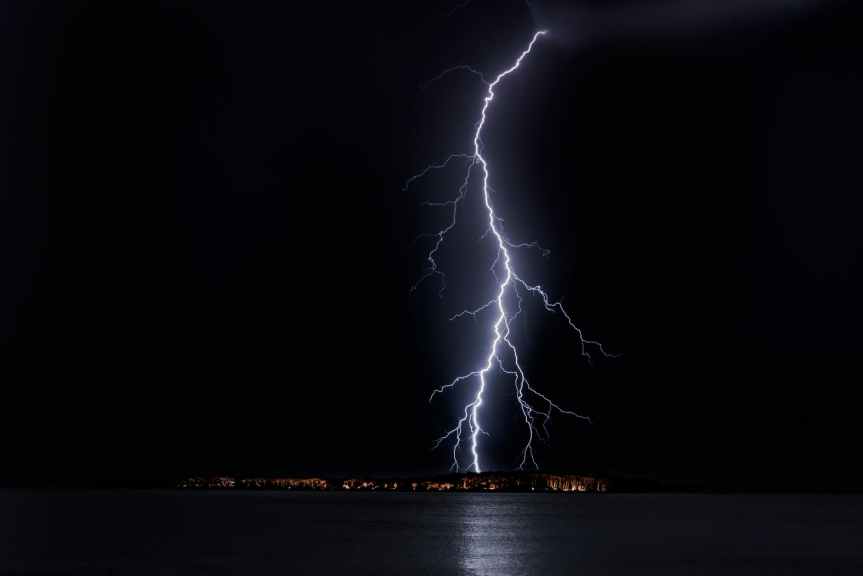
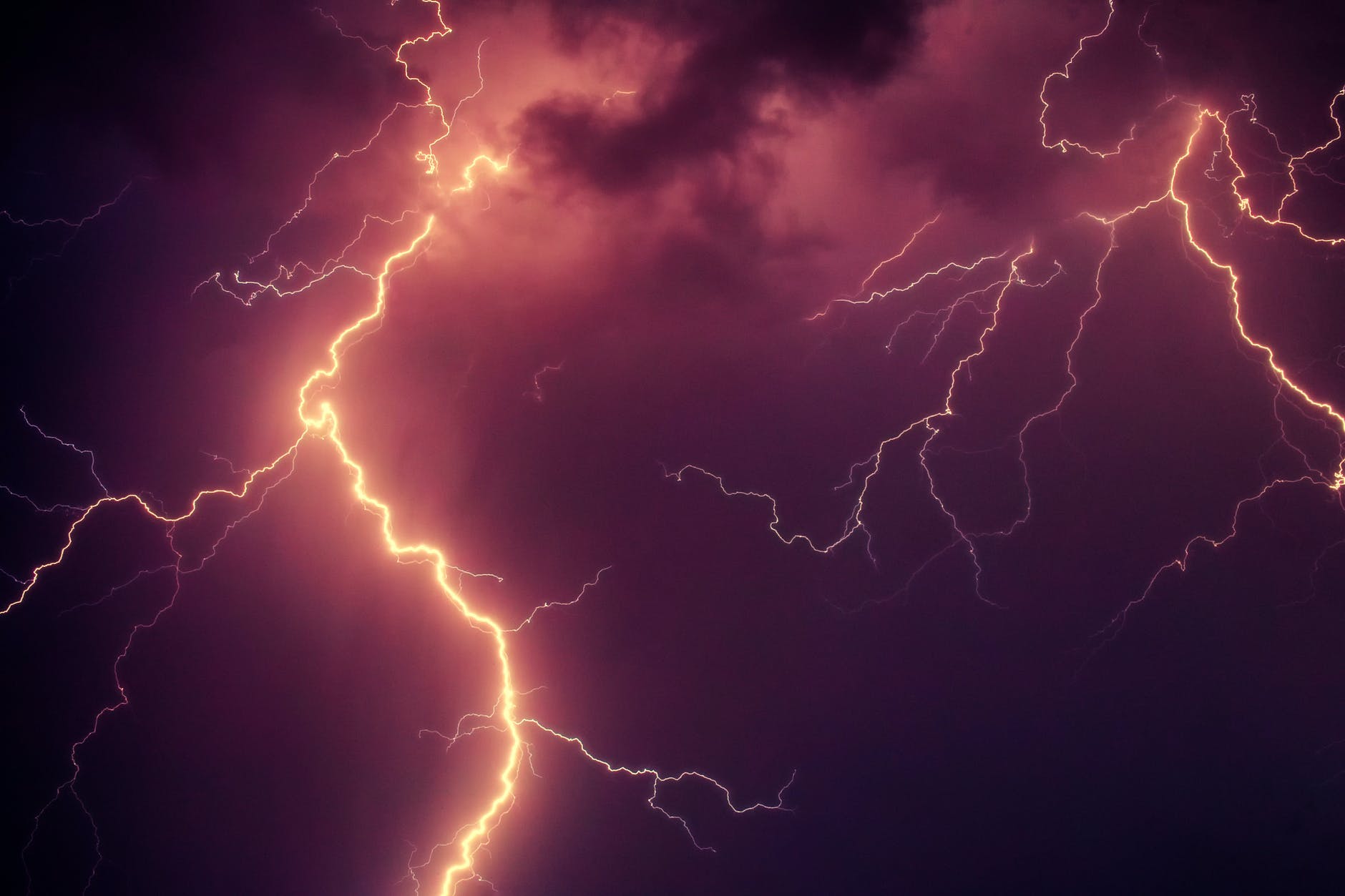
According to wikipedia, “A lightning strike or lightning bolt is an electric discharge between the atmosphere and the ground. ” It mostly occurs within the cloud but when it does strike the earth, it can cause serious damage to life and property. About 240,000 lightning strike incidents happen each year globally and according to National geographic, about 2000 annual deaths occur due to lightning strikes. About 41 people died in Uttar Pradesh (India) and 23 in Rajasthan (India) and about 21 were injured due to lightning strikes on Sunday (11 July, 2021).

How does lightning occur?

Clouds consist of electric charges (positive and negative) that are usually balanced but the winds of a storm result in a separation of charges within the clouds. Positively charged particles occupy the top of the cloud and the negatively charged particles concentrate on the bottom. This separation of charges result in the flow of electricity.

Types of lightning bolts-

There are 3 main types of lightning bolts-

  1. Cloud-to-cloud: When charged particles of one cloud are attracted to the oppositely charged particles of another cloud, it is known as cloud-to-cloud lightning. It is the most common form of lightning in the sky.
  2. Cloud-to-air: When the discharge moves from the cloud to the sky and is attracted to the charged particles of air, it is referred to as cloud-to-air lightning.
  3. Cloud-to-ground: Negative charge- In this type of flow of lightning, the negatively charged particles begin to move towards the ground in a zig-zag path( also known as stepped leader) . They move with such high speed that they reach the ground in about a millisecond. When they reach the ground, they attract positive charges(also known as an upward leader or streamer) that begin to move towards them (usually through tall buildings, trees, etc.). When the stepped leader and streamer meet, it leads to a flow of powerful current from the ground to the cloud. Positive charge- When the positive charge of cloud overcome the negative charge and travel towards the earth meeting negative stream of charges coming from the earth , it is referred to as CG lightning-positive charge. It, though uncommon, is more dangerous.

5 ways lightning strikes people

  1. Direct strikes- The most deadly, it usually occurs to people who are in open areas. When lightning strikes the body,, some of the current moves through the body and some moves along and over the body( which produces heat that can cause skin burns).
  2. Side flash- It occurs when the victim is standing next to a taller object and some of the current from the taller object is transferred to the body of the victim, which is why you should avoid taking shelter under a tree when lightning strikes.
  3. Ground Current- When lightning strikes a tall body, much of the energy leaves the body and is either side flashed or transferred to the ground. The current transferred to the ground affects a larger area as it can transfer through conducting materials, which is why you should avoid being outside during lightning flashes.
  4. Conduction- Lightning can travel through potentially conducting surfaces like barbed wires who provide a pathway for lightning to travel very large distances.
  5. Streamers- People caught in streamers formed during cloud-to-ground transition of lightning will find it very difficult to come out of it and it can result in death.

How to protect yourself from lightning?

  1. Avoid going outdoors during lightning strikes and even if you do end up being in the outdoors, immediately find an enclosed shelter.
  2. Do not, under any circumstance, take shade under a tree or be near one.
  3. If you are inside your car, do not get out. But ensure that your car is parked in an open space away from potential charge attracters or conductors.
  4. Avoid being near water. Do not bathe (even inside your house) and stay away from rivers, lakes or any other water body.
  5. Try to minimize your surface area, when outside. Do not lie flat and crouch into a ball-like-position.

PREPAREDNESS FOR COVID 3-WAVE

All state governments are tightening their preparedness in anticipation of a third wave as restrictions begin to ease across the country.maharashtra government is concerned of Covid 3- wave chief minister Uddhav Thackeray directed officers and doctors to check medical supplies.Delhi Chief minister Arvind Kejriwal also announced to train 5000 youth to help doctors.Country is preparing to fight with Covid 3-wave.

WE CAN STOP COVID 3-WAVE

Photo by cottonbro on Pexels.com

HELP TIPS FOR CHILDREN

Children may worry about themselves, their family, and friends getting ill with COVID-19. Parents, family members, school staff, and other trusted adults can play an important role in helping children.

children should stay home ,Stop visiting relatives/friends.

Do not take your children to social gathering.

◾Do not allow children to rub their eyes and noses, sanetize their hand regularly.

Sanetize playing items twice a day.

Give them warm water for gargling.

Follow SMS:Social distance,Mask, Sanetization.

Wearing and Caring

Early detection and diagnosis

*Fever /Headache,pain in cheeks/eyes

*Body Pain /Sour throat

*Dry cough/Weakness/loss of appetite

*Parents must bring their children to near by Covid OP if they find any above symptoms.

As the number of COVID-19 cases and test positivity rates are showing signs of plateauing in major urban centres across India, we see desperate scenes in small towns and villages. We read about people dying in their homes unable to access medical care. We see pictures of people waiting for their turn to cremate their loved ones in funeral grounds. COVID-19 is a humanitarian disaster where no state is spared, poor or rich.

Now there is a talk of a COVID-19 third wave, if we are not able to vaccinate the population fast enough or if citizens do not follow the ‘social vaccines’ (hand washing, use of masks and physical distancing). Let’s examine the truth about the possibility of a third wave.

The WavesThe first wave usually affects the most vulnerable sections of the population: the old, sick and the immuno-compromised. The second wave starts when the epidemic spreads into the general population, which may not have got the infection during the first wave and who do not have protective antibodies against the pathogen.

The second and third waves of the infection is usually due to mutant strains, which may partially escape the immunity offered by previous infections.In the case of Spanish Flu, the destruction caused by World War I and lack of laboratory surveillance capacity may have played a part in augmenting the spread and increasing mortality; but the learnings from that outbreak is definitely applicable in the case of COVID-19.We have seen a lot of parallels between the Spanish Flu virus and the one causing COVID-19, though they are very different phylogenetically. Therefore, it is only reasonable to anticipate a third wave of virus infections and prepare for it.Vaccine is the most potent tool that we have against COVID-19 infections.

Though we do not have concrete data on the level of protection offered by the various vaccines against the mutant strains, most of the experts agree that some degree of protection against severe infections do exist. Therefore, relying on vaccines is the most rational way to prevent a third wave.Short TermBut at present, we do not have the capacity to produce vaccines fast enough to vaccinate our entire population in the next few months. The combined production capacity of Covishield and Covaxin is only around 60-70 million doses/month and at this rate it may take more than two years to vaccinate India’s population.

So we have to look at other options, like scaling up capacity and ready-made vaccines from abroad.The scaling up of capacity promised by the Serum Institute of India (SII) and Bharat Biotech, which manufactures the vaccines currently used in India, is going to take time and we cannot rely on that process to rapidly increase the rate of vaccination.In the short term, pre-prepared vaccines from abroad seem to be the only viable option if we want to vaccinate the most vulnerable groups and economically-productive sections of the population rapidly. The decision to allow the import and use of Russian-made Sputnik V is a welcome step in this regard. We need more such vaccines, including China’s Sinopharm which was recently approved for emergency use by World Health Organization.

Medium TermIn the medium-term, our existing vaccine manufacturing capacity should be repurposed to make COVID-19 vaccines. India supplies a major proportion of the vaccine requirements of Gavi-the vaccine alliance and has access to most of the technology platforms for vaccine production. When the United States has supported lifting the patent protection available to COVID-19 vaccines, India should be able to leverage its production capabilities and rapidly augment capacity.Besides vaccination, in the short and medium term, we should also aim to increase the testing capacity. Only rapid identification of cases and strict isolation can help to flatten the curve till the vaccine rollout is adequate.

Apart from this, we need to institutionalise the processes to ensure adherence to social vaccines. This can be done through a mix of behaviour change communication, regulatory efforts and community mobilisation. All of this has to be continued till we achieve a vaccination coverage of more than 80 percent.

Photo by Anna Shvets on Pexels.com

To beat this worldwide pandemic, the world has to, must come together.

Does anyone still believe in old school love?

When we read or listen to old love stories, we find that there were times when technology hadn’t suffocated the essence of love, the blue ticks didn’t exist, neither did facebook chats. Love was much more than putting up love struck captions for each other on our facebook display pictures or sending each other hearts and kisses on whatsapp. Lovers used to send each other letters from far off places, and the efforts they put into express their undying love was worth everything in the world.
Not to say that relationships today are shallow and ingenuine, but somewhere down the line we miss , infact we lost the so called “Old school love/romance.”

Does anyone still express their love through hand written letters, or social media had completely taken over the matter?

Does anyone still appreciate street food dates, or they only prefer famous restaurants?

Does anyone still gifts flowers and chocolates to their partners or giving expensive rings and gifts now seem better?

Does anyone still appreciate poetries, notes written expressing one’s feeling or Social media’s post now makes more meaning?

Does anyone still takes time to know each other before getting engaged or have complete faith that Tinder find the perfect match?

Does anyone still believe in old school love and romance, or the way of expressing love in our generation enhanced?

Disease

A disease is the functional or physically change from a noraml state that affects the health of a person by causing disability or discomfort.The following are the conditions that could lead to the development of disease in an individual.
→ Infection caused by disease-causing microbes.
→ Lack of balanced diet.
→ poor lifestyle and unhealthy habits.
→ Malfunctioning of one or more body parts or organs.
The prevention and treatment of diseases ca be considered in two groups for their better understanding. They are communicable and non- communicable disease.

Communicable Disease


Communicable diseases are those diseases that spread from one person to another.Healthy persons must be protected from people with communicable diseases.Diseases spread through contaminated air, water,food or vectors (insects and other animals).

a) Diseases caused by Bacteria


Communicable diseases like tuberculosis,Cholera and typhoid,are caused by bacteria.These diseases spread through air, water and some other organisms.

1. Tuberculosis

Tuberculosis (TB) is caused by Mycobacterium tuberculae and spreads from one person to another through air, spitting, prolonged contact and sharing materials of the patient.The symptoms are fever, weight loss,chronic cough, bloody spitting and difficulty in breathing.

Prevention and treatment

> BCG Vaccination
> Giving special attention to the patient
> Regular medication like DOT.

2.Chloera

Prevention and treatment

> Good hygenic practices like washing hands before eating.
> Avoid eating uncovered food from street vendors.
> Drinking boiled water
> Getting vaccinated against Chloera

3.Typhoid

Typhoid is caused by salmonella typhi and spreads by contaminated food and water.The symptoms are anorexia, headache,rashes on abdomen, dysentery and high fever up to 104°F

Prevention and treatment

> Drinking boiled clean water
> Proper disposal of sewage
> Vaccination

b. Diseases caused by Virus


Viral diseases are extremely widespread infections caused by many type of viruses.Some diseases caused by viruses are hepatitis chickenpox and radies.

1. Hepatitis

Hepatitis is one of the most dangerous and fatal diseases caused by Hepatitis virus A,B,C,D,E.Its mode of transmission is contaminated water, sharing of needles and blood transfusion.The symptoms of hepatitis is loss of appetite (anorexia), vomiting,eyes and urine turning to yellow colour.

Prevention and treatment

> Drinking boiled water
> proper cleaning of hands

2.Chickenpox

Chickenpox also known as varicella is a highly contagious infection caused by the varicella zoaster virus.This disease spreads through air and contact with an infected person.Its symptoms are appearance of rashes on the whole body,fever, headache and tiredness .

Prevention and treatment

> The chickenpox (varicella) vaccine is the best way to prevent chickenpox
> special attention should be given to the infected persons.

3.Rabies

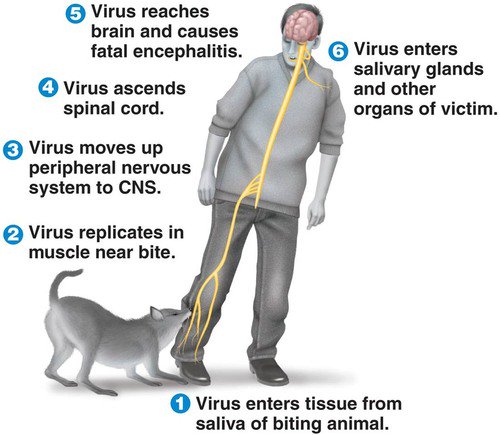
Rabies is a fatal disease which is transmitted by the bite of the infected dog, rabbit, monkey,cat,etc.The virus present in the saliva of dog enters the brain via neurons.The symptoms of rabies are hydrophobia (extreme fear for water),fever for 2-12 weeks and exaggerations in behaviour.

Prevention and treatment

> In early stages rabies is very difficult to defect.
> After an animal is bitten it usually takes two to twelve weeks to show any symptoms and it may take as long as two years also.
>Fatality can be prevented by timely vaccination before the onset of symptoms.

Non-communicable diseases

Non-communicable diseases do not spread from person to person.They are caused by other factors.Therefore ,it is important to know which diseases are communicable and which are not.They are never caused by germs, bacteria,or other living organisms that infect the body.Antibiotics or medicines that fight against germs do not help to cure non-communicable diseases.Some of the non-communicable diseases are explained below.

a. Wearing our of body parts

Rheumatism,heart attack, epileptic seizures,stroke, migraine headache, cataract and cancer.

b. External harmful agents entering the body

Allergies, asthma, poisons, snakebite, cough from smoking, stomach ulcer, alcoholism.

c. Lack of trace elements in the body

Anemia,pellagra,night blindness and xerophthamia,goiter and hypothyroidism.

d. Malnutrition

Nutritious food is needed for a person to grow well,work hard, and stay healthy.Many common sickness are caused by malnutrition.

Should Employers Check Social Media Accounts of Potential Employees?

In today’s world everyone has at least one social media account. This shows how much social media has gained popularity especially among youth. With this rise, an increasing number of companies are utilizing it to screen job prospects which means they check their potential employee’s social media account. So, make sure your social media profiles are appropriate for work because it could possibly have negative impact on your work life. It has the potential to cost you your present work as well as future career chances. According to a poll conducted by career builder in 2018, the result depicted that 70% of employers use social media to evaluate candidates throughout the recruiting process, while 43% use it to check on current employees.

Employers examine social media accounts for a variety of reasons, but the most common one is to ensure that a candidate is a good match for their firm. they do so because social media accounts allow them to get a look of a person’s personality outside of their resume, which aids them in finding the best candidate for their company.

However, Before relying on any information obtained from social networking sites such as Facebook, Twitter, Instagram, or LinkedIn, it’s vital to understand that there are several flaws to be wary of. When checking a candidate’s social media history, employers and HR professionals should be cautious. A social media history should only be evaluated as part of a comprehensive background check on job applicants. A criminal history record, as well as academic and job verifications, should all be included in a background check that can easily be done by hiring a third-party who is good in running background checks on applicants. 

Everyone who is seeking for a job or will be applying in the future should examine their social media profiles and not entirely delete their online presence. Because as per statistics 47% Employers do not call  people for interviews if they can’t locate them online. More than a quarter of employers say they like to acquire more information before phoning a candidate, and 20% say they expect candidates to have an online presence. so, deleting a social media account out of fear of shame is a no-no. you can simple keep it clean anyway. 

Now, the question of privacy comes into play. So, Employers are perfectly legal to examine public social media platforms, but anything beyond public accounts is a murky area. As long as the employer has access to public information that everyone can see, there should be no privacy concerns.  But a major pitfall is that A social media search, on the other hand, cannot provide a check on the authenticity or veracity of the material. As with any other background or reference check, the information obtained through social media must be checked for accuracy because a person’s whole career is dependent on that 1 job. Employers should use extreme caution when using social media searches to gather information about job candidates. At the absolute least, companies should consult their attorneys before obtaining information for employment reasons via social media. 

As per the data collected, following are the types of posts and behaviors that left a negative impression on employers. It is essential to know this because more than half of the employers i.e. 57% polled claimed that they discovered something through their social screenings that caused them to reject a candidate. 

Provocative or improper photos, videos, or information were shared by a job candidate: 40%
job applicants disclosed details regarding their drinking or drug use: 36%
Discriminatory remarks on color, gender, religion, and other factors were made by a job candidate: 31%
The following job contender was related to illegal activity: 30%
An applicant for a job lied about their qualifications: 27%
Candidate’s communication abilities were poor: 27%
A job seeker slandered their prior employer or coworkers: 25% 
The screen name of a job seeker was unprofessional: 22%
Former employers’ private information was disclosed by a job candidate:  20% 
Candidate for a job lied about an absence: 16%
Candidate postings are very frequent: 12%

Professionals should not take any shortcuts when it comes to establishing a positive internet presence once they have landed a job. According to the survey, 48% of companies visit social networking sites to do background checks on existing employees and as per sources they had fired them too. So one seeking job or an employee should keep his/her social media accounts clean in order to secure their jobs. 

Genghis Khan: The Universal Ruler

Genghis Khan, originally known as Temujin, is known today as the man who established the largest land empire known in history. He had united the various nomadic tribes in Mongolia, and then went on to conquer huge parts of central Asia and China. Even after his death, his descendants expanded the empire to much greater lengths up to places like Poland, Vietnam, Syria and Korea. At their peak, the Mongols controlled around 12 million square miles of land. This is an area around the size of Africa, all controlled by a single empire. In contrast, the Roman empire was only about half the size of the USA. Hence, it is evident that Genghis Khan was a legendary ruler and is remembered well by history, but he is also regarded as the very avatar of savagery and barbarism. 

The Rise of Genghis Khan

Temujin, later Genghis Khan, was born around 1162 near the border of Mongolia and Siberia. At that time, many nomadic tribes in the central Asian steppes were constantly fighting and killing each other, and life for Temujin was violent and unpredictable. Before turning even 10 years of age, his father was poisoned to death by an enemy clan and his own clan had deserted him and his family. Following this, Temujin killed his older half-brother and took over the reins as the head of his abandoned and poverty-stricken family. He soon began making alliances, building a reputation as a warrior and attracting a growing number of followers. Most of what we know about Genghis Khan’s childhood comes from “The Secret History of the Mongols,” the oldest known work of Mongolian history and literature. Going against custom, Temujin preferred to put competent allies rather than relatives in important positions in his tribe. He also executed the leaders of enemy tribes, and incorporated the remaining members into his clan. By 1205, Temujin had vanquished all his rivals.

The Establishment of an Empire

Temujin thereby became the leader of a Mongol confederation consisting of all the tribes and territories that he had united. He established a nation similar in size to modern Mongolia, and was also proclaimed Chinggis Khan, which roughly translates to ‘Universal Ruler,’ a name that has now become bastardized to be known as Genghis Khan. After this, he started his conquests outside of Mongolia and garnered his brutal reputation through continuous invasions. Genghis Khan’s first campaign outside of Mongolia took place against the Xi Xia kingdom of north-western China, after which went to war against the Khwarazm Empire in present-day Turkmenistan, Uzbekistan, Afghanistan and Iran. He gradually expanded the borders of the Mongol Empire over the years of his reign, and many surrounding empires had started becoming wary of the Mongol threat. Genghis Khan also had an extensive network of spies which used to detect his enemy’s weaknesses, and made use of advanced military equipment like catapults and mangonels while attacking large cities. By 1227, the Khan had conquered much of Central Asia and made incursions into Eastern Europe, Persia, and India.

It is important to highlight here that it was not only because of his aggressive invasions and warfare that he was successful, but also because of his administrative capabilities. For example, he forbade the selling and kidnapping of women, banned enslavement and torture, and made livestock theft punishable by death. Moreover, he ordered the adoption of a writing system, conducted a regular census, granted diplomatic immunity to foreign ambassadors and allowed freedom of religion and protection within his empire.

The Fall of Genghis Khan

Genghis Khan eventually died in 1227, at the age of 65. But there is a lot of mystery and uncertainty surrounding his death. Some stories suggest that he died from injuries sustained after falling from his horse, while others suggest it was while he was trying to put down a rebellion in China. Furthermore, the final resting place of the Khan is unknown, as he wanted his death to be a secret.

Regardless, Genghis Khan conquered more than twice as much land as any other person in history, bringing Eastern and Western civilizations into contact in the process. Though he has a unfavourable reputation because of all the killing, plunder and rape he had caused, one cannot deny that he is among the greatest, if not the greatest conqueror in history.