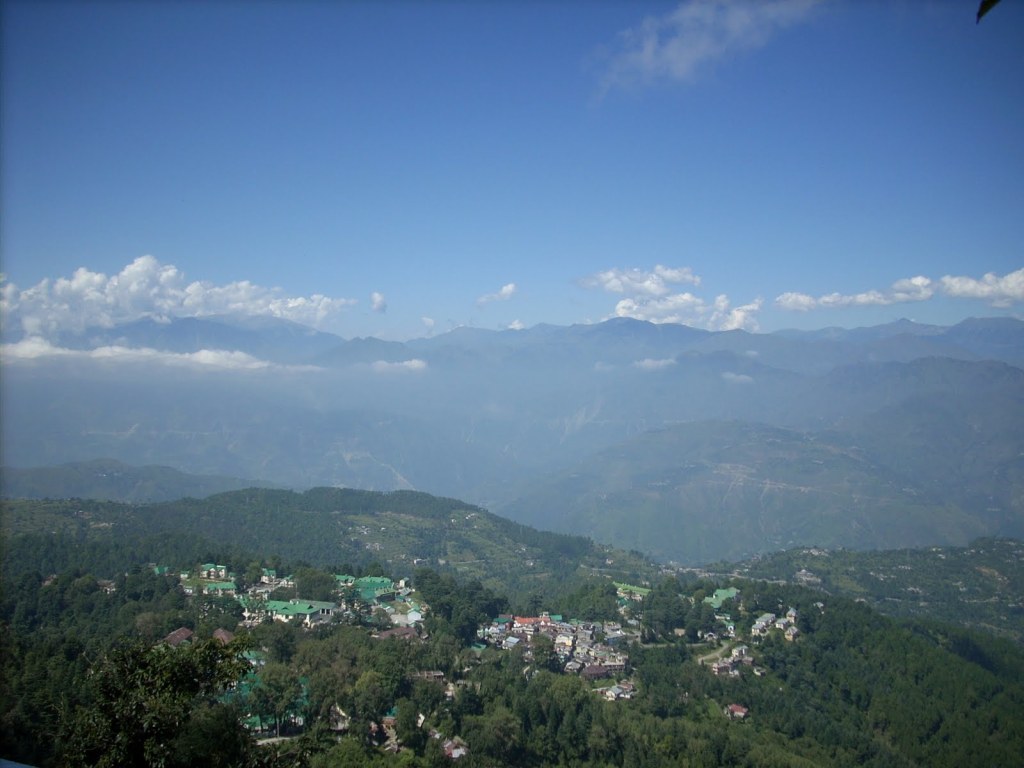
Dalhousie is a hill station in the Himachal Pradesh state of northern India, located in the Chamba district.
Some places you must visit if you are visiting Dalhousie are –
Khajjiar
Khajjiar, often known as the ‘mini-Switzerland of India,’ is a small town near Dalhousie noted for its green meadows, deodar trees, and cottages. There is a tiny lake in the midst of the meadow where you may relax and enjoy the landscape or participate in adventure sports like paragliding, zorbing, and horseback riding. During the winter, however, the road to Khajjiar may be blocked due to severe snowfall.
Kalatop Wildlife Sanctuary
The Kalatop Animals Sanctuary is made up of thick deodar foliage, a wealth of wildlife, snowcapped mountains, carpets of green meadows, and easy-on-the-eye streams of fresh water. It is also known as the Kalatop Khajjiar Sanctuary and is located in Himachal Pradesh’s scenic mountainous Chamba region. The term Kalatop means ‘black cap,’ referring to the dense, black forest cover on the sanctuary’s highest peak.
Chamera Lake
The Chamba Lake is a man-made reservoir for the Chamba Dam, located near Dalhousie in Himachal Pradesh’s Chamba District. It’s a popular picnic site as well as a sailing spot. On a speed boat or a rowboat, one may explore the lake and participate in sports such as kayaking and canoeing.
Rock Garden
Dalhousie’s Rock Garden is a lovely garden and a favorite picnic place. Apart from resting and refreshing at the park, you may also participate in one of the many adventure activities offered in the region, such as zip-lining.
Indo – Tibetan Market
The Tibetan market in Moti Tiba is one of Dalhousie’s greatest locations to buy, selling traditional Kashmiri shawls, needlework, purses, carpets, and a variety of handicrafts. Gandhi Chowk is home to the lively Indo Tibetan market, as well as various handloom and handicraft businesses, providing for an excellent shopping experience.
Chamba
Chamba is a Himalayan town in the Himachal Pradesh district of Chamba. Chamba is known for its breathtaking views of the Pir Panjal, Zanskar, and Dhauladhar mountains, as well as historic temples, caves, and edifices that speak well of Indian history.
This location should not be confused with the Uttarakhand town of Chamba.
Mall Road
Gandhi Chowk, often known as GPO, is Dalhousie’s busiest and most lively street. Dalhousie, unlike other hill stations, lacks a mall road, thus Gandhi Chowk serves as Dalhousie’s Mall Road. Dalhousie has numerous local bazaars and commercial hubs, including Gandhi Chowk. Simple local trinkets, woolen clothing, and daily gems may be found in the shops. GPO is also home to all of the main buildings and hotels.
Cafe Dalhousie
Cafe Dalhousie is one of Dalhousie’s most renowned cafes, noted for its amazing food and ideal ambience. The cafe, which serves international food, also has magnificent views of the surrounding hills and valleys. Snacks including grilled sandwiches, pizza, and shakes are among the cafe’s most popular items.
Chamunda Devi Temple
The temple, which is devoted to Goddess Kali, is a significant religious site in the town. Goddess Ambika is supposed to have slain the demons, Munda and Chanda, at this temple. The Goddess’s divinity is kept covered in crimson fabric, holy and untouchable by the public. The region also has some stunning scenery and vistas.
Jot
On the Pathankot-Nurpur-Chowari-Chamba section, Jot is one of the highest altitude tourist spots in Chamba. It is closed to cars during the winter months since it is covered with heavy snow. In the summer, the road reopens, but because it is a less commercialized area, it is not overwhelmed with people. It’s a prehistoric stretch, ideal for people who enjoy exploring the unknown. Trekking and hiking are popular in Jot.
There are a lot of signs that might tell you something about your mental health. Those signs might be completely new to you or something you didn’t notice.
Here are the signs that shows you are depressed.
LOW MOTIVATION
Low motivation is also called Anhedonia. Anhedonia lies at the core of depression There might be times when you don’t feel like doing things. You might feel drained even when you haven’t done anything. It doesn’t mean that you don’t like doing it, its just that you are too tired to do it and socially withdraws you by surrounding you with negative feelings.
HOPELESSNESS AND HELPLESSNESS
When you are depressed you are mostly hopeless and feel like you are stuck in this world with no light at all. Helplessness kick in right after hopelessness to indicate that we are incapable of doing things. This combination can make you feel like trapped in a dark room, and the door is locked too. During this zone you can try to challenge yourself into things that are bothering you and break out bit by bit.
FATIGUE
Fatigue is another sign that leads to depression. Most of the people say that it is unstable sleep schedule that causes fatigue but it is just that you are too tired and don’t have energy to do things. Taking antidepressants, low/high diet, sleeplessness, stress etc can increase the chances of gaining fatigues. Yoga or exercise is a good solution to put yourself to bed as it can help you lower the sign of fatigue.
INDECISIVENESS
Depression happens to have an impact on your cognition. It will make activities such as decision making, thinking, problem solving, memorizing, and functioning very difficult. The decision making is even more difficult during a depressive episode as you always expect a negative income. Try to consult a therapist as they can help you find a way out.
ANXIETY
Anxiety is a disorder on its own but it has connections with depression as the symptoms for them both are similar. Anxiety can make you feel things like rapid breathing, panicking, feeling unsafe, and trouble focusing on things. Anxiety can be lessened by doing stuff that you are comfortable doing. It could be anything like making your bed, painting, writing journal, taking a walk etc.
IF YOU ARE RELATING TO ANY OF THE SYMPTOMS THEN TRY SEEKING HELP. DON NOT NEGLECT YOUR MENTAL HEALTH.
🌟In their Judicial capacity, the High Courts of the President towns Bombay, Calcutta and Madras have original and appellate jurisdiction, while other High Courts have mostly appellate jurisdiction. 🌟Only in matters of admiralty, probate, matrimonial and contempt of Court, they have original jurisdiction.
Appellate Jurisdiction👨⚖️:
As Courts of appeal, all High Courts entertain appeals in civil and criminal cases from their subordinate Courts as well as on their own.
Writ Jurisdiction👩⚖️:
🌟Under Article 226 of the Constitution, the High Courts are given powers of issuing writs not only for the enforcement of the Fundamental Rights, but also for other purposes. 🌟The writs issued through Writ Jurisdiction are,
🔅Habeas Corpus 🔅Mandamus 🔅Prohibition 🔅Quo Warranto 🔅Certiorari
Supervisory Jurisdiction👨⚖️:
High court has the power of superintendence over all courtsvand tribunals functioning in its terrorial Jurisdiction. Thus, it may
🌟Call for returns from them; 🌟Make an issue, general rules and prescribe forms for regulating the practice and proceedings of them. 🌟Prescribe forms in which books, entries and accounts are to be kept by them. 🌟Settle the fees payable to the sheriff, clerks, officers and legal practitioners of them.
Control over Subordinate Courts👩⚖️:
🌟It is consulted by the governor in the matters of appointment, posting and promotion of district judges and in the appointment of persons to the Judicial service of the state. 🌟It deals with the matters of posting, promotion, grant of leave, transfer and discipline of the members of the Judicial service of the state.
You tube! One of the biggest social media platform, whose content is in the form of Vedio. This was first launched in February 2005. Now It hosts biggest content creators of on variety of content from arts to science. You tube has become one of the income sources option or we can say a career option now. There are many educators who found career in you tube. In this situation of pandemic, You tube educators have saved many students education.
You tube has now become a source of information for everything. It is the biggest search engine after google. being a science enthusiast i always watch Scientific you tube channels. There are many YouTube channels doing a great job in giving perfect information with beautiful illustrations and examples. But here are the some I think which are worth subscribing.
Vsause
One of the best you tube channel hosted by Michel David Stevens. He is an American educator The channel has scientific, psychological, Mathematical, philosophical Vedios. Channel is currently on 1.7 crore subscribers and 380 Vedios on the channel. The best thing about the channel is detailed research that is done on the topics presented. And also the host Michel Stevens steals your attention by his method of explanation. He makes the Vedio interesting by scratching your brain and increasing the curiosity. The series called “Mind field” which has 3 seasons is one of the best Vedio series I have watched. They have mind blowing experiments and explorations done by the host himself.
This channel is worth subscribing.
veritasium
Another you tube channel which has the best science Vedios. This channel is hosted by Derek Muller, who is Australian-Canadian science communicator, filmmaker. The channel now has 94.8 lakh subscribers and 313 Vedios. Derek, In his Vedios answers very simple questions in a way that you would never thought of having it. He conducts many street interviews about the topics or you may call it surveys to get the public mindset and information. In may of his Vedios he breaks many Myths around science and psychology.
The best things about the Veritasium channel are the experiments and the execution. The animations used to explain things are very cool to watch. And obviously the perfect information is what you always get.
The royal institution
This is the official you tube channel of the Royal institution situated in great Britain. It is the organization for scientific education and research founded very long back in 1799. The institution holds lectures on various science topics. Many famous scientists gave their lectures here. The you tube channel has the recorded Vedios of this lectures. The channel has 10.4 lakh subscribers and 925 Vedios.
What’s the best thing? The Vedios are genuine lectures from the scientists you admire! You get the whole lecture recorded and what’s better than that. You get to know about the new discoveries and advancements in detail. Vedios make you think more deeply about science. I think that’s more than enough to make you subscribe if you are a science geek.
lectures by walter lewin They will make you love physics
Who doesn’t know Walter Lewin and his love for physics. He is the former professor of physics at Massachusetts institute of technology. He has written a book called “For the love of Physics”. He is one of the best teachers you would ever get. His fun demonstrations of theories, and facts are loved by students around the world. The channel has 10.8 lakh subscribers. His lectures make you really fall in love with physics.
there are many more YouTube channels that provide quality science Vedios. PBS spacetime, Parth G, Periodic Vedios are some other to mention. But the above four channels are my personal favorite and I think are worth giving a try.
Whether you’re five or ninety five, the internet has a lot to offer. Particularly when the topic is education, the resources on the internet are endless. Best of all, many high quality sites are completely free. From history to coding, excellent, free online education awaits you.
1. Coursera:
Coursera is a website that partners with universities and organizations around the world. This brings a wide variety of topics and perspectives to one searchable database. Coursera is a powerful tool for free online education and includes courses from many top universities, museums and trusts. This gives the site an extremely wide range of in-depth courses. Coursera is extremely useful if you’re looking to study many different topics, or want courses from different schools and groups.
2. Khan Academy:
Partnering with many post secondary schools, Khan Academy offers a useable, well-organized interface. Also curating many courses from around the web, Khan Academy offers impressive depth on many different subjects. Among the more well-known educational sites, Khan Academy is also incredibly user-friendly, which may make it easier to keep learning goals. If you’re looking for a free online education, you can’t go wrong with Khan Academy.
3. Open Culture Online Courses:
If you are struggling to find exactly the material you are looking for, try Open Culture’s listing of free online education courses. The page highlights 1000 lectures, videos, and podcasts from universities around the world. The site features a lot of material found only on universities’ private sites, all in easy-to-browse categories. This means you can find hundreds of university courses without having to visit and search each university’s site. Open Culture’s list features courses from England, Australia, Wales, and many state universities around the United States. It’s a very helpful resource for finding many courses in one area of study.
4. Udemy:
Udemy’s free courses are similar in concept to Coursera’s but additionally allows users to build custom courses from lessons. Working with many top professors and schools, the site mixes the customizable platform of other sites with a heavy emphasis on top-quality content. This is another site, however, that mixes free and paid content.
5. Lifehack Fast Track Class:
Lifehack believes in skills that multiply your time, energy, and overall quality of life. In this rapidly changing world, traditional education skills just don’t cut it anymore. You can’t afford to take years learning a skill you’ll never really practice. Besides offering some paid courses that will help you become a better self, it offers a list of free courses which aim to train some of the Core Life Multipliers.
6. Academic Earth:
Another site with courses from many different schools is Academic Earth. Academic Earth brings together top notch courses from many different sources and focuses on offering a wide variety of subjects. Academic Earth lists courses by subject and school, so it might be easier to find what you’re looking for.
7. edX:
Another great option for free online education is edX. Also bringing together courses from many different schools, the site has impressive, quality information for everyone. edX covers a great range of topics from universities such as Harvard, MIT, and Berkeley, meaning a high-quality, free online education is entirely possible here.
8. Alison:
Alison is a free education site offering certification in some areas. Alison offers courses mainly in business, technology, and health, but also includes language learning courses. It’s a great option if users need a professional certificate for their learning, as Alison also offers school curriculum courses.
9. iTunesU Free Courses:
A very convenient place for free online education is iTunesU, because it integrates seamlessly with your iPod or any app-ready Apple mobile device. On an iPad, iPhone, or iPod touch, users download the iTunesU app. Desktop users can access iTunesU on the upper right hand corner of the iTunes Store. iTunesU is also convenient because the store is categorized much like iTunes. Users can search learning materials in many different ways, including by genre and topic. However, courses are often a mix of free podcasts or videos and paid content. iTunesU does include courses on a variety of topics, but it does not integrate with Android, Google or Windows mobile devices.
10. Stanford Online:
Stanford Online is a great site for high-quality courses, though the topics are somewhat limited compared to sites partnered with more than one school. If you’re looking for free courses, make sure to mark the “free” option on the left-hand side.
11. Open Yale Courses:
Open Yale Courses echoes Stanford Online, in that it offers only courses from Yale. While the site is similarly limited to topics taught at the school, Open Yale Courses offers a lot of videos of actual campus lectures. The availability of videos makes the site a great option if you’re looking for quality courses but learn better by watching than by reading.
12. UC Berkeley Class Central:
Much like the other schools on this list, UC Berkeley has a variety of free online education options. The school has slightly fewer courses than the schools above, but it includes some supplementary lectures and webcasts.
13. MIT OpenCourseWare:
Similarly, MIT offers a variety of free courses. The school has a comparable number of courses to the schools above, and it includes very in-depth course materials on the subjects available.
14. Carnegie Mellon Open Learning Initiative:
Carnegie Mellon’s free online education site is comparable with the other school’s on this list. However, Open Learning Initiative also covers a smaller range of topics, but for the topics that are covered, impressive, in-depth material is available.
15. Codecademy:
Codecademy is a website dedicated specifically to teaching coding. Where other coding sites follow an example/practice session workflow, Codecademy includes a live practice window. This means you can practice coding while still viewing the lesson material. The courses at Codecademy are well-written and easy to follow, and the website is organized very nicely. Codecademy features a centralized dashboard where you can monitor your progress, and it organizes lessons into complete modules. This lets you learn an entire language without needing to pick the next course manually.
16. Code:
Code is another website focused on coding and app writing. A site with high-quality courses, Code also features learning options for kids. In addition to kid-friendly courses, Code offers free online education classes on a wide variety of technology topics. These classes include app writing, robotics, and Javascript. Most of the courses are also geared in a such a way that they can be useful in a classroom setting. This makes Code a great resource for harder to find coding topics, as well as various learning settings.
17. TED-Ed:
Another great destination for more general learning and free online education is TED-Ed. From the same people that brought you the all-encompassing, motivational web series comes a site chocked full of educational videos. Most include impressive animation, and all are ten minutes long or less. Not only is TED-Ed an excellent site for the curious, but it also includes supplemental materials and quizzes on the videos. This makes the site extremely useful in formal education settings, as well as in entertaining ways to brush up on new discoveries and topics.
18. LessonPaths:
LessonPaths is another great tool for those looking for a more usable and convenient way to access learning material. On this site, users create link playlists of their favorite learning materials from other sites. Users then rank these collections, making it easy to find many different high-quality, accessible sources on a given topic.
19. Memrise:
Another impressive free online education site offering ease of use and convenience is Memrise. Available both on desktop and as an app, Memrise is a particularly powerful tool if you are studying a language. The site encompasses many other topics as well, though some of the course material is user generated content. Part of what makes Memrise special is their integration of games into the learning materials, mixing learning with entertainment.
20. Fun Brain:
Fun Brain is another great option for kids looking for free online education, as it focuses on games and fun puzzles. Particularly focused on math and reading, Fun Brain’s game-based approach can be valuable if the child in question struggles to pay attention. Fun Brain offers rewards and challenges as well.
Rolihlahla Mandela was born into the Madiba clan in the village of Mvezo, in the Eastern Cape, on 18 July 1918. His mother was Nonqaphi Nosekeni and his father was Nkosi Mphakanyiswa Gadla Mandela, principal counsellor to the Acting King of the Thembu people, Jongintaba Dalindyebo. In 1930, when he was 12 years old, his father died and the young Rolihlahla became a ward of Jongintaba at the Great Place in Mqhekezweni. Hearing the elders’ stories of his ancestors’ valour during the wars of resistance, he dreamed also of making his own contribution to the freedom struggle of his people. He attended primary school in Qunu where his teacher, Miss Mdingane, gave him the name Nelson, in accordance with the custom of giving all schoolchildren “Christian” names He completed his Junior Certificate at Clarkebury Boarding Institute and went on to Healdtown, a Wesleyan secondary school of some repute, where he matriculated. Mandela began his studies for a Bachelor of Arts degree at the University College of Fort Hare but did not complete the degree there as he was expelled for joining in a student protest. On his return to the Great Place at Mqhekezweni the King was furious and said if he didn’t return to Fort Hare he would arrange wives for him and his cousin Justice. They ran away to Johannesburg instead, arriving there in 1941. There he worked as a mine security officer and after meeting Walter Sisulu, an estate agent, he was introduced to Lazer Sidelsky. He then did his articles through a firm of attorneys – Witkin, Eidelman and Sidelsky. He completed his BA through the University of South Africa and went back to Fort Hare for his graduation in 1943. Meanwhile, he began studying for an LLB at the University of the Witwatersrand. By his own admission he was a poor student and left the university in 1952 without graduating. He only started studying again through the University of London after his imprisonment in 1962 but also did not complete that degree. In 1989, while in the last months of his imprisonment, he obtained an LLB through the University of South Africa. He graduated in absentia at a ceremony in Cape Town. Entering politics: Mandela, while increasingly politically involved from 1942, only joined the African National Congress in 1944 when he helped to form the ANC Youth League (ANCYL). In 1944 he married Walter Sisulu’s cousin, Evelyn Mase, a nurse. They had two sons, Madiba Thembekile “Thembi” and Makgatho, and two daughters both called Makaziwe, the first of whom died in infancy. He and his wife divorced in 1958. Mandela rose through the ranks of the ANCYL and through its efforts, the ANC adopted a more radical mass-based policy, the Programme of Action, in 1949. In 1952 he was chosen as the National Volunteer-in-Chief of the Defiance Campaign with Maulvi Cachalia as his deputy. This campaign of civil disobedience against six unjust laws was a joint programme between the ANC and the South African Indian Congress. He and 19 others were charged under the Suppression of Communism Act for their part in the campaign and sentenced to nine months of hard labour, suspended for two years. A two-year diploma in law on top of his BA allowed Mandela to practise law, and in August 1952 he and Oliver Tambo established South Africa’s first black law firm, Mandela & Tambo. At the end of 1952 he was banned for the first time. As a restricted person he was only permitted to watch in secret as the Freedom Charter was adopted in Kliptown on 26 June 1955. The Treason Trial: Mandela was arrested in a countrywide police swoop on 5 December 1956, which led to the 1956 Treason Trial. Men and women of all races found themselves in the dock in the marathon trial that only ended when the last 28 accused, including Mandela, were acquitted on 29 March 1961. On 21 March 1960 police killed 69 unarmed people in a protest in Sharpeville against the pass laws. This led to the country’s first state of emergency and the banning of the ANC and the Pan Africanist Congress (PAC) on 8 April. Mandela and his colleagues in the Treason Trial were among thousands detained during the state of emergency. During the trial Mandela married a social worker, Winnie Madikizela, on 14 June 1958. They had two daughters, Zenani and Zindziswa. The couple divorced in 1996. Days before the end of the Treason Trial, Mandela travelled to Pietermaritzburg to speak at the All-in Africa Conference, which resolved that he should write to Prime Minister Verwoerd requesting a national convention on a non-racial constitution, and to warn that should he not agree there would be a national strike against South Africa becoming a republic. After he and his colleagues were acquitted in the Treason Trial, Mandela went underground and began planning a national strike for 29, 30 and 31 March. In the face of massive mobilisation of state security the strike was called off early. In June 1961 he was asked to lead the armed struggle and helped to establish Umkhonto weSizwe (Spear of the Nation), which launched on 16 December 1961 with a series of explosions. On 11 June 1964 Mandela and seven other accused, Walter Sisulu, Ahmed Kathrada, Govan Mbeki, Raymond Mhlaba, Denis Goldberg, Elias Motsoaledi and Andrew Mlangeni, were convicted and the next day were sentenced to life imprisonment. Goldberg was sent to Pretoria Prison because he was white, while the others went to Robben Island. Mandela’s mother died in 1968 and his eldest son, Thembi, in 1969. He was not allowed to attend their funerals. On 31 March 1982 Mandela was transferred to Pollsmoor Prison in Cape Town with Sisulu, Mhlaba and Mlangeni. Kathrada joined them in October. When he returned to the prison in November 1985 after prostate surgery, Mandela was held alone. Justice Minister Kobie Coetsee visited him in hospital. Later Mandela initiated talks about an ultimate meeting between the apartheid government and the ANC. Release from prison: On 12 August 1988 he was taken to hospital where he was diagnosed with tuberculosis. After more than three months in two hospitals he was transferred on 7 December 1988 to a house at Victor Verster Prison near Paarl where he spent his last 14 months of imprisonment. He was released from its gates on Sunday 11 February 1990, nine days after the unbanning of the ANC and the PAC and nearly four months after the release of his remaining Rivonia comrades. Throughout his imprisonment he had rejected at least three conditional offers of release. Mandela immersed himself in official talks to end white minority rule and in 1991 was elected ANC President to replace his ailing friend, Oliver Tambo. In 1993 he and President FW de Klerk jointly won the Nobel Peace Prize and on 27 April 1994 he voted for the first time in his life. President: On 10 May 1994 he was inaugurated as South Africa’s first democratically elected President. On his 80th birthday in 1998 he married Graça Machel, his third wife.True to his promise, Mandela stepped down in 1999 after one term as President. He continued to work with the Nelson Mandela Children’s Fund he set up in 1995 and established the Nelson Mandela Foundation and The Mandela Rhodes Foundation. In April 2007 his grandson, Mandla Mandela, was installed as head of the Mvezo Traditional Council at a ceremony at the Mvezo Great Place. Nelson Mandela never wavered in his devotion to democracy, equality and learning. Despite terrible provocation, he never answered racism with racism. His life is an inspiration to all who are oppressed and deprived; and to all who are opposed to oppression and deprivation. He died at his home in Johannesburg on 5 December 2013.
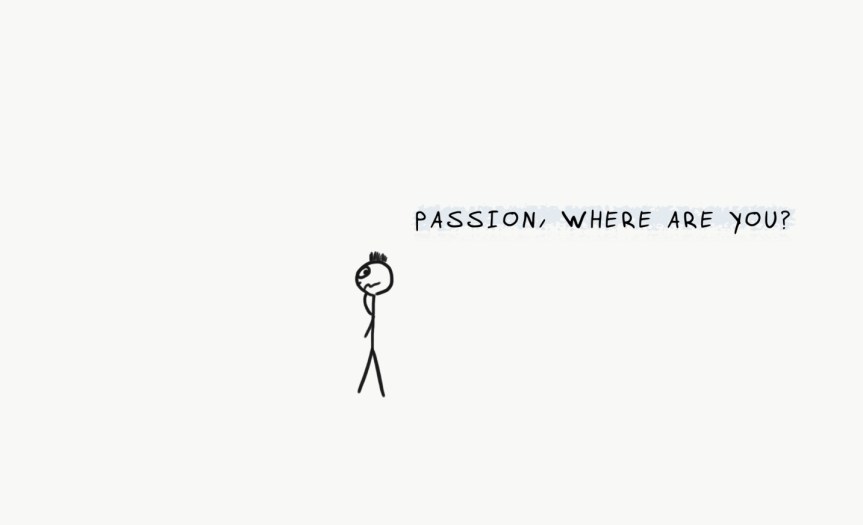
We collectively believe in a lot of myths. One of them is that your life only makes sense if you do what you love. That might be true, but the pursuit of your passion can be equally satisfying, which is something we often overlook.
Casey Neistat is an awesome YouTuber and entrepreneur. In his vlogs, he often talks about how much he loves his work (most recently here). And he advocates the belief of “find a job that you love and you don’t have to work for a day in your life.”
He’s not the only one who believes that. Many artists, athletes, entrepreneurs believe the same.
Steve Jobs even said:
“You’ve got to find what you love. And that is as true for your work as it is for your lovers. Your work is going to fill a large part of your life, and the only way to be truly satisfied is to do what you believe is great work. And the only way to do great work is to love what you do. If you haven’t found it yet, keep looking.”
I agree. However, it seems like many of us put too much pressure on ourselves to find our passion.
Without passion, we are not complete.
Without passion, our life has no meaning.
Really? It sounds like we’re giving ‘passion’ too much attention these days. It’s important, yes, but it’s not a magical solution that will make all your problems disappear.
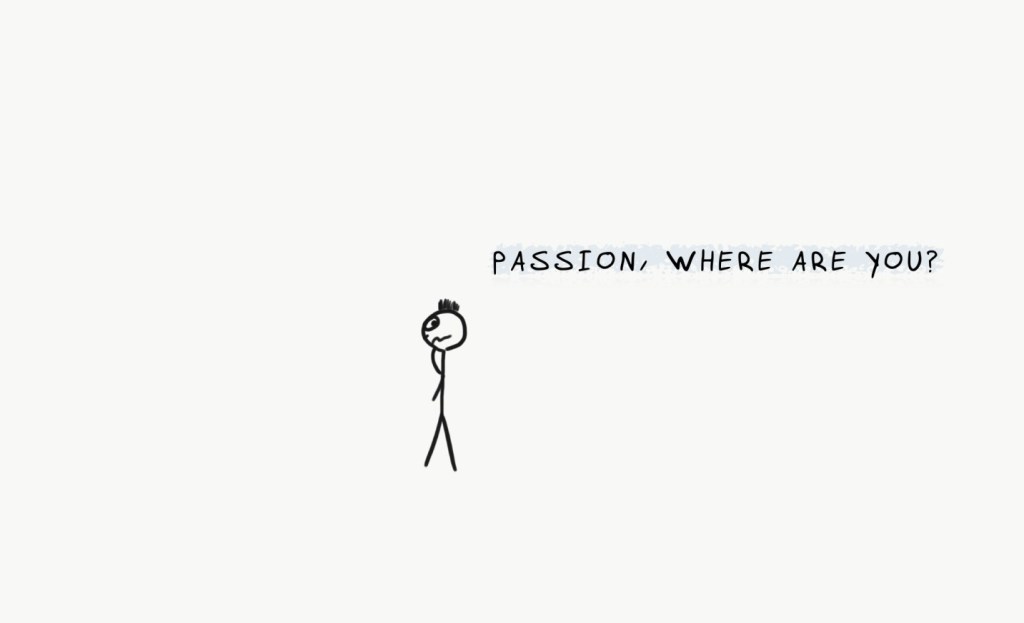
Some people say: “If only I would find my passion.”
And I think: Then what? Let’s say you find your passion.
But if you’re an idiot, you will be an idiot with a passion. And if you’re a miserable complainer, you’ll be a miserable complainer with a passion.
I’m one of those people who didn’t exactly know what they wanted to do when they grew up. There were many things I thought about doing.
But was I miserable before I started doing what I do now? Fuck no.
I have to admit, I’ve been an idiot and I’ve made stupid decisions in the past, but I’ve also been a hard worker, got two degrees from college, read tons of books, traveled, started and failed a few businesses, and always made the best out of bad situations.
And then one moment in 2015, I thought: Why not write about the stuff that I’ve learned along the way? My mentors and people who were close to me told me I should do this stuff a few years ago. I didn’t think about it at the time. But last year it just happened. Like a eureka moment.
Don’t get me wrong: It’s awesome to wake up every day and look forward to working on the stuff you love to do. But it’s not the ultimate key to happiness.
“So how is that information useful for me?”
For the past year, I’ve been researching how others can stimulate the process of ‘finding your passion.’ But I’ve never found any research that has a sound answer to that question.
No research says ‘do XYZ’ and that will result in YOUR PASSION.
The only research that comes close is from neuroscience and eureka moments. You know super awesome insights that appear out of nowhere. And finding your passion is often the same: It’s just an insight.
In The Eureka Factor, John Kounios and Mark Beeman explain how insights arise and what scientific research says about stimulating them. They write:
“Though insights often come as a surprise, sometimes we can sense that an idea is present, lurking just below the threshold of awareness, ready to emerge. This puzzling phenomenon has a strange subjective quality. It feels like an idea is about to burst into your consciousness, almost as though you’re about to sneeze.”
Instead of putting pressure on yourself, you need something else that will trigger that final step of getting a eureka moment. Kounious and Beeman continue:
“Cognitive psychologists call this experience “intuition,” meaning an awareness of the presence of information in the unconscious mind — a new idea, solution, or perspective — without awareness of the information itself, at least until it pops into consciousness.”
You don’t know your passion because you’re not aware of it. That’s all. Don’t make things more complicated than they are. And don’t try to force it to come out of you. It’s not a pimple that you HAVE to pop.
“But how can I stimulate my brain to get more insights?”
Expose yourself to different things. Read about stuff you’ve never considered. Travel. Hang out with different people. The more you broaden your mind, the more information you get. Kounious and Beeman show that eureka moments are often a blend of different ideas that you’re exposed to.
Manage stress and anxiety. Chronic stress and anxiety prevent your mind to think clearly, focus, and relax. Those are key ingredients of getting new insights. So before you think about finding your passion, deal with stress and anxiety first if you’re having a lot of it.
I think those two things are critical steps that most of us skip. We dive into the practical things like keeping a notebook next to your bed.
But the thing is: You need input if you want to output.
Instead of consciously thinking about your passion, let your passion come to you. It’s somewhere inside of you, hiding because it’s afraid to expose itself.
You just have to trust that someday it will seemingly appear out of nowhere. When that day comes, make a happy dance, celebrate, whatever, but the next day, wake up and start working.
We live in interesting times. Technology has made a lot of things possible that we couldn’t think of, just a few years ago.
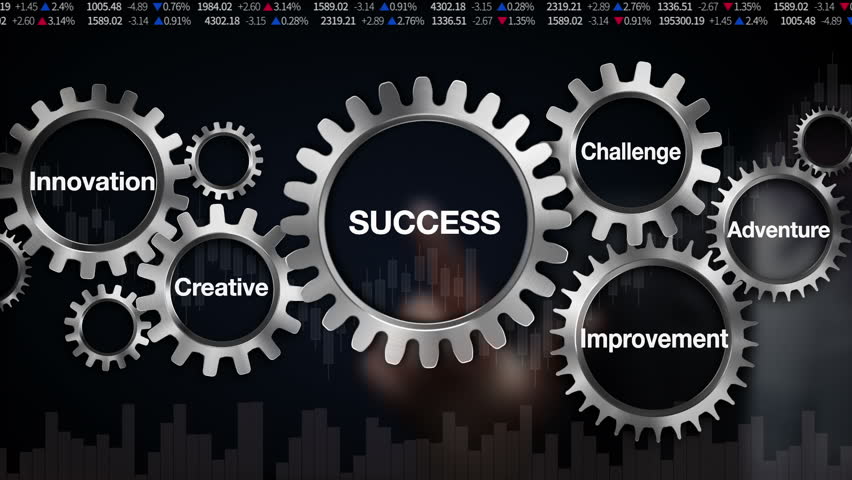
We all crave innovation, change, and improvement. That’s why ideas, creativity, and knowledge are one of the most important resources in the world.
New apps and services pop up every single day. And it seems like every single one of them is a success.
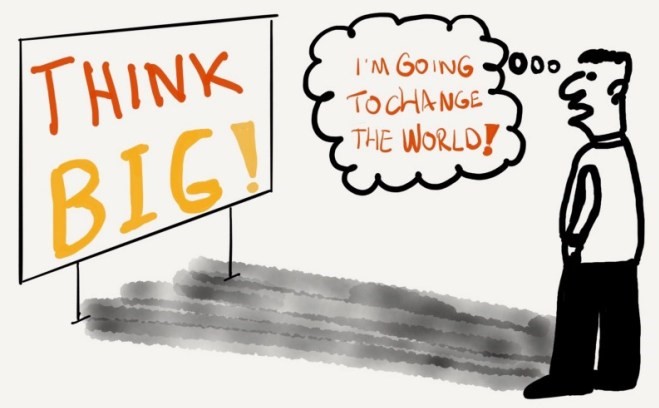
I often hear people, with big ideas, say: “How difficult is it to come up with a new app? You just need to think big and have a great idea.”
And then they continue: “You hire a freelance developer. Release it. Sell it. And BOOM. Relax on a beach.”
But let’s be real, it’s hard to achieve success. And yet, people think that as long as they have a great idea, they can achieve anything they want.
And it’s not just talking. We genuinely believe that we can become anything we want. We look up to people like Mark Zuckerberg, and we say: “You know he started Facebook from his dorm room, right? And now he’s a billionaire.”
“Or how about the founder of Snapchat, Evan Spiegel? He became a billionaire at age 24. Must be easy.”
A Big Idea Does Not Guarantee Success
I’m not going to tell you that you can’t do something—we already have enough people who do that.
But on the other side of that, we have “thinking big.” However, thinking big can turn around and bite you in the ass. It’s delusional to believe that you can change the world before you’ve worked yourself into a place that makes it possible for you to do so.
We often set out to achieve big things that are unique. Things like, “I want to be the first person who did X.” Or, “I want to be the youngest person who did Y.”
Are we a “genius” now because we have these big ideas?
In his new book, Ego Is The Enemy, Ryan Holiday writes about the dangers of thinking big:
“There is a real danger in believing it when people use the word “genius” — and it’s even more dangerous when we let hubris tell ourselves we are one. The same goes for any label that comes along with a career: are we suddenly a “filmmaker,” “writer,” “investor,” “entrepreneur,” or “executive” because we’ve accomplished one thing? These labels put you at odds not just with reality, but with the real strategy that made you successful in the first place. From that place, we might think that success in the future is just the natural next part of the story — when really it’s rooted in work, creativity, persistence and luck.”
Are you an entrepreneur if you have one good idea?
Are you a writer if you published two articles?
Are you a filmmaker when you create a YouTube video?
When you start thinking like that, you might feel like you’ve already achieved success. The biggest reward for most people is that they can call themselves a “founder,” “owner,” “writer,” or any other title that looks good.
But you’re not your Twitter or LinkedIn bio. No one cares about that stuff — but why do we pursue appearances? It’s often our ego speaking for us.
Look, I’m all about thinking big, but I’m also about being practical.
Because there’s still a difference between doing and dreaming. It doesn’t matter how big your dreams are — if you lose sight of what matters, you might never achieve those big dreams in the end.
Start With Tiny Steps
We live in a sum-sum world, not a zero-sum world. So it’s in everyone’s interest that we have people who set out to change the world. And sure, why can’t you change the world? It doesn’t require any special talent to change the world. It requires hard work and determination.
Thomas Edison put it best:
“There is no substitute for hard work.”
But success is not about a glorious vision. It’s about you, working on your goal—even when no one’s watching. With an emphasis on working because dreaming alone won’t get you anywhere.
In Ego Is The Enemy, Ryan Holiday writes about how we are often our own worst enemy when we think big. He draws lessons from different successful people who have made it big now but didn’t think big before they reached a level of success.
Ryan Holiday writes:
“A few years ago, one of the founders of Google gave a talk in which he said that the way he judges prospective companies and entrepreneurs is by asking them “if they’re going to change the world.” Which is fine, except that’s not how Google started. (Larry Page and Sergey Brin were two Stanford PhDs working on their dissertations.) It’s not how YouTube started. (Its founders weren’t trying to reinvent TV; they were trying to share funny video clips.) It’s not how most true wealth was created, in fact.”
Investor Paul Graham (who funded Airbnb, Reddit, Dropbox, and others), even says:
“The way to do really big things seems to be to start with deceptively small things.”
So, if thinking big isn’t a great strategy, what is?
When I study people who are called “successful”, I don’t see hubris. I see hard work. It’s always about doing the work — not about dreaming big.
People who say that dreaming big, visualization, and hoping for big things to happen is a good strategy, always have something to sell. If that stuff worked, everyone was a millionaire, philanthropist, or a world leader.
Unfortunately, you can’t build anything on your good intentions.
As Henry Ford once said:
“You can’t build a reputation on what you’re going to do.”
Similarly, you can’t get any results by dreaming big and not putting in the work on a daily basis. Because at the end of the day, results matter the most, not words.
Mobile or cell phones are now a days an integral part of modern telecommunications in every individual life. In many countries, over half of the population use mobile phones and the mobile phone market is growing rapidly. Saudi Arabia rank first among the countries of the gulf region with highest proportion of mobile users, a study conducted by United Nations Conference on Trade and Development (UNCTAD). In gulf countries, Oman ranked second, followed by Kuwait and the UAE. As billions of people use mobile phones globally, a small increase in the incidence of adverse effects on health could have major public health implications on long term basis. Besides the number of cell phone calls per day, the length of each call and the amount of time people use cell phones are important factors which enhance the health related risk.
Mobile phones emit radiofrequency energy, a form of non-ionizing electromagnetic radiation, which can be absorbed by tissues close to the phone. The amount of radiofrequency energy a mobile phone user is exposed depend on many factors as the technology of the phone, the distance between the phone and the user, the extent and type of mobile phone use and the user’s distance from cell phone towers.
In 2011, International Agency for Research on Cancer (IARC) classified mobile phone radiation possibly carcinogenic, means that there “could be some risk” of carcinogenicity, so additional research into the long-term, heavy use of mobile phones needs to be conducted.
While an increased risk of brain tumours from the use of mobile phones is not established, the increasing use of mobile phones and the lack of data for mobile phone use over time periods longer than 15 years warrant further research of mobile phone use and brain cancer risk. In particular, with the recent popularity of mobile phone use among younger people, potentially longer lifetime of exposure, WHO has promoted further research on this group and is currently assessing the health impact of RF fields on all studied endpoints. A cohort study in Denmark linked billing information from more than 358,000 cell phone subscribers with brain tumour incidence data from the Danish Cancer Registry. The analyses found no association between cell phone use and the incidence of glioma, meningioma, or acoustic neuroma, even among people who had been cell phone subscribers for 13 or more years.
The American Cancer Society (ACS) states that the IARC classification means that there could be some risk associated with cancer, but the evidence is not strong enough to be considered causal and needs to be investigated further. Individuals who are concerned about radiofrequency exposure can limit their exposure, including using an ear piece and limiting cell phone use, particularly among children.
Scientists have reported adverse health effects of using mobile phones including changes in brain activity, reaction times, and sleep patterns. More studies are underway to try to confirm these findings. When mobile phones are used very close to some medical devices (including pacemakers, implantable defibrillators, and certain hearing aids) there is the possibility of causing interference with their operation. There is also the potential of interference between mobile phones signals and aircraft electronics. Some countries have licensed mobile phone use on aircraft during flight using systems that control the phone output power.
Research has shown an increased risk of traffic accidents, about 3–4 times greater chance of an accident, when mobile phones (either handheld or with a “hands-free” kit) are used while driving due to distraction.
Children have the potential to be at greater risk than adults for developing brain cancer from cell phones. Their nervous systems are still developing and therefore more vulnerable to factors that may cause cancer.
The FDA (7) have suggested steps to reduce the exposure to radiofrequency energy:
Reserve the use of cell phones for shorter conversations or for times when a landline phone is not available.
Use a hands-free device, which places more distance between the phone and the head of the user.
Modern world has opened the doors for newer technologies. Every day, people bring new ideas to transform the way of thinking and doing things. Stories from all over the world from different fields influence many to pursue with their field of interest. There are several successful women in many fields in India also; they become true inspiration to all the young dreamers. Moreover, this pandemic have also taught us to be more skillful to achieve success and continuous growth in our lives.
One of the inspiring stories that have made young girls believe in their dreams is that of P.V. Sindhu. She started playing Badminton at the age of 8 and made her international debut when she was 17 yrs old. After tremendous hard work and with constant learning she became the World’s 6th Ranking Women in Single Badminton. This dedication and her constant efforts are real inspiration for the women out there who believe on themselves.
Image: Sports24
Likewise, Sharanya a 24 yr old young junior doctor who treated the victims of the Kozhikode Plan Crash. After working for 1 year at Kozhikode General Hospital,she quits to start preparing for her NEET exams. On one of the fateful night, when the hospital needed all hands on deck, she jumped into help without a second thought.
12 year old Haaziq from Pune came up with ingenious innovation- Ervis – which is a prototype ocean cleaner ship that can suck out plastic from the surface of the ocean. The picture of a young whale that died of intestinal blockage after consuming huge amount of plastic is what made this 12 year old to wage war against plastic. His novel idea received global attention and he got a chance to present this idea before audience through TED-X club.
India is one of the countries having most number of youths; the need is to give them a proper direction to think and to bring a change. Engagement of young people at local, national and global levels is impacting lives. The more they explore the more idea they collect. At this stage of confusion and uncertainty youths from different part of India are setting examples for others. No talent should be wasted, because they are capable of much more. But due to societal pressure and constant discouragements they often confused to choose their field of interests.
Image: Rightful Owner
The 22 year old a Haimanti founder of the NGO Junoon, is the inspiration for people who want to bring a change in the field of education especially for underprivileged children. Since May 2018, she has been on a mission to equip them with necessary skills along with education that will enable her to enroll them in a regular school under the Right to Education Act.
There are several more tales of young minds whose acts inspire us to work towards innovative methodologies. A young regular college student from Palakkad district, Shahinsa belongs to an agrarian family from the Panamanna village have deep passion for farming and finds the time to grow crops using modern technology in the fields.
Sriya Donepudi (15), a school going girl from Khajaguda started an initiative to recycle used flowers after social functions. She collected discarded flowers from various events and with the help of women from economically weaker sections they made soaps, paper-weights and other items from floral waste. According to The New Indian Express, this initiative made her bag The Diana Awards of 2020.
In the year 2017, Malhar and his friends collected the garbage thrown by visitors at Dadar Beach. Earlier, they started it as a weekend activity that gradually turned into a fully fledged cleanup movement engaging over 20,000 Mumbaikers. Collectively they have gathered 1000 tonnes of waste including plastics, stale food and religious offerings that had been cleared from the beach side. His efforts for this cleaning drive recognized globally when United Nations felicitated him on the International Volunteer Day.
Most of Indian startup and innovation landscape provide opportunity to young inventors to bloom. Their keen observations combined with deep sense of strategic ideas helps them in dealing with various problematic situations in the field of technology. These tales not only made us proud but also inspire us to build a new India with innovative thoughts.
Image : Shutterstock
Each of us is great in our own fashion. Even a tiny story of inspiration can influence thousands of youngsters to pursue their dream; each act can impact the world. Every one of us has that hidden power, the requirement is to have faith and continue our work with relentless efforts. These tiny tales of youths inspires many to pursue their dream . This pandemic is really tough and a challenging time for all the innovators but if you’re passionate enough to achieve your goal, you should continue with perseverance and patience.
In the era of movies with less creative plots, we left many hidden gems of Indian cinema with the best plots and absolute talented cast members, which got less appreciation than it deserves.
Some of the cult creations in Indian cinema are:
1.Udaan.
It’s a movie released in 2010 directed by Vikramaditya Motwane, the movie based on the story of a teenage boy living with his aggressive father after been expelled from a boarding school, with cast members Rajat Barmecha, Ronit Roy, Aayan Boradia Ram Kapoor, Manjot Singh and Anand Tiwari.
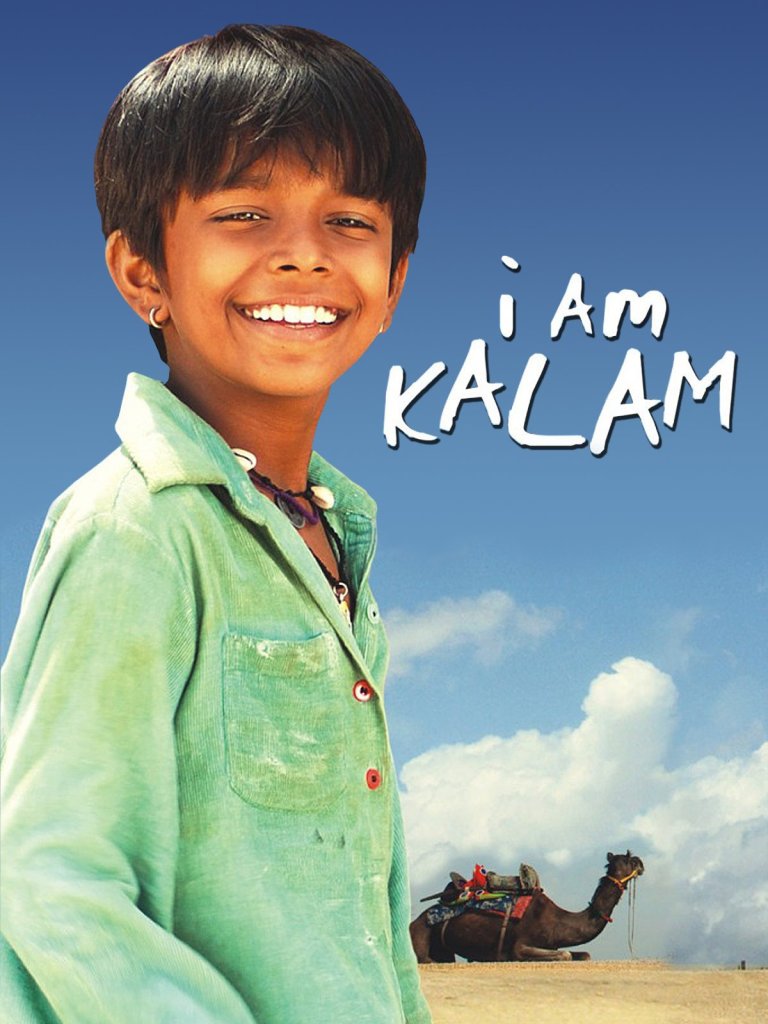
2. I am kalam
A 2011 Indian movie directed by Nila madhab Panda with casting members as Harsh Mayar, Hussan Saad, Gulshan Gover, Dharmveer jakhar, Beatrice Ordeix, Pitobash Tripathy, Meena Mir, Suresh Acharya, Bishwajit Bal, Rajat Bhalla, Garima Bharadwaj, Sanjay Chauhan, S.D Chouhan. The plot of this movie is based on a story of a poor boy who took inspiration from our former president of India A.P.J Abdul Kalam, change his name to kalam and ports a dream of meeting his visionary.
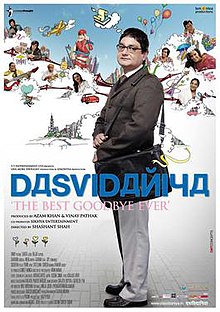
3.Dasvidaniya
2008 released movie, directed by Shashant shah, a based on a single man(played by Vinya Pathak), living with his mother loves making to-do lists start to fulfill his long bucket list after he gets know he got 3 months to survive as he is suffering from stomach cancer.
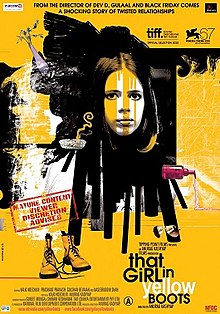
4.That girl in yellow boots.
An Indian thriller film directed by Anurag Kashyap, with the leading role played by Kalki Koechlin and Naseecharuddin Shah, the story of problems faced by a British woman who came to India after her sister committed suicide in search of his father, as she barely remembers his father but has a letter written by him.
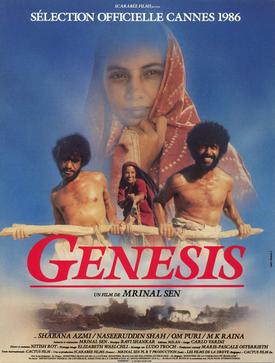
5.Genesis
A 1986 Indian film directed by Mrinal Sen, starring Om puri, Shabana Azmi, and Naseeruddin Shah, and M.K. Raina, based on the story of a farmer and weaver exchanging their products for goods and how It makes a turning point for their lives when there is the arrival of a woman and a trader.
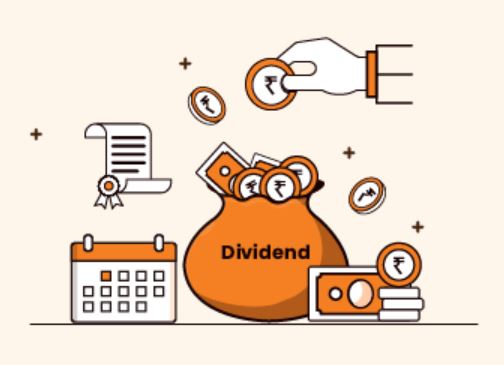
As an investor, entrepreneur or even as someone aiming to be financially literate, one must know about Dividends, its types and implications as it is common source of additional income for many investors. Dividends are also considered as an important reflection of the company’s value as it is used in calculating the value of the stock in many methods. One can also determine the future yield or dividends estimates from historic data. Therefore, it is essential to know about dividends, from investor’s, management and entrepreneur’s perspective.
What is a Dividend?
A dividend is a distribution of a portion of a company’s earnings, decided by the board of directors, to a class of its shareholders. A share of the after-tax profit of a company, distributed to its shareholders according to the number and class of shares held by them is called dividend.
The amount and timing of the dividend is decided by the board of directors, who also determine whether it is paid out of current earnings or the past earnings kept as reserve.
Dividend forPreference vs Equity shareholders
Holders of preference shares receive dividend at a pre-determined fixed rate and are paid first. But preference shareholders are not entitled to treat the preference dividend as debt and sue for its payment.
Holders of equity shares are entitled to receive any amount of dividend, based on the level of profit and the company’s need for cash for expansion or other purposes.
Dividend can be defined as the distribution of any sums to Members out of profits and wherever permitted out of free reserves available for the purpose. The right to claim dividend will only arise after a dividend is declared by the company in the General Meeting and until and unless it is so declared, the shareholder has no claim against the company in respect of it.
Types of Dividends
Final Dividend
Dividend is said to be a final dividend if it is declared at the annual general meeting of the company. Final dividend once declared becomes a debt enforceable against the company. Final Dividend can be declared only if it is recommended by the Board of Directors of the Company in the Directors’ Report.
Interim Dividend
Dividend is said to be an interim dividend, if it is declared by the Board of Directors between two annual general meetings of the company. All the provisions relating to the payment of dividend shall be applicable on the interim dividend also.
Dividends can tell us a lot about the company’s position. A deeper study of a company’s financial statements and dividends pay-out ratio (ratio of the dividend paid per share to earnings per share) can tell one about the company’s future plans as well.
For example, if the company chooses to retain most of its earnings and pay lesser dividends to its shareholders, it could possibly mean that it is planning to expand/grow by purchasing more machinery or opening another branch or outlet or introducing another product line. It could even mean that it is planning to invest in another company. This could increase the possibility of getting higher returns in the future. However, it is also riskier so investors with lesser risk appetite should sell their shares.
Hence, it is important to understand dividends and its implications in order to analyse the situation wisely and take decisions according to the risk appetite and wealth objectives of the investor. For the same reason, the management should also understand its implications to make sure the implications derived from company’s data and statements is in line with its future goals and objectives.
The leading causes of Child Labour in India are social inequality, lack of education, and poverty. According to UNICEF’s report, children from the impoverished and rural parts of the world have no available alternatives such as teachers and schools.
Many rural communities lack adequate school facilities and the availability of schools. The low paying economy blooms with low cost, easy to hire, and child Labour. Besides the unorganized Agricultural sector, child Labour exists in unorganized assembly, unorganized retail works, and unorganized trade sectors
Other factors of child Labour include the size of the informal economy, the inability of most Indian industries to scale up, lack of modern technologies, and the structure and inflexibility of the Indian market.
Bonded child Labour
Children are employed due to social obligation, or loans and debts made by the families. Usually, children are forced to employ their families in brick kilns, stone and quarries, and agricultural sectors.
The children of the migrant workers and those that belong to the marginalized sections and Dalits in the society are pledged to work in small production houses and factories in the urban areas. Child Labourers on the bond are usually subjected to physical, emotional, mental, and sexual abuse, even leading to death.
In Orissa, the people of the lower section of the society sell their daughters belonging to eight to 10 years of age, as maidservants to the clear their debts.
Lack of implementation of Laws
The Child Labour (Prohibition and Regulation) Act, 1986, was the only enacted provision by the Indian Constitution against child Labour and its atrocities. Other provisions stated by the Indian Constitution are:
Article 24 of the Indian Constitution states that no child below the age of fourteen shall employ in any hazardous employment or factory but not in non-hazardous industries.
Article 39(f)) of the Indian Constitution states that children and young adults are to be protected against moral and material abandonment or any forms of exploitation.
Various other Laws and the Indian Penal Code, such as The Factories Act,1948, The Mines Act,1952, the Juvenile Justice (Care and Protection) of Children Act-2000, and the Child Labour (Prohibition and Abolition) Act-1986 seek to prevent the practice of child Labour in India.
Unfortunately, these laws and regulations lack active and proper implementation and enforcement.
The widespread problem of Child Labour:
Child Labour is quite relevant in India due to poor schooling opportunities and the country’s high poverty rate. Child Labour is relevant in both rural as well as urban regions of the country.
As per the 2011 census report, the total population of the age group between 5-14 years is 259.6 million in India. Almost 3.9 percent of the total child population that is 10.1 million children in the country work either as the primary worker or as a marginal worker.
Reports state that almost 40 percent of child Labour occurs in the field of precious stone cutting. Child Labour exists in industries such as zari and embroidery, mining, dhabas, restaurants, tea stalls, and even at homes as domestic Labour.
The civil authorities and organizations need to work in unison to free child Labour under extreme conditions.
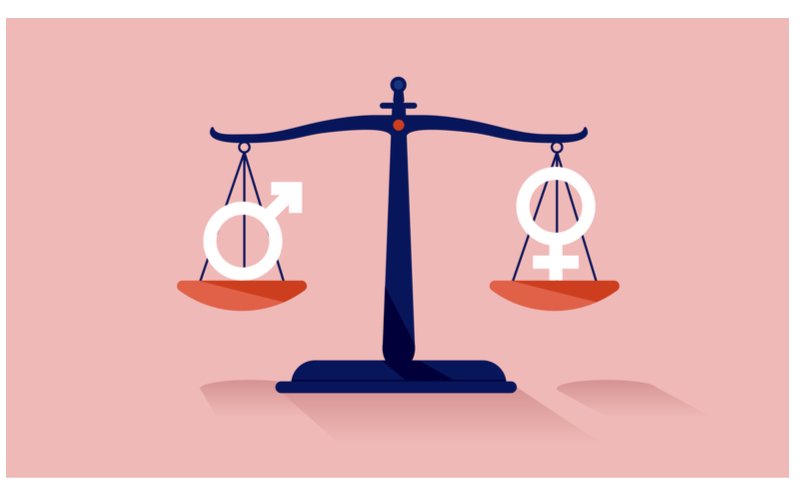
Opportunities and right should be equal for all. In our society the work is divided into two parts according to our gender, where a women’s appropriate job is cooking for her family and taking care of her children, in our Marathi language it’s called “Chul ani Mul”. Gender equality means that men and women have equal power and opportunities for financial, educational and personal development including own decision making power like a man has full power to take decisions for his own life, in same way a women should also have an equal power to control her own life and making her own decisions inside or outside the home. Dr B. R. Ambedkar the Father of Indian Constitution said “I measure the progress of a community by the degree of progress which women have achieved”, but if we don’t give them equal rights and opportunities then how can we say that world is going towards progress.
We are living in 21 century now but still globally, women have fewer opportunities than men , less access health and safety risks. Yet gender issues are not only about decision making or safety but also the relationship between men and women in society. Girls and boys faces gender inequality in their homes, communities and societies every day. Families who are not financially stable and can not afford school fees for all their children will prioritize education for their sons only. An educated girl is more likely to say “NO” to the young marriage, taking smarter decisions and raising her family and children alone. The action, behavior and attitude of boys and men towards girls and women’s is really plays an important role in gender equality, like a women can do a her dream job and take care of her children at a same time then why can’t men, atleast men can help them, can support them. Life of a women or a girl is filled with full of restrictions than men and after all this restrictions if something wrong happens first of all our society assumes that a women is responsible for this even without knowing the truth. Either taking girls and womens responsible for what happened we can tell our boys to respect girls and women’s , can tell boys to treat girls equally so one day we can make a better and safer world for women’s with equal rights and opportunities where “Gender Inequality” word never exist and genuinely we can say that the world is heading towards progress.

















 Eduindex
You must be logged in to post a comment.