We all have trouble concentrating in our lives. Many of us have to sit and study/work for hours on end, especially after the COVID-19 pandemic which locked everyone inside their homes. However, most of us find it very hard to concentrate very long on our work or studies, and we lose focus or start procrastinating after a short while. The result of this is that we complete minimal work, and end up being unproductive for most of the day because of our loss of concentration. However, there is one simple method, called the Pomodoro Technique, which helps improve productivity and focus.
What is it?
The Pomodoro method is very simple. It requires you to work/study for 25 minutes, and then take a 5-minute break. The reason this method works is also simple: evolutionary biology. The human brain is not designed to focus for extended periods of time on singular task, and is made to consider many different things in our lives. This is a result of survival instincts that have developed within us. To protect us from looming threats, the brain is in a constant state of alertness. This makes focusing on one thing for a long time very hard for your brain. So, adhering to this basic instinct, the Pomodoro method makes it possible for us to work in short bursts of time with full concentration, and then take a few minutes to relax or focus on something else so as to not tire ourselves out. This can be repeated for hours on end and helps retain focus, especially if studying for an exam or completing some work.
Also, this technique has been known to increase the quality of your work. When you take a break, you force yourself to take a few seconds to revaluate and rethink certain things. Sometimes, you find that you have to adjust your work to increase the quality of it. In contrast, when you work on a task without a break, it is easy to lose focus and get lost in the work. That is why the 5-minute breaks are equally important as the 25 minutes of work. You must take your breaks seriously and see them as a reward.
What makes it effective?
It makes it easy to get your work started: We may often find it uncomfortable to start a big task or project, and try to avoid doing it as much as possible until the last minute. The most effective way to break out of this avoidance cycle is to just simply start the work, even if it is with a small step. This procrastination-busting strategy is exactly what the Pomodoro technique asks you to do: break down your big tasks or projects into something you only have to do for the next 25 minutes.
Helps combat distractions: As mentioned earlier, it very easy to get distracted while doing your work and most of us can’t focus on the task at hand for long periods of time continuously. The Pomodoro Technique helps you resist all of those self-interruptions and re-train your brains to focus.
Makes us more aware of time: When most of us are planning out our work, we usually underestimate the time needed to complete the tasks, even when we know similar tasks have taken longer in the past. The Pomodoro technique can be a valuable weapon against this problem, as working in short, timed sessions is not an abstract concept but a concrete event that helps keep track of the time.
It is easy to do: The Pomodoro technique is an accessible technique for everyone as it is more about consistency than perfection. Each session is a fresh start to revaluate your goals, challenge yourself to focus, and limit distractions. You can make the system work for you.
Hence, in case you are having trouble with staying focused and productive, give the Pomodoro technique a try to see if it helps you, just as it as helps so many people.
Demonetization refers to the act of stripping a currency as legal tender. In demonetization, the current form of money is removed from circulation and retired. Furthermore, the replacement of this form of money occurs with new notes or coins. Sometimes, a nation completely introduces a new currency in place of old currency. Most noteworthy, demonetization is a move in which a government bans the notes or coins of a certain denomination.
More than 300,000 acres are burning across six states across the west coast of United States on Sunday. This event was triggered by a record-breaking heat wave in the region.
Communities have been told to evacuate while firefighters battle the wildfire in the extreme conditions. Firefighters from several wildfires in the region said, the air is so dry that most of the water dropped by aircraft to extinguish the flames evaporates even before it reaches the ground. On Saturday, two firefighters in Arizona died when their aircraft crashed while trying to extinguish the roaring flames. In California, residents were urged to cut power consumption after interstate power lines were caught on fire. In the north of Nevada, near the border with California, wildfires were triggered by lightning strikes in the Sierra Nevada Forest region. Reports have said that a fire, which doubled in size between Friday and Saturday, sent up a giant cloud of smoke and ash, combining with the dry heat to generate its own lightning.
Experts say that climate change is expected to increase the frequency of extreme weather events, such as heatwaves. Las Vegas had its all-time high temperature of 47.2 Celsius. The west coast experienced it’s hottest June ever, this year. It comes just weeks after another dangerous heatwave hit North America, in which hundreds of sudden deaths were recorded.
This event is not new. Every year thousands of acres of land and wildlife is burned by wildfires in California and the neighboring west coast states. They have been growing in size and intensity, and have been particularly devastating in the last three to five years. California’s population has doubled since 1970, from 20 million to almost 40 million. Also during this period, climate change has extended the fire season by at least 75 days since the 1970s, putting millions more lives in danger.
For the past few years, wildfires have been an annual, or even monthly event, not only in the US, but many parts of the world. As the need of serious action against climate change is being more and more urgent, there must be steps taken to fight and control wildfires. More funds should be given for research. Properly funded research could study the best ways to predict high-risk areas for wildfire and to better understand how climate change is shifting how wildfires behave. Strict environmental laws need to be passed by the government and enough wildfire disaster relief funds must be used effectively and efficiently to prevent spread of wildfires and protect the people living close to potential threat from wildfires.
Fish dropping from the sky and human-animal hybrids are only a few of the “common” happenings in Haruki Murakami’s stories. The famous Japanese author has millions of admirers across the globe, with his best-selling novels translated into over 50 languages.
Haruki Murakami’s widespread fame signals the twenty-first century’s progress to a much more interconnected society, one where origin has no bearing on impact and everyone is a descendant of the diverse communities that happened to come before. Murakami’s huge reach stems in large part from the scope of his own preferences and capabilities. He not only has made many western readers acquainted with some of the East’s modern written achievements, but he’s also translated several works of English authors like Raymond Carver, F. Scott Fitzgerald, and J.D. Salinger to Japanese, giving Japanese readers exposure to some of these works for the very first time.
Murakami is heavily inspired by Western writers, finding inspiration in authors ranging from Franz Kafka to Kurt Vonnegut. He now admires the novelists Kazuo Ishiguro and Cormac McCarthy. He became particularly captivated to American culture as a young child, devouring any relics he would discover, whether jazz albums, dollar store paperback books, or Hollywood films.
Murakami’s life has been influenced by jazz music. Several of his novels, like Norwegian Wood (from the same Beatles song) as well as Tsukuru Tazaki, depend heavily on the music of Franz Liszt.
When it pertains to Haruki Murakami, there seems to be an odd synchronicity between his supporters and his detractors. Everybody thinks that he’s often humorous, especially in his dialogue. His protagonists, who are frequently drawn into detective storylines without the need for a “FOR HIRE” notice in their windows, and who doesn’t love a detective?
Cats, mundane kitchen activities, dingy barrooms, pop and/or classical theme tunes are always be present in the books, set against a surreal, Manichaean danger zone into which the modest yet progressively resilient protagonist must descend in quest as to what he’s missing, most likely to find something else instead. The hero may also stay a bit of time at the bottom of a well or in another dark and solitary place.
His thoughts and emotions will be torn between yearning for an otherworldly, spiritual lady (typically the one who has vanished) and desire towards a feisty, sensual, down-to-earth woman (who may at first just seem more like his sidekick on the journey but may just turn out to be just what he needed all along).
Murakami has been writing many versions on similar themes for almost 40 years, and he admits about his tendency of reusing certain types of ideas in several interviews. Some people consider his repeats to be a detriment to him. But what divides his detractors is whether they will accommodate his logical leaps and propensity to build dreamworlds which defy consistency and appear to live irrespective of any writer-imposed constraints.
Although the Kyoto-born novelist might not be the first Japanese author to achieve international recognition, Murakami has dramatically changed the perception of Japanese literature throughout the globe, resulting in a high demand for Japanese books to be translated.
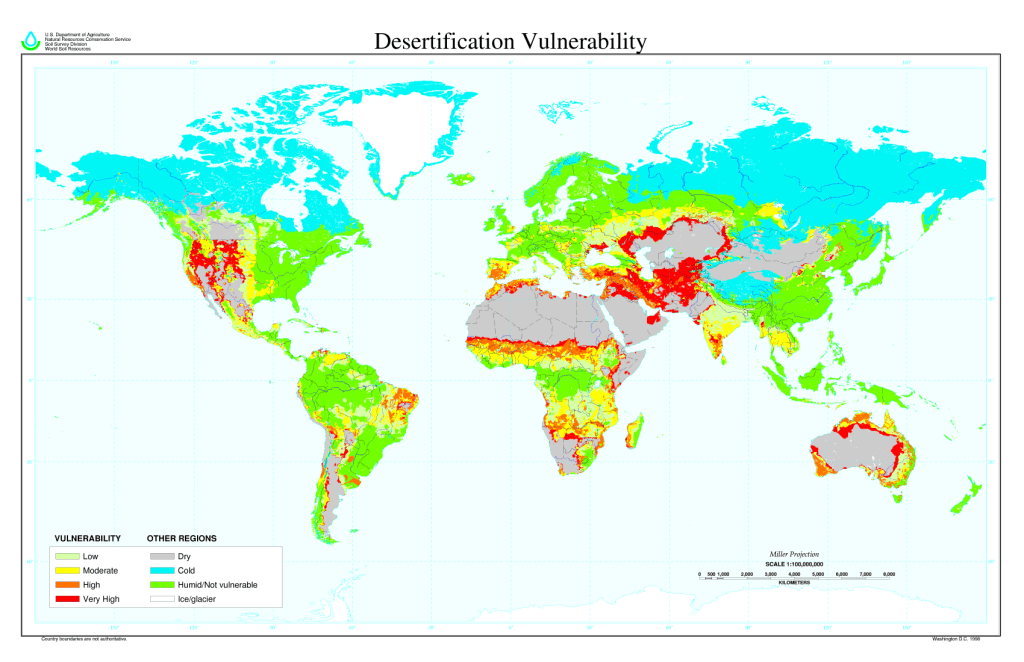
Desertification, an intentionally foreboding term, is at its core land degradation in dryland environments. After nearly 40 years of international attention, the analysis of the causes and consequences of land degradation in dryland systems remains shrouded in the nuanced complexities of multiple interwoven variables (biophysical, anthropogenic, and climatic) working simultaneously to bring about change in these ecologically and socially vulnerable areas. In order to fully grasp the complexities of desertification, this chapter follows a fivefold approach. First, it provides a synthesis of the history and politicization of the term. Second, it establishes desertification’s geospatial context. Third, it identifies the interrelated drivers of land degradation and their impacts, with special focus placed on North Africa, the Middle East, and Central Asia. Fourth, it outlines the current approaches to studying land degradation and desertification. Finally, it concludes by situating the desertification dynamic in the context of sustainability and poverty eradication.
Introduction :-
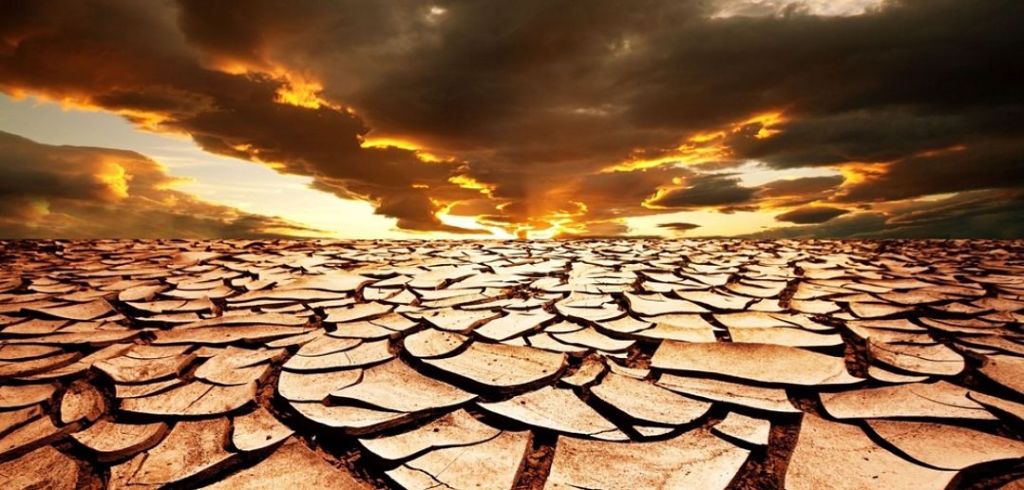
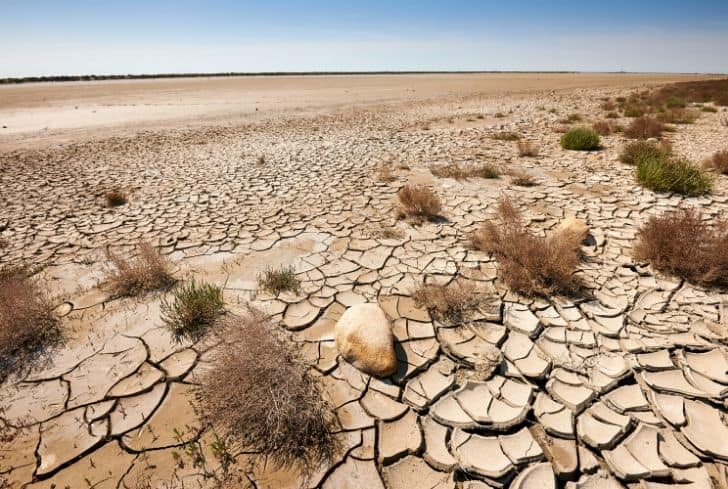
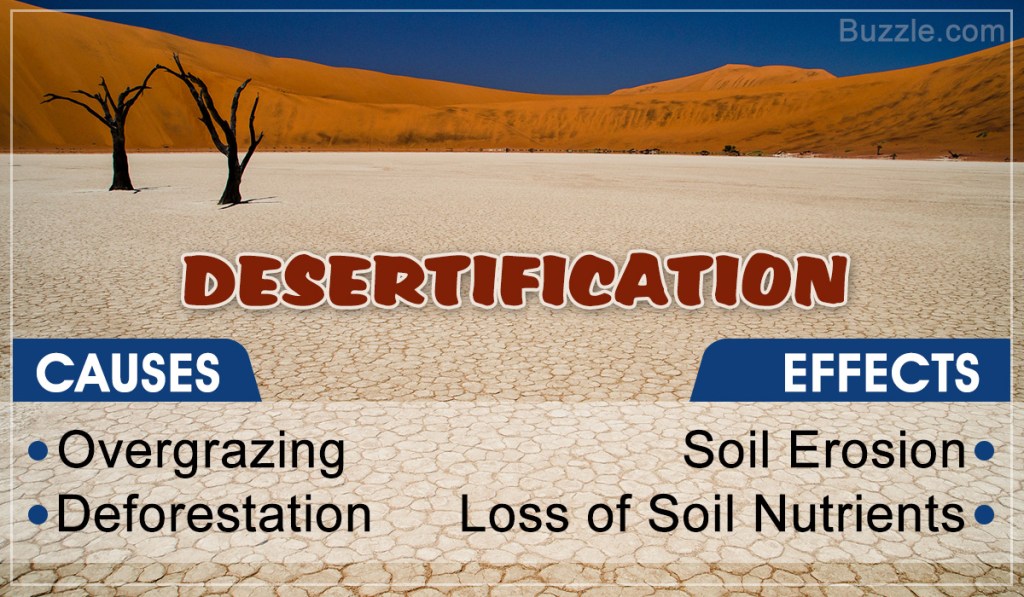
Desertification is defined as a process of land degradation in arid, semi-arid and sub-humid areas due to various factors including climatic variations and human activities. Or, to put it in another way, desertification results in persistent degradation of dryland and fragile ecosystems due to man-made activities and variations in climate. Desertification, in short, is when land that was of another type of biome turns into a desert biome because of changes of all sorts. A huge issue that many countries have is the fact that there are large pockets of land that are going through a process that is known as desertification. Overgrazing is the major cause of desertification worldwide. Other factors that cause desertification include urbanization, climate change, overuse of groundwater, deforestation, natural disasters, and tillage practices in agriculture that make soils more vulnerable to wind. Desertification affects topsoil, groundwater reserves, surface runoff, human, animal, and plant populations. Water scarcity in drylands limits the production of wood, crops, forage, and other services that ecosystems provide to our community. According to UNESCO, one-third of world’s land surface is threatened by desertification, and across the world, it affects the livelihood of millions of people who depend on the benefits of ecosystems that drylands provide. Desertification is another major environmental concern and a significant barrier to meeting basic human needs in drylands and is being constantly threatened by increases in human pressures and climatic variability. It is caused by a variety of factors, such as climate change and human activities. Desertification is a significant global ecological and environmental problem.” Through my project, we’re going to give you an idea as to what are the causes of desertification, the effects that desertification has, and what we can do in order to deal with the problem at hand.
CAUSES OF DESERTIFICATION :–
1. Population Growth :- The population in some desert areas is increasing. In places where there are developments in mining and tourism, people are attracted by jobs. An increased population is putting greater pressure on the environment for resources such as wood and water.
2. Removal of wood – In developing countries, people use wood for cooking. As the population in desert areas increases, there is a greater need for fuel wood. When the land is cleared of trees, the roots of the trees no longer hold the soil together so it is more vulnerable to soil erosion.
3.Overgrazing – An increasing population results in larger desert areas being farmed. Sheep, cattle and goats are overgrazing the vegetation. This leaves the soil exposed to.
4. Soil erosion – This is made worse by overgrazing and the removal of wood. Population growth is the primary cause for soil erosion.
5. Deforestation-When people are looking to move into an area, or they need trees in order to make houses and do other tasks, then they are contributing to the problems related to desertification. Without the plants (especially the trees) around, the rest of the biome cannot thrive.
6. Climate change – The global climate is getting warmer. In desert regions conditions are not only getting warmer but drier too. On average there is less rain now in desert regions than there was 50 years ago.
7. Over drafting of groundwater- Groundwater is the freshwater found underground and also one of the largest water sources. Over drafting is the process in which groundwater is extracted in excess of the equilibrium yield of the aquifer that is pumping or theexcessive pulling up of groundwater from underground aquifers. Its depletion causes desertification.
Devastating Effects of Desertification
:-
1. Farming becomes next to impossible-If an area becomes a desert, then it’s almost impossible to grow substantial crops there without special technologies. This can cost a lot of money to try and do, so many farmers will have to sell their land and leave the desert areas.
2. Decrease in Crop Yields-A major effect of desertification is the decrease in crop yields. Once land turns from arable to arid, it is often on longer suitable for farming purposes anymore. If their land becomes arid, they may no longer be able to provide sufficient crop yields to make a living out of it.
3. Flooding- Without plant life in an area, flooding is a lot more imminent. Not all deserts are dry; those that are wet could experience a lot of flooding because there is nothing to stop the water from gathering and going all over the place. Flooding can also negatively affect the water supply, which we will discuss next.
4. Poor Water Quality-If an area becomes a desert, the water quality is going to become a lot worse than it would have been otherwise. This is because plant life plays a significant role in keeping the water clean and clear; without its presence, it becomes a lot more difficult for you to be able to do that.
5. Biodiversity Loss- In general, the destruction of habitats and desertification may also contribute to a loss of biodiversity. While some species may be able to adjust to the altered environmental conditions properly, many species will not be able to do so and may suffer from serious declines in population.
6. Destruction of Habitats-Desertification often leads to a loss of habitats for many animals and plants. Desertification may alter the living conditions of the local flora and fauna that makes it impossible for animals and plants to sustain their populations.
7. Overpopulation-When areas start to become desert, animals and people will go to other areas where they can actually thrive. This causes crowding and overpopulation, which will, in the long run, end up continuing the cycle of desertification that started this whole thing anyway.
Desertification Is Increasing Because of Global Warming :-
Desertification is a phenomenon that is increasingly understood by scientists. While high
temperatures and droughts prevent plants from growing, arid soils aren’t as good at retaining
water. Human activity (agricultural overexploitation, soil artificialization, deforestation)
contributes to this phenomenon by destroying the environment.
It also leads to biodiversity losses locally, which further accelerates desertification -a positive
(though negative) feedback loop. Desertification also causes the carbon stored in the soil and
plants to be released, which in turn contributes to global warming. These vicious circles are now
well-identified in the scientific community and they are increasingly taking place across the
globe.
But recent studies give us a more precise idea of the speed and extent of these desertification caused changes and how they’re related to global warming. According to a study published in
early January 2018, global warming is helping to accelerate desertification and between 24% and
32% of the globe’s land area could be affected by 2050.
Soil Hydrology of Desertification and Rehabilitation :-
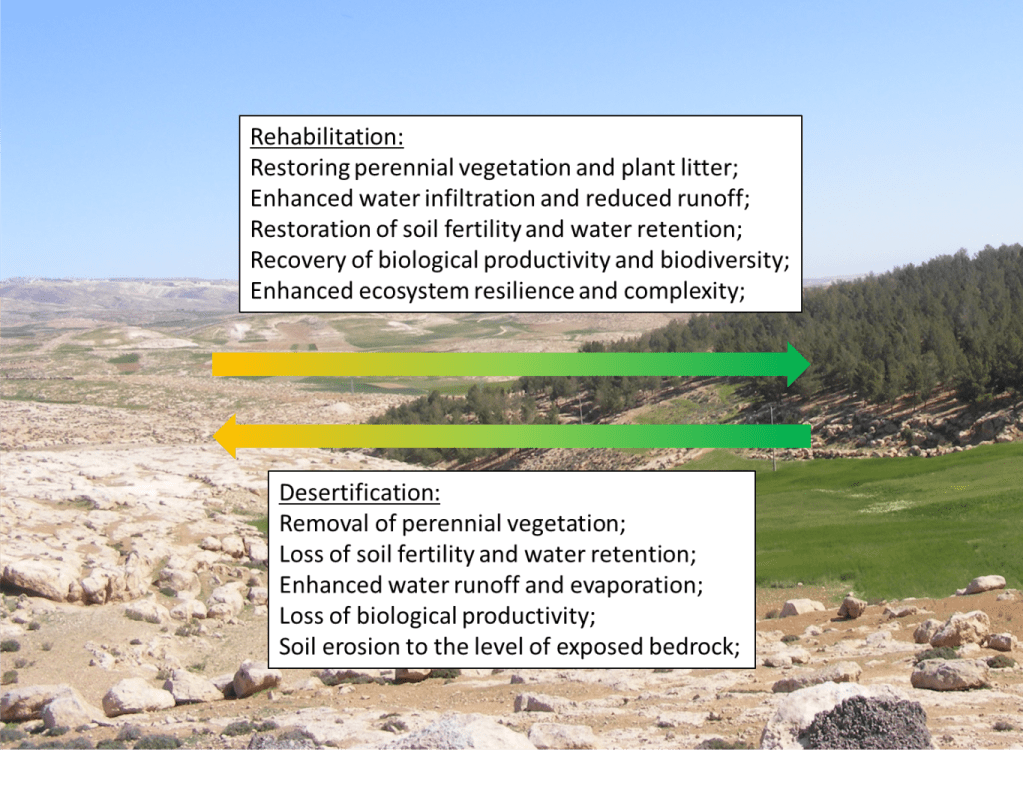
Desertification dramatically alters the hydrology of the degraded soil surfaces. Decertified surfaces are either rocky surfaces or exposed crusted soils with very low water infiltration capacity; water immediately runs off at high speed, causing further soil erosion. Remaining humidity in exposed soils rapidly evaporates in the intensive sunlight, so that resulting biological productivity is a fraction of that of restored ecosystems. In intact or restored ecosystems, large amounts of water can infiltrate through layers of plant litter into rich topsoil, whereby decomposing litter releases the nutrients required for vigorous plant growth Shade provided by perennial plants and plant litter layers also reduces soil surface temperatures and, consequently, evaporation, so that most precipitation becomes available to plants, resulting in water use efficiency.
As we all know the fact that the human psyche is immensely complicated so fresh research that sheds light on why we are the way we are is published every day. Now, Have you ever pondered why you feel or act the way you do? The answer of this question is that the way you are and what you do are largely determined by how your mind works. So human brain is really important without which it’s difficult to survive. Isn’t It remarkable how, at some level, every ‘unique’ mind works the same way?
Here are psychological truths that explain human nature and provide a clear explanation of why things happen to us the way they do, as well as our reactions to them. These mind-blowing psychological truths explain everything about how you act or how you feel the way you do.
Various Research have been conducted which prove that if you make your objectives public, you are less likely to achieve them because you lose motivation to do that.
Our plan A is less likely to succeed if we have a backup plan. Researchers discovered that when volunteers considered a backup plan before beginning a job, they performed worse than those who had not. Furthermore, as students understood they had alternatives, their desire to achieve the first time around dwindled. The researchers emphasize that planning ahead is beneficial, but you may be more effective if your intentions are unclear.
When you go to sleep, the last person on your thoughts is either the source of your happiness or your anguish.
If we’re not in danger, fear might feel pleasant. You receive all the adrenaline, endorphins, and dopamine from a fight-or-flight reaction while you’re watching a terrifying movie or going through a haunted house, but no matter how terrified you are, your brain knows that you’re not actually in danger—so you relax.
Your mind rewrites dull people’s repetitive speeches to make them sound fascinating.
We might be able to bond by “catching” a yawn. Isn’t it sound interesting? Well, Even if you aren’t weary, why do you yawn when someone else does? One of the most popular explanations for why yawning is contagious is that it demonstrates empathy. People who are less inclined to express empathy—for example, toddlers who haven’t yet mastered it are more likely to yawn when seeing the reaction of someone else.
While money may purchase pleasure to some extent, studies suggest that after Rs 49 lakhs per year, more money does nothing to improve contentment.
We want to squeeze cute things for a purpose. When we’re overwhelmed with positive feelings, such when staring at an unbelievably adorable young animal, a little bit of aggressiveness helps us balance off that high, Cuteness aggression is what it’s called, and individuals who have it don’t actually want to destroy that lovely puppy.
We believe that the future is promising. Whether you like where you are now or not, according to study published in Current Biology, most of us have a “optimism bias” that convinces us that the future will be better than the present. We imagine ourselves progressing in our jobs, never getting divorced, raising little angels, and living to a ripe old age. It’s possible that not all of them are feasible.
Smarter individuals have a tendency to underestimate their own abilities. People who are ignorant believe they are clever.
If u find it relatable or interesting comment down in the comment section.
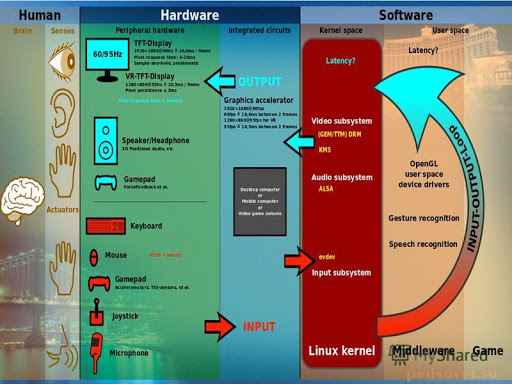
GUI is a Graphical Interface that is a visual representation of communication presented to the user for easy interaction with the machine. GUI means Graphical User Interface. It is the common user Interface that includes Graphical representation like buttons and icons, and communication can be performed by interacting with these icons rather than the usual text-based or command-based communication.
Example of GUI
Need of GUI
The graphical user interface (GUI; sometimes pronounced “gooey”) is used by most commercially popular computer operating systems and software programs today. It’s the kind of interface that allows users to manipulate elements on the screen using a mouse, a stylus, or even a finger. This kind of interface allows word processing or web design programs, for example, to offer WYSIWYG (what you see is what you get) options. Before GUI systems became popular, command line interface (CLI) systems were the norm. As you might imagine, GUI systems have made computers far more user-friendly than CLI systems.
How does it Works ?(InShort)
The graphical user interface is a form of user interface that allows users to interact with electronic devices through graphical icons and audio indicator such as primary notation, instead of text-based user interfaces, typed command labels or text navigation.
It is a well-known fact that a person without an aim is a person without a life. All the creatures in this universe have one or other specific aim. It is common for all things. As the human is the best creature among them all, he has given a right to select that what he wants to do in his life. The mindset of each and every person is of its own type. Therefore, his aim of life will also be different from others.
Importance of aim in life
There is a popular saying that a man without an aim is like an aim without a rudder. It means a ship without rudder faces danger. Thus similarly a man without aim cannot reach towards his goal of life. He stumbles in his way of life.
So every person must have a definite aim. So, the aim of life is to give your life a purpose and a meaning. Certainly, it is done by finding out what truly matters to you. Your purpose is to create more joy in life or to show others how you can live your life in the best possible manner.
How to Choose the right Aim of life?
It is the responsibility of the parents and the teachers to persuade their wards to select a profession according to their aptitude. Thus one can say that the right aim means right life and the wrong aim means wrong life. So, we should be very cautious while deciding on our aim.
Certainly, this is the most difficult problem that a young man faces is the selection of a profession. If a person does not choose his aim rightly, he will be always misfitted in his life. Thus, the best aim would be for one in which one feels happy always and he can do something worthwhile. Also at the same time, he assures about bright prospects in life.
Everyone should set a goal which is personal to him and will always inspire to reach new heights. Therefore, don’t follow the mob and mimic the ambitions of friends.
Conclusion:
Thus it is a fact that setting an aim and acting to achieve it is very important for a successful life. Everyone must start working towards it. Timely execution of an action plan with a proactive attitude is the key to success. One of the best ways to stay motivated is by visualizing the change and likewise by achieving step by step milestones.
The concept of web design and development has been around for about as long as websites have existed. It used to have a much simpler definition because website creation used to be a much simpler process. When you compare the first website, which came out in 1991, to modern websites, you can really see how much websites have evolved. Today creating and maintaining a website is more complex, and involves an entire ecosystem of roles and skill sets. For designers, it can be difficult to know exactly where you fit into this ecosystem. This article outlines the major aspects of the website creation process, offering a clear picture of your role, the role of others, and the skill sets involved.
ELEMENTS ODF WEB DESIGN:
LAYOUT: The layout is the arrangement of the websites header, navigation menu, footer, content and graphics. The layout depends on the website’s purpose and how a web designer wants the user to interact with the website. For example a photography website would prioritize big beautiful images, while an editorial site would prioritize text and letter spacing.
VISUAL HIERARCHY: A user should be able to access the information they need by glancing at a website. This is where visual hierarchy comes in. Visual hierarchy is the process of determining which aesthetic aspects of the website should stand out using size, color, spacing and more.
COLOR: Color gives a website personality, makes it stand out, and shows the user how to take action. The color palate might be determines by a brand’s existing identity. A consistent color palate helps give order to a website.
ACCESIBILITY: Who can or cannot use a website is dependent on the website accessibility. Making accessibility a priority ensures that all users are able to access and use a website and its functions equally.
GRAPHICS: Graphics are the logos, icons, and images that live on the website. They should compliment the color palate and layout and content.
SPEED: A user’s first impression relies on how long it takes for a website to load. If it takes too long chances are the user won’t stick around.
NAVIGATION: Navigation helps a user get from point A to point B using navigation tools like sight, architecture, menus, and search bars. Simple effective navigation helps users find the information they are looking for quick and easily.
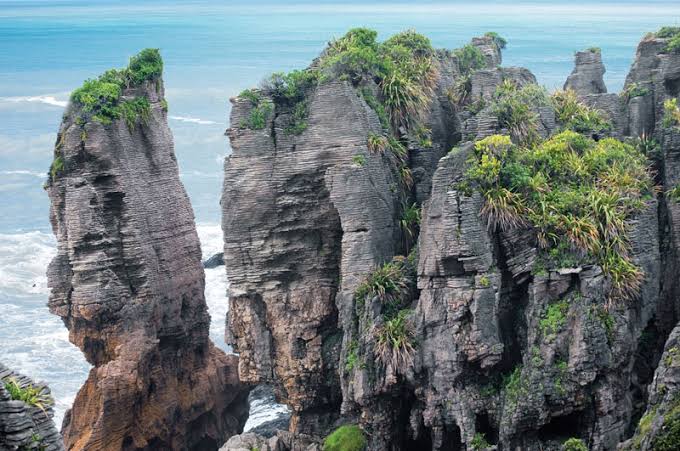
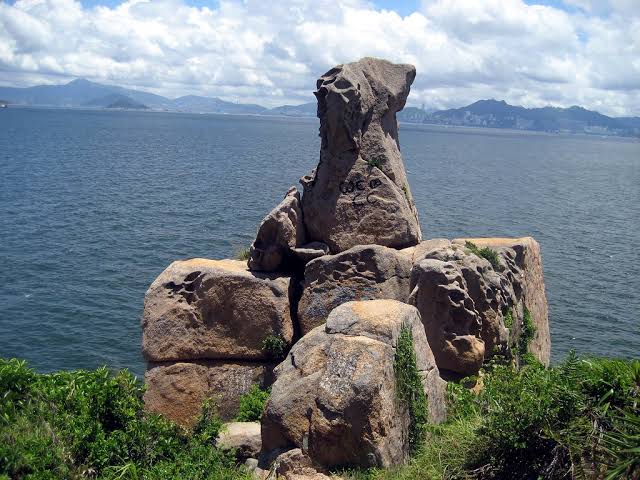
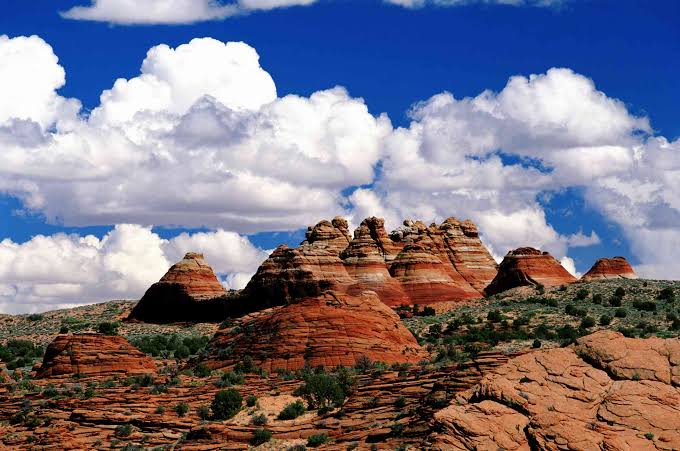
Weathering is the breaking, disintegration and decomposition of materials of the earth’s crust by their exposure to atmosphere.
There are three types of weathering ✓Physical weathering ✓Chemical weathering ✓Biological weathering
Physical weathering
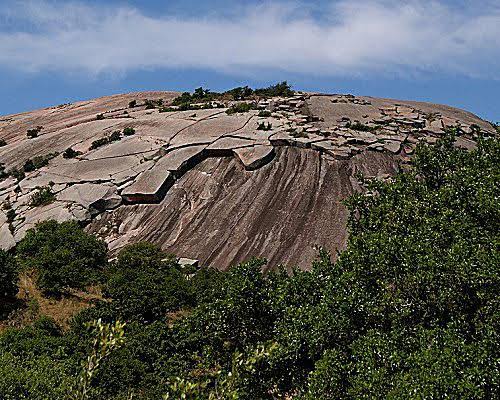
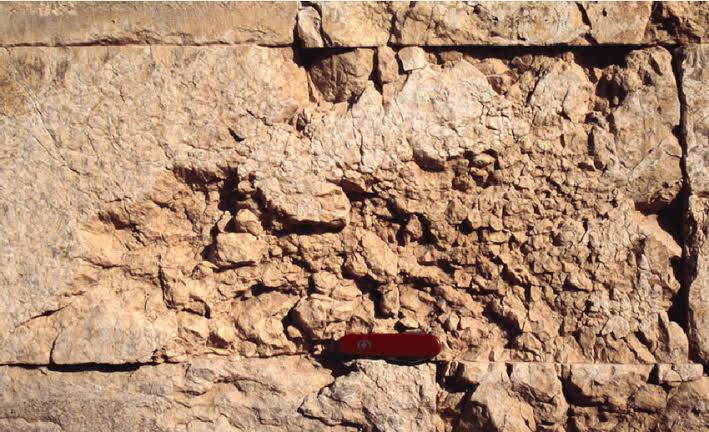
It is the breakdown of rocks without changing their chemical composition, through the action of physical forces. The constant freezing and thawing of rocks during the night and day leads to the expansion and contraction of rocks. Cracks are formed and disintegration occurs eventually. Exfoliation, block disintegration, granular disintegration are the major types of physical weathering.
Exfoliation
The alternate heating and cooling on rounded rock surfaces leads to the peeling of rocks, layer by layer like an onion. This is called exfoliation. Sheeting and shattering are the other forms of exfoliation.
Granular Disintegration
Granular disintegration takes place in crystalline rocks where the grains of the rocks become loose and fall out. This is due to the action of temperature.
Block Disintegration
Repeated expansion and contraction of rocks during day and night respectively causes stress on the joints of the rocks which results in block disintegration.
Chemical Weathering
Disintegration and decomposition of rocks due to chemical reactions is called Chemical Weathering. This is predominantly high in the hot and humid regions such as the equatorial, tropical and sub tropical zones. Chemical weathering takes place through the processes of oxidation, carbonation, solution and hydration. The agents of Chemical weathering are Oxygen, Carbon-dioxide, Hydrogen and water.
Oxidation
Oxygen in the atmosphere reacts with the iron found in rocks, thus leads to the formation of iron oxide. This process similar to the rusting of iron, pressure of air and water is known as oxidation, which results in the weakening of rocks.
Carbonation
Carbonation is the mixing of water with the atmospheric Carbon-dioxide, forming carbonic acid. Carbonation is important in the formation of caves, in limestone region. When the carbonic acid reacts with the carbonate rocks , the rocks get disintegrated.
Solution
The dissolution of rock substances in water result in the loosening of the rock particles. This inturn breaks down the rocks.
Hydration
Absorption of water into the mineral structure, certain chemicals in the rock enlarge in size in humid conditions. These minerals found in the rock swell and this results in the development of cracks and the rock wears down. This type of weathering is called hydration.
Biological Weathering
Biological weathering occurs due to the penetration and expansion of plant roots, earthworms, burrowing animals (rabbits, rats) and some human activities.
Agriculture is the practice of cultivating plants and livestock. Agriculture was the key development in the rise of sedentary human civilization, whereby farming of domesticated species created food surpluses that enabled people to live in cities. The history of agriculture began thousands of years ago. After gathering wild grains beginning atleast 105,000 years ago, nascent farmers began to plant them around 11,500 years ago. Pigs,sheep, and cattle were domesticated over 10,000 years ago.
Harvesting wheat with a combine harvester accompanied by a tractor and trailer
Modern acronomy, plant breeding,agrochemicals such as pesticides and fertilizers,and technological developments have sharply increased crop yields, while causing widespread ecological and environmental damage. Environmental issues include contributions to global warming, depletion of aquifers, deforestation, antibiotic resistance, and growth hormones in industrial meat production.
10 reasons why agriculture is important
* It’s the main source of raw materials
* It’s important to international trade
* It plays a big role in a nation’s revenue
* It provides employment
* It’s crucial to a country’s development
* It can help heal the environment
* It goes hand-in-hand with war
* It’s the source of our food supply
* It drives innovation in Technology
* The state of agriculture reflects our future
Agriculture provides most of the world’s food and fabrics. Cotton,wool,and leather are all agricultural products. Agriculture also provides wood for construction and paper products. These products, as well as the agricultural methods used, may vary from one part of the world to another.
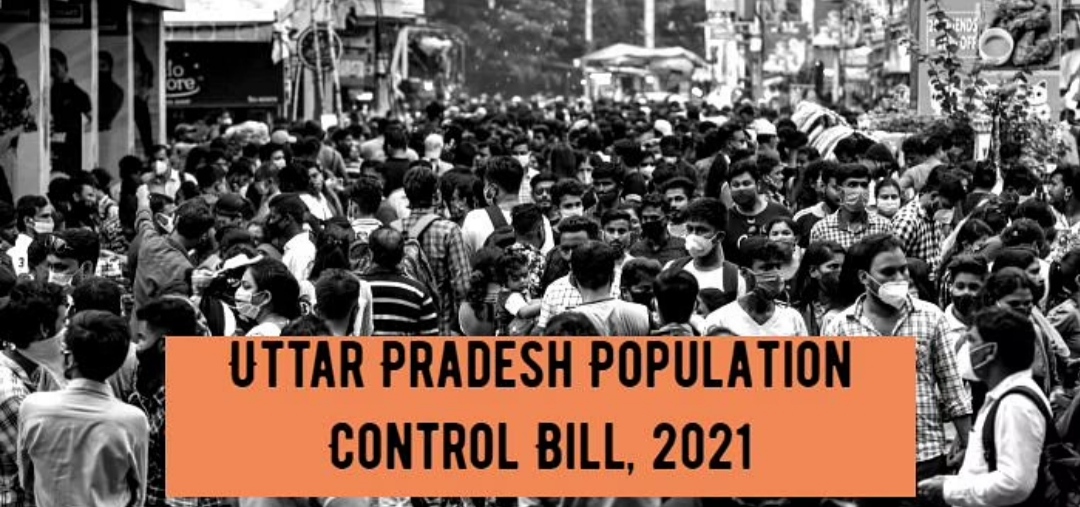
On World Population Day, Uttar Pradesh government announced a new population policy for 2021-2030 on Sunday. The new policy gives incentives to those who help in population control.
Chief Minister Yogi Adityanath wishes for a community-centric approach to be adopted for population control in uttarpradesh. So that better facilities can be made available to citizens and the state can be developed properly.
“Poverty and illiteracy are major factors for population expansion. There is also a lack of awareness about population in certain communities and we therefore need community-centric awareness efforts,” yogi Adityanath said in a statement.
Uttar Pradesh’s total fertility rate is 2.7 percent currently, it ideally should be less than 2.1 percent. Most states have achieved the ideal total fertility rate, except Uttar Pradesh and Bihar.
With this policy, the government has come up with different strategies to work towards a convergence of existing schemes for population control and improvement in health of citizens.
New population policy is to reduce the newborns’ and maternal mortality rate.Care of the elderly, and better management of education, health, and nutrition of adolescents between 11 to 19 years has also been ensured in the policy, according to the state government.
The Uttar Pradesh government will give promotions, increments, concessions in housing schemes and others perks to employees who adhere to population control norms, and have two or less children. If people won’t obey this policy then they will not get any benefits from government, like jobs,ration,etc.
Over the last fifty years tourism has grown to be one of the major industries in the world. playing an important role in the economies of many countries. it has also become a social phenomenon as a result of people’s increased leisure time, raising disposable income and the development of more has led to the point where marketing has become a complex and crucial tool in the competitive global marketplace of tourist destinations. when tourism is well planned it can generate benefits at the destination by increasing tourist receipts, government revenue and employment. for more sucessful tourism development, it is crucial to attract tourist s and to recommend the destination for others to revisit. recent tourism marketing researches focus mainly on competitiveness, attractiveness, tourist locality to a destination tourist satisfaction and perceived service quality, and destination image. the customer is the heart of effective service marketing. therefore, there is a need for consumer behaviour research within tourism. challenged to find ways to retain current visitors and attract new ones, marketers must understand tourist behaviour and decision making. according to Ryan and Williams and Buswell, tourist behaviour can be divided into four stages, including previsit, onsite, postvisit, and future decision making. in this study tourist behaviour can be regarded as an aggregrate construct comprising previsit determinants for destination choice on site experience, post visit evaluation and future behavioural intentions. combined these factors help to understand comprehensive destination visitor behaviour. identifying motivations of visitors and increasing the service quality of destinations are viable ways for destinations to remain competitive. in turn these could lead to better understanding of the needs of different destination consumer segments, more careful shaping and launching of new services, pruning of weak services, more effective methods of delivering services, more flexible pricing approaches, and higher levels of client satisfaction. in the past two decades the vacation decision making has become an important issue in tourism research but the emperical applications of the various proposed theories are still scarce.
scholars from variety of social science disciplines focus on how individuals go about making decisions. the utility of this work is evident in the field of marketing in which a substantial body of decision making literature builds from since the 1950’s. a systematic and in depth understanding of buying process in the main goal of pioneering models of consumer behaviour. in order to secure or expand egypt tourism market share, tourism marketers in egypt should pay close attention to travelers behaviour and their perceptions of Egypt as a tourism destination. Therefore in order to understand comprehensively customer behaviour in tourism, various models have been developed to describe and generalize consumer behaviour patterns. The models attempt to show the important role of different elements affecting the decision making process. How people consume travel and tourism products has become a focus of much tourism research. Understanding travel behaviour is imperative in today’s highly competitive business environment. Recently in the field of marketing and consumer research there has been a growing interest in studying market place phenomena from new cultural and postmodern perspective. Alternative approaches to theorizing and empirical research have been proposed and discussed in an attempt to improve both the social and practical patients of academic research. The gradual institutionalization of the interpretive and thus also the culture making and consumer research project that has come to be known as a consumer behaviour. To understand why consumers buy certain products instead of others, marketers study consumer behaviour the way in which external and internal forces shape people exchange activities. The study of consumer behaviour comprises external forces such as family and culture. Internal forces such as attitude and behaviour in the form of participation in exchange activities. If marketers understand why consumer behave in the way that they do, why they make the decisions in the way that they do and why they buy the products and the brands and the brands that they do, then marketers will need to look deeply into the whole manner of decision making. This will include such things as attitude, perception, motivation, and so on. This research aims to examine theoretical and empirical evidence on the casual relationships among tourist motivations, tourist perceptions, tourist satisfaction and destination loyalty.

































 Eduindex
You must be logged in to post a comment.