Tribals demand power supply in Visakhapatnam, Andhra Pradesh

Tribals in villages under non-scheduled areas of Ravikamatam and koyyuru mandala in Visakhapatnam district on Friday protested, demanding power connection to their Hamlet’s.

President of the Primitive Tribals Group, koyyuru mandal, korra Mahesh said people living in Hamlet’s under Chimalapadu panchayat under Ravikamatam have been demanding for power connections for the past three years.  

Tribals demand power supply in Visakhapatnam, Andhra Pradesh

Tribals in villages under non-scheduled areas of Ravikamatam and koyyuru mandala in Visakhapatnam district on Friday protested, demanding power connection to their Hamlet’s.

President of the Primitive Tribals Group, koyyuru mandal, korra Mahesh said people living in Hamlet’s under Chimalapadu panchayat under Ravikamatam have been demanding for power connections for the past three years.  

rapid growing industry

BY: NEHA SHAHAB 
The concept of e-commerce first formally came forth in 1991, a time when internet practically did not even exist in India. Even worldwide, very few could fathom that the act of buying and selling goods and services over the internet, would be as widely accepted a practice, as it is today. By the late ’90s, people became aware of this thing called the internet, but for a majority of them, it remained a luxury they did not particularly need. In a truly Indian manner, it was only in 2002, when the IRCTC introduced an online reservation system, that the public widely accepted the internet as something fruitful, by which time a company named Amazon, was already beginning to create a few murmurs in the US.
Many people are also unaware that Rediff had been trying to capture the Indian market since the year 1999 and that IRCTC was the first company to create a successful portal.
Investments/ Developments
Some of the major developments in the Indian e-commerce sector are as follows:
In May 2021, Amazon introduced a video streaming service within its shopping app called MiniTV for users in India. MiniTV features web series, comedy shows and content on tech news, food, beauty and fashion.
In May 2021, Flipkart strengthened its grocery infrastructure to cater to customer safety and demand across India. In this quarter, it is planning to further expand its fulfilment centre capacity for grocery by over 8 lakh square feet across Delhi, Kolkata, Chennai, Coimbatore and Hyderabad.
In May 2021, Flipkart announced that it is in talks with sovereign funds, private equity majors and other investors to raise up to US$ 2 billion at a valuation of US$ 30 billion.
In April 2021, Flipkart announced a commercial alliance with Adani Group to improve the company’s logistics and data centre capabilities and create about 2,500 direct jobs.
In April 2021, Flipkart announced to acquire Cleartrip, an online travel technology firm. Flipkart announced to purchase 100% shareholding of Cleartrip as the company expands its investments to broaden its digital commerce offerings for customers.
In April 2021, Kirana commerce platform ElasticRun raised US$ 75 million in a round led by existing investors—Avataar Venture Partners and Prosus Ventures.
In March 2021, Amazon acquired Bengaluru-based retail tech start-up Perpule for Rs. 107.6 crore (US$ 14.5 million).
In March 2021, Purplle, an online beauty store, raised US$ 45 million from Sequoia Capital India, Verlinvest, Blume Ventures and JSW Ventures.
In March 2021, Captain Fresh, a B2B marketplace for seafood, raised US$ 3 million in seed capital led by Matrix Partners India and Ankur Capital.
In March 2021, the Confederation of All India Traders (CAIT), which represents 80 million traders and 40,000 trader associations, announced the launch of a mobile app for its e-commerce portal, ‘Bharat E-market’. The association aims to get more small traders to sell online easily through smartphones.
In February 2021, Flipkart partnered with Maharashtra State Khadi & Village Industries Board and Maharashtra Small Scale Industries Development Corporation to bring local artisans and small and medium businesses into the e-commerce ecosystem.
In February 2021, Zomato entered into an agreement with the Ministry of Housing and Urban Affairs (MoHUA) to introduce 300 street food vendors on its portal.
In February 2021, Flipkart Wholesale, the digital B2B marketplace of Flipkart Group will offer grocery on its app with an aim to provide kiranas and small retailers one-stop access to a wide selection of products.
In February 2021, Udaan, a B2B e-commerce firm, announced to expand its warehouse capacity (by 5x) to 50 million sq. ft. across several states in the next 7-8 years.
In January 2021, Flipkart introduced SuperCoin Pay to strengthen its SuperCoin rewards programme by allowing customers to pay through SuperCoins at >5,000 retail outlets across the country.
In January 2021, The Khadi and Village Industries Commission (KVIC) unveiled eKhadiIndia.com, an e-commerce portal, which will comprise >50,000 products, ranging from apparel to home décor.
In January 2021, the B2B e-commerce platform, Udaan raised US$ 280 million (Rs. 2,048 crore) in additional financing from new investors—Octahedron Capital and Moonstone Capital. Prior to this, in October 2019, the company raised US$ 585 million (Rs. 4,280 crore) from Tencent, Altimeter, Footpath Ventures, Hillhouse, GGV Capital and Citi Ventures. It is likely to deploy the latest fund towards continued market creation of B2B e-commerce in India and digitise more small businesses across the country.


women suffer in lockdown

                 WOMEN SUFFER IN LOCKDOWN 
BY : NEHA SHAHAB 
DUE TO COVID 19 PANDEMIC MANY COUNTRY IMPOSED LOCKDOWN WORLDWIDE AS WELL AS IN INDIA.  THE LOCKDOWN AFFECTED WOMEN ALOT. ACCORDING TO THE SURVEY THAT IT WAS WELL DOCUMENTED THAT DOMESTIC VIOLENCE HAS BEEN INCREASED IN MANY COUNTRIES DURING THE LOCKDOWN.
BUT IN INDIA A NUMBER OF CASES OF DOMESTIC VIOLENCE IS REPORTED DURING THE LOCKDOWN. A REPORT PUBLISHED BY WHO THAT MORE THAN 80,000 WOMEN KILLED IN 2012 AND MOST OF THEM WERE VIOLATED BY INTIMATE OR FAMILY MEMBERS. 
AS THE LOCKDOWN IMPOSED NATION WIDE THE DOMESTIC VIOLENCE CASES INCREASED EXTENSIVELY. IT WAS WELL DEMARCATED THAT THE RATES OF DOMESTIC VIOLENCE HAVE INCREASED AFTER LOCKDOWN IN INDIA.
AT THE BEGINNING OF THE LOCKDOWN SOMEWHERE IN MARCH IN 2020 THERE 247 CASES REPORTED OF DOMESTIC VIOLENCE.
ACCORDING TO THE NATIONAL COMMISSION FOR WOMEN CHAIRPERSON REPORT THAT HIGHEST NUMBER OF CASES REPORTED FROM PUNJAB DURING THE LOCKDOWN.
DOMESTIC VIOLENCE DUE TO LOCKDOWN IN INDIA AS WELL AS ALL OVER THE WORLD HAS EMERGED AS A BIG PUBLIC HEALTH THREATS. 
THE EFFECT OF DOMESTIC VIOLENCE IS MORE DANGEROUS THAN PHYSICAL EFFECT. IT BRINGS DEPRESSION,  EATING PROBLEMS,  NIGHTMARES. EVEN IN THESE WORSE SITUATIONS WOMEN THOUGHTS OF DOING SUICUDE. 
PEOPLE SHOULD UNDERSTAND WHAT THEY ARE DOING WITH THERE WOMEN , THEY MUST BE A ORGANIZATION TO TAKE URGENT ACTIONS FOR THE WOMEN WHO ARE SUFFERING WITH THIS AND TAKE THEM OUT OF IT URGENT ACTION ARE REQUIRED TO OVERCOME THESE LONG LASTING 
SOCIAL PROBLEMS.

tour of space

                       TOUR OF SPACE 
BY : NEHA SHAHAB 

THE WORLD RICHEST MAN AND FOUNDER OF AMAZON RECENTLY WENT TO SPACE AND BACK ON BLUE ORIGIN CAPSULE.  

HE WENT WITH HIS TEAM HIS BROTHER MARK BEZOS , WALLY FUNK A 82 YEAR OLD WOMEN PILOT WHO EARLIER TRAINED TO GO TO SPACE BUT NEVER GOT A CHANCE. ALONG WITH THEM THERE IS 18 YEARS OLD BOY OLIVER DAEMEN. HE TOLD BEZOS THAT HE NEVER PURCHASED ANYTHING FROM AMAZON. DAEMAN GOT THE SEAT AFTER AN ONLINE AUCTION FOR THE SEAT BACKED UP. HE SAID HE DIDN’T PAYED ANYTHING CLOSE TO $ 28 MILLION BUT HE TOLD THAT THEY CHOOSE ME BECAUSE I WAS A YOUNGEST ONE , I WAS A PILOT AND I KNEW QUITE A LOT ABOUT IT ALREADY . 

SOON AFTER BEZOS CAME BACK FROM THE SPACE FLIGHT HE TOLD REPORTERS THAT EVERY AMAZON EMPLOYEES , EVERY CUSTOMERS YOU GUYS PAID FOR ALL THIS AND THANK YOU FROM THE BOTTOM OF MY HEART. IT’S VERY APPRECIATED.

Over-watch or Over-worked ?

In October 1958, American Physicist Willy Higinbotham creates a tennis game called “Tennis for Two” on an oscilloscope and analog computer for public demonstration at Brookhaven National Laboratory. This was the world’s first video game and was a major inspiration behind the 1972 arcade game legend: Pong. With Pong came a boom of other successful video games including Pac-Man (1980) and Donkey Kong (1982) and a new industry was born.

In recent years besides consoles and arcades with the emergence of social networks, smartphones and tablets introduced new categories such as mobile and social games into the picture and now in 2021 the value of the video game industry in the United States was estimated to be $65.49 billion. But as tens of thousands of video game fans and creators shell out their dollars, a difficult truth about the gaming industry is beginning to emerge: what’s seen by outsiders as a fun, creative business is becoming psychologically and financially unbearable for those working in it.

“Every game you like is built on the backs of workers,” says Nathan Ortega, who thought he found his dream job when Telltale Games offered him a position as a community and video manager in 2015. Ortega was a Telltale enthusiast so it was an easy decision to pack up his stuff and relocate near the company’s headquarters in California. But he was soon so stressed out by work that he developed an ulcer and started coughing up blood. The dedication that goes into masterpieces of gaming is admirable. Whether it be designing, coding, producing, or even testing a game, it is clear that passion is abundant from people working “behind the screen”. While this euphoric hype is indeed an aspect of the gaming industry, more often than not the wave that pushes these passion-filled developers forward is harsh and ruinous, leaving nothing but a husk of what once was a spirited creator. Video game makers call it “crunch” – the process of working nights and weekends to hit a tight deadline. But unlike other professions that might muster employees to work overtime in the final stretches of a project, in game development it can be a permanent, and debilitating, way of life. In October 2020, Polish game developer CD Projekt Red, asked all of its employees to work six-day weeks in the lead-up to the November release of Cyberpunk 2077, one of the most anticipated games of the year. But the new policy was just the formalization of an informal code that has long existed at the studio. Various departments had already been working nights and weekends for weeks or months straight in order to meet deadlines, according to people who have worked there. Studio head Adam Badowski said he was aware that many employees had been testing their limits to bring the game to launch, efforts for which he was “immeasurably thankful!”

The “crunch” is a situation that has existed in the gaming industry for decades. Many other game developers have also cultivated reputations for running flat out. As the industry prepares for another big holiday season, workers are putting in long hours to finish their games in time. Few employees would object to putting in the occasional night or weekend, but crunch is a culture, an atmosphere, a state of mind. Countless horror stories have come out from ex-developers who know crunch is bad news. After a 70, 80, or even 90-hour work week, spending quality time with family becomes more of a challenge than a relief. An offset of these overworked developers not being able to take basic care of themselves is an inclination to abandon the industry.

Amid this turbulence, dozens of workers in the gaming business are calling for the industry to unionize. The turmoil presents them with both an opportunity and a challenge. On one hand, the instability can make it difficult to talk about unionization. Still, a recent survey conducted by the industry group International Game Developers Association found that 47% of workers said they would support a union at their company, while 26 % said they “maybe would.”

Video games are supposed to be an outlet to relieve stress and spark imagination and creativity, but they are instead being exploited by companies to squeeze money out of their employees. If crunch isn’t solved, this industry is doomed to failure.

Over-watch or Over-worked ?

In October 1958, American Physicist Willy Higinbotham creates a tennis game called “Tennis for Two” on an oscilloscope and analog computer for public demonstration at Brookhaven National Laboratory. This was the world’s first video game and was a major inspiration behind the 1972 arcade game legend: Pong. With Pong came a boom of other successful video games including Pac-Man (1980) and Donkey Kong (1982) and a new industry was born.

In recent years besides consoles and arcades with the emergence of social networks, smartphones and tablets introduced new categories such as mobile and social games into the picture and now in 2021 the value of the video game industry in the United States was estimated to be $65.49 billion. But as tens of thousands of video game fans and creators shell out their dollars, a difficult truth about the gaming industry is beginning to emerge: what’s seen by outsiders as a fun, creative business is becoming psychologically and financially unbearable for those working in it.

“Every game you like is built on the backs of workers,” says Nathan Ortega, who thought he found his dream job when Telltale Games offered him a position as a community and video manager in 2015. Ortega was a Telltale enthusiast so it was an easy decision to pack up his stuff and relocate near the company’s headquarters in California. But he was soon so stressed out by work that he developed an ulcer and started coughing up blood. The dedication that goes into masterpieces of gaming is admirable. Whether it be designing, coding, producing, or even testing a game, it is clear that passion is abundant from people working “behind the screen”. While this euphoric hype is indeed an aspect of the gaming industry, more often than not the wave that pushes these passion-filled developers forward is harsh and ruinous, leaving nothing but a husk of what once was a spirited creator. Video game makers call it “crunch” – the process of working nights and weekends to hit a tight deadline. But unlike other professions that might muster employees to work overtime in the final stretches of a project, in game development it can be a permanent, and debilitating, way of life. In October 2020, Polish game developer CD Projekt Red, asked all of its employees to work six-day weeks in the lead-up to the November release of Cyberpunk 2077, one of the most anticipated games of the year. But the new policy was just the formalization of an informal code that has long existed at the studio. Various departments had already been working nights and weekends for weeks or months straight in order to meet deadlines, according to people who have worked there. Studio head Adam Badowski said he was aware that many employees had been testing their limits to bring the game to launch, efforts for which he was “immeasurably thankful!”

The “crunch” is a situation that has existed in the gaming industry for decades. Many other game developers have also cultivated reputations for running flat out. As the industry prepares for another big holiday season, workers are putting in long hours to finish their games in time. Few employees would object to putting in the occasional night or weekend, but crunch is a culture, an atmosphere, a state of mind. Countless horror stories have come out from ex-developers who know crunch is bad news. After a 70, 80, or even 90-hour work week, spending quality time with family becomes more of a challenge than a relief. An offset of these overworked developers not being able to take basic care of themselves is an inclination to abandon the industry.

Amid this turbulence, dozens of workers in the gaming business are calling for the industry to unionize. The turmoil presents them with both an opportunity and a challenge. On one hand, the instability can make it difficult to talk about unionization. Still, a recent survey conducted by the industry group International Game Developers Association found that 47% of workers said they would support a union at their company, while 26 % said they “maybe would.”

Video games are supposed to be an outlet to relieve stress and spark imagination and creativity, but they are instead being exploited by companies to squeeze money out of their employees. If crunch isn’t solved, this industry is doomed to failure.

TAKING CARE OF PERSONAL HYGIENE

BY: VAIBHAVI MENON

“Life is short so don’t risk it.” We know how important personal hygiene is, as keeping our body, hands and hair clean can stop the spread of germs and illnesses. Personal hygiene is defined by the practices you take to look after your physical health to avoid diseases by maintaining a certain level of personal cleanliness. It is a key element in our daily routines to live a healthy life. Thorough out our whole life a bunch of people or maybe even ourselves get diseases which could be life threatening and usually people consider the main reason for this to be not getting access to something and being careless about your surroundings. What they don’t know is that hygiene plays a very important part in not getting in contact with these diseases. For example during this ongoing pandemic, most people catch the virus because they don’t take the proper precautions like sanitizing yourself or wearing masks. Therefore taking care of your personal hygiene is a very important thing to do if you want to lead a healthy life.

Few basic ways in which we can maintain personal hygiene could be through simple activities like taking a shower atleast once a day, brushing your teeth twice a day, making sure to floss your teeth, applying deodorant to avoid foul smell, washing your body with soap, cutting your nails, washing your hair properly thrice a week, making sure your face is clean before going to sleep, wearing comfortable clothing, changing your pillowcases once a week, cleaning your phone screen to remove it of any bacteria, wearing a mask, carrying sanitizers, washing your hands with proper techniques, covering your mouth while sneezing your coughing, applying sunscreen even if you aren’t going out, putting on perfume or body mists. It is important to change sanitary products regularly and to wash the hands before and after changing tampons, pads, or any other sanitary products. As vaginas are self-cleaning, using soap to clean the vagina can cause an imbalance of its natural bacteria and lead to infections. The vulva (the external part of the vagina) should only need cleaning once a day using a mild soap and water. People with an uncircumcised penis can clean it by gently pulling back the foreskin and washing underneath it with warm water or soap. If you can’t remember to do things like shower, wash your hair, clip your nails, or brush your teeth, set a reminder on your phone. The cue will push you to the activity, and over time, you’ll begin to do it yourself. Hang a reminder in the bathroom to wash your hands after using the toilet. Put a little sign by the plates or bowls in the kitchen to cue yourself to wash your hands before eating. These signs can help jog your memory and improve your habits.

Therefore maintaining personal hygiene is beneficial for you and your own health and it’s considered one way of helping you in having a healthy and safe life.

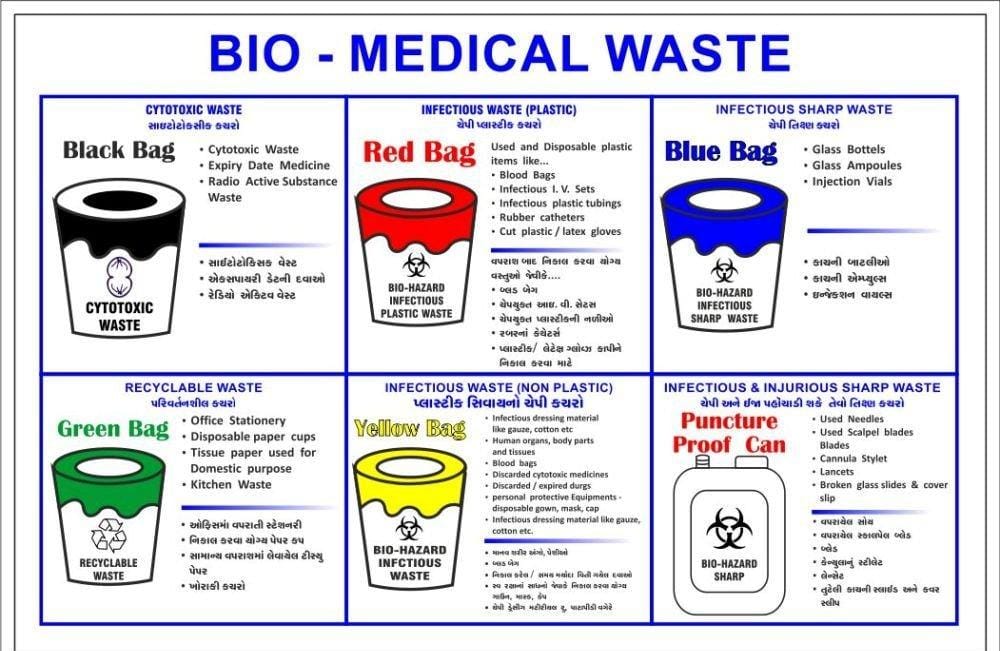
Biomedical Wastes

Our environment is degrading day by day. India with its growing population is also keeping up with the waste generation.

Nowadays pollution is everywhere whether its air pollution, water pollution, land pollution, noise pollution, radioactive pollution and the pollution from E waste what not?

Biomedical Waste( BMW) is any waste produced during the diagnosis treatment or immunization of human or Animal Research activities retaining threat or in the production the testing of biological or in health camps.

Let the waste of the ‘sicks’, not ruin the life of the ‘healthy’

Common generator of Biomedical wastes are :-

  • Hospital
  • Emergency Medical Services
  • Medicinal Research Laboratories
  • offices of physician , dentist, veterinarians
  • home Health Care
  • funeral homes

From WHO stats 2000,the improper treatment of medical waste( primary use of infected needles and syringes) caused 21 million hepatitis B infection and 2, 60, 000 HIV infections worldwide.

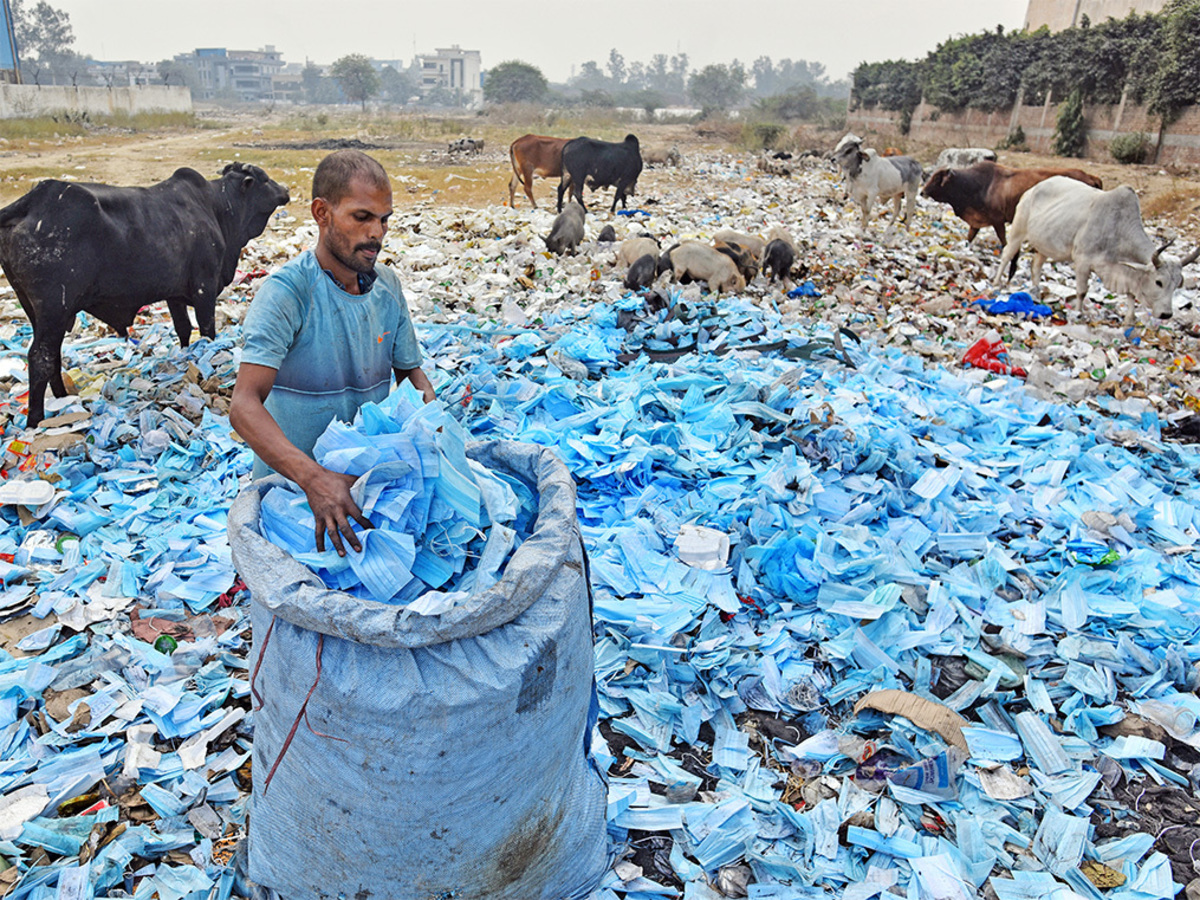
During this pandemic situation, we have witnesses another huge list of Biomedical Waste generation in India. India generated over 18000 tons of covid-19 related biomedical waste in starting 4 months of this pandemic. This includes personal protective equipment (PPE), gloves, face mask, head cover, plastic coverall, hezmet suit and syringes among others.

Types of Biomedical Waste

Infectious waste

  • Suspected of containing pathogen in a sufficiently large quantity or concentration to result in disease in susceptible host.
  • Cultures and stock of infectious Agent from laboratory.
  • Waste from operation and autopsies on patient with infectious disease.
  • Waste having come into contact with infected hemodialysis patient.

Pathological waste

  • Infectious material containing dead tissue may conceal specially dangerous and communicable infectious Agent.
  • Include – blood, body fluid, tissues, organs, body parts, human foetus etc.
  • Subcategory of pathological waste is Anatomical waste.
    • Consist of identifiable human or animal body parts healthy or otherwise.

Radioactive waste

  • Waste generated during the different application of radioisotopes in biological research on medicine.
  • May contain infectious biological components from Anatomical, research or clinical sources.
  • By product of various nuclear Technology process.
  • Include-
    • Nuclear medicine
    • nuclear research
    • Nuclear power
    • Manufacturing
    • construction
    • Caol
    • Rare Earth mining
    • Nuclear weapon reprocessing

Pharmaceutical waste

  • Contaminated or expired drugs and vaccine as well as antibiotics and pills.
  • Result from many activities and location in health care facilities.
  • Small quantities at households can often be thrown away in the municipal waste stream.
  • But large quantities kept at pharmacies distribution Centre, Hospital etc. be managed to minimise the risk of release or to exposure to the public.

Genotoxic waste

  • Waste from drugs that are used in radiotherapy and units.
  • One of the type of hospital waste that are extremely dangerous and may cause cell mutation or cancer.
  • Cytotoxic drugs are main components.
  • Include –
    • Urine
    • Faeces
    • Vomit treated with Chemicals or cytotoxic drug.

Sharps

  • Object that are Sharp enough to cut or puncture the skin.
  • Transmit infections directly into the bloodstream.
  • Generally treated as highly hazardous medical waste regardless of whether they are contaminated or not.
  • Includes –
    • knife
    • Blades
    • Infusion set
    • Needles
    • Broken Glass
    • Nails
    • Scalpel

Chemical waste

  • Contain radioactive element poses particularly difficult problem of disposal.
  • Includes –
    • Heavy metal from Medical appliance
    • Disinfectant
    • Solvent
  • Difficulty in disposal are partly technical and partly political
    • The radioactive constituent that find their way into groundwater and surface water must be kept to exceedingly small amount for very long time.
    • Fear of mysterious effect of radiation, politician reluctant to consider disposal of radioactive waste in the area of their constituent.

Biomedical Wastes

Our environment is degrading day by day. India with its growing population is also keeping up with the waste generation.

Nowadays pollution is everywhere whether its air pollution, water pollution, land pollution, noise pollution, radioactive pollution and the pollution from E waste what not?

Biomedical Waste( BMW) is any waste produced during the diagnosis treatment or immunization of human or Animal Research activities retaining threat or in the production the testing of biological or in health camps.

Let the waste of the ‘sicks’, not ruin the life of the ‘healthy’

Common generator of Biomedical wastes are :-

  • Hospital
  • Emergency Medical Services
  • Medicinal Research Laboratories
  • offices of physician , dentist, veterinarians
  • home Health Care
  • funeral homes

From WHO stats 2000,the improper treatment of medical waste( primary use of infected needles and syringes) caused 21 million hepatitis B infection and 2, 60, 000 HIV infections worldwide.

During this pandemic situation, we have witnesses another huge list of Biomedical Waste generation in India. India generated over 18000 tons of covid-19 related biomedical waste in starting 4 months of this pandemic. This includes personal protective equipment (PPE), gloves, face mask, head cover, plastic coverall, hezmet suit and syringes among others.

Types of Biomedical Waste

Infectious waste

  • Suspected of containing pathogen in a sufficiently large quantity or concentration to result in disease in susceptible host.
  • Cultures and stock of infectious Agent from laboratory.
  • Waste from operation and autopsies on patient with infectious disease.
  • Waste having come into contact with infected hemodialysis patient.

Pathological waste

  • Infectious material containing dead tissue may conceal specially dangerous and communicable infectious Agent.
  • Include – blood, body fluid, tissues, organs, body parts, human foetus etc.
  • Subcategory of pathological waste is Anatomical waste.
    • Consist of identifiable human or animal body parts healthy or otherwise.

Radioactive waste

  • Waste generated during the different application of radioisotopes in biological research on medicine.
  • May contain infectious biological components from Anatomical, research or clinical sources.
  • By product of various nuclear Technology process.
  • Include-
    • Nuclear medicine
    • nuclear research
    • Nuclear power
    • Manufacturing
    • construction
    • Caol
    • Rare Earth mining
    • Nuclear weapon reprocessing

Pharmaceutical waste

  • Contaminated or expired drugs and vaccine as well as antibiotics and pills.
  • Result from many activities and location in health care facilities.
  • Small quantities at households can often be thrown away in the municipal waste stream.
  • But large quantities kept at pharmacies distribution Centre, Hospital etc. be managed to minimise the risk of release or to exposure to the public.

Genotoxic waste

  • Waste from drugs that are used in radiotherapy and units.
  • One of the type of hospital waste that are extremely dangerous and may cause cell mutation or cancer.
  • Cytotoxic drugs are main components.
  • Include –
    • Urine
    • Faeces
    • Vomit treated with Chemicals or cytotoxic drug.

Sharps

  • Object that are Sharp enough to cut or puncture the skin.
  • Transmit infections directly into the bloodstream.
  • Generally treated as highly hazardous medical waste regardless of whether they are contaminated or not.
  • Includes –
    • knife
    • Blades
    • Infusion set
    • Needles
    • Broken Glass
    • Nails
    • Scalpel

Chemical waste

  • Contain radioactive element poses particularly difficult problem of disposal.
  • Includes –
    • Heavy metal from Medical appliance
    • Disinfectant
    • Solvent
  • Difficulty in disposal are partly technical and partly political
    • The radioactive constituent that find their way into groundwater and surface water must be kept to exceedingly small amount for very long time.
    • Fear of mysterious effect of radiation, politician reluctant to consider disposal of radioactive waste in the area of their constituent.

MOTHER SENTIMENT SONGS – Part 1

Mothers are always special to everyone. Right from the time of birth, we are always closely attached to our moms. No one can understand, love, and care for a person unconditionally more than a mother does. She is the fundamental need for a child and no one could ever try to replace her place. The relationship of a child and mother is always everlasting and strong than any other relationship as the bond is formed 9 months before birth. So, many beautiful songs portray the astonishing bond between a child and a mother.

  • Song: Amma endru 

Movie: Kannan

Singer: KJ Yesudas

Lyricist: Vaali

Composer: Ilayaraaja

This melodious song is a tribute to all mothers. It describes the qualities of a mother and she is quoted as God. The care and love showered by the hero on his physically challenged, aged mom is portrayed. The line “Amma endru azhaikatha uyir illaye” meaning there is no life that doesn’t call amma is enough to narrate the worth.

  • Song: Chinna Thayaval 

Movie: Thalapathy

Singer: S. Janaki

Lyricist: Vaali

Composer: Ilayaraaja

Another soothing melody that explains the motherly love for a son. This song comes when the hero sees his mother for the first time in a temple. The lyrics are penned in a way how a mother would sing for her son.

  • Song: Aarariraro 

Movie: Raam

Singer: KJ Yesudas

Lyricist: Snehan

Composer: Yuvan Shankar Raja

        A very beautiful song that everyone remembers thinking of their mothers. It is a lullaby that a son sings for his mother and praises his mother in all ways. Everyone felt and wanted this line to happen in our lives when we heard “Iraiva ne aanai idu thaaye enthan magalai maara” – God, please give an order that my mother should become my daughter.

  • Song: Neeye Neeye 

Movie: M. Kumaran son of Mahalakshmi

Singer: KK

Lyricist: Vaali

Composer: Srikanth Deva

        This is a very enthusiastic song that shows that mother and son both are made of one soul but two human forms. This song portrays the love and affection that a son has for his mother who is a single parent. The whole movie revolves around the friendly bond between the mother and her son. The line “Unnai pol orr thai than iruka enna vendum vaazhvil jeika?” meaning when I have a mom like you, what else do I need to succeed in life? is always bliss.

  • Song: Kaalaiyil dhinamum 

Movie: New

Singer: Unni Krishnan and Sadhana Sargam

Lyricist: Vaali

Composer: AR Rahman

        A lovely song that a son sings for his mother first and later to his pregnant wife as a husband. The song tells that the definition of love and affection is ‘Amma’(Mother).

  • Song: Aasapatta ellathayum 

Movie: Viyabari

Singer: Hariharan

Lyricist: Parinaman

Composer: Deva

        “Aasapatta ellathayum kaasu iruntha vangalam… amma va vaanga mudiyuma?”

A thoughtful song that explains that although you can buy everything with money, no money can buy a mother and her love. Also, it says that no relationship can equal a mother in its lyrics.

These are some songs that come to every Tamilian’s mind when we think of a tribute to mother. Stay tuned to know a few more in part-2.  

MOTHER SENTIMENT SONGS – Part 1

Mothers are always special to everyone. Right from the time of birth, we are always closely attached to our moms. No one can understand, love, and care for a person unconditionally more than a mother does. She is the fundamental need for a child and no one could ever try to replace her place. The relationship of a child and mother is always everlasting and strong than any other relationship as the bond is formed 9 months before birth. So, many beautiful songs portray the astonishing bond between a child and a mother.

  • Song: Amma endru 

Movie: Kannan

Singer: KJ Yesudas

Lyricist: Vaali

Composer: Ilayaraaja

This melodious song is a tribute to all mothers. It describes the qualities of a mother and she is quoted as God. The care and love showered by the hero on his physically challenged, aged mom is portrayed. The line “Amma endru azhaikatha uyir illaye” meaning there is no life that doesn’t call amma is enough to narrate the worth.

  • Song: Chinna Thayaval 

Movie: Thalapathy

Singer: S. Janaki

Lyricist: Vaali

Composer: Ilayaraaja

Another soothing melody that explains the motherly love for a son. This song comes when the hero sees his mother for the first time in a temple. The lyrics are penned in a way how a mother would sing for her son.

  • Song: Aarariraro 

Movie: Raam

Singer: KJ Yesudas

Lyricist: Snehan

Composer: Yuvan Shankar Raja

        A very beautiful song that everyone remembers thinking of their mothers. It is a lullaby that a son sings for his mother and praises his mother in all ways. Everyone felt and wanted this line to happen in our lives when we heard “Iraiva ne aanai idu thaaye enthan magalai maara” – God, please give an order that my mother should become my daughter.

  • Song: Neeye Neeye 

Movie: M. Kumaran son of Mahalakshmi

Singer: KK

Lyricist: Vaali

Composer: Srikanth Deva

        This is a very enthusiastic song that shows that mother and son both are made of one soul but two human forms. This song portrays the love and affection that a son has for his mother who is a single parent. The whole movie revolves around the friendly bond between the mother and her son. The line “Unnai pol orr thai than iruka enna vendum vaazhvil jeika?” meaning when I have a mom like you, what else do I need to succeed in life? is always bliss.

  • Song: Kaalaiyil dhinamum 

Movie: New

Singer: Unni Krishnan and Sadhana Sargam

Lyricist: Vaali

Composer: AR Rahman

        A lovely song that a son sings for his mother first and later to his pregnant wife as a husband. The song tells that the definition of love and affection is ‘Amma’(Mother).

  • Song: Aasapatta ellathayum 

Movie: Viyabari

Singer: Hariharan

Lyricist: Parinaman

Composer: Deva

        “Aasapatta ellathayum kaasu iruntha vangalam… amma va vaanga mudiyuma?”

A thoughtful song that explains that although you can buy everything with money, no money can buy a mother and her love. Also, it says that no relationship can equal a mother in its lyrics.

These are some songs that come to every Tamilian’s mind when we think of a tribute to mother. Stay tuned to know a few more in part-2.  

The present day syllabus of masculinity

On the evening of 30 January 1948, five months after the independence and partition of India, Mohandas Karamchand Gandhi was walking to a prayer meeting at his home in New Delhi when he was shot three times, at point-blank range. He collapsed and died instantly. His assassin originally feared to be Muslim, turned out to be Nathuram Godse, a Hindu Brahmin from western India. Godse, who did not attempt to escape, said in court that he felt compelled to kill Gandhi since the leader with his womanly politics was emasculating the Hindu nation – in particular, with his generosity to Muslims. Godse is a hero today in an India utterly transformed by extreme Hindu Patriotism – an India in which Mein Kampf is a bestseller, a political movement inspired by European ultranationalism dominates politics and culture. For the first years of his life he was raised as a girl, with a nose ring, and later tried to gain a hard-edged masculine identity through Hindu supremacism. Yet for many struggling young Indians today Godse represents, along with Adolf Hitler, a triumphantly realised individual and national manhood.

The moral prestige of Gandhi’s murderer is only one sign among many of what seems to be a global crisis of masculinity. Luridly retro ideas of what it means to be a strong man have gone mainstream even in so-called advanced nations. In January Jordan B Peterson, a Canadian self-help writer who laments that “the west has lost faith in masculinity” and denounces the “murderous equity doctrine” espoused by women, was hailed in the New York Times as “the most influential public intellectual in the western world right now”.

But gaudy displays of brute manliness in the west, and frenzied loathing of what the alt-rightists call “cultural Marxists”, are not merely a reaction to insolent former weaklings. Such manic assertions of hyper-masculinity have recurred in modern history. They have also profoundly shaped politics and culture in Asia, Africa and Latin America. Osama bin Laden believed that Muslims “have been deprived of their manhood” and could recover it by erasing the phallic symbols of American power. Beheading and raping innocent captives in the name of the caliphate, the black-hooded young volunteers of the Islamic State were as obviously a case of psychotic masculinity as the Norwegian mass-murderer Anders Behring Breivik, who claimed Viking warriors as his ancestors. Last month, the Philippines President Rodrigo Duterte told female rebels in his country that “We will not kill you. We will just shoot you in the vagina.”

<

p style=”text-align: justify”>Certainly, men would waste this latest crisis of masculinity if they deny or underplay the experience of vulnerability they share with women on a planet that is itself endangered. Masculine power will always remain extremely rare to find, prone to periodic crises, breakdowns and panicky reassertions. It is an unfulfillable ideal, a hallucination of command and control, and an illusion of mastery, in a world where all that is solid melts into thin air, and where even the seemingly powerful are haunted by the spectre of loss and displacement. As a straitjacket of onerous roles and impossible expectations, masculinity has become a source of great suffering – for men as much as women. To understand this is not only to grasp its global crisis today. It is also to sight one possibility of resolving the crisis: a release from the absurd but crippling fear that one has not been man enough. 

HUMAN TRAFFICKING

BY: VAIBHAVI MENON

Human trafficking is the trade of humans for the purpose of forced labour, sexual slavery, or commercial sexual exploitation for the trafficker or others. This may encompass providing a spouse in the context of forced marriage, or the extraction of organs or tissues, including for surrogacy and ova removal. Human trafficking can occur within a country or trans-nationally. Human trafficking is a crime against the person because of the violation of the victim’s rights of movement through coercion and because of their commercial exploitation. Human trafficking is the trade in people, especially women and children, and does not necessarily involve the movement of the person from one place to another. People smuggling (also called human smuggling and migrant smuggling) is a related practice which is characterized by the consent of the person being smuggled. Smuggling situations can descend into human trafficking through coercion and exploitation. Trafficked people are held against their will through acts of coercion, and forced to work for or provide services to the trafficker or others. According to the International Labour Organization (ILO), forced labour alone (one component of human trafficking) generates an estimated $150 billion in profits per annum as of 2014. In 2012, the ILO estimated that 21 million victims are trapped in modern-day slavery. Of these, 14.2 million (68%) were exploited for labour, 4.5 million (22%) were sexually exploited, and 2.2 million (10%) were exploited in state-imposed forced labour. 

The International Labour Organization has reported that child workers, minorities, and irregular migrants are at considerable risk of more extreme forms of exploitation. Statistics shows that over half of the world’s 215 million young workers are observed to be in hazardous sectors, including forced sex work and forced street begging. Ethnic minorities and highly marginalized groups of people are highly estimated to work in some of the most exploitative and damaging sectors, such as leather tanning, mining, and stone quarry work. Human trafficking is the third largest crime industry in the world, behind drug dealing and arms trafficking, and is the fastest-growing activity of trans-national criminal organizations. Human trafficking is condemned as a violation of human rights by international conventions. In addition, human trafficking is subject to a directive in the European Union. According to a report by the U.S. State Department, Belarus, Iran, Russia, and Turkmenistan remain among the worst countries when it comes to providing protection against human trafficking and forced labour. Trafficked people are held against their will through acts of coercion, and forced to work for or provide services to the trafficker or others. The work or services may include anything from bonded or forced labour to commercial sexual exploitation. 

The arrangement may be structured as a work contract, but with no or low payment, or on terms which are highly exploitative. Sometimes the arrangement is structured as debt bondage, with the victim not being permitted or able to pay off the debt. In India, the trafficking in persons for commercial sexual exploitation, forced labour, forced marriages and domestic servitude is considered an organized crime. The Government of India applies the Criminal Law (Amendment) Act 2013, active from 3 February 2013, as well as Section 370 and 370A IPC, which defines human trafficking and “provides stringent punishment for human trafficking; trafficking of children for exploitation in any form including physical exploitation; or any form of sexual exploitation, slavery, servitude or the forced removal of organs.” Additionally, a Regional Task Force implements the SAARC Convention on the prevention of Trafficking in Women and Children.