M-Commerce

Mobile commerce popularly known as m-commerce is actually just a subset of e-commerce. The term itself was coined in 1997 by Kevin Duffy. It is essentially a way of carrying thousands and millions of retail shops in your pocket.Very simply put M-commerce entails the e-commerce transactions done with a mobile phone. So M-commerce is the use of mobile phones to conduct any type of business transaction. It takes the help of the e-commerce background and WAP technology.

The use of wireless technology (WAP) to conduct sales of goods, provide services, make payments and other financial transactions, the exchange of information etc. is the basis of mobile commerce.


M-commerce is actually a rapidly growing sector of e-commerce. Nearly 70% of the online transactions that occur in India happen from mobile phones. Globally it is a 700 billion dollar industry.

M-commerce is about exploiting new opportunities made available to us thanks to e-commerce. So it involves the advent of new technologies, services, business models and marketing strategies. It differentiates itself in many ways from e-commerce. This is because mobile phones have very different characteristics than desktop computers. And it opens so many windows of opportunities for businesses to exploit.

APPLICATIONS OF M- COMMERCE

Mobile Banking: Using a mobile website or application to perform all your banking functions. It is one step ahead of online banking and has become commonplace these days. For example, in Nigeria, the majority of banking transactions happen on mobile phones.

Mobile Ticketing and Booking: Making bookings and receiving your tickets on the mobile. The digital ticket or boarding pass is sent directly to your phone after you make the payment from it. Even in India now IRTC and other services provide m-ticketing services.

E-bills: This includes mobile vouchers, mobile coupons to be redeemed and even loyalty points or cards system.

Auctions: Online auctions having now been developed to be made available via mobile phones as well.

Stock Market Reports and even stock market trading over mobile applications.

ADVANTAGES OF M-COMMERCE

  • It provides a very convenient and easy to use the system to conduct business transactions.
  • Mobile commerce has a very wide reach. A huge part of the world’s population has a mobile phone in their pocket. So the sheer size of the market is tremendous.
  • M-commerce also helps businesses target customers according to their location, service provider, the type of device they use and various other criteria. This can be a good marketing tool.
  • The costs of the company also reduced. This is due to the streamlined processes, now transaction cost, low carrying cost and low order processing cost as well.


DISADVANTAGES OF M-COMMERCE

The existing technology to set up an m-commerce business is very expensive. It has great start-up costs and many complications arise.

In developing countries, the networks and service providers are not reliable. It is not most suitable for data transfer.

Then there is the issue of security. There are many concerns about the safety of the customer’s private information. And the possibility of a data leak is very daunting.


M-Commerce

Mobile commerce popularly known as m-commerce is actually just a subset of e-commerce. The term itself was coined in 1997 by Kevin Duffy. It is essentially a way of carrying thousands and millions of retail shops in your pocket.Very simply put M-commerce entails the e-commerce transactions done with a mobile phone. So M-commerce is the use of mobile phones to conduct any type of business transaction. It takes the help of the e-commerce background and WAP technology.

The use of wireless technology (WAP) to conduct sales of goods, provide services, make payments and other financial transactions, the exchange of information etc. is the basis of mobile commerce.


M-commerce is actually a rapidly growing sector of e-commerce. Nearly 70% of the online transactions that occur in India happen from mobile phones. Globally it is a 700 billion dollar industry.

M-commerce is about exploiting new opportunities made available to us thanks to e-commerce. So it involves the advent of new technologies, services, business models and marketing strategies. It differentiates itself in many ways from e-commerce. This is because mobile phones have very different characteristics than desktop computers. And it opens so many windows of opportunities for businesses to exploit.

APPLICATIONS OF M- COMMERCE

Mobile Banking: Using a mobile website or application to perform all your banking functions. It is one step ahead of online banking and has become commonplace these days. For example, in Nigeria, the majority of banking transactions happen on mobile phones.

Mobile Ticketing and Booking: Making bookings and receiving your tickets on the mobile. The digital ticket or boarding pass is sent directly to your phone after you make the payment from it. Even in India now IRTC and other services provide m-ticketing services.

E-bills: This includes mobile vouchers, mobile coupons to be redeemed and even loyalty points or cards system.

Auctions: Online auctions having now been developed to be made available via mobile phones as well.

Stock Market Reports and even stock market trading over mobile applications.

ADVANTAGES OF M-COMMERCE

  • It provides a very convenient and easy to use the system to conduct business transactions.
  • Mobile commerce has a very wide reach. A huge part of the world’s population has a mobile phone in their pocket. So the sheer size of the market is tremendous.
  • M-commerce also helps businesses target customers according to their location, service provider, the type of device they use and various other criteria. This can be a good marketing tool.
  • The costs of the company also reduced. This is due to the streamlined processes, now transaction cost, low carrying cost and low order processing cost as well.


DISADVANTAGES OF M-COMMERCE

The existing technology to set up an m-commerce business is very expensive. It has great start-up costs and many complications arise.

In developing countries, the networks and service providers are not reliable. It is not most suitable for data transfer.

Then there is the issue of security. There are many concerns about the safety of the customer’s private information. And the possibility of a data leak is very daunting.



Ashtanga Yoga

The word “Ashtanga” in Sanskrit is made up of 2 words, “Asht” which means “8” and “Anga” which means “limbs”, thus translating to “8-limbs”, which is a central theory of Yoga Philosophy. Yoga Philosophy has its roots about 5000 years BC as described in Vedic Philosophy and Tantras. Patanjali, a great sage composed this path into a Darshan (Philosophy) in his Book Patanjali Yoga Sutra. In this Sutra, he has also formulated Yoga as an Eight Limbs or Eight-Fold path.

According to Patanjali, the path of internal purification for revealing the Universal Self consists of the following eight spiritual practices:

1. Yama [moral codes]

2. Niyama [self-purification and study]

3. Asana [posture]

4. Pranayama [breath control]

5. Pratyahara [sense control]

6. Dharana [concentration]

7. Dhyana [meditation]

8. Samadhi [absorption into the Universal]

The first two stages are ethical preparations. A Don’ts and Do’s guide. 

1. Yama (restraint) denotes abstinence from causing injury (violence), falsehood, stealing, and lust. 

2. Niyama (discipline) on the other hand denotes moral culture and cultivation of good habits such as the cleanliness of body, contentment, the study of the Vedas, and devotion to God.

The next 2 stages, i.e., Asana and Pranayama are considered to be stages of physical preparations.

3. Asana is the adoption of steady and comfortable postures that are intended to condition the person’s body and make it supple, flexible, and healthy. Asana is accepted to be mastered only if the person is able to hold one of the prescribed postures for a long period of time without involuntary movement or physical distractions.

4. Pranayama or breath-control is regulated inhalation, exhalation, and retention of breath. It aids in stabilizing the rhythm of breathing that encourages complete respiratory relaxation.

5. The fifth stage, Pratyahara (withdrawal of the senses) involves control, or the ability to withdraw the attention of the senses from outward objects.

Although the first five stages are said to be external aids to Yoga, the remaining three are considered as purely mental or internal aids.

6. Dharana (holding on) refers to the ability to fixing one’s mind to one particular object for a long period of time. For e.g., the tip of the nose or the moon.

7. The seventh stage, Dhyana, which is similar to Dharana in some sense, refers to meditation that is a steady contemplation of an object without any break.

8. The last stage, Samadhi (total self-collectedness) or concentration is that stage in which the contemplative consciousness if lost in the contemplated object and one has no awareness of itself. Thus, the meditator perceives or experiences the object of his meditation and himself as one. This is also the stage where the individual gets released from samsara and attains moksha. 

Although the eight limbs do not rank any order of performance, all 8 limbs are integral and mutually inclusive of one another and are required to be followed strictly in order to gain liberation from suffering and self. 

If you simplify these 8 limbs paths to one that can be easily integrated in your life, your life will become better, healthier and happier. 

Ashtanga Yoga

The word “Ashtanga” in Sanskrit is made up of 2 words, “Asht” which means “8” and “Anga” which means “limbs”, thus translating to “8-limbs”, which is a central theory of Yoga Philosophy. Yoga Philosophy has its roots about 5000 years BC as described in Vedic Philosophy and Tantras. Patanjali, a great sage composed this path into a Darshan (Philosophy) in his Book Patanjali Yoga Sutra. In this Sutra, he has also formulated Yoga as an Eight Limbs or Eight-Fold path.

According to Patanjali, the path of internal purification for revealing the Universal Self consists of the following eight spiritual practices:

1. Yama [moral codes]

2. Niyama [self-purification and study]

3. Asana [posture]

4. Pranayama [breath control]

5. Pratyahara [sense control]

6. Dharana [concentration]

7. Dhyana [meditation]

8. Samadhi [absorption into the Universal]

The first two stages are ethical preparations. A Don’ts and Do’s guide. 

1. Yama (restraint) denotes abstinence from causing injury (violence), falsehood, stealing, and lust. 

2. Niyama (discipline) on the other hand denotes moral culture and cultivation of good habits such as the cleanliness of body, contentment, the study of the Vedas, and devotion to God.

The next 2 stages, i.e., Asana and Pranayama are considered to be stages of physical preparations.

3. Asana is the adoption of steady and comfortable postures that are intended to condition the person’s body and make it supple, flexible, and healthy. Asana is accepted to be mastered only if the person is able to hold one of the prescribed postures for a long period of time without involuntary movement or physical distractions.

4. Pranayama or breath-control is regulated inhalation, exhalation, and retention of breath. It aids in stabilizing the rhythm of breathing that encourages complete respiratory relaxation.

5. The fifth stage, Pratyahara (withdrawal of the senses) involves control, or the ability to withdraw the attention of the senses from outward objects.

Although the first five stages are said to be external aids to Yoga, the remaining three are considered as purely mental or internal aids.

6. Dharana (holding on) refers to the ability to fixing one’s mind to one particular object for a long period of time. For e.g., the tip of the nose or the moon.

7. The seventh stage, Dhyana, which is similar to Dharana in some sense, refers to meditation that is a steady contemplation of an object without any break.

8. The last stage, Samadhi (total self-collectedness) or concentration is that stage in which the contemplative consciousness if lost in the contemplated object and one has no awareness of itself. Thus, the meditator perceives or experiences the object of his meditation and himself as one. This is also the stage where the individual gets released from samsara and attains moksha. 

Although the eight limbs do not rank any order of performance, all 8 limbs are integral and mutually inclusive of one another and are required to be followed strictly in order to gain liberation from suffering and self. 

If you simplify these 8 limbs paths to one that can be easily integrated in your life, your life will become better, healthier and happier. 

Basics of Cyber-Security

Recently I’ve been getting barged with calls from unknown numbers often ending as a nuisance from the other side. Result? Blocked. 

I wasn’t very aware of all this cyber security stuff because no one ever explained it to me properly. The small tid-bits that I got was often from here and there from the internet itself. And let’s be honest. Even though this whole self-learning thing is the ‘new-trend’ not many of us have the time in hand or patience to sit down and browse through these millions of articles. If you’d ask my opinion about it, I definitely think it’s high-time that cyber-security as a course is introduced in junior grades and everyone is aware of the basic cyber-security laws and procedures. 

Without wasting anymore time, let’s begin this article by asking the “Why?”

Why is it important to know about cyber-security? 

Social media, telegram group chats or any other websites that have your personal information stored is susceptible to threats and leakage of your data. When your personal data is leaked it may cause further problems as a possible danger to your bank accounts, personal life information and any such things that can be maliciously used by some people. It may sound “fine”, but it is indeed a big deal. Doxxing which refers to publishing someone’s private information on the internet typically with malicious intent may cause problems such as incessant callings from unknown numbers, or someone actually knowing details such as your exact location and using it to fulfill any of their evil goals. Therefore, it’s important that you stay safe and share your personal details with caution. 

How Can We Stay Safe? 

  1. Enter your personal details such as Name, age, location, etc only on trusted platforms. Avoid giving out too much information about yourself on Social Media and do not publish your phone number on any site unless it’s an absolute must and the site is safe. Keep your phone number and person details hidden from unknown people if possible. 
  2. To recognize safe sites, look for a 🔒and  https in the URL of the website. A site with ⚠ and just http in it’s URL is usually a site that’s prone to cyber attacks and thus unsafe. 
  3. If you ever need to sign-up on any website for insignificant reasons then do so with a spare email ID that doesn’t reveal much of your credentials and is not associated with any of your bank details or personal secured email IDs.
  4. Do not click on any unknown link sent to you by any unknown number or SMS. It can possibly lead to hacking of your personal details and accounts. 
  5. Do not reply back to unknown numbers that call you incessantly and for no genuine reason. Best way is to report and block them. 
  6. If you ever find yourself a victim of any of the cyber-bullying or such blank or malicious calls, do not hesitate to report them to the cyber security of India. 
  7. To report any such events or seek any further assistance you can contact either an organization called Law Sikho that works pro-bono or report directly to the Cyber Crime Security of India Website. 
  8. Lastly, always be cautious to never share any of your personal details to anyone on the internet unless you trust them 100% and know them personally. 

That’s it for the tips. I hope you’d keep them in mind and browse safely and securely on the internet! 

Basics of Cyber-Security

Recently I’ve been getting barged with calls from unknown numbers often ending as a nuisance from the other side. Result? Blocked. 

I wasn’t very aware of all this cyber security stuff because no one ever explained it to me properly. The small tid-bits that I got was often from here and there from the internet itself. And let’s be honest. Even though this whole self-learning thing is the ‘new-trend’ not many of us have the time in hand or patience to sit down and browse through these millions of articles. If you’d ask my opinion about it, I definitely think it’s high-time that cyber-security as a course is introduced in junior grades and everyone is aware of the basic cyber-security laws and procedures. 

Without wasting anymore time, let’s begin this article by asking the “Why?”

Why is it important to know about cyber-security? 

Social media, telegram group chats or any other websites that have your personal information stored is susceptible to threats and leakage of your data. When your personal data is leaked it may cause further problems as a possible danger to your bank accounts, personal life information and any such things that can be maliciously used by some people. It may sound “fine”, but it is indeed a big deal. Doxxing which refers to publishing someone’s private information on the internet typically with malicious intent may cause problems such as incessant callings from unknown numbers, or someone actually knowing details such as your exact location and using it to fulfill any of their evil goals. Therefore, it’s important that you stay safe and share your personal details with caution. 

How Can We Stay Safe? 

  1. Enter your personal details such as Name, age, location, etc only on trusted platforms. Avoid giving out too much information about yourself on Social Media and do not publish your phone number on any site unless it’s an absolute must and the site is safe. Keep your phone number and person details hidden from unknown people if possible. 
  2. To recognize safe sites, look for a 🔒and  https in the URL of the website. A site with ⚠ and just http in it’s URL is usually a site that’s prone to cyber attacks and thus unsafe. 
  3. If you ever need to sign-up on any website for insignificant reasons then do so with a spare email ID that doesn’t reveal much of your credentials and is not associated with any of your bank details or personal secured email IDs.
  4. Do not click on any unknown link sent to you by any unknown number or SMS. It can possibly lead to hacking of your personal details and accounts. 
  5. Do not reply back to unknown numbers that call you incessantly and for no genuine reason. Best way is to report and block them. 
  6. If you ever find yourself a victim of any of the cyber-bullying or such blank or malicious calls, do not hesitate to report them to the cyber security of India. 
  7. To report any such events or seek any further assistance you can contact either an organization called Law Sikho that works pro-bono or report directly to the Cyber Crime Security of India Website. 
  8. Lastly, always be cautious to never share any of your personal details to anyone on the internet unless you trust them 100% and know them personally. 

That’s it for the tips. I hope you’d keep them in mind and browse safely and securely on the internet! 

SEXISM

BY: VAIBHAVI MENON

Sexism is prejudice or discrimination based on one’s sex or gender. Sexism can affect anyone, but it primarily affects women and girls. It has been linked to stereotypes and gender roles, and may include the belief that one sex or gender is intrinsically superior to another. Extreme sexism may foster sexual harassment, rape, and other forms of sexual violence. Gender discrimination may encompass sexism, and is discrimination toward people based on their gender identity or their gender or sex differences. Gender discrimination is especially defined in terms of workplace inequality. It may arise from social or cultural customs and norms.

the term “sexism” was most likely coined on November 18, 1965, by Pauline M. Leet during a “Student-Faculty Forum” at Franklin and Marshall College. Specifically, the word sexism appears in Leet’s forum contribution “Women and the Undergraduate”, and she defines it by comparing it to racism, stating in part “When you argue that since fewer women write good poetry this justifies their total exclusion, you are taking a position analogous to that of the racist—I might call you, in this case, a ‘sexist’. Both the racist and the sexist are acting as if all that has happened had never happened, and both of them are making decisions and coming to conclusions about someone’s value by referring to factors which are in both cases irrelevant.” Also, according to Shapiro, the first time the term “sexism” appeared in print was in Caroline Bird’s speech “On Being Born Female”, which was published on November 15, 1968, in Vital Speeches of the Day. In this speech she said in part: “There is recognition abroad that we are in many ways a sexist country. Sexism is judging people by their sex when sex doesn’t matter. Sexism is intended to rhyme with racism.” Sexism may be defined as an ideology based on the belief that one sex is superior to another. It is discrimination, prejudice, or stereotyping based on gender, and is most often expressed toward women and girls.

Sociology has examined sexism as manifesting at both the individual and the institutional level. According to Richard Schaefer, sexism is perpetuated by all major social institutions. Sociologists describe parallels among other ideological systems of oppression such as racism, which also operates at both the individual and institutional level. Early female sociologists Charlotte Perkins Gilman, Ida B. Wells, and Harriet Martineau described systems of gender inequality, but did not use the term sexism, which was coined later. Sociologists who adopted the functionalist paradigm, e.g. Talcott Parsons, understood gender inequality as the natural outcome of a dimorphic model of gender. Psychologists Mary Crawford and Rhoda Unger define sexism as prejudice held by individuals that encompasses “negative attitudes and values about women as a group.” Peter Glick and Susan Fiske coined the term ambivalent sexism to describe how stereotypes about women can be both positive and negative, and that individuals compartmentalize the stereotypes they hold into hostile sexism or benevolent sexism.

Feminist author bell hooks defines sexism as a system of oppression that results in disadvantages for women. Feminist philosopher Marilyn Frye defines sexism as an “attitudinal-conceptual-cognitive-orientational complex” of male supremacy, male chauvinism, and misogyny. Philosopher Kate Manne defines sexism as one branch of a patriarchal order. In her definition, sexism rationalizes and justifies patriarchal norms, in contrast with misogyny, the branch which polices and enforces patriarchal norms. Manne says that sexism often attempts to make patriarchal social arrangements seem natural, good, or inevitable so that there appears to be no reason to resist them.

TERRORISM

The term “terrorism” refers to deliberate acts of violence that result in the harm and death of innocent individuals while also instilling fear in society. The ultimate goal is to use force to bring about political change. Terrorism, on the other hand, has nothing to do with religion. A terrorist is a terrorist, regardless of whether he or she is Hindu or Muslim.

The term “terrorism” has approximately 10,000 definitions. Supporters may refer to a group as “freedom warriors,” while opponents may refer to it as “terrorists.” States frequently use the term “terrorism” to attack political opponents. The use of violence against noncombatants to garner notoriety for a group, cause, or individual is one type of terrorism. 

Types of Terrorism:

Terrorism can be classified into two types: political terrorism, which causes widespread alarm, and criminal terrorism, which involves kidnapping for ransom. Because it is carried out by well-trained individuals, political terrorism is far more dangerous than criminal terrorism. As a result, law enforcement officials will have a tough time apprehending them in a timely manner. Terrorism has expanded both domestically and internationally. The most dangerous form of terrorism is regional terrorism. Terrorists believe that dying as a terrorist is sacred and holy, and they are willing to go to any length to achieve this goal. These terrorist organizations were formed for various reasons. 

Impact of Terrorism in India:

Terrorism, as previously stated, has a significant influence on any country. It is much the more dangerous when we consider a developing country like India. First and foremost, it instils fear in the populace. People’s mental health is affected by bomb blasts or gunfire. As a result, a number of citizens die prematurely or become crippled. The anxiety and fear that one must live with severely restricts one’s ability to live. 

Terrorism also has a significant influence on tourism. The tourism industry will suffer a setback as travellers avoid regions that are prone to terrorist attacks. Tourism provides a significant portion of India’s earnings. When such incidents occur, tourists are also terrified. Those who intended to travel cancel their plans. Those who are currently there cut their trip short and depart. 

Terrorist attacks also cause international investors to be hesitant about investing in India. Who wants to invest in a country where terrorism is a threat? They choose safer alternatives rather than taking the risk. This is a major setback for India’s economy, which relies on them. As a result, the economy suffers as a result of this. As a result of the loss of life and property caused by terrorist attacks, the cost of replacement is significant. It also leads to people fleeing the country in search of a safer environment outside of the country. India will lose a large number of prospective physicians, engineers, artists, and other professionals as a result of this.

Major Terror Attacks in India:

Over the years, India has been subjected to a number of terrorist strikes. The deadliest of them all was undoubtedly the Mumbai terror strike on November 26th, 2001. Terrorists took control of well-known locations such as Nariman House, Hotel Oberoi Trident, and Hotel Taj. They killed about 170 people and injured more than 300 more. All of the victims were either cops, security guards, or tourists. The Mumbai Train Bombings killed a lot of people. They occurred on Mumbai’s local trains and at seven different railway stations. It killed 210 people and injured 715 others.

The attack on the Indian Parliament was likewise a shock. The parliament is one of the most secure structures in the world. Three members of the parliament and six police officers were killed by the terrorist. It’s still astonishing to think that such a secure location could be targeted. To summarise, terrorism must be removed in India in order for the country to be safe and prosperous.

TERRORISM

The term “terrorism” refers to deliberate acts of violence that result in the harm and death of innocent individuals while also instilling fear in society. The ultimate goal is to use force to bring about political change. Terrorism, on the other hand, has nothing to do with religion. A terrorist is a terrorist, regardless of whether he or she is Hindu or Muslim.

The term “terrorism” has approximately 10,000 definitions. Supporters may refer to a group as “freedom warriors,” while opponents may refer to it as “terrorists.” States frequently use the term “terrorism” to attack political opponents. The use of violence against noncombatants to garner notoriety for a group, cause, or individual is one type of terrorism. 

Types of Terrorism:

Terrorism can be classified into two types: political terrorism, which causes widespread alarm, and criminal terrorism, which involves kidnapping for ransom. Because it is carried out by well-trained individuals, political terrorism is far more dangerous than criminal terrorism. As a result, law enforcement officials will have a tough time apprehending them in a timely manner. Terrorism has expanded both domestically and internationally. The most dangerous form of terrorism is regional terrorism. Terrorists believe that dying as a terrorist is sacred and holy, and they are willing to go to any length to achieve this goal. These terrorist organizations were formed for various reasons. 

Impact of Terrorism in India:

Terrorism, as previously stated, has a significant influence on any country. It is much the more dangerous when we consider a developing country like India. First and foremost, it instils fear in the populace. People’s mental health is affected by bomb blasts or gunfire. As a result, a number of citizens die prematurely or become crippled. The anxiety and fear that one must live with severely restricts one’s ability to live. 

Terrorism also has a significant influence on tourism. The tourism industry will suffer a setback as travellers avoid regions that are prone to terrorist attacks. Tourism provides a significant portion of India’s earnings. When such incidents occur, tourists are also terrified. Those who intended to travel cancel their plans. Those who are currently there cut their trip short and depart. 

Terrorist attacks also cause international investors to be hesitant about investing in India. Who wants to invest in a country where terrorism is a threat? They choose safer alternatives rather than taking the risk. This is a major setback for India’s economy, which relies on them. As a result, the economy suffers as a result of this. As a result of the loss of life and property caused by terrorist attacks, the cost of replacement is significant. It also leads to people fleeing the country in search of a safer environment outside of the country. India will lose a large number of prospective physicians, engineers, artists, and other professionals as a result of this.

Major Terror Attacks in India:

Over the years, India has been subjected to a number of terrorist strikes. The deadliest of them all was undoubtedly the Mumbai terror strike on November 26th, 2001. Terrorists took control of well-known locations such as Nariman House, Hotel Oberoi Trident, and Hotel Taj. They killed about 170 people and injured more than 300 more. All of the victims were either cops, security guards, or tourists. The Mumbai Train Bombings killed a lot of people. They occurred on Mumbai’s local trains and at seven different railway stations. It killed 210 people and injured 715 others.

The attack on the Indian Parliament was likewise a shock. The parliament is one of the most secure structures in the world. Three members of the parliament and six police officers were killed by the terrorist. It’s still astonishing to think that such a secure location could be targeted. To summarise, terrorism must be removed in India in order for the country to be safe and prosperous.

Call for Papers – International Journal of Research (IJR)

Open Access Publishing Model of IJR

Open Access Publication is one that meets the following two conditions:

1. The author(s) and copyright holder(s) grant(s) to all users a free, irrevocable, worldwide, perpetual right of access to, and a license to copy, use, distribute, transmit and display the work publicly and to make and distribute derivative works, in any digital medium for any responsible purpose, subject to proper attribution of authorship, as well as the right to make small numbers of printed copies for their personal use. (IJR Journal Inc does not take any copyright of paper from the author. It means the author have fully authorized person of reusing and selling that published material of paper)

2. A complete version of the work and all supplemental materials, including a copy of the permission as stated above, in a suitable standard electronic format is deposited immediately upon initial publication in at least one online repository that is supported by an academic institution, scholarly society, government agency, or other well-established organization that seeks to enable open access, unrestricted distribution, interoperability, and long-term archiving. (All published papers are available for free access in IJR Journal website).

OPEN ACCESS

With open access, any researchers can read and build on the findings of others without restriction and without paying any fee which accelerates authors’ discoveries among all.

NOT COPYRIGHT FORM

IJR Journal Inc does not take any copyright of paper from author. It means author has fully authorized person of reusing and selling that published material of paper.

CITATION BENEFITS

The main motivation for most authors to publish in an open-access journal is increased visibility and ultimately a citation advantage. Research citations of articles in a hybrid.

PEER REVIEW PROCESS

Peer Review Process Fast High-level peer review, production and publishing processes.

Google Scholar Indexing

All published papers will be indexed in Google Scholar and eIndex sites. 

DOI

All published articles will get the permanent link of DOI (Digital Object Identifier).

MONEY MADNESS…

In today’s world, Money has become the most important thing in the life’s of people, but a sad thing is it’s going beyond and people were becoming money minded and it’s becoming a madness. Money may be an important thing but you can’t buy everything with money. Yes, it’s true. Money can buy the your physical needs but you can’t buy the internal things like happiness, peace, etc..

GREAT LOSS THAT MONEY IS CAUSING TO HUMAN LIFE:

1.It is making people mad and it’s becoming like an edit to money, always the thoughts of making money rules in the minds of people.

2.It’s spoiling relations between humans, instead it’s tying the people in the bonds of madness.It is live an evil that’s killing the relations of people.

3.Everything is going on money, if you have money people will surround you like flies gather around sweetness and once your money is gone, then see no one will at least look upon you.

4.Some people always run and run to earn more and more money, they are not satisfied and may be their thirst of money has gone so far.

5.Trying to acquire money at all costs, or constantly trying to acquire as much money as you can, could lead you to unethical or even criminal behavior, such as theft or scamming others.

6.Money can create disagreements, between your family, friends, relatives and everyone around you.

7. Money may lead to really dangerous situations or decisions like Divorce between the couples, separation between dear ones etc..

8.Money is indirectly spoiling the relations in human beings, people are loving money and using people, instead of using money and loving people.

9.People are treating people as things and no strong relations are existing in today’s society, if you have money then people will raise you up to the sky ,but once you are left with no money, no one will come to you.

10.Money should be disconnected from you and you should connect with people, because money can’t give you happiness and satisfaction in your life.


A WRITER SAYS:

What Money Can Buy:

A bed but not sleep

A clock but not time

A book but not knowledge

A position but not respect

Medicine but not health

Amusement but not Bliss

Obedience but not faithfulness

A companion but not a friend

A house but not a home.


SO NEVER RUN AFTER MONEY AND SPOIL YOUR RELATIONSHIPS, START CONNECTING WITH YOUR BELOVED ONES AND PEOPLE AROUND…


India’s Medal Count Starts From Todayy!!

Mirabai Chanu marked history today by securing India’s first medal at Tokyo Summer Olympics 2021. She bagged silver medal in weightlifting under Women’s 49 kg. It is more remarkable day for India as it won the medal in weightlifting after 21 years of wait and struggle.

Saikhom Mirabai Chanu was born on 8 August 1994 in Imphal ,Manipur. She was in the field of weightlifting from the age of 12 years. She was also awarded with Padma Shri by Indian Government for her contributions to the sport . She has won several medals in Common Wealth Games and World Championship.

For her win, Prime Minister Narendra Modi personally congratulated her on phone. She took twitter to express her joy , she wrote ,”thank you my coach Vijay Sharma sir”. Many popular figures like Shikhar Dhawan , Gautam Gambhir , Mahesh Babu , Virender Sehwag, Kiren Rijiju also congratulated on her success.

India's Medal Count Starts From Todayy!!

Mirabai Chanu marked history today by securing India’s first medal at Tokyo Summer Olympics 2021. She bagged silver medal in weightlifting under Women’s 49 kg. It is more remarkable day for India as it won the medal in weightlifting after 21 years of wait and struggle.

Saikhom Mirabai Chanu was born on 8 August 1994 in Imphal ,Manipur. She was in the field of weightlifting from the age of 12 years. She was also awarded with Padma Shri by Indian Government for her contributions to the sport . She has won several medals in Common Wealth Games and World Championship.

For her win, Prime Minister Narendra Modi personally congratulated her on phone. She took twitter to express her joy , she wrote ,”thank you my coach Vijay Sharma sir”. Many popular figures like Shikhar Dhawan , Gautam Gambhir , Mahesh Babu , Virender Sehwag, Kiren Rijiju also congratulated on her success.

WHY DO PEOPLE LOVE TRAVELING.

Everyone wants to travel and explore the world. Traveling is like a dream for so many peoples. How important it is to travel. So what’s all this fuss about? Why do people love travelling?

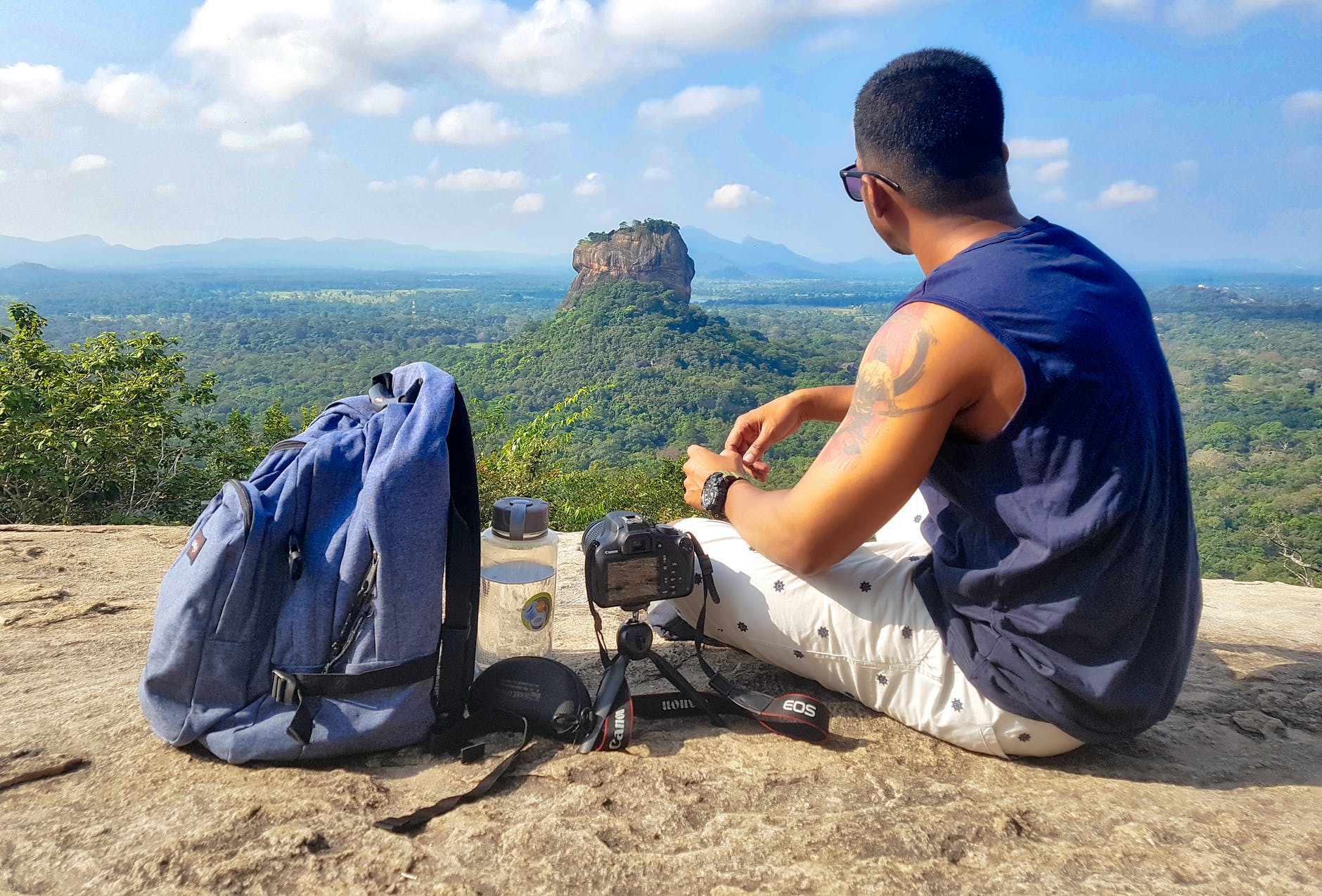
Photo by Chanaka Madushan Sugathadasa on Pexels.com

People love to travel because they love to explore themselves and want to know the world. They wants to know the facts about the places, become creative, love to communicate with the people of different countries, different religions and languages. Travelling is also a very important part of our life, it taught us so many things like how can we handle the problems and how to fight them alone. We become more practicle, more adaptive to the change and more connected to the others.

More importantly, why should we travel more :- Traveling change you physically and psychologically. Make your mind fresh. You feel connected to the world. Everyone wants change in the life, getting bored with the same taste, place or routine. Traveling is also one of the thing to give you some change in your life. Sometimes it is best to take a step back, take a deep breath and get some tower bridge selfie. It gives you some good vibes, you get out of all the distraction, tension and depression, and more of that you feel so much better and energetic.

Traveling makes you smarter:- By traveling to the different countries, places you become more interactive to the peoples of different culture, relegion and language. Learn something new and used to picking up new words from the different languages. It makes you more intelligent, sharp and smart. It helps you to interact and communicate with others and become more familiar. While travelling you will observe the the environment and also the change in yourself. It builds up your confidence which helps you to face chalanges without fear and hesitation.

How to become a traveller:- Become a traveller is not an easy job. If you want to become a traveller first you need money, time and lots of research on your favourite places where you want to travel. You can also get paid for it if you are professional traveller. There are so many companies of different countries who hires travellers to present their places through bloging and advertising and they get paid for it. But if you want to become a professional traveller you must have a good knowledge of the language and countries, and good in english. Share your experiences on social media sites.

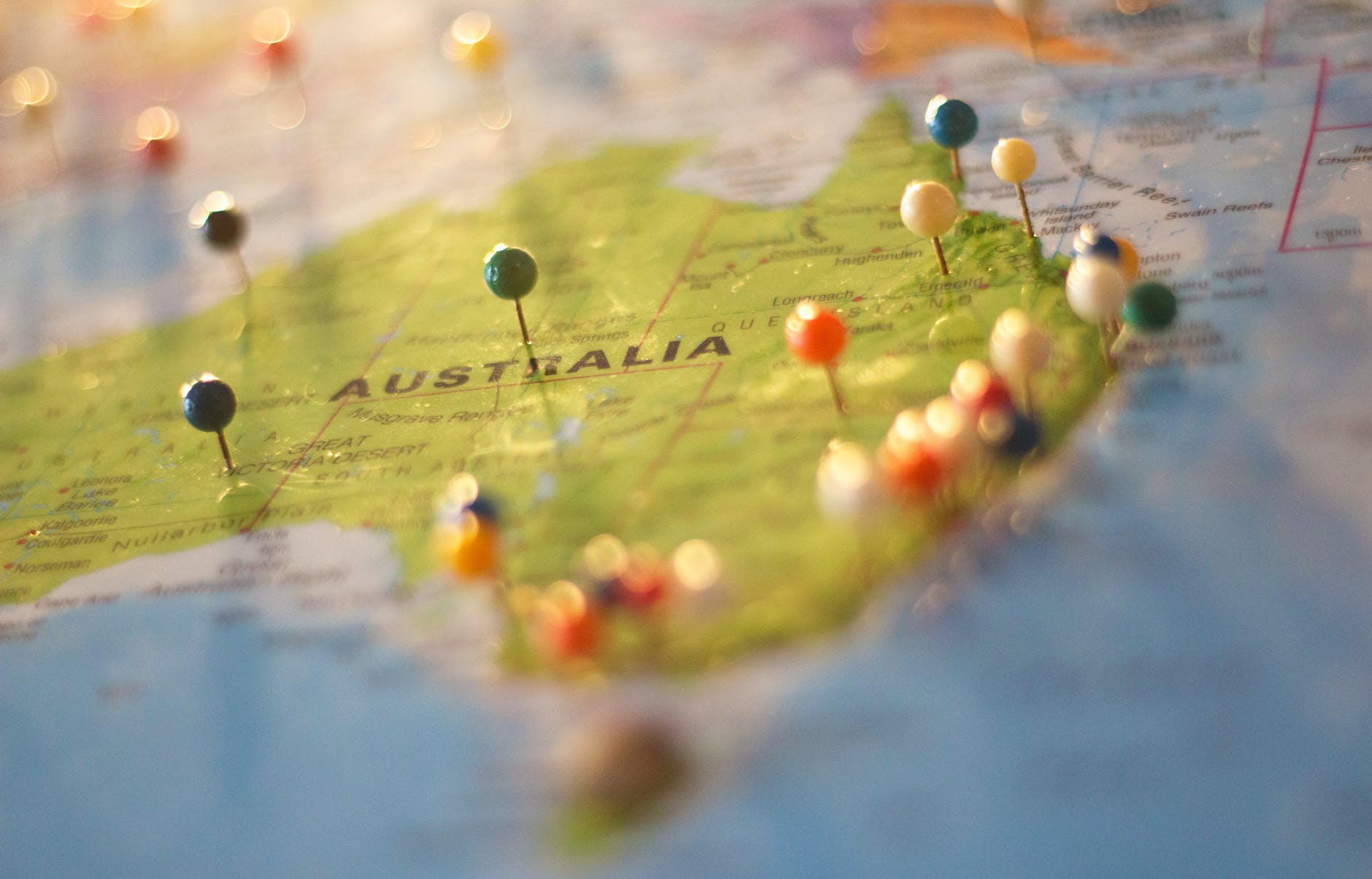
Photo by Catarina Sousa on Pexels.com

Benefits of travelling :- While travelling you can blog and show the beautiful place on your social media sites. Become a travelling model. And you get paid for promoting the place by become the model of tourist companies. Traveling makes you comfortable while talking with strangers, it makes you better at it too. Traveling makes you more confident at your own skills, independent, focused and concentrated.

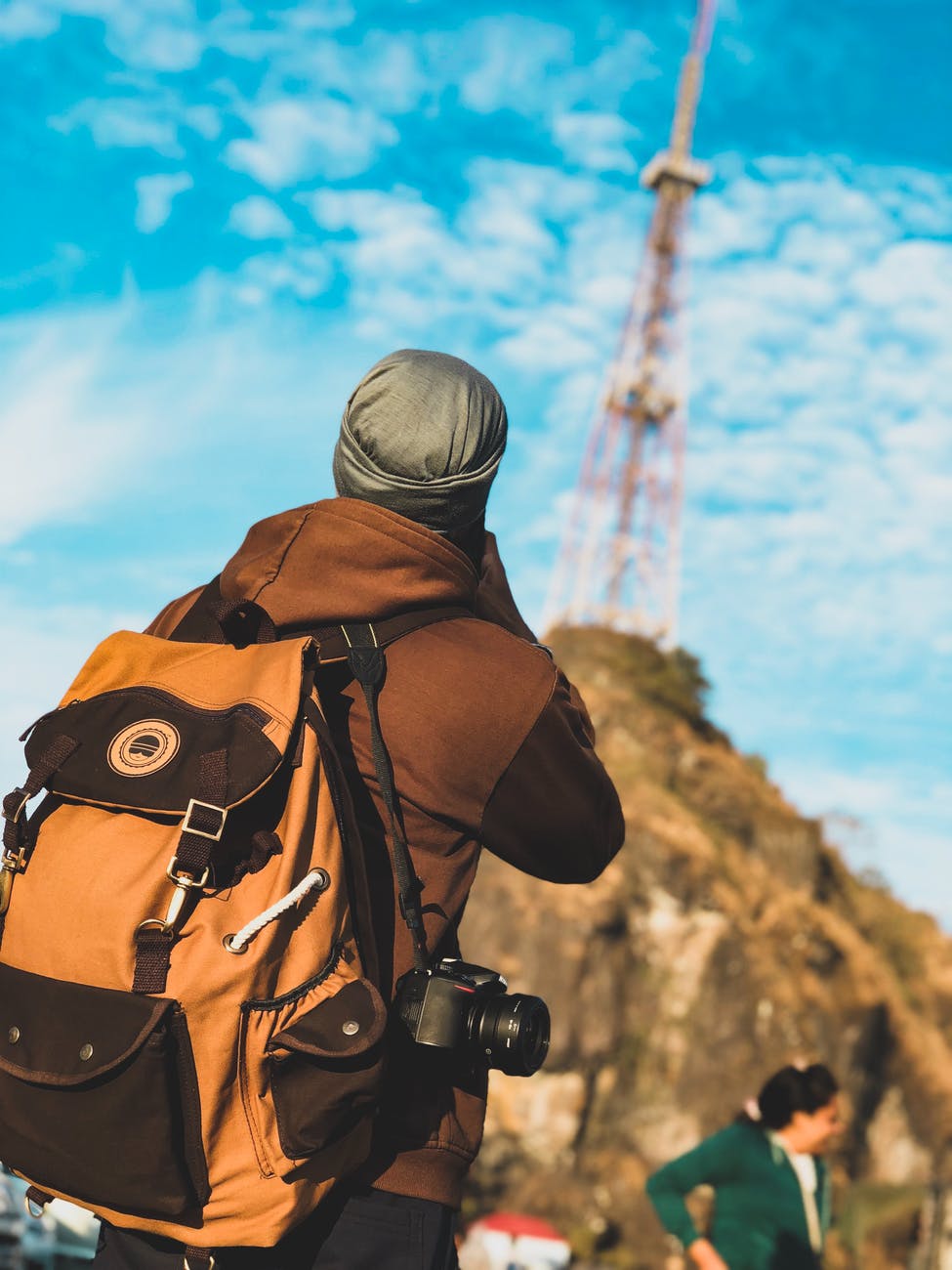
Photo by Bhupendra Singh on Pexels.com

Travelling is not a bad idea for refreshing your self, if you have sufficient resources, time, money and great research and knowledge about the places. Trying something new is not bad and traveling is a good option. you can make some new memories, learn new things, change your taste, trying some different kind of food, elaborate your skills and having fun with friends and families. Travelling is a good option for a career.

WHY DO PEOPLE LOVE TRAVELING.

Everyone wants to travel and explore the world. Traveling is like a dream for so many peoples. How important it is to travel. So what’s all this fuss about? Why do people love travelling?

Photo by Chanaka Madushan Sugathadasa on Pexels.com

People love to travel because they love to explore themselves and want to know the world. They wants to know the facts about the places, become creative, love to communicate with the people of different countries, different religions and languages. Travelling is also a very important part of our life, it taught us so many things like how can we handle the problems and how to fight them alone. We become more practicle, more adaptive to the change and more connected to the others.

More importantly, why should we travel more :- Traveling change you physically and psychologically. Make your mind fresh. You feel connected to the world. Everyone wants change in the life, getting bored with the same taste, place or routine. Traveling is also one of the thing to give you some change in your life. Sometimes it is best to take a step back, take a deep breath and get some tower bridge selfie. It gives you some good vibes, you get out of all the distraction, tension and depression, and more of that you feel so much better and energetic.

Traveling makes you smarter:- By traveling to the different countries, places you become more interactive to the peoples of different culture, relegion and language. Learn something new and used to picking up new words from the different languages. It makes you more intelligent, sharp and smart. It helps you to interact and communicate with others and become more familiar. While travelling you will observe the the environment and also the change in yourself. It builds up your confidence which helps you to face chalanges without fear and hesitation.

How to become a traveller:- Become a traveller is not an easy job. If you want to become a traveller first you need money, time and lots of research on your favourite places where you want to travel. You can also get paid for it if you are professional traveller. There are so many companies of different countries who hires travellers to present their places through bloging and advertising and they get paid for it. But if you want to become a professional traveller you must have a good knowledge of the language and countries, and good in english. Share your experiences on social media sites.

Photo by Catarina Sousa on Pexels.com

Benefits of travelling :- While travelling you can blog and show the beautiful place on your social media sites. Become a travelling model. And you get paid for promoting the place by become the model of tourist companies. Traveling makes you comfortable while talking with strangers, it makes you better at it too. Traveling makes you more confident at your own skills, independent, focused and concentrated.

Photo by Bhupendra Singh on Pexels.com

Travelling is not a bad idea for refreshing your self, if you have sufficient resources, time, money and great research and knowledge about the places. Trying something new is not bad and traveling is a good option. you can make some new memories, learn new things, change your taste, trying some different kind of food, elaborate your skills and having fun with friends and families. Travelling is a good option for a career.