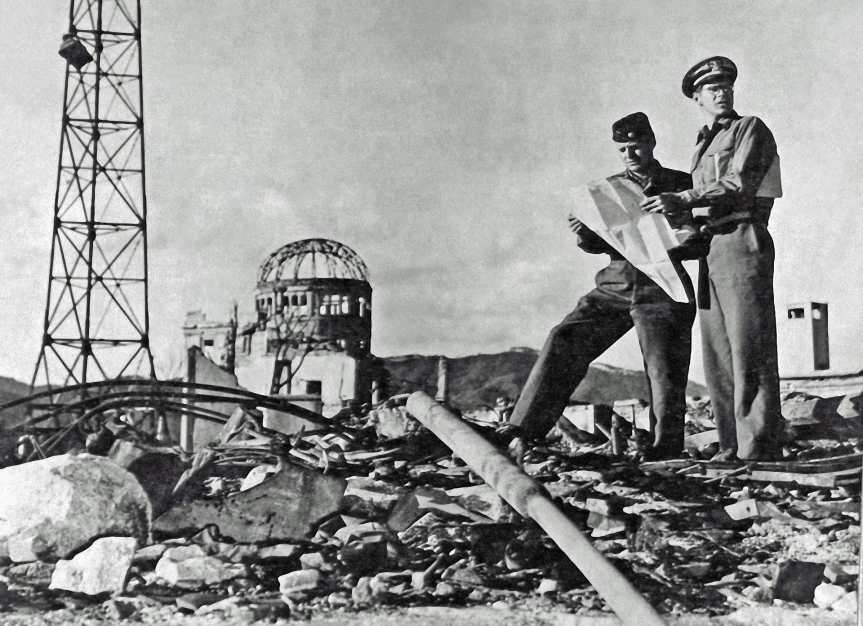
6th August 1945. Imperial Japan had refused to surrender even though all the other Axis powers had. Hitler and Mussolini were dead – the Second world war in Europe had come to an end as far as conflicts were concerned (A long age of a partitioned Germany and the Nuremberg trials would happen later). Roosevelt had overseen the construction of secret weapon and Truman, who came to power in the April of that year, ordered for its use.
Hiroshima was the first city in history to suffer a nuclear detonation.
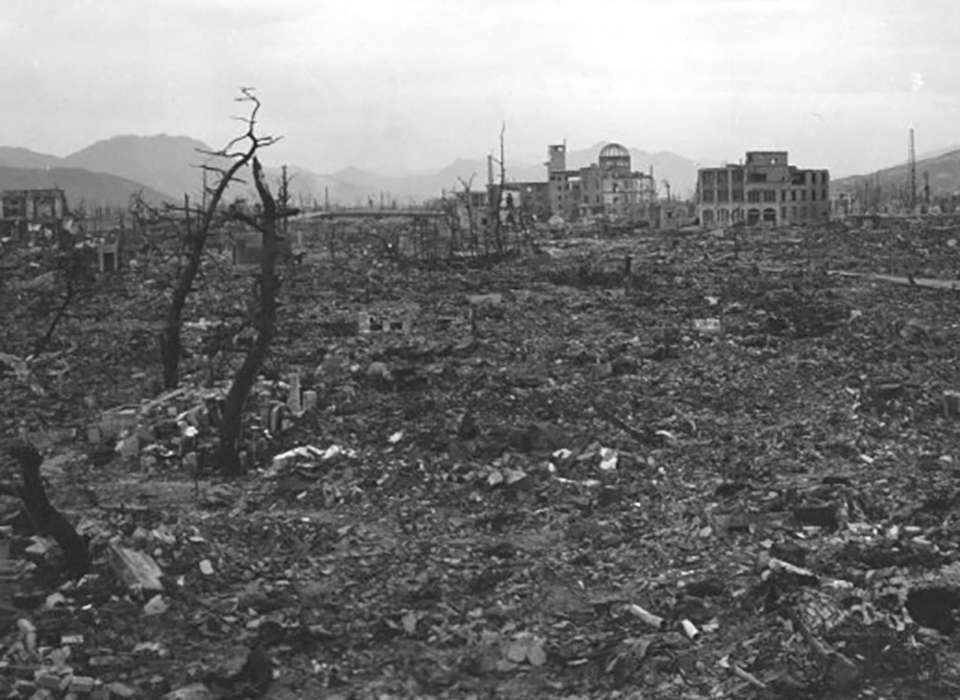
The city of Hiroshima was bombed on the 6th of August 1945 – the first ever atomic bomb attack in human history. 3 days later, another Japanese city – Nagasaki was bombed with the nuclear weapon – forcing Japan to surrender unconditionally and bring the second world war to a decisive end in the favour of the Allied forces. But Truman and most Americans shall never know what it is to be bombed with the weapon. Hiroshima and Nagasaki mark the only instances of atomic bombing recorded. The Allied had failed to bring Japan to its knees and sought the Atom bomb as a quick and effective way. But this quick way, which was a joint plan by the US and its allies – as required by the Quebec Agreement killed a 150,000 people – a 120,000 of them being civilians in Hiroshima alone. And this might have been one of the deadliest attacks on a civilian city by any country involved in a conventional warfare – let alone the US that was trying top be the leader of human rights and civilian liberties.
A 120,000 people and 50sq km of area were eradicated in a matter of seconds.
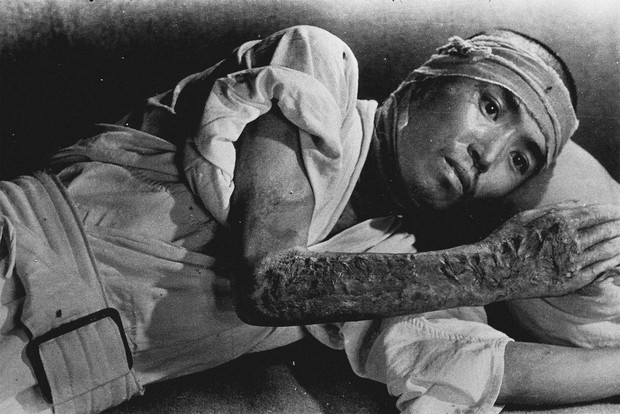
To the Allies, the bomb meant an end to warfare and a sign of American supremacy for the next 5 decades. But to Japan, it meant deaths of 200,000 people in both cities and several decades of nuclear poisoning, radiation induced mutations and cancers that spanned several generations and in some families continue even today.
The University of Texas created a photobook to let the average American – who allegedly yields more pride than sympathy toward the incident – to know of the plight of a nuclear warfare. And people across the world – may it be Chinese, Indian, Pakistani, American, Russian, Israeli or North Korean(if they could read this) would agree that the rhetoric of a nuclear warfare is so blatant in these societies that a bunch of stupid people in the government can lead to a humanitarian and environmental crisis unprecedented in history.
Raditation poisoning killed about 20,000 more people in the later months.
The Hiroshima Day is a reminder of the powers of nature that man has been able to harness and the fact that these powers mean only more responsible behaviour is needed in all of us.
The Hiroshima Memorial Park stands as a testimony to those people who bore the brunt of war between two groups who sought nothing but a global supremacy in trade and diplomacy.
The movie is about a boy named as Ishan Awashti, who found the difficulties in writing and reading. He is a creative boy who had his own sight to understand the world. He is not good in academics. He always found the words running when he tried to read them. The eight year old loved his family. His brother and mother are always support him but his father wants to prepare him for the race of life. The conception for protagonist in the society (school & home) is that he lazy, trouble maker and rebellious. No one try to find out the struggles of that boy. He always compared on the basis of academic.
Attitude of parents family member and friends
The attitude of parents towards their child is always loving and caring. In this movie, the mother of ishan also loved him very much. She always supports him and help in studies. She cares about him day and night. His mother’s tried to help him and never judge him or compare him with siblings.
Whereas his father, is always compare him with his sibling. He wanted his child to studies well and cope up with the world. when the school suggest him to out the ishan in some special school he get angry and decided to take out the enrolment of ishan from the current school and enrolled in him a boarding school. His father doesn’t want to accept that his son can have any such kind of problems.
The bonding of ishan and his brother youhan was really good. He always support and love him. He cares about his little brother and tried to engage him studies at his level.
Ishan have only one friend in boarding school, Rajan. He is the only person who found that ishan have a different perspective to understand the things.
Attitude and role of teachers
The attitude of teachers toward ishan was not good at all. They always ishan found as trouble maker and messy student. They don’t try to listens his side. According to them, he doesn’t want to learns the things and write them proper way. The teachers are follows traditional method of teaching. They consider the life as the race and school as the training campus. Being teachers they have a different perspective for differently abled children. They called ishan – a trouble maker and abnormal. This movie also focus that the teachers have a mindset that all the children with disabilities should be placed in special and isolation from other children.
Nikumbh (Amir) able to understand the problem of ishan and trying to create a special bond with him. He always tried to motivate ishan directly and indirectly. He found his own childhood in ishan and trying to help him.
Educational implication
The movie shows the traditional method of teaching. In traditional teaching, the teacher decided what to make the read and learn to the student, even in arts class teacher asked them to draw what they have drawn on blackboard.
In traditional teaching, the students consider as the blank board. But need to the student also matters in teaching. What we teach is not enough, what they understand is important.
The teacher should have patience and try to find the reason behind the action of students.
It is responsibility of a teacher to calm the every curiosity of students.
There should be spread the awareness about the inclusive education.
The school should involve the parents in educational activities.
The teacher should help the children if they found something wrong with the children.
There should be a healthy competition in school.
The child should not be judges on their academics.
The school should try to boast up the self -esteem of students.
Reflection
‘Tare zameen pr this movie is about the needs of children and methods of teaching in the school. The movie is focus over the methods of teaching in school. While watching the movie I found that the tradition method of teaching focuses on academic more than overall development whereas the modern method of teaching focuses over the participants of students and make them understand the concept behind the topic.
The movie shows the two types of teachers, one who have willing to understand children and wants to help them not only academics levels but also emotional and personal problems. This is the time when the teachers, parents and society have to understand that only academics can’t help the children but the overall development of child is important.
The movie focuses on inclusion of the education. The perspective of seen the children with the disabilities is really pathetic. More us we see them as the good for thing which shows that are only qualified not educated. Inclusive education gives the opportunity to other children for making positive approach for the children with disabilities. We have to understand the children with disabilities are not different from us, they are just differently abled they don’t need our sympathy, what they need is just a positive and better environment where they can learn, read and write.
Animal cruelty includes a range of dangerous behaviors for animals, from neglect to brutal slaughter. Much of the brutality investigated by humanitarian officials is unintentional neglect that can be solved through education.
Intentional cruelty can trigger a game by deliberately depriving the animal of food, water, shelter, contact, or pet care to the point of cruel, degrading, degrading or killing of an animal.
Why is it important?
All animal cruelty is troubling because it is wrong to inflict suffering on any living creature. Intentional cruelty is a matter of concern because it is a symptom of depression and often indicates that a person may have been a victim of violence or may have been prone to violent acts.
Why can man be cruel to animals?
There could be many reasons. Animal cruelty, like any other form of violence, is often perpetrated by someone who feels powerless, ignored, or even controlled by others. The motive can be to intimidate, intimidate, intimidate or irritate others or to show a rejection of community rules. Some cruelty to animals copied actions that they saw or heard. Some view harming the animal as a safe way to take revenge – or threaten – someone who cares about that animal.
How does it cause animal suffering?
The pain of an animal living with incurable disease or wounds, with or without food or shelter, can be very severe – sometimes even greater than those who have been directly affected by the violence, because their suffering lasts longer. Hungry dying animals experience a host of painful symptoms at each stage of their physical decline. The initial decrease in body fat is followed by muscle loss and atrophy and, finally, weight loss. In chronic hunger, liver damage, heart changes, anemia and skin lesions.
An animal that is not in the right place can be easily hit by extreme heat or cold. During extreme cold or hot weather, it is not uncommon for zookeepers to find their pets – often chained dogs – frozen on the ground or dead on the ground due to a lack of adequate shelter due to the weather. Usually these animals die only on foot away from the homes where their caregivers live.
Dogs that are constantly chained are also the reckless victims, even though they may be illegal in that particular jurisdiction. Because dogs are socially pack animals, isolating themselves at the end of the series causes grief that can lead to aggression, neuroses, and self-destructive behavior. Dogs in chains are also more likely to be victims of starvation, since their incarceration makes them powerless to defend themselves.
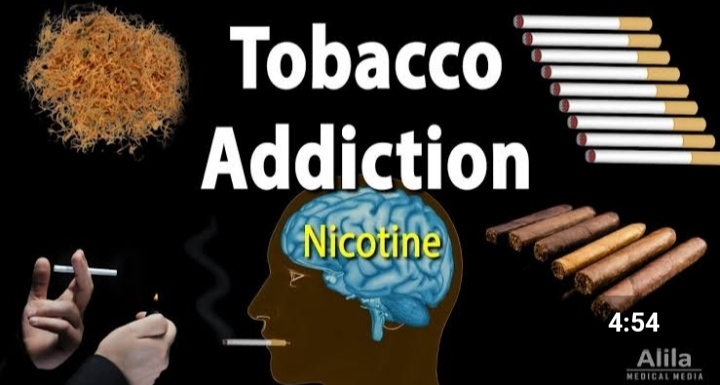
Tobacco is obtained from the tobacco plant Nicotiana tobaccum and Nicotiana rustica. The dried and cured leaves of its young branches make the commercial tobacco used worldwide. Addiction to tobacco is due to ‘Nicotine’ an alkaloid present in it. Nicotine is a stimulant, highly harmful and poisonous substance.
Tobacco is used for smoking, chewing and snuffing. Inhaling tobacco smoke from cigars, cigarettes, bidis, pipes, hukka is called smoking. Tobacco in powder form is chewed with Pan. When powdered tobacco is taken through nose, it is called snuffing.
Smoking Hazards and Effects of Tobacco
When smoke is inhaled, the chemicals get absorbed by the tissues and cause the following harmful effects
Benzopyrene and polycyclic hydrocarbons present in tobacco smoke is carcinogenic causing lung cancer.
Causes inflammation of throat and bronchi leading to conditions like bronchitis and pulmonary tuberculosis.
Inflammation of lung alveoli, decrease surface area for gas exchange and cause emphysema.
Carbon monoxide of tobacco smoke binds to haemoglobin of RBC and decreases its oxygen carrying capacity causing hypoxia in body tissues.
Increased blood pressure caused by smoking leads to increased risk of heart disease.
Causes increased gastric secretion which leads to gastric and duodenal ulcers.
Tobacco chewing causes oral cancer (mouth Cancer).
Prevention of Smoking
Knowing the dangers of smoking and chewing tobacco adolescents and the old people need to avoid these habits. Proper counseling and medical assistance can help an addict to give up the habit of smoking
Puri, located in Odisha, became the first Indian city with 24×7 clean drinking water from tap facility. The “Drink from Tap Project” was inaugurated on 2nd August 2021. The drink from tap facility has been initiated by the Water Corporation of Odisha under the “Sujal” scheme. While inaugurating the project the CM of Odisha claimed that this project will enable the people of Puri to collect water directly from the tap and it would not be necessary to store or filter it further for the purpose of drinking.
Drink-from-Tap Project
Under the Sujal scheme, the water is taken from the Bhargavi river and then it is channelised to a reservoir. The water is then sent to Samang for water treatment procedures like purification and chlorination.
Sujal scheme aims to provide clean drinking water from taps to nearly 1.5 million people in 15 towns of Odisha by 2023. Puri’s water requirement is around 32-34 million litres per day and the plants have been claimed to purify around 42 million litres of water each day.
The “Drink from Tap” project is said to benefit the 2.5 lakh residents of Puri. As Puri is known as the holy town of Odisha, it would also benefit the 2 crore tourists who visit Puri. Another impact is that it can reduce the number of plastic bottles bought, mostly by tourists. It can drastically reduce the disposal of plastic waste. People can directly consume the water from the 400 fountains installed in the city.
But it is also important to maintain stringent rules on the quality of water supplied. Contaminated water can pave the way to a number of diseases. Constant monitoring of the water quality is essential. The scheme is in its initial stage and it is imperative to maintain the availability and purity of water in the long run.
Clean drinking water in India
According to the UNICEF reports, less than half of the people in India have access to safe drinking water. Harmful chemicals such as Arsenic and Fluoride are found in 1.96 million dwellings. The report also indicates another major concern, that is unavailability of water in many areas.
School attendance decreases in the areas where children are sent to collect water. They spend hours collecting water which affects their education. In the drought hit states, a 22% rise in school drop out rates was recorded.
Therefore it is important to ensure the availability of clean drinking water to the people. Safe drinking water is a fundamental aspect of public health.










 Eduindex
You must be logged in to post a comment.