10 REASONS WHY YOU SHOULD TRAVEL TO THE MOUNTAINS

The mountains show the raw beauty of nature, extreme calmness and offer so much more than you can imagine. Feel the sun on your face and back and enjoy the cast number of activities provided by the mountains…. It can be canoeing or hiking or climbing or fishing etc. which will never make you regret your decision to travel the mountains. Go and Retreat on your next vacation.
REASONS TO TRAVEL MOUNTAINS :

  1. Health Benefits: Travel to mountains can be very therapeutic with the miles stretching greenery and beautiful sounds of birds.
  2. Finding Peace: Mountains help you find your inner peace in life and give the opportunity to discover and explore the beauty of nature.
  3. Mesmerizing Beauty: The terrain is rough and reaching some places can be tough but you will get to feel that because you will be mesmerized with the beauty of the mountains. This beauty helps in healing, giving peace and a whole pure feeling.
  4. Tranquility and Peace: People head to mountains when they need some peace and space. The mountains take you to a uncomplicated lifestyle. 10 minutes of meditation can heal your soul and give the peace that you want.
  5. Pure Air: One of the best things about mountains is the pure air which you won’t find anywhere else. Take a deep breathe and feel it immediately. You will get to know and feel the difference. You will surely miss this fresh air once you return to the city life.
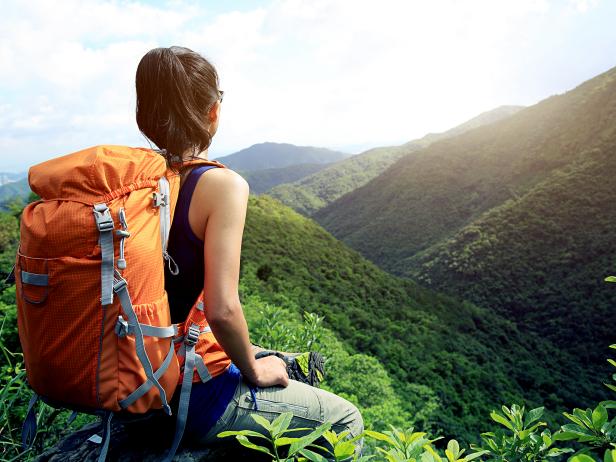
  6. Adventures: Mountains offer a range of adventures which will add better experiences to your trip. And hiking is one of the best and most amazing adventures to do in mountains.
  7. Welcoming Nature of the People: The people of the mountains welcome you with a warm smile and everyone you meet in the mountains will be very polite and helpful. You will not feel like a stranger there.
  8. Disconnect: Mountains give you the perfect chance to escape from the chaotic lifestyle and everyday rush. It is important for everyone to take a break and enjoy their life with a free time.
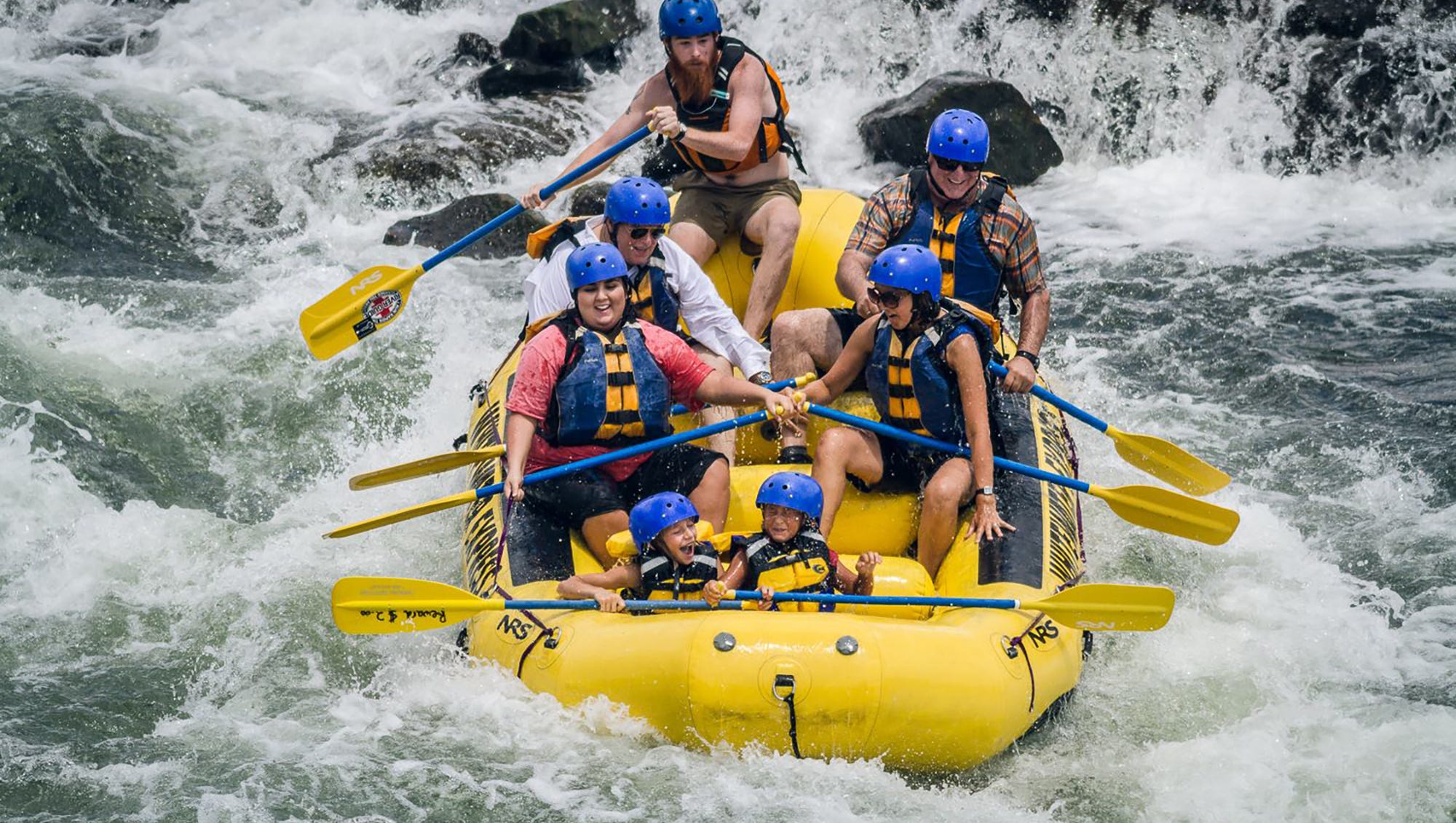
  9. Build Relationships: Travelling to mountains give a great time to spend with your family and friends. Mountains offer many activities and adventures which can be done in groups and here you can do them with your family and friends and even other travelers which gives you an opportunity to build relationships.
  10. Not a Sight but an Experience: The best thing about the mountains is the experience that you will get and not just the scenes. You will understand and explore nature; come across different people and welcoming locals; adventures and events; fresh air and purity and peace. You will be disconnected from the entire chaos and hectic lifestyle and will get a perfect vacation filled with purity, tranquility and adventures.
The adrenaline rush from the peaks, the serene tranquility and the heights of mountains will fill your heart with happiness and joy. Mountains really bring out the best from you, set your soul free and happy. The tall peaks, the misty environment, the warm locals- a retreat to the mountains brings you back to the city with a clearer mind and a happier heart.

TOP 5 MAHARASTRIAN FOOD YOU MUST TRY

You haven’t tried any Maharashtrian dish till now? Ohh you must! What are you waiting for, here are some Maharashtrian foods for you, try these absolutely delicious Maharashtrian dishes and experience the cuisine in all its glory!

What comes in your mind when you think about Maharashtrian food, Mumbai’s famous Vadapao, Misal Pav from Pune, Kolhapur’s Tambda Rassa and many more. From Misal pav to Aamti to Bhelpuri, each one of them is a gem. So here are some famous and extremely tasty Maharashtrian foods for you.

1. Zunka Bhakar

Zunka Bhakar is a traditional meal of Maharashtrian people. It’s a meal of poor, who can’t afford any food, Zunka Bhakar is like a blessing for them. Every Maharashtrian loves Zunka Bhakar. Zunka is made with besan paste and served with bajra or jwari roti which is called as Bhakar.

2. Puran Poli

Puran Poli is like festival food for all Maharashtrian out there, its specifically made during all festivals like Diwali, Gudi Padwa even on birthdays Maharashtrians made Puran Poli. Made with gram flour and stuffed with sweet mixture of dal, this Maharashtrian bread is a sweet delight for your taste buds.

If you love sweets you should definitely try Puran Poli!

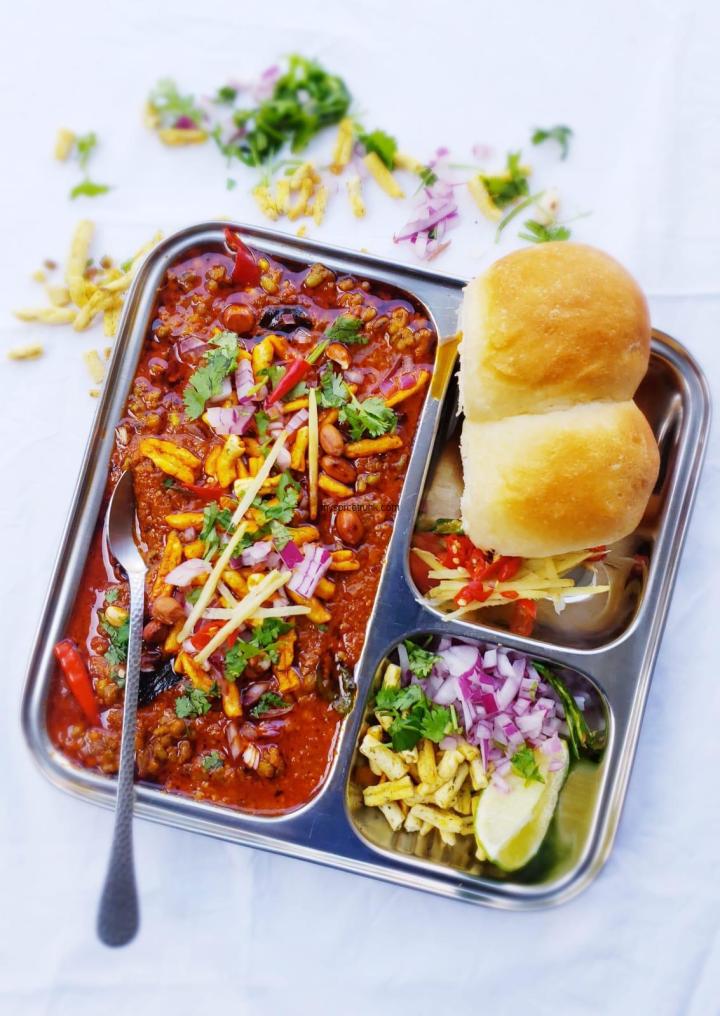
3. Misal Pav

Misal Pav is basically for breakfast but, you can had it anytime it’s a meal that can be had at any time of the day. If you are living in a Pune and you still haven’t tried Misal Pav then, what are you waiting for, you must try this out today!!

Misal Pav is made with potatoes, hot masalas and team up with bread to create a perfect, Maharashtrian meal.

4. Kandepohe

A famous Maharashtrian breakfast. For Maharashtrians Kandepohe with Chaha (tea) is like heaven. If we have any guests or any marriage proposal meeting exists, we Maharashtrians first made kandepohe, it’s like compulsory.

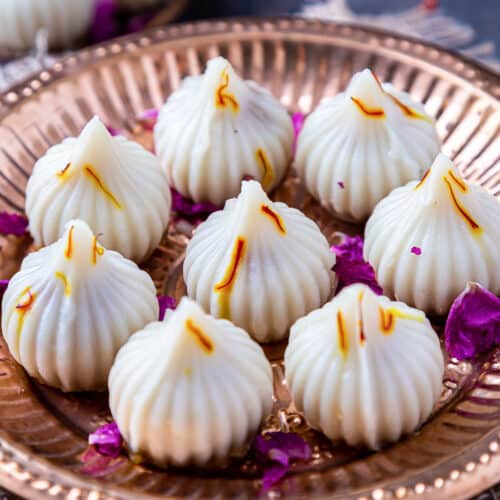
5. Modak

Modak, the favourite meal of Ganeshji, it’s specially made on Ganesh Chaturthi, Modaks are now made in many parts of the country as well. Sweet flour dumplings stuffed with coconut, jaggery, nutmeg and saffron.

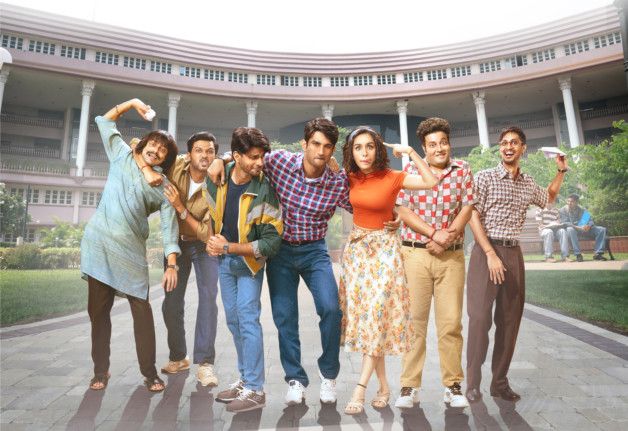
CHHICHHORE

THE MOVIE WITH BEST MESSAGE : NEVER QUIT

Chhichhore, the movie which taught us that, suicide is not right option, movies which taught us “ NEVER GIVE UP”, we just have to keep going, doing our best just keep going and enjoy your life cause these moments are never gonna come back.

In life things we love the most always disappears quickly and its life.

The film tells the story of Aniruddha “Anni” Pathak, a middle-aged divorcee whose son Raghav tries to commit suicide but survives, though he is in a critical condition for his unwillingness to live out of fear he would be called a “loser”. Desperate, he goes against the wishes of his former girlfriend turned ex-wife Maya’s wishes to recount his own journey in 1992 as a “loser” in a gang of six; as he continues along to convince Raghav, the other five receive news of the tragedy and decide to join their friend in his pain to complete a story they never fail to cherish as a lesson in their life.

Since childhood we are listening this, from our parents, family members and relatives, if you win this competition, I’ll buy you your fav dress or I’ll buy you motorcycle, if you get first rank in your school or college test, I’ll buy you smartphone, if you got selected or if you pass the test I’ll give you this or that or whatever you want I’ll give you, blab blah. But no one told us that if you didn’t won or if you got second rank or if you failed the test, it’s okay, it’s completely okay, atleast you have tried and worked very hard for this. What’s big deal if you didn’t got selected, the most important thing is, you tried and didn’t give up easily. Life is all about second change for them who don’t give up easily and try until they give their best. Let’s say that, it wasn’t your best and promise yourself that you will try very hard to give your best and trust yourself, if you think you can do it then you definitely can and one day you will definitely became successful and will achieve your dream.

Its human nature that we got disappointed very soon, we think like we did so much hard work for this and after all this what we got is failure.

Its life and in life things always don’t go as we planned, just trust yourself and try harder, you may struggle but it won’t matter anymore. If you feel like quitting, think about the reason why you started.

NEVER QUIT. NEVER GIVE UP. FLY IT TO THE END.

Here are some memorable dialogues from Chhichore we will always remember

1. “Tumhara result decide nahi karta hai ki tum loser ho ki nahi… Tumhari koshish decide karti hai!”

2. “Success ke baad ka plan sabke paas hai… lekin agar, galti se fail ho gaye… toh failure se kaise deal karna hai… Koi baat hi nahi karna chahta.”

3. “Hum haar jeet, success failure mein itna ulajh gaye hai… ki, zindagi jeena bhool gaye hai… Zindagi mein agar kuch sabse zyada important hai… toh woh hai khud ZINDAGI.”

4. “Doosron se haarke loser kehlane se kahin zyada bura hai…khud se haarke loser kehlana.”

5. “I am a failure, mera kuchh nhi ho sakta… But we forgot success doesn’t come at once.”

6. “Dost jinke sath hum haste hai, rote hai Par zindagi jeena sikhte hai.”

TOOLS TO HELP ENHANCE YOUR RESUME

1. KICKRESUME

Kickresume is a resume builder tool that lets you choose from pre- designed resume and cover letter templates. Kickresume is by far the most easy to use and effective resume website which will help to make your resume look more elegant, well designed and impressive. Kickresume gives you amillion design combinations to improve your resume. Whether you are nurse or an engineer it doesn’t matter with kickresume your resume will always stand out.

“Being a college student who is transitioning to the work life, I consider Kickresume the most helpful tool available. It is very user-friendly with a variety of designs tailored to your personal preferences and profession. It doesn’t get any better than this!!!“

It offers templates for various professional arenas. Simply choose your profession and further customize it according to your needs!

2. READABLE

While creating your resume it is extremely necessary to view it from an employer’s perspective. Is the format clear? Does it hold attention? Is it easy to read and understand? Readable can help. The tools scores your content based on various aspect such as sentence construction, structure and more!

Readability is about making content clear and easy to understand for the largest audience possible. Focusing on readability increases the chance that your target audience will actually read and interact with the content you publish. For this reason, readability should be a natural part of your content management.

3. CANVA

Of course, you’ve heard of Canva choose from a plethora of templates to add that touch of finesse to your own resume. Customize your resume by changing elements, colour, and style. While it can be a lot of fun customizing your resume remember to it professional, sleek, and clean.

4. GRAMMERLY

Yes, this tool is nothing short of a lifesaver when it comes to assignments. But guess what? You can also use Grammarly to create grammatically flawless application and resumes. it will make sure that everything you type is effective and mistake-free, it will help you write mistake-free in not only resume but also in Gmail, Facebook, Twitter, LinkedIn and many other app you use. Even the text messages also!

It also check the tone of your application, making it suitable for professional and formal use . No silly spelling errors anymore, yay!

Grammarly isn’t just a safety net. You’ll get detailed explanations for all your mistakes to help you avoid making them again in the future.

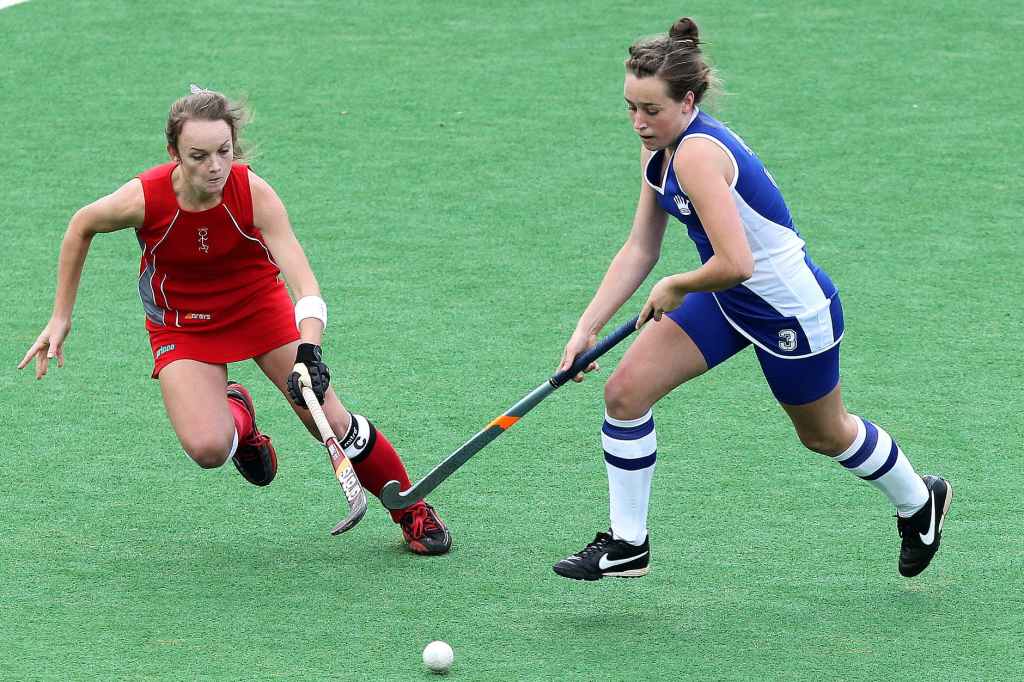
HOCKEY

Hockey is a sport in which two teams play against each other by trying to manoeuvre a ball or a puck into the opponent’s goal using a hockey stick. There are many types of hockey such as bandy, field hockey, ice hockey and rink hockey.

In most of the world, the term hockey by itself refers to field hockey, while in Canada, the United States, Russia and most of Eastern and Northern Europe, the term usually refers to ice hockey.

Games played with curved sticks and a ball can be found in the histories of many cultures. In Egypt, 4000-year-old carvings feature teams with sticks and a projectile, hurling dates to before 1272 BC in Ireland, and there is a depiction from approximately 600 BC in Ancient Greece, where the game may have been called kerētízein or because it was played with a horn or horn-like stick .[10] In Inner Mongolia, the Daur people have been playing , a game similar to modern field hockey, for about 1,000 years.

Most evidence of hockey-like games during the Middle Ages is found in legislation concerning sports and games. The Galway Statute enacted in Ireland in 1527 banned certain types of ball games, including games using “hooked” (written “hockie”, similar to “hooky”) sticks

By the 19th century, the various forms and divisions of historic games began to differentiate and coalesce into the individual sports defined today. Organizations dedicated to the codification of rules and regulations began to form, and national and international bodies sprang up to manage domestic and international competition.

Utilising the potential of the youth of the country

In India over 62% of the population is aged between 15 and 59 years, and the median age of the population is less than 30 years. This means India is going through the stage of ‘demographic dividend’ representing the potential for economic growth based on the age structure of the population.

However, transforming this potential into reality requires adolescents and the youth to be healthy and well-educated.

A study on demographic dividend in India by United Nations Population Fund (UNFPA) said the window of demographic dividend opportunity in India is available for five decades from 2005-06 to 2055-56.

Therefore, more than the fears of a ‘population explosion’, it is critical that India focus attention on safeguarding young people’s well-being because India’s welfare hinges on them.

With so much potential we can march ahead in the path of success! Then what’s stopping us?

What are the Challenges In Realising Youth Potential

  • Lack of Education and Skill: India’s underfunded education system is inadequately equipped to provide the skills young people need to take advantage of emerging employment opportunities.
    • According to the World Bank, public expenditure on education constituted only 3.4% of GDP in 2020.
    • Another report revealed that India stands 62nd in terms of public expenditure per student, and fares badly in quality of education measures such as student-teacher ratios.
  • Impact of the Pandemic: Various studies show that school closures have a serious impact on the learning, lives and mental well-being of children. A survey by the International Labour Organization (ILO) reveals that 65% of adolescents worldwide reported having learnt less during the pandemic.
  • Issues of Young Women: Child marriage, gender-based violence, their vulnerability to abuse and trafficking, especially if primary caregivers fall ill or die. All these issues restrict young women to achieve their full potential.
  • Jobless Growth: The main contributor in India’s GDP is the service sector which is not labour intensive and thus adds to jobless growth. Further about 50% of India’s population is still dependent on agriculture which is notorious for underemployment and disguised unemployment.
  • Low Social Capital: Further high levels of hunger, malnutrition, stunting among children, high levels of anaemia among adolescent girls, poor sanitation etc., have reduced the productivity of India’s youth in realising their potential.

What is the way forward?

  • Inter-sectoral Collaboration: It is imperative to have in place mechanisms for better inter-sectoral collaboration to safeguard the futures of the young generation. Coordination across departments can enable better solutions and greater efficiencies in tackling any crisis.
    • Eg.: Mid-day meals scheme not only provides an incentive for parents to send their children to school but also provides the calorie intake required to stay alert in the classroom.
  • Skill Development to increase employability of the young population. India’s labour force needs to be empowered with the right skills for the modern economy.
    • Government has established the National Skill Development Corporation (NSDC) with the overall target of skilling/up-skilling 500 million people in India by 2022.
  • Improving Social Infrastructure: If India wants to leverage the economic potential of its youth bulge, then it must invest in improving social infrastructure viz. good health, quality education, and endeavour to provide decent employment to their entire population.
  • Maintaining Basic Hygiene: As school closures have impacted access to schemes such as the delivery of menstrual hygiene products to adolescents, teachers can work as volunteers for collaborating with frontline health workers to distribute sanitary napkins to girls.
  • Helpline For Youth: To address the mental health of adolescents, the Health and Education Ministries should strengthen outreach via existing helplines and by enabling conversations on critical issues regarding their reproductive and sexual health.
  • Immediate Steps After Pandemic: It is important for policymakers to balance the risks of transmission through children with the harm of prolonged school closures.
    • By prioritising the vaccination of teachers and school support staff and also allowing a decentralised approach where district-level officials may reopen schools based on local Covid-19 transmission rates, schools could be opened in a safe and phased manner.

Conclusion

Improving the lives of youth in mission mode would lift their lives, generate a virtuous cycle with healthier and educated young adults contributing substantially to securing India’s future.

The policies for empowerment of youth and their effective implementation will ensure that demographic dividend, which is a time-limited opportunity, becomes a boon for India.

Food

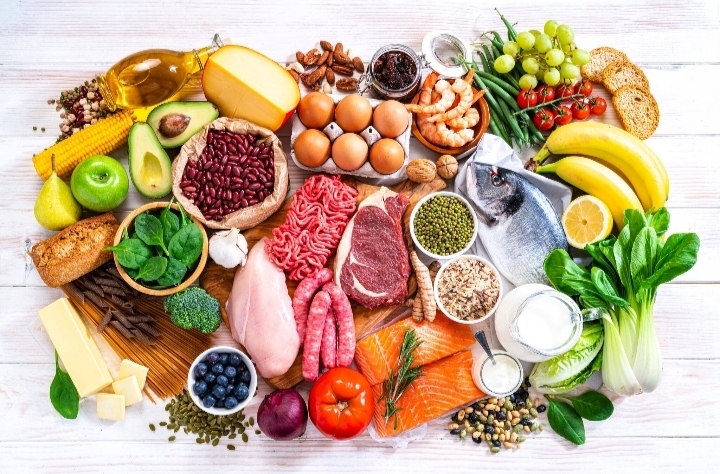
Life cannot exist without energy. Energy is inevitable for the day – to- day life activities. This energy is derived from food. Food is defined as a composite mixture of various substances which sustain life activities. Foodstuff is defined as anything which can be used as food. The foodstuff of animals is composed of the following six components:

Carbohydrates, Proteins, Lipids, Vitamins, Minerals and water

Role of Food

Food has four important functions in the life of animals. They are as follows:

It supplies energy which maintains the day-to-day life activities. Food is essential for the growth and repair of body and its parts. It gives temperature for the body. Certain type of food materials like vitamins regulate the activities of animals.

Carbohydrates

Carbohydrates are the cheapest sources of energy in the animal food. Carbohydrates are hydrates of carbon with an empirical formula Cn(H_2O). Hydrogen and oxygen are combined in the same ratio as in water (H_2O). Hence they were named as carbohydrates. But a number of carbohydrates, discovered later, do not have H and O in the above proportion; again some carbohydrates contain N_2 and S. Still the unsuitable name, carbohydrates, is retained. Carbohydrate is defined as an organic compound that contains carbonyl group, namely aldehyde or ketone in addition to two or more alcohol groups or that yields such compounds on hydrolysis. Eg. Glucose, Fructose, Sucrose, Lactose, Cellulose, Starch, Glycogen, etc.

Physiological Role of Carbohydrates

Carbohydrate has the following functions:

It is the main source of energy. Energy is essential for day- to-day activities. It plays main role in metabolism.

Proteins

The term ‘protein’ is derived from a Greek word ‘protes’ meaning ‘prime’ or ‘first importance’. Proteins are complex organic nitrogenous compounds. They contain C, H_2,O_2,N_2 and S. Some proteins also contain P and Fe. Proteins are defined as high molecular weight polymers in which the building blocks are the aminoacids. Amino acids are the basic units of proteins. Each protein is formed of several amino acids. Eg. Albumin, Globulin, Haemoglobin, etc.

Physiological Role of proteins

In the animal world, protein has the following functions:

Most of the enzymes are protein in nature. The enzymes function as biocatalysts. The hormones secreted by endocrine glands are protein in nature. Haemoglobin transports gases. Immunoglobulin of blood plasma acts as antibodies. Proteins are essential for the growth and repair of animals. They supply energy and heat

How to be a good person?

Being good person means more than just doing things for others. You have to accept your true self and have to discover what does goodness means to you. You have to be honest from your heart. Everyone have their own unique talents. Focus on sharing goodness that lies within you.

Be a good person for your own sake. Don’t try to become good just to impress others. Your dedication to a particular creed, ideology or set of guidelines doesn’t make you better than anyone else. Do what you believe makes you a good person on your own terms. Be a good listener this will help you to be a good speaker. Forgive people for their mistake this will helps you to let go of negativity and encourages you to move on. Most important be honest with yourself and to others. Being honest doesn’t mean being rude or cruel. Respect everyone, be fair to all and be kind.

BADMINTON

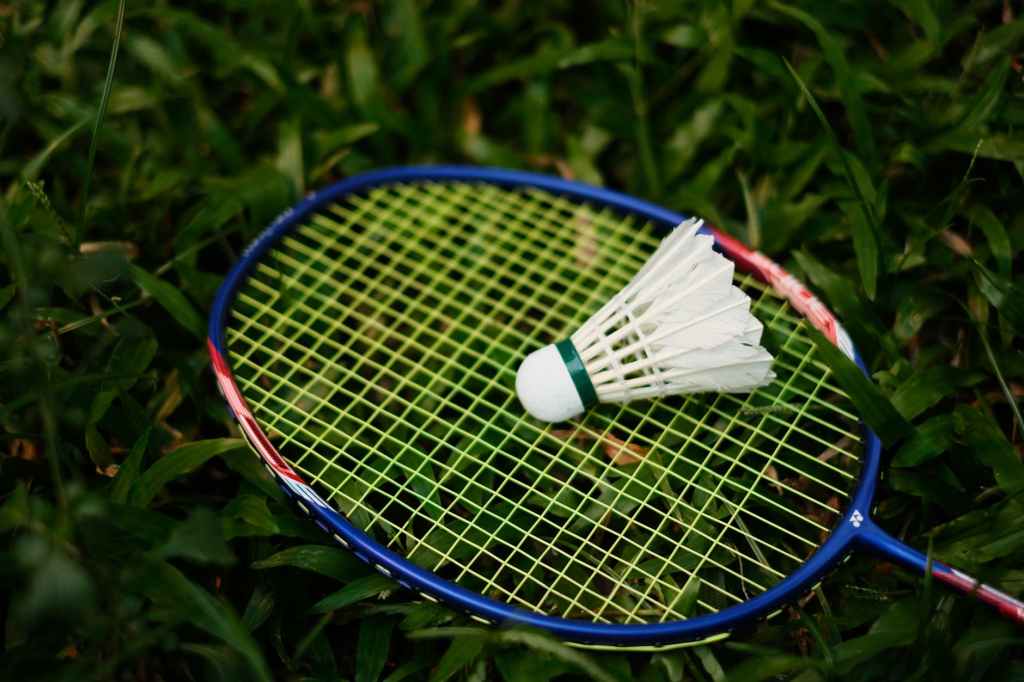
Badminton is a racquet sport played using racquets to hit a shuttlecock across a net. Although it may be played with larger teams, the most common forms of the game are “singles” (with one player per side) and “doubles” (with two players per side). Badminton is often played as a casual outdoor activity in a yard or on a beach; formal games are played on a rectangular indoor court. Points are scored by striking the shuttlecock with the racquet and landing it within the opposing side’s half of the court.

Each side may only strike the shuttlecock once before it passes over the net. Play ends once the shuttlecock has struck the floor or if a fault has been called by the umpire, service judge, or (in their absence) the opposing side.

The shuttlecock is a feathered or  plastic projectile which flies differently from the balls used in many other sports. In particular, the feathers create much higher drag, causing the shuttlecock to decelerate more rapidly. Shuttlecocks also have a high top speed compared to the balls in other racquet sports. The flight of the shuttlecock gives the sport its distinctive nature.

The game may have originally developed among expatriate officers in British India, where it was very popular by the 1870s. Ball badminton, a form of the game played with a wool ball instead of a shuttlecock, was being played in Thanjavur as early as the 1850s and was at first played interchangeably with badminton by the British, the woollen ball being preferred in windy or wet weather.

Early on, the game was also known as Poona or Poonah after the garrison town of Poona, where it was particularly popular and where the first rules for the game were drawn up in 1873.By 1875, officers returning home had started a badminton club in Folkestone. Initially, the sport was played with sides ranging from 1 to 4 players, but it was quickly established that games between two or four competitors worked the best. The shuttlecocks were coated with India rubber and, in outdoor play, sometimes weighted with lead. Although the depth of the net was of no consequence, it was preferred that it should reach the ground.