New Education Policy

Photo by Julia M Cameron on Pexels.com

Education is the most powerful weapon we can use to change the world- Nelson Mandela”

The knowledge and skills acquired by a person depends on the education system. A person cannot become a saint by learning about the scriptures and holy books, for this he must practice some basic self-actualization habits to conquer the hurdles and to achieve the desired position. Likewise, an engineer in his degree period is not restricted to the technical books. for this he also comes across the practical field to excel in the career.

The policies of education in the teaching sector are the backbone of it. Education policy is a plan where government is involved in the educational sphere and laws of education system. The most common place where education policy plays its part are- field of schools, include school size, class size, school choice, school privatization, teaching selection, education and certification, teacher pay, teaching method, curricular content, graduation requirement and school infrastructure investment. All the major part of the education revolves around the education policy. The stronger the policy the better will be the future of schooling.

With the onset of pandemic, the education policy has taken a big turn. For which, the whole world had to undergo the revision of education policy. In India, Government has come with National Education policy of 2020 where there are some modifications of rules and guidelines. Here, school curriculum  will be restructured in a new 5+3+3+4 form. Early childhood care and education (ECCE) focuses on investment infrastructure such as children playing equipments. There is also a Foundational literacy and Numeracy plan (FLN) where there is a three month preparatory course to students to access digital contents through energized textbook ETB-Diksha. It also aims to achieve universal foundational literacy and numeracy in primary schools by 2025. The policy also states that higher education system shall aim to be multidisciplinary by 2040. One of the most needed guidelines for teachers (Teachers and teacher education) where the policy proposes the minimum education degree requiring   a 4 year B.Ed undergraduate programme.  Policy also demands to allow promotion based on merit. A big change where this policy is coming up with “Equitable and inclusive education” plan where there is gender equality and promises to female and transgender students by driving state level inclusion activities, developing sufficient infrastructure for safety, and targeted boarding. Talking about the ground system and the building structure of education in country, this policy plans to re-organize smaller schools with very low enrolment into a school complex structure which connects 10-15 such small schools into one administrative which will help reduce school isolation efficiently, use teaching learning resources, and increase governance and accountability, especially in rural/ adivasi parts of India.

Thus, it is quite evident that the countries education system has reversed. There is a big competition in the education field to achieve the best goal. With the right plan and structures this country could attain success. As said,” Education is the best economy policy there is – Tony Blair”

What Is Inflation – The Truth behind Inflation | Real Burglar Of Money

Hello friends! If I gave you a hundred rupee note in the year 1958 and you kept it hidden under your bed for 60 years And if you took out that note today and used it in the market, then the value of that note would have reduced to a mere 1 rupee 20 paise in comparison to 1958 Let me explain it to you from another angle, if you did not understand If you buy something worth 100 rupees today, it would have cost 1 Rupee 20 paise back in 1958 That is 100 rupees of today is equal to 1 rupee 20 paise of 1958 This is because of inflation Inflation means dearness of things that makes things costlier for all of us every year Why does inflation occur and what are the reasons behind this? Is it really a bad thing? And how is inflation related to unemployment and other economic factors? We will talk about all of this in today’s video where I will explain this “ghastly” inflation to you Come, let us see First of all, a very important question- Why does inflation happen and who is causing it to happen? Are some government officials increasing the prices of things arbitrarily? It is not so .

There are several reasons for inflation but I’d like to discuss 4 main reasons for inflation in this article The first reason is very simple- An economic boom That is, a good economic growth When the economic growth is good, then there’s more money in the hands of the people who can spend it on different items When there’s more money in the hands of the people, they can spend it on different items That is, the demand for everything would go up in the economy When demand goes up, the businesses and companies that manufacture these products seek to increase the prices in a bid to earn more profit since so many people are willing to buy So they increase the price of the goods which will then lead to inflation Explaining this with an example- Imagine an aeroplane with 100 seats and 100 passengers have to board that plane But there are only 10 first class seats and 90 economy class seats Now if the passengers are given more money If they’re all given enough money to be able to afford a first class seat, they’ll all want to book a first class seat. But the number of seats are only 10 Not all of them can have a first class seat So what would happen as a response? In response, the airline would hike the prices of its first class seats so that only those who have more money can afford to book a first class seat So basically there is an inflation This type of inflation is called a “demand pull inflation”.

 A demand pull inflation is when the inflation rises with the rise in demand The second reason is the increase in the prices of the raw materials due to different reasons For example, if the prices of wheat and rice rise due to a bad monsoon season, the prices of oil rise or a new tax imposed by the government lead to a rise in the price of one of the raw materials then the companies that manufacture products using these raw materials they’d have to hike the prices of the products to make profits since manufacturing them would become costlier which would ultimately lead to inflation This inflation is called “cost push inflation” The third reason is increase in the salaries No, I’m not joking: When the companies or governments raise the salaries of their employees, then they have to increase the price of their products as well to be able to still make profits .This inflation is called “wage push inflation”.

 There could be other reasons for this as well If unemployment levels are at very low levels in a country, then it is extremely difficult for the companies to replace their employees and if they aren’t replaced, their salaries would have to be raised and this again, triggers inflation And finally, the fourth reason is currency depreciation This can happen due to several different reasons, out of which one of the most important reasons is printing of more notes by the government which leads to the currency losing its value And this is a very dicey reason This could also potentially trigger hyper inflation which is happening in Venezuela today and happened in Zimbabwe in 2008 If the inflation rate touches even 10% in our country, then it would cause the people to comment that things are becoming extremely dear very fast But in Venezuela, between 2016- 2019, the inflation rate was more than 5 crore percent!

 Taking the example of Zimbabwe, Around 2008, the currency of Zimbabwe was losing its value at such a rapid pace that the government began printing 1 million dollar and 1 billion dollar notes! And there existed even a 1 trillion dollar note in Zimbabwean dollars And do you know what the value of that 1 trillion Zimbabwean dollar note was? Just 1 US dollar! This is the extent to which money can lose its value in a case of hyper inflation But this is a very long topic on its own and I will make a video on it in the future because there are several political reasons behind it, apart from the economic ones Talking about the present, the inflation rate in most of the countries today is going down Think about why this is happening It is because of the shrinking demand in the wake of the lockdowns that have been imposed around the world People are buying fewer things and travelling less .

The people do not have money to spend because their businesses have shut down And so, there has been a decline in overall demand And the opposite of the “demand pull”(which I told you about as the first reason) is happening Since the demand is going down, so is the inflation As a response to this, some countries have decided to transfer cash to the people- distribute it for free Now, some people state that doing this would cause the inflation to increase What do you think will happen? I discussed the same logic in this video on Universal Basic Income that the biggest criticism of the Universal Basic Income and the free distribution of money is that it will cause the inflation to spike What do you think? Write down your explanations in the comments below And I will give the answer to this question later in the video I’d like to pose another interesting question before you Is inflation necessary? 

What if there was 0% inflation? Observing superficially, you could think that this would be great as things would stop becoming costlier and that it is good for you as you will be able to afford it for cheap You would be able to save up more and overtime, the value of money would not depreciate either So this would be another great thing! Analyzing deeply upon the reasons that lead to inflation then you would understand that 0% inflation is actually not a good thing This would mean that companies would not raise your salaries Your salary would remain constant And since salaries never go down, therefore, in general, inflation always stays in the positive .

And there is a third reason as well If there is deflation, that is, the prices of things keep decreasing every year, then the people would not want to spend money. They would want to save up First of all, the value of money is increasing, If deflation continues to happen, then five years on, the item that one wishes to buy would come for cheaper So they would want to buy it five years later instead of buying it now This would cut down the overall public expenditure Lesser expenditure would mean that the businesses would start incurring losses The businesses incurring losses would translate to people losing their jobs which would then cause the unemployment to rise I’ve told you about a very long and convoluted connection- You might wonder if it actually happens so Yes it does There is a very interesting relation between unemployment and inflation .

This shows us the inverse relation between unemployment and inflation If there’s economic growth, there will be an increase in inflation and unemployment would go down and unemployment will rise if inflation goes down And this is a very interesting explanation because one would not expect this to happen, but it does in reality But as obvious, there are some extreme limits where this graph is not valid For example, in the case of hyperinflation It isn’t that Venezuela today has 100% employment and 0% unemployment Some other factors come into play there. For instance, political factors which cause inflation to spike But generally, this graph is valid A question arises- Excessive inflation is bad because it would cause hyperinflation and increase dearness Nominal inflation is also bad because it would cause unemployment to rise So, what is the optimum level of inflation that a country should maintain? What could it be? This figure is 2% for the developed countries .

The central banks and the governments of the developed nations have decided that they should maintain an inflation rate of about 2% If it is more, then they would try and reduce it And if it is less, they would try and increase it For India, this rate is 4% with a margin of ±2% So the ideal inflation rate in India should be around 2-6% This keeps the prices stable and keeps the levels of unemployment at their lowest It ensures maximum employment So, if a government wants to control inflation, how can it do that? There can be several ways to do this Generally, the central bank of a country is responsible for controlling the inflation rate and normally, the central bank- RBI, in the case of India- controls the inflation rates by increasing/decreasing its interest rates If RBI increases it interest rates (which are called repo rates) which is charged on loans given to other banks.

 Then fewer banks would want to take loans And these banks in turn, would increase their interest rates as well which would reduce the number of people wanting to take loans This would result in lesser money being circulated in the economy And if this happens so, then inflation would go down And if RBI slashes its interest rates, then indirectly, through other banks, more people would want to take loans and this would push the inflation up So inflation rate can mainly be controlled by increasing or decreasing the interest rates But there are other ways as well- Inflation can also be controlled by printing of more notes Printing of more notes would obviously cause inflation to rise.

 The government can control inflation by imposing more taxes as I had explained in the reasons earlier in this video The government can also control inflation by spending more or by spending less, if there is a recession in a country and there’s no economic growth, then inflation would also decline This happens on a general basis, but not always Sometimes, it also happens that a country’s economic growth is going down and the country is going into recession but inflation is going up This situation is called “Stagflation”. This is a disastrous thing indeed. 

Why does this happen? The reason for this is- Assume that there is a recession within a country, but the cost push factors- the second reason for the rise of inflation that we talked about- The cost of the raw materials is rising For example, the rise of oil prices all across the world so the oil imported would then cost more so the inflation would rise because of cost push factors but there is recession within the country There is another exception from the other side- If there is deflation in a country, but simultaneously, there is economic growth in the country This happened in the USA between 1870-1890 This period is referred to as “The Great Deflation”.

 The cost of the goods were falling by around 2% every year and there was deflation, but there was also an economic boom Both the people and the businesses were making more money and employment was on the rise The reason behind this attributed to the rise in productivity This was a time when there was technological progress at such a rapid pace and new technologies were being developed that it compensated for the deflation Reverting to our original question- if people are given money for free in today’s times during this recession then would it lead to a rise in inflation? In my opinion, the answer of this is no. Inflation would not rise because handing out money wouldn’t amount to such a huge increase in wealth that people become capable to buy things that are not being supplied It would not be so. Because it would push up the demand very slightly.

And demand has fallen so low that giving out paltry sums of money would not alter the demand drastically So I do not think that the distribution of money for free would trigger any sort of inflation No matter how much importance inflation holds for the entire economy, but if we come down to personal consequences and how it personally affects you, then you could say that it has a negative consequence The money that you save up would lose value over time the prices of the things keep going up and dearness would always be on the rise .

This is why people invest their money in different things rather than stashing it under their bed For example, they buy gold with it. Because the price of gold rises overtime The value of money keeps diminishing due to inflation but the value of gold keeps rising Similarly, some people buy real estate/ Property to avoid this And some people invest in cryptocurrencies like Bitcoin , Ethereum ,etc.


TAMIL COMMUNITY AND CASTE

CASTE

Why caste? Who formed caste system? What for it is? For whom does it benefit? Who were all affected?

There arises an uncountable number of questions when we start a conversation on caste. As there is no origin or an individual discoverer of caste, making it even more complex. It just evolved and attained various forms in the society, in general, it is  time variant in nature. Each defines himself as a top caste and compares it only with a caste/ community lower than his/hers. It doesn’t mean like only privileged communities, boost themselves rather, people used it as a upgrading tool wherever required. Like, if they are benefitted by showing up their caste, they would outbreak it via asking their native land.

Natives of the State 

 As in Tamil Nadu, to say in real each district has its own dominated community. Coimbatore- Gounder, Vanniyar; Thirunelveli – Nadar; Ramanathapuram – Mukkulathor; Madurai- Thevar and so on. These information almost are known to every tamilian who has an idea and impact of community in their life, in fact they can’t even sustain in society without knowing these.

Politics

This might sound pretty unethical to outsiders who are unaware of the candidates of each dominant party selecting their elective members for a particular ward/ district. Keenly observing, each party will hold a diversity in its selection of leading members. But actually people are fine with it, Tamil Nadu is the only state in India, which has been ruled by state-level parties either single-handedly or in alliance with the national parties. Majority parties are only DMK and AIADMK, other parties could neither match the outstanding competition between them nor sustain in the battle.

Unity in Diversity

Behind all the scenes, when it comes to tamil culture and language, they are all one in a hand. The ideology of language and heritage seems to be same for all tamilians. Being the longest surving language in the world, it outstandes in its poetry and literature which is most experienced when written in its true style “Pure Tamil”.Tamilians value heritage and tradition and stand united when issues arise especially on jalli kattu protest, NEET exam and many others.

Can we imagine living without community?

It is quiet difficult and unimaginable when it comes to a state comprising 100+ communities in it. Many reformers had tried to throw off community and articulated to live unison as Tamilians. The surnames of keeping their community names behind the names are widely wiped off from the state. This is still an identity in most other states in India like Kerala, Andhra and other northern states. This surname idea is held out of the state only by the refinement in ideologies of people by Periyar, Anna and Babasaheb.


MTR FOODS – A MARKETING MARVEL

MTR FOODS-A MARKETING MARVEL

MTR foods is a successful company due to their continuous marketing activities by focusing on what the customer requirement is! It is a marketing oriented company and also shows the legacy by catering the needs of customers and providing their matching products.

Any company or business unit is successful in strategy when it is able to map its internal resources with external environment and create value for customers in the process of revenue of the company. MTR is the legacy of MARKETING STRATEGY THINKING in the food industry for seven and a half decades. 

It is a marvel because it has the ability to stand in the environmental demand drives that dominates food industry with the appropriate marketing mix

EVOLUTION OF MAVALLI TIFFIN ROOMS:

The MAVALLI TIFFIN ROOMS commonly called as MTR foods is the brand name of food related Enterprise located in India. Having it’s origin in Banglore, it has a restaurant now in Lal Bagh Road, Banglore and in 6 branches of the city, as well as Singapore, Dubai and  Muscat. This restaurant was closed in the period of Indian Emergency which was in mid of 1970 when the food control act was made profitable to serve food items until it reopened in 1984. This made the beginning of the entry into the convenience and instant food business, in sense a turning point. MTR foods is also the first company in the world to have frozen dosa, which can be heated and eaten. It is believed that MTR is the one who brought the  Ice cream vending machine to India.

MARKETING MIX PERSPECTIVE OF MTR FOODS

Product – Marketing Mix

MTR foods is a food product company offering a diversified range of packaged food products. It includes items for breakfast, meals and in between meals like Frozen foods. It innovates continuously based on the products which matches the customers needs, wants and demand. The framework of customer vs product matching of this company can be understood as marketing Marvel Company.

Place – Marketing Mix

Place in marketing mix means distribution or channel for selling the products. It spreads it’s business from Banglore, exports to several countries like Singapore, Malaysia, Mauritius, Japan, Middle East, New Zealand, Australia, Germany, United Kingdom, Canada and United States. Their products are easily available in supermarkets, hypermarkets, discount rates, convenience stores and grocery stores. MTR foods have also launched it’s E commerce platform from Banglore as a venture to move with changing times.

Promotion – Marketing Mix

Promotion is a tool in marketing to make the customer aware, inform and create a positive attitude towards company and products. The tool is advertising, personal – selling, sales promotions and publicity. It has organized sampling activities at popular places and launched several campaigns. 

Price – Marketing Mix

Price is the last one marketer but it is difficult when compared to all marketing elements. MTR foods are estimated as rupees 700crore company with growth rate at 18%CAGR. Its export is nearly 20% and sales in Southern states to 60% of its total revenue. It has launched it’s web portal as much needed initiative to earn larger profits to cut down distribution costs. 

Win Marketing, be a Marvel!

GLOBAL WARMING

Green house effect

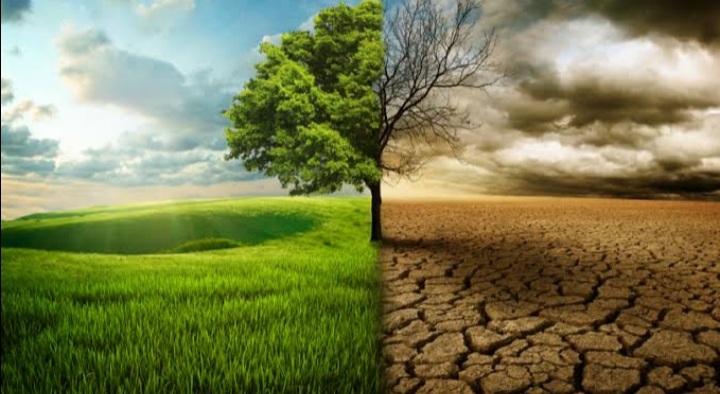
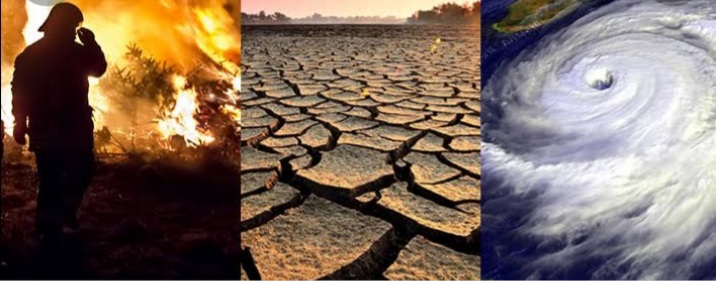
Global warming refers to an average increase in the earth’s temperature, which in turn causes changes in climate.   During the past 4.65 billion years of its history, earth has warmed many times. But at present it is facing a rapid warming mainly due to human activities. The average temperature of the earth is about 59⁰F (15⁰C). During the last century this average has risen by about 1⁰F. By the year 2100, it is believed that the rise would be between 2.5 and 10.4⁰F. This will cause dramatic changes such as rise in sea level, changes in rainfall patterns,wide range of impacts on plants, wildlife and humans.

Green house gases and Green house effect

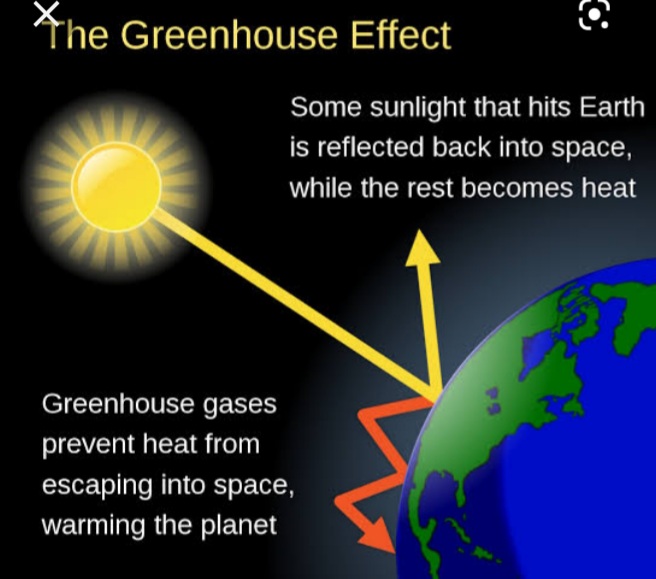
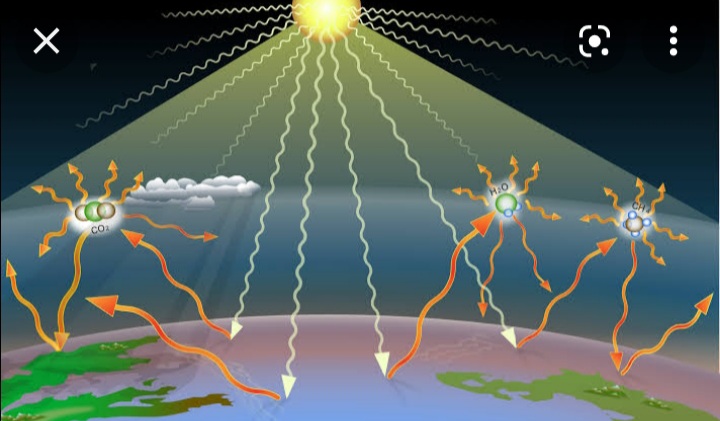
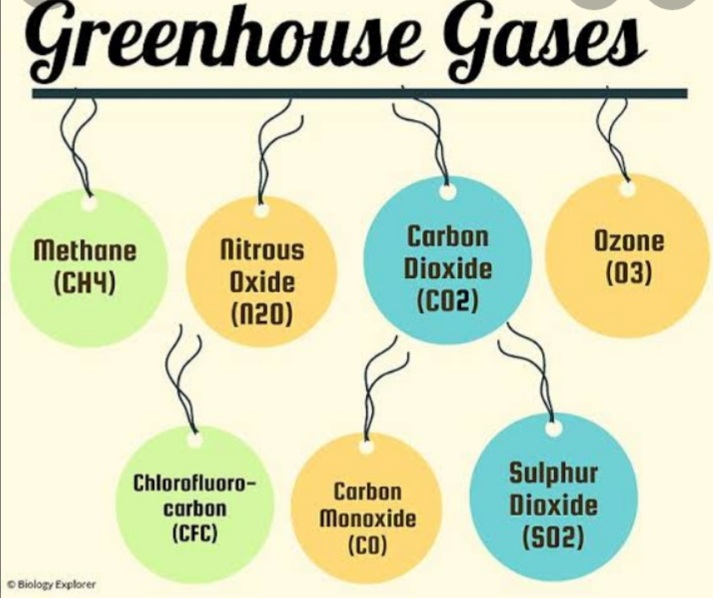
The trapping of energy from the sun by certain gases in the atmosphere leading to rise in earth’s temperature is known as Green house effect. Hence these gases are known as green house gases. Some gases such as water vapour, carbon dioxide, nitrous oxide and methane act as the trap. These gases absorb and reflect infra-red waves radiated by earth. By doing so,these gases conserve heat as in a green house.

Normally all life on earth depends on this green house effect. If it does not exist, earth would be cooled,and ice would cover earth from pole to pole.But if the greenhouse effect becomes strong it could make the earth warmer than usual. Even a little extra warming may cause problems for humans, plants and animals.

Types of Greenhouse Gases

In the environment, greenhouse gases occur (i) naturally or (ii) from the human activities.

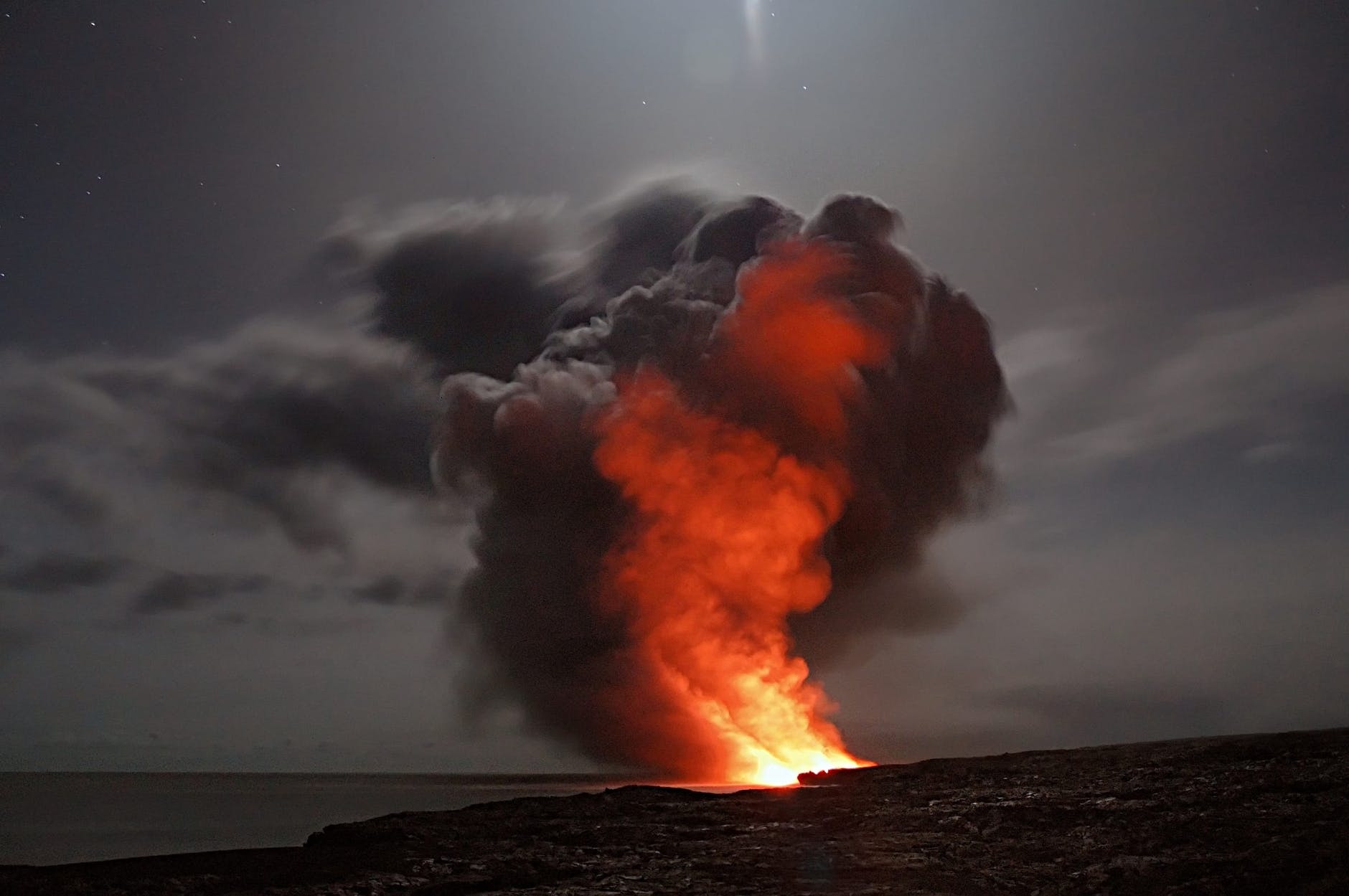
The most abundant greenhouse gas is carbon dioxide. It reaches the atmosphere due to volcanic eruptions, respiration of animals, burning and decay of organic matter such as plants.  Normally carbon-dioxide is removed by the plants through photosynthesis. Carbon dioxide is also absorbed into ocean water. But humans by their activities increase the release of carbon dioxide into the atmosphere. Such activities include burning of fossil fuels,solid wastes,wood and wood products to drive vehicles, generate electricity etc. At the same time due to deforestation, the number of trees available to absorb carbon dioxide through photosynthesis has been greatly reduced.

Human activities, have caused carbon-dioxide to be released to the atmosphere at rates much faster than that at which earth’s natural processes can recycle this gas. There were about 280 molecules of carbon-dioxide per million molecules of air (i.e.,parts per million or ppm) in 1750. Today atmospheric carbon-dioxide concentrations are 368ppm, a 31% increase.

Methane traps 20 times more heat than carbon-dioxide. It is emitted during the production and transport of coal,natural gas and oil. It is also emitted from rotting organic waste in sand fills,by the cows as a by product of digestion. Since 1750,the amount of methane in the atmosphere has more than doubled.

Nitrous oxide traps 300 times more heat than carbon-dioxide. Burning fossil duels and ploughing farm soil releases Nitrous oxide. Since 1750 ots level increased by 17%.

Hydrocarbons formed from the manufacture of foams,coolants such as chlorofluorocarbons used in refrigerators are the other gases responsible for global warming.

In 2000,scientists discovered an alarming increase in the level of a new gas called trifluoromethyl sulphur penta fluoride. Eventhough the gas is rare, it traps more effectively than all other greenhouse gases, The saddest part of it is that the industrial source of the gas is not yet identified.

Effects of Global warming

1. Due to the warming of oceans, sea level will rise. Glacier ice will also melt,causing further rise in sea level. As a result in the 21st century sea level will rise from 9 to 88 cm. Such a rise will submerge many parts of countries.

2. Seasons will be longer in some areas.

3. The warmed would will be generally more humid and greater humidity will increase the rainfall.

4. Storms are expected to be more frequent and intense.

5. Some regions of the world become dry.

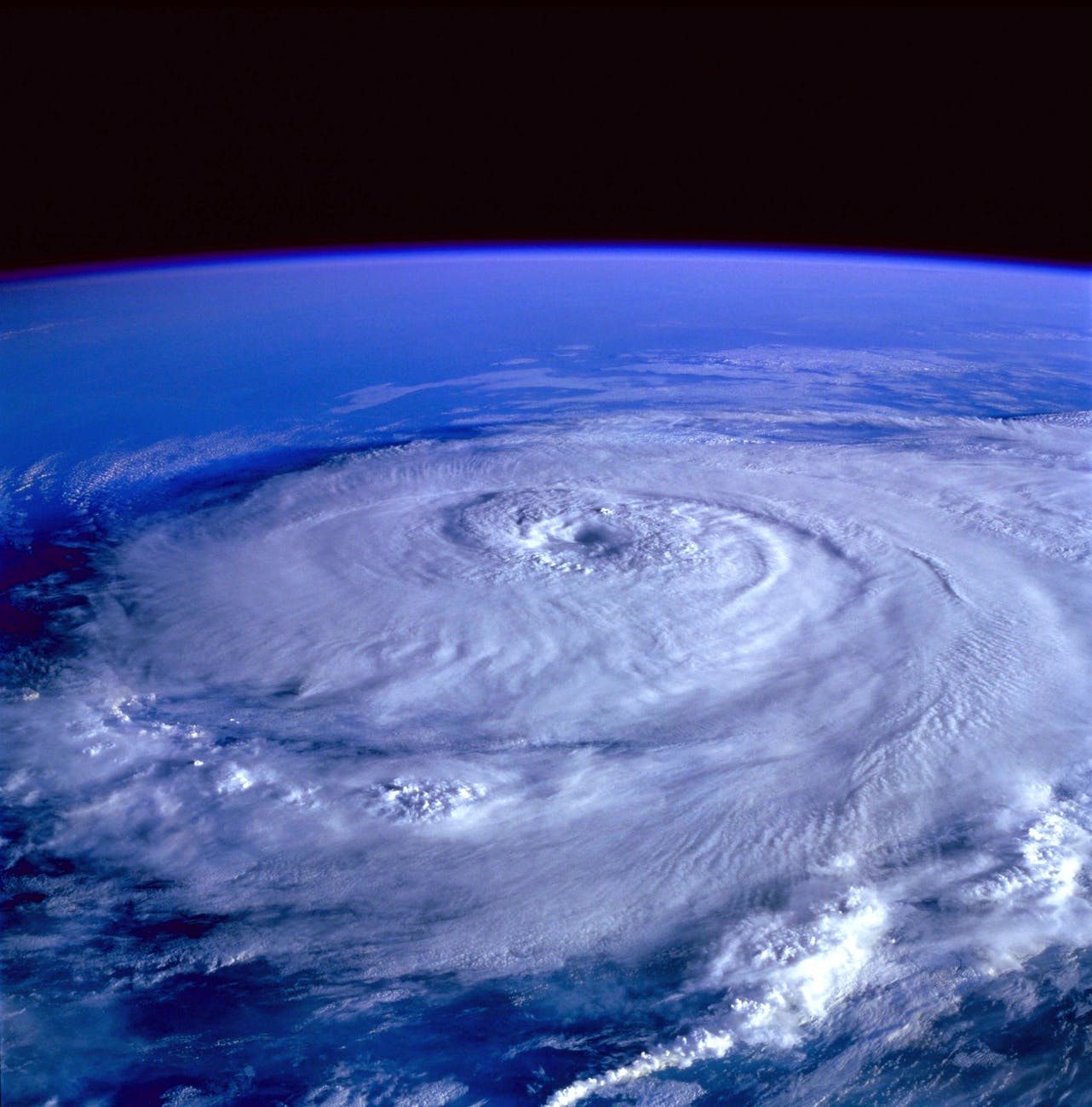
6. Wind blows will be harder and in different patterns . Hurricane would be more severer.

7. Weather patterns would be less prediclable and more extreme.

8. Crops and forests may be affected by more insects and plant diseases.

9. Some types of forests may disappear.

10. More people will get sick or die from heat stress.

11. Tropical diseases such as malaria, dengue fever,yellow fever and encephalitis will spread to other parts of the world.

Effects to control Global warming

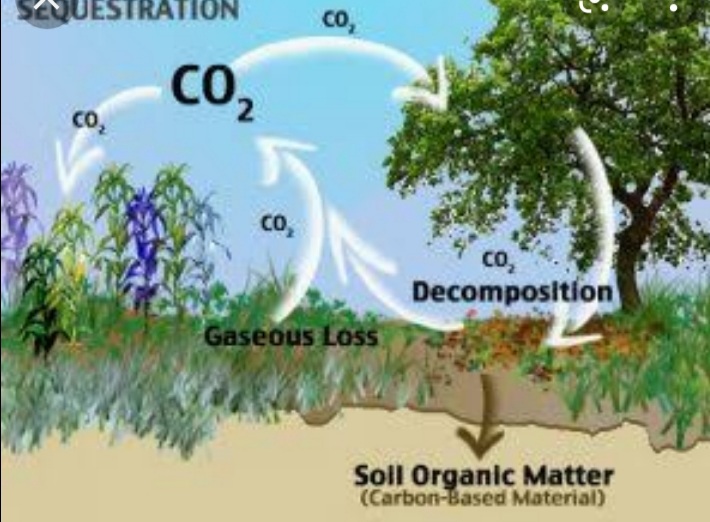
Two major ways are there to control global warming: 1. to keep the carbon-dioxide out of the atmosphere by storing the gas or its carbon component somewhere else,a strategy called carbon sequestration. 2.to reduce the production of greenhouse gases.

Carbon sequestration

The simple technique is to preserve trees and plants more. Trees ,take up carbon-dioxide, break it down in photosynthesis, and store carbon in new wood. It need massive reforestation. Carbon-dioxide can also be sequestration directly into deep ocean water or into oil wells or some aquifer from which it cannot escape.

Reduce the production of greenhouse gases

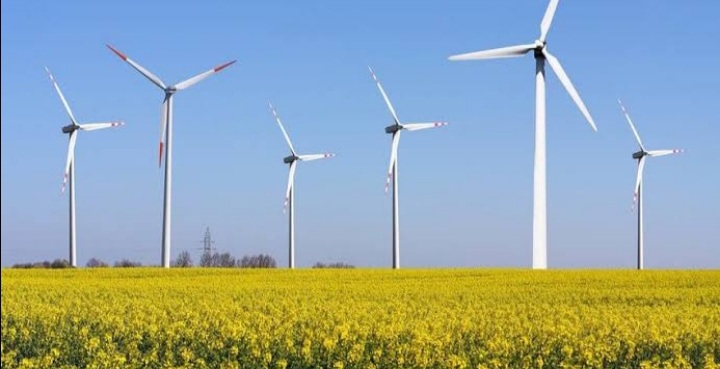
Usage of alternative fuels such as nuclear energy, solar power, wind power and hydrogen fuel cells which emit no greenhouse gases are being considered.

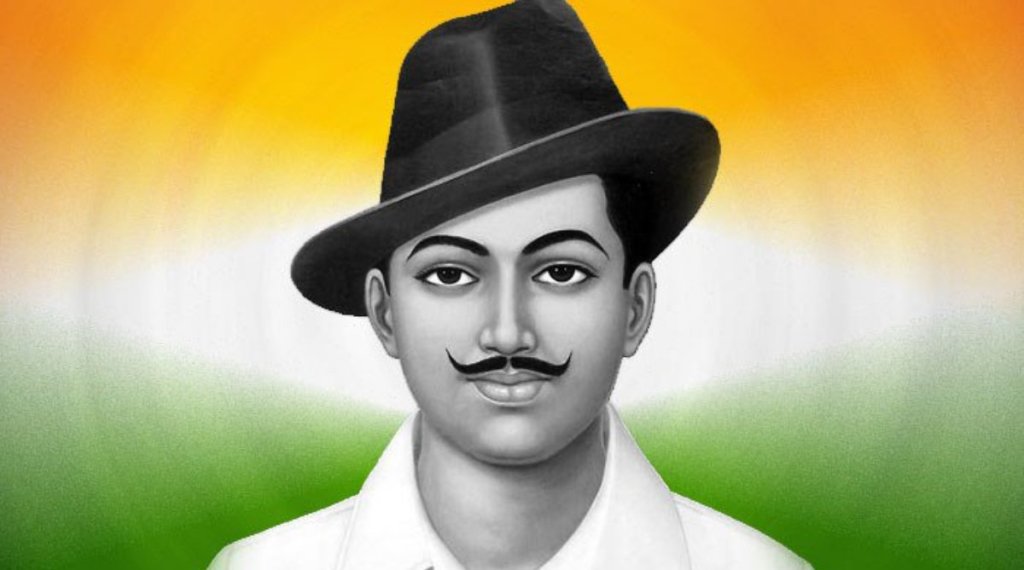
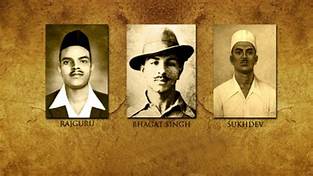
Bhagat Singh- The Legend.

Bhagat Singh was a true symbol of heroism for the youth of India. Born on September 28, 1909, in Lyallpur now in Pakistan. Bhagat was the son of Shri Kishan and Shrimati Vidyavati. He was still a student of the National College and only sixteen years of age when he joined the revolutionary movement.

  The very tragedy of Jallianwala Bagh in 1919, where the British fired at the gathering in the bagh killing men, women, and children. This event caused a wave of terror and anger amongst the people all over the country. Bhagat Singh then a young lad of twelve years was greatly disturbed by this event. The feeling that the British must be driven out of India., lodged in the young boy’s mind. He asked his father Kishan Singh who himself was a revolutionary for permission to join the revolutionary movement.

  Later on, he even refused to marry and dedicate his life to the Liberation of India. He organized revolutionary activities others like namely Raj Guru, Chandrashekhar Azad, Sukhdev, and others. The planned agitations in Panjab, U.P., Delhi. They also planned agitation against the Simon Commission who had come from England to India to decide how much freedom and responsibility could be given to Indians. The absence of Indians on the committee made the Indians very angry. They protested with black flags, shouting ‘Go Back, Simon’. Lala Lajpat Rai was the patriot leader of this group. An officer named Saunders had hit Lala Lajpat Rai on his chest. Lalaji was badly injured and succumbed to his injuries a month later. This loss was avenged by Bhagat Singh and his revolutionaries who decided to kill Scott who had ordered the assault, instead they killed Saunders, the same officer who had hit Lalaji and killed him.

   They also exploded a bomb in the Central Legislative Assembly of ‘Inqalaab Zindabad’ ( long live Revolution). Bhagat Singh and his companions were arrested and a trial commenced. The judgment said that Bhagat Singh, Raj Guru, and Sukhdev were to be hanged until death while some others were jailed for a few years. The day decided was the 24th of March 1931, but they were hanged a day earlier and not even their families were allowed to meet them. Even on the day of hanging, they were fearless and cheerful. Kissing the rope, they themselves put it around their neck, they died with the name of Bharat Mata on their lips.

  Bhagat Singh was a revolutionary and a true patriot. He was against the tyrannical explorers and was of the view that the people were strong enough to rid themselves of their capitalist oppressors. He urged the people to feel proud and dedicate themselves to the liberation of their Motherland. Bhagat Singh died when he was only twenty-four years of age. An age at which other young people indulge in trivial pleasures and have no real aim in life. We owe it to him, and to the others who had died for the nation, to realize their dreams and shape India according to the ideals set by them that of a progressive and peaceful India.

Global Warming- Heating the mind to stress

Photo by Pixabay on Pexels.com
Photo by Guillaume Falco on Pexels.com

It is happening every summer that we find it hotter than the last one. Ever wondered why?

It is not because we can’t tolerate heat but try to blame it all on the season. It is a real phenomenon taking place namely, Global Warming. It points to the increasing heat in the atmosphere and on the surface of the Earth due to the presence of pollutants and carelessness of people.

The problem is increasing manifold with no concern among the people. They are continuing to use products which are harmful for the health of our planet and cause damage and depletion of its ecosystem.

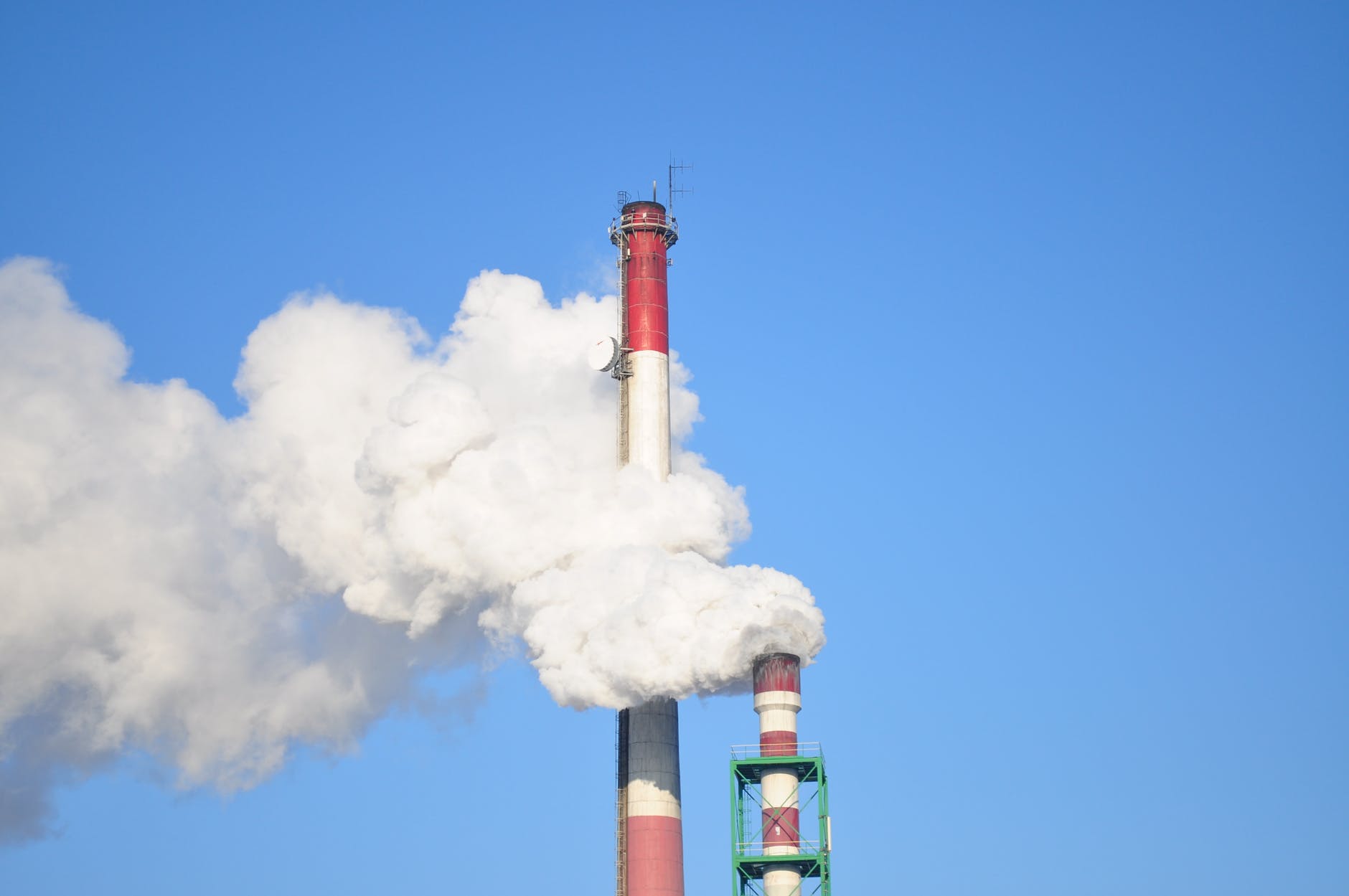
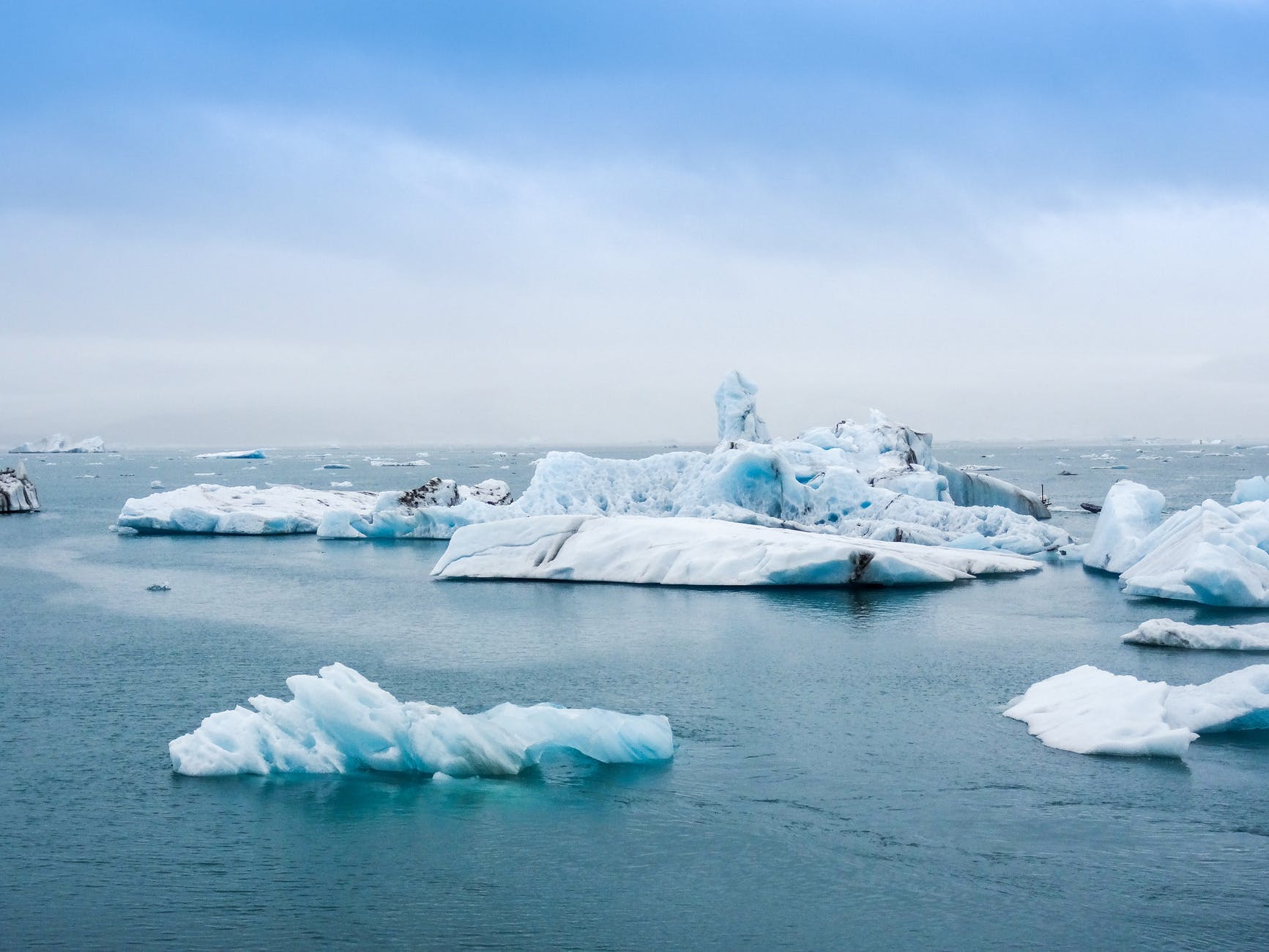
The presence of smoke and melting of Glaciers clearly signals the need to conserve the environment. The issue is we notice the Smog covering the atmosphere and obstructing our vision during winters, but do not find reasons and solutions to it. We read and listen news about the Glaciers melting out rapidly but do not try to find out the reasons behind the same. Even when we know the problem, we leave it all to the government to sort it out for us. However it is equally important for us to participate in them and support the authorities which are working for it. Only few can’t solve a problem created by us all. We all are responsible for it and should work towards the solution. The pollution has been created because we all use ACs, refrigerators, Private vehicles or any of such products which emit pollutants harming the ecosystem. Industries are growing, so is the pollution. The ozone layer is depleting bringing in harmful sun rays that cause skin diseases, cancer, cataract. We are aware about them but still don’t work for them which is completely foolish. We are keeping ourselves in the dark. The effects may not be visible to the careless eyes now but it would lead to long term consequences which can destroy Life on the planet.

Photo by Pixabay on Pexels.com

Talking about the present, this increased heat on the surface of the Earth is affecting the mental health in a way. It becomes too hot during the summers and too cold during the winters which is all due to the Global Warming. These adversities of the climate affect the mind and the thinking skills of a human. They affect other life forms as well but focusing on the humans, they affect our power of mind.

You might have heard “Too much of anything is not good”. It implies in this situation as well. It’s important for it being hot in summers and cold during winters but too much of them affects the lifestyle. Our body is designed to adapt the natural changes that take place automatically but the changes in the nature that are happening due to our carelessness go against the environment, which is unfavorable for us as well. We cannot hold on to much of heat. It starts moving to our brain from the upper body surface and affects out mental capability.

Anger is the most observed and typical example to prove it. You must have seen people getting angry on small things, during the day, which is because they already handle load of work which is now being complemented by the harmful heat of the day. The sun rays affect the mind. The difference is, it is positive when in limits but converts to negative when exceeds the requirements of the human body. The stress shoots up and you might feel headache very often.

The Fascination of Blue

Photo by Pixabay on Pexels.com

The fascination is something that comes in handy when you indeed are gifted with the weird yet beautiful planet of the solar system. Yes, earth, though this earth has many things to provide us and above all give us our life, a place to call home and a guardian to protect us too it also has many secrets, some of them we can find but some are way deep than our reach and all this is what makes it more fascinating and mysterious in its way.

So, today this article will provide you more facts and data to help the level of fascination to be more than just a child’s dream of a candy house.

Rolling It Up

  • Round- Round way flat- Though we have always learned from childhood that our home is round but what if I tell you it’s flat around the equator and the melting of ice is also helping in the broadening of its waistline. Earth rotation, many other forces, and motion are responsible for changing the earth’s shape, it still will be able to hold this not-so-round sphere shape for a long time.
  • The Purple and long DayDo you know that many scientists believe that our earth once was purple in color because at that time as a molecule Retinol was used as the way to absorb green light instead of chlorophyll. Our day use to be 6 hours long but as our moon keeps slowing down the rotation of the earth today we have 24hrs long days and it will keep on increasing after every century.
  • Magic is in Air: Every one of us believes in the magic of something or anything but what if I say that it’s actually true that magic is in the air and every day the dust or cosmic dust as we call them is falling on the earth surface around 60 tons every day. Our earth is not just having cosmic dust but also there is no record of having the information about who gave it the name Earth as every else planet is named after Greek god just not the earth.
  • The big Appetite: Our earth is close enough to the sun, though having many benefits over the doom but we still have some pressing issue of the big, old and angry star our Sun. As every old star gets old, exhausts its hydrogen and collapses into gravity, and then consumes everything around him to create a void-filled hole, a black hole. So do can happen with our sun and taking all of us in the process but we don’t need to worry it’s still a long way down.
  • The apple that fell: As the apple fell so do the gravity gets its virtue but even though we know there is everywhere gravity and not just our solar system but each and everything is under the direct effect of gravity which is keeping everything in its static position, but then also some of the places or point of the gravity bed is so high and so low that they make a noticeable difference. This variation is known as Gravity Anomili.

SUCCESS STORY OF KFC


“It’s never too late to start something
new, to do all those things that you’ve been longing to do.” Dallas Clayton.
This proverb stands true for KFC owner Colonel Harland Sanders. He
started selling fried chicken when he was 69. He shattered entrepreneurial myth
such as you have to start at young age to be a successful entrepreneur.

History of KFC

KFC (Kentucky Fried Chicken) was
established by Colonel Harland Sanders in 1952 in Utah. He worked for many
years in various fields with mixed success before starting fast food chain KFC.

KFC
focused on the fried chicken when there was dominance of hamburger. Sanders
learnt cooking at the early age of 7. He developed what he called his “Original
Recipe” comprising of 11 herbs and spices in July 1940. The same recipe is used
for KFC restaurants chain. KFC headquarter was established in Louisville,
Kentucky in 1959.

Early Years of KFC

In 1952, Sanders franchised his secret
recipe “Kentucky Fried Chicken” for the first time, to Pete Harman of South
Salt Lake, Utah, the operator of one of that city’s largest restaurants. The
franchise concept became successful. After the success of Pete Harman, several
other restaurant owners franchised the concept and paid Sanders $0.04 per
chicken.
Sanders visited suitable restaurants in US
looking to offer the franchise, after he sold his south salt lake restaurant
due to new reduced traffic rules. After closing the North Corbin site, Sanders
and his wife Claudia opened a new restaurant and company headquarters in
Shelbyville in 1959. He slept in back of his car quite often, while visiting
the restaurants to offer the franchise if the staff liked his chicken. After
some time the franchise started to visit Colonel Sanders instead. He ran the
company and his wife Claudia mixed and shipped the spices to restaurants.

The franchise approach was the demand of
the town; KFC was one of the first fast food chains to expand internationally,
opening outlets in Canada and later in the UK, Mexico and Jamaica by the
mid-1960s.
Overwhelmed by the growth of the company,
aging Colonel Sanders sold the company to John Y. Brown Jr. and Jack C. Massey
in 1964. But Sanders continued his association with the company as a salaried
brand ambassador. Colonel Sanders died at the age of 90 years in December 16,
1980.
During this journey, he got a rejection from 1009
restaurants. However, he never gives up as he was confident about his unique
recipe and its taste. And finally, the day came when few restaurants agreed to
sell Sander’s chicken recipe. By the year 1963, nearly 600 restaurants agreed
to sell the recipe and Kentucky chicken making it a brand.

Today KFC has established itself as the
2nd largest food chain spread globally in 136 countries. The lesson we learn
from Sander’s life is that Success is achievable at any age. The only thing
required is your conviction towards fulfilling your dream at any stage of your
life. Always believe in yourself wholeheartedly, the burning desire to succeed
will pave your path towards your dream despite everything even your age! So
Never give up!


ECO CIRCUIT OF BIHAR

KAKOLAT (NAWADA)

It is a waterfall in Gobindpur, about 21 miles away from Nawada. Just below the fall, there is a deep natural reservoir. The fall is about 150 to 160 feet, from the ground level. The scene is panoramic due to all around green forest area, which looks very pleasant in watching. According to the legend, in Treta Yuga a king was cursed by a Rishi and had to take a shape of a python and lived here. The place was visited by the great Pandava during their exile and the king who was cursed got salvation from the bad effects of the curse. The king after getting rid of the curse proclaimed that one who would bathe in the waterfall will not take the yoni of snake and that is why a large number of people from far and near bathe in the river. A big fair is held on the occasion of vishya or Chait Sankranti.

BHIMBANDH (MUNGER)
Bhimbandh Wild Life Sanctuary is located in the south west of Munger District. The forests cover an area of 681.99 sq km on the hills and undulating tract of Kharagpur Hills. The vegetation of these forests is very rich where Sal, Semal and other trees grow side by side the hilly terrains, protecting from the sun rays the forms and the humble creepers which grow below. A host of wild animals such as Tiger, Leopards, Sloth Bear, Nilgai, Sambhar, Barking deer, Wild Bear, Four Horned Antelope are found in these forests. In the valley portions and at the foothills are several hot springs of which the finest are at Bhimbandh, Sita Kund and Rishi Kund.
GHODA KATORA 
It is being developed as an Eco-tourism site, which will have a huge Buddha statue which will be flanked by his four important disciples Ananda, Maha Kassapa, Maha Moggallana and Sariputta. The idea is to tribute to the Buddha and his disciples who are part of the cultural legacy of Bihar.

VALMIKI NAGAR TIGER RESERVE
It is the safe home for the tigers, one of the threatened species of the world. It is spread across 880 sq km (approx). Located at the cradle of Himalayan outermost Shivalik range, the region has a very undulating landscape compromising of steep rise and deep ridges with the lush green forest around. The leopards and Tigers along with the Fishing Cats, Chitals, Sambar, Black Bucks, Langur, Sloth Bears, Gaurs make the jungle an adventurous destination for the tourists. The deep forests of Sal, Asan, Karama, Semal, Cane etc. offers a pleasant climate in the area. 
BARABAR CAVES 
The architectural beauty of Barabar Caves situated in the Barabar Hills is magnificent. These caves are located at a distance of around 25 km from Gaya. These caves were carved during the first phase of development of Buddhism in the second century BC. These rock caves are deep and finely cut and have fine glassy and shining polish inside. Buddhist literature reveals that these caves are divided in three types and one of them is Nagarjuna Caves. Other two are Hut Caves and Caves of Pandavas. Nagarjuna situated on Nagarjuna Hill are two in number; Sudama Chaupar. These caves are meant for ascetic spiritual Buddhist monks who were truth seekers and wanted isolation .
GANGETIC DOLPHINS SANCTUARY, BHAGALPUR
Located in Bhagalpur district, the sanctuary is a 50 km stretch of the Ganga river. It is the only protected area for the endangered Gangetic Dolphins in Asia.

KANHA

Kanha is situated in Madhya Pradesh. Kanha’s Sal and bamboo forests, rolling grassland and meandering streams stretch over 940 sq km in dramatic natural splendor. Kanha National Park forms the core of the Kanha Tiger Reserve created in 1974 under Project Tiger. The park is the only habitat of the rare hard ground barasingha.  
In the 1930s, the Khana area was divided into two sanctuaries, Gallon and Banjar, of 250 sq km and 300 sq km each. Though one of these was subsequently disbanded, the area remained a protected one until 1947. Depletion of the tiger population in the years that followed led to the area being made an absolute sanctuary in 1952.
By a special statute in 1955, Khana National Park came into being. Since then, a series of stringent conservation programmes for the protection of the park’s flora and fauna has given Khana it’s deserved reputation for being one of the best and finest administered National Parks in Asia.
Forest Department guides accompany visitors around the park on mapped-out circuits which enable viewers to see a good cross-section of Kanha’s wildlife. The best areas are the meadows around Kanha, where black buck, chital and barasingha can be seen throughout the day.
Kanha has some 22 species of mammals. Those most easily spotted are the stripped palm squirrel, common langur, jackal, wild pig, chital or spotted dear, barasingha or swamp dear, sambar and black buck.
Patient watching should reward the visitor with a sight of Indian fox, sloth bear, striped hyena, jungle cat, leopard, mouse deer, chausingha or four horned antelope, nilgai, ratel and procupine. Wolf can be seen far east of the park, chinkara can be found outside the park’s northern boundary. Indian pangolin, the smooth Indian otter and the small Indian civet are also the rarely seen species.
Kanha has some 200 species of birds. Watchers shoud station themselves in the hills, where you can see bamboo forest and other species of flora. Water birds can be seen near the park’s many rivulets and at Sarvantal, a pool that is frequented by water birds and the area in front of the museum. The sal forests do not normally yield a sight of Kanha’s avifauna. Early mornings and late afternoons are best for bird watching, binoculars are an invaluable aid to the watchers. Commonly seen birds are cattle egret, pond heron, black Ibis, common peafowl, crested serpent eagle, racket-tailed drongo, hawk, red wattled lapwing, dove, parakeet, woodpecker, Indian roller and grey hornbill.
Bamni Dadar known as Sunset Point, this is one of the most beautiful areas of the park, from where a spectacular sunset can be watched.
October to June is the best time to visit Kanha National Park. The park is closed from 1st July to 30th September due to rains. For  those planning a visit, a stay of at at least three nights is recommended in order to have a good chance of seeing the more elusive animals.
Kanha Museum
This is a unique natural history museum that preserves skeletons of reptiles and animals and houses an exhibition of the wildlife conservation work done in Kanha and an audio library of sounds of birds.
Things To Do
1.Enjoy walking and cycling in the pristine air of buffer zone.
2.Take a safari in open Jeep (all days except Wednesday afternoons).
3.Visit the nearby villages to experience life in remote jungle- Sarekha (15 km from kiski gate), Garhi (20 km from Mukki gate), Lagna(5 km from Mukki gate), Mocha (10 km from Mukki gate)
4.Shop for souvenir at the Khatia gate. 

PANNA

Panna, the erstwhile capital of the Bundela Kingdom in Madhya Pradesh is famous for the Panna National Park. Panna Town, the administrative headquaters of Panna District, is the hub of many religious monuments, which showcases the architectural Marvel’s of Hindu and Islamic styles. Adorned with greenish meadows dotted with evergreen trees, undulating forests, hills and rocks, Panna serves as a perfect place for holiday tours.
Panna National Park was created in 1981. It was declared as a Project Tiger Reserve in1994. The National Park consists of areas from the former Gangau Wildlife Sanctuary created in 1975. The sanctuary compromised of territorial forests of the present North and South Panna Forest Division to which a portion of the adjoining Chhatarpur forest division was added later. The reserved forests of the Park in Panna district and some protected forests bordering Chhatarpur were the hunting reserves of the erstwhile rulers of Panna, Chhatarpur and Bijawar princely states in the past. The location of the National Park is crucial as it is situated at a point where the continuity of the forest belt, which starts from Cape Comorin in the south is broken and from there beyond, the great Gangetic plains begin. This area is also the northern most tip of the natural teak forests and the eastern most tip of the natural Kardhani forests. The Ken river, which flows through the reserve from south to north, is home for Gharial and Mugger.
Tiger, the king of the jungle, roams freely in the secure habitat along with his fellow creatures like leopard, wild dog, wolf, hyena and caracal and smaller cats. Sloth bear has his most favorite home in the rock escarpments and undistributed vales. The wooded areas are dotted with sambar – the largest of Indian deers, chital and chowsingha. Other animals that can be found are nilgai, chinkara, snakes and reptiles.
There are more than 200 species of birds including migratory birds. One can see White Necked Stork, Bar-Headed Goose, Honey Buzzard, King vulture, Blossom Headed parakeet,etc.
Panna has dry and hot climate and has shallow Vindhyan soil which give rise to dry Teak and dry mixed forest. The dominating vegetation type is miscellaneous dry deciduous forest inter spread with grassland areas. The characteristic floral species of this area include tree species such as Tectona fransis, Diospyros melanoxylon, Madhuva indica, Buchnania latifolia, etc.
OTHER PLACES TO EXPLORE 

Fort of Ajaygarh 
Built in 1765 AD by the nephew of the Maharaja of Jaitpur, the fort is situated at a height of 800 ft. However by 1809 the Britishers overpowered it.
Gatha Falls
The height of Gatha fall measures up to 91 meters.The Gatha falls are at their prime during the rainy season, when the river water swells to the maximum. River Ken is the water source of Gatha Falls.
Mahamati Prannathji Mandir 
It is one of the most revered pilgrim places for the Pranami sect followers the world over. The temple was completed in 1692. Other than this Padmavati temple, Jugal Kishore Temple and Kalinjir Fort are with a visit.
National Museum 
It was established in 1988. It has a remarkable collection of icons and coins. 

PACHMARHI: Verdant Jewel of the Satpuras

Pachmarhi is Madhya Pradesh’s most verdant jewel, a place where has found exquisite expression in myriad enchanting ways.
Complementing the magnificence of nature are the works of man; Pachmarhi is also an archaeological treasure-house. In cave shelters in the Mahadeo Hills is an astonishing richness in rock paintings. Most of these have been placed in the period 500- 800 AD , but the earliest paintings are an estimated 10000 years old.
The town has a quiet gentility about it as if Victorian traditions and high collars still governed most people’s lives.
PLACES TO EXPLORE 

PRIYADARSHINI (FORSYTH POINT)
This vantage viewing point marks the place from where Pachmarhi was discovered by Captain Forsyth in 1858. The British developed Pachmarhi as a resort and their influence is embodied in its churches and colonial architecture.
JAMUNA PRAPAT (BEE FALL)
A spectacular fall in the stream which provides drinking water to Pachmarhi. The bathing pools above the fall are very popular.
HANDI KHOH
A mile long trek from Bee Falls takes one to Handi Khoh, a horse-shoe shaped ravine, the edge of which drops a sheer 100m into the earth. The valley is rich in medicinal plants. 

APSARA VIHAR (FAIRY POOL)
Easily accessible from Jai Stambh, this fairy pool is an ideal picnic spot for families with small children, since the pool is shallow, deepening only towards the base of the fall.
ALSO VISIT:  Banshree Vihar, Tridhara and Irene Pool are the other pool of Pachmarhi. 
RAJAT PRAPAT (BIG FALL)
Those seeking adventure will find it in this ten-minute walk over rocks and boulders from Apsara Vihar to the top of the Rajat Prapat.

JALAWATARAN (DUCHESS FALLS)
The descent is steep and the trek strenuous for almost all of the 4km to the base of the fall’s first cascade.
SUNDER KUND (SAUNDER’S POOL)
Crossing the stream below Duchess Falls and following a footpath about 2.5km in a south-westernly direction brings one to a huge Rocky pool in the Jambu Dwip stream, an excellent place for swimming.
MAHADEO
The temple at Mahadeo cave is located at the base of the Mahadeo hill, at a distance of 12km from Pachmarhi town. There is a pool in the temple which has curative properties. About half a kilometer west of the Mahadeo cave is a natural fissure in the rock, that is worshipped by the locals as Gupt Mahadeo or Chhota Mahadeo.
CHAURAGARH TEMPLE
Located at an altitude of 1330m atop the Chauragarh Peak, the trek to the Chauragarh temple comprises of 1380 steps. The temple courtyard is stacked with thousands of tridents offered by the devotees. The temple is a half-built modern structure with an idol of Shiva in the sanctum.
CHRIST CHURCH
Built in 1857 by the British, this church is generally regarded as the most beautiful small Church in Madhya Pradesh. The Church’s architecture if fascinating; its ‘sanctum-sanctorum’ has a hemispherical dome on top with its ribs ending with faces of angels. The nave of the church does not contain single pillar for support. The baptismal font is a rare brass piece and the bell is as old as the church and it’s chimes can be heard from a long distance.

PANDAV CAVES 
Five ancient dwellings excavated in the sand-stone rock in a low hill. Pachmarhi derives its name from these caves which, as the legend goes, once provided shelter to five Pandav brothers. These caves are now protected monuments.

SATPURA NATIONAL PARK 
Set up in 1981, Satpura National Park is 524 sq km in area. It spreads through a dense forest of evergreen Sal , teak and bamboo. The park is home to the gaur, tiger, leopard, beer, four-horned deer, blue bull and rich variety of birds.
BISON LODGE 
Constructed in 1862, the Bison Lodge is the oldest house in Pachmarhi. It now houses a beautiful museum depicting the rich flora and fauna of Pachmarhi.
ALSO VISIT: Jata Shankar, Catholic Church, Dhoopgarh, Trishar, Banshree Vihar, Reechhgarh, Sangam, The Cave Shelters, Astachal and Harper’s Cave.

BANDHAVGARH: National Park With a Rich Historical Past

Bandhavgarh is a small National Park ; compact, yet teeming with wildlife. The density of the tiger population in Bandhavgarh is the highest known in India. This is also White Tiger country. These have been found in the old state of Rewa for many years. The last known was captured by Maharaja Martand Singh in 1951. This white tiger, Mohun, is now stuffed and on display in the palace of the Maharajas of Rewa.
The terrain is of great Rocky hills rising sharply from the swampy and densely-forested valley bottoms. The finest of these hills in Bandhavgarh, sided with great cliffs and eroded rocks and on its highest point stands Bandhavgarh Fort, and particularly around the fort, are numerous caves containing shrines and ancient Sanskrit inscriptions.
Prior to becoming a National Park, the forests around Bandhavgrah had long been maintained by as a Shikargah, or game reserve, of the Maharajas of Rewa. Hunting was carried out by the Maharajas and their guests – otherwise the wildlife was relatively well-protected. 
In 1947 Rewa State was merged with Madhya Pradesh; Bandhavgarh came under the regulation of Madhya Pradesh. The Maharaja of Rewa still retained the hunting rights of Bandhavgarh and no special measures were taken until 1968, when the areas were constituted as a National Park, since then, numerous steps have been taken to retain Bandhavgarh Bational Park as an unspoilt natural habitat. 

What to see 

The Fort 
The Fort is estimated to be 2000 years old. Various dynasties have ruled the fort : the Maghas from the 1st century AD, the Vakatakas from the 3rd century AD, the Sengars from the 5th century AD, the Baghela took over, ruling from Badhavgarh until 1617, when Maharaja Vikramaditya Singh moved hi capital to Rewa. The last inhabitants deserted the fort in 1935.
Flora 
The vegetation is chiefly of Sal forest in the valleys and on the lower slopes, gradually changing to mixed deciduous forest on the hills and in the hotter, drier areas of the park in the south and west. Bamboo is found throughout.
Wildlife
There are more than 22 species of mammals and 250 species of birds. Common langurs and rhesus macaque represent the primate group. Carnivores include the Asiatic jackal, Bengal Fox, sloth bear, ratel, grey mongoose, striped Hynes, jungle cat, leopard and tiger. The artiodactyls frequently sighted are wild pig, spotted dear, sambar, chausingha, nilgai and chinkara. Mammals such as dhole, the small Indian civet, palm squirrel and lesser bandicoot rat are seen occassionally. The vegetation along streams and marshes is rich in birdlife. The common ones are little grebe, egret, lesser adjutant, saris crane, black kite, crested peafowl, red jungle fowl, dove, parakeet, kingfisher and Indian roller. Reptilian fauna include cobra, Krait, viper, ratsnake, etc.

Wildlife viewing 
The main way of getting about in the park is motor vehicle. Jeep safaris timing are from 10 am to 4 pm, as the animals are most active during these periods. A Forest Department guide must always accompany you. This guide will able to direct you and point out wildlife. 

THE PENCH

Pench lies in Madhya Pradesh. Nestled in the southern sloes of the satpura ranges of central India, Pench Tiger Reserve(757.90 sq.kms)lies in southern Madhya Pradesh , bordering Maharashtra. The Pench National Park which constitutes the core of the Park is 292.86 sq.kms , and comprises the Indira Priyadarshini Pench National Park and the Mowgli Pench Sanctuary. Pench was brought under Project Tiger in 1992 .
Pench National Park gets its name from the Pench river that flows through it, dividing it into the western Chhindwara Block (141.61 sq kms) , and the eastern Seoni Block (145.24 sq kms).
Over 1,200 species of plants have been recorded in the area including several rare and endangered plants as well as plants of ethnobotanical importance.
Pench National Park is the original setting of Rudyard kipling’s famous work, The Jungle Book. The character, Mowgli, was inspired by Sir William Henry Sleeman’s pamphlet, ‘An Account of Wolves Nurturing Children in Their Dens’ which describes a jungle boy captured in Seoni district near the village of Seoni district near the village of Sant Baori in 1831. 
Pench being situated in Central India is subjected to extreme and tropical weather. Month of January may also witness sub-zero temperatures and frost. Monsoon arrives in the second week of June. 
The forests found in Pench Tiger Reserve are divided into three parts as follows:-
1.Southern Tropical Wet Deciduous Forest
2.Southern Tropical Dry Teak Deciduous Forest
3.Southern Tropical Dry Mixed Deciduous Forest
Dry mixed forest spreads in about one-third area of the protected area. Whose main species are salai, pickle, moyan, tendu etc. Kahua (Arjuna), Jamuna, Guular and Saja are found along the banks of river streams. Trees of Mahua, Palash, Plum etc. are found scattered around the open forests of displaced areas of old villages. Teak forests are found in about one quarter area. There are about 82 types of grass species and Bamboo found in this forest area.
Pench is prime tiger country. The area has always been rich in wildlife. Pench Tiger Reserve has the highest density of herbivores in India, 90.3 animals per square kilometre. The area is especially famous for its huge population of gaur (Indian bison), cheetal, sambar, neelgai, wild dog and wild pig. Other animals in the Park include the sloth bear, chousingha, chinkara, barking deer, jackal, fox, palm civet, small Indian civet, jungle cat, hyena and porcupine.
Pench Tiger is also among the best area for bird watching. Over 285 species of resident and migratory birds including the Malabar pied hornbill, Indian pitta, osprey, grey headed fishing eagle, white-eyed buzzard are found here. Four species of the endangered vulture, white-rumped, long billed, white scavenger and king vulture can be seen in good numbers in these forests. In winter, thousands of migratory birds come to this reserve. 
Jungle safaris are a major attraction of the park. A dawn safari, when animals are out in the open looking for food and water, is an unforgettable experience. Tigers and leopards can be seen near water bodies and even on the roads in summer. Cheetal, sambar and neelgai are found grazing in the forests and the banks of the river. Large herds of gaur are often spotted in the bamboo patches. Jackals, wild dogs and rhesus monkeys can be seen foraging for food in the densely-wooded jungles.