LANDSLIDES DUE TO HUMAN ERRORS

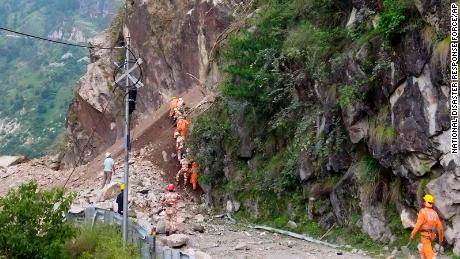
Recent incident of landslides in the northern part of India has brought a renewed spotlight on the downsides of development. Life is so precious, and seeing it disappear in a few moments on viral videos on social media is disturbing, to say the least. At the same time, it does bring awareness, and the masses can begin to have an open dialogue.
The Indian Subcontinent is so diverse and beautiful. It is divided into three types of landforms i.e mountain, plateau and plains. The northernmost area of India i.e the state of Jammu and Kashmir, Himachal, and Uttarakhand, has mountainous type of landform as they are at higher altitudes. 
Earlier in India land routes were not very developed. Places were not easily accessible, not even in plain areas. Later the transportation system in India developed, facilities improved and now almost every part of the country is accessible, even in the mountain areas. 
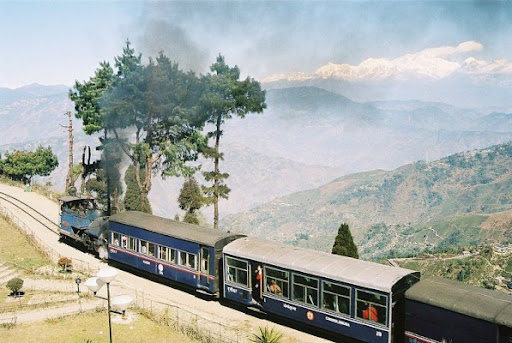
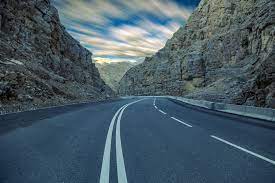
In plains, it's easy to construct a road or to establish a railway network but in mountain regions it's not that easy. As the technology developed, the construction of roads became possible between the mountains. Moreover, tunnels were constructed for running trains. So what is the method through which these roads and railways are being constructed? 
This is done by breaking or cutting mountains through blasts with high sonic sounds. In the last few decades tourism in India has been promoted very actively, as it gives good income to the nation and helps in the growth of GDP. 
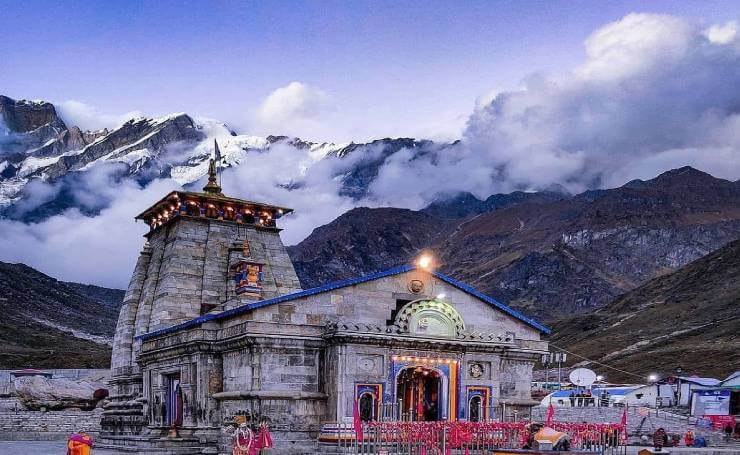
India is the place where culture and religion has influenced people so much. People might not travel as a passion or for fun but they will travel to visit temples and other religious places. Kashmir is the heaven of India, Kedarnath, Badrinath and Vaishnodevi are the most popular and well known religious places of tourism. 
These temples are situated in the himalayan regions. Going there once upon a time was almost impossible. Almost all the famous temples are situated on the peak of the mountains and once in a year people visit in crowds when the doors open for worship. 
In hilly areas, providing goods and services was difficult in earlier times and hence the development of the transportation system has made the lives of people living there easy. 
On one hand all these developments have provided accessibility to the people and have raised the standard of living of people. On other hand it has harmed the natural and real beauty of nature. Due to tourism the business and earning of people has increased, but when you try to innovate, with the help of technology for your own comfort it affects the health of the natural landforms. 
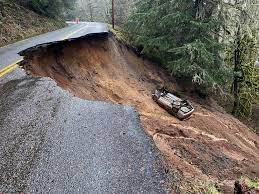
This breakdown of mountains forcefully by man has resulted in landslides. When the rocks are cut ,the imbalance occurs in the adjustment of rocks and hence they break down automatically and slide down on the land causing harm to life and property.  Many times these landslides block the way. 
Geographically, a landslide is the movement of the rocks and debris down a slope under the influence of gravity. Human factors are highly responsible for landslides nowadays. Construction activities of humans have increased the fragility of mountains, especially of himalayan mountains. Of all the world's landslides, 30 percent occur in the Himalaya, according to a South Asian Association for Regional Cooperation (SAARC). 
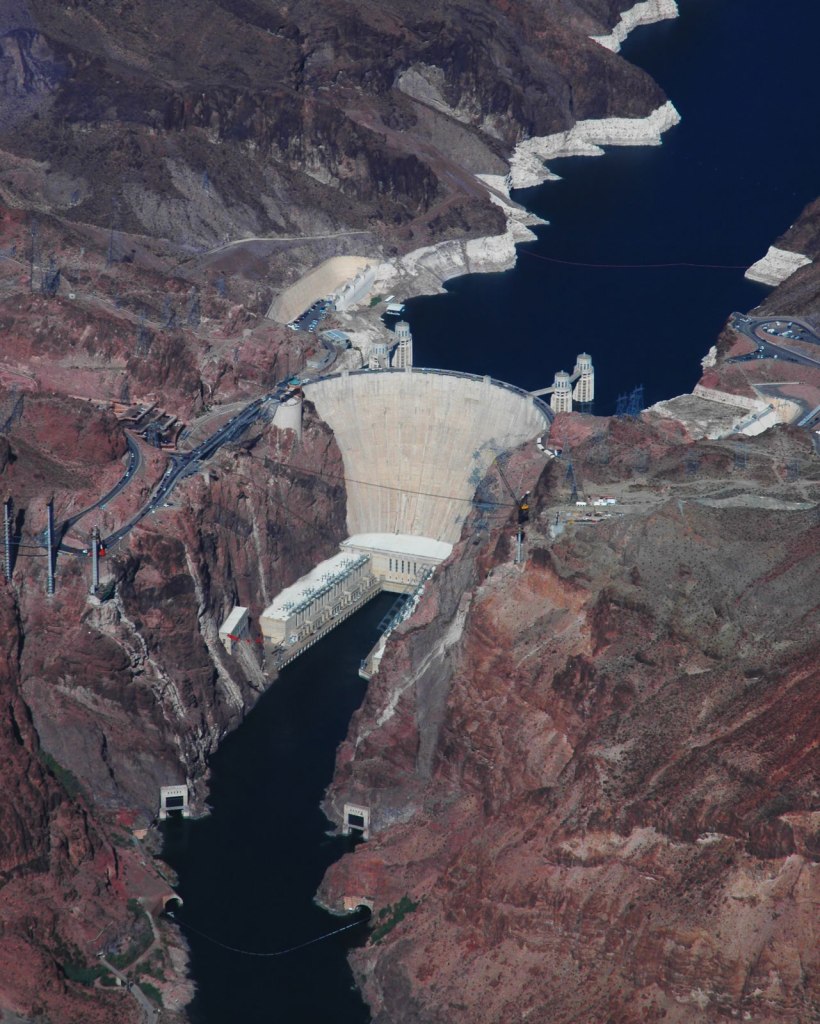
The main reason for these types of landslides are mining and ill planned road construction. For the generation of electricity, dams are being built on the banks of rivers in the hilly areas and hence leading to the destruction. 
It is said that everybody has their limits of tolerance of torture and so is with the nature. We humans have harassed and misused the resources of nature. It's good to be productive and development is an important aspect of human society. In the environment where man lives he has to develop and innovate, but this should be balanced. If once you have burned your fingers, why put your hand again in the same fire? If it is known that these constructions are resulting in the loss of life and property and harming nature's stability,it should be stopped, but humans are so selfish and greedy they will continue doing it. When nature becomes aggressive it's very disastrous for human lives. 

Wrong Number


                                                                       (Photo: Pexels)

Love is perennially elusive – but not impossible to find. And I was lucky enough to find him.

This is my story, my real true love story, and it also happens to be my life’s most beautiful story.

I fell in love with his voice. I didn’t know that my life was going to change. And that momentous evening changed my entire life!!

‘Trin – Trin’

‘Hello! Who’s it?’ my voice demanded.

‘Hey! It’s me, Arpit. Hello Puja. Don’t you recognize my voice?’

‘Sorry, wrong number.’ I cut him in short. I was in class 8 at that time and about him, we will know it soon. The next day, the phone rang again and it was him again.  From there, our conversation began. I have never heard such a sweet voice, plus it was my first time talking with a random guy like this. I felt magic in his voice. Every time I hear his voice, I can feel Euphoric bliss.

His name was Arpit Sehgal and he belonged to Bhubhaneshwar. He was doing engineering. We belonged from two different worlds plus such an age gap, so I decided to lie and I said that my name is Preeti Singhania, doing B.com Hons. Our talks continued and we beautifully got used to each other’s voices. We were each other’s crushes until he finally said that he loves me. I replied, “I LOVE YOU MORE”.

The moon flickered, vaporized. I was in love with him. I felt an eccentrically wonderful pull towards him. It seems like I have been waiting agelessly for him to come and refill my empty soul. Our late-night talks, secret messages, hiding from our parents, all these became part of our lives.

Years passed, seasons passed. I recalled our telephonic conversations. I felt at moments the entire wealth of the world had fallen into my lap but at others it made me feel so insecure. The time had come when I was about to leave for my higher studies. A shiver of cold ran down my spine. Arpit was already in my heart!

I longed to be his.

I dialed his number to confess. I was not feeling well. It was raining down heavily at his side.

“Hi, baby!” “Hello, Shona!”

He has already sensed from my voice that I was not well. He said, “I wish I could make you feel the warmth of my body.” I didn’t have the guts. I called him again at night and I lied again.

“I’m having cancer and I will die possibly again.” He started crying. He asked me to not worry and that he will leave everything and come to me to take care of me. I couldn’t hold it more and gave him my promise.

“If ever you have truly loved me even for once, then you won’t call or text me from now.” The next voice I could hear was him asking, “Will you marry me?”

And the call got disconnected.

WOODEN CHESS BOARD


                                                                        (Photo: Wikipedia)

One of the india’s enterprises is amongst the world’s largest chess manufacturing company. originated in india by the name ashtapad, this ancient game has historical references in india where chess was used as a tool to teach military strategy to indian princes. chessboards have been made from numerous materials over the years, such as ebony, ivory, marble, metal, glass, and plastic.

 let’s discuss in detail about the states and the leading companies in wooden chess board manufacturing in india. THE WOODEN CHESSBOARD MANUFACTURING IS EXTENSIVELY DISTRIBUTED IN INDIA. HOWEVER, THE TOP MANUFACTURING CITIES ARE:

  •    AMRITSAR
  •      GUJARAT
  •      MOHALI
  •      DELHI
  •      MUMBAI

WE WILL DEAL WITH THE FOLLOWING CITIES ONE BY ONE IN AN ILLUSTRATIVE WAY.

1.   AMRITSAR

AMRITSAR IS THE LARGEST MANUFACTURER OF CHESSBOARD IN INIDA. INFACT, THE WORLD’S LARGEST CHESS COMPANY IS BASED IN AMRITSAR, PUNJAB. IT MANUFACTURES CHESSBOARDS IN VARYING SIZES USING DIFFERENT MATERIALS. IT ALSO EXPORTS WORLDWIDE.

THE TOP THREE MANUFACTURING CHESS COMPANIES IN AMRITSAR ARE:

  •   CHESS BY INDIA (VIJAYA ENTERPRISES)
  •       SHRI GANESH
  •       THE CHESS EMPIRE

 CHESS BY INDIA (VIJAYA ENTERPRISES)

IT IS THE WORLD’S LARGEST CHESS COMPANY, BASED IN AMRITSAR, PUNJAB. THEY PRODUCE WOODEN CHESSBOARDS, CHESS PIECES, MAGNETIC CHESS SETS, FOLDING CHESS SETS, ANTIQUE CHESS SETS, TRAVEL CHESS SETS AND ALL TYPE OF PUZZLE GAMES. THEY EXPORT WORLDWIDE FROM NEW ZEALAND TO USA, ITALY, FRANCE, RUSSIA, GERMANY, NETHERLANDS IS THEIR BEST-SELLING MARKET.

A.     SHRI GANESH

IT IS THE SECOND LARGEST MANUFACTURER OF WOODEN CHESS BOARD IN AMRITSAR. THEY EXPERTISE IN MANUFACTURING WOODEN, STAUNTON, BONE, MAGNETIC AND TRAVEL CHESS SETS. THEY MANUFACTURE AND EXPORT THE MOST EXOTIC CHESS SETS ACROSS THE WORLD. THEY CURRENTLY EXPORT TO COUNTRIES LIKE UK, JAPAN, RUSSIA, SINGAPORE, NEW ZEALAND, USA, AUSTRALIA AND MOST OF EUROPE.

 THE CHESS EMPIRE

IT IS THE THIRD LARGEST MANUFACTURER OF WOODEN CHESS BOARD. IT GUARANTEES WORLD’S BEST QUALITY. THEY HAVE EXQUISITE CRAFTSMANSHIP AND THEY PROVIDE WORLDWIDE SHIPPING.

2. GUJARAT

GUJARAT IS THE SECOND LARGEST MANUFACTURER OF WOODEN CHESS BOARD IN INDIA. THERE MIGHT BE FEW SMALL-SCALE MANUFACTURING COMPANIES IN GUJARAT, BUT THE MOST FAMOUS MANUFACTURER IS ONLY ONE WHICH OPERATES ON A LARGE SCALE.

·       PARAMOUNT DEALZ

PARAMOUNT DEALZ

THEY MAKE WOODEN SETS FROM EXOTIC AND LUXURIOUS WOODS LIKE SHEESHAM, EBONY, BUD ROSEWOOD TO GIVE ROYAL FEEL TO THE CHESS SET AND MAKE IT LOOK A DISTINCTIVE ONE.

3. DELHI

DELHI IS THE THIRD LARGEST CITY WHEN IT COMES TO THE WOODEN CHESS BOARD MANUFACTURING. DELHI IS THE LARGEST COMMERCIAL CENTRE IN THE NORTHERN INDIA. STILL WHEN IT COMES TO CHESS BOARD MANUFACTURING, THERE IS ONLY A HANDFUL OF MANUFACTURERS IN THE CITY. AMONGST THEM, THERE’S ONLY ONE THAT HAS BEEN MANUFACTURING AND EXPORTING SUPERIOR QUALITY CHESS SETS FOR LAST 3-4 DECADES.

·       CHESSNCRAFTS

   CHESSNCRAFTS

THEY MANUFACTURE AND EXPORT SUPERIOR QUALITY CHESS SETS OF VARYING MATERIALS AND SIZES. THEY OFFER THE DISTINCTIVE AND EXCELLENT CHESS BOARDS.

4.  MUMBAI

IF YOU WANT TO FIND THE CHESS BOARD MANUFACTURER IN MUMBAI, THEN YOU DON’T HAVE TO STRUGGLE A LOT. JUST HEAD STRAIGHT FORWARD TO DOMBIVLI, BECAUSE THAT IS THE MAIN AREA OF IT’S MANUFACTURING. THERE ARE TWO CHESS BOARD MANUFACTURERS IN MUMBAI WHICH ARE WELL KNOWN.

·       INDIAN CHESS MANUFACTURERS

·       BRAVECHESS

 INDIAN CHESS MANUFACTURERS

IT IS INDIA’S WELL- KNOWN MANUFACTURER OF CHESS EQUIPMENTS AND GIANT BOARD GAMES. THEY SUPPLY IT WORLDWIDE. THEY CATER TO THE NEEDS OF THE PEOPLE.

A.     BRAVECHESS

THE BRAVECHESS IS THE SECOND KNOWN CHESS BOARD MANUFACTURER IN MUMBAI. THEY DESIGN PRODUCTS WITH THE AIM OF MAKING IT LAST A LIFETIME. THEY ALSO MANUFACTURE A SPECIAL CHESS SET FOR BLIND PEOPLE WHICH IS UNIQUE IN ITS OWN WAY.

 HENCE, A DETAILED ANALYSIS HAS BEEN MADE OF THE INDIA’S BEST CHESS BOARD MANUFACTURERS. EACH ONE OF THESE IS DISTINCT IN ITS OWN WAY. THE CRAFTSMANSHIP IS HIGHLY EXQUISITE. THE AMOUNT OF HARDWORK THEY PUT IN SHOWS THEIR DEDICATION TOWARDS FULFILLING THE WANTS OF CHESS LOVERS. INDIA IS NO WAY BEHIND IN TERMS OF CHESS BOARD MANUFACTURING. ALTHOUGH THERE ARE MANY COUNTRIES AHEAD OF INDIA, STILL INDIA STANDS AT A GOOD POSITION IN TERMS OF EXPORT.

INDEPENDENCE DAY

This year the Independence Day celebrations will be different as we know that the whole world is facing an epidemic. There are orders from the Center to all provinces to avoid large gatherings and to continue to wear masks and to distance themselves from the public during Independence Day celebrations. There are rumors that they will be inviting heroes such as doctors, nurses, health workers and sanitation to the event as a tribute to their excellent work in the fight against COVID 19.

They can also call those people who have already recovered from COVID 19. This year’s celebration programs are small-scale, community-based, mask-wearing and the use of technology to store these items.

PM-Mode-Speech

Prime Minister Narender Modi has called on the people of India to take an oath on Independence Day to fight the epidemic and liberate India. And to make sure that all citizens work for independence (Atmnirbhar Bharat) India.

The conclusion

A day to be celebrated when our ancestors shed their blood and fought so hard. But do we really fight for the struggle and hard work of our freedom fighters? We must rethink and we must work for the true freedom of the people of the world by helping them and making them self-sufficient and able to support themselves and the world. This day of Independence we must dream of a strong and resilient India and able to deal with any problems in unity.

75th Independence Day in 2021

Independence Day


Independence Day is the only holiday that most children remember. It is the liberation of our country that has helped us to stand, walk and breathe so freely today. In this article we will look at that freedom and the day it was achieved.

Disappointment achieved by the generosity of the Indians

Our Indian has a great character that ‘Makes the Visitor Live.’ Thus, even those who came from abroad to do business in our country, over time, our goods were looted. Beyond that, Anno Domini (AD) The English who set foot in 1600 enslaved us.

Voice of protest

Somewhere among those who slept unaware that ‘The Country We are in is Ours’, some people stood up as voices and rights and spoke out against strangers. Among them Veerapandiya Kattabomman, Veeramangai Velu Nachiyar, Marudhu Pandiyars, Puli Thevar and Rani of Jhansi Lakshmibai in the north played an important role in Tamil Nadu. Their movement also split into Moderation and Extremism. These were followed by Gandhiji, Neruji, Tilak, Patel, Netaji in the north and Vanchinathan, Siva, V.O. Chidambaram Pillai in Tamil Nadu as well as poets like Tagore, Subramania Bharati, Kavimani Desigavinayagam Pillai, Namakkal poet Venkatarama Ramalingam Pillai through their poems and countless playwrights, voiced their opposition to strangers through their theatrical art.

Slogans and movements

Gandhiji chanted ‘Do or Die’, Netaji chanted ‘Delhi Chalo’, ‘Vande Mataram’ and ‘Freedom is Our Birthright’ and also protested, saying, “Sarvesha (Lord Shiva) we did not grow out of water, we protected this crop with  tears.” Also they carried out many struggles such as the Salt Satyagraha, the Non-Cooperation Movement and the Quit Whites Movement.

Achieving and celebrating independence

After various slogans and struggles, we achieved our right to freedom on August 15, 1974 and made it the highest gold in our history. Following this, every year on this day we fly the flag in all parts of the city, village, school and college and celebrate the great deeds of our leaders. At exactly eight o’ clock in the morning in our Capital Delhi, the Prime Minister of India will hoist our national flag and deliver a speech.

The importance of Independence Day

Today, more than 70 years after the freedom that many people have lost their lives and their physical possessions, we have not been able to realize and maintain them properly. That is why a poet said, ‘We bought it at night and it has not dawned yet.’ Everyone must first realize that this festival is for everyone to feel the sacrifice of their leaders. Only then will the benefits of true freedom be available to all.

It is the duty of every Indian to preserve the freedom he has gained. Therefore, the celebration of Independence Day, which defended our country, is when each of us strives to elevate all with a sense of unity that we are ours, not just mine only then will the celebration of True Independence Day unfurl the flag.

CANCER

The movement when we hear the term cancer , we freak out with fear. Thousand’s of question comes in our mind, How cancer is caused? can it be curable? is cancer end of our life? and soon….

In India 13.9 lakh cases are estimated this year and  19.3 million cases globally .Cancer are know as a deadly diseases because of it is a disease caused when cells divide uncontrollably and spread into surrounding tissues. Cancer is caused by changes to DNA. Most cancer-causing DNA changes occur in sections of DNA called genes. These changes are also called genetic changes.

Photo by Klaus Nielsen on Pexels.com

How cancer are detected? In most cases, doctors need to do a biopsy to diagnose cancer. A biopsy is a procedure in which the doctor removes a sample of tissue. A pathologist looks at the tissue under a microscope and runs other tests to see if the tissue is cancer. or doctor may use one or more following approaches to diagnose cancer.

  • Physical exam.  Doctor may feel areas of your body for lumps that may indicate cancer. During a physical exam, doctor may look for abnormalities, such as changes in skin color or enlargement of an organ, that may indicate the presence of cancer.
  • Laboratory tests. Laboratory tests, such as urine and blood tests, may help your doctor identify abnormalities that can be caused by cancer. For instance, in people with leukemia, a common blood test called complete blood count may reveal an unusual number or type of white blood cells.
  • Imaging tests. Imaging tests allow your doctor to examine bones and internal organs in a noninvasive way. Imaging tests used in diagnosing cancer may include a computerized tomography (CT) scan, bone scan, magnetic resonance imaging (MRI), positron emission tomography (PET) scan, ultrasound and X-ray, among others.
  • Biopsy. During a biopsy, doctor collects a sample of cells for testing in the laboratory. There are several ways of collecting a sample. Which biopsy procedure is right for you depends on your type of cancer and its location. In most situations, a biopsy is the only way to definitively diagnose cancer.

Cancer stages

Once cancer is diagnosed, your doctor will work to determine the extent (stage) of your cancer. Your doctor uses your cancer’s stage to determine your treatment options and your chances for a cure.

Staging tests and procedures may include imaging tests, such as bone scans or X-rays, to see if cancer has spread to other parts of the body.

Cancer stages are indicated by the numbers 0 through 4, which are often written as Roman numerals 0 through IV. Higher numbers indicate a more-advanced cancer. For some types of cancer, cancer stage is indicated using letters or words.

Cancer Treatment

There are many types of cancer treatment. The types of treatment that you have will depend on the type of cancer you have and how advanced it is. Some people with cancer will have only one treatment. But most people have a combination of treatments, such as surgery with chemotherapy and/or radiation therapy. You may also have immunotherapytargeted therapy, or hormone therapy.

Photo by Pixabay on Pexels.com
  • Biomarker Testing for Cancer Treatment Biomarker testing is a way to look for genes, proteins, and other substances (called biomarkers or tumor markers) that can provide information about cancer. Biomarker testing can help patient and doctor choose a cancer treatment.
  • ChemotherapyChemotherapy is a type of cancer treatment that uses drugs to kill cancer cells. Learn how chemotherapy works against cancer, why it causes side effects, and how it is used with other cancer treatments.
  • Hormone TherapyHormone therapy is a treatment that slows or stops the growth of breast and prostate cancers that use hormones to grow. Learn about the types of hormone therapy and side effects that may happen.
  • Immunotherapy to Treat CancerImmunotherapy is a type of cancer treatment that helps your immune system fight cancer. This page covers the types of immunotherapy, how it is used against cancer, and what you can expect during treatment.
  • Radiation TherapyRadiation therapy is a type of cancer treatment that uses high doses of radiation to kill cancer cells and shrink tumors. Learn about the types of radiation, why side effects happen, which ones you might have, and more.
  • Stem Cell TransplantStem cell transplants are procedures that restore blood-forming stem cells in cancer patients who have had theirs destroyed by very high doses of chemotherapy or radiation therapy. Learn about the types of transplants, side effects that may occur, and how stem cell transplants are used in cancer treatment.
  • SurgeryWhen used to treat cancer, surgery is a procedure in which a surgeon removes cancer from your body. Learn the different ways that surgery is used against cancer and what you can expect before, during, and after surgery.
  • Targeted TherapyTargeted therapy is a type of cancer treatment that targets the changes in cancer cells that help them grow, divide, and spread. Learn how targeted therapy works against cancer and about common side effects that may occur.

“CANCER IS ONLY TO CHAPTER IN YOUR LIFE ,NOT THE WHOLE STORY.”

SOUND OF METAL- MOVIE REVIEW

I was a bit apprehensive to watch this movie, in regards to its premise. I was under the influence that this would play out to be another musical drama, and while I have enjoyed a few of those I don’t particularly look forward to seeing them. But this turned out to be a whole new experience.

This movie is primarily about coping with the loss of hearing. The movie does an excellent job of portraying the actual emotional state of a person who lost their hearing. The first half of the movie is extremely emotional and I was always on the verge of tears during this time. The movie dives in deep with its characters, each scene being very purposeful and well thought out which helps its emotional tone. The movie is able to convey an immense amount of emotion with very little dialogue. I also thought the screenplay by Darius and Abraham Marder was a very solid one, though I usually prefer fast-paced movies this one benefits from its intentionally drawn-out scenes and I never really got bored throughout the movie.

The sound mixing in this movie is truly unique and audacious. Not only in the sense that it helps the audience to know what our protagonist is going through but just in general, everything just feels so raw and palpable. The editing also helps in telling a good cohesive story. Everyone in this movie is great, with Riz Ahmed especially giving a stand-out performance but even Olivia Cooke is able to stand her own.

WHAT DOES THE RBI DO?

One of the most important functions of central banks is formulation and execution of monetary policy. In the Indian context, the basic functions of the Reserve Bank of India as enunciated in the Preamble to the RBI Act, 1934 are: “to regulate the issue of Bank notes and the keeping of reserves with a view to securing monetary stability in India and generally to operate the currency and credit system of the country to its advantage.” Thus, the Reserve Bank’s mandate for monetary policy flows from its monetary stability objective. Essentially, monetary policy deals with the use of various policy instruments for influencing the cost and availability of money in the economy.

Over time, the objectives of monetary policy in India have evolved to include maintaining price stability, ensuring adequate flow of credit to productive sectors of the economy for supporting economic growth, and achieving financial stability. Based on its assessment of macroeconomic and financial conditions, the Reserve Bank takes the call on the stance of monetary policy and monetary measures. Its monetary policy statements reflect the changing circumstances and priorities of the Reserve Bank and the thrust of policy measures for the future. Faced with multiple tasks and a complex mandate, the Reserve Bank emphasizes clear and structured communication for effective functioning of the monetary policy. Improving transparency in its decisions and actions is a constant endeavor at the Reserve Bank.

Qualitative instruments

Qualitative instruments are those instruments of credit control which focuses on the overall supply in the economy

  1. Bank rate– It refers to the rate of interest which the RBI lends money to the commercial banks. It relates with the immediate loan requirements of the commercial bank. There is a rise in bank rate when inflation needs to be corrected.
  2. Open market operations– It refer to the sale and purchase of securities in the open market by the RBI on behalf of the government. by selling the securities in the open market the RPI soaks liquidity from the economy. and by buying the securities the RBI releases liquidity. Inflation is corrected by sale of security.
  3. Repo Rate– The rate at which the RBI offers short term loans to the commercial bank by buying the government securities in the open market is called repo rate. There is a rise in Repo rate when inflation needs to be controlled.
  4. Reverse Rape Rate– The rate at which the RBI accepts deposits from the commercial banks is called Repo Rate. There is a fall in the reverse repo rate when inflation needs to be corrected.
  5. Cash Reserve Ratio– It refers to the minimum percentage if the bank’s deposits that the RBI requires the commercial banks to keep with the RBI. To control inflation CRR is increased.
  6. Statutory Liquidity Ratio (SLR)– every bank is required to maintain a fixed percentage of its assets in the form of liquid assets called SLR. the liquid assets include cash gold an unencumbered approved security. the rate of SLR is fixed by the RBI and is varied from time to time. To decrease the supply of money the central bank increases the SLR.

Qualitative Instruments

Qualitative instruments are those instruments of credit control which focus on select sectors of the economy.

  1. Marginal RequirementsThe margin requirement refers to the difference between the current value of the security offered for loan and value of loan granted. The margin requirement is raised when the supply of money needs to be reduced.
  2.  Rationing of creditRationing of credit refers to fixation of credit quarters for different business activities. Rationing of credit is introduced when the supply of credit is to be checked particularly for speculative activities in the economy
  3. Moral suasion- It is like rendering advice to commercial banks the by the RBI to follow its directives. the banks are advised to restrict loan during inflation and be liberal in lending during inflation.

THE TIME TRAVELLER’S WIFE -BOOK SUMMARY

About the book

The Time Traveler’s Wife is the debut novel by the American author Audrey Niffengger, published in 2003. It is a love story about Henry, a man, with a genetic disorder that causes him to time travel unpredictably, and about Clare, his wife, an artist, who has to cope with his frequent absences and dangerous experiences of reappearing in odd places. Niffenegger, who was frustrated in love when she began the novel, wrote the story as a metaphor for her failed relationships. The tale’s central relationship came to Niffenegger suddenly and subsequently supplied the novel’s title. The novel, which has been classified as both science fiction and romance, examines the themes of love, loss, and free will. In particular, the novel uses time travel to explore miscommunication and distance in relationships, while also investigating deeper existential questions.

Summary

Using alternating first-person perspectives, the novel tells the stories of Henry DeTamble (born 1963), a librarian at the Newberry Library in Chicago, and his wife, Clare Anne Abshire (born 1971), an artist who makes paper sculptures. Henry has a rare genetic disorder, which later comes to be known as Chrono-Impairment. This disorder causes Henry to involuntarily travel through time. When 20-year-old Clare meets 28-year-old Henry at the Newberry Library in 1991 at the beginning of the novel, he has never seen her before, although she has known him most of her life.

Henry begins time traveling at the age of five, jumping forward and backward relative to his own timeline. When he vanishes, where he goes, and how long his trips will last are beyond his control. However, his destinations are tied to his subconscious—he most often travels to places and times related to his own history. Certain stimuli such as stress can trigger Henry’s time traveling; he often goes jogging to keep calm and remain in the present. He searches out pharmaceuticals in the future that may be able to help control his time traveling. He also seeks the advice of a geneticist, Dr. Kendrick. Henry cannot take anything with him into the future or the past, which means that he always arrives naked and then struggles to find clothing, shelter, and food. He does amass a number of survival skills, including lock-picking, self-defense, and pickpocketing. Much of this he learns from older versions of himself.

Once Henry and Clare’s timelines converge “naturally” at the library—their first meeting in his chronology—Henry starts to travel to Clare’s childhood and adolescence in South Haven, Michigan, beginning in 1977 when she is only six years old. On one of his early visits (from Clare’s perspective), Henry gives her a list of the dates he will appear and she writes them in a diary so she will remember to provide him with clothes and food when he arrives. During another visit, Henry inadvertently reveals that they will be married in the future. Over time they develop a close relationship. At one point, Henry helps Clare frighten and humiliate a boy who abused her. Clare is last visited in her youth by Henry in 1989, on her eighteenth birthday, during which they make love for the first time. They are then separated for two years until their meeting at the library.

Clare and Henry eventually marry. Soon after their marriage, Clare begins to have trouble bringing a pregnancy to term because of the genetic anomaly Henry is presumably passing on to the fetus. After six miscarriages, Henry wishes to save Clare further pain and has a vasectomy. However a version of Henry from the past visits Clare one night and they make love; she subsequently gives birth to a daughter named Alba. Alba is diagnosed with Chrono-Impairment as well but, unlike Henry, she has some control over her destinations when she time travels. Before she is born, Henry travels to the future and meets his ten-year-old daughter on a school field trip. Unfortunately, during this trip, he learns that he dies when Alba is five years old.

When he is 43, during what is to be his last year of life, Henry time travels to a Chicago parking garage on a frigid winter night where he is unable to find shelter. As a result of the hypothermia and frostbite he suffers while sleeping in the parking garage, his feet are amputated when he returns to the present time. Both Henry and Clare know that without the ability to escape when he time travels, Henry will certainly die within his next few jumps. On New Year’s Eve 2006 Henry time travels into the middle of the Michigan woods in 1984 and is accidentally shot by Clare’s brother, a scene foreshadowed earlier in the novel. Henry returns to the present and dies in Clare’s arms.

Clare is devastated by Henry’s death. She later finds a letter from Henry asking her to “stop waiting” for him, though it also describes a moment in her future when she will see him again. The couple does reunite when Clare is 82 years old and Henry is 43. The novel’s last scene shows a time when Clare, well into her old age, still waits for Henry, as she has done most of her life.


BOOK REVIEW- SIX OF CROWS(LEIGH BARDUGO)

BY DAKSHITA NAITHANI

People usually tend to avoid the sci-fi and fantasy genre, and honestly, I don’t blame them. Complicated worlds, entirely different from our own, magic and otherworldly creatures, characters tasked with saving the world. It’s standard fantasy fare from the time of Tolkien, and it seems everyone is tired of it.

Six of Crows by Leigh Bardugo came as a breath of fresh air then in the Young Adult category. What is it about, you ask? I’ll give you three words:

Morally grey characters.

The first point in its favour was marked the moment it presented our chosen leads: a thief, a spy, a sharpshooter, a runaway scientist, a soldier girl trying to survive in the city with her powers, and a child soldier and ex-convict with a thirst for revenge.

Bardugo’s story is set in a world different from our own, with different nations, but same political machinations. Beings called Grisha wield powers of the elements. In some nations, they are revered and have a high standing in the armies (Ravka). In others, ingrained prejudice makes humans hunt them like dogs going for a kill (Fjerda). Unlike her previous trilogy, Shadow and Bone, this story takes place in Ketterdam, the capital of a small island called Kerch, filled with thieves and con artists and ruthless businessmen looking to make a coin.

The story is based on a heist, and our criminal mastermind, Kaz Brekker, is tasked with freeing a valuable Grisha prisoner from the Ice Court—the world’s most impenetrable fortress. To venture there means signing your death warrant, but Kaz accepts anyway. Why?

He is promised thirty million kruge.

Like I said, this story does not feature any selfless Chosen Ones.

With his mission given, Kaz gathers his crew: Inej Ghafa, a brown girl and one of the best spies on the Ketterdam rooftops; Jesper Fahey, a biracial boy with an excellent aim and the most charismatic smile; Wylan van Eck, a runaway scientist who also happens to be the son of a rich businessman; Matthias Helvar, former prisoner who is torn between assisting with the heist and the ingrained prejudices and loyalty to his country.

As the blurb of the book says, “Six dangerous outcasts. One impossible heist. Together they might just be unstoppable—if they don’t kill each other first.”

What made this book even more amazing, in addition to the fast-paced plot and action, were the characters themselves. With five point-of-views, I got a clear picture of their past traumas and motivations, their quirks and flaws, and that just made me fall in love with all of them even more. The way they all slowly developed friendships and became each other’s family against impossible odds was heartwarming to see, especially for Kaz, who is used to operating alone as the mastermind.

Another great thing about this book has to be the representation. The author suffers from a disability herself which requires her a cane. It is no surprise then that Kaz too suffers from a permanent leg injury and chronic pain. This is never made fun of, and actually explains why he relies on his cunning and smarts so much.

While most white authors resort to stereotypical representation of brown people, Bardugo instead makes Inej a strong female character. She is kind even in the face of adversity and tries her best to embrace her religion and heritage. Despite her brutal past and obvious mental scars, she is talented with her knives and spying and as another brown girl, this was inspiring to read. Through her, Bardugo also elaborates on human trafficking and sex slavery of children: important topics of discussion that most people shy away from.

Nina Zenik, the Grisha Heartrender, is fat. No stereotypes. No jokes. She loves food. She loves her body, and she is a powerful magician and fighter. She is also incredibly street-smart (speaks at least seven languages) and a great actress. Her spunk, charisma and energy were infectious, even in the face of her past as a child soldier.

Jesper Fahey is biracial—half Black. Like Nina, he is energetic and extroverted, coded as having ADHD, however addicted to gambling. He is an expert with guns and sharpshooting, Kaz’s right-hand man in any physical confrontation. His bisexuality is a normal thing in the world. No biphobia. His friends gladly accept him. His character arc and internal prejudices are elaborated upon in a very believable way, and I cannot wait to see his development in the sequel.

Also, the romances in the book were very well-written! Most books rush into the relationship too fast, but every couple in Six of Crows had proper development and slow build-up. Each couple became a well-functioning team first. This is especially true for Kaz and Inej, who each suffer from a form of touch aversion due to trauma. Both vow to become better people first before pursuing any sort of relationship, even though they work extremely well as a team.

Overall, this book deserves a full five-star rating! The world-building and magic system is a bit complicated to get into in the first few chapters, but the characters and their lovely friendships eventually get you hooked. If you love magic, want to have a different kind of adventure than the standard fantasy one, and like seeing heist movies, then this book is for you!

MUSIC HEALS EVERYTHING

The idea of music as a healing modality dates back to the beginnings of history. Mythology is full of stories suggesting that music is balm for the soul. The Bible talks of how David played the harp to help ease his despair against King Saul’s tyrannies. In Greek mythology, there is the story of Orpheus—the musician who could soothe savage beasts and move rocks with his lyre.

Music therapists in India derive a lot of their knowledge from the science of yoga. Physicians of the ancient Muslim world treated mental illness with music therapy. Special choirs and live music bands entertained patients and there were comic performers as well.

Some of the earliest notable mentions are found in the writings of ancient Greek philosophers. Robert Burton wrote in his 17th century classic, The Anatomy of Melancholy, that music and dance were critical in treating mental illness, especially melancholia.

Backed by research

Contemporary research seems to suggest that music therapy benefits patients with stress, psychological and psychiatric problems because it brings about a sense of well-being.

Researchers at the University of Sydney found that singing in groups for at least 30 minutes a day helped people cope better with low moods caused by chronic pain.

Another study by researchers at Cleveland Clinic in the US found that music helps ease unrelenting, non-malignant pain in adults who “hurt” for at least six months.

Music has also been found effective in managing pain caused by cancerous conditions in the body and procedural pain.

Studies have also shown that music reduces pain during dental procedures. Playing soft music in the background while working at one’s desk has also been found to reduce stress. Reduced heart rates and higher body temperatures are said to indicate the onset of relaxation.

Positive experiences

T.V. Sairam, a New Delhi-based music therapist, says that music could help him cope better with life’s stresses. “Right from childhood, I was interested in music. I then discovered that listening to music or singing could help me overcome difficult situations in life,” he says. Based on these experiences, he became interested in studying the therapeutic aspects of music in a more serious way. Having benefited from music therapy, Sairam has become an active proponent.

A Mumbai-based psychiatrist, Rajan Bhonsle, claims music has helped to cure many stress-related illnesses in his patients, including one who had a bad case of psoriasis, a skin condition. The patient had consulted several specialists but nothing had worked. “I told him that he should listen to his favourite music every day. Sure enough, over a period of time, the psoriasis was cured,” he claims.

A sexual-health expert, Dr Bhonsle says: “Music relaxes the mind and the body so it works very well in conditions that are anxiety related, such as performance anxiety.” He believes that music can even help counter other marital problems that may have their genesis in work-related stress. “Just helping the body produce some of the feel-good hormones, such as serotonin, can alleviate many stress-related illnesses, and can also go a long way in improving a person’s relationship with his family,” he says.

It starts in the womb

Snehalata Deshmukh, a paediatric surgeon and former vice-chancellor of the University of Mumbai, says she has done several studies on the subject. In one study, she compared two groups of premature infants, both of which were given all the necessary care in terms of nutrition and medication. Music was played to infants in one group, but not to the other. “We saw that infants in the group that heard music every day gained weight faster than the ones that did not,” she says.

The same study was then extended to pregnant women, and the results were positive. “In ultra-sounds, we have seen that babies make a happy face when they listen to certain kinds of music, especially in the last trimester of pregnancy,” she says. According to Dr Deshmukh, babies even seem to have preferences in their choice of music. “We have observed that most of them like Beethoven’s symphonies, or Omkar, or raga Yaman, or Shivkumar’s santoor, because some of these rhythms are similar to the mother’s heartbeat,” she says.

A PRESCRIPTION THAT WORKED

When Jamuna Balamurugan’s sister recommended music therapy to help her cope with stress during her first pregnancy, she was a bit sceptical. “I wasn’t exactly sure how it would help, but I was also beginning to worry about how work pressures would affect my baby,” says this Chennai-based homemaker. Signing up for a music therapy programme conducted by T. Mythily at Chennai’s Apollo hospital, she was initially “prescribed” some instrumental music which, she says, made her relax almost immediately. The bigger benefits, however, were evident in her baby. Balamurugan claims her daughter is much ahead of her age in analytical and communication skills, and even in creative thinking.

Dr Mythily, head of the music therapy department at Apollo Hospital in Chennai and Balamurugan’s therapist, says: “Music is being tried in many areas, sometimes as a supportive element to conventional therapy and at other times, as an alternative therapy in itself.”

According to Dr Mythily, music therapy is of two types. One is passive, which involves only listening, and the other one is active, which involves participation. “The passive form is beneficial in enhancing concentration and memory, reducing stress, heart problems and hypertension,” she says. “The active form is of immense help in treating neurological problems, such as neurological aphasia, receptive aphasia, expressive aphasia—speech problems—and it enhances speech fluency, especially in hyperactive children,” she adds.

For some time now, Balamurugan has been recommending music therapy to scores of expectant mothers. In fact, about two years ago, when she was expecting her second baby, she signed up for the programme again. And as she sees her baby thrive, she is once again happy to give the credit to music therapy.

Sporadic efforts

There are more than 5,000 music therapists registered with the American Music Therapy Association and more than 300 registered music therapists in the UK. In India, there appear to be a handful , who are self-trained. Much of the work in this area is driven either

by doctors who have a penchant for music or by musicians.

Across India, efforts to include music therapy in mainstream medicine have been very limited and sporadic. Notable exceptions are a few health care institutions such as Apollo Hospitals, Northern Railway Central Hospital in New Delhi and Hamidia Hospital in Bhopal, Madhya Pradesh.

In recent years, a few centres of training for music therapists have been set up. Apollo Hospital in Chennai is training psychology postgraduates and doctors in music therapy. The Indian Music Therapy Research and Development Foundation and the Swathi Thirunal Music Therapy Research Centre, both in Kerala, offer short-term courses in music therapy.

CURATIVE AND REHABILITATIVE POWERS

Vivek Joshi, a sarod player who has been performing at various hospitals, vouches for the calming effect of music.

Because the concert was beneficial to so many, the hospital started playing piped music in all its wards a few months ago. This was to determine if music would help accelerate the rehabilitation process of patients with mental illnesses, says Sanjay Kumawat, member secretary, State Mental Health Authority, government of Maharashtra. “We have a variety of patients with different mental illnesses—so we were keen to assess the impact of using music as therapy. We found that patients respond well. It helps to soothe their minds,” claims Dr Kumawat.

The hospital authorities are so enthused by the success of their programme that they are planning some more sessions of live classical music for patients. In addition, they are proposing similar programmes at other government-run mental institutions in Pune, Ratnagiri and Nagpur.

CONCLUSION

Music has the Power to Heal. It helps us to get rid of the anxiety and stress of our everyday life. Music is undoubtedly a great way of healing the pain. It makes us forget about unpleasant and disturbing thoughts by taking us in the world of melody. Music can bring the back old memories in our present time.

How to separate our personal and professional life

After passing some years of our life we come in professional life. Now every one who are in professional life they think about how to manage their life. Because for a new person which newly joined their professional life they are not able to maintain their personal life as well as their professional life. Sometimes it is seen that the person who are doing job they are busy in her work they does not have time for their personal life.

We are humans beings nothing is impossible for us. If we try to manage then it can be. But now the question is arising that how to managed these two things. For my point of view –

We can to that when we are in office or at the work place at that time we think only about our professional life and if we are at home then we think only about the personal life. Don’t should be mixed them. In your home also you do your work. If we have lots of office work and you are not able to complete it during office time then you do the rest of work at night if it is very important then only do it and otherwise do the next day.

The most important thing the person who are working outside or lives away from their house they take vacation and own vacation time they will gave all his/her time to their parents or family.

Another important thing that if you have stress related to their profession or their personal try to don’t express their stress to any one of them. It is found that if a person have some issues regarding to their work they started to express their stress. For this reason relation started breaking down. It is also found that a person who are in meeting and they think about her personal life. So always try to not do this.

Always try to give time both in equally. Separate them and try to solve the problem of office in office time or personal issues in their house only don’t mix up it. Because both of them are important for any person.

Important Landmarks of Indian Freedom Struggle

A freedom movement is any organized effort within a society to promote, or attain, liberation or independence, based on social, political, economic, religious, or other ideological grounds. The Indian independence movement was a series of historic events with the ultimate aim of ending the British rule in India. The movement spanned from 1857 to 1947. The first nationalistic revolutionary movement for Indian Independence emerged from Bengal.

In ancient times, people from all over the world were keen to come to India. The Persians followed by the Iranians and Parsis immigrated to India. Lastly, the Britishers came and ruled over India for nearly 200 years. After the battle of Plassey in 1757, the British achieved political power in India.

Revolt of 1857

The Revolt of 1857 is also known as The Great Revolt of 1857 or the Sepoy mutiny of 1857. The sepoys of India who were oppressed by the British for a long time revolted. The 1st initiative was taken by sepoy Mangal Pandey . He had shot a British general. The British had ordered to arrest Mangal Pandey but the Indian sepoys did not follow his instructions. Under the leadership of Mangal Pandey on 29 March 1857 the Indian sepoys marched to Delhi and made the nawab of Delhi the emperor of India. After that many revolts broke out in India. But the British had been successful In suppressing all of them. The Bengali middle class people were however apathetic to the revolt of 1857. Even they did not want the revolt to be successful. This was because they feared that if the British would go back then India would return to Its age of darkness again .the little money and status that they had acquired during the British rule would be lost. Although the Revolt of 1857 was unsuccessful It is in some cases identified as the First War of Independence.

Indian National Congress Formed 1885

The Indian National Congress is a broadly based political party in India . Founded in 1885, it was the first modern nationalist movement to emerge in the British Empire in Asia and Africa . From the late 19th century, and especially after 1920, under the leadership of Mahatma Gandhi, Congress became the principal leader of the Indian independence movement. After India’s independence in 1947, Congress formed the central government of India, and many regional state governments. Congress became India’s dominant political party; as of 2015, in the 15 general elections since Independence, it has won an outright majority on six occasions and has led the ruling coalition a further four times, heading the central government for 49 years. There have been seven Congress Prime Ministers, the first being Jawaharlal Nehru (1947–1964), and the most recent Manmohan Singh (2004–2014). Although It did not fare well in the last general elections in India in 2014, it remains one of two major, nationwide, political parties In India, along with the right-wing, Hindu nationalist, Bhartiya Janata Party (BJP).

Partition Of Bengal 1905

Bengal was partitioned in 1905 by Lord Curzon, based on the Riley Report of 1904 which stayed that ‘ Bengal United is a power : Bengal divided will pull in several different ways.’ East Bengal was given to the Muslims and West Bengal to the Hindus. The reason given to the people was that the partition was necessary for administrative convenience. But the real reason was because Bengal was the center of all Revolutionary activity. The Partition of Bengal created widespread education among the people of Bengal. Hindus and Muslims came out Into the street singing Vande Mataram. The movement soon spread to other parts of India. People decided to Boycott foreign goods and Institutions and use Indian goods. Thus the movement came to be called the Swadeshi Movement. The success of the movement led some National leads to advocate ‘revolutionary terrorism’ as a means to end British rule. Bengal was reunited In 1911.

Formation Of Muslim League 1906

After the Revolt of 1857, the British government followed a policy of ‘divide and rule’. In the beginning, Muslims were discriminated against. They were kept out of the army and the services. However, when the nationalist movement started, the policy of the government underwent a change. The government branded the Congress as a Hindu dominated Party and encouraged the upper class Muslims to start their own organization against the Congress. The partition of Bengal led to a united protest movement. At the Calcutta session of the congress in 1906, a large number of Muslim delegates participated. Mohammad Ali Jinnah moved an amendment opposing reservation of seats, which was accepted. Any-how the Influence of the communal elements among Muslims became strong. The Muslim leadership feared that, by opposing the British government, the Muslim middle and upper class’s economic interests would suffer. The encouragement given to upper class’s Muslims led to the formation of the Muslim League. On 30th December 1906, the Muslim League was formed.


The main objects of the Muslim League were :
(I) To create feeling of loyalty to the British government.
(ii) To protect and advance the political rights and interests of the Muslims of India.
(Iii) To prevent the rise among Muslims of India of any feelings of hostility towards other communities.

Split of Congress 1907

The Indian National Congress (INC), which was established in 1885 by A.O Hume, was divided into two groups(in the year 1907) mainly by extremists and moderates at the Surat Session of the Congress. The period of 1885-1905 was known as the period of the moderates as moderates dominated the Indian National Congress. These Moderates used petition, prayers, meetings, leaflets and pamphlets memorandum and delegations to present their demands in front of the British government. Moderates were not able to achieve notable goals other than the expansion of the legislative council by the Indian Council Act of 1892. This created dis-satisfaction among the people. In 1907 the INC meeting was to be held In Nagpur and the extremists wanted Lala Lajpat Rai and Bal Gangadhar Tilak as president. But moderates wanted Rash Bihari Ghosh to be president. Gopal Krishna Gokhale changed the meeting place from Nagpur to Surat fearing that If Nagpur was to be held as meeting place then Bal Gangadhar Tilak would become President. The partition of Bengal became the rise of extremism In INC.

India’s Capital shifted From Kolkata to Delhi  1911

Calcutta (now Kolkata) was the capital of India during the British Raj until December 1911. Calcutta had become the epicenter of the nationalist movements since the late nineteenth century led to the Partition of Bengal by then Viceroy of British India Lord Curzon. This created massive political and religious upsurge Including political assassinations of British officials in Calcutta. The anti-colonial sentiments amongst public leading to complete boycott of British goods forced the colonial government to reunite the Bengal partition and Immediate shift of the capital to New Delhi. 

Delhi-Lahore Conspiracy 1912

The Delhi Conspiracy case, also known as the Delhi-Lahore Conspiracy, refers to a conspiracy in 1912 to assassinate the then Viceroy of India, Lord Hardinge, on the occasion of transferring the capital of British India from Calcutta to New Delhi. Hatched by the Indian revolutionary underground in Bengal and Punjab and headed by Rash Behari Bose, the conspiracy culminated on the attempted assassination on 23 December 1912 when a homemade bomb was thrown into the Viceroy’s Howdah when the ceremonial procession moved through the Chandni Chowk suburb of Delhi. Although injured in the attempt, the Viceroy escaped with flesh wounds, but his Mahout was killed In the attack. Lady Harding was unscathed. Lord Harding himself was injured all over the back, legs, and head by fragments of the bomb, the flesh on his shoulders being torn in strips. In the aftermath of the event, efforts were made to destroy the Bengali and Punjabi revolutionary underground, which came under Intense pressure for some time. Rash Behari successfully evaded capture for nearly three years, becoming Involved in the Ghadir conspiracy before it was uncovered, and fleeing to Japan In 1916.

Formation of Ghadir Party 1913

The Ghadir Movement was an important episode in India’s freedom struggle. A ship named Komagata Maru, filled with Indian immigrants was turned back from Canada. As the ship returned to India several of its passengers were killed or arrested in a clash with the British police. This incident made the Ghadir Party proclaim war and inspired thousands of Indian immigrants to come back and organize an armed rebellion against British Imperialism. However, this movement was crushed. This article deals with the important events of Ghadir Movement. Original name of Ghadir Party was Pacific Coast Hindustan Association. The founding president of Ghadir Party was Sohan Singh Bhakna and Lala Hardayal was the co-founder of this party. Headquarters of the movement were set up at Yugantar Ashram In San Francisco.

Hindu-German Conspiracy 1914-1917

The Hindu–German Conspiracy was a series of plans between 1914 and 1917 by Indian nationalist groups to attempt Pan-Indian rebellion against the British Raj during World War I, formulated between the Indian revolutionary underground and exiled or self-exiled nationalists who formed, in the United States, the Ghadir Party, and in Germany, the Indian independence committee, in the decade preceding the Great War. The conspiracy was drawn up at the beginning of the war, with extensive support from the German Foreign Office, the German consulate in San Francisco, as well as some support from Ottoman Turkey and the Irish republican movement. The most prominent plan attempted to foment unrest and trigger a Pan-Indian mutiny In the British Indian Army from Punjab to Singapore. This plot was planned to be executed in February 1915 with the aim of overthrowing British rule over the Indian subcontinent. The February mutiny was ultimately thwarted when British Intelligence infiltrated the Ghadarite movement and arrested key figures. Mutinies In smaller units and garrisons within India were also crushed.

Rowlett Satyagraha  1919

Rowlett Acts, (February 1919), legislation passed by the Imperial Legislative Council, the legislature of British India. The acts allowed certain political cases to be tried without juries and permitted internment of suspects without trial.
Sedition Act 1870. The Sedition Act, allowed the government to arrest or detain any person without a fair trial In the court who was seen protesting or criticizing the British authority. In 1919 Gandhiji gave a call for a Satyagraha against the Rowlett Act, passed by the British. The Act restricted the freedom of expression and strengthened police powers. Mahatma Gandhi, Mohammad Ali Jinnah and others strongly opposed this Act.

Jallianwala Bagh Massacre 1919

The Jallianwalah Bagh Massacre, also known as the Amritsar Massacre was a massacre that happened in Amritsar, in 1919. It is named after the Jallianwala Bagh [Temple] in the northern Indian city of Amritsar. On April 13, 1919, British Indian Army soldiers started shooting at an unarmed gathering of men, women and children. The person in charge was Brigadier-General Reginald Dyer, the military commander of Amritsar. The shooting lasted about ten minutes. According to official British Raj sources, 379 people were killed. According to other sources, there were over 1,000 deaths, with more than 2,000 wounded, and Civil Surgeon Dr. Smith said that there were 1,526 casualties.

The Khilafat Movement 1919-1924

The Khilafat Movement was organized by the Ali brothers – Mohammed Ali and Shaukat Ali in protest against the injustices done to Turkey (which had fought against Britain) after the First World War. Turkey was important to the Indian Muslims as the Sultan of Turkey was also the ‘Caliph’ (or Khalifa) and was the head of the Muslims throughout the world. The Khilafat leaders put pressure upon the British government to give better treatment to Turkey. Through this demand, Muslims were drawn Into the national movement in large numbers. The movement become a part of the national movement. The Congress leaders joined In the agitation and helped in organizing It throughout the country.

Non-cooperation Movement 1920-1922

In the year 1921 M.K. Gandhi launched the non-cooperation Movement in India. He made an appeal to the Indian people that since the rule of Britishers in India came with the cooperation of Indians, thus, the only way to end the British rule in India is non-cooperation. This movement was launched in different phases. In the first phase, the Indian people who were awarded by the British government In their field began surrendering their titles of honors. The second stage included the boycott of civil services,  congressional assemblies, courts, foreign goods and schools. In the third stage, It was believed that if the administration practiced suppression, a complete civil disobedience drive would be launched by the nationalist leaders.

Chauri Chauri Killing 1922

The Chauri Chauri incident occurred at Chauri Chauri in the Gorakhpur district of the United Province, British India on 4 February 1922, when a large group of protesters, participating in the Non-cooperation movement, clashed with police, who opened fire. In retaliation the demonstrators attacked and set fire to a police station, killing all of Its occupants. The incident led to the deaths of three civilians and 22 or 23 policemen. the Indian National Congress halted the Non-cooperation Movement on the national level as a direct result of this Incident.

Rastriya Swayamsevak Sangh (RSS) was founded 1925

Rastriya Swayamsevak Sangh, abbreviated as RSS “National Volunteer Organisation” or “National Patriotic Organisation”, is an Indian right-wing, Hindu nationalist, paramilitary volunteer organisation that is widely regarded as the parent organisation of the ruling party of India, the Bhartiya Janata Party. The RSS is one of the principal organizations of the Sangh Parivar group. Founded on 27 September 1925, and claiming a commitment to selfless service to India. The organisation Is the world’s largest voluntary missionary organization. The initial impetus was to provide character training through Hindu discipline and to unite the Hindu community to form a Hindu Rashtra (Hindu nation). The organisation promotes the Ideals of upholding Indian culture and the values of a civil society and propagates the ideology of Hindutva, to “strengthen” the majority Hindu community.

Simon Commission 1927

Simon commission is one of the factors leading to the civil disobedience movement. This commission was appointed in November, 1927. It is named after Sir John Simon, who was the chairman of the commission. It was appointed by the British Government to investigate the need for further constitutional reforms. The commission had seven British members but no Indian members. This was seen as a deliberate move to insult the self-respect of Indians ◦In 1927, the Congress decides to boycott the commission ‘at every stage and In every form’. Even the Muslim League agreed to boycott the commission. Next year, an ‘All India Hartal’ was organized by the people. When the commission reached Mumbai, people greeted the commission with slogan “Simon Go Back”. During these protests and hartals. Lala Lajpat Rai was arrested and beaten up. Finally, the commission was sent back with some suggestions and recommendations. 

Declaration of Poorna Swaraj 1929

The Purna Swaraj declaration ( or Declaration of the Independence of India, was promulgated by the Indian National Congress on 19 December 1929, resolving the Congress and Indian nationalists to fight for Purna Swaraj, or complete self-rule independent of the British Empire. ◦The flag of India was hoisted by Jawaharlal Nehru on 31 December 1929 on the banks of Ravi river, In Lahore, modern-day Pakistan. The Congress asked the people of India to observe 26th of January as Independence Day(see Legacy). The flag of India was hoisted publicly across India by Congress volunteers, nationalists and the public. But Bhagat Singh was the first person who gave call to purna swaraj (total Independence).

Beginning of Civil Disobedience Movement 1930

Launched on April 6, 1930, the Civil Disobedience Movement was the most significant movement in the freedom struggle of India. The formation of the Simon Commission, Demand for Dominion Status and Protests against the arrest of social revolutionaries was the three most important causes of this movement. Moreover, the newly introduced salt laws played an important role in launching the Civil Disobedience Movement. According to the new laws the Indian people were required to buy the vital mineral salt, on which the British government was practicing a monopoly. As salt was the basic need for all the sections of the society people under the leadership of M.K. Gandhi launched a March known as the “Dandi March” against the unjust laws of the British government.
This march was joined by thousands of Indians. Therefore, on April 6, 1930, Gandhi formally launched the Civil Disobedience Movement. The main objective of the Civil Disobedience movement Is that the people wanted to break the unjust laws such as the salt tax law. In support of this movement, Indian people continued the production of salt and boycotted foreign clothes and goods. Farmers of India denied paying revenue and Chowkidari taxes. Indian administrators quit their jobs and In many states, tribal people violated forest laws.

The First Round Table Conference was held in London 1930

First Round Table Conference was first among the three such conferences organized between 1930 and 1932 by British government towards constitutional reforms in India. These conferences were conducted as per 1930 report of Simon Commission. First Round Table Conference was held between November 1930and January 1931. It was officially inaugurated on November 12, 1930 at House of Lords at London by the British King (George V) and was chaired by then British Prime Minister, Ramsay MacDonald.

Participants The participants of the First Round Table conference Included :

  1. Total 16 delegates from three British Political Parties
  2. Total 74 delegate from India comprising 3.58 delegates from political parties In India 4.16 delegates from princely states

Second Round Table Conference was held 1931

The second round table conference was held in London (September 1931 – December 1931). Gandhiji represented the Indian National Congress. Gandhiji said that congress alone represented the political India. The untouchable of India are Hindus and does not need label of minorities and there is no need for spate electorate or special safeguard for Muslims or other minorities. This was rejected by other Indian participants. Gandhiji returned back empty handed, disappointed from the proceedings. However, the discussions lead to the passing of Government of India Act, 1935.

The Gandhi-Irwin Pact 1931

After the failure of First Round Table Conference efforts were made by the Government to make an agreement that  the congress  would attend the next Round Table Conference. The Viceroy, Lord Irwin, was authorised to hold talks with Mahatma Gandhi. Finally, Gandhi and Irwin made an agreement on 5 March 1931. The agreement is called Gandhi-Irwin pact. By this pact Government agreed to release most of the civil disobedience volunteers, against whom there was no allegation of violence. The Congress suspended the Civil Disobedience Movement and agreed to participate In the second Round Table Conference.

Poona Pact 1932

The Poona Pact refers to an agreement between B. R. Ambedkar and Mahatma Gandhi on behalf of depressed classes and caste Hindu leaders on the reservation of electoral seats for the depressed classes in the legislature of British India government. Contrary to popular belief, Mahatma Gandhi was not involved in signing the pact. It was made on 24 September 1932 at Yerwada Central Jail in Pune, India. It was signed by B.R Ambedkar on behalf of the depressed classes and Madan Mohan Malviya on behalf of the Caste Hindus as a means to end the fast that Gandhi was undertaking In jail as a protest against the decision by British prime minister Ramsay MacDonald to give separate electorates to depressed classes for the election of members of provincial legislative assemblies In British India. They finally agreed upon 148 electoral seats.

Government of India Act was passed 1935

In August 1935, the British gove3rnment announced the Government of India Act.

The main provisions of this act were :

  1. India was to become a federation if more than 50 per cent of the Princely States decide to join it.
  2. Provincial autonomy was granted. The ministers of provincial government s were to be responsible to the legislature. The power of the legislature was also increased. But the right to vote remained limited (only 14 per cent people had voting rights).
  3. Diarchy was abolished at the provincial level but Introduced at the Centre. The Viceroy became more powerful and was not to be responsible to the legislature.

The Act was rejected by the Congress. It, however, decided to contest the elections of the provincial legislative assemblies In AD 1937. The Muslim League also contested these elections.

Quit India Movement 1942

In August 1942, Gandhiji launched the Quit India Movement (“Bharat Chhodo Andolan”).
A resolution was passed on 8 August 1942 in Bombay by the All India Congress Committee, declaring its demand for an immediate end of British rule. The Congress decided to organize a mass struggle on non-violent lines on the widest possible scale. Gandhiji’s slogan of ‘Do or Die’ (‘Karo ya Maro’) inspired the nation. Every man, women and child began dreaming of a free India. The government’s response to the movement was quick. The Congress was banned and most of its leaders were arrested before they could start mobilizing the people. The people, however, were unstoppable. There were hartals and demonstrations all over the country. The people attacked all symbols of the British government such as railway stations, law courts and police stations. Railway lines were damaged and telegraph lines were cut. In some places, people even set up their Independent government. The movement was most widespread in Uttar Pradesh, Bihar, Bengal, Bombay, Odisha and Andhra Pradesh. Places such as Ballia, Tamluk, Satara, Dharwar, Balasore and Talcher were freed from British rule and the people there formed their own governments. The British responded with terrible brutality. The army was called out to assist the police. There were lathi-charges and firing at the unarmed demonstrators.

Cripps Mission 1942

The Cripps Mission was a failed attempt in late March 1942 by the British government to secure full Indian cooperation and support for their efforts in World War II. The mission was headed by a senior minister Sir Stafford Cripps, Lord Privy Seal and leader of the House of Commons. Cripps belonged to the left-wing Labour Party, traditionally sympathetic to Indian self-rule, but was also a member of the coalition War Cabinet led by the Prime Minister Winston Churchill, who had long been the leader of the movement to block Indian independence. Cripps was sent to negotiate an agreement with the nationalist Congress leaders, who spoke for the majority Indians, and Muhammad Ali Jinnah and the Muslim League, who spoke for the minority Muslim population comprising 35% of the total population. Cripps worked to keep India loyal to the British war effort In exchange for a promise of elections and full self-government (Dominion status) once the war was over. Cripps discussed the proposals, which he had drafted himself, with the Indian leaders and published them. Both the major parties rejected his proposals, and they were also unacceptable to Churchill; no middle way was found and the mission failed. Congress moved towards the Quit India movement whereby it refused to cooperate In the war effort; in response, the British imprisoned practically the entire Congress leadership for the duration of the war. Jinnah and the Muslims, to whom Cripps had offered the right to opt out of a future Union, supported the war effort and gained In status in British eyes. He was surprised to see that the right to opt out of a future Union was Included.

The great Bengal Famine 1943

The Bengal famine of 1943 was a major famine in the Bengal province in British India during World War II. An estimated 2.1–3 million, out of a population of 60.3 million, died of starvation, malaria and other diseases aggravated by malnutrition, population displacement, unsanitary conditions and lack of health care. Millions were Impoverished as the crisis overwhelmed large segments of the economy and social fabric. Historians have frequently characterised the famine as “man-made”, asserting that wartime colonial policies created and then exacerbated the crisis. A minority view holds that the famine arose from natural causes.

India gained its freedom from British rule  1947

India got its freedom from the British Rule on 15th August, 1947. Hence, we celebrate our Independence Day on 15th of August every year. There is national holiday on Independence Day. We all know that Freedom is not free. It took years of efforts, non-violence and other movement by our national freedom fighter to attain Freedom. On 15th of August, 1947, Pandit Jawaharlal Nehru raised the tri-color national flag of India at Red Fort, Delhi. There the National Flag Is hoisted and the National anthem is sung in chorus. Everybody takes a new oath to serve the country and to do everything to uplift her glory. The elders remember the martyrs who sacrificed their lives in the struggle for independence. They pay homage to the great leaders who suffered a lot to win our freedom. This day also Inspires us to follow the teaching of peace and non-violence that was preached by Mahatma Gandhi, the father of our nation.


Drug Addiction

Drug addiction, also known as substance–use disorder, refers to the dangerous and excessive intake of legal and illegal drugs. This leads to many behavioral changes in the person as well as affects brain functions. Drug addiction includes abusing alcohol, cocaine, heroin, opioid, painkillers, and nicotine, among others. Drugs like these help the person feel good about themselves and induce ‘dopamine’ or the happiness hormone. As they continue to use the drug, the brain starts to increase dopamine levels, and the person demands more.

Drug addiction has severe consequences. Some of the signs include anxiety, paranoia, increased heart rate, and red eyes. They are intoxicated and unable to display proper coordination and have difficulty in remembering things. A person who is addicted cannot resist using them and unable to function correctly without ingesting them. It causes damage to the brain, their personal and professional relationships. It affects mental cognition; they are unable to make proper decisions, cannot retain information, and make poor judgments. They tend to engage in reckless activities such as stealing or driving under the influence. They also make sure that there is a constant supply and are willing to pay a lot of money even if they are unable to afford it and tend to have erratic sleep patterns.

Drug addiction also causes a person to isolate themselves and have either intense or no food cravings. They stop taking care of their hygiene. Drug addiction affects a person’s speech and experience hallucinations. They are unable to converse and communicate properly; they speak fast and are hyperactive. Those addicted have extreme mood swings. They can go from feeling happy to feeling sad quickly and are incredibly secretive. They begin to lose interest in activities they once loved. Substance abusers also undergo withdrawal symptoms. Withdrawal symptoms refer to the symptoms that occur when they stop taking the drug. Some withdrawal symptoms include nausea, fatigue, and tremors. They stop and starting using again, an endless cycle that could be life-threatening. Drug addiction can be fatal if not treated timely. It can cause brain damage and seizures as well as overdose, heart diseases, respiratory problems, damage to the liver and kidneys, vomiting, lung diseases, and much more.

Though chronic, treatment is available for drug addiction. Many techniques are used, such as behavioral counseling, medication to treat the addiction, and providing treatment not just for substance abuse but also for many factors that accompany addiction such as stress, anxiety, and depression. Many devices have developed to overcome addiction. There are rehabilitation centers to help people. After treatment, there are numerous follow-ups to ensure that the cycle does not come back. The most important is having family and friends to support the effect. It will help them build confidence and come over their addiction.

The United Nations celebrates International Day against Drug Abuse and Illicit Trafficking on the 26th of June. Drug addiction impacts millions and needs to be treated carefully to prevent further harm to the individual and letting them live a better life.