Food habits refers to eating habits of people like why do people eat? what type of food they eat? and how often they eat? First of all why do we eat food? we eat food in order to gain energy and carry on with our everyday work. It is important to know what type of food is good for our heath, the amount of food we intake. Nowadays the life is so hectic that people need everything so fast which leads to relying on fast food, packed food which contains too much of additives and preservatives. These kind of food when taken for a long time period leads to a lethal effect on our body. At the same time it is really necessary to take vitamins and other needed stuff regularly, taking vitamins less than that needed by your body could lead to vitamin deficiency, at the same time taking vitamins more than that required by your body could lead to vitamin toxicity or hypervitaminosis.
Over eating
Over eating is a term used when some person eats more than required by his/her body. What happens when a person over eats? His body slows down the process of digestion of the food he consumed, which obviously leads to fat accumulation which leads to obesity, again obesity leads to various other health complications. over eating causes nausea, bloating, sleepiness and also leads to complications like diabetes, high blood pressure and also it runs the risk of causing heart diseases. All we need to do is, eat healthy food in moderation and exercise regularly and stay fit . It is not possible to eat healthy all the time, of course we all have cravings when we see junk food, even though we know its unhealthy, but still we can eat healthy most of the time and have some cheat days to eat those junks. Always remember that a healthy person is a happy person.
The state of Kerala is well known for its luscious landscapes and beautiful backwaters. It is also home to a treasure trove of art forms and literature. These art and dance forms symbolize the rich historical and cultural heritage of the state. Let us take a look at some of the classical dance forms of Kerala that will no doubt mesmerize anyone.
Kathakali
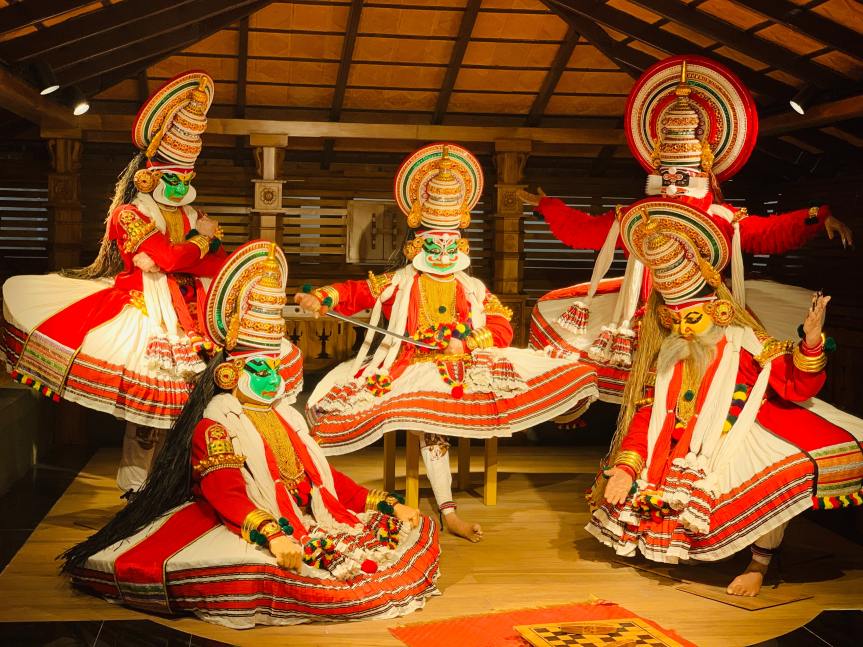
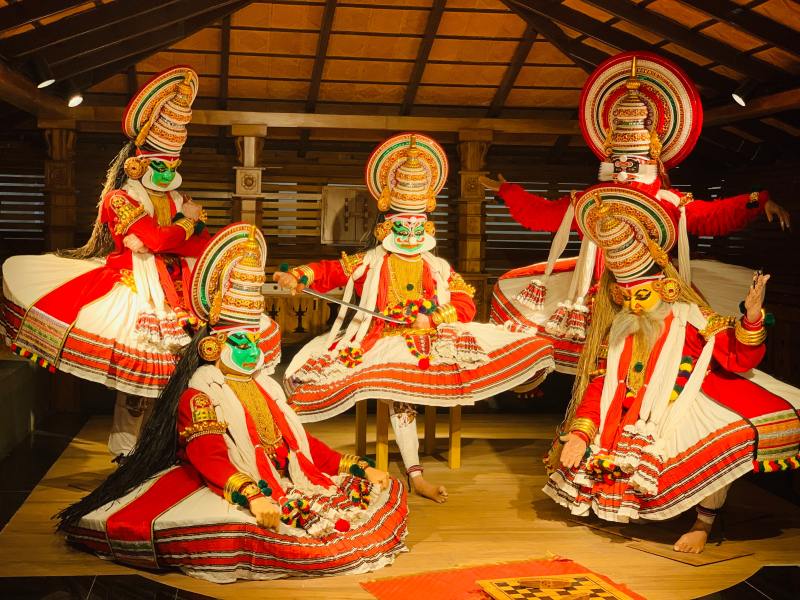
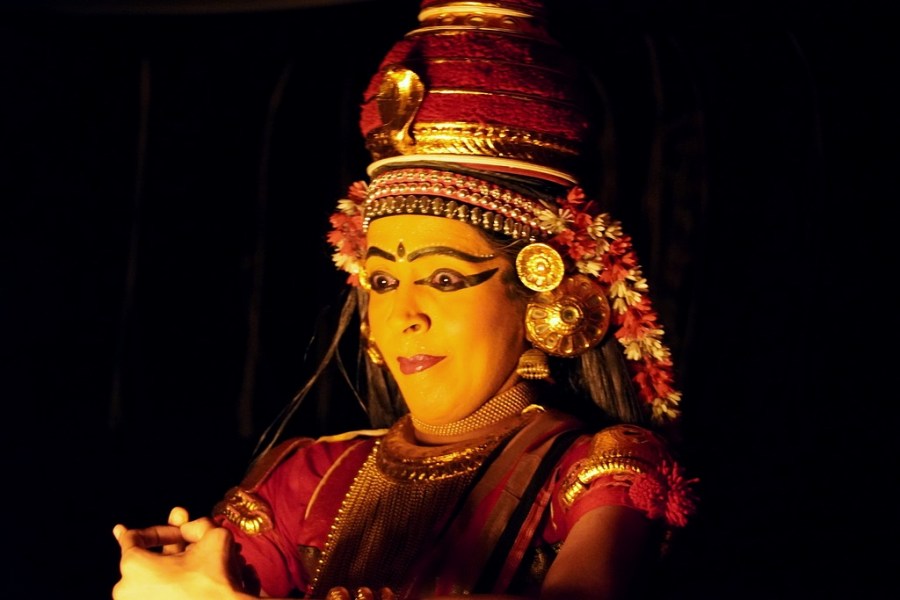
Kathakali is one of the most famous dance forms of Kerala, iconic for its elaborate costumes, colourful make-up, complex gestures and facial expressions. Formally systematized in the 17th century, this dance form has its roots in the temple and folk arts which are traceable to at least the 1st millennium CE. The term ‘Kathakali’ literally means ‘Story-play’. It has elements and aspects taken from Bharatamuni’s Natya Shastra as well as movements incorporated from ancient Indian martial arts and athletic traditions of South India.
A Kathakali performance perfectly blends musical instruments like Maddalam, Chenda, and Idakka, vocal performers, choreography, hand gestures and facial expressions to express ideas. The performances show folk stories, religious legends and spiritual ideas from the Puranas and Hindu epics. Traditionally, it was performed only by males, with female roles also being performed by men. Since the 1970s, women have also entered this field of classical dance. The performances used to be long and extended to many nights but have now been shortened. Taught in the past through the ancient Gurukula-based training system, students of Kathakali today are trained in professional schools like the Kerala Kalamandalam and Trivandrum Margi School.
Kathakali has 6 basic make-up types – Pachcha (green, typically for noble characters like Krishna, Rama, Nala), Kathi (Knife, for villain characters), Kari (Black, for she-demons), Thaadi (Beard, for characters like Hanuman), Minukku (Shining, for female characters), and Teppu (for special characters like Garuda, Jatayu, Hamsa).
Mohiniyattam
Source: wikimedia commons.org
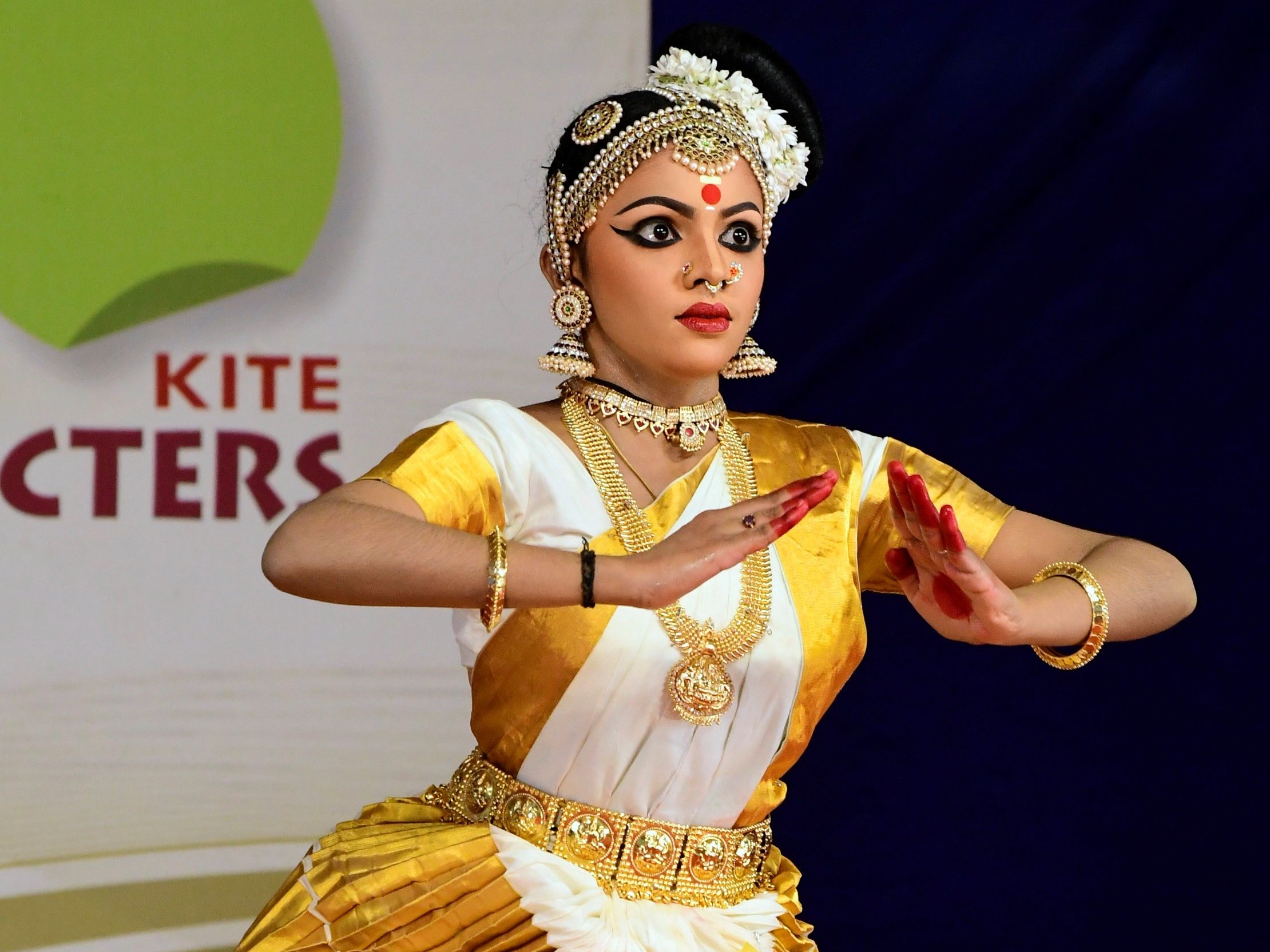
The roots of Mohiniyattam are in the Natya Shastra, following the Lasya style of delicate, graceful and feminine movements, The name comes from Mohini – a divine avatar of Lord Vishnu. It was traditionally performed solo by women although men perform it now as well. A typical Mohiniyattam performance includes Carnatic music and singing, with the songs in a Malayalam-Sanskrit hybrid called Manipravalam. The performers wear a plain white, off-white, or cream coloured saree with gold-laced embroidery. This dance form was banned by the British during their rule, ridiculed as a dance form of the devdasi system. The reintroduction and revival of Mohiniyattam after the Colonial era was spearheaded by the poet Vallathol Narayana Menon, who established the Kerala Kalamandalam dance school, encouraging the training and practice of the dance form.
Mohiniyattam and Kathakali form a part of the 7 classical dance forms of India.
Chakyar Koothu
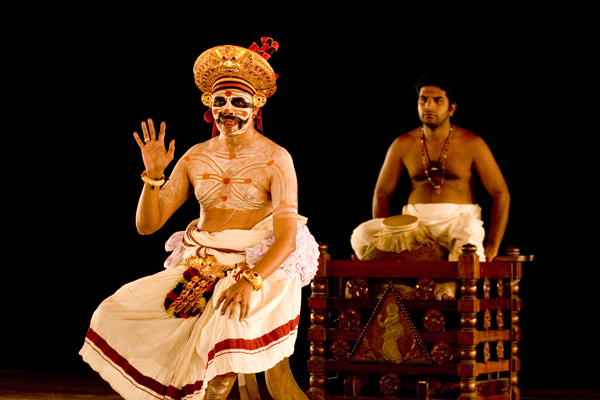
Chakyar Koothu is an art form performed in a place specifically designed inside Hindu temples called a Koothambalam. This dance form was traditionally performed by members of the Chakyar community in times of temple festivals. It is performed solo, with the performer narrating stories from Puranas and Hindu epics like Ramayana and Mahabharata. The performer wears a distinctive headgear and black mustache and has his torso covered in sandalwood paste and red dots. The performance is basically a monologue, oftentimes incorporating humor and wit to comment on current events and members of the audience. The performer is accompanied by musical instruments namely the pot drum Mizhavu and a pair of Ilathalam.
Nangiar Koothu
source: nangiarkoothu.com
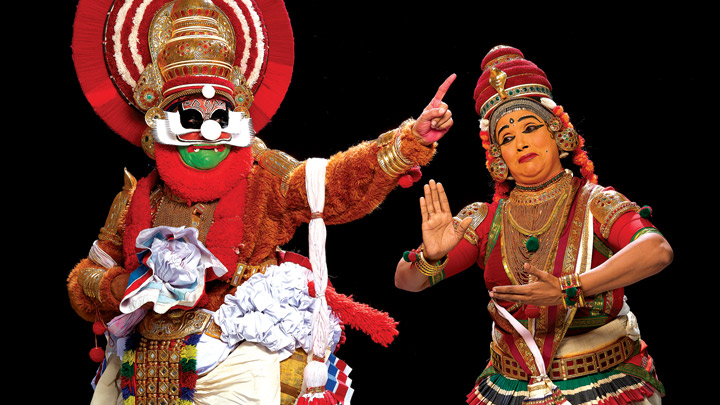
Nangiar Koothu is a traditional dance form related to the art of Koodiyattam. Similar to Chakyar Koothu, it was presented only in Koothambalams, Performed solely by women, this dance form traditionally allowed only women of the Ambalavasi Nambiar community to learn it, but now is open to all. Nangiar koothu shows stories from Sree Krishna Charitam – a text depicting the life of Lord Krishna. The performer or Nangyaramma presents stories of Krishna using body movements, hand gestures and facial expressions and is accompanied by the Mizhavu.
Koodiyattam
souce: Keralatourism.org
Koodiyattam which literally translates to ‘Combined Act’ is an art form recognized by UNESCO as Masterpiece of the Oral and Intangible Heritage of Humanity. It is also performed in Koothambalams and combines Sanskrit theatre performances with elements of traditional Koothu, much like Chakyar Koothu. It is performed by Chakyars and Nangyarammas, who perform together on stage, unlike the solo performances of Chakyar Koothu and Nangiar Koothu.
In both Koodiyattam and Chakyar Koothu, Guru Mani Madhava Chakyar is considered the greatest master and artist. He introduced the art form to people outside the Chakyar community and outside Kerala.
Ottan Thullal
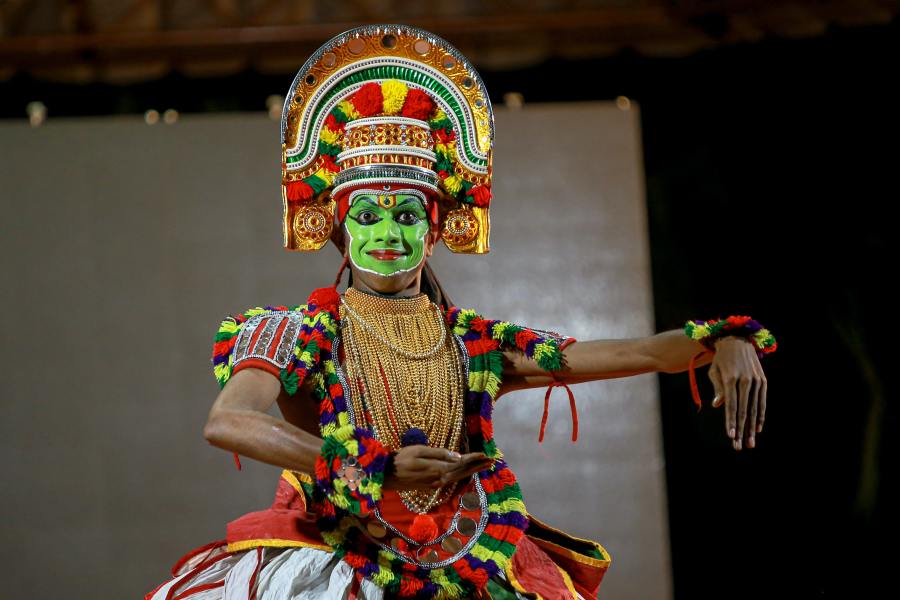
There are 3 varieties of Thullal – Ottan Thullal, Seekanthan Thullal and Parayan Thullal, of which Ottan Thullal is the most popular. It was introduced by the legendary poet Kunchan Nambiar in the 18th century, with its principles based on the Natya Shastra. It is said that Kunchan Nambiar developed this dance form to get back at a Chakyar who ridiculed him for falling asleep during a Chakyar Koothu performance. Ottan Thullal performances are often laced with humour, criticizing and commenting on society. The performer is accompanied by a Mridangam, Idakka and a pair of Ilathalam.
The performers wear green make-up much like a Pachcha character in Kathakali, with colourful costumes. They dance and recite while a chorus of 1 or more artists repeats the sentence that is recited. They perform in Malayalam, making it easily understandable for the local audience, and use old sayings and elements of folklore.
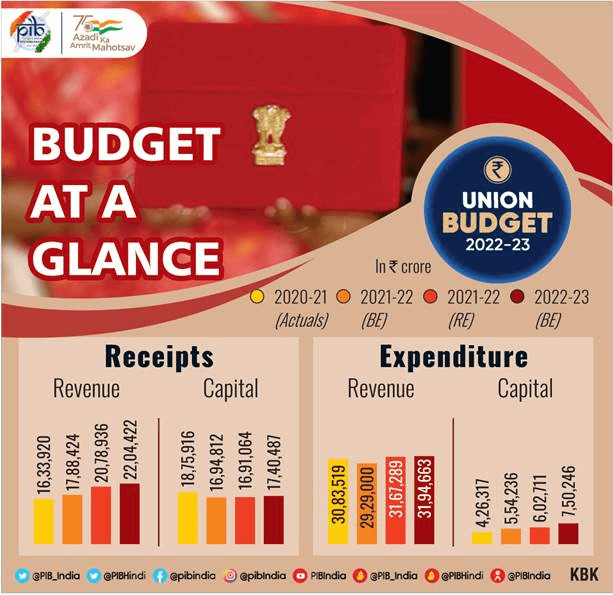
A country’s financial budget is a systematic representation of how it operates and is a defining factor of its reputation. The Indian Constitution does not use the word budget, rather it is stated as the “Annual Financial Statement”. This first Union Budget of British India was presented on 7th April 1860 by Sir James Nilson, and that of independent India, on 26th November 1947 by R.K. Shanmukhan Chetty.
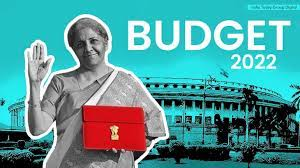
This year on 1st February, Finance Minister Nirmala Sitharaman delivered her 4th annual budget and the 10th under the Modi government. Before we get into the intrinsic details of this year’s budget, it is important to understand from where the Indian government attains most of its income.
35% of India’s reserves come from borrowing and other liabilities. GST, Income Tax, and Corporation Tax constitute 16%,15% and 15% respectively. 7% comes from Union excise duties and another 5% from Customs and Non-Tax Revenue. Thus a majority of India’s resources come from the taxpayers and loan lenders only.
One of the most important points mentioned was the prediction of the Indian economy’s estimated growth rate, set at 9.2%. This is the highest growth rate for any recovering economy, as confirmed by the International Monetary Fund(IMF). The backbone of this year’s budget was the auspiciousness of India entering Amrit Kaal, that is in 25 years, we will be celebrating 100 years of our Independence. With this in mind, the Finance Minister set out certain milestones we hope to achieve as a country before 2047.
The budget’s index is comprised of four important areas-PM GatisShakti, Inclusive Development, Productivity, and Financing of Investments.
On India’s 75th Independence Day, Prime Minister Narendra Modi announced that the Centre will launch ‘PM Gati Shakti Master Plan’, a Rs. 100 lakh-crore project for developing ‘holistic infrastructure’.PM Modi said that the Gati Shakti plan will help raise the global profile of local manufacturers and help them compete with their counterparts worldwide. It also raises possibilities of new future economic zones.
The prime minister also said that India needs to increase both manufacturing and exports. Every product that is sold globally from India is attached to India, which is why I am saying that every product of yours is a brand ambassador for India, he said.
A number of new schemes were also introduced, such as Kisan Drones, Ken Betwa Project, ECLGS, GTMSE, RAMP, DESH-Stake-Portal, DrAAS, “One Class One TV”, Saksham Anganwadi, Har Gar, Nal se Jal, etc.
But the most crucial part of a budget is its Fiscal Management. A few important pointers are as follows:
Proposed fiscal deficit of 4.5% of GDP by 2025/26.
Projected fiscal deficit of 6.4% of GDP in 2022/23.
Revised fiscal deficit for 2021/22 at 6.9% of GDP.
50-year interest-free loans over and above normal borrowing allowed for states.
Overall, even though this year a lot of improvements were seen, including the exemplary step towards mental health advocation, the middle class was left unimpressed. With no reduction in taxes and an extra 30% tax on the new cryptocurrency policies, the average man was yet again disappointed.
We all feel under the weather from time to time, but if you have been feeling emotianlly drained for a long length of time, then it is likely you are suffering from a mental disorder and you should immediately consult with an expert. Ignoring your mental health can have negative impacts on your physical health as well. Here are 5 common impacts that your mental health can impose on your body –
1) Weight fluctuation Mood disorders can often lead to you eating more and less and not maintaining a proper balanced diet and henceforth can result in weight gain and weight loss.
2) high blood pressure Extreme stress can cause your blood pressure levels to rise up and leave you feeling tired and weak.
3) Insomnia Poor mental health can cause you difficulty to sleep and lack of proper sleep can disrupt your daily schedule.
4) Drugs and Smoking People with mental health conditions often resort to drugs, liqour and smoking in order to avert their problems and feel at ease. This in turn proves detrimental to their health. Expert consultations are always recommended in such cases.
5) Weak Immune System Poor mental heath can weaken your immune system making you more vulnerable to get colds and other infections.
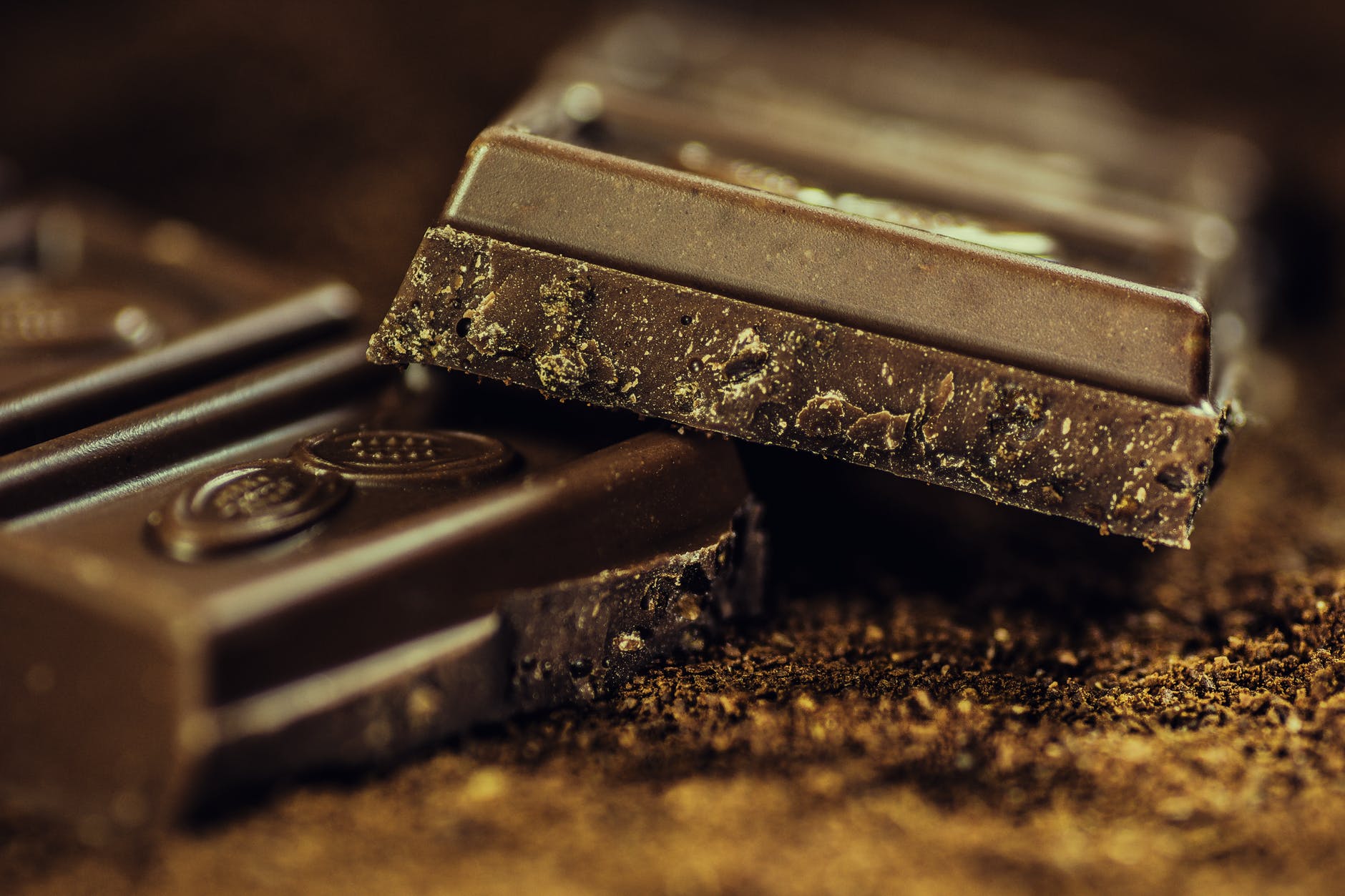
Ghana is well known for it’s dark chocolate. Infact, it is the 2nd largest chocolate exporter in the world. Several children are forced into child labour for the extraction of cocoa seeds and they are made to work from the crack of dawn till night. To keep the price of chocolate minimum, child labour is infused since children are not paid for their work. Top international chocolate brands such as Nestle, Hershey’s and Mars buy cocoa from them. Apart from child labour, there is another ritual since prevalent in Ghana that is inflicted upon young women. Trokosi or female ritual servitude still exists in parts of Ghana, Togo , Benin and parts of Nigeria too till this very day. It takes place when a member if a family commits a crime. The crime can be rape,theft , murder etc. And once the crime is uncovered the family members fear punishment from the gods. So in order to please the gods, the father of the family would take one of his virgin daughters and give her to a local shrine as atonement for the crimes made by the family member. The shrines are run by old male priests. The young girls are forced to work for these priests without any proper education, food or clothing and often raped and sexually assaulted and in many cases leaving her with children who continue to live and work in these shrines. However NGO’s and other human rights organizations are fighting this practice. Many individuals and private groups in Ghana have had successes in persuading priests to stop this practice. Since 1998, International Needs Ghana which is a local group played an integral part in a campaign which led to the release of around 2,800 Trokosi girls and the banning of the Trokosi practice in Ghana. Even Today, International Needs help many of the liberated girls by providing education and vocational training.At the Adidome Vocational Training Centre, the girls can take free training courses to learn new skills. They can learn how to bake, sew , make beauty products and so on. They are also given literacy classes.The centre also offers medical check-ups counselling and support for the girls. And once they are done with the training and leave the centre they are supported with equipments so they can begin their own small business and make a living.
The sculptor and father of the Indian Constitution, Dr. Babasaheb Ambedkar wrote the Indian constitution by studying the constitutions of about 60 countries. There was special status to Jammu and Kashmir and the northern region of India given in Article 370 of the Indian constitution. The larger region of Kashmir has been the subject of dispute between India, Pakistan, and China since 1947.
British rules in India ends after the partition in 1947. Jammu and Kashmir ruler Hari Singh signed the instrument of accession of J & K following an attack by Pakistani armies for the fight between Pakistan and India. In 1948 the war ended with a resolution for the people of Jammu and Kashmir to decide whether the part of Pakistan or India. According to the signed document of Hari Singh, only defense, external affairs, and communications would be handed over to the Government of India. There was a separate flag and independence over all matters. Article 370 was therefore introduced in the constitution to preserve the specific terms under which Kashmir had agreed to accede to India.
On 5 August 2019, the Parliament of India voted in favor of a resolution tabled by Home Minister Amit Shah to revoke the temporary special status, or autonomy, granted under Article 370 of the Indian Constitution to Jammu and Kashmir.
The most recent Chief Minister of Jammu and Kashmir, Mehbooba Mufti called it the “blackest day of Indian democracy”. She felt that the Indian Parliament snatched away everything from the people of Jammu and Kashmir. The Indian Government justified this action by saying that this will help end violence. The member of the Lok Sabha for Ladakh constituency praised the abrogation of Article 370 and proposed the formation of separate Ladakh union territory.
The studies of History never ceases to amaze us with its unfolding secrets, bizarre facts and notable events that took place throughout ages. History has made many rulers popular, many famous and many infamous through their deeds during their ruling periods. But, Cleopatra VII of Egypt, still remains a fantasy for the connoisseurs of History for her incredible brain and beauty. In Today’s editorial, we’re going to discuss about Cleopatra, the empress of Egypt who enticed the world with her inevitableruling skills and irresistiblecharm.
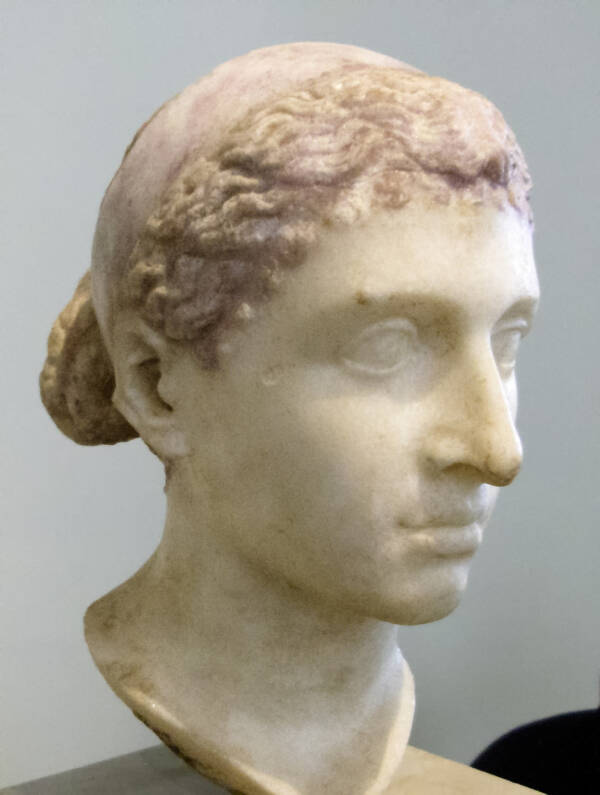
Cleopatra VII
Cleopatra: Who She Was
Cleopatra VII ruled ancient Egypt as co-regent (first with her father, then with her two younger brothers and finally with her son) for almost three decades. She was part of a dynasty of Macedonian rulers founded by Ptolemy, who served as general under Alexander the Great during his conquest of Egypt in 332 B.C. Well-educated and clever, Cleopatra could speak various languages and served as the dominant ruler in all three of her co-regencies. Her romantic liaisons and military alliances with the Roman leadersJulius Caesar and Mark Antony, as well as her supposed exotic beauty and powers of seduction, earned her an enduring place in history and popular myth.
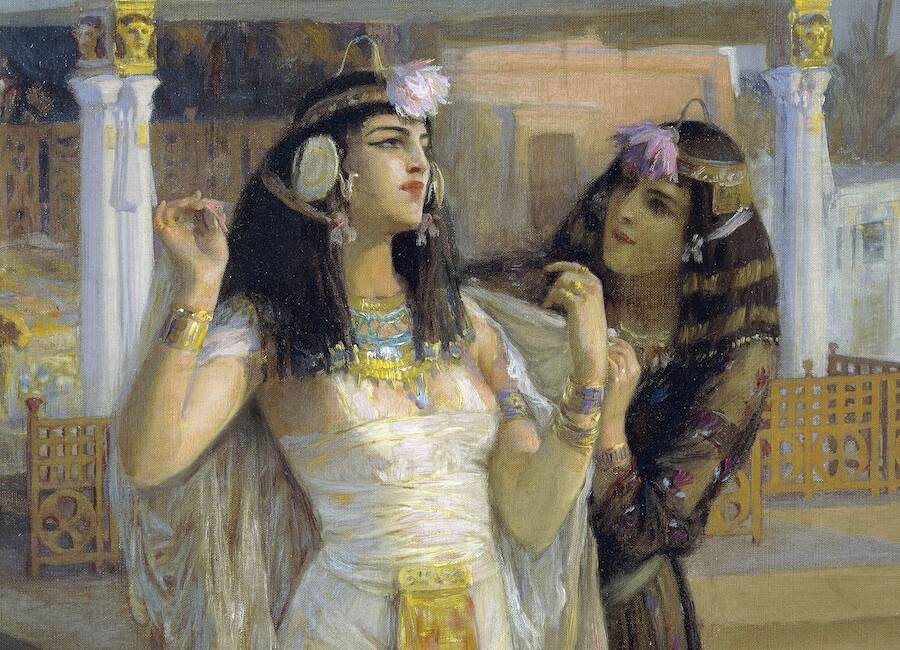
Artwork of Cleopatra, by Frederick Arthur Bridgman (1896)
Early Life and Ascension to The Throne
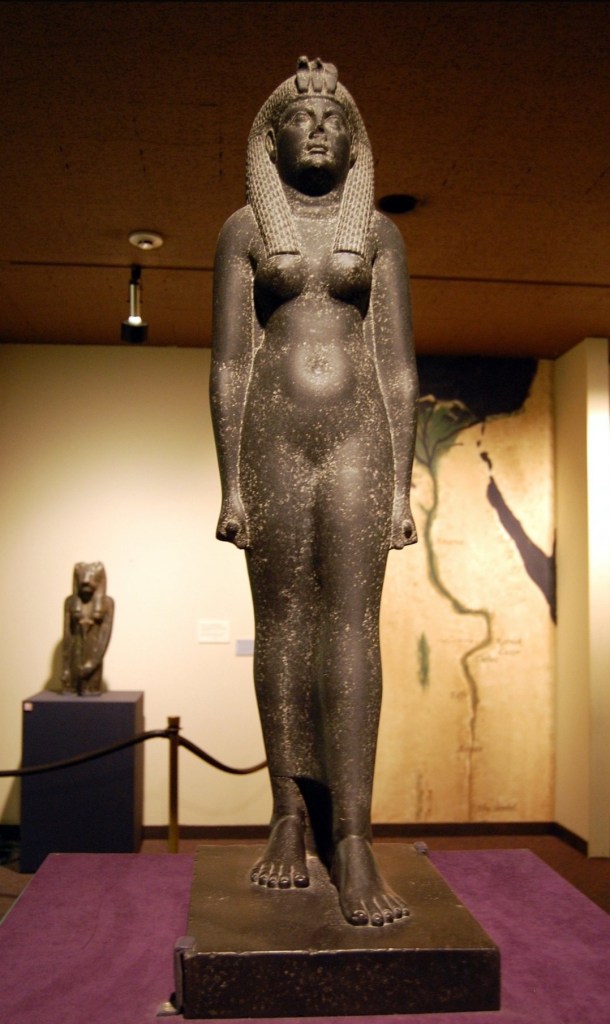
Cleopatra, in full Cleopatra VII Thea Philopator (born 70/69 BCE—died August 30 BCE, Alexandria) was the daughter of King Ptolemy XII Auletes. Cleopatra was destined to become the last queen of the Macedonian dynasty that ruled Egypt between the death of Alexander the Great in 323 BCE and its annexation by Rome in 30 BCE. The line had been founded by Alexander’s general Ptolemy, who became King Ptolemy I Soter of Egypt. Cleopatra was of Macedonian descent and had little, if any, Egyptian blood. Coin portraits of Cleopatra show a countenance alive rather than beautiful, with a sensitive mouth, firm chin, liquid eyes, broad forehead, and prominent nose. When Ptolemy XII died in 51 BCE, the throne passed to his young son, Ptolemy XIII, and daughter, Cleopatra VII. It is likely, but not proven, that the two married soon after their father’s death. The 18-year-old Cleopatra, older than her brother by about eight years, became the dominant ruler. Evidence shows that the first decree in which Ptolemy’s name precedes Cleopatra’s was in October of 50 BCE. Soon after, Cleopatra was forced to flee Egypt for Syria, where she raised an army and in 48 BCE returned to face her brother at Pelusium, on Egypt’s eastern border. The murder of the Roman general Pompey, who had sought refuge from Ptolemy XIII at Pelusium, and the arrival of Julius Caesar brought temporary peace.
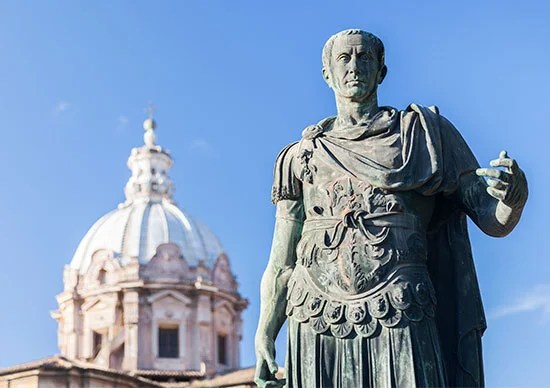
Statue of Julius Caesar in Rome, Italy
Cleopatra’s Romantic Roman Connection
Cleopatra realized that she needed Roman support, or, more specifically, Caesar’s support, if she was to regain her throne. Each was determined to use the other. Caesar sought money for repayment of the debts incurred by Cleopatra’s father, Auletes, as he struggled to retain his throne. Cleopatra was determined to keep her throne and, if possible, to restore the glories of the first Ptolemies and recover as much as possible of their dominions, which had included southern Syria and Palestine. Caesar and Cleopatra became lovers and spent the winter besieged in Alexandria. Roman reinforcements arrived the following spring, and Ptolemy XIII fled and drowned in the Nile. Cleopatra, now married to her brother Ptolemy XIV, was restored to her throne. In June 47 BCE she gave birth to Ptolem Caesar . The Child was believed to be Caesar’s child, and was known by the Egyptian people as Caesarion, or Little Caesar.
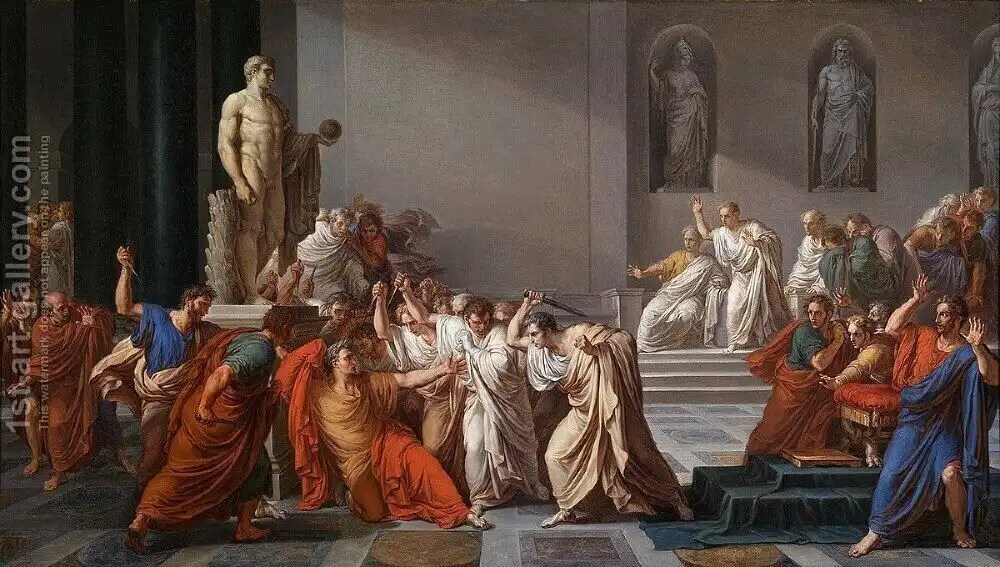
Assassination of Julius Caesar
Sometime in 46-45 B.C., Cleopatra traveled with Ptolemy XIV and Caesarion to Rome to visit Caesar, who had returned earlier. After Caesar was assasinated in March 44 B.C., Cleopatra went back to Egypt; Ptolemy XIV was killed soon after (possibly by Cleopatra’s agents) and the three-year-old Caesarion was named co-regent with his mother, as Ptolemy XV.
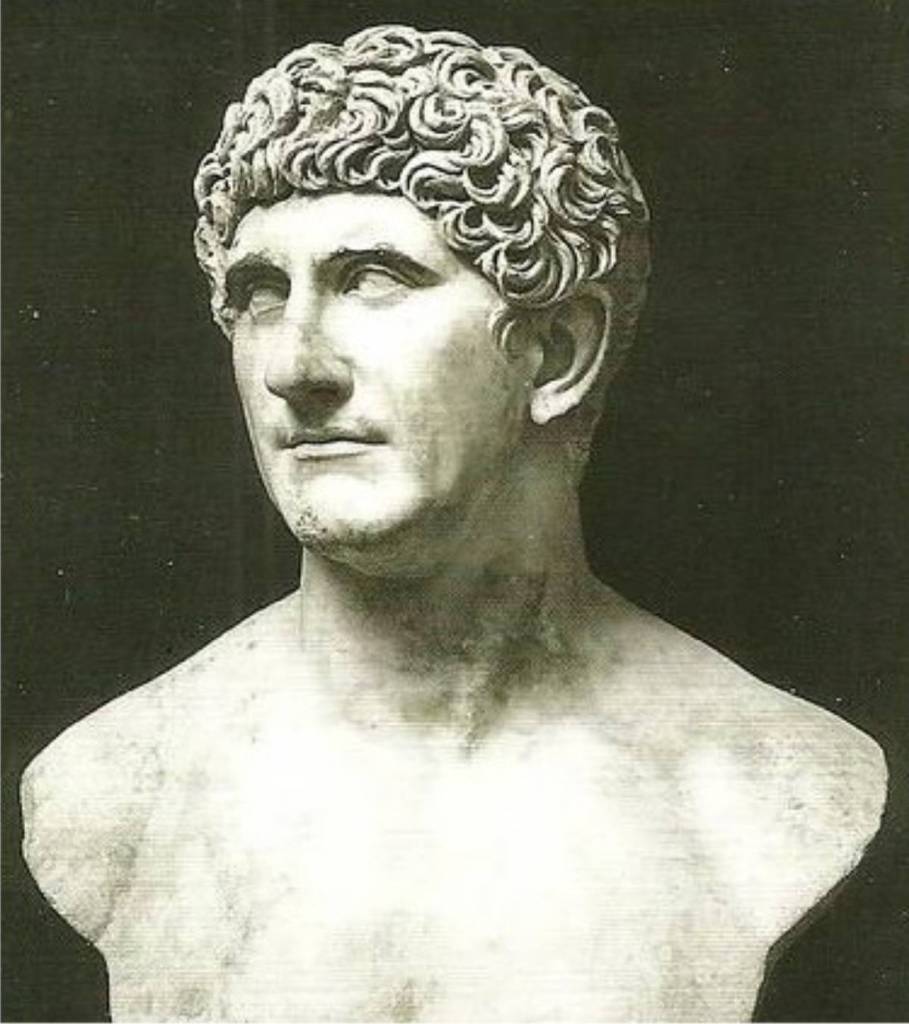
Mark Antony
Mark Antony: The Love of Cleopatra
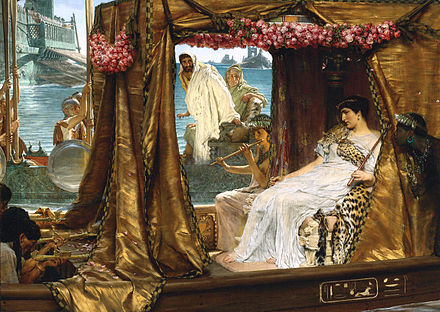
When, at the Battle of Phillpi in 42 BCE, Caesar’s assassins were routed, Mark Antony became the heir apparent of Caesar’s authority—or so it seemed, for Caesar’s great-nephew and personal heir, Octavian, was but a sickly boy. Antony, now controller of Rome’s eastern territories, sent for Cleopatra so that she might explain her role in the aftermath of Caesar’s assassination. She set out for Tarsus in Asia Minor loaded with gifts, having delayed her departure to heighten Antony’s expectation. She entered the city by sailing up the Cydnus River in a barge while dressed in the robes of the new Isis. Antony, who equated himself with the God Dionysus, was captivated.
Decadent affair between Mark Antony and Cleopatra
In 40 BCE Cleopatra gave birth to twins, whom she named Alexander Helios and Cleopatra Selene.
Cleopatra’s Death: The End
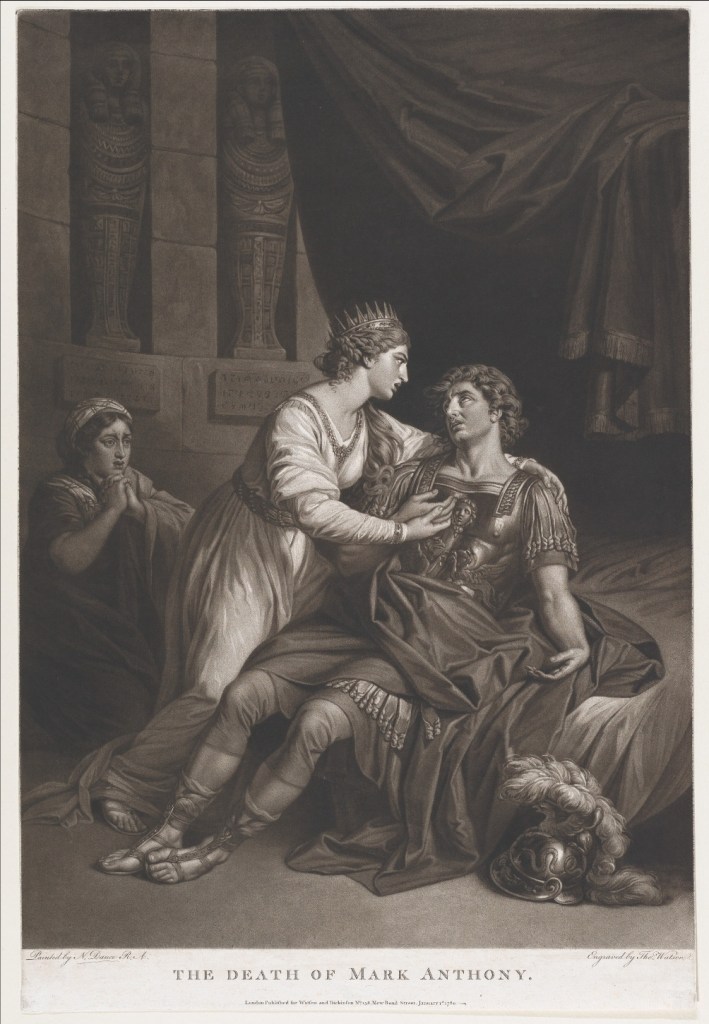
On September 2, 31 B.C., Octavian’s forces soundly defeated those of Antony and Cleopatra in the Battle of Actium . Cleopatra’s ships deserted the battle and fled to Egypt, and Antony soon managed to break away and follow her with a few ships. With Alexandria under attack from Octavian’s forces, Antony heard a rumour that Cleopatra had committed suicide. He fell on his sword, and died just as news arrived that the rumour had been false.
Mark Antony‘s Death
On August 12, 30 B.C., after burying Antony and meeting with the victorious Octavian, Cleopatra closed herself in her chamber with two of her female servants. The means of her death is uncertain, but Plutarch and other writers advanced the theory that she used a poisonous snake known as the asp, a symbol of divine royalty, to commit suicide at age 39. According to her wishes, Cleopatra’s body was buried with Antony’s, leaving Octavian (later Emperor AugustusI) to celebrate his conquest of Egypt and his consolidation of power in Rome.
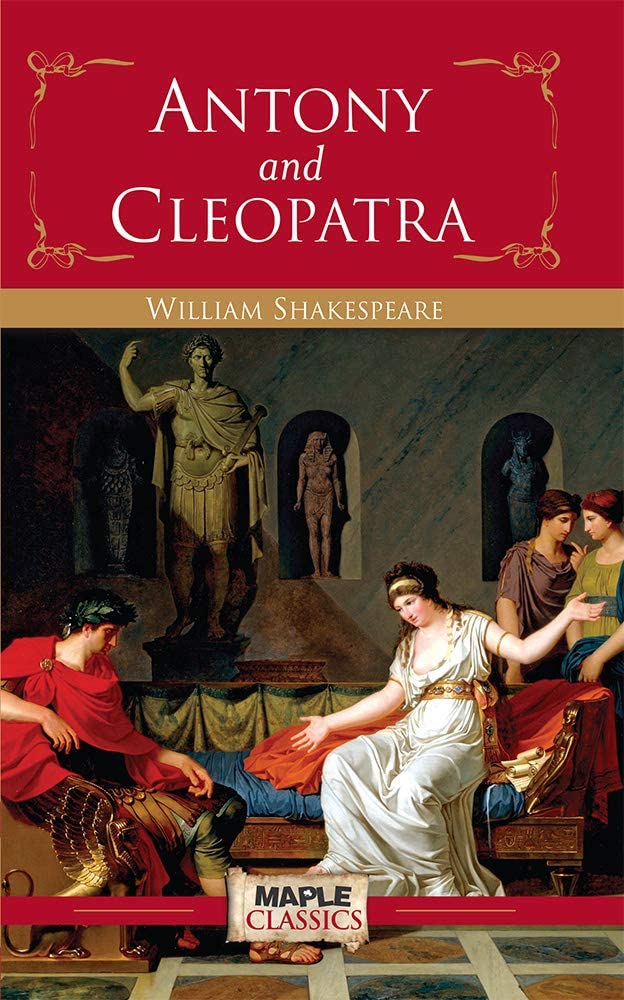
William Shakespeare‘s Antony and Cleopatra
Cleopatra: The Enchantress Throughout Ages
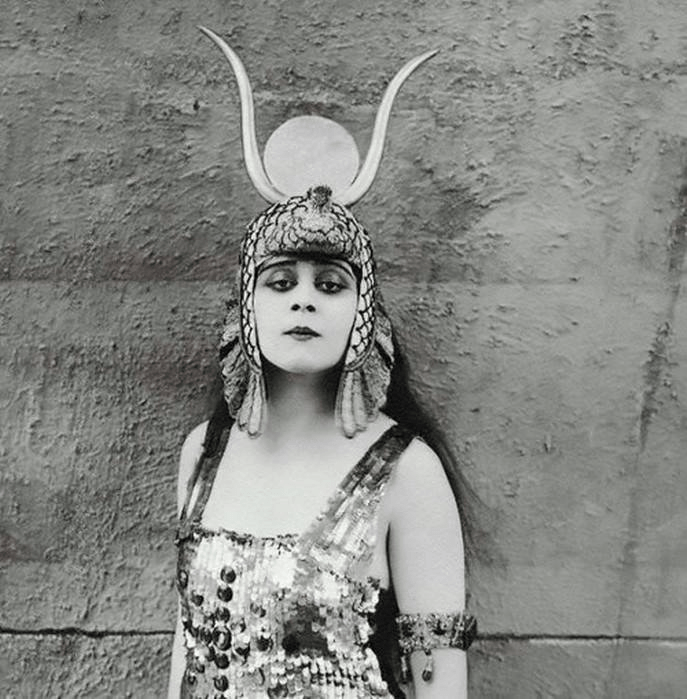
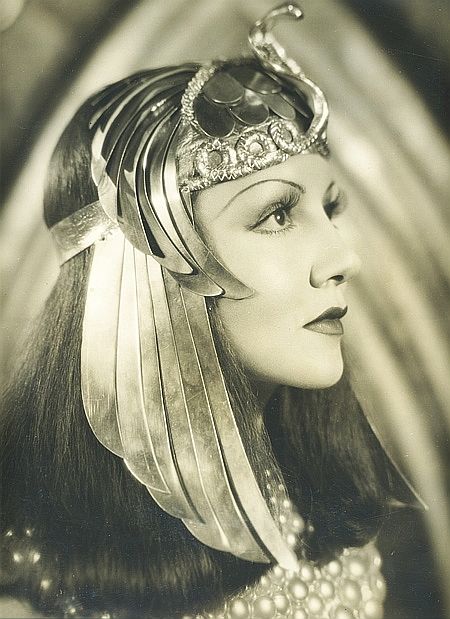
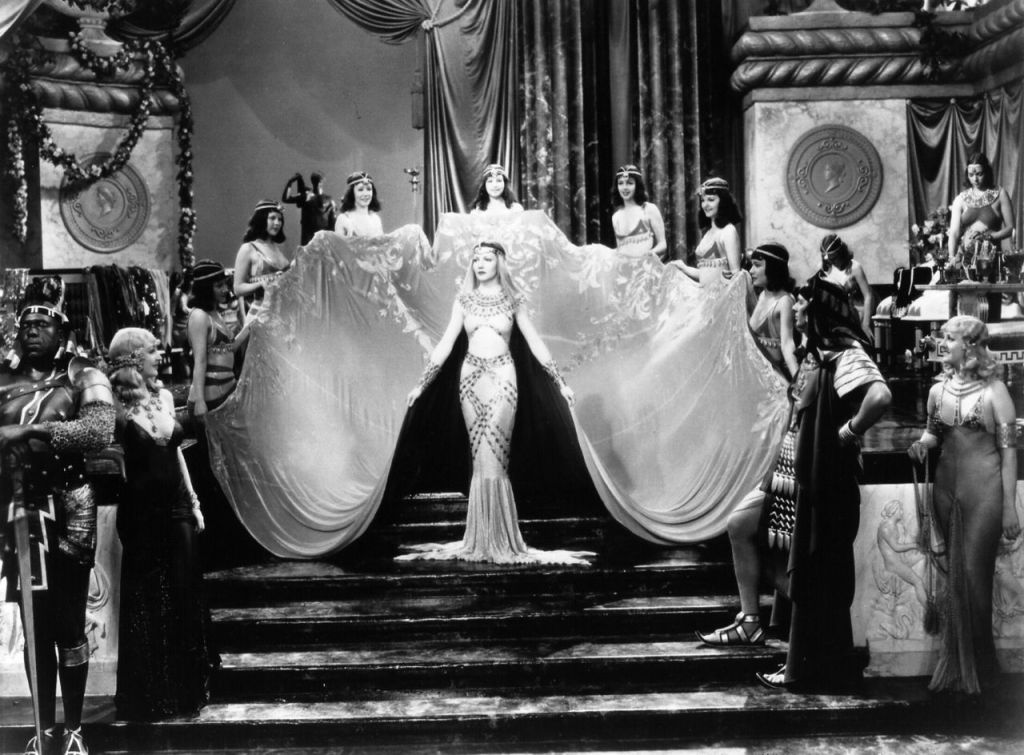
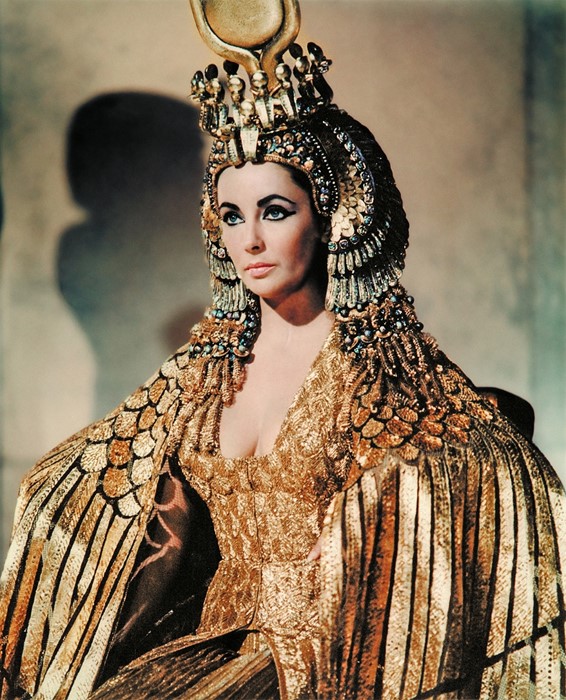
Cleopatra remains a charm to cultures having relevance even today. Her bizarre beauty hacks including pomegranatelip-tint and a bath regime curated out of jennet(female donkey) milk arestill a talk among Beauty enthusiasts. Her famous pearl in vinegar concoction drink stirs curiosity among people. Her life was made into various plays and movies. From Shakespeare stems a wealth of Cleopatra-themed art—plays, poetry, paintings, and operas. In the 20th century Cleopatra’s story was preserved and further developed through film.
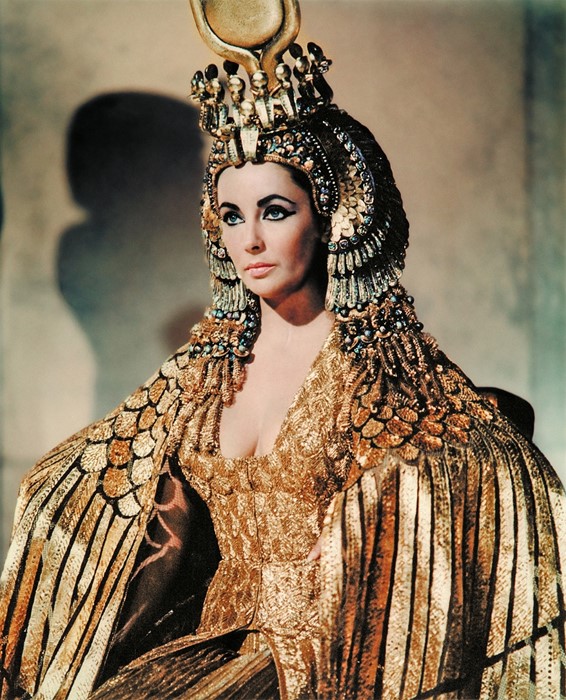
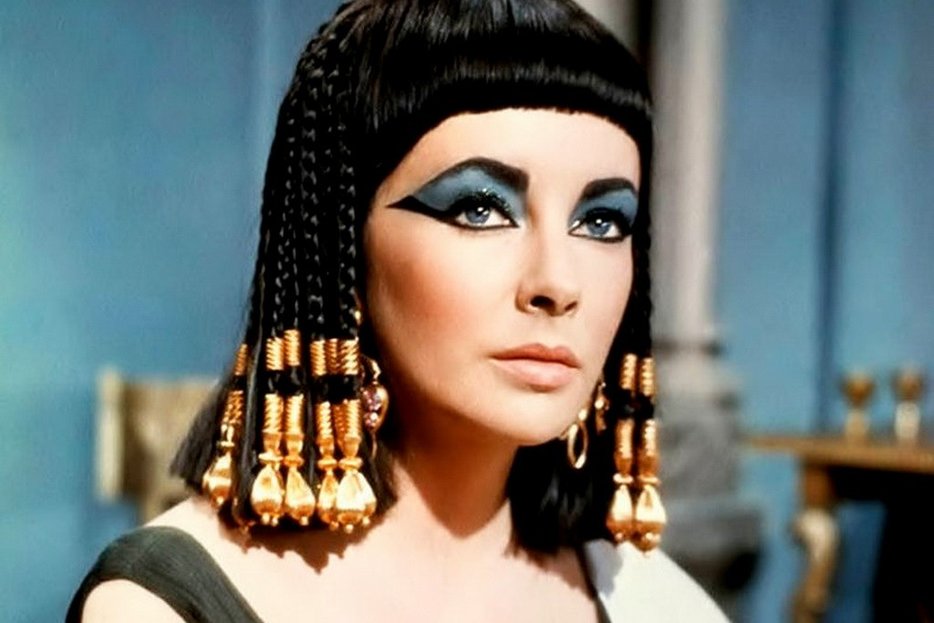
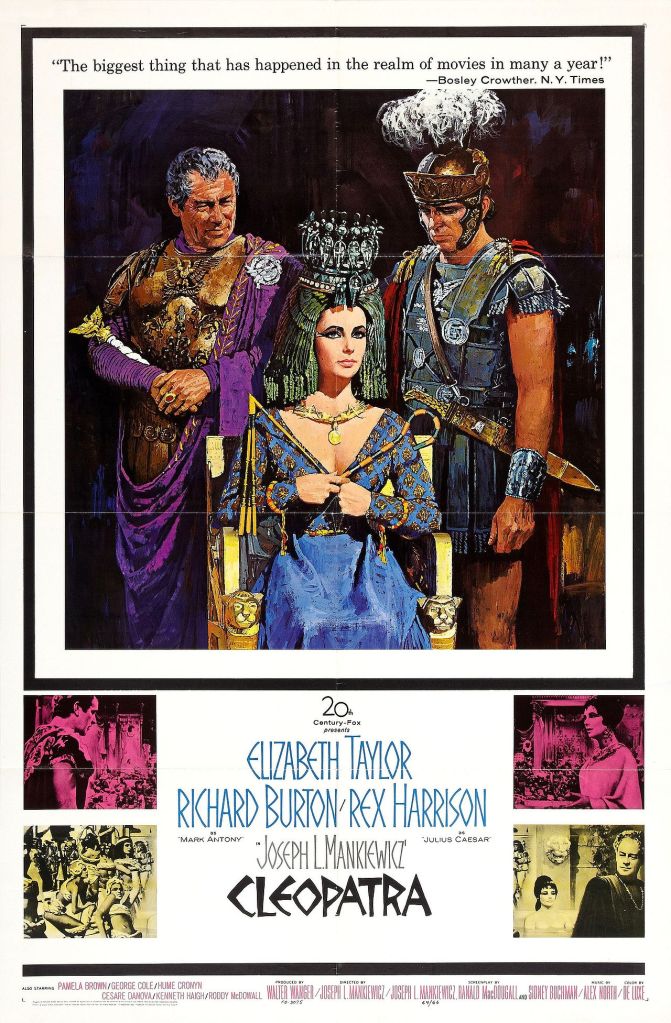
Theda Bara as Cleopatra (1917)Claudette Colbert as Cleopatra (1934)Cleopatra (1934)Elizabeth Taylor as Cleopatra (1963)Cleopatra (1963)Cleopatra (1963) poster
Many actresses, including Theda Bara (1917), Claudette Colbert (1934), and Elizabeth Taylor (1963), have played the queen, typically in expensive, exotic films that concentrate on the queen’s love life rather than her politics. Caesar and Cleopatra, four-act play by George Barnard Shaw , written in 1898, published in 1901, and first produced in 1906. It is considered Shaw’s first great play. Cleopatra, American epic movie, released in 1963, that was perhaps best known for its off-screen drama, notably production overruns that nearly bankrupted Twentieth Century-Fox and the affair between stars Elizabeth Taylor and Richard Burton.
Conclusion
A queen, an empress, a ruler, a passionate lover, a beauty with brain – Cleopatra was literally all in one. She’s definitely considered as one of the most celebrated queen recorded in World history. Tales of her rule and of her beauty still make her unforgettable to the modern Era of History learners. She was a legend, who is encrypted in History forever, with the never ending myths surrounding her life.






 Eduindex
You must be logged in to post a comment.