All you need to know about an Economic Recession.

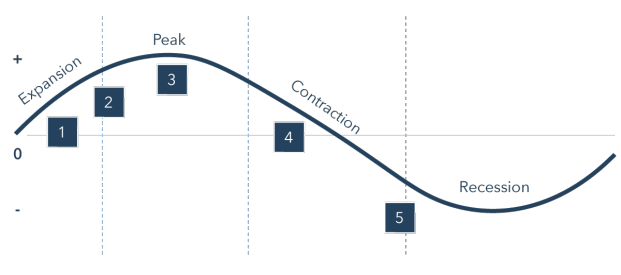
The National Bureau of Economic Research (NBER) defines a recession as “a significant decline in activity spread across the economy, lasting more than a few months, visible in industrial production, employment, real income, and wholesale-retail trade.” A recession is also believed to be signalled when businesses cease to expand, the GDP diminishes for two consecutive quarters, and the unemployment rate rises. The nature and causes of recessions are simultaneously evident and uncertain. Recessions are, in essence, a cluster of business failures being realized simultaneously. Firms are forced to reallocate resources, scale back production, limit losses, and, usually, lay off employees. Those are the clear and visible causes of recessions. There are several different ways to explain what causes a general cluster of business failures, why they are suddenly realized simultaneously, and how they can be avoided.
What Causes a Recession?

Some recessions can be traced to a clearly-defined cause. For instance, the recession of 1973-1975 began as a result of the 1973 oil crisis. However, most recessions are caused by a complex combination of factors, including high interest rates, low consumer confidence, and stagnant wages or reduced real income in the labour market. Other examples of recession causes include bank runs and asset bubbles.

Psychological Factors of a Recession

Psychological factors are frequently cited by economists for their contribution to recessions also. The excessive exuberance of investors during the boom years brings the economy to its peak. The reciprocal doom-and-gloom pessimism that sets in after a market crash at a minimum amplifies the effects of real economic and financial factors as the market swings. Moreover, because all economic actions and decisions are always to some degree forward-looking, the subjective expectations of investors, businesses, and consumers are often involved in the inception and spread of an economic downturn.

Economic Factors of a Recession

Real changes in economic fundamentals, beyond financial accounts and investor psychology, also make critical contributions to a recession. Some economists explain recessions solely due to fundamental economic shocks, such as disruptions in supply chains, and the damage they can cause to a wide range of businesses. Shocks that impact vital industries such as energy or transportation can have such widespread effects that they cause many companies across the economy to retrench and cancel investment and hiring plans simultaneously, with ripple effects on workers, consumers, and the stock market. There are economic factors that can also be tied back into financial markets. Market interest rates represent the cost of financial liquidity for businesses and the time preferences of consumers, savers, and investors for present versus future consumption. In addition, a central bank’s artificial suppression of interest rates during the boom years before a recession distorts financial markets and business and consumption decisions.
What Are the Indicators of a Recession?

Economists determine whether an economy is in recession by looking at a variety of statistics and trends. Factors that indicate a recession include:

  • Rising in unemployment
  • Rises in bankruptcies, defaults, or foreclosures
  • Falling interest rates
  • Lower consumer spending and consumer confidence
  • Falling asset prices, including the cost of homes and dips in the stock market

All of these factors can lead to an overall reduction in the Gross Domestic Product (GDP). The European Union and the United Kingdom define a recession as two or more consecutive quarters of negative real GDP growth.

Impact of Covid-19 Pandemic on the Economy

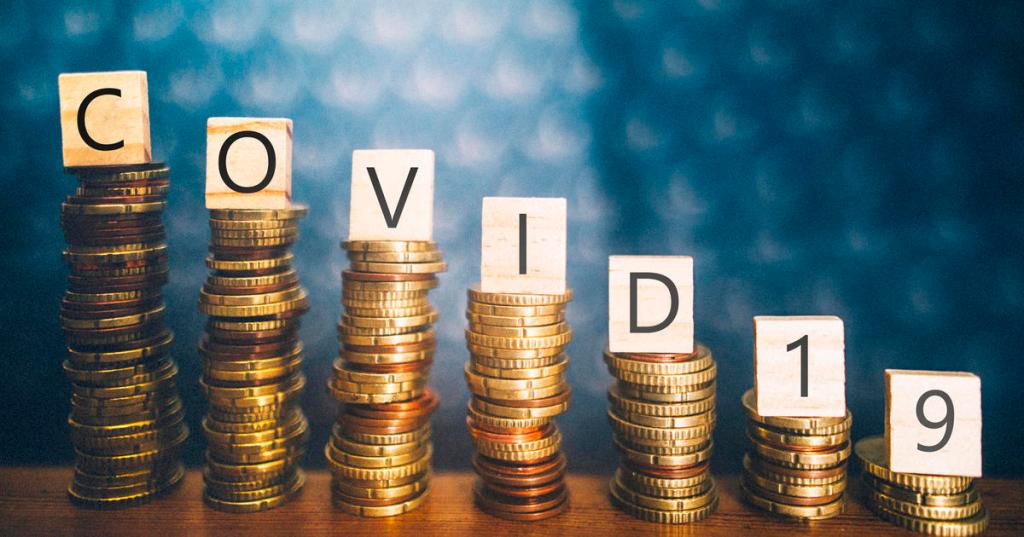
In February 2020, the National Bureau of Economic Research (NBER) announced that according to their data, the U.S. was in a recession due to the economic shock of the widespread disruption of global and domestic supply chains and direct damage to businesses across all industries. These events were caused by the COVID-19 epidemic and the public health response. Some of the underlying causes of the two-month recession (and economic hardship) in 2020 were the overextension of supply chains, razor-thin inventories, and fragile business models. The pandemic-related recession, according to NBER, ended in April 2020, but the financial hardship caused by the pandemic is still impacting Americans.
For simpler understanding-

https://www.youtube.com/watch?v=SwaCg7Gwtzw: All you need to know about an Economic Recession.

All you need to know about an Economic Recession.
The National Bureau of Economic Research (NBER) defines a recession as “a significant decline in activity spread across the economy, lasting more than a few months, visible in industrial production, employment, real income, and wholesale-retail trade.” A recession is also believed to be signalled when businesses cease to expand, the GDP diminishes for two consecutive quarters, and the unemployment rate rises. The nature and causes of recessions are simultaneously evident and uncertain. Recessions are, in essence, a cluster of business failures being realized simultaneously. Firms are forced to reallocate resources, scale back production, limit losses, and, usually, lay off employees. Those are the clear and visible causes of recessions. There are several different ways to explain what causes a general cluster of business failures, why they are suddenly realized simultaneously, and how they can be avoided.

What Causes a Recession?

Some recessions can be traced to a clearly-defined cause. For instance, the recession of 1973-1975 began as a result of the 1973 oil crisis. However, most recessions are caused by a complex combination of factors, including high interest rates, low consumer confidence, and stagnant wages or reduced real income in the labour market. Other examples of recession causes include bank runs and asset bubbles.

Psychological Factors of a Recession

Psychological factors are frequently cited by economists for their contribution to recessions also. The excessive exuberance of investors during the boom years brings the economy to its peak. The reciprocal doom-and-gloom pessimism that sets in after a market crash at a minimum amplifies the effects of real economic and financial factors as the market swings. Moreover, because all economic actions and decisions are always to some degree forward-looking, the subjective expectations of investors, businesses, and consumers are often involved in the inception and spread of an economic downturn.

Economic Factors of a Recession

Real changes in economic fundamentals, beyond financial accounts and investor psychology, also make critical contributions to a recession. Some economists explain recessions solely due to fundamental economic shocks, such as disruptions in supply chains, and the damage they can cause to a wide range of businesses. Shocks that impact vital industries such as energy or transportation can have such widespread effects that they cause many companies across the economy to retrench and cancel investment and hiring plans simultaneously, with ripple effects on workers, consumers, and the stock market. There are economic factors that can also be tied back into financial markets. Market interest rates represent the cost of financial liquidity for businesses and the time preferences of consumers, savers, and investors for present versus future consumption. In addition, a central bank’s artificial suppression of interest rates during the boom years before a recession distorts financial markets and business and consumption decisions.

What Are the Indicators of a Recession?

Economists determine whether an economy is in recession by looking at a variety of statistics and trends. Factors that indicate a recession include:

  • Rising in unemployment
  • Rises in bankruptcies, defaults, or foreclosures
  • Falling interest rates
  • Lower consumer spending and consumer confidence
  • Falling asset prices, including the cost of homes and dips in the stock market

All of these factors can lead to an overall reduction in the Gross Domestic Product (GDP). The European Union and the United Kingdom define a recession as two or more consecutive quarters of negative real GDP growth.

Impact of Covid-19 Pandemic on the Economy

In February 2020, the National Bureau of Economic Research (NBER) announced that according to their data, the U.S. was in a recession due to the economic shock of the widespread disruption of global and domestic supply chains and direct damage to businesses across all industries. These events were caused by the COVID-19 epidemic and the public health response. Some of the underlying causes of the two-month recession (and economic hardship) in 2020 were the overextension of supply chains, razor-thin inventories, and fragile business models. The pandemic-related recession, according to NBER, ended in April 2020, but the financial hardship caused by the pandemic is still impacting Americans.

For simpler understanding-

WINTER,SUMMER ANY SEASON UTILITIES OF LIFE

Source: lifehack

Modern time teaching us whatever we do in our lives must focus on mental peace and stability or at least provide importance in our daily routine meaning by listing few activities in our lifestyle make a huge impact on our personalities and Change outlook for life. Rather, only chasing the material aspect of life yet nothing against money to have even basic subsistence requires Money but one should aware with toxication of materialistic side of life.

 Mind is extremely is extremely fickle effected by any small incidents of life that could lead towards mental stress. If we work on mind by doing some things which makes unfavorable situation favourable. Moon denotes our mind, that changes frequently in days where other plants take much longer time to move like Saturn.

 However, several prevention are useful to calm down the mind. It will not provide 100% guarantee but gradually ensure the difference. The activities such as :

 Yoga

Source: Everyday health

Yoga is great method to relax your body and mind. It is not only improve flexibility of your body but help to heal the mind & soul simultaneously. It is helpful in arthritis, heart health, back pain, improves sleep disorder, determine more energy and higher moods, manage anxiety, reduce inflammation, boost immunity and improves mental health. Studies suggested, yoga is profitable to recover from cancer.

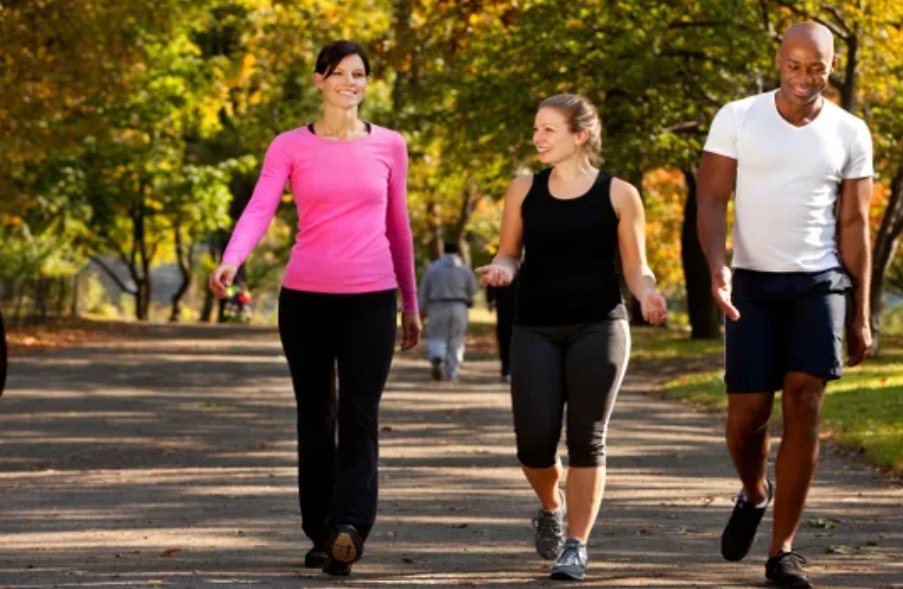
 walking

Source: Getty image

Walking is good for lung capacity improves heart diseases, reduces the chances of chronic diseases, stroke risk in ,work well on dementia risk, speed the digestive system, boots immunity, improves mood swings, lower blood pressure, delays the ageing, decrease the diabetes risk, beneficial for bones, boost memory and lower the risk of osteoporosis.

Engage in physical activities

Source: Loop – ca.com

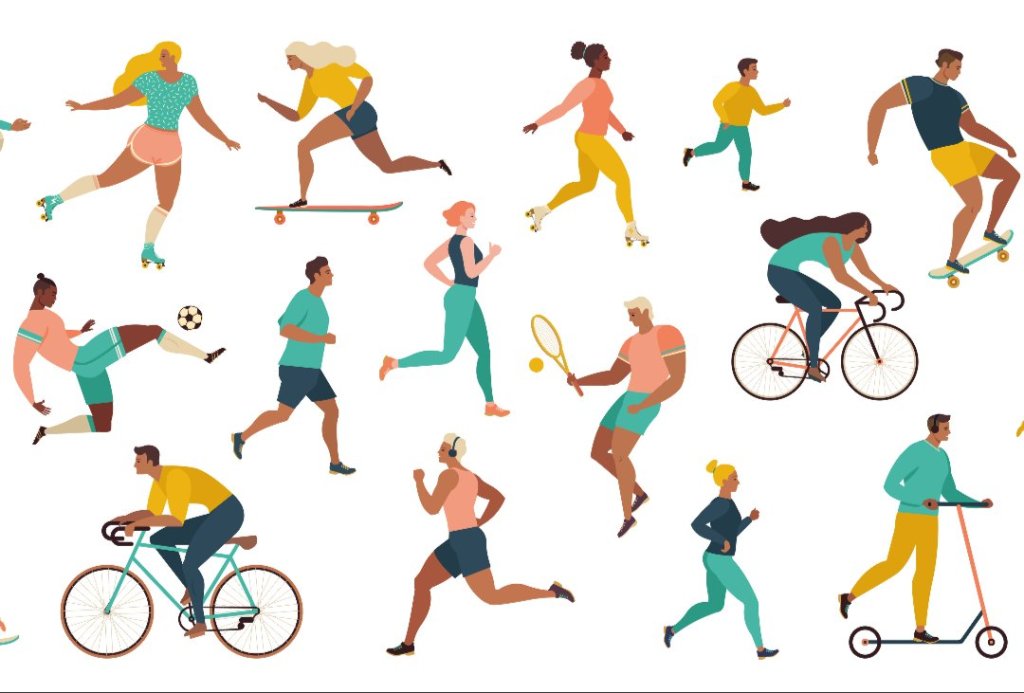
Physical activities like dancing, swimming, running, aerobics, bicycle and riding. Any physical burnout immediately improve quality of sleep, reduces the feeling of anxiety and blood pressure. In long term, provides benefits for chronic diseases prevention for instance, brain health, heart health and bone strength.

Meet with good vibe people

Source: Rakuten viber

Good people (co – workers, neighbor) friends uplift the individual with all affection without logic & second hand emotions, this is a kind of friend we all desire in our life but relationship based on barter have no future no matter, how long we were together but what matters how much you grow together.

Sit Alone

Source: Mindful.org

Sitting alone works as therapy, through it we can easily evaluate yourself but, here also a catch to evaluating need to Know ourselves and life. It build mental strength, improve the ability to stress management  and increased happiness, increase empathy, creativity, productivity and this is a best way to know ourselves.

 Run away from negative thoughts

Source: Mindful.org

Negative thoughts pinch everyone but to some people this pinch is too hard. It is our responsibility to stay away from those thoughts. How it will work as by above mentioned solutions.

Meditation

Source: Medium

Finally, now we reach to meditation part because starting meditation at first place will not work. We need to understand the essence of life then we incorporate something higher or divine like meditation. Meditation helps to gain new perspective on stressful situation, increase self awareness, patience & tolerance,. Reduce negative emotions, helpful to have focus. It can help us manage unwanted impulses.

Not in doing what you like, but in liking what you do is the secret of happiness – J.M Barrie

WINTER,SUMMER ANY SEASON UTILITIES OF LIFE

Source: lifehack

Modern time teaching us whatever we do in our lives must focus on mental peace and stability or at least provide importance in our daily routine meaning by listing few activities in our lifestyle make a huge impact on our personalities and Change outlook for life. Rather, only chasing the material aspect of life yet nothing against money to have even basic subsistence requires Money but one should aware with toxication of materialistic side of life.

 Mind is extremely is extremely fickle effected by any small incidents of life that could lead towards mental stress. If we work on mind by doing some things which makes unfavorable situation favourable. Moon denotes our mind, that changes frequently in days where other plants take much longer time to move like Saturn.

 However, several prevention are useful to calm down the mind. It will not provide 100% guarantee but gradually ensure the difference. The activities such as :

 Yoga

Source: Everyday health

Yoga is great method to relax your body and mind. It is not only improve flexibility of your body but help to heal the mind & soul simultaneously. It is helpful in arthritis, heart health, back pain, improves sleep disorder, determine more energy and higher moods, manage anxiety, reduce inflammation, boost immunity and improves mental health. Studies suggested, yoga is profitable to recover from cancer.

 walking

Source: Getty image

Walking is good for lung capacity improves heart diseases, reduces the chances of chronic diseases, stroke risk in ,work well on dementia risk, speed the digestive system, boots immunity, improves mood swings, lower blood pressure, delays the ageing, decrease the diabetes risk, beneficial for bones, boost memory and lower the risk of osteoporosis.

Engage in physical activities

Source: Loop – ca.com

Physical activities like dancing, swimming, running, aerobics, bicycle and riding. Any physical burnout immediately improve quality of sleep, reduces the feeling of anxiety and blood pressure. In long term, provides benefits for chronic diseases prevention for instance, brain health, heart health and bone strength.

Meet with good vibe people

Source: Rakuten viber

Good people (co – workers, neighbor) friends uplift the individual with all affection without logic & second hand emotions, this is a kind of friend we all desire in our life but relationship based on barter have no future no matter, how long we were together but what matters how much you grow together.

Sit Alone

Source: Mindful.org

Sitting alone works as therapy, through it we can easily evaluate yourself but, here also a catch to evaluating need to Know ourselves and life. It build mental strength, improve the ability to stress management  and increased happiness, increase empathy, creativity, productivity and this is a best way to know ourselves.

 Run away from negative thoughts

Source: Mindful.org

Negative thoughts pinch everyone but to some people this pinch is too hard. It is our responsibility to stay away from those thoughts. How it will work as by above mentioned solutions.

Meditation

Source: Medium

Finally, now we reach to meditation part because starting meditation at first place will not work. We need to understand the essence of life then we incorporate something higher or divine like meditation. Meditation helps to gain new perspective on stressful situation, increase self awareness, patience & tolerance,. Reduce negative emotions, helpful to have focus. It can help us manage unwanted impulses.

Not in doing what you like, but in liking what you do is the secret of happiness – J.M Barrie

Defining tourism in modern world

Career in Travel and Tourism- Top 6 Jobs Around the World - Leverage Edu

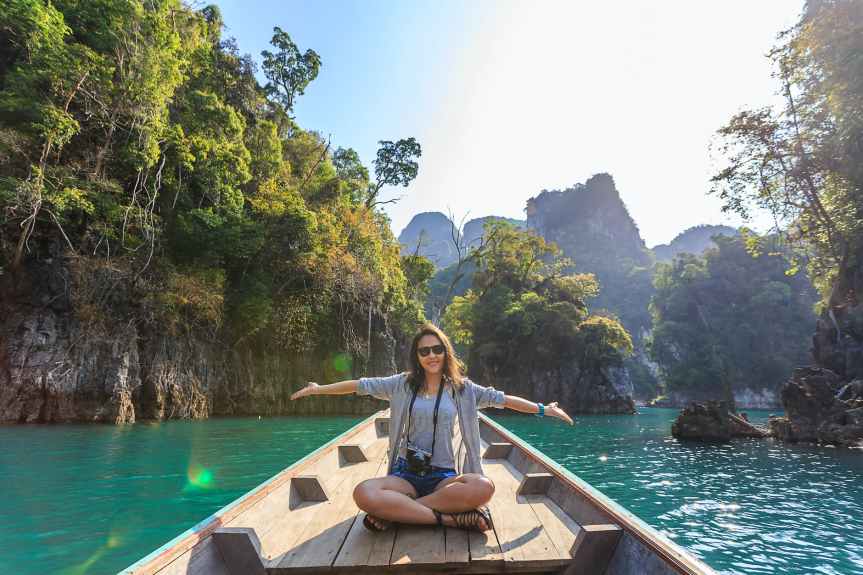
Tourism is one among those economic activities that existed since the ancient times. During ancient and medieval era people travelled to experience the cultural differences. Over the time tourism has also evolved and has become a significant contributor to the national income of many countries. There are many nooks and corners of the world which solely depends on tourism and its allied activities for their living.

Earlier the main motive behind visiting places were to see and experience their culture along with enjoying the natural beauty of the area. But, in this era of globalization the scope of tourism has widened and many nations are trying to gain a competitive edge in this industry. Let us take a look at various types of tourism now prevailing around us:

Cultural tourism

Cultural tourism is a type of tourism that allows the tourist to participate in local cultural activities, like festivals and rituals. As a result, the tourist can enjoy a genuine cultural exchange with the locals.

Religious tourism

Religious tourism, spiritual tourism, sacred tourism, or faith tourism, is a type of tourism with two main subtypes: pilgrimage, meaning travel for religious or spiritual purposes, and the viewing of religious monuments and artefacts, a branch of sightseeing.

Environmental tourism

Environmental tourism typically defined as travel to destinations where the flora, fauna, and cultural heritage are the primary attractions. Responsible ecotourism includes programs that minimize the adverse effects of traditional tourism on the natural environment, and enhance the cultural integrity of local people.

Health tourism

Health tourism is a form of tourism that consists of patients traveling to other countries to get medical treatment or assistance. It comprises all the services associated with tourism like transport, accommodation, and hospitality.

Culinary tourism

Culinary tourism is the focus on food as an attraction for exploration and a destination for tourism. Although food has always been a part of hospitality services for tourists, it was not emphasized by the tourism industry until the late 1990s.

Adventure tourism

Adventure tourism is defined as the movement of the people from one to another place outside their comfort zone for exploration or travel to remote areas, exotic and possibly hostile areas.

Enotourism

Enotourism, oenotourism, wine tourism, or vinitourism refers to tourism whose purpose is or includes the tasting, consumption or purchase of wine, often at or near the source.

Rural tourism

Rural tourism focuses on actively participating in a rural lifestyle. It can be a variant of ecotourism. Many villages can facilitate tourism because many villagers are hospitable and eager to welcome (and sometime even host) visitors. Agriculture is becoming highly mechanized and therefore, requires less manual labor.

Sports tourism

Sports tourism refers to travel which involves either observing or participating in a sporting event while staying apart from the tourists’ usual environment. Sport tourism is a fast-growing sector of the global travel industry and equates to $7.68 billion.

Eco tourism

Ecotourism is defined as “responsible travel to natural areas that conserves the environment, sustains the wellbeing of local people and involves interpretation and education”

Agritourism

Agro-tourism refers to people visiting working farms or other agricultural operations for the purpose of enjoyment, education, or other active involvement. Agri-tourism encompasses a wide variety of activities and provides a means for farmers to diversify and supplement their income.

Sustainable tourism

Sustainable tourism is defined by the UN Environment Program and UN World Tourism Organization as “tourism that takes full account of its current and future economic, social and environmental impacts, addressing the needs of visitors, the industry, the environment and host communities.”

Space tourism

Space tourism is a type of space travel that allows individuals to visit outer space for the purpose of recreation or leisure. Suborbital flights, orbital trips, and missions to distant planets are all examples of space tourism

Business tourism

  Business tourism is the provision of facilities and services to the millions of delegates who annually attend meetings, congresses, exhibitions, business events, incentive travel and corporate hospitality.

India is a country with wide scope for tourism. It should try to incentivize the emerging trends in tourism industry and strive to be a global leader.

Defining tourism in modern world

Career in Travel and Tourism- Top 6 Jobs Around the World - Leverage Edu

Tourism is one among those economic activities that existed since the ancient times. During ancient and medieval era people travelled to experience the cultural differences. Over the time tourism has also evolved and has become a significant contributor to the national income of many countries. There are many nooks and corners of the world which solely depends on tourism and its allied activities for their living.

Earlier the main motive behind visiting places were to see and experience their culture along with enjoying the natural beauty of the area. But, in this era of globalization the scope of tourism has widened and many nations are trying to gain a competitive edge in this industry. Let us take a look at various types of tourism now prevailing around us:

Cultural tourism

Cultural tourism is a type of tourism that allows the tourist to participate in local cultural activities, like festivals and rituals. As a result, the tourist can enjoy a genuine cultural exchange with the locals.

Religious tourism

Religious tourism, spiritual tourism, sacred tourism, or faith tourism, is a type of tourism with two main subtypes: pilgrimage, meaning travel for religious or spiritual purposes, and the viewing of religious monuments and artefacts, a branch of sightseeing.

Environmental tourism

Environmental tourism typically defined as travel to destinations where the flora, fauna, and cultural heritage are the primary attractions. Responsible ecotourism includes programs that minimize the adverse effects of traditional tourism on the natural environment, and enhance the cultural integrity of local people.

Health tourism

Health tourism is a form of tourism that consists of patients traveling to other countries to get medical treatment or assistance. It comprises all the services associated with tourism like transport, accommodation, and hospitality.

Culinary tourism

Culinary tourism is the focus on food as an attraction for exploration and a destination for tourism. Although food has always been a part of hospitality services for tourists, it was not emphasized by the tourism industry until the late 1990s.

Adventure tourism

Adventure tourism is defined as the movement of the people from one to another place outside their comfort zone for exploration or travel to remote areas, exotic and possibly hostile areas.

Enotourism

Enotourism, oenotourism, wine tourism, or vinitourism refers to tourism whose purpose is or includes the tasting, consumption or purchase of wine, often at or near the source.

Rural tourism

Rural tourism focuses on actively participating in a rural lifestyle. It can be a variant of ecotourism. Many villages can facilitate tourism because many villagers are hospitable and eager to welcome (and sometime even host) visitors. Agriculture is becoming highly mechanized and therefore, requires less manual labor.

Sports tourism

Sports tourism refers to travel which involves either observing or participating in a sporting event while staying apart from the tourists’ usual environment. Sport tourism is a fast-growing sector of the global travel industry and equates to $7.68 billion.

Eco tourism

Ecotourism is defined as “responsible travel to natural areas that conserves the environment, sustains the wellbeing of local people and involves interpretation and education”

Agritourism

Agro-tourism refers to people visiting working farms or other agricultural operations for the purpose of enjoyment, education, or other active involvement. Agri-tourism encompasses a wide variety of activities and provides a means for farmers to diversify and supplement their income.

Sustainable tourism

Sustainable tourism is defined by the UN Environment Program and UN World Tourism Organization as “tourism that takes full account of its current and future economic, social and environmental impacts, addressing the needs of visitors, the industry, the environment and host communities.”

Space tourism

Space tourism is a type of space travel that allows individuals to visit outer space for the purpose of recreation or leisure. Suborbital flights, orbital trips, and missions to distant planets are all examples of space tourism

Business tourism

  Business tourism is the provision of facilities and services to the millions of delegates who annually attend meetings, congresses, exhibitions, business events, incentive travel and corporate hospitality.

India is a country with wide scope for tourism. It should try to incentivize the emerging trends in tourism industry and strive to be a global leader.