
Doodling

Doodles are a common means of expression in today’s world. From Google’s daily doodles to Instagrammers’ daily posts, it is hard to pass an internet day without seeing a single doodle. Also, we all would have drawn a doodle at least once, while attending a bore lecture or during a uninteresting seminar.  More than those cartoons we see there are several other dimensions for a doodle. For some it is a stress buster and for some others it is a means of earnings. In this post, let us read more about doodles.

What is doodle?

A doodle is a drawing made while a person’s attention is otherwise occupied. Doodles are simple drawings that can have concrete representational meaning or may just be composed of random and abstract lines, generally without ever lifting the drawing device from the paper, in which case it is usually called a scribble.

It is generally associated with toddlers and as a means of increasing hand coordination. Typical examples of doodling are found in school notebooks, often in the margins, drawn by students daydreaming or losing interest during class.

Impacts of doodle

Effects on memory

According to a study published in the scientific journal Applied Cognitive Psychology, doodling can aid a person’s memory by expending just enough energy to keep one from daydreaming, which demands a lot of the brain’s processing power, as well as from not paying attention. Thus, it acts as a mediator between the spectrum of thinking too much or thinking too little and helps focus on the current situation. The study was done by Professor Jackie Andrade, of the School of Psychology at the University of Plymouth, who reported that doodlers in her experiment recalled 7.5 pieces of information (out of 16 total) on average, 29% more than the average of 5.8 recalled by the control group made of non-doodlers.

Comprehension skills

Doodling has positive effects on human comprehension as well. Creating visual depictions of information allows for a deeper understanding of material being learned. When doodling, a person is engaging neurological pathways in ways that allow for effective and efficient sifting and processing of information. For these reasons, doodling is used as an effective study tool and memory device.

As a therapeutic device

Doodling can be used as a stress relieving technique. This is similar to other motor activities such as fidgeting or pacing that are also used to alleviate mental stress. According to a review of over 9,000 submitted doodles, nearly 2/3 of respondents recalled doodling when in a “tense or restless state” as a means to reduce those feelings. Scientists believe that doodling’s stress relieving properties arise from the way that the act of doodling engages with the brain’s default mode network.

Types of doodling:

Zentangle

The Zentangle Method is an easy-to-learn, relaxing, and fun way to create beautiful images by drawing structured patterns. We call these patterns, tangles. You create tangles with combinations of dots, lines, simple curves, S-curves and orbs. These simple shapes are the “Elemental Strokes” in all Zentangle art.

Mandala

Mandala painting is a symbolic picture of the universe, the circle that represents wholeness, totality, infinity, timelessness, and unity. Mandala is famously known as a spiritual and ritual symbol in many Asian cultures.

Zendoodling

Zendoodling is the art of drawing designs using structured patterns or “Zentangle.” When you draw a Zen doodle, you’re creating a work of art, but you’re also deliberately creating a mood, focus, and state of mind.
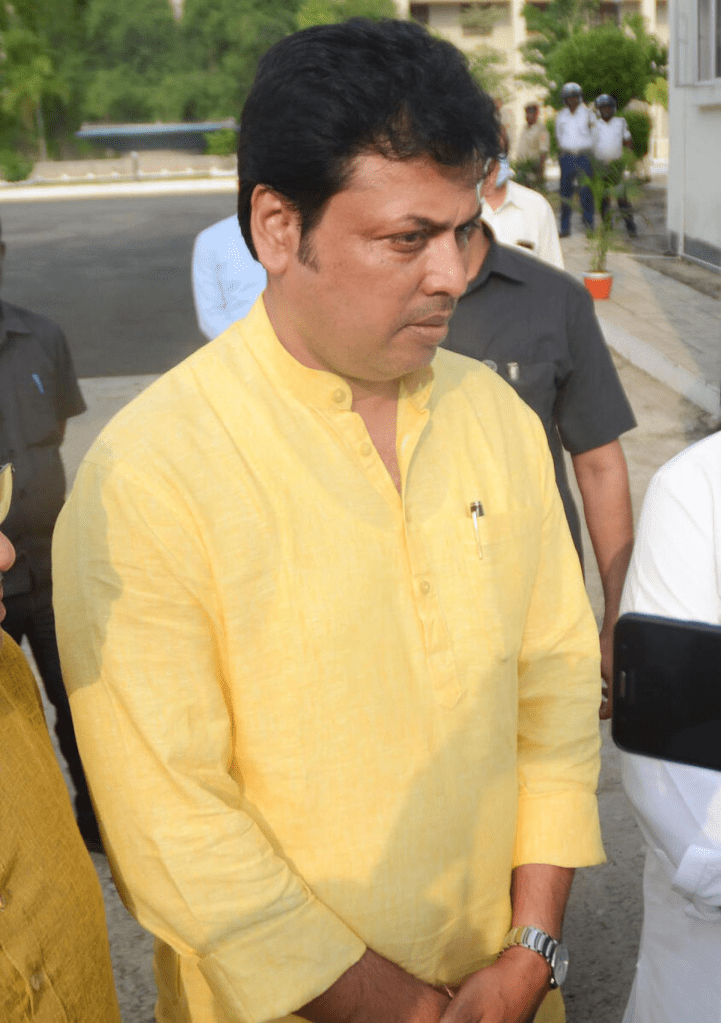
BJP changes Tripura CM

BJP leader Biplab Kumar Deb after submitting his resignation as CM of Tripura to State Governor Satyadev Narayan Arya in Agartala.

BJP made Rajya Sabha MP Manik Saha the new Chief Minister of Tripura, succeeding Biplab Kumar Deb who resigned earlier on Saturday. Dr. Saha, the BJP’s State president, was elected the legislature party leader at a meeting at the Chief Minister’s official residence soon after Mr. Deb tendered his resignation to Governor S.N. Arya.

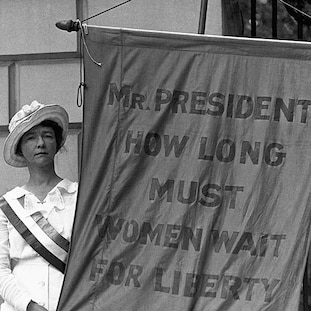
The women’s suffrage movement

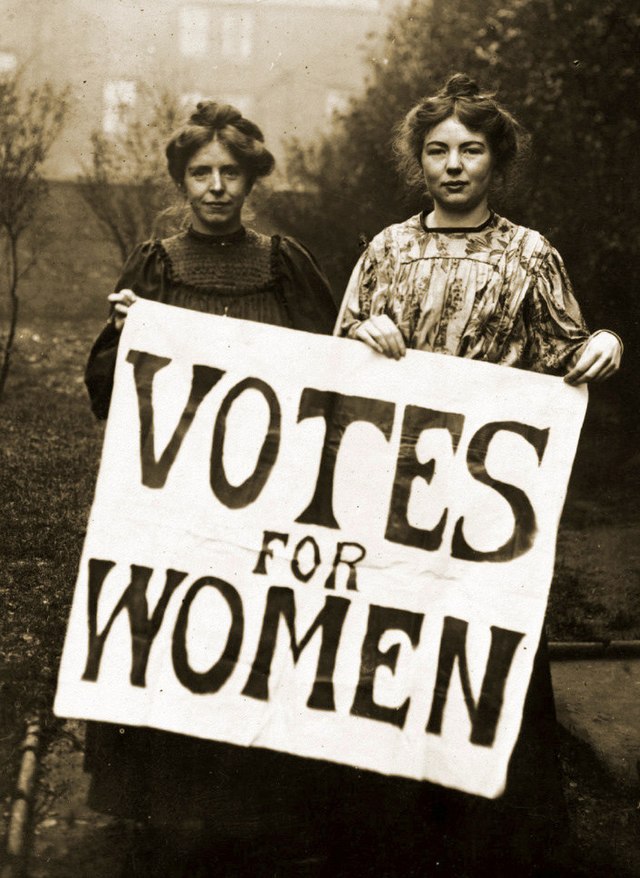
The Nineteenth Amendment to the US Constitution was ratified on August 18, 1920. It declares that “The right of citizens of the United States to vote shall not be denied or abridged by the United States or by any State on account of sex. Congress shall have power to enforce this article by appropriate legislation. “The amendment, which granted women the right to vote, represented the pinnacle of the women’s suffrage movement, which was led by the National American Woman Suffrage Association (NAWSA).In their decades-long struggle for female enfranchisement, women’s rights advocates met with strong opposition from anti-suffrage activists.

The women’s suffrage movement has its origins in the Seneca Falls Convention of 1848, the first women’s rights convention ever held in the United States. Approximately three hundred activists, female and male, gathered to discuss the condition of women and to devise strategies for achieving social and political rights for women. Though women’s suffrage was a topic of debate at the convention, it was not the main goal of the movement at this early stage, and the convention’s resolution demanding women’s suffrage was the only resolution that was not passed unanimously.

The first women’s suffrage organizations were created in 1869. Susan B. Anthony and Elizabeth Cady Stanton founded the National Woman Suffrage Association (NWSA), while Lucy Stone, Julia Ward Howe, and Henry Blackwell founded the American Woman Suffrage Association (AWSA). These two rival groups were divided over the Fifteenth Amendment, which guaranteed African American men the right to vote. The AWSA supported the Fifteenth Amendment, while the NWSA opposed it because it did not include suffrage for women. In 1890, the two competing organizations were merged into the National American Woman Suffrage Association (NAWSA).

During the 1870s, suffragists (women’s suffrage activists) began attempting to vote at polling places and filing lawsuits when their attempts were rejected. This drew attention to the women’s rights movement, particularly after Susan B. Anthony was arrested and put on trial for voting in the 1872 presidential election. Suffragists hoped that the lawsuits would work their way up to the Supreme Court, and that the justices would declare that women had a constitutional right to vote. In 1875, the Supreme Court, rejected women’s suffrage, ruling that the US Constitution did not confer the right of suffrage to anyone.

After the Supreme Court ruling, leaders of the women’s rights movement adopted other strategies for securing universal suffrage. Activists began organizing a drive to pass a constitutional amendment guaranteeing women the right to vote. The National American Woman Suffrage Association launched a campaign to achieve victories at the state level, in the hopes that if enough states allowed women the right to vote, federal legislation would follow. These efforts were so successful that by the time of the ratification of the Nineteenth Amendment, over half of all states had already granted limited voting rights to women.

The Nineteenth Amendment

In January, 1878, Republican Senator Aaron A. Sargent of California formally introduced in the Senate a constitutional amendment to guarantee women the vote. The bill languished in committee until 1887, when it finally went up to a vote, and was defeated. Not until 1914 was another constitutional amendment for women’s rights considered, and again rejected, by the Senate.

Though the movement for women’s suffrage was well-organized and gaining momentum by the early twentieth century, it met with strong opposition from some sectors of US society. Brewers and distillers were opposed to female enfranchisement because they assumed that women would vote for the prohibition of alcoholic beverages, while businesses that employed children feared that women would vote to eliminate child labour. Anti-suffrage organizations sprang up all over the country to oppose the drive for female enfranchisement. Anti-suffrage activists were not just men; indeed, many upper class women joined the movement, arguing that politics was a dirty business that would sully the moral and spiritual authority of women

The National American Woman Suffrage Association in 1900, launched an effort to link the drive for female suffrage to the US war effort in the First World War. Though many of her fellow suffragists were anti-war pacifists, Catt made the controversial decision to support the war and to thereby portray the women’s suffrage movement as patriotic. The effort was a success; in his 1918 State of the Union address, President Woodrow Wilson declared his support for female enfranchisement.

On August 18, 1920, Congress ratified the Nineteenth Amendment, which guaranteed the right to vote to all US citizens regardless of sex. The Nineteenth Amendment represented a major victory and a turning point in the women’s rights movement.

The women’s suffrage movement

The Nineteenth Amendment to the US Constitution was ratified on August 18, 1920. It declares that “The right of citizens of the United States to vote shall not be denied or abridged by the United States or by any State on account of sex. Congress shall have power to enforce this article by appropriate legislation. “The amendment, which granted women the right to vote, represented the pinnacle of the women’s suffrage movement, which was led by the National American Woman Suffrage Association (NAWSA).In their decades-long struggle for female enfranchisement, women’s rights advocates met with strong opposition from anti-suffrage activists.

The women’s suffrage movement has its origins in the Seneca Falls Convention of 1848, the first women’s rights convention ever held in the United States. Approximately three hundred activists, female and male, gathered to discuss the condition of women and to devise strategies for achieving social and political rights for women. Though women’s suffrage was a topic of debate at the convention, it was not the main goal of the movement at this early stage, and the convention’s resolution demanding women’s suffrage was the only resolution that was not passed unanimously.

The first women’s suffrage organizations were created in 1869. Susan B. Anthony and Elizabeth Cady Stanton founded the National Woman Suffrage Association (NWSA), while Lucy Stone, Julia Ward Howe, and Henry Blackwell founded the American Woman Suffrage Association (AWSA). These two rival groups were divided over the Fifteenth Amendment, which guaranteed African American men the right to vote. The AWSA supported the Fifteenth Amendment, while the NWSA opposed it because it did not include suffrage for women. In 1890, the two competing organizations were merged into the National American Woman Suffrage Association (NAWSA).

During the 1870s, suffragists (women’s suffrage activists) began attempting to vote at polling places and filing lawsuits when their attempts were rejected. This drew attention to the women’s rights movement, particularly after Susan B. Anthony was arrested and put on trial for voting in the 1872 presidential election. Suffragists hoped that the lawsuits would work their way up to the Supreme Court, and that the justices would declare that women had a constitutional right to vote. In 1875, the Supreme Court, rejected women’s suffrage, ruling that the US Constitution did not confer the right of suffrage to anyone.

After the Supreme Court ruling, leaders of the women’s rights movement adopted other strategies for securing universal suffrage. Activists began organizing a drive to pass a constitutional amendment guaranteeing women the right to vote. The National American Woman Suffrage Association launched a campaign to achieve victories at the state level, in the hopes that if enough states allowed women the right to vote, federal legislation would follow. These efforts were so successful that by the time of the ratification of the Nineteenth Amendment, over half of all states had already granted limited voting rights to women.

The Nineteenth Amendment

In January, 1878, Republican Senator Aaron A. Sargent of California formally introduced in the Senate a constitutional amendment to guarantee women the vote. The bill languished in committee until 1887, when it finally went up to a vote, and was defeated. Not until 1914 was another constitutional amendment for women’s rights considered, and again rejected, by the Senate.

Though the movement for women’s suffrage was well-organized and gaining momentum by the early twentieth century, it met with strong opposition from some sectors of US society. Brewers and distillers were opposed to female enfranchisement because they assumed that women would vote for the prohibition of alcoholic beverages, while businesses that employed children feared that women would vote to eliminate child labour. Anti-suffrage organizations sprang up all over the country to oppose the drive for female enfranchisement. Anti-suffrage activists were not just men; indeed, many upper class women joined the movement, arguing that politics was a dirty business that would sully the moral and spiritual authority of women

The National American Woman Suffrage Association in 1900, launched an effort to link the drive for female suffrage to the US war effort in the First World War. Though many of her fellow suffragists were anti-war pacifists, Catt made the controversial decision to support the war and to thereby portray the women’s suffrage movement as patriotic. The effort was a success; in his 1918 State of the Union address, President Woodrow Wilson declared his support for female enfranchisement.

On August 18, 1920, Congress ratified the Nineteenth Amendment, which guaranteed the right to vote to all US citizens regardless of sex. The Nineteenth Amendment represented a major victory and a turning point in the women’s rights movement.

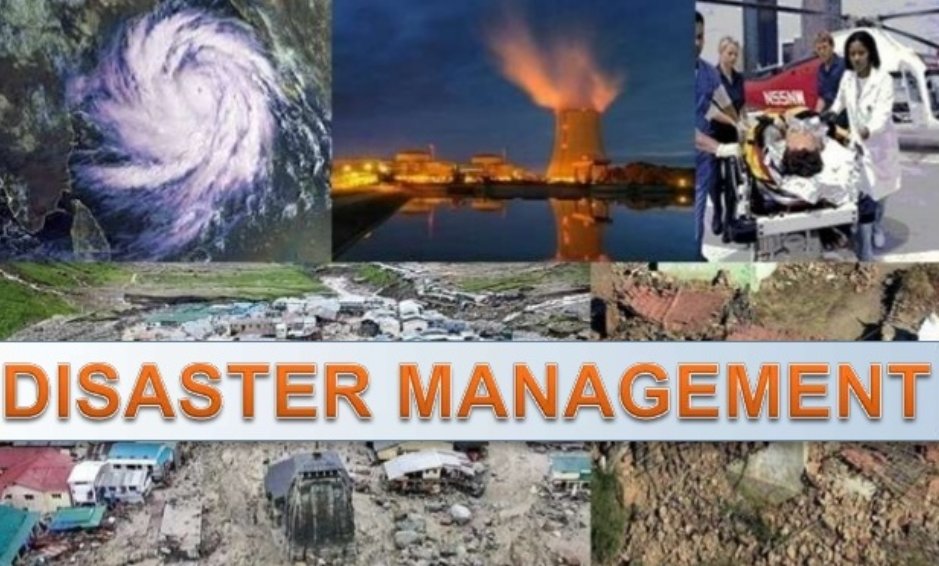
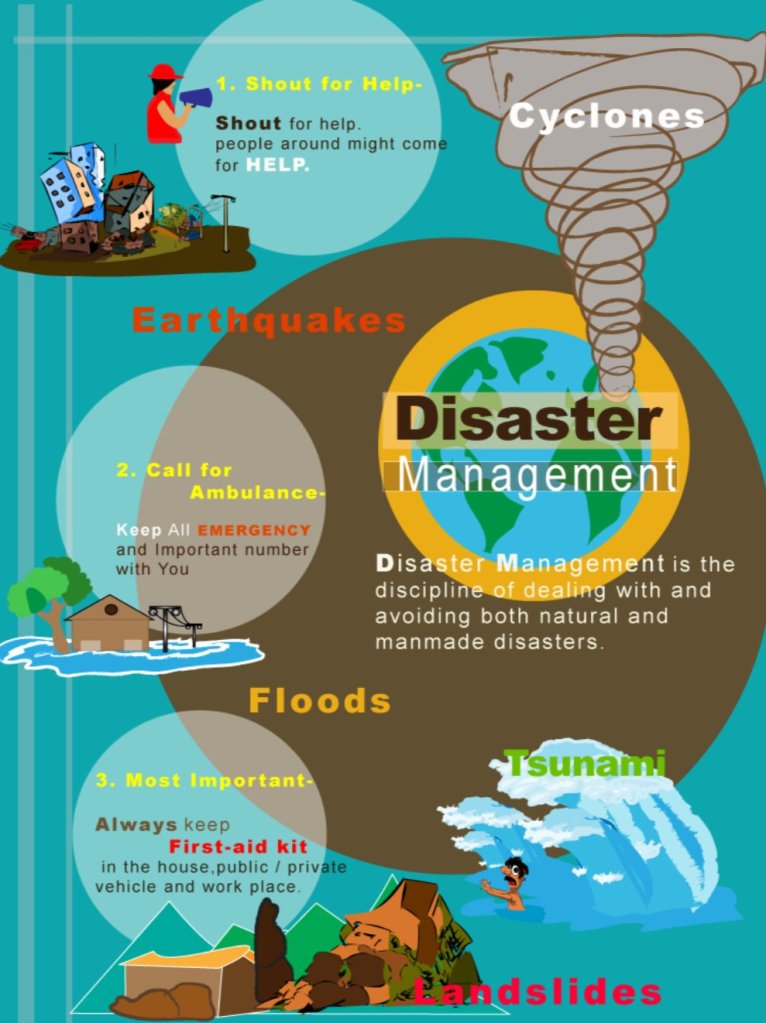
Actions of State and Non State Actors in Disaster Management

Source: lawwn

In contemporary time, Managing disasters is a highly dynamic, complex  and multifaceted affair. It is about to coordinated and contributions by a broad range of actors, including states, international organizations, non – governmental organizations, humanitarian organization, charities, private philanthropists, companies and affected local communities.

State Actors must perform some duties related to provide legitimacy to the operation, ensure coordination of various actors, provide information to needy agencies for Operation purpose, determine sufficient deputation of para military yo ensure smooth rescue and relief operation. Proper post disaster rescue and relief operation.

Contribution of Specialized Agencies in Disaster Management

There are several agencies apart from NDRF that play an significant role in Disaster management and hence they maintained in ‘standard operating procedure’ and prescribed definite role.

Civil Defence performance of some or all of the humanitarian tasks intended to protect the civilian population against the dangers and to help to recover from immediate effects of hostilities or disasters and also provide the conditions necessary for it’s survival.

Source: National Health Portal

Management of blackout measures; Rescue, medical services, including first aid and religious assistance, fire fighting are necessary components. Decontamination and take protective measures, emergency accommodation, emergency assistance in the restoration and repair indispensable public utilities. Assistance in preservation of essential objects for survival and complementary activities necessary to carry out any task.

Civil Defence Act 1968, is organized in areas and zones which are tactically and strategically considered vulnerable from the point of aggressive opposite side. Civil Defence activities are restricted to 225 categorized towns spread over 35 States/Union Territories. Civil Defence is primarily organized on voluntary.

The immediate response of any calamity comes straight to Police station. Their immediate help and responsibility is to communicate the information and Provide rescue efforts with whatever resources are available. In disaster management if police is first responder they need to fully equipped with effective resources. Police should involved in the preparation of the local Crisis/Disaster Plan.

The role of home guards is to serve as an auxiliary to the police in the maintenance of internal security, help the community in any kind of emergency such as fire, cyclone, earthquake, epidemic etc help in maintenance if essential services, promote communal harmony and assist the Administration in protecting weaker sections, participation in socio economic and welfare activities and perform Civil Defence duties.

Home guard facility not available in Kerala. Home guards act, rules of the states are the same. They are recruited across the section of the society whoever available for betterment of community. Home guards duties like any other public servant but not in the case of Civil Defence both are like voluntary corps.

Fire services have been set up by the state government with Union government providing technical and financial support. Fire services play prominent role in all types of disaster and fire related crisis. There is an urgent need to train and equip the fire to handle all types of crisis in any multi hazard crisis.

Armed forces have invariably played an important role in rescue and relief operation in all major disasters in the country. The contribution of Specialized NDRF battalions would reduce the pressure on the armed forces. Availability of highly trained dedicated and we’ll equipped human resources and their capability to play a vital role in rescue and relief during all major crises. They should be mobilized for creating a voluntary disaster task force at the local level.

 Contribution of Non State Actors

Non State Actors are those who are first respondents in case of Disaster and considered to perform few tasks like ensuring dissemination of information to the ground level. Promotion of government strategies and policies to counter disaster. Ensure community participation, the corporate or private player must come forward to support the victims financially with the use of corporate social responsibility.

Voluntary services like distributing food, clothes, helping the state in proper rehabilitation work. Full understanding of the disaster and subsequent policies of livelihood of survivors. To aware of human rights to help the survivors without any partisan view.

Actions of State and Non State Actors in Disaster Management

Source: lawwn

In contemporary time, Managing disasters is a highly dynamic, complex  and multifaceted affair. It is about to coordinated and contributions by a broad range of actors, including states, international organizations, non – governmental organizations, humanitarian organization, charities, private philanthropists, companies and affected local communities.

State Actors must perform some duties related to provide legitimacy to the operation, ensure coordination of various actors, provide information to needy agencies for Operation purpose, determine sufficient deputation of para military yo ensure smooth rescue and relief operation. Proper post disaster rescue and relief operation.

Contribution of Specialized Agencies in Disaster Management

There are several agencies apart from NDRF that play an significant role in Disaster management and hence they maintained in ‘standard operating procedure’ and prescribed definite role.

Civil Defence performance of some or all of the humanitarian tasks intended to protect the civilian population against the dangers and to help to recover from immediate effects of hostilities or disasters and also provide the conditions necessary for it’s survival.

Source: National Health Portal

Management of blackout measures; Rescue, medical services, including first aid and religious assistance, fire fighting are necessary components. Decontamination and take protective measures, emergency accommodation, emergency assistance in the restoration and repair indispensable public utilities. Assistance in preservation of essential objects for survival and complementary activities necessary to carry out any task.

Civil Defence Act 1968, is organized in areas and zones which are tactically and strategically considered vulnerable from the point of aggressive opposite side. Civil Defence activities are restricted to 225 categorized towns spread over 35 States/Union Territories. Civil Defence is primarily organized on voluntary.

The immediate response of any calamity comes straight to Police station. Their immediate help and responsibility is to communicate the information and Provide rescue efforts with whatever resources are available. In disaster management if police is first responder they need to fully equipped with effective resources. Police should involved in the preparation of the local Crisis/Disaster Plan.

The role of home guards is to serve as an auxiliary to the police in the maintenance of internal security, help the community in any kind of emergency such as fire, cyclone, earthquake, epidemic etc help in maintenance if essential services, promote communal harmony and assist the Administration in protecting weaker sections, participation in socio economic and welfare activities and perform Civil Defence duties.

Home guard facility not available in Kerala. Home guards act, rules of the states are the same. They are recruited across the section of the society whoever available for betterment of community. Home guards duties like any other public servant but not in the case of Civil Defence both are like voluntary corps.

Fire services have been set up by the state government with Union government providing technical and financial support. Fire services play prominent role in all types of disaster and fire related crisis. There is an urgent need to train and equip the fire to handle all types of crisis in any multi hazard crisis.

Armed forces have invariably played an important role in rescue and relief operation in all major disasters in the country. The contribution of Specialized NDRF battalions would reduce the pressure on the armed forces. Availability of highly trained dedicated and we’ll equipped human resources and their capability to play a vital role in rescue and relief during all major crises. They should be mobilized for creating a voluntary disaster task force at the local level.

 Contribution of Non State Actors

Non State Actors are those who are first respondents in case of Disaster and considered to perform few tasks like ensuring dissemination of information to the ground level. Promotion of government strategies and policies to counter disaster. Ensure community participation, the corporate or private player must come forward to support the victims financially with the use of corporate social responsibility.

Voluntary services like distributing food, clothes, helping the state in proper rehabilitation work. Full understanding of the disaster and subsequent policies of livelihood of survivors. To aware of human rights to help the survivors without any partisan view.

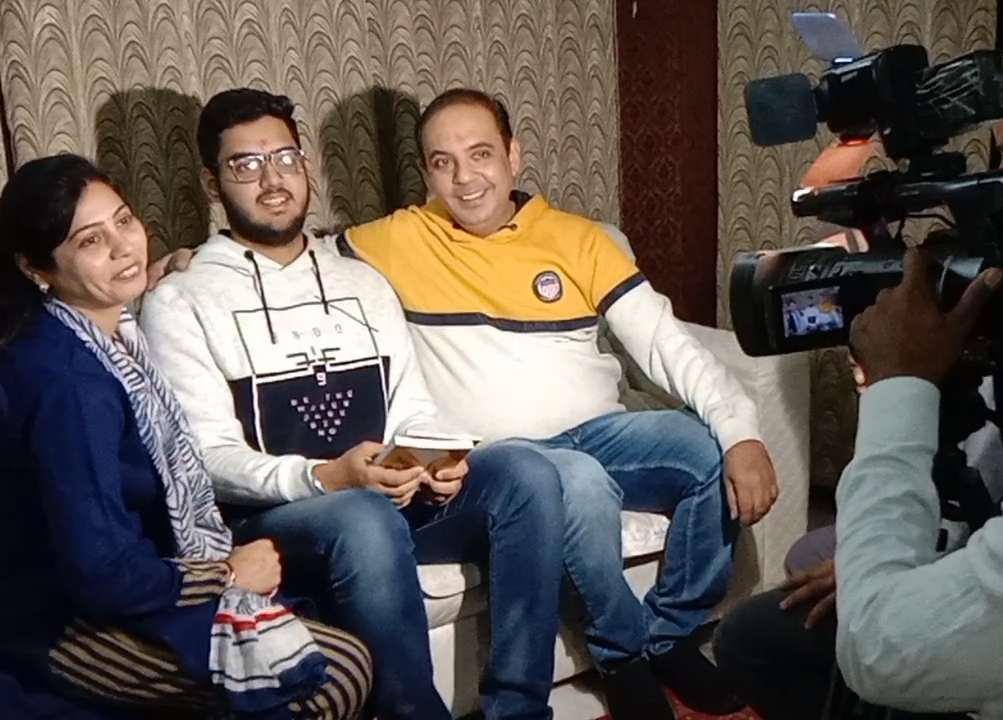
SAHAJ SABHARWAL – WRITES ON SOCIAL CAUSES AND STRIVE TO MAKE SOCIETY BETTER (YOUNG WRITER AND AUTHOR FROM INDIA)

Sahaj Sabharwal’s first book was not that very successful because many were not ready to support me. But again, he continued writing with the same passion and his second book showed some good results. So I would say that it is his passion and zeal to write better and believe in himself which has been the inspiration behind his every write-up. Here is a short interview with this buddy writer from Jammu and Kashmir, India. 


1. Tell us more about your background and journey.
I was a student of class seventh when I was in Delhi Public School, Jammu that I first started writing. And with that start, I published my very first book titled, “Poems by Sahaj Sabarwal” at the age of 17. The book is a collection of diverse poems based on the social issues and the life of the youth. 
Following that, I published my second book titled “Pedagogical Thoughts Made Facts” at the age of 19, which is again a book containing poetries, thoughts, quotes, stories, and articles aiming for bringing positivity in the lives of readers. Presently, I am pursuing Aeronautical Engineering from Tamil Nadu besides my interests in writing, rapping and blogging.
2. As a young writer, where does your inspiration for writing lie?
 
During my initial years into writing, I encountered severe, harsh criticisms from others. People were against the idea of a student publishing his own book at such a young age and should rather focus on studies and build a stable career. This is not something pleasant for anyone. I tried to turn such backlashes into an inspiration for me to do something better, something unique. And now I believe it is that feeling which has always inspired me to write and helped me achieve what I have now.
My first book was not that much successful because many were not ready to support me. But again, I continued writing with the same passion and my second book showed some good results. So I would say that it is my passion and zeal to write better and believe in myself which has been the inspiration behind my every write-up.
 
3. What prompted you to start writing along with your school studies?
When I was small, I wrote a poem for my mother on Mother’s Day. My mom loved it. Everyone was proud that I could write a beautiful poem with deep thoughts at such a young age. I would say it was this small incident that made me recognize my talent in writing. And then I started writing articles and poems, and that poem on my mother is also published in my first book. 
4. What is that one cause you care deeply about and why?
It is not quite possible to name just one cause because there are various social issues revolving around youth that need attention from society. There are children getting raped, students attempting suicide, and getting into addictions and these are just to name a few. 
 
The major reason behind these rising issues is the lack of proper education and awareness. Perpetrators do not realise that what they are doing is wrong, and victims usually are not aware of their rights. I would say that looking at these social causes and how youth is getting directly affected by them made me write these books.
5. If one wants to contribute and make a difference in social causes then how do you believe one can do it?
Some might argue that it is the responsibility of the government to make laws and prevent such issues. But, in reality, it is all in the hands of we individuals.
We can all contribute at our individual level, to our best capacity, and make small efforts to create a difference. For instance, I have been writing poems, articles, blogs, and rap songs, all based on social issues and with the aim to create awareness among people. Similarly, all of us can contribute in our way and, I believe, even the tiniest bit of contribution from someone can help.
We can take steps from educating at a larger scale to educating our family members at home. We can do social media campaigns and drives because, in this digital era, social media is a very powerful tool to create awareness. It might not always be quite successful, we might not be able to teach a large number of people. Just with hard work for years with God’s grace I am having around twelve thousand plus followers on instagram, thousands of followers on facebook, around a thousand on twitter and one thousand plus subscribers on youtube. It was not easy at all. In my childhood when I got motivated from successful personalities like Ronaldo and others, I was wondering to get just one hundred followers on instagram then when I reached there by posting good content then my next goal was to reach thousand then ten thousand and now I have goal to achieve blue tick ( verified creator ) as well as lakhs of followers. The hunger to achieve something will never end and should never end to continue to break my own records. I got that much inspired that how much successful people worked to reach from black coal to a unique and beautiful diamond. But even if one person benefits from it, then, I believe, it is quite a success and we thrive to achieve more.
6. Who is your role model and why?
We, as social animals, live in and learn from society. Our ideas and beliefs get socialized, which might be good while also bad at times. I consider society as my role model because it is from society that I learned everything and also continue to learn. 
I write on social causes and strive to make society better. The people surrounding us, each with their unique talent and charisma, motivate us to do better. So, I would say that society is my perfect teacher and also a perfect friend.
Biography –
Sahaj Sabharwal, a young writer, and an author was born on 17th March 2002. He lives in Jammu city, Jammu, and Kashmir, India. He has completed his schooling from Dps Jammu as a Non-Medical student. Now he is a student of Aeronautical Engineering. His hobbies include writing thoughts, listening to music, discovering new things, exploring the world, and writing and singing rap songs to mention but a few. He has been awarded many awards in poetry writing at the State level, National level, and International level. 
He mostly writes motivational thoughts and on topics related to social issues for spreading awareness among the people. His writings are regularly published in many newspapers, magazines, websites, anthologies, and other media platforms.
According to him,
” Be you, no need to update your view on society’s new view “
His aim in life is to invent/discover something new as a Scientist or Researcher. He wants to do something new, which is done by a few. He is an inspiration of his own. He is a successful author of the BOOKS – “Poems By Sahaj Sabharwal” & “Pedagogical Thoughts Made Facts”.
NAME -: Sahaj Sabharwal 
● Author of Books -: 
1.) Poems by Sahaj Sabharwal  
2.) Pedagogical Thoughts Made Facts
● Budding Author & Writer 
● Singer & Rapper
● Motivational Speaker 
● Social Worker
● Blogger & Influencer
Contact -: +917780977469
Twitter – Sahaj_Sabharwal
Instagram – @sahajsabharwal
Facebook – Sahaj Sabharwal Writer
YouTube – Sahaj Sabharwal Official