Concept of Agricultural Marketing

The term market is derived from the Latin term’ marcatus ‘ which means trade or place where business is conducted.

In real terms ; market is defined as place where the sellers of particular good or service can meet with buyer of that good and services where there is potential for transaction to occur.

Agricultural marketing is study of all activities, agencies and policies that are involved in procurement of farm inputs by farmers and movement of agricultural products from farm to ultimate consumers. So it can be said to serve as link between farm 🚜🐄🌾 and non farm sector.

Thus it is a collaborative effort including marketing functions from post – harvest handling to pre- sowing; assembling, handling, storage, transport, processing, retailing, wholesaling, export of agricultural commodities and purchasing inputs for next agricultural season. It also includes marketing services as market information, weighing, standardization, financing, price risk mechanism and institutional development.

Dimension of agricultural marketing system includes market structure, it’s conduct and performance. The purpose of marketing is to find the right place, right time, right product and right time to make it selling superfluous.

Importance of agricultural marketing :

Agricultural market plays a important role in various ways to increase farm income, provide employment opportunities, optimum utilisation of resources, creation of utility and growth of agro-based industries.

The agricultural product differ from industrial product in many ways:

1.Nature of product: Most agricultural products are perishable in nature and hence cannot be stored for longer duration while industrial products can be stored for longer duration .

2.Weather and Season dependent: Most agricultural products are season bound and produced in particular season whereas industrial products are available throughout the year.

3.Bulkiness in nature : Agricultural products are bulky in nature and are difficult to handle, transport, storage etc. which adds to transportation cost.

4. Supply lag: As agricultural commodities are season bound so there is difference in supply and demand of goods.

5. Requirements of land area: For production of agricultural goods we needs more land as compared to industrial products like cultivation practices etc.

So from this role of agricultural markets can be determined as they hold separate importance in the economy .

10 healthy habits for a healthy lifestyle

10 healthy habits for a healthy lifestyle

All of us want a healthy and fit body or we can say we want a healthy lifestyle. A healthy lifestyle gives you a happy life, good mental peace and stable life but unfortunately, we end up with all the shortcuts we have because of the busy schedule we have all day.

Nowadays, it is very difficult to maintain a healthy lifestyle because of all our busy days.

We should maintain physically as well as mentally a good lifestyle.

So, here are some good habits for a healthy life : 

1. Regular exercise – We should exercise regularly to keep our bodies fit and healthy. Regular exercise keeps our muscles and bones more strong. 30 minutes of doing exercise every day can be helpful for our body. Something like walking or doing a warm-up for 30 minutes gives more energy to our body and adds some more healthy years to our life.

2. Eat breakfast – Daily having breakfast can help to give more energy and keep your stomach full for a long time. You should add vitamins, proteins, minerals and fewer fats and cabs to your breakfast. Eating eggs for a breakfast is very good for your body.

3. Avoid stress – Taking stress will affect your brain and organs. It is very dangerous for our mental and physical health. Stress can be a major factor for high blood pressure, pressure stroke, heart diseases and many more. Doing yoga and meditation will help to relieve stress.

4. Sleep more – Our body also needs rest. For younger and teenagers 7-8 hours of sleep is good for their body and for adults they should sleep 5-6 hours a day although they can sleep during the day if they want. Good sleep is very important for our good health. Good sleep will keep our minds energetic, fresh and cool. Lack of sleep will lead to lack of concentration, headache, and drowsiness. If you are having trouble getting sleep then listen to your favourite music, read books or you can consult a doctor

5. Stop smoking – Smoking is a bad habit and it is very dangerous to our bodies. Smoking affects our lungs so it is better to avoid.

6. Stop drinking alcohol – Consuming alcohol is very bad for our bodies. It can damage our system.

7. Drink more water – Drinking water is very important because it flushes toxins from our bodies and keeps us hydrated. Every day we should drink 3 – 4 litres of water. Whenever you are hungry and you don’t have anything to eat in your kitchen then make sure you drink water. It will keep you hydrated and your hunger remain to stop for some time.

8. Eat more vegetables and fruits – We should eat fruits in the morning snack or the evening. Fruits give us vitamins, minerals, potassium, and fibre. Example – apple, orange, avocado, banana, blueberries, dragon fruit etc. Eating more leafy vegetables is very good it contains all the essential nutrients we need in our body. At every meal take more vegetables and less rice. It will keep your stomach full for a longer time and you won’t feel heavy after having your meal.

9. Proper hygiene – Maintaining proper hygiene is necessary. Like brushing your teeth regularly and taking bath every day. It will improve your health and social life.

10. Always laugh more – Last but not least. Laughter is the best therapy. Whenever you get a chance to laugh please laugh as much as you can. Laughing is very good for the heart. It will improve our mental health also. There are many laughter clubs, and organisations available in your city. You can join them too.

Kabaddi : Le Panga


Modern Kabaddi is known for its catchy catchphrase “Le Panga” and its frantic speed. However, when asked, the majority of us would have little idea of its early years. Let me first describe where Kabaddi is played today in terms of geography. 


It has established a footprint across the whole Indian subcontinent. Haryana, Punjab, Uttar Pradesh, Bihar, Andhra Pradesh, Telangana, Karnataka, Maharashtra, Kerala, and Tamil Nadu all play it as their state sport. It is Bangladesh’s national sport. Iran has most lately become a part of the intense game. The origin of Kabaddi is a topic of ongoing debate, however, there are two main hypotheses.


The Sistan region, which is now a part of contemporary Iran, or the Tamil region of ancient India, according to these ideas, is where the game of Kabaddi is thought to have first been invented. The first theory’s proponents assert that the ancient Tamil region, which primarily consists of Tamil Nadu and southern states, is where the game of Kabaddi originated. Through their sea trade, the Tamil empire brought this game to Southeast Asia. According to legend, the Tamil term “Kai-Pidi,” which means “to hold hands,” is where the word “Kabaddi” originated.

According to the game’s history, Gautam Buddha and Lord Krishna both participated in the game as children. In addition, the Mahabharata describes Arjuna’s ability to enter a room covertly, eliminate adversaries, and emerge unscathed—a skill that is fundamental to the Kabaddi game.


Circle Style Kabaddi and Standard Style Kabaddi are the two formats in which the game is played. Circle Style Kabaddi is primarily played in the states of Haryana and Punjab, whereas Standard Style Kabaddi is acknowledged and appreciated all over the world. Standard-style Kabaddi is played in every international competition. Traditionally, a court of 10 meters by 13 meters is divided into two teams of seven players each. There are 5 players on each team that is retained in reserve.

The fundamental guidelines for playing Kabaddi were formally established even before the Kabaddi Federation of India (KFI) was established in 1950. The Kabaddi World Cup, Asian Games, Asian Kabaddi Championship, and Kabaddi Masters are the most prestigious international competitions. It’s a fairly easy game to learn and play, and it costs very little and doesn’t require any special equipment or a large playing area.


The Pro Kabaddi League has helped Kabaddi rediscover its

 appeal in India. It has been successful for Pro Kabbadi League to revive what is said to be the game of ancient India. Double round-robin and playoff formats are used in the Pro Kabaddi League. Based on a similar business strategy as the well-known or infamous IPL, it was introduced in 2014.

It currently includes twelve teams from various states in the nation. The new season, which will include twelve teams competing for the ultimate championship, will start on December 22. It is anticipated to be the largest one yet. Every year, as technology advances, followers of all ages are drawn to the game’s allure. The athletes and teams have won a number of titles thanks to their incredibly impressive performances. With their tackling strategies and raids, players like Manjeet Chillar, Rahul Chaudhary, Pardeep Narwal, and Deepak Hooda captivate us.


Land reforms in india

 Land reform refers to efforts to reform the ownership and regulation of land in India. we can also say that those lands which are redistributed by the government from landholders to landless people for agriculture or special purpose is known as land reform.

The land reforms is an integral part of the scheme of agricultural development and rural reconstruction since the inception of the economic planning in the country.

Some of the most important objectives of land reforms in India are as follows:-

1)Rational use of resources – It can be done by changing the conditions of holdings, ceilings on land holdings. This helps cultivation process in a most economical manner without any wastage of land, labour and capital.

2)Raising Production level – Raise the production level of the agricultural sector by motivating the farmers to raise their output.

3)Removal of Exploitation – This can be attained by redistributing agricultural land in favour of less privileged class of farmers and also by improving the terms and conditions for possessing land for cultivation by actual tillers and abolition of intermediaries.

4)Raising the standard of living – To raise the standard of living of the rural poor through re-distributive packages and programmes.

5)Social Welfare – Promoting social welfare for rural masses and also to end social injustice through equitable distribution of income.

The Challenges and Prospects of Women Empowerment

The Challenges and Prospects of Women Empowerment

What is Women Empowerment?

Women’s empowermentis the process of empowering women. It may be defined in several ways, including accepting women’s viewpoints or making an effort to seek them, raising the status of women through education, awareness, literacy, and training.

     Challenges of Women Empowerment

The major hurdles in the process of empowering women are loads of Problems that were faced by women in past days and still today up to some extent are Gender discrimination, Lack of Education, Female Infanticide, Financial Constraints, Family Responsibility, Low Mobility, Low ability to bear Risk, Low need for achievement, Absence of ambition for the achievement. Atrocities on Women such as Raped, Kicked, Killed, Subdued, humiliated, Deserted and divorced Women. Social stigma and the fear of abandonment by the family play a big role in women and girls’ ability or inability to access laws and policies to address sexual and physical violence.

Some other factors that pose the challenge in realizing women’s empowerment are Poverty, Health and Safety, Professional and household Inequality.

     Prospects of Women Empowerment

More than ever before, today’s young women have more choices and control in their lives. They had the most choices in education, the least in career choices. Women are touching heights in almost all fronts be it politics, science, technology, defense, administration and in society in general. This has become possible because of slowly changing social perspective towards women.

 In recent years, the traditional roles of women have undergone some changes due to economic needs, and some efforts were made to bring visibility and mainstream women’s contribution to the overall growth and development of society. The status of women has changed considerably. Women have made significant strides in all fields, although their number remains insignificant. 

Smt. Pratibha Devi Singh Patil became first women president of India 12th President of India. Sakshi Malik became the first Indian woman to win an Olympic medal for wrestling at the 2016 Rio Olympics in the 58 kg freestyle category and PV Sindhu bagged a silver medal at the 2016 Beijing Olympics in Badminton.

The Indian Government has paid special attention to women’s empowerment, and both the National Policy for Empowerment of Women (NPEW) 2001, as well as the 10th Five Year Plan, illustrate its commitment to women’s empowerment and welfare. The Government of India has initiated a number of schemes and Ministry of Women and Child Development, Government of India has started so many Programmes for the empowerment of Women.

v    Conclusion

When women are empowered they get the right to speak up, get a proper education, have a fixed income, do not become victims of early child marriage or domestic violence and do not have to face harassment. Also when women will be empowered, they will have their daughters empowered as well. Women empowerment cannot be possible unless women come with and help to self-empower themselves or other women for which they will be paid back for their, support love and care to each other. Besides they will live in more developed and educated society.


Write Book Review and Suggest your Book

How to write a review of a book

Step 1. Provide a summary

Have you ever watched a movie only to realize that all the good bits were already in the trailer? Well, you don’t want the review to do that. What you do want the summary to do is reveal the genre, theme, main conflict, and main characters in the story — without giving away spoilers or revealing how the story ends.

A good rule of thumb is not to mention anything that happens beyond the midpoint. Set the stage and give readers a sense of the book without explaining how the central issue is resolved.


Emily W. Thompson’s review of The Crossing:

In [Michael] Doane’s debut novel, a young man embarks on a journey of self-discovery with surprising results.

An unnamed protagonist (The Narrator) is dealing with heartbreak. His love, determined to see the world, sets out for Portland, Oregon. But he’s a small-town boy who hasn’t traveled much. So, the Narrator mourns her loss and hides from life, throwing himself into rehabbing an old motorcycle. Until one day, he takes a leap; he packs his bike and a few belongings and heads out to find the Girl. Read more…

Non-fiction summary tip: The primary goal of a non-fiction summary is to provide context: what problems or issues has the book spotted, and how does it go about addressing them? Be sure to mention the authors of the title and what experience or expertise they bring to the title. Check Stefan Kløvning’s review of Creativity Cycling for an example of a summary that establishes the framework of the book within the context of its field.

Step 2. Present your evaluation

While you should absolutely weave your own personal take of a book into the review, your evaluation shouldn’t only be based on your subjective opinion. Along with presenting how you reacted to the story and how it affected you, you should also try to objectively critique the stronger and weaker elements of the story, and provide examples from the text to back up your points.

To help you write your evaluation, you should record your reactions and thoughts as you work your way through a novel you’re planning on reviewing. Here are some aspects of the book to keep in mind as you do.

Your evaluation might focus heartily on the book’s prose:

Donald Barker’s review of Mercenary

Such are the bones of the story. But, of course, it is the manner in which Mr Gaughran puts the bones back together and fills them with life that makes “Mercenary” such a great read. The author’s style seems plain; it seems straightforward and even simple. But an attempt at imitation or emulation quickly proves that simple it is not. He employs short, punchy sentences that generate excellent dialogue dripping with irony, deadpan humour and wit. This, mixed with good descriptive prose, draws the characters – and what characters they are – along with the tumultuous events in which they participated amidst the stinking, steaming heat of the South American jungle, out from the past to the present; alive, scheming, drinking, womanising and fighting, onto the written page.

You can give readers a sense of the book by drawing comparisons to other well-known titles or authors:

Laura Hartman’s review of The Mystery of Ruby’s Mistletoe:

Reading Ms. Donovan’s book is reminiscent to one of my favorite authors, Dame Agatha Christie. Setting up the suspects in a snowbound house, asking them to meet in the drawing room and the cleverly satisfying conclusion was extremely gratifying. I can picture Miss Marple and Hercule Poirot nodding at Ms. Donovan saying “Well done!”

Not everyone’s tastes are the same, and you can always acknowledge this by calling out specific story elements in your evaluation: 

Kevin R. Dickinson’s review of The Heart of Stone:

Whether you enjoy Galley’s worldbuilding will depend heavily on preference. Galley delivers information piecemeal, letting the characters, not the author, navigate the reader through Hartlund. A notable example is the magic system, an enigmatic force that lacks the ridge structures of, say, a Brandon Sanderson novel. While the world’s magical workings are explained, you only learn what the characters know and many mysteries remain by the end. Similar choices throughout make the world feel expansive and authentic.

Non-fiction evaluation tip: A book’s topic is only as compelling as its supporting arguments. Your evaluation of a nonfiction book should address that: how clearly and effectively are the points communicated? Turn back to Stefan’s critique for an example of a non-fiction critique that covers key takeaways and readability, without giving away any “big reveals.”

Step 3. Give your recommendation 

At the end of the day, your critique needs to answer this question: is this a book you would (or wouldn’t) recommend to other readers? You might wrap up by comparing it to other books in the same genre, or authors with similar styles, such as: “Fans of so-and-so will enjoy this book.” 

Let’s take a look at a few more tips:

You don’t need to write, “I recommend this book” — you can make it clear by highlighting your favorable opinion:

Emily W. Thompson’s review of The Crossing:

Following in the footsteps of Jack Kerouac and William Least Heat-Moon, Doane offers a coming of age story about a man finding himself on the backroads of America. Doane’s a gifted writer with fluid prose and insightful observations, using The Narrator’s personal interactions to illuminate the diversity of the United States.

Despite his flaws, it’s a pleasure to accompany The Narrator on his physical and emotional journey. The unexpected ending is a fitting denouement to an epic and memorable road trip.

Add more punch to your rating by mentioning what kind of audience will or won’t enjoy the book:

Charleigh Aleyna Reid’s review of The King of FU:

I would recommend this book to anyone who grew up in the 90’s and would like to reminisce about the time, someone who is interested to see what it was like to be a 90’s kid, or perhaps anyone who is looking for a unique, funny story about someone’s life.

Unless you found the title absolutely abhorrent, a good way to balance out a less favorable book review it to share what you did like about the book — before ultimately stating why you wouldn’t recommend the novel:

Nicola O’s review of Secrets of the Sea Lord:

Overall, there are plenty of enjoyable elements in this story and fans of Atlantis and mer mythology should give it a try. Despite this, it does not rise above a three-star rating, and while I had some difficulty pinning down why this is, I concluded that it comes from a surprisingly unsophisticated vocabulary. There are a couple of graphic sex scenes, which is absolutely fine in a paranormal romance, but if they were removed, I could easily imagine this as an appealing story for middle-schoolers.

Non-fiction recommendation tip: As with fiction book reviews, share why you did or didn’t enjoy the title. However, in one of the starkest divergences from fiction book reviews it’s more important than ever that you mention your expectations coming into the non-fiction book. For instance, if you’re a cow farmer who’s reading a book on the benefits of becoming a vegetarian, you’re coming in with a large and inherent bias that the book will struggle to alter. So your recommendation should cover your thoughts about the book, while clearly taking account your perspective before you started reading. Let’s look once more at Stefan’s review for an example of a rating that includes an explanation of the reviewer’s own bias.

Bonus tips for writing a book review

Let’s wrap up with a few final tips for writing a compelling review.

  • Remember, this isn’t a book report.If someone wants the summary of a book, they can read the synopsis. People turn to book reviews for a fellow reader’s take on the book. And for that reason…
  • Have an opinion. Even if your opinion is totally middle-of-the-line — you didn’t hate the book but you didn’t love it either — state that clearly, and explain why.
  • Make your stance clear from the outset. Don’t save your opinion just for the evaluation/recommendation. Weave your thoughts about the book into your summary as well, so that readers have an idea of your opinion from the outset.
  • Back up your points. Instead of just saying, “the prose was evocative” — show readers by providing an actual passage that displays this. Same goes for negative points — don’t simply tell readers you found a character unbelievable, reference a certain (non-spoiler) scene that backs this up.
  • Provide the details. Don’t forget to weave the book’s information into the review: is this a debut author? Is this one installment of a series? What types of books has the author written before? What is their background? How many pages does the book have? Who published the book? What is the book’s price?
  • Follow guidelines. Is the review you’re writing for Goodreads? For The New York Times? The content and tone of your review will vary a good deal from publication to publication.
  • Learn from others. One of the best ways to learn how to write a great review is to read other reviews! To help you out with that, we’ve published a post all about book review examples.

Writing book reviews can be a rewarding experience! As a book-lover yourself, it’s a great opportunity to help guide readers to their next favorite title. If you’re just getting started as a reviewer and could use a couple more tips and nudges in the right direction, check out our comprehensive blog post on how to become a book reviewer. And if you want to find out which review community is the right fit for you, we recommend taking this quick quiz:


Write your Book Review and Get Published on this portal for free. Send mail to editor@eindex.org

What is loan? What are the types of loans? How you can get educational loans ?

A loan is borrowing money from a company, organisation or individual. It is a process where you will borrow money from the lender and they will charge some amount of money as their interest and you have to pay the interest money along with their borrowed money. The lender gives a specific time to repay the loan and if the time has been over due to some reasons so the amount of interest will be charged.

There are different types of loans –

1.  Home loan

2. Education loan

3. Gold loan

4. Vacation loan

5. Personal loan

6. Small business loan 

7. Medical loan

8. Family loan

9. Credit card loan

10. Pawn shop loan

Home loan

A home loan is also known as a mortgage. In-home loan, you can borrow to finance building your own house. To build a house of your own is everyone’s dream. To stay in their house, to decorate their house and do all the stuff in their own house. So home loan or mortgage is a way to help build your house.

Education loan

Many students have their perspectives to hold their careers. Today’s generation of children is more intelligent than others. Many of the children want to pursue their careers in different cities or abroad. So if your children want to go there and make their life successful you can take an education loan. An education loan provides you with the amount and after getting into a job or business you have to repay the amount.

Gold loan

Gold loan is safe as other loans. A gold loan is a process where you have to borrow money from the bank and they will take your gold as collateral and charge some amount of money as interest when you will repay your loan they will give you your gold. Various banks are available for taking gold loans such as HDFC Bank, Muthoot Finance, Paisbaazar.com, ICICI bank and much more available in the market.

Vacation loan

A vacation loan gives you the money to plan a trip or go on a vacation with your children, family, and loved ones. This loan is also similar to other various loans. Whenever you take a loan you have to repay the amount you have taken.

Personal loan

A personal loan can be anything which you desire that you need basically for your personal use.

Small business loan

A small business loan refers to the means a business owner needs money to start a small business or enterprise or to buy expenses for their small business.

Medical loan

A medical loan refers to a loan in which you need money for medical purposes to pay and you have to repay the money within the time given.

Family loan

A family loan is used mainly for all the family purposes like buying a car, educating their children, medical issues etc.

Credit card loan

To use this credit card loan you should have some amount of money in your account as per their rules. If you take a credit card loan you can do anything from that like buy your needs, book your tickets, shopping and many more. In this process, you have to repay the amount in time as per their due date and you should have money in your account as they will cut from your savings.

Pawn shop loan

The process of a pawn shop loan is you have to bring an item, the pawnbroker will determine the amount of the particular item on basis of the item they will give you a loan, and they will have the collateral until you repay them.

How you can get an educational loan ?

For getting an educational loan the eligibility criteria are 18 to 35 years and if you take up to Rs 4 lakhs of educational loan you don’t have to pay any collateral. For taking between Rs 4 to 7.5 lakhs of loans you need a third-party guarantee but you don’t have to pay any collateral and if you take loans exceeding Rs 7.5 lakhs then you have to give collateral.  For getting an educational loan you have to go to the bank and take all the necessary documents with you for the process.

For getting an educational loan you can contact

http://www.bankbazaar.com

sbi.co.in

Bank of Baroda

Axis Bank

Union Bank of India

HDFC Bank

Insurance

 What is insurance?

Insurance is generally a financial coverage for the losses which is beared by the person under certain circumstances or we can say that it is a legal agreement between two parties, the two parties include 1) insurer 2) insured.
Insured is defined as the person who is covered against risk while insurer is the company that is providing coverage.
In simple terms if any unfortunate things happen to the person at any time where he/ she is not aware about the situation and not having that much amount or we can say he or she was financially weak then this insurance will help them in her bad situation or mishappening.

What is the importance of insurance?

Insurance help the society for managing their economic growth. Insurance develop financial institutions and reduce uncertainties by improving financial resources.
1. It provide safety and security to the person in case of any sudden financial loss . It provide financial support to the person and reduce the uncertainties in business and human life. Let take example that if any accident happen in anyone’s life then this insurance will help to overcome from the financial loss.
2. Some insurance plans will help in protecting the dreams of your child in terms of his/her education. Insurance are make sure that your children are financially strong while pursuing their goals.
3. There is one type of insurance that is home insurance which help a person when there is any damage to your home then this insurance will help you to get coverage for damages and pay for the cost of repairs, whichever is needed.
4. It will help your family to maintain the stability of financial growth. If any unfortunate death to the sole earner will happen then the insurance will help to the other family members.
5. Insurance will help in encourage savings. Everyone need savings in this generation. They saved money for the future needs which help in our education and in other events.

Types of insurance 

1) Health insurance 

Health insurance are types of insurance that helps to cover the expenses done by the medical care.
We should always done our health insurance policy because no one knows when their health will be affected by the surroundings as we all know that the pollution level is increases and it also affect the human health.

2) Property insurance 

Property insurance gives you financial coverage against damage caused to your private property due to fire, earthquake and many other casualties.
If you have many properties then you have to done your insurance as it help to give you financial support if any unfortunate things happen to your properties.

3) Travel insurance 

This insurance covers the costs and losses which are incurred while traveling.
Facts – 36 percentage of Americans say they’re more likely to purchase travel insurance for trips abroad following the COVID-19 pandemic while 34 percentage said they’re more likely to do so for domestic trips.

Vande Bharat : India’s Indigenous bullet train.

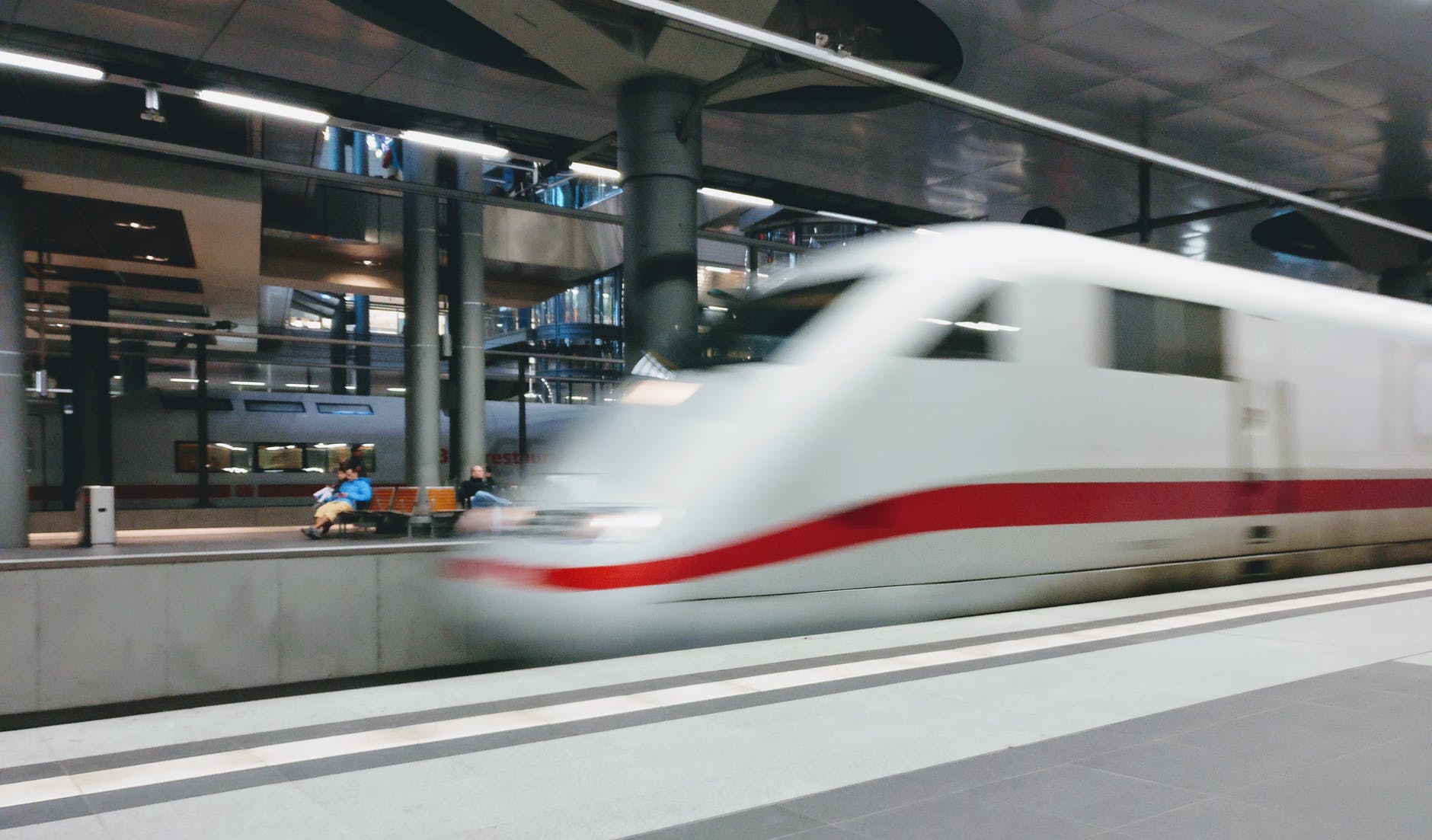
Indian Railways is developing its own super-fast train by increasing the speed of the locally made Vande Bharat Express in a phased way to match those running in European nations. The railways plans to increase the speed of the new version of the Vande Bharat

Express train to 180km per hour (kmph) this year from 160kmph. The train is expected to run at speeds of 220kmph byb2025 and subsequently faster at 260kmph, on par with the speed of most European high-speed trains. Vande Bharat would also increase its speed in phases and continue to improve the overall passenger experience, safety and security.

The first version of the Vande Bharat trains was launched in 2019 under the Make in India initiative and is  designed to reach speeds up to  160kmph. However, this has been boosted to 180kmph in the second version, which will start operating this month, with 75 such trains deployed by 15 August next year as part of the country’s 75 years of independence celebrations.

Indian Railways has set a tar-get of manufacturing 300 Vande Bharat train sets over the next three years (2025). This will be increased to 500 trains by 2028. Prime Minister Narendra Modi has given the Railways a target to make at least 75 such trains by August 2023, coinciding with 75 years of Indian Independence. The plan is also to connect 75 key Indian cities with these trains. Indian Railways’ Integral Coach Factory, Chennai, plans to manufacture around 10 Vande Bharat trains a month and, eventually, the Rail Coach Factory, Kapurthala, and the Modern Coach Factory, Rae-bareli, are also likely to start manufacturing these coaches to meet the target of 500 trains. Two sets of Vande Bharat trains are running on the Delhi-Katra and Delhi-Varanasi routes. Two more Vande Bharat semi-high-speed trains are expected to enter operations by August.

Vande Bharat : India's Indigenous bullet train.

Indian Railways is developing its own super-fast train by increasing the speed of the locally made Vande Bharat Express in a phased way to match those running in European nations. The railways plans to increase the speed of the new version of the Vande Bharat

Express train to 180km per hour (kmph) this year from 160kmph. The train is expected to run at speeds of 220kmph byb2025 and subsequently faster at 260kmph, on par with the speed of most European high-speed trains. Vande Bharat would also increase its speed in phases and continue to improve the overall passenger experience, safety and security.

The first version of the Vande Bharat trains was launched in 2019 under the Make in India initiative and is  designed to reach speeds up to  160kmph. However, this has been boosted to 180kmph in the second version, which will start operating this month, with 75 such trains deployed by 15 August next year as part of the country’s 75 years of independence celebrations.

Indian Railways has set a tar-get of manufacturing 300 Vande Bharat train sets over the next three years (2025). This will be increased to 500 trains by 2028. Prime Minister Narendra Modi has given the Railways a target to make at least 75 such trains by August 2023, coinciding with 75 years of Indian Independence. The plan is also to connect 75 key Indian cities with these trains. Indian Railways’ Integral Coach Factory, Chennai, plans to manufacture around 10 Vande Bharat trains a month and, eventually, the Rail Coach Factory, Kapurthala, and the Modern Coach Factory, Rae-bareli, are also likely to start manufacturing these coaches to meet the target of 500 trains. Two sets of Vande Bharat trains are running on the Delhi-Katra and Delhi-Varanasi routes. Two more Vande Bharat semi-high-speed trains are expected to enter operations by August.

What are the top 10 Types of Digital Marketing?

Every marketing plan today includes a digital strategy. This is because marketing goals usually put a focus on how the business can reach more potential customers, retain existing customers, and increase sales. And today, your customers are online. Digital marketing has become one of the most effective ways to communicate because you can connect with your custom

ers in their preferred channels

So, what are some things that can improve a site’s SEO? It’s important to understand that one of the things that makes SEO challenging is that the answer to this question always depends on Google and its most current algorithm. Keeping that in mind, here are a few of the most important things for SEO strategists and marketers in general to understand about how SEO works today, from Moz’s Beginners Guide to SEO:Content indexing – It is important to allow search engines to clearly “read” what your site content is, by doing things like adding alt text for images and text transcripts for video and audio content.

Good SEO practices

Good link structure – It is important that search engines can “crawl” your site structure to easily find all the content on your site. There are many things that an SEO specialist can do to properly format links, URLs, and sitemaps to make them most accessible to site crawlers.
Keywords and keyword targeting – Properly deploying your keywords – i.e. the search terms you want your site to be found for—in your content and headers is one of the fundamental building blocks of SEO. It is no longer good practice to “stuff” your content with as many keywords and keyword variations as possible. Writing high-quality content that uses keywords in the headers and a few times in the crawl-able page content is now considered better practice, and will make pages rank better in search results.

But the broad range of digital marketing options can make it overwhelming to know where to focus. Organizations that want to set themselves apart in the market understand that effectively reaching and engaging with potential customers matters most. This means using creative ways to connect with the right people in the right place and delivering a compelling message that helps them decide if a product might meet their needs.

What is a digital marketing plan?

A digital marketing plan is a document that defines marketing goals to be accomplished within a given time frame so a company can meet a set of business objectives. When creating a digital marketing plan, it is important to remember that marketing is still about communicating the benefits of your product or service in a way that resonates with customers. So your plan should focus on the marketing tactics that will help your company engage your target audience with a cohesive experience.

One of the benefits of digital marketing is that you can test different approaches and quickly adjust your plan based on what is working and what is not. There are many different areas that often get umbrellaed under the term “digital marketing.” From marketing automation and research to tactical activities such as pay-per-click ads, there are many different components to a digital marketing plan.

Components of a digital marketing plan

Advertising

Online advertising involves bidding and buying relevant ad units on third-party sites, such as display ads on blogs, forums, and other relevant websites. Types of ads include images, text, pop-ups, banners, and video. Retargeting is an important aspect of online advertising. Retargeting requires code that adds an anonymous browser cookie to track new visitors to your site. Then, as that visitor goes to other sites, you can serve them ads for your product or service. This focuses your advertising efforts on people who have already shown interest in your company.

Content marketing

Content marketing is an important strategy for attracting potential customers. Publishing a regular cadence of high-quality, relevant content online will help establish thought leadership. It can educate target customers about the problems your product can help them resolve, as well as boost SEO rankings. Content can include blog posts, case studies, whitepapers, and other materials that provide value to your target audience. These digital content assets can then be used to acquire customers through organic and paid efforts.

Email marketing

Email is a direct marketing method that involves sending promotional messages to a segmented group of prospects or customers. Email marketing continues to be an effective approach for sending personalized messages that target customers’ needs and interests. It is most popular for e-commerce business as a way of staying top of mind for consumers.

Mobile marketing

Mobile marketing is the promotion of products or services specifically via mobile phones and devices. This includes mobile advertising through text messages or advertising in downloaded apps. However, a comprehensive mobile marketing approach also includes optimizing websites, landing pages, emails, and content for an optimal experience on mobile devices.

Paid search increases search engine visibility by allowing companies to bid for certain keywords and purchase advertising space in the search engine results. Ads are only shown to users who are actively searching for the keywords you have selected. There are two main types of paid search advertising — pay per click (PPC) and cost per mille (CPM). With PPC, you only pay when someone clicks on your ad. With CPM, you pay based on the number of impressions. Google Adwords is the most widely used paid search advertising platform; however, other search engines like Bing also have paid programs.

Programmatic advertising

Programmatic advertising is an automated way of bidding for digital advertising. Each time someone visits a web page, profile data is used to auction the ad impression to competing advertisers. Programmatic advertising provides greater control over what sites your advertisements are displayed on and who is seeing them so you can better target your campaigns.

Reputation marketing

Reputation marketing focuses on gathering and promoting positive online reviews. Reading online reviews can influence customer buying decisions and is an important component of your overall brand and product reputation. An online reputation marketing strategy encourages customers to leave positive reviews on sites where potential customers search for reviews. Many of these review sites also offer native advertising that allows companies to place ads on competitor profiles.

Search engine optimization

Search engine optimization (SEO) focuses on improving organic traffic to your website. SEO activities encompass technical and creative tactics to improve rankings and increase awareness in search engines. The most widely used search engines include Google, Bing, and Yahoo. Digital marketing managers focus on optimizing levers — such as keywords, crosslinks, backlinks, and original content — to maintain a strong ranking.

Social media marketing

Social media marketing is a key component of digital marketing. Platforms such as Facebook, Twitter, Pinterest, Instagram, Tumblr, LinkedIn, and even YouTube provide digital marketing managers with paid opportunities to reach and interact with potential customers. Digital marketing campaigns often combine organic efforts with sponsored content and paid advertising promotions on key social media channels to reach a larger audience and increase brand lift.

Video marketing

Video marketing enables companies to connect with customers in a more visually engaging and interactive way. You can showcase product launches, events, and special announcements, as well as provide educational content and testimonies. YouTube and Vimeo are the most commonly used platforms for sharing and advertising videos. Pre-roll ads (which are shown for the first 5–10 seconds before a video) are another way digital marketing managers can reach audiences on video platforms.

Web analytics

Analytics allow marketing managers to track online user activity. Capturing and analyzing this data is foundational to digital marketing because it gives companies insights into online customer behavior and their preferences. The most widely used tool for analyzing website traffic is Google Analytics, however other tools include Adobe Analytics, Coremetrics, Crazy Egg, and more.

Webinars

Webinars are virtual events that allow companies to interact with potential and existing customers no matter where they are located. Webinars are an effective way to present relevant content — such as a product demonstration or seminar — to a targeted audience in real time. Engaging directly with your audience in this way gives your company an opportunity to demonstrate deep subject matter expertise. Many companies leverage attendee lists in other marketing programs (email and retargeting advertisements) to generate new leads and strengthen existing relationships.

How to create a digital marketing plan

Digital marketing methods provide a wide variety of ways for marketing managers to engage potential customers. However, it is important to invest in the channels and media that help you acquire, grow, and retain customers.

The following questions can help marketing teams understand the right digital activities to pursue:

  • What are your business and marketing goals?

  • What is your digital marketing budget?

  • Who are your target customers?

  • Can you describe your audience with discrete buyer personas?

  • Which online channels does your audience use?

  • What customer outcomes do you want to achieve?

  • What benefits are you going to promote?

  • What alternative solutions are your potential customers selecting?

  • What change is needed to improve the customer experience?

  • How would digital marketing methods improve the experience?

  • What data does your company need to better understand customer behavior and preferences?

  • How will success be measured?

  • Who do you need to share your plan with?

what is bank loan and its types?

what is a bank loan and its types?

what is a loan? A loan is a sum of money that an individual borrows or received from his sources as it can be his friend, relative, bank, or any financial institution which he needs to repay in the future along with interest, charging on the principal amount. when a loan is given it creates fear in the mind of the lender as might in the future the recipient will not be able to pay the money back so what he will do? so he secures himself by keeping some asset of the recipient in form of security it can be anything like property, shares, land, etc.


when a loan is given then the recipient and lender must have agreed upon the terms and conditions of the agreement before joining hands otherwise it will create disturbance in the future now it has become a legal matter so one needs to be very careful while choosing the path of bringing loan for diminishing financial problems like whether I will be able to pay the installment or not? will I be able to pay the principal amount along with its interest? as it is not everyone’s cup of tea to have it.


Advantages of Bank loan 

  • Retain profit: 

it helps in retaining profit for an org as when it raises money through shares or equity then it needs to share its profit among all investing parties which decrease its own profit but in the case of the bank you just need to give interest, no profit is shared.

  • tax saving: 

when an org takes a loan from a bank it doesn’t need to pay tax by the inclusion of it as it is considered a tax-deductible item so it saves the profits of an org and saves them from tax.

  • cheapest interest rates: 

it is quite a cheaper source of income compared with overdraft and credit cards.

  • flexibility: 

loan provides flexibility in repaying the amount as you can pay according to your convenience as long as the installments are regular and timely but in consumer credit cards, there is a limit beyond which you can’t go.


Disadvantages of bank loan

  • difficulty in financing: 

As when an org takes a big amount of finance from a bank then the bank demands collateral security on which they provide the loan but the new business finds it difficult to perform its operations based upon a bank loan.

  • irregularity in payment: 

when there is a long-duration loan taken then its interest charges differ monthly which creates variations in payment so it diminished the interest of the individual in considering it as a source of income.

types of loans:

various kinds of loans are being offered by the banks to an individual which is categorized into three ways.

1: Secured and unsecured loans:-  

As it is being cleared from name secured which means when an individual takes a loan from a bank then it demands some kind of collateral security for securing its money to recover the amount in the future if that person does not pay. the assets which an individual can keep in form of security include any stocks, bonds, personal property papers, etc.

 some common features of secured loans are timely payment foundation, lower interest rates long repaying time duration, and harsh borrowing limits for instance mortgage, and auto loan comes under this kind of loan category.


on the contrary unsecured loans do not own any kind of collateral security, it is just being offered as per the client’s status, repaying capacity, or track record of his previous transaction which helps the bank to decide whether to award the loan or not to that person.


2: Open-End  and closed -End loans: 

open-end loans are those loan in which an individual has the liberty to borrow money, again and again, credits cards is a perfect example of this although they also have some credit restriction it is up to that individual whether he wants to spend his whole money or some chuck of it on the other hand with close-end loans, the individual can not borrow again until he has not repaid his previous one but if he wants more money then he needs to apply for a new loan from scratch.


3 conventional loans:

it is that type of loan which is in the form of a mortgage as it is not being issued by the government agencies.


things to remember while considering a bank loan:

  • when a person demands a loan then his credit score should be good as it shows his ability to repay the amount if a person has a good credit score he has a higher chance of approving his loans by the bank because it gives an idea to a bank about that professional payment habits.
  • when a person is thinking of a loan then he should analyze his income as he needs to submit his documents like his salary letter, and in the case of a self-employed person, he needs to give the tax return for his last two years so he should see his payment capacity before deciding anything.
  • before applying for a loan an individual should check his monthly obligation as he needs to manage it along with his installment so be careful unless it will be difficult to handle in the future.


India and its neighborhood- relations

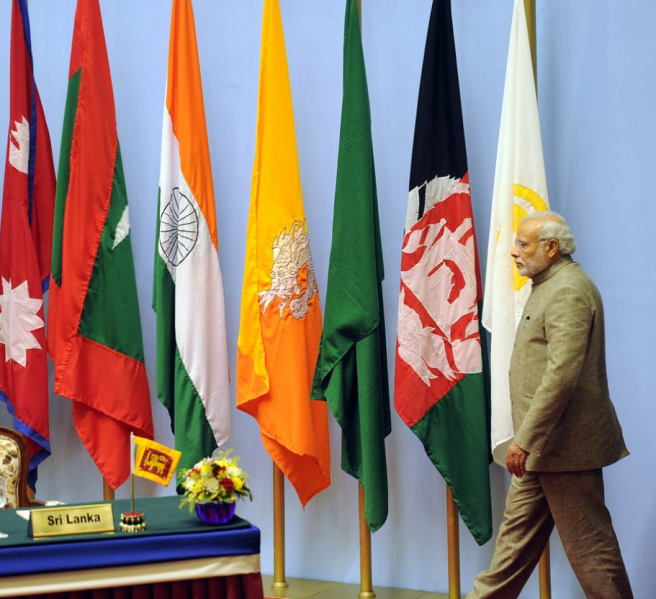
India shares geographical boundary with eight countries namely Pakistan, Afghanistan, China, Nepal, Bhutan, Bangladesh and Sri Lanka. Since the inception of our foreign policy, India has aimed at building trust with its neighbors. It aims at peaceful friendly relations and mutual economic development by enhanced trade and investments.

•Pakistan: Improving relations with Pakistan has been among top priorities in Indian foreign policy. After the visit of Pakistan former Prime Minister Parvez Musharaff in 2004, there has been a vacuum in our talks. It seems that radical groups in Pakistan took undue advantage of this vacuum and consequently there has been increased reports of cross-border terrorism activities. 26/11 attack is an unwashable strain on the fabric of friendship between India and Pakistan. But as it is said that ‘time heals all wounds’. The recently elected Narendra Modi led National Democratic alliance government’s attitude is worth appreciation. Indian Prime minister invited his Pakistani counterpart in his swearing in ceremony in New Delhi. This is a clear indication that both Nations are willing to take their relations on newer heights. In this aspect changed outlook India should try to adopt a sustainable foreign policy towards Pakistan. Smaller initiatives like Indo-Pak trade fair at Jalandhar, Punjab (India) needs to be encouraged. Healthy trade relations will help both sides equally.

•Nepal: Since the birth of democratic institution in Nepal, India has increasingly tried to have good relations with Nepal. Currently a joint hydro power project is being built on Sharda River. This power plant is thought to mutually help both India and Nepal with respect to electricity production and irrigation facilities. From the environmental perspective, there are a number of Tiger reserves along Indo-Nepal border. Both countries have identified their importance and are helping each other to sustain the existing ones and creating new ones. •China: China being manufacturing hub of world, is strategically very important to India. In fact China has become a role model for development. India needs to build strong trade relations with China. Increasing Foreign Direct Investment caps in various sectors has been one such step of India to invite investors from abroad.Apart from these bilateral relations, India has been active on various other forums as well which provides for greater engagement with its neighbors. For example India has been one of the pioneering advocate of TAPI (Turkmenistan, Afghanistan, Pakistan and India). This project aimed at bringing gas from Gulf countries and distribute it in TAPI countries.

India is an active member in BRICS (Brazil, Russia, India China and South Africa). BRICS is emerging a one of the significant union in world. BRICS nations represent 40 per cent of world population and has approximately sixteen trillion dollars as its Nominal Gross Domestic Product (GDP). BRICS nation contributes around eighteen per cent of world economy. The recent BRICS summit held at Brazil in July 2014.
One of the German intellectual has rightly said that ‘For economic development of a nation, peace with its neighbors is a pre-requisite’. India not only recognizes this statement but also conforms to it. Going by the mood of current Indian government in India, Union government too knows the importance of its neighbors. If India wants to be a super-power then maintaining friendly relations with its neighbors is a first step of ladder in this direction.


India has always wanted friendly ties with its neighbours, there can be no debate around it. We want to live in harmony and peace.

-Narendra Modi

Salute to freedom fighter Pingali Venkayya (Venkaiah): Birthday Day Tribute

 To get rid of British rule many Indians fought or came forward to protest, as the British with the attitude of colonial feelings tortured /insulated Indians for trivial issues.   Jallianwala Bagh in Punjab, Patharighat, previously known as Patharughat, in Assam, etc., are two cases I am mentioning here out of many cases depicting the barbaric behaviour of the British rule.  In our history books from primary to secondary standards always a few names have been highlighted as if for them we have got independence. We all know huge sacrifices made by Shahid Bhagat Singh,  Netaji Subhas Chandra Bose, Khudiram Bose, Surya Sen (Masterda), Kushal Konwar, Birsa Munda,  and many others but their names are not highlighted as desired by Indian citizens. Anyway, one great name in the freedom movement who designed the Indian flag which many Indians in present generations may not know I am presenting as today his birthday. He is Pingali Venkayya (but on the postal stamp Venkaiah has been printed) who was born on 2 August 1876   and passed away on 4 July 1963. He was born at Bhatlapenumarru, near Machilipatnam, Andhra Pradesh.  I visited Machilipatnam and really like the pristine beauty of the place. Anyway, it was formerly known as “Masulipatnam or Masulipatam, city, eastern Andhra Pradesh, southern India. Masulipatam was the first British trading settlement (1611) on the Bay of Bengal. From 1686 to 1759 the city was held by the French and Dutch until it was finally ceded to the British, who captured the city and fort from the French in 1759. The ruined fort is still a point of interest” (britannica.com/place). 

Venkayya met Mahatma Gandhi in South Africa during the Second Boer War (1899-1902) when he was posted there as part of the British Indian Army. There he observed the soldiers had to salute the Union Jack (the British National flag). After returning to India, he decided to create a national flag for the country (source: Steena Joy 13 August 2021 news.yahoo.com).  Further, according to indiatoday.in/2 August 2018, he was also a linguist and a writer. In 1913, he delivered a full-length speech in Japanese. Such credentials gave him interesting titles like ‘Japan Venkayya’, ‘Patti (cotton) Venkayya’ and ‘Jhanda Venkayya’.

He also published a booklet in 1916 offering thirty designs of what could make the Indian flag. Throughout all Congress sessions between 1918 and 1921, he persistently supported having a flag of our own. Venkayya’s design for the National Flag was finally approved by Mahatma Gandhi in a Congress session held in Vijayawada in 1921.

It is heartening to mention that “Andhra Pradesh Chief Minister YS Jagan Mohan Reddy urged the Centre (in 2021) to confer the Bharat Ratna to Pingali Venkaiah who designed the National Flag, posthumously.  He also felicitated Ghantasala Sitamahalakshmi, daughter of late Venkaiah, while the inauguration of the 75-week-long “Azadi Ka Amrut Mahotsav” in the State. The Chief Minister presented ₹ 75 lakh to Sitamahalakshmi and wrote to Prime Minister Narendra Modi requesting the Centre confer the highest civilian award Bharat Ratna on Venkaiah posthumously” (ndtv.com/india-news/ Updated: March 13, 2021). 

A postage stamp in his honour was released in 2009. Also, the Vijayawada station of All India Radio has been named after him in 2014. I am reiterating in the postal stamp Pingali Venkaiah has been printed. 

My salute to  Pingali Venkayya  (Venkaiah)  on his birthday 2 August 2022 as every year we unfurl our National Flag on 15 August and 26 January on the occasion of Independence Day and Republic Day respectively.