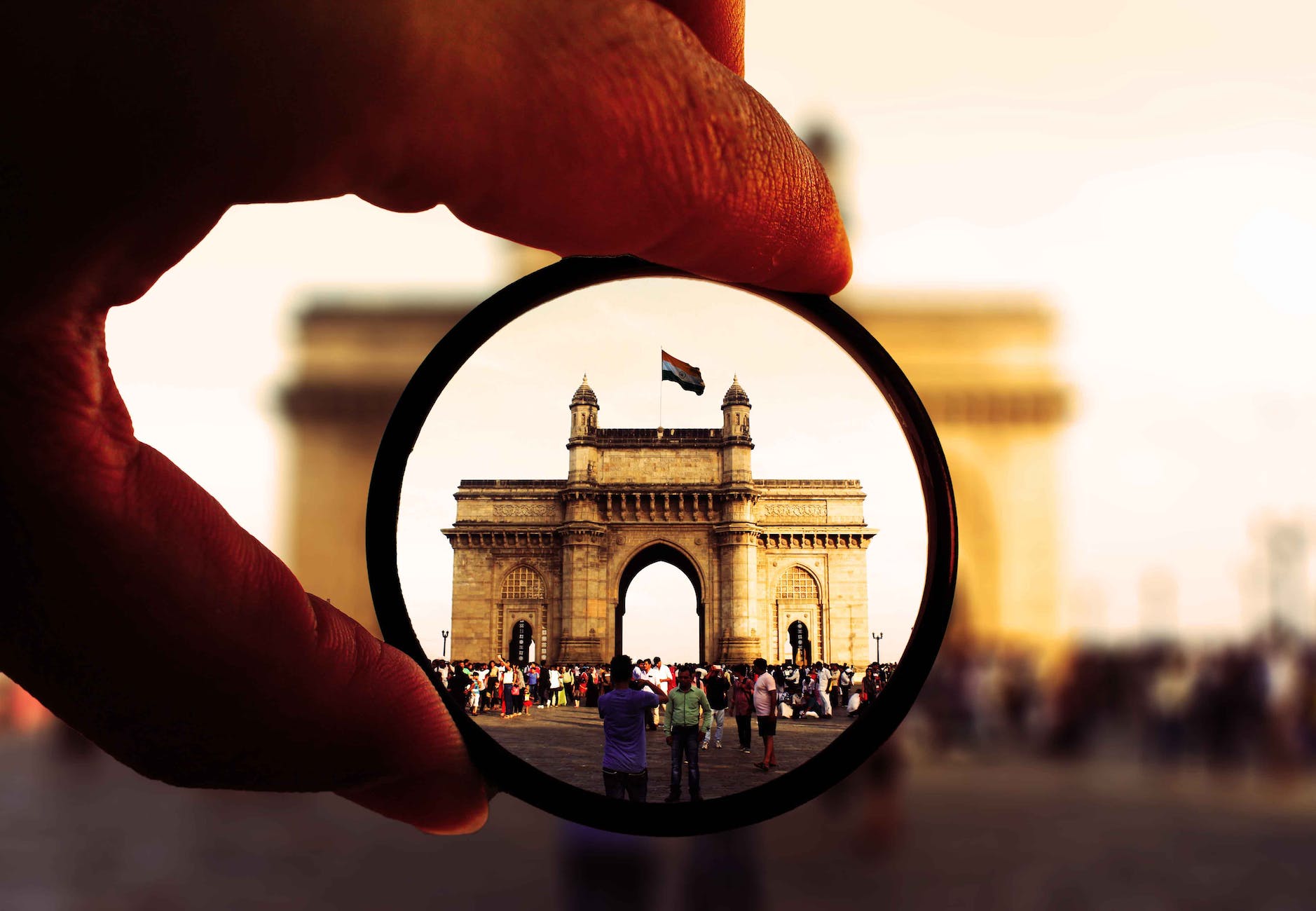
Hindi Diwas

 Hindi originated as a word for the people
who lived on the banks of the Indus River in ancient times. It is located in
India’s northwestern region. It is also one of Asia’s longest river systems..
Later in time, the word Indus was heard as the people called Hindus, and the
language they spoke was known as Hindi. Hindi also has its roots in Sanskrit.
Initially, there was only Sanskrit, but over time it underwent various changes
in the time frame of 1500 BC – 800 BC. There is a main dialect that flows into
other languages ​​called Khari Boli. It was this dialect that laid the foundation
for classical Hindustani popularity. Today’s Urdu and Hindi arose from Khari
Boli.

As such, India is a diverse, multilingual
country with its own culture, politics and historical significance. Hindi is
the most widely spoken language in our country. This is why Mahatma Gandhi said
that Hindi is our public language.


Bihar, which followed Urdu as its official
later in 1881, became the first state to declare Hindi as its official
language. Finally, on September 14, 1949, Hindi was accepted as the official
language of India.

This day is also declared as Hindi Diwas as
it is an attempt to pay homage to Beohar Rajendra Simha. He is recognized for
his efforts to make Hindi an official language of India.

No one has decided on the way to celebrate
Hindi Diwas. Many literary events and cultural programs are organized on this
important day. Themes of wearing Indian dress are decided and events are
organized in schools, colleges etc. Schools also hold various competitions such
as debates, essays and exhibitions. Various awards are also distributed for the
promotion of Hindi like Rajbhasha Kirti Puraskar and Rajbhasha Gaurav Puraskar
are distributed under public units, ministries, nationalized banks and also
among citizens.

Facts about Hindi, our mother tongue:

It is the fourth most widely spoken
language after Mandarin, Spanish and English.

It is written in the Devanagari script,
which originated in the 11th century.

Oxford dictionary has various Hindi words
like Kebab, Papad, Bada Din, Bacha, Surya Namaskar, Bapu, Dadagiri and many
more.

Other Hindi speaking countries are
Pakistan, Nepal, United Arab Emirates, Mauritius, Suriname, Tobago, Fiji,
Guyana and Trinidad.

Hindi is our mother tongue and it is also a
symbol of freedom which was won for all of us by our freedom fighters after a
long legendary struggle. It is time for us to wake up and realize that our
language and our identity are being unconsciously eliminated due to our
carelessness and the growing influence of westernization. We are nothing
without our cultural identity, hence Hindi Diwas is an attempt to rekindle the
essence of Hindi in our lives. It is time we value our own culture and
language. Celebrate Hindi Diwas with your loved ones and spread knowledge about
our mother tongue.


India’s position in Human Development Index(HDI) report.

The Human Development Index 2022 is part of the Human Development Report 2021-2022 released by the United Nations Development Programme. In HDI 2022, 191 countries have been ranked based on their HDI value measured on the basis of 4 indices- life expectancy at birth, mean years of schooling, expected years of schooling, and the Gross National Income (GNI) per capita.

India ranks 132 out of 191 countries in the Human Development Index (HDI) 2021. This shows a decline in its score over two consecutive years for the first time in three decades. In 2020, India ranked 130 with an HDI value of 0.642. Before the COVID-19 outbreak, the HDI value of India was 0.645 in 2018.
This drop in HDI score is consistent with the global trend which shows countries have fallen backward in human development since the outbreak of the COVID-19 pandemic.

With a rank of 132, India is now placed below its south Asian neighbours of Bangladesh (129th), Bhutan (127th), Sri Lanka (73rd) and China (79th). India registered a decline in its HDI score for two consecutive years for the first time in three decades. India’s HDI score of 0.633 placed it in the medium human development category. However, India has improved slightly in the Gender Inequality Index.

However, UNDP says the ranking cannot be comparable as in 2020, the HDI was measured for 189 countries, and this year, the value has been calculated for 191 countries. It also said India’s latest rank reflects global trend as 9 out of 10 countries have fallen backward in human development in the face of multiple crises like Covid-19, the war in Ukraine and dangerous planetary changes.

India's position in Human Development Index(HDI) report.

The Human Development Index 2022 is part of the Human Development Report 2021-2022 released by the United Nations Development Programme. In HDI 2022, 191 countries have been ranked based on their HDI value measured on the basis of 4 indices- life expectancy at birth, mean years of schooling, expected years of schooling, and the Gross National Income (GNI) per capita.

India ranks 132 out of 191 countries in the Human Development Index (HDI) 2021. This shows a decline in its score over two consecutive years for the first time in three decades. In 2020, India ranked 130 with an HDI value of 0.642. Before the COVID-19 outbreak, the HDI value of India was 0.645 in 2018.
This drop in HDI score is consistent with the global trend which shows countries have fallen backward in human development since the outbreak of the COVID-19 pandemic.

With a rank of 132, India is now placed below its south Asian neighbours of Bangladesh (129th), Bhutan (127th), Sri Lanka (73rd) and China (79th). India registered a decline in its HDI score for two consecutive years for the first time in three decades. India’s HDI score of 0.633 placed it in the medium human development category. However, India has improved slightly in the Gender Inequality Index.

However, UNDP says the ranking cannot be comparable as in 2020, the HDI was measured for 189 countries, and this year, the value has been calculated for 191 countries. It also said India’s latest rank reflects global trend as 9 out of 10 countries have fallen backward in human development in the face of multiple crises like Covid-19, the war in Ukraine and dangerous planetary changes.

WOMEN EMPOWERMENT

N kavya

Empowerment stands for giving authority and power to women. Thus, Women’s empowerment refers to empowering women to make their own decisions. It means women should have full equality across all fields, regardless of stereotypes. With higher literacy rates and equal pay for equal work, women can thrive economically and rise out of poverty. Protecting women and girls from violence and abuse while challenging the stigmas against reporting crimes would overall create a much safer society.

The Current State of Gender Equality:

On the World Economic Forum’s Global Gender Gap Index of 2021, India ranks 140th among 153 nations, “becoming the third-worst performer in South Asia.” India fell 28 places from its 2020 rank of 112th. The report cites several reasons for this fall. In terms of political empowerment, the number of female ministers declined from about 23% in 2019 to just 9% in 2021. The female workforce participation rate also decreased “from 24.8% to 22.3%.”
Additionally, the “share of women in senior and managerial positions also remains low.” The report also indicates that women in India earn just one-fifth of what men earn.

Furthermore, “one in four women” endure “intimate violence” at least once in their lifetime. Although India has achieved gender parity in educational attainment, illiteracy rates among women remain high. The report indicates that just 65.8% of women in India are literate in 2021 in comparison to 82.4% of men.


Women also endure inequality concerning land and property rights. A 2016 UNICEF report noted that only 12.7% of properties in India “are in the names of women” despite 77% of women in India depending on agricultural work as a core source of income.

Benefits of Empowering Women in India:

As the majority of India’s population, women represent a significant portion of the nation’s untapped economic potential. As such, empowering women in India through equal opportunities would allow them to contribute to the economy as productive citizens. With higher literacy rates and equal pay for equal work, women can thrive economically and rise out of poverty.

Protecting women and girls from violence and abuse while challenging the stigmas against reporting crimes would overall create a much safer society. Improving the female political representation rate would enable more women to serve as role models for young girls and allow a platform to bring awareness to the issues affecting women in India. Overall, gender equality allows for women to live a better quality of life, allowing them to determine their futures beyond traditional expectations.

Women Of Worth (WOW):

According to its website, “Women Of Worth exists for the growth, empowerment, and safety of girls and women” standing “for justice, equality and change.” WOW began in 2008, created by a group of women who longed for change in a society rife with gender discriminatory practices. Its ultimate vision is “to see women and girls live up to their fullest potential.” With a mission of empowering women in India.

The organization has three focal areas:

1. Advocacy Work: WOW utilizes social media platforms to raise awareness of gender inequality and “change attitudes and behavior.”


2. Training and Health Services: WOW provides training to both men and women in schools, tertiary institutions, and companies on women’s safety and rights. It also presents lectures and “keynote addresses” on the topic. Furthermore, WOW provides counseling sessions to improve mental health.
Rehabilitation and Restoration: WOW offers “counseling, life skills training, and therapy” to children and women who are victims of abuse, neglect, and trafficking.


WOW’s efforts have seen success. The organization helped to rescue 200 girls from abusive backgrounds, providing them with rehabilitation services. WOW also gave 11 girls scholarships to continue their education. WOW provided training on gender equality to about 800 working people and “1500 students” along with “200 parents” and 300 educators.


3. Gender equality is a crucial cornerstone in the advancement of any society or nation as it affects all areas of society from economic growth to education, health, and quality of life. Gender inequality in India is a deep-rooted, complex, and multi-layered issue but it is also an essential battle to overcome to see the fullest potential of the nation.

How are women empowered in India?

The Constitution of India has certain provisions that specifically focus on women’s empowerment and prevents discrimination against women in society. Article 14 talks about equality before the law. Article 15 enables the state to make special provisions for women.

Beti Bachao Beti Padhao Andolan has been launched for creating awareness among the people to educate all girl children in the country. The government successfully promotes this scheme by forming District Task Force and Block Task Force. The scheme was launched in the Panipat district of Haryana on 22 January 2015 with initial funding of Rs. 100 crore. Before the launching of this scheme, the Child Sex Ratio of Panipat was 808 in 2001 and 837 in 2011.
Massive publicity is made about the program in print and electronic media, and the logo of this scheme is very common in government buildings such as pillars of National Highway 44, Panipat District Court, bus stand, and railway station of Panipat district, etc.

Financial independence is important for women’s empowerment. Women, who are educated and earning, are in a much better position in our society as compared to uneducated women workers. Therefore, a scheme called working women hostels has been launched so that safe and convenient accommodation should be provided to working women. The benefit of this scheme is given to every working woman without any distinction of caste, religion, marital status, etc. To take benefit from this scheme, the gross total income of women should not exceed Rs. 50,000 per month in the case of metropolitan cities whereas, in the case of small cities, the gross total income should not exceed Rs. 35,000 per month.

The focus of the government has shifted from women’s development to women-led development. To achieve this goal, the government is working around the clock to maximize women’s access to education, skill training, and institutional credit. MUDRA Yojana ( Micro Units Development and Refinance Agency Ltd ) is one such scheme that was launched on 8 April 2015 in which loans up to Rs. 10 lakh are provided to women entrepreneurs, without any collateral. For instance: A woman namely Kamla daily wage laborer from Panipat has taken a loan of Rs. 45,000 from the State Bank of India to start work in a beauty parlor and she is engaged in gainful employment with dignity now.

Conclusion:

Women must have an equal voice, rights, and opportunities, throughout their lives. Gender equality can make a difference to individual lives and whole communities. Economic and Social Empowerment places women and girls in a stronger position. Women’s and girls Economic Empowerment gives a voice in decison making processes. women also should be given equal rights like men to actually empower them. They need to be strong, aware, and alert every time for their growth and development. The most common challenges are related to the education, poverty, health, and safety of women.

GOA

 GOA

Goa was formed on 30th May 1987. The capital of Goa is Panaji. The chief languages spoken by people are Marathi and Konkani. The main towns of Goa are Panaji, Margaret, Vasco, Ma- pusa and Ponda. The wildlife sanctuaries are Dr. Salim Ali Bird Sanctuary, the Bondla wildlife sanctuary, Molem National Park etc. The main beaches are Bogmalo(water sports), Varca, Candolim, Baga, Anjuna, Morjim,Candolim etc. The main waterfalls are Aravelam adjacent to Rudreshwara temple and rock cut caves, the Dudsagar waterfalls downward to it is Devil’s canyon suitable for trekkers and hikers. Tiracol is fort built by Marathas in 1745. Aguada fort built by Portuguese 1609 – 1612. Now used as central prison.Paddy is the main agriculture grown here.Ragi, cashew, coconut are also grown in Goa. Fishing is also main occupation of people. Main sweets of Goa are Bebinca, Dodol,Sanna and delicacies include Bangra, pork vindaloo, sorpotel, chourisso. Other attractions are the Secretariat building, Church of St. Francis of Assisi,Church of St. Austin,Church of St. Monica, Basilica of Bom Jesus,Goa state museum,Colma,Palolem etc.

Need of Engineers Day

 Engineer’s Day

“It is better to work out than rust out” – Sir M Visvesvaraya

Engineers play a crucial role in the development of a nation. On September 15, the country celebrates Engineer’s Day to appreciate the contribution of engineers. The day is celebrated as a tribute to the first, and one of the greatest ever engineers hailing from India Sir M. Visvesvaraya. Visvesvaraya’s contributions to the field of engineering and education are significant. Since 1968, India has celebrated Engineer’s Day on this date every year. 1883.

September 15 is observed as Engineer’s Day in India to mark the birth anniversary of Mokshagundam Visvesvaraya – considered a pioneer in the field of engineering in India. M. Visvesvaraya was also the Diwan of Mysore from 1912 to 1918. In fact, he was the brain behind the Krishnaraja Sagar dam in Mysore as well as the chief designer of the flood protection system for the city of Hyderabad. For 2021, the theme was “Engineering for A Healthy Planet- Celebrating the UNESCO Engineering Report.” As per reports, India has the second largest number of engineers in the world. Often at times, India is also referred to as the country of engineers. The day serves as a reminder to all engineers, especially civil engineers, to make Sir Visvesvaraya their role model and work towards accomplishing goals for the betterment of the country.

First step by India to become a major semi-conductor manufacturing hub, Vedanta-Foxconn project .

Semiconductors are materials that have electrical conductivity between conductors generally metals and non-conductors or insulators. Due to their role in the fabrication of electronic devices, semiconductors are an important part of our lives. Anything that’s computerized or uses radio waves depends on semiconductors. Semiconductors are an essential component of electronic devices, enabling advances in communications, computing, healthcare, military systems, transportation, clean energy, and countless other applications.

The country responsible for the most semiconductors in the world is China, Taiwan, South Korea, and Japan. The Indian semiconductor market was valued at USD 27.2 billion in 2021 and is expected to grow at a healthy CAGR of nearly 19 percent to reach $64 billion in 2026. But none of these chips is manufactured in India so far.

A joint venture of the Indian conglomerate Vedanta and Taiwanese electronics manufacturing giant Foxconn signed a Memorandum of Understanding on September 14 2022 with the Gujarat government to set up a semiconductor and display manufacturing unit in the state. The project is worth around 20 billion USD. This upcoming facility will mark the beginning of chip manufacturing in India. This is also strategically important for India because it will reduce our dependence on other countries.

Out of the total investment of Rs 1,54,000 crore, Rs 94,000 crore will go into setting up the display manufacturing unit while Rs 60,000 crore will be invested for the semiconductor manufacturing facility, the official said in event of MoU. The FAB (fabrication facility) manufacturing unit in the state facility in Gujarat would create one lakh job opportunities.

As per the MoUs signed by both parties, the Gujarat government will facilitate the investor in obtaining necessary permissions and clearances from the state departments concerned. Among the subsidies and assistance under the state policy, Gujarat will provide additional capital assistance at 40 percent of the capital expenditure assistance extended by the Centre for the projects approved under the India Semiconductor Mission. One-time reimbursement of 100 percent stamp duty and registration fees paid to the government, fixed water tariff at Rs 12 per cubic meter for five years, and a capital subsidy of 50 percent for a desalination plant are the financial benefits under the new policy.

A massive shortage in the semiconductor supply chain last year affected many industries, including electronics and automotive. To cut dependence on imports from nations like Taiwan and China, the government brought a financial incentive scheme for manufacturing semiconductors in the country. Vedanata-Foxconn is one of the successful applicants for the Production Linked Incentive (PLI) scheme for semiconductors and is also a step towards achieving self-reliance in the semiconductor field for the country.

First step by India to become a major semi-conductor manufacturing hub, Vedanta-Foxconn project .

Semiconductors are materials that have electrical conductivity between conductors generally metals and non-conductors or insulators. Due to their role in the fabrication of electronic devices, semiconductors are an important part of our lives. Anything that’s computerized or uses radio waves depends on semiconductors. Semiconductors are an essential component of electronic devices, enabling advances in communications, computing, healthcare, military systems, transportation, clean energy, and countless other applications.

The country responsible for the most semiconductors in the world is China, Taiwan, South Korea, and Japan. The Indian semiconductor market was valued at USD 27.2 billion in 2021 and is expected to grow at a healthy CAGR of nearly 19 percent to reach $64 billion in 2026. But none of these chips is manufactured in India so far.

A joint venture of the Indian conglomerate Vedanta and Taiwanese electronics manufacturing giant Foxconn signed a Memorandum of Understanding on September 14 2022 with the Gujarat government to set up a semiconductor and display manufacturing unit in the state. The project is worth around 20 billion USD. This upcoming facility will mark the beginning of chip manufacturing in India. This is also strategically important for India because it will reduce our dependence on other countries.

Out of the total investment of Rs 1,54,000 crore, Rs 94,000 crore will go into setting up the display manufacturing unit while Rs 60,000 crore will be invested for the semiconductor manufacturing facility, the official said in event of MoU. The FAB (fabrication facility) manufacturing unit in the state facility in Gujarat would create one lakh job opportunities.

As per the MoUs signed by both parties, the Gujarat government will facilitate the investor in obtaining necessary permissions and clearances from the state departments concerned. Among the subsidies and assistance under the state policy, Gujarat will provide additional capital assistance at 40 percent of the capital expenditure assistance extended by the Centre for the projects approved under the India Semiconductor Mission. One-time reimbursement of 100 percent stamp duty and registration fees paid to the government, fixed water tariff at Rs 12 per cubic meter for five years, and a capital subsidy of 50 percent for a desalination plant are the financial benefits under the new policy.

A massive shortage in the semiconductor supply chain last year affected many industries, including electronics and automotive. To cut dependence on imports from nations like Taiwan and China, the government brought a financial incentive scheme for manufacturing semiconductors in the country. Vedanata-Foxconn is one of the successful applicants for the Production Linked Incentive (PLI) scheme for semiconductors and is also a step towards achieving self-reliance in the semiconductor field for the country.

What is Empathy

Empathy is the capacity to understand or feel what another person is experiencing from within their frame of reference, that is, the capacity to place oneself in another’s position. 

Empathy is, at its simplest, awareness of the feelings and emotions of other people. It is a key element of Emotional Intelligence, the link between self and others, because it is how we as individuals understand what others are experiencing as if we were feeling it ourselves.

Empathy goes far beyond sympathy, which might be considered ‘feeling for’ someone. Empathy, instead, is ‘feeling with’ that person, through the use of imagination.


On the other hand, sympathy involves understanding from your own perspective. Empathy involves putting yourself in the other person’s shoes and understanding why they may have these particular feelings. In becoming aware of the root cause of why a person feels the way they do; we can better understand and provide healthier options.

“Unsympathetic” is a word that may be used to describe a person who lacks empathy. Someone may also use the terms “insensitive or “uncompassionate” to describe people who lack empathy.


Signs of a Lack of Empathy

  • Being extremely critical of other people.
  • Blaming the victim.
  • Not forgiving people for making mistakes.
  • Feeling like other people are too sensitive.
  • Not listening to other people’s perspectives or opinions.
  • An inability to cope with emotional situations.


What causes lack of empathy?


Low emotional intelligence, burnout, and stress
Being under prolonged stress may also lead someone to be less tolerant of other people’s behavior and have lower cognitive empathy. In some cases, emotional avoidance may also be a reason why someone may not develop or practice empathy.


Elements of Empathy


Understanding Others

Developing Others

Having a Service Orientation

Leveraging Diversity

Political Awareness

1.Understanding Others: This is perhaps what most people understand by ‘empathy’ “sensing others’ feelings and perspectives, and taking an active interest in their concerns”. Those who do this:

·         Tune into emotional cues. They listen well, and also pay attention to non-verbal communication, picking up subtle cues almost subconsciously. For more, see our pages on Listening Skills and Non-Verbal Communication.

·         Show sensitivity, and understand others’ perspectives.

All these are skills which can be developed, but only if you wish to do so. Some people may switch off their emotional antennae to avoid being swamped by the feelings of others.

2. Developing Others: means acting on their needs and concerns, and helping them to develop to their full potential. People with skills in this area usually:

  • Reward and praise people for their strengths and accomplishments, and provide constructive feedback designed to focus on how to improve. See our page on Giving and Receiving Feedback for more.
  • Provide mentoring and coaching to help others to develop to their full potential. See our pages on Mentoring and Coaching Skills for more.
  • Provide stretching assignments that will help their teams to develop. See our page on Delegation Skills.

3. Having a Service Orientation: Primarily aimed at work situations, having a service orientation means putting the needs of customers first and looking for ways to improve their satisfaction and loyalty.

People who have this approach will ‘go the extra mile’ for customers. They will genuinely understand customers’ needs, and go out of their way to help meet them.

In this way, they can become a ‘trusted advisor’ to customers, developing a long-term relationship between customer and organisation. This can happen in any industry, and any situation.

4. Leveraging diversity: means being able to create and develop opportunities through different kinds of people, recognising and celebrating that we all bring something different to the table.

Leveraging diversity does not mean that you treat everyone in exactly the same way, but that you tailor the way you interact with others to fit with their needs and feelings.

5. Political Awareness: Many people view ‘political’ skills as manipulative, but in its best sense, ‘political’ means sensing and responding to a group’s emotional undercurrents and power relationships.

Political awareness can help individuals to navigate organisational relationships effectively, allowing them to achieve where others may previously have failed


Empathy, Sympathy and Compassion

There is an important distinction between empathy, sympathy and compassion.

Both compassion and sympathy are about feeling for someone: seeing their distress and realising that they are suffering. Compassion has taken on an element of action that is lacking in sympathy, but the root of the words is the same.

Empathy, by contrast, is about experiencing those feelings for yourself, as if you were that person, through the power of imagination.

Three Types of Empathy

Psychologists have identified three types of empathy: cognitive empathy, emotional empathy and compassionate empathy.

  • Cognitive empathy is understanding someone’s thoughts and emotions, in a very rational, rather than emotional sense.
  • Emotional empathy is also known as emotional contagion, and is ‘catching’ someone else’s feelings, so that you literally feel them too.
  • Compassionate empathy is understanding someone’s feelings, and taking appropriate action to help.


How Do We Empathize?

Experts in the field of social neuroscience have developed two theories in an attempt to gain a better understanding of empathy. The first, Simulation Theory, “proposes that empathy is possible because when we see another person experiencing an emotion, we ‘simulate’ or represent that same emotion in ourselves so we can know first-hand what it feels like,” according to Psychology Today.

There is a biological component to this theory as well. Scientists have discovered preliminary evidence of “mirror neurons” that fire when humans observe and experience emotion. There are also “parts of the brain in the medial prefrontal cortex (responsible for higher-level kinds of thought) that show overlap of activation for both self-focused and other-focused thoughts and judgments,” the same article explains.

Some experts believe the other scientific explanation of empathy is in complete opposition to Simulation Theory. It’s Theory of Mind, the ability to “understand what another person is thinking and feeling based on rules for how one should think or feel,” Psychology Today says. This theory suggests that humans can use cognitive thought processes to explain the mental state of others. By developing theories about human behaviour, individuals can predict or explain others’ actions, according to this theory.

While there is no clear consensus, it’s likely that empathy involves multiple processes that incorporate both automatic, emotional responses and learned conceptual reasoning. Depending on context and situation, one or both empathetic responses may be triggered.

Cultivating Empathy: Empathy seems to arise over time as part of human development, and it also has roots in evolution. In fact, “Elementary forms of empathy have been observed in our primate relatives, in dogs, and even in rats,” the Greater Good Science Centre says. From a developmental perspective, humans begin exhibiting signs of empathy in social interactions during the second and third years of life.

This suggests we have a natural predisposition to developing empathy. However, social and cultural factors strongly influence where, how, and to whom it is expressed. Empathy is something we develop over time and in relationship to our social environment, finally becoming “such a complex response that it is hard to recognize its origin in simpler responses, such as body mimicry and emotional contagion,” the same source says.

Psychology and Empathy: In the field of psychology, empathy is a central concept. From a mental health perspective, those who have high levels of empathy are more likely to function well in society, reporting “larger social circles and more satisfying relationships,” according to Good Therapy, an online association of mental health professionals. Empathy is vital in building successful interpersonal relationships of all types, in the family unit, workplace, and beyond. Lack of empathy, therefore, is one indication of conditions like antisocial personality disorder and narcissistic personality disorder. In addition, for mental health professionals such as therapists, having empathy for clients is an important part of successful treatment.

Empathy plays a crucial role in human, social, and psychological interaction during all stages of life. Consequently, the study of empathy is an ongoing area of major interest for psychologists and neuroscientists in many fields, with new research appearing regularly.


How to Develop Empathy at Work

1.Give Your Full Attention: Listen carefully to what someone is trying to tell you. Use your ears, eyes and “gut instincts” to understand the entire message that they’re communicating.

Start with listening out for the key words and phrases that they use, particularly if they use them repeatedly. Then think about how as well as what they’re saying. What’s their tone or body language  telling you? Are they angry, ashamed or scared, for example?

Take this a stage further by listening empathically . Avoid asking direct questions, arguing with what is being said, or disputing facts at this stage. And be flexible – prepare for the conversation to change direction as the other person’s thoughts and feelings also change.


2.Consider Other People’s Perspective: You’re likely familiar with the saying, “Before you criticize someone, walk a mile in their shoes.” Examine your own attitude, and keep an open mind. Placing too much emphasis on your own assumptions and beliefs doesn’t leave much space for empathy!

Once you “see” why others believe what they believe, you can acknowledge it. This doesn’t mean you have to agree with it, but this is not the time for a debate. Instead, be sure to show respect and to keep listening.

When in doubt, invite the person to describe their position some more, and ask how they think they might resolve the issue. Asking the right questions  is probably the simplest and most direct way to understand the other person.

3.Take Action: There’s no one “right way” to demonstrate your compassionate empathy. It will depend on the situation, the individual, and their dominant emotion at the time. Remember, empathy is not about what you want, but what the other person wants and needs, so any action you take or suggest must benefit them.

And remember that empathy is not just for crises! Seeing the world from a variety of perspectives is a great talent – and it’s one that you can use all of the time, in any situation. And random acts of kindness brighten anyone’s day.


What is ANZIETY

Anxiety is body’s natural response to stress. It’s a feeling of fear or apprehension about what’s to come. For example, going to a job interview or giving a speech on the first day of school may cause some people to feel fearful and nervous.

But if the feelings of anxiety are extreme, last for at least 6 months, and are interfering with your life, then it may be anxiety disorder.

What are anxiety disorders?

It’s normal to feel anxious about moving to a new place, starting a new job, or taking a test. This type of anxiety is unpleasant, but it may motivate us to work harder and do a better job. Ordinary anxiety is a feeling that comes and goes but doesn’t interfere with our everyday life.

In the case of an anxiety disorder, the feeling of fear may be with us all the time. It’s intense and sometimes debilitating.

This type of anxiety may cause us to stop doing things we enjoy. For example, it may prevent us from entering an elevator, crossing the street, or even stepping out of home in extreme cases.

If left untreated, the anxiety will keep getting worse.

Anxiety disorders are the most common form of emotional disorder and can affect anyone. But, according to the American Psychiatric Association, women are more likely than men to receive a diagnosis of an anxiety disorder.

What are the types of anxiety disorders?

Anxiety is a vital part of several different disorders. These include:

1. panic disorder. This means you experience recurring panic attacks at unexpected times.

2. Phobia. This is an excessive fear of a specific object, situation, or activity.

3.Social anxiety disorder. This is an extreme fear of being judged by others in social situations.

4.obsessive-compulsive disorder. This means you have recurring irrational thoughts that lead you to perform specific, repeated behaviours.

5. Separation anxiety disorder. This means you have a fear of being away from home or your loved ones.

6.  anxiety disorder. This is anxiety about your health (formerly called hypochondria).

In addition, a number of mental health and medical conditions may feature anxiety as a symptom. These include:

a. post-traumatic stress disorder (PTSD). This is anxiety following a traumatic event.

b. Major depressive disorders. A strong relationship exists between depression and anxiety.

c. Chronic disease. Managing conditions such as chronic obstructive pulmonary disease (COPD) and diabetes may result in anxiety symptoms.

d. Inflammatory conditions. Anxiety can lead to chronic inflammation and diseases such as arthritis

e. substance use disorders: many people with anxiety may try to self-medicate to help manage their symptoms.

f. Chronic pain. Anxiety is often found in those with chronic pain disorders.

What are the symptoms of anxiety?

Anxiety feels different depending on the person experiencing it. Feelings can range from butterflies in your stomach to a racing heart. You might feel out of control like there’s a disconnect between your mind and body.

You may have a general feeling of fear and worry, or you may fear a specific place or event. In some cases, you may experience a panic attack.

Symptoms of anxiety can include:

1.    anxious thoughts or beliefs that are difficult to control

2.    restlessness

3.    trouble concentrating

4.    difficulty falling asleep

5.    fatigue

6.    irritability

7.    unexplained aches and pains

Your anxiety symptoms might be different from someone else’s. That’s why it’s essential to know how anxiety can present itself.

What is a panic attack?

A panic attack is a feeling of intense fear that comes on suddenly and peaks within 10 to 20 minutes. The initial trigger of the fear can be known or unknown.

The physical symptoms can mimic a heart attack. Once you’re experiencing a panic attack, the symptoms may get worse if you believe you may be having a heart attack or having a mental health emergency. Another common fear that may exacerbate a panic attack is the fear that you might be judged negatively if you’re having an attack in public.

Panic attacks can vary greatly, and symptoms may differ among individuals. In addition, the many symptoms of anxiety don’t happen to everyone, and they can change over time.

Common symptoms of a panic attack include:

chest pain

feeling of choking

fear of losing control

feeling of impending doom

sweating, chills, and hot flashes

shaking

numbness and tingling of hands, feet, or face

nausea or upset stomach

shortness of breath

fear of dying

When you experience repeated panic or anxiety attacks, you may have a panic disorder.

What causes anxiety?

1.stress

2.other medical issues such as depression or diabetes

3.first degree relatives with generalized anxiety disorder

4.environmental concerns, such as child abuse

substance use

5.situations such as surgery or occupational hazard

In addition, researchers believe that it stems from the areas of the brain responsible for controlling fear and the storing and retrieval of emotional and fear-related memories.

Who is at risk of anxiety disorders?

With each type of anxiety, there are different risk factors. But there are some general influencesincluding:

1.    Personality traits. This includes shyness and nervousness in childhood.

2.    Life history. This includes being exposed to negative or stressful life events.

3.    Genetics. Of those who have a diagnosis of anxiety, 25 percent  have a first degree relative who also has a diagnosis of anxiety.

4.    Other health conditions. Thyroid problems and other health conditions can make you prone to anxiety.

5.    Stimulants. Consuming caffeine, specific substances, and medications can worsen your symptoms.

Are there tests that diagnose anxiety?

A single test can’t diagnose anxiety. Instead, an anxiety diagnosis requires a lengthy process of physical examinations, mental health tests, and psychological questionnaires.

Some doctors or healthcare professionals may conduct a physical exam, including blood or urine tests to rule out underlying medical conditions that could contribute to the symptoms one is experiencing.

Several anxiety tests and scales are also used to help a doctor assess the level of anxiety.

What are treatments for anxiety?

Treatment for anxiety falls into three categories:

Psychotherapy. Therapy can include cognitive behavioural therapy and exposure response prevention.

Complemental health techniques. Mindfulnessyoga, and self-management strategies such as stress management are ways to treat your anxiety using alternative methods.

Medication. Doctors prescribe antianxiety and antidepressant drugs.

Meeting with a therapist or psychologist can help you learn tools to use and strategies to cope with stress when it occurs.

What natural remedies are used for anxiety?

Lifestyle changes can effectively relieve some of the stress and anxiety you may cope with every day. Most natural “remedies” consist of caring for your body and participating in healthy activities while eliminating unhealthy ones.

These include:

a. getting enough sleep

b.  meditating

c. staying active and exercising

d. eating a healthy diet

e.  avoiding alcohol

f. avoiding caffeine

g. quitting smoking cigarettes 

h.  Anxiety and depression

if you have an anxiety disorder, you may also be experiencing depression. While anxiety and depression can occur separately, it’s not unusual for mental health disorders to happen together.

Anxiety can be a symptom of clinical or major depression. Likewise, worsening symptoms of depression can become triggered by an anxiety disorder.

You can manage symptoms of both conditions with many of the same treatments: psychotherapy (counselling), medications, and lifestyle changes.

Why it’s important to address your mental health

It’s important for people to address their mental health to live lives that are fulfilling. Acknowledging and treating your mental health helps create resilience. It also teaches you to better cope. Then when a similar situation occurs, you are equipped to handle it.

Stressful situations are going to happen. How you react can determine how these situations will affect you. Many resources are available regarding anxiety, depression and stress.


Queen Elizabeth II (1926-2022)

N kavya

Elizabeth II (Elizabeth Alexandra Mary; 21 April 1926 – 8 September 2022) was Queen of the United Kingdom and other Commonwealth realms from 6 February 1952 until she died in 2022. She was queen regnant of 32 sovereign states during her lifetime and 15 at the time of her death.[a] Her reign of 70 years and 214 days is the longest of any British monarch and the longest recorded of any female head of state in history.

Elizabeth was born in Mayfair, London, as the first child of the Duke and Duchess of York (later King George VI and Queen Elizabeth). Her father acceded to the throne in 1936 upon the abdication of his brother, King Edward VIII, making Elizabeth the heir presumptive. She was educated privately at home and began to undertake public duties during the Second World War, serving in the Auxiliary Territorial Service. In November 1947, she married Philip Mountbatten, a former prince of Greece and Denmark, and their marriage lasted 73 years until his death in April 2021. They had four children: Charles, Anne, Andrew, and Edward.

When her father died in February 1952, Elizabeth—then 25 years old—became queen of seven independent Commonwealth countries: the United Kingdom, Canada, Australia, New Zealand, South Africa, Pakistan, and Ceylon (known today as Sri Lanka), as well as Head of the Commonwealth. Elizabeth reigned as a constitutional monarch through major political changes such as the Troubles in Northern Ireland, devolution in the United Kingdom, the decolonization of Africa, and the United Kingdom’s accession to the European Communities and withdrawal from the European Union. The number of her realms varied over time as territories gained independence and some realms became republics. Her many historic visits and meetings include state visits to China in 1986, Russia in 1994, and the Republic of Ireland in 2011, and meetings with five popes.

Significant events include Elizabeth’s coronation in 1953 and the celebrations of her Silver, Golden, Diamond, and Platinum jubilees in 1977, 2002, 2012, and 2022, respectively. Elizabeth was the longest-lived British monarch and the second-longest reigning sovereign in world history, behind only Louis XIV of France. She faced occasional republican sentiment and media criticism of her family, particularly after the breakdowns of her children’s marriages, her annus horribilis in 1992, and the death of her former daughter-in-law Diana, Princess of Wales, in 1997. However, support for the monarchy in the United Kingdom remained consistently high, as did her popularity. Elizabeth died aged 96 at Balmoral Castle, Aberdeenshire in 2022, months after the Platinum Jubilee, and was succeeded by her eldest son, Charles III.

Elizabeth was the elder daughter of Prince Albert, duke of York, and his wife, Lady Elizabeth Bowes-Lyon. As the child of a younger son of King George V, the young Elizabeth had little prospect of acceding to the throne until her uncle, Edward VIII (afterward duke of Windsor), abdicated in her father’s favor on December 11, 1936, at which time her father became King George VI and she became heir presumptive. The princess’s education was supervised by her mother, who entrusted her daughters to a governess, Marion Crawford; the princess was also grounded in history by C.H.K. Marten, afterward provost of Eton College, and had instruction from visiting teachers in music and languages. During World War II she and her sister, Princess Margaret Rose, perforce spent much of their time safely away from the London blitz and separated from their parents, living mostly at Balmoral Castle in Scotland and the Royal Lodge, Windsor, and Windsor Castle.
Early in 1947, Princess Elizabeth went with the king and queen to South Africa. After her return, there was an announcement of her betrothal to her distant cousin Lieutenant Philip Mountbatten of the Royal Navy, formerly Prince Philip of Greece and Denmark. The marriage took place in Westminster Abbey on November 20, 1947. On the eve of the wedding her father, the king, conferred upon the bridegroom the titles of duke of Edinburgh, earl of Merioneth, and Baron Greenwich. They took residence at Clarence House in London. Their first child, Prince Charles (Charles Philip Arthur George), was born on November 14, 1948,

In the summer of 1951, the health of King George VI entered into a serious decline, and Princess Elizabeth represented him at the Trooping the Colour and on various other state occasions. On October 7 she and her husband set out on a highly successful tour of Canada and Washington, D.C. After Christmas in England she and the duke set out in January 1952 for a tour of Australia and New Zealand, but en route, at Sagana, Kenya, news reached them of the king’s death on February 6, 1952. Elizabeth, now queen, at once flew back to England. The first three months of her reign, the period of full mourning for her father, were passed in comparative seclusion. But in the summer, after she had moved from Clarence House to Buckingham Palace, she undertook the routine duties of the sovereign and carried out her first state opening of Parliament on November 4, 1952. Her coronation was held at Westminster Abbey on June 2, 1953.

The modern monarch:

The queen seemed increasingly aware of the modern role of the monarchy, allowing, for example, the televising of the royal family’s domestic life in 1970 and condoning the formal dissolution of her sister’s marriage in 1978. In the 1990s, however, the royal family faced several challenges. The separation and later divorce (1996) of Charles and the immensely popular Diana further eroded support for the royal family, which was viewed by some as antiquated and unfeeling. The criticism intensified following Diana’s death in 1997, especially after Elizabeth initially refused to allow the national flag to fly at half-staff over Buckingham Palace. In line with her earlier attempts at modernizing the monarchy, the queen subsequently sought to present a less-stuffy and less-traditional image of the monarchy. These attempts In 2002 Elizabeth celebrated her 50th year on the throne. As part of her “Golden Jubilee,” events were held throughout the Commonwealth, including several days of festivities in London. Having dealt with several physical setbacks in recent years, Philip, who had been Elizabeth’s husband for more than seven decades, died in April 2021. On their 50th wedding anniversary, in 1997, Elizabeth had said of Philip, “He has, quite simply, been my strength and stay all these years.” Because of social-distancing protocols brought about by the COVID-19 pandemic, the queen sat alone in a choir stall in St. George’s Chapel (in Windsor Castle) at Philip’s funeral. The widely disseminated images of her tragic isolation were heartbreaking but emblematic of the dignity and courage that she brought to her reign. In June 2022 Britain celebrated Elizabeth’s 70 years on the throne with the “Platinum Jubilee,” a four-day national holiday that included the Trooping the Colour ceremony, a thanksgiving service at St. Paul’s Cathedral, a pop music concert at Buckingham Palace, and a pageant that employed street arts, theatre, music, circus, carnival, and costume to honor the queen’s reign. Health issues limited Elizabeth’s involvementElizabeth was known to favor simplicity in court life and was also known to take a serious and informed interest in government business, aside from the traditional and ceremonial duties. Privately, she became a keen horsewoman; she kept racehorses, frequently attended races, and periodically visited the Kentucky stud farms in the United States. Her financial and property holdings made her one of the world’s richest women.

Photo Gallery :

Mutual Funds

N kavya

A mutual fund is a company that pools money from many investors and invests the money in securities such as stocks, bonds, and short-term debt. The combined holdings of the mutual fund are known as its portfolio. Investors buy shares in mutual funds.

Why do people buy mutual funds?

Mutual funds are a popular choice among investors because they generally offer the following features:

1. Professional Management -:The fund managers research for you. They select the securities and monitor the performance.
2. Diversification-: “Don’t put all your eggs in one basket.” Mutual funds typically invest in a range of companies and industries. This helps to lower your risk if one company fails.
3. Affordability -: Most mutual funds set a relatively low dollar amount for initial investment and subsequent purchases.
4. Liquidity -: Mutual fund investors can easily redeem their shares at any time, for the current net asset value (NAV) plus any redemption fees.

What types of mutual funds are there?

1. Money market funds-: Have relatively low risks. By law, they can invest only in certain high-quality, short-term investments issued by U.S. corporations, and federal, state, and local governments.
2. Bond funds-: Have higher risks than money market funds because they typically aim to produce higher returns. Because there are many different types of bonds, the risks and rewards of bond funds can vary dramatically.
3. Stock funds-: Invest in corporate stocks. Not all stock funds are the same. Some examples are:
• Growth funds-: focus on stocks that may not pay a regular dividend but have the potential for above-average financial gains.
• Income funds-: invest in stocks that pay regular dividends.
• Index funds-: track a particular market index such as the Standard & Poor’s 500 Index.
• Sector funds-: specialize in a particular industry segment.
4. Target date funds -: Hold a mix of stocks, bonds, and other investments. Over time, the mix gradually shifts according to the fund’s strategy. Target date funds, sometimes known as lifecycle funds, are designed for individuals with particular retirement dates in mind.

What are the benefits and risks of mutual funds?

Mutual funds offer professional investment management and potential diversification. They also offer three ways to earn money:

1. Dividend Payments -: A fund may earn income from dividends on stock or interest on bonds. The fund then pays the shareholders nearly all the income, and fewer expenses.
2. Capital Gains Distributions -: The price of the securities in a fund may increase. When a fund sells a security that has increased in price, the fund has a capital gain. At the end of the year, the fund distributes these capital gains, minus any capital losses, to investors.
3. Increased NAV -: If the market value of a fund’s portfolio increases, after deducting expenses, then the value of the fund and its shares increases. The higher NAV reflects the higher value of your investment.


A fund’s past performance is not as important as you might think because past performance does not predict future returns. But past performance can tell you how volatile or stable a fund has been over a while. The more volatile the fund, the higher the investment risk.

How to buy and sell mutual funds:

Investors buy mutual fund shares from the fund itself or through a broker for the fund, rather than from other investors. The price that investors pay for the mutual fund is the fund’s per share net asset value plus any fees charged at the time of purchase, such as sales loads.

Mutual fund shares are “redeemable,” meaning investors can sell the shares back to the fund at any time. The fund usually must send you the payment within seven days.

Before buying shares in a mutual fund, read the prospectus carefully. The prospectus contains information about the mutual fund’s investment objectives, risks, performance, and expenses.

Avoiding fraud:

By law, each mutual fund is required to file a prospectus and regular shareholder reports with the SEC. Before you invest, be sure to read the prospectus and the required shareholder reports. Additionally, the investment portfolios of mutual funds are managed by separate entities known as “investment advisers” that are registered with the SEC. Always check that the investment adviser is registered before investing.

Are mutual funds safe?

Mutual funds are a safe investment if you understand them. Investors should not be worried about the short-term fluctuation in returns while investing in equity funds. You should choose the right mutual fund, which is in sync with your investment goals and invest with a long-term horizon.

Insurance and it’s Types

N kavya

Insurance is a means of protection from financial loss. It is a form of risk management, primarily used to hedge against the risk of a contingent or uncertain loss. An entity that provides insurance is known as an insurer, an insurance company, an insurance carrier, or an underwriter. an arrangement with a company in which you pay them regular amounts of money and they agree to pay the costs if, for example, you die or are ill, or if you lose or damage something.

Insurance is a contract in which an insurer indemnifies another against losses from specific contingencies or perils. It helps to protect the insured person or their family against financial loss. There are many types of insurance policies. Life, health, homeowners, and auto are the most common forms of insurance. insurance is a contract, represented by a policy, in which a policyholder receives financial protection or reimbursement against losses from an insurance company. The company pools clients’ risks to make payments more affordable for the insured.

Insurance policies are used to hedge against the risk of financial losses, both big and small, that may result from damage to the insured or their property or liability for damage or injury caused to a third party.

Key Takeways :

1. Insurance is a contract (policy) in which an insurer indemnifies another against losses from specific contingencies or perils.

2. There are many types of insurance policies. Life, health, homeowners, and auto are the most common forms of insurance.

3. The core components that make up most insurance policies are the deductible, policy limit, and premium.

How Insurance Works :

A multitude of different types of insurance policies is available, and virtually any individual or business can find an insurance company willing to insure them—for a price. The most common types of personal insurance policies are auto, health, homeowners, and life. Most individuals in the United States have at least one of these types of insurance, and car insurance is required by law. Businesses require special types of insurance policies that insure against specific types of risks faced by a particular business. For example, a fast-food restaurant needs a policy that covers damage or injury that occurs as a result of cooking with a deep fryer. An auto dealer is not subject to this type of risk but does require coverage for damage or injury that could occur during test drives. There are also insurance policies available for very specific needs, such as kidnap and ransom (K&R), medical malpractice, and professional liability insurance, also known as errors and omissions insurance.

Insurance Policy Components:

A firm understanding of these concepts goes a long way in helping you choose the policy that best suits your needs. For instance, whole life insurance may or may not be the right type of life insurance for you. Three components of any type of insurance are crucial: premium, policy limit, and deductible.

1. Premium -:
A policy’s premium is its price, typically expressed as a monthly cost. The premium is determined by the insurer based on your or your business’s risk profile, which may include creditworthiness.

2. Policy Limit -:
The policy limit is the maximum amount that an insurer will pay under a policy for a covered loss. Maximums may be set per period (e.g., annual or policy term), per loss or injury, or over the life of the policy, also known as the lifetime maximum.

3. Deductible -:
The deductible is a specific amount that the policyholder must pay out of pocket before the insurer pays a claim. Deductibles serve as deterrents to large volumes of small and insignificant claims.

Types of Insurance :

There are many different types of insurance. Let’s look at the most important.

1.Health Insurance -:
Regarding health insurance, people who have chronic health issues or need regular medical attention should look for policies with lower deductibles. Though the annual premium is higher than a comparable policy with a higher deductible, less expensive access to medical care throughout the year may be worth the tradeoff.

2. Home Insurance -:
Homeowners insurance (also known as home insurance) protects your home and possessions against damage or theft. Virtually all mortgage companies require borrowers to have insurance coverage for the full or fair value of a property (usually the purchase price) and won’t make a loan or finance a residential real estate transaction without proof of it.

3. Auto Insurance -:
When you buy or lease a car, it’s important to protect that investment. Getting auto insurance can offer reassurance in case you’re involved in an accident or the vehicle is stolen, vandalized, or damaged by a natural disaster. Instead of paying out of pocket for auto accidents, people pay annual premiums to an auto insurance company; the company then pays all or most of the costs associated with an auto accident or other vehicle damage.


4. Life Insurance -:
Life insurance is a contract between an insurer and a policy owner. A life insurance policy guarantees that the insurer pays a sum of money to named beneficiaries when the insured dies in exchange for the premiums paid by the policyholder during their lifetime. Life insurance. life insurance provides for your family if you unexpectedly die. This is especially important if your family is dependent on your salary. Industry experts suggest a policy that pays out 10 times your yearly income. But not everyone can afford the cost. When estimating the amount of life insurance you need, factor in funeral expenses. Then calculate your family’s daily living expenses. These may include mortgage payments, outstanding loans, credit card debt, taxes, child care, and future college costs.


5. Travel Insurance -:
Travel insurance is a type of insurance that covers the costs and losses associated with traveling. It is useful protection for those traveling domestically or abroad.

6. Long-Term Disability Coverage -: Long-term disability insurance is the type of insurance most of us think we will never need. Yet, according to statistics from the Social Security Administration, one in four workers entering the workforce will become disabled and will be unable to work before they reach the age of retirement. Often, even workers who have great health insurance, a nice nest egg, and a good life insurance policy don’t prepare for the day when they might not be able to work for weeks, months, or ever again. While health insurance pays for hospitalization and medical bills, you’re still left with all of the expenses that your paycheck had covered.

Is insurance an asset?

Depending on the type of life insurance policy and how it is used, permanent life insurance can be considered a financial asset because of its ability to build cash value or be converted into cash. Simply put, most permanent life insurance policies can build cash value over time.

Conclusion:

Insurance plans will help you pay for medical emergencies, hospitalization, contraction of any illnesses and treatment, and medical care required in the future. The financial loss to the family due to the unfortunate death of the sole earner can be covered by insurance plans.