Features of a Healthy Lifestyle


What is healthy
lifestyle?


A healthy lifestyle, put simply, is a way of life that
lowers your risk of developing serious illnesses or shortens your life
expectancy. Many dangerous illnesses can be averted by adopting certain
practices and avoiding others, even though we cannot completely prevent all
diseases.


What are the essential
features of a healthy lifestyle?


A healthy diet


 • Eating a variety of foods in the right amounts and
sticking to a calorie intake that supports maintaining a healthy body weight
are both components of a balanced diet. Although everyone’s situation is
different, as a basic guideline, this should contain:

• A third of your daily dietary intake should consist of at
least five pieces of fruit and vegetables. According to data, those who achieve
this threshold have a lower risk of some malignancies and heart conditions.

• Starchy foods, especially those made with whole grains,
which have higher fibre and nutritional contents than white grains. Whole
grains have been found to support good gut bacteria and lower the risk of a
number of malignancies, type 2 diabetes, and heart disease.

• Lean proteins are crucial for cellular repair and offer a
variety of vitamins and minerals, notably fish, eggs, and white meat.

• Dairy products and products derived from them, which are a
good source of calcium and protein.

• Saturated fats in moderation.


Physical activity


The World Health Organization advises all adults to engage
in regular physical activity, including at least two sessions per week of
weight-bearing exercise, in addition to at least thirty minutes of moderate
aerobic activity daily. Being physically fit helps prevent secondary prevention
(i.e., the worsening of symptoms) of diseases like cardiovascular disease, certain
malignancies, diabetes mellitus, and osteoporosis.


Healthy body weight


The importance of maintaining a healthy body weight for
overall health and illness prevention cannot be overstated. Body mass index
(BMI), a measurement of body fat based on height and weight, is a valuable tool
for determining if a person’s weight is healthy. A BMI score of 18.5 to 24.9 is
considered normal; a score of 25.0 to 29.9 suggests an individual is
overweight; and a score of 30 or higher denotes obesity. BMI score and disease
risk are positively connected, with higher scores indicating a higher risk of a
number of diseases, such as:

• Diabetes type 2

• Heart condition

• Liver disease

• Hypertension

• Mood issues

• Reproductive disorder

• Cancer risk


Obesity and being overweight increase the risk of disease.


Tobacco use
 

There is no degree of tobacco usage or smoking that is
considered safe. Therefore, never having smoked is correlated with the best
health outcomes.

Eight million individuals per year pass away from smoking-related
illnesses, with smoking being directly responsible for 70% of lung cancer
cases. The esophagus, mouth, throat, pancreas, stomach, and liver are just a
few of the numerous bodily parts where it can cause cancer. Smoking harms the
heart’s tissue and circulation, raising the risk of vascular disease,
myocardial infarction, coronary heart disease, and stroke.


Moderate alcohol intake


One to two drinks per day for men and one drink per day for
women constitute a moderate intake of alcohol. Consuming alcohol at these
amounts raises the likelihood of bad health effects. For instance, excessive
consumption can boost blood triglycerides, which raises the risk of heart
attack and stroke. Additionally, it can cause heart arrhythmia, cardiomyopathy,
and excessive blood pressure.

WORLD PHYSICAL THEARPY DAY


WORLD PHYSICAL THEARPY DAY-
SEPTEMBER 8, 2002


Every year on September 8, there is a celebration of World
Physical Therapy Day. In order to keep people healthy and fit, it is important
to raise awareness of the vital role that physical therapists and treatments
for chronic pain play in society. Physical therapists work to repair lost or
damaged functionality, treat an injury or deformity, and instruct patients
about healthy lifestyle choices. Numerous illnesses, including cancer, fibromyalgia,
muscular dystrophy, and osteoarthritis, are associated with chronic pain,
including low back pain, cervical and thoracic discomfort, shoulder pain, and
headache issues.


5
FACTS ABOUT PHYSICAL THERAPY THAT WILL AMAZE YOU


Established in Canada

Physiotherapy was used to treat thousands of soldiers in
Canada during World War I; in fact, it was frequently used as the first line of
protection.

It can eliminate the
need for surgery

According to
research reported in the “Annals of Internal Medicine” in April 2015,
physical therapy can help people with lumbar spinal stenosis (LSS), a lower
back discomfort caused by a narrowing of the spine, avoid surgery

Physiotherapy and
physical therapy are the same

Many people mistakenly
believe that physical therapy and physiotherapy are two different things.
However, while this may be true in some other nations, in Canada, these two
terms are interchangeable
.

 It dates back
thousands of years

Hippocrates,
the founder of Western medicine, is credited with creating physiotherapy, and
it’s astonishing to learn that he used water therapy to cure his patients, that
continues to be in use today!


WHY PHYSICAL
THEARPY DAY IS IMPORTANT

 Respecting
physical therapists

 It is
commemorated to spread awareness of the vital role that physical therapists and
treatments for chronic pain play in helping people stay healthy and fit.

 Overcoming
obstacles with physical therapy

 Physical
therapy can help a person participate more actively in everyday activities
despite any physical restrictions. a great way to maintain your health
throughout your life.

 Age-related
issues are better managed

 As people
age, they may develop osteoporosis or arthritis, or they may need to have a
joint replacement. Physical therapists are experts at guiding patients through
the recovery process following joint replacement surgery and managing arthritic
or osteoporotic conditions conservatively.

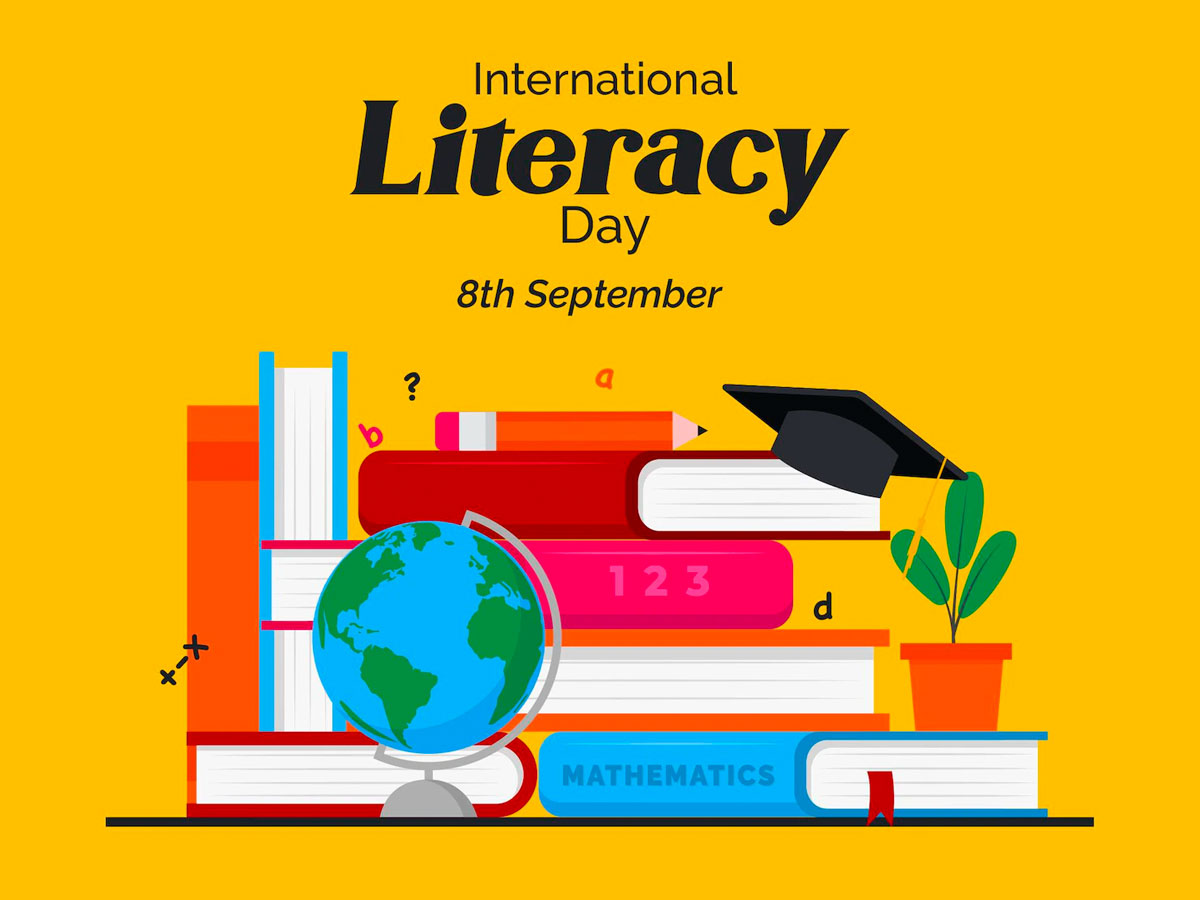
INTERNATIONAL LITERACY DAY

INTERNATIONAL LITERACY DAY- SEPTEMBER 8, 2022


Every year on September 8, International Literacy Day is
celebrated to bring attention to and concern for literacy issues that exist
both locally and globally. The United Nations  Educational, Scientific and
Cultural Organization, or UNESCO, established International Literacy Day in
1966 “to remind the public of the importance of literacy as a matter of
dignity and human rights,” and it returns responsibility for the problems
of illiteracy to local communities where literacy begins, one person at a time.


HISTORY OF INTERNATIONAL LITERACY DAY

Despite significant improvements in literacy rates during
the more than 50 years since the first International Literacy Day, illiteracy
is still a major issue on a global scale. It is estimated that more than 750
million adults worldwide are illiterate. No country or culture on earth is
immune to the affliction of illiteracy, including the United States, where an
estimated 32 million Americans lack basic literacy skills.


What is literacy, exactly?


Literacy is described as
“the quality or state of being literate: educated…able to read and
write” in the Miriam-Webster Dictionary. You probably spend a lot of time
reading online, so it 
may come as a surprise to hear that there are people
living and working in your 
area who are unable to read not
only this post but also books, menus at restaurants, traffic signs, voting
ballots, instructions, prescription bottle labels, and cereal boxes.


Can you picture surviving in today’s world without the
fundamental skills of reading and writing? The goal of International Literacy
Day is to eradicate illiteracy in every local community around the globe.


 The idea for International Literacy Day was initially
proposed during the Tehran, Iran-hosted “World Conference of Ministers of
Education for the Eradication of Illiteracy” in 1965. In the year that
followed, UNESCO took the initiative and established September 8 as
International Literacy Day, with the main objective being “…to remind
the international community of the importance of literacy for individuals,
communities, and societies, and the need for intensified efforts towards more
literate societies.” One year later, the world community took up the
challenge of eradicating illiteracy by taking part in the first International
Literacy Day.


TRADITIONS
OF THE DAY

A gift that is frequently taken for granted is literacy. In
our daily lives, reading is crucial. Being unable to read or write makes it
difficult to get around and prevents you from enjoying a wide variety of
things.


On International Literacy Day, groups and people step up
and use their literacy to support and encourage those who are having
trouble reading and writing. Volunteers from the community, including students
and working adults, tutor local children, donate books to local libraries, and
sponsor a student’s tuition and education to help them succeed in life.


To plan and carry out the best strategies for the abolition
of illiteracy, institutions, government- and international organizations hold
think tanks and debate forums in addition to organizing grassroots literacy
campaigns. They additionally hold fundraising events. Every year, a theme is
chosen for International Literacy Day as a means of raising public awareness of
a particular subject.


Role of Small Scale Industries(SSI) in India.

In a developing country like India, the role and importance of small-scale industries is very significant towards poverty eradication, employment generation, rural development and creating regional balance in promotion and growth of various development activities.

It is estimated that this sector has been contributing about 40% of the gross value of output produced in the manufacturing sector and the generation of employment by the small-scale sector is more than five times to that of the large-scale sector.

This clearly shows the importance of small-scale industries in the economic development of the country. The small-scale industry have been playing an important role in the growth process of Indian economy since independence in spite of stiff competition from the large sector and not very encouraging support from the government.

The following are some of the important role played by small- scale industries in India.

Employment generation:

The basic problem that is confronting the Indian economy is increasing pressure of population on the land and the need to create massive employment opportunities. This problem is solved to larger extent by small-scale industries because small- scale industries are labour intensive in character. They generate huge number of employment opportunities. Employment generation by this sector has shown a phenomenal growth. It is a powerful tool of job creation.

Mobilisation of resources and entrepreneurial skill:

Small-scale industries can mobilize a good amount of savings and entrepreneurial skill from rural and semi-urban areas remain untouched from the clutches of large industries and put them into productive use by investing in small-scale units. Small entrepreneurs also improve social welfare of a country by harnessing dormant, previously overlooked talent.

Equitable distribution of income:

Small entrepreneurs stimulate a redistribution of wealth, income and political power within societies in ways that are economically positive and without being politically disruptive.

Thus small-scale industries ensures equitable distribution of income and wealth in the Indian society which is largely characterised by more concentration of income and wealth in the organised section keeping unorganised sector undeveloped. This is mainly due to the fact that small industries are widespread as compared to large industries and are having large employment potential.

Regional dispersal of industries:

There has been massive concentration of industries m a few large cities of different states of Indian union. People migrate from rural and semi urban areas to these highly developed centres in search of employment and sometimes to earn a better living which ultimately leads to many evil consequences of over-crowding, pollution, creation of slums, etc. This problem of Indian economy is better solved by small- scale industries which utilise local resources and brings about dispersion of industries in the various parts of the country thus promotes balanced regional development.

Promotes exports:

Small-scale industries have registered a phenomenal growth in export over the years. The value of exports of products of small-scale industries has increased to Rs. 393 crores in 1973-74 to Rs. 71, 244 crores in 2002-03. This contributes about 35% India’s total export. Thus they help in increasing the country’s foreign exchange reserves thereby reduces the pressure on country’s balance of payment.

Supports the growth of large industries:

The small-scale industries play an important role in assisting bigger industries and projects so that the planned activity of development work is timely attended. They support the growth of large industries by providing, components, accessories and semi finished goods required by them. In fact, small industries can breath vitality into the life of large industries.

Role of Small Scale Industries(SSI) in India.

In a developing country like India, the role and importance of small-scale industries is very significant towards poverty eradication, employment generation, rural development and creating regional balance in promotion and growth of various development activities.

It is estimated that this sector has been contributing about 40% of the gross value of output produced in the manufacturing sector and the generation of employment by the small-scale sector is more than five times to that of the large-scale sector.

This clearly shows the importance of small-scale industries in the economic development of the country. The small-scale industry have been playing an important role in the growth process of Indian economy since independence in spite of stiff competition from the large sector and not very encouraging support from the government.

The following are some of the important role played by small- scale industries in India.

Employment generation:

The basic problem that is confronting the Indian economy is increasing pressure of population on the land and the need to create massive employment opportunities. This problem is solved to larger extent by small-scale industries because small- scale industries are labour intensive in character. They generate huge number of employment opportunities. Employment generation by this sector has shown a phenomenal growth. It is a powerful tool of job creation.

Mobilisation of resources and entrepreneurial skill:

Small-scale industries can mobilize a good amount of savings and entrepreneurial skill from rural and semi-urban areas remain untouched from the clutches of large industries and put them into productive use by investing in small-scale units. Small entrepreneurs also improve social welfare of a country by harnessing dormant, previously overlooked talent.

Equitable distribution of income:

Small entrepreneurs stimulate a redistribution of wealth, income and political power within societies in ways that are economically positive and without being politically disruptive.

Thus small-scale industries ensures equitable distribution of income and wealth in the Indian society which is largely characterised by more concentration of income and wealth in the organised section keeping unorganised sector undeveloped. This is mainly due to the fact that small industries are widespread as compared to large industries and are having large employment potential.

Regional dispersal of industries:

There has been massive concentration of industries m a few large cities of different states of Indian union. People migrate from rural and semi urban areas to these highly developed centres in search of employment and sometimes to earn a better living which ultimately leads to many evil consequences of over-crowding, pollution, creation of slums, etc. This problem of Indian economy is better solved by small- scale industries which utilise local resources and brings about dispersion of industries in the various parts of the country thus promotes balanced regional development.

Promotes exports:

Small-scale industries have registered a phenomenal growth in export over the years. The value of exports of products of small-scale industries has increased to Rs. 393 crores in 1973-74 to Rs. 71, 244 crores in 2002-03. This contributes about 35% India’s total export. Thus they help in increasing the country’s foreign exchange reserves thereby reduces the pressure on country’s balance of payment.

Supports the growth of large industries:

The small-scale industries play an important role in assisting bigger industries and projects so that the planned activity of development work is timely attended. They support the growth of large industries by providing, components, accessories and semi finished goods required by them. In fact, small industries can breath vitality into the life of large industries.