Two-day knowledge sharing workshop under STARS

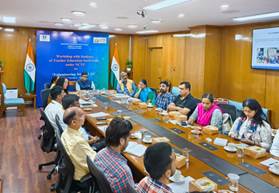
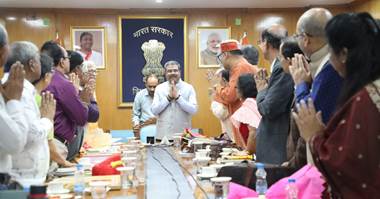
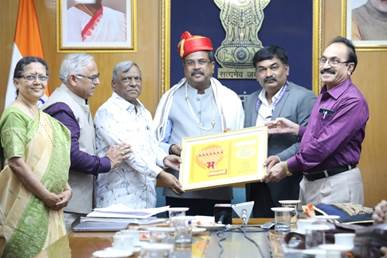
The Department of School Education & Literacy (DoSE&L), Ministry of Education, hosted a two-day Strengthening Teaching-Learning and Results for States (STARS) knowledge sharing workshop in Bhopal, Madhya Pradesh, from 30th September to 1st October 2024. The workshop, focusing on School-to-Work Transition and Strengthening the Assessment System, was inaugurated by Shri Uday Pratap Singh, Minister of Transport and School Education, Madhya Pradesh. The workshop emphasized the Ministry of Education’s commitment to fostering a robust educational ecosystem that prepares students for the challenges of the future workforce.

Shri Singh during his inaugural speech said that the National Education Policy 2020 emphasises on the overall development of children. He also mentioned that the STARS project will play a crucial role in the transformation of the education system.

Day 1: School-to-Work Transition

Shri Sanjay Kumar, Secretary, DoSE&L, in the inaugural session, provided essential context for the workshop, emphasizing the importance of bridging the gap between education and employment. Shri Vipin Kumar, Additional Secretary, DoSE&L, welcomed all the participants in the workshop providing great scope for learning. Dr. Sanjay Goyal, Secretary, Department of Education, Madhya Pradesh, highlighted the importance of this workshop and cross-learning which can happen between the states through such platforms.

The first panel discussion, moderated by Shri Vipin Kumar, focused on the role of policy frameworks such as National Education Policy 2020, National Curriculum Framework (NCF), and National Credit Framework (NCrF) in school-to-work transitions. Discussions highlighted the integration of skill education into school curricula, the role of the NCF in fostering multidisciplinary learning and adaptability, and the importance of continuous evaluation and updating of curricula to match industry standards. The panel also addressed the promotion of real-world exposure through internships and apprenticeships under NEP and NCrF, the flexibility of learning pathways through NCrF, and the role of policies in bridging the gap between academia and industry.

Prof. Dinesh Prasad Saklani, Director, NCERT, in his presentation, said that departments need to work in integration and not in silos, with a common vision of strengthening the education system for our future generations. He also highlighted the need to align the curriculum with the industry demands to make school-to-work transition more seamless for young learners.

Shri Biswajit Saha, Director, Skills, CBSE, talked about strengthening 21st century skills across CBSE schools and moderated a panel discussion on the challenges and potential solutions in integrating skill hubs into the educational landscape, sharing experiences and best practices, and discussing strategies for effective implementation within schools and communities.

A panel discussion on psychometric analysis and career counselling in skill education was moderated by Dr. Usha Titus, Managing Director, Additional Skill Acquisition Programme, Kerala. The discussion centred on assessing the effectiveness of career counselling programs using data from psychometric assessments, evolving trends in career counselling, and the challenges faced in preparing students for the future workforce.

Dr. Supriya A.R., SPD of Kerala, discussed the partnerships with industry and work-based learning opportunities, leading to a panel discussion moderated by Shri Rajesh Sharma, SPD, Himachal Pradesh. The panel discussed building effective partnerships between schools and industry bodies, collaborating on programs, internships, and job placement efforts, and identifying best practices to enhance work-based learning.

Day 2: Strengthening Assessment System

On the second day, in his opening remarks, Shri Vipin Kumar, Additional Secretary of DoSE&L, discussed  the current effectiveness and need for improvement in assessment models. Smt. Idzes Angmo Kundan, Principal Secretary, Maharashtra, delivered an insightful presentation on Psychometric Analysis and Career Counselling in Skill Education, where she highlighted the 3 P approach to career choice, i.e., Personal interest, Parental approach, and Possible Opportunities.

Shri Dinesh Singh Kushwaha, Director, Public Instructions, Madhya Pradesh, made a compelling presentation on enhancing student outcome through strengthening assessment systems for future education. Dr. Jonas Bertling, Director of Educational Testing Service (ETS), discussed innovations in educational assessment. Dr. Maj. Vishal Sharma, Secretary, Himachal Pradesh Board for Secondary Education, highlighted innovative assessment practices that empower students for future education.

A presentation on VSK implementation in the state of Chhattisgarh was presented by Shri Pardeshi Siddharth Komal, Principal Secretary, Chhattisgarh. He moderated a panel discussion on VSK Modes and Integrating Assessment Outcomes for Informed Decision-Making. The panel provided insights on objectives and components of VSK including data collection and analysis, and strategies for integrating assessment outcomes with learning objectives.

Shri Ashish Modi, Director, Secondary Education, Rajasthan, made a compelling presentation on the importance of an assessment cell. The presentation was followed by a panel discussion on the theme of Strengthening Assessment Cells in states, which was moderated by Dr. M.K. Shanmuga Sundaram, Principal Secretary – Basic Education, Uttar Pradesh. The panel discussed the role of assessment cells in enhancing educational effectiveness, innovative practices adopted by these cells and the challenges faced along with strategies for mitigation.

The workshop concluded with key takeaways summarized by Shri Vipin Kumar. He underlined strategies for enhancing assessment systems and school-to-work transitions.

The event was graced by Shri Nilambuj Sharan, Senior Economic Advisor, Ministry of Skill Development and Entrepreneurship, Government of India; Shri Deepak Paliwal, Joint Director, PSSCIVE; Col. Santosh Kumar, Director, NCVET; Shri Narayanan Ramaswamy, National Head (Education and Skilling), KPMG; Smt. R. Vimala, SPD, Maharashtra; Smt. Ananya Das, SPD of Odisha; Shri Somit Shrivastava, Joint Commissioner (Per), Kendriya Vidhyalaya Sangathan; Shri Nitin Kapoor, CEO and Head, NSDC Academy; Shri Marvell Doss, Regional Director, Regional Directorate of Skill Development and Entrepreneurship, Bhopal; Shri Vibhash Trivedi, General Manager, Strategy and Operations, Skill Council for Green Jobs; Shri Ambrish Datta, Founder & CEO of Skillsvarsity; Shri Rohit Tripathi, Additional Project Director, Samagra Shiksha, Uttar Pradesh; Shri Deepak Rai, State Assistant Director – OSEPA, Odisha; Shri Manoj Padhi, Director SCERT, Odisha and Shri Rahul Rekhawar, Director, SCERT, Maharashtra.

*****
Observance of International Day of Older Persons

On 14th December 1990, the United Nations General Assembly designated October 1st as the International Day of Older Persons. The International Day of Older Persons was observed for the first time on October 1, 1991. According to United Nations, with the life expectancy at birth now exceeding 75 years in half of the world’s countries, 25 years longer than in 1950, by 2030, older persons are projected to outnumber youth globally, with this increase most rapid in developing countries. The observance of this day provides an opportunity to acknowledge the contribution, wisdom, dignity and needs of our senior citizens and to rededicate our efforts to ensure their well-being.

The Department of Social Justice and Empowerment along with  Department of School Education& Literacy is proposing a range of activities for the entire month of October, 2024 to help inculcate values of respect and gratitude towards senior citizens among students from an early age. These initiatives will foster respect and care for senior citizen among youngsters. This will lead to inter-generational bonding and empathy. In this regard, the following key initiatives are proposed to be undertaken viz:

  • Educational Institutions may host annual Grandparents’ Day with activities like storytelling and games to connect generations. They can also hold pledge-taking ceremonies for students, teachers, and staff to pledge respect for senior citizens, with these pledges displayed prominently in the institutions as a reminder.
  • As part of morning assemblies or language classes, students may be encouraged to recite poems or shlokas that highlight the importance of respecting elders. These can be drawn from lndia’s rich cultural heritage, resonating deeply with students.
  • Educational Institutions may introduce regular sessions where students and senior citizens from the community interact through various activities, such as sharing stories, discussing history, or learning about traditional crafts. This will help students develop an appreciation for the experiences and knowledge that senior citizens possess.
  • Encouraging students to engage in community service with senior citizens fosters inter-generational solidarity, mutual respect, and understanding. Educational Institutions may collaborate with local communities to create mentorship programs where seniors guide students in arts, culture, and vocational skills. This initiative benefits both generations by giving students valuable insights and providing seniors with purpose and connection.

For the month-long celebration of the International Day of Older Persons starting from 01.10.2024, the above initiatives have been shared with the States/UTs and Educational Institutions to instil the values of care and concern for the senior citizens among the youth as well as to involve the community in addressing to the issues and challenges faced by the senior citizens.

*****

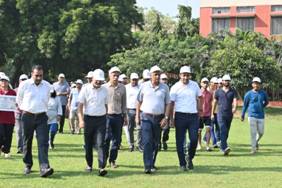
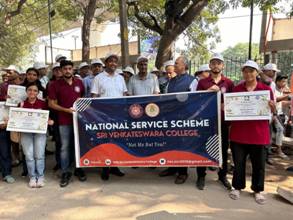
Ministry of Education in collaboration with NSS organises Swachhata Campaign under theme “Swabhav Swachhata, Sanskaar Swachhata ”at Sri Venkateswara College, University of Delhi

Shri K. Sanjay Murthy, Secretary, Department of Higher Education (DoHE), Ministry of Education, participated in a Swachhata Campaign under the theme of Swabhav Swachhata, Sanskaar Swachhata commemorating the birth anniversary of Mahatma Gandhi and Shri Lal Bahadur Shastri at the Sri Venkateswara College (SVC), University of Delhi, today. The Ministry of Education organised the event in collaboration with the National Service Scheme (NSS).

Additional Secretary, DoHE, Shri Sunil Kumar Barnwal; Joint Secretary (DoHE) Smt. Neeta Prasad; Joint Secretary (DoHE), Shri Ekram Rizvi; Joint Secretary (DoHE), Smt. Rina Sonowal Kouli; Shri Chaitanya Prasad, officials of the Ministry along with Prof. V Ravi, Principal, SVC; Prof. K Chandramani, Vice-Principal, SVC and other faculty members were also present at the event.

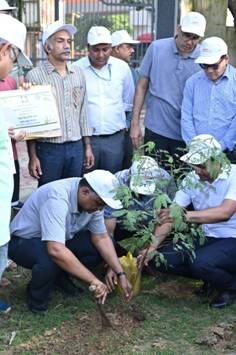
Shri K. Sanjay Murthy and other dignitaries planted five trees under the ‘Ek Ped Maa Ke Naam’ Campaign at the college premises. They also participated in cleaning a black spot/cleanliness target unit (CTU) near the Satyaniketan bus stand near the college. NSS members, NSS volunteers of the college, RWA representatives, social workers and MCD staff joined them in thoroughly cleaning the place.

The Secretary urged the locals to maintain the cleanliness of the place in future and also ensured the help of the College in this regard if needed. He also motivated the students to participate in the cleanliness drive in the future. He also answered their queries regarding the National Education Policy 2020. The students shared their experiences and teaching while working in the NSS. 

*****

SS/AK

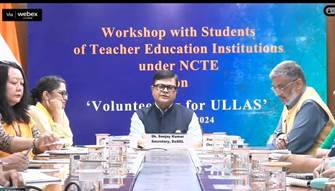
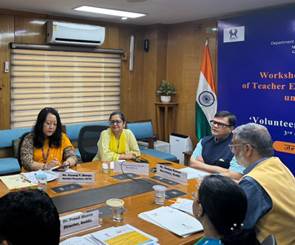
Ministry of Education organizes workshop on ‘Volunteering for Ullas’

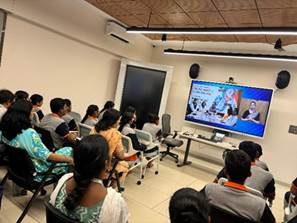
Shri Sanjay Kumar, Secretary, Department of School Education and Literacy (DoSE&L), Ministry of Education presided over a virtual workshop with students of Teacher Education Institutions (TEIs) under the NCTE on ‘Volunteering for Ullas’ today. The workshop aimed at fostering Youth Volunteerism from TEIs to achieve full literacy across India as enshrined in the NEP 2020. Smt. Archana Sharma Awasthi, Joint Secretary, DoSE&L; Prof. Pankaj Arora, Chairperson, NCTE; Ms. Kesang Y. Sherpa, Member Secretary, NCTE; Smt. Preeti Meena, Director, DoSE&L, and other officials were present at the meeting.

While addressing the students and teachers from TEIs, Shri Sanjay Kumar emphasized coming together to pay special attention to promoting literacy across the country in all sections of society. He exhorted that illiterate people in our society should be given the gift of literacy. Teacher Educators and administrators should support and guide the students at their institutes in registering on the ULLAS App, he added.

IMG-20241003-WA0040.jpg

Smt. Archana Sharma Awasthi presented on the agenda of the workshop of ‘ULLAS: Nav Bharat Literacy Programme’ and encouraged the students and teachers to join the program for community service and engagement.

IMG-20241003-WA0080.jpg

Prof. Pankaj Arora highlighted that the National Council for Teacher Education is fully committed to realizing the dream of Viksit Bharat by achieving the goal of ‘Jan Jan Saakshar’.

Ms. Kesang Y. Sherpa presented on the Role of Teacher Education Institutions in ULLAS. While presenting the role of NCTE in the context of the implementation of ULLAS, she highlighted that for the academic session 2023-24, NCTE had directed all Teacher Education Institutions to connect 8-10 students with the ULLAS initiative and motivate them to become volunteer teachers and contribute to nation building cause. The students can earn 2 Credits for Community Engagement & Service for active participation in activities related to ULLAS-New India Literacy Programme (NILP), NSS & Other community activities, she added.

udftr2.jpg

Smt. Preeti Meena gave a detailed presentation on Ullas which also covered the implementation steps of Ullas in TEIs.

More than 18,000 TEIs, faculty and student-teachers were inducted during the session.

*****

Ministry of Education organises workshops on NMMSS in Uttar Pradesh

The Department of School Education and Literacy (DoSEL), Ministry of Education, organized a workshop/training for Institute Nodal Officers (INOs) and Heads of Institutes (HoIs) of Prayagraj and Varanasi districts of Uttar Pradesh, along with a state-level workshop for District Nodal Officers (DNOs) of the State in Lucknow under the National Means-cum-Merit Scholarship Scheme (NMMSS). This initiative aimed to facilitate the completion of the application and verification process on the National Scholarship Portal (NSP) which commenced its activity with effect from 30.06.2024 for the project year 2024-25.

A District-level Workshop for the Institute Nodal Officers (INOs) of NMMSS, Prayagraj was conducted on 10 September 2024 at the Bureau of Psychology, Prayagraj, which was presided over by Smt. Hema Malini SK Deepak, Under Secretary, DoSEL. The State Nodal Officer of NMMSS, Smt. Usha Chandra, Director, Bureau of Psychology, Government of Uttar Pradesh and the District Nodal Officer (Prayagraj) of NMMSS joined the Workshop in physical mode. The INOs of the District participated in the meeting in virtual mode.

The Workshop, a hand-holding session, was held to review the status of fresh and renewal NMMSS applications for the year 2024-25 and expedite the registration and verification process on NSP and troubleshoot the technical queries arising in the course of registration. A District-level Workshop with the INOs was also conducted on 12 September 2024 at Government Queens’ Inter College in Lahurabir, Varanasi. The District Inspector of Schools, the State Nodal Officer, DNO, Varanasi, and 137 INOs participated in the workshop.

The Ministry also conducted a State-level Workshop with the District Nodal Officers (DNOs) of NMMSS on 20 September 2024 in Lucknow under the Chairmanship of Smt. Sreekala P Venugopal, Deputy Secretary, DoSEL. Shri Shailesh Kumar, Joint Director, NSP (NIC) and DNOs of UP were present at the workshop. It was organized to expedite the registration and verification process on the portal and to handhold officials in operating on the NSP hassle-free. UP has a scholarship quota of 15143 in NMMSS.

NMMSS is a Central Sector Scheme of DoSEL boarded on the National Scholarship Portal (NSP) – a one-stop platform for scholarship schemes given to students. NMMSS scholarships are disbursed directly into the bank accounts of selected students by DBT.

*****

Letter of Engagement between NCERT and Amazon

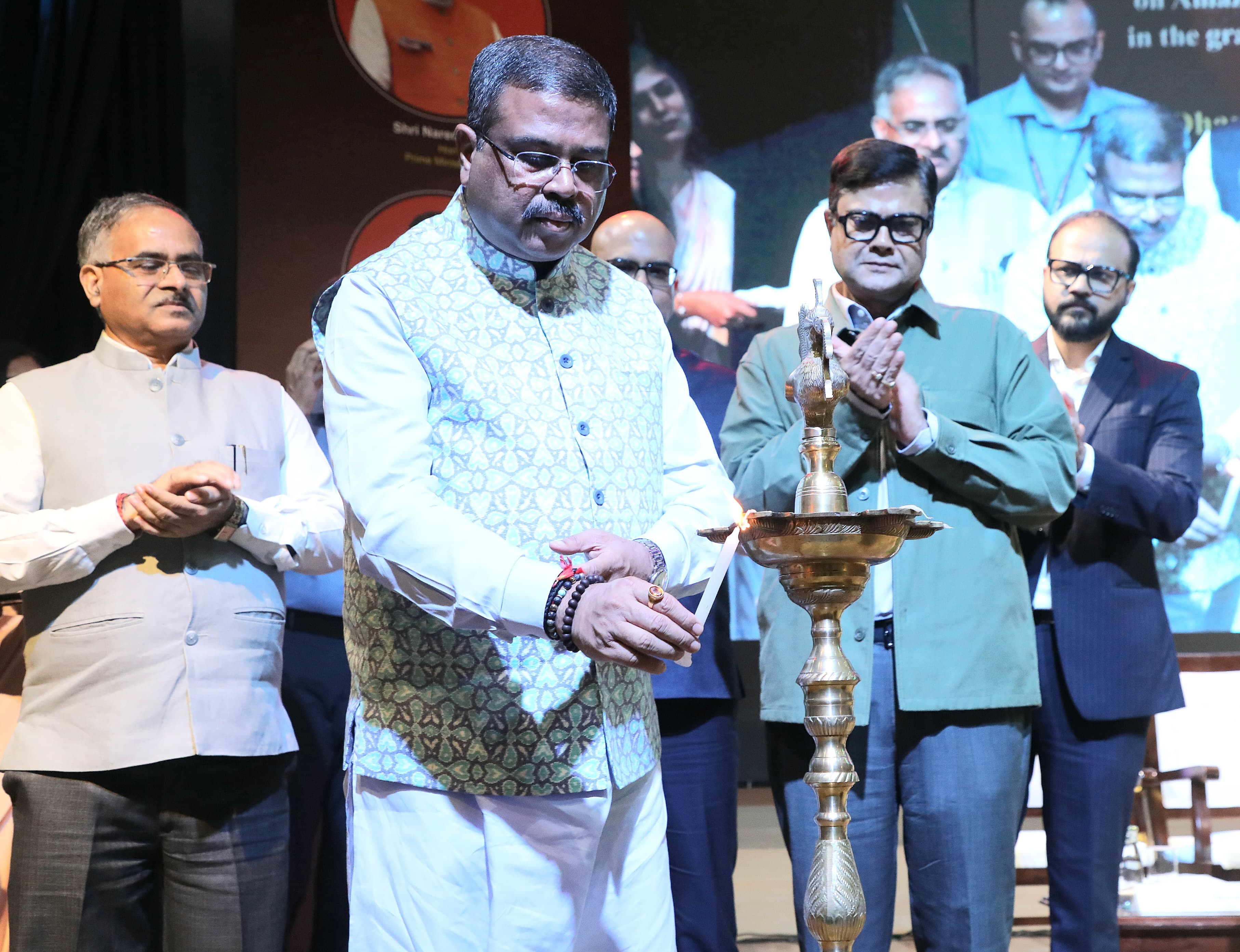
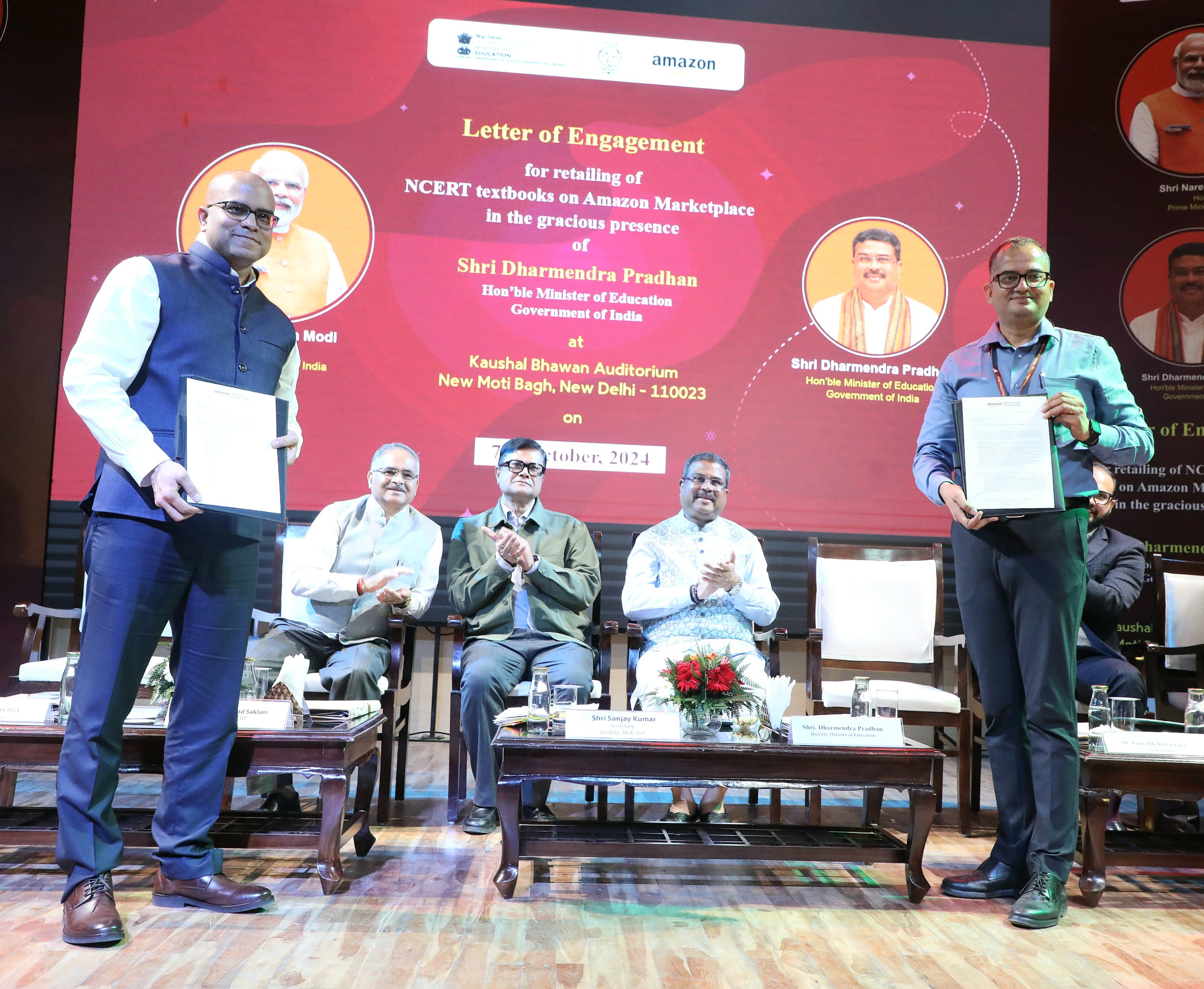
Union Minister for Education, Shri Dharmendra Pradhan, presided over the signing of the Letter of Engagement (LoE) today between NCERT and Amazon Seller Services Pvt Ltd. This is the first such tie-up, which will ensure access to original NCERT textbooks at the printed price on major e-commerce platforms. Secretary, Department of School Education and Literacy (DoSEL), Shri Sanjay Kumar; Joint Secretary, (DoSEL), Smt. Prachi Pandey; Director, NCERT, Prof. Dinesh Prasad Saklani; Vice President, Amazon, Shri Saurabh Shrivastava; Director, Public Policy, Amazon, Shri Aman Jain, other dignitaries and officials were also present at the event.

While addressing the audience, Shri Pradhan stated that today’s initiative will strengthen NEP2020’s vision of making education inclusive, accessible, and affordable. He added that with the increasing digital footprint across the country, this initiative will also support the Government’s vision of ‘ease of living.’ Shri Pradhan noted that NCERT has been shaping India’s education landscape by publishing textbooks since 1963, with a total of around 220 crore books and journals. He emphasized that NCERT is a major think tank for the country. Furthermore, he announced that these books will be made available across nearly 20,000 pin codes nationwide. He emphasized that these books should be available at MRP.

Shri Dharmendra Pradhan lauded NCERT’s partnership with Amazon calling it a step towards enhancing ease of living and accessibility to education. NCERT to triple-fold publication of books and publish 15 crore books for next academic session (2025-26), he added.

He also informed the audience that NCERT has been entrusted with the responsibility of developing 21st-century textbooks.

Stressing the importance of making learning joyful for the 300 million students of the Amrit Kaal, he urged the development of e-books that are interactive and AI-driven, featuring innovations like talking books. Expressing his gratitude to Prime Minister Shri Narendra Modi, he underscored the significance of books in all 23 languages, declaring that books will be the real soft power of India.

Highlighting the significance of textbooks in education, Shri Sanjay Kumar emphasized the need to strengthen the supply chain for these essential resources. He stressed that textbooks, which account for nearly 96% of the total volume of book sales in the country, should be made available through e-commerce platforms like Amazon to enhance accessibility for students.

NCERT textbooks of all grades shall be made available on the Amazon NCERT storefront (http://amazon.in/ncert), which was also launched today. The textbooks shall be retailed at a price not more than the rate printed on the textbooks. Only original NCERT textbooks shall be retailed on this platform, thereby helping curb the sale of pirated NCERT textbooks. Amazon will help NCERT monitor and take down unauthorized sellers who distribute counterfeit or overpriced books.

Through Amazon’s vast delivery network, students and schools, even in the most remote areas, will be able to purchase textbooks at the prescribed prices. This would address the challenges of supply gaps, delayed availability, and regional shortages of textbooks, ensuring equitable access to education.

This tie-up shall also enable NCERT to leverage customer reviews and feedback to improve the quality of its textbooks and other educational material. Moreover, anonymised sales and usage data will be shared with NCERT to facilitate informed decision-making regarding future print orders, distribution strategies, and selection of new distributors in States/districts where the demand for NCERT textbooks is more.

*****

Workshop on Mental Health & Cyber Security on World Mental Health Day

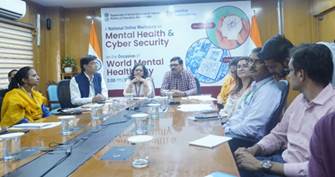
The Department of School Education and Literacy (DoSEL), Ministry of Education, organized a national online workshop on Mental Health and Cyber Security for the engagement of youth on World Mental Health Day today. The workshop had two sessions on mental health by Dr. Rajesh Sagar, Professor (MD), Psychiatry Department at AIIMS Delhi and on cyber security by and Dr. Rashmi Sharma Yadav, DCP, Indian Cybercrime Coordination Centre, MHA. The workshop was broadcast live on YouTube, reaching over 20 lakh students and educators nationwide.

Shri Vipin Kumar, Additional Secretary, DoSEL, highlighted the importance of mental well-being and safe utilization of the internet among students. He emphasized the necessity of early intervention to mitigate the potential adverse effects of mental health challenges in today’s digital age.

Smt. Archana Sharma Awasthi, Joint Secretary, DoSEL, reinforced the commitment of the National Education Policy 2020 to prioritize student well-being. She highlighted the significance of mental health for both students and educators and exhorted everybody to attentively listen and follow the advice given by the experts to maintain good mental health and prevent themselves from being victims of cybercrime.

Dr. Rajesh Sagar provided valuable insights into prevalent mental health issues such as stress, anxiety, and depression. He emphasized that nearly 50% of mental health disorders emerge before the age of 14, advocating for early intervention. Dr. Sagar identified common stressors including academic pressure, parental conflicts, and bullying, and shared effective coping strategies, such as deep breathing and cognitive restructuring, to foster a happier childhood.

In her presentation, Dr. Rashmi Sharma Yadav highlighted the importance of cyber hygiene and security for children. She outlined preventive measures against cyberbullying, grooming, and fraudulent online gaming applications. She encouraged students to report cyber fraud through the helpline 1930 and @cyberdost, stressing the importance of responsible internet use, parental awareness, and safeguarding personal information. Both experts suggested that students should share any issues arising with their elders like parents and teachers.

The workshop engaged students from classes VI to XII from Navodaya Vidyalaya Samiti, Kendriya Vidyalaya Sangathan, Kasturba Gandhi Balika Vidyalayas, CBSE and state government schools across the country and was simultaneously presented in sign language, ensuring accessibility for all participants. The initiative received widespread appreciation from attendees, reflecting a collective commitment to fostering a safer and healthier educational environment.

*****

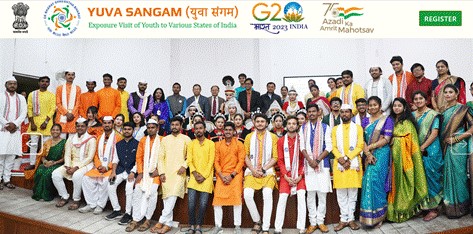
Online registrations for Yuva Sangam (Phase V) commence for participation


The registration portal for Phase V of Yuva Sangam, under Ek Bharat Shreshtha Bharat (EBSB), was launched today by the Ministry of Education. Yuva Sangam is an initiative by the Government of India to strengthen people-to-people connect between youth belonging to different States/UTs of India. Interested youth in the age group of 18-30 years, mainly students, NSS/NYKS volunteers, employed/self-employed persons, etc. may register through the YUVA SANGAM portal to participate in the forthcoming Phase of this unique initiative which was launched in 2023. Registrations will be accepted till 21st October 2024.

Detailed information is available at: https://ebsb.aicte-india.org/

The idea of a sustained and structured cultural connect between people of different regions was mooted by Prime Minister Shri Narendra Modi during the Rashtriya Ekta Divas held on 31st October 2015 to commemorate the birth anniversary of Sardar Vallabhbhai Patel. To crystallise this idea, the EBSB programme was launched on 31st October 2016. The origins and evolution of EBSB along with activities, special initiatives and campaigns organised under the programme are available in the e-Book (https://ekbharat.gov.in/JourneySoFarCampaign/index.html)

Yuva Sangam, launched under EBSB, takes forward twin elements of Panch Pran – Strength in Unity and Pride in Legacy. The initiative aligns with key themes in the National Education Policy (NEP) 2020 by focusing on experiential learning and imbibing knowledge of the rich diversity of India on a first-hand basis. It is an ongoing educational cum cultural exchange with celebration of diversity at its core wherein participants gain an immersive experience of diverse facets of life, natural landforms, development landmarks, engineering and architectural marvels, recent achievements, and the opportunity to interact and deeply engage with the local youth in the host State/UT.

Twenty eminent institutions across India have been identified for Phase V of Yuva Sangam during which participants from these states/ UTs, led by the nodal HEI of the state/UT, respectively, will be visiting their paired state/ UTs.

List of Paired States

  1. Maharashtra and Odisha
  2. Haryana and Madhya Pradesh
  3. Jharkhand and Uttarakhand
  4. Jammu & Kashmir and Tamil Nadu
  5. Andhra Pradesh and Uttar Pradesh
  6. Bihar and Karnataka
  7. Gujarat and Kerala
  8. Telangana and Himachal Pradesh
  9. Assam and Chhattisgarh
  10. Rajasthan and West Bengal

During Yuva Sangam tours, multi-dimensional exposure under five broad areas- the 5 Ps viz; Paryatan (Tourism), Parampara (Traditions), Pragati (Development), Paraspar Sampark (People-to-people connect), and Prodyogiki (Technology) will be provided to the visiting delegation over a period of 5-7 days (excluding travel days). The previous phases of Yuva Sangam have witnessed massive enthusiasm with registrations crossing 44,000 in the last Phase. Till now, 4,795 youth across India have participated in 114 tours in various phases of Yuva Sangam (including the pilot phase in 2022).

Yuva Sangam, which exemplifies the ‘Whole of Government’ approach, is organised collaboratively with the support of participating Ministries/Departments/Agencies and State Governments. This includes M/o Home Affairs, Culture, Tourism, Youth Affairs & Sports, Information & Broadcasting, Department for Development of North-East Region (DoNER), and Railways. Each participating stakeholder has distinct roles and responsibilities for implementing the programme.  The selection of delegates and end-to-end execution of the Yuva Sangam tours is done by nodal Higher Education Institutes (list at Annexure); which drive the initiative.

Annexure

Pairing of States / UTs and HEIs for Yuva Sangam Phase-V

S.No.State 1Name of HEIState 2Name of HEI
1MaharashtraIIM MumbaiOdishaIIT Bhubaneswar
2HaryanaCU HaryanaMadhya PradeshIGNTU, Amarkantak
3JharkhandIIT DhanbadUttarakhandIIT Roorkee
4Jammu & KashmirIIM JammuTamil NaduNITTTR Chennai
5Andhra PradeshSPA, VijayawadaUttar PradeshIIIT Allahabad
6BiharCU of Bihar, GayaKarnatakaIIT Dharwad
7GujaratIIT GandhinagarKeralaIIIT Kottayam
8TelanganaMaulana Azad National UrduUniversity, HyderabadHimachalPradeshNIT Hamirpur
9AssamAssam University, SilcharChhattisgarhIIM Raipur
10RajasthanIIT JodhpurWest BengalIIEST, Shibpur

*****

Fireside chat organised by US India Strategic Partnership Forum

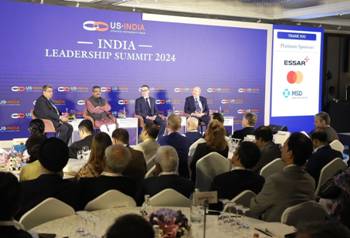
Union Minister for Education, Shri Dharmendra Pradhan, today participated in a fireside chat organised by the US India Strategic Partnership Forum as part of the India Leadership Summit 2024. He was joined by Mr. Ryan Roslansky, the CEO of LinkedIn, and Mr. Marvin Krislov, the President of Pace University.

Image

Speaking at the event, Shri Pradhan said that as the National Education Policy 2020 moves towards completing five years, India is giving unprecedented impetus to embracing new technologies, learning in Indian languages, and enhancing research and employability skills. He shared his thoughts on India’s progress in various aspects of education, which is driving learners towards competency and knowledge-based enterprises. The Minister also highlighted how India can embrace new opportunities for developing a future-ready, responsible generation of global citizens.

Shri Pradhan further stated that the world needs to come together to solve global challenges, and India is ready to play its role. From opening doors for foreign universities to set up campuses in India to moving towards a paradigm of prioritizing competency over degrees, India will fulfill the aspirations of its society and become a growth engine for the world, he added.

*****

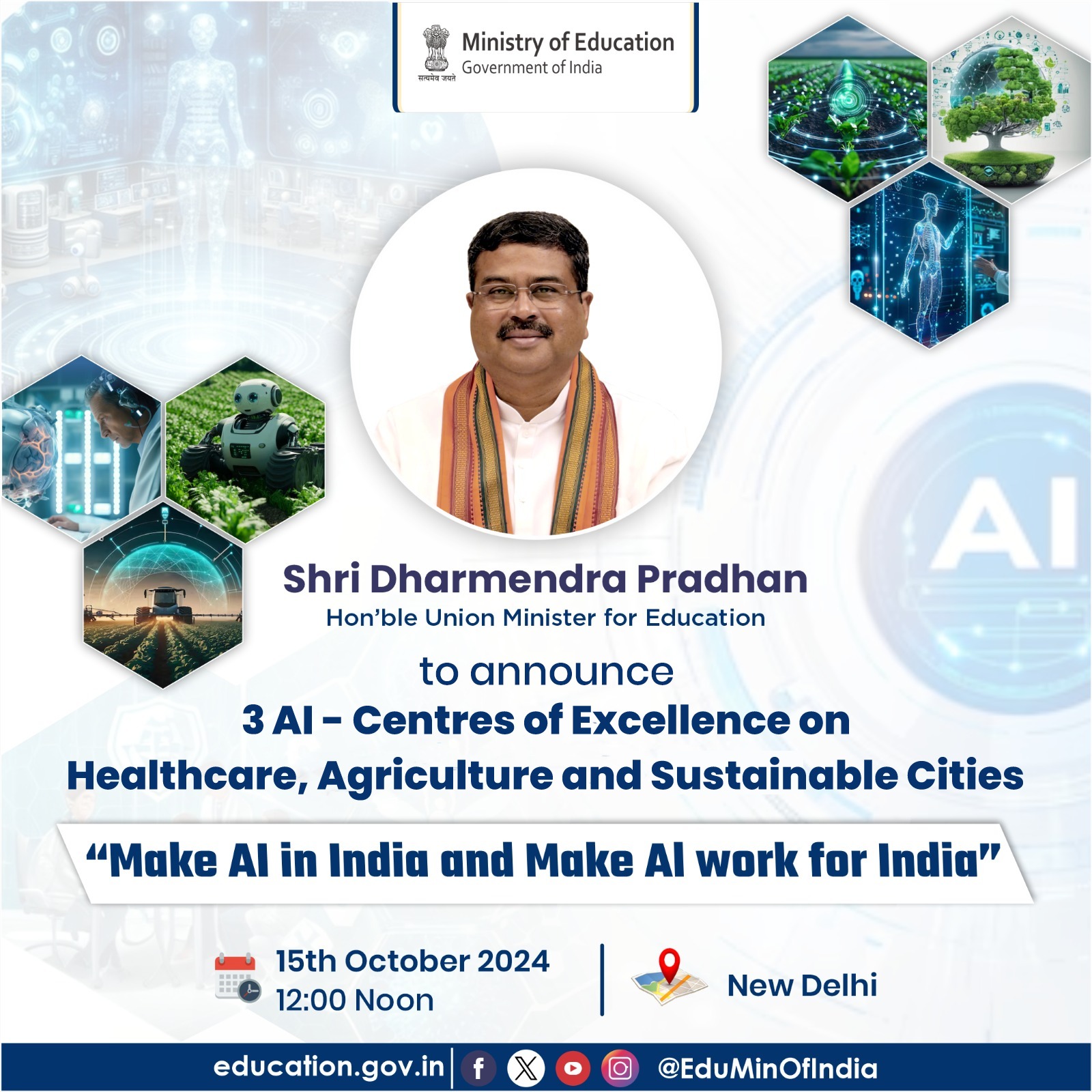
3 AI – Centres of Excellence on Healthcare, Agriculture and Sustainable Cities on 15th October, 2024

Union Minister for Education, Shri Dharmendra Pradhan, will be announcing three AI Centres of Excellence (CoE) focused on Healthcare, Agriculture, and Sustainable Cities on 15th October 2024 in New Delhi.

To realize the vision of “Viksit Bharat,” these three CoEs for Artificial Intelligence (AI) will be led by top educational institutions, in consortium with industry partners and startups. They will conduct interdisciplinary research, develop cutting-edge applications, and create scalable solutions in these three areas. This initiative aims to galvanize an effective AI ecosystem and nurture quality human resources in these critical fields.

As part of the vision to “Make AI in India and Make AI work for India,” the establishment of these centres was announced under Para 60 of the Budget Announcement for 2023-24. In alignment with this, the Government has approved the creation of the three AI Centres of Excellence, with a total financial outlay of Rs. 990.00 Cr over the period of FY 2023-24 to FY 2027-28.

To oversee the implementation of this initiative, an industry heavy Apex Committee has been constituted, co-chaired by Dr. Sridhar Vembu, Founder and CEO of Zoho Corporation.

Shri K.Sanjay Murthy, Secretary/HE will grace the occasion, along with Directors of IITs, Heads of higher educational institutions (HEIs), industry leaders, start-up founders and senior officials from various ministries of the Government of India.

*****

RTE Act,2009 and the holistic and transformative provisions of National Education Policy 2020

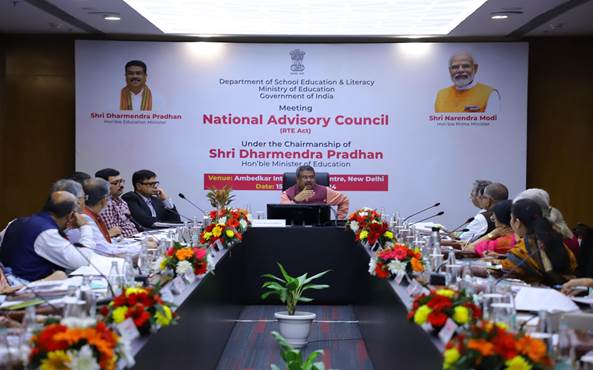
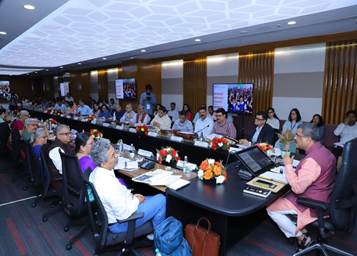
Union Minister for Education, Shri Dharmendra Pradhan chaired the National Advisory Council meeting, focusing on strengthening the implementation of the Right to Education (RTE) Act, which primarily emphasises access to school education. The National Education Policy 2020 highlights the revision and revamping of the education structure, including its regulation and governance, to create a new system that is aligned with the aspirational goals of 21st century education by providing holistic, inclusive and multidisciplinary growth in school curriculum.

In his keynote address, Shri Dharmendra Pradhan emphasised the Government of India’s dedication to guaranteeing universal access to quality education and reaffirmed the commitment to strengthening of school education in the country guided by the Implementation of the RTE Act,2009 and the holistic and  transformative provisions of  National Education Policy 2020. He focused on developing a thorough plan to integrate innovative teaching methods and significantly enhance learning outcomes to strengthen the educational framework in the forthcoming years. He stressed on providing a special focus on Early Childhood Care and Education (ECCE) that ensures the cognitive development of children according to the NEP 2020. Additionally, the Minister highlighted the need to formulate a comprehensive strategy for effective pedagogy and teaching methodology, with a strong emphasis on ensuring quality education, accessibility, affordability, equity and inclusivity in the implementation of educational interventions.

Shri Sanjay Kumar, Secretary (DoSEL), addressed the transformative journey of the education policies and the commitment to achieve the vision of Viksit Bharat through the National Education Policy, 2020. He urged the council members to examine the advancements in the education sector and provide their insightful feedback to the participants.

Shri Vipin Kumar, Additional Secretary (DoSEL), highlighted the current state of the government’s initiatives under the RTE Act of 2009, particularly the provision of free textbooks, uniforms, the Mid-Day Meal Scheme and many other interventions related to it.

Aligned with the vision of the National Education Policy (NEP) 2020, these initiatives form the core of the Samagra Shiksha scheme, which is dedicated to enhancing the quality of education and promoting equity and inclusivity. By integrating these components, Samagra Shiksha promotes holistic development and improves learning outcomes, ensuring that every child has the necessary interventions for a seamless transition from elementary to secondary education. It was also mentioned during the discussion that while RTE Act 2009 talks about the elementary education upto class 1 to class 8 but NEP-2020 takes care of the holistic developmental needs of 15 years of school education.

The National Advisory Committee members shared their valuable insights to create a more cohesive and equitable education system. The committee members highlighted the need to strengthen the school ecosystem, teacher education and socio-economically disadvantaged groups, as underscored in the NEP 2020. The meeting was attended by distinguished dignitaries and senior officials from the Department of School Education and Literacy and autonomous bodies of the Department.

Additionally, Director, NCERT mentioned that 79 Primers have been developed in scheduled languages of the respective State/ UTs. These Primers are in accordance with NEP 2020, which fosters education in child’s native language to facilitate their overall development. This meeting marks a crucial step towards further strengthening the education system in India, ensuring that every child receives their right to free and compulsory education and reinforcing the principles of equity and inclusivity in education.

*****

3 Centres of Excellence in AI in Healthcare, Agriculture and Sustainable Cities

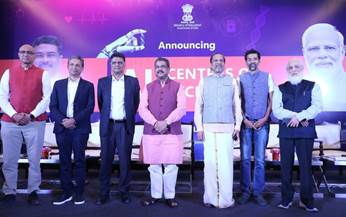
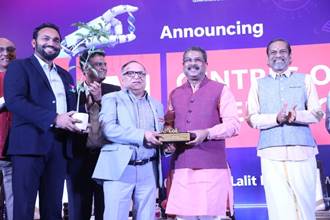
Union Minister for Education, Shri Dharmendra Pradhan, announced the establishment of three AI Centres of Excellence (CoE) focused on Healthcare, Agriculture, and Sustainable Cities in New Delhi today. Secretary, Department of Higher Education, Shri K. Sanjay Murthy; Co-chair of the Apex Committee and Founder and CEO of Zoho Corporation, Shri Sridhar Vembu; Chairman of the National Educational Technology Forum, Prof. Anil Sahasrabudhe; MD, PeakXV Partners and Surge, Shri Rajan Anandan; CEO, Khosla Labs, Shri Srikanth Nadhamuni; Head, Cropin AI Labs, Dr. Praveen Pankajakshan; senior officials from various ministries of the Government of India, Directors of IITs, Heads of higher educational institutions (HEIs), industry leaders, and start-up founders were also present at the event. Shri Pradhan presented a sapling and a Plaque to the representatives of AIIMS and IIT Delhi, IIT Ropar, and IIT Kanpur, which will lead the CoEs, for their commitments and support. Respective Apex Committee members of the AI-CoE Healthcare, Agriculture and Sustainable Cities explained the scope and extent of the projects.

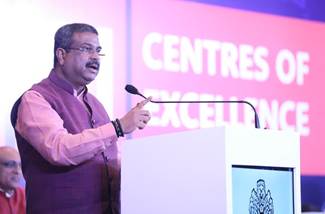
While speaking at the event, Shri Dharmendra Pradhan hoped that the three AI-CoEs would emerge as temples of global public good. With the unveiling of the Centres, significant strides have been taken to strengthen Bharat’s credentials in the global AI landscape, he added. Shri Pradhan also said that with the talent and zeal that Bharat is blessed with, in the times ahead, these CoEs will be a key element of global public policy and also emerge as solution providers of the world.

Image

He complimented the apex committee led by Shri Sridhar Vembu for their meticulous and sincere efforts towards the implementation of these COEs in AI in the top academic institutions of the country. Expressing his gratitude to Prime Minister Shri Narendra Modi for his vision to establish India as a global hub of AI, he added that these CoEs in AI will give further impetus to the start-up ecosystem in the country, help create a new generation of job and wealth creators, and establish new paradigms of global public good.

Shri K. Sanjay Murthy, in his address highlighted that these CoEs are not just institution-based but are designed to serve the entire country. Stressing the importance of interdisciplinary research, he mentioned that with the right kind of collaboration among like-minded resources, optimum results can be achieved. He noted that the competitive-based challenge methods developed in educational institutions have ensured progress toward resolving common problems. He also expressed his gratitude to Shri Dharmendra Pradhan for his leadership and vision in bringing the entire project to fruition.

Dr. Sridhar Vembu, in his address, highlighted how these projects will holistically benefit the health of villages, cities, and the people of the country. He emphasized the importance of nurturing the country’s talent pool to ensure its members flourish and serve the nation in the coming 10 to 20 years. He added that the CoEs will bootstrap numerous efforts, create companies, nurture talent, and generate opportunities for our talent pool.

The genesis, implementation and insights into development so far in the AI-CoE was presented by Smt. Saumya Gupta Joint Secretary, Department of Higher Education, Ministry of Education. A short film on the theme, Make AI in India and Make Al work for India, was also shown during the event.

To realize the vision of “Viksit Bharat,” these three CoEs for Artificial Intelligence (AI) will be led by top educational institutions, in consortium with industry partners and startups. They will conduct interdisciplinary research, develop cutting-edge applications, and create scalable solutions in these three areas. This initiative aims to galvanize an effective AI ecosystem and nurture quality human resources in these critical fields.

As part of the vision to “Make AI in India and Make AI work for India,” the establishment of these centres was announced under Para 60 of the Budget Announcement for 2023-24. In alignment with this, the Government has approved the creation of the three AI Centres of Excellence, with a total financial outlay of Rs. 990.00 Crore over the period of FY 2023-24 to FY 2027-28.

To oversee the implementation of this initiative, an industry heavy Apex Committee has been constituted, co-chaired by Dr. Sridhar Vembu.

*****

Department of School Education & Literacy leads the way in cleanliness and sustainability

Department of School Education & Literacy (DoSE&L), Ministry of Education along with its Autonomous Bodies (ABs) is actively engaged in the on-going Special Campaign 4.0 started from 2nd October 2024. DOSE&L has issued guidelines to all ABs for effective execution of Special Campaign 4.0. The focus is on cleanliness drives, managing scrap and pending matters, optimizing space and enhancing office aesthetics. These efforts emphasize efficiency, transparency and improved waste management in government functioning.

At the start of the Special Campaign 4.0 preparatory phase, the Department of School Education & Literacy established specific targets and identified key cleanliness sites nationwide to ensure the effective implementation of the campaign’s goals.

S.No.CategoryTargets
1Number of Files to be Reviewed61100
2Number of Files Identified for weeding out21410
3Number of e-Files for Review1367
4Number of Cleanliness Campaigns to be conducted32037

Regular meetings are being conducted to closely monitor the progress towards achieving the Ministry’s set targets, ensuring effective implementation and timely completion of the campaign’s objectives. The targets finalized and action in progress as on 14.10.2024 on various parameters is as below:

  • As of now, 61,382 square feet of space has been reclaimed through the disposal of scrap and redundant materials, generating a revenue of Rs 7,34,941.
  • Out of 61,100 physical files identified for review, 48206 have been examined. So far, 22,135 files have been marked for weeding, with 10,883 already weeded out.
  • 27450 cleanliness campaigns have been conducted across schools and institutions, actively working towards achieving the Ministry’s targets.

During Special Campaign 4.0, the enthusiastic participation of institutions and schools is setting a powerful example, driving the message of Swachhata forward with inspiration. National Bal Bhawan, through its vibrant exhibits and 3D models at the Swachhta Gallery, is actively engaging children and raising awareness about the importance of sanitation and hygiene, empowering them to take action in keeping their surroundings clean.

Kendriya Vidyalaya schools across the borders, for example, KVS Kathmandu, KVS Moscow etc. are encouraged to adopt sustainable habits, aligning with the broader goals of Swachh Bharat Mission.”Ek Ped Maa Ke Naam” Campaign is being undertaken with great enthusiasm, with active participation of students, teachers, and community members. So far, under Special Campaign 4.0, a total of 8910 saplings have been planted, symbolizing a collective commitment to both cleanliness and environmental sustainability.

*****

Shri Dharmendra Pradhan interacts with scholars of five newly classified classical languages

Union Minister for Education, Shri Dharmendra Pradhan, today interacted with the scholars of five newly classified classical languages – Prakrit, Pali, Marathi, Bangla, and Assamese. Chairman, Bharatiya Bhasha Samiti, Shri Chamu KrishnaShastry; Chairman, UGC, Shri M. Jagadesh Kumar; academicians, scholars and officials of the Ministry were also present at the event. The scholars expressed their happiness and thanked Prime Minister Shri Narendra Modi for including these beautiful Indian languages into the list of classical languages. They also extended their support towards promoting and enriching these languages.

Image

Speaking on the occasion, Shri Dharmendra Pradhan said that the government is making all-round efforts to promote learning in Indian languages as well as celebrate, honour, and preserve the linguistic heritage of the country, in line with the spirit of NEP 2020.

Image

Shri Pradhan also mentioned that Prime Minister Shri Narendra Modi has always said that all languages of the country are Indian languages. He said that the Government is taking all steps to strengthen and facilitate learning in all Indian languages. He also said that he would remain committed to facilitating learning in the mother language, boosting multilingualism with equal emphasis on all Indian languages, including strengthening their international presence.

Shri Pradhan also said that the soul of India lives through its languages. The government is also working on building an international presence of Indian languages, he added.

*****

Applications (fresh & renewal) on National Scholarship Portal for 2024-25 under NMMSS

The last date for submission of applications by the selected meritorious students on the National Scholarship Portal (NSP) for the National Means-cum-Merit Scholarship Scheme (NMMSS) for the year 2024-25 has been extended up to 31.10.2024. The NSP portal is open for submission of applications by students with effect from 30th June 2024. In this project year 2024-25, the selected students are first to do a One-Time Registration (OTR) on the NSP, after which they have to apply for the scholarship scheme that they have selected. The FAQ details for registration on NSP can be accessed at https://scholarships.gov.in/studentFAQs.

Through the ‘National Means-cum-Merit Scholarship Scheme’ implemented by the Department of School Education & Literacy, scholarships are awarded to meritorious students from economically weaker sections to arrest their drop-out after elementary level, i.e., Class VIII and encourage them to complete their school education up to higher secondary level, i.e., Class XII.

The scheme provides one lakh fresh scholarships every year for Class IX students who clear the qualifying exam for the scholarship conducted by the State/UT governments. The scholarship is continued through renewal mode from Classes X to XII based on the student’s academic performance. The scheme is applicable only to students studying in State Government, Government-aided, and local body schools and the scholarship amount is Rs. 12000 per annum per student.

The National Means-cum-Merit Scholarship Scheme (NMMSS) is implemented through the National Scholarship Portal (NSP) – the one-stop platform for scholarship schemes disbursed to students by the Government of India. As of 15.10.2024, 84606 fresh and 158312 renewal applications have been finally submitted by applicants. NMMSS scholarships are disbursed directly into the bank accounts of selected students by electronic transfer through the Public Financial Management System (PFMS) following DBT mode. The eligibility parameters for availing the scholarship include parental income not more than Rs. 3.50 lakh per annum and a minimum of 55% marks or equivalent grade in the Class VII examination for appearing in the selection test for award of scholarship (relaxable by 5% for SC/ST students).

On the NSP portal, there are two levels of verification of the scholarship application of selected students: Level-1 (L1) verification is at the Institute Nodal Officer (INO) and Level-2 (L2) is with the District Nodal Officer (DNO). The last date for INO level (L1) verification is 15.11.2024 and for DNO level (L2) verification is 30.11.2024.

*****