Imagine the level of frustration if voltage fluctuations damage a new, expensive electronic device you bought. The unstable power supply is the real threat.
To tackle this threat, there is only one solution: a servo stabilizer.
The machine protects your sensitive devices from voltage fluctuations and increases the electronics’ lifespan.
With the wide range of servo stabilisersStabilizers available in the market, it can be challenging to decide which one to choose. So let’s delve into India’s top brands for servo Stabilizers.
Which company is best for servo stabilizer?
If you search for the best company offering servo Stabilizers, then Servo Stabiliser India will stand out as the most reliable, boasting the highest Google rating and customer reviews.
Their reputation as the top brand in India has been growing for the last 30 years.
Still, it is important to consider your needs, budget, and after-sales services before making an informed decision.
1. Servo Stabiliser of India
Servo Stabiliser India has you covered if you want tailored and specialised solutions. Known for energy-efficient designs tailored particularly for your sector needs, they… Their sophisticated servo technology guarantees dependable and consistent performance.
Furthermore, should any problems arise, their outstanding after-sales support will assist you.
2. Purevolt India
Whether for homes or businesses, Purevolt India is well-known for its high-quality servo Stabilizers.
Their small but strong design, exact voltage correction skills, and great industry knowledge distinguish them from others. Purevolt guarantees you are never left stranded with a nationwide service network.
3. Servokon
When dependability and durability are your main concerns, Servokon holds firm.
Perfect for heavy-duty use, their Stabilizers guarantee seamless operation even under severe circumstances by means of automatic voltage control.
If you operate big industrial machinery, this is a reliable selection.
4. Microtek
Known for its user-friendly designs, Microtek is well-known and respected all throughout India.
Perfect if you’re not a tech-savvy user, their servo Stabilizers offer great efficiency, digital displays for simple monitoring, and operational simplicity.
5. V-Guard
V-Guard, a brand well known for consumer electronics, provides value without sacrificing quality.
Their Stabilizers promise dependability and consistent performance with a wide product range suited to different consumer needs, particularly perfect for home use.
6. Servomax Ltd.
Servomax Limited is outstanding for heavy industrial needs.
Renowned for their robust and exacting servo Stabilizers, they can easily handle tough industrial settings. Built to last, their goods guarantee exact voltage control.
7. VCS India: Voltage Control & Stabilizers
With creative ideas and cutting technology, VCS India is fast establishing its presence.
Their emphasis is on tailored servo Stabilizers meant to improve performance and energy economy. A wonderful option if you want something catered to your particular needs.
Factors to Consider When Choosing a Servo Stabilizer
Picking the right servo stabilizer is something more than brand value and reputation.
Here we are listing some of the crucial factors to consider before buying the right servo stabilizer:
Power capacity: It should match your power requirement.
Type of load: Load tolerance must be slightly more than the total load your devices induce, regardless of whether you are using it for residential or industrial purposes.
Reliability & efficiency: It must be reliable enough to be efficient for a long duration.
After Sales Support: It must be fast and prompt to save you from the frustration of downtime.
Warranty: Before buying a servo stabilizer, make sure it comes with a standardised warranty.
Wrapping Up
Selecting the appropriate servo stabilizer will help you to avoid needless downtime and expensive damages.
Investing in trusted brands like Servo Stabilizer India and Purevolt India guarantees consistent performance and peace of mind.
Choose carefully to safeguard your priceless equipment right now.
Ready to choose?
Visit the official sites or contact approved dealers of these companies for individual advice suited to your requirements.
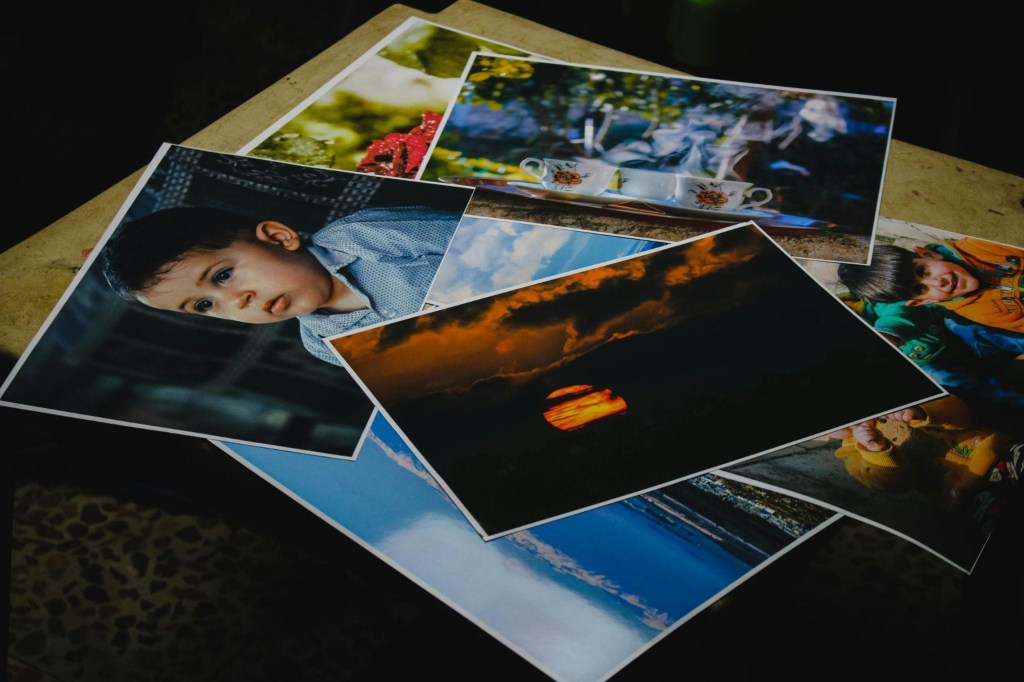
Getting the perfect shot isn’t just for pros – it’s a journey every student can take with the right hacks and a little creativity. With budgets tight and time even tighter, students can still produce amazing images that capture memories, tell stories, and even impress on social media. From understanding the basics of natural light to trying out new photo editing techniques, every step is an opportunity to level up your photography game.
Today, resources for learning photography have never been more accessible. For instance, learning how to use natural light can turn your photos from meh to amazing. A great resource to dive into this is the “What Students Need to Know for Perfect Photos” article, which can help you greatly. Plus, with a plethora of online tutorials and free courses from reputable platforms like National Geographic Photography, students have a treasure trove of information at their fingertips.
Beyond the technical know-how, student photographers are now using social media to showcase their skills. The rise of instant upload, engagement-driven challenges, and the ability to share an Instagram photo in seconds means creativity is not only rewarded but also has a global platform. Integrating unique perspectives and pushing the boundaries of traditional photography is now part of a student’s daily grind.
Photography Tips for Students
What Photography Hashtags to Use
One simple yet effective life hack for students is to learn how to use social media effectively. Crafting the post with the right photography hashtags can get you more exposure and open doors to a wider audience. Hashtags like #StudentPhotographer, #CampusVibes, or #PhotoOfTheDay can get your work in front of not only your peers but pros looking for fresh talent. By combining these with trending terms and local tags, you can increase your post’s visibility. Plus, regularly checking out popular hashtags can give you an idea of what other budding photographers are trying out.
Where to Find Photography Inspiration
Students often struggle to stay motivated and have multiple responsibilities to juggle. Following visual storytellers on Instagram and Pinterest can spark creativity. Whether it’s capturing the golden hours on campus or framing life in a college town, inspiration is often just around the corner. Diving into photography blogs and watching tutorials can ignite passion and birth new photography ideas for students who want to capture moments in a fresh way.
What Photography Accessories to Buy
Investing in basic photography accessories doesn’t have to break the bank. Affordable gear like portable tripods, cleaning kits, and external lenses for mobile phones can upgrade your photo quality. Try out creative attachments or even use vintage accessories to give your images a unique look. This experimentation can lead to exciting discoveries on how different tools affect lighting, composition, and the mood of a photo.
Use Polaroid
The charm of a Polaroid lies in its instant tangibility. Although digital photography is the norm, using Polaroid cameras can be a nice break from editing heavy workflows. These instant prints offer a tactile experience and make students think critically before clicking. Polaroid cameras can also be an aesthetic tool in mixed media projects or scrapbooks, blending old school with modern storytelling.
How to Do Creative Photography
Every student should push the boundaries of creative photography. It’s not just about taking a picture but about telling a story. The journey of creative photography starts with the willingness to experiment. We offer some innovative tips to get you started.
A great way to fuel your creative fire is to regularly visit photography websites, attend local exhibitions, and follow photography forums. Inspiration can come from unexpected places – a unique shadow cast by a window, an unusual angle of a campus building, or the play of natural light in a forest. Coupling these with personal experiences makes for a solid creative approach that’s authentic and fresh. Combine these with innovative photo editing software, and you can turn regular snaps into masterpieces.
Along with these creative explorations, students shouldn’t forget the basics. With options ranging from Adobe Photoshop to free alternatives like GIMP, learning to edit your shots is as important as taking them. Plus, the market is flooded with guides on the best photo editing apps for mobile devices, so turning an ordinary snap into an Instagram photo masterpiece is just a tap away.
How Photography Classes Can Help
For many students, formal instruction can take their natural talent to the next level. Enrolling in photography courses – online or in-person – can give you structured knowledge and constructive feedback.
In a classroom setting, you are introduced to an array of photography accessories – from simple lens filters to more complex lighting setups. Learning how these tools work and how to use them in a controlled environment gives you the practical skills for both studio and field photography. Universities and community centers often offer discounted or even free access to specialized equipment so you can experiment without breaking the bank.
An often overlooked part of academic learning is networking with peers and professionals. The connections you make during coursework can lead to collaborations, internships, or even freelance work. Many photography programs invite guest speakers who are industry experts, providing insights into current trends, innovative techniques, and career paths in photography. These interactions broaden your horizons and integrate theoretical learning with real-world applications.
How to Deal with Travel Photos
Travel exposes you to a multitude of cultures, landscapes, and stories that are endless sources of photography inspiration. The change of environment often sparks new ideas that challenge conventional photography norms. From striking natural landscapes to the bustling streets of cities, every scene is an opportunity to experiment with composition, lighting, and perspective. Engaging with local traditions and unique settings can lead to iconic images that capture the essence of a place.
Travel photography requires a balance between convenience and quality. Investing in lightweight but robust photography accessories – like compact tripods, portable lighting kits, or multi-purpose lenses – ensures you are well equipped on the go without being weighed down by heavy gear. Opting for versatile items can save you time and money and make travel smoother while still delivering great images.
When traveling, make sure to back up your photos regularly and edit them to get the final output right. Many students rely on photo editing apps to fine-tune colors and contrast and remove imperfections so that every snap meets the high standards of a photo. With practice and exploration, your journey to perfect travel photos will become a rich tapestry of technical skill and artistic flair.
Final Thoughts on Photography Ideas for Students
Experimentation is at the heart of photography. By pushing yourself, using refined editing software, and exploring photography ideas for students, you’ll soon find that photography is as much about personal expression as it is about technical knowledge. And by engaging with reputable sources like National Geographic Photography, you’ll stay connected to industry standards and trends.
Ultimately, whether you’re taking your first steps through photography classes or you’re a self-taught enthusiast, remember every click of the shutter is an opportunity to tell a story. Embrace the learning curve, apply the hacks, and let curiosity be your guide. The world is full of scenes waiting to be captured, and with the right mix of passion, technique, and creativity, you too can create perfect photos that are authentic and artistic.
By incorporating these hacks into your daily routine, you’ll develop a unique photographic style. The combination of structured learning, creative experimentation, and real-world practice is the secret sauce that turns ordinary images into visual stories that inspire and captivate. So go ahead, be confident, learn every opportunity, and watch as every pixel of your work reflects not only your skills but your perspective on life.
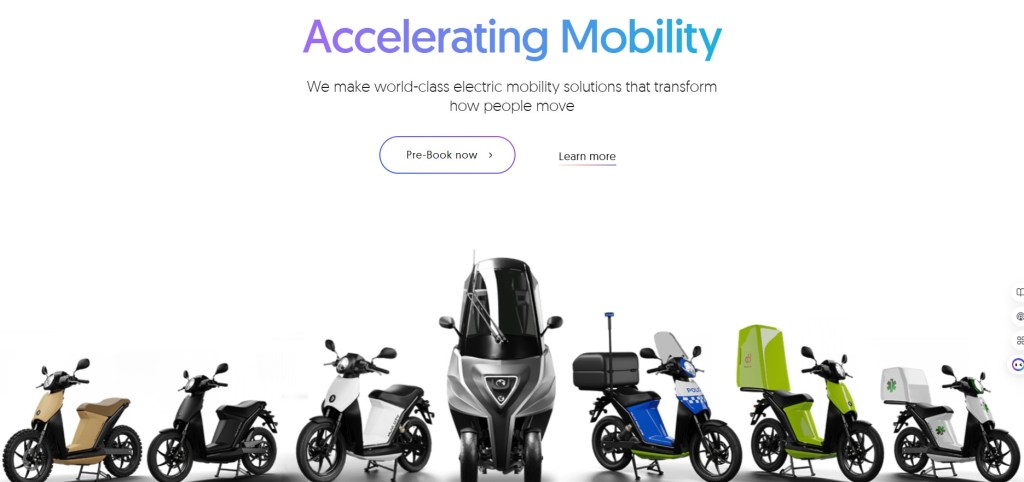
eBikeGo, a pioneering electric two-wheeler rental service, is playing a transformative role in promoting eco-friendly urban mobility across major Indian cities, including South Delhi. With a focus on reducing carbon emissions, cutting commute costs, and offering efficient last-mile connectivity, eBikeGo has steadily grown its fleet and service points, particularly in dense and high-traffic urban neighborhoods.
Overview of eBikeGo in South Delhi
Stations/Points: 150+ pick-up and drop-off points
Major Locations: Sarai Kale Khan, Lajpat Nagar, Jangpura, Nizamuddin, and surrounding neighborhoods
Operational Since: 2023
Coverage: Expanding footprint across South Delhi, with a focus on areas with metro connectivity, student and office hubs
Key Features of the Service
Affordable Pricing: Starting at just ₹25 for 30 minutes, eBikeGo offers one of the most budget-friendly urban transport options. This pricing structure is ideal for:
Short-distance travel
Daily commutes
Connecting metro stations to workplaces or residential areas
Helmet Included: Every ride comes with a complimentary helmet, ensuring rider safety and compliance with traffic laws.
Fleet Expansion Underway: Since its launch in South Delhi in 2023, eBikeGo has seen strong demand, prompting the company to expand its electric vehicle (EV) fleet and service points throughout the district. Plans include:
Increasing station density in congested zones
Introducing newer models with better battery life and features
Collaborating with local businesses and residential societies for station partnerships
Target Users
Students: With easy access to campuses and PG accommodations near areas like Lajpat Nagar and Jangpura, eBikeGo serves students who need a low-cost, quick travel option.
Office-goers: Particularly useful for commuters connecting from major metro stations like Hazrat Nizamuddin, Sarai Kale Khan ISBT, and Lajpat Nagar Metro.
Tourists and Locals: Ideal for exploring the vibrant markets and eateries in South Delhi without worrying about parking or pollution.
Sustainability & Urban Mobility Impact
eBikeGo’s presence in South Delhi supports the Delhi government’s Electric Vehicle Policy 2020, which aims to electrify 25% of new vehicle registrations by 2025. The service contributes to:
Reducing vehicular emissions and improving air quality
Decongesting roads, especially during peak hours
Promoting shared and sustainable mobility
Booking and Accessibility
App-based service: Users can book, locate, and unlock e-scooters using the eBikeGo mobile app (available on Android & iOS).
Real-time availability: Riders can see nearby bikes, battery levels, and parking zones.
Digital payments: Multiple payment options including UPI, wallets, and credit/debit cards.
Future Outlook
eBikeGo is actively working to:
Integrate with Delhi Metro Rail Corporation (DMRC) for seamless first- and last-mile connectivity.
Introduce subscription-based packages for regular users.
Set up charging infrastructure and battery-swapping stations to support uninterrupted services.
Conclusion
With its combination of affordability, convenience, and environmental benefits, eBikeGo is well-positioned to become a leading player in South Delhi’s micro-mobility ecosystem. As urban dwellers increasingly seek smarter and greener ways to commute, services like eBikeGo represent the future of intra-city travel.
References
Fishman, E., & Cherry, C. (2016). E-bikes in the Mainstream: Reviewing a Decade of Research. Transport reviews, 36(1), 72-91.
Fyhri, A., & Fearnley, N. (2015). Effects of e-bikes on bicycle use and mode share. Transportation research part D: transport and environment, 36, 45-52.
Kazemzadeh, K., & Ronchi, E. (2022). From bike to electric bike level-of-service. Transport reviews, 42(1), 6-31.
Sharma, S. N., & Dehalwar, K. (2025). Assessing the Transit-Oriented Development and Travel Behavior of the Residents in Developing Countries: A Case of Delhi, India. Journal of Urban Planning and Development, 151(3), 05025018.
Delhi’s growing demand for sustainable, convenient urban mobility has led to a rise in electric two-wheeler services — and Vogo stands out as one of the key players in this segment. Vogo offers easy-to-access e-bike rentals across select zones in Delhi, helping commuters, students, and urban travelers bridge the critical first- and last-mile gap, especially around metro stations and high-density transit hubs.
🔍 How It Works
Vogo’s operations are designed to be app-based, user-friendly, and cashless. Here’s a step-by-step look at the process:
Download the Vogo App (available on both Android and iOS).
Find a Vogo Zone near your current location — the app displays available e-bikes in real-time using GPS.
Choose between a One-Way or Round-Trip Rental based on your travel plans.
Unlock the e-bike by scanning the QR code on the vehicle using the app.
Ride to your destination and end the trip at a designated drop zone (for one-way trips) or return the bike to the pickup location (for round-trips).
💳 Flexible and Digital Payments
Vogo supports a wide range of digital payment methods to make the rental process seamless and secure:
Paytm
Credit/Debit Cards
UPI
Net Banking
Pricing is generally competitive, with rates starting around ₹8–₹10 for every 15 minutes of use. Subscription models and daily rental options may also be available, depending on location and availability.
📍 Coverage in Delhi
Vogo currently operates in selected Transit-Oriented Development (TOD) zones and metro-connected areas in East and South Delhi, including:
Trilokpuri
Karkardooma
Mayur Vihar
Laxmi Nagar
Preet Vihar
The service is particularly useful for those commuting from metro stations to workplaces, colleges, or residential areas where traditional public transport is either slow or unavailable.
🛡️ Safety and Support
Each e-bike is equipped with a smart lock, and the app offers real-time status updates, including battery level and usage duration. While helmets are not mandatory, users are encouraged to wear one for safety. Vogo also offers customer support via the app for any technical or service-related issues.
✅ Why Choose Vogo?
Eco-friendly electric fleet, reducing air and noise pollution.
App-based interface for quick access and real-time tracking.
Budget-friendly rental options for both short and long rides.
Convenient payment methods and flexible trip choices.
Whether you’re a daily commuter, a student, or a tourist, Vogo makes urban mobility cleaner, quicker, and smarter. It’s a step toward a greener Delhi — one electric ride at a time.
Finding the best healthcare staffing solution can make your work life easier. The right agency helps you get good pay, steady work, and support on the road. With so many options, it’s important to choose the one that fits your needs.
Keep reading to learn how to find the best staffing solutions for travel nurses.
Best Travel Nurse Agencies
Finding the right agency can make travel nursing easier. Good agencies offer fast placement and strong support. They help with housing, licenses, and paperwork. Some even give bonuses and extra benefits. Pay is often higher with trusted staffing solutions.
Nurses can choose where and when they want to work. Agencies connect nurses with top hospitals and clinics. To get started, just browse openings and apply. It’s a simple way to begin your travel nurse journey.
Quick Job Placement
Travel nurses need fast options. Waiting too long can cause stress. Good agencies act fast. They match nurses with jobs in days. Some jobs even start within a week. This helps nurses stay on track. There’s no need to wait for months. Agencies know which hospitals need help now.
They take care of all the details. That includes contracts, housing, and travel. Nurses just need to say yes. You can browse anytime. It’s simple and doesn’t take long. Fast placement makes travel nursing easier.
Top Pay Opportunities
Travel nurses can find high-paying jobs through top staffing agencies. These agencies offer better pay for urgent needs. Nurses with special skills often earn more. Agencies may also give bonuses for tough assignments. Overtime pay can increase earnings.
Some jobs offer extra benefits like free housing and travel. With the right agency, nurses can find jobs that pay well. This makes travel nursing a great option for earning more.
Reliable Staffing Help
The best staffing solutions offer clear communication and support. Nurses need an agency that understands their needs and offers flexibility. Competitive pay and benefits are important when choosing a staffing agency. A good agency will provide assistance with housing and travel arrangements.
They should also offer a variety of assignments to match nurses’ skills. Nurses can benefit from agencies that offer 24/7 support during assignments. Trusted agencies build long-term relationships with healthcare facilities. These connections ensure travel nurses are always in demand.
Supportive Recruiter Teams
Supportive recruiter teams play a key role in matching travel nurses with the right job opportunities. They listen carefully to nurses’ needs and preferences. Good recruiters provide clear communication throughout the hiring process. They help nurses navigate paperwork, housing, and licensing.
Supportive teams are available when questions or issues arise. Their goal is to build trust and long-term relationships. With the right recruiter team, travel nurses can focus more on patient care and less on job logistics.
Learn More About the Best Healthcare Staffing Solutions
Travel nursing can be a great way to grow your career and see new places. With the right agency, you get better pay, faster job placement, and full support.
Whether you want steady work or a new adventure, a trusted staffing team can help. Take the next step and find the agency that fits your goals. Your perfect travel nurse job is waiting.
Looking for more tips and ideas? We’ve got you covered. Check out some of our other posts now.
The National Education Policy (NEP), 2020 emphasizes the critical importance of universal and high-quality Early Childhood Education along with the power of multilingualism and the importance of including children’s languages in primary education. To fulfil the vision of NEP 2020, the Department of School Education & Literacy (DoSE&L), Ministry of Education has launched “Baalpan ki Kavita initiative: Restoring Bhartiya rhymes/poems for young children” for preparing a compendium of nursery rhymes/poems in all Bhartiya Bhasha and also in English, focusing on content relevant to the Indian context. The purpose of this initiative is that the young children can have better learning at the Foundational stage by becoming familiar with the world around them through easily understandable and joyful poems and rhymes, in their mother tongue.
To further this initiative, the DoSE&L in collaboration with MyGov is inviting contribution to the “Baalpan ki Kavita initiative: Restoring Bhartiya rhymes/poems for young children”. The participants of the contest can send existing poems/rhymes popular in folklore (mentioning the name of the author) or newly composed joyful poems/rhymes under three categories:
Pre-primary (ages 3-6)
Grade 1 (ages 6-7)
Grade 2 (ages 7-8)
Entries are invited in all Indian language (Bhartiya Bhasha), also in English, and can include regional rhymes/poems that hold cultural significance in Indian context. The competition is starting from 26.03.2025 till 22.04.2025, on the MyGov website (https://www.mygov.in/). There is no entry fee for participation. Other details of the competition can be seen on MyGov website.
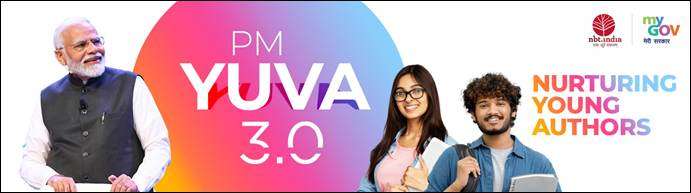
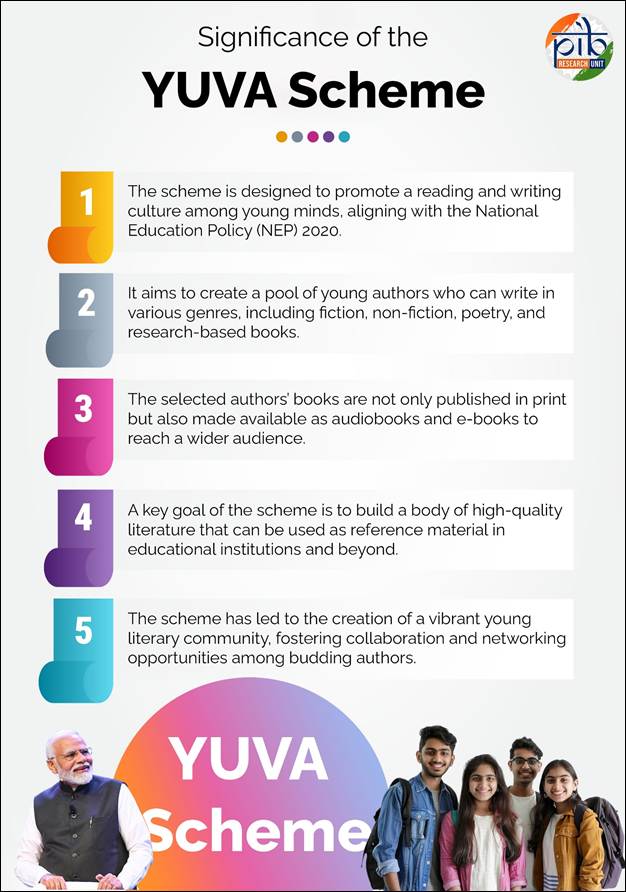
The Ministry of Education (MoE) and the National Book Trust (NBT) of India launched the thirdedition of the Prime Minister’s Young Authors Mentorship Scheme, known as YUVA 3.0, on March 11, 2025. The initiative aims to nurture young writers under 30 years of age, providing them with mentorship and exposure to hone their creative writing skills. YUVA 3.0 builds upon the success of its predecessors, YUVA 1.0 and YUVA 2.0, continuing the government’s commitment to fostering literary talent and promoting reading, writing, and book culture in India. The scheme aligns with the vision of Ek Bharat, Shreshtha Bharat, encouraging the documentation and dissemination of India’s rich cultural heritage and knowledge.
YUVA 3.0: Features and Objectives
Theme and Focus
The Themes of PM-YUVA 3.0 are: Contribution of Indian Diaspora in Nation Building; Indian Knowledge System; and Makers of Modern India (1950-2025). The scheme will help to develop a stream of writers who can write on various facets of India encompassing the past, present and future. Besides, the scheme will also provide a window to the aspiring youth to articulate themselves and present a comprehensive outlook of contribution of Indians across fields in ancient and present times.
Selection Process
The scheme invites applications from aspiring writers through MyGov India’s online portal.
A competitive process shortlists 50 young authors based on a well-defined evaluation criterion.
The National Book Trust (NBT) will constitute the selection committee.
Applicants are required to submit a book proposal of 10,000 words, which is then reviewed by a panel.
The shortlisted candidates undergo a multi-stage selection process before the final selection.
Mentorship and Support
Selected authors receive a mentorship program spanning six months.
The authors undergo workshops, interactions with mentors, and exposure to India’s literary ecosystem.
They receive financial assistance of ₹50,000 per month for six months.
Their works are published and promoted by the NBT in multiple languages.
Under the mentorship, a National Camp will be held for the PM-YUVA 3.0 Authors during the New Delhi World Book Fair 2026.
Selected authors get the opportunity to present their work at literary festivals and international forums.
Background of the YUVA Scheme
National Education Policy 2020 has emphasized on the empowerment of the young minds and creating a learning eco-system that can make the young readers/learners ready for leadership roles in the future world. India is considered to be a ‘young country’ because 66% of its total population are young and can be tapped for capacity and nation building. In this context, a national scheme for mentoring generations of young authors has proven to be a significant stepping stone for laying the foundation of the future leaders of the creative world. This scheme has been conceptualised on the premise that the 21st century India needs to groom a generation of young authors to create ambassadors of Indian literature and world view. In view of the fact that our country is ranked third in the arena of book publishing and we have a treasure trove of indigenous literature, India must project it at the global stage. The first mentorship scheme was launched on 31st May 2021, then subsequently in October 2022 and now in March 2025.
YUVA 2.0: Expansion and Achievements
Launched in October 2022, YUVA 2.0 built upon the foundation of YUVA 1.0 with a renewed focus on ‘Democracy’ as the core theme. The scheme aimed to foster young writers’ engagement with India’s democratic values, traditions, and governance structures.
Theme and Vision
The Theme of PM-YUVA 2.0 was Democracy (Institutions, Events, People, and Constitutional Values). The scheme helped in developing a stream of writers who can write on various facets of Democracy in India encompassing the past, present and future. Besides, the scheme also provided a window to the aspiring youth to articulate themselves and present a comprehensive outlook of Indian democratic values at domestic as well as international platforms.
Selection and Implementation
The competition received an overwhelming response, with a diverse pool of participants from across the country.
75 authors were selected through a competitive process. They were also required to submit a book proposal of 10,000 words.
The mentorship program included interaction with constitutional experts, historians, and renowned authors.
Special training sessions were held to enhance research skills, language proficiency, and storytelling techniques.
Outcomes and Impact
The Union Minister for Education launched 41 new books under the PM YUVA 2.0 scheme at the New Delhi World Book Fair 2025 in February.
Several books were published in multiple Indian languages, making them accessible to a broad readership.
Young authors gained national and international recognition, participating in events like the World Book Fair and literary forums.
Many participants had their books included in academic and government libraries for research and reference.
Some authors had the opportunity to meet and interact with policymakers and scholars, further enriching their perspectives.
YUVA 1.0: Inception and Legacy
The inaugural edition, YUVA 1.0, was launched in May 2021 as part of the Azadi Ka Amrit Mahotsav celebrations to commemorate 75 years of India’s independence. The scheme aimed to empower young authors and provide them a platform to express their perspectives on India’s history and contemporary narratives.
Theme and Inspiration
The theme was National Movement of India with focus on Unsung Heroes; Little known facts about the Freedom Struggle; Role of various places in National Movement; Entries bringing out new perspectives related to political, cultural, economic, or science related aspects of national movement etc. as part of Azadi ka Amrit Mahotsav. This scheme helped to develop a stream of writers who can write on a spectrum of subjects to promote Indian heritage, culture and knowledge system.
Selection and Implementation
The contestants were asked to submit a manuscript of 5000 words.
75 young authors were selected, representing diverse linguistic and regional backgrounds.
The selection was made by a committee constituted by National Book Trust (NBT).
Mentorship included training in writing, editing, and publishing processes.
Special sessions were conducted by eminent historians, journalists, and literary figures.
A consolidated scholarship of Rs.50,000 per month for a period of six monthsper author will be paid under the Mentorship Scheme.
Outcomes and Impact
The results were announced on 25.12.2021.
The books produced under YUVA 1.0 were translated into multiple Indian languages, enhancing their reach.
The initiative contributed to India’s literary heritage, encouraging young voices to document historical narratives.
Several young authors gained recognition, contributing to mainstream literature and academic discussions.
The scheme established a strong foundation for young writers, many of whom went on to publish additional books independently.
10% royalty is being paid by NBT on publication and sale of the books.
Conclusion
The YUVA scheme, in its three editions, has played a crucial role in nurturing young literary talent in India. As the program continues to evolve, it reinforces India’s commitment to promoting creative expression, multilingual literary heritage, and a culture of reading and writing among the youth. The impact of the scheme is evident in the success stories of young authors whose voices have been amplified at both national and international levels. With continued support and innovation, the YUVA scheme will remain a cornerstone of India’s literary and cultural renaissance.
The Ministry of Education, Department of Higher Education, launched PM-YUVA 3.0 -Prime Minister’s Scheme for Mentoring Young Authors, an Author Mentorship programme to train young and budding authors (below 30 years of age) in order to promote reading, writing and book culture in the country, and project India and Indian writings globally on 11th March, 2025. In view of the significant impact of the first two editions of PM-YUVA Scheme with large scale participation from young and budding authors in 22 different Indian languages and English, PM-YUVA 3.0 is now being launched.
The launch of PM-YUVA 3.0 (Young, Upcoming and Versatile Authors) is in tune with the Prime Minister’s vision to encourage the youth to understand and appreciate India’s rich culture, heritage and contribution of visionaries in the development and growth of the country.PM-YUVA 3.0 intends to bring to the fore the perspectives of the young generation of writers on the themes:1) Contribution of Indian Diaspora in Nation Building; 2) Indian Knowledge System; and 3) Makers of Modern India (1950-2025) in an innovative and creative manner. This scheme will thus help to develop a stream of writers who can write on a spectrum of subjects to promote Indian heritage, culture and knowledge system.
NEP 2020 has emphasised on the empowerment of the young minds and creating a learning ecosystem that can make the young readers/learners ready for leadership roles in the future world. India tops the chart in youth population being 66% of the total, waiting to be tapped for capacity building and thereby nation building. With the purpose of mentoring a new generation of young creative writers, there is an imminent requirement to take initiatives at highest level, and in this context, PM-YUVA 3.0 will go a long way in laying the foundation of the future leaders of the creative world.
The National Book Trust, India, under the Ministry of Education as the Implementing Agency, will ensure phase-wise execution of the Scheme under well-defined stages of mentorship. The books prepared under this scheme will be published by National Book Trust, India, and translated into other Indian languages, fostering cultural and literary exchange while promoting ‘Ek Bharat Shreshtha Bharat’. The selected young authors will engage with esteemed writers, participate in literary festivals, and contribute to a diverse body of work that reflects India’s rich heritage and contemporary progress.
The scheme aims to cultivate a new generation of writers who can articulate the contributions of the Indian diaspora in nation-building, highlighting their peaceful integration and influence across political, economic, and socio-cultural spheres. It will also emphasise on the role of Indian Knowledge System in preserving historical wisdom, generating new opportunities, and synthesising indigenous knowledge for national development. Through this initiative, young authors will explore the impact of visionaries in various fields like education, science, economy, social empowerment, etc. thereby presenting a comprehensive narrative of India’s growth and resilience.
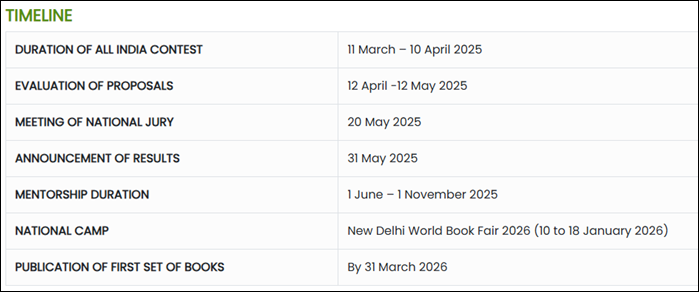
The Schedule of PM-YUVA 3.0 (Young, Upcoming and Versatile Authors) is as follows:
Announcement of the Scheme 11 March 2025.
A total of 50 authors will be selected through an All India Contest to be conducted through https://www.mygov.in/ from 11 March 2025 – 10 April 2025.
The number of authors to be selected as per the theme:
1) Contribution of Indian Diaspora in Nation Building – 10 authors
2) Indian Knowledge System – 20 authors
3) Makers of Modern India (1950-2025) – 20 authors
The received proposals would be evaluated in April 2025.
The list of selected authors will be announced in May- June 2025.
The young authors will be trained by eminent authors/mentors from 30 June – 30 December 2025.
Under the mentorship, a National Camp will be held for the PM-YUVA 3.0 Authors during the New Delhi World Book Fair 2026.
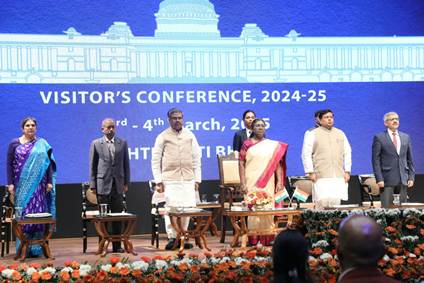
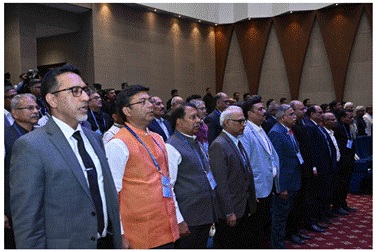
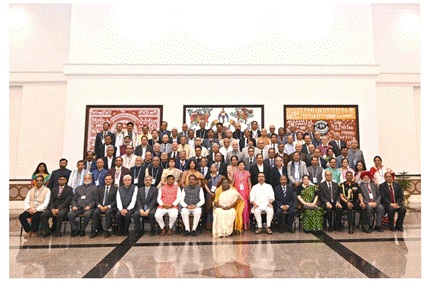
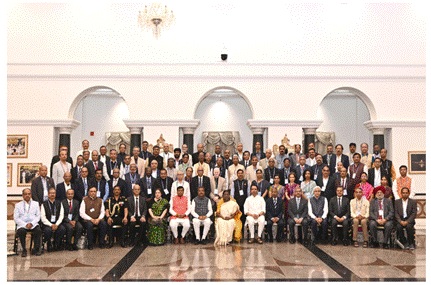
The two-day Visitor’s Conference at Rashtrapati Bhavan concluded today.
The Conference deliberated on the themes – Flexibility in academic courses, Credit Sharing and Credit Transfer with multiple entry and exit options; Internationalisation efforts and collaboration; Translation Research and Innovation related to converting research or innovation into useful products and services; Effective student selection processes and respecting student choices in context of NEP; and Effective assessments and evaluation. The outcome of deliberations was presented before the President of India, Smt Droupadi Murmu.
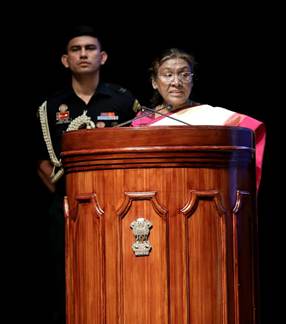
In her concluding remarks, the President said that our national goal is to make India a developed country before the end of the first half of this century. To achieve this goal, all stakeholders of the educational institutions and students would have to move forward with a global mindset. Young students would make a more effective identity for themselves in the 21st century world with the strengthening of internationalisation efforts and collaborations. Availability of excellent education in our higher education institutions would decrease the tendency to study abroad. Our young talent would be better utilized in nation building.
The President said that India is moving towards becoming the third largest economy in the world. Being self-reliant is the hallmark of a truly developed, large and strong economy. Self-reliance based on research and innovation would strengthen our enterprises and economy. Such research and innovation should get every possible support. She highlighted that in developed economies, the academia-industry interface appears strong. Due to continuous exchange between the industry and higher education institutions, research work remains linked to the needs of the economy and society. She urged the heads of institutions of higher learning to make institutional efforts to have continuous discussions with senior people of industrial institutions in mutual interest. She said that this would benefit the teachers and students doing research work. She also told them that connecting the laboratories of educational institutions with local, regional, national and global needs should be their priority.
The President said that it is imperative and challenging to have an education system that is system-based and flexible according to the special talents and needs of the students. In this context, there is a need to remain constantly alert and active. Appropriate changes should continue to take place based on experience. Empowering students should be the objective of such changes.
The President said that a nation becomes strong and developed only on the strength of characterful, sensible and capable youth. In educational institutions, the character, prudence and capability of our young students are developed. She expressed confidence that the heads of institutions of higher learning would achieve the proud ideals of higher education and would present a bright future to the young children of Mother India.
Union Minister for Education Shri Dharmendra Pradhan, while addressing the gathering, expressed his gratitude to President Smt. Droupadi Murmu for her guidance and words of inspiration during the inauguration and the concluding session. He also expressed gratitude to academic leaders for their active participation and meaningful discussions at the Visitor’s Conference. He noted that their diverse perspectives and forward-thinking ideas had enriched the confluence and contributed to shaping a roadmap for the country’s bright future.
Highlighting the collective responsibility of shaping India’s education system, he emphasized that the swift and large-scale implementation of NEP 2020 should be a national mission.
Acknowledging the challenges ahead, he affirmed that with collective efforts, a shared vision, and strong commitment, the education system could be redefined, paving the way for a knowledge-driven, self-reliant Bharat on its journey to becoming a developed country by 2047.
He further underscored the significance of students as the most important stakeholders and the backbone of the education system.
Reiterating the vision of Prime Minister Shri Narendra Modi, he stressed the importance of prioritizing students’ interests by investing in their education, equipping them with the right skills, empowering them to dream big, and supporting them in achieving their aspirations—not merely as an academic obligation but as a duty toward the nation.
Union Minister of State for Education & Development of the North Eastern Region, Dr. Sukanta Majumdar presented the Vote of Thanks. Secretary, Department of Higher Education, Dr. Vineet Joshi presented the summary of the session. Shri Amit Khare, Advisor to the Prime Minister and Smt. Deepti Umashankar, Secretary to the President were also graced the occasion. Officials of the President’s house, Ministry of Education and Heads of Higher Education Institutes were also present at the event.
In addition to summing up the key takeaways of the five sessions, Dr. Joshi, in his speech, stated that the conference had served as a platform that brought together visionary leaders, educationists, and policymakers to deliberate on the future of higher education in India. He highlighted that the National Education Policy (NEP) 2020, which is a transformational reform rooted in ancient Indian principles, upholds the pursuit of knowledge (Gyan), wisdom (Pragyaa), and truth (Satya) as the highest human goals. He emphasized the five key pillars of NEP 2020, which are Learner-Centric Education, Digital Learning, Academic Research and Internationalization, Industry-Institute Collaboration, and Indian Knowledge Systems. The policy is aimed at creating a holistic, inclusive, high-quality, and accessible education ecosystem, he also added.
Session Summary:
Session 1:
The theme of the 1st Session was Flexibility in academic courses, Credit Sharing and Credit Transfer with multiple entry and exit options. The session summary was presented by Prof. Anand Bhalerao, Vice-Chancellor of the Central University of Rajasthan. He informed the key snippets of the deliberation, which were, The Need for Academic Flexibility; Credit Sharing and Transfer: A Pathway to Student Mobility; Global Best Practices as a Model for India; Multiple Entry and Exit Options Will Democratize Higher Education; and Challenges in implementation and the way forward. The Session also focused on areas of focus such as institutional readiness, Inter-university coordination, technology and infrastructure, Quality Control, and Regulatory Framework. He also informed the recommendations of the Panel which were strengthening policy and regulatory framework, building digital infrastructure for credit transfer, enhancing university collaboration and partnership, capacity building for faculty and administrators, ensuring student awareness and engagements and fostering industry collaboration and skill development.
Session 2:
The theme of the 2nd session was Internationalization efforts and collaborations and Prof. M. Jagadesh Kumar, Chairman, UGC, presented the summary. He highlighted the great potential that India has for the Internationalization of Education. Three kinds of Internationalization were discussed during the deliberation, which were encouraging Indian institutions to set up campuses outside India, the potential India has to attract international students and providing high-quality international education to Indian students in India. He especially highlighted how discussions were carried out on keeping Global South in focus. He also emphasized how Institutes can implement NEP2020, introducing the Indian Knowledge System to international students to present a unique opportunity.
Session 3:
The theme of the 3rd session was Translation Research and Innovatio. Prof. Govindan Rangarajan, Director, Indian Institute of Science (IISc) Bangalore, presented the session summary for this session. He highlighted a few challenges the HEIs face in translational research and innovation from Lab to Land. He showed the link between Science (Know-Why), Engineering (Know-How) and ‘Technology’ (Show-How). Emphasizing the importance of fundamental research, he listed the factors important for changing the faculty mindset (Publications to Products); not diluting fundamental research; link between Product patents and research papers; inspiring to solve local problems (society, industry); Translational research fellowships etc. The factors needed for building the necessary ecosystem; How to attract and partner with industry (Trust & Track record); were also discussed during the deliberation, he informed.
Session 4:
The theme of the 4th session was Effective student selection processes and respecting student choices in the context of NEP for which the session summary was presented by Prof. Manindra Agrawal, Director, IIT Kanpur.
Session 5
The theme of the 5th session was Effective Assessment & Evaluation for which the session summary was presented by Dr. K Radhakrishnan, Former Chairman, ISRO and Chairman, BoG IIT Kanpur. He elaborated on the context of the discussion, which was Technology, which is advancing exponentially and pervading (Including Pedagogy); Imperative for the multidisciplinary mind; Holistic Development of Students; Outcome-based education; and transforming the key Enablers, which are faculty, programme, and institutions. He elaborated on the facets of holistic development of studies, which include intellectual, aesthetic, social, physical, extracurricular Arts, Sports, emotional, ethical, and value-based education. He also elaborated on the discussion that took place on five dimensions of outcome-based education, which were Knowledge Acquisition (Recall); Application of Knowledge (Problem-Solving); Analytical Ability (Decipher Patterns, Trends, Critical Thinking); Synthesis (New Ideas from Multi-farious inputs); and Learning how to learn.
Click here to see the President’s speech in Hindi:
In her inaugural address, the President said that the level of development of any country is reflected in the quality of its education system. She told the heads of the institutions of higher learning that they have a crucial role in achieving the goal of establishing India as an important centre of the knowledge economy. She highlighted the need to pay a lot of attention to research along with education. She said that the Government of India has established the National Research Fund with a very good objective. She expressed confidence that institutions of higher learning would make good use of this important initiative and encourage research.
The President said that the ambition of our higher education community should be that researchers from our institutions get recognition at the world level, patents of our institutions can bring change in the world, and students from developed countries choose India as a preferred destination for higher education.
The President said that students from India enrich the world’s leading educational institutions and developed economies with their talent. She emphasised the need of making efforts to utilize their talent in our country. She stated that our national goal of establishing India as a Global Knowledge Super Power would be achieved only when the world community is eager to adopt the work being done in our laboratories.
The President said that many higher education institutions of our country have global brand value. The students of these institutions get big responsibilities in the best institutions and companies of the world. However, all our institutions should move ahead very fast. The leadership of heads of institutions of higher learning would be recognised by developing and utilising the immense talent of our large youth population.
The President said that along with excellence, social inclusion and sensitivity should also be an essential aspect of our education system. No economic, social, or psychological limitation of any kind should be a hindrance in getting higher education. She said that heads and teachers of institutions of higher learning should take care of young students, remove any insecurity from their minds and provide them moral and spiritual strength. She urged them to make every possible effort to provide counselling and inspiration to students and spread positive energy in the campuses.
The President said that our country has a rich tradition of scientific achievements. The branches and sub-branches of Indian knowledge and science have flourished in every region of the country. It would be very useful to rediscover the invaluable but extinct streams of knowledge and science by doing intense research. She stated that it is the responsibility of the higher education ecosystem to find ways to use such organically grown knowledge systems in today’s context.
The President said that educational institutions shape the future of the nation. Young students learn from the conduct of our policy makers, teachers, heads of institutions, and senior students. She expressed confidence that with their global thinking, the heads of higher learning institutions would prepare a generation of builders of a developed India.
During the inaugural session, the President presented the eighth Visitor’s Awards in the categories of Innovation, Research, and Technology Development.
The Visitor’s Award for Innovation was given to Prof Saripella Srikrishna, Banaras Hindu University, for developing Novel Indigenous Innovation in Quantum Technology to boost the National Green Hydrogen Mission.
The Visitor’s Award for Research in the field of Physical Sciences was conferred upon Prof Ashwini Kumar Nangia, University of Hyderabad, for his seminal research in the discovery and development of high bioavailability drugs and pharmaceuticals with enhanced efficacy at affordable cost.
The Visitor’s Award for Research in Biological Sciences was jointly presented to Prof Rina Chakrabarti, University of Delhi and Prof Raj Kumar, Central University of Punjab. Prof Chakrabarti has been conferred the Award for her research contributions to Sustainable Freshwater Aquaculture while Prof Raj Kumar has been presented the Award for his research contributions to exploring various cancer hallmarks and the development of synthetic anticancer lead molecules.
The Visitor’s Award for Technology Development was presented to Dr Venkateswarlu Chintala, Gati Shakti Vishwavidyalaya, for his research contributions to the petrol and diesel production at commercial scale from landfill municipal mixed plastic waste.
Tomorrow, the Conference will deliberate on issues such as – Flexibility in academic courses, Credit Sharing and Credit Transfer with multiple entry and exit options; Internationalisation efforts and collaboration; Translation Research and Innovation related to converting research or innovation into useful products and services; Effective student selection processes and respecting student choices in context of NEP; and Effective assessments and evaluation. The outcome of these deliberations will be presented before the President in the closing session of the Conference.
Shri Dharmendra Pradhan, while presenting the opening remarks, expressed his gratitude to the President, Smt. Droupadi Murmu, for guiding the academic fraternity with constant guidance, steady support, and visionary leadership. He also congratulated all the distinguished recipients of the 8th Visitor’s Awards.
Shri Pradhan mentioned that Smt. Droupadi Murmu’s leadership has always shown the way forward in breaking new ground in education, achieving national educational priorities, navigating the ever-evolving learning landscape, as well as taking significant strides toward making India the epicentre of knowledge, research, and innovation.
He urged the participants of the Conference to share their concerns, discuss best practices, and envision the future of higher education. He also highlighted that NEP 2020 stands at the heart of today’s discussions, a transformative blueprint reshaping the country’s education system.
The Minister urged everyone to create an ecosystem that empowers the youth, strengthens the workforce, and accelerates India’s journey toward Viksit Bharat 2047.
Expressing his gratitude to Prime Minister Shri Narendra Modi for his clarion call of Viksit Bharat by 2047, the Minister said the nation ought to be self-reliant, innovative, and knowledge-driven. Education must go beyond degrees; it must create thinkers, innovators, solution-givers, and job creators, for which the implementation of NEP 2020 in letter and spirit is essential, he noted. He emphasized the importance of rising above institutional silos to ensure that NEP 2020 translates into real and long-lasting impact.
He stressed the importance of working collaboratively and sharing best practices to optimize academic strength, strengthen policies, and execute them well with a real impact on the ground.
Showing his optimism, he said that academic institutions will emerge as the lighthouse of Viksit Bharat, anchoring the developmental journey in the Amrit Kaal and beyond. He also expressed confidence that the Visitor’s Conference will provide a clear roadmap for holistically transforming the education system, empowering the youth, strengthening the workforce, and establishing India’s higher education ecosystem as a global benchmark.
On the occasion of World Autism Awareness Day (April 2, 2025), the Ministry of Education, Government of India reaffirms its commitment to inclusive education by strengthening support systems for children with autism spectrum disorder in schools.
Through Block Resource Centres (BRCs), the government is ensuring that children with autism spectrum disorder (ASD) receive essential therapy services, specialized interventions, and learning support to help them reach their full potential.
Supported under the centrally sponsored scheme- Samagra Shiksha, the BRCs serve as dedicated resource centers, offering essential therapy-based interventions to support the physical, cognitive, and communicative needs of CwSN.
These include:
Occupational Therapy: Helps children develop fine motor skills, hand-eye coordination, and independence in daily activities.
Physiotherapy:Supports children with mobility challenges, improving posture, muscle strength, and physical coordination.
Speech and Communication Therapy: Supports children with delayed speech, difficulty in communication, or social interaction challenges, especially beneficial for children with autism.
Psychological & Behavioural Support: Provides emotional and behavioural counselling to enhance confidence, social interaction, and well-being.
BRCs are staffed with trained resource persons, special educators, and therapistswho work closely with parents, teachers, and caregivers to create personalized intervention plans for children.
These centres also organize regular screening camps, parent counselling sessions, orientation/teacher training programs, assistive devices, appropriate Teaching-Learning Material (TLM), and aids & appliances etc. to ensure a holistic approach to inclusive education.
As envisioned in the National Education Policy (NEP) 2020, the government is continuously strengthening these inclusive learning environments by integrating therapy services with classroom learning and ensuring accessible infrastructure, assistive devices, and digital learning solutions for CwSN across the country.
State and district education authorities are encouraged to maximize the utilization of Resource Centres and also collaborate with local health and social welfare departments to further expand support for children with diverse needs.
On this World Autism Awareness Day, the Ministry appeals to schools, educators, and parents to optimally utilise the services of BRCs for CwSN and also work together to promote awareness, acceptance, and meaningful inclusion of children with autism spectrum disorder.
The Supreme Court, on April 3, 2025, invalidated the appointment of 25,753 teachers and other staff in West Bengal in state-run and state-aided schools and termed the entire selection process “vitiated and tainted,” which means corruption was involved.
Corruption, as defined by the United Nations Office on Drugs and Crime (UNODC), is the abuse of entrusted power for private gain. There are four types of corruption outlined by the UNODC:
Gaining Favor,
Accepting Bribes,
Misappropriating Property or Authority
Breaching Public Trust. The unfortunate level of corruption was observed in West Bengal, where many ruling party leaders were involved and prosecuted from time to time. April 3, 2025, is a historic day as the Supreme Court upheld the Calcutta High Court order, canceling the appointment of more than 25,000 teachers and non-teaching staff under the West Bengal School Service Commission (WBSSC). The Supreme Court mentioned that the entire selection process is “vitiated by manipulation and fraud” and its credibility and legitimacy “denuded.” Here, each word carries a deeper meaning of corruption. The bench of Chief Justice of India Sanjiv Khanna and Justice PV Sanjay Kumar said there was no reason to interfere with the High Court order. The court said the appointments resulted from cheating and were thus fraudulent. While promulgating the verdict, the court observed, “In our opinion, this is a case wherein the entire selection process has been vitiated and tainted beyond resolution. Manipulations and frauds on a large scale, coupled with the attempted cover-up, have dented the selection process beyond repair and partial redemption. The credibility and legitimacy of the selection are denuded,” the court said in its order. The court noted that the candidates not explicitly found to be tainted won’t have to refund the salaries they have received over the years. “However, their services will be terminated. Furthermore, no candidate can be appointed once the examination process and results have been declared void.” The West Bengal Government challenged the High Court order in the Supreme Court and pressed for the segregation of tainted and untainted candidates. I wonder why the State Government used the words ‘segregation of tainted and untainted candidates.’ This means many in the State were aware of corruption in the selection process. It may be mentioned from the website ‘ddnews.gov.in/’ on April 22, 2024, the Calcutta High Court’s division bench, led by Justice Debangsu Basak and Justice Shabbar Rashidi, had cancelled 25,753 appointments made by WBSSC. The ruling came after it was found that many of these appointments were tainted by corruption, with candidates allegedly securing jobs by paying money, making it impossible to distinguish between legitimate and ineligible applicants. Further, by quoting the website, it is noteworthy to mention that Bikas Ranjan Bhattacharya, a senior advocate in the Calcutta High Court and Rajya Sabha member from CPI(M), expressed regret that some “eligible” candidates would suffer due to the ruling. He stated that the scale of corruption in the recruitment process made it impossible to separate genuine candidates from ineligible ones. “The nature of institutional corruption in the entire selection process was so rampant that it became impossible to segregate the ‘genuine’ candidates from ‘ineligible’ candidates. The apex court repeatedly questioned WBSSC on whether such segregation was possible or not, but the Commission was unable to come up with any definite answer,” Bhattacharya said. The worst level of corruption occurred because ordinary people /Aam Admi suffered. Unfortunately, many genuine candidates suffered because of corruption by some WBSSC officials. When the next teacher selection occurs, I suggest the Supreme Court or High Court monitor the selection process; otherwise, corruption may crop up again because it is an easy way to earn money. Prof Shankar Chatterjee, Hyderabad
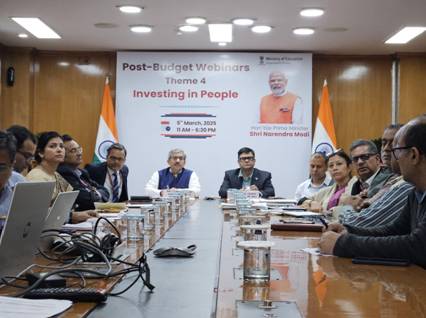
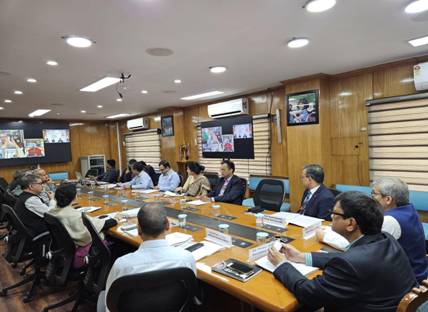
Ministry of Education organised Post Budget Webinar on the theme ‘Investing in People’, today. The Prime Minister Shri Narendra Modi delivered a special address at the inaugural session. Union Education Minister Shri Dharmendra Pradhan along with Secretary, Department of School Education & Literacy (DoSEL), Shri Sanjay Kumar; UGC Chairman Professor M. Jagadesh Kumar ; Secretary, Dept. of Higher Education, Shri Vineet Joshi; Secretary, Ministry of Health and Family Welfare Smt. Punya Salila Srivastava; Secretary Labour & Employment Ms. Sumita Dawra participated in the session.
The webinar brought together experts from the government, industry, and academia to discuss key reforms in job creation, academic flexibility, credit mobility, and future-ready skills—paving the way for a highly skilled and globally competitive workforce in line with Viksit Bharat 2047.
Speaking about the webinar, Shri Pradhan said that investment is one of the engines outlined in the Union Budget 2025-2026 which will turbocharge our journey to Viksit Bharat by 2047. He further said that the insightful special address by the Prime Minister Shri Narendra Modi has put forth new ideas for realising aspirations, future-proofing our population, accelerating inclusive development and ensuring benefits of Union Budget reaches every citizen of the country.
He expressed his gratitude to the Prime Minister for drawing attention to the vast potential of ‘Education Tourism’ and its key role in facilitating employment-linked growth and development. The Minister assured that the academic community will engage in comprehensive deliberations to chart out a strong roadmap for moving ahead in this direction. He further said that, together, with the spirit of jan-bhagidari and right investment in right direction, academia and industry will work together for bridging skills gap, harnessing demographic dividend, leveraging AI in education, catalysing research landscape and strengthening deep-tech start-up ecosystem for a future-ready workforce, stronger economy and Viksit Bharat.
Prof M. Jagadesh Kumar opened the session by emphasizing the transformative role of higher education. He highlighted that the implementation of NEP 2020 provided a unique opportunity to reshape India’s higher education landscape. During the webinar, Prof M. Jagadesh Kumar, Chairman, UGC stated that the policy was not merely reformative but transformative, designed to empower youth with the skills, knowledge, and adaptability required to thrive in the 21st century. He stressed that investing in people through quality education, research, and innovation was central to building a self-reliant, inclusive, and globally competitive economy.
Shri Sanjay Kumar stated that education is fundamentally about investing in people. He acknowledged the broad perspective provided by the UGC Chairman on higher education and noted that the 2025-26 Budget included key announcements regarding the establishment of 50,000 Atal Tinkering Labs in government schools over the next five years and the provision of broadband internet connectivity to government schools in rural areas. He further highlighted a significant trend observed over the last decade, noting that the proportion of female teachers has increased. He mentioned that in 2014-15, male teachers comprised 52 percent of the total, while female teachers accounted for 48 percent. By 2025, these figures have reversed, with female teachers now making up 52 percent and male teachers 48 percent, reflecting a move towards greater gender parity in the education sector.
The discussions reinforced the need for strategic investments in human capital to ensure sustainable economic growth, social equity, and global leadership. The government remained committed to fostering a skilled workforce, ensuring India’s continued rise as an innovation and technology hub.
Prime Minister’s address the Post-Budget Webinar on boosting job creation- Investing in People, Economy, and Innovation
National Curriculum Framework (School Education) 2023 has strongly recommended the inclusion of environmental education as an inter-disciplinary area of study in the school education. Accordingly, Environmental Education has been an integral component of school education, which is evident from the existing curriculum for school education. Concepts and concerns related to environment have been infused appropriately in different subject disciplines at all stages of school education.
Topics related to Environmental Education in the existing science textbooks for classes VI to XII are provided in the following table:
Sl. No.
Class & Subject
Name of Chapter
1
Curiosity Textbook of Science, Grade 6
Diversity in the living world, Nature’s Treasures
2
VII Science
Forests: Our Lifeline
3
VII Science
Wastewater Story
4
VIII Science
Coal and Petroleum
5
VIII Science
Conservation of Plants and Animals
6
X Science
Our Environment
7
XII Biology
Organisms and Populations
8
XII Biology
Ecosystem
9
XII Biology
Biodiversity and Conservation
NCERT has also prepared supplementary materials for students and teachers related to environmental education. Some of the resource materials are provided below:
Sl. No.
Title of Resource Material
1
Project Books in Environmental Education for Classes VI to X (Hindi, English and Urdu version)
2
Water: Every Drop Counts (Activity book for Primary, Upper Primary and Secondary Stages) (Hindi and English)
3
Teachers’ Handbook in Environmental Education for the Higher Secondary Sage
The Department of Education in Science and Mathematics (DESM), NCERT organizes National Science Exhibition every year wherein the theme or sub-theme invariably includes environment component. This event provides opportunity to students to provide solutions for environmental problems—present and future in the form of exhibits/ models such as on waste management, conservation of resources, green technologies, etc. The DESM also organizes the Rashtriya Avishkar Saptah every year during which students in middle and secondary stages in different parts of the country participate in the event and perform experiments/ activities on the theme assigned for the year such as testing of water quality, soil quality, conservation of water, tree plantation etc. Such experiments/ activities promote learning-by-doing and at the same time develop environmental awareness amongst students.
The National Education Policy (NEP) 2020 emphasizes the critical importance of integrating environmental awareness and sustainability principles into school curricula. The Policy aims to sensitize students to environmental / climate change concerns and inculcate among students the values, attitudes, behaviour and skills essential to address environmental challenges, thus preparing them to contribute to a sustainable future.
In alignment with this vision, Eco Clubs serve as a critical platform within schools, providing students with the opportunity to develop practical skills and knowledge for the responsible use of natural resources. Through participation in activities such as optimizing water usage, minimizing waste generation, recycling, and conducting plantation drives, students learn sustainable practices that they can implement both within and beyond the school environment. Eco Clubs empower students to act as environmental ambassadors, extending their impact to their families and communities by promoting sound environmental behaviour, such as reducing single-use plastics, conserving water, and participating in eco-friendly initiatives. Through these engagements, students gain a profound understanding of the shared responsibility to preserve and protect our planet, thereby advancing NEP 2020’s objective of nurturing environmentally conscious citizens for a sustainable India. The activities of Eco Clubs have been integrated with Mission LiFE, leading to their renaming as “Eco Clubs for Mission LiFE.” All the activities of Eco Clubs have been aligned with the seven themes of Mission LiFE (Save Energy, Save Water, Say No to Single Use Plastic, Adopt Sustainable Food Systems, Reduce Waste, Adopt Healthy Lifestyles and Reduce E-waste).


















 Eduindex
You must be logged in to post a comment.