

Commission plans are often treated as a simple payroll task, yet they sit at the meeting point of strategy, finance and human motivation. Studying how these plans evolve offers a useful lesson in why business processes that work well at a small scale tend to fail as an organisation becomes more complex.
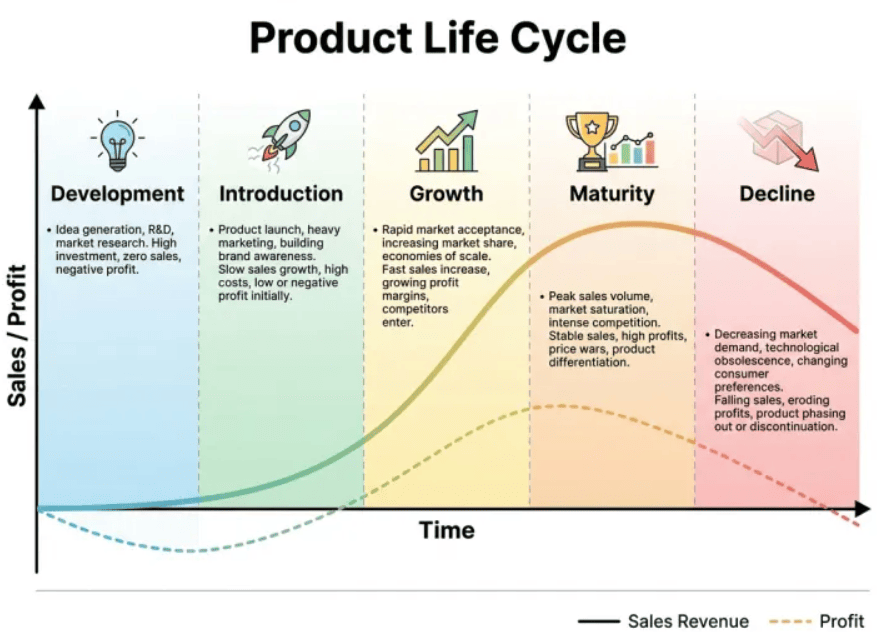
As outlined by Brainz Magazine, companies move through four predictable stages of commission maturity, and the difficulties they face depend on the complexity of the organisation far more than on the number of salespeople it employs. The framework is based on observations of hundreds of commercial teams. It is useful for founders, finance professionals and students of management alike, because it shows how a tool meant to align sales behaviour with company goals can gradually lose that power if its structure is not updated.
Variable compensation, the portion of a salesperson’s pay tied to results, works as a signal. It tells reps which deals the company values most and rewards them for pursuing those deals. For the signal to work, reps must understand it and trust that it is calculated correctly. Much of the four-stage model is about what happens when either of those conditions breaks down. A few terms appear repeatedly when discussing this subject, and they are worth defining before looking at the stages:
What’s a moment in your life that made you feel truly alive?
View all responses


You must be logged in to post a comment.