

Immersive FPV flying changes how pilots experience aerial footage. Instead of viewing only what lies ahead, 360° drones capture the entire surrounding scene, allowing creators to choose different angles after landing. This flexibility makes filming easier and opens new possibilities for aerial storytelling.The Antigravity A1 combines a lightweight foldable design, 8K 360° recording, vision goggles, and motion controls. DJI Avata 360 takes a different approach with dual 1-inch-equivalent sensors, 8K/60fps HDR video, and multiple controller options. Both offer immersive experiences, but their differences affect how pilots fly, film, and edit.
Understanding the Immersive 360° FPV Flying Experience
How 360° Video Changes Traditional FPV
Traditional FPV drones rely on forward-facing cameras, requiring pilots to manage framing during flight. A 360° drone records its surroundings, allowing creators to select drone camera angles later.Antigravity A1 captures 8K 360° video at up to 30fps, while DJI Avata 360 supports 8K/60fps HDR recording. The higher frame rate gives DJI Avata 360 more flexibility when filming fast-moving subjects.DJI also includes a Single-Lens mode supporting 4K/60fps video and 2.7K/120fps slow motion. Both drones reduce the need for repeated flights, making it easier to create multiple perspectives from one recording.
Head Tracking and Real-Time Visual Feedback
Head tracking makes immersive FPV more natural by allowing pilots to look around without changing the drone’s direction.Antigravity A1 uses dedicated vision goggles and OmniLink 360 transmission to provide real-time panoramic viewing. Pilots can explore their surroundings while maintaining a consistent flight path.DJI Avata 360 supports compatible FPV goggles and motion controllers, alongside traditional controllers such as the DJI RC 2.Their transmission systems also differ. Antigravity A1 delivers up to 2K/30fps live video, while DJI Avata 360 uses O4+ transmission with a 1080p/60fps feed. These systems prioritize panoramic viewing and smooth visual feedback in different ways.
Antigravity A1 vs DJI Avata 360: Immersive Flight Systems
Vision Goggles and Motion Controls
Antigravity A1 features dedicated vision goggles weighing approximately 340.4g. They include dual 1.03-inch Micro-OLED displays with 2560 × 2560 resolution, a 72Hz refresh rate, and a 90° field of view.Additional features include adjustable diopters, 30GB of built-in storage, and approximately 2.5 hours of battery life. Its 124.3g grip controller offers around four hours of operation.DJI Avata 360 provides more controller flexibility. Pilots can choose compatible goggles and motion controls for immersive flying or use a standard remote controller for traditional operation.Antigravity A1 emphasizes a dedicated motion-controlled experience, while DJI Avata 360 accommodates different flying preferences.
8K Recording and Video Transmission
Camera performance is a major consideration when comparing these drones.Antigravity A1 records 8K 360° video at up to 30fps, 5.2K at 60fps, and 4K at up to 100fps. It also captures 55MP photos and supports formats including INSV, DNG, H.264, and H.265.DJI Avata 360 features dual 1-inch-equivalent sensors capable of recording 8K/60fps HDR video and 120MP photos. Its Single-Lens mode provides additional shooting flexibility.For transmission, Antigravity A1 supports a maximum 10km FCC range through OmniLink 360. DJI Avata 360 offers up to 20km FCC or 10km CE through O4+.These figures represent maximum rated transmission distances. Actual performance varies with interference, terrain, and local regulations.
Flight Performance, Safety, and Everyday Usability
Weight, Portability, and Battery Life
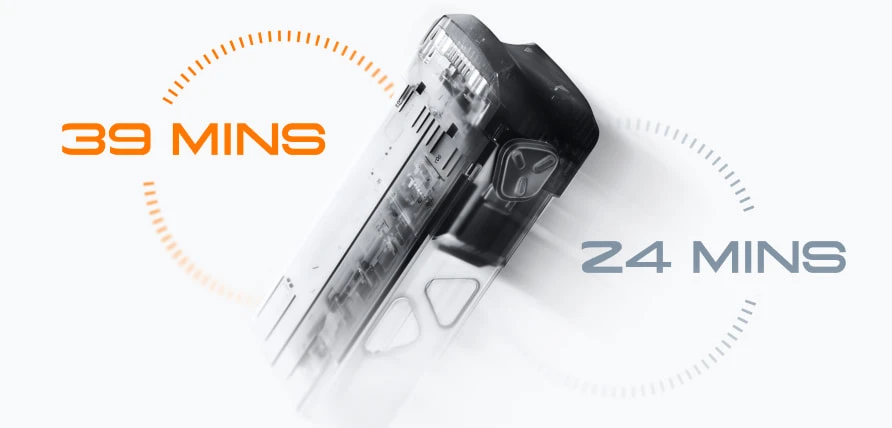
Size and weight influence how easily pilots can travel with their equipment.Antigravity A1 weighs approximately 249g with its standard battery or 291g with the extended battery. Its folded dimensions of 141.3 × 96.2 × 81.4mm make it convenient for compact travel kits.Flight time reaches up to 24 minutes with the standard battery or 39 minutes with the high-capacity option.DJI Avata 360 weighs 455g, placing it in the C1 category, and offers up to 23 minutes of rated flight time.Antigravity A1 prioritizes portability and longer optional endurance, while DJI Avata 360 uses a heavier FPV-oriented design with integrated propeller protection.
Obstacle Sensing and Flight Safety
Safety features help pilots navigate unfamiliar environments, particularly when using FPV goggles.Antigravity A1 combines forward and downward binocular vision sensors, a bottom infrared sensor, and omnidirectional visual obstacle avoidance.DJI Avata 360 includes omnidirectional obstacle sensing, integrated propeller guards, and ActiveTrack 360° for automated subject tracking.These features support different flying needs. Antigravity A1 combines sensing with a lightweight design, while DJI Avata 360 adds physical propeller protection and automated tracking.Neither system eliminates collision risks. Pilots should maintain situational awareness and follow local flight regulations.
Creating Immersive 360° Aerial Videos
Capturing Multiple Angles in One Flight
A 360° drone allows creators to capture several perspectives during a single flight. A smooth climb, orbit, or forward pass can become multiple cinematic shots during editing.Antigravity A1 supports this workflow through its panoramic camera and motion-based controls, making it practical for travel footage and landscape filming.DJI Avata 360 adds flexibility through its Single-Lens mode and higher-frame-rate 8K recording. These features can benefit creators filming action sequences or switching between panoramic and conventional video.Both drones help reduce repeated takes and allow pilots to focus on smooth flight movements.
Reframing Footage for Social Media
Reframing allows creators to turn 360° footage into standard horizontal videos, cinematic landscape shots, or vertical clips for social media.Antigravity A1’s 8K panoramic recording provides flexibility when selecting angles after filming. DJI Avata 360 offers similar possibilities with 8K/60fps HDR capture and 42GB of built-in storage.Both support content creation for YouTube, Instagram Reels, and short-form platforms.Final image quality depends on the selected crop, export resolution, and editing process. However, capturing multiple perspectives in one flight makes aerial content production more efficient.
Conclusion
Antigravity A1 and DJI Avata 360 offer distinct approaches to immersive FPV flying.Antigravity A1 focuses on lightweight portability, dedicated vision goggles, motion controls, and flexible 360° recording. DJI Avata 360 emphasizes higher-frame-rate 8K HDR video, controller versatility, integrated propeller guards, and automated tracking.For travel-focused creators, portability and battery flexibility may matter most. For action-oriented pilots, higher frame rates and additional control options may carry more weight.Both drones demonstrate how immersive 360° technology gives pilots greater creative freedom, turning one well-planned flight into multiple finished perspectives.
How do you manage stress?
View all responses


