Beyond Efficiency: A Unified Energy Survival Law for Road, Freight, and Marine Transportation

Daily writing prompt
Share one of the best gifts you’ve ever received.

Citation

Mashrafi, M. (2026). Beyond Efficiency: A Unified Energy Survival Law for Road, Freight, and Marine Transportation. https://doi.org/10.26643/ijr/2026/40


Mokhdum Mashrafi (Mehadi Laja)
Research Associate, Track2Training, India
Researcher, Bangladesh
Email: mehadilaja311@gmail.com

Abstract

Classical energy efficiency metrics systematically overestimate real-world performance across transportation, biological, and engineered systems. This discrepancy arises because efficiency isolates individual components under idealized conditions, while real systems operate through sequential absorption, transport, conversion, regulation, and dissipation stages, each subject to irreversible entropy production.

This study introduces a Unified Energy Survival–Absorption–Conversion Law, replacing efficiency with a physically grounded energy survival factor (Ψ) that explicitly accounts for irreversible thermodynamic losses. The survival factor is defined as

where AE is absorbed energy, TE represents recoverable transport and thermodynamic losses, and ε denotes irreversible entropy-generating losses.

To capture finite throughput and rate constraints, an internal conversion competency term (C_{int}) is introduced. The resulting governing law for useful energy production becomes:


Applied to electric vehicles, internal combustion vehicles, marine propulsion, and rail transport, the framework accurately predicts observed field-scale performance envelopes: ~60–75% wheel-level energy delivery in electric vehicles, ~20–30% in internal combustion transport, and ~40–55% shaft-to-thrust efficiency in marine systems.

By explicitly modeling energy survival rather than idealized conversion, the proposed law resolves long-standing efficiency paradoxes, enables cross-modal comparison, identifies dominant loss stages, and establishes hard thermodynamic upper bounds on transportation performance.

1. Introduction

Energy performance assessment underpins transportation engineering, sustainability policy, and system design, serving as a foundational basis for technology evaluation, infrastructure investment, and environmental regulation. Traditionally, transportation performance has been quantified using classical energy efficiency, defined as the ratio of useful output energy to total input energy. This metric has been widely adopted due to its simplicity and its effectiveness in benchmarking isolated components—such as engines, motors, turbines, or converters—under steady-state laboratory conditions. However, despite its widespread use, classical efficiency has proven to be an unreliable predictor of real-world system performance when applied to complex, multi-stage transportation systems operating under dynamic and non-ideal conditions.

Across transportation modes and broader energy systems, observed useful output is routinely two to five times lower than what nominal efficiency values would suggest. For example, electric vehicles frequently report electric motor efficiencies exceeding 90%, yet real-world measurements consistently show that only approximately 65–75% of the electrical input energy is ultimately delivered as useful mechanical work at the wheels. Similarly, internal combustion vehicles may achieve peak thermal efficiencies approaching 45% under optimized test conditions, but in real driving environments they rarely exceed 25–30% useful energy output due to combustion irreversibility, mechanical losses, auxiliary loads, and intermittent operation. Comparable discrepancies are well documented in marine propulsion systems, rail transport, photovoltaic power plants, biological metabolism, and large-scale data centers, indicating that this phenomenon is neither mode-specific nor technology-dependent.

Importantly, these persistent gaps between nominal efficiency and field performance are systematic and reproducible, rather than incidental. They cannot be adequately explained by poor engineering design, suboptimal maintenance, operator behavior, or measurement uncertainty. Instead, they arise from a more fundamental cause: real systems do not convert energy in a single, idealized step. Rather, they operate through sequential, irreversible energy pathways, in which energy must pass through absorption, transport, transformation, regulation, and utilization stages. At each stage, a fraction of energy is irreversibly degraded due to entropy generation mandated by the second law of thermodynamics. Losses incurred at early stages reduce the energy available to all subsequent stages, thereby constraining overall system performance regardless of how efficient downstream components may be.

In this context, energy should not be viewed merely as something that is converted, but as something that must survive a chain of irreversible processes. Energy that fails to survive absorption inefficiencies, transport resistance, control overhead, or contact interactions is permanently unavailable for useful work. Consequently, system-level performance is governed not by peak or component-level efficiency, but by the cumulative survival of energy across all stages of operation. Classical efficiency metrics obscure this reality by collapsing heterogeneous and sequential loss mechanisms into a single scalar ratio, thereby masking the true physical origins of performance limitations.

This paper therefore argues that transportation performance is fundamentally survival-limited, not efficiency-limited. Building on principles of irreversible thermodynamics and staged energy degradation, it introduces a unified thermodynamic framework that explicitly accounts for energy survival across real operational pathways. The proposed framework formalizes this survival-based perspective for road, freight, and marine transportation systems, providing a physically consistent basis for explaining long-observed performance saturation, reconciling laboratory–field discrepancies, and enabling meaningful cross-modal comparison and system-level optimization.

2. Methods: Unified Energy Survival Framework

2.1 Physical Energy Pathway

All real transportation systems follow an ordered energy pathway:

At each stage, irreversible entropy generation destroys usable energy potential, in accordance with the second law of thermodynamics.

2.2 Energy Survival Factor (Ψ)

The energy survival factor is defined as:

  • AE (Absorbed Energy): Energy successfully coupled into the system boundary
  • TE: Recoverable transport and thermodynamic losses
  • ε: Irreversible entropy-generating losses

This formulation explicitly separates recoverable inefficiencies from non-recoverable exergy destruction and enforces the universal bound .

2.3 Stage-Wise Decomposition

For a system with N sequential stages:

Energy survival compounds multiplicatively, explaining bottleneck dominance, diminishing returns, and early-stage sensitivity.

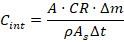
2.4 Internal Conversion Competency (C_{int})

Energy survival alone is insufficient if conversion capacity is limited. We define internal conversion competency as a throughput constraint governed by kinetics, geometry, transport capacity, and time:
2.5 Unified Governing Law

Combining survival and capacity constraints yields:

3. Results: Application to Transportation Systems

3.1 Electric Road Vehicles

Stage-wise survival factors under real driving conditions are:

StageSurvival
Power electronics0.93–0.97
Electric motor0.88–0.92
Transmission0.96–0.98
Tire–road contact0.70–0.80

Resulting survival:

This aligns with observed wheel-level performance and explains why further motor efficiency gains yield diminishing returns.

3.2 Internal Combustion Vehicles

Dominant losses occur at the combustion stage:

StageSurvival
Combustion~0.40
Mechanical systems~0.85
Transmission~0.90
Tire–road contact~0.75

The framework shows that combustion irreversibility, not drivetrain inefficiency, sets the performance ceiling.

3.3 Marine Transportation

Marine propulsion survival is governed by hydrodynamic dissipation:

StageSurvival
Fuel → shaft0.45–0.55
Shaft → propeller~0.95
Propeller → thrust0.80–0.90

Observed fuel-to-thrust performance matches survival predictions across vessel classes.

3.4 Rail Systems

Steel–steel contact yields high survival:

This explains rail transport’s superior energy performance relative to road vehicles.

4. Discussion

4.1 Why Efficiency Fails

Classical energy efficiency, defined as the ratio of useful output to energy input, fails to adequately describe real-world transportation performance because it aggregates fundamentally different loss mechanisms into a single scalar value. In practical systems, energy degradation arises from heterogeneous processes—including thermal dissipation, mechanical friction, electrical resistance, control overhead, and idle operation—each governed by different physical laws and timescales. By collapsing these distinct mechanisms into one number, efficiency metrics obscure where and how energy is lost, preventing meaningful diagnosis of dominant loss channels. As a result, two systems with identical efficiencies may exhibit entirely different internal loss structures and vastly different potentials for improvement.

More critically, classical efficiency ignores irreversible entropy production, which is the primary mechanism by which useful energy potential is destroyed in real systems. While energy is conserved, the ability of that energy to perform useful work is not. Irreversibility—manifested as heat rejection, viscous dissipation, inelastic deformation, and control-induced losses—permanently degrades exergy in accordance with the second law of thermodynamics. Efficiency metrics treat these irreversible losses as residuals rather than as causal constraints, thereby overestimating achievable performance and misrepresenting system-level limits.

Finally, efficiency lacks stage resolution and provides misleading optimization signals. Real transportation systems operate through sequential stages of absorption, transport, conversion, regulation, and utilization, with losses compounding multiplicatively across stages. Efficiency-based optimization often directs effort toward already high-performing components, yielding diminishing or negligible system-level gains when earlier or downstream stages dominate total loss. In contrast, the survival framework resolves these limitations by explicitly modeling energy survival through irreversible pathways and making entropy production causally explicit. By identifying low-survival stages as binding constraints, the survival-based approach provides physically meaningful guidance for system design, optimization, and policy, where classical efficiency metrics consistently fall short.

4.2 Design and Policy Implications

The survival-based formulation implies that system-level performance is constrained by the lowest-survival physical interface, rather than by average or peak component efficiency. Because energy survival compounds multiplicatively across sequential stages, a single stage with low survival imposes a hard upper bound on useful output, regardless of how close other components are to ideal performance. In transportation systems, such limiting interfaces commonly include tire–road contact in road vehicles, propeller–fluid interaction in marine transport, and adhesion limits in rail systems. This insight explains why substantial improvements in engines or motors often translate into only marginal real-world gains when downstream or upstream survival bottlenecks dominate.

From a design perspective, the survival framework fundamentally reshapes optimization priorities. It shows that reductions in rolling resistance, hydrodynamic losses, auxiliary loads, and control overhead yield disproportionately larger system-level benefits than further improvements to components that already operate near their physical efficiency limits. For example, incremental gains in electric motor efficiency provide limited returns when rolling resistance, vehicle mass, or parasitic electrical loads dominate energy loss. Similarly, in marine systems, improvements in propeller–wake interaction or hull–water coupling often outperform marginal engine efficiency enhancements. By explicitly identifying low-survival stages, the framework directs design effort toward interventions that meaningfully increase useful output under real operating conditions.

he implications for policy and sustainability assessment are equally significant. Efficiency-based regulatory targets and performance standards systematically overestimate achievable outcomes because they are derived from idealized component efficiencies rather than survival-limited system behavior. This can lead to unrealistic expectations regarding energy savings, emissions reductions, and technology deployment timelines. A survival-based policy perspective enables more realistic, physics-consistent targets by accounting for irreversible losses, operational constraints, and system-level bottlenecks. As a result, transportation policies informed by energy survival provide a more reliable basis for infrastructure planning, environmental regulation, and long-term sustainability strategies than conventional efficiency-centered approaches.

4.3 Universality of the Law

Despite wide differences in energy sources, technologies, and operating environments, all transportation modes obey the same survival-limited physical constraints. Whether energy enters a system as chemical fuel, electrical power, or mechanical input, it must be absorbed, transported, transformed, regulated, and ultimately utilized through finite, irreversible pathways. At each stage, entropy generation irreversibly degrades usable energy potential, enforcing universal thermodynamic bounds on performance. Consequently, road vehicles, rail systems, marine vessels, and even biologically inspired transport mechanisms are governed by the same underlying principles of energy survival, regardless of their apparent technological diversity.

Observed differences in performance across transportation modes therefore do not arise from fundamentally different physical laws, but from differences in the energy survival factor (Ψ) and the internal conversion competency (C_{int}). Systems such as electric rail benefit from high contact survival and low rolling resistance, yielding larger Ψ values, while internal combustion vehicles are constrained by substantial entropy generation during combustion, resulting in lower survival. Similarly, marine transport performance is limited primarily by hydrodynamic dissipation, whereas road vehicles are dominated by surface contact and auxiliary losses. In each case, the governing law remains unchanged; only the survival structure and conversion capacity differ.

This universality has important scientific and practical implications. It enables direct, physically meaningful comparison across transportation modes using a common thermodynamic framework, rather than mode-specific efficiency metrics that obscure underlying constraints. By demonstrating that all transportation systems are subject to the same survival-based law, the framework provides a unified foundation for cross-modal analysis, technology assessment, and policy evaluation. Ultimately, it establishes that improvements in transportation performance must focus on enhancing energy survival and conversion capacity, rather than seeking fundamentally new laws or relying on isolated efficiency gains.

5. Conclusions

This study establishes a Unified Energy Survival–Absorption–Conversion Law that governs useful energy production across road, freight, rail, and marine transportation systems. By replacing efficiency with a thermodynamically grounded survival framework, the proposed law explains long-observed performance saturation, reconciles laboratory–field discrepancies, and provides a universal basis for system comparison and optimization.

The governing equation

demonstrates that transportation performance is limited by energy survival and conversion capacity, not by peak efficiency.

This framework is experimentally measurable, falsifiable, and broadly applicable, offering a new physical foundation for transportation engineering, sustainability analysis, and energy policy.

References

Banister, D., Anderton, K., Bonilla, D., Givoni, M., & Schwanen, T. (2011). Transportation and the environment. Annual review of environment and resources36(1), 247-270.

Blunden, M. (2012). Geopolitics and the northern sea route. International affairs88(1), 115-129.

Corbett, J. J. (2004). Marine transportation and energy use. Encyclopedia of energy3, 745-758.

Cordon-Lagares, E., & García-Ordaz, F. (2020). Factors affecting the survival of maritime goods transport firms in Spain. Research in Transportation Business & Management37, 100520.

Dehalwar, K. S. S. N., & Sharma, S. N. (2024). Exploring the distinctions between quantitative and qualitative research methods. Think India Journal27(1), 7-15.

Dehalwar, K., & Sharma, S. N. (2023). Fundamentals of research writing and uses of research methodologies. Edupedia Publications Pvt Ltd.

Dehalwar, K., & Sharma, S. N. (2026). Human Settlements and Social Dynamics: A Planner’s Guide. Cambridge Scholars Publishing.

Fu, B. C. (2022). Unification and coordination of maritime jurisdiction: Providing a judicial guarantee for international trade and marine transport. Frontiers in Marine Science9, 848942.

Gilbert, R., & Pearl, A. (2012). Transport revolutions: moving people and freight without oil. Routledge.

Halff, A., Younes, L., & Boersma, T. (2019). The likely implications of the new IMO standards on the shipping industry. Energy policy126, 277-286.

Khaskheli, M. B., Zhao, Y., & Lai, Z. (2025). Sustainable Maritime Governance of Digital Technologies for Marine Economic Development and for Managing Challenges in Shipping Risk: Legal Policy and Marine Environmental Management. Sustainability17(21), 9526.

Mashrafi, M. (2026). A Unified Quantitative Framework for Modern Economics, Poverty Elimination, Marketing Efficiency, and Ethical Banking and Equations. International Journal of Research13(1), 508-542.

Mashrafi, M. (2026). Domain-Dependent Validity of an Inequality Derived from a Classical Absolute Value Identity. International Journal of Research13(1), Mashrafi, M. (2026). Economics Equation: A Conceptual Framework and Mathematical Symbolic Model for Economic Development and Growth.

Mashrafi, M. (2026). Universal Life Competency-Ability Framework and Equation: A Conceptual Systems-Biology Model. International Journal of Research13(1), 92-109.

Mashrafi, M. (2026). Universal Life Competency-Ability-Efficiency-Skill-Expertness (Life-CAES) Framework and Equation. Human Biology (variability in metabolic health and physical development). International Journal of Research13(1),

Mashrafi, M. (2026). Universal Life Energy–Growth Framework and Equation. International Journal of Research13(1), 79-91.

Mashrafi, M. Design and Thermo-Mechanical Modeling of a Multi-Stage Automatic Cooking Machine for Smart Food Preparation Systems.

Nowacki, G. (2012). Development and standardization of intelligent transport systems. International Journal on Marine Navigation and Safety of Sea Transportation6(3), 403-411.

Odgaard, L. (2023). Russia’s Arctic designs and NATO. In Survival: August-September 2022 (pp. 89-104). Routledge.

Schnurr, R. E., & Walker, T. R. (2019). Marine transportation and energy use. Reference Module in Earth Systems and Environmental Sciences10.

Sharma, S. N., & Dehalwar, K. (2025). A systematic literature review of transit-oriented development to assess its role in economic development of city. Transportation in Developing Economies11(2), 23.

Sharma, S. N., & Dehalwar, K. (2025). Retracted: Assessing the transit-oriented development and travel behavior of the residents in developing countries: A case of Delhi, India. Journal of Urban Planning and Development151(3), 05025018.

Soyer, B., & Tettenborn, A. (Eds.). (2013). Carriage of Goods by Sea, Land and Air: Uni-modal and Multi-modal Transport in the 21st Century. CRC Press.

Correlating Morphology, Composition, and Optical Behaviour in Group IB and IIB Transition Metal Tartrate Crystals: An SEM–EDAX and UV Study.

Daily writing prompt
Share one of the best gifts you’ve ever received.

               Sachin Nandre1,* Bhushan Nikam2, Hemangi Patil 3

            1,Department of Physics, NSS’S Uttamrao Patil arts and sci.college, Dahiwel Dhule,  India.,

         2 Department of Physics, Kai.Sau.G.F.Patil Jr. College, Shahada Nandurbar, India,

        3,Department of Chemistry, Kai.Sau.G.F.Patil Jr. College, Shahada Nandurbar, India,

 * Author for correspondance (bhushannikam81@gmail.com)

ABSTRACT –

This study presents a systematic correlation between morphology, elemental composition, and optical behaviour of Group IB and IIB transition-metal tartrate crystals investigated using scanning electron microscopy (SEM), energy-dispersive X-ray analysis (EDAX), and ultraviolet (UV) spectroscopy. The combined results establish a strong interdependence between structural characteristics, chemical composition, and optical response, underscoring the significant role of transition metal ions in tailoring the physicochemical properties of tartrate crystals. These findings highlight the potential of such materials for applications in optical and other functional material systems.

Keywords: SEM, EDAX and UV spectroscopic; Optical Behaviour; Transition metal

INTRODUCTION –

Tartrate crystals have attracted significant research interest due to their ferroelectric and piezoelectric properties, as well as their applicability in transducers and both linear and nonlinear mechanical devices. [1-3]. The gel growth technique is one of the simplest and most effective methods for growing sparingly soluble crystals from aqueous solutions, enabling crystal formation under ambient conditions at relatively low temperatures. [4]. Nonlinear optical (NLO) materials play a vital role in optoelectronic applications such as optical frequency conversion, optical data storage, and optical switching in inertial confinement laser fusion systems. To effectively realize these applications, materials exhibiting strong second-order optical nonlinearities, a short transparency cut-off wavelength, and high thermal and mechanical stability are required. [5] In metal–organic coordination complexes, the nonlinear optical (NLO) response is predominantly governed by the organic ligand. With respect to the metallic component, particular attention is given to Group IIB metals (Zn, Cd, Hg, and related ions), as their compounds exhibit high transparency in the ultraviolet region. It is well established that crystal morphology is determined by the interplay between the driving force for crystallization and the diffusion of atoms, ions, molecules, or heat. Variations in these experimental parameters can significantly alter crystal growth behavior, leading to morphological transitions from well-defined polyhedral forms to skeletal and dendrite structures. [6] The growth of single crystals of Calcium tartrate was reported [7] and single crystals of strontium tartrate was reported [8].Thermal studies on tartrate crystals grown by gel method were reported by many investigators [9-11]. Tartrate crystals are of considerable interest, particularly for basic studies of some of their interesting physical properties. Some crystals of this family are ferroelectric [12-14], some others are piezoelectric [15] and quite a few of them have been used for controlling laser emission [16]. The present work investigates the structural, nonlinear, and optical properties of Group IB and IIB transition-metal tartrate crystals, Furthermore, a comprehensive correlation between crystal morphology, elemental composition, and optical behavior was established through combined SEM–EDAX and UV spectroscopic investigations.

MATERIALS AND METHODS –

Raw material for the growth of the tartrate compound was synthesized by mixing aqueous solutions of Tartaric acid (C4H6O6 ) Sodium meta Silicate – Na2SiO3 and  IB and IIB transition metal such as Copper chloride (CuCl2.2H20,), Mercuric chloride (HgCl2) and Cadmium chloride monohydrate (CdCl2.H2O 99 %) with Double distilled water in the amount of specific ratio. The solution was allowed to flow along the test tube wall to prevent cracking of the gel surface. Subsequently, Cu²⁺, Hg²⁺ and Cd²⁺ ions slowly diffused into the gel medium, where they reacted with the inner reactant, resulting in crystal growth.[17] And the corresponding chemical reaction is –

  1. C4H606 + CuCl2→ C4H406Cu + 2HCl
  2. HgCl2 + C4H6O6   →      HgC4H4O6 + 2HCl
  3. C4H6O6 + CdCl2    →     C4H4O6Cd + 2HCl

RESULT AND DISCUSSION

                                                   Fig- SEM , EDAX and UV –Vis

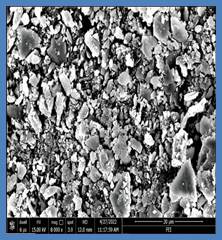
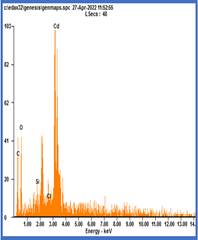
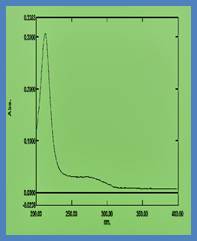
From the optimum growth conditions of copper, mercury, and cadmium tartrate crystals, it is observed that the gel setting time, gel aging time, and crystal growth period vary with different dopants. SEM–EDAX and UV–Vis studies reveal a clear correlation among crystal morphology, elemental composition, and optical behavior.

CHARECTORIZATION STUDY

The crystallographic parameters of the grown crystals were determined from the measured interaxial angles and were found to correspond to orthorhombic and monoclinic crystal systems. UV–Vis spectral analysis revealed that the optical band gap values of all selected Group IB and IIB tartrate crystals are nearly identical, with values of 5.69 eV, 5.87 eV, and 5.85 eV for copper, mercury, and cadmium tartrate crystals, respectively. SEM microstructural analysis indicated distinct surface morphologies for each crystal: copper tartrate exhibited coral reef–like rock structures, mercury tartrate showed coral blossom or octocoral polyp–like features resembling tiny sea flowers, while cadmium tartrate displayed small stone pebble–like and plate–like structures with cut-flower appearances. EDAX analysis confirmed the elemental composition by showing characteristic peaks of copper, mercury, and cadmium, along with silicon, oxygen, carbon, sodium, and chlorine, thereby validating the formation of copper, mercury, and cadmium tartrate crystals.

CONCLUSION

The present study establishes a clear correlation between crystal morphology and the nature of the incorporated transition metal ions in Group IB and IIB tartrate crystals. SEM studies reveal that the crystal morphology of Group IB and IIB metal tartrates is strongly dependent on the type of incorporated metal ion and growth conditions. The observed variations in surface features are well supported by EDAX-confirmed composition and are consistent with the optical behaviour obtained from UV analysis. This correlation highlights the decisive role of metal–ligand interactions in governing the morphological and physicochemical properties of tartrate crystals. Overall, the combined SEM–EDAX–UV analysis demonstrates that crystal morphology is closely linked to elemental composition and plays an important role in governing the optical behavior of transition metal tartrate crystals.

REFRENCES:

[1] R. Mazake ,T. Buslaps ,R.Claessen.J.Fink. Mater. Europhys. Lett.Volume9 (5), pp. 477, 1989

[2] F. Jesu , D. Arivuoli ,S.Ramasamy. Material Resarch Bulletin. Volume 29, Page 309, 1994

[3] M. E. Torres , T. Lopez ,J.Peraza . Journal of Applied Physics. Volume 84, Page 5729, 1998

[4] N. H. Manani , Jethva  Int.Journal of  Scentific research in physics  Lett. Vol. 8, Page 08, 2020

[5] S.Kalaiselvan , G. Pasupathi,B.Sakthivel . Der Pharma Chemica. Volume 4(5), Page 1826, 2012

[6] D. K. Sawant , H.M.Patil ,D.S.Bhavsar,J.H.Patil ,K.D.Girase. Archives of physics Resarch,Volume 2(2) ,Page 67-73, 2011

 [7] S. M. Dharma Prakash , P. Mohan Rao J.. Mater. Sci Lett. Volume 5, Page 769, 1986

 [8] M.H. Rahimkutty, Rajendra Babu ,K. Shreedharan Bull. mater. Sci., Volume 24,Page 249-, 2001.

[9] H.K. Henisch., Crystal growth in gels, University park,PA ; The Pennsylvania university  1973.

[10] P.N. Kotru, N.K. Gupta, K. K. Raina,M.L. Koul, Bull.Mater. Sci. Volume 8 Page 5471986

[11] P.N. Kotru, N.K. Gupta, K. K. RainaL.B.Sarma, Bull. Mater. Sci. Volume 21,Page 83,1986

[12]M. M. Abdel-Kader, FI-Kabbany, S. Taha, M. Abosehly, K. K. Tahoon, and A. EISharkay,

J. Phys. Chem. Sol, Volume 52,Page 655, 1991.

[13] H. B. Gon, J. Cryst. Growth, Volume 102,Page 501,1990

[14] C. C. Desai and A. H. Patel, J. Mat. Sci. Lett, Volume 6, Page 1066, 1987.

[15] V. S. Yadava and V. M. Padmanabhan, Acta. Cryst, B Volume 29,Page 493, 1973.

[16] L. V. Pipree and M. M. Kobklova, Radio Eng. Electron Phys, (USA),Volume 12,Page 33,1984.

[17] B. P. Nikam, S. J. Nandre,C.P.Nikam. JETIR ,Volume 9 (2) , 2022.1984.

Botanical Extracts Used Against Tribolium castaneum (Herbst): A Comprehensive Comparative Review up to 2025

Daily writing prompt
Share one of the best gifts you’ve ever received.

Ravindra N More1, Yuvraj M Bhosale2

1,2PG Department of Zoology, NYNC ACS College, Chalisgaon, Jalgaon 424101 (MH)

Email ID- dryuvrajb0807@gmail.com

ABSTRACT

The red flour beetle, Tribolium castaneum (Herbst), is one of the most destructive cosmopolitan pests of stored grains and processed food products. Its remarkable adaptability, rapid life cycle, and increasing resistance to synthetic fumigants, such as phosphine, have intensified the search for safer and more sustainable alternatives. Botanical extracts, derived from plants rich in bioactive secondary metabolites, have shown promise as environmentally benign methods for controlling pests in stored products. This study offers a thorough, theoretical, and comparative synthesis of plant-derived chemicals, essential oils, and botanical extracts tested against T. castaneum until 2025. The modes of action, effectiveness comparisons, formulation advancements, possibilities for resistance management, and future research goals are highlighted.

To provide a cohesive framework for the logical development of plant-based pesticides for post-harvest protection, this review combines classical and modern literature.

KEYWORDS: Botanical insecticides, Essential oils, Tribolium castaneum, Phytochemicals, Sustainable pest management.

INTRODUCTION

Insects that infest stored products consistently endanger global food security, with Tribolium castaneum being one of the most economically important species because of its capacity to invade flour, cereals, and processed foods (Sokoloff 1974; Campbell and Arbogast 2004). Traditional control methods have relied significantly on chemical fumigants and long-lasting insecticides. Nonetheless, concerns about the environment, food safety problems, and the swift development of resistance, especially to phosphine, have diminished their lasting effectiveness (Coats, 1994; Nayak et al., 2020).

In this context, botanical extracts have received renewed scientific interest. Plants, which have been traditionally employed as grain protectants, possess a wide variety of secondary metabolites that are developed for their defense against herbivores (Fraenkel, 1959; Golob & Webley, 1980; Wink, 2012). Contemporary analytical methods and bioassays have facilitated a thorough assessment of these plants against T. castaneum, uncovering various insecticidal, repellent, antifeedant, and growth-regulating effects (Isman, 2006; Regnault-Roger et al., 2012).

MATERIAL AND METHODS-

  • Biology and Pest Status of Tribolium castaneum

Understanding the biology of T. castaneum is fundamental for evaluating botanical control strategies. The beetle thrives in warm and dry storage conditions and completes multiple generations annually, leading to exponential population growth (Sokoloff, 1974). Both larvae and adult insects can cause quantitative and qualitative losses in food products. They contribute to contamination through the presence of frass (insect droppings), secretions, and allergens (Phillips and Throne, 2010).

Its physiological plasticity and detoxification enzyme systems contribute significantly to insecticide resistance during development (Campbell & Arbogast, 2004; Nayak et al., 2020). These characteristics make T. castaneum an ideal model organism for testing alternative pest control agents, including botanicals with multitarget modes of action.

  • Rationale for Botanical Extracts in Stored-Product Protection

Botanical insecticides offer several advantages over synthetic chemicals, including biodegradability, reduced nontarget toxicity, and a lower risk of resistance development (Isman, 2008; Benelli et al., 2016). Plant-derived compounds often act on multiple physiological pathways, such as neuroreceptors, metabolic enzymes, and hormonal systems, making insect adaptation more difficult (Enan, 2001; Pavela, 2015).

Moreover, many botanicals are locally available and culturally accepted, aligning well with sustainable agriculture and integrated pest management (IPM) frameworks (Dubey et al., 2010; Dubey et al., 2011).

  • Essential Oils as Fumigants and Contact Toxicants

Essential oils represent one of the most extensively studied botanical groups for the control of T. castaneum. Rich in monoterpenoids and phenylpropanoids, these volatile compounds exhibit strong fumigant toxicity, often comparable to synthetic fumigants in laboratory conditions (Lee et al., 2003; Chaubey, 2012).

Mechanistically, essential oils disrupt neural transmission by interacting with octopaminergic receptors and ion channels, leading to paralysis and death (Enan, 2001; Bakkali et al., 2008). Studies have demonstrated high mortality and repellency using oils from Artemisia, Thapsia, and other aromatic plants (Negahban et al., 2007; Salem et al., 2023; Zhang et al., 2024).

  • Plant Powders and Crude Extracts

In addition to essential oils, crude plant powders and solvent extracts have demonstrated significant efficacy against T. castaneum. The leaf and seed powders of Aphanamixis polystachya reduced adult survival and progeny emergence in stored wheat, highlighting the practicality of low-technology applications (Ahmad et al., 2019).

Crude extracts often contain synergistic mixtures of alkaloids, flavonoids, terpenoids, and saponins, which collectively impair feeding, digestion, and reproduction (Harborne, 1998; Wink, 2012). Such complexity may enhance durability against the development of resistance.

  • Saponins and Antinutritional Compounds

The capacity of saponin-rich extracts to damage membranes has drawn attention. Recent studies on Chenopodium quinoa have demonstrated notable insecticidal and antinutritional effects on T. castaneum, linked to midgut injury and digestive enzyme inhibition (El-Sheikh, 2025; Francis et al., 2002).

  • Neem and Classical Botanical Insecticides

Neem (Azadirachta indica) is a benchmark botanical insecticide owing to its broad-spectrum activity and well-characterized mode of action (Schmutterer, 1990). Azadirachtin disrupts molting, reproduction, and feeding behavior in T. castaneum, making it particularly valuable for population suppression rather than rapid knockdown (Isman 2006).

  • Nano Formulations and Technological Advances

Recent advances in nanotechnology have revitalized the research on botanical insecticides. Nanoencapsulation enhances stability, solubility, and controlled release of plant-derived compounds, addressing volatility and degradation issues (Kah et al., 2013).

Although still emerging, nano-formulated botanicals show promises for improving the consistency and scalability of plant-based control strategies against T. castaneum.

  • Comparative Efficacy and Resistance Management

Comparative studies consistently show that while individual botanicals may vary in potency, their multi-site modes of action offer strategic advantages over single-target synthetic insecticides (Pavela & Benelli, 2016; Regnault-Roger et al., 2012).

Importantly, botanicals may play a critical role in resistance management by reducing the selection pressure when integrated with conventional methods (Nayak et al., 2020; Phillips & Throne, 2010).

  • Environmental and Safety Considerations

Botanical insecticides are generally regarded as safer for non-target organisms and consumers, although rigorous toxicological evaluations remain essential (Coats, 1994; Isman, 2020). Their rapid degradation minimizes environmental persistence, which aligns with sustainability goals.

  • Challenges and Future Perspectives

Despite encouraging laboratory findings, challenges such as field validation, standardization, and regulatory acceptance persist (Isman & Grieneisen, 2014; Benelli et al., 2016). Future studies should emphasize formulation science, synergistic mixtures, and practical storage conditions.

CONCLUSION

Botanical extracts are a scientifically valid and eco-friendly option for controlling Tribolium castaneum. Utilizing both conventional wisdom and contemporary studies, these plant-derived solutions provide multifunctional roles, minimize the risk of resistance, and align with sustainable pest control systems. Ongoing interdisciplinary studies are crucial for converting their potential into functional and scalable applications.

Table: Representative botanical extracts evaluated against Tribolium castaneum.

Azadirachta indica (Neem)SeedsAzadirachtin extractGrowth inhibition, reduced fecundityEcdysone disruptionSchmutterer (1990); Isman (2006)
Artemisia sieberi (D. Wormwood)Aerial partsEssential oilHigh fumigant mortalityNeurotoxicityNegahban et al.(2007)
Thapsia garganica (D. Carrots)SeedsEssential oilStrong contact & fumigant toxicityAChE inhibitionSalem et al.(2023)
Chenopodium quinoa (Rajgira)SeedsSaponin-rich extractDigestive inhibitionMembrane disruptionEl-Sheikh (2025)
Aphanamixis polystachya (Pithraj Tree)Leaves & seedsPowderReduced progenyAntifeedantAhmad et al.(2019)

GRAPHICAL ABSTRACT

Plant-derived resources → Extraction (powders, crude extracts, essential oils, nano formulations) → Bioactive phytochemicals (terpenoids, alkaloids, saponins, phenolics) → Multiple physiological targets (nervous system, digestion, reproduction) → Mortality, repellency, population suppression of Tribolium castaneum → Sustainable and residue-safe stored-product protection.

REFERENCES

  1. Abou-Taleb, H. K., El-Sheikh, T. M., & Abdel-Rahman, H. A. (2021). Fumigant toxicity and biochemical effects of selected essential oils   on   the red flour beetle, Tribolium castaneum (Coleoptera: Tenebrionidae).   Journal of Stored   Product   Research, 93, 101825. 
  2. Ahmad, S., Khan, R. R., & Hasan, M. (2019). Insecticidal efficacy of   pithraj (Aphanamixis   polystachya) leaf and seed powders against   Tribolium castaneum   in stored wheat.   Journal of Basic and Applied Zoology, 80(1), 1–10. 
  3. Bakkali, F., Averbeck, S., Averbeck, D., &   Idaomar, M. (2008). Biological effects of essential oils: A review.   Food and Chemical Toxicology, 46(2), 446–475. 
  4. Benelli, G., Pavela, R., Canale, A., Mehlhorn, H., & Murugan, K. (2016). Essential oils as eco-friendly biopesticides Challenges and constraints.   Trends in Plant Science, 21(12), 1000–1007. 
  5. Campbell, J. F., & Arbogast, R. T. (2004). Stored-product insects in changing   climates.   Annual Review of Entomology   49, 351–377. 
  6. Chaubey, M. K. (2012). Biological effects of essential oils   on   stored-product insects.   Journal of Biopesticides, 5(1), 1–10. 
  7. Coats, J. R. (1994). Risks   of   natural versus synthetic insecticides.   Annual Review of Entomology, 39, 489–515. 
  8. Dubey, N. K., Shukla, R., Kumar, A., Singh, P., & Prakash, B. (2010). Global scenario on the application of natural products in integrated pest management   programs.   Journal of Natural Products, 3, 1–18. 
  9. Dubey, N. K., Shukla, R., Kumar, A., Singh, P., & Prakash, B. (2011). Prospects of botanical pesticides in sustainable agriculture.   Current Science, 100(4), 479–488. 
  10. El-Sheikh, T. M. Y. (2025). Antinutritional and insecticidal potential of saponin-rich extract of   Chenopodium quinoa   against   Tribolium castaneum   and its   mechanism of action     Scientific Reports, 15, 10952. 
  11. Enan, E. (2001). Insecticidal activity of essential oils: Octopaminergic sites of action.   Pesticide Biochemistry and Physiology   69(1):   15–22. 
  12. Fraenkel, G. S. (1959). The raison d’être of secondary plant substances.   Science, 129(3361), 1466–1470. 
  13. Francis, G., Kerem, Z., Makkar, H. P. S., & Becker, K. (2002).   Biological     actions   of saponins in animal systems: A review.   British Journal of Nutrition, 88(6), 587–605. 
  14. Golob, P., & Webley, D. J. (1980).   The use of plants and minerals as traditional protectants of stored products   is common. Tropical Products Institute, UK. 
  15. Harborne, J. B. (1998).   Phytochemical methods: A guide to modern techniques of plant analysis (3rd ed.). Springer. 
  16. Isman, M. B. (2006). Botanical insecticides, deterrents and repellents in modern agriculture.   Annual Review of Entomology, 51, 45–66. 
  17. Isman, M. B. (2008). Botanical insecticides: For richer   or   poorer.   Pest   Manag     Sci, 64(1), 8–11. 
  18. Isman, M. B. (2020). Botanical insecticides in the twenty-first century:   Fulfilling their promise?   Annual Review of Entomology, 65, 233–249. 
  19. Isman, M. B., &   Grieneisen, M. L. (2014). Botanical insecticide research: Many publications, limited useful data.   Trends in Plant Science, 19(3), 140–145. 
  20. Kah, M., Beulke, S., Tiede, K., & Hofmann, T. (2013).   Nanopesticides: State of knowledge, environmental fate, and exposure modeling.   Critical Reviews in Environmental Science and Technology, 43(16), 1823–1867. 
  21. Lee, S., Peterson, C. J., & Coats, J. R. (2003). Fumigation toxicity of monoterpenoids to several   stored-product   insects.   Journal of Stored Products Research, 39(1), 77–85. 
  22. Negahban, M.,   Moharramipour, S., &   Sefidkon, F. (2007). Fumigant toxicity of essential oil from   Artemisia   sieberi   against stored-product insects.   Journal of Stored Products Research, 43(2), 123–128. 
  23. Nayak, M. K. Collins, P. J., Pavic, H.,   and   Kopittke, R. A. (2020). Resistance to phosphine in stored-product insects: Current status and future prospects.   Journal of Stored   Product   Research, 86, 101555. 
  24. Papachristos, D. P., &   Stamopoulos, D. C. (2002). Repellent, toxic, and reproduction-inhibitory effects of essential oils on stored-product insects.   Journal of Stored Products Research, 38(2), 117–128. 
  25. Pavela, R. (2015). Acute toxicity and synergistic effects of some monoterpenoid essential oil compounds on   Tribolium castaneum.   Journal of Pest Science, 88(4), 747–754. 
  26. Pavela, R., & Benelli, G. (2016). Essential oils as eco-friendly biopesticides Challenges and constraints:     Industrial Crops and Products, 76, 174–187. 
  27. Phillips, T. W., & Throne, J. E. (2010). Biorational approaches to managing stored-product insects.   Annual Review of Entomology, 55, 375–397. 
  28. Rajendran, S., &   Sriranjini, V. (2008). Plant products as fumigants for stored-product insect control.   Journal of Stored Products Research, 44(2), 126–135. 
  29. Regnault-Roger, C., Vincent, C., & Arnason, J. T. (2012). Essential oils in insect control: Low-risk products in a high-stakes world.   Annual Review of Entomology, 57, 405–424. 
  30. Salem, N.,   Bachrouch, O.,   Sriti, J., & Hammami, M. (2023). Chemical composition and insecticidal activity of   Thapsia     garganica   seed essential oil against   Tribolium castaneum.   Pest Management Science, 79(4), 1562–1571. 
  31. Schmutterer, H. (1990). Properties and potential of natural pesticides from the neem tree.   Annual Review of Entomology, 35, 271–297. 
  32. Sokoloff, A. (1974).   The biology of Tribolium. Oxford University Press. 
  33. Tripathi, A. K., Upadhyay, S., Bhuiyan, M., & Bhattacharya, P. R. (2009). A review on prospects of essential oils as biopesticides.   Current Science, 86(6), 787–794. 
  34. Wink, M. (2012). Plant secondary metabolites as defenses against herbivores.   Annual Plant Reviews, 39, 121–145. 
  35. Zhang, X., Wang, Y., & Liu, Z. (2024). Chemical profiling and insecticidal activity of commercial essential oils against   Tribolium castaneum. Industrial Crops and Products, 210, 118034. 

Analysis of the Cropping Pattern In Dhule District (M.S.).

Daily writing prompt
Share one of the best gifts you’ve ever received.

Analysis of the Cropping Pattern In Dhule District (M.S.).

Dr. Suresh Chintaman Ahire

Uttamrao PatilArts and Science College, Dahivel, Dist.-Dhule (M.S.),ahiresuresh9@gmail.com

Abstract:

New cropping patterns have been accepted by the farmers of the study region, due to climate change and uneven rainfall. Geographical and economical factors have boosted the cultivation and production of cereals crop. The Dhule district is drought prone district, soit is select for present study. Agriculture is the main occupation in the district, geographical phenomena is uneven. Annual rainfall is unsatisfied for agriculture. Therefore, the study of spatial distribution and temporal variability were vital in characterizing the geographic factor and nature of cereals crop cultivation.Therefore it is important to study the cropping pattern in this district. The aim of present paper is to examine the temporal changes and relation between rainfall and cropping pattern. Present study is based on secondary source of data year 2005 and 2015. Simple statistical technique is used to analyze the changing trend of cropping pattern. For calculating transformation the data 2005 and 2015 are compared. The data is representing with graph and map using GIS software and MS Excel is applies to analyze. In Dhule district area under cereals crops are changes in various tehasils. Cerealscrops cultivationhas occupied area 247051 Ha. (60.26% of NSA) in the year 2005 and occupied area decrease upto 145056 Ha.  (37.16 % of NSA) in the year 2009 due to the flexibility of the rainfall. Keyword: Crop, Cropping pattern, Drought prone, Plantation,Agriculture

Introduction:

India has a great diverse agricultural systems as well as it posses’ rich agricultural resources, different geographical, factors had resulted into agricultural typologies. Therefore, important agricultural facility is usefulprogramme to improved productivity and thereby achieving rural development. They may beachieved by technological intervention and by adopting strategic cropping pattern. This would reduce the water requirement of agricultural without comprising agricultural output.Maharashtra is leading state in area and production of cereals crops in the country. According to some expert and farmers there is a shift from cereals crops to other because of water requirement, low input and high profitability over these crops.  Drought is a major problem in Dhule district. They are natural hazards and are related with rainfall. Drought may be best benefited as persistent and abnormal moisture deficiency that has an adverse impact on agricultureAgriculture in this district is mostly of intensive subsistence type. There are two main crop growing seasons, its Kharif and Rabbi. Jawar crop is grown in both seasons.

Study area: The shape of the study area is triangular. It is located in the northern part of the Maharashtra State. It has occupied over an area of 8063.11 sq.km. It is extended from 20038 N to 21039 N latitudes and from 73050 E to 75013l E longitudes (Fig. No.1). Dhule district contributes 2.62 percent total geographical area of the Maharashtra State. As per the 2011 Census, the population of Dhule district is 2,048, 781. The density of population is 285 persons per sq. km.

Objectives:

            To study the temporal changing cropping pattern of Dhule district.

            To study the relation between rainfall and cropping pattern of Dhule district.

Hypothesis:

Cereals cropping pattern depend on rainy days and annual rainfall

Database and Methodology:

            In this study secondary data have been collected from various socio-economic reports of Dhule districts. Analysis the 2005 and 2015 is cropping pattern. Simple statistical techniques are used to analyze the changing trend in cropping pattern, for calculating transformation the data 2005 and 2009 are compared. The data have been summarized processed and representedwith graph and map using GIS software, MS Excel was applied to process and analysis the data.In the present paper out of all crops only cereal cropping pattern has been studded. Cereal crops like Bajara, Rice, Wheat, Maize, Jower, Nachani and Pulses are studded.

Results and Discussion:

Dhule district comes under drought prone area. Cereal crop is a major crop in this district. Tahsilwice rainfall is varied; hence cereals crop cultivation is also uneven. Annual rain fall is highest in Shirpur tahsil (above 700mm). Shirpur tahsil does not come under drought area. Therefore amount of cereal crop is 43% of NSA in 2005 and 15% of NSA in 2015. Shindkhed Dhule and eastern part of Sakri tahsilcome under drought prone area. Hence near about 70% of NSA fall under cultivation area of cereal crops. In 2015 due to rainfall is increase cereal crop cultivation area has been declined from 60% of NSA (2005) to 37% of NSA (2015). Sakri tahsil stood first in cereal crop cultivation in Dhule district (70% of NSA 2005 and 51% of NSA in 2015)Bajara crop cultivated all over the district, area under Bajara crop in 2005 was 60.26% of NSA and in 2015 it was 37.16v. In 2015 due to increase in rainfall (Annual average rainfall 673mm) instead of cereal cropping pattern other cash crop cultivated area has been increased.

The net sown area in the Dhue district was 409900ha. and 390458ha. year 2005 and 2015 respectively.  This year cereals have occupied 247051ha. (60.26% of NSA) and 145096ha. (37.16% of NSA) area in 2005 and 2015 respectively. The main cereals crops have been Bajara, Jawar and Wheat are the important food grain crop in the district. Maize is mostly grown in the irrigated areas. High proportion of cereals indicated that the tahasils has very low level of commercialization of agriculture. The field observation revealed that the tahsils dominated by cereals with slightly more than half the cultivated areas.

Bajara :

Bajara is the important food crop cultivated in the district. It is generally taken in kharif season and hence it must have replaced hybrid that was grown in the same season. It is usually grown on the light to medium soil. It requires dry climate and less rainfall bajara is grown everywhere in the district. The use of high yielding verities of seeds is increased in the district. The farmer mostly areas this crop when the amount of rainfall is less. Through bajara is the important kharif crop it is also grown in rabbi season Dhule and Shindkheda tahasils. Rabbi bajara is grown in the summer season in the villages having the irrigation facilities.Climate of the district is suitable for Bajara crop. This crop can be taken low amount of rainfall. Sakri tahsil stood first in the cultivation area of bajara 33.51 % of NSA, it is follow by Dhule (30.59% of NSA), Shindkheda (24.46% of NSA) and lowest area under cultivation is Shirpur tahsil which is 15.22% of NSA in 2005. In 2015, due to increase in rainfall, inspite of bajara, maize and other cash crops have been cultivated.

Jowar:

Jawar is also important food grain crop in the district. It is cultivated in kharif and rabbi crop season. The jowar cultivation is basically related to firstly low rainfall and secondly soil in the district. It is traditionally cultivated as a rain feed crop in the both seasons.Jowar is cultivated all over the district. Highest area under cultivation of jower is in dhule tahsil (19.68% of NSA), which is followed by Shindkheda (15.12% of NSA), Shirpur (10.55% of NSA)and lowest area under jower cultivation is in Sakri tahsil(1.26% of NSA)in 2005. But in 2015, due to increase in average rainfall, area under this crop has been declined.

Rice:

Rice crop is cultivated only in western part of Sakri tahsil and Shirpur tahsil in Dhule district. The average annual rainfall in this area is 650 to 750mm, which is higher and suitable for rice crop. The area under cultivation is increased Sakri tahsil 3.72% of NSA in 2005 to 10.54% of NSA in 2015.  Dhule tahsil this crop is rarely cultivation and in Shindkheda tahsil rice crop is not cultivated.

Table no. : Tahsil wise Cereals Crop Cultivation Area in Dhule district (2005 and 2015)
TehsilSr.    No.Crops20052015
Area in     Ha.% of     NSA% of      CerealsArea in    Ha.% of      NSA% of     Cereals
Shirpur1Bajara924215.2221.59834045.3516.52
2Jawar640810.5514.97521813.4310.59
3Rice200.030.047000
4Wheat6531.081.52614562.297.07
5Maize00.000.0001180.190.57
6Nachni00.000.00000.000.00
8Pulses1016516.7423.75562869.8930.51
Total2648843.6161.9011344521.1565.25
Shindkheda1Bajara2603824.4625.631928320.0728.82
2Jawar1609415.1215.8460586.309.06
3Rice00.000.0000.000
4Wheat8100.760.8013701.432.05
5Maize2770.260.275230.540.78
6Nachni00.000.0000.000.00
8Pulses1514514.2314.911343113.9820.08
Total5836454.8357.454066542.3260.79
Sakri1Bajara4866235.5127.2819421.651.09
2Jawar17311.260.9740.000.00
3Rice51033.722.861242210.5411.65
4Wheat34252.501.9261645.233.46
5Maize134639.827.552236918.9912.54
6Nachni43993.212.479210.780.52
8Pulses1900713.8710.661704914.479.56
Total9579069.8953.716087151.6738.82
Dhule1Bajara3231830.5925.9931122.765.07
2Jawar2079619.6816.721292611.4421.06
3Rice20.000.00140.010.02
4Wheat20521.941.6523322.063.80
5Maize27702.622.2332012.835.21
6Nachni00.000.0000.000.00
8Pulses84718.026.8185307.5513.90
Total6640962.8553.413011526.6649.06
Total24705160.26 14509637.16 
Source: Dhule district Socio-Economic Report, 2005 &2015 
Table no: Tehsil wise Annual rainfall, Raini days and Drought prone Villages in Dhule district. (2005 and 2009)
Sr. No.TehsilsAnnual Rainfall in mmTotal VillagesDroughtprone VillagesNSA in Ha.
2005Raini days2015Raini days20052009
1Shirpur603476872315206073263569
2Shindkheda388415842614314310644696100
3Sakri6874477432212110137056117804
4Dhule3184062328166166105666112985
Average/Total499172667109673419409900390458
Rainfall in %92110
Source: Agriculture Commissioner Office, Pune

Wheat:

Wheat is the third important food grain in the district. This crop is grown in the medium and black soil. It is cultivated in dry and cool month of rabbi season. The farmer has grown the crop on a very small scale in the district. The crop is taken as an irrigated crop. The agricultural land is prepared after the harvested season of bajara. Sowing is done in the month of Oct. / Nov. The crop date takes 110 to 140 days to mature from the date of sowing. Now, improved verities of seed are sown in the district. Wheat cultivation area increased the mainly because of increase in area under irrigation by Panzar, Kan and Kabryakhadak medium projects.This crop is cultivated very less (1 to 3.8% of NSA) Dhule district in 2015. Climate of the District is not suitable for this crop. Therefore, the average production of this crop is very less.

Maize:

Maize is important crop which is mostly usa as a fodder in the Sakri, Dhule and Shindakheda tahsils. The area under maize has increased for the year 2005 (4.23 of % NSA) to the year 2009 (5.63% of NSA). Maize crop gives a higher production and income of the farmer in Dhule district. The area under cultivation of this crop is increasing day by day. The climate of this District except Shirpur tahsil, is favorable for this crop. In 2005 higest area under cultivation of the crop is Sakri (9.82% of NSA) and it followed by Dhule (2.62% of NSA), Shindkheda (0.26% of NSA). The crop requires water in large amount. It needs irrigation facility.  In Sakri tahsil Panzara, Kan, Kamkheli and Kabryakhadak irrigation medium water tank. Whereas, in 2015, the area under cultivation of the crop is increased double higher due to hybrid seed and irrigation facilities.

Nachni:

Nachni is important kharif crop in only Sakri tahsil in Dhule district. The area under Nachani in year 2005 was 3.21 % of NSA and year 2015 was 0.75% of NSA in Sakri tahsil. The Nachani is grown on the light soil and heavy rainfall area.In high rainfall area, this crop is cultivation. In Dhule district, only in western part of Sakri tahsil Nachani crop is cultivated, which is due to the high rainfall in hilly area of Sayadri. The crop is cultivated in (3.21% of NSA) area as per 2005.

Pulses:

Pulses grown in all tahsils in Dhule district. It is dominant crop in shirpur tahsil. It is account 13.21% of NSA in year 2005 and 11.47% of NSA in year 2015. In the tahsil a variety of pulses area grown like Gram, Tur, Green gram, Mug, Chavali, Wal, Green peas etc. Almost all the pulses except Gram and Tur are cultivated in kharif season. Mostly varieties of pulses are cultivated in all tahsils in dhule district. The pulses are grown on light soil in the district.This crop can be cultivated in both less and high rainfall area. This crop is economically beneficial. The crop is cultivated in all tehsils of the district. In 2015 in Sakri tahsil, the crop is cultivated in 14.17% of NSA.

Generally, cereal crop is cultivated all over the district. If rainfall is increased, other crops like cotton, Sugarcane Vegetable can be cultivated in large amount. Dhule district is drought prone area, hence cereals cropping pattern analysis is essentional. Geographical and technological factors affect on the cereals cropping pattern.

Suggestions:

1. For cereals crop, instead of traditional cropping pattern, new technological cropping needs to be accepted for better results.

2. Newly developed hybrid seeds of cereals crop need to be used.

3. Where there is less rainfall, irrigation system based on new technology is to be used.

4. In less rainfall and less area, higher productivitycropping pattern to be accepted.

5. Fruit crop cultivated in less water area like Pomegranate, Crusted Apple, Ber etc. are to cultivated

6. Cereal crops should betaken for commercial purposes instead of traditional cropping pattern.

References:

  • Annonymous (1995): ‘Research report of AICRP on arid zone fruits’, MPKV, Rahuri, presented in research review ‘Committee meeting of Agricultural entomology Pp, 11-18.
  • Pawar C. T. and Phule B. R. (2000):  ‘Fruit Farming in Drought Prone Area of Maharashtra A Micro Level Analysis’, Indian Geographical Journal, Chennai, Vol. 74(2), Pp. 147-151
  • Phule Suresh (2009): ‘Krushi Bhugol’, Vdhya Bharti Prakashan, Nagpur, Patil V. B. (1991): ‘Kordvahu Phalzade’, Continantal prakashan, Pune, (Marathi)
  • Suryavanshi D. S. and Ahire S. C. (2012): ‘The Study Of Pomegranate Plantation Volume In Dhule District (M.S.)’, Interlink Research Journal, Latur
  • Suryavanshi D. S. and Ahire S. C. (2012): “Levels of sustainable development in kan basin of Dhule District,” Maharashtra Bhugolshastra Sanshodan Patrika- Pune, Pp 89-99
  • Bhagat Vijay (2002): “Agro-Based Model for Sustainable Development in the Purandar tahsilof Pune district,Maharashtra”  University of Pune, Ph.D. Thesis, 2002
  • Deostili Vrushali (1997): “Crop Planning for Ahemadnagr and Solapur District, Maharashtra”, The Indian Geographical Journarl, Pune, pp 20-26.
  • Shinde S. D. (1988): ‘Changing Landuse Pattern for Amanpur Village of Sangali District” Reding Irrigated Farming,Vishwnil Publication, Pune, pp. 204- 2001

Incorporation of Culture and Gender in Selected Novels of Chetan Bhagat

Daily writing prompt
Share one of the best gifts you’ve ever received.

Citation

Patil, A. U. (2026). Incorporation of Culture and Gender in Selected Novels of Chetan Bhagat. International Journal of Research, 13(13), 116–121. https://doi.org/10.26643/ijr/2026/s13/12Style

APA

Dr. Amol Uttamrao Patil

S.S.V.P’s Bhausaheb N. S. Patil Arts &

M.F.M.A. Commerce College, Deopur, Dhule.

Tal & Dist. Dhule (Maharashtra – India)

Abstract

Chetan Bhagat’s novels intricately explore the themes of culture and gender, which are essential for analyzing the behavior and relationships of his characters within the socio-political context of contemporary urban India. Culture encompasses the customs, beliefs, and values that shape societal identities, reflecting a historical evolution and guiding present-day social conduct. Bhagat’s work portrays the intersection of traditional values with modernity, highlighting issues such as inter-caste marriage and generational conflict. Gender, defined by social and cultural roles rather than biological differences, is also central to his narratives. While earlier works often depict women in traditional roles, later novels like One Indian Girl challenge patriarchal norms and reveal gender biases, showing the evolving consciousness around masculinity and femininity in Indian society. Together, these themes offer insights into how popular literature mirrors and influences societal values in modern India.

Keywords –

Culture,gender, masculinity, femininity, socio-political context,modernity, globalization.

Introduction –

             The terms “culture” and “gender” play a central role in understanding the thematic depth of Chetan Bhagat’s novels. Culture, in a broad sense, refers to the collective customs, beliefs, values, traditions, language, and social behaviors that define and shape the identity of a particular society or community. It is both a reflection of historical evolution and a guide to present-day social conduct. In literary studies, culture serves as a lens through which readers can analyze the behavior, choices, and relationships of characters within their socio-political context. In the case of Chetan Bhagat, culture is often portrayed through the lens of contemporary urban Indian society, where traditional values intersect with the pressures of modernity, globalization, and individual ambition. His characters navigate issues such as inter-caste marriage, family honor, generational conflict, educational aspirations, and regional diversity—elements that reveal the cultural fabric of 21st-century India. Through relatable characters and familiar settings, Bhagat captures the complexities of middle-class Indian life, offering insights into how culture informs personal and collective identities.

        Equally significant is the concept of gender, which refers not to biological differences but to the social and cultural constructions of roles, behaviors, and expectations associated with being male, female, or non-binary in a given society. Gender, unlike sex, is fluid and dynamic; it is shaped by societal norms, historical context, and power structures. In literary analysis, gender helps unpack the representation of masculinity, femininity, gender roles, and power dynamics within texts. Chetan Bhagat’s novels often present a nuanced exploration of gender, especially in terms of how societal expectations affect men and women differently. While some of his earlier works depict women in supportive or traditional roles, his later novels, such as One Indian Girl, provide a feminist narrative that challenges patriarchal norms and highlights issues like gender bias in professional spaces and personal relationships. His male protagonists, too, are often caught between traditional masculine ideals and modern emotional sensibilities, reflecting the evolving gender consciousness in Indian society. Thus, an examination of culture and gender in Bhagat’s work allows for a deeper understanding of how popular literature both reflects and shapes societal values in contemporary India.

Relevance of Literature in Reflecting Social Realities

            Literature has always been a powerful medium through which societies understand, critique, and reflect upon themselves. It acts as a mirror that captures the complexities of human experience and societal structures, providing insight into the prevailing ideologies, conflicts, customs, and transitions of a particular time and place. Writers often draw inspiration from real-life events, cultural practices, political movements, and social issues, thereby making literature a living document of its era. Whether through realism, satire, allegory, or fiction, literary works allow readers to engage with social realities such as poverty, gender inequality, caste discrimination, political corruption, and generational change. In the context of Indian English literature, authors like Chetan Bhagat bring to light the aspirations, struggles, and contradictions of modern Indian society, particularly among the youth and the urban middle class. Through relatable narratives and everyday characters, literature such as Bhagat’s not only entertains but also encourages critical reflection on cultural norms, gender dynamics, and the impact of globalization. Therefore, literature holds immense relevance in not just portraying social realities, but also in challenging them, inspiring change, and giving voice to the marginalized and the misunderstood.

The Growing Intersection of Literature, Culture, and Gender Studies

In recent decades, there has been a significant shift in literary studies towards interdisciplinary approaches, particularly the integration of cultural and gender studies into literary analysis. This intersection has broadened the scope of literature beyond aesthetic appreciation to include critical engagement with issues of identity, power, representation, and social justice. Literature is no longer viewed solely as a reflection of artistic expression but also as a cultural artifact that embodies and interrogates the norms and values of its time. Cultural studies examine how literature reflects and constructs ideologies, traditions, and collective experiences, while gender studies focus on the representation of gender identities, roles, and relations within texts. Together, these disciplines allow scholars to explore how literature both reflects and challenges societal expectations related to class, caste, religion, ethnicity, and gender. In the Indian context, where tradition and modernity often coexist in tension, this intersection becomes especially important. Authors like Chetan Bhagat use fiction as a platform to depict and question cultural conventions and gender norms, making their work rich material for such interdisciplinary study. Bhagat’s narratives, which often involve youth navigating social expectations, love, ambition, and identity, illustrate how literature can serve as a site for examining the evolving dynamics of gender and culture in contemporary India.

Literature as a Mirror of Evolving Cultural Values and Gender Roles in India

Literature has long served as a reflection of societal evolution, capturing the dynamic shifts in cultural values and gender roles over time. In the Indian context, where tradition and modernity often collide, literary narratives provide an important lens to observe these transitions. From the classical epics like the Mahabharata and Ramayana to modern Indian English fiction, literature has documented the changing ethos of Indian society. In recent decades, rapid urbanization, globalization, education, and the rise of digital media have contributed to significant transformations in how gender roles and cultural expectations are perceived and practiced. Contemporary literature, particularly popular fiction, engages with themes such as love across caste and religion, female autonomy, intergenerational conflict, and the redefining of masculinity. Authors like Chetan Bhagat portray protagonists who struggle between familial expectations and personal desires, reflecting the ongoing negotiation between traditional Indian values and emerging modern identities. His novels highlight the complexities of arranged marriages, gender-based discrimination, career aspirations, and emotional vulnerability, all within the framework of a culturally diverse yet changing India. Thus, literature becomes a vital medium not just for storytelling, but for documenting and questioning the shifting boundaries of gender and cultural norms in contemporary Indian society.

Importance of Analyzing Popular Fiction for Cultural and Gender Perspectives

         Popular fiction holds a unique position in contemporary society as both a reflection and a shaper of cultural values and social norms. Unlike academic or elite literature, popular fiction reaches a wide and diverse audience, influencing public perceptions and everyday attitudes, especially among youth and the middle class. Analyzing popular fiction through cultural and gender perspectives is crucial because it reveals how societal constructs like identity, tradition, and power dynamics are represented, challenged, or reinforced in mainstream narratives. Such an analysis helps uncover implicit biases, stereotypes, and the reinforcement of hegemonic ideologies related to culture and gender roles. Moreover, popular fiction often serves as a site where contested ideas about modernity, tradition, masculinity, femininity, and social change are negotiated. By critically examining works like those of Chetan Bhagat, scholars can better understand the role of literature in shaping collective consciousness, fostering social awareness, and potentially driving progressive change in cultural and gender relations.

Bhagat’s Accessibility and Its Influence Among Indian Youth

         One of the key factors behind Chetan Bhagat’s widespread influence among Indian youth is the remarkable accessibility of his writing style. Bhagat employs simple, conversational English, often infused with colloquial expressions and relatable cultural references, which makes his novels approachable even for readers who are not fluent in complex English. This linguistic accessibility breaks down barriers often associated with English literature in India, which is frequently viewed as elitist or inaccessible to the common reader. Moreover, Bhagat’s stories focus on the everyday lives, aspirations, and challenges faced by middle-class and aspiring young Indians, ranging from educational pressures to love and career dilemmas. By mirroring their lived experiences in an honest and engaging way, Bhagat resonates deeply with his audience. His ability to connect with young readers through familiar contexts and straightforward language has made his work not only popular but also culturally significant. This accessibility has contributed to rekindling interest in reading among the youth, while also fostering dialogues on issues such as cultural identity, gender roles, and social mobility.

The Role of Academic Inquiry in Evaluating Social Progressiveness in Bhagat’s Novels

          An academic inquiry into Chetan Bhagat’s novels is essential to critically assess the extent to which his works are socially progressive or regressive, especially regarding cultural and gender issues. While Bhagat’s popularity among Indian youth is undeniable, it is important to move beyond commercial success and popular appeal to examine the deeper social implications of his narratives. Such scholarly analysis can reveal whether his portrayal of characters, relationships, and social realities challenges prevailing stereotypes and promotes inclusive, egalitarian values, or whether it inadvertently reinforces traditional norms and biases. Academic scrutiny provides a structured and nuanced understanding of how Bhagat’s storytelling influences readers’ perceptions of gender roles, caste dynamics, and cultural identities. Furthermore, it enables a balanced evaluation that acknowledges both the empowering and problematic aspects of his work, thereby contributing to broader discussions on the role of popular literature in social transformation.

Scope to Understand Modern Indian Middle-Class Values Through Chetan Bhagat’s Writing

         Chetan Bhagat’s novels offer a valuable lens through which to explore and understand the evolving values, aspirations, and dilemmas of India’s modern middle class. His stories frequently center around young protagonists from middle-class backgrounds who grapple with issues such as education, career ambitions, romantic relationships, family expectations, and social mobility. By portraying the everyday struggles and triumphs of this demographic, Bhagat’s work reflects the changing cultural landscape shaped by globalization, economic liberalization, and technological advancements. His novels capture the tensions between tradition and modernity, highlighting how middle-class.

Conclusion-

         Indians negotiate identity, gender roles, and cultural norms in a rapidly transforming society. Therefore, studying Bhagat’s narratives provides important insights into the hopes, anxieties, and contradictions that define the contemporary Indian middle class, making his work a rich resource for understanding broader social and cultural trends.

References-

  1. Bhagat, C. (2004). “Five Point Someone: What Not To Do at IIT.” Rupa Publications.
  2. Bhagat, C. (2005). “One Night @ the Call Center.” Rupa Publications.
  3. Bhagat, C. (2006). “Three Mistakes of My Life: A Contemporary Indian Novel.” International Journal of Humanities and Social Science.
  4. Bhagat, C. (2008). “The 3 Mistakes of My Life.” Rupa Publications.
  5. Hemalatha.K, “Chetan Bhagat and Aravind Adiga: New voices of New India.” The Vedic Path 83.3 and 4 (July-Dec 2009).

UGC Discontinues CARE List, Proposes Guidelines for Journal Selection

Daily writing prompt
Share one of the best gifts you’ve ever received.

New Delhi, Feb. 18 – The University Grants Commission (UGC) has officially dissolved the UGC-CARE (Consortium for Research and Academic Ethics) list, which previously served as a benchmark for faculty publications. In its place, the commission has introduced a set of suggestive parameters to assist faculty members in selecting peer-reviewed journals for research publication.

The newly formulated parameters, developed by a panel of academicians and subject experts, have been made available for public feedback. The UGC has invited suggestions via email at journal@ugc.gov.in, with the deadline set for February 25.

Introduced in 2018, the UGC-CARE list was intended to recognize credible journals for research publication, faculty promotions, and funding applications. However, it faced criticism over concerns of over-centralization, procedural delays, and the inadvertent inclusion of predatory journals. The exclusion of research journals in Indian languages also remained a key point of contention.

The newly proposed parameters have been categorized under eight broad criteria, including Journal Preliminary Criteria, Journal Visibility, and Research Ethics. The UGC has advised Higher Education Institutions (HEIs) to adopt and refine these parameters according to their academic and research priorities. Institutions may also set up internal committees to periodically assess and enhance the framework to ensure adherence to quality standards.

Explaining the rationale behind this decision, UGC Chairman M. Jagadesh Kumar pointed to the National Education Policy (NEP) 2020, which criticized excessive regulation in academia and called for greater institutional autonomy. “By discontinuing the UGC-CARE list, we are shifting the responsibility to HEIs, allowing them to develop their own credible evaluation mechanisms for research publications,” he said.

He further cautioned that without a robust institutional framework, HEIs run the risk of recognizing faculty publications in dubious journals, which could harm their academic reputation. Emphasizing the role of mentorship, he noted that senior faculty members must guide young researchers in distinguishing credible journals from predatory ones.

With this shift, the UGC aims to strike a balance between academic freedom and quality assurance, encouraging institutions to take a proactive role in upholding research integrity while reducing bureaucratic constraints.

UGC discontinues CARE Journal Listing, suggests new parameters to ensure quality, transparency, and relevance

Daily writing prompt
Share one of the best gifts you’ve ever received.

The University Grants Commission (UGC) has officially announced the discontinuation of its UGC-Consortium for Academic and Research Ethics (CARE) journal listing. This significant shift marks a transition toward a more decentralized and flexible framework for evaluating academic journals.

Introduction of Suggestive Parameters for Journal Selection

In lieu of the UGC-CARE list, the UGC has developed a set of suggestive parameters aimed at guiding faculty members and students in selecting credible and peer-reviewed academic journals for research and publication. These parameters were meticulously crafted by a panel of experts and academicians and have now been made publicly available for feedback. Stakeholders, including Higher Educational Institutions (HEIs) and faculty members, are invited to share their opinions by February 25, 2025, via email at journal@ugc.gov.in.

This decision follows the recommendations made by an expert committee and was formalized during the UGC’s 584th meeting on October 3, 2024. The new guidelines are intended to replace the previous CARE system outlined in the Public Notice dated November 28, 2018.

Focus on High-Quality Research and Institutional Review Mechanisms

To foster high-quality research, HEIs are encouraged to adopt these suggestive parameters and customize them based on their academic requirements. The UGC recommends that institutions establish internal review committees to ensure compliance with these evolving quality benchmarks. This move aims to empower institutions to take ownership of journal evaluation processes while promoting scholarly excellence.

Rationale Behind Discontinuing the UGC-CARE List

Mamidala Jagadesh Kumar, Chairman of the UGC, explained that the UGC-CARE list was initially introduced in 2018 to address concerns over the proliferation of predatory journals and to ensure that only reputable publications were recognized for faculty selections, promotions, and research funding applications. However, the system faced numerous challenges, including:

  • Over-centralization and bureaucratic delays in updating the journal list.
  • Lack of transparency in decision-making processes.
  • Exclusion of respected journals, particularly those in Indian languages, while less credible ones were included.
  • Pressure on researchers to publish exclusively in UGC-CARE listed journals.

NEP 2020 and the Shift Toward Decentralization

The National Education Policy (NEP) 2020 highlighted the need to reduce heavy regulation in academic publishing. In response, the UGC formed an expert committee in December 2023 to review the UGC-CARE scheme. Based on its recommendations, the UGC decided to discontinue the central list and encourage HEIs to develop their own robust mechanisms for evaluating journals.

“This new approach provides institutions with greater flexibility,” stated Prof. Kumar. “It allows them to develop models that align with academic norms and the specific needs of various disciplines. Researchers will no longer be bound by a centralized list of journals.”

Combating Predatory Journals and Protecting Academic Standards

Under the new system, HEIs will bear the responsibility for combating predatory journals by establishing credible evaluation mechanisms. This will help protect the academic reputation of institutions and maintain scholarly integrity. Experienced faculty members are expected to mentor younger researchers in identifying legitimate journals and avoiding predatory ones.

A Step Toward Academic Freedom and Autonomy

The discontinuation of the UGC-CARE list is seen as a step toward restoring academic freedom and institutional autonomy. “By transferring the responsibility for journal evaluation back to HEIs, the UGC has empowered institutions and researchers to make publication choices that best suit their disciplines and target audiences,” Prof. Kumar emphasized.

HEIs will also need to accommodate emerging and interdisciplinary fields by creating dynamic evaluation models that recognize journals beyond traditional indexing frameworks. This adaptability is crucial to addressing the rapidly evolving landscape of academic publishing.

Stakeholder Engagement and Feedback

The UGC encourages stakeholders to carefully review the proposed parameters and provide their feedback before the deadline. This inclusive approach aims to foster a collaborative environment for enhancing academic publishing standards.

For further information, stakeholders are advised to refer to the UGC’s official communications and actively participate in shaping the future of academic journal evaluation in India.

Navigating the Science Behind Herbal Remedies: Kratom and Its Uses

Daily writing prompt
Share one of the best gifts you’ve ever received.

In recent years, herbal remedies have gained widespread attention for their potential health benefits. Kratom, a tree native to Southeast Asia, has become a popular alternative in this category. Known for its stimulant-like and pain-relieving properties, Kratom has raised both interest and concern.

But, how exactly does Kratom work in the body? Can it offer real health benefits, or is it just a passing trend? In this blog, we will explore the science behind Kratom, its uses, and its potential effects on health.

What Is Kratom?

Kratom is a tropical tree found in Southeast Asia. It belongs to the coffee family and is used for its leaves. These leaves contain compounds that can have effects on the brain. People often consume Kratom in powder or capsule form.

The main compounds in Kratom are called alkaloids. Two important alkaloids are mitragynine and 7-hydroxymitragynine. These compounds interact with receptors in the brain. This interaction can help with pain, mood, and energy.

How Does Kratom Work in the Body?

Kratom affects the body by binding to opioid receptors. It can create effects similar to those of opioids but is not an opioid. When consumed, Kratom may produce mild pain relief and energy boosts.

Depending on the dose, Kratom can have either stimulant or sedative effects. At low doses, Kratom can increase alertness and focus. At higher doses, it may cause relaxation and pain relief. Kratom’s potential effects make it an appealing alternative for many people.

Health Benefits of Kratom

Kratom has several reported health benefits. Some people use it for pain relief. Others claim it helps reduce anxiety and depression. Kratom may also provide an energy boost, helping with daily tasks. There is evidence that Kratom can improve mood and boost motivation.

While these benefits are reported by users, more research is needed. Some people also combine Kratom with other herbal remedies like kava. A kratom + kava shot is sometimes used for a more balanced effect.

Risks and Side Effects of Kratom

Despite its benefits, Kratom also comes with risks. Some people experience nausea, dizziness, or constipation when using it. In higher doses, Kratom can lead to sedation and confusion.

Additionally, Kratom’s long-term effects are not fully understood. There have been reports of dependence and withdrawal symptoms. It is crucial to be cautious when using Kratom, especially in high doses. Always consult a healthcare provider before adding Kratom to your routine.

Is Kratom Safe to Use?

Kratom’s safety remains a topic of debate. While some users report positive experiences, others may face health issues. Its use can lead to side effects, particularly when not used correctly.

Kratom’s potential for addiction also raises concerns. Currently, the FDA does not regulate Kratom, which makes safety a concern. Some regions have banned Kratom due to safety worries. It is important to stay informed and cautious about Kratom use.

Understand Kratom and Its Uses

Kratom is an herbal remedy that shows both promise and risk. Its ability to offer pain relief and energy makes it appealing to many people. However, its safety is still uncertain, and more research is needed.

Using Kratom responsibly and understanding its potential effects is important. Before starting Kratom, consult with a healthcare provider to ensure it’s right for you.

Always remember to explore other articles on the blog for more insights on various topics!

From Manager to Visionary: How to Lead Business Transformation in Uncertain Times

Daily writing prompt
Share one of the best gifts you’ve ever received.

Picture this – you’re steering a ship in the middle of a storm. The winds are howling, the waves are unpredictable, and your crew looks to you for direction. In today’s volatile business environment, managers are facing a similar challenge. Economic fluctuations, rapid technological advancements, and evolving customer expectations have made traditional management styles obsolete. To survive and thrive, leaders must move beyond managing tasks – they must become visionaries who anticipate change, inspire innovation, and drive transformation.

Photo by Eva Bronzini on Pexels.com

So, how does one make this leap from manager to visionary? What skills and mindset shifts are required to navigate uncertain times successfully? This article explores the key strategies that can help leaders transform businesses while ensuring stability and long-term growth.

1.     Shift From Being Reactive to Being Proactive

Traditional managers are often reactive – responding to challenges as they arise. Visionary leaders, on the other hand, anticipate change before it happens. They don’t just solve problems; they look ahead, identify opportunities, and shape the future. Here’s how you can be a visionary leader:

  • Embrace Scenario Planning: The most successful leaders don’t wait for crises; they prepare for them. Companies like Amazon and Tesla thrive because their leaders think five to ten years ahead. Regularly conducting “what-if” analyses can help businesses stay ahead of disruptions.
  • Encourage a Culture of Innovation: Visionary leaders foster environments where employees feel empowered to experiment and challenge the status quo.
  • Stay Ahead of Industry Trends: Subscribe to reports, attend conferences, and network with thought leaders to predict industry shifts before they happen.

2.     Adapt to Digital Transformation

Technology is the biggest disruptor in today’s business landscape. AI, automation, and big data are not just buzzwords; they are fundamentally reshaping industries. Managers who resist digital transformation risk becoming obsolete, while visionary leaders harness these tools to drive efficiency, enhance decision-making, and create new revenue streams. Steps to lead this digital transformation:

  • Invest in Digital Literacy: Even if you’re not in a tech-heavy industry, understanding AI, blockchain, and data analytics is crucial. Many executives enroll in a general management course to strengthen their ability to integrate technology into business strategy. You can consider enrolling in a general management programme to learn these skills.
  • Leverage AI for Smarter Decision-Making: Companies like Netflix use AI-driven analytics to predict customer preferences and enhance user experience. Could your business use AI to forecast market trends or optimize supply chain management?
  • Adopt Agile Practices: Traditional business models follow rigid hierarchies. Visionary leaders embrace agility, enabling their teams to pivot quickly in response to change.

3.     Lead with Purpose

A manager manages teams; a visionary inspires movements. To lead transformation in uncertain times, leaders must establish a clear purpose that resonates with employees, customers, and stakeholders. You need to build a compelling vision.

  • Define Your ‘Why’: What impact does your company want to create? Visionary leaders, like Steve Jobs and Elon Musk, built companies with missions that were larger than profits.
  • Communicate with Clarity: A vision is useless if your team doesn’t understand it. Every decision, project, and strategy should align with the company’s broader purpose.
  • Lead by Example: Employees look to leadership for cues. If you want your organization to embrace transformation, demonstrate adaptability and forward-thinking in your own actions.

4.     Build Resilience

In uncertain times, resilience is the most important trait a leader can cultivate. Visionary leaders don’t fear failure; they see it as a learning opportunity. How to build organizational resilience:

  • Encourage a Growth Mindset: Visionary leaders foster a culture where employees feel safe to take risks and innovate.
  • Develop Strong Crisis Management Skills: Leaders must be prepared to respond to market downturns, supply chain disruptions, or workforce challenges without losing momentum.
  • Strengthen Financial Agility: Businesses that survived the COVID-19 crisis were those that quickly adapted their financial strategies. Maintaining healthy cash reserves and diversifying revenue streams can be game-changers.

5.     Embrace People-Centric Leadership

At the heart of every transformation is people. The best strategies and technologies mean nothing if employees are disengaged or resistant to change. Visionary leaders prioritize people over processes, ensuring that teams remain motivated, aligned, and prepared for the future.

  • Empower Teams with Autonomy: Employees perform better when they have ownership over their work. Autonomy fosters creativity and innovation.
  • Prioritize Employee Well-Being: Burnout is a major challenge for organizations undergoing transformation. Companies with strong well-being programs see higher productivity and retention rates.
  • Develop Future-Ready Skills: A general management course can help leaders refine their skills in change management, strategic thinking, and employee engagement.

6.     Make Bold, Data-Driven Decisions

In uncertain times, relying on intuition alone can be risky. Visionary leaders combine data-driven insights with bold decision-making to navigate uncertainty with confidence.

  • Leverage Predictive Analytics: AI-driven analytics can help forecast customer behavior, market trends, and operational risks.
  • Test and Iterate: The best leaders experiment with new strategies, analyze results, and pivot quickly if needed.
  • Balance Logic with Instinct: While data is powerful, gut feeling and experience also play a role in high-stakes decisions.

Final Thoughts

The leap from manager to visionary isn’t about a title change – it’s about adopting a mindset that embraces change, inspires innovation, and leads with clarity and purpose. As the business world grows increasingly complex, the most successful leaders will be those who:

  • Anticipate and adapt to change
  • Leverage technology for transformation
  • Lead with vision and inspire their teams
  • Prioritize resilience and agility
  • Make bold, data-driven decisions

For managers looking to step into visionary leadership roles, investing in executive education, like IIM General Management Program, which can provide the strategic insights, leadership skills, and digital expertise needed to lead successfully in an era of uncertainty.