Armadillo

Physical description

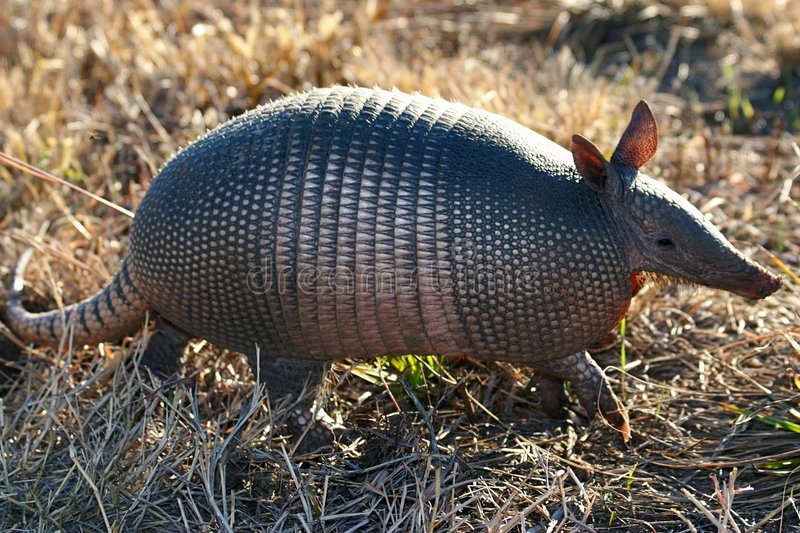
The armadillo, an ancient mammal that first appeared 65 million years ago, is currently represented by approximately 20 different species, the most common of which in the US is the nine-banded armadillo. It averages 0.75 m in length (including the tail) and 6 kg in weight. The armadillo boasts a unique carapace, or hard, protective outer shield encasing the body, covered with a dark brown keratin layer. Beneath this layer is a well organized arrangement of bony tiles that are closely compacted and connected by collagen fibers. The carapace is divided into five regions: head, pectoral, banded, pelvic shields and tail. The tiles are hexagonally shaped in the pectoral and pelvic regions and triangular along the mid-section.
Habitat

The nine-banded armadillo is distributed from northern Argentina to the southern US, living in a wide range of environmental conditions. The armadillo is most active at dusk and during the night in order to avoid predators and extremes of temperature, though this varies with climate and seasonality. The nine-banded armadillo, compared with most eutherian mammals, has an atypical endothermy characterized by low and variable metabolic rates and body temperatures. Some armadillos are insectivores, but many species, like those of the genus Dasypus, also feed on fruits, roots and small vegetables. Armadillos swallow their prey together with soil particles, which provide iron.

Behavior

Armadillos dig burrows for their homes or to escape predators, and a single armadillo can have several different burrows with multiple entrances. Pregnant females always give birth to identical quadruplets. She produces one egg that splits into four identical offspring that are either all female or all male. This trait differs from most other mammals.

Armadillos are fascinating in other respects. When they need to cross narrow water bodies, they often walk on the bottom underwater. If it is a wide body of water, they will inflate their stomach to twice its normal size, allowing for enough buoyancy to swim across. When startled, armadillos often leap high into the air, and then run quickly to a nearby burrow.

Feeding

Armadillos are largely insectivores but may consume fruit when available. Their skull, jaw and teeth are adapted to a specialized diet. Their tongue is sticky with rear facing hooks giving the tongue a rough texture. The armadillo’s diet consists mainly of invertebrates including insects (beetles, wasps, moth larvae) and also ants, millipedes, centipedes, snails, leeches, and earthworms. The exact composition varies by season, availability and geographic locations. Studies show they also consume fruit, seeds and other vegetable matter. They have been reported to consume newborn rabbits and at least one robin. It is unknown if they merely found these animals dead or not. Other items known to be consumed by armadillo include salamanders, toads, frogs, lizards, skinks, and small snakes.

Populations

The sex ratio by litter is 1 male litter (= 4 identical quadruplets) per 0.78 female litters in Florida. Armadillos probably live 6 to 7 years in the wild. Population density is about one animal per 4 acres but could range as high as two animals per acre.

Problems with armadillos

Armadillos prolific rooting and burrowing can damage lawns and flower-beds. To reduce armadillo damage to your lawn, keep watering and fertilization to a minimum.  Moist soil and lush vegetation bring earth worms and insect larvae to the surface of the soil.  Armadillos can sometimes be enticed to move on by watering areas adjacent to the damage site.  Also, watering gardens in the morning is preferable since the soil can dry out in the afternoon and not be as easily detected by noctournal armadillos. Armadillos can be excluded from small areas with extensive damage by using fencing at least 2 feet high and with an apron buried at least 18 inches deep. Armadillos are also particularly attracted to fermenting fruit. Remove fallen fruit to avoid attracting unwelcome wildlife.
The whale shark

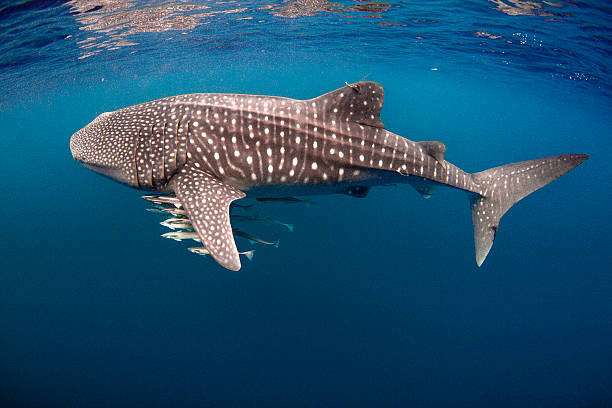
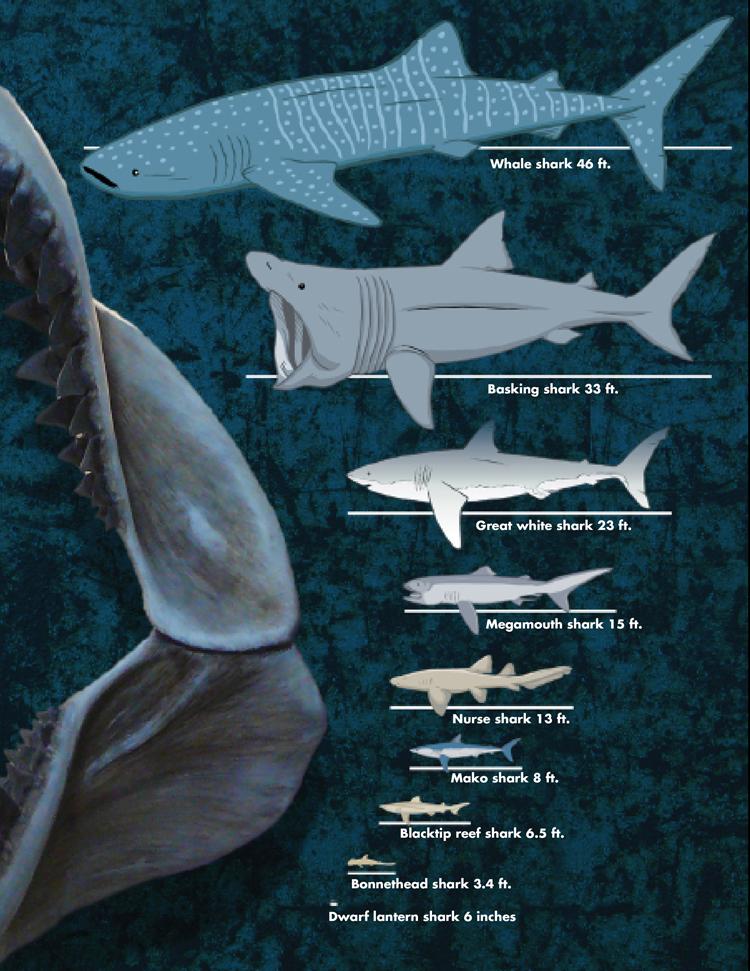
The whale shark (Rhincodon typus Smith, 1828) is the world’s largest fish, reaching 15 meters (m) and 18 metric tons (Colman 1997). The head is broad and flattened with a large terminal mouth, miniscule teeth, and large gill slits. The eyes are small and located just behind the mouth on each side of the head. There are three prominent ridges along the back. The first dorsal fin is larger than the second dorsal fin and is set midway back on the shark. Whale sharks have distinctive markings of pale white spots and stripes on their dark dorsal surface, which resembles a checkerboard pattern. It has been suggested that this checkerboard pattern functions as camouflage in the pelagic environment (Wilson and Martin, 2004). Since the arrangement of spots is specific to the individual, photographic identification libraries are being complied for whale shark populations around the world (ECOCEAN).

Habitat and diet

Though Whale Sharks have several hundred teeth, they don’t use them to eat. Instead, these fish are filter feeders, swimming forward to swallow prey. They are carnivorous, eating krill, crab and fish larvae, small schooling fish, and jellyfish. Humans are not on the menu. 

Whale Sharks live in all warm and tropical seas, are migratory, and swim more than 1,000 metres below the surface. Feeding aggregations occur seasonally at several locations, including Ningaloo Reef.

Where do whale sharks live?

What is well known is that whale sharks live in all of the world’s tropical and warm temperate seas and prefer surface water temperatures of 21 to 25 degrees Celsius. They are migratory, with individuals swimming thousands of kilometers to places where food “pulses,” like mass coral spawning events, at the same time every year. You’ll find no couch-potato habits among whale sharks, despite their size.

Whale sharks are considered to be highly migratory. Some moved over 8,000 miles in approximately three years (Eckert and Stewart 2001). In the Caribbean, specimens tagged off Belize moved westward to Honduras and others northward to the Yucatan peninsula (personal communication, R. Graham Wildlife Conservation Society). There are reports of a few sharks that have moved from Meso-American waters (e.g., Belize, Honduras) into the southern Gulf of Mexico (personal communication R. Graham, Wildlife Conservation Society). Two immature male whale sharks tagged off Holbox, Mexico, moved in different directions. One moved south to Honduras and the other moved north to Brownsville, Texas, (personal communication R. Hueter, Mote Marine Laboratory). There is no information on movements of whale sharks from the Caribbean Sea to the northern Gulf of Mexico.

Behaviour and reproduction

Whale Sharks do give birth to live young, but not in the way you’re thinking. The Whale Shark is oviparous, meaning the female sharks produce eggs that are hatched inside of her. These eggs are not all born at once, but are born in a steady stream over a certain period.

Able to birth around 300 young, Whale Sharks reach sexual maturity at 30 years and live to a total of around 70 to 100 years.

Threats

The Whale Shark population is at risk. Vessel strikes and being caught accidentally by commercial fishing vessels has led the Whale Shark to be considered a vulnerable species. 

Some Facts:

  • Whale Sharks can live up to 100 years.
  • Whale Sharks will often “cough” to clear particles from their filter pads.
  • Whale Sharks are covered in a pattern of spots that is unique to each shark, much like human fingerprints.
  • Sometimes, Whale Sharks allow swimmers to grab their fins and catch a ride!
  • A whale shark’s mouth is about 1.5 m wide. Inside, they have rows of over 300 teeth, but they don’t use these teeth to eat because they’re filter feeders.
  • While they are meat-loving carnivores, whale sharks do not attack humans. They are filter feeders and eat krill, crab and fish larvae, small schooling fish and jellyfish.
  • The whale shark is ovoviparous, meaning the female produces eggs that hatch insider her.
  • When the young are fully developed, the female gives birth to around 300 live young.

John Titor : Time Traveler

Who is John Titor?

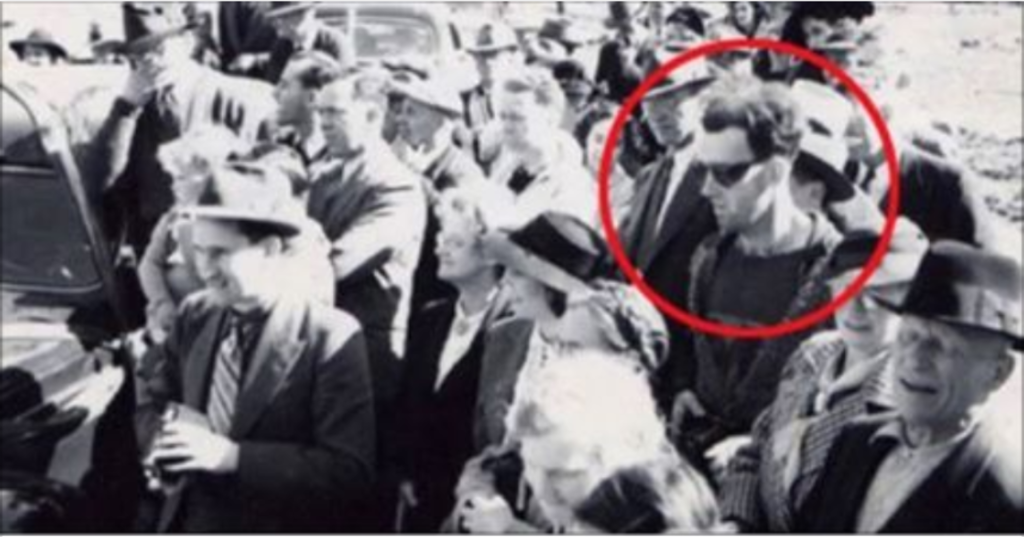
John Titor described how he was an American historian with a specialism in the 20th century. His academic funding had been provided by the army, whilst he was as an enlisted soldier.

By the year 2036, he claimed, time travel had been developed by the government and had been used for several years by the time of his expedition. Titor said that he had been chosen to be sent to the year 1975, with the mission of retrieving an IBM 5100, a portable computer, which contained an outdated piece of coding that was needed in the future. The army had chosen Titor because of his historical knowledge, and because his grandfather had been one of the people who had worked on the very computer needed.

Why Did He Travel Back In Time?

According to Titor, he was sent back in time to pick up an IBM 5100, which his grandfather had helped design. Supposedly, he needed this model – one of the first portable personal computers – to correct predicted issues with Unix in his timeline. After acquiring the computer, he stopped in the year 2000 for “personal reasons” – and to warn people about the threat of Creutzfeldt-Jakob disease (which would be spread through beef products).

How Does The IBM 5100 Play Into This?

One of the oddest parts about the John Titor story is the part played by the IBM 5100. Why would someone from the future need such an old computer? In 1975, IBM released the 5100 as one of the world’s first personal computers, and it came with one feature that set it apart from other computers of the time: It could debug and emulate code written in other programming languages, such as BASIC and APL.

According to Titor, this feature would allow people of the future to keep their technological architecture running after a Unix timeout error in 2038. He said he wanted to snag a 5100 and help debug the code that would keep the world’s computers from having a meltdown.

The future according to John Titor

As well as describing his personal history, John Titor also revealed information about a future marred by warfare. A common theme in all of his posts is the detail he provides in describing alleged future events.

Titor Warns Of World War III

In his short time on the Internet, Titor made a series of interesting predictions that have seen mixed accuracy. One of his early messages warned of a Y2K disaster that would leave the US in a state of martial law.

His most dire warning was of a second American civil war that would begin in 2004. That turned out to be untrue, but his claim about the occurrence of a “Waco type event every month” – referring to the 1993 siege in Waco, TX – was not entirely inaccurate if you add up worldwide incidents of violence. He went on to say that by 2008, the world as we knew it will have disappeared, and that the US would split into multiple sovereign nations. He also predicted a short but intense World War III.

The invention of time travel

With peace reinstated, time travel was invented by the year 2034. However, Titor pointed out that – in his future – it has not yet been made available for public use.

Although it is reserved solely for official purposes, the general public are aware of its existence. In his forum posts, Titor is happy to discuss time travel at length, including its moral implications which he said are discussed in his own time. Titor claimed that the state, for example, had considered using time travel as a sort of punishment. 11

Is John Titor a Hoax?

The tenacity with which John Titor stated that he does not expect, or want to be, believed is an element of this story which – perhaps ironically – serves only to increase people’s general willingness to believe him. Unless, that was his intention all along. If an elaborate hoax, it stands to reason why someone would state this as an act of reverse psychology: a lack of motive makes the persona of John Titor inherently more enigmatic, and more importantly, more believable.

The debate surrounding the reality of John Titor is not an easy one to unpick. Both sides make genuine and sympathetic points. On the one hand, it all seems rather fantastical, and, as we already live in this future, redundant. Yet, the 2.5% divergency effect neatly explains away any inconsistencies, thus redeeming the argument.

Slime

Definition

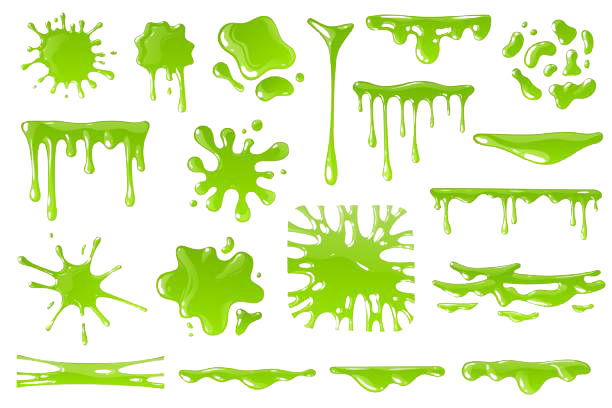
a thick, wet, unpleasant substance that covers something

Slime is made from PVA school glue and a natural mineral called Borax, which is found in household items, such as eye contact solution and natural laundry detergents. When mixed, a reaction forms between the ions in Borax with the molecules in the PVA glue occurs, creating slime. We also use other safe ingredients to create different textured slimes, such as instant snow or biodegradable beads to create a unique experience with each slime.

Despite both of these products being safe to play with, slime should never be consumed. We also do not recommend people with highly sensitive skin or allergies to household items to play with slime, despite never having any complaints about such issues.

Origin and usage

The word slime likely comes from the Old English word ‘slim’ which was probably related to the Old English ‘lim’ meaning ‘sticky substance’. Slime is related to words in many other languages, including the Dutch word ‘slijm’ meaning ‘phlegm’, the German ‘Schleim’ (‘slime’), and the Latin ‘limus’ meaning ‘mud or mire’.

Difference: Fluid and Slime

Liquids consist of many small particles that are densely packed together but can move freely against each other. In thin liquids, the particles are usually small and move past each other quite unhindered. In viscous liquids, the particles are larger and often contain long chains that intertwine.

A good slime is wobbly, can be kneaded, formed, torn, and adheres easily to surfaces such as fingers without leaving any residue. It is a gel. A gel consists of at least two components: One component is solid and forms a 3D network. The other component is a liquid or gas that fills the pores of the network.

Original Slime

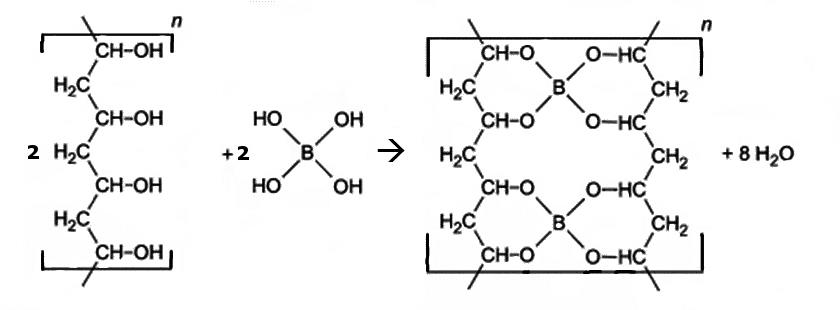
The original slime or DIY slime contains polyvinyl alcohol (PVA), borax (sodium tetraborate), and water. If borax is dissolved in water, boric acid is formed, which reacts further to tetrahydroxyborate. Tetrahydroxyborate reacts with PVA. The OH groups of both particles combine to form solid compounds so that the borate anions become “nodes” in a flexible network. In addition, water is formed which is stored in the pores of the network.

The bonds in the PVA borate network can be broken and newly formed relatively easily. Thus, the network is very changeable during kneading. This makes the slime really slimy.

Disposal

Borax and other boric acid compounds can damage unborn babies in the womb and impair fertility. Therefore, they are no longer sold to private households in EU countries and are banned from school laboratories. Borax must be disposed of as hazardous waste. If slime residues contain borax, they should be disposed of as hazardous waste.

How to make slime?

Though there are many variations, play slime can be made with a few basic ingredients and a simple recipe:

• Two 120ml bottles of liquid PVA glue

• Food colouring or glitter (optional)

• 5ml bicarbonate of soda

• 45ml saline solution (used for contact lenses)

To make slime, simply mix the ingredients in order in a large bowl. Continue stirring, then knead the mixture until it becomes thick and smooth. Slime can be stored for several weeks in an airtight container kept at room temperature.

Once you have the basic recipe perfected, you can experiment with your own slime variations by mixing colours and adding things like plastic gems, sequins or metallic confetti. Making slime is a great way to get kids busy in the kitchen, helping them practise important skills like measuring. Playing with slime is a fun, hands-on activity that can keep children occupied for hours!

Legends of the Fox

The Fox spirit is one of the most popular creatures in Chinese mythology, as familiar in the canon of Chinese folklore as leprechauns are in Irish fairy tales. Every child knows about Foxes who take the shape of beautiful women and trick men into marriage. In contemporary Asian pop culture, there are films and TV shows featuring seductive Fox women. Yet these interpretations are simplistic and don’t give the Fox enough credit for its place in Chinese history, legend, and literature.

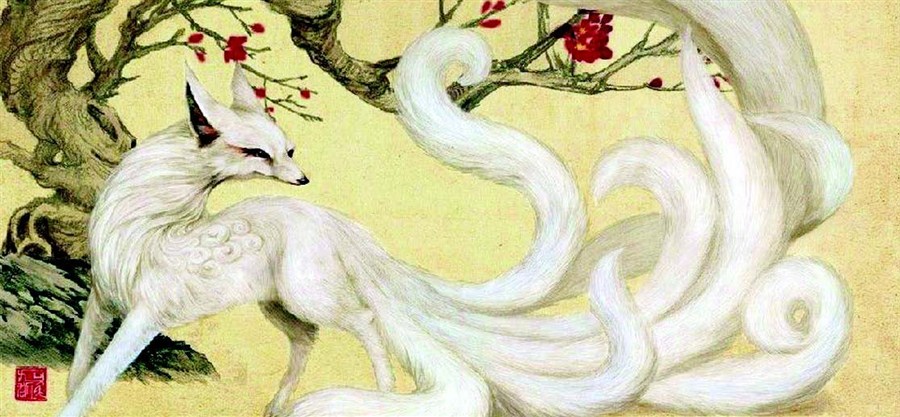
The Classic of Mountains and Seas (or Shan Hai Jing) is an ancient text with entries that date from the 4th century BCE to the 2nd century BCE. In this compilation of mythical and fabulous landscapes, the Nine-Tailed Fox is mentioned as companion to the Queen Mother of the West, a goddess who first appears 33 centuries ago on an oracle bone inscription from the Shang dynasty (1600 – 1046 BCE). During the Han dynasty (202 BCE – 220 CE), the Fox and the Queen Mother of the West could be found together depicted on funerary artefacts. With the Fox as a helping spirit, the Queen Mother could transcend worlds, guide the deceased to heaven, and confer immortality. The Fox was therefore an auspicious omen.

With the rise of Daoism in China, the Queen Mother evolved into the equivalent of the Buddhist Goddess of Mercy, and by the Tang dynasty (618 – 907 CE) had become the patron deity of women without family – Daoist nuns, courtesans, and female artists. There were suggestions that Foxes acted as messengers to the Queen Mother; there were also writings that referred to Foxes as celestial beings that lived in the Palace of the Sun and the Moon – definitely not demons. This made Foxes suitable candidates for worship. Foxes eventually came into their own and were no longer associated with the Queen Mother of the West.

Believed to be immortal, Foxes have been characterized variously as tricksters, drinking companions, avengers, scholars, seductresses, and faithful lovers. Always mischievous and sly, Foxes are nevertheless known for being intelligent, devoted, and good company.

Fox worship persisted into the Qing dynasty and survives even now in rural areas. The Fox cult has been curiously personal, influenced by local traditions; it varies by region, village, and even by the individual worshipper. Fox shrines tend to be humble, small altars or niches set up in backyards and bedrooms, with incense and offerings placed on boxes or an old table. Worshippers prayed for sexual fulfillment, fertility, wealth.

In Dragon Springs Road, the not-quite animal, not-quite human, not-quite celestial Fox is a perfect foil to the main character who is half-Chinese, half-Western, belonging to neither society. I have attempted to counter pop-culture by giving Fox back some of the dignity of her ancient roles. She has a higher purpose than mere mischief. I’ve also taken the liberty of giving her an extra power. For this, there is precedent. Are there not retellings of fairy tales? Fox-lore is only what humans understand of Foxes, and we only see what they allow us to see. Plus, novelists have always shaped myths to suit the theme of the story – in this case, one of identity and the decisions we make to be true to ourselves.

Tabasco Pepper Sauce

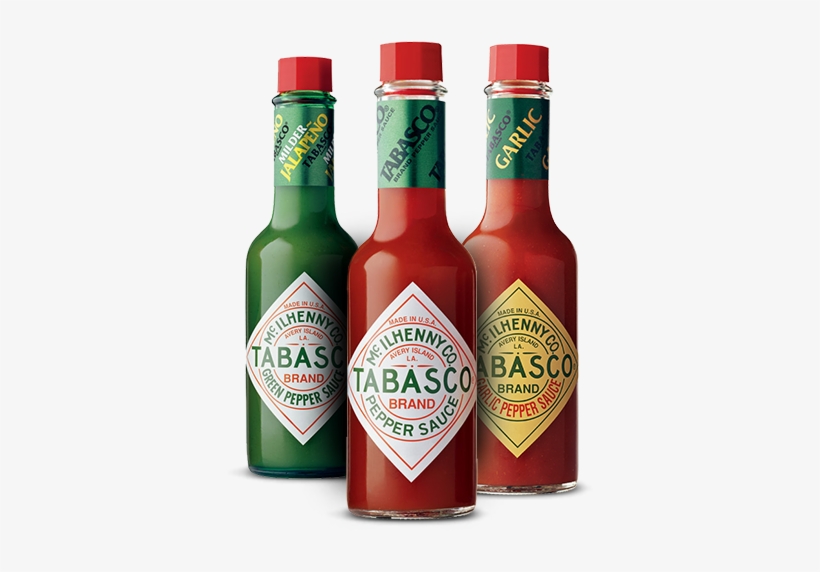
Tabasco Pepper Sauce is a condiment that is a spicy hot sauce made from Tabasco peppers, vinegar, and salt.  The hot peppers are picked by hand as soon as they ripen to the perfect shade of bright red.  The same day the peppers are picked, they are mashed, mixed with a small amount of Avery Island salt, placed in white oak wooden barrels, and allowed to ferment and then age for up to three years.  When deemed ready by a member of the McIlhenny family, the approved, fully aged mash is then blended with all natural, high grain vinegar.  Numerous stirrings and about four weeks later, the pepper skins and seeds are strained out.  The finished sauce is then bottled.

History

Avery Island, the birthplace of Tabasco Brand Products including TABASCO® pepper sauce, has been owned for over 180 years by the interrelated Marsh, Avery and McIlhenny families. Lush subtropical flora and venerable live oaks draped with wild muscadine and swags of barbe espagnole, or Spanish moss, cover this geological oddity, which is one of five “islands” rising above south Louisiana’s flat coastal marshes.

 The  2,200-acre tract sits atop a deposit of solid rock salt thought to be deeper than Mount Everest is high. Geologists believe this deposit is the remnant of a buried ancient seabed, pushed to the surface by the sheer weight of surrounding alluvial sediments. Although covered with a layer of fertile soil, salt springs may have attracted prehistoric settlers to the island as early as 12,000 years ago. Fossils suggest that early inhabitants shared the land with mastodons and mammoths, giant sloths, saber-toothed tigers and three-toed horses.

A salt production industry dates back to about 1000 AD, judging from recovered basket fragments, polished stone implements, and shards of pottery left by American Indians. Although these early dwellers remained on the Island at least as late as the 1600s, they had mysteriously disappeared by the time white settlers first discovered the briny springs at the end of the next century. After the Civil War, former New Orleans banker E. McIlhenny met a traveler recently arrived from Mexico who gave McIlhenny a handful of pepper pods, advising him to season his meals with them. McIlhenny saved some of the pods and planted them in his in-laws’ garden on Avery Island; he delighted in the peppers’ piquant flavor, which added excitement to the monotonous food of the Reconstruction-era South.

21st Century

Archaeologists digging at the site of a black-owned saloon in the historic Old West mining town of Virginia City unearthed a 130-year-old bottle of Tabasco brand hot sauce.  The bottle, the oldest style of Tabasco bottle known to exist, was reconstructed from 21 shards of glass excavated from beneath the site of the Boston Saloon, which was owned by an African-American from Massachusetts and catered to blacks and whites from 1864-75, was among the first eateries to introduce the now-popular spicy sauce.  The Tabasco bottle is particularly intriguing because of what it implies about African-American cuisine and the development of the West,” said Kelly Dixon, the administrator of the Comstock Archaeology Center who is supervising the dig in Virginia City about 20 miles southeast of Reno.

Spotted Wobbegong

The spotted wobbegong (Orectolobus maculatus) belongs to the Orectolobidae family, and is found in the eastern Indian Ocean around Australia; it is possibly endemic to this region. A relatively large shark (reaching lengths of up to 3m/9.8 ft), other common names are “carpet shark,” “common carpet shark,” “common catshark,” “tassel shark,” or just “wobbegong.”

This wobbegong can be distinguished by its unique pattern of dark saddle-like markings on their dorsal side on top of a golden-brown colour. On top of these are white rings scattered about.

The genus name Orectolobus is Greek from orectos (stretched out) and lobos (a rounded projection). The species name maculatus is Latin from macula (spot), most likely referencing the patterns on the shark’s body. The word ‘wobbegong’ itself is an Australian aboriginal word. ​Spotted Wobbegongs are found in the shallow, coastal waters of Australia down to about 100 m. These sharks are famous for their lie-in-wait hunting strategy, known to swallow smaller prey whole. Feeding primarily takes place at night, and food menu items include fish, crayfish, crustaceans and even cephalopods.

Habitat and Diet

Favorite foods of the spotted wobbegong include invertebrates such as crabs, lobsters, and octopi as well as bony fish such as sea bass and luderick. This shark is nocturnal, hunting at night and resting during the day. O. maculatus can extend its reach during prey capture by as much as 30% of the nasal distance from its anteriormost point to the anterior edge of the pectoral fin. This is equivalent to the combined length of the head and branchial arches.

The spotted wobbegong often sits at the bottom and waits for prey to wander near its mouth. Prey has even been known to nibble on this shark’s tentacles before being eaten. Other times this shark has been observed to slowly sneak up on its prey from a long distance.

Occurring on continental shelves, from the intertidal zone down to 360 feet (110 m), the spotted wobbegong is commonly found on or around reefs, under piers and on sandy bottoms. There have been many sightings of this shark in water barely deep enough to cover its entire body. It is considered sluggish and inactive and is often found resting on the ocean floor.

Status in the Wild

The spotted wobbegong is currently assessed as “Near Threatened” in waters off New South Wales due to serious declines in population numbers in that region and “Near Threatened” throughout the remainder of its range by the World Conservation Union (IUCN) Red List. The IUCN consists of a global union of state, governmental agencies, and non-governmental organizations in partnership whose goal is to assess the conservation status of different species.

Some Facts

  • There are 12 known species of wobbegongs.
  • Wobbegong sharks are nocturnal (active at night).
  • The name wobbegong comes from the Aborigine name meaning “shaggy beard”. They are also called carpet sharks.
  • They are not obligate ram ventilators (sharks that have to force water through their mouths and over their gills in order to breathe). They simply lay on the ocean floor, lazily, and open their mouths, sucking water in and over their gills. So they don’t have to keep swimming in order to breathe.
  • These sharks are ambush predators. They lay in wait for passing prey to happen upon their tassels thinking they are food. Then the typically lazy wobbegong opens their mouth, creating a vacuum and sucking in the prey whole. They snap up their prey in the blink of an eye.
  • Wobbegong sharks can actually move across the ocean floor using their bottom fins, which looks just like they are walking.
  • Their jaws are powerful and they also have very sharp teeth, albeit small, that can cut through wetsuit material, yielding a painful bite.

Bluebottle Jellyfish

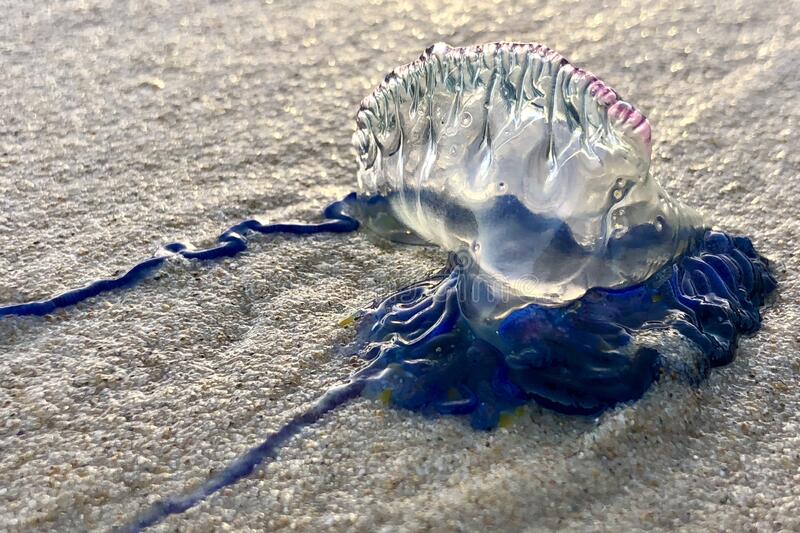
The blue bottle jellyfish, also known as the Portuguese man-of-war, is not actually a jellyfish, but a collection of organisms living together in a colony, called a siphonophore. The blue bottle jellyfish is composed of four separate organisms, each with a different job for the colony.

The major shape of the jellyfish comes from the first organism, making up a float called the pneumatophore. This beautiful blue-purple shape is where the jellyfish gets its name.

The second organism makes up the tentacles, responsible for capturing prey.

The third and fourth organisms make up the digestive system and the reproductive system.

Habitat

Imagine going on a tropical beach vacation to Florida. The soft white sand nearly burns your feet, but the ocean tide is just a few steps away. However, as you near the water you see warning signs for jellyfish and most people aren’t going in the water. Disappointed, a life guard informs you that there have been sightings of the blue bottle jellyfish in the area and advises you to stay out of the water.

Just like many people, the blue bottle jellyfish enjoys the warm tropical waters around the equator. It lives in the Atlantic, Indian and Pacific oceans, floating near the surface of the water.

It’s a common sight in Australia and can also be found along the coasts of India, the Caribbean and even the coasts of Florida. Sometimes gathering in groups of up to 1000 individuals, these organisms are passive and can be seen floating on or just below the ocean surface.

Adaptations

A blue bottle jellyfish is soft, without many defenses against larger, jawed predators. To survive the competition in warm, tropical seas, the blue bottle jellyfish has evolved several adaptations, or physical traits that help it survive.

Bluebottle and minor jellyfish sting

Stings by bluebottle jellyfish are the most common in Australia. These can cause intense pain and sores in the areas of skin which have been in contact with the jellyfish tentacles. The pain usually decreases or stops after 1–2 hours and the sores may fade after a few days. You may also have a rash or redness in the area which was stung.

Sting treatment

  • Wash the sting site with sea water and remove any tentacles.
  • Immerse the sting or run hot water on the skin for 20 minutes. Make sure the hot water will not burn the person. It should be as hot as they can tolerate — around 45 degrees Celsius. The person can also have a hot shower.
  • If there is no hot water, an ice pack may help to relieve the pain.

Jellyfish sting prevention

  • Some things you can do to help prevent jellyfish stings are:
  • Avoid swimming in the sea when warning signs about jellyfish are displayed.
  • Don’t touch any jellyfish in the water or on the beach.
  • Wear a full-body Lycra wetsuit and waterproof footwear

Petra

Petra and as the Nabateans used to call it “Raqmu” is one of the most famous cities in Jordan due to its archaeological and architectural history. The city is also known as the Rose City due to its pink rocks formations.

Petra was established in 312 AC, and it became the capital of the Nabateans people, who were referred to in the Bible. They inhabited the region of Petra between the IV AC and II DC. Petra was also a very important commercial center between the Arabic peninsula and Damascus in Syria, and today Petra is the most visited tourist attraction in Jordan.

The Romans conquered Petra in 106 A.C, and they turned the territory into a roman province. During the second and third centuries, Petra continued to grow and in the seventh century, the Romans lost the power of Petra to Islam.

In the 12th century, Petra was once again taken by different leaders and for a while, Petra was hidden until it was found by Swiss explores Johann Ludwig Burckhardt, who was responsible to announce the city into the world with his poem “a rose-red city half as old as time.”

Where is Petra located?

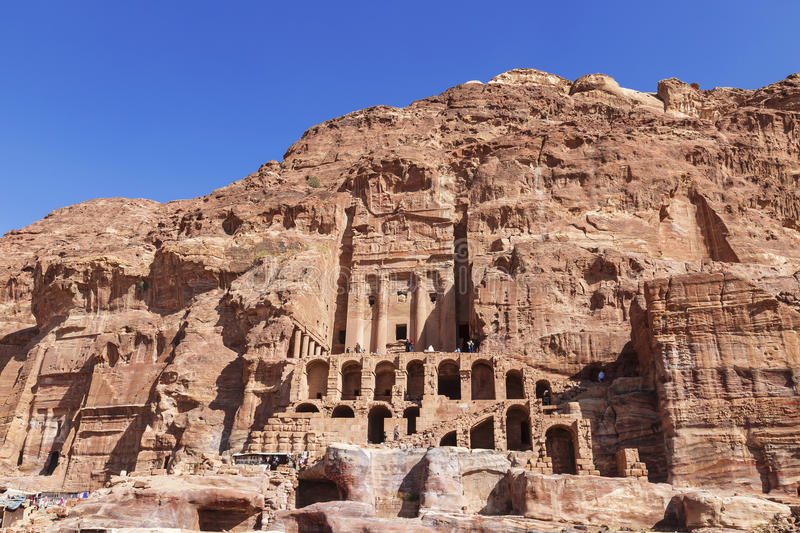
Petra is located in the territory between the Dead Sea and the Gulf of Aqaba, in the mountains of the east side of the Wadi Araba. In the city of Petra, many ancient monuments can be found such as the Roman Theater, the Royal Tombs, and others.

Places to visit in Petra

Bab el Siq

Bab el Siq is the gate of Siq, the main entrance to the city. As you arrive, you will see three square blocks carved into the rock, then you will see the tomb of the 1st century A.D. The bottom is where you can find the Triclinium, a banquet room. On the opposite side of the cliff, you will see a double inscription in Nabataean and Greek.

Al Khazneh (The Treasury)

The entrance to the city of the Nabataeans is made through the Siq, a strait measuring around one km long, flanked by rocks that reach up to 80 meters high. A walk through the Siq is a unique experience. The colors and rock formations you will see are impressive.

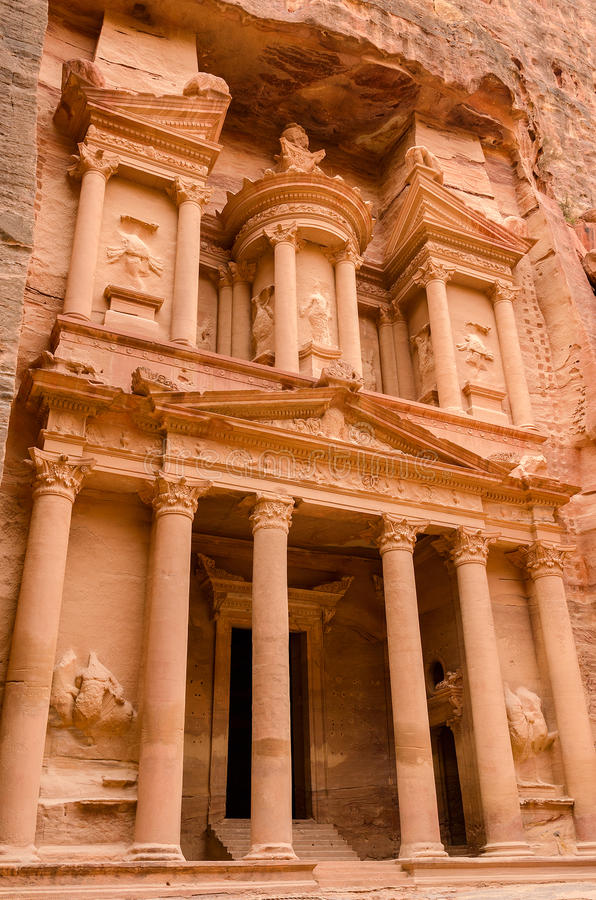
During the walk as you reach the end of the Siq, the great treasure begins to emerge, the postcard Al-Khazneh, one of the ruins of Petra, the most famous among them. The natural beauty and the remarkable architectural features of this place will blow your mind.

The Treasury is one of the wonders you can find in the ruins of Petra. There are several, or rather, hundreds of tombs made in the rock, Roman theater, obelisks, temples, altars for offering sacrifices and colonnaded streets, and, high up in the valley, there is the sumptuous Ad-Deir Monastery.

Petra Royal Tombs

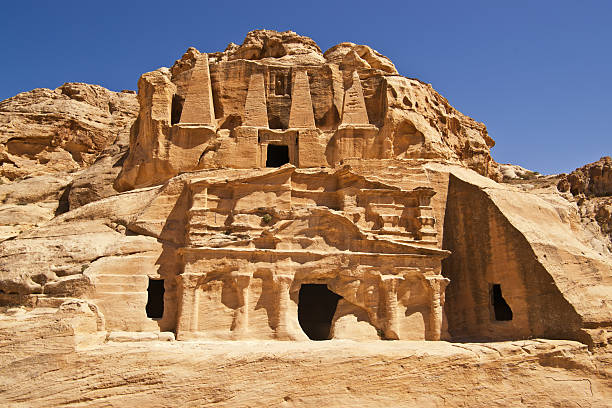
Downhill from the Theatre is a larger thoroughfare. Within its west-facing cliffs, there are some of the most impressive burial places in Petra, known collectively as the ‘Royal Tombs’. They look particularly stunning bathed in the golden light of sunset; there are four of them one next to the other. However, they suffered flood damage over the centuries which lead to some of their facades no being as well kept, possibly part of the reason they are not as famous as the Treasury. There are steps that lead up to them and you can actually visit the inside of these tombs.

Petra Today

After the eighth century, when Petra was largely abandoned as a trading center, its stone structures were used for shelter by nomadic shepherds for several centuries.

When Petra was named a UNESCO World Heritage Site in 1985, Petra Bedouin tribespeople who had made homes for themselves within the city’s remaining ruins were forcibly relocated by the Jordanian government.

In the early 2000s, the site was named one of the “Seven New Wonders of the World,” leading to a spike in tourism. Since then, efforts have been made to protect the ruins of Petra from heavy tourism, as well as damage from floods, rain and other environmental factors.

Sinkhole

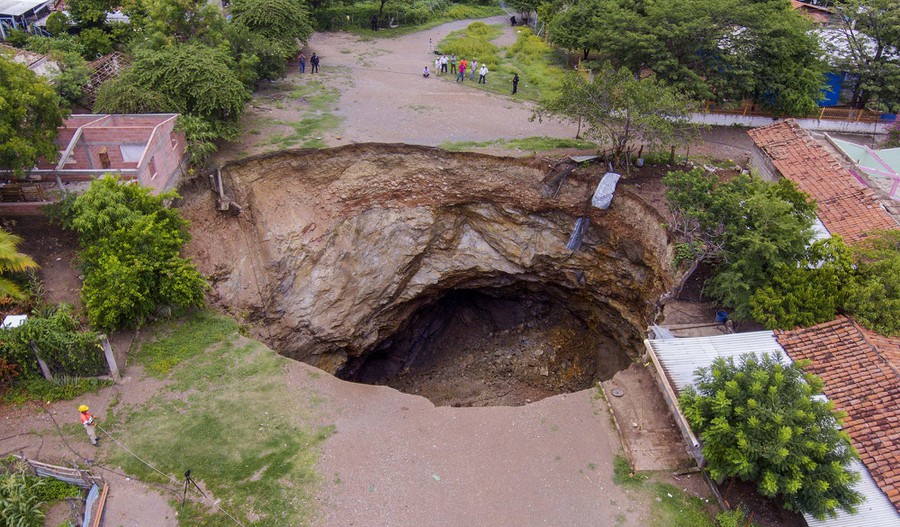
A sinkhole is a hole in the ground formed when the land collapses away leaving a big hole on the surface. It happens when the rock underneath is dissolved by water.

They can range in size enormously, as you can see from the videos above and below.

Sinkholes form when rainwater comes into contact with a certain type of soft rock – such as chalk or limestone – and dissolves it, leaving a gap deep in the ground.

The land on the surface then collapses into this gap.

The rainwater is able to dissolve soft rock like this, after seeping through the top layers of soil and having CO2 added to it, which makes it more acidic.

Additionally, sinkholes can result from both natural and human causes. Man-made sinkholes are created when a city development compromises the structural integrity of underlying rock. Roads, buildings and other infrastructure can cause water to collect in certain areas and wash away any supporting layer of rock, resulting in sinkholes.

Where do they happen?

Areas on top of land with limestone or chalk foundations are more at risk of sinkholes.

They are pretty common in the American state of Florida because virtually the entire state is built on a limestone platform, but they are rare in the UK.

They can also occur in areas where there has been mining activity in the past and so the composition of the land deep underground has been affected.

Even though they are formed over quite a long period of time, it can be rather difficult to predict when they are going to happen.

What causes sinkhole?

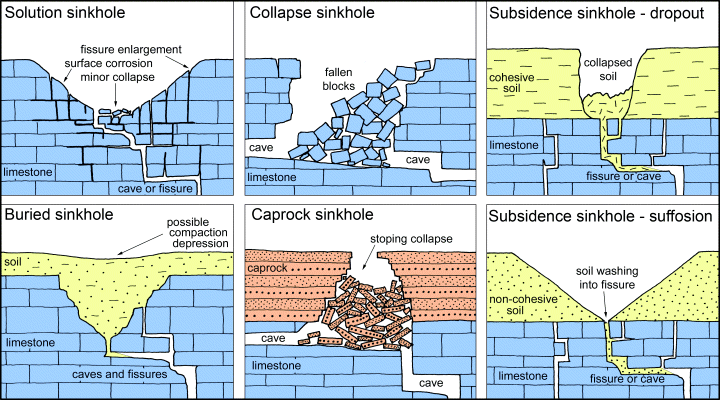
Dissolution

Some sinkholes result from the surface dissolution of soluble rock. For example, limestone rocks dissolve when attacked by rainfall or groundwater that is acidic.

Collapse

Collapse dolines occur as consequence of the gradual collapse of a cave passage at depth. The collapse may gradually propagate up through the overlying strata to cause subsidence at the surface (a ‘collapse sinkhole’). These sometimes extend up into rocks that are not themselves prone to dissolution, creating a ‘caprock sinkhole’. Sinkholes of this type are common in parts of South Wales where sandstone rocks overlie cavernous limestone and in Ripon, Yorkshire, where sandstone and limestone overlie gypsum. Others may be buried by more recent deposits.

Erosion

Some sinkholes are caused not by dissolution of limestone, but the erosion of weak, unconsolidated material by flowing water. Loose material can removed by a process called ‘soil piping’, creating large voids within the sediment. One of the most spectacular examples of this type of collapse is the event that occurred in May 2010 in Guatemala City. Here, cavities developed in weak, unconsolidated, volcanic deposits following a tropical storm. These then collapsed, creating a shaft approximately 100 m deep and 20 m wide.

What triggers sinkhole?

  • Heavy rain or surface flooding can initiate the collapse of normally stable cavities, especially those developed within superficial deposits.
  • Leaking drainage pipes, burst water mains, irrigation or even the act of emptying a swimming pool are all documented examples of sinkhole triggers.
  • Construction and development modifying surface drainage or altering the loads imposed on the ground without adequate support can cause sinkholes to develop.
  • Groundwater abstraction can cause sinkholes by changing the level of the water table. This removes the buoyant support water provides to a cavity. Draining these cavities can cause them to collapse.
  • Mining can be a factor in causing sinkholes, either by dewatering and lowering of the water table or by intercepting clay-filled voids, which subsequently collapse. Several sinkholes in Norwich have been caused by old chalk mines intercepting otherwise stable, sediment-filled voids.

Health Benefits of Avocado

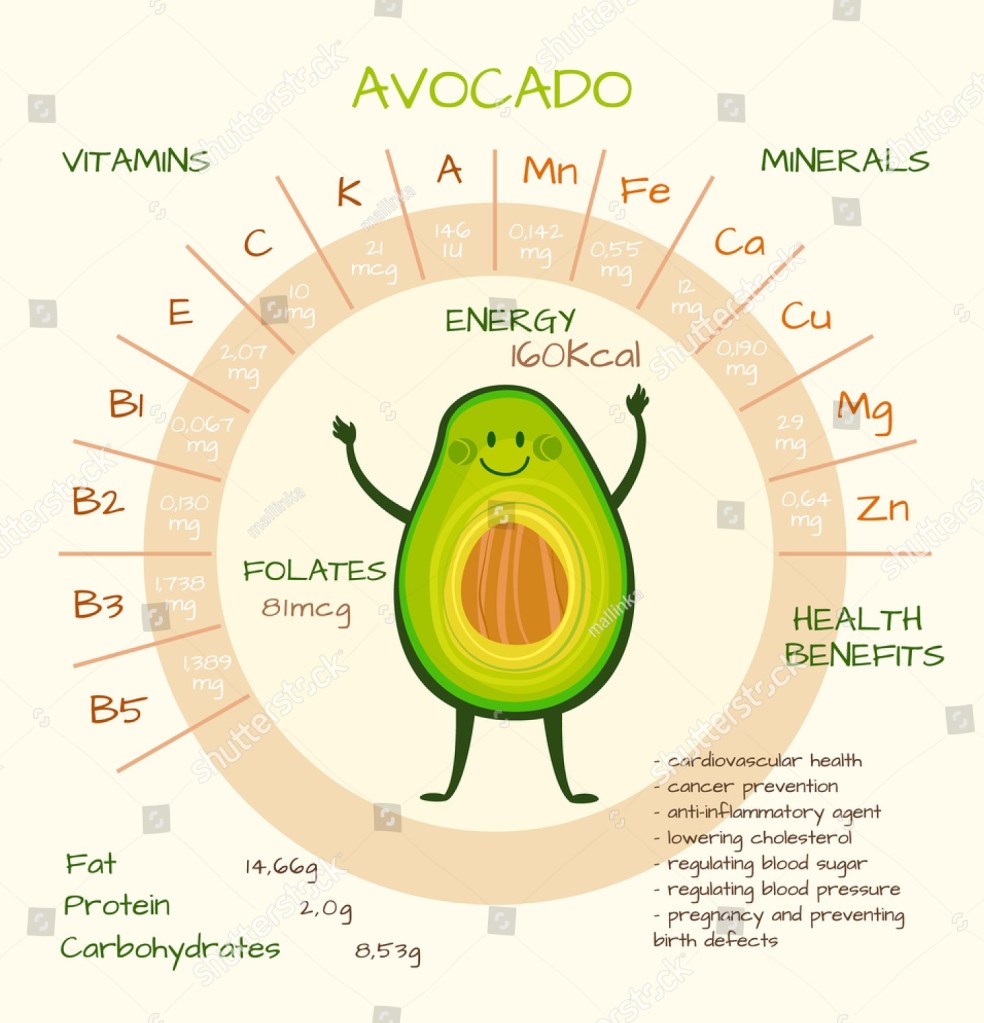
Avocados may seem like just a hipster food, but the fruit can do way more than make brunch photos look cute. Known for their smooth, creamy texture and good-with-just-about-anything taste, avocados have become increasingly popular over the past decade. In addition to being culinary MVPs, avocados provide heart-healthy fats and micronutrients, including potassium, folate, vitamin B6, vitamin C, and magnesium, explains Jaclyn London, MS, RD, CDN, head of nutrition and wellness at WW.

1. It Helps Keep You Smart

Here is some food for thought: avocados are filled with omega-3 fatty acids and natural vitamin E, which are both great for your brain. For instance, they improve the blood supply to your pre-frontal cortex, which is the part of your brain responsible for planning, decision making and critical thinking.

2. Great for vision

Avocados contain lutein and zeaxanthin, two phytochemicals that are especially concentrated in the tissues in the eyes where they provide antioxidant protection to help minimize damage, including from ultraviolet light. As the monounsaturated fatty acids in avocados also support the absorption of other beneficial fat-soluble antioxidants, such as beta-carotene, adding avocados to your diet may help to reduce the risk of developing age-related macular degeneration.

3. It Reduces Cholesterol

Avocado is filled with fats that are good for you, with one cup of sliced avocado providing you with 32% of your daily fat recommendation. The reason the fat is so good for you is because it is monounsaturated fat, which may help to lower bad cholesterol – which has lots of other benefits for your body, such as lowering risks of stroke and heart disease.

Another bonus of monounsaturated fats is that they may also raise levels of good cholesterol in your body.

4. Good for the gut

It’s not the most glamorous topic, but gut health is an important part of overall health. A 2021 study published in The Journal of Nutrition found that daily avocado consumption had a positive effect on diversity of healthful bacteria in participants’ stomachs and intestines. While more research is needed to determine the how, dietary fiber and monounsaturated fats have both been linked to gut health—and avocados provide these nutrients in abundance!

5. Lower risk of depression

Foods containing high levels of folate may help to decrease the risk of depression because folate helps to prevent the build-up of homocysteine, a substance that can impair circulation and delivery of nutrients to the brain. Excess homocysteine can also interfere with the production of serotonin, dopamine, and norepinephrine, which regulate mood, sleep, and appetite.

6. Healthy for the heart

Avocados contain 25 milligrams per ounce of a natural plant sterol called beta-sitosterol. Regular consumption of beta-sitosterol and other plant sterols has been seen to help maintain healthy cholesterol levels.

7. It Helps You To Lose Weight

Want to lose a little weight? Buy some avocados; they contain monounsaturated fatty acids, which means they are likely to be stored as slow burning energy rather than fat. This mean you’ll feel satisfied and full after you’ve eaten avocado,[3] helping to keep your hunger at bay.

8. It Is Beneficial During Pregnancy

If you’re pregnant, try to stock up on avocados. Just one cup of avocado contains nearly 25% of your recommended dose of folate, which is essential for both you and your baby.

Quick tips:

  • Spread avocado on toast in the morning instead of butter.
  • Use avocado instead of mayonnaise in chicken or egg salad, or as a spread on a sandwich.
  • The soft, creamy texture of an avocado and its mild taste make it a perfect first food for babies.

Avocado

The avocado (or alligator pear) is a fruit with green flesh that gets softer as it ripens. It surrounds a large pit (the seed), which must be cut around and removed. The pebble-textured outer skin changes from a lighter yellow-green to dark green (almost black) as it ripens. This can vary by variety, however, so firmness rather than skin color is the best way to judge ripeness.

avocado

The avocado grows in tropical climates on tall trees. Most come from Mexico, California, Florida, and Hawaii, and the peak season is late winter into early spring. This is when you’ll find the cheapest and best ones of the year. At other times of the year and during shortages, a single avocado can be expensive. The avocado can also vary in size, ranging from the small, 1-ounce “avocadito” to the massive, 5-pound queen avocado. The majority, however, are palm-sized and, like the popular Hass variety, weigh about 6 ounces.

How to Cook With Avocado

Avocado can be eaten raw and scooped straight out of the skin with a spoon. The fresh fruit is often diced or sliced and included in salads, wraps, and as a sandwich topping. Avocado is also pureed for use in dips, smoothies, and soups, and it’s easy to mash by hand. Additionally, avocado can help transform favorite desserts like brownies into vegan-friendly treats.

Since the skin is generally bitter tasting, most of the time it is discarded, though it is edible. In order to get to the flesh inside, work the knife lengthwise all the way around the pit, cutting the fruit into two equal halves. With gentle pressure, twist the two halves in opposite directions to pull them apart. The pit should stay firmly in one side and can easily be removed with a spoon. Use the spoon to separate the avocado meat from the skin, then cut it up as needed.

What Does It Taste Like?

The taste of avocado will depend on its ripeness and variety. In general, avocado has a rich, buttery taste that is simultaneously mellow and uniquely avocado. It’s the creamy texture that makes it a favorite for many people.

Some facts about Avocado

  • Avocados, native to Central and South America, have been cultivated in these regions since 8000 B.C.
  • The major commercial producers of avocados are the United States, Mexico, the Dominican Republic, Brazil and Colombia.
  • California produces 95 percent of all avocados grown in the United States.
  • The avocado is colloquially known as the alligator pear because of its shape and the leatherlike appearance of its skin.
  • There are dozens of varieties of avocados, including the Hass, Fuerto, Zutano and Bacon varieties.
  • The Hass variety is the most popular type of avocado in the United States. The average California Hass avocado weighs about 6 ounces (170 grams) and has a pebbled, dark green or black skin.
  • The Fuerte avocado, usually available during winter months, has smoother, brighter green skin.
  • The word “avocado” is derived from the Aztec word “ahuacatl,” meaning testicle.
  • Avocados vary in weight from 8 ounces to 3 lbs. (226 grams to 1.3 kilograms), depending upon the variety.
  • An avocado is ripe and ready to eat when it is slightly soft, but it should not have dark sunken spots or cracks. An avocado with a slight neck, rather than a rounded top, was probably tree-ripened and will have better flavor.

Coinbase

Coinbase is a company that specializes in digital currency – aka cryptocurrency – exchange. Although the company’s headquarters are based in California, United States, Coinbase has more than 43 million verified users from all around the world.

It’s worth noting, however, that according to the co-founder and CEO Brian Armstrong himself, Coinbase doesn’t exactly have a traditional headquarter like it used to. We’ll touch more on that later when we get to the timeline.

History

Coinbase was founded in 2012 by Brian Armstrong and Fred Ehrsam. Armstrong was previously an engineer at Airbnb while Ehrsam was a trader at Goldman Sachs.In the same year, the company launched services to buy and sell bitcoins through bank transfers. It also raised $5 million from Fred Wilson (Union Square Ventures) in a Series A funding round. 

In 2013, Silicon Valley venture capital firm Andreessen Horowitz invested in Coinbase in a Series B funding round. After the investment, Bitcoin developer Gavin Andresen joined the company in an advisory role.

In 2014, the company partnered with numerous companies including Stripe, Paypal, Braintree, Overstock, Dell, and Expedia to incorporate bitcoin payments for their products or services. Coinbase’s user base had grown to one million.

In 2015, the company launched a US-based bitcoin exchange for professional traders called Coinbase Exchange and also obtained a $75 million investment from investment firm Draper Fisher Jurvetson.

In 2018, Coinbase’s valuation soared to $8 billion after it obtained a $300 million funding round led by Tiger Global Management. Y Combinator Continuity, Wellington Management, Andreessen Horowitz, and Polychain also participated.

In 2019, a potential cyber attack was blocked by the company’s security team. No cryptocurrency was stolen. In the same year, the company also generated around $543 million in revenues, up from $529 million generated from the previous year. 

In 2020, Coinbase announced that it will be offering a Visa debit card program as well as an IPO by the end of the year or early 2021. 

How does it work?

Coinbase has different functions and services to offer for two main categories of their clients – individuals and companies.

Individuals

If you’re not representing a company but only yourself, you can use Coinbase for the following.

  • Buying and selling crypto
  • Earning crypto by learning about it
  • Using Coinbase Wallet. It allows you to send and receive crypto, secure your storage, and have all different types of crypto in one place.
  • Get a Coinbase Card. It’s a Visa Debit card with your Coinbase balance. It works the exact same way as a regular card – you can pay with a contactless, PIN, withdraw cash from any ATM, use it worldwide, and connect it to your Coinbase Wallet. Naturally, tracking transactions and balance history is an option as well.

Business

  • Now, if you happen to be a business, here’s what you can expect from Coinbase.
  • The prime brokerage platform with tools. The tools include stress-tested cold storage, multiple execution options, API solutions to programmatically manage your assets.
  • Asset custodian.
  • Coinbase Commerce. To accept crypto from anyone without any fees, sell crypto for cash or USD coin, use it globally without middlemen.

Revenue

With a Coinbase IPO set in the near future, the company has seen strong revenue growth in the past few years. In 2019, the company generated $543 million in revenues and had even forecasted to generated twice as much revenue by the end of 2020.

Competition

Due to the surge of crypto investing in recent years, it presented an opportunity for companies to develop crypto management platforms of their own similar to Coinbase. Some of these companies include Kraken, Binance, Bitfinex, eToro, and CEX.IO.

Famous Nebulae

The Orion Nebula

The Orion Nebula is part of a huge interstellar cloud called the Orion Molecular Cloud Complex. It lies about 1,500 light-years away in the direction of the constellation Orion. The Orion Nebula is listed as M42 and NGC 1976, and is a 24-light-year-wide section containing hundreds of newborn stars and brown dwarfs. It lies just below Orion’s three belt stars, and has a young star cluster called the Trapezium at its heart. These stars are roughly two million years old, relatively young for stars.

The Orion Nebula

The Horsehead Nebula

The Horsehead Nebula (catalogued as Barnard 33) is also part of the Orion Molecular Cloud Complex, and is a dark nebula lit from behind by radiation from several young, nearby stars. Astronomers know that stars are forming within the nebula. As they grow, they will gradually eat away at their birth cloud. Eventually the nebula will be consumed and torn apart by the active starbirth nurseries within it.

The Horsehead Nebula

The Eagle Nebula

The Eagle Nebula, also known as M16, us more familiarly as the “Pillars of Creation”. It is the site of starbirth regions hidden inside giant pillars of gas and dust. The newborn stars are eating away at the clouds, forming the pillar shapes. Eventually this nebula will also disappear as radiation from its child stars destroys the gas and dust. This gorgeous region lies some 7,000 light-years away from us in the constellation Serpens. It stretches across more than a hundred light-years of space and contains thousands of stars in and among its pillars.

The Eagle Nebula

The Crab Nebula

The Crab Nebula (M1) is a supernova remnant. It was created when a star around 10 or 11 times the mass of the Sun exploded in what’s called a “core-collapse” supernova. It blasted much of its mass out to space. What was left of the star collapsed to become a neutron star that is spinning 30 times a second. It’s called the “Crab Nebula Pulsar”. The Crab Nebula lies 6,500 light-years away from Earth in the direction of the constellation Taurus, the Bull.

The Crab Nebula

The Eskimo Nebula

The Eskimo Nebula is a planetary nebula formed when a star with a mass similar to the Sun’s began to exhale its outer atmosphere some 10,000 years ago. It formed a double set of clouds that look vaguely like a Eskimo face. In a few tens of thousands of years, all the gases and dust in this nebula will have scattered to space, leaving behind only a slowly cooling white dwarf star.

The Eskimo Nebula

Nebula

What is a Nebula?

A Nebula is named from the Greek word for “cloud”. Nebulae (plural) come in many shapes and sizes and have a way of captivating those that observe and photograph these deep sky objects in space.

Most nebulae are enormous in size. Some are even hundreds of light-years in diameter. Nebulae do contain some mass. They have a greater density than the space surrounding them. Yet many nebulae are less dense than any vacuum we have created on Earth.

Deep space nebula with vibrating colors and bright stars

“a nebula is a cloud of gas and dust in outer space, visible in the night sky either as an indistinct bright patch or as a dark silhouette against other luminous matter.”

Nebulae usually consist of Hydrogen and Helium, as these are the most common and stable compounds in the Universe. The formation of a nebula can occur when a star undergoes a significant change, such as excess fusion in its core.

Types of Nebulae

HII regions and dark nebulae are where stars can form. They are made mostly of hydrogen and helium, with traces of other gases and infusions of dust grains. hey are found largely in the spiral arms of our galaxy. Our own solar system was born in such a region more than 4.5 billion years ago. The best-known molecular clouds are the Orion Nebula, the Eta Carinae Nebula, The Eagle Nebula (also, known as the Pillars of Creation), the Tarantula Nebula in the Large Magellanic Cloud, the Horsehead Nebula, the Coal Sack, and the Lagoon Nebula. Most of them, except for the Coal Sack, are bathed in the light of the stars that formed within them. The Coal Sack is an example of a dark nebula that obscures nearby stars, and may be forming stars within.

Supernova remnants are the final remains of massive stars that have blown themselves apart at the ends of their lives. These are expanding clouds of gas and dust with neutron stars or even black holes marking the final resting place of the star. The most famous supernova remnant is the Crab Nebula in Taurus. Its explosion appeared in our skies in the year 1054 AD. It contains a pulsar — a spinning neutron star — surrounded by filamentary clouds of material blasted out when its progenitor star exploded.

Planetary nebulae are the leftovers of stars like the Sun. They consist of a cloud of gas and dust surrounding a slowly cooling white dwarf star. The best-known planetary nebula is the Ring Nebula in the constellation Lyra. It was once a sun-like star that gently blew its outer atmosphere to space as it aged. What’s left of that atmosphere is a ring-shaped cloud that glows from the radiation of the dwindling white dwarf star.

Facts About Nebulae

  • Most nebulae contain the “stuff of stars and planets”, including gases, dust, and complex molecules.
  • As stars die and lose their materials to space, their gases and dust mix with clouds of gas, creating the complex nebulae we see.
  • Nebulae are always in motion, even though they look quiescent in images. The clouds mix and churn, which creates magnetic fields.
  • There are several types of molecular clouds: dark globules, emission nebulae, and reflection nebulae. Emission nebulae glow as their gases are heated. Reflection nebulae are mostly dust which reflects the light from nearby stars.
  • Our Sun and planets formed in a nebula some 4.5 billion years ago.
  • Nebulae exist in other galaxies. Astronomers have observed them in all spirals as well as the nearby Magellanic Clouds.