Causes of World war -|

European Alliances and Counter – Alliances

In 1900 five of the European Great powers were divided into two armed camps.One camp consisted of the Central powers-Germany, Australia-Hungary and Italy.Under the guidance of Bismarck,they had formed the Triple Alliance in 1882.The understanding was that Germany and Austria would help each other.The other camp consisted of France and Russia.Their alliance was formed in 1894 with the promise of mutual help if Germany attacked either of them.An isolated Britian wanted to break her isolation and approached Germany twice but in vain.As Japan was the ally of Russia,it preferred to ally with Britain (1902).The Anglo-Japanese Alliance prompted France to seek an alliance with Britain (1902).The Anglo-Japanese Alliance prompted France to seek an alliance with Britain to resolve colonial disputes over Morocco and Egypt.This resulted in the Entente Cordiale(1904).In return in the Entente Cordiale (1904).In return for letting the French have a free hand in Morocco, France agreed to recognize the British occupation of Egypt . Britain subsequently reached an agreement with Russia over Persia,Afghnis an and Tibet.Thus was formed the Triple Entente of Britain, France and Russia.

Violent Forms of Nationalism

With the growth of Nationalism,the attitude of”my country right or wrong I support it” developed.The love for one country demanded hatred for another country.England’s jingoism, France’s chauvinism and Germany’s kultur were militant forms of Nationalism,contributing decisively to the outbreak of war.

Aggressive Attitude of German Emperor
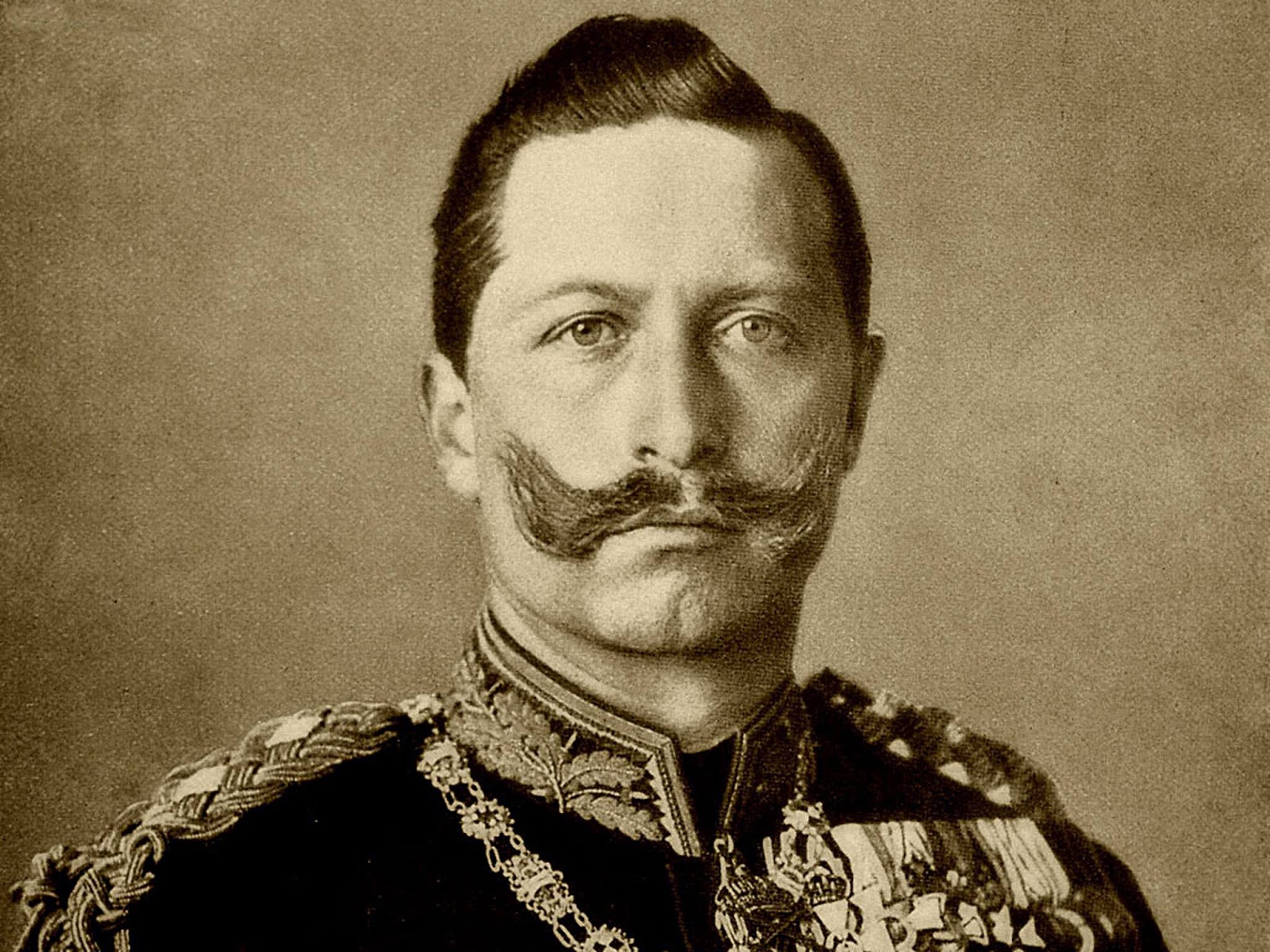
Emperor Kaiser Wilhelm || of Germany was ruthlessly assertive and aggressive.The Kaiser proclaimed that Germany would be the leader of the world.The German navy was expanded.The sea being considered a presserve of England ever since Napoleon’s defeat at Trafalgar (1805), Germany’s aggressive diplomacy and rapid building of naval bases convinced Britain that a German navy could be directed only against her.Therfore , Britain embarked on a naval race, which heightened the tension between the two powers.

Hostility of France towards Germany

France and Germany were old rivals.Bitter memories of the defeat of 1871 and loss of Alsace and Lorraine to Germany rankled in the minds of the French.German interference in Morocco added to the bitterness.The British agreement with France ovr Morocco was not consented by Germany.So Kaiser Wilhelm|| intertionally recognissed the independence of the Sultan and demanded an international of the Sultan and demanded an international conference to decide on the future of Morocco.

Imperial power politics in the Balkans

The young Turk Revolution of 1908 ,an attempt at creating a strong and modern government in Turkey, provided both Austria and Russia with the opportunity to resume there activities in tha Blankans.Austria and Russia met and agreed that Austria should annexe Bosnia and Herzegovina,while Russia should have freedom to move her warships, through the Dardanelles and the Bosporus ,to the Mediterranean.sokn after this , Austria announced the annexation of Bosnia and Herzegovina.Austria’s action aroused intence opposition from Serbia.Germany gave Austria firm support.Germany went to the extent of promising that if Austria invaded Serbia and in consequence Russia helped Serbia, Germany would come to Austria’s assistance.The enmity between Austria and Serbia , Germany would come to Austria’s assistance.The enmity between Austria and Serbia led to the Outbreak of war in1914.

The Balkan wars
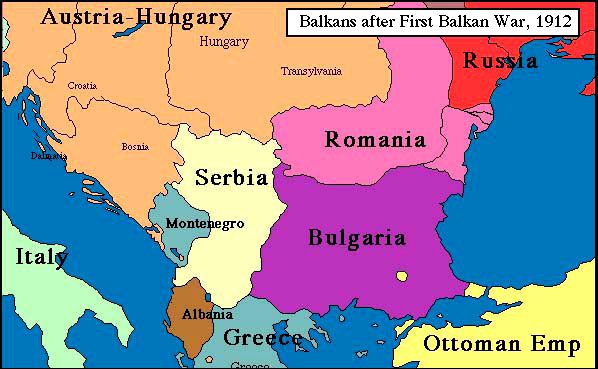
Turkey was a powerful country in the south west of Europe in the first half of eighteenth century.The Ottoman Empire extended over the Balkans and across Hungary to Poland .The Empire contained many non-Turkish people in the Balkans.Both the Turks and their subjects of different nationalities in the Balkans indulged in the most frightful massacres and atrocities.The Armenian genocide is a frightful example.Taking advantage of the political and economic instability of the Turkish Empire from the second half of the eighteenth century,Greeks followed by others began to secede,one after another,from Turkish control.Macedonia had a mixed population.There were rivalries among Greece ,Serbia,Bulgaria and later Montenegro for the control ofbit.In March 1912 they formed the Balkan League.The League attacked and defeated Turkish forces in the first Balkan war (1912-13). According to the Treaty of London signed in May 1913 the new state of Albania was created and the other Balkan states divided up Macedonia between them.Turkey was reduced to the area around Constantinople.
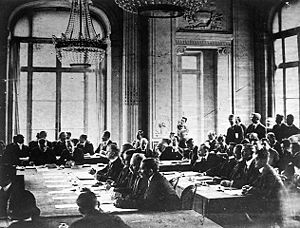
The division of Macedonia, however,did not satisfy Bulgaria.Bulgaria attacked Serbia and Greece.But Bulgaria was easily defeated.The second Balkan war ended with the signing of the Treaty of the Treaty of Bucharest in August 1913.

Immediate cause
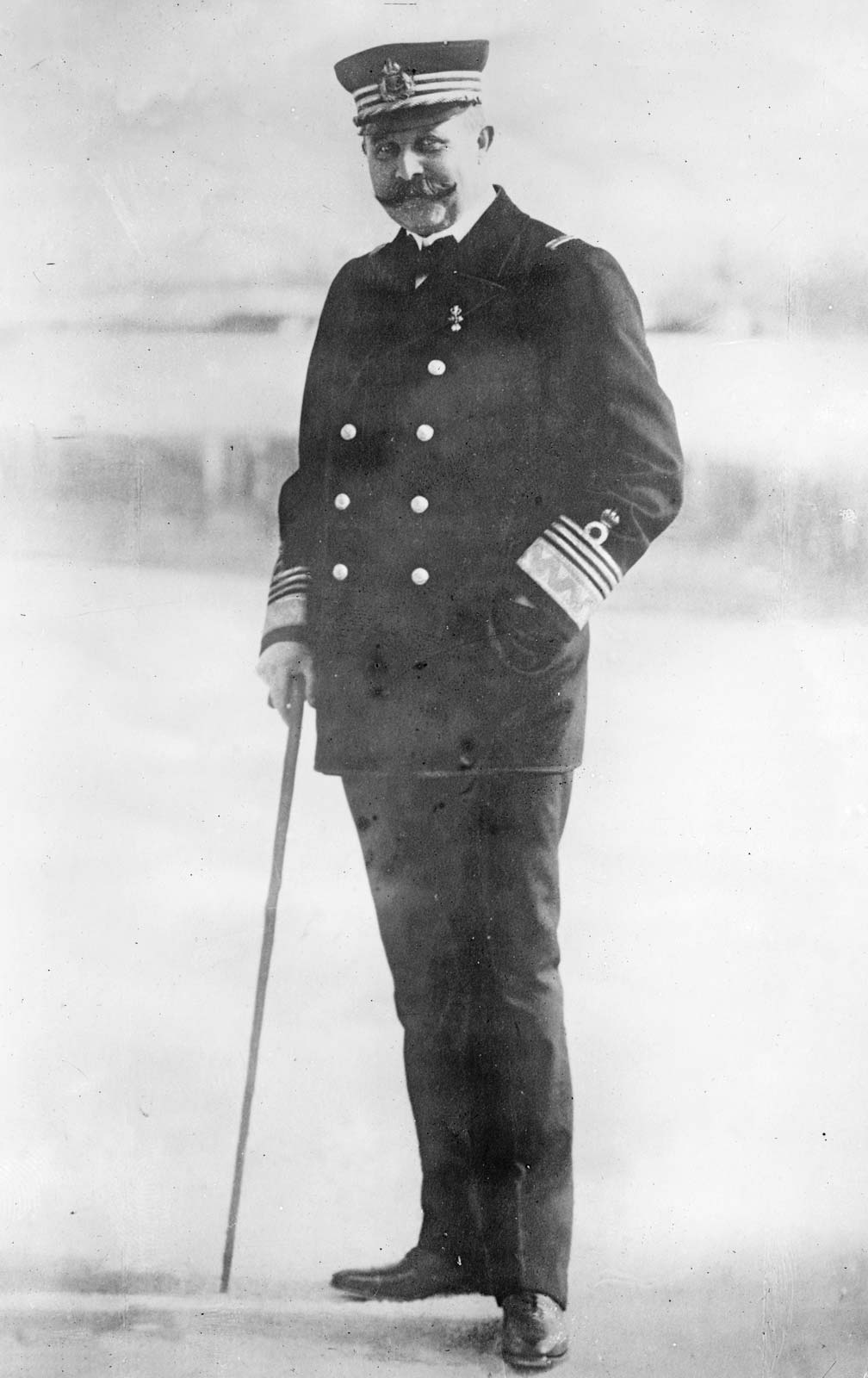
The climax to these events in the Balkans occurred in Bosnia.On 28 June 1914 the Archduke Franz Ferdinand,nephew and heir to Franz Joseph, Emperor of Austria-Hungary,was assassinated by Princip ,a Bosnian serb.Austria saw in this an opportunity to the eliminate Serbia as an independent state.Germany thought that it should strike first.It declared war on Russia on 1Augest . Germany had no quarrel with France,but because of the Franco-Russia Alliance ,the German army which was planning a war against both France and Russia wanted to use the occasion to its advantage.The German violation of Belgian neutrality forced Britain to enter war.
Monsoon

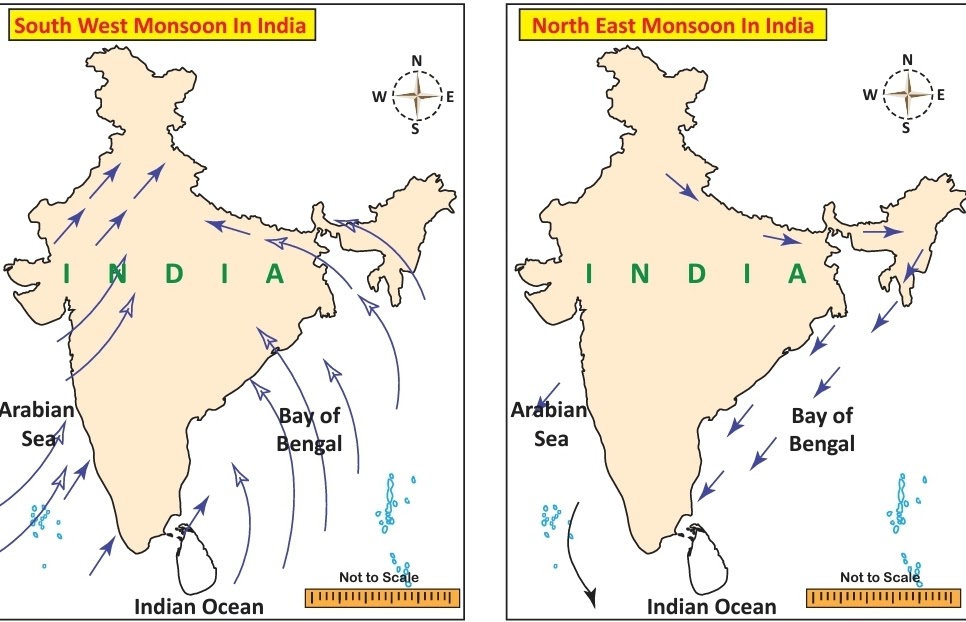
The word ‘monsoon’ has been derived from the Arabic word ‘Mausim’ which means ‘Season’. Originally,the word ‘monsoon’ was used by Arab navigators several centuries ago,to describe a system of seasonal reversal of winds along the shores of the Indian Ocean, especially over the Arabian sea.It blows from the south – west to North – east during Summer and from the north – east to south – west during winter.Monsoons are a complex metrological phenomenon.Meteorologists have developed a number of concepts about the origin of monsoons.According to the Dynamic concept,Monsoon wind originates due to the seasonal migration of planetary winds and pressure belts following the position of the sun.During summer solstice,the sun’s rays fall vertically over the Tropic of cancer.Therefore,all the pressure and wind belts of the globe shift northwards.At this time,Inter – Tropical Convergence Zone ( ITCZ ) also moves northward,and a major part of Indian landmass comes under the influence of southeast trade winds.While crossing equator this wind gets deflected and takes the direction of southeast and becomes south-west monsoon.During the winter season,the pressure and wind belts shift southward,thereby establishing the north-east monsoon (trade winds) over this region.Such systematic change in the direction of planetary winds is known as monsoon.

Seasons

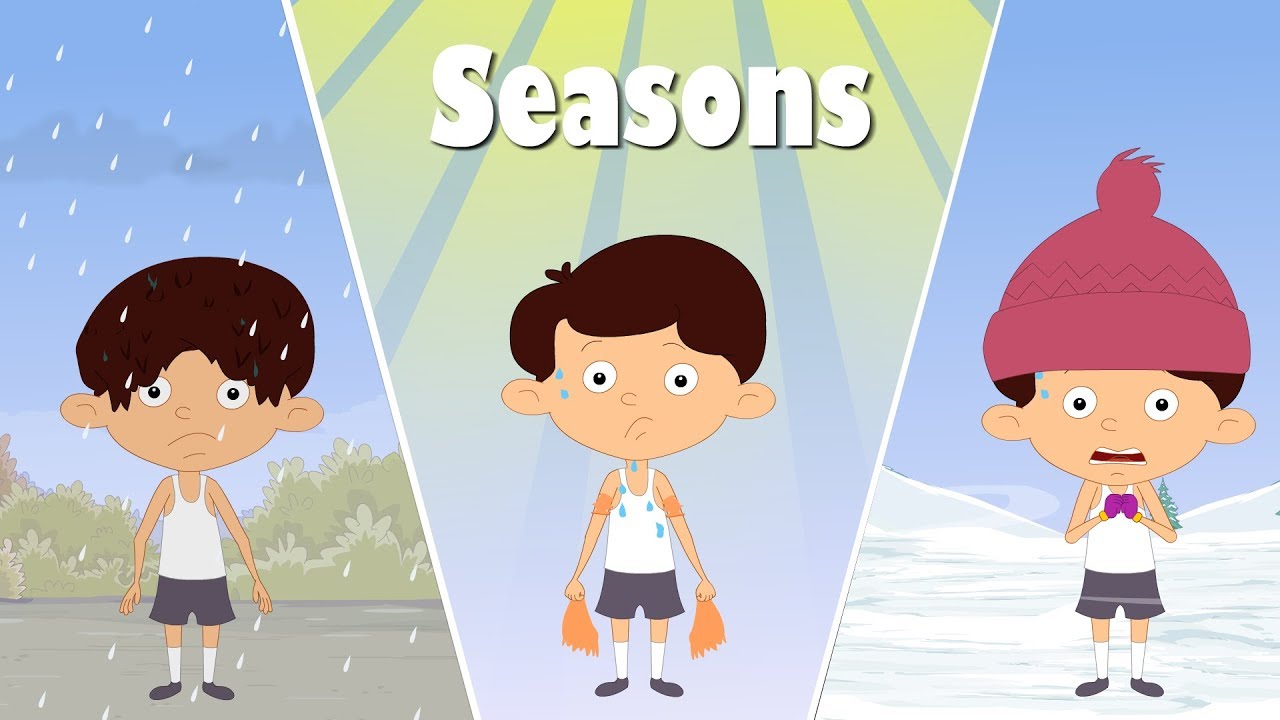
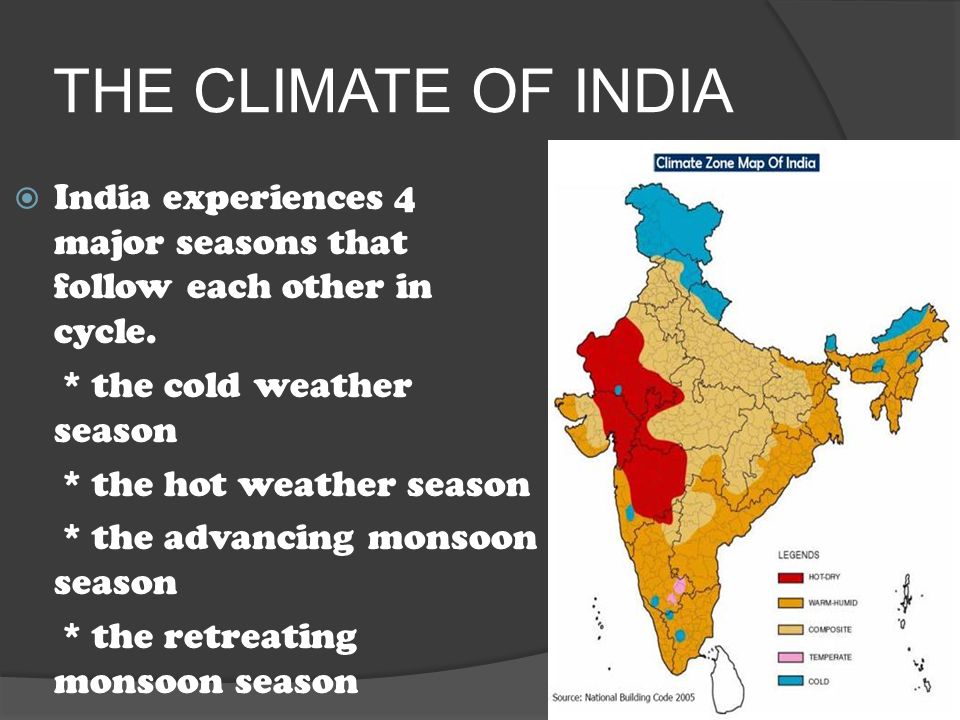
The metrologists recognize the four distinct seasons in India.They are;

1.winter or cold weather season(January – February)
2.Pre Monsoon or summer or hot weather season (March – May)
3.Southwest monsoon or rainy season (June- September)
4.Northeast monsoon season (October-December).

1.Winter or cold weather season.

During this period,the vertical rays of the sun falls over tropic of Capricorn which is far away from India.Hence,India receives the slanting sun’s rays which results in low  temperature.The cold weather season is Characterized by clear skies,find weather,light northerly winds,low humidity and large day time variations of temperature.During this season a high pressure develops over north India and a north – westerly wind blows down the Indus and Ganges valleys.In south India ,the general direction of wind is from east to west.The mean temperature increases from north to south,the decrease being sharp as one moves northwards in the north-western part of the country.The mean daily minimum temperatures range from 22°C in the extreme south,to 10°C in the northern plains and 6°C in Punjab.The rain during this season generally oocurs over the Western Himalayas,Tamil Nadu and Kerala.Western disturbances and associated trough in Westerlies are main rain bearing system in Northern part of the country.The jet stream in Northern part of the country.The jet stream plays a dominant role in bringing these disturbances to India.These disturbances cause rainfall in Punjab,Haryana and Himachal Pradesh,and snowball in the hills of Jammu and Kashmir .This rainfall is very usefull for the cultivation of winter wheat.

2.Pre Monsoon or summer or hot weather season

During this season, the vertical rays of the sun falls over the peninsular India.Hence,there is a steady increase in temperature from south to north.It is practically hot and dry in the entire country in the initial part of this season.Weather over the land areas of the country influenced by thunderstorms associated with rain and sometimes with hail mostly in the middle and later part.During this season, temperature starts increasing all over the country and by April,the interior parts of south India record mean daily temperature parts of south India record mean daily temperatures of 30°C – 35°C. Central Indian land mass becomes hot with day-time maximum temperature reaching about 40°C at many locations.Many stations in Gujarat,North Maharashtra, Rajasthan and North Madhya Pradesh exhibit high day – time and low night-time temperatures during this season.Because of the atmospheric pressure conditions,the winds blow from southwest to northeast direction in Arabian sea and Bay of Bengal .They bring pre monsoon showers to the west coast during the month of May.There are few thunder showers called “Mango Showers” which helps in quick ripening of mangoes along the coast of Kerala and Karanataka.”Norwesters” or “Kalbaisakhis ” are the local severe storms or violent thunderstorms associated with strong winds and rain lasting for short durations.It occurs over the Eastern and North eastern parts over Bihar,west Bengal and Assam during April and May.They approach the stations from the northwesterly direction.

Southwest monsoon or Rainy season

The southwest monsoon is the most significant feature of the Indian climate.The onset of the southwest monsoon takes place normally over the southern tip of the country by the first week of June,advances along the Kongan coast in early June and covers the whole country by 15th July.The monsoon is influenced by global phenomenon like E1Nino.Prior to the onset of the southwest monsoon,the temperature in north India reaches upto 46°C .The sudeen approach of monsoon wind over south India with lightning and thunder is termed as the ‘break’ or ‘burst of monsoon’.It lowers the temperature of India to a large extent.The monsoon wind strike against the southern tip of Indian land mass and gets divided into two branches.One branch starts from Arabian sea and the other from Bay of Bengal .The Arabian sea branch of southwest monsoon gives heavy rainfall to the west coast of India as it is located in the windward side of the Western Ghats.The other part which advances towards north is obstructed by Himalayan Mountains and results in heavy rainfall in north.As Aravalli Mountain is located parallel to the wind direction, Rajasthan and Western part do not get much rainfall India and Myanmar.This wind is trapped by a chain of mountains namely Garo,Khasi and Jaintia are mainly responsible for the heaviest rainfall caused at Mawsyanram located in Meghalaya.Later on,this wind travel towards west which results in decrease in rainfall from east to west.Over all about 75% of Indian rainfall is received from the monsoon.Tamilnadu which is located in the leeward side receives only a meargre rainfall.

Post monsoon or Retreating or Northeast monsoon season

The southwest monsoons begins to retreat from north India by the end of September due to the southward shifting pressure belts.The southwest monsoon wind returns from Indian landmass and blows towards Bay of Bengal.The coriolis force deflects this wind and makes it to blow from northeast.

Heans ,it is known as Northeast monsoon or Post-monsoon season.The season is associated with the establishment of the north-easterly wind system over the Indian subcontinent.Andhra Pradesh,Tamil Nadu,Kerala and south interior Karnataka receive good amount of rainfall accounted 35% their annual total.Many parts of Tamil Nadu and some parts of Andhra Pradesh and Karnataka receive rainfall during this season due to the storms forming in the Bay of Bengal .Large scale losses to day life temperatures start falling sharply all over the country.The mean temperature over north-western parts of the country shows a decline from about 38°C in October to 28°C in November.
Central Government

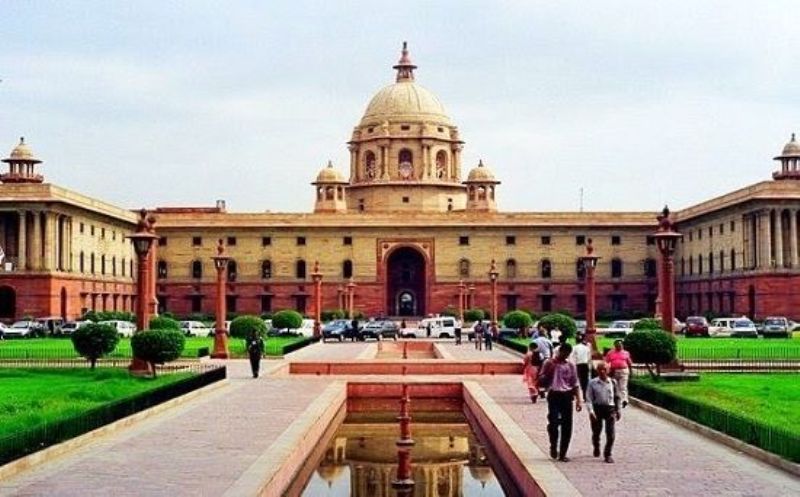
The central Government is the supreme government in our country.The head quarter of the Central Government is at New Delhi.
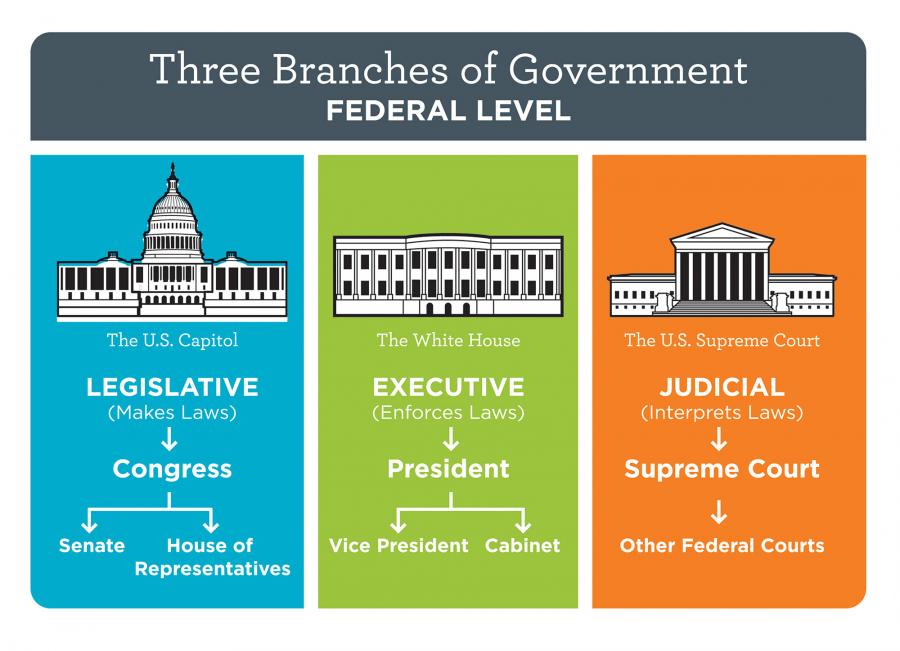
Articles 52 to 78 in part V of Indian Constitution deals with the Union Executive.Our Constitution provides for a democratic form of government.The markers of the Indian constitution, by giving due recognition to the vastness and plural character of our nation,have provided a federal arrangement for her governance. The Central Government consists of three organs, namely, Union Executive, Legislative and Judiciary.The Union Executive consists of the president of India,the Vice – president,and the Council of Ministers headed by the Prime Minister,and the Attorney General of India.The legislative is known as the Parliament.It consists of two houses,namely the Rajya sabha and the look Sabha.The union Judiciary consists of the Supreme Court of India.

The president of India

In the Scheme of parliament system of government provided by the constitution,the president is the nominal executive authority.The chief executive of the Indian union is the President.He is designed as the first citizen of India.He is the supreme commander of the armed forces.The president is also the constitutional head of the Union Executive.He is also responsible for constrituting the judiciary.According to Article 53 of the constitution,the executive power of the Union shall be vested in the President which shall be exercised by him directly  or through offers subordinate to him in accordance with construction.

Qualification for the election as president

The constitution lays down qualification for a presidential candidate.

• He should be a citizen of India.
• He must have completed the age of thirty five years
• He must not hold any office of profit under the Union,state or local Government.
• He should have the other qualifications required to become a member of the Lok Sabha
• His or her name should be proposed by at least ten electors and seconded by another ten electors of the Electoral college which elects the President.
The president cannot be a Member of parliament or of a state Legislature;if he is a member of any Legislature,his seat will be deemed to have been vacated on the date he/ she assumes the office of President.

Election of President

The president is elected by an electoral college in accordance with the system of proportional representation by means of single transferable vote. The Electrol college consists of the elected members of both houses of parliament and the elected members of the states and elected members of National capital Territory of Delhi and Puducherry.Once elected as te the President has to take an oath of office before the Chief Justice of India.The president is elected for a term of five years and can be re-elected.

Powers of the President

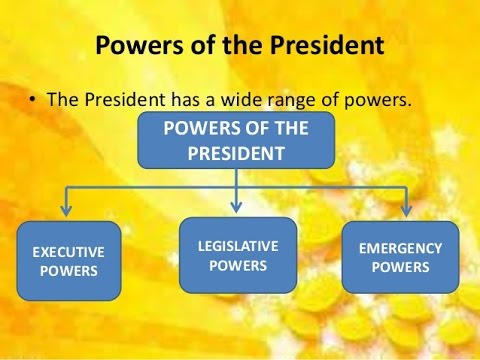
The powers and functions of the president of India can be broadly classified under the following categories.

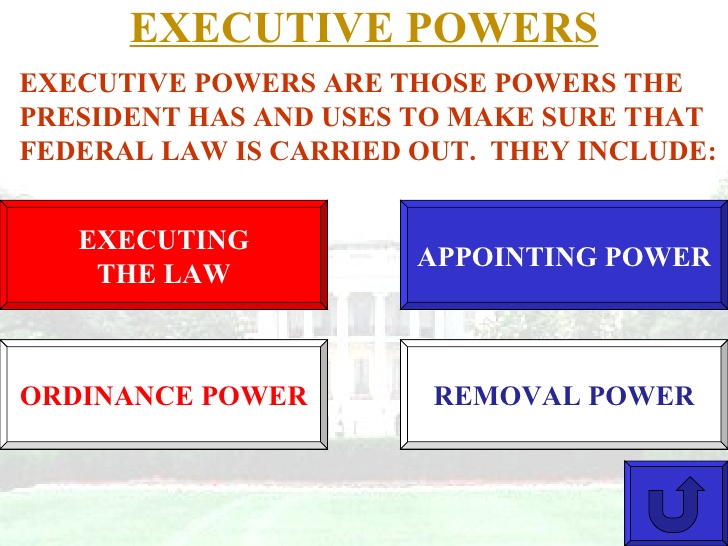
Executive Powers

The constitution vests in the president of India all the executive Powers of the Central Government.Article 77 requires that every executive action of the Union shall be taken in the name of the President.So he has to make many appointments to key – officers to run the administration. He appoints the Prime Minister and the other members of the Council of Ministers, distributing portfolios to them on the advice of the Prime Minister.He is responsible for making a wide variety of appointments.These include the appointment of Governors of states,the Chief Justice and other Judges of the Supreme Court and high courts, the Attorney General, the Chief Election Commissioners the Chairman and other Members of the Union public service commission Ambassadors and High Commissioners to the countries. He appoints a commission to investigate into the conditions of SCs,STs and other backward classes.He is the supreme commander of the defense forces of India,in this capacity the president can appoint Army,Navy,and Air Chiefs.

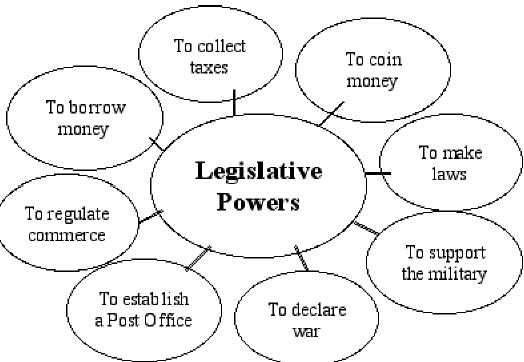
Legislative Powers

The president is an integral part of the Union Parliament.He inaugurates the session of the parliament by addressing it after the general election and also at the beginning of the first session each year.This address is essentially identical in nature to a speech from the Throne.The president summons parliament at least twice in a year.He may send messages to either House of the parliament with respect to a bill pending in the House.All bills passed by the parliament become “Laws of Acts” only after getting assent of the President.Money bills cannot be introduced in the Parliament without his approval.President terminates the sessions of both or any of the Houses of Parliament.He can even dissolve the Lok Sabha before the expiry of the term of the House.He nominates 12 persons who are eminent in literature, Science,Sports,art and Social service to the Rajya Sabha.He can also nominate two persons belonging to Anglo-Indian Community to the Lok Sabha,if in his opinion ,that Community is inadequately represented in the House.

Financial Powers

Money bill can be introduced in the parliament only with his prior recommendation.Annual Budget of the Central Government is presented before the Lok Sabha by the Union Finance Minister only with the permission of the President.He causes to be laid before the parliament the annual financial statement (the Union Budget).The Constitution of India places the Contingency Fund of India is at the disposal of the President.No demand for a grant can be made except on his recommendation.He can make advances out of the contingency fund of India to meet any unexpected expenditure.He constitutes a finance commission after every five years or on the demand of the revenues between the centre and the states.

Judical Powers

Article 72 confers on the President power to grant pardons, reprieves, respites or remissions of punishment,or to commute the sentence of any person convinced of an offence.In all cases where the punishment or sentence is by a court martial; in all cases where the punishment or sentence is for and offence against a Union law; and in all cases where the sentence is a sentence of death.The president is not answerable to any court of law for exercise of his/she power (however He can be subjected to impeachment by the parliament).

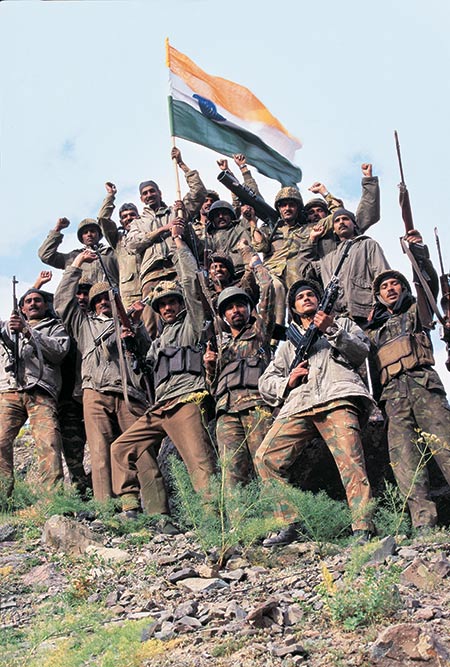
Military Powers

Article 53(2) lays down that “the supreme command of the Defence force of te Union shall be vested in the President and the exercise thereof shall be regulated by law”.The president is thus declared to be the supreme commander of the defence Force of the country.In the exercise of this power,it is the President,who can declare war against a country and make peace.

Diplomatic Powers

The president appoints Indian diplomats to other countries and receives foreign diplomats posted to India.The ambassador designate becomes ambassador after calling on the president and presenting his credentials.All treaties and agreements with foreign states are entered into,in the name of the President.

Emergency Powers

• The president has been empowered by the constitution to proclaim Emergency.They are follows: Article 352 confers power on the President to make a proclamation of Emergency on the grounds of war, external aggression,or armed rebellion.This is known as National Emergency.

• Article 356 confers power on the President to make a proclamation of state Emergency by declaring that the Government in a state cannot be run on in accordance of the provisions of the constitution.

•Under Article 360, the President is vested with the power to proclaim Financial Emergency,if he is satisfied that the financial stability or,the credit of India or any part of India is threatened,by any reason.

Removal of the President

The president shall hold office for a term of five years from the date in which He enters the office.The President any by writing under his hand addressed to the Vice – President,resign his office.The president may,for violation of the Constitution,be removed from office by impeachment in the manner provided in Article 61; The Impeachment action can be brought about in the form of resolution in either House of the Parliament.It must be supported by not less than one – Fourth of the total strength of the House for its introduction.The President shall, in spite its introduction.The President shall, continue to hold office until his successor enters upon his office.

Privileges of the President

According to Article 361(1) the president,or the Governor of a state,shall not be answerable to any court for the exercise and performance of the powers and duties of his office or for any act done or purporting to be done by him in the exercise and performance of those powers and duties.

Tax

The origin of the word “tax” is from “taxation,” which means an estimate.Taxation is a means by which goverments finance their expenditure by imposing charges on citizens and corporate entities.The main purpose of taxation is to accumulate funds for the functioning of the government machinery.Tax has come into forefront on account of the new concept of “Welfare state”.Modern goverments do not confine themselves to law and order only.The importance of public finance (tax) has vastly increased in recent years.

Taxes are compulsory payments to government without expectation of direct return (or) benefit to the tax payer.prof.Selingman also defined a tax as a “a compulsory contribution from a person to the government to defray the expenses incurred in the common interest of all, without refference to special benefits conferred”.

Tax system

Every type of tax has some advantages and some disadvantages.So we have a tax system,that is,a collection of variety of taxes.All countries use a variety of taxes.There are some characteristics of tax system that economists think should be followed while designing a tax system.These characteristics are called as canons of taxation.From Adam Smith ,many economics have given lists of canons of taxation.It is important to recall those common among them for discussion here.

Canon of equity

Since tax is a compulsory payment,all economists agree that equity is the cardinal principal in designing the tax system.The equity principal says that the rich should pay more tax revenue to government than the poor, because rich has more ability than the poor to pay the tax.Morever,after payment of tax,you will find the economic difference is reduced between the rich and the poor.You can do an exercise to find out which of the taxes adhere to the canon of equity.

Canon of certainty

Government should announce in advance the tax system so that every tax payer will be to calculate how much tax amount one may have to pay during a year to the government.In other words, government should not change the tax system frequently and should not announce sudden changes in the tax system.

Canons of Economy and Convenience

These two canons are related.As tax payers we incur a cost to process our accounts and pay the tax,for example ,salary paid to accountants and auditors.Similarly government also pays salary to its taxmen and run huge institutions.If the tax is simple,then the cost of collecting taxes(tax payer cost + tax collector cost)will be very low.Further,tax should be collected from a person at the time he gets enough money to pay the tax.This is called Canon of Convenience.A convenient tax reduces the cost of collecting tax.

Canons of productivity and Elasticity

Government should choose the taxes that can get enough tax revenue to it.In other words,it should choose a few taxes that can fetch more tax revenue,instead of lots of taxes and each one their incomes.Therefore the tax system should be designed in such a way that the people out their incomes.Therefore the tax system should be designed in such a way that the people automatically pay more tax revenue if their incomes grow.This is called Canon of elasticity.In a broader sense,as the economy is growing the people will get more income and consequently they will also pay more tax revenue to government if the tax system is elastic

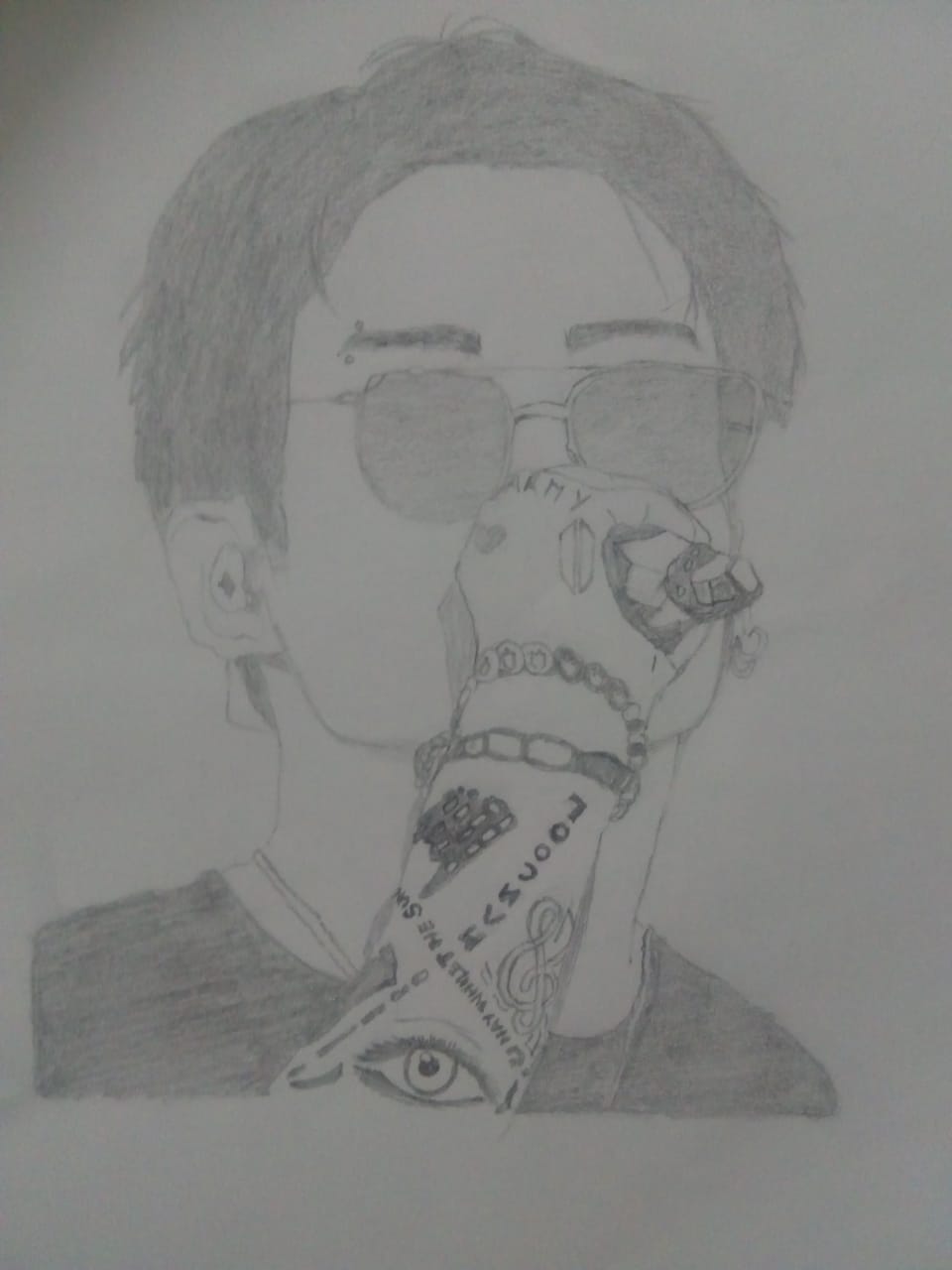
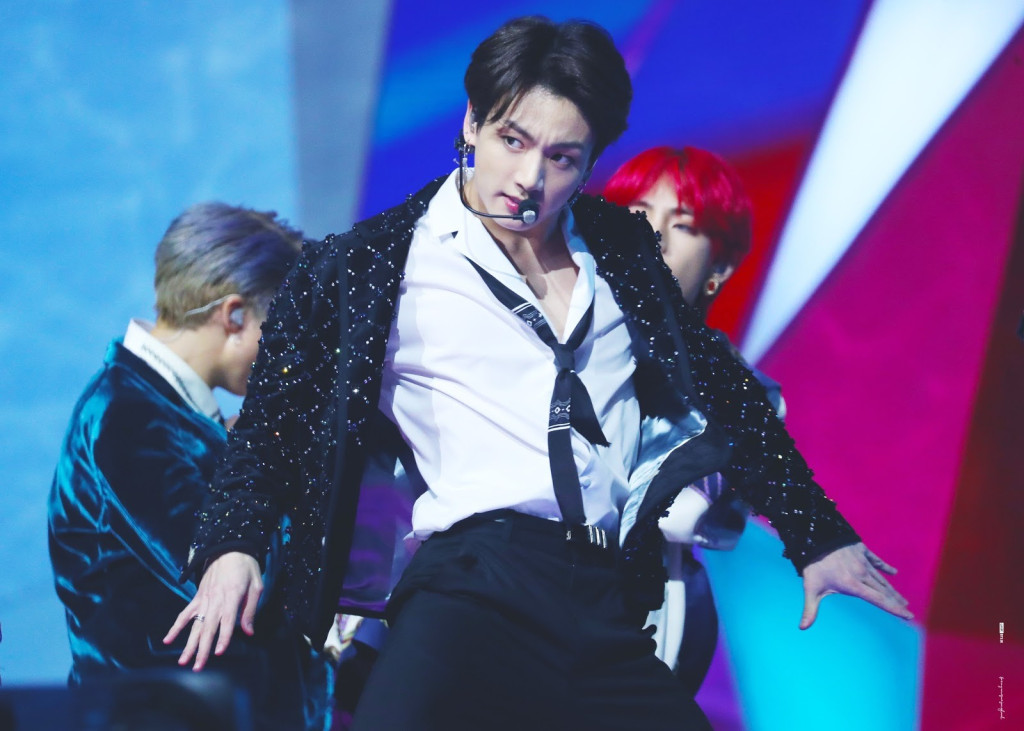
Jeon Jungkook The South Korean Singer

STAGE NAME: Jung kook

NICK NAME: Golden maknae ,kookie,bunny

BIRTH DATE: September 1,1997.

FAMILY: He belongs to a simple South Korean family and in his family,he has people including him.His parents and one elder brother Jeon Jung-Hyung.

OCCUPATION: Singer,Song writer.
YEARS ACTIVE: 2013 – Present

BORN COUNTRY: South Korea

BORN IN: Busan,South Korea.
HEIGHT: 179cm

WEIGHT: 70kg

SOLO SONGS: Euphoria,Still with you

EDUCATION: Baekyang Elemantory and middle school.When he became a trainee ,he tranformed to Singu Middle School in Seoul.

BLOOD TYPE: A+

GROUP DEBUT: July 12,2013(BTS)

AWARDS: Hwagwan order of cultural Merit (2018)

AGENCY: Big hit music

About Jk

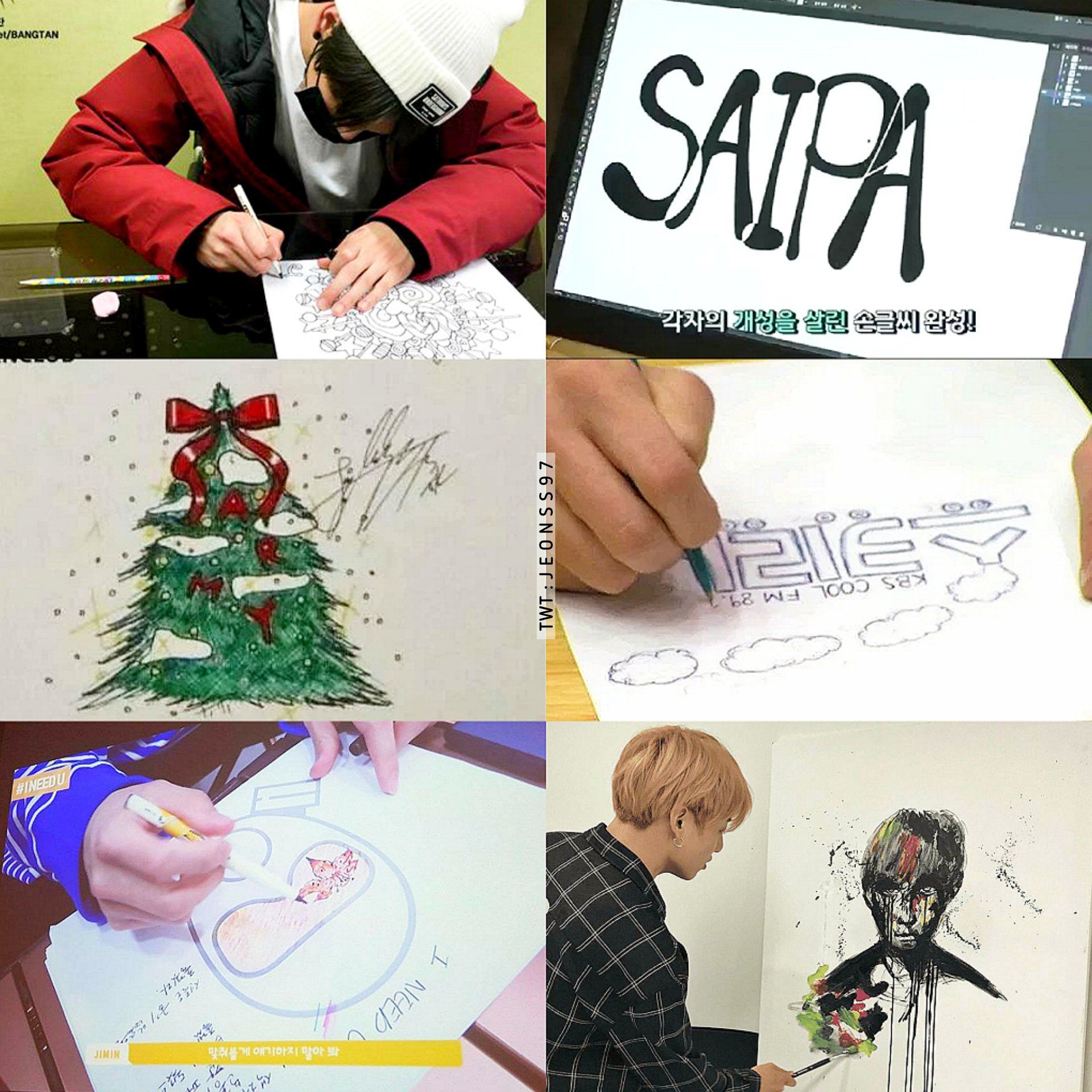
Jungkook is the youngest member of BTS. And he have 6 elder brothers(V,Jimin,J hope,Suga,RM,Jin).In April 24th 2011,Jung kook was joined as the newest member of BTS.Now he is 25 year old.He get the nickname of (Golden Maknae ,Kookie ) from Army.His favourite foods are:Pizza,sashimi,etc..he can eat everything he like.He used to be very shy during auditions,to the point he almost could not debut.His Role model is RM. He enjoys bowling and playing Overwatch.He is very active in sports.He cook well(not bad).He really hates being called oppa especially when fans appear to be a noona fan.He produced and wrote Magic shop,which is featured on the full length album,”Love yourself””Tear”.It is the second song he produced,Love is not over.His hobbies are drawing, filming and Photography, playing games and dancing.He has the fan of G.Dragon,His crush is IU .Since 10 yr ago,he wanted to become a batminton player.He is a big time fab of Avengers series.He loves Spending time with his pet dog Gureum and loves to play catch ball with him whenever he gets an opportunity.He said he did rather die than to live without passion.Jungkook is also extremely popular on social media amoungest fans .He is the most loved celebrity in South Korea.In 2011 Jungkook auditions in Daegu.Though he was not selected,he received casting offers from seven entertainment companies.He eventually chose to became a trainee under bighit Entertainment after seeing RM,now his fellow band member and leader in BTS, perform.

He shared about his family

Jungkook has disclosed little about his early childhood,and even less about his parents.Kang Ho Dong questioned Jung kook on “Lets eat Dinner Together” about his parents “Love Story ” Jungkook smiled as he shared “My mom hit on him first.She said she did it because dad was good looking”.and he asked about his father age.Jungkook answered that his father was born in 1971 and his mother is 2 years older than his father.Jungkook agreed “My dad got married early”.when Kang Ho Dang expressed surprise that his parents are so young.

Sports skills

BTS Jk is incredibly talented at many things , especially sports.

Jk exercise routine

-20 Squats
-20 pushup
-20 jump squats
-20 pike pushup
-10 planks
-20 mountain climbers
-15 burpees
-20 crunches
-20 leg raises
-20 super man’s exercise

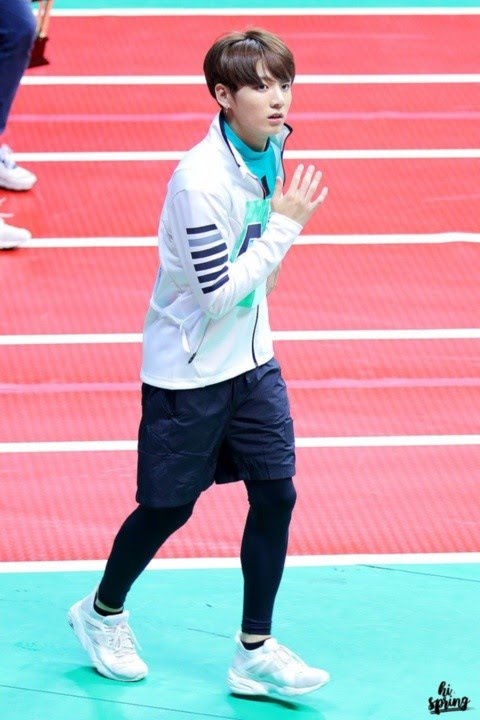
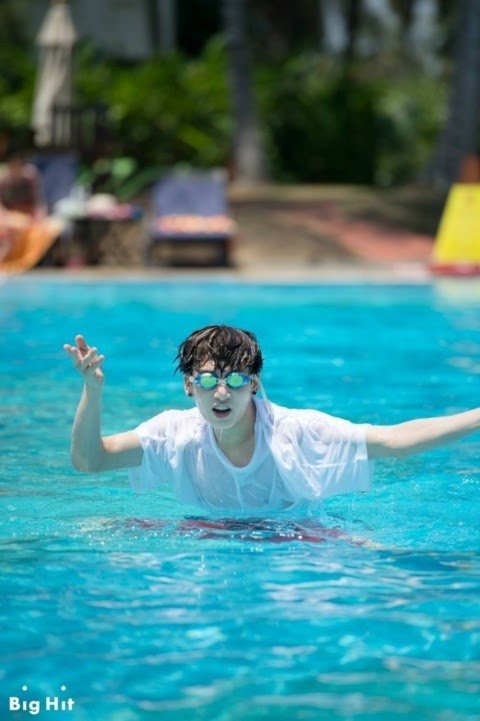
He loves all exercise &sports.He really good at or what impressive other people, because Jk is the best athelete out of the groups and he is the best from out of sports because he is flexible,very fast and very strong,he has a great strength.

Good at

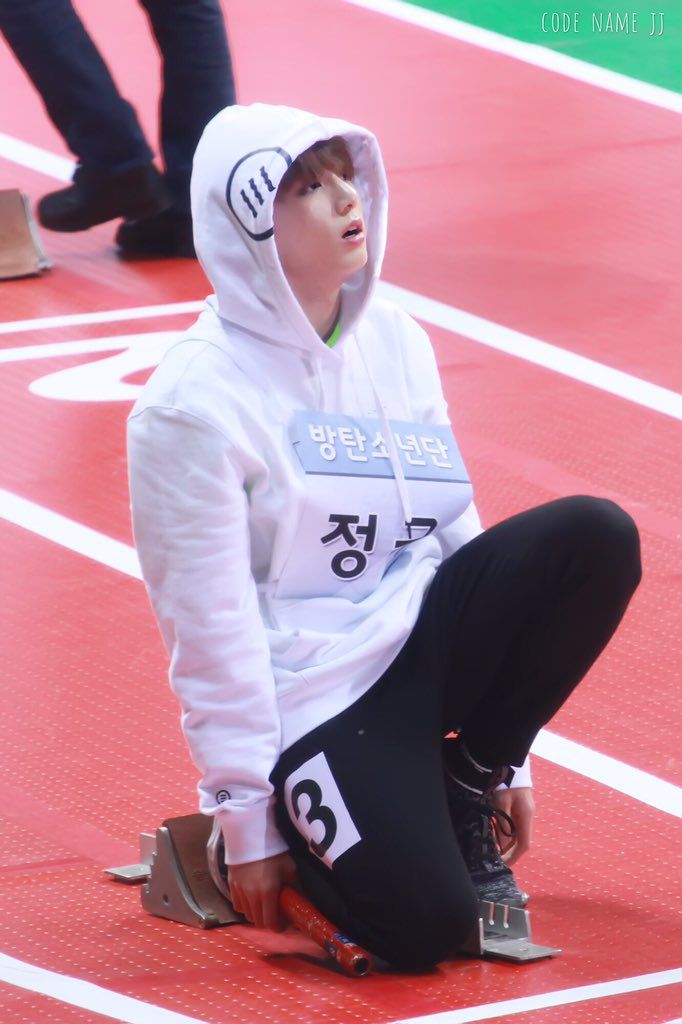
Jk running speed can lead to his group winning the “400 metres relay” at ISAC 2015

Cover songs

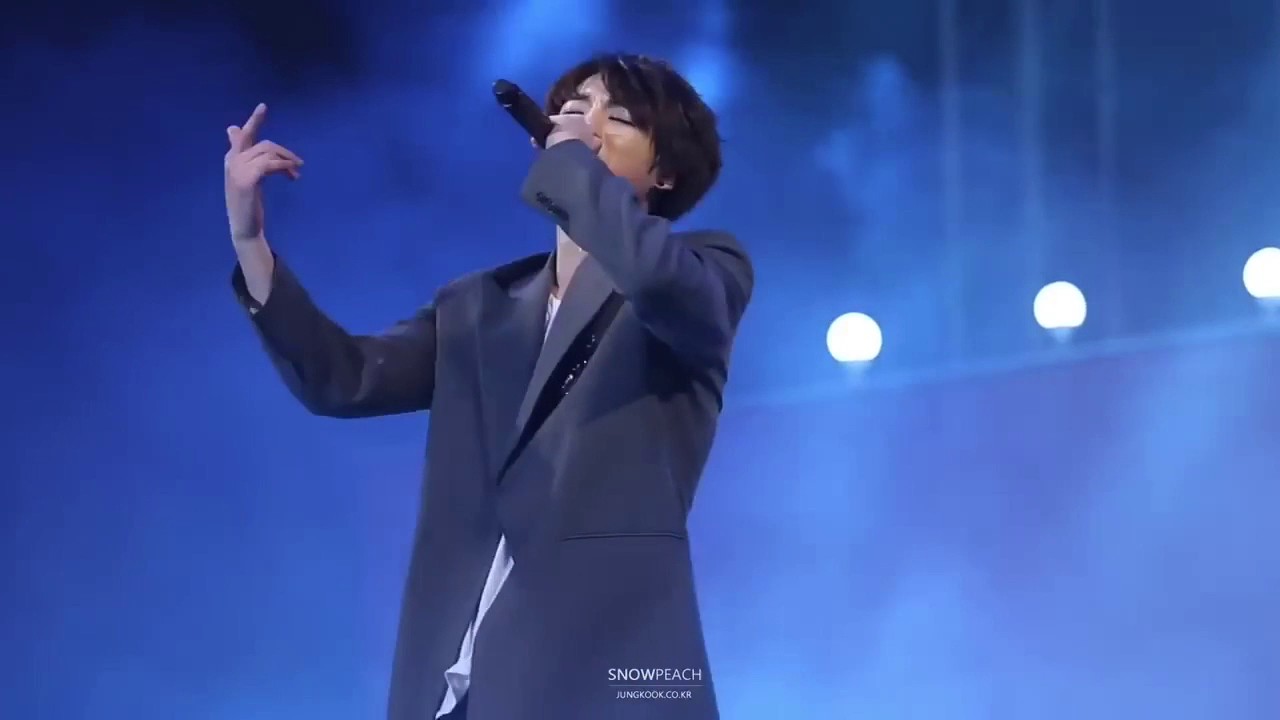
“SOFA”
• “Lost stars”
• “Paper Hearts”
• “Fools”
• “Purpose”
• “If you”
• “Beautiful”
• “We Don’t Talk Anymore”
• “2U”
• “Oh Holy Night”
• “Breathe”
• “Only Then”
• “All of my life”
• “Ending Scene”
• “Ending Scene ver2”
• “Look At Me”
• “Perhaps That was Love”
• “Never Not “
• “10000 Hours”

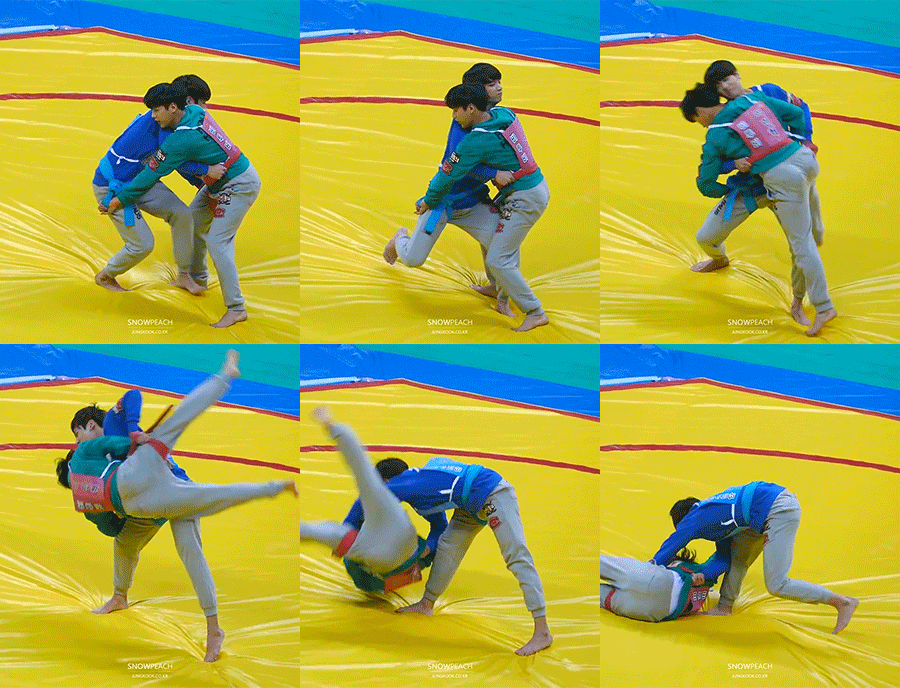
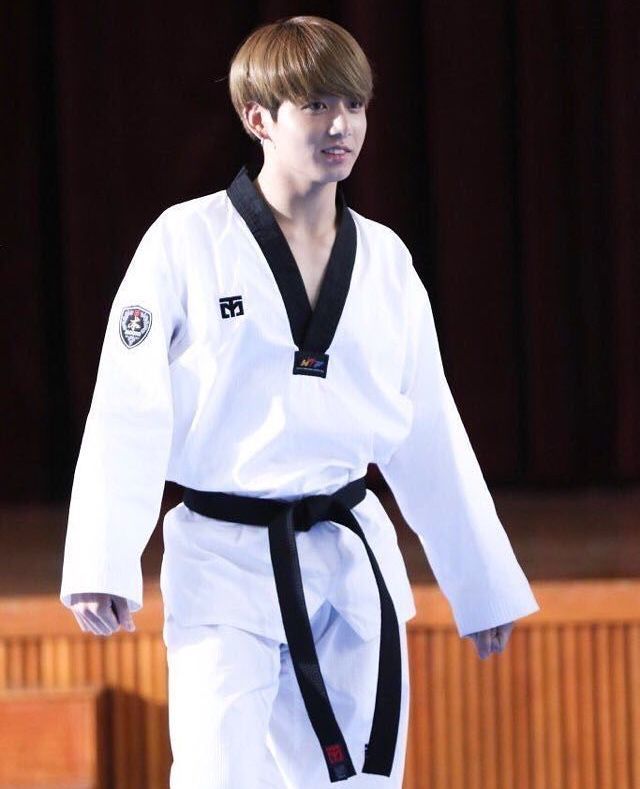
He got black belt in Takwonda.He trained in Takwonda from young.

He is good at knocking down bowling needles, Jk is known for often playing bowling with his friends from the line gang’97.

He is truly known for having a myraid of talents that will amaze someone,not just fans who are always surprised,para members BTS also often looks surprised at the many talents Maknae having a high aesthetic soul,it turns out that Jk is also very good at sports.

He is one of my inspiration ❤️ Thank you for sharing your passion and love to Army’s all over the world ,we are so proud of you .Saranghae..

“I ‘d rather die than live without passion”-Jungkook

Water Resource

Water is the precious gift of nature to humankind and millions of other species living on the earth.

Tamil Nadu constitutes 4% of India’s land area and is inhabited by 6% of India’s water resources.More than 95% of the surface water and 80% of the ground water have already been put into use Major uses of water include human/animal consumption, irrigation and industrial use.The state is heavily dependent on monsoon rains.The annual average rainfall is around 930mm(47% during the northeast monsoon.35% during the southwest monsoon.14% in summer and 4% in winter).

Surface water resources and numbers

Multipurpose River Valley projects

Multipurpose River Valley projects are basically designed for the development of irrigation for agriculture and hydropower generation.However ,they are used for many other purposes as well.

Mettur Dam

The Mettur Dam was constructed in a gorge ,where river cauvery enters the plains.It is one of the oldest dam in India .It provides irrigation to Salem,Erode ,Karur, Tiruchirappalli, Thanjavur,Tiruvarur and Nagapattinam districts for about 2,71,000 acres of farmland.The dam,Park,major Hydroelectric power stations and hills on all sides make this dam an important tourist spot.

Bhavani Sagar Dam

The Bhavani Sagar Dam is located 80km away from Coimbatore city in the district of Erode.It has been constructed across the river Bhavani.This dam is one of the biggest earthen dams in the country.

Amaravathi Dam

The Amaravathi dam is situated 25km away from Udumalpet in Tirupur district.The dam has been constructed across the river Amaravathi,a tributary of Cauvery.The dam was built primarily for irrigation and flood control.A small hydropower station has also been installed recently.This reservoir is notable for the significant population of mugger Crocodiles.It is also a familiar tourist spot.

Krishnagiri Dam

Krishnagiri dam is situated at a distance of 7km from Krishnagiri towards Dharmapuri.This dam drains an area of 5428 sq.km.This is a famous tourist spot too.This dam is flooded with tourists during the weekends.

Sathanur Dam

Sathanur Dam was constructed across the river Thenpennai in Chengam taluk.It is in the midst of Chennakesava hills.The water -holding capacity of the dam is 7321 million cubic feet(full level:119 feet).About 7183 hectares of land is drained by the left bank canal and 905 hectares by the right bank canal of this dam.It irrigates the land in Thandrampet and Tiruvannamalai blocks.There is also a large crocodile farm and a fish grotto.Parks are maintained inside the dam for tourists and the gardens are used by the film industry.

Mullaperiyar Dam

Mullaperiyar dam was built by the British administration in 1895.It has been constructed on the Periyar river,which originates from Thekkady hills of Kerala.The dam was built mainly for watering the farming land of Tamilnadu ,which is perennially drought-prone.Though the dam is located in the state of Kerala,most of its water is used to irrigate Tamil Nadu.The dam is 175feet in height and 1200 feet.

Vaigai Dam

This dam bulit across the river vaigai nera Andipatti.The dam with a height of 111 feet can store water up to 71 feet.It is located 7km from Andipatti and 70km from Madurai.This dam has a unique garden that deserves the surname ‘Little Brindavan’.It is a popular picnic spot in Theni district.

Manimuthar Dam

Manimuthar Dam is located about 47km from Tirunelveli.The gorgeous garden of the dam is located about 5km from the dam and is accessible boating and waterfalls are additional tourist attractions near the dam.

The Papanasam Dam

It is also known as karaiyar dam and is located about 49km away from Tirunelveli.The dam is used to irrigate 34,861 hectares of land in Tirunelveli and Thoothukudi districts.It generates 28MW of hydro power.

Parampikulam Aliyar project

It is a joint venture of Tamil Nadu and Kerala states.It envisages the construction of seven interconnected reservoirs by harnessing the water of seven rivers,which include major rivers of parambikulam and Aliyar.Parappalar project is located nera Ottanchatram.Its stroage capacity is 167 million cubic feet of water.It is about 75km from Madurai and is in Palani taluk.

Surface water Resources

The total surface water potential of the state is about 24,864 mcm.(million cubic metre).There are 17 major river basins in the state with 81 reservoirs and about 41,262 tanks.Most of the surface water ha already been tapped, primarily for irrigation, where water use is largest.An area of 24 lakh hectraes of the land are irrigated by surface water though major,medium an minor schemes.

Ground water Resources

The utilizable groundwater resource of the state is 22,423 mcm.The current level of utilization of water is about 13,558 mcm which is about 60 percent of the available recharge,while about 8875mcm(40 percent)is the balance available for use.

Water Resource Management

Water resource management is the activity of planning,developing,distributing and managing the optimum use of water resources.The demand for water in Tamil Nadu is increasing at a fast rate both due to increasing population and also due to larger per capita needs triggered by economic growth.The per capita availability of water resources is just 900 cubic metres when compared to the nationl average of 2,200 cubic metres.Agriculture is the largest consumer of water in the state using 75% of the state’s water resources.Demands from other sectors such a domestic and industries have been growing significantly.The state is heavily dependent on monsoon rains.Dince the state is entirely dependent on rains for recharging its water resources,monsoon failures lead to acute water scarcity and severe droughts .So,it is important to save water for us and the future generation.

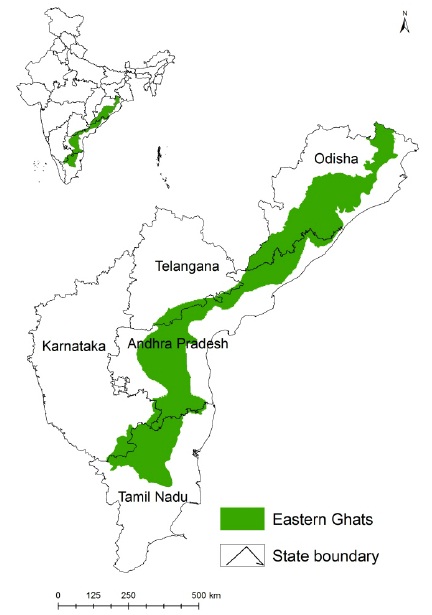
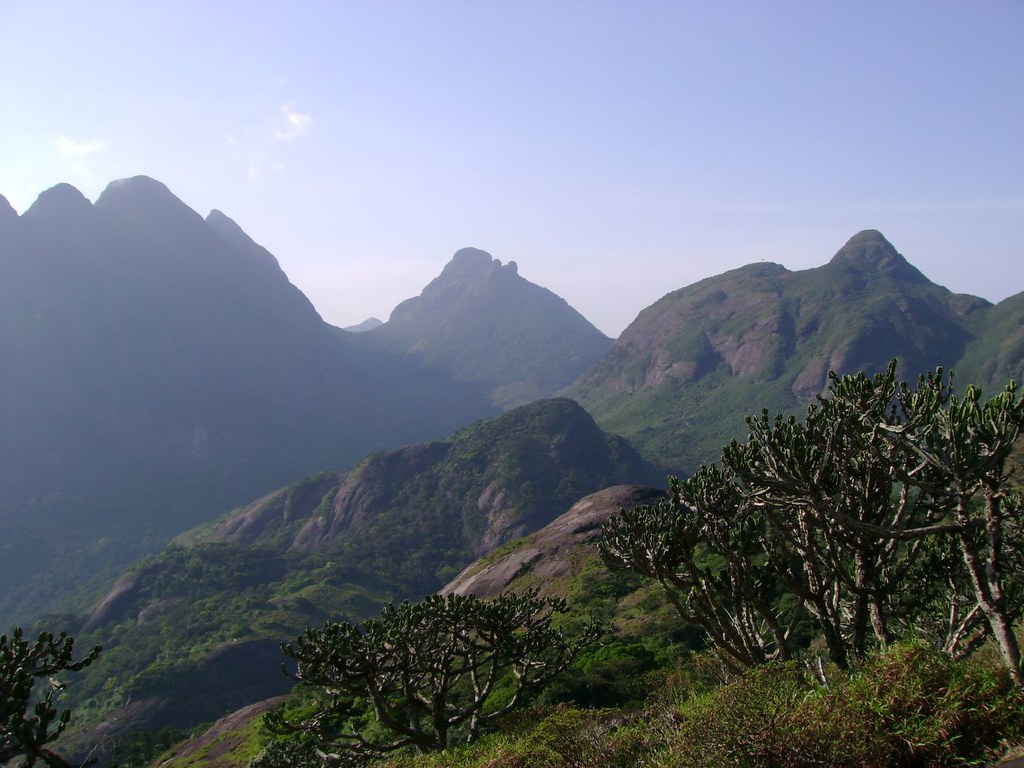
The Eastern Ghats

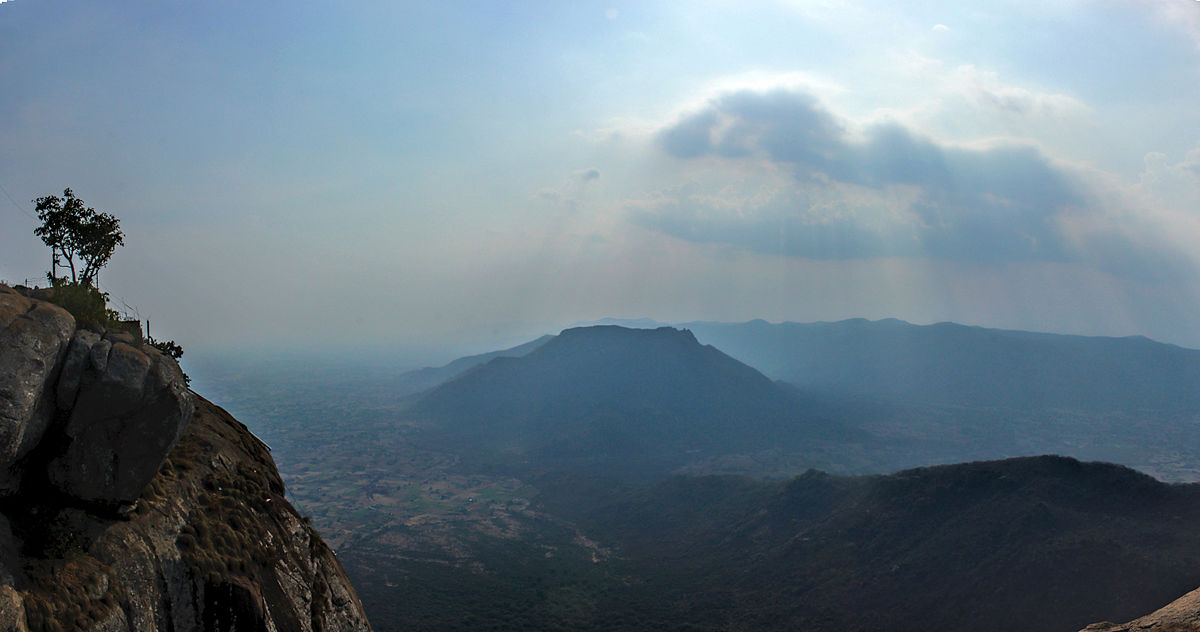
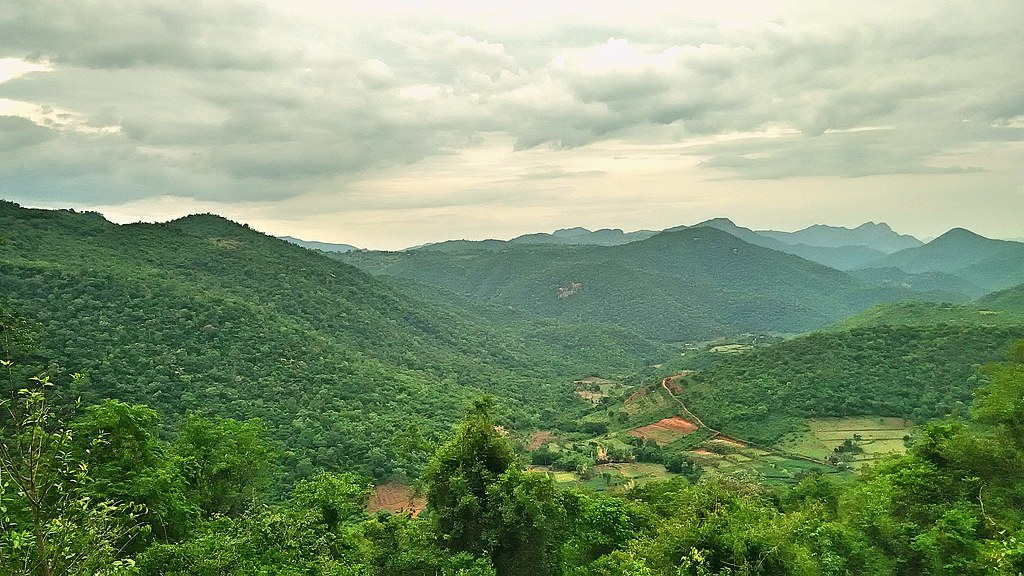
Unlike Western Ghats,Eastern Ghats is a discontinuous and irregular one.It is dissected at many places by the rivers,which drain into the Bay of Bengal.Its height ranges from 1,100 to 1,600 m.These hills separate the Kalrayan,Kollimalai and Pachamalai are the major hills of the Eastern Ghats of Tamil Nadu and are located in Northern districts of the state.

Javadhu Hills

Javadhu Hills are an extension of the Eastern Ghats spread across parts of Vellore and Tirunelveli districts and seprates these two districts.Many peaks with the height of 1,100-1,150metres are located in this range.Melapattu is its highest peak.The Vainu Bappu Observatory(VBO) Kavalur,which began operationa in 1967,is located on theses hills.Many parts of this range are covered with bluish grey granites.It is noted for its fruit bearing trees,medicinal herbs and Sandalwoods.Due to illegal logging, Sandalwood trees are disappeared now.

Kalvarayan Hills

The name ‘Kalvarayan’ comes from the word ‘Karalar’,the ancient name of the present tribes .It is another major range of hills in the Eastern Ghats of Tamil Nadu.This range ,along with the Pachamalai,Aralvaimalai,Javadhu and Servarayan hills,Seprates the river basins of cauvery and palar.The height of this hill range from 600 to 1,220 metres.These hills have two sections.The northern section is referred as the chinna Kalvarayan and the southern one the Periya Kalvarayan. The average height of Chinna Kalvarayan is 825 metres and the Periya Kalvarayan is 1,220 metres.

Servarayan Hills

Major hills in Tamil Nadu(Districts and hills)

  1. Coimbatore-Maruthamalai,Velliangiri and Anaimalai
  2. Dharmapuri-Theertha malai,Chitteri and Vathamalai
  3. Dindigul-Pazhamalai and Kodaikanal
  4. Erode- Chennai hills and Sivan hills
  5. Vellore- Javadhu,Yelagiri and Rathinamalai hills
  6. Namakkal-kolli hills
  7. Salem-Servarayan ,Kanjamalai and Chalk hills
  8. Villupuram-Kalvarayan and Gingee hils
  9. Perambalur-pachaimalai
  10. Kanyakumari-Marunthuvazhmalai
  11. Tirunelveli-Mahendragiri and Agasthiyamalai
  12. The Niligris-Nilgiri hills

It is a mountain range located nera the Salem city the height ranging from 1,200 to 1,620 metres. The name of the range comes from a local deity , Servarayan.The highest peak in the Southern part of the Eastern Ghats is located in this range. The peak is Solaikaradu and its height is 1,620 metres.The hill Station Yercaud,which is known as poor man’s Ooty,is located on this range.Servarayan temple is it’s highest point(1623m).

Kolli Hills

It is a small mountain range located in Namakkal district.It covers an area of about 2,800 sq.km.It rises up to 1300 metres.This is a mountain range that runs almost parallel to the east coast of South India.Arpaleeswarar temple located on this range is an important pilgrim centre.It has the largest cover of evergreen or shola forest when compared to other parts of the Eastern Ghats.Several coffee plantations, fruits,flowers and silver-oak estates are found in this region

Pachaimalai

It is the lowest hill range,spreads over the districts of Perambalur, Tiruchirappalli and Salem.In Tamil Language,Pachai means green.The vegetation in this range is greener than the vegetative cover of the other hills in this region.Hence it is named as ‘pachai malai’.Jackfruit is a popular seasonal agricultural product of this hills.

Western Ghats

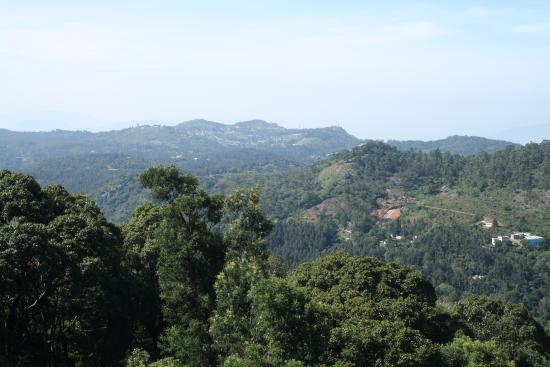
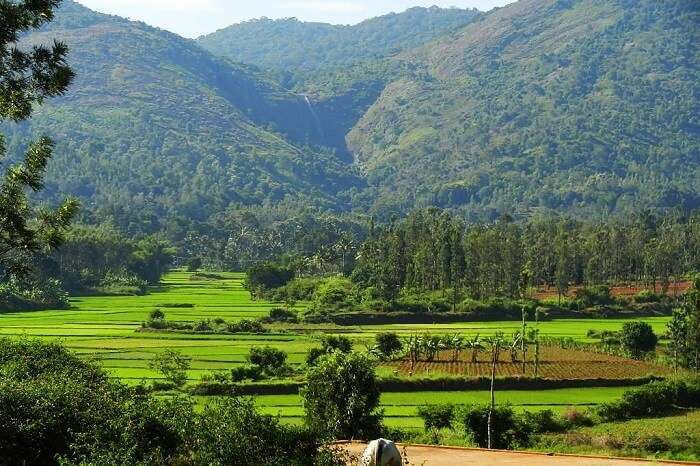
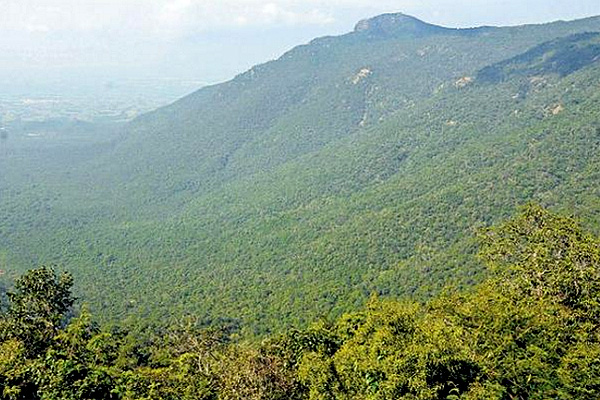
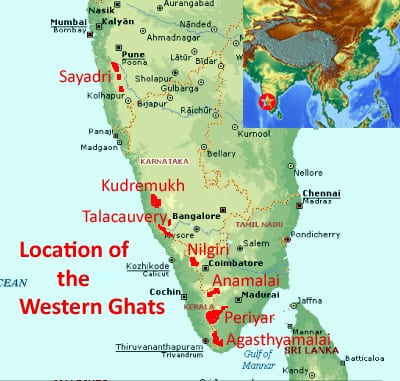
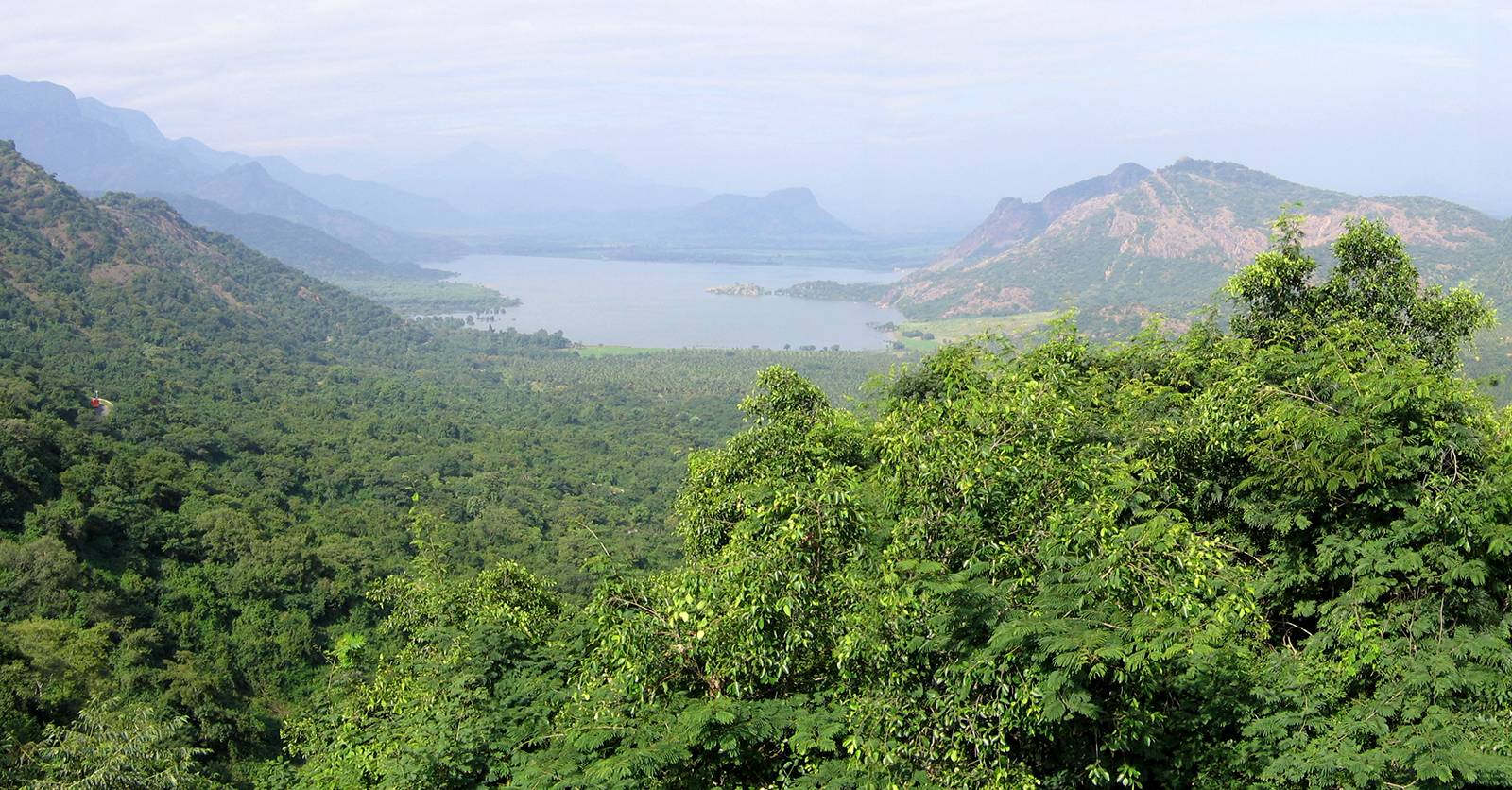
Western Ghats extends from the Nilgiris in the north to Marunthuvazh Malai at swamithope in Kanyakumari district in the south.Height of the Western Ghats ranges from 2,000 to 3,000 metres.It covers an area of about 2,500 sq.km.Though the western Ghats is a continuous range ,it has some passes.The passes are Palghat,Shencottah,Aralvaimozhi,and Achankoil.The Niligris,Anaimalai,Palani hills,Cardamom hills,Varusanadu,Andipatti and Agasthiyar hillls are the major hills of Western Ghats.

Nilgiri Hills

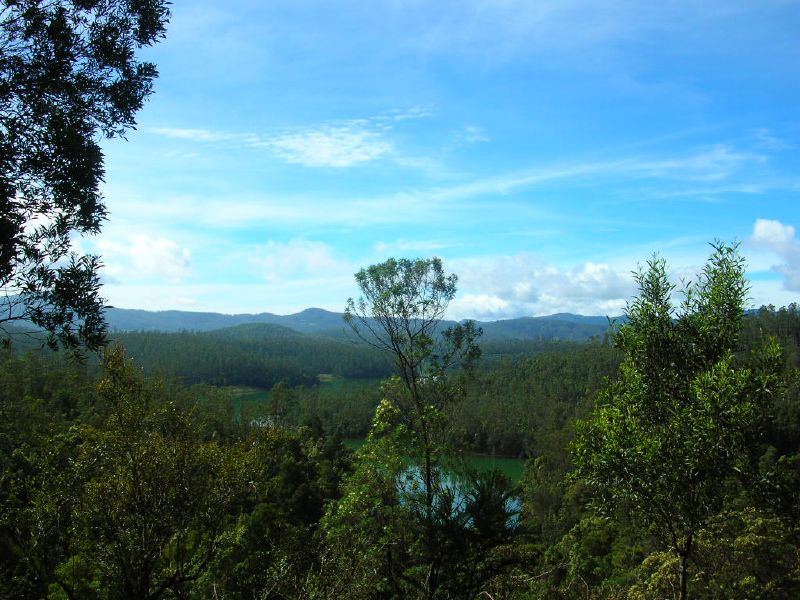
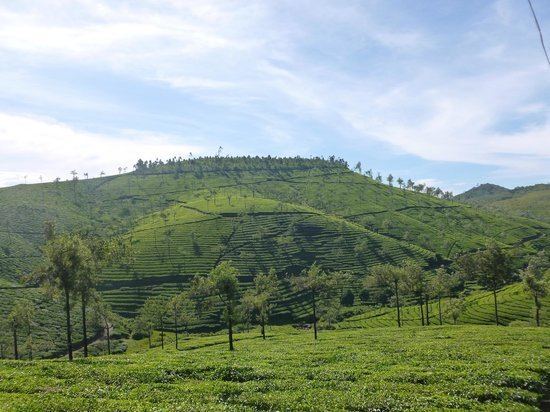
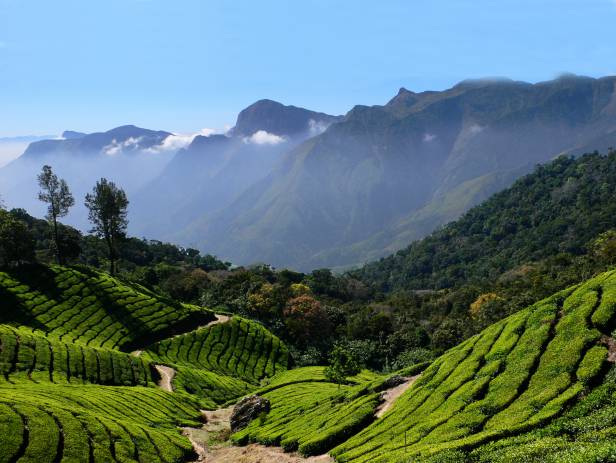
The Nilgiri hills is located in the Northwestern part of Tamil Nadu.It consists of 24 peaks with more than 2,000 metres height.Doddabetta is the Highest peak (2,637 m)of his hills followed by Mukkuruthi (2,554m).Ooty and Coonoor are the major hill stations located on his hills.It has more than 2,700 species of flowering plants and the state animal Nilgiri Tahr is found in this hill.Much of the Nilgiris natural montane grasslands and shrublands have been disturbed or destroyed by extensive tea plantations and cattle grazing.

Anaimalai Hills

Anaimalai is located in the border of Tamil Nadu and Kerala.It is located to the south of Palghat Gap.Anaimalai Tiger Reserve ,Aliyar Reserved Forest,Valparai hill station,Kadamparai hydroelectric power plant are located on this hills.Aliyar and Tirumurthy dams are located at the foothills of this range.

Palani Hills

Palani hills are the eastward extension of the Western Ghats.Except it’s Western part,these hills are located in Dindigul district.Vandaravu(2,533m)is the highest peak in the Palani hills.Vembadi shola (2,505m) is it’s second highest peak.The hill station of Kodaikanal(2,150 m)lies in the south central portion of the range.

Candamom Hills

These hills are also known as Yela Mala hills located in the southwestern part of Tamil Nadu.It acquires it’s name from the Cardamom spice,which is commonly grown here.Pepper and coffee are the other crops cultivated over the hills.They meet the Anaimalai hills in the northwest,the Palani hills in northwest and Varusunadu and Andipatti hills in southeast.

Varusanadu and Andipatti Hills

Another eastward extension of Western Ghats is Varusanadu and Andipatti hills.Megamalai (the highway mountain),Kalugumalai waterfalls are found on these hills.Srivilliputhur Grizzled squirrel wild life Sanctuary is located in the southern slope of these hills in Vittudhunagar district.Vaigai river and it’s tributaries orginate in this region.

Pothigai Hills

It’s major part lies in Tirunelveli district with its southern slope in the Kanyakumari district.Pothigai hills are called with different names such as the Shiva Jothi Paravah,Agasthiyar hills and southern Kailash.These hills feature richest biodiversity in the Western Ghats.This area is known for its rich evergreen forest, waterfalls and ancient temples.Kalakkad Mundanthurai Tiger Reserve is located in this region.

Mahendragiri Hills

This continues range is situated along the border of Kanyakumari and Tirunelveli districts and is a part of the southern range of the Western Ghats.Its average height is 1,645 m.ISRO propulsion Complex ,a text facility for Indian sapce Reserch Organisation’s launch Vehicles and satellite propulsion systems,is situated on the lower slopes of this mountain.

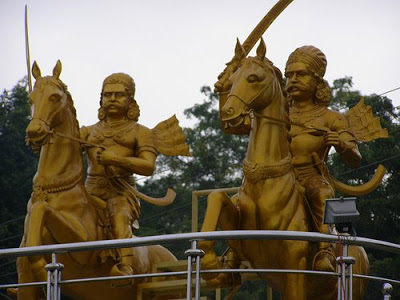
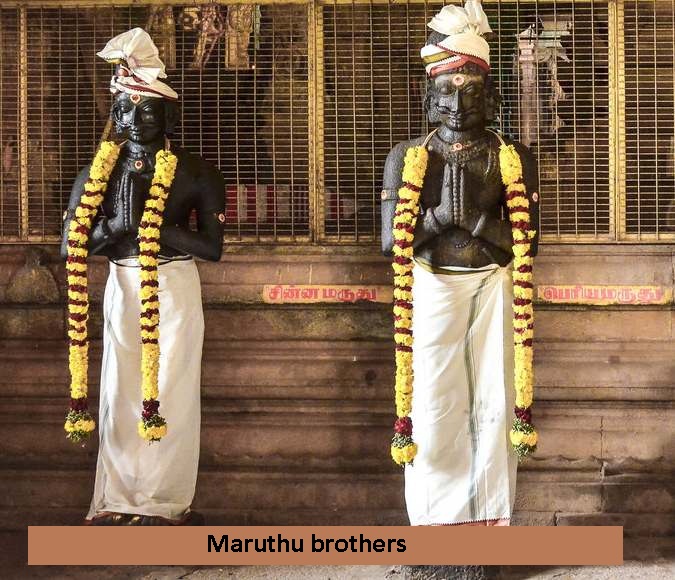
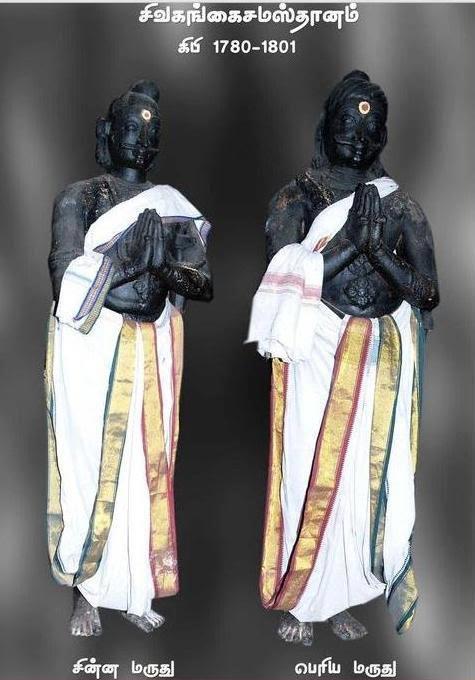
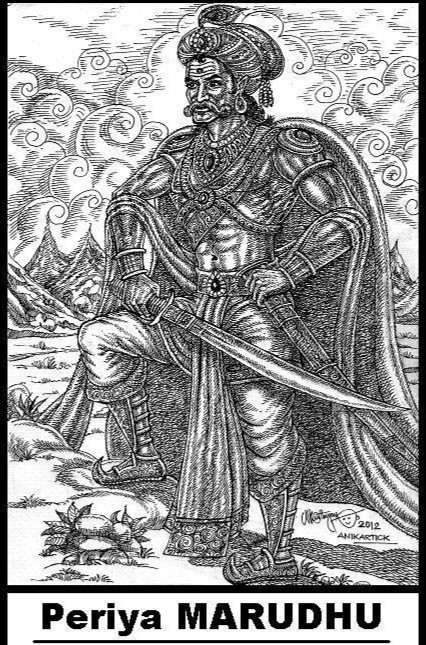
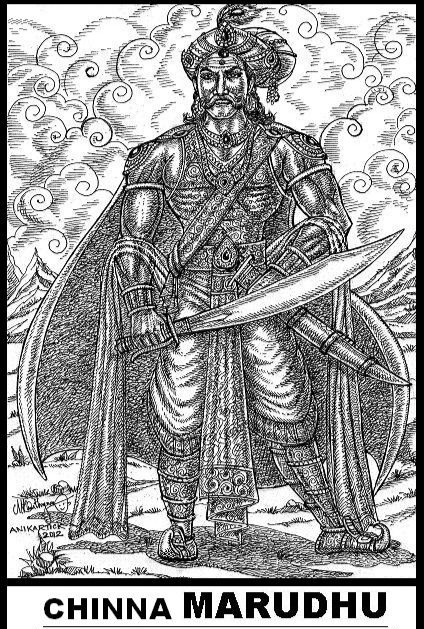
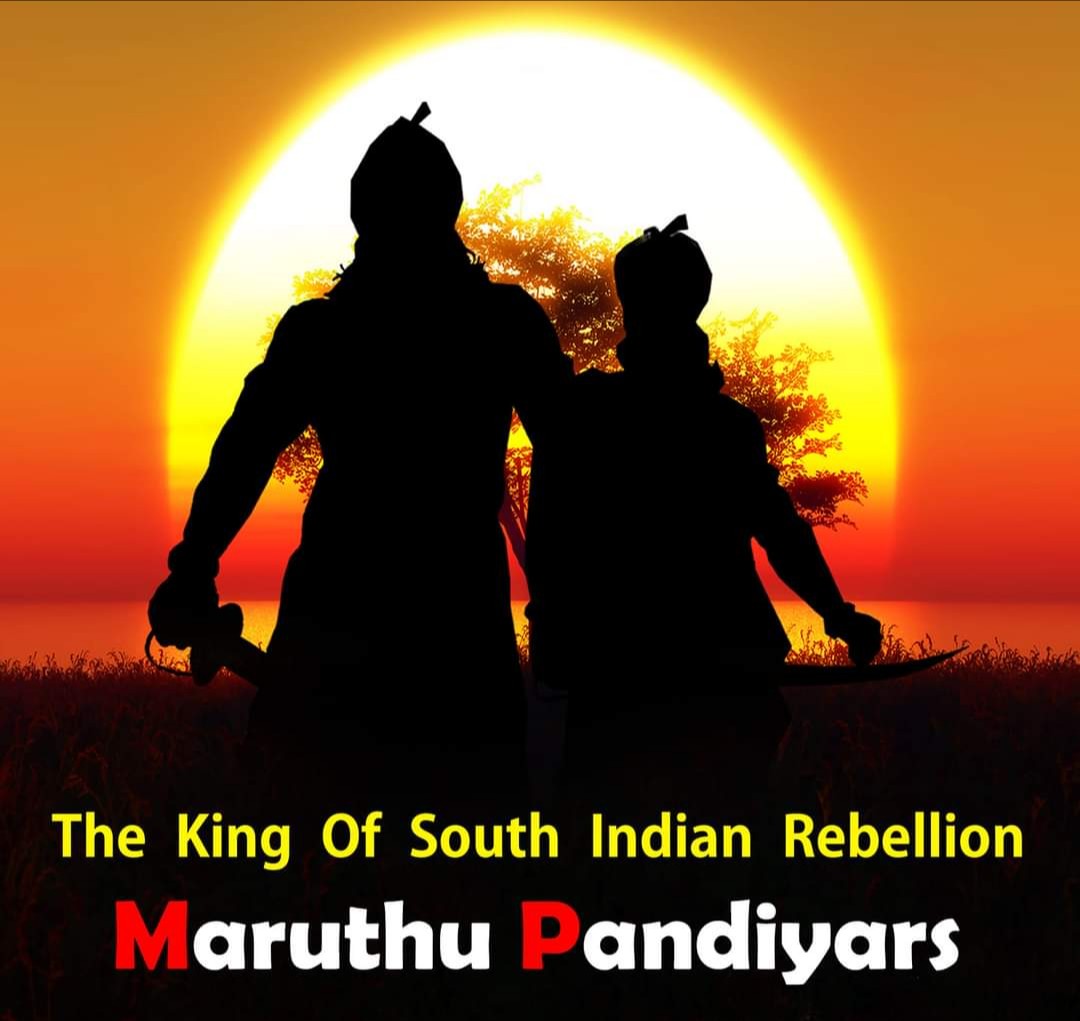
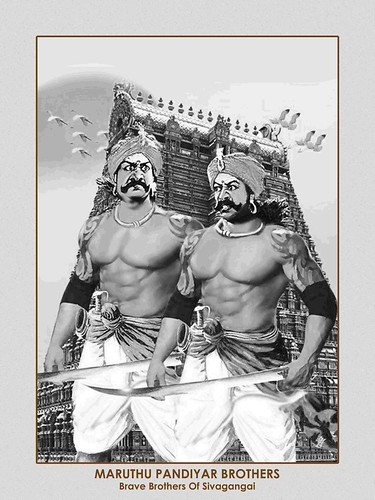
The Maruthu Brothers (Periya Maruthu &Chinna Maruthu)(1748-1753)

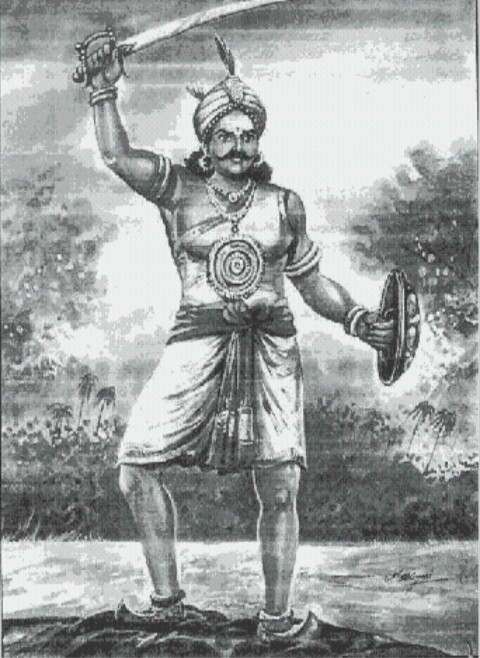
Periya Maruthu or Vella Maruthu (1748-1801) and his younger brother Chinna Maruthu (1753-1801)were able generals of Muthu Vadugar of sivagangai.After Muthu Vadugar’s death in the Kalaiyar Kovil battle Maruthu brothers assisted in restoring the throne to velunachiyar .In the last year’s of the eighteenth century Maruthu Brothers organised resistance against the British.After the death of Kattabomman,they worked along with his brother Oomathurai.They plunded the granaries of the Nawab and caused damage and destruction to company troops.

Rebellion of Maruthu Brothers (1800-1801)

Despite the suppression of Kattabomman’s revolt in 1799, rebellion broke out again in 1800.In the British records it is referred to as the second palayakkarar war.It was directed by a confederacy consisting of Maruthu Pandyan of Sivagangai,Gopala Nayak of Dindugal,Kerala Verma of Malabar and Krishnaappa Nayak and Dhoondaji of Mysore .In April 1800 they meet at Virupachi and decided to organise an uprising against the company.The uprising,which broke out in Coimbatore in June 1800,soon spread to Ramanathapuram and Madurai.The company got wind of it and declared  war on Krishnaappa Nayak of Mysore ,Kerala Varma of Malabar and othres.The Palayakkarars of Coimbatore,Sathyamangalam and Tarapuram were caught and hanged.In February 1801 the two brothers of Kattabomman,Oomathurai and Sevathaiah , escaped from the palayamkottai prison to Kamudhi,from where Chinna Maruthu took them to Siruvayal his Capital.The fort at Panchalamkurichi was reconstructed in record time.The British troops under Colin Macaulay retook the fort in April and the Maruthu brothers sought shelter in Sivagangai.The English demanded that the Maruthu pandyars hand over the fugitives (Oomathurai and Sevathaiah).But they refused.Colonel Agnew and Colonel Inners marched pandyars issued a Proclamation of Independence which is called Tiruchirappalli proclamation.

Proclamation of 1801

The proclamation of 1801 was an early call to the Indians to unite against the British, cutting across region ,caste ,creed and religion.The Proclamation was pasted on the walls of the Nawab’s palace in Tiruchirappalli fort and on the walls of the Srirangam temple .Many Palayakkarars of Tamil country rallied together to fight against the English.China Maruthu collected neraly 20,000 men to challenge the English army.British reinforcement were rushed from Bengal,Ceylon and Malaya .The rajas of Pudukottai, Ettayapuram and Thanjavur stood by the English split the forces of the palayakkarars soon.

Fall of sivagangai

In May 1801,the English attacked the rebels in Thanjavur and Tiruchirappalli .The rebels went to Piranmalai and Kalayarkoil.They were again defeated by the forces of the English.In the end the superior military strength and the able commanders of the English company prevailed.The rebellion failed and Sivagangai was annexed in 1801.The Maruthu brothers were executed in the fort of Tirupathur near Ramanathapuram on 24 October 1801.Oomathurai and Sevathaiah were captured and beheaded at Panchalamkurichi on 16 November 1801.Seventy -three rebels were exiled to Penang in Malaya.Though the Palayakkarars fell to the English,their exploits and sacrifices inspired later genarations .Thus the rebellion of Maruthu brothers,whish is called South Indian Rebellion,is a landmark event in the history of Tamilnadu.

Carnatic Treaty,1801

The suppression of the palayakkarars rebellions of 1799 and 1801-1801 resulted in the liquidation of all the local chieftains of Tamilnadu.Under the terms of the Carnatic Treaty of 31 July 1801,the British aasumed direct control over Tamilagam and the palayakkarar system came to an end with the demolition of all forts and disbandment of their army.

Revolt of puli Thevar 1755-1767

In March 1755 Mahfuzkhan (brother of Nawab of Arcot)was sent with a contingent of the company army under colonel Heron to Tirunelveli.Madurai easily fell into their hands.Thereafter colonel Heron was urged to deal with puli Thevar as he continued to defty the authority of the company.Puli Thevar wielded much influence over the western palayakkarars.For want of cannon and of supplies and pay to soldiers,colonel Heron abandoned the plan and retired to Madurai.Heron was recalled and dismissed from service.

Confederacy and Alliance with enemies of the British

Three pathan officers ,Nawab chanda sahib’s agents, named Miannah ,Mudimiah and Nabikhan Kattak commanded the Madurai and Tirunelveli regions.They supported the Tamil palayakkarars aganist Arcot Nawab Mohamed Ali.Puli Thevar had established close relationships with them.Puli Thevar also formed a confederacy of the palayakkarars to fight the British.With the exception of the palayakkarars of sivagiri,all other Maravar palayams supported him.Ettayapuram and panchalamkurichi also did not join this confederacy.Further ,the English succeeded in getting the support of the rajas of Ramanathapuram and pudukottai.Puli Thevar tried to get the support of Hyder Ali of Mysore and the French .Hyder Ali could not help Puli Thevar as he was already locked in a serious conflict with the Marathas.

Kalakadu Battle

The Nawab sent an additional contingent of sepoys to Mahfuzkhan and the reinforced army proceeded to Tirunelveli.Besides the 1000 sepoys of the company,Mahfuzkhan received 600 more sent by the Nawab.He also had the support of cavalry and foot soldiers from the Carnatic.Before Mahfuzkhan could station his troops near kalakadu ,2000 soldiers from Travancore joined the forces of Puli Thevar .In the battle at kalakadu ,Mahfuzkhan’s troops were routed.

Yusuf Khan and puli thevar

The organized resistance of the palayakkarars under puli Thevar gave an opportunity to the English to interfere directly in the affairs of Tirunelveli .Aided by the Raja of Travancore,From 1756 to 1763,the palayakkarars of Tirunelveli led by Puli Thevar were in constant state of rebellion against the Nawab’s authority.Yusuf Khan (also known as Khan sahib or, before his conversion to Islam,Marudhanayagam)who had been sent by the company was not prepared to attack Puli Thevar unless the big guns and ammunition from Thiruchirappalli arrived.As the English were at war with the French,as well as with Hyder Ali and Marathas ,the artillery arrived only in September 1760 .Yusuf Khan began to batter the Nerkattumseval fort and this attack continued for about two months .On 16 May 1761 Puli Thevar’s three major forts (Nerkattumseval,Vasudevanallur and Panayur) came under the control of Yusuf Khan.

In the meantime, after taking pondicherry the English had eliminated the French from the picture.As a result of this the unity of palayakkarars began to break up as French support was not forthcoming.Travancore ,seithur,uthumalai and surandai switched thier loyalty to the opposite camp.Yusuf Khan who was negotiating with the palayakkarars, without informing the company administration,was charged with treachery and hanged in 1764.

Fall of puli Thevar


After the death of Khan sahib ,Puli Thevar returned from exile and recaptured Nerkattumseval in 1764.However ,he was detected by Captain Campbell in 1767.Puli Thevar escaped and died in exile.

Rebellion of veerapandya kattabomman 1790-1799

Veerapandya kattabomman

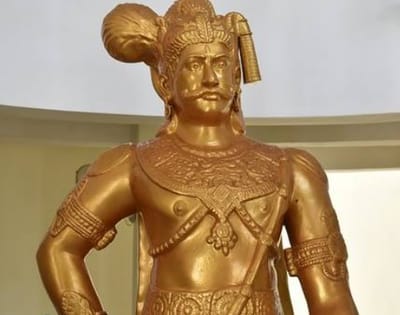
Veerapandya kattabomman became the palayakkar of panchalamkurichi at the age of thirty on the death of his father,Jagavira Pandya kattabomman.The company’s administrators James London and Colin Jackson ,had considered him a man of peaceful disposition.However ,soon several events led to conflicts between veerapandya kattabomman and the East India company.The Nawab under the provisions of a treaty signed in 1781,had assigned the revenue of the Carnatic to the company to be entirely under their management and control during the war with Mysore sultan.One-sixth of the revenue was to be allowed to meet the expenses of Nawab and his family.The company had gained the right to collect taxes from panchalamkurichi.The company appointed it’s collectors to collect taxes from all the palayams.The collectors humiliated the palayakkarars and adopted force to collect the taxes .This was the bone of contention between the English and kattabomman.

Confrontation with Jackson


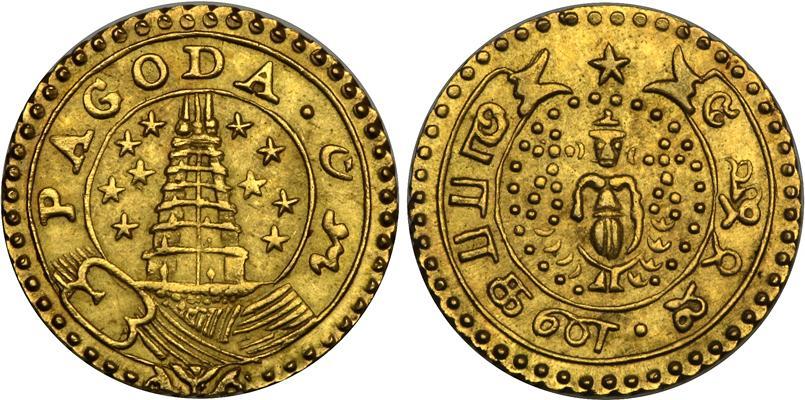
The land revenue arrear from kattabomman was 3310 pagodas in 1798.collector Jackson,an arrogant English officer, wanted to send an army to collect the revenue dues but the Madras government did not give him permission.On 18 August 1798,he ordered kattabomman to meet him in Ramanathapuram.But kattabomman attempts to meet him in between proved futile ,as Jackson refused to give him audience both in courtallam and srivilliputhur.At last,an interview was granted and kattabomman met Jackson in Ramanathapuram on 19 sep 1798.It is said that kattabomman had to stand for three hours before the haughty collector Jackson .sensing  danger , kattabomman tried to escape ,along with his minister sivasubramanianar.Oomaithurai suddenly entered the fort with his men and helped the escape of kattabomman .At the gate of the Ramanathapuram fort there was a clash ,in which some people including Lieutenant Clarke were killed.Sivasubramanianar was taken prisoner.

Appeance before Madras council

On his return to panchalamkurichi , kattabomman represented to the Madras council about how he was ill-treated by the collector about how he was ill-treated by the collector Jackson.The council asked kattabomman to appear before a committe with William brown , William Oram and John casamajor as members.Meanwhile,governor Edward Clive , ordered the release of sivasubramaniyanar and the suspension of the collector Jackson.kattabomman appeared before the committee that sat on 15 Dec 1798 and reported on what transpired in Ramanathapuram.The committee found kattabomman was not guilty.Jackson was collector S.R.Lushington appointed.kattabomman cleared almost all the revenue arrears leaving only a balance of 1080 pagodas

Kattabomman and the confederacy of palayakkarars

In the meantime ,Maruthu pandiyar of sivagangai formed the south Indian confederacy of rebels aganist the British,with the neighbouring palayakkars like Gopla Nayak of Dindigul and Yadul Nayak of Aanamalai .Maruthu pandiyar acted as it’s leader.The Tiruchirappalli proclamation had been made.Kattabomman from meeting the Maruthu Brothers .But Maruthu Brothers and kattabomman jointly decided on a confrontation with the English.Kattabomman tried to influence sivagiri Palayakkarars,who refused to join . Kattabomman advanced towards sivagiri.But the palayakkarars of sivagiri was a tributary to the company.So the company considered the expedition of Kattabomman as a challenge to their authority.The company ordered the army to march on to Tirunelveli.

The siege of panchalamkurichi

In May 1799,Lord Wellesley issued orders from Madras for the advance of forces from Tiruchirappalli,Thanjavur and Madurai to Tirunelveli.Major Bannerman commanded the troops .The Travancore troops too joined the British .On 1 sep 1799,an ultimatum was served on kattabomman to surrender.kattabomman’s “evasive reply “prompted Bannerman to attack his fort.Bannerman moved his entire army to panchalamkurichi on 5 September.They cut off all the communications to the fort.Bannerman deputed Ramalinganar to convey a message asking kattabomman to surrender.Kattabomman refused.Ramalinganar gathered all the secrets of the Fort,and on the basis of his report, Bannerman decided the strategy if the Operation.In a clash at kallarpatti , Sivasubramaniyanar was taken a prisoner.

Execution of kattabomman

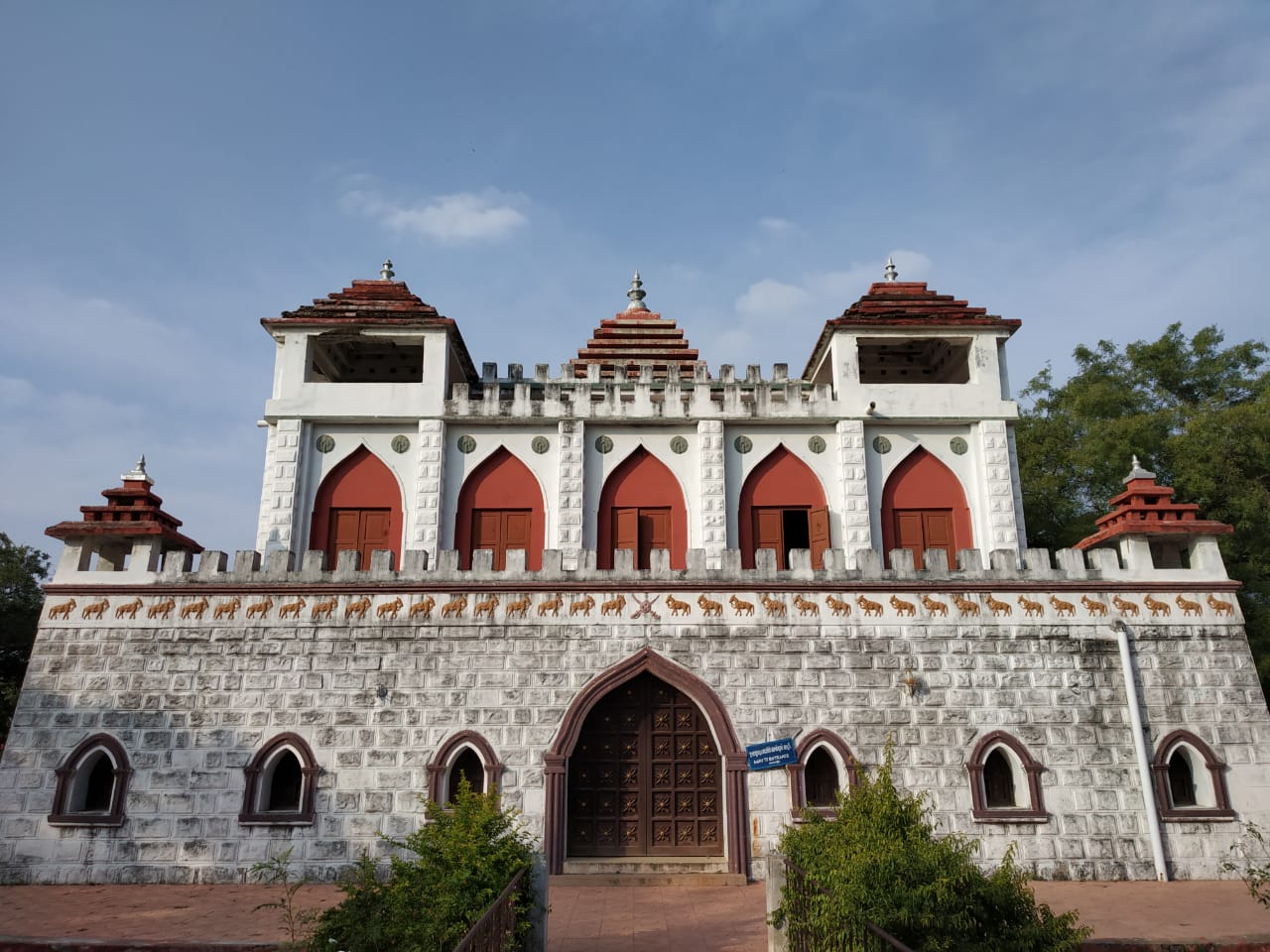
Kattabomman escaped to pudukottai .The British put a prize on his head . Betrayed by the rajas of Ettayapuram and pudukottai kattabomman was finally captured.Sivasubramanianar was executed at Nagalapuram on the 13 September . Bannerman made a mockery of a trial for kattabomman in front of the palayakkarars on 16 October.During the trial kattabomman bravely admitted all the charges levelled against him.Kattabomman was hanged from a tamarind tree in the old fort of Kayathar ,close to Tirunelveli,in front of the fellow palayakkarars.Thus ended the life of the celebrated palayakkarars of panchalamkurichi.Many folk ballads on Kattabomman helped keep his memory alive among the people.

Periyar E.V.Ramasamy

Periyar E.V.Ramasamy(1879-1973)was the founder of the self-respect movement.He was the son of a wealthy businessman in Erode,venkatappa and chinna Thayammal.Though possesing little formal education ,he engaged in critical discussions with scholars ,who used to be patronised by his devout father.As  a young man,he once ran away from home and spent many months in varanasi and other religious centers.The firsthand experience of orthodox Hindu religion led to his disillusionment with religion.On his return ,he took care of his family business for some years.His selfless public service and forthrightness made him a popular personality.He held different official positions of Erode that included the chairmanship of Municipal council(1918-1919).

In the context of the rise of the non-Brahmin Justice party after 1917,the Congress inducted non-Brahmin leaders such as Periyar and P.varadarajulu,at the initiative of C.Rajaji.Periyar resigned all the government positions to support the Non-cooperation Movement (1920-1922).He gave up his profitable business and became an active member of the Congress.He promoted khadi and sold it on the streets of Tamilnadu.He cut down 500 coconut trees in his farm to support the campaign for prohibition.He held the positions of secretary and president of the Tamilnadu congress committe.

As president of the Tamilnadu congress committe,Periyar proposed a resolution regarding the rights of “untouchables”to temple entry.In the name of “caste dharma”the “lower caste”people were denied access to the temples and the streets surrounding the temple .In vaikom(a town in the then princely state of Travancore and in present day Kerala),people protested against this practice.In the initial stages George Joseph of Madurai played big role.After the local leaders were arrested Periyar led the movement and was imprisoned.people hailed him as vaikom virar(Hero of vaikom).In the meaning,he was disturbed by the caste-based discrimination in the dining hall at the Cheranmadevi gurukulam (school),which was run by V.V.Subramaniam (a congress leader)with the financial support of the Tamilnadu congress committee.periyar was disappointed when, despite his objections and protests against this discrimination,the Congress continued to support the iniquitous practice in the gurukalam.

Periyar was keen on the introduction of reservation in representative bodies such as the legislative council for non-Brahmins .He wanted to pass the resolution in the annual conference of the Tamilnadu congress committee in 1925 at its Kanchipuram session but in vain.The congress’s inability in addressing these concerns made him quit the Congress in 1925.Following his disillusionment,Periyar started the self-respect movement in 1925.

Periyar understood the relevance of mass communication in spreading rationalist thought.He started a number of newspapers and journals such as kudi Arasu (Democracy)(1925),Revolt(1928)Puratchi(Revolution)(1933),Resolt(1928),Puratchi (Revolution)(1933),paguththarivu(Rationalism)(1934),and viduthalai (Liberation) (1935).kudi Arasu was the official newspaper of the self-respect Movement.It brought out the multiple voices and ideas of Non-Brahmins ,women and religious minorities.usually,Periyar wrote a columns under the pseudonym of chitraputtiran.

Over the years ,Periyar visited many countries and interacted with intellectuals all over.He visited Singapore and Malaya (1929-1930,1954),Egypt,U.S.S.R.(modern Russia),Greece ,Turkey ,Germany, England,spain, France and Portugal(1931-32),and Burma (1954 to attend the 2500th birth Anniversary of the Buddha).His experience of traveling in the Soviet union and Europe carried Periyar towards socialist ideals.Periyar had a close relationship with singaravelar who is considered the first communist of South India and a pioneer of Buddhism.In 1936,Periyar got Dr.B.R.Ambedkar’s Annihilation of caste translated into Tamil immediately after it was written.He also supported Ambedkar’s demand for separate electorates for scheduled castes.

In 1937,in opposition to the Rajaji’s government’s move to introduce compulsory Hindi in schools ,he launced a popular movement to oppose it.The anti-Hindi agitation (1937-39)had a big impact on Tamilnadu’s politics.periyar was imprisoned for his role in the movement.when he was still in jail,Periyar was elected the president of the justice party.Thereafter the justice party merged with the self-respect movement.It was rechristened as Dravidar Kazhagam (DK)in 1944.

Rajaji,the chief Minister of Madras state (1952-54),introduced a vocational education programme that encouraged impacting school children with training in tune with their fathers occupation.Periyar criticised it as kula kalvi Thittam (caste-based education scheme)and opposed it tooth and nail.His campaigns against it led to the resignation of Rajaji.K.Kamaraj became chief Minister of the Madras state.periyar died at the age of ninety four.His mortal remains were buried at Periyar Thidal,Madras.