EduPub (Edupedia Publications Pvt Ltd) is a company dedicated to the development of the education, learning, research and innovation in the field of the research and books publication. We are pioneer in providing wide range of services to educational institutions, government agencies, individuals and corporates in the field of training and education, research and development, research and innovation. research and publication.
Learning a new language often considered as really tough task, but is it true? Maybe for some, but the real truth is if followed right resources and direction is definitely an task to do so. So for this here are some tips that might help you.
1) Know about the language that you are going to learn
By writing this I mean one should know what language is he or she going to learn. If you have clear idea of what actually you are going to learn will help you to set almost perfect goals which will ultimately help you to do what you want.
2) Set goals
Setting goals to learn a new language will help you to go far and keep yourself ahead. Goal setting should be done after being familiar by the subject.
3) Set small goals
Setting small goals will help you to complete your work on given time. Setting small goals will also help you to analyse yourself and keep your records on track.
4) Analyse yourself
Analysing is an art if done properly will take you way to far. Whenever do things do them on time and analyse what mistakes you make or what are the problem that you have encountered.
5) Challenge yourself
This part will help you to grow. grow beyond your limits. But one thing to keep in mind while doing so is do not challenge yourself more than what will harm you. Doing this in moderation will definitely help but if done excessive will also harm.
6) Use the language as frequently as you can
If you do so it will help you to retain things faster. It will also help you to clear your vocabulary and pronunciation and also will help you to keep everything you learn stored in your brain for a long time.
7) Test yourself
At the end complete your learning and test your self this will help you to know how much you have learn about the language.
Hope you will like my blog follow the steps and go ahead. Happy learning!
Lucid dreams occur when you are aware that you are dreaming while sleeping.You’re aware that the events that are flashing across your mind aren’t genuine. However, the dream is vivid and real. You could even be able to guide the action in your sleep, as if you were directing a movie. According to studies, roughly half of all adults have had at least one lucid dream. However, they are unlikely to occur frequently, usually only a few times per year.
Lucid dreams are most common during rapid eye movement (REM) sleep, which is characterised by rapid eye movement, faster breathing, and increased brain activity. About 90 minutes after falling asleep, you normally enter REM sleep. It lasts approximately ten minutes. Each REM cycle lasts longer than the one before it, eventually reaching an hour.
Lucid Dreams Research
Neuroscientists are baffled as to how and why lucid dreams occur. They do, however, have some suggestions. For one instance, research have discovered physical differences in the brains of those who have lucid dreams versus those who don’t. People who have lucid dreams have a larger prefrontal cortex, which is responsible for high-level processes such as decision-making and memory recall. That shows that people who are most prone to have lucid dreams are self-reflective individuals who ruminate on their own thoughts. In a tiny study conducted in Germany, individuals’ brain electrical activity was monitored as they slept. According to the findings, lucid dreaming may be a kind of “in-between state” in which you aren’t entirely awake but also not fully sleeping. Some sleep researchers believe that lucid dreams can occur outside of REM sleep, which was previously regarded to be the only moment when people dreamed.
Benefits of Lucid Dreams
Lucid dreams may assist your waking life by providing advantages such as:
– Less Anxiety: There is less anxiety. The sense of control you experience during a lucid dream may linger and make you feel powerful. You can mould the tale and the finale after you realise you’re in a dream. This could be used as a form of treatment for people who suffer from nightmares, teaching them how to manage their dreams.
– Better motor skills: Some research suggests that by “practising” in a lucid dream, you might be able to improve simple things like tapping your fingers faster. Whether you visualise the actions while awake or run through them in a lucid dream, the same area of your brain becomes engaged.
– Improved Problem-solving skills: Researchers discovered evidence that lucid dreams can assist people address difficulties involving creativity (such as a disagreement with another person) rather than reasoning (such as a math problem).
– Increased creativity: Some participants in lucid dream studies were able to generate new ideas or insights, sometimes with the assistance of characters in their dreams.
Dangers of Lucid Dreams
Lucid dreaming can lead to a variety of issues, including:
– Sleep deprivation: Vivid dreams might wake you up and make it difficult to fall back asleep. And if you’re too concentrated on lucid dreaming, you can have trouble sleeping.
– Confusion, delirium, and hallucinations: Lucid dreams can cause confusion, delirium, and hallucinations in people with certain mental health problems.
1. Contains Healthy Bioactive Compounds: Green tea is more than just a drink that keeps you hydrated. The green tea plant has a variety of beneficial substances that make their way into the finished beverage. Tea is high in polyphenols, which are natural substances with health advantages such as inflammation reduction and cancer prevention. Epigallocatechin-3-gallate is a catechin found in green tea (EGCG). Catechins are natural antioxidants that aid in the prevention of cell damage as well as providing other advantages. These chemicals can protect cells and molecules from damage by reducing the generation of free radicals in the body. These free radicals contribute to ageing and a variety of ailments. One of the most potent components in green tea is EGCG. Its ability to assist treat a variety of ailments has been studied. It appears to be one among the key chemicals responsible for the therapeutic benefits of green tea. Green tea also contains trace minerals that are beneficial to your health.
2. Increases Fat Burning: If you look at the ingredients list of any fat-burning supplement, you’ll almost certainly see green tea. This is because green tea has been shown to increase fat burning and metabolic rate in studies. Green tea extract boosted the quantity of calories burnt by 4% in a research involving ten healthy men. Green tea extract boosted fat oxidation by 17 percent in another study involving 12 healthy males when compared to those who took a placebo.
However, some research on green tea have found no increase in metabolism, suggesting that the effects may vary depending on the individual and how the study was conducted.
3. May Protect The Brain From Aging: Green tea has been shown to increase brain function in the near term as well as protect the brain as it ages. Alzheimer’s disease is a widespread neurological illness that is the leading cause of dementia among seniors. Another prevalent neurodegenerative disease is Parkinson’s disease, which is characterised by the death of dopamine-producing neurons in the brain. Green tea catechin chemicals have been shown in several studies to have diverse protective effects on neurons in test tubes and animal models, potentially lowering the incidence of dementia.
4. May Improve Brain Function: Green tea may assist increase brain function in addition to keeping you alert. Caffeine, a well-known stimulant, is the main active component. It doesn’t have as much caffeine as coffee, but it’s enough to elicit a response without generating the jittery affects that come with too much caffeine. Caffeine impacts the brain by inhibiting adenosine, an inhibitory neurotransmitter. This enhances neuronal activity and neurotransmitter concentrations such as dopamine and norepinephrine. Caffeine has been found in studies to increase mood, vigilance, response time, and memory, among other aspects of brain function.
5. Antioxidants May Lower the Risk of Some Cancer: Cancer is a disease caused by uncontrolled cell development. It is one of the major causes of death in the world. Oxidative damage has been linked to chronic inflammation, which has been linked to chronic diseases such as cancer. Antioxidants can aid in the prevention of oxidative damage. Green tea is high in antioxidants and is a great source of them. Green tea components have been associated to a lower risk of cancer in studies such as these:
Breast cancer: Breast cancer is a disease that affects women. According to a meta-analysis of observational studies, women who drank more green tea had a 20–30 percent lower risk of breast cancer, one of the most frequent diseases in women.
Prostate cancer: Prostate cancer is a disease that affects men. Men who drank green tea had a decreased chance of advanced prostate cancer, according to one study.
Colorectal cancer: Colorectal cancer is a type of cancer that affects the colon. Green tea drinkers were 42 percent less likely to acquire colorectal cancer, according to a review of 29 research.
Green tea users are less likely to acquire numerous types of cancer, according to many observational studies, but more high-quality research is needed to corroborate these findings.
Avoid adding milk to your tea to obtain the maximum health advantages. According to certain research, it may lower the antioxidant value of various teas.
Scientists have several ideas why humans can high-five each other instead of, say, high four or high six. One theory suggests four fingers and a thumb on each hand are the perfect number and length to grip objects firmly. (Another study suggests we can gasp most things with just our thumb and index finger if necessary ; the other four fingers are spares).
The process of evolution determined the most beneficial number of fingers and toes for our survival. Pandas, after all, have thumblike digits to help them grasp bamboo shoots, while some birds have quadruple digits for perching and tucking away during flight. Occasionally, babies are born with extra fingers and toes (a condition known as polydactyly), but those additional digits have never offered enough of an edge to survive to later generations. In other words, evolution determined that five fingers per hand are just right for humans.
Why do we have thumbs?
Having no thumbs would make you all thumbs, fumbling to tie your shoes or assemble a hamburger. (Don’t believe us? Tape one of your thumbs against the side of your hand and see how hard life becomes). We inherited a fully “opposable” thumb named for its ability to close tip-to-tip against our other fingers – grom our primate ancestors around two million years ago. These ancient relatives needed handier hands to help get a grip on simple tools. So give a thumbs – up to your thumbs. So give a thumbs – up to your thumbs. They are the main reasons you can text with one hand and build a burger without fumbling the bun.
Do other animals have thumbs beside us?
Lots of them, although the exact number depends on your definition of “thumbs”. Apes and many monkeys have opposable thumbs just like us, while smaller primates, pandas, and koalas have thumblike digits and claws that help them grip plants and prey.
Why do we have fingerprints?
Those whirls, swirls, loops, and arches on your fingertips (and toes, in case you didn’t know) are hnique to you – even if you have an identical twin – and they remain unchanged throughout your entire life. In fact, the faint ridges known as fingerprints form before you have ever born. Fluids in the womb put pressure on your developing digits, which, combined with your rate of growth and genetic makeup, create one-of-a-kind designs.
Okay, but why do we have fingerprints?
Ah, you want to know the point of those fingertip designs ( well, besides incriminating crooks who forget to wear gloves). Scientist have put forth all sorts of possible reasons. Fingerprints might magnify the hand’s ability to detect vibrations, for example, or improve our sense of touch. They also might work like tyre trying to help They also might work like tire treads to help us grip objects.
Why do my fingers wrinkle when we’ve been swimming?
You might think that playing in the pool or soaking in the tub makes your fingertips and toes waterlogged and soggy. Not so ! The prune effect is caused by blood vessels bringing just below the skin – an automatic reaction triggered by your nervous system when it senses long exposure to water. Scientists think people evolved this reaction to improve their grip and traction in wet environments. After all, pruny fingers make it easier to snag slippery fish.
Why can we pop our knuckles?
When you move or bend your fingers, you occasionally squeeze tiny air bubbles that form in the protective fluid around your body’s joints.Those poping bubbles create an audible crack.
” stethoscope is only jewellery that can’t be earned by money. It can only be earned by passion and hard work “
A stethoscope is used to hear the heart beats sounds, sound due to inhalation and exhalation of air in the lungs and the respiratory pathways and also the stomach movements. It is a very useful diagnostic tool to help localize problems and to diagnose disease.
Stethoscope are also used along with the sphygmomanometer. The first usable binaural stethoscope was invented in 1855.
The modern electronic stethoscope are high precisioned instruments. These can be used to hear a patient’s heart and lungs clearly even in high noisy environments and even through layers of clothing.
The electronic stethoscope also make it possible to hear the foetal sounds in mother’s womb.
Uses
☆ Stethoscope helps in find normal (lub-dub) versus abnormal heart sounds ( heart murmurs) and also to diagnose valve functions.
☆ Stethoscope can indicate fluid in lungs in case of pneumonia and pulmonary edema. It can diagnose airway diseases like bronchitis and pleuritis.
☆ Stethoscope are also used to compare the movements in the normal versus overactive or underactive intestinal tract.
Life is an unpredictable and a rollercoaster journey where everything might be seem sorted but still can mess up thereafter. You might be chilling in one second but in another second you can be in a huge trouble you haven’t think of. This is what life is. It is full of craziness, happiness, sadness, surprises, adventures and much more. It is a bundle of joy for one but can be a sad and painful story for another because they all have their different experiences. But you should enjoy every moment of your life before it turns into a memory. As it is said, ” YOU ONLY LIVE ONCE ”. Live your life to the fullest. So there are some interesting facts about life you should know-
1- HUMANS ARE THE ONLY ANIMALS THAT ENJOY SPICY FOODS – Only humans are the creatures who enjoy spicy foods, no other creature enjoys it.
2- When you die, there are companies that will turn your ashes into fireworks so you can literally ” Go out with a bang ”.
3- It is impossible to hum while holding your nose.
4- It rains diamonds on Saturn and Jupiter.
5- ” I am ” is the shortest complete sentence in the English language.
6- There are at least 6 people in the world who look exactly like you. There is a 9% chance that you’ll meet one of them in your lifetime.
7- The Mona Lisa has no eyebrows.
8- People say ”Bless you” when you sneeze because when you sneeze, your heart stops for a millisecond.
9- Honey is the only food that doesn’t spoil. It can be tasted and added in food for years and years.
10- The name of all the continents end with the same letter that they start with.
11- It is impossible to lick your elbow.
12- Hot water will turn into ice faster than cold water.
13- The average person walks past 36 murderers in their lifetime.
14- A different version of you exists in the minds of everyone who knows you.
15- 99% of people who read this will try to lick their elbow.
These are some amazing facts you would want to hear and definitely enjoy it. It’s just short and simple facts but very interesting ones.
Life isn’t a bed of roses. Rather it is like a rose garden filled with thorns along with roses. Our lives too have thorns. Each and every one of us come across various kinds of struggles in life. Most of the time we view these struggles as barriers instead of taking them up as an opportunity for something better. God decided to add struggle in our lives for a reason. If the Almighty wished, our lives could have been made without any problems or struggles but eventually, it will cripple us.
Our life is just like the night sky. We find the night sky the most beautiful because of those beautiful stars shining brightly out there. Imagine trying to search those stars during the day.
When you read or hear that stars can’t shine without darkness, it means that without bad things happening in your life, you would not realize what the good ones are. It is when you are only going through dark days that you know what you capable of. Life doesn’t end; it’s rather a new beginning.
How could you ever understand feeling good from feeling bad, if you only know the good all the time? What lessons could you learn? Is there a specific reason why disaster strikes?
Life is so that every so often tragedy strikes. It frequently is when you think everything is going great that your world tumbles down. Yet, the best way to look at dark times is to understand that there are no endings but only new beginnings. So, without darkness, there is no light.
Wherever you look, everything has an opposite in this universe. So, no matter how much you want only great things to happen to you and be happy go lucky all the time, life does not work that way. It is persistently made of ups and downs and highs and lows. But adverse life events always bring a possibility for you to grow, change and be better.
Look at the Bright Side
In our lives, when we are going through difficult moments, it is true that we have a tendency to more easily focus on all the negative things that are going on. But one day, the rain will stop falling, and a rainbow will take its place. So, it is the reason why you need to remember that stars can’t shine without darkness.
If there were no way to distinguish happiness, you would not be happy because you would not know what it is. Whenever you are going through an unfortunate circumstance, it is what is going wrong that hits you harder than the rest. And it is only human to have such feelings.
But if you decide to sit and wallow about your situation, then you will only prolong the pain. You should look and focus on the positive events in your life. No matter how small they are. The stars would not shine as brightly if there were not some darkness. Think about that!
Stars Can’t Shine Without Darkness
Easy is not an option. Life is hard at times. But we can all agree that theoretically speaking; stars can’t shine without darkness. You could not enjoy the warmth of the summer if there were no cloudy skies and cold winters. There can’t be any music without silence. Therefore, there is also no success without failure in life.
Yet, everyone thinks that failure is a step backward, but it is not true. I believe that each failure is a step forward in the right direction. I know it can be uneasy, but shining in the darkness is the thing that you should do when you are in the midst of a trial or misfortune in your life. It is like looking at a picture and seeing the good times in between the bad ones.
So, let’s take a different perspective for an instant. What if your same negative life event happens to someone else than you? You would see how different they would act or react. Some people would handle it better while some not. Why? Because it is how you define your reality, and everything that happens to you, that determine your reaction to the situation at hand.
Darkness, Stars, and Light
As a result, what is happening right now in your life is not happening to you as a result of chance. Your past experiences, beliefs, and consciousness have helped to create it. Believe it or not, your current situation has its causes and roots in the past.
Let’s consider this realistic analogy: When you look up into the night sky and see the stars, what you actually see is the past because some of those bodies may no longer exist. It is possible because stars are hundreds and thousands of light years away. The meaning is that it takes their light, traveling at 300,000 kilometers or 186,000 miles per second, hundreds or thousands of years to reach the earth.
Therefore, the bright light you see from a star a hundred light years away is actually a light it emitted a hundred years ago. That particular star could have exploded and disintegrated twenty-five years ago, but you would still see its light, and continue to see it for another seventy-five years, even though it has long ceased to exist.
The Power to Make a Difference
So, what I am trying to say is that you create your life by your perception of reality. And there is an opportunity in every difficulty. If something bothers you, then you need to take a look at what beliefs you have deep inside. Once you identify the wrong ones, you have the power to change and replace them. Then you can embrace the magical power of a different life.
And that is why you should look at everything in your life as an opportunity. It helps you show what you can do, not only to others but yourself as well. How would you ever know what you can truly handle until it is placed before you? But if you are pessimistic, you won’t know what you are really capable of. And if you are too realistic, you may never discover what life has in store for you.
So, enter each life situation with your eyes wide open, but always be optimistic no matter what. You have no better choice. Then allow life to happen to you in miraculous ways and know that there is always light at the end of the tunnel. Stay strong and shine the brightest. And always treasure each experience you have because , just like you, stars can’t shine without darkness.
There are many little ways to enlarge your child’s world. Love of books is the best of all!”- Jacqueline Kennedy
Books are a useful resource that provide a wealth of information, as well as insights into a happy existence, life lessons, love, prayer, fear, and a wealth of useful advice. Books provide access to a world of inventiveness, resourcefulness, and invention. Stories are an important aspect of our life since they tell us about our history, mythology, beliefs, goals, future prospects, and so on. Books can become a person’s dearest friend, staunch supporter, and life advisor.
Early reading offers several advantages and is essential for a child’s mental and emotional development. The development of critical thinking skills is one of the major advantages of instilling the habit of reading. Reading books broadens your knowledge, improves your inventiveness, expands your vocabulary, and makes you wiser in general.
Neurological
The importance of a child learns faster in the early years than at any other period in their lives. When parents converse, sing, and read with their children, the child’s brain cells strengthen as new connections are formed. And learning to read has a significant impact on the development of a child’s cognitive ability.
Educational
Reading is important in the early years since it contributes to a child’s academic achievement and instils a lifetime love of learning. Strong oral language abilities lead to increased general knowledge and linguistic command. It may be easier for them to learn and speak numerous languages. They have stronger focus and concentration, as well as longer attention spans. Reading helps the brain to think in a similar sequential chronicle pattern, and thus spends more time on developing a storey rather than racing through each detail, due to the sequential chronicle pattern of most books — a beginning, middle, and finish. Children who read grow more adept at grasping what they’re reading and have also been shown to be better listeners. It’s fascinating to learn that early readers don’t just become lifetime readers; they also become lifelong leaders.
Psychological
A child who learns to read at a young age demonstrates independence and composure. Reading fosters maturity and discipline, as well as a sense of wonder about the people, places, and things in their environment. As a result, the child’s creativity and imagination are sparked. When a youngster chooses to sit and read, he or she is able to channel his or her physical energy. Reading has been connected to creativity on numerous occasions.
Linguistic
The earlier children learn to read, the more books they will be exposed to, which will help them gain knowledge, improve their vocabulary, writing and spelling skills, and make them more articulate conversationalists and successful communicators. Reading Aloud together is the most crucial step in preparing a kid to become a reader. Reading aloud to youngsters can help them build literacy skills and a lifelong love of reading. Everyone enjoys reading aloud because it is participatory, sensory, and thrilling. Sharing a book with a youngster is enjoyable because it allows you to spend time together, laugh, and discuss. It assists in the development of a strong and loving bond with the child.
It’s a simple approach to communicate with children, and they pick up new vocabulary and linguistic abilities as a result. A child’s attention is held by books with illustrations and age-appropriate language. Reading time is made more engaging and fun by using hilarious accents and diverse facial expressions. Voices could be thunderous or as faint as a mouse.
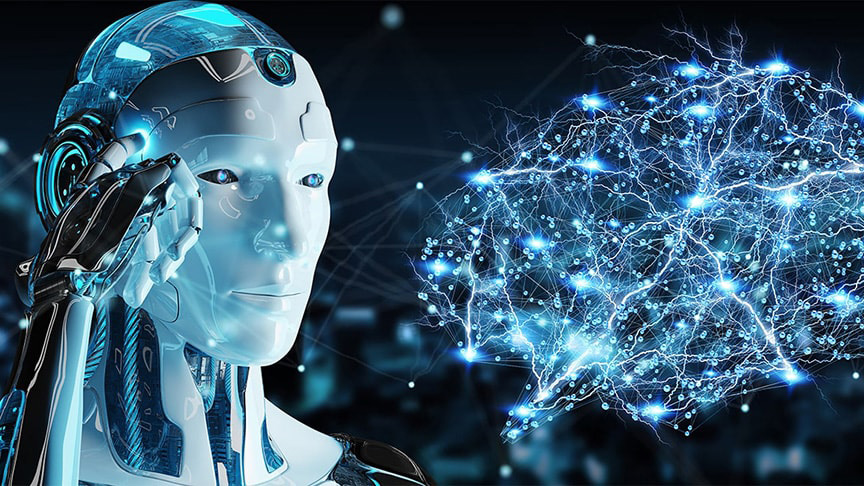
When it comes to the possibilities and possible perils of artificial intelligence (AI), learning and reasoning by machines without the intervention of humans, there are lots of opinions out there. Only time will tell which one of these quotes will be the closest to our future reality. Until we get there, it’s interesting to contemplate who might be the one who predicts our reality the best.
“The development of full artificial intelligence could spell the end of the human race. It would take off on its own, and re-design itself at an ever-increasing rate. Humans, who are limited by slow biological evolution, couldn’t compete, and would be superseded.”— Stephen Hawking
Will computers eventually be smarter than humans?
Everyone is talking about artificial intelligence (AI) – in the media, at conferences and in product brochures. Yet the technology is still in its infancy. Applications that would have been dismissed as science fiction not long ago could become reality within a few years. With its specialty materials, the Electronics business sector of Merck is contributing to the development of AI.
HOW SMART ARE YOU?
Who’s smarter — you, or the computer or mobile device on which you’re reading this article? The answer is increasingly complex, and depends on definitions in flux. Computers are certainly more adept at solving quandaries that benefit from their unique skill set, but humans hold the edge on tasks that machines simply can’t perform. Not yet, anyway.
Computers can take in and process certain kinds of information much faster than we can. They can swirl that data around in their “brains,” made of processors, and perform calculations to conjure multiple scenarios at superhuman speeds. For example, the best chess-trained computers can at this point strategize many moves ahead, problem-solving far more deftly than can the best chess-playing humans. Computers learn much more quickly, too, narrowing complex choices to the most optimal ones. Yes, humans also learn from mistakes, but when it comes to tackling the kinds of puzzles computers excel at, we’re far more fallible.
Computers enjoy other advantages over people. They have better memories, so they can be fed a large amount of information, and can tap into all of it almost instantaneously. Computers don’t require sleep the way humans do, so they can calculate, analyze and perform tasks tirelessly and round the clock. On the other hand, humans are still superior to computers in many ways. We perform tasks, make decisions, and solve problems based not just on our intelligence but on our massively parallel processing wetware — in abstract, what we like to call our instincts, our common sense, and perhaps most importantly, our life experiences. Computers can be programmed with vast libraries of information, but they can’t experience life the way we do.
Some of that’s rethinking how we approach these questions. Rather than obsessing over who’s smarter or irrationally fearing the technology, we need to remember that computers and machines are designed to improve our lives, just as IBM’s Watson computer is helping us in the fight against deadly diseases. The trick, as computers become better and better at these and any number of other tasks, is ensuring that “helping us” remains their prime directive.
The important thing to keep in mind is that it is not man versus machine. “It is not a competition. It is a collaboration.”
Snake are deadliest animal. Whenever one encounters it many get hurt or you can easily say they are dangerous to humans. They have aggressive nature. They are very dangerous especially for rural area people’s. There are estimated 3,500 snake species out of which 600 are venomous. Their estimated yearly attacks ranges from 53 lakhs to 54 lakhs, out of which more than 1 lakh people die due to their attack.
1) Inland Taipan
They are also known as fierce snake. They has the most toxic venom in the world. The average quantity venom give by this snake is 44mg while the most given is 110mg, which is enough to kill 100 people. Its venom consists of neurotoxins, Hemotoxins (procoagulants) affecting the blood, myotoxin affecting the muscles, nephrotoxins affecting the kidneys and hemorrhaggins causing hemorrhage. Its venom paralysis the body and cause hemorrhage. It is found in Australia.
2) Dubois sea snake
Dubois sea snake is also known as reef shallow sea snake. It is a species of venomous sea snake. Adult sea snake grows upto 4.86ft but usually grow upto 2.6ft. It is most venomous sea snake and one of the top three most venomous snakes in the world. The venom is lethal and contains neurotoxin that act on the nerve cell, myotoxins acting on muscles. The venom of this snake paralysis the respiratory system which ultimately cause death of the person. They feed on fish and swallow the whole fish. True incident of sea snake bite has not been recorded but they might have caused bite in rural area where taking record might not be possible. They are not aggressive but can bite if feel threatened or surprised. Fisherman’s are more likely to get trapped in their bites often when they try to remove them from fishing net. They are found in Australia, and some parts of Indian Ocean and Timor sea.
3) Eastern brown snake
Eastern brown snake or also known as common brown snake. This snake is highly venomous snake in the family Elapidae. Adult eastern brown snake goes upto 2m or 7ft. The venom of the snake mainly affects the circulatory system, coagulopathy, hemorrhage, cardiovascular collapse and cardiac arrest mainly the death occurs due to cardiac arrest. And one of the main components of venom is prothombinase which breaks down prothrombin. It is responsible for about 60% of snake bite death in Australia. They are native to eastern and central Australia and southern New Guinea.
4) Black mamba
Black mamba also belongs to highly venomous species of family Elapidae. It is second longest venomous snake after king cobra. It grows upto 2m (6ft 7in) and commonly grow to 3m (9ft 10in). Its colour varies from grey to dark brown and it’s species is both terrestrial and arboreal (found on trees). It is native to parts of Sub Sahara Africa. Its venom is composed of neurotoxins and it’s induce symptoms within ten minutes and is frequently fatal. This species of snake is aggressive but only attack when threatened or cornered. It constantly bites more than once and it’s bite derive 100mg-120mg of venom, the highest venom recorded is 400mg. It is considered as snake of medical importance by World Health Organization. Its venom if not treated on time will result in respiratory failure, cardiovascular collapse and ultimately death.
5) Boomslang
Boomslang snake is one of the venomous snake of family Colubridae Average adult Boomslang is 100-160 cm in total length and exceeds to 183cm. Colouration is very different like males are light green with black or blue scale edge while females may be brown. Their weight varies from 175 to 510 g. The Boomslang snake is able to open its jaws up to 170 degree when butting. It is found in sub Saharan Africa, south africa, Botswana and Namibia. Its venom is hemotoxin and disables coagulation process and the victim die as a result of internal or external bleeding. Its venom cause hemorrhaging in to tissue such as muscles and the brain tissue. Its venom is slow acting. This snake is timid and only bite if attempted to handle, catch or kill.
Protection of women in India has become a crucial issue. We cannot assure the safety of the women nowadays because if we read a newspaper or go on social media, the news of girls getting raped by cab drivers, acid burning, child marriage, domestic violence, molestation is flooded from different parts of India. Such incidents have created fear and fright among young girls and women. They don’t feel safe in their own country. In rural areas, the conditions are worse where women are burned and killed by in-laws or tortured for dowry. Moreover, female infanticide is still practised in some remote areas.
The most dreadful event that the country faced was the Nirbhaya gang-rape incident. To curb such horrendous crimes against women, the government has passed laws for women’s safety. They are Child Marriage Restraint Act 1929, Hindu Marriage Act 1955, Dowry Prohibition Act 1961, Deaths and Marriages Registration Act 1886, Indian Divorce Act 1969, Equal Remuneration Act 1976, Prohibition of Sex Selection Act 1994, Protection of women from Domestic Violence Act 2005, Sexual Harassment of Women at Work Place Act 2013 etc. and many more.
How to Ensure Women Safety in India?
Everyone requires to determine and willingly agree that every person has the freedom to feel safe. Indian constitution states that every person is even before the law. But unfortunately, it is not practiced everywhere. Women and girls around the world should be given access to education, freely walk at any place, reach to hospitals, the opportunity of choosing a career, freedom of choice of marriage partner and also the freedom to wear their own choice of clothes. They should not be punished for the selection of garments, friends, and other extra-curricular activities.
Education is the demand for the hour to eradicate such problems and to help individuals in the nation recognize and respect limits, and approval in order not to dishonor women’s rights. As individuals, we can regard each other with respect. Let us stand as active bystanders where we stop sexual violence and interfere if any such incidence happens anywhere with the women. Most importantly, do not perpetuate it.
Role of the Government:-
The Government must ensure that the law in force is activated. What is the point of having women’s security law if the order is definitive and inhibiting? There is a requirement to improve the infrastructure to secure women’s freedom. Notwithstanding the production of various efficient laws and ordinance by the Government of India to trade with and set assaults against females, the volume and repetition of sins against females are growing daily. The state of women in the country has been metal assault and offensive in the past few years.
Women’s belief in their protection in their country has decreased. Women are in questionable conditions for their security and anxiety while going everywhere or outside their houses (such as office, market, etc.). We should not criticize the government, because it is not just the duty of the government to safeguard women but of every citizen of India, especially the people who require it. Research that put India as the most unsafe place due to its raised incidence of sexual violence, deficiency of access to trial in rape instances, child wedding, female feticide and trafficking in human beings. India surpassed nations that have a high rate of women’s criticism.
The safety of women in India is a significant concern today. We cannot say that women are safe in India by going through crimes against women in the past few years. Women feel frightened to move out and roam around by themselves.
Some Major Safety Tips:-
Self-defense routines are the first and foremost method that every woman must be mindful of and have sufficient self-defense practice for their security.
Women need to be mindful of some efficient defense techniques, such as crotch kicks, blocking punches, etc. Usually, most women should be trained well to recognize the issue.
Women should at once limit any situation that they feel wrong about.
Escape and operate is also an excellent way to mitigate some of the risks women face whenever they are in trouble.
They should never travel alone with an unknown person in some strange location.
Women must know and feel their dynamic power and practice it subsequently. They should nevermore think that they are more insecure than men and get some self-defense practice.
Women should be alert to interact with someone on the Internet in cyberspace.
Pepper spray can also be used as a self-defense tool, but it may be not effective for some people who cannot be harmed by even full-face spraying. It may not obstruct the attacker; thus women should not depend completely on it and use other methods as well.
Women should carry all the emergency numbers with them to tell their family members and the police immediately, in case of any emergency.
Conclusion:-
Though we had a woman prime minister, a woman president and a woman finance minister, and a woman defense minister, still we have a gender non-inclusive legislature primarily. At 12%, India is one of the stragglers among its associates in the portrayal of women in Parliament.
Free India represents women as half of the population, which is observed in the Chinese bureaucracy. The situation is not very promising yet in the state of the judiciary, where, as a nation, we are glorifying only the first instance of three female judges sitting in the 68-year tale of the nation’s Supreme Court. Notwithstanding repeated crimes against women and young girls, India still does not have a wide database of physical offenders. Registration and information systems for sex offenders have been created around the world over the past 20 years. Since 1994, 18 more countries have launched new laws on the recording of sex offenders.
Women, in the past years, have made an extraordinary contribution to the world whether she is Mother Teresa, Marie Curie, Virginia Woolf, Betty William, and the most present one is Malala Yousafzai. They fought for their freedoms and stood up for their convictions against all the odds. Few more women such as Kalpana Chawla, Sania Mirza, Saina Nehwal, Indra Nooyi, etc. are the examples in the history of India, who broke down all the obstacles in their routes to progress and impact.
Women empowerment in the nation encourages equality between women and men and supports women by allowing them with power and courage to be the decision-maker of their individual life. Women’s empowerment in India has achieved power with the support of women’s welfare organizations by giving them all the required support.
The previous article dealt in detail with immunoglobulin and how they help in phagocytosis. This article is about the types of immunoglobulins, their functions.
The types of immunoglobulins are based on the types of light and heavy chains. There are two types of light chains namely the kappa and the lambda. An immunoglobulin contains either kappa (K-K) or lambda (L-L) but does not have a mixture of both (K-L not possible). About 60% of the immunoglobulins in humans have kappa chains.
So, the classes of immunoglobulins are based on the heavy chain. So based on this condition, there are five classes of immunoglobulins namely:-
Immunoglobulin G (IgG) – gamma
Immunoglobulin M (IgM) – mu
Immunoglobulin A (IgA) – alpha
Immunoglobulin D (IgD) – delta
Immunoglobulin E (IgE) – epsilon
These immunoglobulins have certain configurations and play different roles in the human body. The immunoglobulin G is present the most. It constitutes about 80% of the total immunoglobulin. These are mostly present in the blood, plasma, and other body fluids. This immunoglobulin has the lowest carbohydrate content when compared to the rest. This immunoglobulin has a half-life of 23 days which is the longest of all. Some of the unique features and functions of this immunoglobulin:-
This is the only immunoglobulin which can cross the placenta (this is a unique feature because this immunoglobulin provides immunity to the foetus inside the womb and also after birth for some months. Presence of others may indicate infection)
This helps in killing bacteria and viruses by opsonisation (the process of covering the pathogen with a protein coat such that the pathogens become more presentable to the immune cells)
Neutralize toxins
Activate complement by classical pathway (The complement system, also known as complement cascade, is a part of the immune system that enhances the ability of antibodies and phagocytic cells to clear microbes and damaged cells from an organism, promote inflammation, and attack the pathogen’s cell membrane)
Unique catabolism (breaking down of molecules) based on concentration
There are four sub classes (G1, G2, G3 and G4) out of which 1,3 and 4 cross the placenta and offer immunity
Also involves in the Rh immunization (there are two types’ Rh+ve and Rh-ve based on the presence of Rh factor in blood). The mother being Rh+ve and child the opposite is not a problem in the first pregnancy but can be fatal in second, killing the foetus.
The immunoglobulin M constitutes about 5-10% of total proteins. This is a pentamer structure with a J chain. This weighs about 900000-1000000 and is the heaviest of all. They have 5 days of half-life. Some of its features-
Presence in newborn indicate congenital infection as they don’t cross placenta
Short lived, so their presence indicates recent infection
First Ig to participate in primary response
Opsonisation
classical pathway
bacteria agglutination
Play an important role in ABO blood grouping (discovered by Landsteiner). There are 8 types of blood groups based on antigen, antibody and Rh factor
Immunoglobulin A is also known as the secretory immunoglobulin and is mostly present in body secretions (tear, saliva, sebum, mucous, and milk) in which they are dimer and are monomer in blood. They constitute 10-15% of the proteins. They also have a J chain and secretory piece. Their half-life is 6-8 days.
The secretory piece protects the Ig from enzymes and juices
Complement activation by alternate pathway
Promote phagocytosis
Intracellular microorganism killing
First line of defense against some microbes
Immunoglobulin E is a dimer similar to IgG. This is present in low concentrations (about 0.3) and has the weight of about 1,90,000. These have a half-life of about 2 days and can become inactivated at 56 C.
Present extra-cellularly
Associated with allergic reactions like asthma, hay fever and anaphylactic shock
Bind with the Fc of mast cells and basophils resulting in degranulation and release histamine which causes allergy
Mediate the some immunity reactions
No complement activation
Provide immunity against helminthes
The last is immunoglobulin D. It is present in low concentrations and on the surface of B lymphocytes. They constitute 0.2% of proteins. They have a half-life of 3 days. The IgM and IgD bind on the B lymphocyte to help in antigen identification.
Hence these were the different types of immunoglobulins and the mechanisms by which they help with immunity. The next article is about the process of inflammation.
The previous article was about the different types of immune cells. This article is about a special molecule in immunity known as immunoglobulin.
There might be a question that what is so special about this immunoglobulin. There is a reason for this. These molecules play an important and inevitable role in the phagocytosis of pathogens. To understand this, it is essential to know about immunoglobulins.
The immunoglobulin is a gamma globulin, a specialized group of proteins (glycoprotein) produced in response to pathogens. It is produced by the plasma cells (a globulin protein present in the plasma). These constitute 25-30% of the blood proteins.
There are two important terms that are more commonly known by the most, they are the antigen and the antibody. The antigen is the molecule present on the surface of the pathogen and can stimulate an immune response. There is a small part of the antigen called the epitope which interacts with the antibody. The epitope is known as the antigen determinant site. An antigen can have unlimited epitopes.
On the contrary, the antibody is the molecule produced in response to the antigen in order to kick it away. The part of the antibody which interacts with the antigen is called a paratope. An antibody must have at least 2 paratopes. These antibodies belong to the immunoglobulins. All antibodies are immunoglobulins but not immunoglobulins are antibodies. To understand how the antibody helps in immunity, it is essential to understand the structure of an antibody/immunoglobulin. The image below shows the general structure of an immunoglobulin:-
There are two chains in an immunoglobulin namely the light chain and heavy chain. The light chain has 212 amino acids (the building block of protein) and the heavy chain has 450 amino acids. Each chain has two types namely the constant and variable. These regions are based on the amino acid sequences. Half of the light chain (1 out of 2) is constant and the rest is variable. A quarter of the heavy chain (1 out of 4) is variable and the rest is constant. These are linked by two types of sulfide bonds namely the intra (H-H AND L-L) and inter (H-L). These molecules contain carbohydrates (CHO) hence these are called as glycoproteins.
The tip of the variable regions of the heavy and light chain is hypervariable in nature and these constitute the antigen-binding site (Fab). These are hyper-variable because they have to produce amino acid sequences complementary to that of the antigen so that they can interact together. The other site is called a crystallizable region (Fc).
Having known all this, now it will be convenient to explain the process by which the antibody plays in the prevention of infections.
There are millions of substances that pass through the blood every day. So there must be a criterion/substance to identify them whether they are pathogenic. This is where antigen comes to play. These antigens present on the surface of the pathogens alert the immune system which then identifies this as a pathogen. So in response to the antigen, a suitable antibody is secreted and deployed to the target site. On reaching the antigen, the Fab region binds with the antigen.
The ultimate aim of the immune system is to abolish the pathogen and one way is by phagocytosing them. This is done by the macrophages. But it is essential for them to identify the substance before engulfing it. This is where the antibody comes to play. The Fc region of the antibody combines with the receptor of the macrophage. This facilitates the process of phagocytosis.
Hence the antibody acts like a bridge between the source (antigen) and the destination (macrophage) aiding in phagocytosis. This is essential because in most of the cases the macrophages, it is difficult to identify the non-self-objects and this is where antibody helps.
In the case of the new pathogen, the antigen is new, and therefore their might not be a suitable antibody. In that case, the macrophage cannot phagocytocise the pathogen and it reigns in the body causing infection and disease.
The next article is about the types of immunoglobulins.
The outburst of COVID 19 became a challenge to Indian economy by the potential downfall in the GDP. However, the second wave was much severe when compared to the first which made a downside risk to the economic activity due to National level lockdown. Several segments like manufacturing, small scale, Information technology, small unions are lost in the pandemic. The supply chain management with the global economy along with the procurement was drastically affected. The immensity of the impact is directly proportional to the health crisis and duration of the lockdown. In this the analysis had been done on the affected segments and the Government concentrations of lockdown to increase the capital expenditure and to implement the structured reforms as well.
CHANGES
There are several sectors which are impacted by the COVID-19 and the chances of their revival are not in the near future. Their profitability is continuously decreasing and fixed cost is intact. Like media and entertainment industry; all multiplexes are closed and people do not want to visit the multiplexes in the near future. Many organizations have taken loan from the commercial banks and other financial institutions. They have to pay interest on the loan despite of poor financial position.
Increase in the income provisions for the supportive measures of the rural and urban population The productive way is to increase recovery rate by emergency approval of the foreign vaccines when the demand for the vaccines increases in India. The Government and the RBI need to keep interest rate low despite borrowing on policy basis. The Success of the borrowing program depends on RBI support, by providing indirect liquidity which is really big as this is pandemic. But the liquidity expansions has its own limits.
FORECOMING CHALLENGES
The sectors like construction, trade and transport, hotel, mining, quarrying sectors and some other services are having a strong base effect on the challenging recovery part. These kind of hard situation are monitored clearly and the demand for those kind of sectors are faltering due to the crisis which would become more aggressive and would be the most unavoidable once for the upcoming years. The country’s long term goal is affected badly and the performance needed to with held by hard efforts for the further improved output.
The Chardham Yatar- Chardham Yatra is India’s most devoted and featured part of India’s spiritual tour. Chardham is the most renowned and holy expendition in India that includes visting to four glorious shrines including Yamunotri, Gangotri, Kedarnath and lastly the Badrinath Dham. A visit to theseholy shrines together forms the Chota Chardham yatra in India all these famous sacred destinations are located in the astonishing Himalayan foothills of Uttarakhand districts.
Gangotri Temple:One of the char dhams (the most sacred pilgrimage circuits in northern India with four holy destinations), Gangotri, in Uttarkashi, is a small town with the temple of Goddess Ganga at its heart. A 12-hour drive from Rishikesh, Gangotri is nestled among lofty Garhwal Himalayan peaks, glaciers and dense forests, and is one of highest pilgrimages in India (approx 3,415 m). Other than its divine atmosphere, Gangotri offers stunning vistas all around. According to Hindu legends, the most sacred of all rivers, Ganges (or Ganga), descended from heaven to earth at Gangotri, when Lord Shiva released the mighty river from his locks. The actual origin of the river is at Gaumukh in the Gangotri glacier, 19 km away from Gangotri and is accessible by trekking. After it originates from Gaumukh, the river is known as Bhagirathi and it acquires the name ‘Ganga’ after the river Alaknanda merges into it near the town of Devaprayag.
Yamunotri Temple: The source of River Yamuna, Yamunotri is also one of the four sites of Char Dham pilgrimage. Yamunotri is located at a height of 3293 mts above sea level and located in Uttarkashi District . It is surrounded by mountains on all sides and lies in close proximity of the Indo-China border.It is known for offering peace and tranquillity to its visitors.
The Bandarpunch Mountain is at a height of 6315 mts and lies north of Yamunotri. Yamunotri is at a distance of 236 km from Rishikesh , 21 km from Sanya Chatti 278 km from Dehradun , and 176 km from Chamba.
Shri Kedarnath Temple: Kedarnath temple is one of the sacred pilgrimage centre in Northern India, located on the bank of Mandakini river at an altitude of 3584 meters above sea level. The historical name of this region is “Kedar Khand”. Kedarnath temple is a part of Char Dhams and Panch Kedar in Uttarakhand and one of the 12 Jyotirlingas of Lord Shiva in India.
Shri Badrinath Temple: The famed town of Badrinath is among the four dominant Char Dham pilgrimage sites of Indiaas well as the Chota Chardham. It is perched at an average elevation of 3,300 metres (10827 feet) above sea level on the banks of Alaknanda River.
This holy town is named after the Badrinath temple dedicated to the preserver, Lord Vishnu. Many Hindu devotees are smitten by the charm of this holy shrine as it showcases the traditional Garhwali wooden architecture.






















 Eduindex
You must be logged in to post a comment.