'YUVA PRATIBHA – Singing Talent Hunt

 With an aim to promote Indian music at the grassroots level on a national scale by identifying and recognising the new and young talent in various singing genres, MyGov in collaboration with Ministry of Culture is launching a YUVA PRATIBHA – Singing Talent Hunt on Wednesday, May 10, 2023.

The initial submission for the competition will be open for a period of one and half month.

Singing Talent Hunt is a unique opportunity for citizens across India to display their singing talent and skills and to gain national recognition. If one wishes to be New India’s emerging artist singer, or musician, then he/she can participate in the YUVA PRATIBHA – Singing Talent Hunt and lend the melodic voice in the various genres: 

  • Folk Songs
  • Patriotic Songs
  • Contemporary Songs

How to Participate:

  1. Log in to https://innovateindia.mygov.in/  
  2. The contest is open to all Indian citizens.
  3. All entries must be submitted on the MyGov portal. Entries submitted through any other mode will not be considered for evaluation.
  4. The participants have to record a video while singing and shall submit their entry via YouTube (Unlisted Link), Google Drive, Dropbox, etc, and ensure that the link can be accessible. Entry shall lead to disqualification automatically if the Access will not be granted.
  5. This contest will be available in Hindi & English.
  6. One participant can participate only once in the contest.
  7. Top 3 Winners will be announced in the Finale (Physical Event) in New Delhi.

Reward & Recognition:

  • 1st Winner: INR. 1,50,000/- + Trophy + Certificate
  • 2nd Winner: INR. 1,00,000/- + Trophy + Certificate
  • 3rd Winner: INR. 50,000/- + Trophy + Certificate
  • Following 12 Contestants will be rewarded with a Cash Prize of INR. 10,000/- each

Mentorship: Top 3 Winners will be mentored for a period of 1 month with a mentorship stipend. 

MyGov is inviting citizens to come and participate in the contest and earn recognition on National level. Visit https://innovateindia.mygov.in/singing-challenge/ for more details.

*****

'Yuva Sangam' program

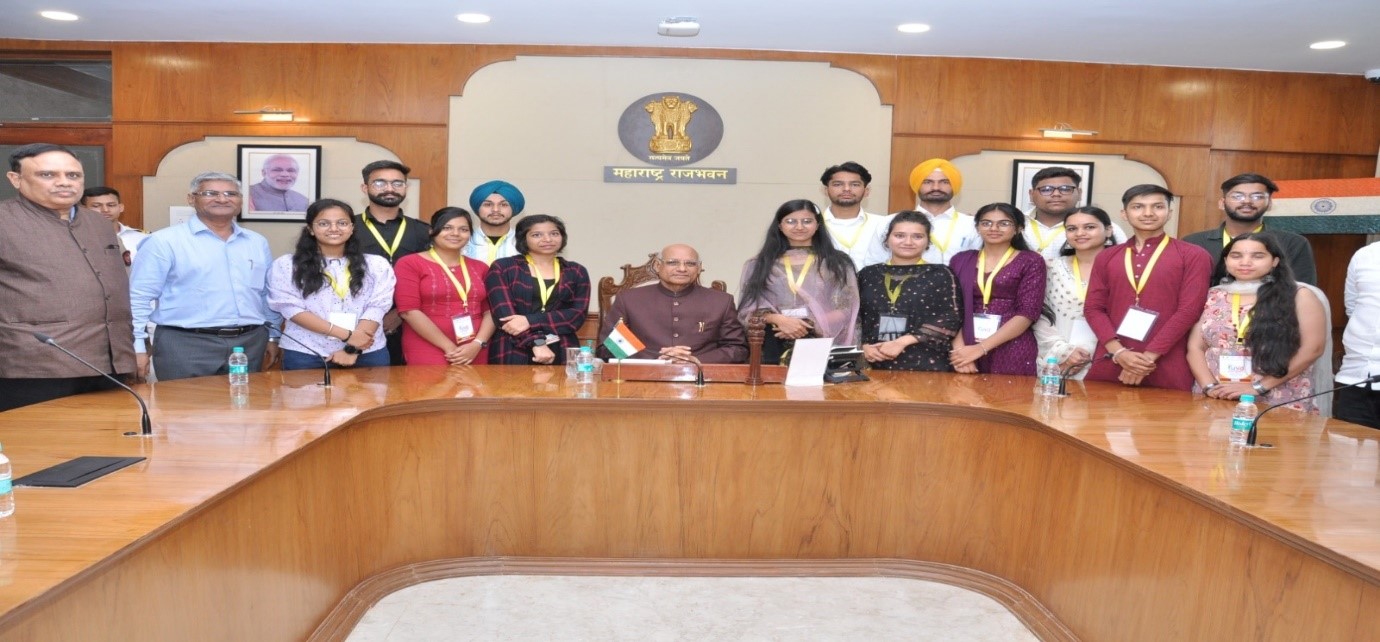
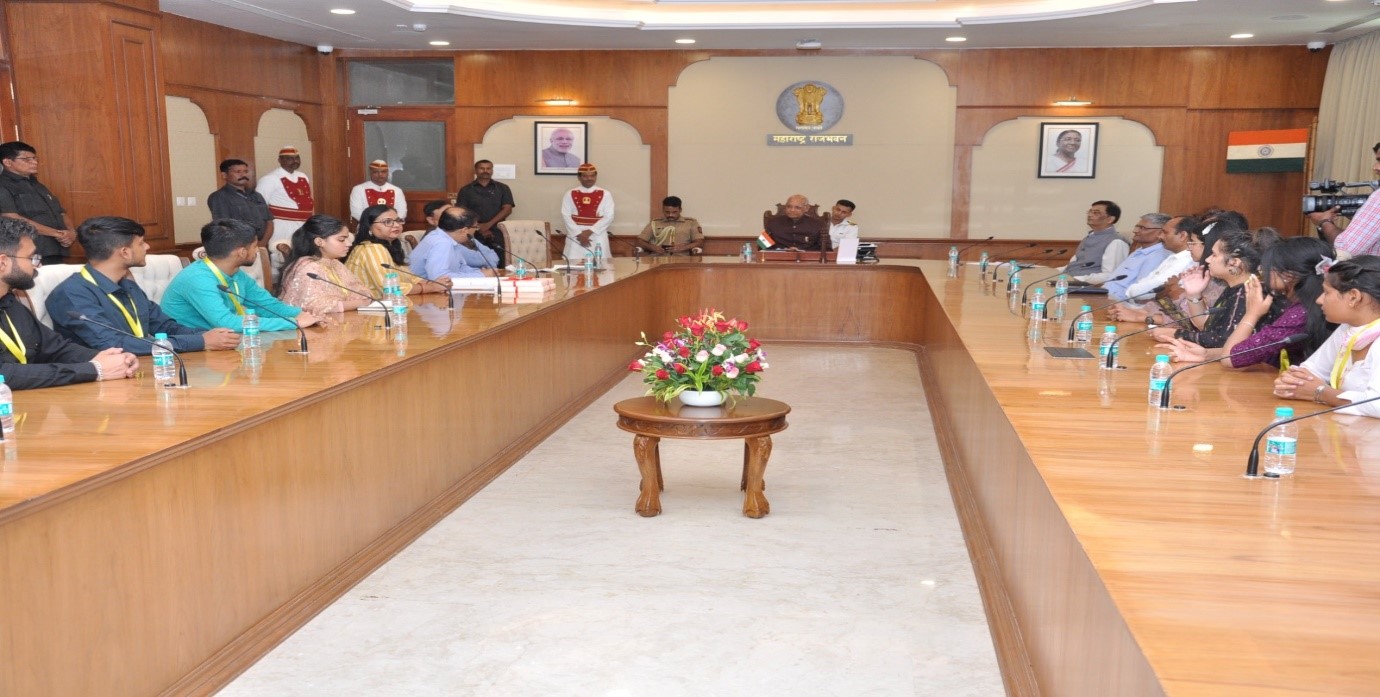
 A group of 45 youths from the State of Punjab visiting Maharashtra as part of ‘Yuva Sangam’ initiative started by Prime Minister, interacted with Maharashtra Governor Shri Ramesh Bais at Raj Bhavan Mumbai today (May 9, 2023). 

Welcoming the students to Maharashtra, the Governor said, Maharashtra and Punjab have shared a long tradition of spiritual and cultural exchanges and close cooperation during the nation’s freedom movement.  He said, even though the two States are separated geographically by a distance of more than 1500 kms, Maharashtra and Punjab are sister states.

Maharashtra Governor Shri Ramesh Bais stated to the visiting student delegation that Sant Namdev travelled to Punjab from Maharashtra, while Guru Gobind Singh, the tenth Sikh Guru spent some years of his life in Maharashtra’s Nanded. 

The Governor said Maharashtra and Punjab have given the nation great warriors and revolutionaries like Bhagat Singh and Rajguru. He said many youths from Maharashtra and Punjab serve the nation by joining the armed forces. The Governor called upon the youths from Punjab to acquire modern education and skills, stay away from addictions and serve the nation through their chosen fields.

The Governor asked the youths to visit the country and appreciate the diversity of cuisine, language and culture of the various States. He said that in the present age of mobiles and laptops, people are moving away from their families. He urged the youth to visit different regions of the country as that will increase communication and they will learn a lot.

The youths visiting Maharashtra told the Governor about their experiences and how they liked the cuisine and culture of the State.


The visit of the youths from Punjab to Maharashtra is being coordinated by IIT Bombay. The exposure tour is aimed at providing the youths an immersive, multidimensional experience in the areas of Tourism, Tradition, Development, Technology and People to People contact.

Chairman of All India Council of Technical Education Prof. T G Sitharam, Director of IIT Bombay Subhasis Choudhury, ‘Yuva Sangam’ coordinator Prof. Manjesh Hanaval, Prof. Surendra Naik, IIT Registrar Ganesh Bhorkade, Faculty Members of NIT Jalandhar were also present.

Thirty-five youths from Maharashtra and ten from Dadra Nagar Haveli, Daman-Diu are also travelling to NIT Jalandhar as part of the ‘Yuva Sangam’ Programme launched by Prime Minister Shri Narendra Modi. The programme envisages participation of 1000 youngsters from 23 States and Union Territories of India.


*** 

SC/ Source: Raj Bhavan, Mumbai /PM

International Jewellery Exposition Centre in Dubai

 Sh. Rajesh Kumar Singh, Secretary, Department for Promotion of Industry and Internal Trade (DPIIT), Ministry of Commerce & Industry along with H.E. Mr. Juma Mohammed Al-Kait, Assistant Undersecretary for International Trade, Ministry of Economy, United Arab Emirates and Sh. Sunjay Sudhir, Ambassador of India to the UAE, inaugurated the International Jewellery Exposition Centre in Dubai, UAE today and participated in a Business-to-Business (B-2-B) event organised by the Gems and Jewellery Export Promotion Council (GJEPC) as part of the celebrations of the 1st Anniversary of the implementation of India-UAE Comprehensive Economic Partnership Agreement (CEPA). 

Addressing the business gathering at the B2B event, Sh. Rajesh Kumar Singh emphasized that this path-breaking Agreement has significantly transformed the India-UAE partnership by providing renewed impetus and momentum to an already close and strong relationship. He also highlighted that initial gains have already started accruing from the Agreement with bilateral trade between India and the UAE growing at around 20% and touching an all-time high of around USD 84 billion during FY 2022-23. Around 100 companies from India and UAE, including representatives from Export Promotion Councils (EPCs) from India, participated in the event. A visit to the Indian Pavilion at the Dubai Expo was also undertaken by the Indian delegation.

DPIIT Secretary  and H.E. Dr. Thani bin Ahmed Al Zeoudi, UAE Minister of State for Foreign Trade, had jointly inaugurated the commemorative events, titled “CEPA – Beyond Trade”, to mark the India-UAE CEPA Anniversary yesterday. Sh. Rajesh Kumar Singh had also held one-on-one meetings with senior representatives of Abu Dhabi Investment Authority (ADIA) and Mubadala Investment Company – sovereign wealth funds (SWFs) of the UAE.

The 2-day visit to the UAE of the Indian delegation led by DPIIT Secretary concluded today. The visit took place in the context of the joint celebrations being organized by the UAE and India to mark the important milestone of the First Anniversary of the Implementation of the India-UAE Comprehensive Economic Partnership Agreement (CEPA).

***

Department of Fertilizers takes multi-pronged measures to stop Diversion and Black Marketing of Fertilizers in the country

 Multipronged measures are being taken by Department of Fertilizers, Government of India for deterrence against any malpractices and ensuring quality fertilizers for the farmers, under the directions of Union Minister for Chemicals and Fertilizers Dr Mansukh Mandaviya. These measures have resulted in averting diversion and black marketing of fertilizers in the country.

Special teams of dedicated officers called Fertilizer Flying Squads (FFS) have been formed to keep a strict vigil and to check diversion, black marketing, hoarding and supply of sub-standard quality of fertilizers across the country.

The Fertilizer Flying Squads have conducted over 370 surprise inspections across 15 states/UTs which included mixture units, Single Superphosphate (SSP) units and NPK (Nitrogen, Phosphorus, Potassium) units. Consequentially, 30 FIRs have been registered for diversion of urea, and 70,000 bags have been seized of suspected urea (from Gujarat, Kerala, Haryana, Rajasthan, Karnataka (excl. GSTN seizure). Of which 26199 bags have been disposed of as per FCO guidelines). The FFS have also inspected three border districts of Bihar (Araria, Purnia, W.Champaran) and 3 FIRs have been filed against urea diverting units; 10 including 3 mixture manufacturing units in border districts have been de-authorized.

112 mixture manufacturers have been deauthorized due to several discrepancies and lapses found in documentation and procedures. Sample testing have also been ramped up with 268 samples tested as of now, of which 89 (33%) have been declared sub-standard and 120 (45%) found with neem oil content. For the first time, 11 persons have been jailed under Prevention of Blackmarketing and Maintenance of Supplies (PBM) Act for diversion and black marketing of urea in the last one year. Several other legal and administrative proceedings have also been exercised by states through Essential commodities (EC) act and Fertilizer Control Order (FCO).

Inspections by Fertilizer Flying Squad


No. of Units


State

Mixture Fertilizer Units

Urea Diversion Units

SSP

Exporter

1

Gujarat

61

19

7

5

2

Rajasthan


27

1


3

UP

13

10


4

Maharashtra

23


4


5

Haryana


25


6

MP


3


7

Tamilnadu

40


8

Kerala

27

27


9

AP

1


10

Telangana


4


11

Delhi


4


12

Punjab


5


13

Karnataka

33

6


14

Bihar

20

3


15

Uttarakhand

2


Total

220

130

15

5


These steps have resulted in keeping a check on diversion of urea meant for farmers for agricultural purposes. Despite the world facing a fertilizer crisis due various global downturns, Government of India is providing urea to farmers at reasonably subsidized rates (a 45 kg bag of urea costing approx. Rs. 2,500 is being sold at Rs. 266). Besides agriculture, urea is also used in many other industries too, like UF resin/glue, plywood, resin, crockery, moulding powder, cattle feed, dairy, industrial mining explosives. Any illegal diversion of this highly subsidized urea meant for the farmers and agriculture for non-agriculture/ industrial purpose by many private entities results in shortage of urea meant for farmers.

Apart from these, new innovative practices are being encouraged, such as new mixture module that have been developed in Integrated Fertilize Management System (iFMS) by Department of Fertilizers. This would help in spreading awareness amongst farmers about the quality of fertilizers along with other online services available on the portal. A strict vigil is now being undertaken for ensuring the quality of products as well as licenses. Due to such relentless efforts, there has been an increase in demand for Technical Grade Urea. Due to fewer licenses being issued by States for mixture manufacturing, many of the existing mixture manufacturing units have shifted to selling bio and organic fertilizers, thus promoting natural farming to reduce the consumption of chemical fertilizers.

Proactive measures have not only benefitted the farmers but have also created cross-country demand for our fertilizers. Stoppage of cross-border smuggling of urea have consequently led to neighboring countries requesting India for urea imports to their respective countries for the first-time.

****

Top Ten Traditions of India


Top Ten Traditions of India

India is a country of diverse traditions and customs, with each region and state having its unique set of traditions. Here are the top ten traditions of India:
Diwali – The festival of lights celebrated all over India, signifying the triumph of good over evil.
Holi – The festival of colors, celebrated with great enthusiasm across India, signifying the arrival of spring and the victory of good over evil.
Navratri – A nine-day festival celebrated across India, dedicated to the worship of the goddess Durga and her different forms.
Dussehra – A festival celebrated all over India, signifying the victory of good over evil and the triumph of Lord Rama over the demon king Ravana.
Raksha Bandhan – A festival celebrated across India, signifying the bond of love between brothers and sisters.
Onam – A festival celebrated in the state of Kerala, signifying the return of King Mahabali to his kingdom.
Ganesh Chaturthi – A festival celebrated all over India, dedicated to the worship of Lord Ganesha, the remover of obstacles.
Pongal – A harvest festival celebrated in the southern states of India, signifying the beginning of the harvest season.
Eid al-Fitr – A festival celebrated by Muslims all over India, signifying the end of the holy month of Ramadan.
Christmas – A festival celebrated by Christians all over India, signifying the birth of Jesus Christ.
These top ten traditions of India showcase the country’s rich cultural heritage and are a testament to the country’s diversity and inclusiveness. They are celebrated with great enthusiasm and are an integral part of the country’s social fabric, bringing people together and promoting harmony and unity.

Top Ten Foods of India


Top Ten Foods of India

India is known for its diverse and flavorful cuisine, with each region and state having its own unique dishes and cooking techniques. Here are the top ten foods of India:
Butter Chicken – A famous dish from North India made with tender chicken cooked in a creamy tomato-based gravy with butter and spices.
Biryani – A fragrant and flavorful rice dish made with aromatic spices, meat or vegetables, and yogurt.
Dosas – A South Indian delicacy made with fermented rice and lentil batter, usually served with chutney and sambar.
Samosas – A popular snack across India made with a crispy pastry shell filled with spiced vegetables or meat.
Chaat – A savory snack that originated in North India, made with crispy fried dough, chickpeas, potatoes, yogurt, and a variety of chutneys and spices.
Tandoori Chicken – A popular dish made by marinating chicken in a mixture of yogurt and spices and then cooked in a tandoor oven.
Rogan Josh – A Kashmiri dish made with tender pieces of meat cooked in a rich tomato-based gravy with a blend of spices.
Idli and Dosa – A popular breakfast option in South India, made with fermented rice and lentil batter.
Chole Bhature – A North Indian dish made with spicy chickpeas served with a deep-fried bread called bhature.
Pav Bhaji – A popular street food from Mumbai, made with a spicy vegetable curry served with a soft bread roll called pav.
These top ten foods of India showcase the country’s rich culinary heritage and are a testament to the skill and creativity of its people. They are a must-try for anyone visiting India and are sure to leave a lasting impression on your taste buds.

Top Ten Cultures of India


Top Ten Cultures of India

India is a country of diverse cultures and traditions, with each region and state having its own unique cultural identity. Here are the top ten cultures of India:
North Indian culture – This includes the cultural traditions of states like Punjab, Haryana, Uttar Pradesh, and Delhi, known for their vibrant music, dance, and cuisine, and famous festivals like Holi and Diwali.
South Indian culture – This includes the cultural traditions of states like Tamil Nadu, Kerala, Karnataka, and Andhra Pradesh, known for their rich history, classical dance forms like Bharatanatyam and Kathakali, and delicious cuisine.
East Indian culture – This includes the cultural traditions of states like West Bengal, Assam, and Odisha, known for their unique art and handicrafts, traditional festivals like Durga Puja, and delicious cuisine.
West Indian culture – This includes the cultural traditions of states like Gujarat, Maharashtra, and Goa, known for their rich history, vibrant music and dance forms, and delicious cuisine.
Kashmiri culture – This includes the cultural traditions of the Kashmir valley, known for its beautiful landscapes, traditional handicrafts like Pashmina shawls, and delicious cuisine.
Punjabi culture – This includes the cultural traditions of the state of Punjab, known for its vibrant music and dance forms like Bhangra, and delicious cuisine like Sarson ka Saag and Makki di Roti.
Rajasthani culture – This includes the cultural traditions of the state of Rajasthan, known for its vibrant art and handicrafts, traditional dance forms like Ghoomar and Kalbelia, and delicious cuisine like Dal Bati Churma and Laal Maas.
Bengali culture – This includes the cultural traditions of the state of West Bengal, known for its rich history and literature, traditional music and dance forms like Rabindra Sangeet and Baul, and delicious cuisine like Rosogolla and Sandesh.
Marathi culture – This includes the cultural traditions of the state of Maharashtra, known for its rich history, traditional music and dance forms like Lavani and Koli, and delicious cuisine like Vada Pav and Misal Pav.
Tribal culture – India is home to numerous tribes, each with its unique culture and traditions, known for their traditional art and handicrafts, music, and dance forms, and traditional way of life.
These cultures of India not only represent the country’s rich cultural diversity but also showcase the skill and creativity of its people, making India a unique and vibrant country with a rich cultural heritage.

Range Countries to strengthen conservation efforts for migratory birds and their habitats in the Central Asian Flyway (CAF)

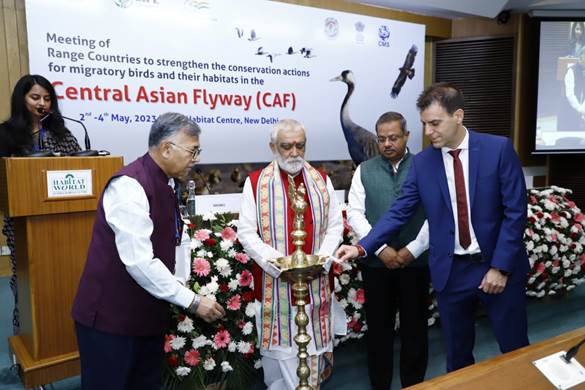
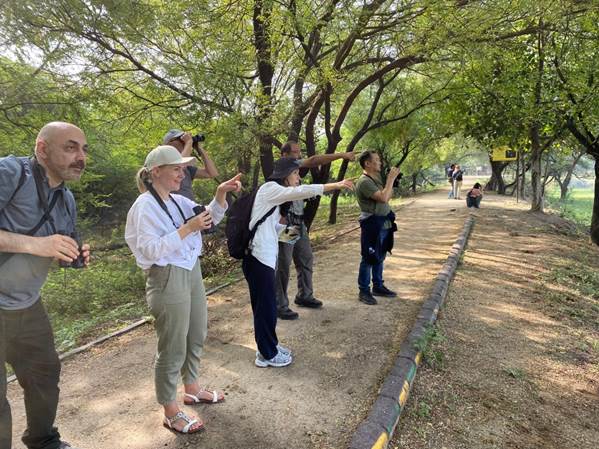
 The Ministry of Environment, Forest and Climate Change  in collaboration with the United Nations Environment Programme/ Convention on Migratory Species (UNEP/CMS) had organized a meeting of Range Countries to strengthen conservation efforts for migratory birds and their habitats in the Central Asian Flyway (CAF) from 2nd to 4th May, 2023 in New Delhi.

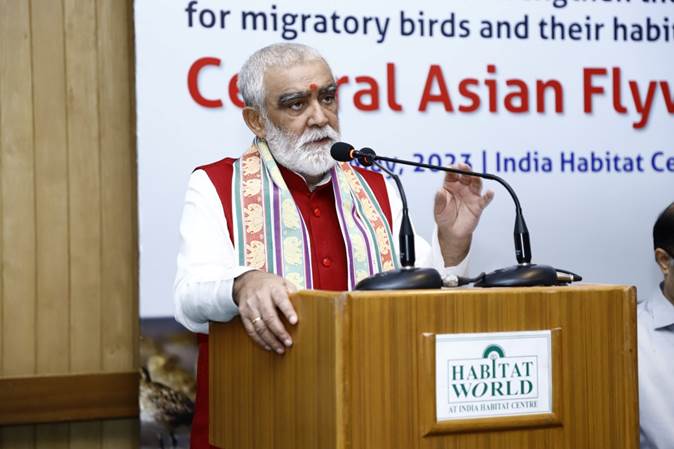
Union Minister of State for Environment, Forest and Climate Change, Government of India, Shri Ashwini Kumar Choubey inaugurated the meeting. In his inaugural address the Minister  while echoing the Prime Minister’s call to adopt LIFE (Lifestyle for environment for environmental protection) made at COP-26 in Glasgow  mentioned that :

“…It gives us immense satisfaction that we have taken concrete steps towards his vision with this meeting of the range countries of the Central Asian Flyway to frame an Action Plan. Additionally, adopting a sustainable lifestyle that allows for the co-existence of all life forms, including migratory birds, is critical to ensure their continued existence in the years to come. This aligns with  Prime Minister’s LiFE movement, which calls for a Lifestyle for Environment for environmental protection, and serves as a reminder of our responsibility towards the planet. Through this meeting, we are taking a significant step towards achieving the common goal of conservation and sustainable development in the Central Asian Flyway….”


The meeting was attended by the eleven countries of CAF region including Armenia, Bangladesh, Kazakhstan, Kyrgyzstan, Kuwait, Mongolia, Oman, Saudi Arabia, Tajikistan, and Uzbekistan, besides the Secretariats of CMS, AEWA and Raptors MOU, and  representatives of Chief Wildlife Wardens of States, scientific institutions in India, international and national non governmental organizations, and subject experts.

The delegates deliberated and agreed on an institutional framework for the Central Asian Flyway, discussed priority areas for implementation, and agreed on a draft roadmap for updating the CMS CAF Action Plan. The meeting was a critical opportunity for CAF Range States to collaborate and exchange ideas and best practices to ensure the sustainable conservation of migratory birds and their habitats.

The discussions during the meeting also led to the modalities of an institutional framework mechanism with the aim of developing a coordinated approach to the conservation of migratory birds and their habitats. There was an overall consensus in the meeting for  further strengthening and formalizing  this initiative. The formalization of the Central Asian Flyway initiative, was seen as a significant step towards the conservation of migratory birds and their habitats.

The delegates also undertook a field visit to the Sultanpur National Park, Gurugram, Haryana, to understand the management of bird sanctuary and learn the best practices being adopted in India for management of bird sanctuaries.  

****

TACTICAL RESCUE OPERATION FROM SUDAN BY IAF C-17 NON-STOP OPERATION OF NEARLY 24 HOURS

 In the midnight hours of 03 – 04 May 23, an Indian Air Force C-17 Globemaster aircraft airborne from Hindan, flew through the night to land in the early morning hours at Jeddah, Saudi Arabia. The aircraft refuelled at Jeddah to undertake a nonstop flight from Jeddah, via war torn Sudan and back to India. The aircraft took excess fuel from Jeddah to avoid a situation of non-availability of fuel and refueling delays in Sudan. The mission was one of a kind, with the aircraft carrying 192 passengers, mostly ladies, children and elderly persons, who either were NRIs, foreign nationals or OCIs (Overseas Citizens of India). These people could not be taken to Jeddah, and hence were required to be flown directly to India in a nonstop flight by the heavy jet.

At Sudan, the aircraft carried out an overhead steep tactical arrival followed by an assault approach to land the heavy jet. During the entire duration of the ground operations, the aircraft engines were kept running in readiness of a quick exit from the airfield, in case of such a need arising.

The crew encountered another unplanned emergency when one of the passengers became unconscious during the flight. This situation was immediately and proficiently handled by the crew who administered him 100% Oxygen to stabalise him.

The aircraft landed at Ahmedabad late in the evening on 04 May 23 late in the evening and then at the home base of Hindan late in the night on the same day. The crew thus flew through extended duty periods of nearly 24 hrs to get some of the last stranded countrymen back to India.

***

Top Ten Popular Arts of India

Top Ten Popular Arts of India

India is known for its rich cultural heritage and diversity, which is reflected in its traditional arts and crafts. Here are the top ten popular arts of India:
Madhubani painting – A style of painting native to the Mithila region of Bihar, known for its intricate and colorful depictions of nature and mythology.
Kalamkari – A type of hand-painted or block-printed cotton or silk textile from Andhra Pradesh, known for its beautiful patterns and vibrant colors.
Warli art – A tribal art form from Maharashtra, known for its simple yet beautiful depictions of daily life and nature, usually painted in white on a red ochre background.
Pattachitra – A type of traditional painting from Odisha, known for its intricate details and bright colors, often depicting Hindu mythology and folklore.
Phulkari – A type of embroidery from Punjab, known for its colorful floral patterns and intricate stitching.
Pottery – India has a rich tradition of pottery, with different regions known for their unique styles and techniques, such as Blue Pottery from Rajasthan, Terracotta from West Bengal, and Khurja pottery from Uttar Pradesh.
Kondapalli toys – Wooden toys from Andhra Pradesh, known for their intricate carving and vibrant colors, depicting a wide range of themes, including animals, mythology, and daily life.
Chikankari – A type of embroidery from Lucknow, Uttar Pradesh, known for its delicate and intricate needlework, usually done on white cotton or muslin fabric.
Meenakari – A type of metalwork from Rajasthan, known for its intricate enamel work and colorful patterns.
Kathak – A classical dance form from North India, known for its graceful movements, intricate footwork, and expressive storytelling.
These popular arts and crafts of India not only reflect the country’s rich cultural heritage but also represent the skill and creativity of its people. They are essential cultural assets that have been passed down through generations and continue to thrive and evolve in contemporary times.

India-Israel Friendship – Beginning of a New Era of Industrial Research and Development Cooperation

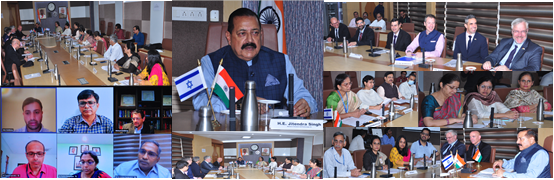
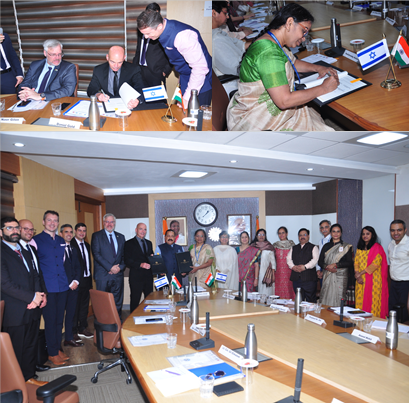
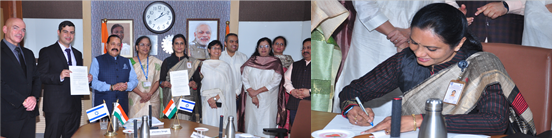
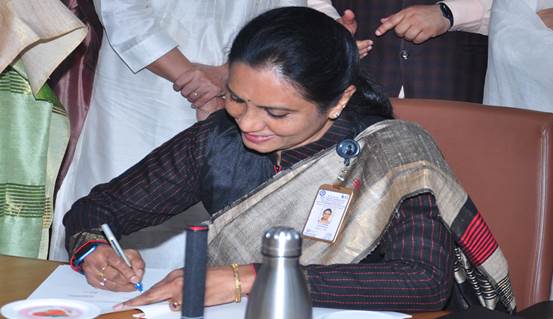
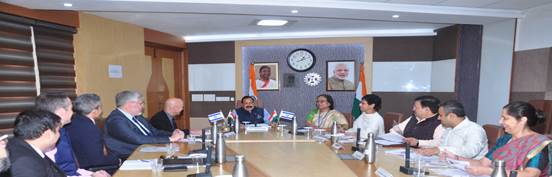
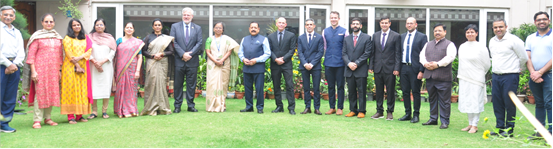
 In a momentous milestone in S&T cooperation between India and Israel, a Memorandum of Understanding (MoU) on Industrial Research and Development Cooperation was signed between the Council of Scientific and Industrial Research (CSIR) under the Ministry of Science and Technology (MoST) of the Republic of India and the Directorate of Defense Research and Development (DDR&D), under the Ministry of Defense of the State of Israel.

Dr N Kalaiselvi, DG, CSIR and Secretary, DSIR thanked the Hon’ble Minister of State(IC), Ministry of Science and Technology and Earth Sciences, GoI and Vice President, CSIR Society for gracing the meeting and his continued support to CSIR. She welcomed the dignitaries and gave an overview of CSIR, showcasing its technological and research prowess as also the ongoing collaboration discussions with DDR&D, Israel in Aerospace, Healthcare, Energy. Sharing CSIR’s priority topics she concurred to the interest of DDR&D for furthering collaboration with Israel in high technology areas such as Artificial Intelligence, Quantum and semiconductors, synthetic biology etc.

Acknowledging the ongoing cooperation efforts of CSIR and his team, Dr. Daniel Gold, Head, DDR&D envisioned that the CSIR-DDR&D cooperation would be beneficial for the welfare of both the countries. He added that DDR&D welcomes collaboration not only with R&D organizations but also with start-ups and companies, venture capitals on both sides. He apprised that AI and photonics are strengths of Israel and welcomed cooperation with CSIR in High Technology sectors which would pave the way for building a better future.

Stressing the successful completion of three decades of India-Israel successful diplomatic relations, Mr. Naor Gilon, Ambassador of Israel to India emphasised the close friendly relations between Israel and India, which have culminated into a strategic partnership after the complimentary visits of Prime Ministers of both the countries in 2018. The present CSIR-DDR&D cooperation would add another feather and be a milestone for India-Israel relations.

Dr N Kalaiselvi and Dr. Daniel Gold signed the CSIR-DDR&D MoU in the august presence of Hon’ble Minister of S&T, Government of India and Vice President, CSIR Society, Dr Jitendra Singh.

The MoU shall enable cooperation in the industrial R&D programs in mutually agreeable industrial technology fields through implementation of specific projects. The collaboration would encompass some of the key industrial sectors including Healthcare; Aerospace & Electronics Instrumentation; Civil, Infrastructure & Engineering; Chemicals and Petrochemicals, Sustainable Energy including Energy Devices; Ecology, Environment, Earth & Ocean Sciences and Water; Mining, Minerals, Metals & Materials; Agriculture, Nutrition & Biotechnology. The collaboration through the MoU would be steered and the execution monitored by a Joint Steering Committee led by the heads of the CSIR and DDR&D for taking forward mutually benefiting Industrial and technology cooperation.

Specific collaboration on Hydrogen and Aerospace currently under discussed between CSIR and DDR&D were briefed by Dr Abhay Pashilkar, Director, CSIR-National Aerospace Laboratories (CSIR-NAL), and Dr Ashish Lele, Director, CSIR-National Chemical Laboratory (CSIR-NCL); they welcomed collaboration on futuristic technologies in these domains, including in High Altitude Platform, Hydrogen Valley programs of CSIR, respectively.

Specific collaboration on Therapeutics between CSIR-Indian Institute of Chemical Technology (CSIR-IICT) and M/s 101 Therapeutics for conducting clinical trials of a COVID-19 drug having enormous therapeutic potential was briefed; if successful this would prove to be highly appropriate and effective for preparation of future pandemics. The cooperation MoU between CSIR-IICT and M/s 101 Therapeutics was also signed during the meeting.


In his remarks, Dr Jitendra Singh said that it is a very important year in the S&T sphere of India under the leadership of  PM of India as India is holding G20 presidency, celebrating the International year of Millets, as also India and Israel completed 30 years of successful diplomatic relations.

He apprised that CSIR has specialized laboratories in almost all the identified priority sectors therefore assured appropriate competence for this cooperation. For e.g. indigenous Hydrogen Fuel Cell bus by CSIR-NCL, purple revolution (Lavender cultivation) by CSIR-IIIM. He welcomed technology partnership with Israel and congratulated both sides for for their efforts to strengthen the India-Israel relationship.

Dr. Rama Swami Bansal, Head, International S&T Affaris Directorate (ISTAD), CSIR thanked the Hon’ble Minister for his continued support to CSIR, the team from Israel for building and formalizing the cooperation and her colleagues from CSIR and MEA for their kind and gracious presence during the MoU signing meeting today.

**************************

Prize Distribution Function of the 24th National Parliament Competition, 2022-23

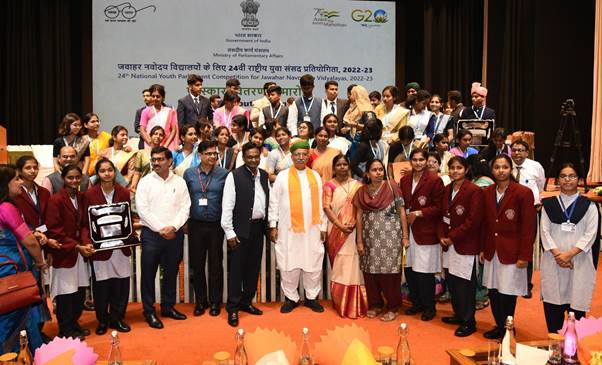
 The Prize Distribution Function of the 24th National Youth Parliament Competition, 2022-23 for Jawahar Navodaya Vidyalayas was held on Thursday, the 4th of May, 2023 at Parliament House Complex, New Delhi. Jawahar Navodaya Vidyalaya, Nadia, West Bengal (Patna Region) wins first prize  in the 24th National Youth Parliament Competition, 2022-23.

The Union Minister of State for Ministry of Parliamentary Affairs and Culture Shri Arjun Ram Meghwal, distributed  the prizes to the winning teams of Vidyalayas for their meritorious performance in the Competition .Apart from JNV ,Nadia,West Bengal , the following 7 regional winning Vidyalayas also received prizes :

1. Jawahar Navodaya Vidyalaya, Puri, Odisha (Bhopal Region)

2. Jawahar Navodaya Vidyalaya, Chandrapur, Maharashtra (Pune

Region)

3. Jawahar Navodaya Vidyalaya, Mandya, Karnataka (Hyderabad

Region)

4. Jawahar Navodaya Vidyalaya, Kathua, Jammu & Kashmir

(Chandigarh Region)

5. Jawahar Navodaya Vidyalaya, East Khasi Hills-I, Meghalaya

(Shillong Region)

6. Jawahar Navodaya Vidyalaya, Kurukshetra, Haryana (Jaipur

Region)

7. Jawahar Navodaya Vidyalaya, Saharanpur, Uttar Pradesh

(Lucknow Region)


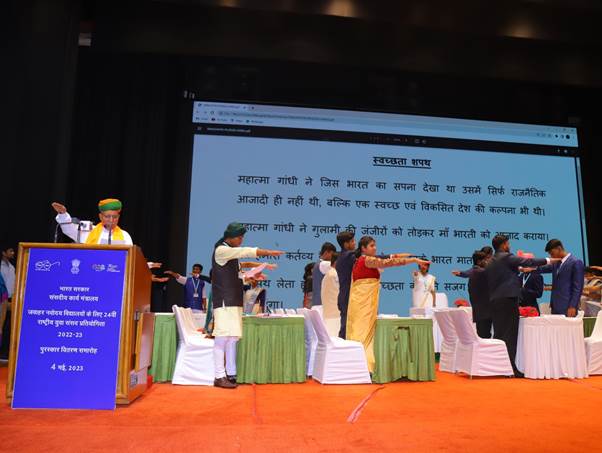
The Minister, Shri Meghwal  has taken an interactive session with the students during the program. The Minister exhorted while interacting with the students that the younger generation should learn and adapt the democratic values and ethics of democracy and devote themselves to promote the harmony and tradition of this democratic country. Shri Meghwal also administered the Swachhata Pledge to all the attendees of the function.


While delivering the Welcome Address, the Secretary, Ministry of Parliamentary Affairs ,Shri G.Srinivas has given a clarion call to the students for popularising and inculcating the practices and process of Parliamentary proceedings. He said that National Youth  Parliament Competitions have been spread from Schools to Universities.

On this occasion, the winning team of Jawahar Navodaya Vidyalaya, Nadia, West Bengal (Patna Region), presented an energetic repeat performance of Youth Parliament which was appreciated hugely by the gathering.

Ministry of Parliamentary Affairs has been organising Youth Parliament Competitions in Jawahar Navodaya Vidyalayas for the past 26 years. Under the scheme of National Youth Parliament Competition for Jawahar Navodaya Vidyalayas, the 24th Competition in the series was organized during 2022-23 among 80 Vidyalayas spread over 8 regions of Navodaya Vidyalaya Samiti, all over India.

The Youth Parliament Scheme aims at inculcating among the younger generations the spirit of self-discipline, tolerance of diverse opinion, righteous expression of views and other virtues of a democratic way of life. Besides, the scheme also acquaints the students with the practices and procedures of Parliament, techniques of discussion and debate and develops in them self-confidence, quality of leadership and the art and skill of effective oratory.

*******

National Mission For Clean Ganga Organizes River-Cities Alliance Global Seminar

 National Mission for Clean Ganga (NMCG) in association with the National Institute of Urban Affairs (NIUA) organized the ‘River-Cities Alliance (RCA) Global Seminar: Partnership for Building International River-Sensitive Cities’ today in New Delhi. The purpose of the RCA Global Seminar was to provide a platform for officials of member cities and international stakeholders to discuss and learn good practices for managing urban rivers.

The RCA Global Seminar witnessed participation from Embassies/High Commissions of select countries and their respective river cities in order to highlight objectives, achievements, and potential collaborative outcomes of RCA. State Missions for Clean Ganga (SMCGs) and funding agencies like World Bank, ADB, JICA & KfW also were part of the discussions.
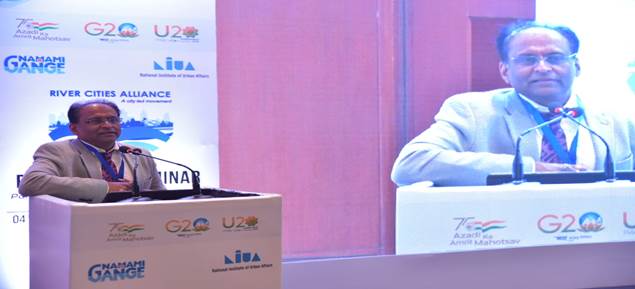
The RCA Global Seminar was presided over by Mr. G. Asok Kumar, Director General (NMCG).  

Addressing the gathering, Mr. G. Asok Kumar expressed happiness on the increase in number of cities joining the RCA and the immense interest NMCG has been able to generate on this issue. He noted that the trickle started with the Urban River Management Plan and has been flowing ever since. He emphasized the importance of issues related to climate change and urban water management, and how urban planners have a serious challenge at hand. “Climate change is a reality. We can see it now in Delhi where in the month of May we are needing blankets,” he said.

He informed that RCA started with 30 cities on the banks of the river and eventually it was decided to expand it to all cities not restricting to the Ganga Basin. “During the DHARA 2023 event in Pune, we were enthused to see the response from the city planners, who viewed water as something not important,” he said, adding, “People and administrators are now waking up to the reality as they have realized that issues related to water such as floods, droughts, inadequate waste management etc. can shut down cities.” DG, NMCG hoped that urban planners incorporate water management at the planning stage and start giving the priority it deserves.
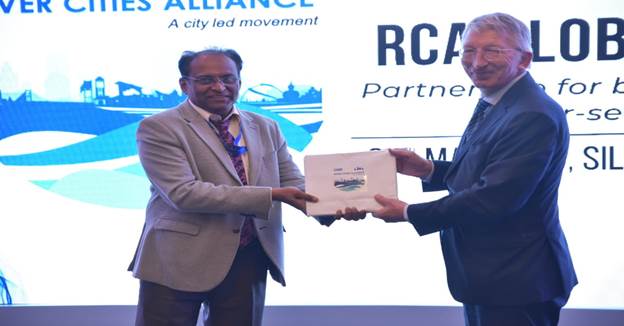
Mr. Kumar said that under the leadership of the PM, Swacch Bharat Mission and Jal Jeevan Mission are progressing well and creating positive impact on ground setting world class examples in the water and sanitation sectors. The stopping of Open Defecation ensured that the drinking water sources don’t get contaminated whereas household water supply under JJM is easing the pain of women in rural areas who had to walk several kilometres to fetch water. “With urbanization, if we don’t take care about the disposal of sewage then it is a major threat. The urban planners solely focussed on the infrastructure must take this into account to keep the rivers and other drinking water sources clean,” he said. 

He noted that the theme of RCA resonated in the UN Water Conference 2023 held in New York in March 2023. “The timely success in water sector in India is primarily because of people’s participation (Jan Bhagidari) and whole-of-government approach,” he said, adding, “The time has now come, as envisaged by the Union Minister for Jal Shakti, is to move towards whole-of-world approach to break the silos in which water has been divided.” 

He called for the world players to co-operate, work together, pick from each other’s best practices, share knowledge (Gyan Bhagidari), come up with transformational solutions and share in the success.
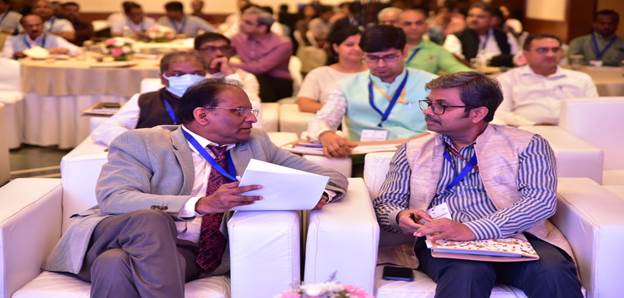
On RCA Global, he said that cleaning of rivers like Rhine and Thames in foreign lands is a lesson and inspiration for us and we should partner with international cities to create beautiful cities in India which can take pride in their rivers and people enjoy and have pleasant experience at the river fronts. “The experience of international cities in making their rivers clean, improving river properties, managing river flooding and increased aesthetic value can be seen as fruitful lessons for us. RCA Global platform should leverage the experience of foreign countries,” he added. He also said that it is not about aping anyone but taking the adaptable best practices as per requirements and using them to make our cities more beautiful.

DG, NMCG informed that Namami Ganga was recognized as the ‘Top 10 World Restoration Flagships to Revive the Natural World’ in Montreal, Canada and Clean Ganga, which seemed impossible, is now happening. He said that NMCG has committed to the SDG goals of equity in water distribution, access to safe drinking water, democratization of water etc.

Session 1 of the event saw a presentation from the Asian Development Bank Institute (ADBI) on ‘Decentralized Urban Wastewater Management System in Japan’, and an Embassy Round Table discussion.

Session 2 began with the context setting of RCA that incorporated an introduction to NMCG’s Urban Agenda, Urban River Management Plan (URMP) Framework with comments on RCA and future goals/actions pertaining to river management. Furthermore, there was a presentation from representatives of the India-Denmark Partnership, with a focus on the case study of Udaipur-Aarhus. Another presentation was made on RCA Cities – Ayodhya and Chhatrapati Sambhaji Nagar in this session.

NMCG c-Ganga facilitated presentations from International Cities – Greater Manchester by Mr. Mark Turner (National Course GM Team Leader, Greater Manchester Combined Authority), City of Hamburg by Mr. Christian Ebel (Desk Officer for Implementation of EU Water Framework Directive in Hamburg for the Elbe River Free and Hanseatic City of Hamburg), City of Copenhagen by Mr. Jan Burgdorf Nesilsen, Municipality of Copenhagen and City of Aarhus, Mr. Gitte Nordmand Andersen (Aarhus Municipality). The session 2 also witnessed an open house discussion and ended with a vote of thanks from Mr. Dheeraj Joshi, Deputy Secretary, NMCG.

Mr. D.P Mathuria, Executive Director (Technical), NMCG delivered the special address and spoke about how India is hugely investing in the water sector, but staring at twin challenges of water security and climate change. Both of these factors are interlinked in making water equitable. He noted the facets of water security being water management and water quality. NMCG has developed a large number of STPs that are able to address the issues of faecal contamination. He noted that nature-based solutions and decentralised systems shall be very important assets in terms of solution to organic waste falling into rivers.

Other participants included Mr. Mukul Verma (Senior Adviser – Infrastructure & Financial Services, Embassy of UK), Mr. Shayan Yousefi (Embassy of Austria), Mr. Beate Langset (Counsellor for Climate & Environment, Royal Norwegian Embassy), Ms. Anitha Sharma (Counsellor in Urban Development with focus on Water, Embassy of Denmark), Mr. R.K. Srinivasan (USAID’s Senior Water and Sanitation Advisor, US Embassy), Mr. Dirk Steffes-enn (Deputy Head of Economic Cooperation and Development, Embassy of the Federal Republic of Germany), Ms. Martina Burkard (Head of Programme, GIZ), Ms. Nishi  Pant (Senior Policy Advisor, Netherlands Embassy), Mr. Jun Tsumori (Counsellor, Economic Cooperation, Embassy of Japan), Mr. Kazushi Hashimoto (Consultant, ADBI), Prof Manabendra Saharia (Assistant Professor, IIT Delhi), and Prof. Ashish Pandey (HOD, Department of Water Resources Development & Management, IIT Roorkee).

NMCG-NIUA Collaboration
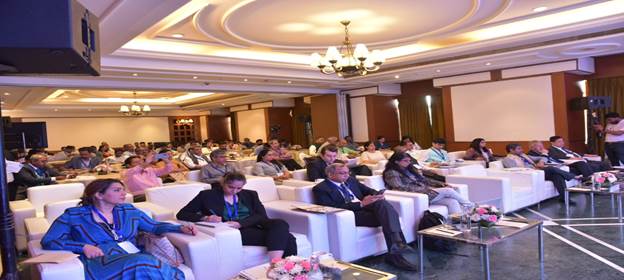
The NMCG-NIUA collaboration has witnessed the historic establishment of the ‘River Cities Alliance (RCA)’ of 110 river cities across India with one international member city – the city of Aarhus from Denmark. RCA was a significant initiative at NMCG’s Side Event during the ‘UN 2023 Water Conference – Water Action Agenda’ on March 23, 2023, which highlighted the importance of Germany as a key partner for the commitment related to ‘River Cities Alliance: Partnership for Building International River Sensitive Cities’.

NMCG has been tirelessly working on a joint initiative to propagate river-sensitive development in our cities with NIUA. This is in response to the Prime Minister’s call for new thinking in river cities at the 1st Meeting of the National Ganga Council (NGC) in December 2019. Hence, NMCG seeks to deepen the commitment through the inclusion of international cities as members of the RCA during the RCA Global Seminar. The intent is to facilitate knowledge exchange (online) for Indian cities to learn new practices and approaches for urban river management. Likewise, it will also be an opportunity for international cities to learn about experiences in Indian cities, which may be relevant to their contexts.

River Cities Alliance

The River Cities Alliance (RCA) is a joint initiative of the Department of Water Resources, River Development & Ganga Rejuvenation under the Ministry of Jal Shakti (MoJS) & the Ministry of Housing and Urban Affairs (MoHUA), with a vision to connect river cities and focus on sustainable river centric development. Beginning with 30 member cities in November 2021, the Alliance has expanded to 109 river cities across India and one international member city from Denmark.

DHARA 2023

The first annual meeting of the RCA – DHARA 2023 (Driving Holistic Action for Urban Rivers) was held on February 13–14, 2023, in Pune. DHARA 2023 featured key sessions on international best practices and examples for urban river management. DHARA 2023 was aimed to inspire members of the RCA to engage in progressive actions for urban river management in their cities. The event shone a light on the unaddressed issues and challenges for river management in cities, which helped NIUA and its partners formulate an effective work plan. The event also helped in developing a compendium of technological solutions that cities may adopt for enhancing the management of their local rivers.

****

City Beautification Progressing By Eliminating Garbage Dumps in Cities


Garbage Dumps and open dumpsites are being transformed rapidly to change and beautify the urban landscape. Under Swachh Bharat Mission Urban 2.0, it was realised that transforming garbage dumps in urban areas was the need of the hour to protect environment and reduce health risks. Many States are taking creative steps to transform and beautify these garbage dumps in urban areas which eventually lead to sustainable development and a healthier, greener future. It has also created avenues for waste reduction, recycling, and reusing, helping in the sustainable use of resources.
Bhopal’s exemplary dumpsite remediation is an inspirational example of transformation of urban spaces. Flagged off by Hon’ble PM Sh. Narendra Modi, the Vande Bharat Express travelling between Bhopal to Delhi zooms past a dumpsite-turned-green zone in Bhopal. It was beautified after 37 acres of land was reclaimed.


Navi Mumbai Makes Urban Spaces Usable

Navi Mumbai Municipal Corporation (NMMC) took an innovative approach to embark on an ambitious plan to convert area under bridges/ flyovers into community recreational facilities. An example of this can be seen in a public sports complex built under the Sanpada flyover in Mumbai. A sports complex was created as per the height of the bridge, where a basketball court, badminton court, box cricket zone, and skating rink were all painted in vibrant colors, creating a visually appealing and attractive space. The complex was also equipped with safety nets to ensure the safety of the players.

The success of the Sanpada flyover project has encouraged Navi Mumbai to plan and execute more such projects in future. The Ghansoli-Talawale bridge has already received a facelift last year with new paintings and lighting. This year, the area will be transformed into a garden and a seating area for industrial workers. The second stretch of the Sanpada Bridge will have a yoga center, and the Seawoods Bridge will undergo a beautification drive along with a sports complex.

The once-neglected spaces have now become thriving centres of activity, fostering social interaction, and promoting a healthy lifestyle among the residents. Not only has it revitalized neglected areas, but it has also improved the health and well-being of citizens.

Surat’s Creative Initiative to Eliminate Garbage Dumps

Surat’s conversion of garbage dumps into seating areas for the public has been a remarkable transformation. To eliminate garbage dumps, the Surat Municipal Corporation (SMC) transformed many of these points into seating areas. Under this initiative, Surat identified the garbage dumps and transformed them into seating area equipped with benches, lights, and trash bins. It has also planted trees and shrubs to create a green environment and promote biodiversity. ‘Sanjay Nagar circle’ is one of the few examples of these transformations, where the garbage dump site has been converted into a beautiful seating area by SMC. The corporation ensures daily coverage of door-to-door garbage collection from the surrounding area to ensure 100% waste collection.

Patna’s Swachhata Journey: Garbage Points to Green Zones

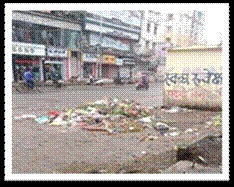
Patna was struggling with the increasing number of garbage dumps for a long time. To transform these garbage dumps into green zones and promoting a sustainable environment, Patna Municipal Corporation began a massive garbage dumps transformation drive in which a total of 630 garbage dumps across the city were cleaned and beautified. The mass garbage dumps removal drive emerged as massive development in the city.

The transformation drive was then conducted in 4 phases including 19 wards from each 19 zones of the PMC jurisdiction. PMC officials conducted awareness activities in which they rallied in the wards playing musical instruments and urging citizens to keep the city clean. The listed garbage dumps were cleaned extensively and the corporation made an appeal to the residents to keep the city clean and wreathed the offenders with garlands made out of disposable cups, bottles, wrappers and kitchen waste.

The Transformation of 630 Garbage Dumps
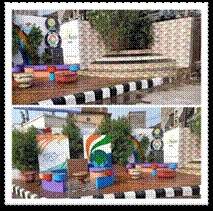
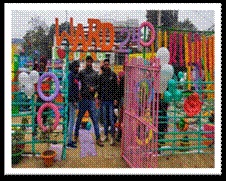
Patna Municipal Corporation began its transformation drive of garbage dumps by converting such sites into green zones. The cleaned-up spaces were beautified by planting saplings, paintings, placing benches made out of discarded items like rubber tubes, tires, tins and other plastic materials.


Many of the garbage points were also turned into selfie points. Later, PMC even celebrated various festivals and events on the transformed garbage dumps including Litti Chokha program on New Year’s Eve, Dahi chura on Makar Sankranti and a Kite Festival.

The transformation of garbage dumps into beautiful urban spaces is an excellent example of how innovative ideas and community engagement can help to address environmental and social issues in cities. This process not only improves the quality of life for locals but also creates a sustainable and green environment for all.

***********

‘Food Street Project’ to develop 100 Healthy and Hygienic Food Streets across the country

 Union Minister of Health and Family Welfare, Dr. Mansukh Mandaviya reviewed the ‘Food Street Project’ to develop 100 healthy and hygienic food streets across the country with senior officers of Health Ministry and Food Safety and Standards Authority of India (FSSAI). The aim of this project is to encourage safe and healthy food practices among food businesses and community members, thus, reducing foodborne illnesses and improving the overall health outcomes.

To operationalize the food streets, the National Health Mission (NHM) of the Ministry of Health and Family Welfare will provide an assistance of Rs. 1 crore per food street as a pilot project to support 100 such food streets at different locations across the country. The grant will be routed under NHM, in the ratio of 60:40 or 90:10, with the condition that branding of these food streets will be done as per FSSAI guidelines.

The financial assistance would be provided for activities such as provision of safe drinking water, hand washing, toilet facilities, tiled flooring of common areas, appropriate liquid & solid waste disposal, provision of dustbins, using billboards, façade preparation and signage of permanent nature, common storage space, lighting, specialized carts for specific type of trades, branding etc.

The initiative will be implemented through NHM in convergence with Ministry of Housing and Urban Affairs (MoHUA), apart from FSSAI’s technical support. The technical assistance will include assistance in designing of food streets, preparation of an SOP and providing training under Hazard Analysis and Critical Control Points (HACCP) protocol.

Street food has been an integral part of the Indian food culture and has played an immense role in sustaining and shaping the Indian food economy. It is not only a source of affordable and delicious food for millions of Indians but also a major contributor to the country’s economic growth. With rapid urbanization, street food hubs have led to an easy access to food but food safety and hygiene at these hubs remain a matter of concern.

The Ministry of Health and Family Welfare has taken various steps to improve the hygiene and food safety standards protocols for food street hubs. These initiatives include training of food handlers, independent third-party audits, and certification under Clean Street Food Hub initiative of the Eat Right India movement.

The state-wise list of suggestive number of food streets is as under:

S.N.

State/UT


No. of food streets

1

Andhra Pradesh

4

2

Assam

4

3

Bihar

4

4

Chhattisgarh

4

5

Delhi

3

6

Goa

2

7

Gujarat

4

8

Haryana

4

9

Himachal Pradesh

3

10

Jammu & Kashmir

3

11

Jharkhand

4

12

Karnataka

4

13

Kerala

4

14

Ladakh

1

15

Madhya Pradesh

4

16

Maharashtra

4

17

Odisha

4

18

Punjab

4

19

Rajasthan

4

20

Tamil Nadu

4

21

Telangana

4

22

Uttar Pradesh

4

23

Uttarakhand

4

24

West Bengal

4

25

Arunachal Pradesh

1

26

Manipur

1

27

Meghalaya

1

28

Mizoram

1

29

Nagaland

1

30

Sikkim

1

31

Tripura

1

32

A & N Islands

1

33

Chandigarh

1

34

DI) & DNH

1

35

Lakshadweep

1

36

Puducherry

1


Total

100


****