The President of India, Smt Droupadi Murmu addressed a seminar on the ‘Role of key constitutional functionaries of Rajasthan Legislature in Strengthening Democracy’ at Jaipur this evening (July 14, 2023). This Seminar was organized by the Rajasthan Legislative Assembly under the auspices of the Commonwealth Parliamentary Association (Rajasthan Branch) to celebrate the birth centenary of Shri Bhairon Singh Shekhawat.
Speaking on the occasion, the President said that Shri Bhairon Singh Shekhawat has left an indelible mark of his towering personality not only in the politics of Rajasthan but the whole country. As the Chief Minister of Rajasthan, he envisioned and implemented many schemes for the development of the state and for the welfare of people. As the Vice-President of India, he carried out the high traditions of the Indian Parliament and also enriched them. He played an important role in shaping the destiny of Rajasthan and the country. His ideals are exemplary for all the people’s representatives of our country.
The President said that the democratic system in India is continuously getting stronger. Our country has been moving forward in its developmental journey with democratic methods while incorporating the world’s largest diversity. During the 75 years since independence, our country has kept its democratic values strong while facing all the challenges.She said thatthe biggest proof of the vibrancy of our democracy is the general elections. In the 17th Lok Sabha elections in 2019, 61.3crore voters used their franchise, which was a record. She noted that for the first time, the number of women parliamentarians has crossed the 100 mark. She expressed confidence that this number would increase further.
The President said that in our democratic system, representation has been provided to all the people of society, especially the backward and weaker sections and women. The Panchayati Raj system is playing a fundamental role in our democracy. Today, out of more than 31.5 lakh elected representatives in more than 2.75 lakh local rural bodies, 46 percent are women.
The President said that the people of Rajasthan as well as their representatives have played an important role in the success of Indian democracy. She was confident that the people of Rajasthan would strengthen the values of parliamentary democracy and would continue to contribute in the development of the state and the country.
Top ten professional courses across various fields that are highly regarded and can enhance your career prospects:
Project Management Professional (PMP): The PMP certification is recognized globally and is ideal for professionals involved in project management. It provides comprehensive knowledge and skills in project planning, execution, monitoring, and closure. PMP certification demonstrates your ability to lead and manage projects effectively, making you highly sought after in industries such as construction, IT, healthcare, and finance.
Certified Public Accountant (CPA): CPA is a prestigious qualification for individuals aiming to pursue a career in accounting and finance. It covers various aspects of financial accounting, auditing, taxation, and business regulations. A CPA certification enhances your credibility as an accountant and opens doors to lucrative job opportunities in public accounting firms, corporate finance, and consulting.
Certified Information Systems Security Professional (CISSP): CISSP is a widely recognized certification for professionals involved in information security and cybersecurity. It validates your expertise in areas such as security architecture, risk management, cryptography, and network security. CISSP certification is highly valued by organizations seeking professionals to protect their critical information and systems from cyber threats.
Six Sigma: Six Sigma is a data-driven methodology used to improve business processes and reduce defects. It equips professionals with problem-solving skills and statistical tools to identify and eliminate process inefficiencies. Six Sigma certifications, such as Green Belt and Black Belt, are beneficial for individuals in quality management, operations, and process improvement roles across industries.
Certified Human Resources Professional (CHRP): CHRP certification is designed for HR professionals seeking to enhance their knowledge and skills in various HR functions. It covers areas such as talent acquisition, employee relations, compensation, and organizational development. A CHRP certification demonstrates your expertise in HR practices and can lead to better job prospects and career advancement in the field of human resources.
Certified Digital Marketing Professional (CDMP): With the rapid growth of digital marketing, CDMP certification offers valuable skills in online advertising, social media marketing, search engine optimization (SEO), and web analytics. It equips professionals with the knowledge and strategies to effectively promote products and services in the digital landscape. CDMP certification is beneficial for marketing professionals and entrepreneurs looking to thrive in the digital era.
Certified Supply Chain Professional (CSCP): CSCP certification focuses on the principles and practices of supply chain management. It covers topics such as logistics, inventory management, demand planning, and supplier relationship management. CSCP certification is highly regarded in the field of operations and supply chain, opening up opportunities in manufacturing, retail, logistics, and consulting.
Chartered Financial Analyst (CFA): CFA is a globally recognized certification for finance professionals, particularly in the investment management industry. It provides in-depth knowledge of investment analysis, portfolio management, ethical standards, and financial modeling. CFA certification is highly respected and can lead to career advancement in areas such as investment banking, asset management, and financial research.
Certified Data Scientist (CDS): CDS certification focuses on the application of data science techniques and tools to extract meaningful insights from large datasets. It covers areas such as data preprocessing, machine learning, data visualization, and predictive modeling. CDS certification is beneficial for professionals in data analytics, business intelligence, and data-driven decision-making roles.
Certified Professional in Healthcare Quality (CPHQ): CPHQ certification is designed for professionals involved in healthcare quality improvement and patient safety. It covers topics such as healthcare regulations, quality measurement, performance improvement methodologies, and patient-centered care. CPHQ certification is valuable for healthcare professionals seeking to enhance their skills in quality management and contribute to improving healthcare outcomes.
These ten professional courses span a range of industries and disciplines, providing opportunities for career growth and specialization. Remember to research the specific requirements, eligibility criteria, and accreditation bodies associated with each certification to determine the best fit for your career goals.
In today’s fast-paced and globalized world, supply chain management plays a critical role in ensuring the efficient flow of goods and services. However, traditional supply chain systems often lack transparency, traceability, and accountability. This is where Bitcoin Era, which is an Online trading platform, comes into the picture. VeChain is a blockchain-based platform that leverages the power of distributed ledger technology to revolutionize supply chain management. If you want to invest in Bitcoin then you can visit online trading platforms like https://immediate-booster.io/
The Power of VeChain
VeChain is an innovative platform that merges blockchain technology with the Internet of Things (IoT) to create a secure and efficient ecosystem for supply chain management. By leveraging a decentralized ledger, VeChain allows businesses to track and verify every step of the supply chain process, from the sourcing of raw materials to manufacturing, distribution, and retail. This transparency and traceability enable businesses to identify bottlenecks, optimize processes, and ensure the authenticity of products.
The integration of IoT with VeChain further enhances its capabilities. By connecting physical assets to the digital realm, VeChain enables real-time data collection and analysis, leading to improved automation and operational efficiency. Additionally, the use of blockchain technology ensures the security and immutability of the recorded data, protecting against counterfeit products and fraudulent activities. Overall, VeChain revolutionizes supply chain management by providing a reliable and transparent system that fosters trust among stakeholders and enables businesses to make informed decisions for a more efficient supply chain.
Enhancing Transparency
One of the key features of VeChain is its ability to enhance transparency within the supply chain. By recording every transaction and interaction on the blockchain, VeChain ensures that all stakeholders have access to accurate and real-time information. This transparency not only promotes trust and accountability but also helps to identify and mitigate issues such as counterfeit products and supply chain inefficiencies.
Ensuring Product Authenticity
Counterfeit products pose a significant challenge for businesses across various industries. They not only erode brand value but also compromise consumer safety. VeChain tackles this problem by assigning a unique digital identity to each product on its platform. This digital identity is stored on the blockchain and contains detailed information about the product’s origin, manufacturing process, and distribution history. By scanning a product’s QR code, consumers can easily verify its authenticity and make informed purchasing decisions.
Supply Chain Optimization
VeChain’s blockchain technology allows businesses to optimize their supply chain operations by streamlining processes, reducing costs, and minimizing waste. Smart contracts, powered by VeChain’s blockchain, enable automated and trustless transactions, eliminating the need for intermediaries and reducing administrative burdens. This efficiency not only saves time and resources but also enhances overall supply chain performance.
Sustainability and Social Responsibility
In addition to enhancing operational efficiency, VeChain also promotes sustainability and social responsibility within supply chains. By providing a transparent and traceable platform, VeChain enables businesses to monitor and improve their environmental and social impact. This is particularly crucial in industries such as fashion, food, and pharmaceuticals, where ethical sourcing and production practices are of utmost importance.
Real-World Applications
VeChain has gained significant traction across various industries due to its practical and scalable applications. Here are some real-world examples of how VeChain is revolutionizing supply chain management:
Luxury Goods
VeChain’s technology has been adopted by luxury brands to combat counterfeiting. By using VeChain’s platform, consumers can verify the authenticity and origin of high-end products, ensuring that they are purchasing genuine items.
Food Safety
VeChain’s blockchain provides a transparent and tamper-proof system for tracking food products from farm to table. This enables consumers to trace the entire journey of their food, ensuring its safety, quality, and ethical sourcing.
Pharmaceutical Industry
VeChain’s platform is being used to track and authenticate pharmaceutical products, reducing the risk of counterfeit medicines entering the market. This enhances patient safety and ensures the integrity of the pharmaceutical supply chain.
Automotive Industry
Automobile manufacturers are leveraging VeChain to create digital passports for vehicles, storing information about manufacturing, maintenance, and ownership history. This improves trust, facilitates second-hand car sales, and reduces the risk of odometer fraud.
Conclusion
VeChain is revolutionizing supply chain management by harnessing the power of blockchain technology. With its transparent and traceable ecosystem, VeChain enhances transparency, ensures product authenticity, optimizes supply chain operations,and promotes sustainability within supply chains. The real-world applications of VeChain span across various industries, including luxury goods, food safety, pharmaceuticals, and the automotive sector.By leveraging VeChain’s blockchain platform, businesses can gain a competitive edge by providing consumers with trusted and verifiable information about their products. This transparency builds brand trust and loyalty while mitigating risks associated with counterfeit goods and unethical practices.
The Presentation Session-1 of the 2023 International Conference on Current Policy and Administrative Research Trends (2023ICCPART) was held on Sunday, July 9th, 2023, from 3:00 PM to 6:00 PM Central European Time (CET) (6:30 PM to 9:30 PM Indian Standard Time – IST). The theme of the session was “Current Trends in Public Policy and Public Administration Research.” The session aimed to explore policy innovation, sustainable governance, and innovations in public administration in a changing world.
The session was chaired by Prof. Inderjeet Singh Sodhi, Professor & Head of the Department of Public Administration, Rajiv Gandhi National Institute of Youth Development, Sriperumbudur, India, and co-chaired by Prof. Sabu Thomas, Professor in Political Science, University of Calicut, Kerala, India.
The moderation for the session was handled by Dr Saurabh Chandra, Assistant Professor of Public Administration, Department of Public Administration, Assam Don Bosco University, Guwahati, Assam, India, along with Dr Meera Rajeev Kumar, Assistant Professor, Department of Public Administration, Madras Christian College, East Tambaram, Chennai, Tamil Nadu, India.
The activities during the session proceeded as follows:
Opening Ceremony: Dr Saurabh Chandra welcomed all the dignitaries and Dr Meera Rajeev Kumar set the tone and objectives for the session.
Address by the Chair: Prof. Inderjeet Singh Sodhi delivered a keynote address as the session chair.
Address by the Co-Chair: Prof. Sabu Thomas, Professor in Political Science, University of Calicut, Kerala, India.
Paper Presentation: Dr Vijayetta Sharma, Associate Professor, Public Policy School of Behavioral and Social Sciences, Manav Rachna International Institute of Research and Studies (MRIIRS), Faridabad, Haryana, India, presented a paper on the topic: “Maternal health in Punjab: Policy response to post-natal care interventions under Janani Suraksha Yojana.”
Paper Presentation: Neha Katoch, Research Scholar (JRF), Deptt. of Public Administration, Panjab University, Chandigarh, Punjab, India, presented a paper on the topic: “Evaluation of the Pradhan Mantri Matru Vandana Yojana: Addressing Maternal Health and Empowerment.”
Paper Presentation: Haritha Surap, ICSSR Doctoral Fellow, Department of Public Administration, Osmania University, Hyderabad, India, and Dr Ravinder Kaur, Professor (Retired), Department of Public Administration, Osmania University, Hyderabad, India, presented a paper titled: “Influence of Socio-Economic and Cultural Factors on Women’s Health in India: An Overview.”
Paper Presentation: Dr Vasantha Gouri, Assistant Professor, Shri Vaishnav Vidyapeeth Vishwavidyalaya, Indore, Madhya Pradesh, India, presented a paper on the topic: “Handling Natural Disasters and Resilience Building: A Study in South Asia.”
Paper Presentation: Dr A. Amudha, Assistant Professor, Post Graduate and Research Department of Public Administration, Anna Adarsh College for Women, Chennai, Tamil Nadu, India, presented a paper on the topic: “Social Inclusion Perspectives of Indian Medical Education under the NEET System.”
Q&A Sessions: Participants had the opportunity to ask questions to the paper presenters during this session.
Closing Ceremony: Prof. Inderjeet Singh Sodhi, the session chair, delivered the closing remarks and offered a vote of thanks.
The 2023ICCPART Presentation Session-1 provided valuable insights into current trends in public policy and public administration research. The session’s speakers shared their expertise and research findings, contributing to a better understanding of policy innovation, sustainable governance, and the complexities of public administration in a changing world.
Copy AI, an innovative technology powered by artificial intelligence, has revolutionized the world of content creation. With its ability to generate high-quality and engaging written material, Copy AI has become an invaluable tool for individuals, businesses, and content creators. However, to make the most of this powerful resource, it is important to understand how to use it effectively and responsibly. In this essay, we will explore some essential guidelines for utilizing Copy AI to produce exceptional content.
Understand the Purpose:
Before utilizing Copy AI, it is crucial to clearly define the purpose of the content you wish to create. Whether it is a blog post, social media copy, product description, or email newsletter, having a well-defined objective will help you provide the necessary instructions to the AI model. Understanding the desired tone, target audience, and key messaging will ensure that the generated content aligns with your intentions.
Craft Clear and Specific Prompts:
When interacting with Copy AI, formulating clear and specific prompts is essential. Provide the AI with a concise description of what you want the content to focus on, the desired length, and any specific keywords or phrases you want to include. Giving the AI precise instructions will yield more accurate and relevant results, saving you time and effort in the editing process.
Collaborate with the AI:
Copy AI should be viewed as a collaborative tool rather than a replacement for human creativity. While it can generate impressive content, it is still essential to review and refine the output. Treat the AI-generated text as a starting point and apply your expertise, creativity, and personal touch to enhance and personalize the content. Edit, rephrase, and add your unique perspective to make the content truly yours.
Experiment and Iterate:
Copy AI is a dynamic tool that improves with experimentation and iteration. Don’t hesitate to try different prompts, approaches, and variations to find the best fit for your needs. Use the feedback loop to learn from the AI’s output and refine your instructions accordingly. By continuously experimenting and refining, you will develop a deeper understanding of how to optimize your engagement with Copy AI.
Maintain Ethical Standards:
As with any technology, responsible usage is paramount. While Copy AI provides immense convenience, it is essential to use it ethically. Avoid generating content that is plagiarized or infringes upon intellectual property rights. Respect copyright laws, give proper attribution when necessary, and ensure that the content generated by Copy AI is aligned with ethical and legal guidelines.
Continuously Learn and Adapt:
The field of artificial intelligence is evolving rapidly, and Copy AI is no exception. Stay updated with the latest advancements, features, and guidelines provided by the developers. Regularly visit the platform’s documentation, attend webinars or workshops, and engage with the community to learn from others’ experiences and discover new strategies for maximizing the potential of Copy AI.
Conclusion:
Copy AI is a remarkable tool that empowers individuals and businesses to create compelling and engaging content. By following the guidelines outlined in this essay, you can harness the true potential of Copy AI to enhance your productivity and creativity. Remember to approach Copy AI as a collaborative partner, exercise responsible usage, and continuously adapt your strategies. With these practices in place, Copy AI becomes a valuable asset that can unlock new possibilities and help you excel in content creation.
AuthorAID is an online platform and global research community that provides support and resources for researchers and writers, particularly those from developing countries. It was established in 2007 by INASP (International Network for the Availability of Scientific Publications), an international development organization focused on strengthening research and knowledge systems in developing countries.
The primary goal of AuthorAID is to enhance the quality and visibility of research from low- and middle-income countries (LMICs) by offering support and training to researchers, particularly those who face barriers to publishing their work in international journals. The platform achieves this through various means, including online resources, mentoring, workshops, and networking opportunities.
One of the key features of AuthorAID is its online platform, which serves as a hub for researchers to access a wide range of resources. These resources include e-learning courses, writing guides, interactive forums, and webinars on various aspects of research communication. The platform also hosts a directory of mentors who are experienced researchers and writers willing to provide guidance and support to their peers from LMICs.
AuthorAID organizes workshops and training sessions in collaboration with institutions and organizations worldwide. These capacity-building events focus on topics such as research writing, grant proposal development, data analysis, and publication ethics. Workshops are typically conducted by experienced trainers and mentors who help participants develop their research and writing skills, increasing their chances of successfully publishing their work.
Furthermore, AuthorAID fosters a vibrant and inclusive research community by encouraging collaboration and networking among its members. Researchers from different disciplines and regions can connect with each other through the online platform, exchange knowledge and ideas, and establish valuable professional relationships. This global network allows researchers to expand their research networks, find potential collaborators, and gain exposure to diverse perspectives and expertise.
Over the years, AuthorAID has made significant contributions to improving the research output and visibility of scholars from LMICs. By addressing the specific challenges faced by researchers in these countries, the platform helps bridge the gap between local research efforts and the global scientific community. The support and resources provided by AuthorAID have empowered countless researchers to overcome barriers, enhance the quality of their work, and increase its impact.
In summary, AuthorAID is an invaluable resource for researchers and writers from developing countries, offering support, training, and networking opportunities to enhance the quality and visibility of their research. By empowering researchers with the skills and knowledge needed for effective research communication, AuthorAID plays a crucial role in bridging the research divide and promoting equitable global knowledge exchange.
Rate this:
main:-
enter(monkey,room).
enter(monkey,room):-
write(“Monkey enters the room”),nl,
checkheight(monkey,banana).
checkheight(monkey,banana):-
write(“Monkey cannot reach the banana”),nl,
move(monkey,left).
move(monkey,left):-
write(“Monkey moves towards the chair”),nl,
push(monkey,chair).
push(monkey,chair):-
write(“Monkey pushes the chair towards banana”),nl,
place(monkey,chair).
place(monkey,chair):-
write(“Monkey places the chair below banana”),nl,
climb(monkey,chair).
climb(monkey,chair):-
write(“monkey climbs the chair”),nl,
function(check).
function(check):-
write(‘Enter height of the room’),
read(H1),
write(‘enter height of the chair’),
read(H2),
write(‘enter height of monkey’),
read(H3),
B is H2 + H3, check(H1,B). gets(monkey,stick):-
write(“Monkey Move Towards The Stick”),nl,
write(“Monkey Gets The Stick and Climbs Again”),nl,
write(‘Enter Height of Room: ‘),
read(N1),
write(‘Enter Height of Chair: ‘),
read(N2),
write(‘Enter Height of Monkey: ‘),
read(N3),
write(‘Enter Height of Stick: ‘),
read(N4),
SUM is N2+N3+N4,
check(N1,SUM). check(A,B):-
(
A>B-> write(“Monkey Still Cannot Reach The
Banana”),nl, gets(monkey,stick);
A
write(“Monkey Ate The Banana”);
A=B-> write(“Monkey Ate The
Banana”)
).
from collections import defaultdict visited = defaultdict(lambda: False) jug1=int(input(“Enter Capacity of Jug 1 : “)) jug2=int(input(“Enter Capacity of Jug 2 : “)) aim=int(input(“Enter Goal : “)) def waterJugSolver(amt1,amt2): if (amt1 == aim and amt2 == 0) or (amt2 == aim and amt1 == 0): print(amt1, amt2) return True if visited[(amt1, amt2)] == False: print(amt1, amt2) visited[(amt1, amt2)] = True return (waterJugSolver(0, amt2) or waterJugSolver(amt1, 0) or waterJugSolver(jug1, amt2) or waterJugSolver(amt1, jug2) or waterJugSolver(amt1 + min(amt2, (jug1-amt1)), amt2 – min(amt2, (jug1-amt1))) or waterJugSolver(amt1 – min(amt1, (jug2-amt2)), amt2 + min(amt1, (jug2-amt2)))) else: return False print(“Steps: “) waterJugSolver(0,0)
As a beginner, it can be overwhelming to choose the right framework to kickstart your journey. This comprehensive overview explores popular Ethereum development frameworks, including Truffle, Embark, Hardhat, and Brownie, providing insights into their features, benefits, and use cases. It’s also beneficial to understand how Ethereum’s trading market operates. You can explore the tradding app which offers insights into market trends and dynamics!
Truffle is a widely used Ethereum development framework that simplifies the process of building decentralized applications (DApps) on the Ethereum blockchain. It offers a comprehensive suite of tools and libraries that streamline smart contract development, testing, and deployment. With Truffle, developers can quickly write, compile, and deploy smart contracts, making it an ideal choice for beginners. One of the key features of Truffle is its built-in testing framework, which allows developers to write automated tests for their smart contracts. This ensures the reliability and security of the code.
Embark is another popular Ethereum development framework that focuses on rapid prototyping and DApp deployment. It offers a simplified development workflow, making it easier for beginners to get started with Ethereum development. Embark provides a built-in development server that allows developers to quickly preview their DApps in a local environment. With Embark, developers can easily integrate decentralized technologies, such as IPFS (InterPlanetary File System) and Whisper, into their DApps. This framework also supports automated deployment to different Ethereum networks, making it convenient for deploying DApps to testnets or the mainnet.
Hardhat is a developer-friendly Ethereum toolkit that offers a powerful and extensible development environment. It provides a wide range of features and plugins that enhance the development workflow and facilitate smart contract testing and deployment. Hardhat supports TypeScript, making it a preferred choice for developers who prefer statically typed languages. One of the notable features of Hardhat is its integration with popular testing frameworks like Mocha and Chai, enabling developers to write comprehensive tests for their smart contracts. It also offers built-in support for debugging, gas estimation, and contract interaction, making the development process more efficient.
Brownie is a Python-based Ethereum development framework that aims to simplify smart contract development and testing. It offers a high-level and intuitive API that allows developers to write Ethereum contracts and scripts using Python syntax. This makes it an attractive choice for Python developers who want to venture into blockchain development. Brownie provides a range of built-in utilities for contract deployment, testing, and interaction. It integrates with popular Ethereum development tools like Ganache and Metamask, enabling seamless deployment and testing in a local environment. The framework also supports network management, making it easy to switch between different Ethereum networks.
Best Practices for Getting Started with Ethereum Development Frameworks
When starting your journey into Ethereum development using frameworks, it’s important to follow some best practices to ensure a smooth and productive experience. These practices will help you set up your development environment, write efficient and secure smart contracts, and interact with the Ethereum network effectively.
Before diving into Ethereum development, it’s crucial to set up a reliable and optimized development environment. This involves installing the necessary software tools, such as Node.js and a code editor of your choice. Additionally, you’ll need to install the specific Ethereum development framework you’ve chosen, whether it’s Truffle, Embark, Hardhat, or Brownie. Follow the framework’s documentation to properly configure and initialize your development environment.
When writing smart contracts, it’s essential to follow best practices for security and efficiency. Familiarize yourself with Solidity, the programming language used for Ethereum smart contracts, and its best practices. Ensure that your smart contracts follow secure coding principles, such as input validation and protection against common vulnerabilities like reentrancy attacks. Writing unit tests for your smart contracts is another crucial aspect of Ethereum development. Use the testing capabilities provided by your chosen framework to write comprehensive and automated tests.
Deploying your smart contracts to the Ethereum network requires careful consideration. Make sure you’re deploying to the appropriate network, whether it’s a testnet for development and testing purposes or the mainnet for production deployment. Configure the deployment parameters, such as gas limits and transaction fees, according to your project requirements. Interacting with the Ethereum network involves sending transactions and interacting with deployed smart contracts. Familiarize yourself with the framework provided tools and APIs for contract interaction.
Conclusion
Whether you opt for Truffle’s simplicity, Embark’s rapid prototyping capabilities, Hardhat’s developer-friendly toolkit, or Brownie’s Python-based approach, each framework offers unique features and benefits tailored to different developer preferences and project requirements. By embracing these frameworks and following best practices for Ethereum development, beginners can unlock their potential to contribute to the ever-growing Ethereum ecosystem and create innovative decentralized applications.
Climate change has been a widely discussed topic over the past few decades due to its significant impact on various aspects of our lives. The effects of climate change are global and affect not only the environment but also our economies, including the trading of commodities such as oil. If anyone is interested in trading oil, they can click here.
As one of the largest global markets, the oil trading industry is particularly vulnerable to the impact of climate change. The rising temperatures, extreme weather conditions, and changing sea levels all affect the production, transportation, and trading of oil. These factors can cause disruptions in supply chains, increase operational costs, and pose risks to the safety and health of workers in the industry.
To mitigate the effects of climate change, the oil trading industry is taking measures to become more sustainable. Many companies are investing in renewable energy sources, such as wind and solar power, to reduce their carbon emissions. Others are exploring new technologies, such as carbon capture and storage, to reduce their carbon footprint..
The Link Between Climate Change and Oil Trading
The relationship between climate change and oil trading is multi-faceted and intricate. On one hand, the production and consumption of oil are major contributors to greenhouse gas emissions, which are the primary cause of climate change. On the other hand, climate change is also having a significant impact on oil trading in several ways.
One of the most notable effects of climate change on oil trading is the growing demand for renewable energy sources. As more countries and companies are committing to reducing their carbon footprint, the demand for oil is expected to decline in the upcoming years. This shift in demand is already being felt in the oil industry, with many companies diversifying their investments to include renewable energy sources.
Another impact of climate change on oil trading is the escalating risk of supply chain disruptions due to extreme weather events. Storms, floods, and wildfires can damage oil infrastructure and disrupt transportation routes, affecting the supply of oil and leading to higher prices. This vulnerability of the oil industry to climate-related disruptions highlights the need for proactive measures to manage risks associated with climate change.
The Response of the Oil Industry
The oil industry is facing mounting pressure to address its impact on climate change, and many companies have committed to reducing their carbon footprint and transitioning to a more sustainable future. In response, the industry is investing in renewable energy sources as one way to combat climate change.
Oil companies are now diversifying their portfolios to include solar, wind, and other forms of renewable energy. This shift is driven not only by environmental concerns but also by economic considerations, as renewable energy sources are becoming increasingly cost-competitive. Investing in them can provide a stable revenue stream for oil companies in the long term.
Another way that the oil industry is responding to climate change is by implementing measures to reduce its carbon footprint. This includes investing in technologies that reduce emissions during the production and transportation of oil, such as carbon capture and storage (CCS) and more efficient transportation methods. By implementing these measures, the industry hopes to minimize its environmental impact while still meeting the growing demand for energy.
Conclusion
Climate change has had a significant impact on the oil trading industry. With the global push towards sustainability, there is a growing demand for alternative energy sources, leading to a decrease in the demand for oil. This has put immense pressure on the oil industry to adapt to this changing landscape.
However, the oil industry has recognized the need to mitigate the effects of climate change and transition towards a more sustainable future. Many companies are investing heavily in renewable energy sources such as wind and solar power to reduce their carbon footprint. Additionally, they are implementing various measures such as carbon capture and storage technologies to minimize their impact on the environment.
This transition towards sustainability not only reduces the industry’s environmental impact but also creates a more stable future for itself. As the demand for alternative energy sources grows, companies that adapt and invest in renewable energy will likely have a competitive advantage in the market.
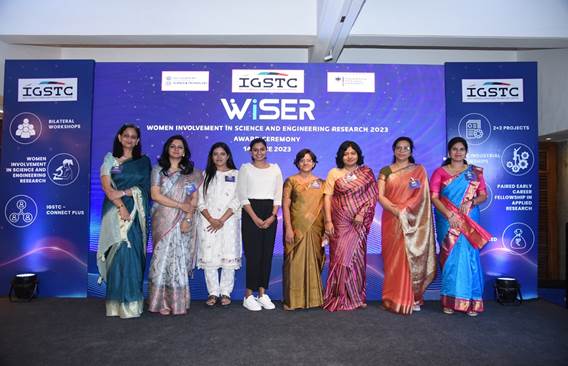
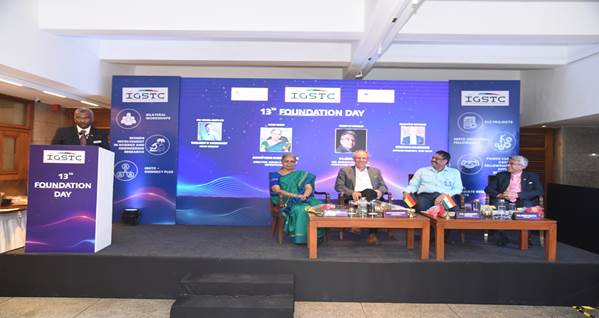
Ten women researchers from India and Two from Germany were awarded under ‘Women Involvement in Science and Engineering Research’ (WISER) programmeto promote women researchers in India/Germany to participate and collaborate in ongoing R&D and innovation projects on the occasion of 13 Foundation day of IGSTC (Indo-German Science and Technology Centre). They will receive financial assistance and will not need to apply for fresh project grants in partnering countries.
“Research efforts should be directed towards contributing to society and making a positive impact on people’s lives,” said S.K. Varshney Head of International Cooperation Division (ICD) at the Department of Science and Technology (DST) and Co-chair of IGSTC at the inauguration of the programme.
Stephan Grabherr, Charge d’Affaires of the German Embassy in Delhi, highlighted the significance of collaborations between industries and universities and stressed the need for fostering strong partnerships and knowledge-sharing between these two spheres.
R Madhan, Director, IGSTC emphasized the significant programs and achievements that have fostered a strong partnership between India and Germany while Annapurni Subramaniam, Director, Indian Institute of Astrophysics (IIA) and Chief Guest for the occasion emphasized on the significance of increasing the representation of women scientists and ensuring a proportional number of women-led projects for fostering inclusivity and diversity within the scientific fraternity.
IGSTC celebrated its 13th Foundation Day event on 14th June, 2023 to highlight its achievements and its role in promoting the Indo-German Science and Technology partnerships since its inception in the year 2010.
Industrial Fellowships-2023 Awards were given to 20 young Indian researchers from leading academic and research institutions spread across India. While, this fellowship provides exposure to young Indian researchers at German Industrial ecosystems and applied research Institutions for 06-12 months, the WISER program facilitates lateral entry of women for perusing research in Science and Technology, create avenues for long term Indo-German research collaborations and enhance capacity building & networking.
Mr. Rajesh Nath, Managing Director, German Engineering Federation (VDMA) in India also participated as guest of honour.
IGSTC also organised an outreach event on the day which was attended by scientists, academicians from around 30 Institutions in and around Delhi wherein the attendees were briefed about available opportunities at IGSTC for Indo-German collaboration in S&T. The success stories of IGSTC programmes were also presented during the event.
The Indo-German Science & Technology Centre (IGSTC), a bilateral institution established by the Department of Science and Technology (DST), Government of India, and the Federal Ministry of Education and Research (BMBF), Government of Germany to promote Science and Technology collaboration with a focus on applied research and technology development, has supported 54 applied research projects on various thematic areas, 55 bilateral workshops, capacity building through 82 Industrial & early career fellowships, 23 WISER fellowships for Women researchers and small ignition funding for 07 projects.
The main focus of IGSTC over the years has been to provide a networking platform between the Indian and the German researchers/Industry personnel and has connected around 6300 + researchers / Industry personnel through its various programmatic activities.
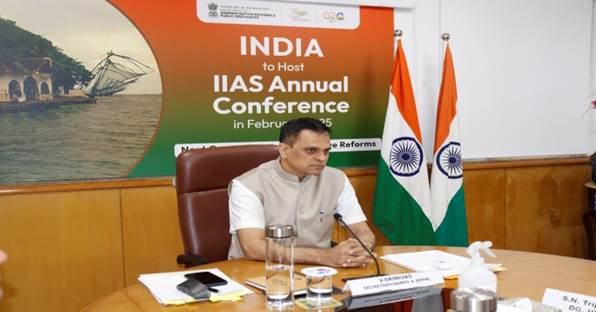
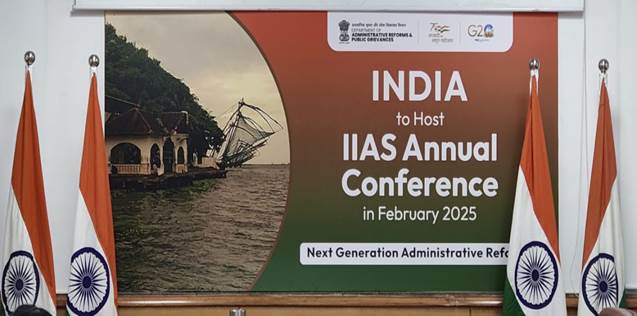
India expressed its willingness to host the 2025 IIAS (International Institute of Administrative Sciences) Annual Conference at Kochi, Kerala, in February, 2025. The IIAS established in 1930, is a federation of member States, national sections and academic research centres jointly elaborating public administration solutions to the policy challenges of the day with headquarters in Brussels, Belgium.
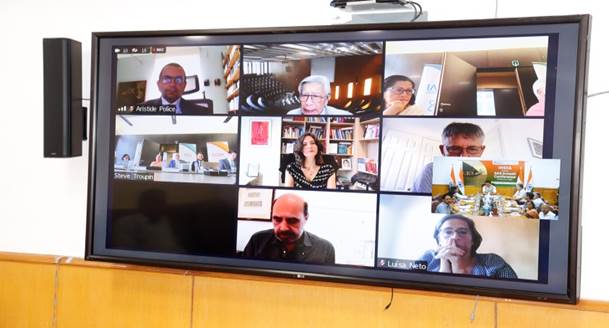
The decision of the Government of India was conveyed in the meeting of the Council of Administration by V.Srinivas, Secretary Department of Administrative Reforms and Public Grievances in a virtual meeting today. The 2025 Annual Conference of IIAS would be attended by 30 Member Countries, 18 National Sections and over 50 IIAS Universities/ Institutes of Public Administration in Member Countries.
The Indian statement to the IIAS Council of Administration said the following:
The Department of Administrative Reforms and Public Grievances is an institutional member of the International Institute of Administrative Sciences IIAS since 1998. As a nation deeply committed to Multilateralism, Democracy, Meritocracy and Good Governance, India has under Prime Minister Modi, pursued far-reaching administrative reforms under the policy maxim “Maximum Governance–Minimum Government”. As an institutional member of IIAS, India has contributed significantly to the deliberative democracy, research publications, fiscal processes of budget/ audit through the institutional mechanisms of the Council of Administration and the Finance Committee.
Under the visionary leadership of Prime Minister Modi, the Governance landscape of India has radically changed in scale, scope and learning paradigms. India has succeeded in building modern-day digital institutions which benefit millions of Indians with e-services and digital public infrastructure. In its 75th year of independence, being celebrated as Azadi Ka Amrit Mahotsav, Prime Minister Modi has given a clarion call for adoption of Next Generation Reforms by bridging the gap between government and citizens under the theme Viksit Bharat. This vision of Next Generation administrative reforms of Prime Minister Modi has been diligently translated into a reality by DARPG. Secretariat Reforms, Benchmarking of Governance, Redressal of Public Grievances & Improving Service Delivery, Recognizing Meritocracy and Replication of good governance practices form the core of India’s good governance model.
The organizational reforms coupled with significant reforms in Personnel Administration represent a paradigm shift in India’s governance models. New India’s strong institutions are best symbolized by adoption of e-governance practices. The best manifestation of “Maximum Governance – Minimum Government” policy is a “Digitally Empowered Citizen” and a “Digitally Transformed Institution”. In accordance with India’s governance model, the theme for 2025 IIAS Annual Conference at Kochi is proposed as “Next Generation Administrative Reforms – Empowering the Citizens and Reaching the Last Mile”.
In 2023, India will be hosting the G-20 Leaders’ Summit and the SCO Leaders’ Summit. Over 200 meetings of G20 engagement groups/ working groups/ ministerial meetings are being conducted in 56 cities under the theme “Vasudhiava Kutumbakam – One Earth, One Family, One Future”. As the world’s largest democracy and amongst the most digitally advanced Nations in the world, India brings forth its unique experience of hosting important bilateral/multilateral summits backed by decentralized/ functional governance models. India has always viewed the IIAS as an important institution for international relations in public administration. The IIAS 2025 Conference in Kochi would represent a significant milestone for India’s pursuit of next generation administrative reforms.
India extends a warm and hearty welcome to all the 2025 IIAS Annual Conference delegates to visit Kochi. The conference dates and agenda would be worked out in consultation with the IIAS Secretariat. The Director General Indian Institute of Public Administration and Member of the Research Advisory Committee of IIAS would support DARPG in formulating the research agenda for the 2025 IIAS Conference at Kochi. India looks forward to host an inclusive and successful conference and envisage cordial and constructive collaboration with the IIAS in the run up to 2025.
As part of celebration of 75 years of diplomatic relations between India and Brazil, and as a follow-up to the meeting between Prime Minister Shri Narendra Modi and President of Brazil, Mr. Luiz Inácio Lula da Silva on the side-lines of the G-7 summit in Hiroshima, the Union Minister of Parliamentary Affairs, Coal & Mines, Shri. Pralhad Joshi led a 10-member Parliament goodwill delegation to Brazil from June 11 to 13, 2023.
Shri G Srinivas, IAS, Secretary, Ministry of Parliamentary Affairs stated that this was the first Goodwill Delegation of Parliament and the visit underscores the high importance that India places on its relations with Brazil, a strategic partner since 2006.
During their visit, the delegation paid homage to the busts of Father of the Nation Mahatma Gandhi, a symbol of the shared democratic values and peace between India and Brazil, situated at the heart of the city parks of Brasilia and Rio de Janeiro.
On 13 June, the delegation held a meeting with Mr. Rodrigo Otavio Soares Pacheco, the President of the Federal Senate, Upper House of Brazilian Parliament. The exchange during the meeting was a testament to the growing strategic partnership between India and Brazil, underlined by mutual understanding and cooperation. Mr Pacheco also thanked and accepted the invitation from Hon’ble Minister to visit India leading a delegation of parliamentarians.
The delegation also met Senator Nelson Trad, President of the India-Brazil Friendship Front, and other prominent members of the Front. This interaction laid the foundation for a further deepening of the diplomatic ties between the two nations.
This was followed by a productive meeting with Mr Marcos Pereira, Dy. President of the Congress and Federal Deputy Vinicius Carvalho, President of the India-Brazil Parliamentary Friendship Group, and several of its distinguished members.
During the visit, both sides expressed their satisfaction over the significant increase in bilateral trade over the past two years. The total bilateral trade surged by an impressive 115% from US$7.05 billion in 2020 to US$15.20 billion in 2022. This emphasis on strategic trade expansion reflects the commitment of both nations to forging a mutually beneficial partnership, driving economic development, and bolstering diplomatic ties.
During the course of the visit in both Rio de Janeiro and Brasília, the Minister Shri Joshi met with members of the Indian community residing in Brazil. He updated them on India’s swift socio-economic development, highlighting the various policy initiatives by the government that have contributed to this progress. The meetings offered an opportunity for community members to better understand and connect with the ongoing growth story of India, further strengthening the bond between the Indian diaspora and their motherland.
Ambassador Suresh Reddy noted that this visit by the Goodwill Delegation from the Indian Parliament marks a significant step in the rich history of India-Brazil bilateral relations. He stated that while, reinforcing our shared commitment to democratic values and paving the way for enhanced collaboration in various fields, the visit is also expected to facilitate visits of Parliamentary delegations from the Senate and Congress to India.
The 22nd Law Commission of India is inter alia examining the Uniform Civil Code, a reference sent by the Ministry of Law & Justice.
Initially the 21st Law Commission of India had examined the subject on Uniform Civil Code and solicited the views of all the stakeholders through its appeal along with a questionnaire dated 07.10.2016 and further public appeals/notices dated 19.03.2018, 27.03.2018 and 10.4.2018. Pursuant to the same, overwhelming responses have been received by the Commission. The 21st Law Commission has issued the consultation paper on “Reforms of Family Law” on 31.08.2018. Since more than three years have been lapsed from the date of issuance of the said Consultation Paper, bearing in mind the relevance and importance of the subject and also the various Court orders on the subject, the 22nd Law Commission of India considered it expedient to deliberate afresh over the subject.
Accordingly, the 22nd Law Commission of India decided again to solicit views and ideas of the public at large and recognized religious organizations about the Uniform Civil Code. Those who are interested and willing may present their views within a period of 30 days from the date of Notice through “click here” button or by Email at membersecretary-lci[at]gov[dot]in to the Law Commission of India.











You must be logged in to post a comment.