
Princess Diana's death – A Tragic Accident or Murder?

Princess Diana’s death on August 31, 1997, was a tragic event that shocked the world. She died in a car accident in Paris, France, along with her partner at the time, Dodi Fayed, and their driver, Henri Paul. The events surrounding her death have been the subject of much speculation and controversy, but the official explanation is that the car crashed into a pillar in a tunnel due to the driver’s high speed and intoxication.

The news of Princess Diana’s death was met with an outpouring of grief from around the world. She was beloved by many for her charitable work, her compassion, and her willingness to speak out on issues such as HIV/AIDS and landmines. Her death was a shock to the British royal family, as well as to the general public, and it prompted an unprecedented outpouring of emotion and public mourning.

In the aftermath of her death, there were many questions about what had happened and why. The French authorities conducted an investigation into the crash, which concluded that the driver, Henri Paul, had been drinking and was driving at high speed when the car crashed. There were also conspiracy theories that suggested that Princess Diana’s death was not an accident, but was instead the result of a deliberate plot by the British establishment.

Also, Princess Diana did write a letter to her butler, Paul Burrell, several months before her death in which she expressed her concerns for her safety and her belief that there was a plot to harm her. The letter, known as the “Burrell letter,” was revealed during the inquest into her death.

In the letter, Diana expressed her belief that someone was planning an accident to cause her harm and that she was being watched. However, it is important to note that the circumstances surrounding the letter’s contents and its authenticity have been the subject of much debate and controversy. Some people have questioned whether the letter was genuine or whether it was a fabrication.

Furthermore, the investigations into Diana’s death found no evidence to support the idea that there was a conspiracy or that anyone was responsible for her death. Instead, it was concluded that her death was the result of a tragic accident.

Mesopotamia's cradle of civilization

Mesopotamia is a historical region located in the eastern Mediterranean, between the Tigris and Euphrates rivers, in what is now modern-day Iraq. It is considered to be one of the cradles of civilization, as it was home to some of the world’s earliest civilizations, such as Sumer, Akkad, and Babylon.


Credits – Pinterest

The first civilization to arise in Mesopotamia was the Sumerian civilization, which emerged around 4000 BCE. The Sumerians were one of the first groups to develop a form of writing, known as cuneiform, which they used to keep records and write literature. They also created a number of important innovations, including the wheel, plow, and irrigation systems, which allowed them to sustain large populations and build complex societies.

The Akkadian Empire emerged around 2334 BCE, and was founded by the Akkadian king Sargon. The Akkadians conquered much of Mesopotamia and created the first empire in history. The Akkadian Empire was known for its military prowess, as well as its contributions to art and culture. The empire lasted for about two centuries before falling apart due to internal strife and external pressures.

The Babylonian Empire emerged around 1894 BCE, and was founded by the Amorite king Hammurabi. Hammurabi is best known for his legal code, which was one of the first comprehensive legal systems in history. The Babylonian Empire was also known for its advances in mathematics, astronomy, and literature. The empire fell to the Assyrians in 612 BCE.

Throughout its history, Mesopotamia was subject to numerous invasions and conquests. The Assyrians, for example, emerged as a major power in the region around 1300 BCE, and went on to conquer much of Mesopotamia, as well as parts of Egypt and Anatolia. The Assyrians were known for their brutal tactics and their ability to create large, efficient armies.

Mesopotamia was also home to a number of important religious traditions, including the worship of the gods Enlil, Anu, and Marduk. The Mesopotamians believed in a pantheon of gods and goddesses, and their religious practices were closely intertwined with their daily lives.

Mesopotamia is a region that played a critical role in the development of human civilization. It was home to some of the world’s earliest civilizations, which made significant contributions to art, culture, and technology. Mesopotamia was also a region of great political and military turmoil, as various empires rose and fell throughout its history. Despite its challenges, Mesopotamia’s legacy endures to this day, as many of its achievements continue to influence our world.

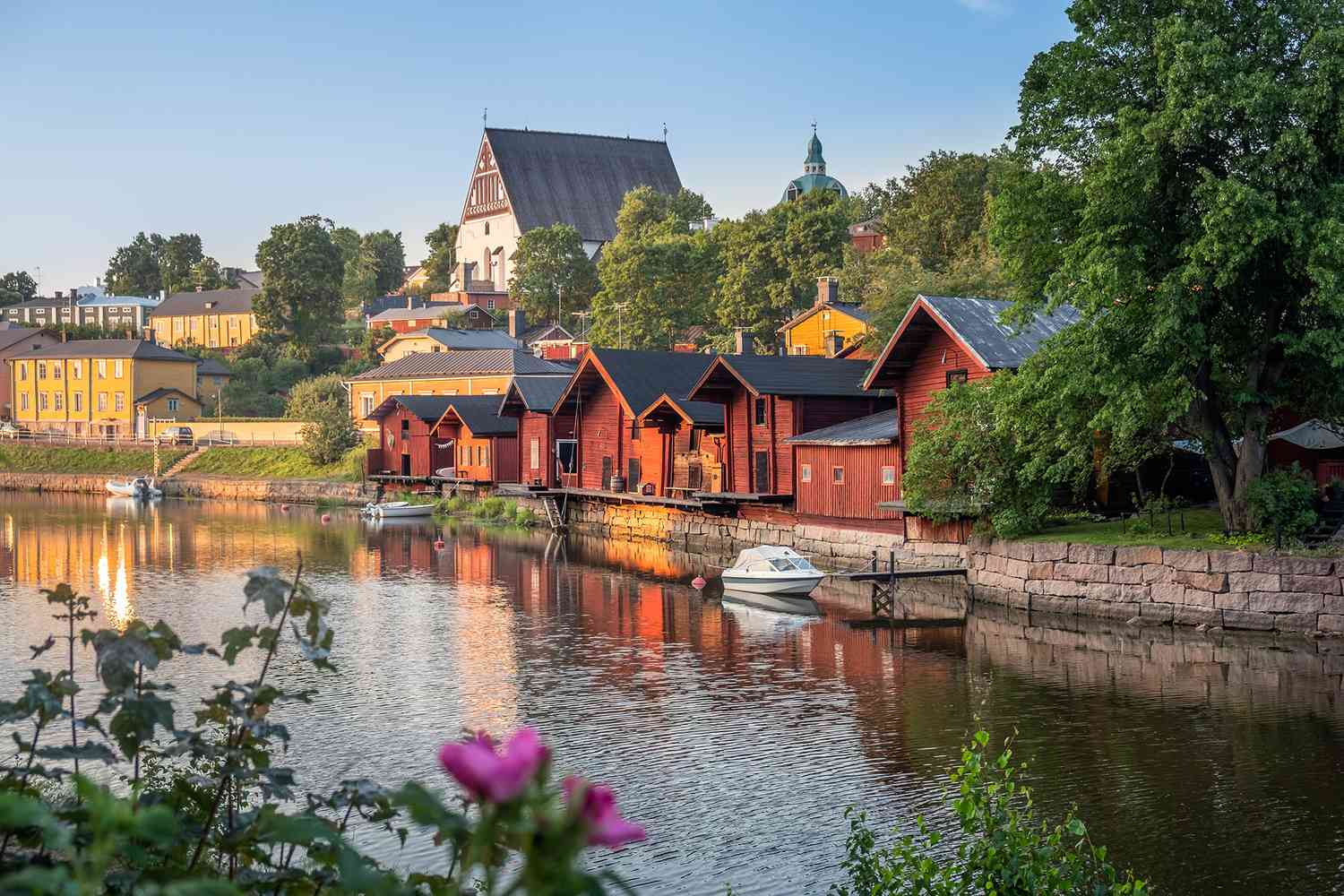
Finland ranked the 'happiest country' for sixth year in row

Finland is a Nordic country located in Northern Europe, and it has been ranked the happiest country in the world for six times in row. This ranking is based on the annual World Happiness Report, which measures the well-being of people in countries around the globe. In this article, you can read about why Finland is the happiest country in the world.

PHOTO: JANI RIEKKINEN/GETTY IMAGES

Finland has a high standard of living. The country has a robust social welfare system that provides its citizens with access to quality education, healthcare, and other basic needs. This means that the majority of people in Finland can enjoy a good standard of living, regardless of their socioeconomic background. In addition, the country has a low level of income inequality, which further contributes to a sense of well-being among the population.

Finland is a safe and peaceful country. Crime rates are low, and the country has a strong rule of law, which means that people can feel secure in their daily lives. Additionally, Finland has a long tradition of political stability and democratic governance, which helps to maintain a sense of social harmony and trust among its citizens.

Another factor that contributes to Finland’s happiness is its natural beauty. Finland has vast expanses of unspoiled wilderness, including forests, lakes, and rivers, which provide ample opportunities for outdoor recreation and relaxation. This connection with nature has been shown to have positive effects on mental health and well-being.

Furthermore, Finland has a strong sense of community and social cohesion. This is partly due to the country’s Nordic welfare model, which emphasizes equality, cooperation, and solidarity. Additionally, Finland has a strong tradition of volunteerism and civic engagement, which helps to create a sense of shared purpose and mutual support among its citizens.

Finally, Finland is a country that values work-life balance. The country has a culture that prioritizes leisure time and family time, and it has one of the shortest workweeks in Europe. This means that people in Finland have more time to pursue hobbies and spend time with loved ones, which can contribute to overall happiness and well-being.

To conclude, Finland’s happiness can be attributed to a variety of factors, including a high standard of living, safety and security, natural beauty, social cohesion, and a culture that values work-life balance. While no country is perfect, Finland’s commitment to social welfare, democratic governance, and environmental sustainability has made it a shining example of what a happy and prosperous society can look like.

Air Pollution – Causes

Air pollution refers to the presence of harmful substances in the air that we breathe. It can have serious effects on both human health and the environment. Some of the causes of air pollution include industrial activities, transportation, and natural events such as wildfires and dust storms.
Effects of air pollution:

Respiratory problems: Air pollution can cause a range of respiratory problems such as coughing, wheezing, and shortness of breath. It can also aggravate asthma and other respiratory conditions.
Cardiovascular problems: Air pollution has been linked to an increased risk of heart disease, stroke, and other cardiovascular problems.
Cancer: Exposure to air pollution, particularly to certain types of air pollutants such as benzene, has been linked to an increased risk of cancer.
Environmental damage: Air pollution can have serious environmental effects such as acid rain, ozone depletion, and damage to crops and forests.
Global warming: Air pollution is a major contributor to global warming, which has serious implications for the planet.
Causes of air pollution:
Industrial activities: The burning of fossil fuels in industries is a major source of air pollution. This includes burning coal, oil, and gas.
Transportation: Vehicles emit a range of pollutants into the air including carbon monoxide, nitrogen oxides, and particulate matter.
Natural events: Natural events such as wildfires and dust storms can also contribute to air pollution.
Agricultural activities: Agricultural activities such as the use of fertilizers and pesticides can release pollutants into the air.
Household activities: Household activities such as cooking, heating, and using cleaning products can also contribute to air pollution.
In conclusion, air pollution is a serious problem that can have a range of harmful effects on both human health and the environment. It is caused by a range of factors including industrial activities, transportation, and natural events. It is important that we take steps to reduce air pollution and protect our health and the planet.

The Seven Wonders of World

The New Seven Wonders of the World is a collection of remarkable architectural and engineering feats of the modern world that were chosen through a global vote held in 2007. The campaign was launched by the Swiss foundation New7Wonders, which aimed to promote cultural diversity and encourage the preservation of global heritage sites. The winners were announced on July 7, 2007, in Lisbon, Portugal.


Source – Wikipedia

  1. Great Wall of China:
    The Great Wall of China is an iconic symbol of Chinese civilization and one of the most visited tourist destinations in the world. It was built over 2,000 years ago to protect China from invading nomadic tribes. The wall stretches for over 13,000 miles and comprises a series of walls and fortifications.

  2. Petra, Jordan:
    Petra is an ancient city located in the deserts of Jordan that was carved into the sandstone cliffs by the Nabatean people over 2,000 years ago. It was an important trading center on the Silk Road and is famous for its impressive rock-cut architecture, including the Treasury and the Monastery.

  3. Christ the Redeemer, Brazil:
    Christ the Redeemer is a statue of Jesus Christ located in Rio de Janeiro, Brazil. It was built in the early 20th century and stands at 98 feet tall, including its pedestal. The statue is one of the most recognizable landmarks in Brazil and a symbol of Christianity worldwide.

  4. Machu Picchu, Peru:
    Machu Picchu is an ancient Incan citadel in the Andes Mountains of Peru. It was built in the 15th century and abandoned by the Incas a century later. The site was rediscovered by Hiram Bingham in 1911 and is now a popular tourist destination known for its stunning architecture and panoramic views.

  5. Chichen Itza, Mexico:
    Chichen Itza is a complex of Mayan ruins located in Mexico’s Yucatan Peninsula. It was built in the 9th century and features impressive pyramids, temples, and observatories. The most famous structure is the Kukulcan Pyramid, also known as El Castillo, which is renowned for its unique acoustic properties.

  6. Colosseum, Italy:
    The Colosseum is an iconic symbol of ancient Rome and a popular tourist destination. It was built in the 1st century AD and was used for gladiatorial contests and public spectacles. The Colosseum is the largest amphitheater ever built and could seat up to 50,000 spectators.

  7. Taj Mahal, India:
    The Taj Mahal is a white marble mausoleum located in Agra, India. It was built in the 17th century by Emperor Shah Jahan as a tribute to his beloved wife, Mumtaz Mahal. The Taj Mahal is renowned for its stunning beauty and intricate decorative elements, including its marble inlay work and intricate carvings.

Education Policy of USA

The education policy of the United States is a complex and multifaceted issue, as education is primarily a responsibility of the individual states. However, there are some overarching policies and initiatives at the federal level that impact education in the country.

One of the key federal policies is the No Child Left Behind Act (NCLB), which was signed into law in 2002. This law aimed to improve student achievement by requiring states to implement annual standardized testing to measure student progress in reading and math, and by holding schools accountable for their students’ performance.
In 2015, the NCLB was replaced by the Every Student Succeeds Act (ESSA), which continued the focus on accountability and standardized testing, but gave states more flexibility in implementing their own policies to improve education.
The federal government also provides funding for education through programs like Title I, which provides financial assistance to schools with a high percentage of students from low-income families, and special education funding for students with disabilities.
Another key policy issue in education is school choice, which refers to the ability of parents to choose where their children go to school, including private and charter schools. While some argue that school choice promotes competition and improves education, others are concerned about the impact it may have on public schools and access to education for disadvantaged students.
Overall, the education policy of the United States is a complex and often contentious issue, with ongoing debates about the best approaches to improving student achievement and access to education.

Madhya Pradesh PhD Colloquium 2023

A colloquium is an academic event, usually organized by a university or research institute, where experts in a particular field come together to discuss and exchange ideas on a specific topic or theme.

Colloquia may take different forms, such as lectures, seminars, panel discussions, workshops, or informal gatherings. They typically involve presentations by invited speakers, followed by questions and discussions among the attendees.

Colloquia serve as an important platform for sharing research findings, exploring new ideas, and fostering collaboration and networking among scholars, students, and practitioners in a particular field. They may also provide opportunities for graduate students and early career researchers to present their work and receive feedback from senior colleagues.

Overall, colloquia play a significant role in advancing academic and intellectual discourse, promoting interdisciplinary and cross-cultural exchange, and enriching the educational experience for both scholars and students.

What is Good Friday

Good Friday is an important religious holiday observed by Christians all over the world. It commemorates the crucifixion of Jesus Christ, who died for the sins of humanity. The holiday is observed on the Friday before Easter Sunday and marks the end of the Lenten season.

The origin of Good Friday dates back to the early days of Christianity when it was first observed as a day of mourning and repentance. It is believed that Jesus was arrested and put on trial before the Roman governor, Pontius Pilate, who sentenced him to death by crucifixion. The crucifixion took place on a hill called Golgotha, outside the city walls of Jerusalem.
The story of Jesus’ crucifixion is recorded in the New Testament of the Bible. According to the Gospels, Jesus was betrayed by one of his disciples, Judas Iscariot, who led a group of soldiers to arrest him in the Garden of Gethsemane. Jesus was then taken to the high priest Caiaphas and questioned by the Sanhedrin, the Jewish council of elders. He was accused of blasphemy and sentenced to death by the Roman authorities.
Jesus was then taken to Golgotha, where he was crucified alongside two thieves. He was nailed to a wooden cross and left to die. According to Christian tradition, Jesus died on the cross after several hours of agony, during which time he uttered the famous words, “Father, forgive them, for they know not what they do.”
Good Friday is a solemn and reflective day for Christians. Many churches hold special services, including the reading of the Passion of Christ, a recounting of Jesus’ suffering and death. In some churches, the service ends in darkness, symbolizing the darkness that fell upon the earth when Jesus died.
Christians also observe Good Friday by fasting and abstaining from meat. The day is a time for reflection, prayer, and repentance. Many Christians also participate in the Stations of the Cross, a devotional practice that involves walking the path of Jesus’ final hours, stopping at 14 stations along the way to meditate on his suffering and death.
In some countries, Good Friday is a public holiday, and businesses and schools are closed. It is a time for families to gather, and many traditional foods are eaten, including hot cross buns, a sweet bread marked with a cross, and fish, which is a traditional Lenten food.
In conclusion, Good Friday is a significant religious holiday for Christians, marking the crucifixion and death of Jesus Christ. It is a time for reflection, prayer, and repentance, and is observed with solemnity and reverence around the world. Christians believe that Jesus’ death on the cross was a sacrifice for the sins of humanity, and that through his death and resurrection, they can have eternal life. Good Friday is a powerful reminder of the importance of faith, sacrifice, and redemption in the Christian faith.

New Education Policy of India 2020

The New Education Policy (NEP) of India was launched in 2020 with the aim of revamping the education system in the country and bringing about significant changes in the way education is imparted. The NEP is the first education policy in India to be launched in the 21st century, and it replaces the earlier National Policy on Education, which was launched in 1986 and revised in 1992.

The NEP is based on the principles of access, equity, quality, affordability, and accountability, and it aims to provide a holistic and multidisciplinary education to students from all backgrounds. The policy is designed to promote lifelong learning and to equip students with the skills and knowledge they need to succeed in a rapidly changing world.
One of the major goals of the NEP is to provide universal access to education from preschool to secondary school. The policy aims to increase enrollment rates and reduce dropout rates by providing free and compulsory education to all children between the ages of 3 and 18 years. It also emphasizes the importance of early childhood education and aims to provide high-quality preschool education to all children.
The NEP also seeks to bring about a significant shift in the curriculum and pedagogy of schools and colleges. It emphasizes the importance of multidisciplinary learning and encourages the integration of vocational and academic education. The policy aims to reduce the emphasis on rote learning and memorization and promote critical thinking, creativity, and problem-solving skills.
Another significant feature of the NEP is its focus on the use of technology in education. The policy aims to promote the use of technology to enhance learning outcomes and make education more accessible and affordable. It also emphasizes the importance of digital literacy and aims to provide students with the skills they need to use technology effectively.
The NEP also seeks to promote the internationalization of education and encourage greater collaboration between Indian and foreign educational institutions. The policy aims to attract foreign students to study in India and encourage Indian students to study abroad.
The NEP also addresses the issue of teacher training and professional development. It emphasizes the importance of continuous learning and aims to provide teachers with the skills and knowledge they need to deliver high-quality education. The policy also encourages the use of technology in teacher training and aims to provide teachers with access to high-quality online resources.
The NEP also addresses the issue of funding for education. The policy aims to increase public investment in education and encourage private investment in the sector. It also proposes the establishment of a National Research Foundation to fund research and innovation in education.
The NEP has received mixed reactions from stakeholders in the education sector. While some have praised the policy for its focus on access, equity, and quality, others have criticized it for being too ambitious and lacking in detail. Some critics have also raised concerns about the implementation of the policy, particularly in terms of funding and teacher training.
In conclusion, the New Education Policy of India is a comprehensive and ambitious policy that seeks to bring about significant changes in the education system of the country. The policy has the potential to transform the education sector and provide students with the skills and knowledge they need to succeed in a rapidly changing world. However, its success will depend on the effective implementation of the policy and the commitment of all stakeholders to work towards its goals.

Red Fort (Lal Quila) in Delhi

The Red Fort, also known as Lal Qila, is a historic fort complex located in the heart of Old Delhi, India. It is one of the most iconic monuments of India and is a popular tourist attraction, attracting millions of visitors each year.

The construction of the Red Fort began in 1638 under the Mughal Emperor Shah Jahan and was completed in 1648. The fort was built as the royal palace for Shah Jahan and served as the seat of the Mughal Empire for nearly 200 years. The fort is surrounded by a massive red sandstone wall that stretches for over two kilometers and has several gates, including the Lahori Gate, the Delhi Gate, and the Turkman Gate.
The Red Fort complex covers an area of approximately 254 acres and includes several buildings, gardens, and courtyards. The most notable structures within the complex include the Diwan-i-Am (Hall of Public Audience), the Diwan-i-Khas (Hall of Private Audience), the Rang Mahal (Palace of Colors), the Khas Mahal (Private Palace), the Mumtaz Mahal (Jewel Palace), and the Moti Masjid (Pearl Mosque).
The Diwan-i-Am is a large hall where the emperor would meet with the public and hear their grievances. The hall is supported by a series of red sandstone pillars and has a large marble throne on which the emperor would sit. The Diwan-i-Khas is a smaller hall used for private audiences with dignitaries and ambassadors. It is decorated with intricate carvings and inlaid with precious stones.
The Rang Mahal is the palace where the emperor’s wives and concubines lived. It is decorated with intricate paintings and carvings and has several private chambers for the women. The Khas Mahal is the private palace of the emperor and was used for personal and family functions. It is built on a raised platform and has a beautiful marble pavilion in the center.
The Mumtaz Mahal is a small palace located near the Rang Mahal and was named after Shah Jahan’s beloved wife, Mumtaz Mahal. It was built in her memory after her death and is adorned with beautiful paintings and carvings. The Moti Masjid is a small mosque located near the Diwan-i-Khas and is made of white marble. It was built by Aurangzeb, the son of Shah Jahan, and is known for its exquisite architecture and beauty.
The Red Fort has played a significant role in the history of India. It was the site of many important events, including the coronation of Emperor Bahadur Shah Zafar, the last Mughal emperor. It was also the site of the famous Indian rebellion of 1857, which was led by Indian soldiers against the British East India Company. After the rebellion, the British took control of the fort and used it as a military base until India gained independence in 1947.
Today, the Red Fort is a UNESCO World Heritage Site and is a popular tourist destination. Visitors can explore the various buildings and structures within the complex and learn about the rich history of India. The fort also hosts a famous annual event, the Independence Day celebration, where the Indian Prime Minister hoists the national flag and delivers a speech from the ramparts of the fort.
In conclusion, the Red Fort is a remarkable monument that showcases the architectural and cultural heritage of India. Its intricate designs, beautiful carvings, and exquisite paintings make it a must-visit destination for anyone interested in history and culture. The fort’s rich history and significance in the Indian freedom struggle also make it a symbol of India’s struggle for independence and its rich cultural legacy.

What is EduPub

EduPub is a trademark of Edupedia Publications Pvt Ltd.
Edupub is a term that refers to educational publishing in digital formats, such as e-books and online educational content. It aims to make learning materials more accessible, interactive, and engaging by using technology to create dynamic and flexible educational resources.
Edupub is a collaborative effort between the publishing industry, education experts, and technology providers. It is based on the principles of interoperability, accessibility, and usability, which means that educational content should be able to work seamlessly across different platforms and devices, be accessible to all learners, regardless of disabilities, and be easy to use and navigate.
One of the key benefits of edupub is that it allows for more personalized and adaptive learning experiences. With digital formats, learners can interact with content in different ways, such as by highlighting, taking notes, and answering quizzes. They can also access additional resources and multimedia content, such as videos and simulations, to enhance their understanding of the subject matter.
Edupub also enables the creation of modular and flexible learning materials, which can be customized to meet the specific needs of different learners. For example, learners can choose to study at their own pace, skip over sections they already know, or revisit topics that they find difficult.
In addition, edupub can help to reduce the cost of educational materials by eliminating the need for physical textbooks and reducing distribution costs. This makes education more affordable and accessible, particularly for learners from low-income backgrounds.
However, there are also some challenges associated with edupub. One of the main challenges is ensuring that educational content is of high quality and accuracy. With the ease of digital publishing, there is a risk of low-quality and misleading content being circulated, which can have negative effects on the learning outcomes of students.
Another challenge is ensuring that edupub content is accessible to all learners, including those with disabilities. This requires careful attention to design and development, such as ensuring that content is compatible with screen readers and other assistive technologies.
Despite these challenges, edupub has the potential to revolutionize the way we learn and teach. By using digital formats, it can make education more engaging, interactive, and accessible to learners of all ages and backgrounds.
One of the key aspects of edupub is its use of open standards, such as HTML5, EPUB, and DAISY. These standards ensure that educational content is interoperable and can be accessed across different platforms and devices. They also enable the creation of interactive and multimedia-rich content that can enhance the learning experience.
Another important feature of edupub is its focus on accessibility. With the use of standards such as DAISY, edupub content can be made accessible to learners with disabilities, such as those who are blind or have low vision. This ensures that all learners can access educational materials on an equal basis.
Edupub also enables the creation of modular and flexible educational content. With digital formats, content can be broken down into smaller modules, which can be combined and customized to meet the specific needs of different learners. This allows for more personalized and adaptive learning experiences, where learners can progress at their own pace and focus on topics that are most relevant to them.
Another benefit of edupub is its potential to reduce the cost of educational materials. With the use of digital formats, publishers can eliminate the need for physical textbooks and reduce distribution costs. This can make education more affordable and accessible, particularly for learners from low-income backgrounds.
Overall, edupub has the potential to transform the way we learn and teach. By leveraging technology and open standards, it can make education more engaging, interactive, and accessible to learners of all ages and backgrounds. However, it is important to address the challenges associated with edupub, such as ensuring the quality and accuracy of educational content and making it accessible to all learners.

What is importance of Training and internship

Training and internships are both extremely important in terms of career development and gaining valuable experience.
Training programs provide individuals with the necessary skills and knowledge to perform their job duties effectively. These programs can take many forms, including on-the-job training, formal classroom training, workshops, seminars, and online courses. By participating in training programs, employees can develop new skills, improve existing ones, and stay up-to-date on the latest trends and best practices in their field.
Internships, on the other hand, provide students and recent graduates with hands-on experience in their chosen field. They offer a unique opportunity to gain practical skills, network with professionals in the industry, and learn about the inner workings of an organization. Internships can also be a great way to determine if a particular career path is right for you.
Overall, both training and internships can help individuals develop the skills and experience needed to succeed in their chosen careers, and can provide valuable opportunities for personal and professional growth.
Sure, here are ten tips for a successful internship:
Set clear goals: Before starting your internship, define your goals and objectives. What do you want to learn? What skills do you want to develop? What experiences do you want to gain?
Be proactive: Don’t wait for tasks to be assigned to you. Take initiative and ask for projects that interest you. This will show your supervisor that you are eager to learn and contribute.
Network: Use your internship as an opportunity to network with professionals in your field. Attend company events, introduce yourself to colleagues, and ask for informational interviews.
Be professional: Dress appropriately, arrive on time, and be respectful to everyone you work with. Remember, your behavior and attitude can impact your future career opportunities.
Ask questions: Don’t be afraid to ask questions if you don’t understand something. This will show your supervisor that you are engaged and interested in learning.
Take notes: Take notes during meetings and when given instructions. This will help you remember important information and ensure that you are completing tasks accurately.
Seek feedback: Ask for feedback on your performance and use it to improve. Take constructive criticism as an opportunity to learn and grow.
Stay organized: Keep track of your tasks and deadlines. Use a planner or digital tool to stay organized and ensure that you are meeting expectations.
Build relationships: Build positive relationships with your colleagues and supervisor. These connections can be valuable for future job opportunities and references.
Be open-minded: Keep an open mind and be willing to learn new things. Embrace new experiences and challenges, and use them to grow both personally and professionally.

Swaswati Borpuzari

 Articles written by Swaswati Borpuzari

1. http://track2training.com/2023/04/02/alone-time-a-boon-for-mental-health/

2.  http://track2training.com/2023/04/02/family-time-the-most-important-of-all/

3.  http://track2training.com/2023/04/02/a-step-towards-healthy-eyes/

4. http://track2training.com/2023/04/02/walking-the-best-and-underrated-form-of-exercise/

5. http://track2training.com/2023/03/31/stress-a-threat-to-students/

6. http://track2training.com/2023/03/31/5-skin-care-tips-that-everyone-should-be-aware-of/

7. http://track2training.com/2023/03/30/insomnia-a-sleeping-disorder-we-need-to-know-about/

8. http://track2training.com/2023/03/30/why-your-weight-is-not-losing/

9. http://track2training.com/2023/03/25/miscarriage-causes-and-symptoms/

10. http://track2training.com/2023/03/25/importance-of-yoga-in-a-students-life/

11. http://track2training.com/2023/03/25/beginner-friendly-yoga-for-everyone/

12. http://track2training.com/2023/03/19/foods-that-enhances-the-process-of-weight-loss/

13. http://track2training.com/2023/03/19/yoga-for-proper-hair-growth/

14. http://track2training.com/2023/03/16/6-yoga-poses-that-can-give-you-bright-and-glowing-skin/

15. http://track2training.com/2023/03/14/yoga-for-peace-and-harmony/

16. http://track2training.com/2023/03/13/mineral-riches-in-soil/

17. http://track2training.com/2023/03/13/water-pollution-3/

18. http://track2training.com/2023/03/13/air-pollution-5/

19. http://track2training.com/2023/03/13/pollution-a-real-threat/

20. http://track2training.com/2023/03/12/48819/

21. http://track2training.com/2023/03/12/biotechnology-an-emerging-field/

22. http://track2training.com/2023/03/12/albert-einstein/

23. http://track2training.com/2023/03/10/knowledge-being-the-ultimatum/

24. http://track2training.com/2023/03/10/picnic-everyones-favourite/

25. http://track2training.com/2023/03/10/travelling-the-best-choice/

26. http://track2training.com/2023/03/10/48673/

27. http://track2training.com/2023/03/07/why-hobbies-are-important-for-us/

28. http://track2training.com/2023/03/07/why-travelling-is-important-for-us/

29. http://track2training.com/2023/03/07/how-to-celebrate-eco-friendly-holi/

30. http://track2training.com/2023/04/05/anxiety-and-stress-two-sides-of-the-same-coin/


IRR – Internal Rate of Return

 The Internal Rate of Return (IRR) is a financial metric used to estimate the profitability of an investment. It is the discount rate at which the net present value (NPV) of an investment is zero.

In other words, IRR is the interest rate at which the cash inflows generated by an investment are equal to the cash outflows incurred by the investment. The IRR is expressed as a percentage and represents the annualized rate of return earned by an investment over its projected life.

To calculate the IRR, you need to know the initial investment amount, the cash inflows and outflows associated with the investment, and the expected time frame of the investment. Then, you can use a financial calculator or software to determine the IRR.

A higher IRR indicates a more profitable investment, while a lower IRR indicates a less profitable investment. It is important to note that IRR should be used in conjunction with other financial metrics such as Net Present Value (NPV) to fully evaluate an investment opportunity.

The Internal Rate of Return (IRR) is a widely used financial metric for evaluating the profitability of an investment. However, like any financial metric, it has its merits and demerits.

Merits of IRR:

It accounts for the time value of money: IRR takes into account the time value of money and factors in the present value of cash flows over the investment period.

It is a useful tool for evaluating investment opportunities: IRR is commonly used by investors to compare investment opportunities and to make investment decisions.

It is a simple metric to understand: IRR is a percentage that represents the expected rate of return on an investment, making it easy to communicate and understand.

Demerits of IRR:

Multiple IRRs: Investments with non-standard cash flows, such as multiple sign changes in cash flows, can have multiple IRRs, making it difficult to determine the appropriate rate.

It assumes reinvestment at the same rate: IRR assumes that all cash flows generated by the investment are reinvested at the same rate, which may not be realistic.

It does not consider the magnitude of cash flows: IRR only considers the timing of cash flows, and not their magnitude. An investment with a high IRR may have lower cash flows than an investment with a lower IRR.

It is sensitive to timing of cash flows: IRR is sensitive to the timing of cash flows, and small changes in timing can result in significant changes in the IRR.

In summary, IRR is a useful financial metric for evaluating investment opportunities, but it should be used in conjunction with other financial metrics and its limitations should be taken into account when making investment decisions.

Formula of IRR

Numerical Problem

Suppose you are considering investing in a project that requires an initial investment of $50,000. The project is expected to generate cash inflows of $10,000 per year for the next five years. 

Solution to Problem of IRR

To calculate the IRR, we can use the following formula:

NPV = 0 = -Initial Investment + (Cash Inflow / (1 + IRR)^1) + (Cash Inflow / (1 + IRR)^2) + … + (Cash Inflow / (1 + IRR)^n)

where:

NPV is the Net Present Value of the investment

IRR is the Internal Rate of Return of the investment

n is the number of periods (in this case, 5 years)

So, plugging in the numbers, we get:

0 = -$50,000 + ($10,000 / (1 + IRR)^1) + ($10,000 / (1 + IRR)^2) + ($10,000 / (1 + IRR)^3) + ($10,000 / (1 + IRR)^4) + ($10,000 / (1 + IRR)^5)

Solving for IRR, we can use a financial calculator or software to find that the IRR for this investment is approximately 10.99%.

This means that the project is expected to generate an annualized rate of return of 10.99% over its projected life, which can be used to compare its profitability to other investment opportunities.