World Hypertension Day

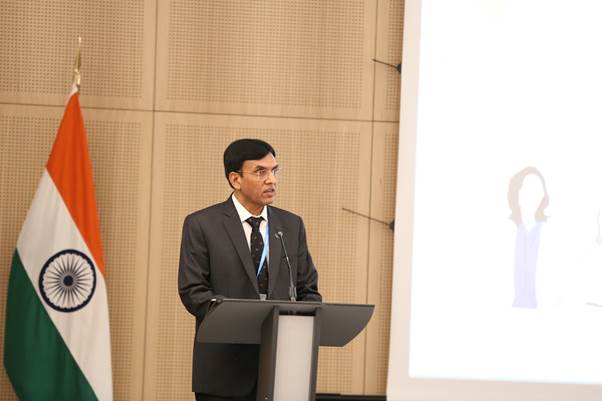
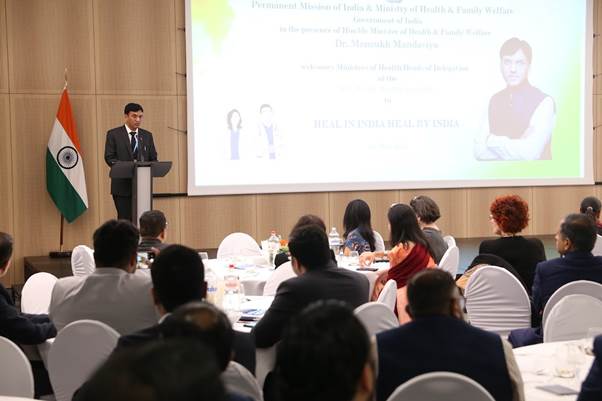
 The Union Health Ministry launched an ambitious initiative of screening and putting 75 million people with hypertension and diabetes on Standard Care by 2025, to mark the World Hypertension Day, here today. This was announced at the G20 co-branded event “Accelerating the Prevention and Management of Hypertension and Diabetes”, organized by Union Health Ministry and WHO by Dr. V K Paul, Member (Health), NITI Aayog in the presence of Shri Rajesh Bhushan, Union Health Secretary and Shri S Gopalakrishnan, Special Secretary, Health Ministry. Dr. Tedros Adhanom Ghebreyesus, Director General, WHO and Dr. Poonam Khetrapal Singh, Director, WHO SEARO virtually addressed the event.

Highlighting the innovative scheme, Dr Paul stated that this will be the largest expansion of NCDs in primary health care programme in the world with a community based approach starting at the primary healthcare level. This indicates clear resolve of the Govt to address NCDs by allocating resources, capacity enhancement, mobilization and multi-sectoral collaboration, he said. “Under the leadership of Hon’ble Prime Minister, India is determined to become a developed nation in the next 25 years in the Amrit Kaal. Towards this goal, India is making efforts to achieve results in social indicators like life expectancy, maternal mortality rate, NCDs at par with developed nations”, he stressed. The Outcome Budget document of Union Budget 2023-2024 has for the first time introduced hypertension and diabetes treatment as output indicators reflecting reflects the government’s commitment to scale-up hypertension and diabetes coverage services.

Dr Paul mentioned that the battle against NCDs have to be fought through the primary healthcare level and pointed out that India has created a platform to fight the menace through the creation of more than 1.5 lakh HWCs and operationalization of telemedicine and digital health services.

To accelerate the prevention and management of Hypertension, Dr V K Paul urged State teams to adhere to all SOPs especially the screening SOPs correctly at the grassroots since screening is the bedrock of successful management of any disease. However, he noted that only screening is not enough. Detection should lead to outcomes. He therefore urged all stakeholders to ensure that at least 80% of the diagnosed people are under treatment. The need for private sector engagement in this effort and the contribution of academic and research sector in creating models and different building blocks for achieving the ambitious targets were also emphasized.

Dr Paul also emphasized that greater effort should be put in prevention which includes lifestyle changes through eating good food, exercising and other wellness practices. He highlighted the need for a Jan Andolan to make this effort more visible through community participation; and on the need for countries to work together and share each other’s successes in the spirit of “One Earth, One Health”.

Congratulating India on this stupendous initiative, Dr Tedros Adhanom Ghebreyesus said that the “Indian Government’s ambitious target of reaching 75 million people with Hypertension under standard care in primary healthcare by 2025 is the largest cover of NCDs in the world for primary healthcare”.

In her virtual address, Dr Poonam Khetrapal Singh also congratulated the Govt of India for launching ambitious healthcare initiatives. She applauded India’s commitment to primary healthcare and highlighted the operationalization of more than 1.5 lakh Ayushman Bharat Health and Wellness Centres as a significant achievement. She also urged countries in the Southeast Asia region to create a new and effective regional roadmap to accelerate NCD control.

Union Health Secretary, Shri Rajesh Bhushan highlighted the interplay between economy, societal forces and epidemiological forces. He stated that with over 7% economic growth in the last two decades, the average life expectancy of people in India has risen significantly to around 70 today. Lifestyle of a large section of population has become more sedentary than before. The Union Health Secretary noted that the solution to the problem of NCDs lies in a societal approach where awareness, prevention, health promotion and wellness are looked at in an integrated manner. He also stressed “on the need for inter-sectoral efforts and collaboration of public and private sectors to address the growing burden of NCDs in the country”.

In addition to the 75/25 initiative, the Shashakt Portal was launched for training of 40,000 Primary Health Care Medical Officers on Standard Treatment Workflow for NCDs initiated to realize health care services closer to the community. The Revised operational guidelines of National Programme for Prevention and Control of Non-Communicable Diseases (NP-NCD) were also released with the aim of much wider coverage.  The programme is now providing services for Chronic Obstructive Pulmonary Disease (COPD) and Asthma, Chronic Kidney Disease (CKD) and Non-Alcoholic Fatty Liver Diseases NAFLD), ST Elevation of Myocardial Infarction (STEMI) apart from Hypertension, Diabetes and three common Cancers including Oral, Breast and Cervical. 

Shri Vishal Chauhan, Joint Secretary, Health Ministry, Dr Roderico H. Ofrin Offrin, WHO Representative to India, G-20 representatives, participants from WHO-SEARO countries, international partners working on hypertension and diabetes from WHO, UN and other organizations, senior state officials from states, national NCD partners and senior officials from the Union Govt were present in the event.

****

G-20 Culture group at Bhubaneswar

 The 2nd Culture Working Group (CWG) meetings discussion sessions came to a close on  May 16, 2023. The delegates participated in the discussion sessions focusing on the 3rd and 4th priority areas outlined by the CWG: ‘Promotion of Cultural and Creative Industries and Creative Economy’ and Leveraging Digital Technologies for the Protection and Promotion of Culture. The discussions offered valuable insights, which are expected to culminate into tangible and action-oriented recommendations that have the potential to shape the cultural sector and concerning policy frameworks globally.

The first two sessions of the CWG meeting witnessed the delivery of statements by the delegates, followed by an open discussion on the third and fourth priority areas. Minister of State for Culture and External Affairs Smt Meenakashi Lekhi concluded the second session of the day with a special address. The concluding session outlined details and the timeline concerning the working process of the Culture Working Group going forward.

In her interaction with the media, Echoing Prime Minister’s desire to take India to greater heights during the Amrit Kaal i.e. 25 years from now, the Minister said, India has to work really had to regain the position it once used to be in. Underlining the cohesive nature of culture, the Minister said, “Culture can be a way of engagement to bring everyone together especially at a time when a lot of stress and strain are showing up. Stating “Culture Connects”, the Minister said that for the first time in G-20 Culture working group has been created as a separate group. She said when G-20 talks about harmony and peace, culture is something one needs to look at. She expressed happiness that the second culture working group meeting was held in the state of Odisha or Utkal, which transliterates into Utkarsh Kala ki Bhumi, which means the land of glorious art and culture.

On 16th May, 2023, the delegates were taken for a specially curated visit to the Konark Sun Temple, a UNESCO World Heritage site which is located in the Puri district of Odisha. The Temple, dedicated to the Hindu sun god, Surya, was built in the 13th century and is considered a masterpiece of Kalinga architecture. Later, in the evening the G-20 delegates were feted with the Gotipua dance performance by local artists, which is one of the ancient dance forms associated with the temple tradition of Shree Jagannath temple, Puri. Union Minister Smt. Lekhi felicitated the artists who gave their best in creating a fine piece of Odisha’s cultural treasure to the immense pleasure of the visiting dignitaries and delegates.

With this the four days long activities and brainstorming sessions under the G-20 second culture group meeting came to a close. The 2nd Culture Working Group Meeting attended by delegates from G20 members, guest nations, and several international organizations, provided a platform to discuss pressing issues faced by the culture sector to further deliberation towards tangible, action-oriented recommendations. The meetings of the Culture Working Group that spread over six sessions and two days, focused on 4 key priority areas articulated under Culture Track of India’s G20 Presidency. The 4 priority areas are: Protection and Restitution of Cultural Property; Harnessing Living Heritage for a Sustainable Future; Promotion of Cultural and Creative Industries and Creative Economy; and Leveraging Digital Technologies for the Protection and Promotion of Culture.

On concluding day, the Minister along with the delegates visited famous caves at Udaygiri, which dates back to more than 2000 years. They also visited the museum at the Gandhi peace centre at Bhubaneswar which is dedicated to the life and vision of Mahatma Gandhi.

On being asked about the opinion of the delegates who were taken on a visit to the ancient rock-cut caves of Udaygiri at the outskirt of capital Bhubaneswar, the Minister said that it was a knowledge sharing experience for the delegates. She said they were very amazed at the super craftsmanship and the culture of Odisha.

The CWG meetings aim to promote an inclusive and collaborative forum to deliberate on key issues concerning the cultural sector and its pivotal role in sustainable development. The meeting seeks to promote a global dialogue on cultural diversity and its role in fostering inclusivity and sustainability.

****

Mission Amrit Sarovar

 The Secretary Ministry of  Rural Development, Shri Shailesh Kumar Singh chaired a high-level meeting to review the progress, monitor, and ensure the quality of Mission Amrit Sarovar here yesterday. Additional Chief Secretary, Principal Secretary, and Secretary, Rural Developmentof all States/Union Territories (UTs), State Nodal officer for the Mission Amrit Sarovar, DM/DC/CEOs of over 700 districts along with District Nodal officers of the Mission took part were also present on the occasion.

The Secretary Rural Development has emphasized conducting a final check of quality by every Stakeholder to ensure the sustainability of all the completed Amrit Sarovars. Further, he has also emphasised that the authorised functionaries should preferably be from a different Block of the District. Social audit team will be deployed for all such completed Amrit Sarovars wherein the Sarovar has been constructed/rejuvenated through Mahatma Gandhi NREGS funds or through the scheme wherein social audit is applicable. Sample checks of inspected sites will be done by the state/UTs teams.Apart from this, National Level Monitors (NLM) will be deployed for inspection of selected Amrit Sarovar. Further, an app for inspection reporting has been developed.

All State/ UTs to take the appropriate necessary action by making an action plan for physical inspection of all the completed Amrit Sarovars before the onset of monsoon latest by 10th June 2023 and do the necessary course correction for improvement of work and in case of lapses appropriate action should be ensured.

Mission Amrit Sarovar has been launched by Prime Minister on 24th April 2022 with an objective to provide sustainable water sources wherein every district is expected to construct/ rejuvenate a minimum of 75 Amrit Sarovar. The National target of 50,000 Amrit Sarovars has been achieved by following due guidelines of the Mission.

This Mission is being implemented with a whole of Government Approach in which 8 Central Ministries/Department namely Department of Rural Development, Department of Land Resources, Department of Drinking Water and Sanitation, Department of Water Resources, Ministry of Panchayati Raj, Ministry of Forest, Environment and Climate changes, Ministry of Railway, Ministry of Road, Transport & Highways are participating. Also Bhaskaracharya National Institute for Space Application and Geo-informatics(BISAG-N)has been engaged as Technical partner for the Mission. The Mission works through the States and Districts, through refocusing of various schemes such as Mahatma Gandhi NREGS, XV Finance Commission Grants, PMKSY sub schemes such as Watershed Development Component, Har Khet Ko Pani besides States’ own schemes. It may also be mentioned that the Mission encourages mobilization of citizen and non-govt resources for supplementing these efforts.

*****

India EU Trade and Technology Council

 Union Minister for Commerce & Industry, Textiles, Consumer Affairs, Food & Public Distribution, Sh. Piyush Goyal held a bilateral meeting with the European Commissioner for Internal Trade, Mr. Thierry Breton on the sidelines of the 1st Ministerial meeting of India EU Trade and Technology Council (TTC). During the meeting, both sides underscored the importance of shared democratic values and complementary nature of both India and EU going forward. Both sides agreed that appropriate political commitment can be made to strengthen our bilateral relations taking to new heights.

Sh. Piyush Goyal informed that India has undertaken an ambitious growth trajectory for the next 25 years and has achieved many of the sustainable development goals. The target of having about 40% source of energy from renewables has already been achieved much before the committed timeline of 2030. India has set a further target of creating 500GW of renewable resources to be achieved by 2030. He noted that both our economies have different basis and this provides an opportunity for greater engagement given the current geopolitical scenario. On the suggestion of Mr. Breton for exploring engagement in the space sector, Sh. Goyal informed that India is amongst the major powers in the space sector and that both sides can have deeper engagements in the sector.

Further, the Minister informed that India has become a global leader in respect of fintech with UPI and Rupay. India has also come out with an open network for digital commerce (ONDC) which has capability to integrate all the buyers and sellers across networks. Mr Breton informed that EU is working on new Digital Services Act to which Sh. Goyal said that both sides can collaborate further given India’s status as an IT giant. He further informed that India has the world’s third largest startup ecosystem and has included B20 track in G20 meetings. This provides for greater engagements in digital space and other areas.

On the issue of carbon border adjustment mechanism (CBAM), Sh. Goyal informed that further study needs to be undertaken as to how this could impact enterprises on both sides, impact on trade and the effect on consumers due to increased price of goods and services.

Top Ten Performing Arts in India


Top Ten Performing Arts in India

India is known for its rich tradition of performing arts that reflect the country’s diverse cultural heritage. Here are the top ten performing arts in India:
Classical Dance – India has several classical dance forms, including Bharatanatyam, Kathak, Kuchipudi, Manipuri, Mohiniyattam, Odissi, and Kathakali, each with its unique style and technique.
Folk Dance – India has a rich tradition of folk dances, with each region having its unique styles and techniques, including Bhangra, Garba, Dandiya, Lavani, and Chhau.
Bollywood Dance – Bollywood dance is a fusion of traditional Indian dance forms with modern Western styles, characterized by its energetic movements and colorful costumes.
Theatre – India has a rich tradition of theatre, with ancient Sanskrit plays, street theatre, and modern theatre productions.
Music – India has a rich tradition of classical and folk music, with each region having its unique styles and instruments, including sitar, tabla, veena, and sarod.
Ghazal – Ghazal is a form of Urdu poetry set to music, characterized by its emotional depth and lyrical beauty.
Qawwali – Qawwali is a form of devotional music performed by Sufi musicians, characterized by its powerful vocals and rhythmic beats.
Puppetry – India has a rich tradition of puppetry, with different regions having their unique styles and techniques, including Kathputli, Bommalattam, and Togalu Gombeyaata.
Martial Arts – India has several traditional martial arts forms, including Kalaripayattu, Gatka, and Thang-Ta.
Street Performances – India’s streets are often filled with performers showcasing their talents, including acrobats, fire-eaters, magicians, and musicians.
These top ten performing arts of India showcase the country’s rich cultural heritage and are a testament to the creativity and skill of its people. They are a must-see for anyone interested in the performing arts and are a source of inspiration for performers and artists around the world.

Top Ten Visual Arts of India


India has a rich tradition of visual arts that spans centuries and reflects the country’s diverse cultural heritage. Here are the top ten visual arts of India:
Miniature Painting – A style of painting that originated in the Mughal courts, characterized by intricate details and delicate brushwork.
Madhubani Painting – A folk art form from Bihar, characterized by bright colors and bold geometric patterns.
Warli Painting – A tribal art form from Maharashtra, characterized by simple, rustic scenes painted in white on a red or brown background.
Tanjore Painting – A traditional art form from Tamil Nadu, characterized by its use of gold foil and semi-precious stones to create intricate, three-dimensional designs.
Pattachitra Painting – A traditional art form from Odisha, characterized by its use of natural colors and intricate details depicting mythological stories.
Rangoli – A traditional art form from North India, characterized by the use of colorful powders to create intricate designs on the floor or ground.
Sculpture – India has a rich tradition of sculpture, with ancient examples found in temples and archaeological sites across the country.
Embroidery – India is known for its intricate embroidery work, with different regions having their own unique styles and techniques.
Textile Design – India is renowned for its rich and vibrant textiles, with different regions having their own unique styles and patterns.
Architecture – India has a rich architectural heritage, with ancient temples, forts, palaces, and monuments reflecting the country’s diverse cultural and historical influences.
These top ten visual arts of India showcase the country’s rich artistic heritage and are a testament to the creativity and skill of its people. They are a must-see for anyone interested in art and design and are a source of inspiration for artists and designers around the world.

Land Governance to be constituted for North Eastern States

 In the recently concluded National Conference on “Land Governance in North Eastern States” held on 3rd– 4th May 2023 in Guwahati, the Territorial and Autonomous District Councils in the States of Assam, Tripura, Mizoram and Meghalaya held that digitization and modernization of land records is essential for development. The National Conference was organized by Lal Bahadur Shastri National Academy of Administration, Mussoorie and Department of Land Resources with the support of Revenue Department, Government of Assam. Shri Ajay Tirkey, Secretary, Department of Land Resources presided over the National Conference. Shri Sonmoni Borah, Joint Secretary, Department of Land Resources; Shri Gyanendra Dev Tripathi, Principal Secretary, Revenue, Government of Assam; Ms. Anandhi, Deputy Director, Lal Bahadur Shastri National Academy of Administration, Mussoorie; Shri P.V. Rajasekhar, Additional Surveyor General, Survey of India;  Ms. Mridula Singh, Sr. Social Development Specialist, World Bank, and other senior officers were present. Representatives of Bodoland Territorial Council, Karbi Anglong Autonomous District Council, Dima Hasao Autonomous District Council (all in Assam); Tripura Tribal Areas Autonomous Council, Tripura; Lai Autonomous District Council, Mizoram; Khasi Hills Autonomous District Council, Garo Hills Autonomous District Council, Jaintia Hills Autonomous District Council (all in Meghalaya) participated in the National Conference.

The deliberations in the first ever such National Conference included sessions on Current State Practices & Modernization of land Records, Land Governance Assessment Framework and a session on Customary and Indigenous Laws, Current Practices and New Initiatives and Role of Survey of India in Land Records Modernization. While the initiatives of computerization and digitization of land records and maps have shown good progress in the rest part of Assam, it was seen that there are serious gaps in the areas under Bodoland Territorial Council, Karbi Anglong Autonomous District Council and Dima Hasao Autonomous District Council. The Bodoland Land Policy is being framed and is expected to be finalized shortly. Survey and Settlement in the Karbi Anglong areas has not been done. While the Dima Hasao Autonomous District Council has adopted the Assam Land Regulation Act, large tracts of land have non-cadastral area and a need was felt that these areas be surveyed. The Tripura Tribal Areas Autonomous Council has eight Districts and approx. 10,000 sq.km. under Sixth Schedule and 10 customary laws. In the Lai Autonomous District Council areas of Sixth Schedule, a need was felt for survey/resurvey of the areas. In the Khasi Hills Autonomous District Council areas of Meghalaya, land is largely owned by the community. The Garo Hills Autonomous District Council have a system of issuance of Annual Pattas by District Council. While the Jaintia Hills Autonomous District Council, Meghalaya follow the Maghalaya Land Survey and Records Preparation Act 1980.

 DSC_4742.JPG

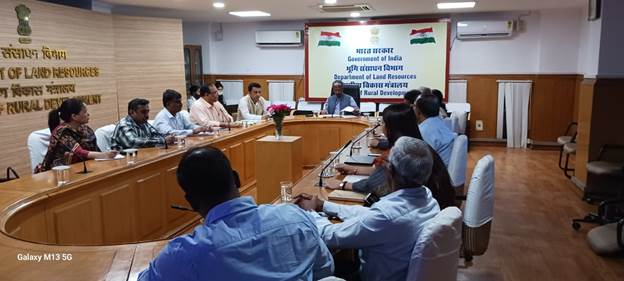
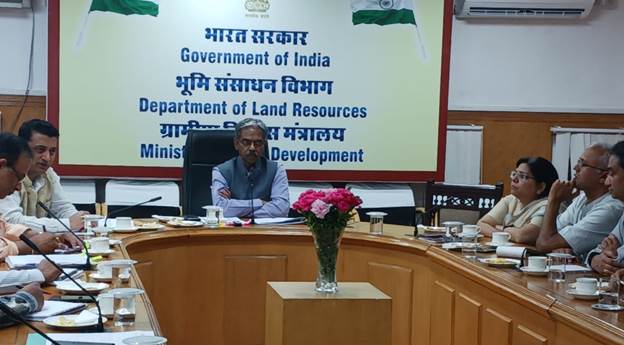
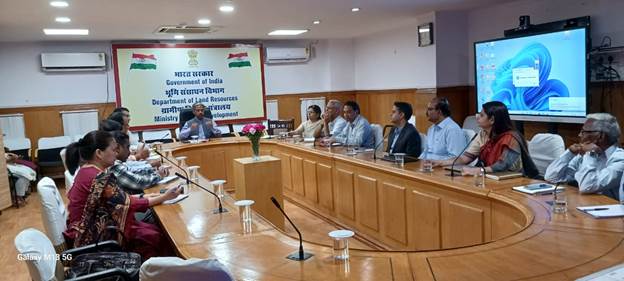
Shri Ajay Tirkey, Secretary, Department of Land Resources complimented the efforts of Ms. Anandhi, Deputy Director, LBSNAA in organizing the Conference and clarified at the outset that while the felt need of the various Autonomous District Councils in the North-Eastern States to digitize and modernize their land records was a way forward, all efforts would be undertaken to support the Councils within the Constitutional framework and established laws. As a step forward in this direction, the Bodoland Territorial Council had raised a proposal for digitization and modernization of land records and the Department of Land Resources had duly approved the same. Secretary, Department of land Resources further looking into the magnitude of work required across the North-Eastern States, informed that a Task Force for Land Governance in North-Eastern States will be constituted after a due process with the approval of Competent Authority after consultation with the various Autonomous District Councils. Shri Sonmoni Borah, Joint Secretary requested the various Autonomous District Councils to send their proposals for digitization and modernization of land records under Digital India Land Records Modernization Programme(DILRMP) and thanked Ms. Anandhi, Deputy Director, LBSNAA and Principal Secretary, Revenue, Government of Assam for organizing the National Conference.

DSC_4829.JPG

*****

Newsletter (EIACP) with scientific papers on various topics like Green farming practices of Vermicompost, Aquaculture and Ornamental fishes

 On the fifth day of Mass awareness campaign several activities were organised  to increase understanding towards the need of living sustainably.World Environment Day (June 5) is an occasion which brings together millions of people across the country for awareness and action for the environment. Mass mobilisation across the country on LiFE are being organized in the run-up to the celebrations.

  1. National Museum of Natural History (NMNH)

As part of mass mobilization of Mission LiFE NMNH in collaboration with NZP organized on the spot painting competition on good practice to mitigate Climate change and administered LiFE pledge for 241 participants.

A picture containing clothing, tree, outdoor, personDescription automatically generated

RMNH, Mysore conducted interactive talk on LiFE STYLE FOR ENVIRONMENT as part of Mass mobilization of MISSION LiFE for 119 students and General public and encouraged to adopt Eco friendly lifestyle.

A group of people standing togetherDescription automatically generated

RGRMNH, Sawai Madhopur organized Bird Identification Programme as part of Mass mobilization of Mission LiFe in which 287 Children and Visitors actively participated and learned to identify various Local & Migratory Birds through Gallery Visit.

RMNH, Bhopal organised Awareness Programme on Encouraging Millets to change the lifestyle by adopting LiFE actions under Meri LiFE: Lifestyle For Environment in which158 students and general public actively participated.

A group of people standing together holding signsDescription automatically generated with medium confidence

  1. Zoological Survey of India

To promote objectives under Mission LiFE and for mass mobilisation, Dr. Dhriti Banerjee, Director, Zoological Survey of India released 4 volumes of Newsletter (EIACP) with scientific papers on various topics like Green farming practices of Vermicompost, Aquaculture and Ornamental fishes in tune with Mission Life objectives. Dr. K. Venkataraman, Former Director of ZSI and Prof Urmi Chatterjee of University of Calcutta were also present on the occasion. While presenting the Annual Progress Report of  ZSI for 2022-23 at  Headquarters,ZSI, Kolkata Dr Dhriti Banerjee, Director, ZSI  highlighted the objectives of LiFE and said that adopting  practices of farming like Vermicompost could bring about a positive  change in the environment.The program was attended by almost 120 scientists and researchers.

A group of people sitting in chairsDescription automatically generated with medium confidence

  1. National Centre for Sustainable Coastal Management (NCSCM)

As part of the mass mobilisation of the Lifestyle for the Environment (LiFE) movement, NCSCM organised an awareness programme on the ban of single-use plastics, the use of ecoalternatives, responsible tourism, and coastal and marine conservation at the Madras Crocodile Bank Trust and Centre for Herpetology, located 40 km south of the city of Chennai. It is the largest breeding centre for crocodiles in the country. It has successfully bred 5000 crocodiles and alligators, including the three endangered Indian crocodile species (the mugger crocodile, saltwater crocodile, and gharial), along with several threatened species of turtles. The mission of the park is to promote the conservation of reptiles and amphibians and their habitats through education, scientific research, and captive breeding. As a part of this event, park visitors took part in a green pledge and signature campaign against littering and the need to live in harmony with nature. Placards, pamphlets, and LiFE mascots were displayed in the park as part of this event. NCSCM scientists explained the importance of Mission Life to over 150 visitors. In this campaign, the focus is on educating the public on responsible tourism, wildlife conservation, and the need for an eco-friendly lifestyle to live in harmony with nature.

A group of people holding up postersDescription automatically generated


  1. National Institute of Himalayan Environment

National Institute of Himalayan Environment (NIHE) conducted an awareness program under mission LiFE covering three themes viz. Save energy, Save water and Adopt a healthy lifestyle. In the program, nearly 40 children, students, teachers and researchers participated in the program. All the participants took the LiFE pledge for adopting environmentally friendly habits.  Children were mainly made aware through demonstrations to save water and energy in their homes. The school teachers were sensitized on adopting good practices for a healthy lifestyle.

A group of children standing in a lineDescription automatically generated with medium confidence

******

MJPS

'YUVA PRATIBHA – Singing Talent Hunt

 With an aim to promote Indian music at the grassroots level on a national scale by identifying and recognising the new and young talent in various singing genres, MyGov in collaboration with Ministry of Culture is launching a YUVA PRATIBHA – Singing Talent Hunt on Wednesday, May 10, 2023.

The initial submission for the competition will be open for a period of one and half month.

Singing Talent Hunt is a unique opportunity for citizens across India to display their singing talent and skills and to gain national recognition. If one wishes to be New India’s emerging artist singer, or musician, then he/she can participate in the YUVA PRATIBHA – Singing Talent Hunt and lend the melodic voice in the various genres: 

  • Folk Songs
  • Patriotic Songs
  • Contemporary Songs

How to Participate:

  1. Log in to https://innovateindia.mygov.in/  
  2. The contest is open to all Indian citizens.
  3. All entries must be submitted on the MyGov portal. Entries submitted through any other mode will not be considered for evaluation.
  4. The participants have to record a video while singing and shall submit their entry via YouTube (Unlisted Link), Google Drive, Dropbox, etc, and ensure that the link can be accessible. Entry shall lead to disqualification automatically if the Access will not be granted.
  5. This contest will be available in Hindi & English.
  6. One participant can participate only once in the contest.
  7. Top 3 Winners will be announced in the Finale (Physical Event) in New Delhi.

Reward & Recognition:

  • 1st Winner: INR. 1,50,000/- + Trophy + Certificate
  • 2nd Winner: INR. 1,00,000/- + Trophy + Certificate
  • 3rd Winner: INR. 50,000/- + Trophy + Certificate
  • Following 12 Contestants will be rewarded with a Cash Prize of INR. 10,000/- each

Mentorship: Top 3 Winners will be mentored for a period of 1 month with a mentorship stipend. 

MyGov is inviting citizens to come and participate in the contest and earn recognition on National level. Visit https://innovateindia.mygov.in/singing-challenge/ for more details.

*****

'Yuva Sangam' program

 A group of 45 youths from the State of Punjab visiting Maharashtra as part of ‘Yuva Sangam’ initiative started by Prime Minister, interacted with Maharashtra Governor Shri Ramesh Bais at Raj Bhavan Mumbai today (May 9, 2023). 

Welcoming the students to Maharashtra, the Governor said, Maharashtra and Punjab have shared a long tradition of spiritual and cultural exchanges and close cooperation during the nation’s freedom movement.  He said, even though the two States are separated geographically by a distance of more than 1500 kms, Maharashtra and Punjab are sister states.

Maharashtra Governor Shri Ramesh Bais stated to the visiting student delegation that Sant Namdev travelled to Punjab from Maharashtra, while Guru Gobind Singh, the tenth Sikh Guru spent some years of his life in Maharashtra’s Nanded. 

The Governor said Maharashtra and Punjab have given the nation great warriors and revolutionaries like Bhagat Singh and Rajguru. He said many youths from Maharashtra and Punjab serve the nation by joining the armed forces. The Governor called upon the youths from Punjab to acquire modern education and skills, stay away from addictions and serve the nation through their chosen fields.

The Governor asked the youths to visit the country and appreciate the diversity of cuisine, language and culture of the various States. He said that in the present age of mobiles and laptops, people are moving away from their families. He urged the youth to visit different regions of the country as that will increase communication and they will learn a lot.

The youths visiting Maharashtra told the Governor about their experiences and how they liked the cuisine and culture of the State.


The visit of the youths from Punjab to Maharashtra is being coordinated by IIT Bombay. The exposure tour is aimed at providing the youths an immersive, multidimensional experience in the areas of Tourism, Tradition, Development, Technology and People to People contact.

Chairman of All India Council of Technical Education Prof. T G Sitharam, Director of IIT Bombay Subhasis Choudhury, ‘Yuva Sangam’ coordinator Prof. Manjesh Hanaval, Prof. Surendra Naik, IIT Registrar Ganesh Bhorkade, Faculty Members of NIT Jalandhar were also present.

Thirty-five youths from Maharashtra and ten from Dadra Nagar Haveli, Daman-Diu are also travelling to NIT Jalandhar as part of the ‘Yuva Sangam’ Programme launched by Prime Minister Shri Narendra Modi. The programme envisages participation of 1000 youngsters from 23 States and Union Territories of India.


*** 

SC/ Source: Raj Bhavan, Mumbai /PM

International Jewellery Exposition Centre in Dubai

 Sh. Rajesh Kumar Singh, Secretary, Department for Promotion of Industry and Internal Trade (DPIIT), Ministry of Commerce & Industry along with H.E. Mr. Juma Mohammed Al-Kait, Assistant Undersecretary for International Trade, Ministry of Economy, United Arab Emirates and Sh. Sunjay Sudhir, Ambassador of India to the UAE, inaugurated the International Jewellery Exposition Centre in Dubai, UAE today and participated in a Business-to-Business (B-2-B) event organised by the Gems and Jewellery Export Promotion Council (GJEPC) as part of the celebrations of the 1st Anniversary of the implementation of India-UAE Comprehensive Economic Partnership Agreement (CEPA). 

Addressing the business gathering at the B2B event, Sh. Rajesh Kumar Singh emphasized that this path-breaking Agreement has significantly transformed the India-UAE partnership by providing renewed impetus and momentum to an already close and strong relationship. He also highlighted that initial gains have already started accruing from the Agreement with bilateral trade between India and the UAE growing at around 20% and touching an all-time high of around USD 84 billion during FY 2022-23. Around 100 companies from India and UAE, including representatives from Export Promotion Councils (EPCs) from India, participated in the event. A visit to the Indian Pavilion at the Dubai Expo was also undertaken by the Indian delegation.

DPIIT Secretary  and H.E. Dr. Thani bin Ahmed Al Zeoudi, UAE Minister of State for Foreign Trade, had jointly inaugurated the commemorative events, titled “CEPA – Beyond Trade”, to mark the India-UAE CEPA Anniversary yesterday. Sh. Rajesh Kumar Singh had also held one-on-one meetings with senior representatives of Abu Dhabi Investment Authority (ADIA) and Mubadala Investment Company – sovereign wealth funds (SWFs) of the UAE.

The 2-day visit to the UAE of the Indian delegation led by DPIIT Secretary concluded today. The visit took place in the context of the joint celebrations being organized by the UAE and India to mark the important milestone of the First Anniversary of the Implementation of the India-UAE Comprehensive Economic Partnership Agreement (CEPA).

***

Department of Fertilizers takes multi-pronged measures to stop Diversion and Black Marketing of Fertilizers in the country

 Multipronged measures are being taken by Department of Fertilizers, Government of India for deterrence against any malpractices and ensuring quality fertilizers for the farmers, under the directions of Union Minister for Chemicals and Fertilizers Dr Mansukh Mandaviya. These measures have resulted in averting diversion and black marketing of fertilizers in the country.

Special teams of dedicated officers called Fertilizer Flying Squads (FFS) have been formed to keep a strict vigil and to check diversion, black marketing, hoarding and supply of sub-standard quality of fertilizers across the country.

The Fertilizer Flying Squads have conducted over 370 surprise inspections across 15 states/UTs which included mixture units, Single Superphosphate (SSP) units and NPK (Nitrogen, Phosphorus, Potassium) units. Consequentially, 30 FIRs have been registered for diversion of urea, and 70,000 bags have been seized of suspected urea (from Gujarat, Kerala, Haryana, Rajasthan, Karnataka (excl. GSTN seizure). Of which 26199 bags have been disposed of as per FCO guidelines). The FFS have also inspected three border districts of Bihar (Araria, Purnia, W.Champaran) and 3 FIRs have been filed against urea diverting units; 10 including 3 mixture manufacturing units in border districts have been de-authorized.

112 mixture manufacturers have been deauthorized due to several discrepancies and lapses found in documentation and procedures. Sample testing have also been ramped up with 268 samples tested as of now, of which 89 (33%) have been declared sub-standard and 120 (45%) found with neem oil content. For the first time, 11 persons have been jailed under Prevention of Blackmarketing and Maintenance of Supplies (PBM) Act for diversion and black marketing of urea in the last one year. Several other legal and administrative proceedings have also been exercised by states through Essential commodities (EC) act and Fertilizer Control Order (FCO).

Inspections by Fertilizer Flying Squad


No. of Units


State

Mixture Fertilizer Units

Urea Diversion Units

SSP

Exporter

1

Gujarat

61

19

7

5

2

Rajasthan


27

1


3

UP

13

10


4

Maharashtra

23


4


5

Haryana


25


6

MP


3


7

Tamilnadu

40


8

Kerala

27

27


9

AP

1


10

Telangana


4


11

Delhi


4


12

Punjab


5


13

Karnataka

33

6


14

Bihar

20

3


15

Uttarakhand

2


Total

220

130

15

5


These steps have resulted in keeping a check on diversion of urea meant for farmers for agricultural purposes. Despite the world facing a fertilizer crisis due various global downturns, Government of India is providing urea to farmers at reasonably subsidized rates (a 45 kg bag of urea costing approx. Rs. 2,500 is being sold at Rs. 266). Besides agriculture, urea is also used in many other industries too, like UF resin/glue, plywood, resin, crockery, moulding powder, cattle feed, dairy, industrial mining explosives. Any illegal diversion of this highly subsidized urea meant for the farmers and agriculture for non-agriculture/ industrial purpose by many private entities results in shortage of urea meant for farmers.

Apart from these, new innovative practices are being encouraged, such as new mixture module that have been developed in Integrated Fertilize Management System (iFMS) by Department of Fertilizers. This would help in spreading awareness amongst farmers about the quality of fertilizers along with other online services available on the portal. A strict vigil is now being undertaken for ensuring the quality of products as well as licenses. Due to such relentless efforts, there has been an increase in demand for Technical Grade Urea. Due to fewer licenses being issued by States for mixture manufacturing, many of the existing mixture manufacturing units have shifted to selling bio and organic fertilizers, thus promoting natural farming to reduce the consumption of chemical fertilizers.

Proactive measures have not only benefitted the farmers but have also created cross-country demand for our fertilizers. Stoppage of cross-border smuggling of urea have consequently led to neighboring countries requesting India for urea imports to their respective countries for the first-time.

****

Top Ten Traditions of India


Top Ten Traditions of India

India is a country of diverse traditions and customs, with each region and state having its unique set of traditions. Here are the top ten traditions of India:
Diwali – The festival of lights celebrated all over India, signifying the triumph of good over evil.
Holi – The festival of colors, celebrated with great enthusiasm across India, signifying the arrival of spring and the victory of good over evil.
Navratri – A nine-day festival celebrated across India, dedicated to the worship of the goddess Durga and her different forms.
Dussehra – A festival celebrated all over India, signifying the victory of good over evil and the triumph of Lord Rama over the demon king Ravana.
Raksha Bandhan – A festival celebrated across India, signifying the bond of love between brothers and sisters.
Onam – A festival celebrated in the state of Kerala, signifying the return of King Mahabali to his kingdom.
Ganesh Chaturthi – A festival celebrated all over India, dedicated to the worship of Lord Ganesha, the remover of obstacles.
Pongal – A harvest festival celebrated in the southern states of India, signifying the beginning of the harvest season.
Eid al-Fitr – A festival celebrated by Muslims all over India, signifying the end of the holy month of Ramadan.
Christmas – A festival celebrated by Christians all over India, signifying the birth of Jesus Christ.
These top ten traditions of India showcase the country’s rich cultural heritage and are a testament to the country’s diversity and inclusiveness. They are celebrated with great enthusiasm and are an integral part of the country’s social fabric, bringing people together and promoting harmony and unity.

Top Ten Foods of India


Top Ten Foods of India

India is known for its diverse and flavorful cuisine, with each region and state having its own unique dishes and cooking techniques. Here are the top ten foods of India:
Butter Chicken – A famous dish from North India made with tender chicken cooked in a creamy tomato-based gravy with butter and spices.
Biryani – A fragrant and flavorful rice dish made with aromatic spices, meat or vegetables, and yogurt.
Dosas – A South Indian delicacy made with fermented rice and lentil batter, usually served with chutney and sambar.
Samosas – A popular snack across India made with a crispy pastry shell filled with spiced vegetables or meat.
Chaat – A savory snack that originated in North India, made with crispy fried dough, chickpeas, potatoes, yogurt, and a variety of chutneys and spices.
Tandoori Chicken – A popular dish made by marinating chicken in a mixture of yogurt and spices and then cooked in a tandoor oven.
Rogan Josh – A Kashmiri dish made with tender pieces of meat cooked in a rich tomato-based gravy with a blend of spices.
Idli and Dosa – A popular breakfast option in South India, made with fermented rice and lentil batter.
Chole Bhature – A North Indian dish made with spicy chickpeas served with a deep-fried bread called bhature.
Pav Bhaji – A popular street food from Mumbai, made with a spicy vegetable curry served with a soft bread roll called pav.
These top ten foods of India showcase the country’s rich culinary heritage and are a testament to the skill and creativity of its people. They are a must-try for anyone visiting India and are sure to leave a lasting impression on your taste buds.

Top Ten Cultures of India


Top Ten Cultures of India

India is a country of diverse cultures and traditions, with each region and state having its own unique cultural identity. Here are the top ten cultures of India:
North Indian culture – This includes the cultural traditions of states like Punjab, Haryana, Uttar Pradesh, and Delhi, known for their vibrant music, dance, and cuisine, and famous festivals like Holi and Diwali.
South Indian culture – This includes the cultural traditions of states like Tamil Nadu, Kerala, Karnataka, and Andhra Pradesh, known for their rich history, classical dance forms like Bharatanatyam and Kathakali, and delicious cuisine.
East Indian culture – This includes the cultural traditions of states like West Bengal, Assam, and Odisha, known for their unique art and handicrafts, traditional festivals like Durga Puja, and delicious cuisine.
West Indian culture – This includes the cultural traditions of states like Gujarat, Maharashtra, and Goa, known for their rich history, vibrant music and dance forms, and delicious cuisine.
Kashmiri culture – This includes the cultural traditions of the Kashmir valley, known for its beautiful landscapes, traditional handicrafts like Pashmina shawls, and delicious cuisine.
Punjabi culture – This includes the cultural traditions of the state of Punjab, known for its vibrant music and dance forms like Bhangra, and delicious cuisine like Sarson ka Saag and Makki di Roti.
Rajasthani culture – This includes the cultural traditions of the state of Rajasthan, known for its vibrant art and handicrafts, traditional dance forms like Ghoomar and Kalbelia, and delicious cuisine like Dal Bati Churma and Laal Maas.
Bengali culture – This includes the cultural traditions of the state of West Bengal, known for its rich history and literature, traditional music and dance forms like Rabindra Sangeet and Baul, and delicious cuisine like Rosogolla and Sandesh.
Marathi culture – This includes the cultural traditions of the state of Maharashtra, known for its rich history, traditional music and dance forms like Lavani and Koli, and delicious cuisine like Vada Pav and Misal Pav.
Tribal culture – India is home to numerous tribes, each with its unique culture and traditions, known for their traditional art and handicrafts, music, and dance forms, and traditional way of life.
These cultures of India not only represent the country’s rich cultural diversity but also showcase the skill and creativity of its people, making India a unique and vibrant country with a rich cultural heritage.