Indian Deaf Cricket Team, winners of IDCA TR-Nation ODI for the Deaf against Bangladesh

 Today on 1st June, 2023, Shri Rajesh Aggarwal, Secretary, Department of Empowerment of Persons with Disabilities (DEPwD) felicitated the winning team of IDCA TR-Nation ODI for the Deaf, 2023 in the conference hall of the Department at Pandit Deen Dayal Antyodaya Bhavan, CGO Complex, New Delhi. This International tournament was held between 29th April & 5th May and came to a successful close at Merlin Rise, Sport’s City, Club Pavilion Cricket Grounds, Rajarhat, Kolkata.  The Indian Deaf cricket team won IDCA TR-Nation ODI for the Deaf, 2023 by defeating Bangladesh Deaf Team by record 166 runs.

A trophy on a tableDescription automatically generated with medium confidenceA group of people sitting at a tableDescription automatically generated with medium confidence

Speaking on the occasion, Shri Rajesh Aggarwal, Secretary (DEPwD) congratulated all the team members including the coaches and president IDCA for their outstanding efforts. He interacted with each team member to know their background, employment status, etc. He wished victory of the team in the coming Deaf ICC ODI World Cup in Qatar.

A group of people posing for a photoDescription automatically generated

Ms. Reena Jain Malhotra, Patron of IDCA has informed that IDCA was formed in 2020 and registered under the Societies Registration Act 1860 with the sole aim to promote the game of Cricket amongst the deaf athletes of the country and to provide them with a platform to showcase their talent and to represent their respective States at a national level and country at international level. She further told that Indian Deaf Cricket Association (IDCA) is a governing body for deaf cricket in India and a member of DICC (Deaf International Cricket Council) which closely works with ICC to promote Cricket amongst Deaf Cricketers globally.

***

three-day visit to National Institute for Empowerment of Persons with Visual Disabilities

 The three-day visit to the National Institute for the Empowerment of Persons with Visual Disabilities (Divyangjan), Dehradun, concluded today. The institute focuses on various aspects of education and overall development for the visually impaired, including printing books. Education for disabled and visually impaired individuals requires joint effort from parents and teachers. The Cross Disability Early Intervention Center of the institute caters to children aged 4 to 12, where teachers educate them in the presence of their families. Teaching these young students poses significant challenges. Visually impaired children have limited vision capabilities.

To adapt to the modern era, the national institute for empowering Divyangjan is introducing new and contemporary courses, including Artificial Intelligence (AI). Starting this year, the institute has prepared to offer an AI course specifically tailored for Divyangjan students. This will enable them to excel in the IT sector through the utilization of cutting-edge technology. The institute has made provisions for the visually impaired students by providing Artificial Intelligence machines such as computer systems, expert systems, computing devices, sentence recognition applications, and other necessary equipment to facilitate their development.


The work of education and training of visually impaired children is being carried out in this institute for a long time. The children coming out from here are not only getting fully established in the mainstream of the society, but they are also securing great ranks in exams from UPSC civil services to CBSE Board exams. Apart from visually impaired children and adults, new research is being carried out daily for the training of other disabled people in this institute, as well as such human resources are also being prepared who can help others with their knowledge in other parts of the country.


Dr. Surendra Dhalwal, the Assistant Professor of Medical Psychology at the institute, explained that its origins can be traced back to the British era when it was established to assist soldiers who lost their eyes in war. After India gained independence, the government transformed it into a national institute, focusing on research and training for all types of disabled individuals, with a particular emphasis on visually impaired children. Today, the institute not only conducts research and training but also houses an intermediate-level college affiliated with the CBSE Board. This college provides education from primary to intermediate levels for visually impaired children from across the country.

Amit Kumar Sharma, the Vice Principal of the college, mentioned that the college currently has 254 registered students across different classes. These children are selected at a young age through an online application process. They reside in the hostel located within the college campus. During the Covid-19 pandemic, online education was introduced for the first time, and in 2021, the college’s students achieved remarkable results in the CBSE board examinations. In recognition of their outstanding performance, the CBSE Board awarded the college an A+ category certificate.

Mr. Sharma further stated that the college is planning to introduce the study of Artificial Intelligence (AI) as per the CBSE Board’s curriculum. In addition to general subjects, visually impaired students are being taught subjects like Information Technology. The students’ proficiency in computer education is so impressive that their visual impairment becomes inconspicuous.

The institute and college continue to evolve and adapt to modern education trends. Driven by a mission to empower visually impaired individuals, they strive to provide a nurturing environment where students can excel academically and acquire skills that enable them to overcome barriers.

Apart from general education, the National Institute for the Empowerment of Persons with the Visual Disabilities (Divyangjan) also works on skill development and economic empowerment and has a Central Braille Press. Special ballots prepared for the visually impaired in the general elections are also prepared from this institute. Training for courses like B.Ed and D.Ed is also given in this institute so that necessary human resources can be prepared for training the Divyangjans. Many pass outs from here are working in different parts of the country to teach visually impaired children. Along with making necessary equipment for the visually impaired, research is also being done on it. The institute has also prepared a special chess board for visually impaired children.

Apart from different states of the country, children from many other countries also come to study in this institute. Today this institute is setting an example at the world level.

***

Unified Registration Portal For GOBARdhan

The Union Minister for Jal Shakti, Shri Gajendra Singh Shekhawat launched the Unified Registration Portal for GOBARdhan which will act as a one stop repository to assess investment and participation in Biogas/CBG sector at pan India level and more importantly streamline the process of setting up CBG/Biogas plants in India. Any government, cooperative or private entity operating or intending to setup a Biogas/CBG/Bio CNG plant in India can obtain a registration number by enrolling in this unified registration portal launched today. The registration number will enable availing of multitude of benefits and support from the Ministries & Departments of Government of India. States have been advised to get their CBG/Biogas plant operators registered on the portal on priority to avail existing and upcoming support from the Union Government.

Galvanizing Organic Bio-Agro Resources Dhan (GOBARdhan) is a vital umbrella initiative of Government of India, based on the whole of Government approach and aims to convert waste to wealth towards promoting circular economy. Government of India intends to build a robust ecosystem for setting up Biogas/Compressed Biogas (CBG)/ Bio-Compressed Natural Gas (CNG) plants to drive sustainable economic growth and promote a circular economy. As the nodal department for GOBARdhan, Department of Drinking Water and Sanitation (DDWS), Ministry of Jal Shakti has developed this portal, which can be accessed at https://gobardhan.co.in. The launch was attended, in virtual mode, by Additional Chief Secretaries/Principal Secretaries (In charge of rural sanitation) of all States/UTs and representation of various central Ministries and Departments.

Addressing the gathering, the Union Minister for Jal Shakti, Shri. Gajendra Singh Shekhawat said that this Unified Registration Portal of GOBARdhan is a perfect example of Cooperative Federalism as the stakeholder Central Ministries, all line departments of Centre and States have come together in development and deployment of the portal. He stated, “Our visionary Prime Minister gave us the responsibility of ensuring ‘waste to wealth’ to which effect we launched the GOBARdhan initiative. With more than 650 GOBARdhan plants and this portal, we have made significant achievement in our waste to wealth generation journey”. The Union Minister further said that the portal will not only ensure Ease of Doing Business (EODB) but with aggregated data from all Ministries & Departments across Centre and States, the initiative will also attract greater investment from the private players. “I hope and urge everyone present here today that we must continue our concreted efforts to ensure faster pace and progress of outcomes – ‘gati aur pragati’ of the GOBARdhan initiative”, he added. Sh. Shekhawat highlighted that registering of new projects on the portal is a pre-requisite to avail any benefit/support of GoI schemes and programs (GOBARdhan related) and in that context he urged all private operators as well as Government stakeholders to register at the earliest on this Unified Registration Portal.Sh. Shekhawat concluded his address by congratulating all the Officers and stakeholders for all their efforts towards developing the portal.

Speaking on the occasion, Secretary, Department of Drinking Water and Sanitation, Ms. Vini Mahajan said that the Portal was the result of extensive consultative process among all stakeholder Ministries. She informed that the Portal was made live to all States, Ministries and Line Departments for dry run, to sort all technical issues. The CBG Producers Association was also made to test and explore the functioning of the portal. Ms. Mahajan added that the Portal displays information on both existing as well as proposed GOBARdhan projects and will be a valuable tool for investors as well as entrepreneurs of the sector.

Sh. Jitendra Srivastava, JS&MD, SBM(G) & GOBARdhan informed that as on date, more than 650 GOBARdhan plants have been reported by different stakeholders. He added that the portal is available in the public domain to ensure transparency as well as making data available for research and related purposes.

The objective of GOBARdhan is to generate wealth and energy by converting cattle dung, agri residue and other organic waste into Biogas, CBG and bio fertilizers. This initiative comprises the entire gamut of schemes, programmes, policies promoting the conversion of organic waste like cattle dung, agri-residue etc. to biogas/CBG/Bio CNG. It encompasses schemes/programmes under various Ministries & Departments viz. Waste to Energy Scheme of M/o New and Renewable Energy, SATAT (Sustainable Alternative Towards Affordable Transportation) scheme of M/o Petroleum and Natural Gas, SBM(G) Phase II of DDWS, Agri Infrastructure Fund (AIF) of Dept. of Agriculture Cooperation & Farmers Welfare and Animal Husbandry Infrastructure Development Fund (AHIDF) of Dept. of Animal Husbandry & Dairy. GOBARdhan is being implemented in partnership with State Governments and Private Sector including entrepreneurs, societies etc. Any plant/project producing CBG/Biogas (more than 10 cuM/day) and bio slurry as principal outputs is eligible to be under the ambit of GOBARdhan.

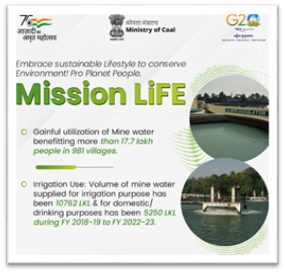
GOBARdhan initiative is envisioned to contribute significantly towards reaching India’s climate action goals particularly achieving net-zero emissions by 2070. With the highest livestock population in the world, India produces vast amounts of animal waste. CBG/Biogas sector can play a crucial role in India’s energy transition, ensuring energy security and affordability, enhancing entrepreneurship, providing rural employment, and boosting local economies. Transitioning to CBG/Biogas can contribute to job creation for semi-skilled and skilled labor in multiple areas viz. waste collection, operations, construction etc. It will benefit rural people in general and women in particular from the use of clean fuel, improved cleanliness in villages and consequent improvement in health outcomes (through decreased incidence of vector borne and respiratory diseases). Initiative will also augment nation’s efforts toward achieving the Sustainable Development Goals (SDGs) viz. SDG 3: Good Health and Wellbeing, SDG 6: Clean Water & Sanitation, SDG 7: Affordable & Clean energy, SDG 13: Climate Action; amongst others. Further, the initiative contributes significantly towards circular economy, and Govt.  of India’s Mission LiFE.

It encompasses schemes/programmes under various Ministries & Departments viz. Waste to Energy Scheme of M/o New and Renewable Energy, SATAT (Sustainable Alternative Towards Affordable Transportation) scheme of M/o Petroleum and Natural Gas, SBM(G) Phase II of DDWS, Agri Infrastructure Fund (AIF) of Dept. of Agriculture Cooperation & Farmers Welfare and Animal Husbandry Infrastructure Development Fund (AHIDF) of Dept. of Animal Husbandry & Dairy. Other stakeholder Ministries are M/o Housing and Urban Affairs, D/o Agriculture Research and Education, D/o Rural Development, D/o Fertilizers, M/o Environment Forest and Climate Change, D/o Science and Technology, M/o Skill Development and Entrepreneurship.

The Union Government is firmly committed in its endeavor to build a robust CBG/Biogas policy ecosystem in India. Few initiatives which are in the pipeline, aim to strengthen CBG/Biogas supply chain with special thrust on aggregation of biomass, grid pipeline connectivity, enabling organic farming practices, supporting Research & Development and constant engagement across CBG/Biogas stakeholders.

*****

PM SVANidhi fostering entrepreneurship and stability among Street Vendors

 Shri Hardeep S. Puri, Minister for Housing and Urban Affairs and Petroleum and Natural Gas complimented the Prime Minster Street Vendor’s AtmaNirbhar Nidhi (PM SVANidhi) Scheme on its successful completion of 3 momentous years. The Minister stated that PM SVANidhi yojana is witnessing one of the fastest roll-outs of government schemes. He further stated that PM SVANidhi has led an unparalleled wave of financial inclusion and digital literacy in India’s cities and towns that has provided dignity and stability to Street Vendors.

PM SVANidhi Scheme launched on 01 June, 2020, aiming to restore Swarozgar, Svavlamban, Swabhimaan (Self Employment, Self-Sustenance, and Self-Confidence) within street vendors has become one of the fastest growing micro-credit schemes of the Government of India and has provided its citizens access to credit and linkages to social security schemes.

The Ministry of Housing and Urban Affairs (MoHUA) organised an event at Vigyan Bhawan to celebrate 3 years journey of PM Street Vendor’s AtmaNirbhar Nidhi (PM SVANidhi) Yojana, here today. The scheme has empowered COVID-19 affected street vendors to resume their livelihood. Not just that, it has achieved various milestones in financial inclusion and mainstreaming of street vendors. were highlighted. This scheme, launched amidst the pandemic, has made significant contributions to the lives of street vendors across the country.

During the event, a booklet highlighting the noteworthy achievements and initiatives implemented under the PM SVANidhi scheme was released. The booklet provides insights into the various initiatives and reforms undertaken by the scheme to transform the lives of street vendors and their families throughout the country. The event was attended by Shri Manoj Joshi, Secretary, MoHUA; Sh. Rajeev Jain, Addl. DG (Media); Sh. Rahul Kapoor, Jt. Secretary & Mission Director; and senior officials from Central Government, State Governments, Banks, Digital Payment Aggregators, key partners and the PM SVANidhi beneficiary Street Vendors.

In addition, the Minister launched a PM SVANidhi mobile app for street vendors, to ease the loan application process and provide various information to Street Vendors regarding the Scheme. Moreover, a facility for ‘Udyam’ registration and obtaining ‘Udyam Assist’ certificate for Street Vendors on PM SVANidhi portal was also launched with the help of Ministry of Small and Medium enterprises, MSME, to provide easy access to vendors for obtaining Udyam Registration Certificate for promotion of their business.

Further, States and lending Institutions which have shown good performance under the Scheme were also felicitated for their valuable contribution towards empowering the street vendors. Amongst the banks, State Bank of India, Bank of Baroda, and Union Bank of India were felicitated for offering large number of loans to street vendors. Amongst RRBs Andhra Pradesh Grameen Vikas Bank, and from State Cooperative banks Stree Nidhi Credit Cooperative Federation Ltd. were felicitated.

Shri Hardeep S. Puri, Minister, MoHUA also interacted with beneficiary Street Vendors of PM SVANidhi scheme and was apprised with the changes which the scheme has brought in their lives. He expressed his gratitude to all the stakeholders, including Central Ministries and State Governments, Urban Local Bodies, Lending Institutions, and partners for their enormous support and contribution to the success of the scheme.

PM SVANidhi scheme has achieved significant milestones over the past three years. The scheme facilitates working capital loans in three tranches to the Street Vendors. It has been providing microcredits to more than 36 lakh Street Vendors across India. As on June 30, 2023, 48.5 lakh loan applications have been sanctioned, with over 46.4 lakh loans disbursed to street vendors, amounting to a total of Rs. 5,795 crore. Digital on boarding and training have been a key component of the scheme and the Ministry is taking various efforts training all PM SVANidhi beneficiaries in making digital transactions and thus providing them social acceptance and dignity.

*******

Mission LiFE on Agatti Island in the Union Territory of Lakshadweep

 The Ministry of Environment, Forest and Climate Change (MoEF&CC), Government of India envisages to celebrate the World Environment Day 2023 with a thrust on the Mission LiFE. The concept of LiFE, introduced by the Hon’ble Prime Minister of India, aims to promote sustainable living by encouraging individuals to make changes in their lifestyles and emphasizes responsible and conscious use of resources to safeguard and conserve the environment.

To generate widespread awareness and advocacy for LiFE across India, a month-long mass mobilization campaign on Mission LiFE is currently underway.  Following the “whole of government” and “whole of society” approach, the Ministry has mobilized Central Ministries/ Departments, State/ UT Governments/ Administrations, Institutions, and private organizations to spread the message of Mission LiFE. The ongoing mass mobilization campaign aims to amplify pan-India advocacy and awareness about LiFE, leading up to celebration on World Environment Day on 5th June 2023.

  1. National Centre for Sustainable Coastal Management

In an ongoing effort to promote the principles of Mission LiFE, Lifestyle for Environment, NCSCM scuba divers undertook a sea floor clean-up and awareness drive at the coral reefs of Agatti Island, one of the inhabited islands in the Lakshadweep Union Territory. The island, located in the Arabian Sea off the southwestern coast of India, is home to a diverse and vibrant coral reef ecosystem. Lakshadweep holds immense ecological and economic significance and is considered a biodiversity hotspot due to its rich marine life. The coral reefs of the islands support a wide range of organisms, including fish, mollusks, and other invertebrates, which attract tourists from around the world. The pristine beauty of these reefs, with their colourful corals and diverse marine life, makes them popular destinations for snorkelling, scuba diving, and other water-based recreational activities. Tourism associated with coral reefs contributes to the local economy and provides employment opportunities. Given their ecological, economic, and cultural significance, it is crucial to protect and conserve the coral reefs of Lakshadweep. Sustainable management practices, community engagement, and awareness campaigns can play a vital role in ensuring the long-term health and survival of these invaluable ecosystems. However, Lakshadweep Island has faced several environmental challenges in recent years, including marine litter.

On the sea floor clean-up drive, NCSCM partnered with Ammathi Scuba to conduct a sea floor clean-up and sensitization programme at the coral reefs of Agatti Island. Divers recovered around 5 kg of seafloor litter, including pet bottles, abandoned, lost, or otherwise discarded fishing gear (ALDFG), ropes, packing materials, and food wrappers. This public awareness campaign aims to improve the health of the oceans through collective action and large-scale community participation (Janbhagidari). Participants in the event took part in the LiFE pledge to safeguard the environment. As part of the event, placards and LiFE mascots were displayed on the beach and underwater to describe Mission LiFE to regional and national audiences.

The NCSCM has launched yet another effort to promote Mission LiFE on Agatti Island, in the Union Territory of Lakshadweep. As part of Lifestyle for the Environment, NCSCM scientists undertook a public outreach and beach clean-up drive at Agatti Island. This is one of the inhabited islands in the Lakshadweep archipelago, and it holds cultural, demographic, ecological, and economic significance. Agatti Island is a popular tourist destination in Lakshadweep due to its scenic beauty, white sandy beaches, and vibrant marine life. The island offers opportunities for activities such as snorkelling, scuba diving, and boat tours. Fishing is an important economic activity on this island and throughout the Lakshadweep archipelago. The islanders have a long-standing tradition of fishing, and it plays a crucial role in their livelihoods. However, Lakshadweep Island has faced several environmental challenges in recent years, including marine pollution. Rising sea levels, coral bleaching, biodiversity loss, and extreme weather events are some of the specific environmental challenges associated with climate change in the islands.

Along with the NCSCM staff, the general public, including women, youth, and representatives from the fishing community, participated in the lagoon-side beach clean-up and awareness campaign. About 25 islanders took part in the clean-up drive, where about 20 kg of plastic waste, including discarded nets, were collected and handed over to a material recovery facility. NCSCM scientists sensitised around 60 islanders of various age groups on the services and functions provided by the several ecosystems (coral, seagrass, sandy beaches, and dune vegetation) and emphasised the need for conservation of these ecosystems. The public was made aware of the necessity of reducing plastics in such sensitive ecosystems by using eco-friendly alternatives to single-use plastics. The concept of a sustainable blue economy, including responsible tourism and fishing, waste segregation at the source and management (constructed wetlands), water (rainwater harvesting), energy (rooftop solar), biodiversity conservation, native coastal vegetation as a “bioshield” against these extreme events, and adopting a sustainable lifestyle, were also highlighted during the event. The scientists also emphasised the need to follow the litter minimization hierarchy (reduce, reuse, recycle, recovery, and disposal) for their daily litter footprint. The initiative provided a quick introduction to the islanders about the sensitivity of island ecosystems and the need to conserve the values of the sensitive ecosystems by avoiding “trampling” and “littering”. During the event, participants undertook the LiFE pledge in support of the LiFE mission and safeguarding the environment. Placards, posters, and LiFE mascots were displayed on the island to describe Mission LiFE to the local community.


  1. Zoological Survey of India

Zoological Survey of India, Kolkata organised a number of events for mass mobilisation of Mission LiFE at Netaji Subash Chandra Airport, Kolkata. The  ZSI team  spoke to  managers from different sectors at the airport on different  themes of Mission LiFE and asked them what steps they have taken to support LiFE.The manager of a  cake shop Floury’s said supporting ‘Say No to Plastics’ they have completely banned use of single use plastics and use cloth bags and paper packets instead of plastics. A young customer at  a cosmetic shop said she uses products which are free from chemicals, not tested on animals and sourced from natural plant products.She appealed to all To support LiFE. To Save water the taps in the toilets  are  installed with sensor or timers. The toilets are regularly cleaned and hygiene is maintained. Continuing with the mass mobilisation of LiFE the team spoke to passengers of Air Asia flight and a nine year old school girl said she supports Mission LiFE for her future.Through this campaign  Zoological Survey of India could spread awareness across 300 people of different age groups and different professions including passengers and also retail shop owners.

Zoological Survey of India, Kolkata conducted an awareness drive at Sanyasisthan Tea Gardens, Bagdogra, Dist Darjeeling, West Bengal in which the manager of the garden,Mr Mithilesh Singh told the tea garden workers about the importance of fauna and Mission LiFE. About 200 workers took the Mission LiFE pledge amidst  the lush green tea gardens.


  1. GB Pant National Institute of Himalayan Environment

Garhwal Regional Centre (GRC) of the G.B. Pant National Institute of Himalayan Environment (NIHE) conducted an awareness program and cleanliness drive along the banks of Alaknanda River, Srinagar under the ‘Say no to Single Use Plastic’ theme of mission LiFE. A total of 25 kg of plastic waste was collected and disposed off at the waste collection point of Nagar Nigam. A total of 35 participants participated in the program including local, faculties, researchers, and staff. All the participants pledged to adopt environmentally friendly habits.


North-East Regional Centre (NERC) of the G.B. Pant National Institute of Himalayan Environment (NIHE) organized an awareness meeting under the theme “Mission Lifestyle for the Environment (LiFE)”. A total of 10 participants, including scientists, researchers, and office staff, attended the meeting. The program aimed to encourage the adoption of the following practices within the office premises including avoiding the uses of water resources for our daily uses, and avoiding using single-use plastic by replacing it with environment-friendly alternatives such as cloth/jute bags. All the participants took the LiFE pledge to sustain the natural resources in the Indian Himalayan region (IHR) and to contribute to environmental conservation.

Centre for Socio-Economic Development (CSED) of the G.B. Pant National Institute of Himalayan Environment (NIHE) organized four awareness and action programs under the Mission LiFE on 01st June, 2023. Two awareness programs were conducted which were followed by two cleanliness events by faculty, research scholars and supporting staff of CSED at Jyoli Village of Almora district and its nearby spring (water source). A total of 30 participants including the shopkeepers and women from Jyoli village, Almora and tourists participated in the program. The participants were sensitized on reducing single-use plastic. All the participants took the LiFE pledge to sustain the natural resources in the Indian Himalayan region (IHR) and to contribute to environmental conservation.

Centre for Land and Water Resource Management (CLWRM) of the G.B. Pant National Institute of Himalayan Environment (NIHE) conducted an awareness and action campaign under mission LiFE on 01 June 2023 at Badi Village, Almora, Uttarakhand. The participants were sensitized on various themes of mission LiFE themes viz. ‘Save Water’, ‘Adopt Sustainable Food Systems’ ‘Reduce Waste’ and ‘Adopt Healthy Lifestyles’ etc. Further, the participants were also informed about the role of spring rejuvenation in water security in the Himalayan region. A cleanliness drive was conducted with the villagers to clean the local water source (Naula) at Badi Village. With major participation from Women, a total of 50 participants from the village including faculties, researchers, and support staff of CLWRM, NIHE participated in the event. All the participants took LiFE pledge for adopting environment-friendly habits.


  1. Environmental Information, Awareness, Capacity Building and Livelihood Programme (EIACP):

The program is dedicated to raising awareness, building capacity, and promoting sustainable actions among individuals and communities across India. On Thursday, 1st June, 2023, the EIACP Programme Centres conducted a series of activities as part of a mass awareness campaign on Mission LiFE leading up to the World Environment Day 2023 celebrations.

In a run up for WED Mission LiFE Campaign, EIACP PC Hubs and RPs conducted awareness drives to various stakeholders including government officials, academic institutions, government schools, colleges, etc. More than 20 activities and over 1400 participants took part in various events organised by EIACP Centres across India.


  1. Environment Education Programme (EEP)

Various Eco-clubs under Environment Education Programme (EEP) organized 1022 events for promiton of Mission LiFE with participation of more than 37,000 children on June 1, 2023. More than 36,000 LiFE pledges also were taken during the day’s events.

Under Mission LiFE mass mobilization campaign various schools in Madhya Pradesh organized LiFE pledge events, essay and painting competitions, etc.  for Eco-Club students. LiFE pledge was taken by all the Principals of HS and HSS, of District Mandla, MP under the leadership of Shri Rajesh Chatri, NGC In-Charge. The participants were also sensitized about EEP and also on environmental protection, water conservation, cleanliness, and biodiversity conservation. EEP resource materials were also distributed to the participants.

Around 20 Eco-club schools engaging 1000+ students took active part in Mission LiFE propagation and awareness in Sikkim. Activities included awareness on Mission LiFE theme on morning assembly, distribution of saplings and plantations, etc.


Students of Government Upgraded High School, Saintala, Bolangir district, Odisha have started collecting seeds and making seed balls for plantation in view of the rainy season.

******

Ministry of Education organising Janbhagidari events

 Guided by the vision of the Prime Minister Shri Narendra Modi for encouraging active participation of people as the central focus of India’s G20 Presidency, Ministry of Education is organizing a series of activities & programs aiming at promoting & endorsing the theme of “Ensuring Foundation Literacy and Numeracy (FLN)” especially in the context of blended learning.

Pursuant to this objective, Ministry of Education in partnership with all States & UTs is organizing Janbhagidari events throughout the country to create awareness & generate a sense of pride among various stakeholders like students, teachers, parents & community as a whole, about G-20, National Education Policy & FLN. In this context, a lot of activities including workshops, exhibitions, seminars and conferences have been planned from 1st to 15th June, 2023. The events would be widely organized all across the country at State, District, Block, Panchaayat and school level to involve people from all strata of life.

The Janbhagidari event would lead up to the main event i.e. 4th Education Working Group (4th EdWG) discussion at Pune, Maharashtra between 19th to 21st June 2023 and culminate with the Education Ministerial meeting on 22nd June 2023.

A schedule of the events being organized by the Ministry is as under:

  • Janbhagidari events on awareness about G20, NEP, FLN in all schools – 1st to 15th June, 2023.
  • Exhibition to showcase the best practices on the best practices in the field of school education, higher education and skill education from 17th to 22nd June, 2023 at Pune, Maharashtra.
  • 2-day National Conference on Foundation Literacy and Numeracy on 17th and 18th June, 2023.

*****

To implement National Mission for Mentoring, NCTE organises 2 day capacity building workshop

 The National Mission for Mentoring (NMM), as envisaged in NEP 2020, is about the creation of a large pool of outstanding professionals willing to provide mentoring to school teachers and ensure their continuous professional development. These potential mentors, regardless of the age or position of the mentor and mentee, will contribute towards realizing 21st century development goals of our nation. National Council for Teacher Education (NCTE) launched NMM in Pilot mode on 29th July 2022 in selected 30 Central Schools (15 KVs, 10 JNVs, 5 CBSE) across the country.

For effective implementation of NMM, NCTE is conducted a 2 day capacity building workshop for the 60 mentors on 31st May and 1st June 2023 in order to provide quality professional support to teachers along with the essential mentoring skills and techniques.  Prof.  Yogesh Singh, Chairperson, NCTE graced the 2 day workshop as Chief Guest and addressed the dignitaries and mentors present there. He also launched the NMM Web Portal in the presence of Ms. Kesang Y. Sherpa, Member Secretary, NCTE to facilitate the mentoring sessions using synchronous and asynchronous methods. This portal will serve as an interface for conducting successful and effective mentoring sessions for teachers that are facilitated by trust, discovery, and constructive feedbacks.

NCTE has onboarded 60 outstanding professionals from various fields as mentors for NMM in areas such as Instructional Leadership Skills, Digital Education, Socio-emotional Learning, Inclusive Education, Professionalism and Ethics, Classroom Management, Building 21st Century Skills, Interpersonal Skills/Community Engagement, Action Research, Holistic Assessment, Art Integrated Pedagogy, Teachers’ Mental Health Management etc.

*****

Two-day festivities to celebrate Telangana Formation Day in spirit of Ek Bharat Shrestha Bharat at Golconda Fort

 The Ministry of Culture, under the aegis of Azadi Ka Amrit Mahotsav, is celebrating Telangana Formation Day at Golconda Fort in Telangana. The  Minister of Culture, Tourism and DoNER, Shri G. Kishan Reddy will inaugurate the two-day festivities with a flag hoisting ceremony in the morning tomorrow (2nd June), followed by cultural performances in the evening. The celebrations will be in the spirit of Ek Bharat Shrestha Bharat.

The activities of 2nd June  include various events such as a march past, photo and painting exhibitions, classical dance performances by Ms. Anandaji and her group, performances by Manjula Ramaswamy and her group, and more. The public will also have the opportunity to witness performances by renowned Telugu singers Ms. Mangli and Ms. Madhupriya. The day will conclude with a spectacular performance by singer Shankar Mahadevan, featuring patriotic songs.

On 3rd June, there will be captivating folk-dance performances including Dimsa, Dappu, Bonalu, and Gussadi. Additionally, a theatrical production on Raja Ram Mohan Roy will be staged, and the day will culminate with a multilingual mushaira.

This event is part of the special campaign called Qila Aur Kahaniya, which aims to highlight the forts and their illustrious history throughout India, promoting the theme of Cultural Pride.The theme of Cultural Pride is a tribute to India’s vibrant culture and history. It pays homage to the unsung heroes who selflessly sacrificed their present for the freedom and future of the nation. This theme celebrates both the tangible and intangible aspects of our cultural identity. Under this theme, the Qila Aur Kahaniya campaign strives to showcase the unique characteristics and historical significance of various forts in India, providing an opportunity to connect with our past and honour our cultural legacy.

Under the Qila Aur Kahaniya campaign, several events have already taken place at forts like Chittorgarh and Kangra, while others are planned for sites such as Bithoor Fort, Mandu Fort, Jhansi Fort, and Kangla Fort, among others.

These events are made possible through the collaborative efforts of key institutions under the Ministry of Culture, including the Archaeological Survey of India, various Zonal Cultural Centers, Lalit Kala Akademi, Sangeet Natak Akademi, CCRT, Sahitya Akademi, and others.

As part of the Qila Aur Kahaniya campaign, the spirit of Telangana is being celebrated at Golconda Fort. The state of Telangana was officially formed on 2 June 2014, hence this day is commemorated as Telangana Day.

Azadi Ka Amrit Mahotsav, initiated by the Government of India, is a commemorative campaign that celebrates the incredible 75-year journey of the nation since independence. This grand campaign, Azadi Ka Amrit Mahotsav, is being celebrated throughout the country and beyond with great enthusiasm. More than 1.78 lakh events have been organized as part of this initiative.

*****

Application Deadline for the National Startup Awards 2023 extended till15th June 2023

 The Department for Promotion of Industry and Internal Trade (DPIIT) under the Ministry of Commerce and Industry introduced the National Startup Awards (NSA) in 2020. The applications for National Startup Awards 2023 have been made live from 1st April 2023 and the deadline for submissions is now extended to 15th June 2023.

The extension of the National Startup Awards 2023 application deadline allows aspiring entrepreneurs and enablers additional time to showcase their innovative solutions and profound societal impact.

The National Startup Awards 2023 will commemorate innovations from all corners of the country, aligning with the vision of ‘Vision India @2047’, which charts the path for India’s transformation into a developed economy, driven by the spirit of Amrit Kaal across key themes.

DPIIT will award a cash prize of INR 10 lakhs to one winning startup in each category. Furthermore, the winners and finalists of the National Startup Awards 2023 will receive exclusive handholding support, including access to investors and government networks, mentorship programs, international market exposure, connections with corporates and unicorns, and various other valuable resources.

Through three successful editions, these prestigious awards have highlighted the invaluable contributions made by visionaries who have revolutionized the Indian startup ecosystem. NSA was started with the aim of bestowing recognition and rewards upon exceptional startups and enablers within the startup ecosystem. These entities have been instrumental in fostering innovation, creating groundbreaking products, and exhibiting tangible social impact.

Interested participants are encouraged to visit the official National Startup Awards website and submit their applications before the revised deadline of 15th June 2023.

For more details, visit https://www.startupindia.gov.in/

***

Startup20 Engagement Group

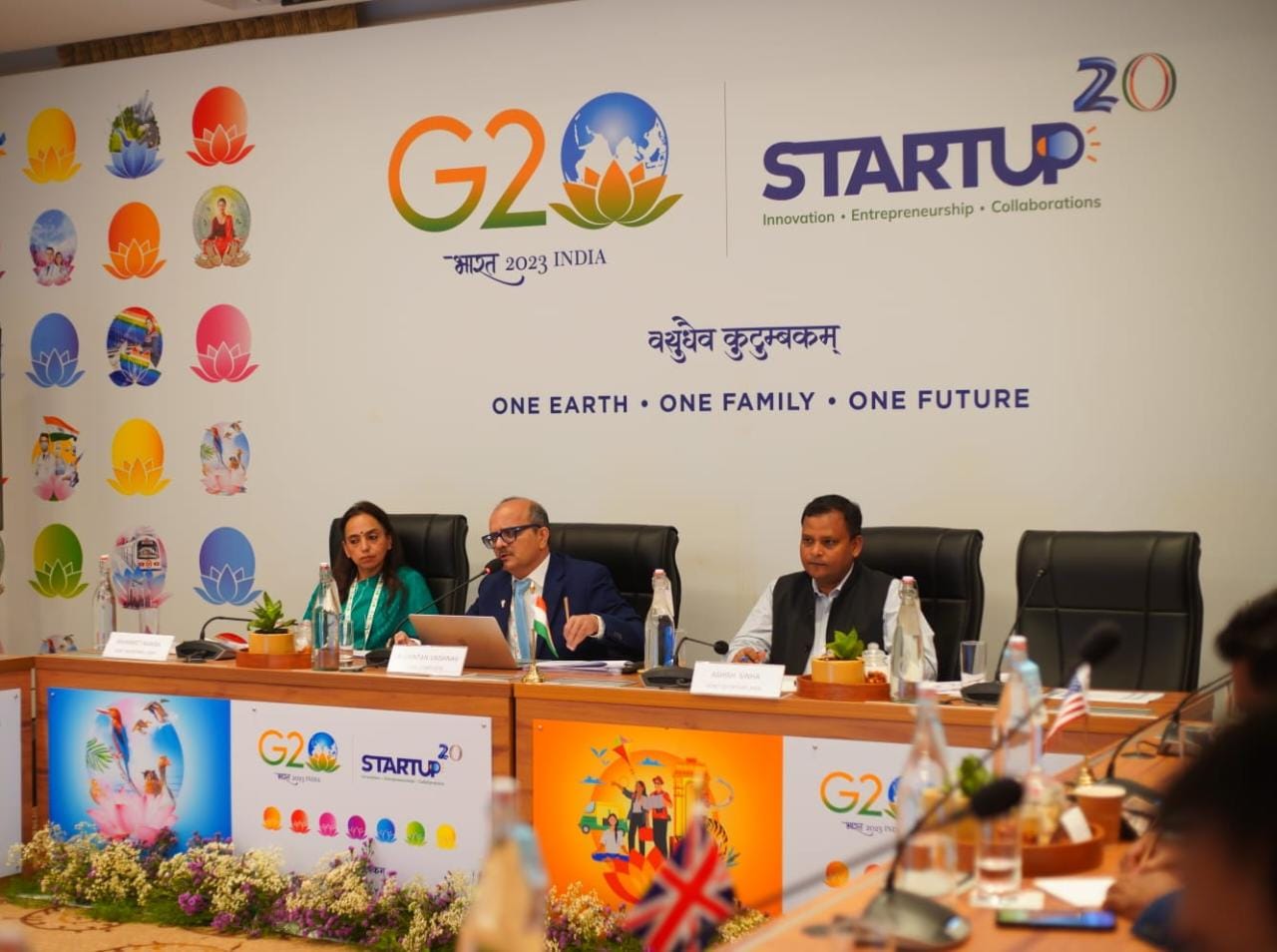
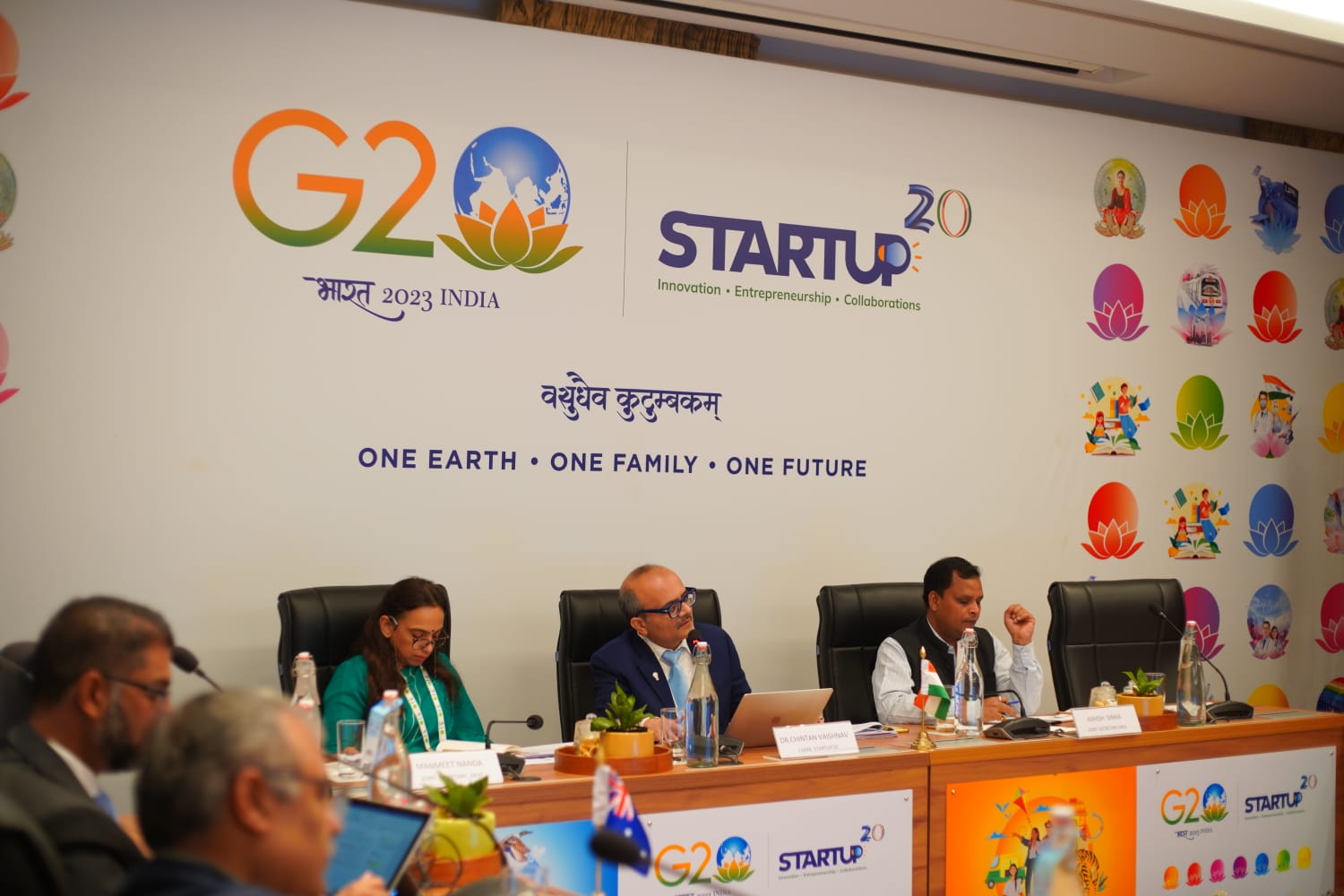
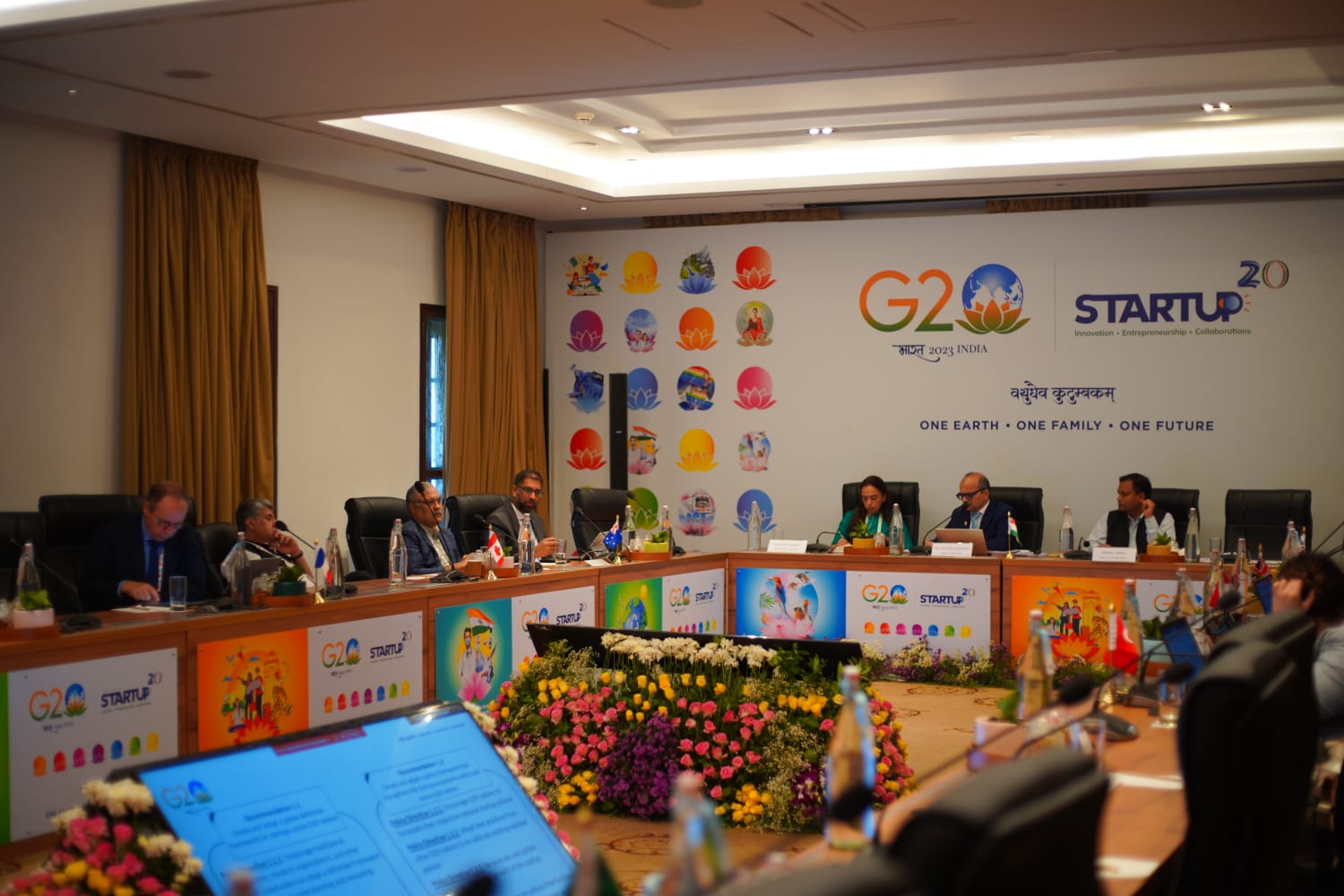
 Startup20 Engagement Group, operating under the esteemed India’s G20 presidency, is all set to host its much anticipated third meeting here in Goa.

International delegates from G20 nations and Indian delegates will be arriving on 2nd June onward to Goa.

The Startup20 Engagement Group extends a warm welcome to all delegates attending this significant gathering. Under India’s G20 presidency, Startup20 serves as a prime opportunity to foster collaboration, exchange ideas, and shape the future of startups and entrepreneurship on a global scale.

Embracing the spirit of “Sankalpana,” a Sanskrit term for collective resolve, brings together international delegates and experienced members of the Indian Startup Ecosystem, fostering collaboration and knowledge exchange.

The focal point of the meeting will be to build consensus on the Draft Policy Communique, which the Startup20 recently published asking public for feedback. The meeting will feature a startup showcase, exciting talks as part of the Startup20x series, cultural experiences, and discussions on the implementation and benefits of the ideas outlined in the document. Dignitaries from state, central, and international levels are expected to be present at the meeting, adding to the significance of the event.

In addition, the Goa Sankalpana event will offer various stimulating sessions, including presentations by taskforces on the final policy communiqué, closed group country huddles, closed-door HoD meetings etc. These sessions will provide a platform for engaging discussions, fostering collaboration, and advancing initiatives that will shape the future of startups and entrepreneurship across G20 nations.

Furthermore, a gala dinner with a mesmerizing cultural program will add a touch of grandeur to the event, offering delegates an opportunity to network and unwind amidst the enchanting charm of Goa.

Moreover, Startup20 recognizes the vital role that startups play in driving economic growth and development. It aims to foster global economic growth, enhance international cooperation, and address pressing global challenges. Through various engagement initiatives, Startup20 promotes dialogue and collaboration on crucial issues, including startups and entrepreneurship.

Negotiations for the Supply Chains (Pillar-II) Agreement

 Negotiations for the Supply Chains (Pillar-II) Agreement were substantially concluded during the second in-person Indo-Pacific Economic Framework (IPEF) Ministerial Meeting held in Detroit on 27 May 2023, hosted by the US.

Once implemented, the Supply Chain Agreement is expected to bring in a number of benefits to India and the other IPEF partner countries. Some of the key benefits expected are: potential shift of production centres in key goods/critical sectors to India; bolstering of domestic manufacturing capacities; giving a boost to Aatmanirbhar Bharat and Production Linked Initiatives schemes; mobilization of investments especially in production of key goods, logistics services and infrastructure; deeper integration of India in the Global Supply and Value Chains particularly of Indian MSMEs; enhanced exports from India; upward mobility in the value chains; mitigation of risks of economic disruptions to India from supply chain shocks/adverse events; creation of a seamless regional trade ecosystem facilitating flow of Indian products; enhanced trade facilitation including through digital exchange of trade documentation, quicker port clearances; joint Research and Development; and workforce development. 

India and other partner countries will continue to engage to ensure effective implementation of the Agreement so as to achieve the overall objectives of the Agreement which is to make IPEF supply chains more resilient, robust, and well-integrated, and contribute towards economic development and progress of the region as a whole.

The IPEF Supply Chains (Pillar-II) Agreement is one of the fastest ever concluded plurilateral economic cooperation Agreements. Under this Agreement, IPEF partner countries are seeking to: make supply chains more resilient, robust, and well-integrated through crisis response measures; cooperation for mitigation of the effect of disruptions to better ensure business continuity, and improve logistics and connectivity; promoting investments particularly in critical sectors and production of key goods; and worker role enhancement through requisite upskilling and reskilling, and increasing comparability of skills credentials frameworks across IPEF. It entails cooperative and collaborative efforts among the IPEF partners.

***

Bureau of Indian Standards notifies 31 Indian standards related to Ayush herbs and products

 The Bureau of Indian Standards (BIS), the national standard body of India, mandated for the development of the activities of standardization, marking and quality certification has taken an important step in a new push for standardization in the field of Ayush. BIS has notified 31 Indian standards related to Ayush, which includes 30 herbs and 1 product (stainless steel neti pot). These standards were recently published through gazette notification. BIS has also created an additional department for enabling dedicated focus on Ayush at BIS.

Ministry of Ayush appreciates this step and believes that this endeavor by BIS for development of standards and accreditation/certification of Ayush will augment international trade by ensuring quality of products & services, provide confidence to the manufactures and bring benefits to consumers in terms of reducing costs, enhancing performance and improving safety.

Recently, BIS has added another pillar to its robust structure of standardisation in India by establishing an additional department with a dedicated focus on Ayush at BIS. It is believed that the move will not only provide an impetus to the process of standardization but also will aid Ministry of Ayush objectives to ensure quality of Ayush products and services at all levels.

BIS has also taken the initiative to formulate International Standards in collaboration with the International Organization for Standardization (ISO). On the advice of BIS, a Working Group (WG–10) on ‘Traditional Medicine’ has been created in the ISO/TC-215 ‘Health Informatics’.

The globalisation and increasing usage of traditional systems of medicine, the need for national and international standards for Ayush systems has become imperative. Ministry of Ayush has been consistently working to create a vibrant quality ecosystem to facilitate trade and ensure the availability of quality products and services to consumers both at the national and global levels.

*****

National Conclave on 9 Years of Union Government Witnesses

On completion of 9 Years of the Union Government, a National Conclave was organised by the Ministry of Information and Broadcasting with the theme “9 Years of Seva, Sushasan, Garib Kalyan” at Vigyan Bhawan in New Delhi. As part of the Conclave, three thematic sessions were held with esteemed panellists to discuss various achievements of the Union Government under the decisive leadership of Prime Minister Shri Narendra Modi and the persistent efforts being undertaken by the Government for rapid advancement of the nation and betterment of masses. The first session was on the theme ‘India: Surging Ahead’. The session elucidated how India has undergone a remarkable transformation into a prominent global leader under the able leadership of Prime Minister Shri Narendra Modi.
The session was moderated by eminent journalist, Shri Nitin Gokhale and featured distinguished speakers from different walks of life, including Shri Sunil Bharti Mittal, Founder Chairman of Bharti Enterprises, Smt. Sangita Reddy, Joint Managing Director, Apollo Hospital, Smt. Debjani Ghosh, President NASSCOM, Shri Surjit Bhalla, former Executive Director for IMF India, Shri Soumya Kanti Ghosh Group Chief Economic Advisor, State Bank of India and Smt. Deepa Sayal, Founder and President of Indian Women Institutional League (IWIL) India.
Shri Gokhale, setting the backdrop for the session said, “India has embarked on a path of transformation which has not been seen for decades together and India stock has risen globally”. He said “Morgan Stanley said in November 2022 that this is going to be India’s Decade. IMF in April, 2023 predicted India will emerge as the fastest growing economy in the world. India is surging and taking a lead in balancing the world order and therefore this conclave could not have come at a better time.”
Shri Sunil Bharti Mittal, talking about the decade of good governance under Prime Minister Shri Narendra Modi, said that we have all experienced and seen the difference in the past few years. He said businesses require decisive leadership and after a long period of time we have a leader who is recognised as a global leader and one determined to make India a developed nation. Talking about telecom sector, he said India has the fastest 5G rollout and by March, 2024, India will have 5G across every nook and cranny of the country. He added that “Government has used the power of technology to its utmost advantage for ushering in the reforms and benefits to the masses of the country”. He said we have seen fantastic 9 years and the audacious target of 5 trillion-dollar economy which looked like a difficult task a few years back is now in sight and we should be able to achieve it by 2027.
Smt. Sangita Reddy, Joint Managing Director, Apollo Hospital, spoke about how India made extensive and effective plan to fight the COVID Pandemic. She said our country stood out in tackling a crisis which wiped out many countries and it was due to the masterful management of the situation by our Prime Minister and the Government. She praised the People’s curfew which provided the time and space for the necessary infrastructure to be put in place and helped in tackling the pandemic effectively. Talking about the COVID Vaccines, she said “its commendable and reflective of India and our Prime Minister’s Global thought process that 50% of world’s vaccines were manufactured in India and it created a vaccine diplomacy on an unprecedented scale”. She said Government’s approach was “well-coordinated, fantastically masterminded strategy which was powerfully executed”. She further added that “the foundation is well set in India and not only can India take care of its own people well but has become the medical tourism destination of the world, currently we are number 4 but I believe that soon we will be number 2”. She urged the youngsters to use Yoga, Ayush and take care of their health as India has a great future ahead and it lies with the younger Generation.
Shri Surjit Bhalla, former Executive Director for IMF India, at the very onset said India has emerged as the best performing economy in the world during the shocking COVID period and today. Talking about the poverty reduction he said, “the entire process of government was geared towards ensuring that the bottom half of the population at least did not suffer any hardship as a consequence of COVID”. He spoke about the infrastructure transformation and said he is working on a study to see whether there is any economy in the world that has shown such a transformation in the last 9 years. He added that this government has shown to first, imagine the impossible and second, deliver it effectively and this is the real performance index of this government. He said Indian innovation is truly unique, Indian and better than any country in the world and books will be written about the speed of the transformation of India.
Smt. Debjani Ghosh, President NASSCOM said in 2008 only 17% Indians had bank accounts and a study said it would take India 46 years to achieve 80% penetration but India took just 7 years to do it. Why India could do it and disrupt status quo is due to technology, Aadhar, India stack, Digital Payment and the most genius financial inclusion program Jan Dhan Yojana. She said “the JAM trinity programme has enabled us to take banking to the grassroot level. Technology is available to all but what made the difference in India was the talent, the people which enabled us to challenge the status quo. 245 billion dollar revenue is what our tech industry generates and pace of growth and innovation is unprecedented and is being driven by talent which has made India an innovation hub and a startup hub”. She asserted that the ‘I’ in innovation stands for India., it has brought all big companies to do their innovation in India. She further added that “technology had been a luxury of the rich and urban but India turned this on its head and started from the grassroots and scaled it up. Ability to think bottoms up has made it possible”. She said 36% of the 5.3 million people working in tech sector are women and they are driving the change and innovation.
Smt. Deepa Sayal, Founder and President of Indian Women Institutional League (IWIL) India said she is very proud that my nation is changing at such pace and the pace and scale at which the government is bringing change praise worthy and immaculate. She stated that “Morgan Stanley has said our GDP will double to 7.5 trillion dollars by the end of the decade which is huge”. She said I have been lucky to be able to go to various states and connect with Startups, and women and children all are so charged up to begin and be self-employed. She talked about the phenomenal journey of startup that have increased from 450 in 2016 to 90000 startups in 2023 and said she must congratulate Prime Minister Shri Narendra Modi for this.
Shri Soumya Kanti Ghosh, Group Chief Economic Advisor, State Bank of India talking about the key numbers said “COVID was the largest disruption for mankind but last year our nominal GDP expanded by 37 trillion. FY 2014 – 20 our average was 14.5 trillion so we did 2.5 times more than last 6 years that’s why recovery was fastest. Talking about 5 Trillion Dollar Economy goal, he said India took 57 years to get to 1 trillion and then every 7 years we added 1 trillion and now norm is every three years we add one trillion and in the last two years our economy added 750 billion and that is why in 2014 we were 10th largest economy, in 2015 we are 7th, in 2019 we were 6th and 2022 we were 5th and supposed to be 4th in 2026 and 3rd in 2028 and this is the transition in terms of rebound”. He talked about various schemes of the Union government and informed that women involvement has been very high in all of them and it has led to women empowerment and financial freedom. He said our service exports has doubled in past 7 years. Summing up he said that all numbers point out towards an India which is inclusive and expanding at an exponential rate.
In conclusion, all spoke about what is next for India in the coming 5-10 years. Smt. Deepa Sayal said employability is an opportunity and a challenge and we need to inculcate the right skill set to tap this opportunity. Smt. Debjani Ghosh said the power of youth, talent, innovation will ensure that when the world thinks digital, technology and innovation the world will think of India. Shri Sunil Mittal said “the foundation for a very bright future for our country has been laid in the last 9 years and we need to build on what we need to do. This is a rare opportunity for India with a confluence of a decision leadership and strong tailwinds and it is a delightful position for India, and we need to ensure good education, training and skilled for our large young population which will together ensure a bright future for India”. Smt. Sangeeta Reddy said last 9 years is 468 weeks and over 500 schemes launched so 1 scheme every week and we have the time to guide these schemes over next 10 years. She praised Prime Minister Shri Modi for promoting women led development and said the respect for women is going to be transformational for India and set an example for the world. In terms of thought and spiritual and humane leadership India is and will always be number one. Shri Surjit Bhalla said a lot has been achieved and a major reform that India needs is in Direct Taxation and concluded by saying the India is one of the most overtaxed economies in the world and hoped that a reform will come to lower the effective tax rate which will help in achieving a higher GDP Growth Rate.
*****

National Conclave: 9 Saal – Seva, Sushasan, Gareeb Kalyan

 Union Minister of Railways Shri Ashwini Vaishnav today inaugurated the National Conclave: 9 Saal – Seva, Sushasan, Gareeb Kalyan at Vigyan Bhawan in New Delhi. The event witnessed the presence of Union Minister of Information and Broadcasting Shri Anurag Thakur, Union Minister of State for Information and Broadcasting Dr L. Murugan. Secretary, Min of I&B Shri Apurva Chandra and CEO, Prasar Bharati, Shri Gaurav Dwivedi were also present on the occasion.

Union Minister Shri Ashwini Vaishnav made a comparative presentation juxtaposing the performance of the governments before 2014 with the government since and said while the previous governance efforts had become synonymous with scams, the current Government works with the ethos of ‘Pai Pai Se Gareeb Ki Bhalai’ (every penny for the benefit of the poor). This has been reflected in the way schemes and programmes have been implemented keeping the poor and the destitute as its central pillar, he added.

The Minister underlined that owning a house is a factor that brings a transformative change in a poor person’s life. To that end, today 3.5 crore houses have been constructed in the country under PM Awas Yojana bringing qualitative change in the lives of the poor.

The Minister said that the idea of connecting every house with piped water connection was always considered a behemoth, never to be attempted or achieved. But, he added, the Prime Minister took it up as a challenge and today 12 crore people have water connections. At the same time, he said the Government has strived to end the travesty that was traditional chulhas and provided 9.6 crore families with gas cylinders.

He further spoke about the efforts of the government to come through for the people in need and said that when the world was struggling to fight the travails of the COVID19 pandemic, the government overcame massive logistical challenges to bring free ration to 80 crore people. No government has spoken of fundamental human needs, like toilets, that are the indicators of inclusive growth, during Independence Day speeches. But PM Modi spoke about the construction of toilets in every house in his speech from Red Fort. This has caused a revolution in the field of women safety and sanitation with the construction of 11.72 crore toilets today. 

Shri Vaishnav said that India today runs the world’s largest healthcare insurance programme under Ayushman Bharat that has created provisions for free medicare up to Rs five lakh for the needy, the total coverage which is more than the population of the USA and Russia combined.

Shri Vaishnav credited the Prime Minister with creating a new definition of social justice taking it away from appeasement and towards empowerment.

The Minister said that domestic infrastructure has seen an unprecedented makeover since 2014, which was largely missing earlier due to a lack of proper mindset and thought process in the past. He cited the creation of 74 airports in 9 years, a figure matching the number created till 2014. He added that where 91 thousand kilometers of road were created since independence, almost 54 thousand kilometers have been constructed since 2014. India has gone from having no waterways till 2014 to having 111 waterways today and India’s railway stations have world-class facilities like airports.

The Minister said that India had lagged in world economic rankings for a long time, but today India stands tall as the 5th largest economy. He further said that India is well on its way to becoming the 4th largest economy in another two years and the third largest in another six years.

The Minister spoke about the government’s strong commitment to national security and said that when in past India has been at the receiving end of major terror activities, today the country has the means and willingness to respond to attacks in kind.       

Shri Anurag Thakur, while addressing the audience gathered at the conclave, said that the past nine years have seen a dramatic change in the life of the common people of India and the achievements of the Government have surpassed expectations of the people. He exemplified this by adding further that where India was a weak and ramshackle economy riddled with corruption in the past, today it has covered the distance from Fragile Five to Top Five economies of the world.

He further stated that while the benefits of government schemes used to reach only a few in the past, the government today works with the motto of Antyodaya, where the Government is committed to the upliftment of the last person standing at the end of the queue. Herein lies the secret of our efforts that have lifted 27% of people out of poverty, he added. A combination of a sense of service, big ideas, good governance, infusion of technology, and building transparency and accountability into the delivery mechanism, are the things that have gone into ensuring last-mile delivery of public services.

The Minister said that the government has been steadfast in shedding legacies of the colonial past and adopting modern and domestic symbols. This is evident in the creation of the Kartavya Path and will be evident in the new parliament.

The Minister highlighted that the Prime Minister had said that the youth had a critical role to play in shaping the future of this country. To that end, the Minister credited the youth for achieving a milestone where India can today boast of almost one lakh startups and over hundred Unicorns.

The Minister said that while on the one hand the country answered the Prime Minister’s call for Har Ghar Tiranga, the same tricolor was used by students of other countries to get out of a conflict zone during Operation Ganga. While surveys have called him the most popular leader, Shri Thakur said that he has in fact made the tricolour the strongest flag in the world.

Secretary Shri Apurva Chandra welcomed all the guests for the various thematic sessions during the day. He also welcomed the audience from various sections of society.

The National Conclave on 9 years of the Government is comprised of three thematic sessions after the inaugural session and a valedictory session.

Session 1 “India: Surging Ahead” moderated by Shri Nitin Gokhale, Senior Journalist will see participation from

  • Sunil Bharti Mittal, Founder and Chairman, Bharti Enterprises
  • Sangita Reddy, Joint Managing Director of Apollo Hospitals
  • Debjani Ghosh, President of NASSCOM
  • Surjit Bhalla, Former Executive Director for International Monetary Fund, India
  • Soumya Kanti Ghosh, Group Chief Economic Advisor, State Bank of India
  • Deepa Sayal, President and Patron in Chief, IWIL India


Session 2: Jan Jan Ka Vishwas moderated by Richa Anirudh, Journalist will see participation from

  • Nawazuddin Siddiqui, Actor
  • Cynthia McCaffrey, UNICEF Representative to India
  • Kiran Mazumdar Shaw, Executive Chairperson, Biocon Limited (Video message)
  • Padma Shri Shanti Teresa Lakra, Nurse
  • Nikhat Zareen, Boxer
  • Anil Prakash Joshi, Environmentalist Divya Jain, Co-founder, Seekho


Session 3: Yuva Shakti: Galvanizing India moderated by Raunac, Radio Jockey, Red FM with the following panelists

  • Ritesh Agarwal, CEO, OYO Rooms Rishab Shetty, Actor
  • Amaan Ali Bangash, Musician
  • Viren Rasquinha, Former Indian Hockey Captain
  • Yashodhara Bajoria, Director, Espresso Technologies
  • Akhil Kumar, Boxer

****

Cooperation under EU – India Clean Energy and Climate Partnership

 The Union Power and New & Renewable Energy Minister R. K. Singh held a meeting with Frans Timmermans, Executive Vice President, European Green Deal, European Union in New Delhi yesterday, May 26, 2023. The meeting was held to discuss cooperation under the EU – India Clean Energy and Climate Partnership. The discussion touched upon energy efficiency; renewable energy, including solar and offshore wind, green hydrogen; energy storage, diversification of global supply chain for energy sector, the International Solar Alliance, India’s presidency of the G20 and how India and EU can partner each other on the clean energy transition.

“Looking for Partners who believe in going Green as fast as possible”

The Power and New & Renewable Energy Minister informed the visiting EU delegation that as India is growing, the power demand is accelerating. While the established capacity in India is 416 GW, it is going to double by 2030. India is accordingly adding rapidly to its power generation capacity. onHHonTheThe Minister pointed out that despite India’s per capita and cumulative emissions being one of the lowest in the world, it has emerged as a leader in Energy Transition and Climate Action.   

“Need to Add Manufacturing Facilities for Energy Storage, to Bring Down Storage Cost”

The Power and New & Renewable Energy Minister informed the European Union delegation of the various steps being taken by India to ramp up renewable energy capacity. He said that manufacturing capacity for the most advanced solar cells and panels is coming up; and by 2030, total manufacturing capacity of 80 GW will come up. This will meet India’s requirements and provide surplus for exports. This will address the supply chain issues of the world. The Minister stated that storage is needed in order to provide round-the-clock renewable energy and the transition to Net Zero. He informed that recognizing the need to add storage capacity, the government is coming up with bids for more storage.  Government of India has already come up with a bid for Production Linked Incentive for energy storage; and it is planning to have one more bid. He sought the cooperation of the EU in encouraging other countries too to add manufacturing facilities for energy storage so that the price of storage comes down.

Speaking of the need for alternative chemistries such as sodium ion, the Minister suggested that India and the EU do joint pilots, in areas such as green steel and other frontier technologies. The Minister informed that India is doing a pilot for round-the-clock renewables, using hydrogen and ammonia as storage. A construct across the world in this respect will help, he added.

“Journey to Green Hydrogen needs to be on the basis of free and open trade”

The Power and New & Renewable Energy Minister observed that the industry is switching to green hydrogen and that if the journey is to continue, it will have to be on the basis of free and open trade, without barriers. He told the EU delegation that we should guard against protectionism. He also said that we need to increase electrolyser manufacturing capacity if we need to increase use of green hydrogen. India is going to come up with a PLI bid on that, he informed.

The Executive Vice President of European Green Deal appreciated India for its leadership in Renewable energy and energy efficiency and suggested that the two sides find ways to bring the agenda of energy efficiency to the global stage, and help set global energy efficiency targets.

The Executive Vice President spoke of the need for global targets in introduction of renewables and said that we need to look at developing industrial ecosystems which promote renewables. He said that the EU is developing new generations of solar panels and that green hydrogen is also taking off and Europe will become a truly global market. Given the high costs of transporting green hydrogen, he opined that the places producing green hydrogen will attract industrial investment.

Grid-Scale Battery-based Energy Storage Systems

The Power and New & Renewable Energy Minister spoke of the opportunity for collaboration in batteries for grid-scale storage. He informed that India has come out with a separate Production Linked Incentive for batteries for green mobility. He said that India is going to be one of the biggest markets for green mobility, with 80% of India’s 2-wheelers, 3-wheelers and about 50% of 4-wheelers expected to be green by 2030.

The Executive Vice President said that heat pumps is an area where lot of innovation is expected to happen, given the rising needs for cooling and heating. He also said that there is a strong consensus in the EU on need to adopt renewable energy and on making the green transition.

Need to Detoxify Agriculture

The Power and New & Renewable Energy Minister expressed the government’s goal of detoxifying agriculture, by making a transition away from chemical fertilizers in the times to come.

“Need to Support Energy-Populations in Getting Energy Access”

The problem of lack of access to energy by 800 million people around the world was discussed. The Power and New & Renewable Energy Minister recalled that even as India and the EU make progress through this collaboration, a large part of the world population, especially in the African continent, suffers from poor energy access.

The two sides discussed the role of International Solar Alliance in bringing solar energy to the millions of people in Africa without access to energy. We need to support them to help them get clean energy and we need to get countries to work with the International Solar Alliance to contribute to clean energy, said the Minister.

This suggestion has been welcomed heartily by the Executive Vice President of the European Green Deal. It was agreed that EU, ISA, Africa and India will need to set up a partnership to address this issue.

The Executive Vice President of European Green Deal was accompanied by Ugo Astuto, Ambassador of the European Union to India; Edwin Koekkoek, First Counsellor, Energy & Climate Action, EU Delegation; Sara Zennaro Atre, First Secretary, Trade Section, EU Delegation; Estela Pineiro Kruik, Member of Cabinet; Damyana Stoynova, Member of Cabinet; and Diana Acconcia, Director, International Affairs and Climate Finance, Directorate-General for Climate Action, EU.

The Power and New & Renewable Energy Minister was joined by Alok Kumar, Power Secretary; Bhupinder Singh Bhalla, New & Renewable Energy Secretary; and other officers of the two Ministries.

About European Green Deal

As per the European Union, the European Green Deal seeks to transform the EU into a modern, resource-efficient and competitive economy, ensuring:

  • no net emissions of greenhouse gases by 2050
  • economic growth decoupled from resource use
  • no person and no place left behind

One third of the €1.8 trillion investments from the Next Generation EU Recovery Plan, and the EU’s seven-year budget will finance the European Green Deal. More about the Deal here.

***