Look for the “Submit Journal for Indexing” or “Index Your Journal” section on the homepage or the navigation menu.
Step 2: Prepare the Required Details
Before submitting, ensure you have the following journal information ready:
1. Journal Information
Full Name of the Journal
ISSN (Print and/or Online)
Domain/Field of Study
Frequency of Publication (e.g., Monthly, Quarterly)
Year of Inception
2. Editorial Details
Name of the Publisher
Editorial Board Information (including Editor-in-Chief and team members)
Contact Information (email and phone number)
3. Publication Details
Number of Issues Published to Date
Average Number of Articles Published Per Issue
Open Access Status (Open Access or Subscription-Based)
4. Journal Website
URL of the journal’s official website
Direct links to archives, author guidelines, and policies
5. Indexing History
List of existing indexing platforms where the journal is already listed (if applicable)
6. Supporting Documents
Sample PDF of Published Articles
Scanned Certificate of ISSN Registration
Any other accreditation or recognition certificates
Step 3: Fill Out the Submission Form
Access the submission form on Eduindex.
Provide the requested details accurately and ensure all required fields are filled.
Step 4: Submit Supporting Documents
Upload the required documents, such as ISSN certificates or sample articles, to validate your journal’s authenticity.
Step 5: Pay Indexing Fees
Some indexing platforms may charge a fee for processing. Verify the fee structure on the Eduindex website and complete the payment if necessary. The payment link is given on the right sidebar on the top. Support Eduindex News.
Step 6: Review and Confirm Submission
Double-check all provided details before final submission.
Once verified, click on the “Submit” button.
Step 7: Wait for Approval
Eduindex will review your journal details and validate the information.
The review process may take several days to weeks, depending on the volume of submissions.
Step 8: Receive Confirmation
Once approved, you’ll receive a confirmation email with indexing details.
Your journal will then be listed on Eduindex’s platform, enhancing its visibility and credibility.
Benefits of Indexing with Eduindex
Increased Visibility: Your journal becomes discoverable by a broader academic audience.
Credibility Boost: Indexed journals are perceived as more reliable and reputable.
Citation Impact: Indexed articles often receive higher citations.
Global Reach: Expand your journal’s readership across the globe.
Start your submission today and elevate your journal’s standing in the academic community!
Chatwith.tools is a cutting-edge platform that enables businesses, educators, researchers, and individuals to build, deploy, and manage custom AI chatbots tailored to their specific needs. The platform leverages advanced AI technologies to deliver instant, accurate, and context-aware responses, enhancing user engagement, productivity, and overall experience.
Key Features
1. Customizable Chatbots
Design your chatbot to align with your specific domain or industry needs.
Integrate specialized knowledge bases or datasets to make the chatbot an expert in your chosen area.
Personalize chatbot behavior, tone, and branding to maintain consistency with your organizational identity.
2. Instant Answers
Provides instant, accurate responses to user queries.
Reduces the time spent on repetitive questions, allowing you to focus on more complex tasks.
Powered by advanced AI models for context-aware and natural language processing.
3. User-Friendly Interface
Easy-to-navigate dashboard for creating and managing chatbots.
No coding skills required – the platform offers a drag-and-drop or simple configuration setup.
Suitable for both beginners and advanced users.
4. Integration Capabilities
Seamless integration with popular platforms like websites, apps, and messaging services (e.g., WhatsApp, Messenger, Slack).
API support for custom integrations into existing software or systems.
Compatible with CRMs, eCommerce platforms, and learning management systems (LMS).
5. Advanced AI and Machine Learning
Built on state-of-the-art natural language understanding (NLU) technologies.
Learns and adapts over time to improve response accuracy.
Supports multiple languages, making it ideal for global applications.
6. Analytics and Reporting
Access detailed analytics on chatbot performance, user interactions, and frequently asked questions.
Insights help improve chatbot efficiency and user satisfaction.
Real-time feedback and monitoring to ensure optimal operation.
7. Affordable and Scalable
Flexible pricing plans to suit different needs – from startups to large enterprises.
Scalable architecture to handle growing user interactions without performance issues.
Use Cases
1. Customer Support
Automate responses to FAQs.
Provide 24/7 support, ensuring customer queries are resolved promptly.
Free up human agents for more complex or sensitive issues.
2. Education and E-Learning
Enable interactive learning experiences by answering student questions instantly.
Assist with course navigation, resource recommendations, and academic inquiries.
Support remote learning programs with multilingual chat capabilities.
3. E-Commerce
Improve user experience by guiding customers through product catalogs.
Handle queries about shipping, returns, and payments.
Recommend products based on user preferences and past behavior.
4. Healthcare
Provide preliminary medical advice or information on symptoms.
Guide patients to appropriate services or specialists.
Share appointment schedules or reminders.
5. Research and Academia
Help researchers navigate vast knowledge bases.
Answer specific technical or scholarly questions with precision.
Facilitate collaboration by summarizing complex topics in real-time.
Socio-Cultural Factors and Attitudes Affecting the Health Status of Rural Communities
Health is a multidimensional concept influenced by biological, environmental, and socio-cultural factors. Among rural communities, socio-cultural factors and attitudes often play a crucial role in determining health outcomes. These factors are deeply embedded in the social fabric and cultural norms of rural societies, influencing health behaviors, access to healthcare, and overall well-being. Understanding these influences is critical for designing effective health interventions and policies tailored to rural populations.
1. Socio-Cultural Factors Influencing Health
1.1 Traditional Beliefs and Practices
Many rural communities rely on traditional health practices and remedies passed down through generations. While some of these practices may be beneficial, others can hinder timely medical intervention. For instance:
Faith in Folk Healers: Many rural residents consult local healers or shamans before seeking formal medical care, delaying diagnosis and treatment.
Herbal Remedies: Although some herbal remedies are effective, unregulated use can lead to complications or interfere with prescribed treatments.
1.2 Gender Norms and Roles
Gender dynamics significantly affect health outcomes in rural areas:
Maternal Health Neglect: Women’s health, particularly during pregnancy and childbirth, is often deprioritized due to traditional gender roles.
Limited Autonomy: In patriarchal rural settings, women may lack the authority to seek healthcare independently, exacerbating health issues.
Preference for Male Children: This can lead to neglect of the nutritional and healthcare needs of female children, affecting their long-term health.
1.3 Literacy and Education
Low literacy rates and lack of health education are major barriers to improving rural health:
Limited Awareness: Poor understanding of hygiene, nutrition, and disease prevention leads to high incidences of preventable illnesses.
Misinformation: Superstitions and myths about diseases like tuberculosis or HIV/AIDS further stigmatize affected individuals and impede treatment.
1.4 Social Hierarchies and Caste
Caste-based discrimination and social hierarchies can restrict access to healthcare for marginalized groups:
Healthcare Disparities: Lower-caste individuals may face discrimination at healthcare facilities or hesitate to seek care due to perceived inferiority.
Social Exclusion: Fear of ostracism often discourages marginalized communities from addressing sensitive health issues.
2. Attitudes Toward Health and Healthcare
2.1 Perceptions of Illness
Cultural perceptions of illness influence how rural communities respond to health problems:
Fatalistic Attitudes: Many believe illnesses are a result of fate, divine punishment, or witchcraft, leading to resignation and inaction.
Stigma: Diseases like leprosy, mental illness, and sexually transmitted infections are often stigmatized, preventing individuals from seeking treatment.
2.2 Preference for Traditional Over Modern Medicine
Resistance to modern medicine is prevalent due to:
Mistrust of Modern Healthcare: Skepticism toward doctors and hospitals arises from lack of familiarity, previous negative experiences, or perceived high costs.
Accessibility Issues: Long distances to healthcare facilities and inadequate transportation reinforce dependence on local remedies.
2.3 Attitudes Toward Preventive Care
Preventive healthcare is often undervalued in rural communities:
Low Vaccination Rates: Misinformation and fear of side effects reduce vaccine uptake.
Neglect of Routine Checkups: Seeking healthcare is often reserved for emergencies, neglecting preventive measures like regular screenings.
3. Structural Challenges and Their Socio-Cultural Impact
3.1 Limited Healthcare Infrastructure
Inadequate healthcare facilities and professionals in rural areas amplify the socio-cultural barriers to health:
Scarcity of Female Healthcare Workers: Cultural norms may prevent women from consulting male doctors, reducing access to maternal and reproductive healthcare.
Overburdened Systems: Overcrowded and understaffed facilities lead to long wait times, further discouraging rural residents from seeking care.
Healthcare Costs: The high cost of modern medical treatments often drives rural residents toward cheaper, traditional alternatives.
Opportunity Costs: Rural families may prioritize daily wage labor over addressing health issues, leading to delayed care.
3.3 Government and NGO Interventions
While initiatives like mobile health clinics and telemedicine aim to bridge gaps, their effectiveness is often limited by:
Cultural Mismatch: Programs not tailored to local beliefs and practices face resistance.
Lack of Community Involvement: Exclusion of local leaders and influencers from planning processes reduces program acceptance.
4. Strategies to Improve Rural Health Outcomes
4.1 Promoting Health Education
Awareness Campaigns: Using local languages and traditional media to disseminate health information can improve understanding and acceptance.
School-Based Programs: Introducing health education in rural schools ensures early exposure to preventive healthcare practices.
4.2 Culturally Sensitive Interventions
Engaging Local Leaders: Collaboration with community elders and religious leaders can build trust and ensure program success.
Integrating Traditional and Modern Medicine: Recognizing the value of certain traditional practices while promoting evidence-based modern treatments can foster acceptance.
4.3 Empowering Women
Self-Help Groups: Encouraging women’s groups to discuss health issues and pool resources for medical care can enhance access and awareness.
Training Female Healthcare Workers: Employing and training women from local communities to provide healthcare can overcome gender-related barriers.
4.4 Strengthening Healthcare Infrastructure
Decentralized Services: Establishing more primary health centers and mobile clinics can improve accessibility.
Subsidized Healthcare: Government subsidies for healthcare services and medicines can alleviate financial barriers.
Conclusion
The health status of rural communities is intricately linked to socio-cultural factors and attitudes that influence healthcare behaviors and access. Addressing these challenges requires a holistic approach that combines culturally sensitive health interventions, robust infrastructure, and community empowerment. Policymakers, healthcare providers, and NGOs must work collaboratively to bridge the gap between traditional beliefs and modern healthcare, ensuring equitable and effective health services for rural populations. Only through such inclusive efforts can we hope to achieve sustainable improvements in rural health outcomes.
References
Abdullah, M. A. (1993). Traditional practices and other socio-cultural factors affecting the health of children in Saudi Arabia. Annals of tropical paediatrics, 13(3), 227-232.
Amadi, L., Wordu, S., & Ogbanga, M. (2015). Sustainable Development in Crisis? A Post Development Perspective. Journal of Sustainable Development in Africa, 17(1), 140-163.
Chelogoi, D. N., Jonyo, F. O., & Amadi, H. (2020). The influence of socio-cultural factors in access to healthcare in Kenya: A case of Nairobi County, Kenya. Journal of Social and Political Sciences, 3(3).
Ogbanga, M. M. (2024). Oil, Gender and Unemployment: Social Issues in the Niger. Eduindex.
Riemenschneider, H., Balázs, P., Balogh, E., Bartels, A., Bergmann, A., Cseh, K., … & Voigt, K. (2016). Do socio-cultural factors influence medical students’ health status and health-promoting behaviors? A cross-sectional multicenter study in Germany and Hungary. BMC Public Health, 16, 1-10.
Uzobo, E., Ogbanga, M. M., & Jackson, J. T. C. B. (2014). Socio-cultural factors and attitudes affecting the health status of rural communities: a study of Danmusa, Katsina State, Nigeria. Int J Sci Res, 3(3), 837-844.
Discover Cities is a fully open access, peer-reviewed journal that supports multidisciplinary research and policy developments across the field of urban science. The journal aims to be a resource for researchers, policy makers and the general public for recent advances in urban research, and the range of interdisciplinary studies that focus on cities and urban life. As a fully open access journal, we ensure that our research is highly discoverable and instantly available globally to everyone. The journal particularly welcomes work that aims to address the United Nations Sustainable Development Goals, especially Sustainable Cities and Communities; Industry, Innovation and Infrastructure; and Responsible Consumption and Production.
Topics
Topics welcomed at Discover Cities include but are not limited to the following:
Smart Cities:
Big data processing and analytics
Machine learning, and artificial intelligence applications
Mobile and wireless sensor networks; location-based services
Internet of Things (IoT); 5G and satellite-based communications
Cloud and edge computing; smart city governance
Digital twin of urban areas and systems
Urban Energy and Sustainability:
Renewable energy sources; energy consumption and carbon emissions
Smart grids and energy management; urban heat island mitigation
Energy transition and decentralization
Energy storage; water-energy nexus; energy communities; zero-energy building (nZEB)
Urban Planning, Design and Transport:
Urban design, development, regeneration and revitalization
Public transportation; pedestrian infrastructure; cycling infrastructure; shared mobility services
Urban public transportation and traffic management
Urban Constructions:
Assessment and retrofitting of existing constructions
Sustainable constructions
Innovative construction materials and techniques
Lifecycle assessment of buildings and building stocks
Urban Climate and Impacts:
Impact of climate on safety and life quality in cities
Extreme climatic events and effects
Effects of climate changes on the urban environment; adaption and mitigation
Built Environment:
Green architecture and building design; urban infrastructure;
Indoor environment
Building information modeling (BIM)
Urban Water:
Urban water infrastructure and management
Urban drainage; urban catchment hydrology and modeling
Urban water storage and contamination
Urban wastewater collection, treatment and recycling
Urban Agriculture and Forestry:
Urban farming; community gardens; rooftop farms
Vertical farming
Planting, maintaining, protecting of urban trees
Urban Economics & Policy:
Urban infrastructure investment and financing; Incentives for renewable energy adoption; energy-efficient building codes; urban housing markets and affordability
Urban poverty, inequality, and social welfare policy
Urban tourism
Urban Health and Well-being:
Healthcare services and facilities in urban areas
Urban health disparities and inequities
Urban environment and its effects on public health
Content types Discover Cities welcomes a variety of article types – please see our submission guidelines for details. The journal also publishes guest-edited Topical Collections of relevance to all aspects of urban science. For more information, please follow up with our journal publishing contact.
Are you holding Master’s degree and looking for fully funded PhD positions? Aalto University, Espoo, Finland invites online application for multiple funded PhD Programs / fully funded PhD positions in various research areas.
Candidates interested in fully funded PhD positions can check the details and may apply as soon as possible. Interested and eligible applicants may submit their online application for PhD programs via the University’s Online Application Portal.
Fully Funded PhD Position in Computational Solid Mechanics
The research activities of the candidate will focus on the theoretical and computational analysis of lattice structures such as origami fold core sandwich structures within the theories of elasticity, elasto-plasticity and elasto-plastic damage. Research activities will involve numerical methods relying on physics-based continuum models and validated via experiments.
2. Fully Funded PhD Position in Business, Economics and Finance
The expectation is that the successful candidates will work full-time on their doctoral dissertations and will independently apply for additional funding from external sources. During the employment contract, however, the successful candidate may raise no more than 15.000€/year in external grant funding (in addition, candidate may apply for different travel grants) or have no higher than 50 % employment contract elsewhere. Please note, that the employment contract should support the doctoral dissertation work.
3. Fully Funded PhD Position in seawater electrolysis
We are looking for a Doctoral Researcher to develop coatings on electrocatalysts to protect them from the corroding and poisoning environment of saline seawater. Fresh water is a limitation for wider adoption of green hydrogen production via electrolysis. Developing durable electrocatalysts for the demanding seawater conditions is a key to realizing efficient seawater electrolyzers. This work will combine advanced synthesis methods of electrocatalyst materials with electrochemical analysis of the materials as well as sophisticated in-situ analysis techniques and versatile material characterization.
4. 12 Fully Funded PhD Position in Privacy for Smart Speech Technology (PSST)
“Privacy for Smart Speech Technology” (PSST) is a joint doctoral training programme and Horizon Europe Marie Skłodowska-Curie Action, the European Union’s flagship funding programme for doctoral training. We are a consortium of 7 European universities and 11 industrial partners searching for 12 PhD students to work on the protection and evaluation of privacy for smart speech technology. PSST is a unique opportunity, as it is the largest international project focusing on privacy in speech technology and because the importance of privacy has only recently gained wider appreciation.
5. Fully Funded PhD Position in Advanced Student Modeling and Tailored Large Language Models for Personalized Learning in Computer Science
The successful candidate will have the opportunity to conduct cutting-edge research with world-leading experts in computing education, specifically investigating tailoring large language models (LLMs) for personalized learning of programming. The project has two main focus areas: 1) advanced student modeling which will inform the LLMs and 2) fine-tuning LLMs to provide pedagogically valid support for learners. The topic of the PhD will focus on one of these main focus areas. You will be given support for travel to present research at conferences, connecting you with global leaders in the field
6. Fully Funded PhD Position in Hygrothermal Building Physics for Resilient Renovations
This PhD research project at the Department of Civil Engineering will examine how hygrothermal building physics can inform material-based renovation strategies to address these demands. This work might involve a collaboration with TalTech in Estonia, and other foreign institutions. Research activities may include experimental testing on building materials, on-site measurements in existing buildings, and numerical simulations. The role may also involve supporting Master’s thesis students in their research and contributing to funding proposals.
7. Fully Funded PhD Position in systems and methods development in the field of cancer biomechanics
We are looking for an experienced and motivated candidate who is expected to have a strong background – in biophysics, electrical engineering, mechanical engineering, or a related specific field such as microrobotics, rheology, and soft matter physics – that is applicable to techniques development in cancer biomechanics. We appreciate previous experience in related live-cell imaging, biophysical instrumentation, and computational science. A previous relevant publication record is considered a benefit in our evaluation. Candidates are expected to have or develop a strong scientific writing ability. Fluent spoken English is also required.
8. Fully Funded PhD Position in Multi-level optimization of industrial processes
We are looking for a doctoral researcher (“PhD student”) to work on the interesting field of integrating different decision levels of processes. Decision levels are here mainly focused on planning and scheduling of production and associated supply chains. Supply chains can relate to raw-materials, waste, product delivery, energy supply and also include elements of sustainability and circularity. In this work, the concepts of chemical engineering, operations research and computer science will meet as you may also need to deploy machine learning to support data analytics and complex decision making processes.
The National Education Policy (NEP) 2020, envisions a comprehensive revision and revamping of the education system, including its governance and regulation. The Department of School Education & Literacy remains committed to supporting students in achieving better learning outcomes, thereby ensuring an inclusive and effective education system.
In line with this commitment, the Central Government, through notification (G.S.R. 777(E)) dated 21st December 2024, published in the Gazette of India, has amended the rules under the Right of Children to Free and Compulsory Education (RTE) Act, 2009, as revised by the RTE (Amendment) Act, 2019. The amended rules, titled the Right of Children to Free and Compulsory Education (Amendment) Rules, 2024, introduce significant changes to promote student learning while ensuring equity and inclusion.
The amendment is the introduction of a revised “Detention Policy” applicable to students in Grades 5 and 8 of school established, owned or controlled by the Central Government, or the administrator of the Union Territory, having no legislature.
Under this, if a student fails to meet the promotion criteria after annual examination, he or she will be provided additional instruction and an opportunity to appear for a re-examination within two months of the declaration of results. In the event the student does not meet the promotion criteria even after the re-examination, he/ she will be continued in the same grade. During this period, the class teacher will actively engage with the student and the parents, providing specialized guidance and addressing identified learning gaps through targeted interventions.
Though the RTE Act was amended in 2019 it was decided to await finalisation of National Education Policy (NEP), 2020 and National Curriculum Framework for School Education (NCFSE), which was put up in public domain on 23.08.2023. After due consultation with stake holders, the rules have been notified.
As reported by States and Union Territories, 18 States/UTs have issued notification for implementation of provisions of RTE(Amendment) Act, 2019, these include Assam, Bihar, Gujarat, Himachal Pradesh, Jammu & Kashmir, Jharkhand, Madhya Pradesh, Meghalaya, Nagaland, Punjab, Rajasthan, Sikkim, Tamil Nadu, Tripura, Uttarakhand, West Bengal, NCT of Delhi and Dadar & Nagar Haveli & Daman & Diu. State of Haryana and UT of Puducherry are yet to take a decision in the matter.
The States/UTs of Andhra Pradesh Arunachal Pradesh, Chhattisgarh, Goa, Karnataka, Kerala, Maharashtra, Manipur, Mizoram, Odisha, Telangana, Uttar Pradesh, Andaman & Nicobar Island, Chandigarh, Ladakh and Lakshadweep continue to follow the no detention policy from Class I to VIII.
The amendment reinforces that no child shall be expelled from school until the completion of elementary education ensuring every child’s right to education.
Pursuing a PhD in England offers a wealth of funding opportunities to support your academic journey. Here are some of the top grants and scholarships available:
1. UK Research and Innovation (UKRI) Scholarships
UKRI, through its seven Research Councils, provides substantial funding for PhD students across various disciplines. These scholarships typically cover tuition fees and offer a stipend for living expenses. For the academic year 2022/23, the minimum stipend is £16,062, with potential adjustments for inflation.
2. Commonwealth Scholarships
Administered by the Commonwealth Scholarship Commission, these scholarships are designed for students from Commonwealth countries. They cover tuition fees, travel costs, and provide a living allowance. Eligibility and application deadlines vary based on the specific scholarship category.
3. University Scholarships and Studentships
Many universities in England offer their own scholarships and studentships to attract talented PhD candidates. These awards can cover tuition fees, provide stipends, or offer grants for research expenses. Prospective students should explore the specific funding opportunities available at their chosen institutions.
4. Charitable Trusts and Foundations
Several charitable organizations, such as the Wellcome Trust and Leverhulme Trust, offer grants and scholarships for PhD students, particularly in specialized research areas. These grants can provide significant financial support, including stipends that may exceed standard rates.
5. Doctoral Loans
The UK government offers doctoral loans to help cover course fees and living costs. Eligible students can borrow up to £25,000, with repayment terms based on income thresholds.
6. International Scholarships
For international students, various scholarships are available to support PhD studies in England. These include awards from the British Council and other organizations dedicated to fostering global academic collaboration.
When considering PhD funding, it’s essential to research each opportunity’s specific eligibility criteria, application deadlines, and funding provisions. Engaging with potential supervisors and university departments can also provide valuable insights into available funding avenues tailored to your research interests.
Eduindex News: Your Trusted Partner for Comprehensive PhD Guidance Services
Embarking on a PhD journey is an intellectually rewarding but highly challenging endeavor. It requires not only academic excellence but also meticulous planning, rigorous research, and a disciplined approach. Recognizing the unique challenges faced by scholars, Eduindex News offers a comprehensive range of PhD guidance services designed to make this journey smoother and more successful.
Whether you’re just beginning to conceptualize your research topic or preparing for your thesis defense, Eduindex News provides end-to-end support to help scholars achieve their academic goals. Here’s a detailed overview of how their services can transform your PhD journey.
—
1. Assistance in Research Topic Selection
Choosing the right research topic is one of the most critical steps in a PhD journey. Eduindex News offers:
Expert Consultation: Guidance from experienced academicians and subject-matter experts to help you identify a unique and impactful research topic.
Trend Analysis: Insights into emerging trends and gaps in your field to ensure your research adds value.
Feasibility Assessment: Evaluating the practicality and scope of your chosen topic based on available resources and time constraints.
—
2. Proposal Writing Support
A well-crafted research proposal lays the foundation for your PhD. Eduindex News helps scholars in:
Drafting Proposals: Structuring your proposal with clear objectives, methodologies, and expected outcomes.
Formatting and Compliance: Ensuring the proposal aligns with your university’s guidelines and academic standards.
Review and Refinement: Providing feedback to make your proposal concise, compelling, and research-worthy.
—
3. Thesis Writing and Structuring
Writing a PhD thesis is a time-consuming and labor-intensive task. Eduindex News offers:
Chapter-Wise Guidance: Detailed support for each chapter, including literature review, methodology, results, and discussion.
Content Development: Assisting in framing arguments, presenting data, and drawing meaningful conclusions.
Editing and Proofreading: Ensuring your thesis is free from grammatical errors, redundancies, and formatting issues.
—
4. Research and Data Analysis
Analyzing data and presenting it effectively is crucial for a successful PhD. Eduindex News provides:
Quantitative and Qualitative Analysis: Assistance in analyzing data using statistical tools such as SPSS, R, and Python.
Survey Design and Execution: Guidance on designing surveys and collecting data effectively.
Interpretation of Results: Helping scholars draw accurate conclusions and present their findings coherently.
—
5. Journal Publication Assistance
Publishing research papers in reputed journals is a key requirement for many PhD scholars. Eduindex News supports you in:
Journal Selection: Identifying the most suitable journals in your field of study.
Manuscript Preparation: Formatting and editing manuscripts to meet journal standards.
Submission Support: Managing the submission process and addressing reviewer comments.
—
6. Preparing for Viva Voce
The thesis defense is often a nerve-wracking experience for scholars. Eduindex News helps you prepare through:
Mock Viva Sessions: Conducting practice sessions to boost your confidence and refine your presentation skills.
Question Preparation: Anticipating potential questions and helping you craft convincing answers.
Presentation Design: Creating professional slides to effectively showcase your research work.
—
7. Ethical and Plagiarism Compliance
Maintaining academic integrity is paramount in PhD research. Eduindex News ensures:
Plagiarism Checks: Utilizing advanced software to ensure originality.
Ethical Compliance: Guiding you on ethical research practices and ensuring adherence to institutional norms.
Citations and Referencing: Providing support in accurate citation and bibliography creation using tools like EndNote and Zotero.
—
8. Transforming Thesis into Books
For scholars who wish to share their research with a broader audience, Eduindex News offers:
Content Refinement: Adapting your thesis into a publishable book format.
Publishing Support: Guiding you through the book publishing process, including ISBN allocation and distribution.
Marketing Assistance: Promoting your book to reach a wider academic and general audience.
—
Why Choose Eduindex News for PhD Guidance?
Eduindex News stands out as a trusted partner for PhD scholars due to its:
Experienced Team: A panel of academicians, editors, and research experts with vast experience in various domains.
Customized Services: Tailored solutions to meet the specific needs of each scholar.
Global Reach: Supporting scholars across diverse fields and institutions worldwide.
Timely Delivery: Commitment to meeting deadlines without compromising on quality.
Affordable Pricing: Competitive rates to make high-quality guidance accessible to all scholars.
—
Conclusion
Completing a PhD is no small feat, and having the right guidance can make a world of difference. Eduindex News offers a holistic suite of services that cover every aspect of your PhD journey—from selecting a topic to publishing your work. With their expert support, you can overcome challenges, meet academic standards, and achieve your scholarly aspirations with confidence.
Let Eduindex News be your partner in academic success and unlock the full potential of your PhD journey!
This unique opportunity provides medical students with up to 12 months of practical training in the fundamentals of journalism, communications, and global health reporting on a variety of media platforms in order to build a generation of physician-storytellers who can combat medical misinformation and shine a light on untold global health stories. About the Fellowship
In order to overcome medical misinformation and build public trust, the world needs more physicians who are also versed in journalism and communication.
This year-long fellowship, the first of its kind in the U.S., teaches physicians-in-training to use various media channels to advocate and inform on global health issues. The selected fellow learns how reporting on global health issues can impact health and human rights efforts, foundation and government health assistance, and individual health choices.
Through coursework, independent reporting, and a CNN internship, fellows gain an understanding of how to tell compelling stories and work with local, national and international media outlets in order to share valuable medical and global health information with the general public.
Each year, one fellow is chosen from a pool of students enrolled in U.S. medical institutions committed to a career in global health (candidates do not have to be from Stanford). This opportunity provides medical students with up to 12 months of practical training in the fundamentals of journalism, communications, and global health reporting on a variety of media platforms, including print, online, broadcast, and social and digital media.
Each fellow participates in three rotations over the course of their fellowship year. The fellow spends the fall quarter (September through December) on campus taking courses in Stanford’s Graduate Program in Journalism <http://journalism.stanford.edu/>. In the winter, the fellow is embedded at CNN in Atlanta with Dr. Sanjay Gupta’s health reporting team to learn the fundamentals of health reporting and gain hands-on experience. In late spring, the fellow conducts a capstone project based on their interests and focused on developing the skills they most wish to hone to improve their global health storytelling and mass communication capabilities.
A modest travel stipend is awarded in addition to the fellowship stipend. Fellows receive a stipend from CNN during their internship portion.
—————————— Eligibility
This fellowship is available to current allopathic medical and osteopathic (D.O.) students; the fellowship is not open to residents. Applicants must be currently enrolled in medical school at an institution in the United States to be considered. Fourth-year medical students interested in applying can opt to delay their residency and do a fifth year of medical school in order to be eligible. —————————— Timeline
Applications for the 2025-26 fellowship will open December 2, 2024 and the deadline to apply is January 21, 2025.
Finalists will be contacted and interviewed in mid-late February. A fellow is typically selected by early-mid March.
The fellowship begins in September and runs through the following July. —————————— Goals and Objective
We want to grow the audience for global health stories and we want to make sure the stories that are told are accurate. To help physicians engage with journalists, we designed this program to teach fellows:
– How journalists and TV medical correspondents select and frame topics, stories, and issues in the field of global health; – Techniques to present and write persuasively about global health, medicine, and science; – How to access new channels and technologies for persuasive communication.
Upon completion, the fellow will produce an in-depth article or other substantive media creation on a global health topic.
The Fellow will return to medical training with the expectation that in addition to treating patients, conducting research or teaching, she or he will also become an advocate and spokesperson for global health issues. ——————————
Atal Academy is an initiative launched by the All India Council for Technical Education (AICTE) to promote quality improvement and professional development among faculty members in higher education institutions, particularly in technical and engineering domains. The academy aims to foster innovation, upskill educators, and ensure the dissemination of the latest developments in technology and pedagogy.
Key Features and Objectives:
1. Faculty Development: Atal Academy organizes specialized Faculty Development Programs (FDPs) in various emerging areas of technology, management, and pedagogy. These programs help teachers enhance their teaching methodologies and technical expertise.
2. Focus on Emerging Technologies: The courses are designed to introduce faculty to cutting-edge technologies such as Artificial Intelligence, Data Science, Machine Learning, Blockchain, Robotics, IoT (Internet of Things), and more, ensuring they stay updated with the latest trends.
3. Capacity Building: The academy aims to build the capacity of educators to meet the challenges of the National Education Policy (NEP) 2020, including multidisciplinary teaching approaches, research capabilities, and innovation in teaching.
4. Nationwide Reach: Atal Academy operates through multiple centers across India to ensure that faculty in remote and less-developed regions have access to high-quality training resources.
5. Industry Collaboration: Many of the FDPs and training sessions are conducted in collaboration with leading industry experts, researchers, and international organizations, ensuring practical exposure and application of concepts.
6. Online and Offline Modules: The academy provides both online and offline training to cater to diverse learning preferences. The online mode has gained popularity for its flexibility, especially post-pandemic.
7. Personalized Learning: Faculty members can choose courses based on their interests and expertise, encouraging personalized and focused learning experiences.
—
Programs and Activities:
1. Workshops and FDPs: Atal Academy regularly conducts short-term workshops and FDPs on topics such as Sustainable Development, Green Technology, Big Data Analytics, and Smart Manufacturing.
2. Train-the-Trainer Initiatives: Programs aimed at training a group of educators who will, in turn, train other faculty members, thus creating a multiplier effect in knowledge dissemination.
3. Research-Oriented Training: Emphasis on improving research skills among faculty, with sessions dedicated to scientific writing, securing patents, and collaborative research opportunities.
4. Interdisciplinary Courses: Courses are often designed to be interdisciplinary, integrating aspects of engineering, management, humanities, and science, reflecting real-world problem-solving approaches.
5. Certification: Participants receive AICTE-recognized certificates upon successful completion of courses, adding value to their professional credentials.
—
Impact of Atal Academy:
Improved Teaching Standards: By equipping educators with updated knowledge and skills, Atal Academy directly enhances the quality of teaching in technical institutions.
Boost to Innovation: Exposure to modern tools and research methods fosters innovation in both teaching and project development.
Bridging the Skill Gap: Faculty trained under Atal Academy programs are better equipped to prepare students for the evolving demands of the job market.
Support for NEP 2020 Goals: The academy plays a crucial role in achieving the goals of the NEP 2020, particularly in promoting research, technology-driven education, and interdisciplinary learning.
—
Future Goals:
1. Expand its reach to more institutions and cover a wider array of subjects, including arts, sciences, and law.
2. Collaborate with global universities to provide world-class resources and training.
3. Foster more entrepreneurship and innovation-focused programs for educators.
4. Leverage AI and analytics to tailor training programs based on faculty needs and institutional requirements.
Atal Academy is a cornerstone in India’s efforts to transform its technical education landscape, ensuring educators are equipped to inspire and guide the next generation of innovators and leaders.
Considering furthering your education but struggling to find time? You’re not alone. Adults seek to update their skills or pursue new careers while balancing work and family commitments.
An online adult school can be the key to achieving your goals without compromising your current responsibilities. With flexible learning options, tailored programs, and various course offerings, these institutions cater specifically to adult learners. Let’s delve into the top nine benefits of enrolling in an online adult school that could change your life.
1. Flexible Learning Schedules
One major benefit of online adult schools is the flexibility they offer, which is especially helpful for adults juggling multiple responsibilities. With online programs, you can choose when and where to study, allowing you to fit education into your busy life. Whether you work full-time, care for a family, or have other obligations, these programs make it possible to pursue learning without sacrificing other important areas of your life.
This flexibility also means you can plan your studies around your personal schedule. For instance, you might study early in the morning, during a lunch break, or late at night-whatever works best for you. Unlike traditional schools that require fixed attendance times, online classes let you create a routine that fits your needs.
2. Diverse Course Options
Online adult schools offer a wide range of courses, giving learners the chance to explore many different areas. This variety makes it easier for you to find classes that align with your personal interests or career goals. Whether you want to learn practical skills for a new job, improve abilities you already have, or dive into something completely new, these schools often have career advancement options to match what you’re looking for.
For example, if you’re interested in technical skills, you might find courses on computer programming, graphic design, or digital marketing. These skills are highly valued in today’s job market and can open doors to better job opportunities. If your interests lie in the liberal arts, you could choose from topics like literature, history, or creative writing, which allow you to explore your passion for knowledge and self-expression.
Personal development courses are another great option. These might focus on leadership, communication, or even time management, helping you grow not only professionally but also in your everyday life. Some programs also offer hobby-related classes, such as photography, cooking, or music, which are perfect for those looking to learn for enjoyment and relaxation.
3. Affordable Education
Going back to school can be expensive, but online adult programs are often much cheaper than traditional colleges. One big reason is that these programs cut down on many of the extra costs that come with attending a physical school. For example, you don’t need to spend money on commuting since you can study from home. There’s no need to pay for housing on or near campus, which can be a big expense for students at traditional schools.
Another way online programs save money is by offering digital materials. Instead of buying expensive textbooks, many courses provide e-books, online resources, or other materials that are free or low-cost. This makes learning more affordable and accessible for everyone.
Online schools also tend to have lower tuition fees compared to traditional colleges. This is because they don’t have to maintain large buildings or other facilities, which means they can pass those savings on to students. Some programs even offer payment plans or financial aid options, making it easier for you to afford your education.
4. Boost Skills and Credentials
In today’s job market, having the right skills and credentials can make a big difference. Online adult schools can help you develop new abilities or strengthen the ones you already have. Completing courses shows employers that you’re serious about growing professionally, giving you a better chance at promotions or new job opportunities.
5. Focus on Personal Growth
Many online adult programs don’t just teach work-related skills-they also emphasize personal development. Classes on leadership, communication, or problem-solving can help you grow as a person. These skills are valuable in both your career and personal life, making you more confident and satisfied with your progress.
6. A Global Learning Community
Online schools connect you with people from all over the world. You can interact with classmates and teachers who have different perspectives, helping you learn about new cultures and ideas. This global connection can inspire creative thinking and give you a broader understanding of the world around you.
7. Personalized Learning
Online adult schools often offer tailored experiences to meet your specific needs. Many programs use technology to adjust the material so it fits your learning style. This kind of personalization can be very helpful, especially if traditional classroom settings didn’t work well for you in the past.
8. Learn at Your Own Speed
Another great feature of online programs is the ability to learn at your own pace. You can take extra time to understand harder topics or move quickly through easier ones. This approach helps you truly grasp the material and remember it better, making your education more effective.
9. Better Job Prospects
Finishing a program at an online adult school can lead to new career opportunities or help you get promoted in your current job. Employers value candidates who continue their education because it shows dedication and a willingness to improve. By enrolling in these programs, you can stand out in a competitive job market and move closer to your professional goals.
When considering further education, it’s essential to understand the difference between an MBA vs. Master’s Degree in your field. The choice can greatly affect your career trajectory since an MBA focuses more on business administration and management skills, while a specialized Master’s
A degree might delve deeper into a particular discipline. Evaluating your career goals will help guide your decision and ensure you choose the path that aligns with your aspirations.
Take the Leap in an Online Adult School
With its numerous benefits, enrolling in an online adult school can be a transformative step in your educational journey. From flexible learning schedules to increased career opportunities, the advantages are clear.
Don’t let your busy life prevent you from pursuing your educational dreams. Explore the options available and consider how an online adult school can help you reach your full potential.
For more topics aside from adult education courses, visit our blog!
When it comes to acquiring industrial ice-making equipment, businesses have to balance cost with functionality and reliability. Buying new machines guarantees the latest technology and warranties but comes with a steep price. On the other hand, used industrial ice equipment presents an opportunity for significant savings, provided you do your homework. It’s essential to assess various factors such as machine condition, maintenance history, and compliance with industry standards. Below, we delve into the key considerations to keep in mind when buying pre-owned industrial ice machines.
Assessing the Quality and Condition of Pre-Owned Industrial Ice Machines
Determining the condition of used industrial ice equipment is paramount. Start with a visual inspection to look for signs of wear or damage, which may indicate how well the machine has been maintained. Pay attention to rust, dents, and any other irregularities that could affect the machine’s performance. It’s also important to inquire about any recent repairs or parts replacements. These could either be a sign of good upkeep or indicate potential future problems. Requesting a demonstration of the machine’s operation can provide insights into its functionality and output efficiency. When assessing the quality of used ice equipment, don’t forget to consider the brand and model. Renowned brands often have a reputation for durability and longevity, which can be a promising factor when looking at second-hand options.
Evaluating the Cost-Benefit Ratio: When Does Buying Used Make Sense?
Buying used industrial ice equipment can be cost-effective, but it’s crucial to weigh the immediate savings against long-term costs. Compare the price of the used machine with new models, considering the remaining lifespan and potential needs for repairs or upgrades. Consider the warranty and service agreements available for new versus used equipment. While used ice machines come with a lower upfront cost, the lack of a warranty could result in higher expenses if the machine malfunctions. Examine your business’s operational demands. A used machine might suffice if your ice production requirements are modest or you have backup options. However, if ice production is central to your operations, the reliability of a new machine might justify the extra cost.
Key Features to Look for in Used Industrial Ice Equipment
When searching for second-hand ice equipment, certain features are critical to consider. Capacity should align with your business’s needs, ensuring that you can meet demand without overextending the machine’s capabilities. Efficiency is another key feature. Older ice machines may use more energy and water than newer models, so calculate potential increases in utility costs when evaluating different options. The type of ice produced is just as important. Different industries require specific ice types, like flake, cube, or nugget. Ensure the used machine you’re considering produces the appropriate ice for your purposes.
Regulatory and Safety Compliance of Second-Hand Ice Machinery
Compliance with health and safety standards is essential when purchasing used ice equipment. Check that the machine meets current Food and Drug Administration (FDA) regulations, as non-compliance can pose health risks and lead to penalties. Look for machines that also adhere to energy standards set by organizations like ENERGY STAR. Compliance not only ensures better efficiency but can also signify that the machine is up to date with current industry standards. It’s advisable to have a qualified technician evaluate the machine for safety hazards such as electrical issues or malfunctioning safety features. Overall, purchasing used industrial ice equipment can offer significant financial benefits if due diligence is taken to ensure quality, longevity, and compliance. By thoroughly examining the machine’s condition, maintenance history, cost-effectiveness, and feature set while keeping regulatory standards in mind, businesses can make a well-informed decision that aligns with their operational needs and budgetary constraints.
Laravel Eloquent is a powerful ORM that simplifies database operations in PHP applications. Understanding Eloquent joins is crucial for developers to create efficient database interactions and craft high-performance applications. In the world of Laravel, Eloquent relationships are a fundamental concept that can dramatically streamline the process of working with database relations. In this article, we will delve into the intricacies of Eloquent joins, exploring their types, use cases, and best practices for optimizing performance and maintainability. Keep reading to become proficient in leveraging Eloquent joins for your Laravel projects.
Advanced Eloquent Join Techniques and Performance Optimization
When working with large datasets, optimizing Laravel Eloquent joins is crucial for improving performance. Subquery joins allow you to filter or sort data before joining, which reduces the volume of data processed. Additionally, indexing foreign keys and frequently used columns can significantly speed up query execution, while query caching can prevent unnecessary repetitive operations.
To further boost efficiency, leverage Laravel Eloquent join capabilities to create more specific SQL queries with raw expressions. While eager loading can be useful, it may lead to memory overhead if overused. Instead, lazy loading can load related models on demand, balancing performance with data availability for smoother application performance.
Exploring the Basics of Laravel Eloquent Relationships
Eloquent relationships in Laravel are syntaxes used to define associations between database tables, allowing developers to define how different models interact. These relationships are defined within the Eloquent model, allowing for methods like hasMany and belongsTo, which simplify retrieval and manipulation of related records without writing cumbersome SQL queries. These relationships serve as the foundation for all types of joins within the framework.
Eloquent also allows eager loading, avoiding the N+1 query problem by preloading related models, reducing the number of queries sent to the database and improving application performance. Developers can use these relationships to write clearer and more fluent code. Eloquent also handles complex scenarios like many-to-many relationships, using pivot tables for easy establishment and operation.
Delving into the Types of Eloquent Joins and Their Use Cases
Laravel Eloquent provides various join operations, including inner, left, right, and cross joins. Inner joins retrieve records with matching values in both tables, ideal for direct relationships between two models. Left and right joins retrieve all records from one table and matching records from another, including null if no match is found.
Left joins are useful for optional relationships like fetching all products and reviews. Cross joins produce Cartesian products between two tables, combining each row of the first table with all rows in the second. Developers must understand these joins effectively to address different application requirements.
Troubleshooting Common Issues with Laravel Eloquent Joins
Eloquent joins are a powerful tool for data management, but they can also present challenges. One such issue is the ‘N+1 query problem’, where an additional query is executed for each primary record to retrieve related records. To minimize this, use eager loading correctly. Column name conflicts can also occur when joining tables with identical column names. To avoid this, use table aliases and select columns explicitly.
Eloquent’s selectRaw method can be used to define output precisely. Incorrect relationship definitions can cause unexpected results or errors. Verify that foreign keys and local keys are properly matched. If inconsistencies arise, review model definitions. Profiling queries can reveal inefficient joins or indexing issues, allowing developers to quickly identify and address performance bottlenecks.
Leveraging Eloquent Join Best Practices for Clean and Maintainable Code
When implementing Eloquent joins, it’s essential to follow best practices, such as consistently naming database tables and columns to follow Laravel’s convention-over-configuration paradigm. Breaking complex joins into scopes can make queries more readable and reusable, promoting a cleaner code structure and easier maintenance. Avoid over-engineering Eloquent relationships, as simplifying them can lead to easier-to-understand and more maintainable code.
Strive for a balance between performance and readability to ensure a codebase is efficient and approachable. Documentation is crucial for maintainable code, especially when dealing with complex join operations and relationships. It clarifies intent and helps fellow developers navigate and extend the codebase confidently.
Overall, mastery of Laravel Eloquent joins can lead to the development of robust and efficient applications. By understanding the different types of joins and their use cases, employing advanced techniques for optimization, troubleshooting common issues, and adhering to best practices, you can ensure that your code remains clean, maintainable, and performant. With the knowledge and tools accessible through Eloquent, Laravel developers are well-equipped to tackle the challenges of database management in their web applications.
Are you passionate about storytelling, eager to investigate compelling issues, and interested in building a career in journalism? Eduindex News, a leading online news portal, is offering an exciting internship opportunity for budding journalists. This internship is a golden chance to gain hands-on experience in the dynamic world of journalism while honing your skills in writing, editing, and reporting.
About Eduindex News
Eduindex News is a well-established online news platform that focuses on delivering insightful and balanced coverage of global events, educational developments, and socio-economic trends. Known for its emphasis on credible journalism, Eduindex News serves as a reliable source of information for readers worldwide. The platform covers a diverse range of topics, including education, culture, politics, technology, business, and more.
Why Choose the Eduindex News Internship?
Eduindex News provides a unique learning experience tailored to prepare interns for the competitive field of journalism. The internship is structured to equip candidates with essential industry skills and foster professional growth. Here are the highlights:
Real-World Experience:
Interns will work on live projects, including news reporting, feature writing, and investigative journalism.
You’ll have the opportunity to pitch story ideas and collaborate with senior journalists.
Skill Development:
Enhance your skills in content creation, research, editing, and multimedia reporting.
Learn how to use professional tools for writing, video editing, and graphic design.
Mentorship:
Gain mentorship from seasoned journalists and editors at Eduindex News.
Learn the nuances of journalistic ethics, news analysis, and audience engagement.
Portfolio Building:
Publish your work on Eduindex News, allowing you to build a professional portfolio.
Showcase your skills to potential employers with bylines under your name.
Networking Opportunities:
Connect with industry professionals and fellow interns to expand your network.
Flexible Work Environment:
This internship offers remote work options, enabling candidates to contribute from anywhere.
Internship Roles and Responsibilities
As an intern at Eduindex News, you’ll be expected to perform various roles, including:
Researching and writing news articles, editorials, and opinion pieces.
Conducting interviews with subject matter experts and sources.
Fact-checking and ensuring the accuracy of published content.
Collaborating with the editorial team to plan and execute news coverage.
Assisting in multimedia projects such as video reporting and podcast production.
Promoting published articles through social media and other digital platforms.
Eligibility Criteria
Eduindex News welcomes applications from students and recent graduates in journalism, mass communication, or related fields. Candidates should meet the following criteria:
Strong command of the English language.
Excellent writing and editing skills.
A keen interest in current events and news reporting.
Basic knowledge of digital media tools and platforms.
Ability to meet deadlines and work under pressure.
Duration and Stipend
The internship duration ranges from 1 to 6 months, depending on the candidate’s availability and performance.
A certificate of internship will be provided upon successful completion. Exceptional interns may also be considered for full-time roles at Eduindex News.
How to Apply?
To apply for the journalism internship at Eduindex News, follow these simple steps:
Prepare your resume highlighting your skills and achievements.
Write a cover letter explaining your interest in journalism and why you wish to intern at Eduindex News.
Submit 2-3 writing samples or links to published work (if available).
Send your application to editor@eduindex.org with the subject line “Internship Application – Journalism.”
Testimonials from Previous Interns
“My internship at Eduindex News was a transformative experience. I learned the ins and outs of journalism and got the chance to publish my work. The team was incredibly supportive!” – Aditi Sharma
“Eduindex News helped me develop the confidence to pursue a full-time career in journalism. The mentorship and real-world exposure were invaluable.” – Ramesh Kumar
Conclusion
An internship at Eduindex News is more than just a learning experience—it’s a stepping stone to a successful career in journalism. Whether you dream of being a news reporter, editor, or media strategist, this opportunity will help you build the skills, knowledge, and network required to achieve your goals.
Don’t miss this chance to kickstart your journalism journey with one of the most dynamic platforms in the industry. Apply now and make your mark in the world of news and media!
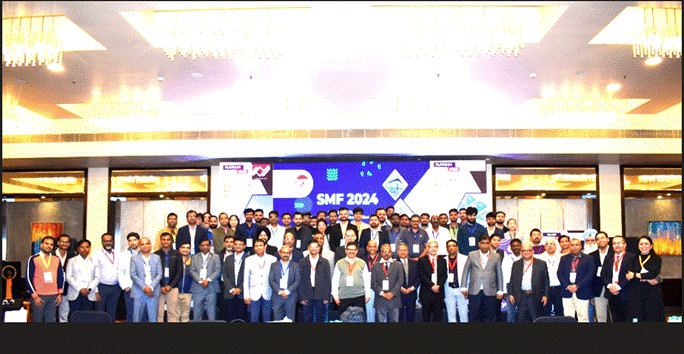
Rupnagar, 9th December 2024: IIT Ropar successfully hosted the Sheet Metal Forming (SMF) 2024 conference, attracting a large gathering of national and international delegates. The event featured eminent speakers from IITs and prominent industry partners, including Auto form, Electropneumatics & Hydraulics, Altair, Tata Steel, Tata Technologies Ltd., Ford India, Felss System GmbH, and JBM Auto Ltd. SMF 2024, the flagship conference of the Sheet Metal Forming Research Association (SMFRA), provided a platform for researchers and developers from India and abroad to present and exchange ideas on metal forming technologies.
The conference commenced on December 5th with an inaugural ceremony. Prof. Anupam Agrawal, from the Department of Mechanical Engineering at IIT Ropar and Organizing Secretary of SMF 2024, welcomed the attendees, including speakers, SMFRA members, scholars, and industry guests. Prof. Rajeev Ahuja, Director of IIT Ropar, conveyed his best wishes for the success of the conference. This was followed by an address by Dr. Prabhat K. Agnihotri, Head of the Department of Mechanical Engineering and Chairman of the conference. Chief Guest Dr. Santosh Kumar, Vice President, Jindal Stainless Ltd., delivered the Rasquinha Memorial Lecture, sharing insights on the latest advancements and challenges in the field of sheet metal forming. Prof. K. Narasimhan, Secretary of SMFRA and Professor at IIT Bombay, highlighted the key challenges in metal forming for academia and underscored the importance of the SMF conference series in bridging academia and industry. The ceremony concluded with a vote of thanks by Prof. Navin Kumar, Department of Mechanical Engineering, IIT Ropar, and Co-Organizing Secretary of SMF 2024.
The event was supported by Platinum Sponsors Auto Formand Electropneumatic & Hydraulics (I) Pvt. Ltd., along with Silver Sponsor Altair Engineering India Pvt. Ltd.
Day 1 of the conference showcased presentations by leading researchers, professors, and industry leaders on the latest advancements in sheet metal forming. Day 2 included technical sessions on diverse topics, such as lightweight metal forming, hot forming for lightweight construction, and challenges in skin panel forming. Attendees had the opportunity to engage with experts and exchange ideas on cutting-edge research in sheet metal forming.
SMF 2024 featured a panel discussion on day 2, moderated by Mr. Avinash Khare, Consultant at Tool Maker’s Facility, India. The panel included distinguished experts such as Prof. Hariharan K. (Associate Professor, IIT Madras), Mr. Prashant Kulkarni (Regional Manager, Altair Engineering India Pvt. Ltd.), Dr. Rahul Kumar (Tata Steel), and Prof. Ekta Singla(Associate Professor, IIT Ropar).
SMF 2024 aimed to provide insights into the future of metal forming research and promote knowledge-sharing among experts. The biennial event concluded successfully, with SMF 2024 Organizing Secretary Prof. Anupam Agrawal and Co-Organizing Secretaries Prof. Navin Kumar and Prof. Ekta Singla—receiving widespread appreciation for their efforts. The conference ended on Day 2 with a valedictory address by Prof. Anupam Agrawal.
































 Eduindex
You must be logged in to post a comment.