03 Fully Funded PhD Programs at University of Oulu, Oulu, Finland
Holding Master’s degree and looking for fully funded PhD positions? University of Oulu, Oulu, Finland invites online application for multiple funded PhD Programs / fully funded PhD positions in various research areas.
Candidates interested in fully funded PhD positions can check the details and may apply as soon as possible. Interested and eligible applicants may submit their online application for PhD programs via the University’s Online Application Portal.
1. Fully Funded PhD Position in multidisciplinary research of the integration of technology with healthcare education
Summary of PhD Program:
LET focuses on investigating and developing innovative educational technologies and learning environments to enhance learning processes, collaboration, and self-regulated learning across various educational contexts. HST integrates multidisciplinary research across health sciences, biomedical engineering, and medical technology, aiming to advance health care solutions, improve patient outcomes, and promote innovative technologies for health and well-being.
2. Fully Funded PhD Position in Nature-based water treatment systems in mining waters
Summary of PhD Program:
You will work on research tasks involved in the projects “Prowater” co-funded by the European Union via the Interreg Aurora and “RestMine” and “LuVe-JK” funded by Maa- ja Vesitekniikan tuki ry foundation. The project activities linked to this position focus on the use of industrial by-products as secondary sources of materials to be utilized in water treatment systems aiming at reducing aquatic pollution in mining-affected areas. Project tasks include e.g. mapping of available materials, designing, implementing and monitoring of in-situ pilot scale systems, data treatment and analysis (statistical methods) followed by system evaluation.
3. Fully Funded PhD Position in Mechanical Engineering (Hydrogen Combustion and Advanced Engine Simulation)
Summary of PhD Program:
We seek a highly motivated doctoral researcher to contribute to a cutting-edge research project focusing on hydrogen combustion and advanced engine simulation technologies. The position involves conducting 3D computational fluid dynamics (CFD) simulations, designing advanced combustion systems, and exploring innovative solutions for engine thermal stress mitigation and knock suppression.
The Department of School Education and Literacy, Ministry of Education, Government of India has been implementing a rolling programme of sample based National Achievement Survey (NAS) aimed at classes III, V, VIII and X with a cycle period of three years. The last National Achievement Survey (NAS) was held on 12th November, 2021.
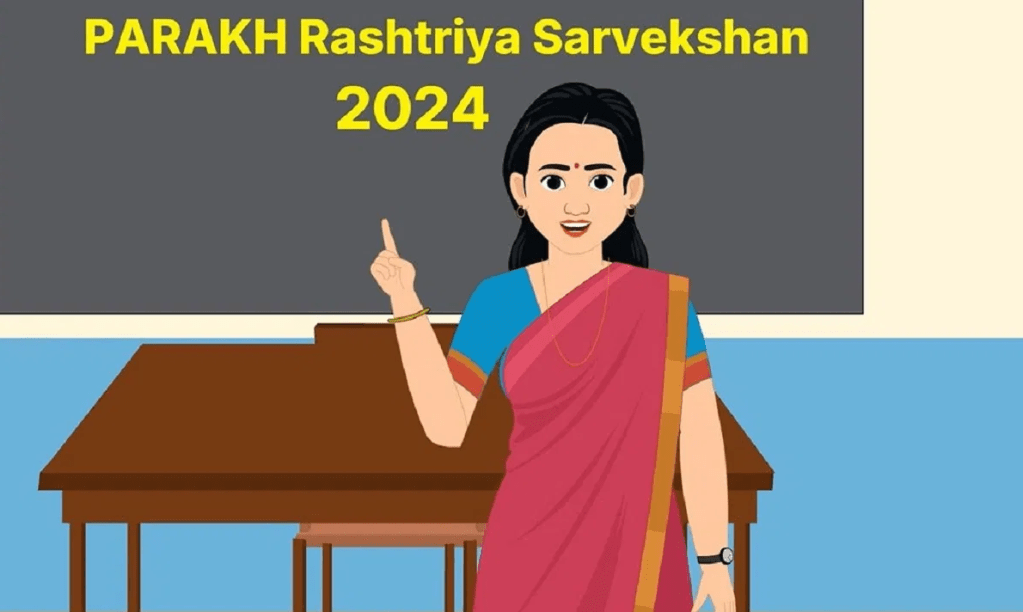
In pursuance of the recommendations of the National Education Policy (NEP) 2020, National Assessment Centre, PARAKH (Performance Assessment, Review, and Analysis of Knowledge for Holistic Development) has been setup by the Ministry of Education under the National Council of Educational Research and Training (NCERT) and has been entrusted with the responsibility of carrying out the next round of NAS, hereafter referred to as PARAKH Rashtriya Sarvekshan 2024. The survey will be held on 4th December, 2024 across the country and will help to assess the competencies developed by students at the end of foundational, preparatory and middle stages (i.e., Students currently in 3rd, 6th and 9th Grades) and help to take remedial measures. The instrument development, testing, finalization of the test items and survey tools have been developed by PARAKH, NCERT. However, the administration of the test in the sampled schools will be done by CBSE in collaboration with the respective States/UTs.
The PARAKH Rashtriya Sarvekshan is a baseline study to understand the achievement of the stage specific competencies at the end of foundation, preparatory and middle stages as per NEP 2020. It will cover the entire spectrum of schools i.e., Government Schools (Central Government and State Government), Government Aided Schools and Private schools across the country. It is expected that around 23 lakh students of approximately88 thousand schools spread out in 782 districts across 36 States and UTs will be covered in the PARAKH Rashtriya Sarvekshan 2024. Students of Grades 3, 6, and 9 will be assessed in the subjects, Language, Mathematics, the World Around Us, Science and Social Science. The Test would be conducted in 23 mediums of instructions covering Assamese, Bengali, Gujarati, Hindi, Kannada, Konkani, Malayalam, Manipuri, Marathi, Nepali, Oriya, Punjabi, Sanskrit, Santhali, Sindhi, Tamil, Telugu, Urdu, Bodo, English, Mizo, Garo & Khasi.
For smooth and fair conduct of the survey 94878 Field Investigators, 75,565 Observers, 3128 District Level Officers and 180 State Nodal Officers from 36 States and Union Territories have been appointed. Also, 782 Board Representatives along with 38 National Level Observers have been appointed in the districts for monitoring the overall functioning and ensuring fair conduct of the Survey. All the personnel have been provided extensive training regarding their roles and responsibilities.
A National Steering Committee has been constituted for conduct of PARAKH Rashtriya 2024 headed by Secretary, Department of School Education and Literacy, Ministry of Education. A Portal https://ncert.nic.in/parakh/rashtriyasarvekshan.php has been launched to enable coordination with various key functionaries for smooth conduct of PARAKH Rashtriya 2024. National, State and District Report cards for all Stages covered under the survey will be released and placed in public domain.
Union Minister for Education, Shri Dharmendra Pradhan, will launch the PM e-VIDYA DTH Channel No. 31 for Indian Sign Language (ISL) tomorrow (6 December,2024) in New Delhi. Union Minister of State (Independent Charge) for Skill Development and Entrepreneurship and Minister of State for Education, Shri Jayant Chaudhary will also grace the event. The programme will witness participation from Hearing Impaired (HI) children, HI achievers, special educators, ISL certified interpreters and organisations working for mainstreaming the Hearing-Impaired community.
This critical initiative supports the objectives of the National Education Policy (NEP) 2020 which recommends promotion of Indian Sign Language to foster a more inclusive educational environment. Para 4.22 of NEP states that ‘Indian Sign Language (ISL) will be standardized across the country, and National and State curriculum materials developed, for use by students with hearing impairment. Local sign languages will be respected and taught as well, where possible and relevant.’
An exclusive PM e-Vidya channel devoted to the promotion of the Indian Sign Language has been conceptualised to promote ISL as a language as well as a school subject, so that the larger population has access to learning the language. The Channel will disseminate learning content for school children (Central & State Curriculum), teachers, teacher educators and other stakeholders in the area of career guidance, skill training, mental health, class-wise curricular content, communication skills, as well as promotion of Sign Language as a language subject, just like verbal languages like Hindi, English etc., for all.
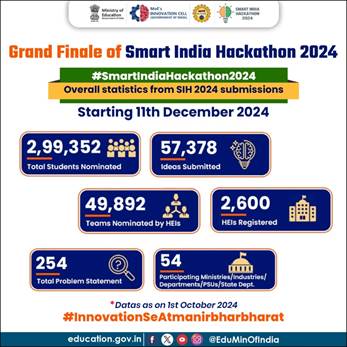
The 7th edition of the Smart India Hackathon (SIH) will concurrently begin on 11th December, 2024 at 51 centres nationwide. Union Minister for Education, Shri Dharmendra Pradhan, will virtually inaugurate the event. SIH is a nationwide initiative to provide students with a platform to solve some of the pressing problems we face in our daily lives and thus inculcate a culture of product innovation and a problem-solving mind set. Like past editions, the student teams will work on either the problem statements given by the Ministries/Departments/Industries or submit their idea in the Student Innovation Category against any of the 17 themes.
For SIH 2024, more than 250 problem statements have been submitted by 54 Ministries, Departments, State Governments, PSUs, and Industries. This year, an impressive 240% increase has been recorded in internal hackathons at the institute level, growing from over 900 in SIH 2023 to over 2247 in SIH 2024, making this the largest edition so far. More than 86000 teams have participated in SIH 2024 at the institute level and around 49,000 student teams (each consisting of 6 students and 2 mentors) have been recommended by these institutes for the national level round. SIH grand finale also serves as a ground for open interaction between officials from different Ministries/government departments and students, teachers from educational institutes which is very unique and also very encouraging for the students and teachers.
The challenges identified and addressed cover 17 major areas/themes linked to sectors of national importance and national priorities. These are Healthcare, Supply chain & Logistics, Smart Technologies, Heritage & Culture, Sustainability, Education & Skill Development, Water, Agriculture & Food, Emerging Technologies, and Disaster Management.
SIH has profoundly influenced India’s innovation landscape, empowering students and professionals to address real-world challenges. A pivotal element ensuring this success is the SIH Alumni Network, which, through its well-designed portal (https://alumni.mic.gov.in/), has seamlessly documented success stories, showcasing transformative outcomes. Till date, SIH Alumni have established over 100 Startups, many of which have strong social dimensions.
Effective office safety training is key to a safe workplace. Every employee deserves a safe, hazard-free workplace.
Office safety training prevents injuries. It also gives employees the skills and knowledge to use safety measures effectively.
This guide will detail the best practices for office safety training.
Understanding the Importance of Office Safety Training
Office safety training is crucial for creating a safe working environment. It trains employees to spot dangers and act.
Proper training can significantly reduce workplace injuries. An organization that invests in safety training protects its employees. It also boosts productivity and morale.
Identifying Workplace Hazards
Being aware of office hazards is the first step towards prevention. Common office hazards include slips, trips, and falls from clutter or wet surfaces.
To ensure safety, assess risks regularly and reduce them. Encourage employees to report any unsafe conditions immediately. This proactive approach fosters an environment of accountability and vigilance.
Integrating Ergonomic Safety Training
One of the significant aspects of office safety training is ergonomic safety. Long hours at desks put employees at risk for musculoskeletal disorders.
Ergonomic training teaches employees to set up their workstations. This minimizes discomfort and prevents injuries. This includes adjusting chair heights, monitor positions, and keyboard placements.
Focusing on ergonomic safety can boost productivity and comfort. It can also reduce injury risk.
Implementing Emergency Response Procedures
Emergency response procedures are a critical component of office safety training. Train all employees to respond to emergencies. Having a well-structured plan helps minimize chaos and ensures everyone understands their role.
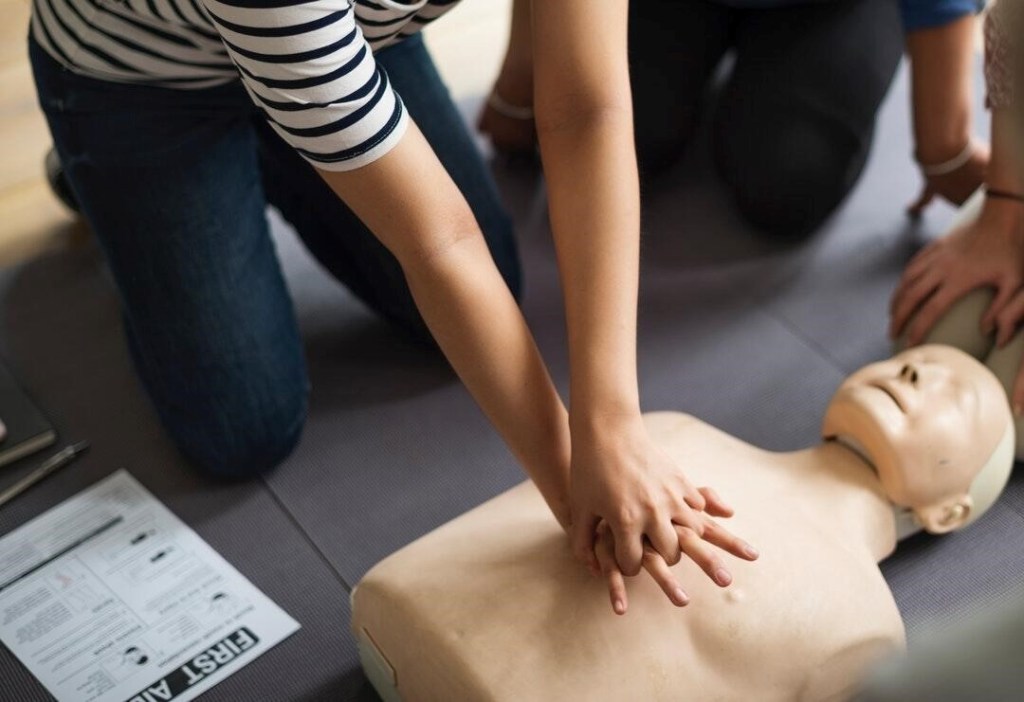
Conduct regular drills to familiarize staff with evacuation routes. Be sure to designate emergency contacts and ensure all employees know them. Keep first-aid kits accessible and well-stocked
Regularly reviewing and updating these procedures based on feedback and changes is vital. A prepared workforce is key to minimizing risks in unexpected situations.
Training Programs and Resources
Effective office safety training often includes interactive programs, workshops, and online resources. Many organizations offer training sessions.
They tailor them to their workplace’s specific needs and hazards. Using expert trainers in workplace injury prevention can improve the training.
Also, safety training courses boost employees’ confidence in emergencies. To improve employee safety skills, provide resources on workplace hazards.
A culture of continuous learning about safety will keep employees prepared. For further assistance in office safety training, visit Cprcertificationnow.com.
Creating a Safety Culture
Beyond formal training, developing a safety culture within the organization is vital. This means making safety a priority at every level, from management to new hires. Regular safety meetings and open discussions about hazards promote employee involvement.
When employees take ownership of their safety, they become more engaged. Celebrate safety achievements to reinforce positive behavior. Remember, a collective effort is more effective than individual actions.
Conducting an Office Safety Training
Office safety training is indispensable for a healthy work environment. Organizations can cut workplace injury risks by using best practices. These include hazard awareness, ergonomic training, and emergency response. Make safety a priority. Foster a culture of care among employees.
If you enjoyed this article and would like to read more like it, please check out the rest of our blog today.
Call for Guest Posts on Eduindex.org – High Impact News Portal
Eduindex.org, a prominent high-impact news portal, is now accepting guest post submissions from passionate writers, thought leaders, researchers, and professionals from diverse fields. The portal, which covers a wide array of topics ranging from education, technology, business, health, to lifestyle and current affairs, offers an excellent platform to share your insights, research, and expertise with a global audience.
This article will delve into the call for guest posts on Eduindex.org, the high-impact domains it focuses on, the benefits of contributing to this platform, and the submission process to ensure that your guest post meets the site’s editorial standards.
About Eduindex.org
Eduindex.org is a renowned news portal that serves as a comprehensive platform for content related to education, technology, business, health, and lifestyle, along with up-to-date global news and trends. Eduindex has gained a reputation for promoting high-quality content that adds value to readers and fosters intellectual discourse.
By accepting guest posts, Eduindex seeks to expand its pool of content by inviting experts, influencers, and professional writers to contribute original articles. This initiative is aimed at enriching the platform with diverse perspectives, thought-provoking ideas, and useful information that resonates with an audience of students, academics, professionals, and general readers.
Why Write for Eduindex.org?
Global Reach and Visibility: Eduindex.org attracts readers from all over the world, including students, educators, researchers, professionals, and industry leaders. Contributing a guest post helps you reach a wider, global audience who are actively interested in the topics you cover.
Engagement with a Diverse Audience: The platform engages with a diverse demographic, which means your content can have a broad impact across various sectors such as education, business, technology, healthcare, and more. This is an excellent opportunity to engage with people from different backgrounds and industries.
Enhance Your Professional Credibility: Publishing on Eduindex.org provides you with an opportunity to showcase your expertise. It can help enhance your professional reputation and position you as a thought leader in your field. It’s a great addition to your portfolio, whether you’re an academic, an entrepreneur, or a professional writer.
Networking and Collaboration Opportunities: By writing for Eduindex.org, you open doors for potential collaborations, networking opportunities, and partnerships with like-minded professionals in your field. Being featured on a high-traffic platform can increase your exposure and facilitate valuable connections.
Improve Your SEO and Online Presence: Eduindex.org enjoys a strong online presence and its high domain authority. Publishing a guest post with a backlink to your website or blog can significantly boost your SEO rankings, driving more traffic to your own content and improving your online visibility.
Contribute to Knowledge Sharing: Eduindex.org is committed to knowledge sharing and intellectual growth. By contributing a guest post, you are part of an effort to disseminate important ideas, research findings, trends, and news that can educate and inspire readers worldwide.
High-Impact Domains for Guest Posts
Eduindex.org covers a broad range of high-impact topics, and guest posts are invited across various fields. Below are some of the primary domains where you can contribute:
Education and Learning
Innovations in Education
E-learning and Digital Education
Educational Policies and Reforms
Classroom Technologies and Tools
Higher Education Trends
Learning Disabilities and Special Education
Online Learning Platforms and MOOCs
Student Well-being and Mental Health
Technology and Innovation
Artificial Intelligence (AI) and Machine Learning
Blockchain and Cryptocurrency
Internet of Things (IoT)
Cybersecurity and Data Protection
Cloud Computing and Big Data
Virtual Reality (VR) and Augmented Reality (AR)
Emerging Tech Trends and Innovations
Tech Startups and Entrepreneurship
Business and Entrepreneurship
Business Strategy and Leadership
Startup Culture and Growth
Entrepreneurship in the Digital Age
E-commerce and Digital Marketing
Corporate Social Responsibility (CSR)
Global Business Trends
Financial Planning and Investment
Leadership and Organizational Behavior
Health and Wellness
Healthcare Innovations and Research
Mental Health Awareness
Fitness and Nutrition Trends
Medical Technologies and Breakthroughs
Chronic Diseases and Treatments
Preventive Healthcare and Public Health
Healthcare Policies and Administration
Alternative Medicine and Holistic Healing
Lifestyle and Society
Personal Development and Growth
Productivity and Time Management
Social Media and Digital Influence
Fashion and Beauty Trends
Travel and Adventure
Family and Parenting
Sustainable Living and Environment
Work-Life Balance
Current Affairs and Global News
Political Analysis and Global Relations
Economic News and Market Trends
Social Justice and Human Rights
Climate Change and Environmental Issues
Technological Advancements in Society
Global Crises and Natural Disasters
Cultural Awareness and Diversity
Guest Post Submission Guidelines
To ensure that your guest post is considered for publication on Eduindex.org, it is crucial to follow their submission guidelines:
Relevance to Eduindex.org’s Audience: Your guest post must be relevant to the topics covered by Eduindex.org, including education, business, technology, health, lifestyle, and global news. It should provide useful, insightful, or thought-provoking content that aligns with the interests of the portal’s readership.
Original Content: Eduindex.org only accepts original and unique content. Your article should not have been published elsewhere, including on blogs, other websites, or social media platforms. Plagiarism is strictly prohibited.
Length and Structure: Guest posts should typically be between 800 to 1,500 words. Your post should be well-structured, with clear headings, subheadings, and paragraphs to enhance readability. Use a professional tone while ensuring the content is engaging and easy to understand.
Quality and Research: Articles should be well-researched, fact-based, and data-driven where applicable. Please include credible sources and references to support your claims, especially for topics that involve scientific research, statistics, or specific case studies.
SEO Optimization: To maximize the reach of your post, please ensure that the article is SEO-optimized. Use relevant keywords that are aligned with your topic, and ensure that the post has a clear focus and is tailored to meet the needs of search engine algorithms.
Grammar and Language: Your post should be written in proper English, free from grammatical errors and typos. Clear, concise language is preferred, and it’s essential that the content is easy to understand by a diverse audience.
Author Bio and Links: Along with your article, please include a short author bio (about 50-100 words) that highlights your expertise, professional background, and any relevant accomplishments. You can also include one backlink to your website, blog, or social media profiles.
Images and Visual Content: You can include relevant images, graphs, or infographics to complement your content. Ensure that any visual content used is of high quality and properly attributed. The images should be directly related to the topic of the article.
Submission Process: To submit your guest post to Eduindex.org, follow the submission instructions on their website. Usually, you will need to complete a submission form and upload your article along with the author bio. After submission, your post will go through an editorial review process, and you will be notified if it has been accepted or requires revisions.
How to Submit a Guest Post
Visit Eduindex.org and navigate to the “Guest Post Submission” section.
Fill out the submission form with details about your article and your professional background.
Upload your guest post along with any relevant images or supporting materials.
Include a short author bio and links to your social media or website.
Submit your post for editorial review.
Conclusion
Eduindex.org is a high-impact news portal that offers a unique opportunity for contributors to share their expertise, research, and insights with a global audience. Whether you are an academic, business professional, healthcare expert, or technology enthusiast, Eduindex welcomes your contributions on a wide range of important topics.
By submitting a guest post, you not only enhance your professional reputation but also contribute to the growth of intellectual discourse and knowledge sharing. Don’t miss the chance to be a part of this influential platform and make a lasting impact in your field.
Are you passionate about fitness and helping others achieve their health goals?
Personal training certification is the key to turning that passion into a rewarding career. With the right certification, you can unlock opportunities to make a difference in people’s lives while pursuing a fulfilling profession.
The journey to becoming a personal trainer can open doors to various career paths in the fitness industry. Earning a personal training certification allows you to gain credibility and the knowledge needed to guide clients safely and effectively. In this blog, we will discuss what to expect during the personal training certification process.
Preparing for the Written Exam
Getting ready for the personal training certification exam is important. Start by learning the key topics. Study the terms, exercises, and health concepts that are essential for personal trainers.
Make a study plan and stick to it. Use flashcards to remember important terms. It helps to review old exams and practice questions.
Group study can also help. Join a study group or class. This makes learning fun and effective.
Hands-On Training and Gaining Practical Experience
Hands-on training is a vital part of the personal training certification process. You will learn how to work with clients and teach exercises. This includes showing proper forms and correcting mistakes.
Find a local gym or training center. They often offer practical sessions. Shadowing experienced personal trainers can give you great insights.
Your hands-on experience will boost your confidence. The more you practice, the better you will become. This will help you in your future career as a personal trainer.
Completing the Required Practical Assessments
Practical assessments are crucial for your trainer certification. You will need to demonstrate skills in front of an evaluator. They will check how well you can train clients.
Practice all the required assessments. This includes exercises and client interactions. Knowing what to expect will ease your nerves.
Be sure to follow all guidelines during your assessment. Confidence is key to showing your skills. Doing well will help you earn your personal trainer certification.
Navigating Continuing Education and Recertification Requirements
Once you earn your personal training certification, learning doesn’t end. Continuing education courses help keep your knowledge up to date. These courses ensure you stay informed about new trends and changes in the fitness industry.
You’ll need to complete certain courses for recertification. These may include updates on the latest research and trends in personal training. Make sure you check which courses are required to stay certified.
There are many organizations offering fitness certification courses. You can choose courses that interest you to grow your skills. For instance, visiting https://www.americansportandfitness.com/products/barre-certification can help you gain more expertise and get certified in return.
Ready for Success: Your Path to Personal Training Certification
Obtaining your personal training certification opens doors to a rewarding career. It not only boosts your credibility but also equips you with essential skills to guide others toward their fitness goals. By staying updated through continuing education, you ensure ongoing success in this dynamic industry.
With hard work and dedication, you’ll be well on your way to a fulfilling career as a personal trainer. Keep learning, practicing, and pushing yourself to new heights.
Did you find this article helpful? Visit more of our blogs!
Case studies are powerful tools used across various fields to provide real-world examples, demonstrate the application of theories, or offer detailed insights into specific scenarios. A well-written case study can inform, persuade, and educate its audience effectively. This article outlines the essential steps and tips for crafting an engaging and informative case study.
—
What is a Case Study?
A case study is an in-depth analysis of a particular situation, event, or individual. It often focuses on solving a problem, exploring an idea, or showcasing success stories. Case studies are widely used in academia, business, medicine, social sciences, and other fields to provide detailed insights that might not be evident through general research.
—
Key Elements of a Good Case Study
1. Clear Objectives Define the purpose of your case study. Are you aiming to educate, persuade, or analyze? A clear objective ensures the case study remains focused and relevant.
2. Relevant Subject Matter Choose a topic or case that resonates with your target audience and aligns with your objectives. For businesses, this could mean selecting a client or project that showcases your strengths.
3. Well-Defined Problem Clearly articulate the problem or challenge faced by the subject of the case study. This creates context and sets the stage for your analysis.
4. Evidence-Based Analysis Use reliable data, research, and testimonials to back up your claims. The evidence should be presented in a logical manner to support your conclusions.
5. Structured Format A well-organized case study is easy to read and understand. The typical structure includes:
Introduction: Overview of the case and objectives.
Background: Context and setting.
Problem Statement: Clear identification of the issue.
Solution: Detailed explanation of the approach taken.
Results: Outcomes supported by data or testimonials.
Conclusion: Summary and key takeaways.
6. Engaging Narrative Tell a compelling story. A case study should not only inform but also engage the reader. Use a narrative style that connects with the audience emotionally and intellectually.
—
Steps to Write a Good Case Study
1. Research and Preparation
Identify the subject or case.
Gather all relevant information, including data, interviews, and documents.
Understand the audience and tailor the content to their needs.
2. Define the Core Message
Focus on the main takeaway you want the readers to have. This will guide the narrative and ensure the case study is cohesive.
3. Create an Outline
Plan the structure of your case study. An outline helps organize thoughts and ensures all critical elements are included.
4. Write the Draft
Start with a compelling introduction to grab attention.
Provide sufficient background information for context.
Clearly define the problem.
Explain the solution in detail, highlighting its unique aspects.
Present the results with supporting evidence, such as charts, quotes, or before-and-after comparisons.
5. Edit and Refine
Review for clarity, accuracy, and coherence.
Remove unnecessary details and jargon.
Proofread for grammatical errors and typos.
6. Add Visuals
Incorporate images, graphs, and infographics to enhance understanding and break up the text.
7. Finalize and Format
Use headings, subheadings, and bullet points for readability.
Ensure the formatting aligns with your branding or style guidelines.
—
Tips for Writing an Impactful Case Study
1. Use Real Data: Authentic data builds credibility and reinforces the case study’s effectiveness.
2. Focus on Results: Highlight measurable outcomes to demonstrate the success of the solution.
3. Be Concise: Avoid unnecessary details that may overwhelm the reader.
4. Include Quotes and Testimonials: Real voices add authenticity and depth.
5. Use a Conversational Tone: Engage the reader with a friendly yet professional tone.
—
Examples of Good Case Studies
1. Business Case Study How a small business increased revenue by 50% using a specific marketing strategy. Focus on the challenges, strategic steps, and results.
2. Medical Case Study A unique diagnosis and treatment plan for a rare condition. Include patient history, diagnostic process, treatment, and outcomes.
3. Academic Case Study Analyzing the impact of a policy change in a community. Provide a balanced view with supporting research.
—
Conclusion
Writing a good case study requires a balance of storytelling, analytical thinking, and clarity. By focusing on the problem, solution, and results while maintaining a structured and engaging narrative, you can create a case study that educates, persuades, and leaves a lasting impression on your audience. Whether for academic purposes or professional use, the principles outlined in this guide will help you craft a compelling case study that stands out.
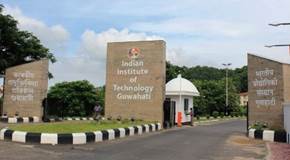
India International Science Festival (IISF) is going to be celebrated at Indian Institute of Technology Guwahati during 30 Nov. to 3 Dec. 2024. The Council of Scientific and Industrial Research (CSIR) is the nodal department for this year IISF and a constituent laboratory of CSIR namely National Institute for Interdisciplinary Science and Technology (CSIR-NIIST, Thiruvananthapuram) is coordinating the whole festival. IISF is a unique festival of science society engagement which was initiated in the year 2015 and the very first IISF was organised at IIT Delhi. Vijnana Bharati, a science movement of India conceptualized this science festival. North East India will witness this festival for the first time. To date, India International Science Festival has been the largest science event in the country with a participation of thousands of people who come together annually to foster scientific collaboration, inspire young minds and propel economic growth through scientific approaches.
“IISF is not only meant for the people who do science. The key philosophy of IISF is the celebration of science by all, and thus it also engages common people in a joyful and entertaining manner”.
This year in 2024, IISF is being organized at IIT Guwahati, Assam from November 30th – December 4th, 2024. The theme of this 10th edition of IISF is “Transforming India into an S&T driven Global Manufacturing Hub”. It reflects the government’s aim to merge science and technology with industrial growth, making India global leader in manufacturing.
IISF Organizers and Organizing Partners
The Ministry of Science and Technology (MoS&T), through their departments viz. Department of Science & Technology (DST), Council of Scientific & Industrial Research (CSIR), Department of Biotechnology (DBT) and Ministry of Earth Science (MoES) is responsible for conducting this mega annual event. Along with government organizations Vijnana Bharati has been a consistent organizing partner of IISF since the inception of this event.
The other organizations that took active part in IISF are office of Principal Scientific Advisor (PSA) to Govt. of India, Department of Space (DoS), Department of Atomic Energy (DAE), Directorate of Defence Research & Development (DDR&D), Ministry of New And Renewable Energy (MNRE), Ministry of Health & Family Welfare (MoH&FW), Department of Agricultural Research and Education (DARE), Ministry of Environment, Forest and Climate Change (MoEFCC), Ministry of Ayush, Ministry of Electronics and Information Technology (MeitY), Ministry of Rural Development (MoRD), and many other concerned ministries, their departments, councils and organizations.
The IISF-2024 is being coordinated by the CSIR, convened by CSIR-NIIST and partnered by all the major ministries and scientific departments of the Government of India in collaboration with Vijnana Bharati.
Thematic Events of IISF-2024
IISF has various themes that aim to indulge scientific and common people for diverse scientific discussions and activities. Here, everyone gets a chance to engage and learn scientific approaches due to the themes that have been planned after keeping in mind the needs of various stakeholders. For IISF some new themes have been added as per the need of North East India and here a little information is been given about all themes.
To begin with, IISF 2024 has one special event “Chandrayaan – The Museum of the Moon” where an artistic model by British artist Dr. Luke Jerram will be placed among the attendees to showcase and celebrate India’s success of Chandrayaan Mission. The model is a replica of the moon that measures about seven meters in diameter and will showcase the real like imagery of lunar surface where Chandrayaan was landed on August 23, 2023.
Mega Science and Technology Exhibition will showcase accomplishments and success stories of India in the field of Science, Technology, Engineering, and Mathematics (STEM). In the expo various technologies developed by Indian Scientific and R&D Institutions across the country kept on display for all four days of the festival to show and educate students, scientists, and the general public.
Make in India, Make for theWorld event aims to attract national as well as international organizations involved in manufacturing, technology, and logistics to discuss about things required to make India a global manufacturing hub.
The New Nalanda known earlier as Student Science Village will enable interaction of students and teachers. The event aims to ignite students’ interest in STEM through interactive exhibits, demonstrations, educational games and challenges.
Pragya Bharat event will discuss New Frontiers in S&T that are needed to make India Viksit Bharat by 2047. The event aims at promoting cutting edge research across various scientific disciplines like AI, Biotechnology, Cybersecurity, Robotics, Quantum Computing etc. which can make India developed and self-reliant.
Nari Shakti – Women’s Development to Women-led Development in S&T event will focus on active participation of women in STEM and Entrepreneurship and discuss about various schemes provided by Government of India to empower women in S&T.
S&T Hackathon – Ideas for Viksit Bharat event is designed to encourage school and college students to develop innovative solutions related to science and technology, focusing on Viksit Bharat Sankalp. Teams comprising of students and mentors will be allowed to participate in the competition and winners will get attractive prizes whereas final participants will get special benefits like internships, project positions etc.
Young Scientists Conclave intends to bring together young researchers, scientists and innovators below the age of 45 years belonging to academia, research and industry fraternities. It enables young researchers to be aware of the scientific policies of India and the recent developments in science and technology of India including infrastructure development, funding opportunities etc.
Thought Leaders Round Table – Minister – Secretary – Councils – CEO Conclave will bring the leaders and policy makers like Central and State Government Ministers, Departmental Secretaries, S&T Councils and CEOs of Industries on one platform. The event will have discussions on important issues and establish collaborations for making big changes in public and private sectors that can align with the goal of Viksit Bharat.
The Gurukula – Aspiring Educators and Teachers Workshop earlier known as The National Science Teachers Workshop aiming at the professional development of science teachers by equipping them with innovative teaching methodologies, modern tools and strategies to effectively impart scientific knowledge to students.
Mission Start-up eventoffers the opportunity to Start-ups and supporting enablers like incubation centres. Start-ups in this event can showcase their products and services to the investors and associates which in turn help them grab the further opportunities under Start-up India mission and other initiatives available in the country.
Reimagining Bharat Exhibition – Transformation through New Age Technologies aims to showcase emerging technologies and prototypes/models developed by Governmental Agencies and Departments. The S&T areas targeted for this event are not limited to fundamental and applied sciences, agriculture, healthcare, space, education, strategic sectors, robotics, etc.
Sagarika – The Tale of Earth Sciences event as name suggest aims to engage and educate people on different areas of earth science such asmeteorology, oceanography, ecology etc. Through this event, IISF desires to raise public awareness on environmental issues.
Science beyond Borders event is aimed at fostering international collaboration, partnerships and exchange of dialogues among scientists, researchers and institutions to address global challenges in S&T.
Vigyanika event celebrates Science Literature Festival which aims to promote science literacy and effective science communication strategies in Indian languages. The interactions done through keynote lectures, panel discussions and scientific sessions among S&T authors, Vigyan Kavi Sammelan, Science Drama and arts, and related competitions.
Fusion Forum – The Atomic Assembly event will discuss the current perspectives, future benefits, and pressing challenges in implementing nuclear energy in India for various sectors like Generation of power, nuclear medicine, agriculture, Additive manufacturing etc.
Student – Scientist Interaction Program – Face to Face with New Frontiers in Science mediates interaction and short discussion based sessions of students/researchers with experts of various disciplines of S&T to inspire students to pursue science and research career.
National Social Organizations and Institutions Meet (NSOIM), well understand the role of social organizations promotion of S&T and thus provides them platform to discuss scientific interventions and sustainable models for societal development and nation-building.
Vision Sansad aims at bringing together key leaders like Directors, Vice Chancellors, Presidents and Senior Leaders from every possible science institution of the country where discussions can take place strategies for advancing scientific research, collaboration and policy development to address current challenges and shaping the future of Indian science in an inclusive manner.
Science Safari Science through Games and Adventures provides a platform to display science-based toys and games and also workshops are being organized to let the teachers learn the ways these toys used for teaching purposes.
S&T Media Conclave will bring media personnel, journalists, communicators and general public on a platform where they can discuss the challenges and opportunities of communicating science to a wide audience, best ways of science communication and preventing misinformation, and strategies to enhance collaboration between scientific community and media.
Saga of Science Chronicles is an evening event that will tell the history and recent developments of Indian science and scientists through LED light show that will happen during 7:30 pm – 9:30 pm during each day of IISF 2024.
Science Odyssey of the North East will address the challenges that hinders the growth of science and technology in North East and discuss the ways of promotion of science and technology of North East.
The Taste of the Hills- North East Food Street will showcase the food heritage of North East and let the people eat and enjoy their traditional food items. The Food Street will remain open throughout IISF 2024.
North East Symphony- North East Cultural Fest will portray North East India’s diverse traditions, customs, and arts through experience of music, dance, crafts, and traditional practices. The fest is staged during the whole duration of IISF 2024.
IISF 2024, promises to be a landmark event in promoting science and technology. With the current theme it seeks to celebrate India’s scientific achievements and foster collaboration across various sectors. The event will feature diverse activities, engaging both scientific professionals and the general public. It is open for all and free so one has to attend the event to see India’s scientific achievements.
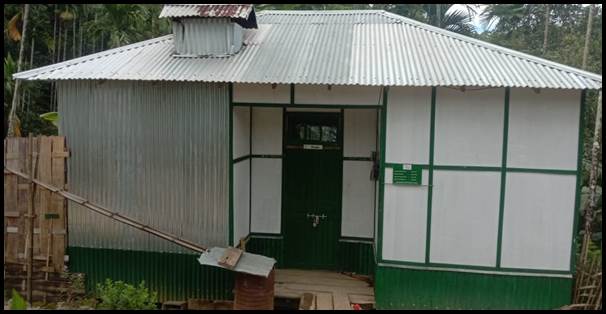
In the small village of ‘Rotlang W’ in Mizoram,’ Nondo’s family faced a constant battle for survival. As a daily wage laborer, Nondo worked tirelessly to feed his wife and five children. Yet, no amount of effort could change the harsh reality of their living conditions. Their dilapidated kutcha house, with its leaky roof and crumbling walls, offered little protection against the elements.
During the monsoons, water seeped through the roof, soaking their clothes and bedding. Winters were unbearably cold, with biting winds finding their way through the fragile structure. The family’s health and peace of mind suffered with every cold night made us worry if our house would hold up.
Relief came in 2017 when Nondo’s name appeared on the beneficiary list of the Pradhan Mantri Awaas Yojana – Grameen (PMAY-G). The scheme, designed to provide pucca houses for vulnerable rural families, offered Nondo the opportunity to build a secure home. With financial assistance and support from local officials, construction of his house began.
Lunglei District, Mizoram
By the end of the year, the family moved into their new home. It was a simple and sturdy structure, built to withstand harsh weather and provide a safe haven for the family. The new house brought a profound sense of security to Nondo’s family. No longer did they worry about rainwater flooding their home or chilly winds making their children sick. Their pucca house stood firm against the elements, offering warmth and stability. The newfound security also gave Nondo a sense of pride and belonging. For the first time, his family could welcome guests into their home without embarrassment or fear of judgment.
Nondo’s story is a testament to the transformative power of PMAY-G, launched in 2016 by the Government of India to fulfil the vision of “Housing for All.” The scheme focuses on providing pucca houses with essential amenities to rural families living in kutcha houses or without a home. The key features of PMAY-G include providing financial assistance for constructing houses with a minimum size of 25 square meters. The scheme prioritizes vulnerable groups such as houseless families, households without literate adults, and those reliant on casual labour for income. Special emphasis is placed on supporting marginalized communities, including Scheduled Castes, Scheduled Tribes, and other disadvantaged sections of society.
Through such targeted measures, the program ensures that the most deserving households, like Nondo’s, benefit first.
Today, Nondo and his family live with peace of mind, no longer burdened by the fear of homelessness or the harshness of nature. Their pucca house is more than a shelter; it is a symbol of hope, resilience, and progress.
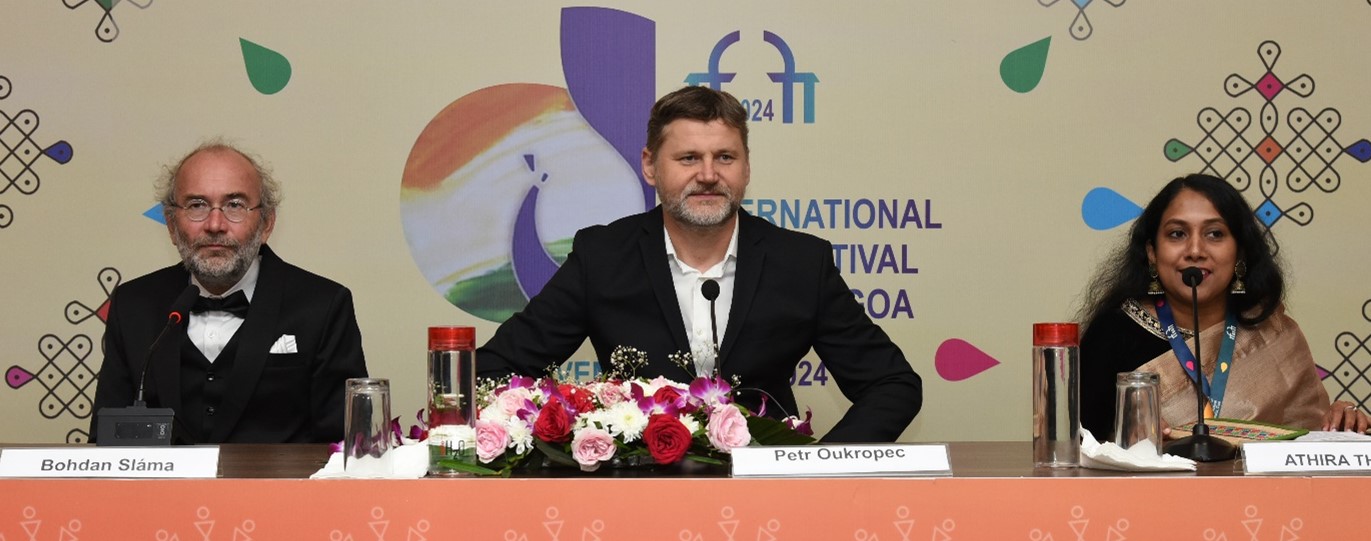
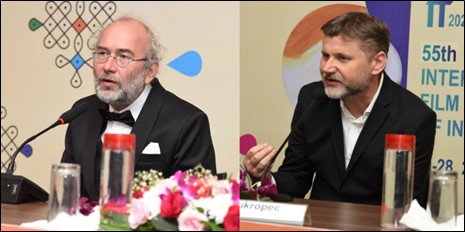
The Press Conference for the much-anticipated closing film ‘Dry Season’ (originally titled Sukho), directed by the acclaimed Bohdan Sláma and produced by Petr Oukropec, was held as part of the 55th International Film Festival of India (IFFI) in Goa. Organized by the Press Information Bureau, the event highlighted the film’s poignant exploration of environmental and generational challenges.
Set amidst verdant fields, the story follows Josef, a fifty-year-old farmer striving for an alternative lifestyle with his wife Eva and their three children. Josef’s clash with Viktor, a profit-driven agribusiness owner, intensifies as a dry summer leaves the village without drinking water, sparking tensions between their families, complicated further by Viktor’s strained bond with his returning son.
Director Bohdan Sláma reflected on the universal bond between humans and the environment, underlining the need to protect natural resources as a reflection of safeguarding the human spirit. He spoke about the meticulous journey of crafting the screenplay, which took three years and underwent 11 revisions, and expressed gratitude for the collaborative efforts of the cast and producers that enriched the filmmaking process.
Producer Petr Oukropec shared the complexities of financing and creating art-house cinema in smaller nations, emphasizing the significance of international collaborations. He lauded the film’s relevance, resonating with global audiences by addressing themes of sustainability, family, and generational divides.
The filmmakers urged younger audiences to take ownership of their future, as the narrative serves as a mirror to pressing contemporary issues. Concluding the session, Bohdan Sláma expressed hope that Dry Season would spark meaningful conversations, not just in India but across the world, reminding audiences of the delicate balance between humanity and nature.
Ministry of Food Processing Industries (MoFPI) is implementing a Centrally Sponsored- “Pradhan Mantri Formalisation of Micro Food Processing Enterprises (PMFME) Scheme” for providing financial, technical and business support for upgradation of micro food processing enterprises in the country. The scheme is operational for a period of five years from 2020-21 to 2025-26 with an outlay of Rs. 10,000 Crore. The scheme aims to enhance the competitiveness of existing individual micro-enterprises in the unorganized segment of the food processing industry and promote formalization of the sector. The Scheme primarily adopts One District One Product (ODOP) approach to reap the benefit of scale in terms of procurement of inputs, availing common services and marketing of products. It provides the framework for value chain development and alignment of support infrastructure. The ODOP are identified by States / UTs based on the agriculture production, raw material availability, perishability of the product etc. The details of financial assistance offered to the prospective entrepreneurs under PMFME Scheme to promote ODOP are at Annexure.
Ministry of Food Processing Industries (MoFPI) extends financial assistance as grant-in-aid to various institutions/ universities, Public funded organizations and recognized R&D laboratories both in public and private sector, to promote and undertake demand driven R&D work in the Food Processing Sector for product and process development, design and development of equipment, improved storage, shelf-life, packaging etc.
Under the scheme, financial assistance as grant-in-aid is given to Private organizations/ Universities/institutions/R&D laboratories and Council of Scientific & Industrial Research (CSIR) recognized R&D units in private sector to the tune of 50% of equipment cost in general areas and 70% in difficult areas and to various Universities, Indian Institute of Technology(IITs), Central/ State Government Institutions, Government funded organizations to promote and undertake demand driven R&D work in food processing sector for product & process development, design and development of equipment, improved storage, shelf-life, packaging etc. R&D projects of Government organizations/ Institutions are eligible for 100% grant-in-aid for the cost of equipment, consumables and expenditure related to Research Fellows, etc. R&D portal had been developed through the National Institute of Food Technology, Entrepreneurship & Management (NIFTEM), Kundli, Sonepat, Haryana to disseminate information relating to research & development work supported by MoFPI scheme, including outcomes, technologies developed, etc. The portal will also be a repository of R&D work by other Ministries/Institutions in the food processing sector.
This information was given by Union Minister of Food Processing Industries Shri Chirag Paswan in a written reply in Lok Sabha today.
ANNEXURE
The details of financial assistance offered to the enterprises under Pradhan Mantri Formalisation of Micro Food Processing Enterprises (PMFME) Scheme are as under:
(i). Support to Individual / Group Category Micro Enterprises: Credit-linked capital subsidy @35% of the eligible project cost, maximum ceiling Rs.10 lakh per unit;
(ii). Support to SHGs for seed capital: Seed capital @ Rs. 40,000/- per member of SHG engaged in food processing for working capital and purchase of small tools subject to maximum of Rs. 4 lakh per SHG Federation.
(iii). Support for Common Infrastructure: Credit linked capital subsidy @35% subject to maximum of Rs. 3 crore to support FPOs, SHGs, Cooperatives and any Government agency for setting up of common infrastructure. The common infrastructure will also be available for other units and public to utilize on hiring basis for substantial part of the capacity.
(iv). Branding and Marketing Support: Grant upto 50% for Branding and Marketing to groups of FPOs/ SHGs/ Cooperatives or an SPV of micro food processing enterprises.
(v). Capacity Building: The scheme envisages training for Entrepreneurship Development Skilling (EDP+): program modified to meet the requirement of food processing industry and product specific skilling.
The Global Nature Conservation Index (NCI) 2024 is brought out recently, for the first time, by Goldman Sonnenfeldt School of Sustainability and Climate Change, Ben-Gurion University of the Negev, Israel and BioDB.com. India has been ranked 176 out of total 180 countries undermining the well-recognized efforts of India in Land Management, Threats to Biodiversity, Capacity & Governance and Climate Change Mitigation. NCI has not taken into account the country reported data in respect of many indicators and relied on many other sources leading to unrealistic NCI index. Further, NCI has completely ignored India’s leadership role in international environmental forums such as International Big Cat Alliance (IBCA), Mission LiFE, International Solar Alliance (ISA) and Coalition for Disaster Resilience Infrastructure (CDRI) advocating for global cooperation on biodiversity conservation as well as its leadership role on global climate change agenda.
In recent years, India has taken several measures in areas of land management and threats to its biodiversity which have not been taken into account while deriving NCI. For example, the Government of India enacted Biological Diversity Act, 2002, as amended by the Biological Diversity (Amendment) Act, 2023 (BD Act) together with new set of Rules to conserve, sustainably use and regulate the access of biological resources and knowledge associated thereto. The Act covers various measures under the provisions of the BD Act to conserve biodiversity including the constitution of Biodiversity Management Committees (BMCs), notification for Biodiversity Heritage Sites and notification for threatened species. The notification confers power to the State Biodiversity Boards (SBBs) for regulating access to the notified species and to take measures to rehabilitate and preserve those species.
Some of India’s key achievements in land management and biodiversity conservation are as follows:
India has 1022 Protected Areas in the country, covering an area of 178,640 sq. km, which is about 5.43 % of the geographical area of the country.
Total Forest Cover has increased from 21.23% in 2013 to 21.71% in 2021 .
India has 72.16 lakh Ha of forest cover as per the FAO’s Global Forest Resource Assessment 2020, securing its place among the top ten countries worldwide.
Eco-Sensitive Zones of 487 Protected Areas have been established across India.
Number of Ramsar sites have increased from 26 in 2014 to 85 in 2024.
There are 55 Tiger Reserves in India and tiger population has increased from 2226 in 2014 to 3682 in 2022.
India’s Project Lion has fostered a growing lion population in the Gir Landscape—from 284 in 1990 to 674 in 2020.
India has reintroduced Cheetah in the Indian habitat through the world’s first inter-continental large wild carnivore translocation project.
With 33 Elephant Reserves, India holds by far the largest number of wild Asian elephants, estimated at about 30,000 or nearly 60% of the population of the species.
India’s leopard population is estimated at 13,874 individuals, representing stable population in comparison to the similar area being sampled in 2018 with 12,852 individuals.
The Namami Gange Programe to rejuvenate River Ganga and its tributaries has been recognised as World Restoration flagship project by UN which reflects the commitments of Government towards conservation, rejuvenation and development of natural ecosystems and its services.
India has already submitted its National Targets under the National Biodiversity Strategy and Action Plans on 10th September, 2024 and also submitted its National Biodiversity Strategy and Action Plan (NBSAP) on 31st October, 2024 on the Convention on Biodiversity Portal during the recently concluded CBD COP at Cali, Colombia. Both the National Biodiversity Targets and the Action Plans are fully aligned with the goals and targets set under the Kunming Montreal Global Diversity Framework (KMGBF). KMGBF is to be implemented in accordance with the national circumstances, priorities and capabilities.
India’s National Biodiversity Strategy and Action Plan (NBSAP) envisages protecting terrestrial and marine areas, restoring degraded ecosystems and reducing biodiversity threats through pollution control as also invasive species management. India emphasizes species conservation, sustainable resource use, wildlife corridors to reduce fragmentation, and community engagement in biodiversity governance.
India has submitted its Long Term Low Emission Development Strategy (LT-LEDS) for reducing GHG emissions to UNFCCC in November 2022 highlighting strategic low-emissions development transitions for the country. The LT-LEDS was prepared in the light of India’s right to an equitable and fair share of the Global Carbon Budget, which is the practical implementation of Climate Justice. The key elements of the strategy include- Low carbon development of electricity systems consistent with development; development of an integrated, efficient, inclusive low-carbon transport system; promoting adaptation in urban design, energy and material-efficiency in buildings and sustainable urbanisation; promoting economy-wide decoupling of growth from emissions and development of an efficient, innovative low-emission industrial system; CO2 removal and related engineering solutions; enhancing forest and vegetation cover consistent with socio-economic and ecological considerations; and developing strategy on economic and financial aspects of low-carbon development. Some of the initiatives include the Smart Cities Mission (SCM), National Action Plan of Climate Change (NAPCC) promoting climate-resilient and sustainable urban development.
The Adaptation Communication submitted to UNFCCC in 2023 outlines the actions taken for adaptation to climate risks and challenges, and future strategy for the same. India has developed an integrated approach, ranging from food security, energy use efficiency, and water management aiming to address these issues simultaneously through appropriate policies and initiatives.
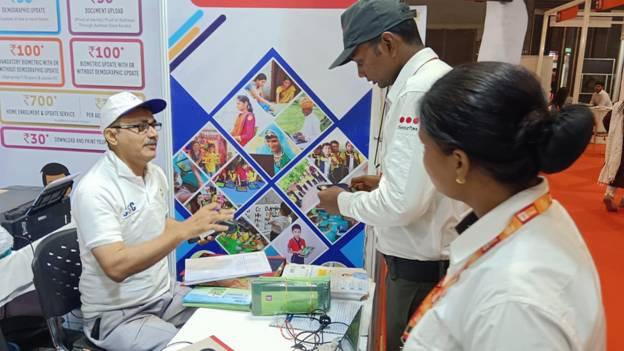
The Ministry of Electronics and Information Technology has set up a vibrant stall at the India International Trade Fair (IITF) in Hall No. 14. Hosted by Common Service Centers (CSC), the stall showcases a wide range of digital and community services, including the Grameen eStore, CSC Academy, DigiPay, Aadhaar-related services, and other key initiatives. The primary aim of this exhibit is to spread awareness about the facilities provided by CSC and encourage more people to leverage these services for their empowerment.
The Dynamic Leaders Behind the Stall
This CSC stall is led by two dedicated and inspiring Village Level Entrepreneurs (VLEs) from Delhi, Siddharth and Vikas. Their dedication and commitment reflect the transformative power of digital services, as they serve their communities while setting examples for others.
Siddharth: A 22-Year-Old Visionary
Siddharth, a 22-year-old entrepreneur, started his CSC center in 2020. Operating from Mandawali, Delhi, he faced the responsibility of supporting his family right after completing his 12th-grade education. Despite the challenges, he turned his situation around by utilizing the income generated through CSC services. Today, Siddharth manages services such as Aadhaar registration, DigiPay, and Grameen eStore with great efficiency. His journey is a testament to how young individuals can transform their lives by seizing the right opportunities.
Vikas: A Story of Resilience and Success
50-year-old Vikas has overcome significant challenges in his life. Stricken by polio in childhood, he experiences difficulty walking. However, his determination never wavered, and he established his CSC center in the Rohini area of Delhi. Vikas’s story serves as a powerful reminder that physical limitations cannot hinder one’s drive and potential for success. Through his center, he provides vital services like Aadhaar enrollment, seamless transactions via DigiPay, and other government schemes.
The CSC Stall: A Symbol of Digital Empowerment
Visitors to the CSC stall at IITF can explore opportunities like the Grameen eStore, which facilitates easy buying and selling of products, DigiPay for cashless transactions, and CSC Academy’s programs to enhance digital literacy. The efforts of VLEs like Siddharth and Vikas underscore how digital services can bridge gaps and empower individuals, even in the face of adversity.
Role Models for Society
The inspiring journeys of Siddharth and Vikas illustrate that digital services are not just tools for livelihood but also a means to uplift every segment of society. Their hard work and dedication have made them role models for countless others aspiring to achieve financial independence and social impact.
The CSC stall at the India International Trade Fair exemplifies the success of the Digital India initiative, reaching even the remotest corners of the country. Siddharth and Vikas, with their resilience and determination, stand as shining examples of this transformation. Their stories teach us that success is achievable despite challenges if one has perseverance and the right opportunities. CSC’s initiative not only promotes digital inclusion but also inspires individuals across the nation to become self-reliant and empowered.
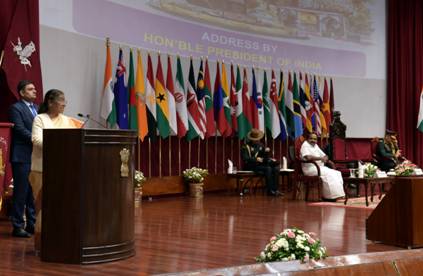
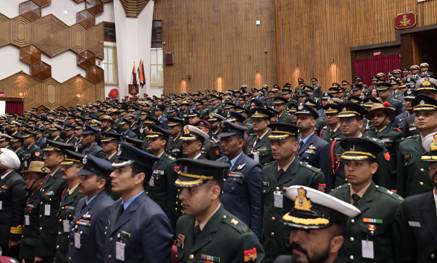
President Smt Droupadi Murmu visited the Defence Services Staff College (DSSC), Wellington in The Nilgiris District, Tamil Nadu on November 28, 2024. Addressing the student officers and faculty, the President said the DSSC has made commendable contribution to training & educating the potential leaders of the Armed Forces of India and friendly countries & selected civilian officers. Over the past seven decades, it has played a major role in professionally grooming the middle level officers. It has the unique distinction of having a composite multi-service and multi-national group of student officers and a professionally enriched faculty.
The President was happy to note that women officers are now commanding various units in all the three services. She said that the increasing strength and role of women in all spheres is encouraging and inspiring for all, especially young girls. She expressed hope for witnessing more and more women joining the Armed Forces, where they can demonstrate exceptional capabilities and break new ground in uncharted territories.
The President said that India is rising and the world is acknowledging the growth in various sectors, including defence. India is moving towards indigenisation and self-reliance to keep the Armed Forces ready to meet the future challenges. The country is being developed as a major defence manufacturing hub, and is moving towards becoming a reliable defence partner & big defence exporter.
The President said: “In the fast-changing geopolitical environment, we need to be well-prepared to tackle any situation. We not only have to secure our national interests, but also prepare for new national security challenges like cyber warfare and terrorism. Updated knowledge and cutting-edge technologies based on intensive research are required to be applied.” She expressed confidence that this course will prepare student officers all for higher responsibilities and as strategists who can deal with complex situations in an effective manner.
The President appreciated the unique role of the institution in nurturing the future senior leadership of the Armed Forces. She appreciated the creativity, dedication and the focus with which training is being conducted at the College. She also complimented the student officers for having being selected for the prestigious Staff Course at DSSC, and their rigourous efforts while undertaking this course.
The President also interacted with the Student Officers, including 38 from friendly countries, attending the course at the DSSC. She hailed the role of the International Student Officers in strengthening the mutual cooperation and relationship of their countries with India, and wished them a fruitful and successful stay at DSSC.
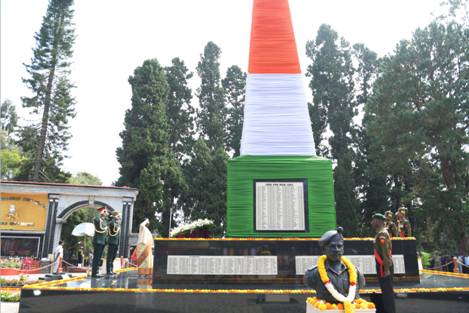
The President also laid a wreath at the War Memorial, and interacted with Ex-servicemen & Veer Naris.
The President felicitated the Veer Naris acknowledging the supreme sacrifice of their loved ones in the service to the Nation. She was accompanied by Minister of Backward Classes (Minister-in-Waiting) of Tamil Nadu Government Shri Siva V Meyyanathan and Commandant DSSC Lt Gen Virendra Vats.
Established in 1948, DSSC is a premier Tri-services institute with a mandate to train and hone their skills of selected middle-level officers of the Armed Forces of India and friendly countries. Since its inception, the College has trained more than 2,000 International Officers, and 24,000 Indian Officers have passed through its portals. The College alumni, over the years, have risen to become heads of States and Militaries across the world. The President appreciated the training activities being conducted at the College with special emphasis on initiatives undertaken on enhancing jointmanship amongst the officers of the Indian Armed Forces.


















 PIB IFFI CAST AND CREW | Rajith/Supriya/Ashwani/Darshana | IFFI 55 – 114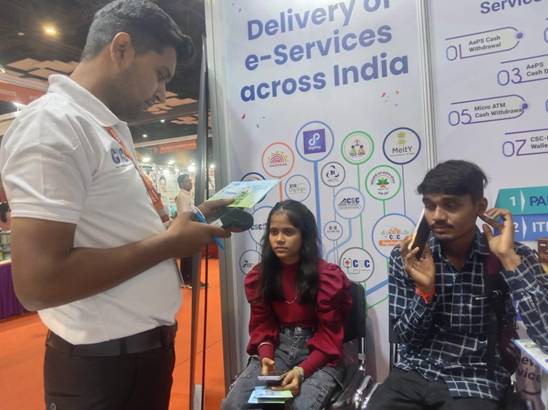
 Eduindex
You must be logged in to post a comment.