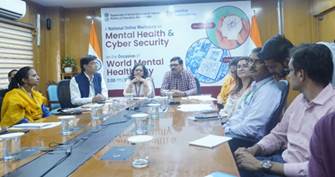
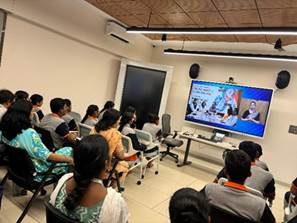
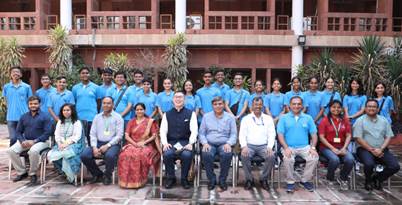
The Department of School Education and Literacy (DoSEL), Ministry of Education, organized a national online workshop on Mental Health and Cyber Security for the engagement of youth on World Mental Health Day today. The workshop had two sessions on mental health by Dr. Rajesh Sagar, Professor (MD), Psychiatry Department at AIIMS Delhi and on cyber security by and Dr. Rashmi Sharma Yadav, DCP, Indian Cybercrime Coordination Centre, MHA. The workshop was broadcast live on YouTube, reaching over 20 lakh students and educators nationwide.
Shri Vipin Kumar, Additional Secretary, DoSEL, highlighted the importance of mental well-being and safe utilization of the internet among students. He emphasized the necessity of early intervention to mitigate the potential adverse effects of mental health challenges in today’s digital age.
Smt. Archana Sharma Awasthi, Joint Secretary, DoSEL, reinforced the commitment of the National Education Policy 2020 to prioritize student well-being. She highlighted the significance of mental health for both students and educators and exhorted everybody to attentively listen and follow the advice given by the experts to maintain good mental health and prevent themselves from being victims of cybercrime.
Dr. Rajesh Sagar provided valuable insights into prevalent mental health issues such as stress, anxiety, and depression. He emphasized that nearly 50% of mental health disorders emerge before the age of 14, advocating for early intervention. Dr. Sagar identified common stressors including academic pressure, parental conflicts, and bullying, and shared effective coping strategies, such as deep breathing and cognitive restructuring, to foster a happier childhood.
In her presentation, Dr. Rashmi Sharma Yadav highlighted the importance of cyber hygiene and security for children. She outlined preventive measures against cyberbullying, grooming, and fraudulent online gaming applications. She encouraged students to report cyber fraud through the helpline 1930 and @cyberdost, stressing the importance of responsible internet use, parental awareness, and safeguarding personal information. Both experts suggested that students should share any issues arising with their elders like parents and teachers.
The workshop engaged students from classes VI to XII from Navodaya Vidyalaya Samiti, Kendriya Vidyalaya Sangathan, Kasturba Gandhi Balika Vidyalayas, CBSE and state government schools across the country and was simultaneously presented in sign language, ensuring accessibility for all participants. The initiative received widespread appreciation from attendees, reflecting a collective commitment to fostering a safer and healthier educational environment.
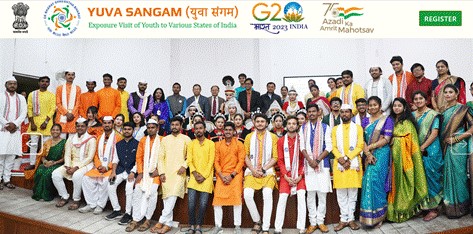
The registration portal for Phase V of Yuva Sangam, under Ek Bharat Shreshtha Bharat (EBSB), was launched today by the Ministry of Education. Yuva Sangam is an initiative by the Government of India to strengthen people-to-people connect between youth belonging to different States/UTs of India. Interested youth in the age group of 18-30 years, mainly students, NSS/NYKS volunteers, employed/self-employed persons, etc. may register through the YUVA SANGAM portal to participate in the forthcoming Phase of this unique initiative which was launched in 2023. Registrations will be accepted till 21st October 2024.
The idea of a sustained and structured cultural connect between people of different regions was mooted by Prime Minister Shri Narendra Modi during the Rashtriya Ekta Divas held on 31st October 2015 to commemorate the birth anniversary of Sardar Vallabhbhai Patel. To crystallise this idea, the EBSB programme was launched on 31st October 2016.The origins and evolution of EBSB along with activities, special initiatives and campaigns organised under the programme are available in the e-Book (https://ekbharat.gov.in/JourneySoFarCampaign/index.html)
Yuva Sangam, launched under EBSB, takes forward twin elements of Panch Pran – Strength in Unity and Pride in Legacy. The initiative aligns with key themes in the National Education Policy (NEP) 2020 by focusing on experiential learning and imbibing knowledge of the rich diversity of India on a first-hand basis. It is an ongoing educational cum cultural exchange with celebration of diversity at its core wherein participants gain an immersive experience of diverse facets of life, natural landforms, development landmarks, engineering and architectural marvels, recent achievements, and the opportunity to interact and deeply engage with the local youth in the host State/UT.
Twenty eminent institutions across India have been identified for Phase V of Yuva Sangam during which participants from these states/ UTs, led by the nodal HEI of the state/UT, respectively, will be visiting their paired state/ UTs.
List of Paired States
Maharashtra and Odisha
Haryana and Madhya Pradesh
Jharkhand and Uttarakhand
Jammu & Kashmir and Tamil Nadu
Andhra Pradesh and Uttar Pradesh
Bihar and Karnataka
Gujarat and Kerala
Telangana and Himachal Pradesh
Assam and Chhattisgarh
Rajasthan and West Bengal
During Yuva Sangam tours, multi-dimensional exposure under five broad areas- the 5 Ps viz; Paryatan (Tourism), Parampara (Traditions), Pragati (Development), Paraspar Sampark (People-to-people connect), and Prodyogiki (Technology) will be provided to the visiting delegation over a period of 5-7 days (excluding travel days). The previous phases of Yuva Sangam have witnessed massive enthusiasm with registrations crossing 44,000 in the last Phase. Till now, 4,795 youth across India have participated in 114 tours in various phases of Yuva Sangam (including the pilot phase in 2022).
Yuva Sangam, which exemplifies the ‘Whole of Government’ approach, is organised collaboratively with the support of participating Ministries/Departments/Agencies and State Governments. This includes M/o Home Affairs, Culture, Tourism, Youth Affairs & Sports, Information & Broadcasting, Department for Development of North-East Region (DoNER), and Railways. Each participating stakeholder has distinct roles and responsibilities for implementing the programme. The selection of delegates and end-to-end execution of the Yuva Sangam tours is done by nodal Higher Education Institutes (list at Annexure); which drive the initiative.
Annexure
Pairing of States / UTs and HEIs for Yuva Sangam Phase-V
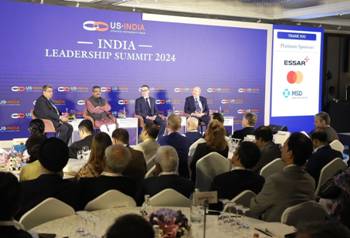
Union Minister for Education, Shri Dharmendra Pradhan, today participated in a fireside chat organised by the US India Strategic Partnership Forum as part of the India Leadership Summit 2024. He was joined by Mr. Ryan Roslansky, the CEO of LinkedIn, and Mr. Marvin Krislov, the President of Pace University.
Speaking at the event, Shri Pradhan said that as the National Education Policy 2020 moves towards completing five years, India is giving unprecedented impetus to embracing new technologies, learning in Indian languages, and enhancing research and employability skills. He shared his thoughts on India’s progress in various aspects of education, which is driving learners towards competency and knowledge-based enterprises. The Minister also highlighted how India can embrace new opportunities for developing a future-ready, responsible generation of global citizens.
Shri Pradhan further stated that the world needs to come together to solve global challenges, and India is ready to play its role. From opening doors for foreign universities to set up campuses in India to moving towards a paradigm of prioritizing competency over degrees, India will fulfill the aspirations of its society and become a growth engine for the world, he added.
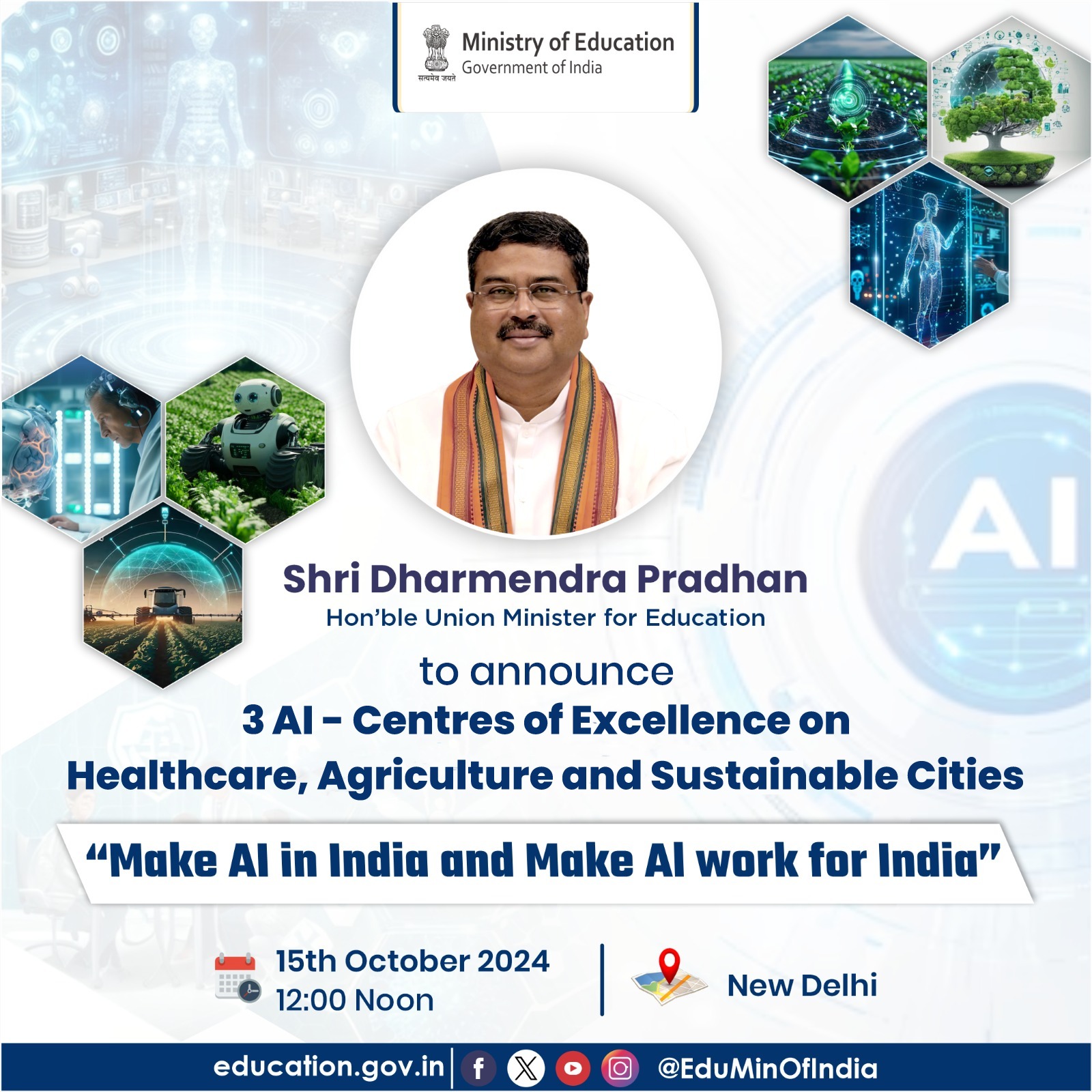
Union Minister for Education, Shri Dharmendra Pradhan, will be announcing three AI Centres of Excellence (CoE) focused on Healthcare, Agriculture, and Sustainable Cities on 15th October 2024 in New Delhi.
To realize the vision of “Viksit Bharat,” these three CoEs for Artificial Intelligence (AI) will be led by top educational institutions, in consortium with industry partners and startups. They will conduct interdisciplinary research, develop cutting-edge applications, and create scalable solutions in these three areas. This initiative aims to galvanize an effective AI ecosystem and nurture quality human resources in these critical fields.
As part of the vision to “Make AI in India and Make AI work for India,” the establishment of these centres was announced under Para 60 of the Budget Announcement for 2023-24. In alignment with this, the Government has approved the creation of the three AI Centres of Excellence, with a total financial outlay of Rs. 990.00 Cr over the period of FY 2023-24 to FY 2027-28.
To oversee the implementation of this initiative, an industry heavy Apex Committee has been constituted, co-chaired by Dr. Sridhar Vembu, Founder and CEO of Zoho Corporation.
Shri K.Sanjay Murthy, Secretary/HE will grace the occasion, along with Directors of IITs, Heads of higher educational institutions (HEIs), industry leaders, start-up founders and senior officials from various ministries of the Government of India.
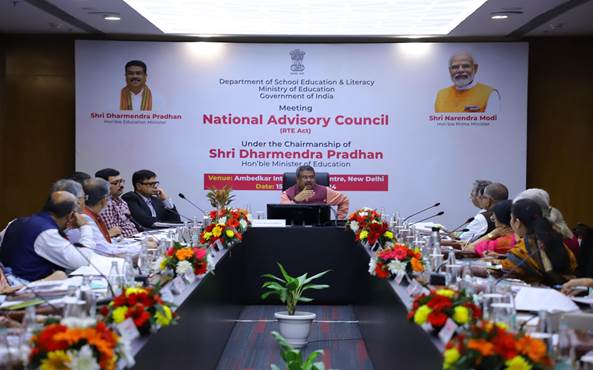
Union Minister for Education, Shri Dharmendra Pradhan chaired the National Advisory Council meeting, focusing on strengthening the implementation of the Right to Education (RTE) Act, which primarily emphasises access to school education. The National Education Policy 2020 highlights the revision and revamping of the education structure, including its regulation and governance, to create a new system that is aligned with the aspirational goals of 21st century education by providing holistic, inclusive and multidisciplinary growth in school curriculum.
In his keynote address, Shri Dharmendra Pradhan emphasised the Government of India’s dedication to guaranteeing universal access to quality education and reaffirmed the commitment to strengthening of school education in the country guided by the Implementation of the RTE Act,2009 and the holistic and transformative provisions of National Education Policy 2020. He focused on developing a thorough plan to integrate innovative teaching methods and significantly enhance learning outcomes to strengthen the educational framework in the forthcoming years. He stressed on providing a special focus on Early Childhood Care and Education (ECCE) that ensures the cognitive development of children according to the NEP 2020. Additionally, the Minister highlighted the need to formulate a comprehensive strategy for effective pedagogy and teaching methodology, with a strong emphasis on ensuring quality education, accessibility, affordability, equity and inclusivity in the implementation of educational interventions.
Shri Sanjay Kumar, Secretary (DoSEL), addressed the transformative journey of the education policies and the commitment to achieve the vision of Viksit Bharat through the National Education Policy, 2020. He urged the council members to examine the advancements in the education sector and provide their insightful feedback to the participants.
Shri Vipin Kumar, Additional Secretary (DoSEL), highlighted the current state of the government’s initiatives under the RTE Act of 2009, particularly the provision of free textbooks, uniforms, the Mid-Day Meal Scheme and many other interventions related to it.
Aligned with the vision of the National Education Policy (NEP) 2020, these initiatives form the core of the Samagra Shiksha scheme, which is dedicated to enhancing the quality of education and promoting equity and inclusivity. By integrating these components, Samagra Shiksha promotes holistic development and improves learning outcomes, ensuring that every child has the necessary interventions for a seamless transition from elementary to secondary education. It was also mentioned during the discussion that while RTE Act 2009 talks about the elementary education upto class 1 to class 8 but NEP-2020 takes care of the holistic developmental needs of 15 years of school education.
The National Advisory Committee members shared their valuable insights to create a more cohesive and equitable education system. The committee members highlighted the need to strengthen the school ecosystem, teacher education and socio-economically disadvantaged groups, as underscored in the NEP 2020. The meeting was attended by distinguished dignitaries and senior officials from the Department of School Education and Literacy and autonomous bodies of the Department.
Additionally, Director, NCERT mentioned that 79 Primers have been developed in scheduled languages of the respective State/ UTs. These Primers are in accordance with NEP 2020, which fosters education in child’s native language to facilitate their overall development. This meeting marks a crucial step towards further strengthening the education system in India, ensuring that every child receives their right to free and compulsory education and reinforcing the principles of equity and inclusivity in education.
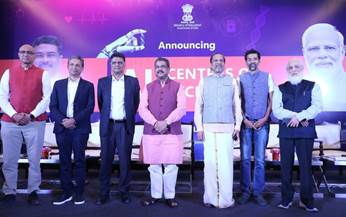
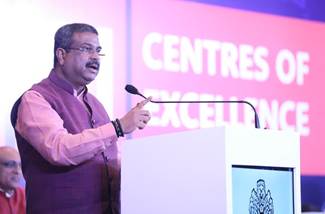
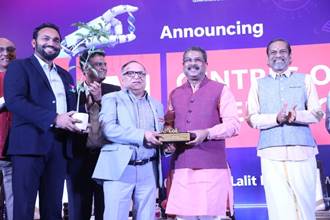
Union Minister for Education, Shri Dharmendra Pradhan, announced the establishment of three AI Centres of Excellence (CoE) focused on Healthcare, Agriculture, and Sustainable Cities in New Delhi today. Secretary, Department of Higher Education, Shri K. Sanjay Murthy; Co-chair of the Apex Committee and Founder and CEO of Zoho Corporation, Shri Sridhar Vembu; Chairman of the National Educational Technology Forum, Prof. Anil Sahasrabudhe; MD, PeakXV Partners and Surge, Shri Rajan Anandan; CEO, Khosla Labs, Shri Srikanth Nadhamuni; Head, Cropin AI Labs, Dr. Praveen Pankajakshan; senior officials from various ministries of the Government of India, Directors of IITs, Heads of higher educational institutions (HEIs), industry leaders, and start-up founders were also present at the event. Shri Pradhan presented a sapling and a Plaque to the representatives of AIIMS and IIT Delhi, IIT Ropar, and IIT Kanpur, which will lead the CoEs, for their commitments and support. Respective Apex Committee members of the AI-CoE Healthcare, Agriculture and Sustainable Cities explained the scope and extent of the projects.
While speaking at the event, Shri Dharmendra Pradhan hoped that the three AI-CoEs would emerge as temples of global public good. With the unveiling of the Centres, significant strides have been taken to strengthen Bharat’s credentials in the global AI landscape, he added. Shri Pradhan also said that with the talent and zeal that Bharat is blessed with, in the times ahead, these CoEs will be a key element of global public policy and also emerge as solution providers of the world.
He complimented the apex committee led by Shri Sridhar Vembu for their meticulous and sincere efforts towards the implementation of these COEs in AI in the top academic institutions of the country. Expressing his gratitude to Prime Minister Shri Narendra Modi for his vision to establish India as a global hub of AI, he added that these CoEs in AI will give further impetus to the start-up ecosystem in the country, help create a new generation of job and wealth creators, and establish new paradigms of global public good.
Shri K. Sanjay Murthy, in his address highlighted that these CoEs are not just institution-based but are designed to serve the entire country. Stressing the importance of interdisciplinary research, he mentioned that with the right kind of collaboration among like-minded resources, optimum results can be achieved. He noted that the competitive-based challenge methods developed in educational institutions have ensured progress toward resolving common problems. He also expressed his gratitude to Shri Dharmendra Pradhan for his leadership and vision in bringing the entire project to fruition.
Dr. Sridhar Vembu, in his address, highlighted how these projects will holistically benefit the health of villages, cities, and the people of the country. He emphasized the importance of nurturing the country’s talent pool to ensure its members flourish and serve the nation in the coming 10 to 20 years. He added that the CoEs will bootstrap numerous efforts, create companies, nurture talent, and generate opportunities for our talent pool.
The genesis, implementation and insights into development so far in the AI-CoE was presented by Smt. Saumya Gupta Joint Secretary, Department of Higher Education, Ministry of Education. A short film on the theme, Make AI in India and Make Al work for India, was also shown during the event.
To realize the vision of “Viksit Bharat,” these three CoEs for Artificial Intelligence (AI) will be led by top educational institutions, in consortium with industry partners and startups. They will conduct interdisciplinary research, develop cutting-edge applications, and create scalable solutions in these three areas. This initiative aims to galvanize an effective AI ecosystem and nurture quality human resources in these critical fields.
As part of the vision to “Make AI in India and Make AI work for India,” the establishment of these centres was announced under Para 60 of the Budget Announcement for 2023-24. In alignment with this, the Government has approved the creation of the three AI Centres of Excellence, with a total financial outlay of Rs. 990.00 Crore over the period of FY 2023-24 to FY 2027-28.
To oversee the implementation of this initiative, an industry heavy Apex Committee has been constituted, co-chaired by Dr. Sridhar Vembu.
Department of School Education & Literacy (DoSE&L), Ministry of Education along with its Autonomous Bodies (ABs) is actively engaged in the on-going Special Campaign 4.0 started from 2nd October 2024. DOSE&L has issued guidelines to all ABs for effective execution of Special Campaign 4.0. The focus is on cleanliness drives, managing scrap and pending matters, optimizing space and enhancing office aesthetics. These efforts emphasize efficiency, transparency and improved waste management in government functioning.
At the start of the Special Campaign 4.0 preparatory phase, the Department of School Education & Literacy established specific targets and identified key cleanliness sites nationwide to ensure the effective implementation of the campaign’s goals.
S.No.
Category
Targets
1
Number of Files to be Reviewed
61100
2
Number of Files Identified for weeding out
21410
3
Number of e-Files for Review
1367
4
Number of Cleanliness Campaigns to be conducted
32037
Regular meetings are being conducted to closely monitor the progress towards achieving the Ministry’s set targets, ensuring effective implementation and timely completion of the campaign’s objectives. The targets finalized and action in progress as on 14.10.2024 on various parameters is as below:
As of now, 61,382 square feet of space has been reclaimed through the disposal of scrap and redundant materials, generating a revenue of Rs 7,34,941.
Out of 61,100 physical files identified for review, 48206 have been examined. So far, 22,135 files have been marked for weeding, with 10,883 already weeded out.
27450 cleanliness campaigns have been conducted across schools and institutions, actively working towards achieving the Ministry’s targets.
During Special Campaign 4.0, the enthusiastic participation of institutions and schools is setting a powerful example, driving the message of Swachhata forward with inspiration. National Bal Bhawan, through its vibrant exhibits and 3D models at the Swachhta Gallery, is actively engaging children and raising awareness about the importance of sanitation and hygiene, empowering them to take action in keeping their surroundings clean.
Kendriya Vidyalaya schools across the borders, for example, KVS Kathmandu, KVS Moscow etc. are encouraged to adopt sustainable habits, aligning with the broader goals of Swachh Bharat Mission.”Ek Ped Maa Ke Naam” Campaign is being undertaken with great enthusiasm, with active participation of students, teachers, and community members. So far, under Special Campaign 4.0, a total of 8910 saplings have been planted, symbolizing a collective commitment to both cleanliness and environmental sustainability.
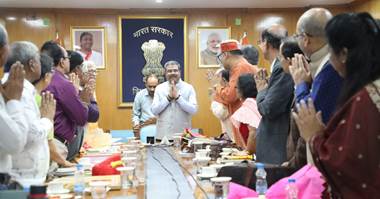
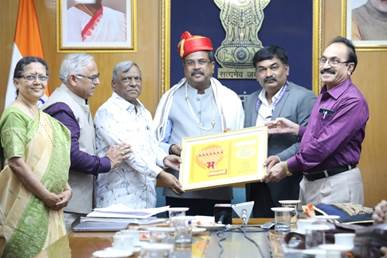
Union Minister for Education, Shri Dharmendra Pradhan, today interacted with the scholars of five newly classified classical languages – Prakrit, Pali, Marathi, Bangla, and Assamese. Chairman, Bharatiya Bhasha Samiti, Shri Chamu KrishnaShastry; Chairman, UGC, Shri M. Jagadesh Kumar; academicians, scholars and officials of the Ministry were also present at the event. The scholars expressed their happiness and thanked Prime Minister Shri Narendra Modi for including these beautiful Indian languages into the list of classical languages. They also extended their support towards promoting and enriching these languages.
Speaking on the occasion, Shri Dharmendra Pradhan said that the government is making all-round efforts to promote learning in Indian languages as well as celebrate, honour, and preserve the linguistic heritage of the country, in line with the spirit of NEP 2020.
Shri Pradhan also mentioned that Prime Minister Shri Narendra Modi has always said that all languages of the country are Indian languages. He said that the Government is taking all steps to strengthen and facilitate learning in all Indian languages. He also said that he would remain committed to facilitating learning in the mother language, boosting multilingualism with equal emphasis on all Indian languages, including strengthening their international presence.
Shri Pradhan also said that the soul of India lives through its languages. The government is also working on building an international presence of Indian languages, he added.
The last date for submission of applications by the selected meritorious students on the National Scholarship Portal (NSP) for the National Means-cum-Merit Scholarship Scheme (NMMSS) for the year 2024-25 has been extended up to 31.10.2024. The NSP portal is open for submission of applications by students with effect from 30th June 2024. In this project year 2024-25, the selected students are first to do a One-Time Registration (OTR) on the NSP, after which they have to apply for the scholarship scheme that they have selected. The FAQ details for registration on NSP can be accessed at https://scholarships.gov.in/studentFAQs.
Through the ‘National Means-cum-Merit Scholarship Scheme’ implemented by the Department of School Education & Literacy, scholarships are awarded to meritorious students from economically weaker sections to arrest their drop-out after elementary level, i.e., Class VIII and encourage them to complete their school education up to higher secondary level, i.e., Class XII.
The scheme provides one lakh fresh scholarships every year for Class IX students who clear the qualifying exam for the scholarship conducted by the State/UT governments. The scholarship is continued through renewal mode from Classes X to XII based on the student’s academic performance. The scheme is applicable only to students studying in State Government, Government-aided, and local body schools and the scholarship amount is Rs. 12000 per annum per student.
The National Means-cum-Merit Scholarship Scheme (NMMSS) is implemented through the National Scholarship Portal (NSP) – the one-stop platform for scholarship schemes disbursed to students by the Government of India. As of 15.10.2024, 84606 fresh and 158312 renewal applications have been finally submitted by applicants. NMMSS scholarships are disbursed directly into the bank accounts of selected students by electronic transfer through the Public Financial Management System (PFMS) following DBT mode. The eligibility parameters for availing the scholarship include parental income not more than Rs. 3.50 lakh per annum and a minimum of 55% marks or equivalent grade in the Class VII examination for appearing in the selection test for award of scholarship (relaxable by 5% for SC/ST students).
On the NSP portal, there are two levels of verification of the scholarship application of selected students: Level-1 (L1) verification is at the Institute Nodal Officer (INO) and Level-2 (L2) is with the District Nodal Officer (DNO). The last date for INO level (L1) verification is 15.11.2024 and for DNO level (L2) verification is 30.11.2024.
The Department of School Education & Literacy, Ministry of Education (DoSEL), is sending 20 school students and 2 supervisors to Japan to participate in the Sakura Programme 2024 along with 5 other countries from 20-26 October 2024. The enthusiastic and excited children were flagged off by Shri Charanjt Taneja, Deputy Secretary, DoSEL; Dr. Amarendra Prasad Behera, Joint Director, CIET-NCERT; and Ms. Kirti Panwar, Deputy Commissioner, Navodaya Vidyalaya in a ceremony at CIET-NCERT organised by DoSEL. The event was also attended by Mr. Kemmochi Yukio, Manager of the Japan Science and Technology Agency, and officials from DoSEL-MoE. These 20 students (10 boys and 10 girls) are from Navodaya Vidyalayas and alumni of the PRERANA program from across the country.
To develop the intellectual horizon and scientific exploration among young learners, the Japan Science and Technology Agency (JST) has been implementing the “Japan-Asia Youth Exchange Program in Science” also known as the “Sakura Science Programme” since 2014. India was added to the Sakura Program in 2015. The students are invited under the programme for short-term visits to Japan, giving them the opportunity to experience Japan’s cutting-edge science and technology as well as its culture.
The National Education Policy (NEP) 2020, while emphasizing the importance of curriculum and pedagogy in schools, endorses that “Learning should be Holistic, Integrated, Enjoyable and Engaging in itself. Also, NEP-2020 states that in all stages, experiential learning will be adopted as standard pedagogy within each subject, and with explorations of relations among different subjects. It is in this context that educational trips and excursions to various places of importance in terms of historical, cultural, social and technological development are of paramount importance. Japan as a developed nation, a friendly country, along with technological advancements, is also a favourite destination for educational exposure. Therefore, visiting a country like Japan is always enriching and provides an opportunity for the exploration of innovative practices.
India participated in the program for the first time in April 2016. So far, 553 students and 85 supervisors have visited Japan under this programme. The last batch visited Japan in June 2024.
In a significant move to enhance bilateral cooperation in the education sector, Union Minister for Education Shri Dharmendra Pradhan will visit Singapore and Australia from 20 to 26 October 2024. The visit is expected to foster collaboration, participation, and synergy in critical areas of mutual interest in education.
During the two day visit in Singapore, Shri Dharmendra Pradhan will address the members of Indian diaspora on 20th October 2024. The next day, Shri Dharmendra Pradhan will meet the Prime Minister of Singapore, H.E. Lawrence Wong; Deputy Prime Minister, H.E. Gan Kim Yong; Education Minister, H.E. – Chan Chun Sing; and Foreign Minister H.E. Vivian Balakrishnan. Shri Pradhan will visit the National University of Singapore ranked No.1 in Asia. He will also visit a local secondary school to discuss the scope of syllabus integration, keeping AI in focus. He will meet academicians, eminent representatives from alumni of IITs and IIMs and engage in discussions related to the education ecosystem of both countries.
During the 3-day visit to Australia, on 23rd October 2024, the Minister, in Melbourne, will meet Hon. Jason Clare MP, Minister for Education. Shri Pradhan will also deliver the Plenary address at the Australian International Education Conference. The Minister will be visiting the South Melbourne Primary School which is known for integrated approaches to learning.
He will visit ‘Discovery to Device’ at RMIT University which is a unique centre for MedTech prototyping and manufacturing. The visit will explore collaborative approaches to the commercialisation of medical technologies and role of industry-academia linkages in driving innovation..
Shri Pradhan will meet Hon. Jacinta Allan MP, Premiere of Victoria along with Australian Education Minister Hon Jason Clare MP. He will also visit Monash University to observe their Innovation Lab and Centre for Nano-fabrication.During his stay in Melbourne, Shri Pradhan will also interact with senior academics of Indian origin.
To explore opportunities for partnerships in educating early childhood education workforces, Shri Pradhan will visit Auburn Long Day Child Care Centre in Sydney on 24th October 2024. The Minister will interact with the representatives of the Innovative Research Universities (IRU) and will attend the 2nd Australia India Education and Skills Council.
On 25th October 2024, he will visit the Granville South Creative and Performing Arts High School.Shri Pradhan will visit the site of the Macquarie Park Innovation District (MPID). As home to over 180 multinational companies, MPID facilitates the practical application of research across telecommunications, digital industries, medical technology and pharmaceuticals for economic benefit.
Later in the day, Shri Pradhan will interact with Indian research students hosted by the Group of Eight, Australia’s most research intensive universities.
Shri Pradhan will visit the UNSW Energy Institute and the Trailblazer for Recycling and Clean Energy (TraCE) at the Tyree Energy Technologies Building, Kensington. Here, he will observe real-world examples of practical research applications with commercial impact through the UNSW Energy Institute, which brings together world-leading researchers and the energy industry.
He will also visit UTS Moore Park Sports and Exercise Precinct to explore cooperation in sports education and sports research. UTS’s Moore Park Precinct is a state-of-the-art teaching, research and sporting facility.
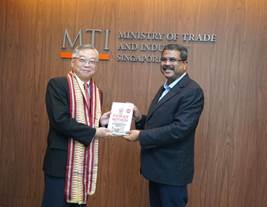
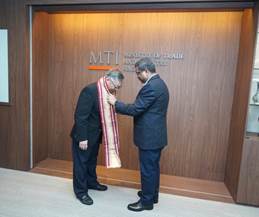
Union Minister for Education, Shri Dharmendra Pradhan, met the Deputy Prime Minister and Minister for Trade & Industry of Singapore, H.E. Gan Kim Yong.
Shri Pradhan had an engaging conversation with H.E. Gan Kim Yong on cooperation in skills-based education and training to build competencies of the future generations.
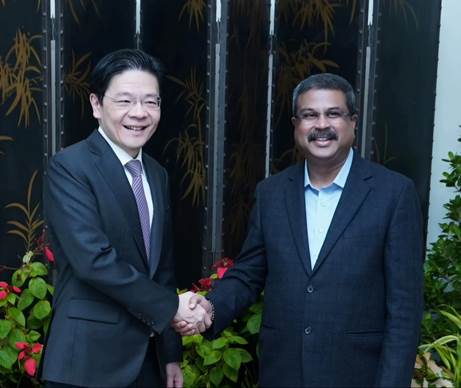
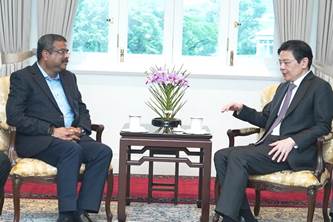
Earlier in the day, Shri Pradhan met the Prime Minister of Singapore, H.E. Lawrence Wong, and had meaningful conversations on elevating and expanding the bilateral cooperation in school education, vocational education and research, between the two nations.
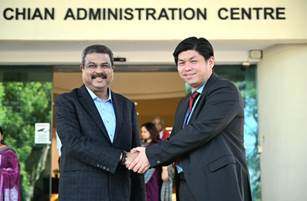
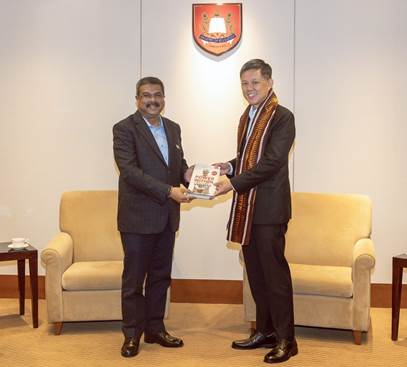
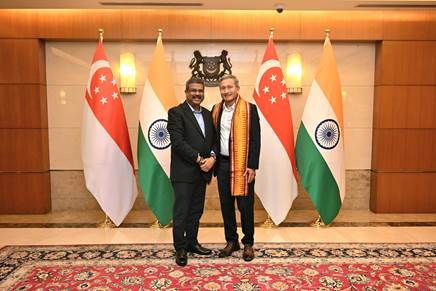
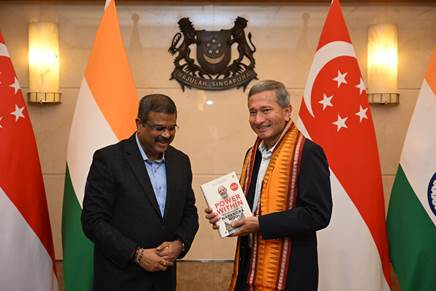
Shri Pradhan also met Singapore’s Minister for Education, Mr. Chan Chun Sing, to discuss strengthening bilateral cooperation across various areas of education. The Minister also met with Singapore’s Minister for Foreign Affairs, Mr. Vivian Balakrishnan, to discuss deepening the India-Singapore Knowledge Partnership.
Shri Pradhan visited the Hwa Chong Institution (HCI) in Singapore, to explore best practices for building ‘schools of the future’. He commended the school’s use of cutting-edge technologies, such as AI, to enhance student experiences, strengthen learning outcomes, and nurture the unique strengths, talents, and creative pursuits of each student. Shri Pradhan also observed several similarities between the educational approaches outlined in India’s National Education Policy (NEP) 2020 and the curriculum, pedagogy, and student development strategies at HCI. He reiterated India’s commitment to shaping responsible global citizens by providing students with access to world-class education.
The Minister’s visit to Singapore, followed by a trip to Australia, from 20 to 26 October 2024, aims to foster collaboration, participation, and synergy in critical areas of mutual interest in education.
Union Minister for Education, Shri Dharmendra Pradhan met the Prime Minister of Singapore, H.E. Lawrence Wong today.
The Ministers had meaningful conversations on elevating and expanding the bilateral cooperation in school education, vocational education and research, between the two nations. The discussions focused on strengthening the partnership through three key pillars—‘Talent, Resource & Market.’
Shri Pradhan emphasized that India views Singapore as a trusted knowledge partner, particularly in advancing deep tech, startups, and innovation ecosystems.
Shri Pradhan also highlighted that Prime Minister Narendra Modi and Prime Minister Mr. Wong have outlined a robust framework to elevate India-Singapore cooperation into a comprehensive partnership, including collaboration in critical and emerging sectors.
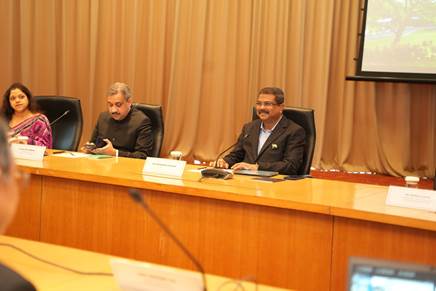
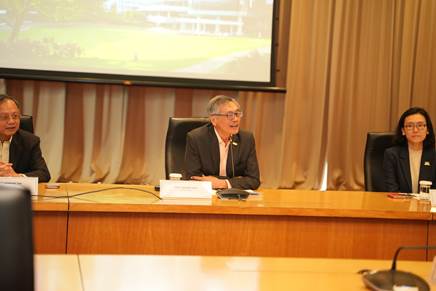
Earlier in the day, Shri Pradhan met his counterpart, Singapore’s Minister for Education, Mr. Chan Chun Sing, to discuss strengthening bilateral cooperation across various areas of education. Shri Pradhan emphasized the significance of the National Education Policy 2020 in facilitating the internationalization of India’s education system. The two ministers explored avenues for overseas internship programs, allowing Indian students to gain practical experience in Singaporean companies.
To further strengthen cultural connect between students of both countries the possibility of twinning of schools in India and Singapore was discussed. Joint Research collaboration in areas of mutual interest like deep tech, medicine, advance materials, etc. was also discussed.
They also deliberated on fostering academic and research collaboration through the twinning of schools and universities in both countries. Shri Pradhan highlighted opportunities for collaboration between Singapore’s National Institute of Education and NCERT in areas such as curriculum development, pedagogy, and teacher capacity-building.
Extending an invitation to Minister Chan to visit India, Shri Pradhan expressed his commitment to advancing shared goals and enhancing educational ties between the two nations.
Shri Pradhan also met with Singapore’s Minister for Foreign Affairs, Mr. Vivian Balakrishnan, to discuss deepening the India-Singapore Knowledge Partnership.
Both leaders emphasized the importance of working closely to elevate bilateral cooperation in education and expand collaborative efforts to achieve shared objectives.
Shri Pradhan also visited the National University of Singapore and met with Prof. Tan Eng Chye, President of the university. They discussed leveraging complementary strengths to build knowledge bridges, strengthen academic and research collaborations, and deepen engagements between NUS and top Indian higher education institutions across all academic fronts.
Shri Pradhan emphasized that NUS and Indian HEIs can collaborate to create value in areas such as deep start-ups, healthcare, advanced materials, digitalization, and sustainability, among others. The Minister also highlighted that a key focus area of NEP 2020 is enhancing access to quality higher education for the youth of India and the internationalization of its education system.
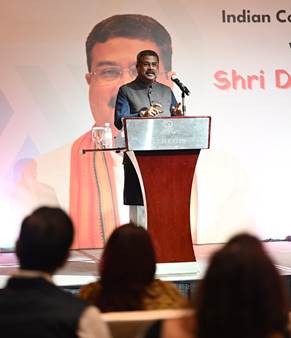
On the first day of his visit on 20th October 2024, Shri Pradhan had engaged with the members of the Indian diaspora in Singapore. He highlighted NEP 2020’s role in upskilling India’s youth and the enormous scale and magnitude of education in India.
The Minister’s visit to Singapore, followed by a trip to Australia, from 20 to 26 October 2024, aims to foster collaboration, participation, and synergy in critical areas of mutual interest in education.
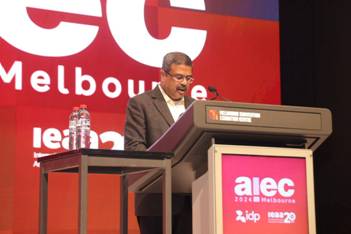
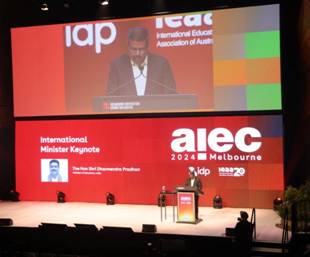
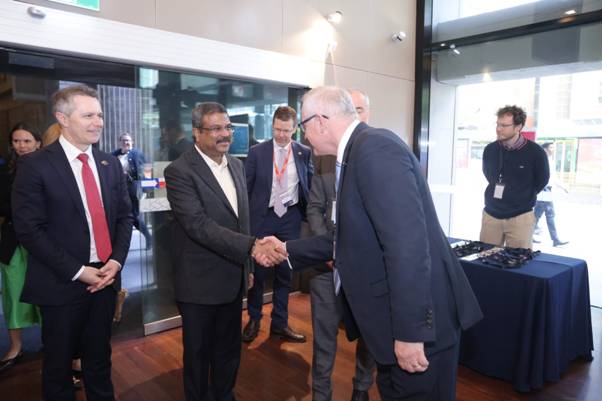
Union Minister for Education, Shri Dharmendra Pradhan, delivered the plenary speech at the Australian International Education Conference in Melbourne, Australia, today. Shri Pradhan also held a Bilateral Meeting with his counterpart Minister for Education, Government of Australia, Mr. Jason Clare MP. Members of the Indian delegation, heads of the universities of both countries, and other dignitaries were also present at the event.
Shri Pradhan in his speech commended the strong and evolving partnership between India and Australia that ties the history of the two countries and will also pave the way for a brighter future together. He also reaffirmed the further strengthening of these ties under the visionary leadership of Prime Minister Shri Narendra Modi and Prime Minister of Australia Mr. Anthony Albanese.
Shri Pradhan also highlighted that in the 4th Industrial Revolution, education must prepare students to be creators and managers of technology. India’s National Education Policy provides a framework emphasising digital literacy, soft skills, critical thinking, and interdisciplinary studies to adapt to evolving job markets, he added.
Shri Pradhan emphasized that cooperation in education is the fulcrum of the India-Australia relationship. He stated that the main objective is to enhance India’s education system into a competency-based framework, focusing on skills-based education as outlined in India’s National Education Policy (NEP).
The Minister spoke about how NEP 2020 has transformed India’s learning landscape into a powerhouse of possibilities, the enduring India-Australia ties and the remarkable strides made in education cooperation powered by NEP 2020. The establishment of Australian university campuses in India is just the beginning, with much more potential to be realized, he added.
He also added that together, the countries can advance knowledge, leverage technology for global challenges, and create endless opportunities for innovation and entrepreneurship for the students.
The Minister also expressed that as a ‘Vishwa-Bandhu’, India is committed to being a trusted partner in human-centric development. The idea is to build and nurture global citizens, contributing to a brighter future for the next generation, he said.
Mr. Jason Clare MP, in his speech, emphasised the importance of a good education system that can change more than just lives. It can change nations, he added. Commending India’s education systems, he said that by 2035 one in four people around the world who get a university degree will get it in India. He mentioned how Australian universities like Deakin had been in India for 30 years and now Wollongong has one campus. He expressed his gratitude to Shri Pradhan for encouraging these initiatives. He also praised the work the six Innovative Research Universities are doing by exploring options for a consortium campus in India.
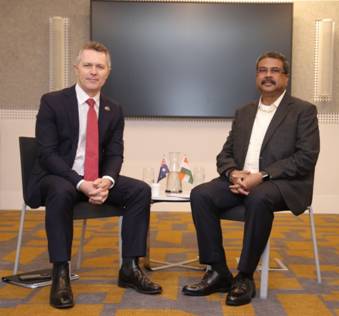
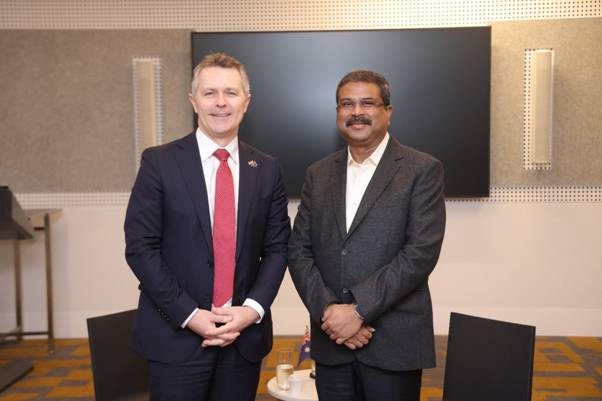
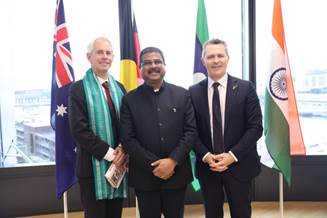
Earlier in the day, Shri Pradhan also met Mr. Jason Clare MP for a discussion regarding shared priorities of India and Australia in early childhood care, capacity building of teachers, and the potential for school twinning initiatives. Building on the strong institutional linkages between Indian and Australian higher education institutions, they agreed to further strengthen the partnership in critical and emerging technologies. They also explored the possibility of establishing branch campuses of Australian universities in India.
During these discussions, Shri Pradhan also met the Assistant Minister of Foreign Affairs, Mr. Tim Watts MP.
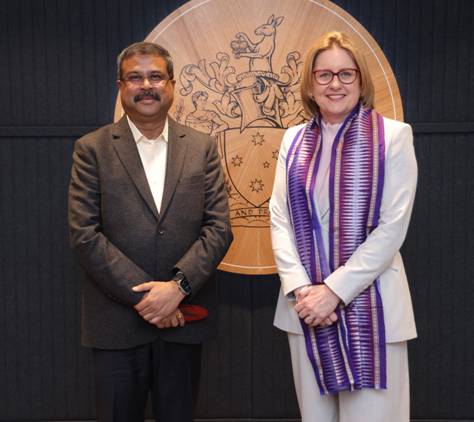
Shri Pradhan met Mrs. Jacinta Allan MP, Premier of Victoria, Australia. He highlighted that Victoria is home to the largest Indian diaspora in Australia. They had engaging conversations on ways to strengthen institutional linkages of schools and universities in Victoria with India.
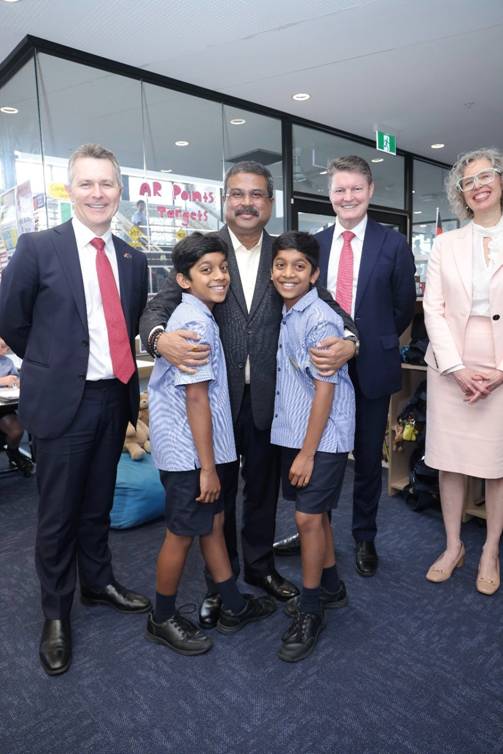
Shri Pradhan also visited South Melbourne Primary School and engaged with young learners. He explored the school’s innovative approaches to early childhood education. He emphasized how NEP 2020 in India places a strong focus on Early Childhood Care and Education (ECCE), which is essential for a child’s holistic development. He reaffirmed his commitment to adopting global best practices to make early learning universal, enjoyable, and stress-free.
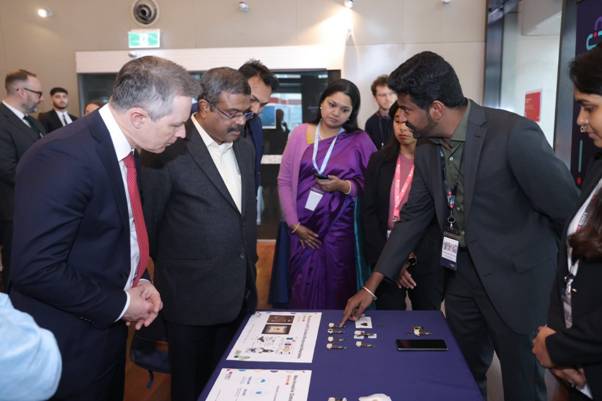
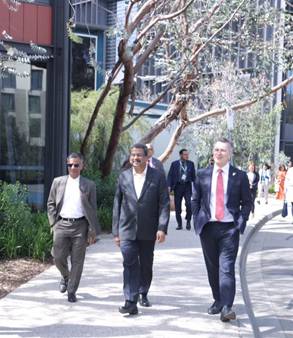
Shri Dharmendra Pradhan visited the Royal Melbourne Institute of Technology (RMIT), a hub for technology, design, and enterprise. He explored their ‘Discovery to Device’ med-tech facility, fast-tracking ideas to products. He also appreciated the university’s emphasis on industry experience, hands-on skills, and focus on transforming ideas into products. Shri Pradhan explored how RMIT can partner and work with top Indian HEIs to equip Indian students with future skills and jobs.
Discovery to Device transforms ideas into products, through prototyping and scale-up manufacture, to create real-world impact.
Shri Pradhan also visited Monash University, which has notably welcomed Indian students since the late 1960s. Shri Pradhan received key insights into the university’s research & innovation ecosystem and their plans to strengthen educational ties with Indian institutions through its New India Plan. He also toured the Innovation Lab & Center for Nanofabrication— commending their impressive facilities supporting talent in driving ideas into impactful innovations.
In a significant move to enhance bilateral cooperation in the education sector, Shri Pradhan is visiting Australia from 22 to 26 October 2024. The visit is expected to foster collaboration, participation, and synergy in critical areas of mutual interest in education. Earlier this week from 20-21 October, Shri Pradhan visited Singapore and met the Prime Minister, Deputy Prime Minister, Education Minister and other dignitaries to expand bilateral cooperation in skill-based education and research.
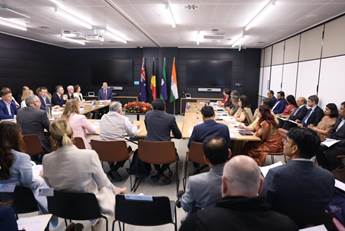
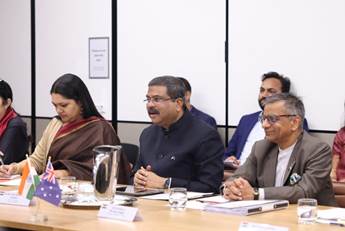
Union Minister for Education, Shri Dharmendra Pradhan, attended the 2nd Australia-India Education and Skills Council (AIESC) meeting in Sydney, Australia today alongside Minister for Education, Government of Australia, Mr. Jason Clare MP and Minister for Skills and Training, Government of Australia, Mr. Andrew Giles MP.
Addressing the event, Shri Pradhan emphasized that the AIESC meeting has become a crucial platform for strengthening knowledge bridges, advancing shared priorities in education and skills development, breaking new ground, and envisioning a brighter future for Australia and India.
Shri Dharmendra Pradhan said that education and skills will be the driving force for building economic prosperity for India and Australia and also forging lasting connections between our people and institutions.
The Ministers held discussions focused on forecasting future workforce, education needs, bridging skill gaps through education and training, and strengthening research collaboration between the two countries’ higher education institutions. He hoped that AIESC would further strengthen the bilateral partnership between Australia and India at all levels of education: school, skills and higher education. He also informed that the next AIESC meeting will be in India in 2025.
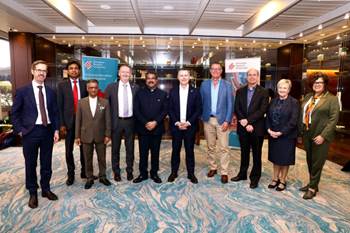
Earlier in the day Shri Pradhan interacted with high level administrators from Innovative Research Universities (IRU) – a coalition of Universities in Australia, where he engaged in enriching discussions with its members. During his visit, he learned about their collaborative approaches to education delivery and efforts to facilitate impactful research for society. The Minister also explored the scope for potential collaborations between the IRU and Indian higher education institutions to advance the education agenda. The IRU is a group of Australian universities committed to inclusive excellence in education and research that advances the communities.
In a significant move to enhance bilateral cooperation in the education sector, Shri Pradhan is visiting Australia from 22 to 26 October 2024. The visit is expected to foster collaboration, participation, and synergy in critical areas of mutual interest in education. Earlier this week from 20-21 October, Shri Pradhan visited Singapore and met the Prime Minister, Deputy Prime Minister, Education Minister and other dignitaries to expand bilateral cooperation in skill-based education and research.


 Eduindex
You must be logged in to post a comment.