Choosing the right respite center for your loved one is an important decision. It’s not just about finding a place for care-it’s about ensuring your family member feels safe, comfortable, and well cared for.
A good respite center can provide support when you need a break. In this post, we’ll share some helpful tips to guide you in choosing the best center for your loved one’s needs. Read on.
Understand Your Loved One’s Needs
Before choosing a respite center, take time to understand the needs of your loved one. Do they have specific health conditions or mobility challenges? Knowing these details will help you find a center that can offer the appropriate level of care.
Consider whether your loved one requires special needs care or medical attention. Some centers offer more comprehensive services, including medication management or support for those with dementia. Make sure to ask about the services available at each center.
Check for Accreditation and Licensing
When selecting a respite center, make sure it is properly accredited and licensed. Accreditation ensures that the center follows industry standards for care and safety. A licensed facility is required to meet specific regulations, so you can trust that your loved one will be in good hands.
You can also ask about the staff’s training and experience. It’s important that caregivers are trained to handle specific medical conditions or mobility issues. A well-trained team will provide the best care for your loved one.
Consider the Services Offered
When choosing a respite center, it’s important to consider the services offered. Some centers provide basic care, while others offer specialized services like memory care or physical therapy. You should make sure the center can meet your loved one’s specific health needs.
Look for centers that offer a variety of activities to keep your loved one engaged. This can include recreational programs, social activities, and even educational sessions. If you’re unsure about what’s available, check out these respite care services for seniors in Burlington if you’re looking for a well-regarded option in your area.
Know What’s Covered by Medicare
If your loved one qualifies, it’s important to understand what services are covered by Medicare respite. Some centers offer services that are eligible for Medicare respite benefits. This can help reduce the financial burden on your family while ensuring your loved one receives quality care.
Make sure to ask the center about their Medicare respite policies. If your loved one has special needs or chronic conditions, some centers may offer additional support that is covered by respite care Medicare. This could include personal care, nursing services, and more.
Ensuring Comfort and Care: Selecting the Right Respite Center
Choosing the right respite center is key to ensuring your loved one receives the best care. Take time to consider their needs, the services offered, and the center’s location. Look for a place that feels welcoming and safe.
Don’t forget to ask about Medicare respite options if applicable. With the right planning, you can find a respite center that gives both you and your loved one peace of mind.
Did this article help you? If so, take a look at some of our other blog posts for more informative reads.
Preparing for Board Exams: A Comprehensive Guide Board exams are a significant milestone in a student’s academic journey. The pressure to perform well can be overwhelming, but with proper preparation and a strategic approach, you can ace your exams. Here’s a comprehensive guide to help you prepare effectively:
Understand the Syllabus and Exam Pattern:
Thorough Analysis: Break down the syllabus into smaller, manageable topics.
Identify Weak Areas: Pinpoint the areas where you need extra focus.
Practice Previous Year Papers: Understand the exam pattern, question types, and time management strategies.
Create a Realistic Study Schedule:
Time Management: Allocate specific time slots for each subject.
Prioritize Topics: Focus on important and challenging topics first.
Consistent Study Habits: Develop a regular study routine and stick to it.
Effective Study Techniques:
Active Learning: Engage with the material through techniques like summarizing, questioning, and explaining.
Mind Mapping: Visualize concepts and relationships between ideas.
Regular Revision: Reinforce your understanding by reviewing regularly.
Practice Tests: Simulate exam conditions to build confidence and identify knowledge gaps.
Healthy Lifestyle and Stress Management:
Balanced Diet: Fuel your body with nutritious food to enhance concentration and energy levels.
Adequate Sleep: Prioritize sleep to ensure optimal cognitive function.
Regular Exercise: Physical activity reduces stress and improves focus.
Stress Management Techniques: Practice relaxation techniques like meditation and yoga.
Tips for Exam Day:
Stay Calm: Manage anxiety through deep breathing and positive affirmations.
Read Instructions Carefully: Understand the question paper and time allotted for each section.
Time Management: Allocate time wisely to each question.
Write Neat and Legible: Present your answers clearly and concisely.
Review Your Answers: If time permits, check your work for errors. Additional Tips:
Join Study Groups: Collaborate with peers to discuss concepts and solve problems.
Seek Help When Needed: Don’t hesitate to ask teachers or tutors for clarification.
Stay Positive and Motivated: Believe in yourself and your abilities. Remember, consistent effort and smart study habits are key to success. By following these guidelines, you can approach your board exams with confidence and achieve your desired results. Would you like to delve deeper into a specific aspect of exam preparation, such as time management, stress relief, or study techniques?
Thanksgiving in the United States is a cherished holiday celebrated annually on the fourth Thursday of November. In 2024, Thanksgiving will fall on November 28th. This holiday is one of the most significant in the American calendar, deeply rooted in history, culture, and tradition. Below, we will explore the history, traditions, and modern-day celebrations associated with this special occasion.
Historical Background
The origins of Thanksgiving can be traced back to the early 17th century. The holiday commemorates a feast shared between the Pilgrims and the Wampanoag Native Americans in 1621, which is widely regarded as the first Thanksgiving.
The Pilgrims: A group of English Puritans, seeking religious freedom, sailed to the New World on the Mayflower and established the Plymouth Colony in present-day Massachusetts.
The Wampanoag Tribe: The indigenous people of the region who helped the struggling Pilgrims survive their first harsh winter by teaching them local agricultural practices.
The First Feast: In the fall of 1621, after a successful harvest, the Pilgrims held a three-day feast to thank God for their blessings and invited the Wampanoag people as guests. This feast included dishes like venison, wildfowl, corn, beans, and squash—quite different from today’s traditional Thanksgiving meal.
Though the Pilgrims’ feast in 1621 is considered the first Thanksgiving, it was not initially a national holiday. The concept of an annual Thanksgiving observance was promoted by various figures over the years.
Sarah Josepha Hale, a writer and editor, campaigned for a national Thanksgiving holiday for nearly 17 years. Her efforts culminated in 1863 when President Abraham Lincoln declared Thanksgiving a national holiday to be celebrated on the last Thursday of November, aiming to foster unity during the Civil War.
In 1941, President Franklin D. Roosevelt signed a bill officially designating the fourth Thursday in November as the national Thanksgiving holiday, which solidified its place in American culture.
Traditional Thanksgiving Customs
Thanksgiving is a time for family, gratitude, and reflection. The holiday brings together loved ones to share a special meal and give thanks for their blessings. Here are some of the most beloved traditions:
1. The Thanksgiving Feast
The centerpiece of Thanksgiving is the grand meal. Typical dishes include:
Roast Turkey: Often the star of the meal, turkey is usually roasted and stuffed with a mixture of bread, herbs, and other ingredients.
Stuffing (or Dressing): A savory blend of bread cubes, vegetables, herbs, and sometimes sausage, either cooked inside the turkey or separately.
Mashed Potatoes: Creamy and buttery mashed potatoes are a staple side dish.
Cranberry Sauce: A sweet and tangy sauce made from cranberries, adding a tart contrast to the savory flavors.
Gravy: Made from the turkey’s pan drippings, it is often poured over the turkey and mashed potatoes.
Green Bean Casserole: A popular side dish combining green beans, cream of mushroom soup, and crispy fried onions.
Sweet Potatoes (or Yams): Often baked with marshmallows or brown sugar for a sweet twist.
Pumpkin Pie: The quintessential Thanksgiving dessert, often spiced with cinnamon, nutmeg, and cloves.
2. Giving Thanks
Before the meal, families often take a moment to express gratitude for the year’s blessings. This tradition aligns with the original spirit of Thanksgiving, emphasizing the importance of gratitude, humility, and togetherness.
3. Parades
The Macy’s Thanksgiving Day Parade in New York City is one of the most famous Thanksgiving events. It features giant helium balloons shaped like popular characters, elaborate floats, marching bands, and performances by celebrities. The parade, broadcasted on television, has become a part of the holiday tradition for millions of viewers.
4. Football Games
Thanksgiving is synonymous with American football. The tradition of Thanksgiving Day football games dates back to the early 20th century. The National Football League (NFL) hosts several games on Thanksgiving, with teams like the Detroit Lions and the Dallas Cowboys traditionally playing on this day. Families and friends often gather around the TV to watch these games together.
5. Turkey Pardoning
The Presidential Turkey Pardon is a quirky modern tradition where the President of the United States “pardons” a live turkey, sparing it from becoming someone’s Thanksgiving dinner. This lighthearted ceremony, held at the White House, usually takes place a few days before the holiday.
Modern-Day Celebrations and Variations
While the traditional Thanksgiving customs are still widely observed, modern-day celebrations have evolved to include diverse cultural influences and personal family traditions.
1. Friendsgiving
An increasingly popular variation of Thanksgiving is Friendsgiving, where friends gather to celebrate, often before or after the official holiday. It’s a more casual affair and a great way for those who may not have family nearby to enjoy the spirit of Thanksgiving.
2. Volunteering and Charity
Many people use the Thanksgiving holiday as an opportunity to give back to the community. Volunteering at soup kitchens, organizing food drives, or donating to charities are common ways to help those in need during the holiday season.
3. Travel
Thanksgiving is one of the busiest travel times in the United States, as millions of people journey to reunite with family and friends. Airports, train stations, and highways are often packed with travelers in the days leading up to and following the holiday.
The Day After Thanksgiving: Black Friday
The day after Thanksgiving marks the start of the holiday shopping season, known as Black Friday. Retailers offer significant discounts, leading to a shopping frenzy as people hunt for the best deals on gifts and other items. Black Friday has grown into a global phenomenon, with some stores even opening on Thanksgiving night.
Fun Facts About Thanksgiving
Turkey Talk: According to the National Turkey Federation, about 46 million turkeys are consumed on Thanksgiving Day in the U.S.
Cranberry Connection: Cranberries, a staple of the Thanksgiving table, are one of only three commercially grown fruits native to North America (along with blueberries and Concord grapes).
Leftovers Galore: The day after Thanksgiving is sometimes called “Leftovers Day”, where families creatively use leftover turkey and sides in new dishes like turkey sandwiches, soups, and casseroles.
Conclusion
Thanksgiving is a unique blend of historical significance, heartfelt traditions, and modern adaptations, making it one of the most cherished holidays in the United States. It serves as a reminder to appreciate the simple joys of life, to spend quality time with loved ones, and to extend kindness and gratitude to others. Whether through a traditional feast, volunteering, or simply gathering with friends, Thanksgiving is a time to reflect on the past year’s blessings and celebrate the spirit of togetherness.
Children’s Day: Celebrating the Spirit of Childhood
Children’s Day is a special occasion dedicated to honoring and celebrating the innocence, joy, and potential of children around the world. This day is marked by various events and activities aimed at promoting the well-being and rights of children, encouraging their growth, and fostering an environment that supports their dreams and aspirations. Celebrated in numerous countries on different dates, Children’s Day is an opportunity to recognize the importance of children in shaping the future of our societies.
In India, Children’s Day holds a special significance as it is celebrated on November 14th every year. This date was chosen to commemorate the birth anniversary of Pandit Jawaharlal Nehru, the first Prime Minister of independent India, who was known for his deep affection for children. His love and dedication to their education, welfare, and overall development earned him the affectionate nickname “Chacha Nehru” (Uncle Nehru). In this article, we will explore the history, significance, and ways in which Children’s Day is celebrated, especially in India.
—
History and Origin of Children’s Day
The concept of dedicating a day to celebrate children can be traced back to the early 20th century. The idea was first proposed by Reverend Dr. Charles Leonard, a pastor in Chelsea, Massachusetts, in 1857. He held a special service dedicated to and for children, which he called “Children’s Day.” This initiative was followed by similar celebrations in other countries, eventually leading to the establishment of official Children’s Days around the world.
However, the celebration of Children’s Day as we know it today began in 1954, when the United Nations recommended that all countries institute a Universal Children’s Day to promote international togetherness, awareness among children worldwide, and improving children’s welfare. The United Nations selected November 20th as Universal Children’s Day, as it coincides with the anniversary of the adoption of the Declaration of the Rights of the Child (1959) and the Convention on the Rights of the Child (1989).
Children’s Day in India: Why November 14th?
In India, the celebration of Children’s Day on November 14th is tied to Pandit Jawaharlal Nehru’s enduring legacy. He was a strong advocate for children’s rights and education. His vision was to provide children with an environment that encourages creativity, learning, and growth. Pandit Nehru believed that children were the future of the nation, and he emphasized the need for education and equal opportunities for every child. His fondness for children was well-known, and he often emphasized that they should be nurtured with love and care to become responsible citizens.
After his death in 1964, it was decided to commemorate his birth anniversary as Children’s Day in India, shifting the focus from the international celebration on November 20th to November 14th, making it a day to remember his contributions and love for children.
—
The Significance of Children’s Day
1. Promoting Awareness of Children’s Rights
Children’s Day is a platform to raise awareness about the rights of children. It is a day to reflect on the importance of creating a safe, nurturing, and inclusive environment where children can thrive. It draws attention to critical issues such as child labor, child abuse, lack of education, and exploitation, urging society to take action to protect children’s rights.
2. Fostering Love, Care, and Affection
The day emphasizes the value of love, care, and understanding in a child’s upbringing. It reminds parents, teachers, and caregivers of their responsibility to provide children with the support they need to grow into healthy and happy individuals.
3. Encouraging Education and Development
Children’s Day is a reminder of the importance of education in shaping a child’s future. It highlights the need for quality education, which is essential for a child’s intellectual and emotional development. Schools and educational institutions often organize special events, competitions, and programs to encourage students to express their talents and creativity.
4. Inspiring Hope and Joy
This day is filled with joy and celebration as children are given the opportunity to enjoy themselves through various fun-filled activities. It serves as a break from the usual routine, allowing children to engage in games, performances, and recreational activities.
—
How Children’s Day is Celebrated in India
Children’s Day in India is a vibrant and joyous occasion marked by numerous events, programs, and activities across the country. Here’s how the celebration typically unfolds:
1. School Events and Programs
Schools play a significant role in celebrating Children’s Day. Teachers and staff organize various events such as cultural performances, storytelling sessions, drawing and painting competitions, sports activities, and talent shows. It is a day where teachers often perform skits, dances, or songs to entertain the children, making the day special and memorable for them.
2. Gifts and Sweets Distribution
Children are often treated with sweets, chocolates, and small gifts on this day. Many schools distribute special treats to students, and parents may also give their children small presents to mark the occasion.
3. Special Initiatives and Campaigns
Children’s Day is also a time when organizations, NGOs, and government bodies launch special initiatives to promote the welfare of children. This may include awareness campaigns on child rights, health check-ups, educational workshops, and activities aimed at supporting underprivileged children.
4. Cultural and Recreational Activities
Many community centers, parks, and public spaces host cultural events, fairs, and exhibitions. These events are designed to engage children in various fun and educational activities, fostering a sense of community and togetherness.
5. Social Media and Digital Celebrations
In the digital age, Children’s Day is also celebrated online. Social media platforms are flooded with heartfelt messages, photos, and videos dedicated to children. Many educational and entertainment channels curate special content for kids, such as animated stories, educational games, and fun quizzes.
—
Famous Quotes About Children
To honor the spirit of Children’s Day, here are some timeless quotes that celebrate the essence of childhood:
“The best way to make children good is to make them happy.” — Oscar Wilde
“Children are like wet cement; whatever falls on them makes an impression.” — Haim Ginott
“Let us sacrifice our today so that our children can have a better tomorrow.” — A.P.J. Abdul Kalam
“Every child is an artist. The problem is how to remain an artist once we grow up.” — Pablo Picasso
“Children are the world’s most valuable resource and its best hope for the future.” — John F. Kennedy
—
Conclusion
Children’s Day is a reminder of the pivotal role children play in our lives and the importance of nurturing their potential. It is a celebration of childhood, a time to honor their innocence, dreams, and limitless possibilities. As we celebrate Children’s Day, let us renew our commitment to creating a world where every child is valued, loved, and given the opportunity to grow and flourish.
By investing in the education, health, and well-being of our children, we are investing in the future of our societies. Let us ensure that every child, regardless of their background, has the chance to live a life filled with love, happiness, and endless opportunities.
The election of the President in the United States is a complex process rooted in the Constitution, involving both the popular vote and a unique mechanism known as the Electoral College. Every four years, Americans go to the polls to select their President and Vice President, with the next election set to occur on November 5, 2024.
1. Primary Elections and Nominations
The presidential election process begins with primary elections and caucuses, which are organized by political parties across the 50 states. These elections determine each party’s nominee, allowing voters to select their preferred candidate within their party. Primaries may be closed (only registered party members can vote) or open (allowing any voter to participate). Candidates compete for delegates who will officially support them at the party’s national convention.
During the National Conventions, the chosen delegates from each party formally nominate their candidate for President. The candidate then selects a running mate for Vice President, and the party platform is finalized.
2. The General Election Campaign
After the conventions, the focus shifts to the general election campaign. Presidential candidates campaign nationwide, debating and addressing issues to appeal to a broad voter base. The general election campaign lasts several months and includes televised debates, town hall meetings, rallies, and advertisements.
3. The General Election and Popular Vote
On Election Day, citizens cast their ballots for their preferred candidate. While many people believe they are directly voting for the President, they are actually voting for a slate of electors pledged to their candidate. This vote, called the popular vote, determines which candidate will receive the electoral votes from each state.
4. The Electoral College
The Electoral College is a unique feature of the U.S. presidential election process. Established in the Constitution, it allocates a certain number of electors to each state, equal to its total number of senators and representatives in Congress (with Washington D.C. receiving three electors). In total, there are 538 electors, and a candidate needs at least 270 electoral votes to win the presidency.
In most states, the candidate who wins the popular vote receives all the state’s electoral votes. However, Maine and Nebraska use a district-based system, where two votes go to the statewide winner, and the remaining votes are awarded based on each congressional district’s results.
5. Electoral College Vote and Certification
After the general election, electors meet in their respective state capitals in December to cast their votes. These votes are then sent to Congress, where they are formally counted in early January. If a candidate receives at least 270 electoral votes, they are certified as the President-elect.
In rare cases, if no candidate achieves the required majority, the decision is made by the House of Representatives. The House elects the President from the top three candidates, with each state delegation having one vote, while the Senate elects the Vice President from the top two candidates.
6. Inauguration Day
The new President and Vice President are inaugurated on January 20, formally marking the transition of power. The President takes the oath of office administered by the Chief Justice of the United States, followed by an inaugural address, symbolizing the beginning of a new administration.
Conclusion
The U.S. presidential election process, involving both direct and indirect voting mechanisms, reflects a blend of democratic values and unique historical considerations. The system emphasizes both popular input through direct voting and federal principles through the Electoral College, providing a distinctive approach to electing the nation’s highest office.
Morse Code is a method of encoding text characters as sequences of dots (.) and dashes (-) that can be transmitted using sound, light, or visual signals. Named after its inventor, Samuel Morse, this system revolutionized long-distance communication in the 19th century and laid the groundwork for modern telecommunications. Though largely superseded by advanced technologies, Morse Code remains a valuable skill and is still used in various specialized applications today.
History of Morse Code
Invention by Samuel Morse: In the early 1830s, Samuel Morse, an American artist and inventor, along with Alfred Vail, developed the first version of Morse Code. It was initially intended for use with the telegraph, an electrical device that sends signals over wires.
First Successful Transmission: On May 24, 1844, Morse sent the first official telegraph message, “What hath God wrought,” from Washington, D.C., to Baltimore, Maryland. This event marked the beginning of a new era in communication.
Evolution of the Code: The original version of Morse Code was not suitable for all languages. As a result, a modified version called International Morse Code was developed in 1851, which is still in use today. The differences mainly involve changes to certain letters and punctuation marks.
How Morse Code Works
Morse Code represents letters, numbers, and punctuation using sequences of dots (short signals) and dashes (long signals). Each letter and number has a unique combination, making it possible to communicate messages clearly and efficiently.
The Basic Components
Dot (·): Represents a short signal. Typically lasts for one unit of time.
Dash (−): Represents a long signal, which is three times the duration of a dot.
Space:
Between dots and dashes within a character: 1 unit of time.
Between characters within a word: 3 units of time.
Between words: 7 units of time.
Morse Code Alphabet and Numbers
Here is the complete International Morse Code chart:
Letter
Code
Letter
Code
Number
Code
A
·−
N
−·
1
·−−−−
B
−···
O
−−−
2
··−−−
C
−·−·
P
·−−·
3
···−−
D
−··
Q
−−·−
4
····−
E
·
R
·−·
5
·····
F
··−·
S
···
6
−····
G
−−·
T
−
7
−−···
H
····
U
··−
8
−−−··
I
··
V
···−
9
−−−−·
J
·−−−
W
·−−
0
−−−−−
K
−·−
X
−··−
L
·−··
Y
−·−−
M
−−
Z
−−··
Special Characters and Punctuation
Period (.): ·−·−·−
Comma (,): −−··−−
Question Mark (?): ··−−··
Apostrophe (‘): ·−−−−·
Exclamation Mark (!): −·−·−−
Slash (/): −··−·
Parentheses ( ): −·−−·−
Ampersand (&): ·−···
Colon (:): −−−···
Semicolon (;): −·−·−·
Equals Sign (=): −···−
Plus (+): ·−·−·
Hyphen (-): −····−
Underscore (_): ··−−·−
Quotation Mark (“): ·−··−·
Dollar Sign ($): ···−··−
At Sign (@): ·−−·−·
Practical Uses of Morse Code
Despite being an old technology, Morse Code still finds use in various fields due to its simplicity and effectiveness:
Aviation and Maritime: Morse Code is still used in aviation (especially for navigation aids like VORs and NDBs) and maritime communication (like SOS signals).
Emergency Situations: Morse Code can be used to send distress signals when other forms of communication fail. The SOS signal (· · · − − − · · ·) is universally recognized.
Military: The military uses Morse Code for secure, covert communication, especially in special operations.
Amateur Radio (Ham Radio): Many amateur radio enthusiasts still use Morse Code, particularly for long-distance communication due to its ability to be transmitted over low bandwidth and noisy channels.
Assistive Technology: Morse Code can assist individuals with disabilities. For example, those with limited motor skills can use Morse Code inputs to communicate using specialized devices.
Learning Morse Code
Learning Morse Code may seem daunting, but with consistent practice, it becomes second nature. Here are some tips for beginners:
Tips and Techniques
Start with the Basics: Begin by learning the most commonly used letters (E, T, A, O, N, etc.).
Use Mnemonics: Associating Morse Code patterns with memorable phrases or rhythms can help retention.
Practice Regularly: Use online resources, mobile apps, or flashcards to practice consistently.
Listen to Morse Code: Hearing Morse Code regularly helps in recognizing patterns faster. There are plenty of apps and websites that play random sequences for practice.
Join a Community: Engage with amateur radio operators or Morse Code enthusiasts who can provide support and additional resources.
Morse Code Mnemonics Example
A (·−): Think of the phrase “A sail” (short and long).
B (−···): The phrase “Be a good boy” (one long, three short).
C (−·−·): Think of “Coca-Cola” (alternating sounds).
O (−−−): “Oh!” (a long exclamation).
Technological Impact of Morse Code
Morse Code was a key driver in the development of modern communication systems:
Telegraph: The invention of the telegraph, which used Morse Code, was the first form of long-distance communication that did not rely on physical transportation of messages.
Radio Communication: Early radio transmissions relied heavily on Morse Code due to its simplicity and the fact that it could be transmitted over low-quality channels.
Digital Communication: The binary nature of Morse Code (dots and dashes) influenced the development of digital communication protocols and encoding schemes.
Conclusion
Morse Code may seem like a relic from the past, but its enduring legacy and continued relevance in specialized fields highlight its significance. From enabling the first real-time long-distance communication to serving as a reliable backup in emergency situations, Morse Code has stood the test of time. Whether you’re an enthusiast looking to explore the history of telecommunications or someone interested in learning a new skill, Morse Code remains a fascinating and valuable part of our technological heritage.
Books: The Art and Skill of Radio-Telegraphy by William G. Pierpont, Morse Code for Dummies by James Anderson
Apps: Morse Code apps like Morse-It, Morse Code Trainer, and Gboard Morse Code Keyboard for mobile practice.
Fun Fact
Did you know that Morse Code is not only auditory but also visual? It can be communicated using light signals (like a flashlight), making it versatile in various scenarios, especially in emergency situations where sound-based communication is not feasible.
With the internet landscape evolving, the demand for online privacy and efficient browsing has skyrocketed. Proxies have become an invaluable tool for securing personal information, hiding IP addresses, and bypassing geographic restrictions. For an affordable yet powerful option, a cheap IPv6 proxy offers a cost-effective solution that meets the needs of individuals and businesses alike. IPv6 proxies, in particular, are gaining popularity for their increased availability and enhanced performance.
What is an IPv6 Proxy?
An IPv6 proxy uses the newer Internet Protocol Version 6 (IPv6), which was introduced to replace the older IPv4 due to IPv4 address exhaustion. With IPv6, there are trillions of available IP addresses, which makes them less likely to be shared or flagged as suspicious by websites. IPv6 proxies route your internet traffic through an IPv6 address, hiding your actual IP and allowing you to access content with an additional layer of privacy and security.
Benefits of Using a Cheap IPv6 Proxy
Enhanced Privacy and Anonymity: IPv6 proxies mask your real IP address, allowing you to browse the internet more privately. By hiding your IP, you reduce the chances of being tracked by websites, advertisers, or even hackers, making IPv6 proxies ideal for users who value online anonymity.
Cost-Effective Solution: IPv6 proxies are generally more affordable than IPv4 proxies due to the abundance of available addresses. This means you can achieve the same level of privacy and security at a lower cost, making IPv6 an economical choice for both individuals and businesses.
Bypass Geo-Restrictions: Many websites restrict access based on geographic location. With IPv6 proxies, you can easily bypass these restrictions by connecting through an IP address from a different region, granting you access to otherwise unavailable content. This is ideal for accessing streaming platforms, gaming servers, or restricted websites.
High Performance and Reliability: With a vast number of available IP addresses, IPv6 proxies are less likely to experience network congestion. This results in faster speeds and more stable connections, ensuring a smooth browsing experience. For users conducting data-heavy activities like streaming or gaming, this can make a significant difference in performance.
Ideal for Web Scraping and Data Collection: For businesses that rely on data collection, IPv6 proxies are invaluable. Websites often block IP addresses after multiple requests, but the sheer volume of IPv6 addresses allows for efficient IP rotation, minimizing the risk of detection and enabling seamless data gathering.
Support for Future Internet Protocols: As the internet continues to transition to IPv6, using an IPv6 proxy prepares you for future developments. With major websites increasingly supporting IPv6, having a proxy that aligns with this transition ensures you stay ahead in the digital world.
When to Use a Cheap IPv6 Proxy
Bypassing Regional Restrictions: Access region-locked content by connecting through an IP address from the desired region.
Streaming and Gaming: Enjoy high-speed, uninterrupted connections for data-heavy activities.
Web Scraping and Market Research: Rotate through IPv6 addresses to avoid detection while collecting valuable data.
Why Choose a Cheap IPv6 Proxy?
Cost Savings: With a greater supply of IPv6 addresses, IPv6 proxies are more affordable than their IPv4 counterparts, offering excellent value without sacrificing performance.
Uninterrupted Connections: IPv6 addresses are less congested, providing stable, fast connections essential for both casual browsing and professional use.
Conclusion
In a world where online privacy, security, and unrestricted access are vital, an IPv6 proxy provides a solution that’s both effective and affordable. Whether you’re a casual user seeking privacy or a business needing reliable data collection, IPv6 proxies offer the security and flexibility needed for modern internet demands. With a cheap IPv6 proxy, you can enjoy high-performance browsing at a fraction of the cost, all while staying private and secure online.
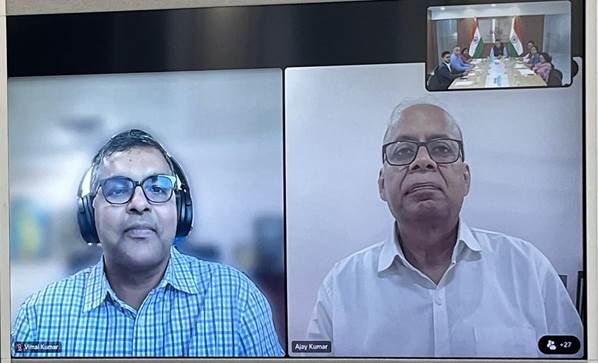
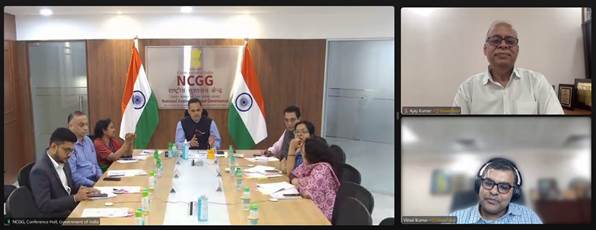
NCGG concluded its 2nd Webinar of webinar series on Public Policy and Good Governance in collaboration with IIT Kanpur on 24th October 2024. The webinar was chaired by Shri V. Srinivas, Secretary, Department of Administrative Reforms and Public Grievances (DARPG) & Director General, National Centre for Good Governance (NCGG).
There were two esteemed speakers for the webinars. The first speaker for the webinar was Dr. Ajay Kumar, former Defence Secretary, Government of India & Distinguished Visiting Professor at IIT Kanpur and the second speaker for the webinar was Prof. Vimal Kumar, Head, Dept of Economic Sciences, IIT Kanpur.
Dr. Ajay Kumar delivered lecture on Challenges in Public Policy highlighting the role of Government of India in Policy making and how over the time it has changed its approach in policy making. His lecture further highlighted that changes in public policies should be calibrated in phases, the impact of digitization in mitigating the challenges faced while making new policies by highlighting the digitization of land records. He also highlighted on using data in decision making. He elaborated on the different approaches to policy making and emphasized that the process of policy making should involve diverse stakeholders. While discussing the challenges in public policy he also suggested the solutions such as incentivizing the progressive policies.
The second speaker for the webinar was Prof. Vimal Kumar, Head of Economic Sciences, IIT Kanpur who delivered his lecture on Platform Business Model & their regulation in Digital Economy. He started his lecture by discussing a quick history of Business in India from artisans producing single product to mass production. His lecture also suggested the importance of network and platform creation for any successful business model. He emphasized on diverse usage of various business platforms including payment networks, social media, traditional media such as newspaper, e-commerce platforms like Amazon & Flipkart, Apple’s App store and others. He also highlighted network on a platform within the group and cross-group wherein he explained attraction loop and attraction spill over. He concluded his lecture with the importance of digital platform using the comparison between BMW and Uber as case studies.
The webinar was concluded by the vote of thanks given by Dr. Himanshi Rastogi, Associate Professor, NCGG. Dr. Rastogi, expressed her heartfelt thanks to all participants, from Institutes of National Importance and Central Universities. She also thanked Shri V. Srinivas, Secretary, DARPG & Director General, NCGG for chairing the webinar.
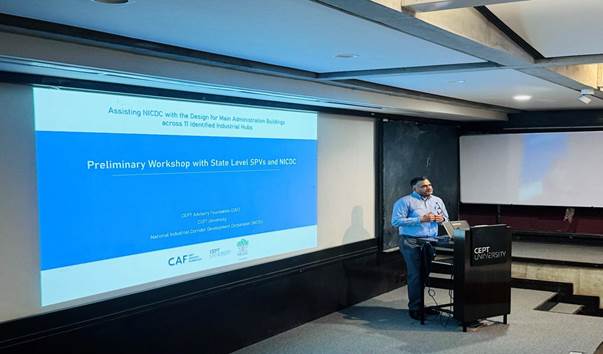
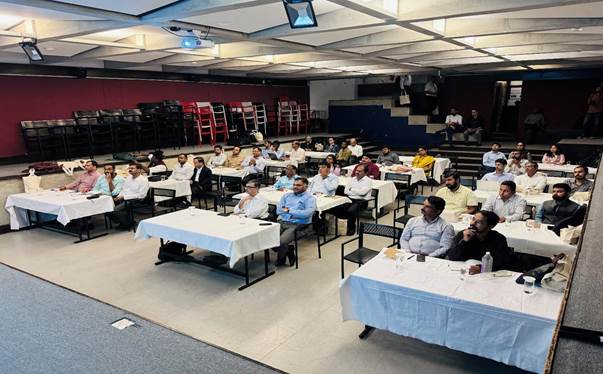
The National Industrial Corridor Development Corporation Limited (NICDC), under the administrative control of the Department for Promotion of Industry and Internal Trade (DPIIT), Ministry of Commerce and Industry, Government of India, in collaboration with the CEPT Advisory Foundation (CAF) of the Centre for Environmental Planning and Technology (CEPT) University, organised a workshop to discuss the sustainable design of administrative buildings for 12 new greenfield industrial smart cities recently approved by the Government of India. This first-of-its-kind workshop, held on October 24, 2024, at the CEPT University campus in Ahmedabad, Gujarat, focused on highlighting sustainable design concepts such as biophilic architecture, integrated and inclusive planning, energy efficiency, and climatic bio-massing.
It has been envisioned that administrative buildings in these futuristic smart cities will embody these advanced principles to create uniquely designed structures that contribute to eco-friendly urban landscapes.The workshop was held to inspire Special Purpose Vehicles (SPVs) and state officials to participate in discussions on emerging technologies and sustainable practices on both national and global levels.
Participants engaged in two detailed sessions during the workshop. In the initial session, the emphasis was placed on the value of good design and its role in creating appealing, functional workspaces. Distinguished architects demonstrated exemplary projects to showcase the advantages of innovative designs, while open discussions were held on the latest design trends and implementation challenges. This session was led by renowned professionals, including Ms. Aparna Khemani from Gensler, Mr. Bedanta Saikia from Edifice, and Mr. Ambrish Arora from Studio Lotus.
In the second part of the workshop, the CAF team outlined a robust and transparent process for procuring architectural services. This presentation emphasized the importance of balancing quality and cost in commissioning competent designers through a reliable and thorough process. This session was facilitated by Mr. Prasad Jasti from Jacobs and Mr. Avanish Pendarkar, Center Head, CEPT Urban Planning and Design Foundation – CoE.
CEO and MD, NICDC, Shri Rajat Kumar Saini, IAS, stressed the significance of developing unique, iconic administrative buildings in the industrial smart cities being established under the National Industrial Corridor Development Programme. The aim of these industrial corridors is to create dynamic zones that stimulate industrial growth, improve logistics, and foster eco-friendly environments. Shri Saini expressed the NICDC’s vision of collaborating with CEPT University and CAF to develop resilient cities equipped to meet the needs of future generations.
CAF Director, Mr. Darshan Parikh, highlighted the importance of this collaboration with NICDC and SPVs, emphasising that CAF is committed to supporting NICDC in realising the vision of iconic buildings across designated locations. Mr. Parikh added, “Together, we aim to work collaboratively to bring the best design competencies for the development of these iconic administrative buildings”.
The workshop concluded with state officials gaining a deeper understanding of the nuances involved in designing and planning context-specific, innovative administrative buildings. This initiative represents a step toward the goal of Viksit Bharat, showcasing the pivotal role that architecture, culture, design, planning, technology, research play in building a robust and sustainable future.
NICDC, formerly known as the Delhi Mumbai Industrial Corridor Development Corporation, is responsible for developing greenfield industrial smart cities with manufacturing as the primary economic driver, as part of the National Industrial Corridor Development Programme.
CEPT Advisory Foundation (CAF) is a section 8 (non-profit) company that focuses on advisory projects, constituted in November 2023. CAF offers services across nine thematic centres, including urban planning, transport, infrastructure, and water supply and sanitation. Its portfolio includes over 200 projects, ranging from development and strategic plans to feasibility studies and development control regulations.
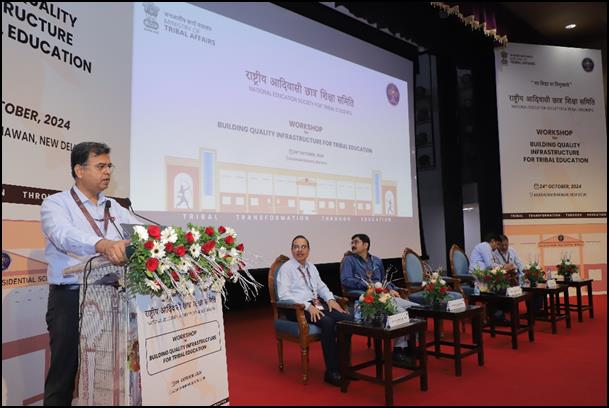
National Education Society for Tribal Students (NESTS) successfully organized a workshop on “Building Quality Infrastructure for Tribal Education” on 24th October 2024 at Akashvani Bhawan, New Delhi. This event is part of the government’s ongoing efforts to provide quality educational infrastructure for tribal communities through Eklavya Model Residential Schools (EMRSs), ensuring sustainable and effective learning environments.
Shri Ajeet K. Srivastava, Commissioner of NESTS, inaugurated the workshop, emphasizing the critical need for completing EMRS construction on time with emphasis on quality of construction. He stated, “Non completion of good quality EMRS on time means tribal children not going to school which is unacceptable.” He exhorted the participants to take pledge that they would construct EMRS before time by ensuring best quality of construction. Commitment to multifaceted development is evident in NESTS’ initiatives, including modern educational programs like the Amazon Future Engineering program and the organization of a Principal’s Conclave focused on academic and administrative excellence. This holistic approach underscores the importance of providing both high-quality infrastructure and advanced educational opportunities for tribal students.
Shri Ajeet K. Srivastava, Commissioner, NESTS addressing the gathering.
The workshop covered essential technical aspects such as geotechnical investigations, material testing, earthwork, and the reinforcement of construction practices in tribal areas. Participants included civil engineers, project managers, and architects, all eager to share best practices and insights from the newly launched handbook titled “Building Quality Infrastructure for Tribal Education.”
Interactive sessions focused on project planning, architectural layouts, and specific reinforcement issues related to tribal education infrastructure. Participants emphasized the importance of aligning construction practices with the unique geographical and cultural contexts of tribal regions for sustainable development.
Throughout the day, expert speakers provided valuable insights, fostering collaboration and innovative solutions to infrastructure challenges.
Topics included quality assurance during the construction process, effective material testing methodologies, and strategies for successful project planning. Interactive Q&A sessions allowed participants to address specific issues related to EMRS development, facilitating knowledge exchange and practical problem-solving.
This pioneering workshop represents a significant step forward in NESTS’ mission to enhance educational access and quality for tribal communities, reaffirming its vision of providing equal opportunities for all tribal students.
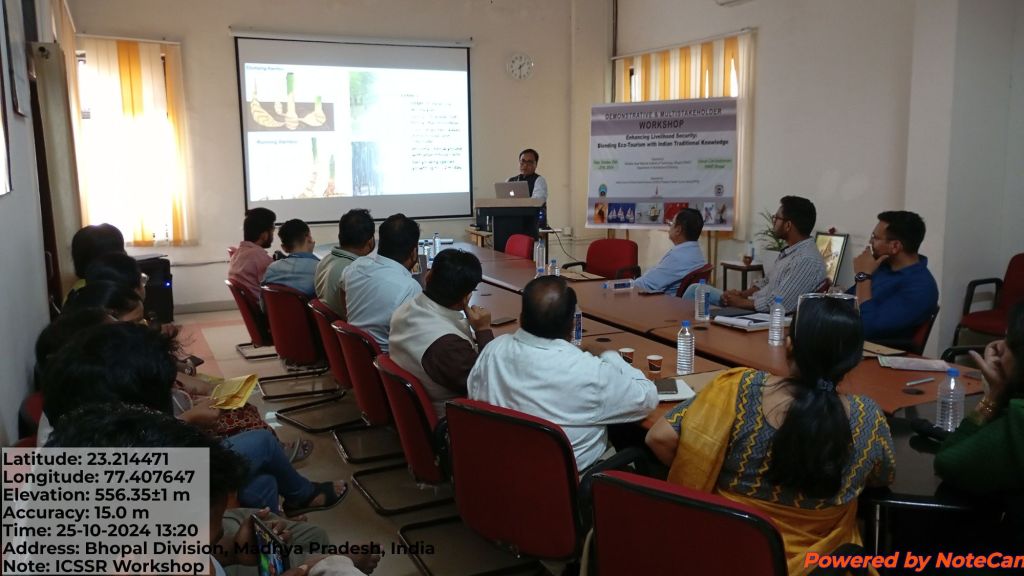
Bhopal, October 25, 2024 — The ICSSR-sponsored workshop, titled “Enhancing Livelihood Security: Blending Eco-Tourism with Indian Traditional Knowledge,” commenced today at MANIT Bhopal, in collaboration with the Madhya Pradesh Tourism Board. The event, hosted by the Department of Architecture & Planning, attracted a diverse group of experts, researchers, and local stakeholders.
The inaugural session featured a welcome address and introduction to the workshop’s objectives, focusing on sustainable development strategies that integrate eco-tourism with traditional knowledge to support tribal livelihoods. Dr. Sameeta Rajora, CEO of M.P. Eco-Tourism, graced the event as Guest of Honour, sharing insights on eco-tourism’s role in enhancing the socio-economic status of tribal communities in the region.
The first lecture was delivered by Dr. Lal Bihari Singha of Manipur University, who highlighted the cultural significance of bamboo crafting in homestay tourism, emphasizing its potential to strengthen local economies. Following the lecture, Dr. Khokhar from Van Dhan Kendra, Mandla, presented an expert session on developing indigenous herbal products for tourism, showcasing various herbal teas and wellness products created by tribal artisans.
The day concluded with a panel discussion on “Challenges and Opportunities for Livelihood Sustainability,” where prominent panelists, including Jigyasa Bisaria, Dr. Ramakant, and Prof. Madhuri Dubey, explored potential solutions for sustaining livelihoods through eco-tourism and community involvement.
The workshop continues tomorrow with a deliberation session, followed by a site visit to understand the livelihood opportunities available within the tribal communities of Madhya Pradesh.
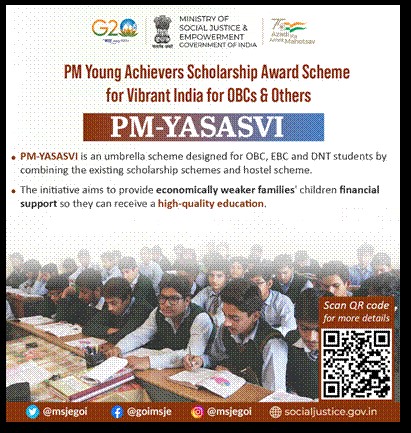
With a vision of “Sabka Sath, Sabka Vikas”, the Ministry of Social Justice and Empowerment has implemented the PM Young Achievers Scholarship Award Scheme for Vibrant India (PM-YASASVI). This comprehensive umbrella scheme is aimed at uplifting students from Other Backward Classes (OBC), Economically Backward Classes (EBC), and Denotified Tribes (DNT) by providing them with access to quality education during their formative years.
The PM YASASVI scheme consolidates and enhances several earlier initiatives, including the Dr. Ambedkar Post-Matric Scholarship Scheme for EBCs and the Dr. Ambedkar Pre-Matric and Post-Matric Scholarship Scheme for DNTs, which were subsumed under this program starting from 2021-22. By integrating these schemes, PM YASASVI aims to ensure a more streamlined and impactful approach to supporting the educational needs of socially and economically disadvantaged students.
Objective
The overarching goal of the scheme is to promote educational empowerment among these vulnerable groups, helping them overcome financial barriers and complete their education. This initiative not only fosters individual academic growth but also contributes to the broader vision of creating a more inclusive and equitable society.
Under this Scheme students can avail Pre-Matric Scholarship from Class 9 to 10 and Post Matric Scholarship for their higher studies at post-matriculation or post-secondary stage. Students who excel in their studies also get an opportunity of Scholarship to study in Top Class Schools and Colleges under the Scheme of ‘Top Class School Education’ and ‘Top Class College Education’. Hostel facilities are also provided to OBC students under the ‘Scheme of Construction of Hostels for OBC boys and girls.’
PM –YASASVI for OBC, EBC and DNT students has been formulated having following five sub-schemes:
Pre-Matric Scholarship for OBC, EBC and DNT Students
Post-Matric Scholarship for OBC, EBC and DNT Students
Top Class School Education for OBC, EBC and DNT Students
Top Class College Education for OBC, EBC and DNT Students
Construction of Hostel for OBC Boys and Girls
Scope
The Pre-Matric Scholarship is designed for students in classes IX and X attending government schools, offering an annual academic allowance of Rs. 4,000 to families with an income below Rs. 2.5 lakh. For the 2023-24 academic year, Rs. 32.44 crore has been allocated to states and Union Territories for its implementation. The Post-Matric Scholarship supports students pursuing post-secondary education, providing academic allowances ranging from Rs. 5,000 to Rs. 20,000 based on the category of the course. For this scheme, Rs. 387.27 crore has been released for the current year.
Additionally, the Top Class School and College Education schemes are designed to support meritorious students from OBC, EBC, and DNT categories. These programs cover tuition fees, hostel expenses, and other academic costs, with school students (Class 9-12) eligible for funding up to Rs. 1.25 lakh annually. College students at top institutions receive full financial support, including tuition, living expenses, and educational materials. To further enhance access to education, Rs. 12.75 crore has been allocated in 2023-24 under the ‘Construction of Hostels for OBC Boys and Girls’ scheme, which aims to provide accommodation for socially and educationally backward students near government schools and institutions, ensuring they have better access to quality education.
Benefits
The PM YASASVI aligns with the government’s broader vision of fostering inclusivity, equity, and societal upliftment. By offering comprehensive support to students from OBC, EBC, and DNT categories, it directly addresses the systemic barriers that prevent many from accessing quality education. This initiative not only ensures financial assistance but also promotes educational empowerment for some of the most vulnerable sections of society, thereby creating opportunities for upward mobility and self-reliance.
The scheme’s focus on supporting students at both school and college levels helps to nurture talent from an early age and carry it through to higher education, laying a strong foundation for personal and professional growth. Moreover, by integrating earlier scholarship initiatives into a single, streamlined program, PM YASASVI enhances the impact of these efforts, contributing to the creation of a more inclusive and equitable education system. PM-YASASVI is ensuring that no student is left behind in the pursuit of academic and social progress. This scheme is playing a crucial role in the welfare and upliftment of marginalized communities, enabling them to contribute meaningfully to the vision of Viksit Bharat @ 2047.
Impact
The PM YASASVI (Young Achievers Scholarship Award Scheme for Vibrant India) scheme has made significant strides in providing financial assistance to students from Other Backward Classes (OBC), Economically Backward Classes (EBC), and De-Notified Tribes (DNT). In Financial Year 2023-24, a substantial sum of ₹ 193.83 cr. was allocated for the Pre-Matric Scholarship, benefiting 19.86 lakh students during 2023-24, with further beneficiaries for 2023-24 expected. Similarly, under the Post-Matric Scholarship scheme, ₹988.05 cr. was released, benefiting 27.97 lakh students in 2023-24. These scholarships aim to empower underprivileged students by alleviating financial burdens, thereby promoting education across marginalized communities.
Additionally, the government has invested in other educational support initiatives. ₹14.30 cr. has been released for the construction of hostels, accommodating 1146 students in 2023-24. Top-class education programs and overseas study interest subsidies have also seen significant funding, reaching thousands of students. For example, ₹ 111.18 cr. was allocated to support 4762 students in top Class education in college scheme and Rs. 6.55 Cr. Was allocated to support 2602 students in Top Class education in Schools for OBC, EBC & DNT Students and ₹ 56.24 Cr. was granted as interest subsidies to 2789 students pursuing overseas education. These efforts reflect the growing impact of the PM YASASVI scheme, which is transforming the educational landscape for disadvantaged students, enabling them to achieve their academic potential and contributing to overall societal upliftment.
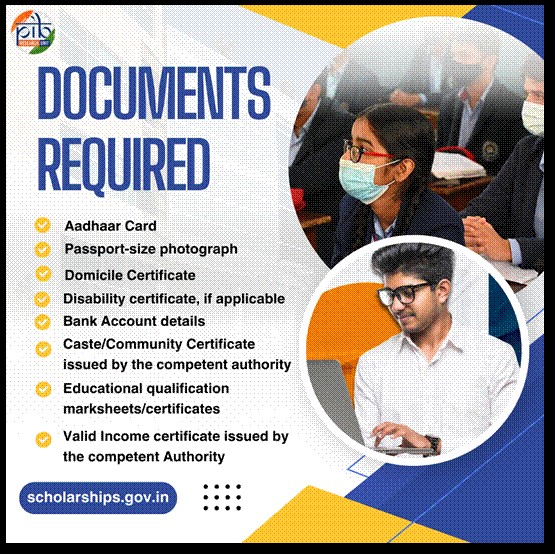
*Any additional documents specified in the application form
Key Points
Selection Process: The YASASVI Entrance Test (YET) 2023 is the basis for candidate selection, conducted by the National Testing Agency (NTA) under the direction of the Ministry of Social Justice and Empowerment (MSJ&E), Government of India.
Eligibility: Open to OBC, EBC, and DNT students with a total annual family income of up to ₹2.50 lakhs. Additional eligibility criteria may apply, depending on the specific scholarship scheme.
Where to Apply: Eligible students can apply online at the National Scholarship Portal: scholarships.gov.in.
Conclusion
By offering a comprehensive array of scholarships and support programs, PM-YASASVI is addressing the financial constraints that often hinder access to education for marginalized communities. The integration of various earlier schemes into one streamlined initiative ensures that students are supported from their school years through to higher education, creating pathways for personal and professional growth. With the government’s ongoing commitment to expanding access to quality education, the PM YASASVI Scheme is making a tangible impact on the lives of thousands of students, helping to create a more inclusive and prosperous India.
Selling your home can be an emotional and daunting process, often marked by a mix of excitement and anxiety. Whether you’re moving for a job, downsizing, or seeking a change of scenery, understanding the selling journey can help you navigate the complexities involved. Here’s what to expect when you decide to list your home.
Before you even list your home, preparation is key. Start by decluttering and depersonalizing your space. Potential buyers want to envision themselves in your home, so it’s important to create a neutral environment. Remove personal photographs, excess furniture, and any items that may distract from the home’s features.
Consider making necessary repairs, such as fixing leaky faucets, patching up holes in the walls, or freshening up the paint. Investing in minor updates, like landscaping or new light fixtures, can significantly enhance curb appeal and attract buyers.
2. Setting the Right Price
One of the most critical aspects of selling your home is setting the right price. Overpricing can deter potential buyers, while underpricing may lead to financial loss. To find the ideal price, research comparable homes in your area that have recently sold. Consult a real estate agent to gain insights into the market and determine a competitive price based on current conditions and the unique features of your property.
3. Choosing a Real Estate Agent
Hiring a knowledgeable real estate agent can significantly impact your selling experience. Look for an agent with a strong track record in your local market. They can provide valuable advice on pricing, marketing strategies, and negotiation tactics. During your initial meetings, ask about their marketing plans, communication style, and experience to ensure they align with your needs.
4. Listing Your Home
Once you’ve prepared your home and set a price, it’s time to list it. Your agent will typically create a listing that includes high-quality photographs and a compelling description of your home’s features and amenities. Online listings are critical since most buyers start their search on the internet. Ensure your agent promotes your home across multiple platforms, including real estate websites, social media, and local listings.
5. Showings and Open Houses
Expect your home to be shown to potential buyers, often at a moment’s notice. Be prepared for various showings and open houses. During this time, it’s crucial to keep your home clean and presentable. Consider a flexible schedule, allowing your agent to arrange showings at convenient times for potential buyers.
When buyers visit, try to make yourself scarce. This allows them to explore your home freely and discuss their thoughts without feeling pressure. Ensure the atmosphere is welcoming: open curtains, turn on lights, and perhaps even bake cookies for an inviting scent.
6. Receiving Offers
As offers start to come in, your agent will present them to you. Each offer will include important details such as the proposed price, contingencies, and timelines. Don’t be discouraged if the first offer isn’t what you expected; it’s a part of the negotiation process.
Evaluate each offer carefully, considering not only the price but also the terms. Some buyers may request repairs or have contingencies that could affect the closing process. Work closely with your agent to determine the best course of action, whether it’s accepting an offer, making a counteroffer, or waiting for better terms.
7. Negotiation
Negotiation is a critical part of selling your home. Expect back-and-forth communication as you and the buyer work towards a mutually agreeable price and terms. Your agent will help facilitate this process, advising you on how to respond to offers and counteroffers effectively.
Keep in mind that negotiations can sometimes be tense. Be prepared to compromise on certain aspects, whether it’s the price, closing date, or specific repairs. Maintaining open lines of communication with your agent can help ease any tension and keep the process moving forward.
8. Closing the Deal
Once you’ve accepted an offer, the next phase is preparing for the closing process. This stage involves a significant amount of paperwork, including the purchase agreement, disclosures, and various legal documents. Your real estate agent will assist you in navigating this phase, ensuring that all required documents are completed correctly.
In Utah, it’s also wise to work with a real estate attorney to ensure compliance with state laws and to help you understand your rights and obligations. Typically, a home inspection will take place during the closing process, allowing the buyer to evaluate the condition of your property. If any issues come to light, you may need to negotiate repairs or concessions before the sale is finalized.
9. Moving Out
After closing, it’s time to move out of your home. Make a moving plan well in advance to ensure a smooth transition. Create a timeline for packing, schedule your moving day, and arrange for utilities to be disconnected. Consider hiring professional movers or enlisting friends and family to help with the process.
In Conclusion
Selling your home is a significant journey that requires careful planning, preparation, and patience. By understanding what to expect at each stage of the selling process, you can approach the experience with confidence and ease. Collaborating closely with a knowledgeable real estate agent can provide invaluable support, helping you achieve a successful and satisfying sale. Remember, while the process can be challenging, it’s also an exciting opportunity to embark on a new chapter in your life.
In today’s competitive business environment, cost management in large-scale operations has become a critical component for maintaining profitability and sustainability. Whether you’re managing a manufacturing plant, a sprawling logistics network, or a multi-national corporation, understanding and implementing effective cost management strategies can mean the difference between thriving and merely surviving. This blog post will explore various techniques and insights into managing costs effectively, tailored for decision-makers who aim to enhance operational efficiency.
Effective cost management is crucial for any business, but it becomes even more essential as operations scale. Large-scale operations often involve complex processes, multiple stakeholders, and significant capital investments. Mismanagement at any level can lead to financial losses and potential operational setbacks. By focusing on cost management, businesses can optimize resources, streamline operations, and improve overall financial health.
Cost management is not just about cutting expenses; it’s about making strategic decisions that align with long-term goals. For example, investing in technology that reduces manual labor can lead to immediate costs but result in substantial savings over time. This mindset shifts the focus from short-term budget constraints to long-term operational efficiency and sustainability.
Lastly, operating at a large scale allows businesses to take advantage of economies of scale. However, without proper cost management strategies, these advantages can quickly dissipate. Implementing robust cost management processes ensures that large-scale operations remain agile, efficient, and competitive in a rapidly changing market.
Streamlining Procurement Processes
Procurement is a major cost center in large-scale operations. Efficient procurement strategies can significantly reduce waste and lower costs. Centralizing procurement functions to enhance negotiation power with suppliers is one approach. By consolidating purchases, businesses can leverage better pricing, terms, and contracts, thereby reducing costs.
Automation is another valuable tool for streamlining procurement. Implementing technology solutions like procurement software can reduce manual errors, increase transparency, and improve efficiency. Automation also enables real-time analytics, allowing businesses to make data-driven decisions that enhance cost management.
Building strong relationships with suppliers also plays a pivotal role in cost management. Collaborating with suppliers can lead to better pricing agreements, improved product quality, and quicker delivery times. Establishing trust and open communication lays the groundwork for a mutually beneficial partnership that enhances cost efficiency.
Enhancing Workforce Efficiency
Labor costs are a significant expense for large-scale operations. Improving workforce efficiency can yield substantial cost savings. One approach is to invest in employee training and development programs. Equipping employees with the skills they need to work efficiently reduces errors, improves productivity, and increases job satisfaction.
Adopting flexible work arrangements is another strategy that can enhance workforce efficiency. Offering remote work options or flexible schedules can reduce overhead costs while improving employee morale and retention. This flexibility can lead to increased productivity and lower turnover rates.
Leveraging technology to automate repetitive tasks can also pay dividends. By freeing up employees from mundane tasks, businesses can focus their efforts on higher-value activities. This not only leads to cost savings but also drives innovation and continuous improvement within the organization.
Optimizing Supply Chain Management
Supply chain management is a critical area for cost management in large-scale operations. Effective supply chain strategies can reduce costs and improve service levels. One way to achieve this is by optimizing inventory levels. Implementing just-in-time inventory systems can reduce carrying costs and minimize waste.
Utilizing technology to improve supply chain visibility is another key strategy. Real-time tracking and data analytics can provide insights into demand patterns, supplier performance, and potential disruptions. Businesses can proactively address issues and avoid costly delays by gaining better visibility into the supply chain.
Collaborating with supply chain partners can also yield cost-saving opportunities. Developing strategic partnerships and sharing information can improve coordination, reduce duplication, and enhance efficiency. Such collaboration fosters an integrated supply chain that operates seamlessly and cost-effectively.
Leveraging Technology for Cost Efficiency
Technology plays a crucial role in cost management for large-scale operations. Investing in advanced technologies can improve processes, reduce errors, and enhance decision-making. For instance, utilizing industrial piping in Utah can streamline production processes, reduce downtime, and enhance overall efficiency.
Data analytics is another powerful tool for cost management. By analyzing large volumes of data, businesses can identify cost-saving opportunities, uncover inefficiencies, and make informed decisions. Predictive analytics can also help anticipate demand fluctuations and optimize resource allocation.
Incorporating automation into various aspects of operations can result in significant cost savings. Automated systems can handle repetitive tasks, monitor performance, and generate insights. This reduces labor costs and enhances accuracy, speed, and consistency across the organization.
Conclusion
Effective cost management is essential for large-scale operations seeking sustainable growth and profitability. By implementing strategies such as streamlining procurement, enhancing workforce efficiency, optimizing supply chain management, and leveraging technology, businesses can achieve cost efficiency and maintain a competitive edge.
To further enhance your cost management efforts, consider exploring additional resources or consulting experts in the field. Remember, successful cost management requires a holistic and proactive approach. By continually evaluating and optimizing your operations, you can ensure a strong foundation for long-term success.
In today’s fast-paced world, investing in self-improvement has become more important than ever. Personal development is not just about gaining new skills or knowledge; it’s about enhancing the quality of your life and achieving your goals. This blog post explores the concept of self-improvement as an investment and how even small personal choices can yield substantial returns over time.
Investing in yourself is one of the most rewarding decisions you can make. It encompasses learning new skills, adopting healthier habits, and expanding your mindset. By prioritizing self-improvement, you can unlock a range of benefits, from increased confidence to better career prospects.
One of the most significant advantages of personal investment is the boost in self-confidence. When you commit to improving yourself, you develop a sense of accomplishment and self-worth. This newfound confidence can help you tackle challenges and seize opportunities with determination and resilience.
In addition to self-confidence, investing in personal growth can enhance your career. Acquiring new skills and expanding your knowledge base makes you more valuable in the job market. Employers are always on the lookout for individuals who are committed to continuous improvement.
Setting Clear Goals and Intentions
The first step in investing in self-improvement is setting clear goals and intentions. Without a roadmap, it’s easy to get lost or distracted. Begin by identifying areas of your life you’d like to improve and establish specific, achievable objectives.
Clear goals give you a sense of direction and purpose. They provide you with motivation and a framework to measure your progress. By setting intentions, you are more likely to stay focused and committed to your self-improvement journey.
To set effective goals, use the SMART criteria—Specific, Measurable, Achievable, Relevant, and Time-bound. This approach ensures that your goals are realistic and attainable, making it easier to track progress and celebrate successes along the way.
Cultivating a Growth Mindset
A growth mindset is essential for self-improvement. It involves believing that your abilities and intelligence can be developed through dedication and hard work. This perspective fosters a love of learning and resilience in the face of challenges.
Having a growth mindset allows you to view setbacks as opportunities for growth rather than failures. It encourages you to take risks and step outside your comfort zone, leading to personal and professional development.
Cultivating a growth mindset involves being open to feedback, learning from mistakes, and seeking new experiences. By adopting this mindset, you create a foundation for continuous self-improvement and lifelong learning.
Building Strong Habits
Habits play a crucial role in self-improvement. They are the building blocks of change and can significantly impact your life. Developing positive habits requires discipline, patience, and consistency.
Start by identifying habits that align with your self-improvement goals. Whether it’s exercising regularly, reading daily, or practicing mindfulness, focus on incorporating these habits into your routine.
Building strong habits takes time and effort, but the rewards are well worth it. Over time, these habits become second nature, contributing to your overall well-being and success.
The Role of Education and Skill Development
Education and skill development are integral components of self-improvement. They open doors to new opportunities and help you stay competitive in a rapidly changing world. Whether through formal education or self-directed learning, acquiring new skills is a valuable investment.
Consider enrolling in courses, attending workshops, or pursuing certifications to enhance your knowledge and abilities. These investments can lead to career advancement, increased earning potential, and personal fulfillment.
Remember, learning doesn’t have to be limited to your professional life. Explore hobbies and interests that bring you joy and satisfaction. This holistic approach to education enriches your life and contributes to your overall development.
Prioritizing Health and Well-being
Your health and well-being are fundamental to personal growth. Without a strong foundation of physical and mental health, it’s challenging to achieve your goals and live life to the fullest.
Prioritize self-care by adopting healthy habits such as regular exercise, balanced nutrition, and adequate sleep. These practices boost your energy levels, improve your mood, and enhance your cognitive function.
Mental well-being is equally important. Practice mindfulness, seek support when needed, and engage in activities that promote relaxation and stress reduction. A healthy mind is better equipped to handle life’s challenges and maintain focus on self-improvement.
Building Meaningful Relationships
Relationships are a key aspect of personal development. Surrounding yourself with supportive, positive individuals can inspire and motivate you to grow. Invest time in nurturing meaningful connections with family, friends, and mentors.
Strong relationships provide emotional support, guidance, and encouragement. They offer different perspectives and insights that can enrich your self-improvement journey. By cultivating a network of positive influences, you create an environment conducive to personal growth.
Remember, meaningful relationships are built on trust, communication, and mutual respect. Be open, honest, and empathetic in your interactions to foster genuine connections.
Financial Literacy and Stability
Financial literacy and stability are essential components of personal growth. Understanding how to manage your finances empowers you to make informed decisions and plan for the future.
Invest time in learning about budgeting, saving, and investing. These skills provide you with the freedom and flexibility to pursue your self-improvement goals without financial stress.
Achieving financial stability enables you to invest in experiences and opportunities that enhance your personal development. Whether it’s further education, travel, or hobbies, having control over your finances allows you to make choices that align with your aspirations.
Leveraging Technology for Self-Improvement
Technology offers a wealth of resources to support your self-improvement efforts. From online courses to productivity apps, technology can enhance your learning experience and streamline your personal development.
Explore platforms that offer courses aligned with your goals and interests. Use productivity tools to manage your time and tasks effectively. Leverage social media and online communities to connect with like-minded individuals and share experiences.
While technology can be a powerful ally, it’s essential to use it mindfully. Set boundaries to prevent digital overload and ensure that your tech usage contributes positively to your self-improvement.
Dental Implants in Richland WA and Self-Care
Investing in self-care extends beyond daily habits—it includes taking care of your dental health. For instance, seeking dental implants in Richland WA can significantly enhance your quality of life if you’re dealing with missing teeth. Good oral health is vital for overall well-being and confidence, allowing you to focus more on your self-improvement goals.
Dental implants provide a permanent solution that looks and feels natural, improving your smile and boosting your self-esteem. This investment in your health can lead to better social and professional interactions, contributing positively to your self-improvement efforts.
Measuring Your Progress and Celebrating Success
Tracking your progress is crucial for staying motivated and achieving your self-improvement goals. Regularly evaluate your growth and make adjustments as needed. Celebrate your successes, both big and small, to maintain momentum and build confidence.
Set aside time to reflect on your achievements and the lessons learned along the way. This practice reinforces your commitment to self-improvement and helps you stay focused on future goals.
Remember, self-improvement is a lifelong journey. Be patient with yourself and acknowledge the progress you’ve made, no matter how incremental it may seem.
Conclusion
Investing in self-improvement is one of the most rewarding choices you can make. By prioritizing personal development, you unlock a lifetime of returns in the form of confidence, success, and fulfillment. Whether it’s through setting goals, building habits, or seeking knowledge, the path to self-improvement is filled with opportunities for growth.
Take action today and invest in yourself. Whether it’s enrolling in a course, joining a community, or starting a new habit, every step you take brings you closer to realizing your full potential. Remember, the best investment you can make is in your own future.

























 Eduindex
You must be logged in to post a comment.