Pre workout meals

Good nutrition can help your body perform better and recover faster after each workout.
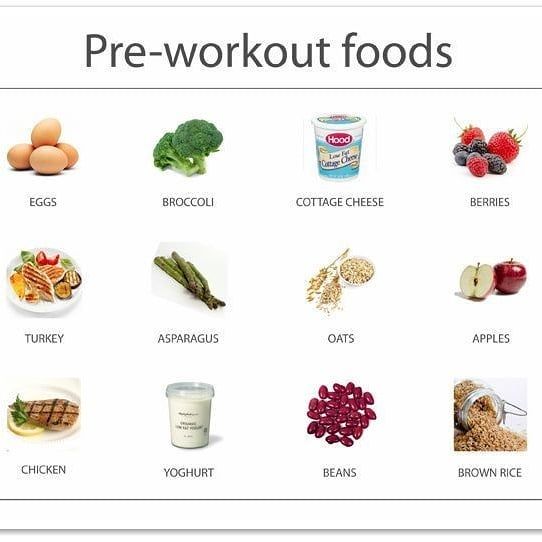
Optimal nutrient intake prior to exercise will not only help you maximize your performance but also minimize muscle damage. Fueling your body with the right nutrients prior to exercise will give you the energy and strength you need to perform better.Each macronutrient has a specific role before a workout. However, the ratio in which you need to consume them varies by the individual and type of exercise

Below is a brief look at the role of each macronutrient.

Carbs

Your muscles use the glucose from carbs for fuel.

Glycogen is the way the body processes and stores glucose, mainly in the liver and muscles.

For short- and high-intensity exercise, your glycogen stores are your muscles’ main source of energy (3Trusted Source).

But for longer exercises, the degree to which carbs are used depends on several factors. These include the intensity, type of training and your overall diet (3Trusted Source).

Your muscles’ glycogen stores are limited. As these stores become depleted, your output and intensity diminish (4Trusted Source5Trusted Source6).

Studies have consistently shown that carbs can increase glycogen stores and utilization while boosting carb oxidation during exercise (67Trusted Source8Trusted Source).

Carb loading, which involves consuming a high-carb diet for 1–7 days, is a well-known method to maximize glycogen stores (7Trusted Source8Trusted Source).

Protein

Many studies have documented the potential of pre-workout protein consumption to improve athletic performance.

Eating protein (alone or with carbs) prior to exercise has been shown to increase muscle protein synthesis (9Trusted Source10Trusted Source11Trusted Source).

One study showed a positive anabolic response after participants consumed 20 grams of whey protein before exercise (9Trusted Source).

Other benefits of eating protein before exercise include:

Fat

While glycogen is used for short- and high-intensity bouts of exercise, fat is the source of fuel for longer and moderate-to-low-intensity exercise (14Trusted Source).

Some studies have investigated the effects of fat intake on athletic performance. However, these studies looked at high-fat diets over a long period, rather than prior to exercise (15Trusted Source16Trusted Source).

For example, one study showed how a four-week diet consisting of 40% fat increased endurance running times in healthy, trained runners (15Trusted Source).

TIMING

To maximize the results of your training, try to eat a complete meal containing carbs, protein and fat 2–3 hours before you exercise.However, in some cases, you may not be able to get in a full meal 2–3 hours before working out.In that case, then you can still eat a decent pre-workout meal. However, keep in mind that the sooner you eat before your workout, the smaller and simpler the meal should be.If you eat 45–60 minutes prior to your workout, choose foods that are simple to digest and contain mainly carbs and some protein.This will help prevent any stomach discomfort during exercis


Why gym rats boast about “pump”

As with most profound physiological processes, the pump results from the complex interplay of a number of related functions. In bodybuilding terms, the required stimulus for an effective pump is, of course, proper weight training. As bodybuilders, they train with weights for the sole purpose of stimulating muscle growth, and the pump indicates we are heading in the right direction as far as this aim is concerned.

To achieve maximum muscular growth a pump (scientific name, hyperemia) is essential, and the only way this can be achieved is to train correctly with the right energy intake, to allow sufficient blood flow to the working muscles. Working muscles need blood to supply them with oxygen and nutrients, and remove waste products (namely, lactic acid and carbon dioxide).When a muscle is trained, blood flow is diverted from many other bodily processes, to supply this muscle with what it needs to perform maximally. The blood first needs to become oxygenated (which is done through gaseous exchange in the alveoli of the lungs) before it is pumped to the working muscles, where it is pooled, thus resulting in the tight feeling we call the pump. It is thought that during training, a muscle can receive up to four times the amount of blood it would ordinarily get. Why exactly do the muscles need all this blood? As mentioned, the muscles require sufficient oxygen and nutrients to continue the sustained contracting that results in a pump. Over time, the pump will also create a greater number of capillaries (tiny blood vessels), which will, in turn, provide the muscles with more nutrients and oxygen and allow for larger pumps and more growth in the long term.

How is the pump achieved?

As mentioned, a number of interrelated factors are required for a muscle to pump with blood. The first of these serves a protective function. When we begin training, the nervous and endocrine systems signal the heart to pump more blood. This blood, made available through an increase in cardiac output and blood pressure, pools in its intended muscle, thereby helping to create the pump.

The fight or flight survival mechanism underlies this process, because the muscles are preparing for vigorous work. Whenever we engage in any form of vigorous activity, blood is diverted from unessential bodily processes (such as the urinary or digestive systems), to be used by muscles relevant to the task at hand.

A muscle that does not receive adequate oxygen will fail to continue contracting over a longer term, thereby limiting the intensity of an exercise, which, in turn, stifles the muscles efforts to pump up sufficiently. Lactic acid (a by product of high intensity work) will also congregate in the muscle, causing it to fall short in terms of energy expenditure.Blood that is supplied to the muscle under conditions of maximal work will help to flush this lactic acid out, thereby assisting the pump. The pump is also achieved when hormones and signaling factors such as nitric oxide (NO), released in response to the acidity caused by high lactic acid levels, cause local capillaries in the muscle to dilate, thereby allowing more blood to flow into the muscle. Blood that is supplied to the muscle under conditions of maximal work will help to flush this lactic acid out, thereby assisting the pump. The pump is also achieved when hormones and signaling factors such as nitric oxide (NO), released in response to the acidity caused by high lactic acid levels, cause local capillaries in the muscle to dilate, thereby allowing more blood to flow into the muscle.

Why calisthenics is the “go-to”, if you dont have the time to hit the gym

calisthenics (American English) is a form of strength training consisting of a variety of movements that exercise large muscle groups (gross motor movements), such as standing, grasping, pushing, etc. These exercises are often performed rhythmically and with minimal equipment, as bodyweight exercises. They are intended to increase strength, fitness, and flexibility, through movements such as pulling, pushing, bending, jumping, or swinging, using one’s body weight for resistance. Calisthenics can provide the benefits of muscular and aerobic conditioning, in addition to improving psychomotor skills such as balance, agility, and coordination.

Urban calisthenics is a form of Street Workout; calisthenics groups perform exercise routines in urban areas. Individuals and groups train to perform advanced calisthenics skills such as muscle-ups, levers, and various freestyle moves such as spins and flips.

Sports teams and military units often perform leader-directed group calisthenics as a form of synchronized physical training (often including a customized “call and response” routine) to increase group cohesion and discipline. Calisthenics is also popular as a component of physical education in primary and secondary schools over much of the globe.

History

Catharine Esther Beecher (1800–1878), was an American educator and author who popularized and shaped a conservative ideological movement to both elevate and entrench women’s place in the domestic sphere of American culture. She introduced calisthenics in a course of physical education and promoted it. Disciples of Friedrich Ludwig Jahn brought their version of gymnastics to the United States, while Catharine Beecher and Dio Lewis set up physical education programs for women in the 19th century.Organized systems of calisthenics in America took a back seat to competitive sports after the Battle of the Systems, when the states mandated physical education systems. The Royal Canadian Air Force’s calisthenics program published in the 1960s helped to launch modern fitness culture.

Calisthenics is associated with the rapidly growing international sport called Street Workout. The street workout consists of athletes performing calisthenics routines in timed sessions in front of a panel of judges. The World Street Workout & Calisthenics Federation (WSWCF) based in Riga, Latvia orchestrates the annual National Championships and hosts the World Championships for all the national champions to compete at one competition. The World Calisthenics Organization (WCO) based in Los Angeles, CA. promotes a series of competitions known globally as the Battle of the Bars. The WCO created the first-ever set of rules for formal competitions, including weight classes, timed round system, original judging criteria and a 10-point must system—giving an increasing number of athletes worldwide an opportunity to compete in these global competitions. Street workout competitions have also popularised ‘Freestyle calisthenics’, which is a style of calisthenics where the athlete uses their power and momentum to perform dynamic skills and tricks on the bar, often as part of a routine where each trick is linked together in a consistent flow. Freestyle calisthenics requires great skill to control your momentum and understanding the mechanics of the body and the bar.

Can it give you the pump?

The lower intensities also allow athletes to focus on the muscles involved and to get a good squeeze and pump. Many muscle movements are pulled from appropriate strength movements. Many calisthenics movements involve static holds. Endurance movements train the athletes capability to hold the body various positions. This certainly gives you the pump, and by making small adjustment, u will be able to build muscle too.

Top 5 fitness influencers on Youtube

When you can’t head to the gym, you can head to YouTube. The YouTube community is growing every year with creators sharing their fitness journeys, tips, and tricks with their subscribers to inspire them to live healthier and happier lifestyles. All over the globe, viewers are going on YouTube to workout alongside their favorite YouTubers. With millions of viewers, fitness influencers are reaching audiences all over social media with personalized workouts and meal plans. Check out the top 5 fitness influencers on YouTubers who could double as your personal trainer:

1. Yoga with Adriene

  • 6.11M subscribers
  • 511M views
  • Joined August 30, 2012 
  • As one of the most successful yoga channels, Yoga with Adriene aims to provide subscribers with free, high-quality yoga videos. If you’re brand new to yoga or a seasoned pro, you can find content on Adriene’s channel that is right for your level and body type. In her collection of videos, you can find numerous yoga practices to fit your mood and your goals. Adriene’s channel features different series such as Yoga for Beginners, Foundations of Yoga, Yoga for Weight Loss, and Total Body Yoga.

2. FitnessBlender

  • 5.91M subscribers 
  • 1B views
  • Joined January 19, 2010

With the fitness influencer husband and wife team, Daniel and Kelli, you can find more than 600 free full-length workout videos to help you improve your health, quality of life, and body. Their priority is to share unbiased workout, nutrition, and health information with their subscribers. FitnessBlender videos range in difficulty and experience, so there is always a workout for everyone. To track your workouts and progress, or to put together a home workout program, you can head to their website for more information.

3. ScottHermanFitness

  • 2.34M subscribers
  • 443M views
  • Joined May 25, 2009
  • Scott Herman posts new videos every Tuesday and Thursday to help his subscribers learn how to maximize their workouts and gains. On his channel, you can find videos on full-body workouts, building your arm and leg muscles, and chest growth. If you’re looking for a custom meal plan or a program geared toward fat loss, strength, or muscle gain – look no further. You can join Scott’s online community on his website or download his app to gain all the fitness guidance you need.

4. Bradley Martyn

  • 2.33M subscribers
  • 335M views
  • Joined August 20, 2014

Bradley Martyn is here to help you create a better you. Bradley posts up to five new videos per week covering anything and everything from grocery store shopping essentials to the most effective shoulder workouts. He also features videos on his channel where he works out with popular Instagram and YouTube influencers. If you want to focus your fitness journey on strength training and muscle gains, this is the channel for you.

8. Kali Muscle 

  • 1.99M subscribers 
  • 389M views
  • Joined April 10, 2008

If there was a contest for the biggest arms on YouTube, Kali Muscle would win. As an ex-convict from Compton, Kali Muscle found his purpose through fitness and has found his way to success through his bodybuilding channel. Like his YouTube bio says, Kali is here to motivate and inspire his subscribers. He uploads daily videos relating to fitness, gaming, cooking, and vlogs.

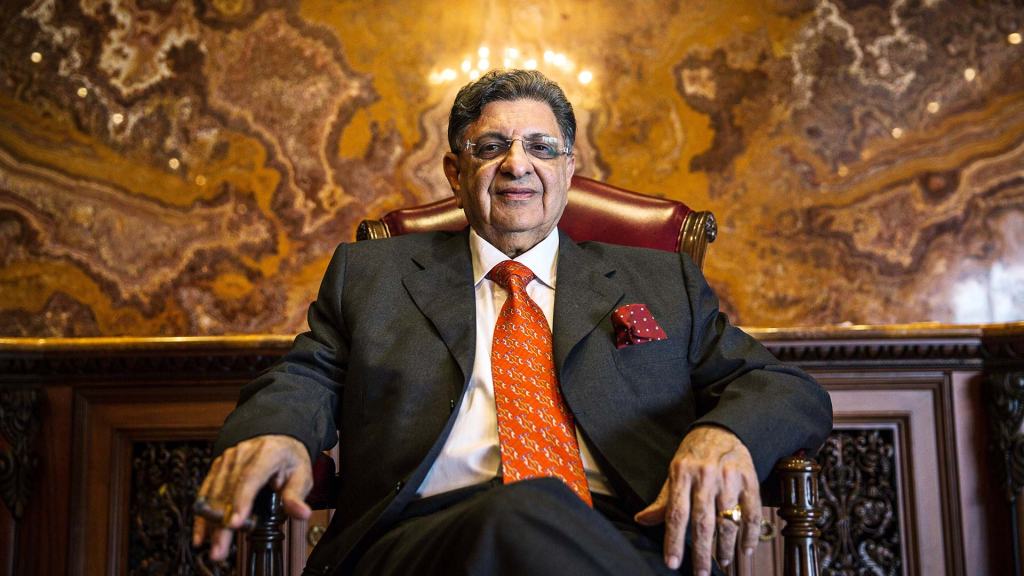
Cyrus Poonawala to receive Lokmanya Tilak Award

The founder of the Serum Institute of India (SII) in Pune, businessman Cyrus Poonawalla has been named the winner of the prestigious National Lokmanya Tilak Award 2021.He will be commended for his work during the COVID-19 pandemic and how his company helped save many lives by creating the Covishield vaccine and then making provided the medicine to the citizens of the country at an affordable price.Although the awards ceremony takes place on August 1 each year on the anniversary of the Freedom Fighter’s death, this epidemic-stricken year the award has been scheduled for August 13. The prize includes a cash prize of 1,00,000 rupees and souvenirs for the winners. The award was first presented in the year 1983. Winners include former Prime Minister Indira Gandhi, Dr. Manmohan Singh and Atal Bihari Vajpayee; Infosys founder NR Narayana Murthy and former President Pranab Mukherjee.

Cyrus poonawalla

Cyrus S. Poonawalla (born in 1941) is an Indian billionaire businessman, and the chairman & managing director of the Cyrus Poonawalla Group, which includes the Serum Institute of India, an Indian biotech company which is the largest vaccine manufacturer in the world. In 2021, he was ranked number eight on Forbes’ India rich list with a net worth of $12.7 billion. Poonwalla founded the Serum Institute of India in 1966 and built it to the largest vaccine manufacturer in the world by doses. Serum produces over 1.5 billion doses annually of a range of vaccines, including for measles, polio and flu. In May 2019, it was reported that Poonawalla, in partnership with Naum Koen, had proposed supplying Ukraine with 100 thousand doses of the measles vaccine for free vaccination.

Serum institute of India [SII]

Serum Institute of India (SII) is an Indian biotechnology and biopharmaceuticals company. It is the world’s largest manufacturer of vaccines located in the city of Pune, India and was founded by Cyrus Poonawalla in 1966. The company is a subsidiary of the holding company Poonawalla Investment and Industries. he company set out to produce immunobiologicals, which were imported into India at high prices. Among the first products the Serum Institute of India manufactured in large quantities were the tetanus antitoxin, snake antivenom, DPT vaccine, and MMR vaccine. The company’s product lines was expanded to include different types of vaccines against bacterial or virus infections, combination vaccines, influenza vaccine, and meningococcal vaccine. Besides vaccine the company also manufactures antisera, blood plasma, and hormone products. As of 2014 the vaccines manufactured by the Serum Institute of India have been used in international vaccination programmes run by the World Health Organization (WHO), UNICEF, and the Pan American Health Organization (PAHO). Today the Serum Institute of India is run by the Poonawalla Group and engages in research, development, and manufacturing.

The company has partnered with the British-Swedish multinational pharmaceutical company AstraZeneca, which is developing AZD1222 (Covishield) in partnership with the University of Oxford. It is reported that Serum Institute of India would provide 100 million (10 crore) doses of the vaccine for India and other low and middle-income countries. This target was later increased to 1 billion doses by the end of 2021. It is estimated to be priced at ₹225 (around $3) per dose.In September 2020, trials were halted by DCGI after a volunteer in Oxford developed illness following vaccination, but were soon resumed after consent by the British regulators. In December 2020, the Serum Institute of India sought emergency approval for the vaccine developed with AstraZeneca which was approved a month later. In March 2021, an agreement was reached to supply some doses to the UK.

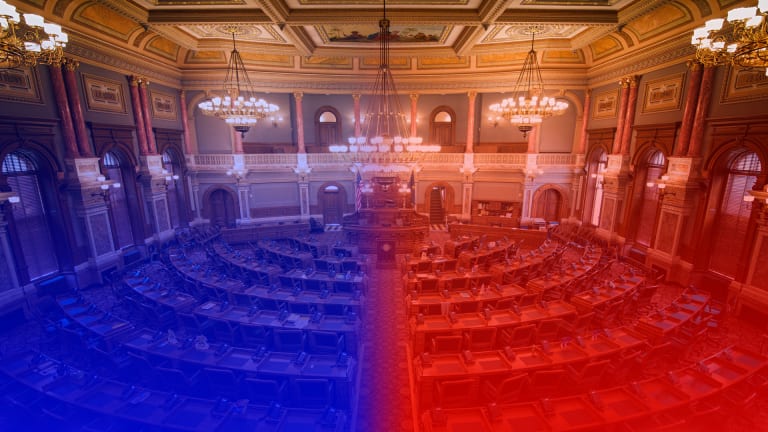
Left wing politics

Left-wing politics supports social equality and egalitarianism, often in opposition of social hierarchy. Left-wing politics typically involves a concern for those in society whom its adherents perceive as disadvantaged relative to others as well as a belief that there are unjustified inequalities that need to be reduced or abolished. According to emeritus professor of economics Barry Clark, left-wing supporters “claim that human development flourishes when individuals engage in cooperative, mutually respectful relations that can thrive only when excessive differences in status, power, and wealth are eliminated.

Within the left–right political spectrum, Left and Right were coined during the French Revolution, referring to the seating arrangement in the French Estates General. Those who sat on the left generally opposed the Ancien Régime and the Bourbon monarchy and supported the French Revolution, the creation of a democratic republic and the secularisation of society while those on the right were supportive of the traditional institutions of the Old Regime. Usage of the term Left became more prominent after the restoration of the French monarchy in 1815, when it was applied to the Independents.The word wing was first appended to Left and Right in the late 19th century, usually with disparaging intent, and left-wing was applied to those who were unorthodox in their religious or political views.

The term Left was later applied to a number of movements, especially republicanism in France during the 18th century, followed by socialism, including anarchism, communism, the labour movement, Marxism, social democracy and syndicalism in the 19th and 20th centuries.Since then, the term left-wing has been applied to a broad range of movements, including the civil rights movement, feminist movement, LGBT rights movement, anti-war movement and environmental movement as well as a wide range of political parties.

The terms “left” and “right” appeared during the French Revolution of 1789 when members of the National Assembly divided into supporters of the king to the president’s right and supporters of the revolution to his left.One deputy, the Baron de Gauville, explained: “We began to recognize each other: those who were loyal to religion and the king took up positions to the right of the chair so as to avoid the shouts, oaths, and indecencies that enjoyed free rein in the opposing camp”.

When the National Assembly was replaced in 1791 by a Legislative Assembly comprising entirely new members, the divisions continued. “Innovators” sat on the left, “moderates” gathered in the centre, while the “conscientious defenders of the constitution” found themselves sitting on the right, where the defenders of the Ancien Régime had previously gathered. When the succeeding National Convention met in 1792, the seating arrangement continued, but following the coup d’état of 2 June 1793 and the arrest of the Girondins the right side of the assembly was deserted and any remaining members who had sat there moved to the centre. However, following the Thermidorian Reaction of 1794 the members of the far-left were excluded and the method of seating was abolished. The new constitution included rules for the assembly that would “break up the party groups”.

The terms “left” and “right” were not used to refer to political ideology per se, but only to seating in the legislature. After 1848, the main opposing camps were the “democratic socialists” and the “reactionaries” who used red and white flags to identify their party affiliation. With the establishment of the Third Republic in 1871, the terms were adopted by political parties: the Republican Left, the Centre Right and the Centre Left (1871) and the Extreme Left (1876) and Radical Left (1881). The beliefs of the group called the Radical Left were actually closer to the Centre Left than the beliefs of those called the Extreme Left

Section “66A” of the IT act

Section 66A in The Information Technology Act, 2000

66A Punishment for sending offensive messages through communication service, etc. Any person who sends, by means of a computer resource or a communication device,-

[a], any information that is grossly offensive or has menacing character;

or(b) any information which he knows to be false, but for the purpose of causing annoyance, inconvenience, danger, obstruction, insult, injury, criminal intimidation, enmity, hatred or ill will, persistently by making use of such computer resource or a communication device;

or(c) any electronic mail or electronic mail message for the purpose of causing annoyance or inconvenience or to deceive or to mislead the addressee or recipient about the origin of such messages,shall be punishable with imprisonment for a term which may extend to three years and with fine.

For the purpose of this section, terms “electronic mail” and “electronic mail message” means a message or information created or transmitted or received on a computer, computer system, computer resource or communication device including attachments in text, image, audio, video and any other electronic record, which may be transmitted with the message.

Unconstitutional

Shreya Singhal v. Union of India is a judgement by a two-judge bench of the Supreme Court of India in 2015, on the issue of online speech and intermediary liability in India. The Supreme Court struck down Section 66A of the Information Technology Act, 2000, relating to restrictions on online speech, as unconstitutional on grounds of violating the freedom of speech guaranteed under Article 19(1)(a) of the Constitution of India. The Court further held that the Section was not saved by virtue of being a ‘reasonable restriction’ on the freedom of speech under Article 19(2). The Supreme Court also read down Section 79 and Rules under the Section. It held that online intermediaries would only be obligated to take down content on receiving an order from a court or government authority. The case is considered a watershed moment for online free speech in India.

Recent buzz

On July 5 this year, a Bench led by Justice Rohinton F. Nariman said it was “distressing,” “shocking” and “terrible” that people are still booked and tried under Section 66A even six years after the apex court struck down the provision as unconstitutional and a violation of free speech.NGO People’s Union of Civil Liberties, represented by senior advocate Sanjay Parikh and advocate Aparna Bhat, had drawn the court’s attention to the violations.Justice Nariman had authored the judgment trashing Section 66A in a petition filed by law student Shreya Singhal, who highlighted cases of young people being arrested and charged under the ambiguous provision for their social media posts.

“Section 66A of the IT Act has continued to be in use not only within police stations but also in cases before trial courts across India. This information was available on Zombie Tracker website, developed by a team of independent researchers… The findings of the website reveal that as on March 10, 2021, as many as 745 cases are still pending and active before district courts in 11 States, wherein the accused are being prosecuted for offences under Section 66A of the IT Act,” the PUCL has submitted.

Unnao rape case; Foul play in the allegations levelled

A Delhi Court has upheld the finding of the Central Bureau of Investigation (CBI) which ruled out any foul play in the 2019 car accident involving the Unnao rape case survivor.

The CBI concluded that there was no evidence regarding criminal conspiracy hatched among the accused persons, including expelled BJP MLA Kuldeep Singh Sengar, who is serving life imprisonment for raping the girl in 2017, with the driver of the truck, which collided with the car carrying the victims.

On July 28, 2019, the Unnao rape survivor, along with her two aunts, and a lawyer, were on their way to meet her uncle Mahesh Singh, who was lodged in Rai Bareilly Jail, when their car collided head on with a truck. The two aunts and the lawyer succumbed to the injuries.

Mr. Mahesh Singh, in his complaint, alleged that the accident was the result of a conspiracy hatched by Sengar along with his associates. He also alleged that in order to execute the conspiracy, the Personal Security Officers (PSOs) who were deployed with the rape victim and her family members were withdrawn which was why they were not accompanying the victims in the car.

District and Sessions Judge Dharmesh Sharma noted, “there was indeed a very diabolical background of the events that had taken place prior to the incident in question, but at the stage of considering taking of cognisance of offences allegedly committed by the accused persons, this court cannot be swayed by public sentiments, media reports nor the aspect of the conviction of accused Kuldeep Singh Sengar”.The court said that the initial investigation by the local police “appears to be tainted, lopsided and attempted to reach a conclusion hastily to pose the incident as a road side accident to please the superiors and the political masters”.

“Despite the fact that the investigation had been taken over by the CBI around 9 p.m. on July 30, 2019, the following day i.e., on July 31, 2019 a hasty conclusion was drawn thereby holding that the incident was a simple case of motor accident,” the court said.

However the acts of omissions, lapses and irregularities committed by the local police had caused no irreparable loss to the foundation of the prosecution, the court added.

“I have no hesitation in holding the findings of the CBI in the final report/charge sheet that there is no case against the accused persons so as to take cognisance and proceed against them under Section 302 (murder) and 307 (attempt to murder) of IPC r/w Section 120 B of IPC can not be faulted,” the judge said.

The court, further, said that merely because Sengar had been provided with a mobile phone “surreptitiously by the jail authority at Sitapur Jail would not invite an inference that he was involved in the planning the accident”.

It also said that the investigating agency did not find any “direct or remote connection” in the call details records of the accused persons “so as to suggest meeting of minds forging a common purpose and planning the collision of the truck with the ill-fated car”.The court, however, framed charges against the truck driver for causing death by rash and negligent driving, besides framing charges of criminal intimidation against Sengar and his associates.

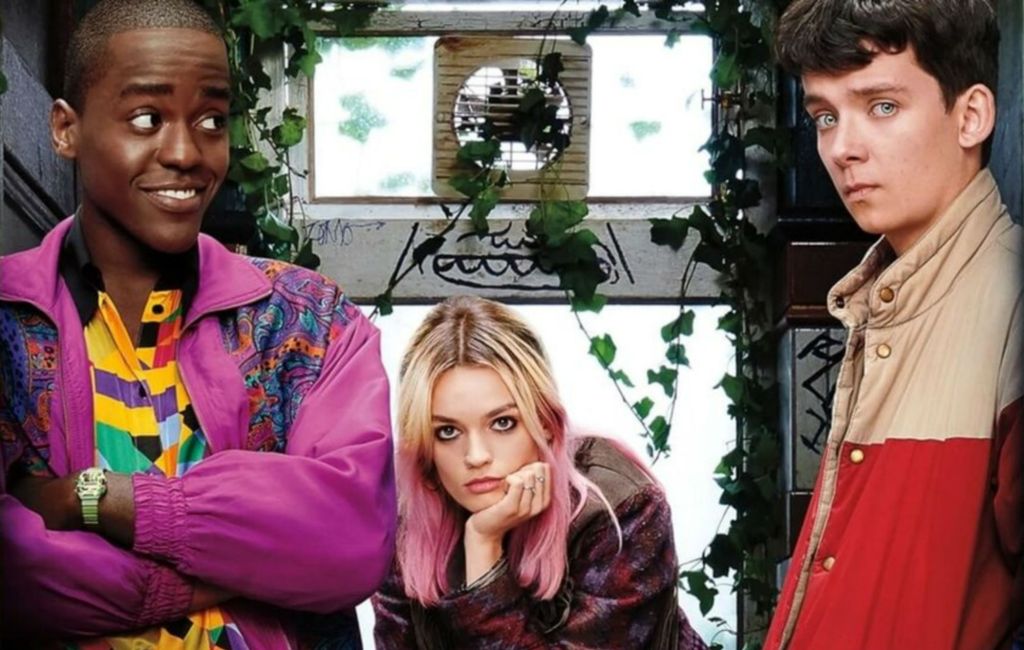
Watch “Sex Education” atleast once

“SEX EDUCATION” is a show on Netflix. Socially awkward high school student Otis may not have much experience in the lovemaking department, but he gets good guidance on the topic in his personal sex ed course — living with mom Jean, who is a sex therapist. Being surrounded by manuals, videos and tediously open conversations about sex, Otis has become a reluctant expert on the subject. When his classmates learn about his home life, Otis decides to use his insider knowledge to improve his status at school, so he teams with whip-smart bad girl Maeve to set up an underground sex therapy clinic to deal with their classmates’ problems. But through his analysis of teenage sexuality, Otis realizes that he may need some therapy of his own.

Every performer is wonderful, not least because the script is wonderful, playing the sex for laughs and the search for intimacy as something serious, good and noble. Not a single character is a cipher – even the smallest parts have a sketched backstory and some good gags. It’s all of a piece with the charm and generosity of spirit that suffuses the whole thing. Sex Education sets so many conventions cheerily but firmly aside that you feel like an entire forest of received wisdom is being clear-cut. Light floods in, new growth springs up. Such a sense of revelry and optimism abounds that you can feel it doing your heart and soul good as you watch. And all without missing a comic or emotional beat or deviating from its moral core, which urges us all to connect.

So welcome once more, Otis (and your newly excitable penis), Maeve with her troubles to seek, Jackson (Kedar Williams-Stirling) whose mental health plummets to new lows as his swimming career reaches new heights, Aimee through whose experience on a local bus the issue of sexual assault is channelled, and all the magnificent rest of you. Nobody does it better. In fact, nobody does anything quite like it at all.

Sex Education manages to achieve the best of both worlds; it’s a highly entertaining and often delightful binge watch that’s so good that the real world just melts away, but it’s also shockingly relatable and might wind up being a newfound source of hope to apply to real-world relationships.

First off, for those who might be in it for the sex, that’s definitely there. Frequent masterbation, fetishes, dirty talk, a variety of forms of experimentation – you name it, Sex Education probably has it. And the series rarely holds back when it comes to showing such acts. No, it doesn’t cross the line of its maturity rating by getting unnecessarily graphic, but it does make a point to lean into the grounded awkwardness one might experience when going into new sexual territory. Sex Education also rocks a playful tone with these scenes, successfully suggesting that there’s no reason to feel ashamed if you’ve found yourself in a similar predicament.

The show also doesn’t hold back when it comes to tackling weighty topics either. There’s an especially powerful episode about abortion early on in Season 1 that absolutely blew me away with how it took the time to make the experience so deeply personal for a number of characters, whether it’s someone who’s going through the procedure or the one who’ll be there to walk them home after. There’s also a sexual assault storyline in Season 2 that’s completely different from anything I’ve ever seen on screen before. Rather than limit that particular plot point to a select few episodes, it reverberates from Episode 3 on, taking the time to show the possible stages of experiencing such trauma and how one can come to terms with it.

Legal Positivism

Etymologically, The term positivism is derived from Latin ponerepositum, meaning “to put”. “Positive law” is that which is man-made, i.e., defined formally. Legal positivism is a school of thought of analytical jurisprudence developed largely by legal philosophers during the 18th and 19th centuries, such as Jeremy Bentham and John Austin.While Bentham and Austin developed legal positivist theory, empiricism provided the theoretical basis for such developments to occur. The most prominent legal positivist writer in English has been H. L. A. Hart, who, in 1958, found common usages of “positivism” as applied to law to include the contentions that:

  • laws are commands of human beings;
  • there is not any necessary relation between law and morality, that is, between law as it is and as it ought to be;
  • analysis (or study of the meaning) of legal concepts is worthwhile and is to be distinguished from history or sociology of law, as well as from criticism or appraisal of law, for example with regard to its moral value or to its social aims or functions;
  • a legal system is a closed, logical system in which correct decisions can be deduced from predetermined legal rules without reference to social considerations

Disagreement with Natural lawyers

Historically, legal positivism is in opposition to natural law’s theories of jurisprudence, with particular disagreement surrounding the natural lawyer’s claim that there is a necessary connection between law and morality.

SOURCE OF LAW, ACCORDING TO LEGAL POSTIVISTS

In the positivist opinion, the source of a law is the establishment of that law by some legal authority which is recognised socially. The merits of a law are a separate issue: it may be a ‘bad law’ by some standard, but if it was added to the system by a legitimate authority, it is still a law.

In the The Stanford Encyclopedia of Philosophy it is mentioned that;According to positivism, law is a matter of what has been posited (ordered, decided, practiced, tolerated, etc.); as we might say in a more modern idiom, positivism is the view that law is a social construction.”

Legal positivism does not claim that the laws so identified should be obeyed, or that necessarily there is value in having clear, identifiable rules. The laws of a legal system may be quite unjust, and the state may be quite illegitimate; as a result, there may be no obligation to obey them. Moreover, the fact that a law has been identified by a court as valid does not provide any guidance as to whether the court should apply it in a particular case.

As John Gardner has said, legal positivism is “normatively inert”; it is a theory of law, not a theory of legal practice, adjudication, or political obligation. Legal positivists believe that intellectual clarity is best achieved by leaving these questions for separate investigation.

Antecedents of legal positivism

The main antecedent of legal positivism is Empiricism, the thinkers of which range back as far as Sextus Empiricus, Thomas Hobbes, John Locke, George Berkeley, David Hume, and Auguste Comte. The main idea of empiricism is the claim that all knowledge of fact must be validated by sense experience or be inferred from propositions derived unambiguously from sense data. Further, empiricism is in opposition to metaphysics; for instance, Hume rejected metaphysics as mere speculation beyond what can be learnt from sense experience

Vandalism cannot be neutralised by claiming immunity

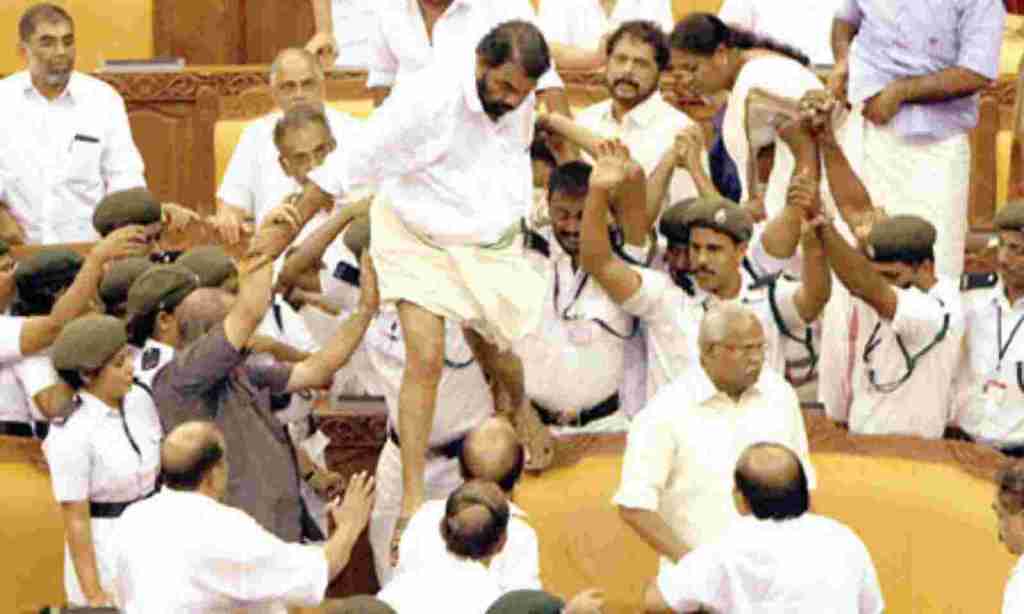
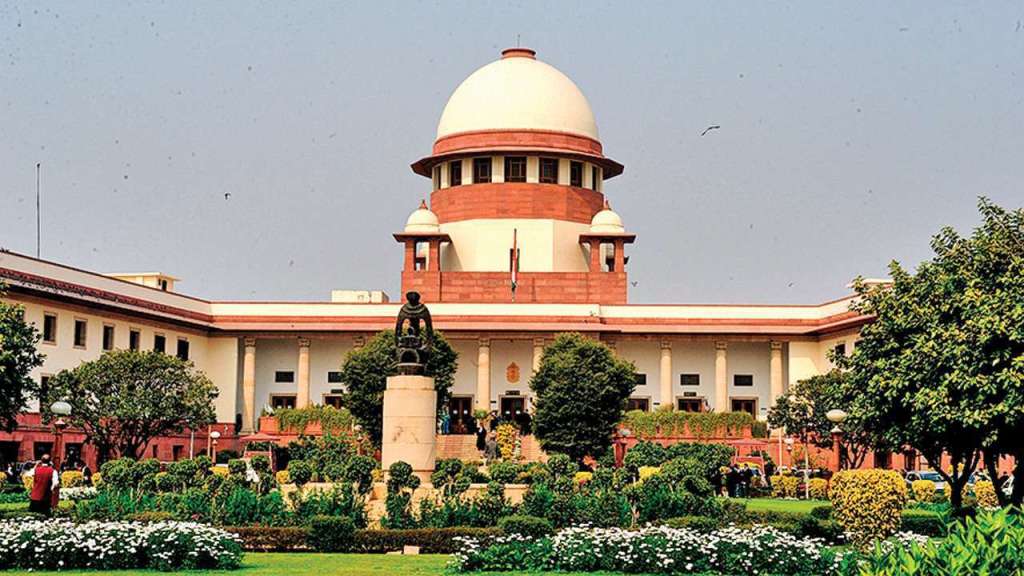
The Supreme Court on Wednesday held that legislators who indulge in vandalism and general mayhem cannot claim parliamentary privilege and immunity from criminal prosecution while dismissing appeals by Kerala government and ruling Left Democratic Front (LDF) to withdraw a criminal case against their leaders who destroyed public property and disrupted a Budget speech on the State Assembly floor in 2015.

“Parliamentary privileges and immunities are not ‘gateways’ for legislators to claim exception from the law of the land, especially criminal law,” a Bench of Justices D.Y. Chandrachud and M.R. Shah observed in a judgment.

Vandalism on the Assembly floor could not be equated with the right to protest by Opposition legislators. Destruction of public property could not be equated with the exercise of freedom of speech.

Legislators should act within the parameters of the public trust imposed on them to do their duty. They had taken office swearing true allegiance to the Constitution. They had to uphold the sovereignty and integrity of India and had to perform the duty imposed on them by the people who elected them, it said.

It was definitely not for them to “betray the trust of the people” who elected them as law makers by engaging in wanton destruction of public property in the Assembly and then claim privilege and immunity from the very process of law. That was like missing the woods for the trees, the Supreme Court noted. Engaging in acts of violence inside the Assembly could hardly be in the “larger public interest” or be considered as “legitimate” protests, as claimed by the State government and the accused leaders.

The Chief Judicial Magistrate, Thiruvananthapuram, was justified in declining the Public Prosecutor’s application to withdraw the criminal case against the accused LDF leaders, one of them being the current State Education Minister, V. Sivankutty. The Supreme Court agreed with the Magistrate’s view that the application for withdrawal was not made in good faith. Criminal law must take its normal course, the court ordered.

The State government and the accused LDF leaders, who were in the Opposition in 2015, had claimed parliamentary privilege, arguing that the incident occurred inside the Assembly hall. They had claimed immunity from criminal prosecution. They had argued that the prior sanction of the Speaker was necessary before the registration of an FIR by the police.

The televised images from the day of the incident show legislators come to blows on the House floor and hurl chairs, computers and other public property soon after Finance Minister K.M. Mani began his budget speech during the UDF government’s tenure. The MLAs are facing charges of criminal trespass, mischief and destruction of public property.

“MLAs only have parliamentary privileges and immunities essential for doing their duty,” Justice Chandrachud responded. The court said breaking chairs and indulging in destruction of public property on the Assembly floor could not be said to be an ‘essential function’.

“MLAs do not stand above the general application of law,” Justice Chandrachud observed in the judgment.

The Supreme Court had reserved its judgment in the case on July 15. The State and the accused persons had appealed against a High Court order which confirmed the Magistrate’s decision to refuse the Prosecutor permission to withdraw the criminal case.

The Supreme Court had consistently taken a strong prima facie view against the conduct of the MLAs. Justice Chandrachud had said these legislators ought to face trial or there would be “absolutely no deterrent to this kind of behaviour”.

The Public Prosecutor’s application to withdraw the cases was dismissed by the Thiruvananthapuram Chief Judicial Magistrate on September 22, last year. The Magistrate had concluded that the request was made “without good faith and under external influence”. The High Court had confirmed the Magistrate’s decision in March.

Vaccination for children to commence from August

Vaccination of children against COVID-19 may start as early as August, Union Health Minister Mansukh Mandaviya told a meeting of the BJP parliamentary party on Tuesday.

India was on its way to becoming the largest producer of vaccines as his Ministry would expedite more licences to Indian companies, he stated. He also spoke about the government’s efforts to fight COVID-19 and ramp up vaccination.

The Minister’s statements are in line with what the government told the Delhi High Court in early July that vaccines for adolescents between the ages of 12-18 would be available soon, as trials were under various stages and that a policy to regulate the vaccination programme would be spelt out soon.

Giving more details about this, Lav Aggarwal, Joint Secretary, Health Ministry, said at a press conference that both Bharat Biotech’s Covaxvin and Zydus Cadila’s DNA vaccines for the 12-18 age group were being looked into. “Final trial results are awaited and after due scrutiny, the vaccines will be made available for children. We hope to make the vaccine available in the near future,’’ he added.

A senior Health Ministry official said that while the Pfizer- BioNTech mRNA vaccine had been tested and approved in the European Union for use in adolescents aged 12-15, India was looking at an indigenous vaccine. “The exact timeline for this vaccine’s procurement and the quantity available is still not certain, so details can be given out only after the fine print has been decided upon,’’ he stated.

All India Institute of Medical Sciences head Randeep Guleria had advocated the resumption of physical classes of primary schools if vaccination was successfully able to cover those associated with school activities. He had said that while vaccination of children will be a milestone, children mostly have mild infections and some even are asymptomatic.

“They, however, can be carriers of the infection, which is dangerous for the medically compromised section of society. Currently, while Zydus has already done the trials, Covaxin trials should be over by August or September, and by that time, we should get an approval and roll out the vaccine for children,’’ he noted.

The U.S. Food and Drug Administration (FDA) previously gave Pfizer-BioNTech vaccine emergency use authorisation for children. This vaccine requires two injections given 21 days apart. The European medicines’ watchdog has also approved the use of Moderna’s vaccine for children aged 12 to 17.

Suresh Kumar Panuganti, consultant peadiatric critical care, Yashoda Hospitals, Hyderabad, said prevention is better than cure and various diseases could be prevented in children by using vaccines.

Dr. (Maj.) Manish Mannan, HoD, Peadiatrics and Neonatology, Paras Hospitals, Gurgaon, pointed out that vaccines have a great role in preventing the severity of illness, comorbidity and mortality.

“Vaccination would be very helpful for the safety of the children and is very necessary. As announced, first the vaccination will be given to 12-18 year old kids and then it will followed with other age group of kids depending upon the effectiveness, adverse effects and reaction, if any. In this pandemic, if vaccination is available, one should surely get it,’’ he asserted.

Dr. Mannan noted that the vaccines which were made available underwent a lot of process before being made available to the public. “All the vaccines’ efficacy are tested and all of them will play a great role in reducing the severity of conditions. It is not correct to say that a 3rd wave will effect kids largely. Most of the children are already exposed to the disease but vaccination would be helpful,’’ he added.

Plea for south bench of the Supreme Court

Bar Council heads of the southern States including Telangana, Andhra Pradesh, Tamil Nadu, Kerala, and Karnataka have appealed to Vice-President M. Venkaiah Naidu, and the Chief Justice of India N.V. Ramana to consider setting up the long pending demand of a Supreme Court bench in the south on Monday.

The delegation consisting of TS BC chairman A. Narasimha Reddy, AP BC chief G. Rama Rao, TN BC chief P.S. Amal Raj, Karnataka BC chief L. Srinivasa Babu, Kerala BC chief K.N Anil Kumar along with ex-MLC N. Ramchander Rao met both the dignitaries at Delhi where they presented a memorandum highlighting the need for such a step listing out the advantages. Pointing out that there were 65,000 cases pending in the SC, they argued for immediate reforms like establishing permanent regional centres of the Apex Court for the north, south, east and west at Delhi, Kolkata, Chennai and Mumbai as it was the need of the hour to ensure accessible and speedy justice to the people. Over the decades, several standing committees of the Parliament, Law Commissions, Bar Councils and several others have made several representations in this regard. In fact, the Law Commission in 2009 recommended setting up of a Constitution Bench with seven judges in Delhi and four Cessation Benches in Chennai/Hyderabad, Mumbai and Kolkata with four to six judges each. These were to work as appellate courts arising out of orders of the SC.

Though this was rejected in 2010 by SC the time has come to revisit this, they asserted. They also stated that Article 130 of the Constitution empowers the CJ to constitute with the consent of the President these regional benches. It would not only allow common people who cannot afford to make trips to Delhi to appeal to the highest courts but will also open up opportunities for the legal fraternity besides helping in reducing the pendency of cases in the courts.

“The present system of working of the SC needs to be changed if the delayed justice notion is to be changed,” they said and claimed in a press release later in the evening that both the VP and CJ had “responded positively”.

Words of the former law minister; Ravi Shankar Prasad

Law Minister Ravi Shankar Prasad, in a letter to Rajya Sabha member and Marumalarchi Dravida Munnetra Kazhagam (MDMK) chief Vaiko, said that though the matter of setting up a Southern Bench of the Supreme Court of India is pending in the top court, the issue has so far not found favour. The letter, dated February 12, responded to a query raised by Mr. Vaiko in Parliament, in which he asked if a Bench of the Supreme Court of India can be set up in south India.

“As as you must be aware, according to Article 130 of the Constitution, the Supreme Court shall sit in Delhi or in any other place or places as the Chief Justice of India may, with the approval of the President of India, from time to time, appoint. Representations have been received at various times from various quarters for the establishment of Benches of the Supreme Court in various parts of the country,” Mr. Prasad said in his letter.

BS Yeduriyappa resigns

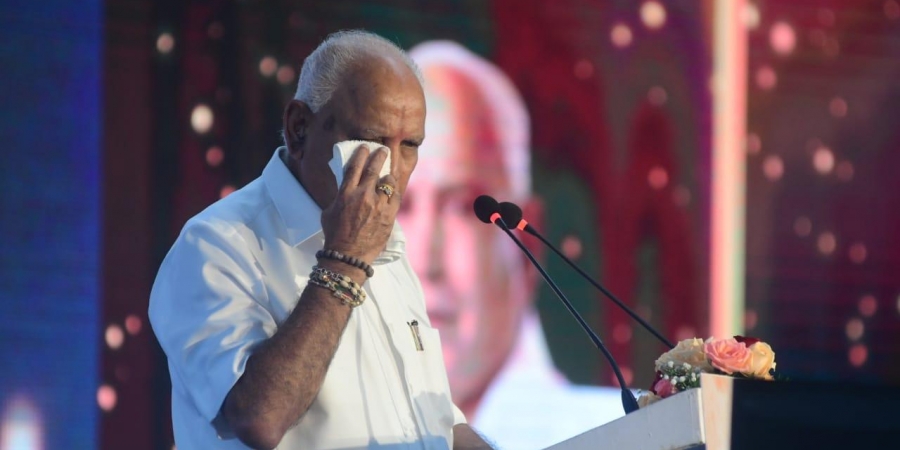
At a two-year celebration of his government, today Karnataka Chief Minister, BS Yediyurappa announced his resignation. This announcement ends the weeks of speculation floating around regarding calls for his removal by a BJP section in the state. On Monday, BS Yediyurappa (78) was seen breaking down on the stage from where he made the announcement of his resignation. Yediyurappa denied leaving the BJP and said he would continue to serve the party as a worker.Meanwhile, the BJP has decided to send a team of observers to Bengaluru who will convene the legislative party meeting to elect the next chief minister. Until then, BS Yediyurappa will continue to serve as caretaker chief minister of Karnataka.The BJP high command wants fresh faces in the renewed Karnataka Cabinet, sources told India Today. This means that a number of senior ministers could be dropped from the state Cabinet. The BJP’s central leadership is also likely to replace at least two of the three deputy chief ministers in Karnataka – Govind Karajol, Ashwath Narayan and Laxman Sangappa Savadi.A BJP MLA hailing from the Scheduled Tribes (ST) community could be appointed as a deputy chief minister to Yediyurappa’s successor.

BJP national general secretary in charge of Karnataka and Rajasthan, Arun Singh, is slated to arrive in Bengaluru on Tuesday to stand in as a central observer. He could be accompanied by Union Minister Dharmendra Pradhan.Arun Singh told media outlets earlier on Monday that the BJP’s parliamentary board would take the final call on who will succeed Yediyurappa as chief minister of Karnataka.According to sources, no BJP MLA or minister has been summoned to New Delhi by the party high command as of yet.

Speaking on the resignation of BS Yediyurappa as Karnataka chief minister, former CM and Congress leader Siddaramaiah said, “There is no benefit for the common man if one corrupt CM is removed to make another corrupt as CM. Instead the whole BJP party, which is responsible for the miseries of people, should be ousted.”

Acting with full conscience

Addressing the media after submitting his resignation to the Governor, BS Yediyurappa said, “No pressure from (BJP) high command. I myself resigned. I’ve submitted it voluntarily.”

Yediyurappa denied on reports on becoming a Governor and he would continue to work as a BJP worker. “I want to thank the (Lingayat) seers who supported,” he said, urging the Lingayat seers to support the next Karnataka CM.

BS Yediyurappa reached Raj Bhavan to meet Governor Thawar Chand Gehlot to submit his resignation as the Karnataka chief minister. The Governor has accepted his resignation.

Addressing the Vidhan Soudha, Karnataka Chief Minister BS Yediyurappa said, “I’ve gone through agni pariksha always. For two months (in 2019) I didn’t get to make my Cabinet. There were floods and I roamed like a mad man. Later the Cabinet was formed.”

Central University in Ladakh

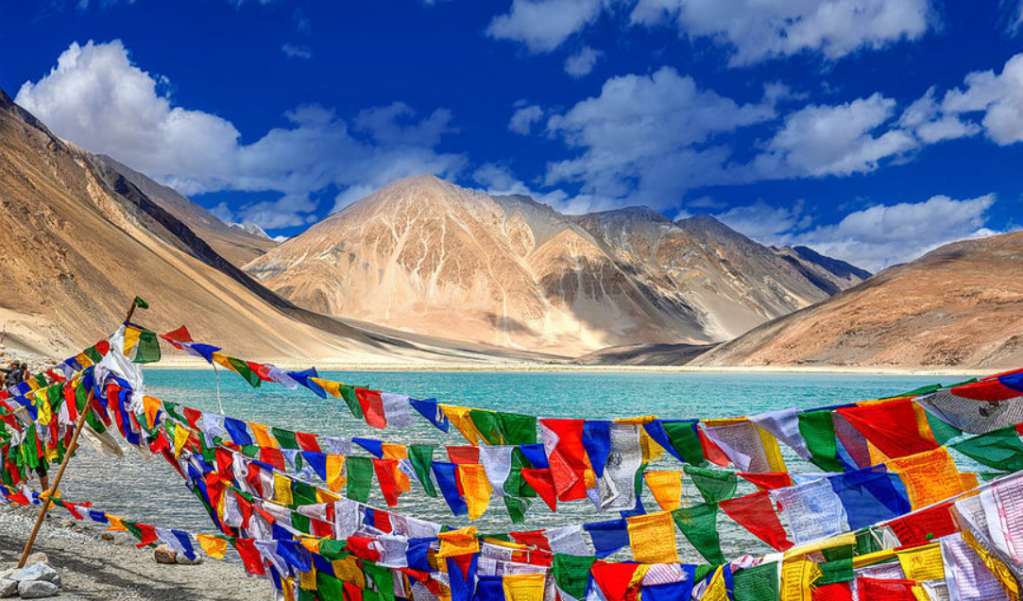
Ladakh – Ladakh is a region administered by India as a union territory, and constitutes a part of the larger Kashmir region, which has been the subject of dispute between India, Pakistan, and China since 1947.It was established on 31 October 2019, following the passage of the Jammu and Kashmir Reorganisation Act. Ladakh is bordered by the Tibet Autonomous Region to the east, the Indian state of Himachal Pradesh to the south, both the Indian-administered union territory of Jammu and Kashmir and the Pakistan-administered Gilgit-Baltistan to the west, and the southwest corner of Xinjiang across the Karakoram Pass in the far north. It extends from the Siachen Glacier in the Karakoram range to the north to the main Great Himalayas to the south. The eastern end, consisting of the uninhabited Aksai Chin plains, is claimed by the Indian Government as part of Ladakh, and has been under Chinese control since 1962.

The largest town in Ladakh is Leh, followed by Kargil, each of which headquarters a district.

Image coutesy – Northlines

State to UT

In February 2019, Ladakh became a separate Revenue and Administrative Division within Jammu and Kashmir, having previously been part of the Kashmir Division. As a division, Ladakh was granted its own Divisional Commissioner and Inspector General of Police.

Leh was initially chosen to be the headquarters of the new division however, following protests, it was announced that Leh and Kargil will jointly serve as the divisional headquarters, each hosting an Additional Divisional Commissioner to assist the Divisional Commissioner and Inspector General of Police who will spend half their time in each town.

In August 2019, the Government of India barred all broadband as well as mobile internet services in the region to prevent the deliberately fabricated falsehood on social media. In January 2020, 2G internet was resumed with no access to social media.

The lockdown started on 5 August 2019 following Revocation of the special status of Jammu and Kashmir via scrapping of the Article 370 of the Constitution of India, Article 35A of the Constitution of India and the introduction of Jammu and Kashmir Reorganisation Act, 2019. Since 5 August, no foreign journalists have been granted permission from the Indian government to report in Kashmir.

According to a September 6 report of the Indian government, nearly 4,000 people have been illegally arrested and detained in the disputed region. Among those arrested were more than 200 politicians, including two former chief ministers of Jammu and Kashmir (J&K), along with more than 100 leaders and activists from All Parties Hurriyat Conference.

The lockdown ended with the resumption of all communication services, allowing 4G and 3G Internet services, in early February 2021.

Central UNI

The Union Cabinet has given its approval of the formation of a Central University in Ladakh. This project cost for the formation of this university will be Rs 750 crore.

  • In four years the first phase of the university will be completed.
  • To facilitate the formation of Central University in Ladakh the bill for amending Central Universities Act, 2009 will be introduced.
  • Establishing this university will aid the propagation of higher education in this region.
  • The jurisdiction of this Central University will cover the entire region of Ladakh including Kargil and Leh

Other important announcements

  • The formation of an integrated multipurpose corporation was also announced by the cabinet. This corporation will shoulder development projects in Ladakh.
  • This corporation will also look after the development of tourism, industries, and various transport services in Ladakh as well as marketing of the regions handicrafts and local products.
  • This corporation will also aid in the development of infrastructure in this region and will as Ladakh’s the primary infrastructure construction agency.
  • This corporation will be formed under the Companies Act and will have an authorised share capital of Rs 25 crore with an annual outlay of Rs 2.42 crore.
  • This corporation will also create job opportunities in this region.