INDONESIA- THE WORLD’S LARGEST ISLAND COUNTRY

Let’s do a travel by my article

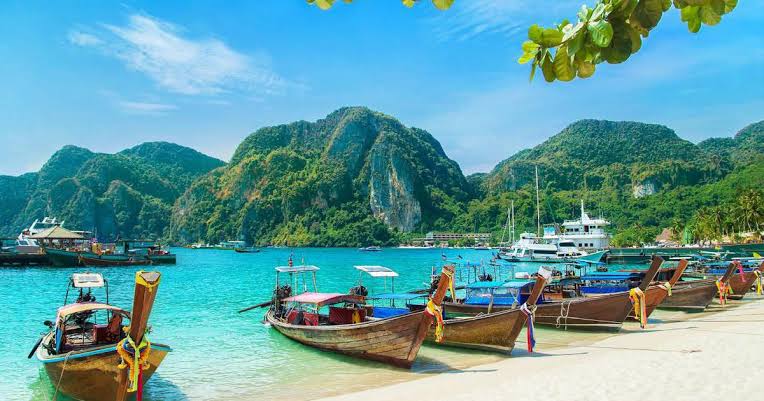
Officially Indonesia is a country in Southeast Asia and Oceania between the Indian and Pacific oceans.It is the world’s largest island country and the 14th-largest country by land area, at 1,904,569 square kilometres  which consists of over seventeen thousand islands, including Sumatra, Java, Sulawesi, and parts of Borneo and New Guinea.Indonesia is the world’s fourth-most populous country and the most populous Muslim-majority country. Jakarta is the capital of Indonesia and it is the world’s second-most populous urban area. 
HOW IS THE CLIMATE OF INDONESIA?

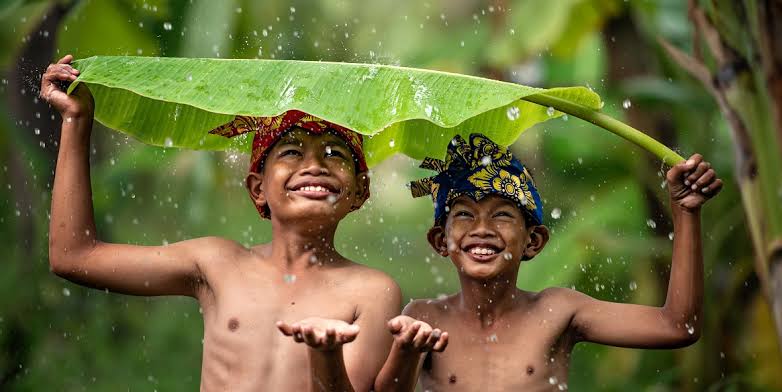
Basically Indonesia’s climate  is almost entirely tropical.The coastal plains’ climate is  average 28 °C, the inland and mountain areas are 26 °C, and the higher mountain regions, 23 °C. Temperature depends on the season, and through the change of seasons there is little change in the length of daylight hours.The main changeable thing is not Indonesia’s climate or air pressure, but rainfall. The area’s correlative humidity ranges between 70% and 90%. Although air temperature changes little from season to season or from one region to the next, cooler temperatures prevail at higher elevations. In general, temperatures drop approximately 1°C/90-meter increase in elevation.
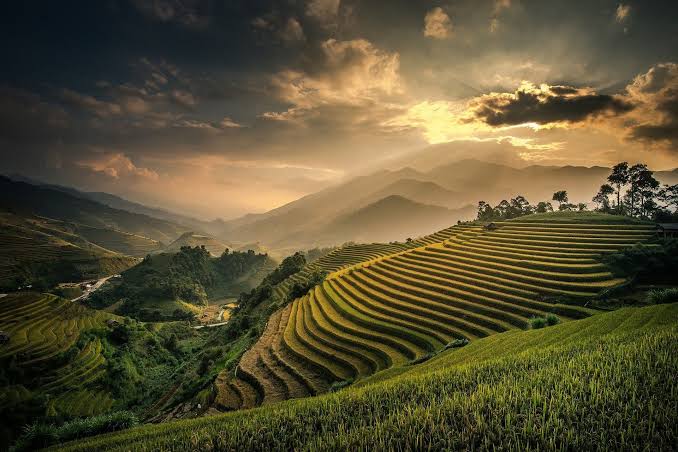
Indonesia is a  naturally tropical country, that’s why there are two seasons those are mainly Rainy and Dry, and it  does not have spring, summer, autumn, or winter. In most of the country (including Java and Bali) the dry season is from April to October, while the wet season is from November to March.
PLACES TO VISIT –

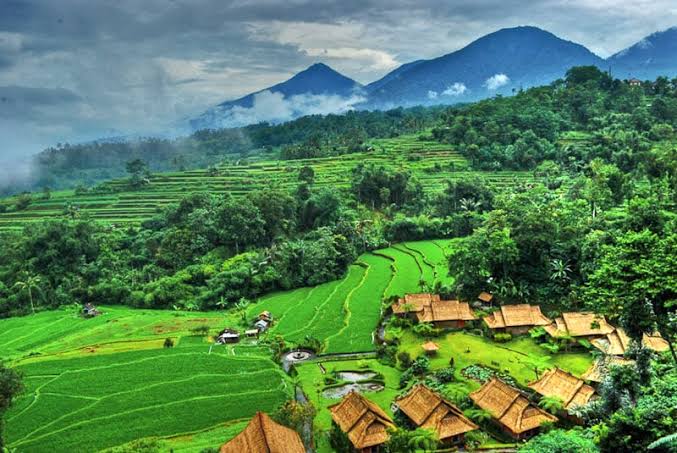
There are many places to visit and each and every one is very beautiful. Indonesia is one of the world’s most beautiful places to visit and the most visited holiday destination. Let’s find out by my article what makes Indonesia so interesting !! 

Gili Islands is for the best nightlife,Raja Ampat Islands for explore rare species of corals,Maluk Beach for witness the changing colors of sun rays,Kelimutu Lake for dramatic volcanic peaks,Lake Toba for largest caldera,Bunaken Marine Park for exotic range of fish species,Komodo National Park  for giant monitor lizards,Mount Bromo for the active volcano,Mount Rinjani which is the second highest volcano of indonesia,Ijen for mining activities,Dieng Plateau which is an abode of god,Torajaland which relishes the culture,Borobudur Temple which is the world’s biggest buddhist sanctuary,Ubud for hike through rainforests & rice paddy fields,Tanjung Puting National Park for trekking in tropical jungle,Derawan Islands for  relaxing & unwinding,Belitung for dutch colonial architecture,Nusa Dua for white sand beaches,Seminyak is the most happening place,Jakarta which is melting pot of cultures,Lombok is a stunning marine life,North Sulawesi is the best diving sites,Nusa Penida is offbeat yet spectacular,Bali which is cliche yet the best,Yogyakarta is a quaint little pretty place,Bandung is a different kind of calm,Bangka Islands is simply blissful and the Wae Rebo village is for iconic culture.
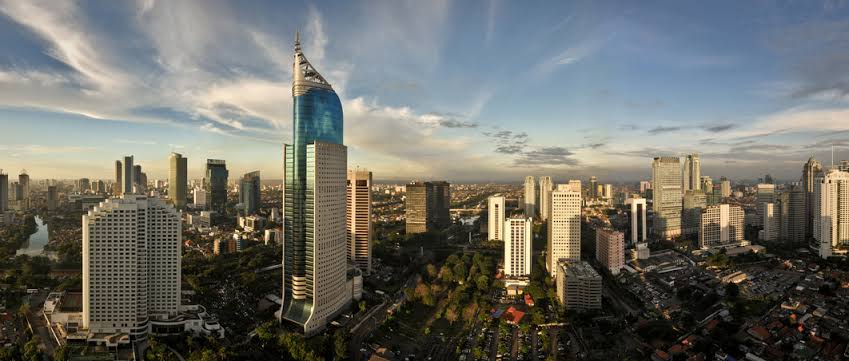
Indonesia city

LET’S TALK ABOUT 10 BEST PLACES IN INDONESIA-

  • Bali- Bali is the most desirable place in Indonesia. We can say it is a dream destination.  Bali is a fair of beautiful beaches, volcanic hills, lush rice paddies, and thousands upon thousands of Indonesian temples.It has the nickname “Island of God”.
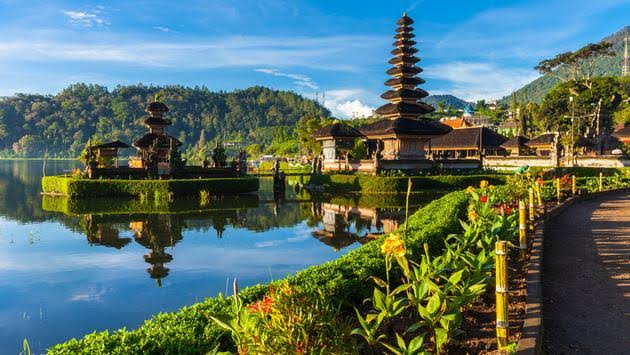
Bali
  • Yogyakarta- It is located on the Island of Java. Yogyakarta is regarded as an important centre for classical Javanese fine arts and culture such as ballet, batik textiles, drama, literature, music, poetry, silversmithing, visual arts, and wayang puppetry.
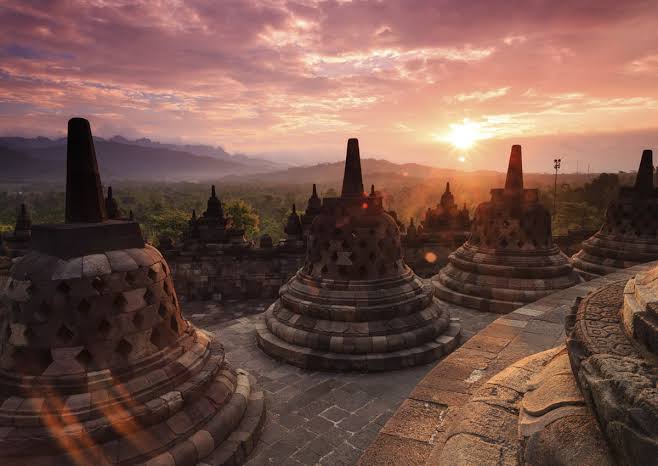
Yogyakarta
  • Komodo National Park-  It is a national park which is located within the Lesser Sunda Islands in the border region between the provinces of East Nusa Tenggara and West Nusa Tenggara. It is founded to protect the world’s largest lizard. Now it protects other species, including marine species. In 1991 UNESCO declared it a World Heritage Site.
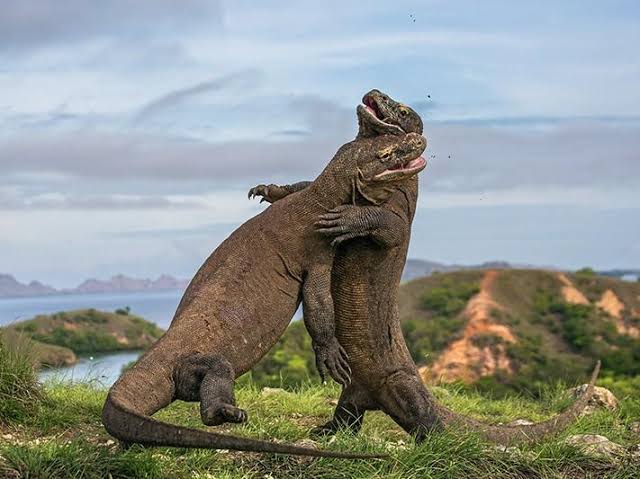
Komodo National Park
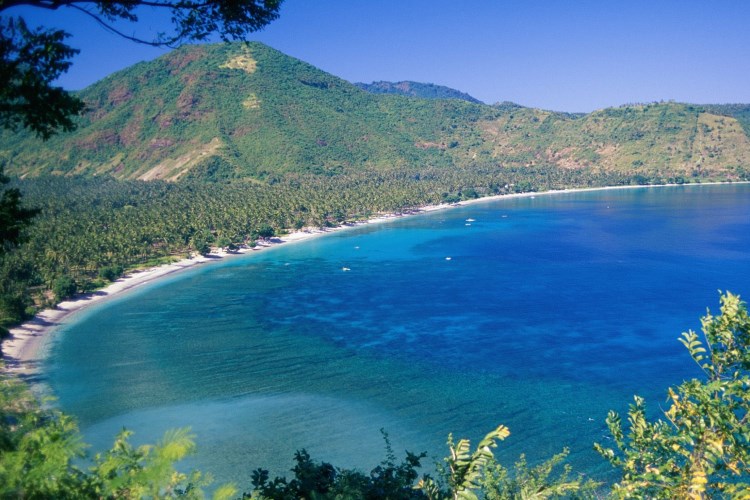
  • Lombok- It is an Island which is located in West Nusa Tenggara province.Lombok is surrounded by a number of smaller islands locally called Gili. Other interesting things are surfing hotspots, uncrowded beaches, and magical waterfalls tucked within steamy jungles, of which Tiu Kelep Waterfall tops the list without question.There’s also a fantastic nightlife scene.
  • Bromo Tengger Semeru National Park-  Bromo Tengger Semeru National Park, known locally as Taman Nasional Bromo Tengger Semeru (TNBTS) is a national park located in East Java. It is an ethereal yet barren wonderland of volcanic calderas seemingly continuously surrounded by smoke and clouds.
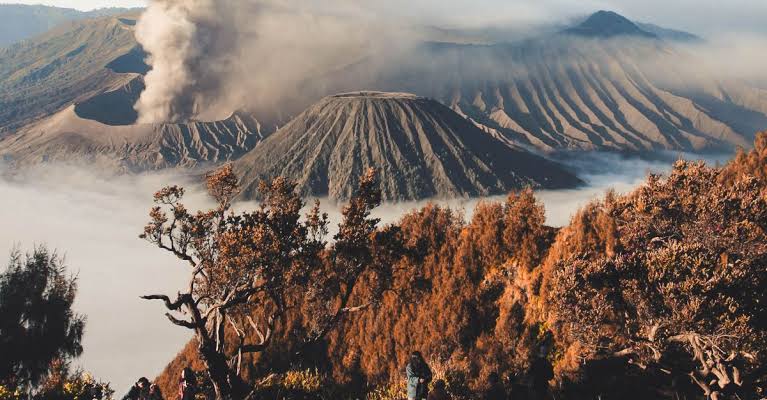
Bromo Tengger Semeru National Park
  • Bukit Lawang- It is a small tourist village on the bank of Bahorok River in North Sumatra province.Bukit Lawang is known for the largest animal sanctuary of Sumatran orangutan and also the main access point to the Gunung Leuser National Park from the east side.
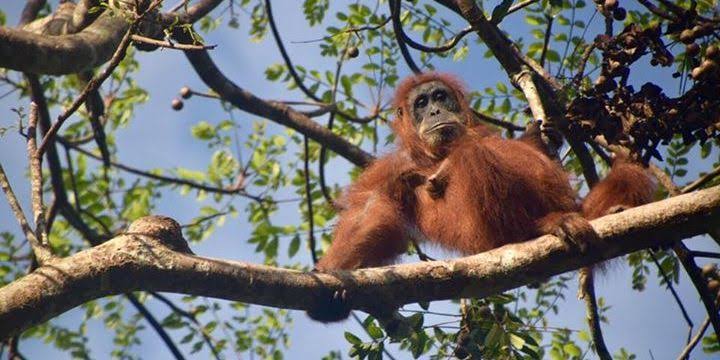
Bukit Lawang
  • Torajaland- Nickname is ‘the Land of the Heavenly Kings,’it is famous for their massive peaked-roof houses known as tongkonan and spectacular but gruesome funeral rites. After a person’s death, the body is often kept for several years until the actual funeral ceremony. The deceased is then finally buried in a small cave or in a hollow tree. The biggest funerals are usually held in the dry-season months of July and August, but there are funerals year-round.
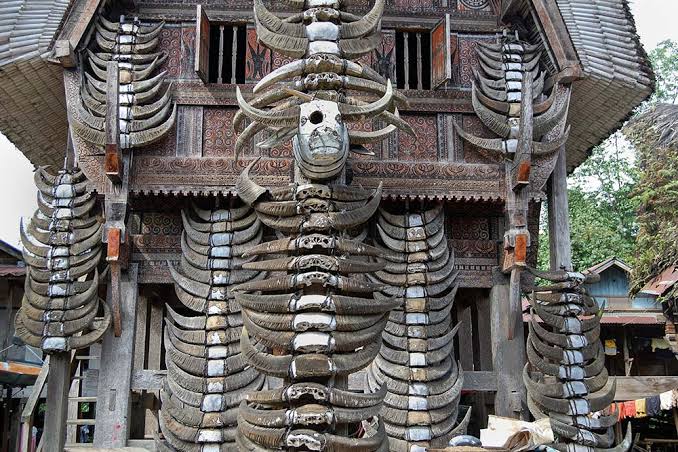
Torajaland
  • Flores Island- it is one of the Lesser Sunda Islands,The lakes are truly a sight to behold in every color you can think of – from browns and greens to aqua blue; colors caused by the minerals reacting to the gas of the region’s volcanoes. The Kelimutu three-colored lake is a must-see from the top of the volcano at sunrise.
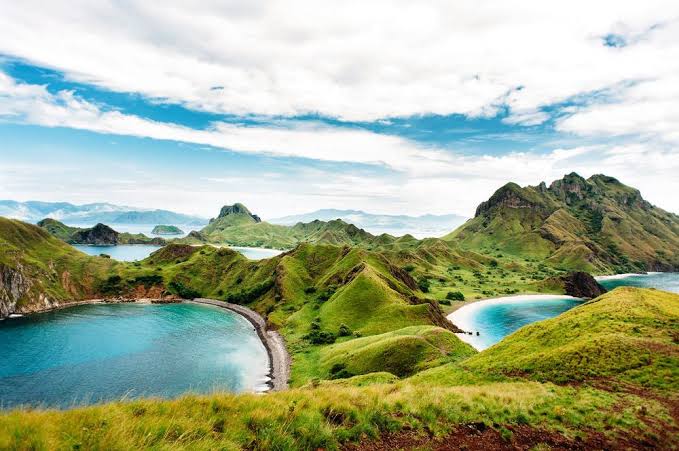
Flores Island
  • Tanjung Puting National Park- Located in the jungles of Borneo.The third-largest island in the world that’s part of Indonesia.
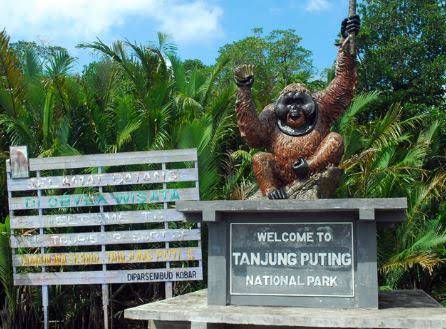
Tanjung Puting National Park
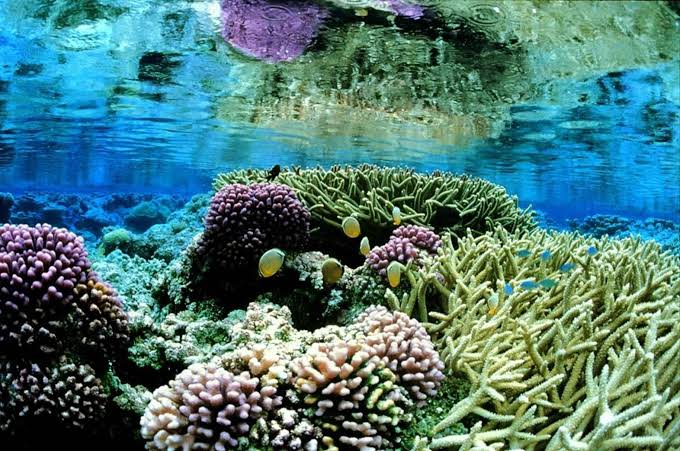
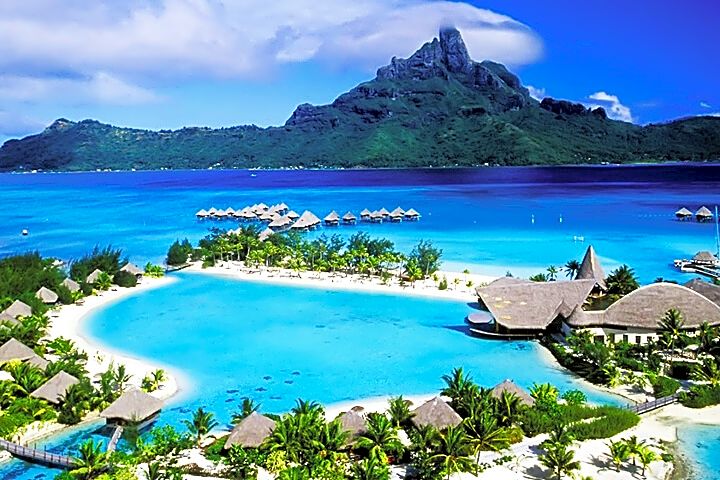
  • Raja Ampat Islands- Raja Ampat is one of the most sensational diving destinations in Indonesia. Raja Ampat, which means ‘Four Kings’. It consists of four major jungles.Clad islands surrounded by turquoise lagoons and pearly,white palm,fringed beaches like Waigeo,Salawati, Misool, and Batanta and along with thousands of smaller islands.
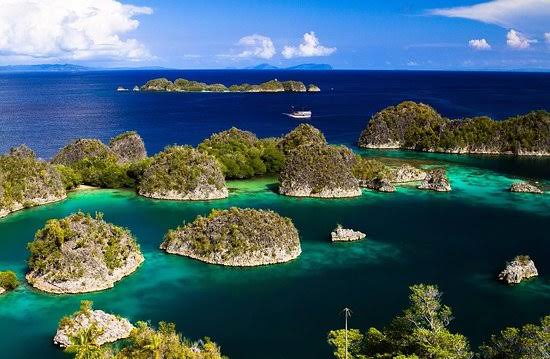
Raja Ampat Islands

THE ANDAMAN AND NICOBAR ISLANDS – FAIR OF NATURE AND VIEWS 

Andaman and Nicobar Island is a union territory of India which consists of 572 islands and 38 of them are inhabited. It is at the junction of the Bay of Bengal and the Andaman Sea. Port Blair is the capital and largest city.

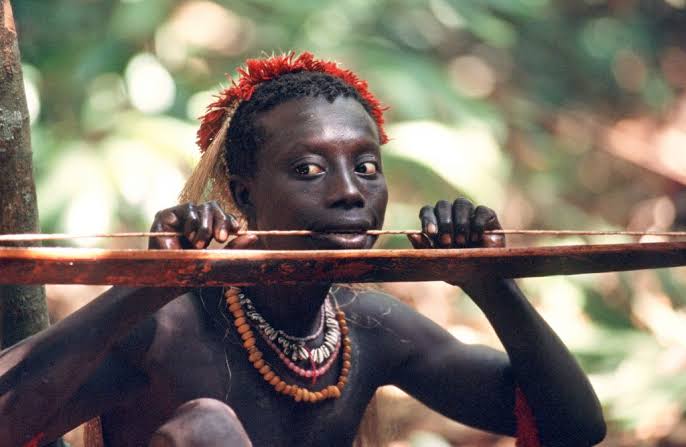
The territory is about three districts- the Nicobar District and its capital is Car Nicobar as its capital, the South Andaman district with Port Blair as its capital and the North and Middle Andaman district with Mayabunder as its capital.There are the Sentinelese, also known as the Sentinel, who are uncontacted tribe. 

NOW LET’S TAKE A TOUR OF THIS ISLAND BY MY ARTICLE-

The Sentinel

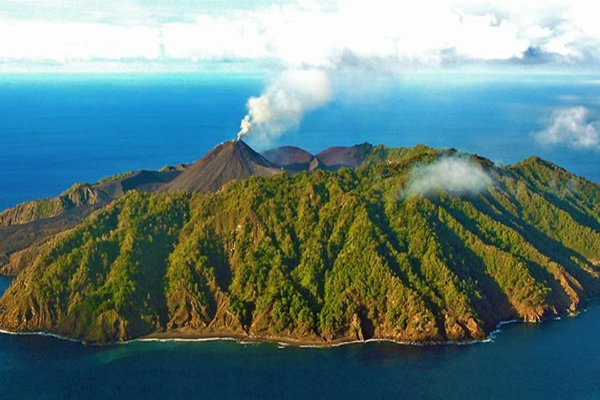
It is the place where India’s only one active volcano , Barren Island, is located, which had  last erupted in 2017. There is also a mud volcano situated in Baratang Island . In December 2018, Prime Minister Narendra Modi, renamed three of the islands as a tribute to Subhas Chandra Bose, Ross Island was renamed as Netaji Subhash Chandra Bose Islan, Neil Island as Shaheed Island, and Havelock Island as Swaraj Island.

THE TOURIST SPOTS –

There are many places to visit like – 

Andaman Nicobar Island

Havelock Island, Neil island, North Bay Island, Baratang Island, Viper Island, Ross and Smith Island, Cinque Island, Rutland Island, Mount Harriet National Park,Chidiya,Tapu,Rangat,Mayabunder,Diglipur,Aamkunj Beach,Dhaninallah Mangrove Nature Walkway/Walk,Panchavati Waterfalls,Cuthbert Beach,Cuthbert Bay Wildlife Sanctuary,Long island,Guitar Island,Merk Bay Beach,North Passage Island,Button islands,Lalaji Beach,Elephant Beach,Kalapathar,Jolly Buoy Island,Corbyn’s Cove Beach,Lamiya Bay Beach, Diglipur,Kalipur Beach,Ramnagar Beach, Neil Island,Ramnagar Beach, Diglipur,Pathi Level Beach,Alfred Caves,Little Andaman,Butler Bay Beach,Netaji Nagar Beach,Waterfalls at Little Andaman,White Surf and Whisper Wave,Little Andaman, Oil Palm Plantation,Stewart Island Beach,Rajiv Gandhi Water Sports Complex,Chatham Saw Mill,Anthropological Museum,Katchal Island,Karmatang Beach,Interview Island,Avis Island,Vijaynagar Beach,Limestone Caves of Baratang Island,Mud Volcanoes of Diglipur,The Parrot Island,Barren Island.

MOST VISITED PLACES- 

Port Blair
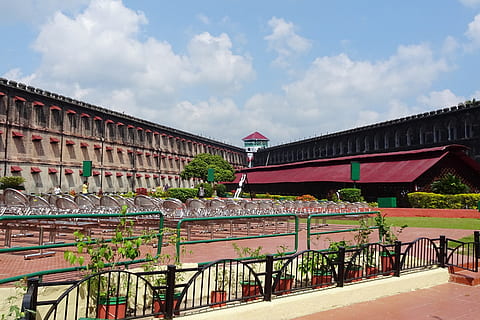
  • Port Blair- Port Blair serves as the entry point for visiting the Andaman and Nicobar Islands.The Cellular jail here is perhaps one of the most infamous remnants of India’s struggle for independence.
Havelock Island
  • Havelock Island-Havelock Island, officially Swaraj Island, is one of the largest islands.The island belongs to the Ritchie’s Archipelago and is located between Peel Island and Neill Island.
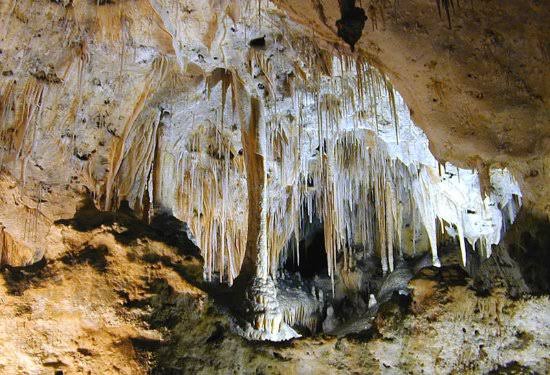
  • Baratang Island- It belongs to the North and Middle Andaman administrative district,The boat ride is covered with a canopy of the forest which is also a home to the indigenous ‘Jarawa’ tribe.The Limestone caves here will immediately gather your attention as the erosion have formed some unique shapes.
Batarang Island
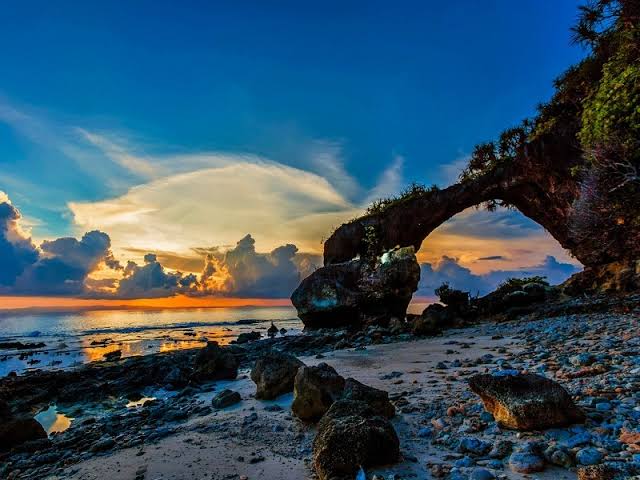
  • Neil Island- Neil Island is also known as the vegetable bowl of Andaman Islands.Because of the beauty of the reefs located here, Neil islands are often termed as the coral capital of Andaman.
Neil Island
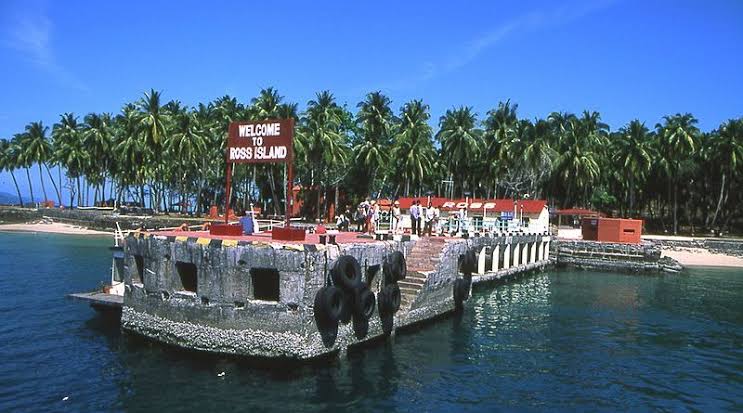
  • Ross Island- Netaji Subhas Chandra Bose Island, formerly known as Ross Island.Ross islands are famous for the ruins of Penal colony that precedes the cellular jail or the Kala pani.
Ross Island
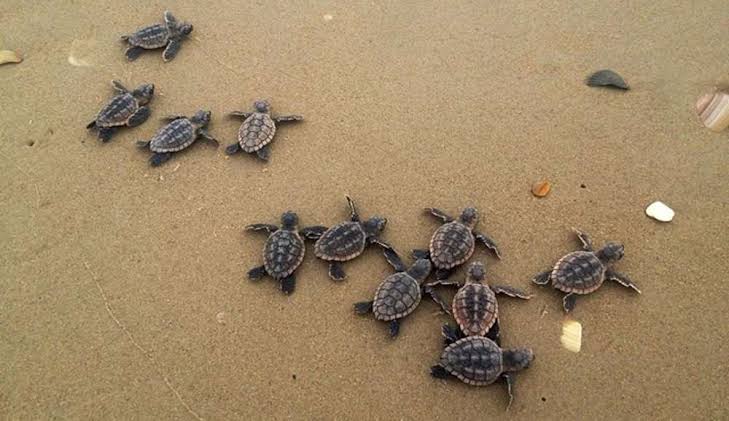
  • Rangat- It is  a town which is located on the Middle Andaman Island,The scenic beauty of Rangat is perfect for flora and fauna lovers.famous for Cuthbert Bay Beach, which is the breeding ground for turtles. These include olive ridley turtles, green sea turtles, hawksbill and leatherback turtles.
Rangat
  • The Great Nicobar Island- Great Nicobar is the southernmost and largest of the Nicobar Islands of India. It is famous for its ecological hotspot, wildlife, and nature. Main attractions are Great Nicobar Biosphere Reserve, Indira Point.
The Great Nicobar

Now it is your turn which place will be your favorite !!! 

DOOARS – A BEAUTIFUL TOURIST SPOT IN WEST BENGAL

The Terai Region

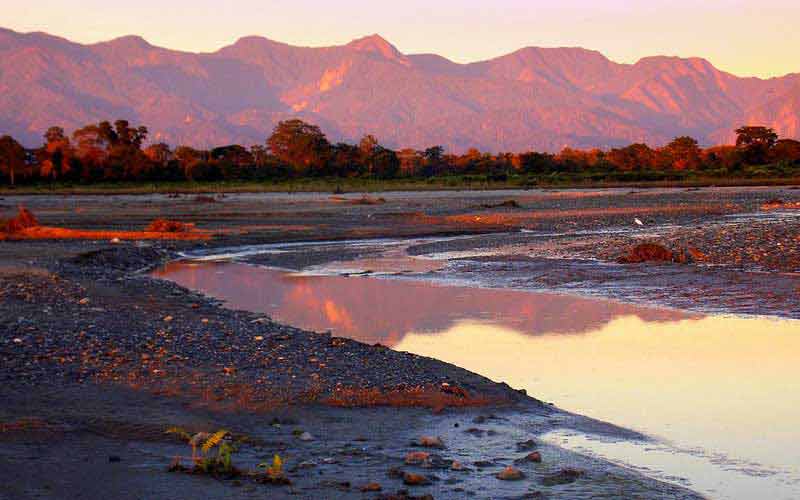
Looking for a small trip in West Bengal ? then I can suggest you to visit Dooars. It’s an amazing place. Actually it is an alluvial floodplain which is located in eastern-northestern India that lies south of the outer foothills of the Himalayas and north of the Brahmaputra River basin.

In Bengali,Maithili, Bhojpuri and Assamese language ‘Dooars’ means ‘door’.The name of Dooars came from the word ‘duar’ meaning door in those languages. This area serves a purpose of a gateway between India and Bhutan with 18 passages connecting these two countries that’s why it is named Dooars.This region is 30 km wide and stretches over about 350 km from the Teesta River in West Bengalto the Dhansiri River in Assam.

This region is spread within the whole area of Jalpaiguri and Alipurduar dist. This region is  spread within the whole area of Jalpaiguri and Alipurduar district and some areas of Cooch Behar in West Bengal and Dhubri, Goalpara, Kokrajhar, Bongaigaon, Barpeta district in Assam. There are two major rivers like Brahmaputra and Manas which continuously fertile the area. The other rivers also have a great contribution to the valley like, Teesta along with Torsa, Sankosh, Jaldhaka, Raidhak etc.

How is the Dooars – Winter is the best season for visiting Dooars, between September and May. One more interesting thing is the festivals in the Winter season. The festivals attracted more people to come at that time.The winter season is the witness of the colours, the enthusiasm, excitement and unity in the city celebrated in their unique ways. But for the offbeat travellers ,nature lovers and adventurers Monsoon is the most attractive season because it makes a paradise of a location for them. But Summer is not too perfect for travel.

Alipurduar

The places to visit- Dooars consists of many cities and towns. The largest cities in the region stretching from the Darjeeling foothills to the Arunachal Pradesh foothills are Siliguri and Jalpaiguri, which both partly lie in the Terai region rather than the Dooars, geographically. Actually, North Bengal’s cities are well connected with the rest of the country by air, road and rail. The other major cities are Kokrajhar, Bongaigaon, Goalpara, Barpeta and Dhubri in Assam. Cooch Behar, Alipurduar, Dhupguri, Malbazar, Mainaguri, Falakata and Birpara are the major cities of the Dooars in West Bengal, and Kishanganj in Bihar.

Buxa tiger reserve

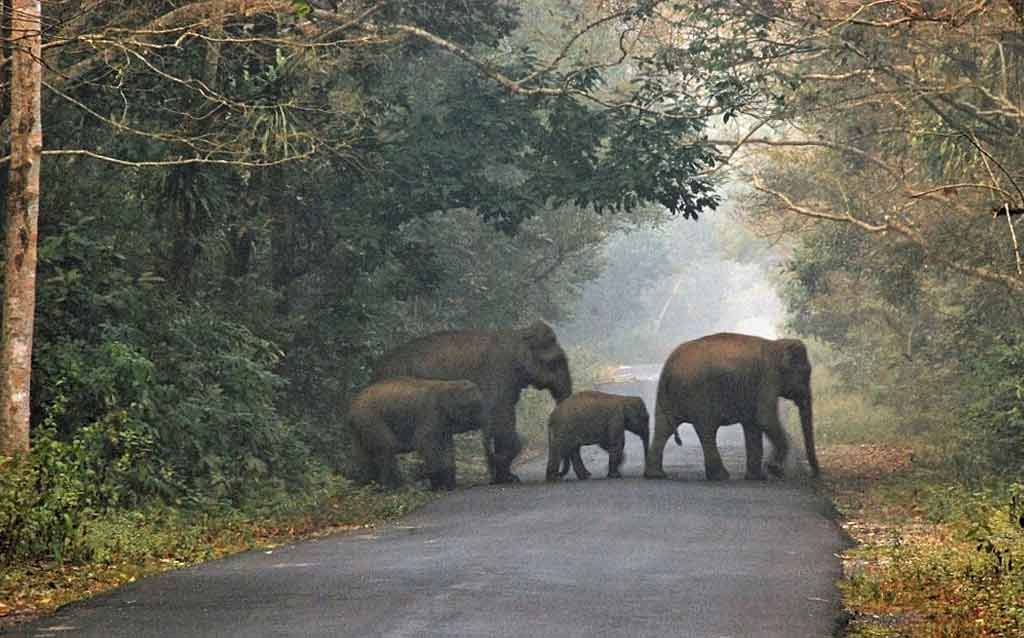
Dooars is well known for its wildlife.There are herds of deer, one-horned rhinos, elephants, guard and reptiles and the bird population here is an ornithologist’s delight. One more attraction is the Tiger reserve besides white water rafting, trekking and jungle safaris .

Gorumara National Park- It is located on the banks of river Murti, it is famous for the great Indian one-horned rhinoceros and the King cobra. Other animals are elephants, bison, leopards and reptiles. Trees like Teak, Simul, Siris, Khair and Sal abound in the forests with numerous birds.
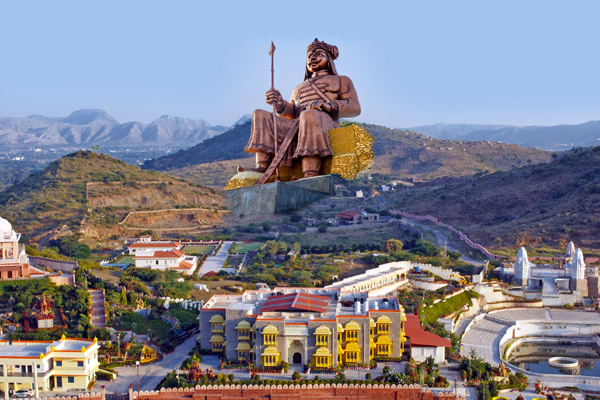
Chapamari wildlife park

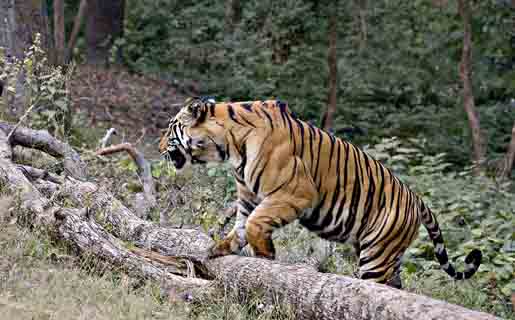
Buxa tiger reserve- It preserved the Royal Bengal Tiger and it is the crown gem of Dooars. There are  284 bird species inhabited in the reserve.Mammals present include Asian elephant, gaur, Sambar deer, clouded leopard, Indian leopard.

Alipurduar-  It is the gateway to Bhutan and the north-eastern states of India. The Chota Sinchula,the highest peak of Jalpaiguri, is located in Alipurduar from where you can view both the Buxa Hills and Bhutan Valley. 

Lava

Chapramari Wildlife Park- It is famous for elephants, gaur, spotted cheetah and sambar.there are also birds like green magpie, scarlet minivet, hill myna, Indian treepie and white-breasted kingfisher.

Samsing-  It is famous for the orange orchards and cardamom plantations. It is a nice and cool shady place.

Phuntsholing

Jaldapara Wildlife Sanctuary-  It has the largest population of the Indian one horned rhinoceros in the state.Another must watch is the Royal Bengal tiger. Reptiles like the Indian python, fresh-water turtles and geckos can also be found here. Elephant and jeep safaris inside the forest can be organised.

Lava- The climate of the town is usually very cold because of high altitude making it a perfect place for tourists during summer season.

Phuntsholing- It is the gateway to Bhutan from India. 

UDAIPUR- THE CITY OF LAKES

Let’s take a virtual tour with my article.

Sometimes it seems true that ‘I’ in India stands for ‘incredibility’. Yess! Udaipur is incredible. It is known as ‘the city of lakes’.In 1559, Udaipur was founded by Maharana Udai Singh (2nd) in the fertile circular Girwa Valley to the southwest of Nagda, on the Banas River. This city served as the capital of Mewar kingdom between 10th and 12th century. It is in the state of Rajasthan. 

CLIMATE OF UDAIPUR-

Basically Udaipur is a place of tropical climate.There are three main seasons, summer, monsoon and winter. The weather of the city is usually hot for being located in the desert land of Rajasthan. Iy is an area of 598m above sea level that’s why it has a sultry type of climate. It is the only one place in Rajasthan where the place is made hot in summer for the scorching sun and pleasant in winter.Summer runs from mid- March to June and July is the Monsoon season. Winter is actually a pleasant and beautiful season. In winter this city is relatively cold than summer but not too cold. The winter season runs from October to March. 

CULTURE OF UDAIPUR-

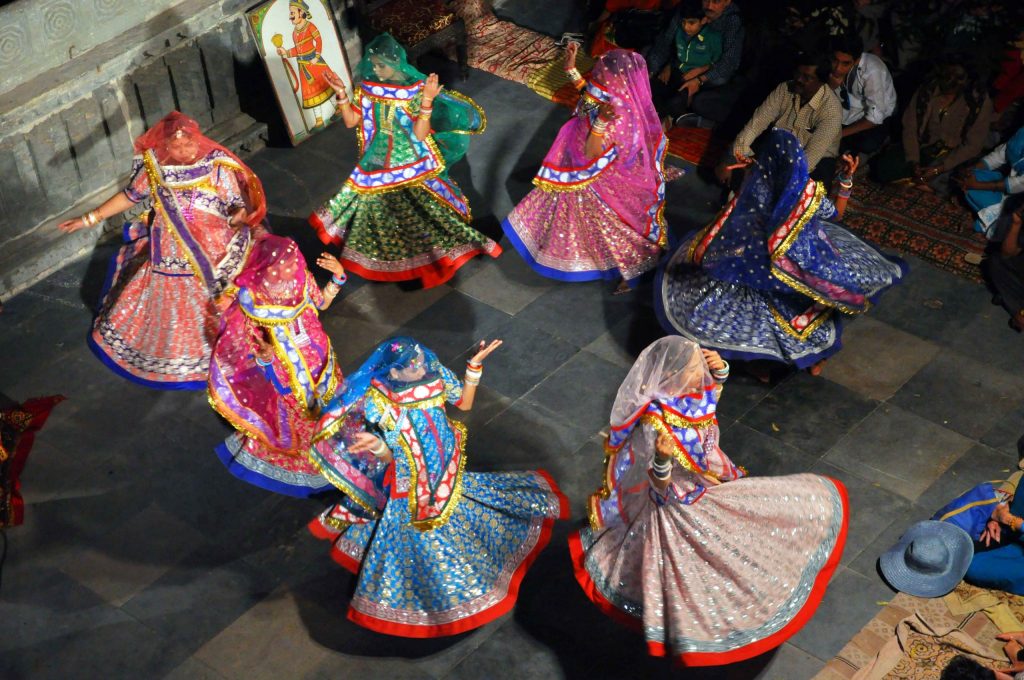
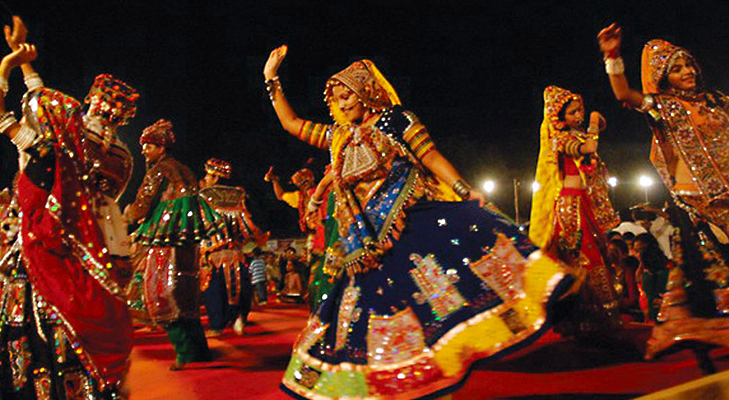
Udaipur is so colourful. It is the owner of the rich cultural heritage from the bygone ages. The lakes, temples, huge forts,and palaces maintain the culture. There is the Bhil tribe till now, so it’s possible that  we could see the people with typical colourful rajasthani dresses with silver jewelry. The colourful people, their colourful festivals and fairs delimitate the culture of Udaipur. The city has kept the balance between the past rituals and the modern advancements. The folk dance and music colored the culture and tradition more. Dance like- Ghoomar, Kalbelia,Bhavai, Kachchhi Ghodi and Terahtaali etc. 

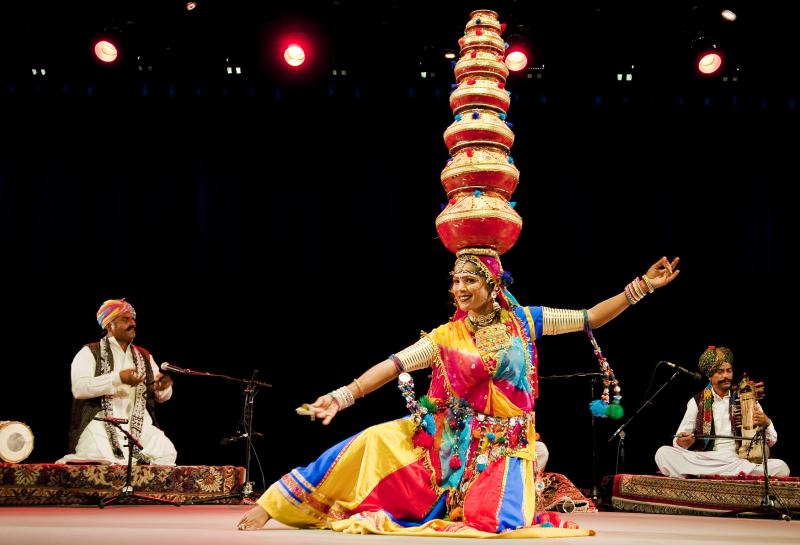
 Ghoomar or Ghumar is a traditional folk dance which was performed by the Bhil tribe to worship Goddess Saraswati. The veiled women who wear flowing dresses are called ghaghara,and chiefly perform this type of dance. It was ranked 4th in the list of “Top 10 local dances around the world” in 2013.The Kalbelia dance is an integral part of their culture and performed by men and women. In the Bhavai dance the male or female performers balance a number of earthen pots or brass/metal pitchers as they dance nimbly, pirouetting and then swaying with the soles of their feet perched on the top of a glass bottles, on the edge of the sword, on the rim of a brass/metal thali (plate) and on the broken glass during the performance. Kachchhi Ghodi is mainly performed during weddings to welcome the bride grooms party and it has an interesting novelty horse costume. And when we  come to the music, the dwellers of Udaipur find solace in the melodious music of Morchang, Naad, Tanpura, Sarangi and many other instruments that used to echo the courts of Mewar rulers.

FESTIVALS-

India’s most exciting and colourful part is its festival. Udaipur looks different during festivals. There are observed Mewar festival, Shilpgram festival, Diwali, Teej festival,Dussehra, Hariyali Amavasya, Gangur festival,Jagannath Ratha Yatra, Jal-Jhulni Ekadashi etc.

TOURIST SPOTS-

Udaipur is the city of lakes .It is a beautiful tourist spot. The main tourist spots are-

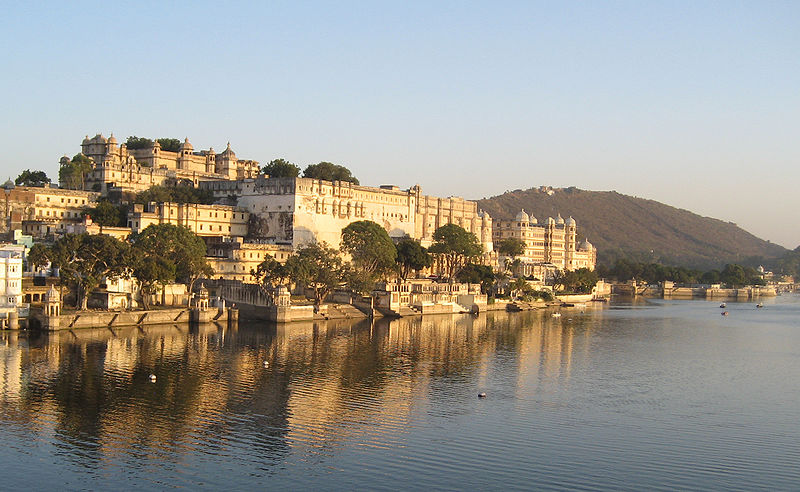
CITY PALACE, UDAIPUR- It is located on the east bank of Lake Pichola. Its main entrance is through the triple-arched gate. This gate leads to a series of courtyards, overlapping partitions, terraces, corridors and gardens. The palace now houses a museum with many antique articles, paintings, decorative furniture and utensils from the royal era. 

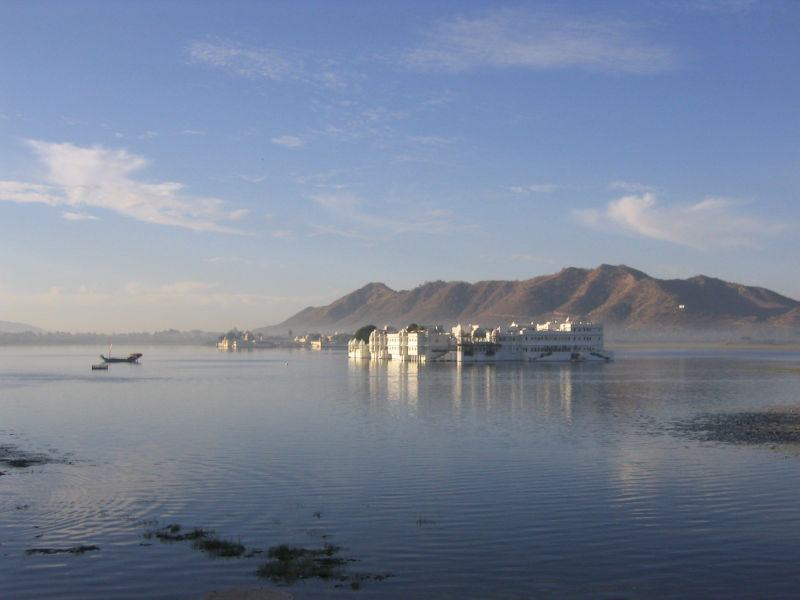
LAKE PALACE- It is located over an island in Lake Pichola and it served as a royal summer palace. It is made of white marble and it is now transferred into a 5 star hotel.

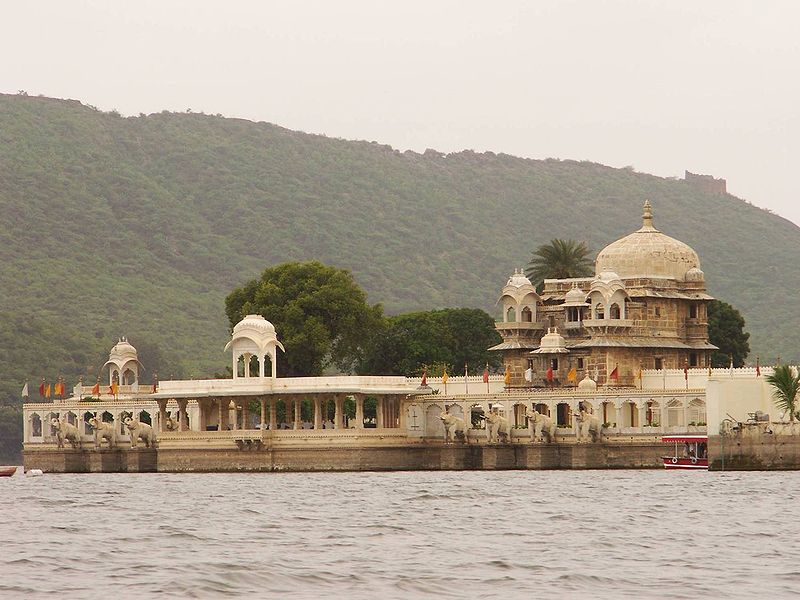
JAG MANDIR-  It is also located on Lake Pichola island. This is also known as ‘Lake Garden Palace’.  The royal family used the palace as a summer resort and pleasure palace.

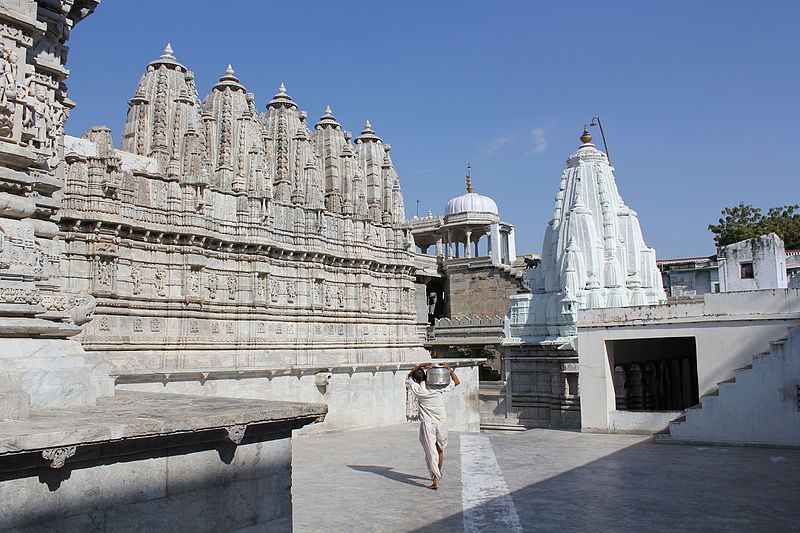
KESARIYAJI TEMPLE- The temple is dedicated to Lord Rishabh dev, the first Jain Tirthankara. The fifty-two pinnacles of the temple are seen from a long distance. The main idol in the temple is of Tirthankara Rishabha, carved in black stone in padmasana posture.

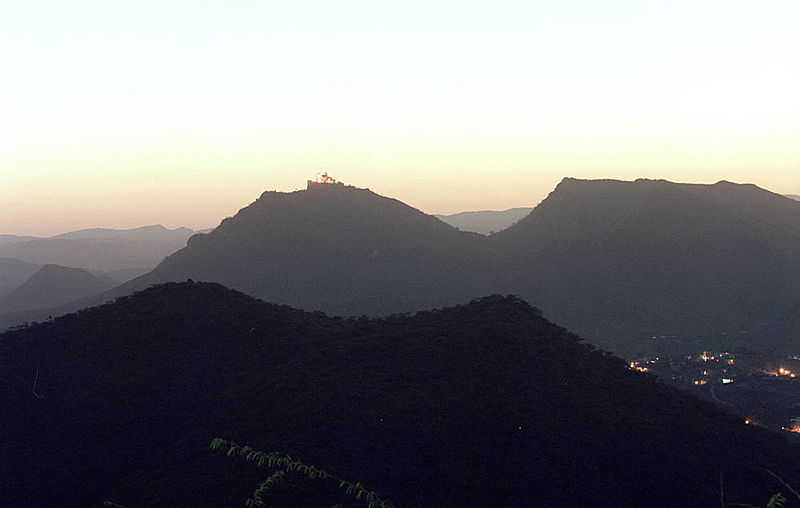
MONSOON PALACE- Monsoon Palace is known as Sajjan Garh Palace. It is made  with white marble and  it is located on Bandera peak of the Aravalli hill. From this palace we can take a view of the city’s lakes, palaces, and surrounding countryside.

JAGDISH TEMPLE- Maharana Jagat Singh founded this temple which is a large Hindu temple in the middle of Udaipur.

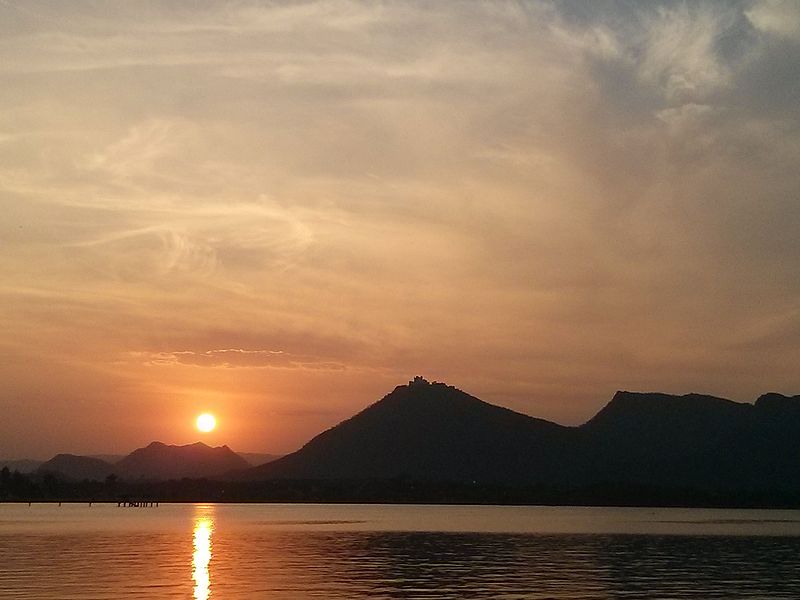
FATEH SAGAR LAKE- It is located in the north-west part of Udaipur. It was originally built by Maharana Jai Singh and later it was reconstructed by Maharana Fateh Singh.

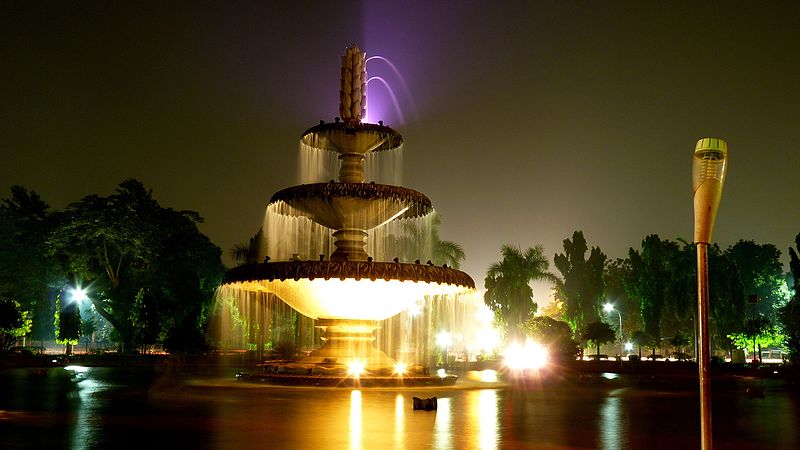
SUKHADIA CIRCLE-  It is a large roundabout in the city’s northern suburb of Panchwati, on the road to Ranakpur and Mt. Abu. There are  fast food centers, camel and horse rides, boat rides and kids play zone areas.

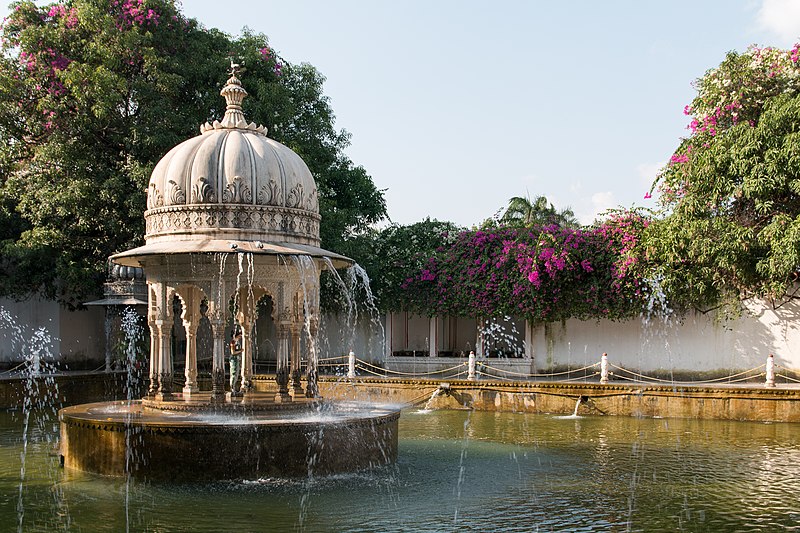
SAHELIYON-KI-BARI – It is a garden and tourist space which is in the northern part of the city. There has garden with its fountains and kiosks, a lotus pool and marble elephants, was laid for a group of forty-eight young women attendants who accompanied a princess to Udaipur as part of her dowry.

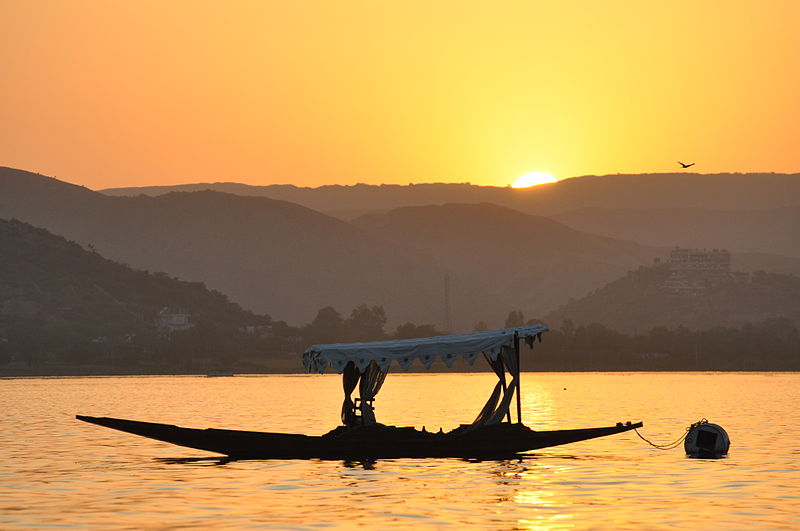
LAKE PICHOLA- It is an artificial freshwater lake .Two islands, Jag Niwas and Jag Mandir are located within Pichola Lake, and have been developed with several palaces to provide views of the lake.

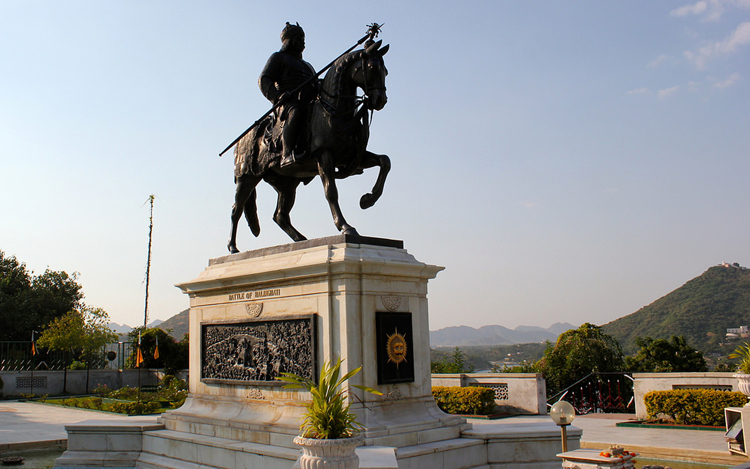
MOTI MAGRI- Moti Magri is a memorial of Maharana Pratap.It is basically a small hill, atop of which there is a bronze statue of the Maharana astride his favourite horse “Chetak”.

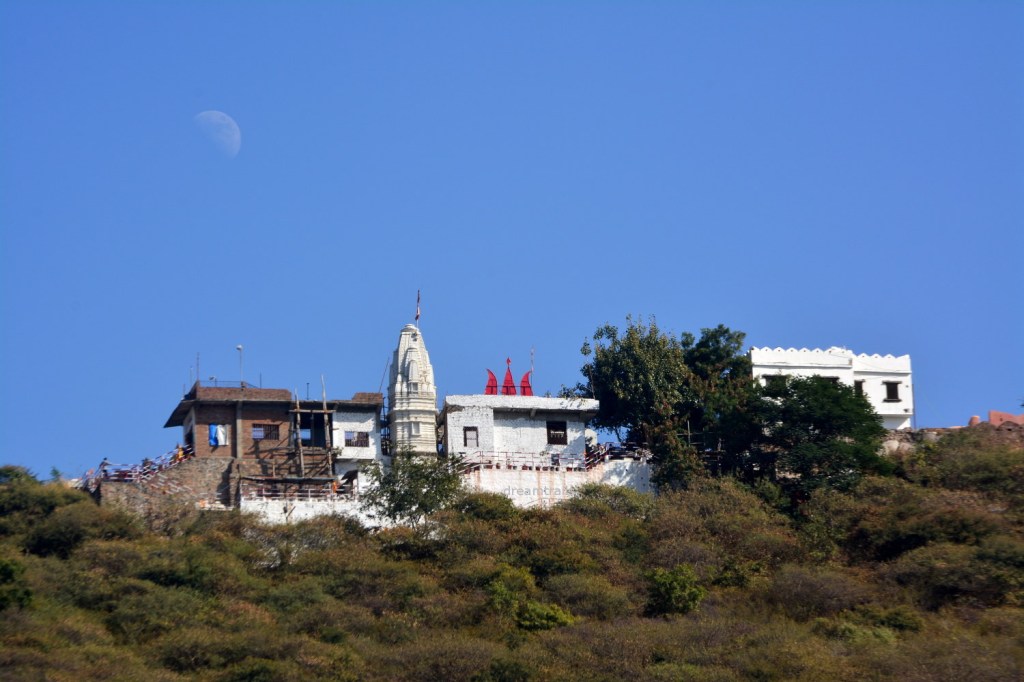
NEEMACH MATA TEMPLE- It is located on a hill near Fateh Sagar Lake. From this  location we can take a holistic view of the entire Udaipur.

KERNI MATA, UDAIPUR- It is located on Doodh Talai near Pichola lake. There is a rope-way which takes visitors to a hill at which this temple is located. We can take views of Pichola Lake, Jag Mandir and Doodh Talai. One can view the whole city from the top .

PRATAP GAURAV KENDRA- It is located at Tiger Hill. It aims at providing information about Maharana Pratap and the historical heritage of the area with the help of modern technology.

It is Udaipur and it is incladible. 

SOME ATTRACTIONS OF ISTANBUL-TURKEY

The incredible Istanbul

Istanbul is the main attraction of Turkey. Istanbul is the center of this country for its culture,economic status and history. Also Istanbul is the capital city. According to history , in 657 BCE , Istanbul was founded as Byzantion by Megarian colonists. Later it became Istanbul .

Galata tower

Istanbul is a country which is covered by empires across the centuries and stands in both Europe and Asia. It is one of the most popular travel spots in the World. Some popular and attractive tourist spots are- Aya Sophia, Topkapi Palace, Basilica Cistern, Blue Mosque,Istanbul Archaeology Museum, Hippodrome,Süleymaniye Mosque,Grand Bazaar,Spice Bazaar,Chora Church,Dolmabahçe Palace,Little Aya Sofya,Museum of Turkish and Islamic Arts,Rüstem Pasa Mosque,Yedikule Fortress,Galata Tower,Carpet Museum,Fatih Mosque,Pera Museum,Istiklal Caddesi and Taksim,Üsküdar and most popular Cappadocia hot balloon.

Let’s be introduce with some of them-

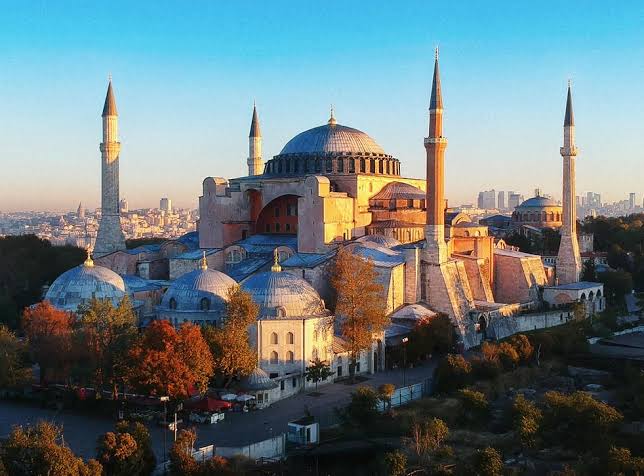
Aya Sofya or Hagia Sophia

Aya Sofya or Hagia Sophia

According to history in AD 536, for the 1st time  when the Byzantine Emperor Justinian entered his finished church, he cried out “Glory to God that I have been judged worthy of such a work. Oh Solomon, I have outdone you!” Aya Sofya or Hagia Sophia means ‘holy wisdom’. It is a domed monument of Constantinople (6th century AD). It was the emperor’s swaggering statement to the world of the wealth and technical ability of his empire. Tradition maintained that the area surrounding the emperor’s throne within the church was the official center of the world.

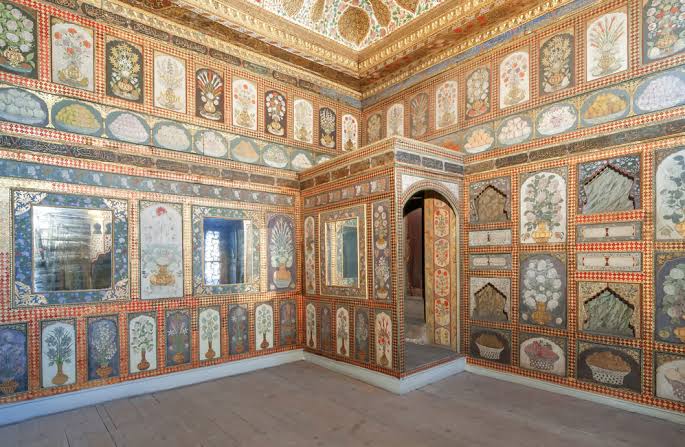
 Topkapi Palace 

The Topkapi Palace is a large museum in the east of the Fatih district of Istanbul in Turkey, there are the imperial collections of the Ottoman Empire and maintains an extensive collection of books and manuscripts in its library.

Topkapi Palace

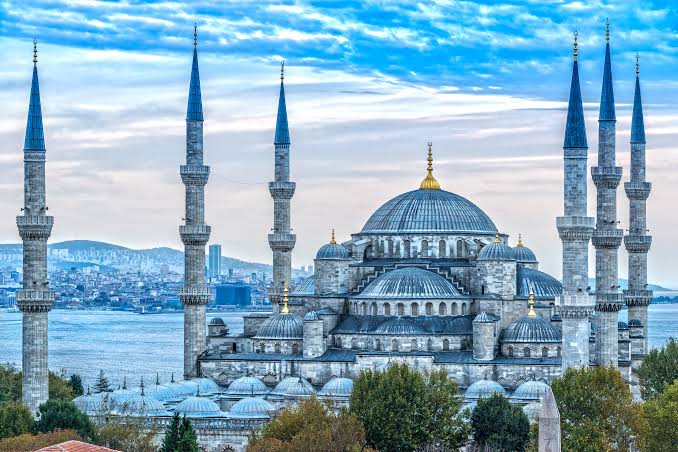
The Blue Mosquewhich

The Blue Mosquewhich

The Blue Mosquewhich is called Sultanahmet Camii in Turkish is an historical mosque in Istanbul .For the blue tiles surrounding the wall  it is known as Blue Mosque. It was situated between 1609 and 1616 years, like many other mosques, it also comprises a tomb of the founder, a madrasa and a hospice.

The Basilica Cistern

The Basilica Cistern

The Basilica Cistern is the largest among the ancient cisterns beneath the city which provided a water filtration system for the nearby buildings. This underground chamber measures approximately 138 meters (453 ft) by 64.6 meters (212 ft) and is capable of holding 80,000 cubic meters (2,800,000 cu ft) of water. The ceiling is supported by 336 marble columns.

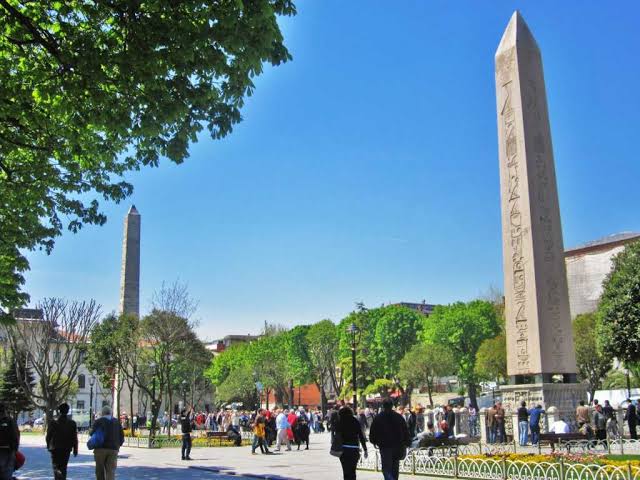
The Hippodrome

The Hippodrome

The Hippodrome’s name comes from Greek word hippos(horse) and dromos(course). It was an ancient Greek stadium for horse racing and chariot racing. But in present day  there isn’t much of the Hippodrome left to see, except for a small section of the gallery walls on the southern side, but the At Meydani (park), which now stands on the site, is home to a variety of monuments.

Archaeology Museum

Archaeology Museum

The Istanbul Archaeology Museums are a group of three archaeological museums which are  located in the Eminönü quarter of Istanbul, Turkey, near Gülhane Park and Topkapı Palace. The three museums are- in the main building the Archaeological museum, Museums of the Ancient Orient and Museum of Islamic Art.

Grand Bazaar

Grand Bazaar

In Istanbul, the Grand Bazaar is one of the largest and oldest covered markets in the world. It has a total area of 30,700 m2. There are 61 covered streets and over 4,000 shops attracting between 250,000 and 400,000 visitors daily.

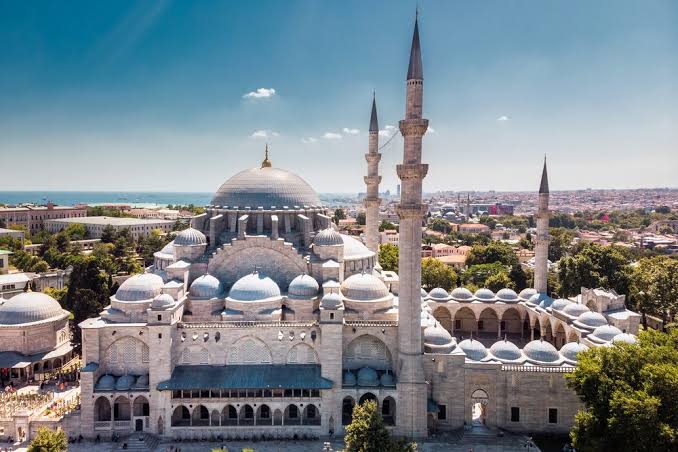
The Süleymaniye Camii 

The Süleymaniye Camii

The Süleymaniye Camii (Suleymaniye Mosque) is one of its most distinctive features with its truly staggering size which was built by the legendary architect, Mimar Sinan, it is one of his masterpieces and his largest design. It is not only the inspiring size that is impressive (the central dome stands 47m high), but also the elegantly decorated interior.  The sense of space and light is emphasized by the supporting semi-domes to the northwest and southeast and the monumental arched spaces to the southwest and northeast.

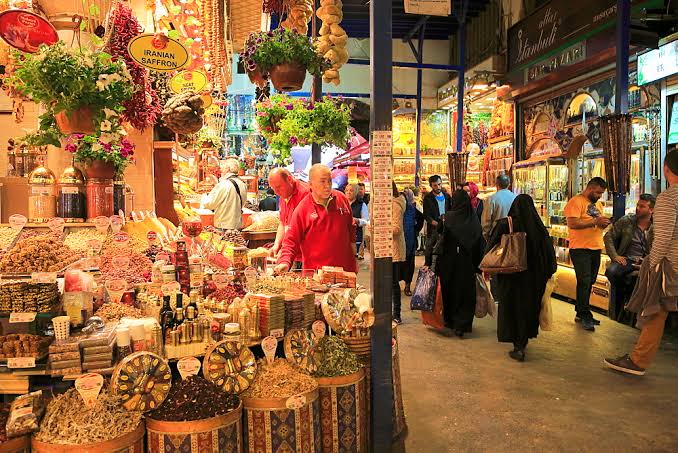
The Spice Bazaar 

The Spice Bazaar 

The Spice Bazaar  is one of the largest bazaars in this city. Located in the Eminönü quarter of the Fatih district, it is the most famous covered shopping complex after the Grand Bazaar.

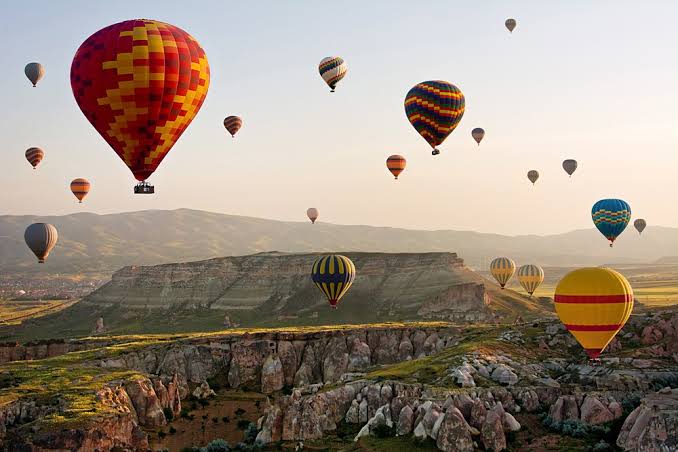
Cappadocia

Cappadocia the hot balloons

Cappadocia is  in central Anatolia, in the heartland of what is now Turkey.The area is popular for the hot balloon ride. As it has many areas with unique geological, historic, and cultural features.Hot-air ballooning is very popular in Cappadocia and is available in Göreme. Trekking is enjoyed in Ihlara Valley, Monastery Valley (Guzelyurt), Ürgüp and Göreme.

So we must say Istanbul is incredible.

TERRACOTTA- LET’S COLLECT KNOWLEDGE ABOUT IT

Sparkle of Terracotta

TERRACOTTA- AN UNIQUE STYLE OF ART

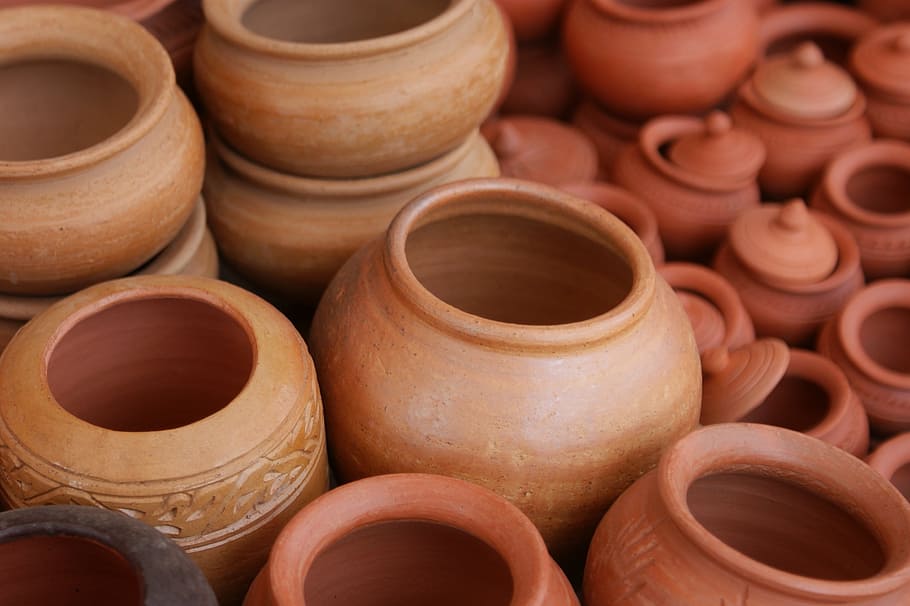
According to the dictionary the Terracotta art means hard,fired clay,brownish in colour when unglazed which is used to make architectural ornaments and facings, structural units, pottery and as a material for sculpture. The word ‘Terracotta’ came from Latin word ‘Terra-cotta’ and in Italian language Terrakotta means ‘baked-earth’.  

 Basically Terracotta is a type of earthenware or Ceramic pottery. At 1st we should have enough knowledge about earthenware. Earthenware is glazed or unglazed non-vitreous pottery which is made on fire below 1,200°C (2,190°F). So what do you say ? ‘baked-earth’ makes sense right? 

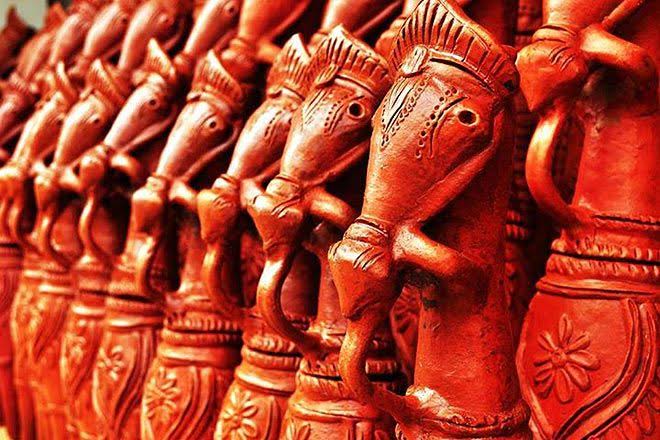
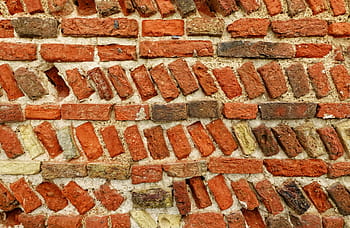
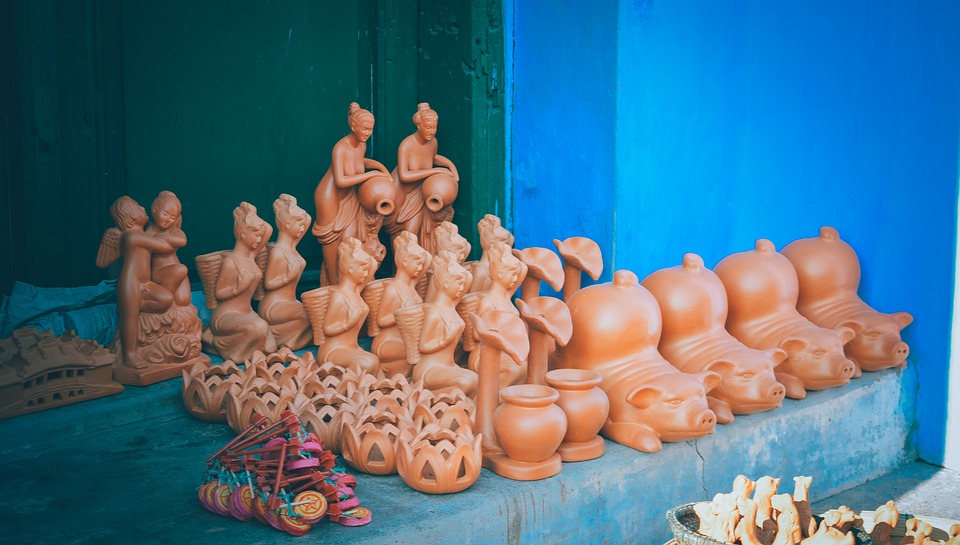
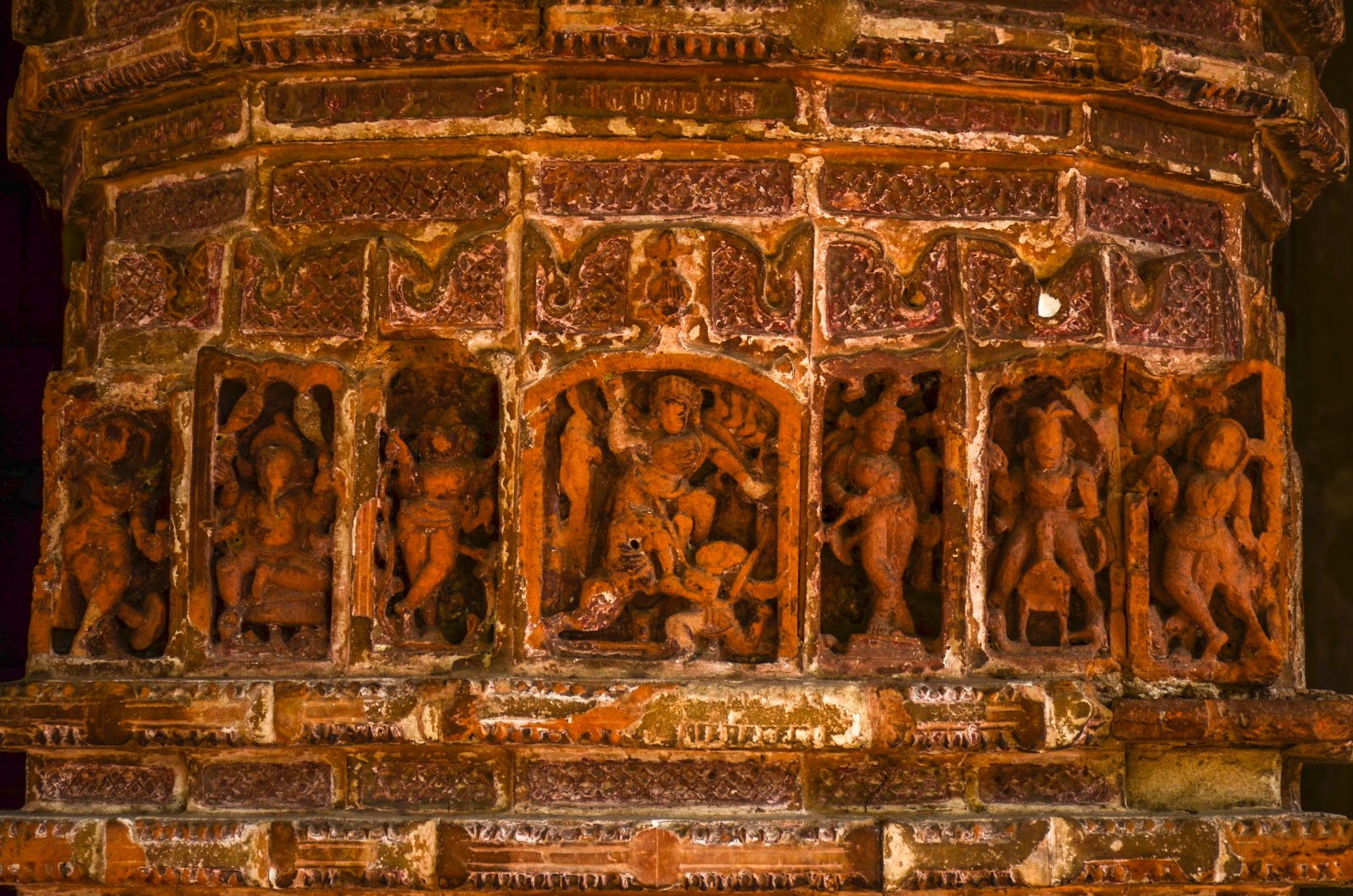
Normally Terracotta is used for sculpture making. But not only for sculpture but also for flower vas, doll,pot,water pipes, bricks,roofing tiles etc. Even there are also many temples of Terracotta. It is too flexible material for sculpture.Terracotta is usually a fairly coarse, porous type of clay. At first it has to be shaped then fired until hard. In the past, it was left to harden in the hot sun ,after that it was baked in primitive ovens. Ultimately, it was fired (at about 1000°C) in a special oven, kilns. After baking the clay became a brownish colour. Until it was glazed it was not watertight.terracotta is too simple than other bronze or other material work. 

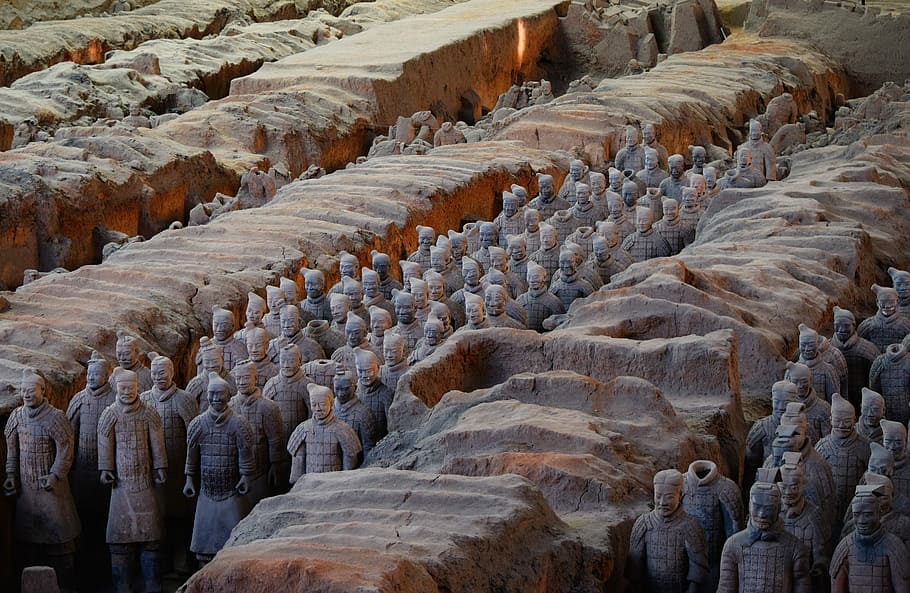
It was 1st used in Prehistoric art according to Venus of Dolni Vestonice (26,000-24,000 BCE) which was found buried in a layer of ash in Moravia at a paleolithic encampment. Some famous Terracotta figures are- The Thinker of Cernavoda(5000 BCE), The Enthroned Goddess Figurine(6000 BCE).Bronze and Iron Age artists kept the culture of the terracotta tradition, like the female fertility cult figures unearthed at Mohenjo-daro in Pakistan (3000-1500 BCE), and The Burney Relief (1950 BCE) from Ancient Mesopotamia. On the other hand we must say Chinese art created the biggest example of Terracotta art, those are-The Terracotta Army (246-208 BCE). Around the Mediterranean,such as early Egyptian, Minoan, Mycenaean, Greek and Etruscan cultures, employed terracotta for figurative works – such as the Tanagra Figurines from Boeotia in central Greece – besides  decorative art and architectural ornamentation.Particularly in the era of Hellenistic art (323-30 BCE) it was widely used by sculptors. It was also used in Early Christian art, for tomb reliefs (from c.200 CE). Terracotta is also famous in African sculpture, pre-Columbian art.

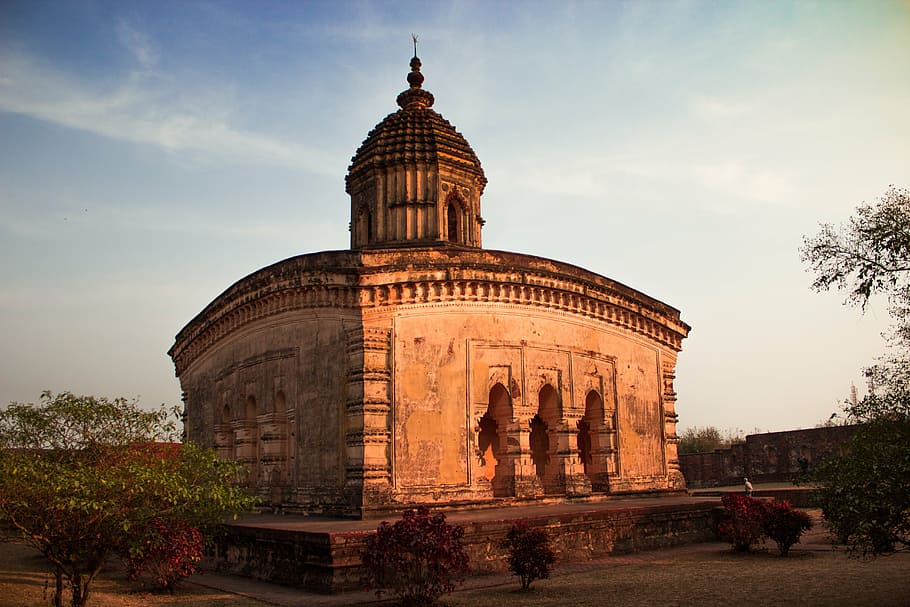
In India Terracotta is famous in the same way as in the past. In India Terracotta is a heritage culture. It is very common that there are many things of terracotta at most homes in India. ‘Bishnupur’ in West Bengal is a great source of Terracotta sculptures or other things. Murshidabad, Birbhum, Jessore, Digha (all are in West Bengal)  are also the treasure of Terracotta. There are also famous in Rajasthan, Bihar, Haryana, Himachal Pradesh, Odisha, Jammu and Kashmir etc.    

ONAM- THE HARVEST FESTIVAL

ONAM – the festival of colour in Kerala

Onam is one of the famous festivals of the colourful India. It is actually a major event  of kerala. The people inside and outside of Kerala enjoy it too much. It is a harvest festival . 

According to history, Onam has a long religious context and history of Kerala. According to an earlier reference , Onam is found in Maturaikkaci – a Sangam ers Tamil poem. It says that when games and duels were held in Madurai temple , immolation was sent to the temple , then  the people wore new clothes and celebrated it. On the other hand , in the 9th-century according to Pathikas and Ballads by Periyazharwar , Onam is celebrated as offerings to Vishnu God with feasts and community events. 

According to Kurup  , Onam is a historical hindu-temple based cultural festival which is celebrated for many days. This is a harvest festival and its significance is of 2 Hindu-legends, Mahabali legend and Parashurama legend.

According to the Malayalam calendar Chingam is the 1st month  and the Onam is celebrated in this month. It is marked as the Malayalam New Year. It is celebrated over 10 days and concludes with Thiruvonam. The ten days are sequentially known as Atham, Chithira, Chodhi, Vishakam, Anizham, Thriketta, Moolam, Pooradam, Uthradam and Thiruvonam. The first and the last day are particularly important in Kerala and to Malayalee communities elsewhere.

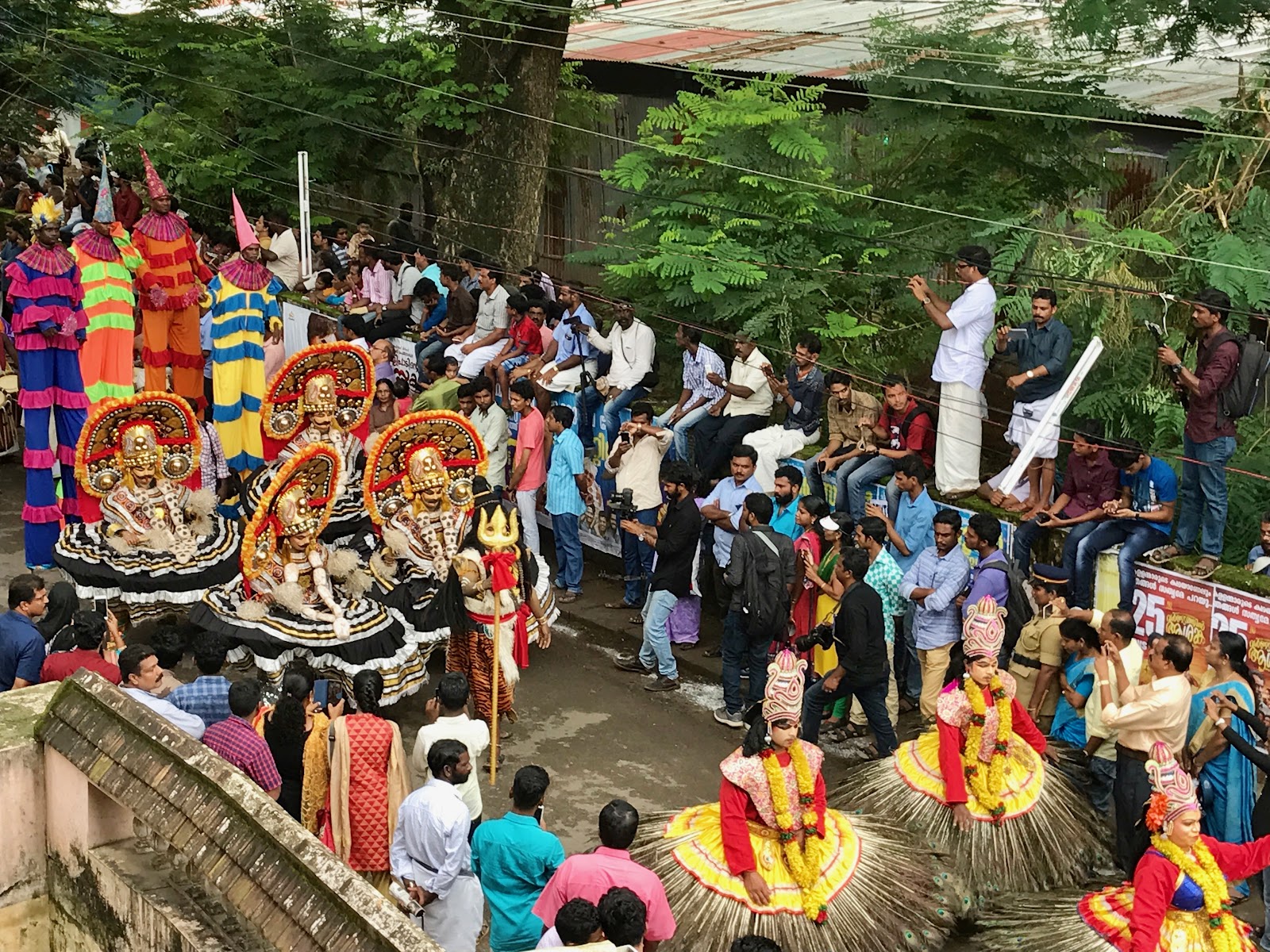
The 1st day of this festival is Atham ws marked at Vamanamoorthy Thrikkakara temple in Kochi. This temple is the focal center of this festival and the abode of Mahabali legend with raising their festive flag. There are celebrated the parades and those are colourful ,whimming  and floating.

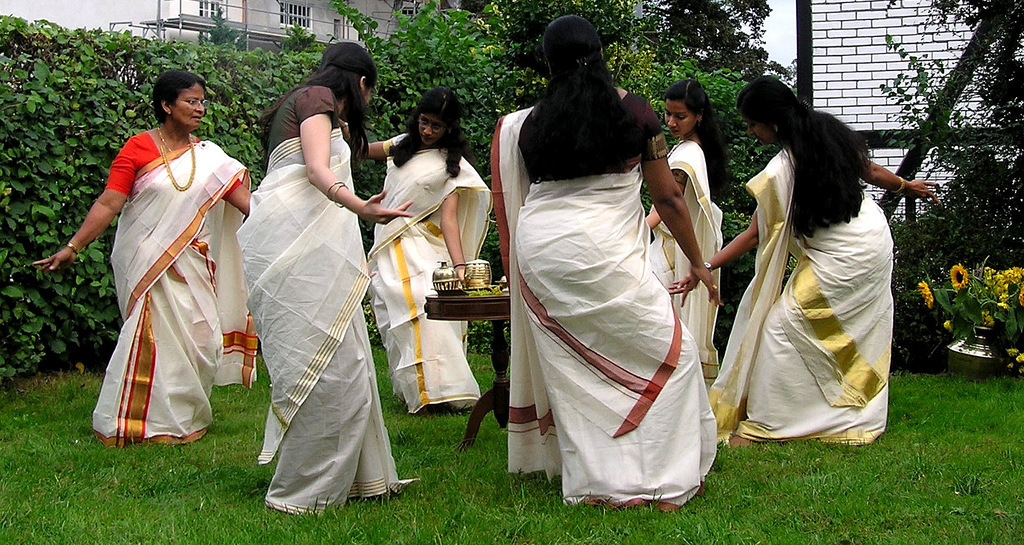
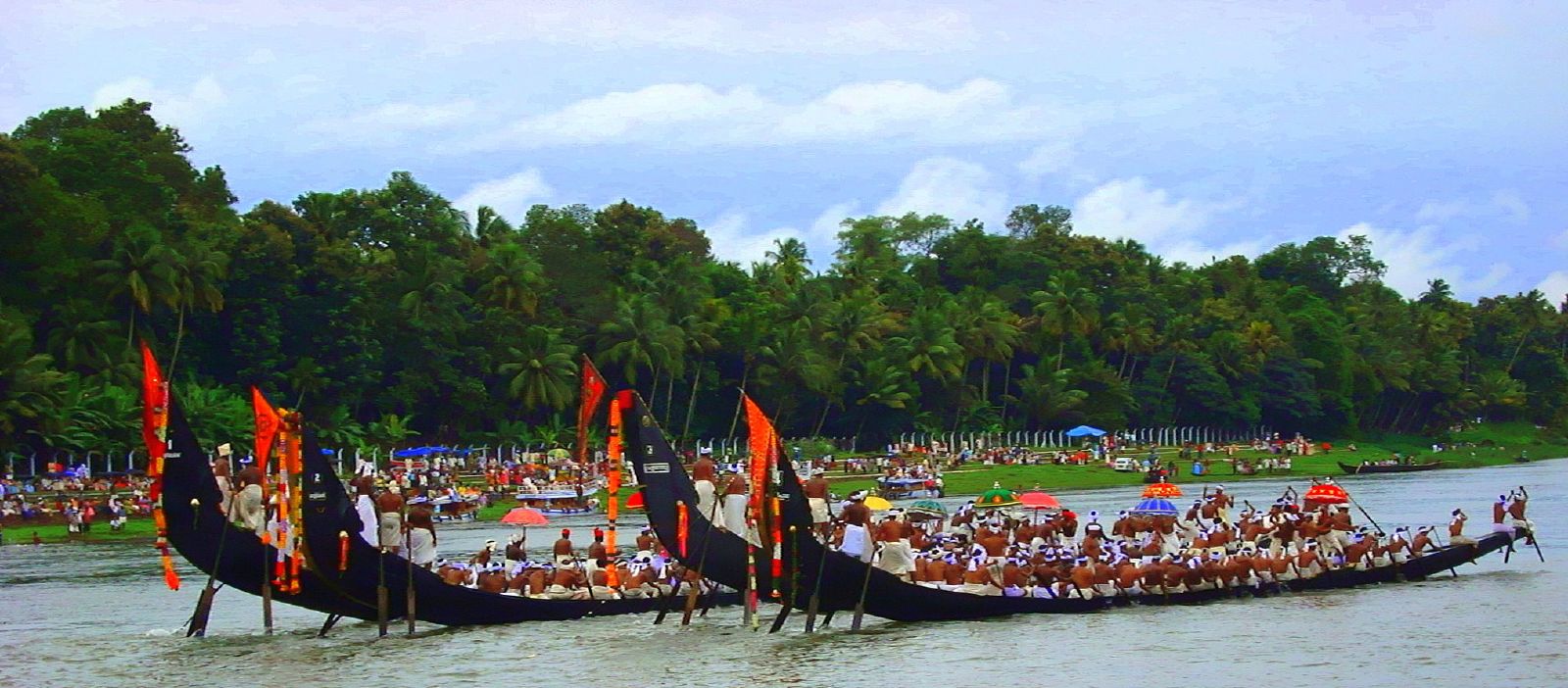
On other days there are celebrated different types of events like boat races which are most popular and stunning , different types of cultural programmes , martial arts, dance, rangoli etc.  People celebrate their times in those days by shopping, donating time or food for the charities and spending quality times with family. The men and women wear their traditional dress . Basically women wore Kasavu saree on this day. 

At Tripunithura near Kochi the Onam is celebrated with a grand procession which is called ‘Athachamayam’ , it is also addressed by ‘Thripunithura Athachamayam’. There are elephant marching, drum beats and other music , floats, folk art forms and colourful dressed people and with their masks which is wonderful. According to Kerala history the Kochi king conducted a grand military procession which has now become a state-supported event

There are epic scenes from Mahavarat and Ramayana in this traditional float procession . There are also themes from the Bible .From Tripunithura to the Vamanamoorthy Temple in Thrikkakara, Ernakulam district , is the traditional path. It is  the temple of Vishnu in his Vamana (dwarf) avatar. After arrival at the temple, the marchers offer a prayer.

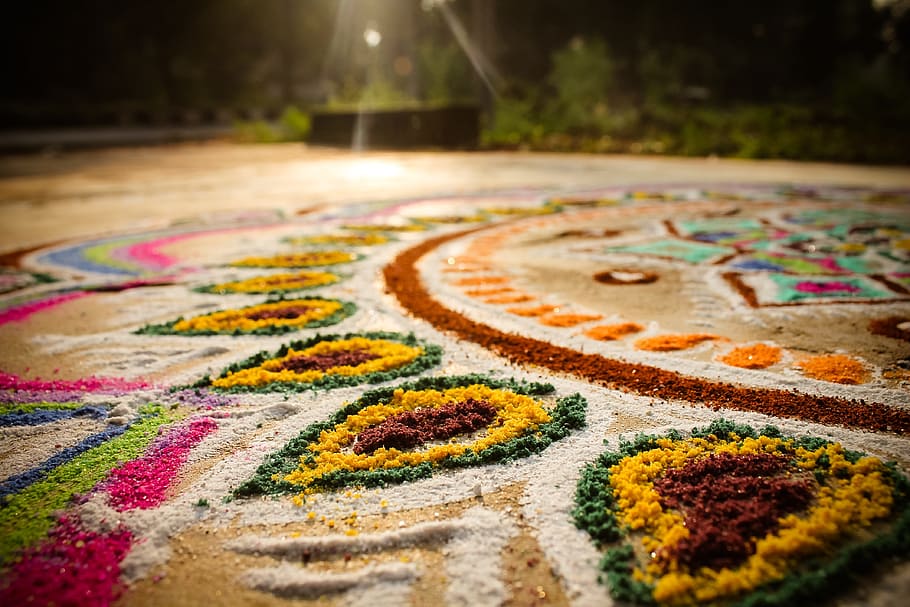
In this festival ‘Pookalam’ , which is called floral rangoli in general, is an attraction. It is known as Onapookalam or Pookalam. There are so many types of flower, basically marigold is the main blossom. It is decorated particularly at the entry point and temple premises like a flower mat. On Atham the Pookalam is called Athspoo and for this day it is comparatively small in size. It grows in size gradually with each day of this festival. In this Pookalam the Dasapushpam (10 types of flower) is used. In Kerala Pookalam competitions are common everywhere on Onam day.

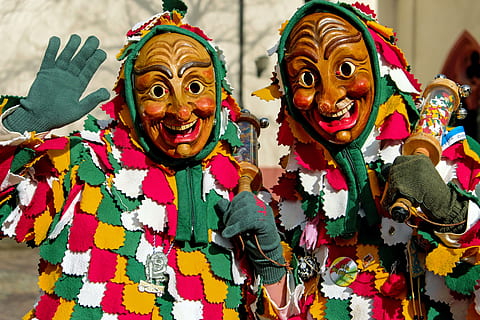
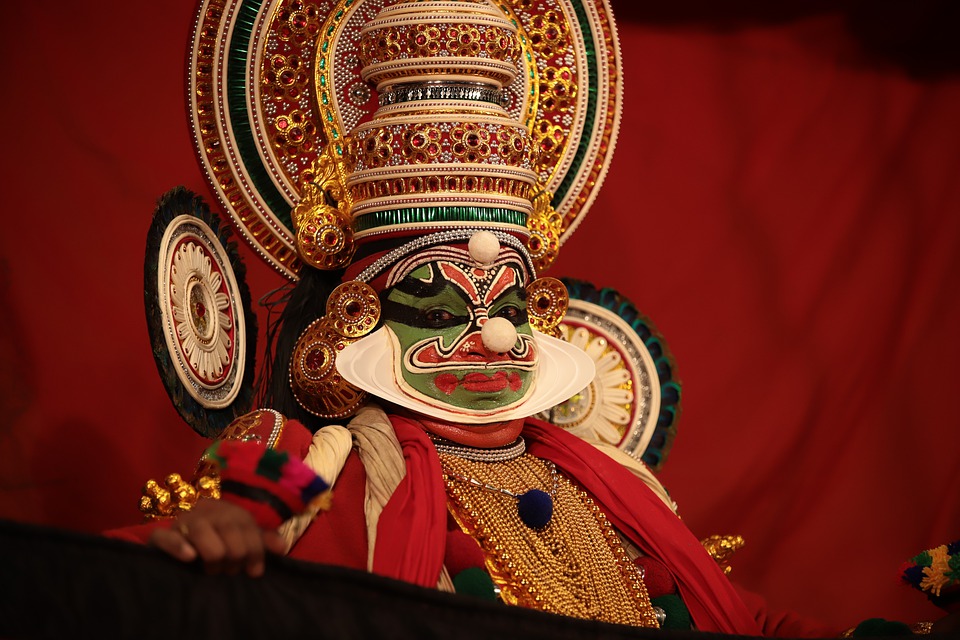
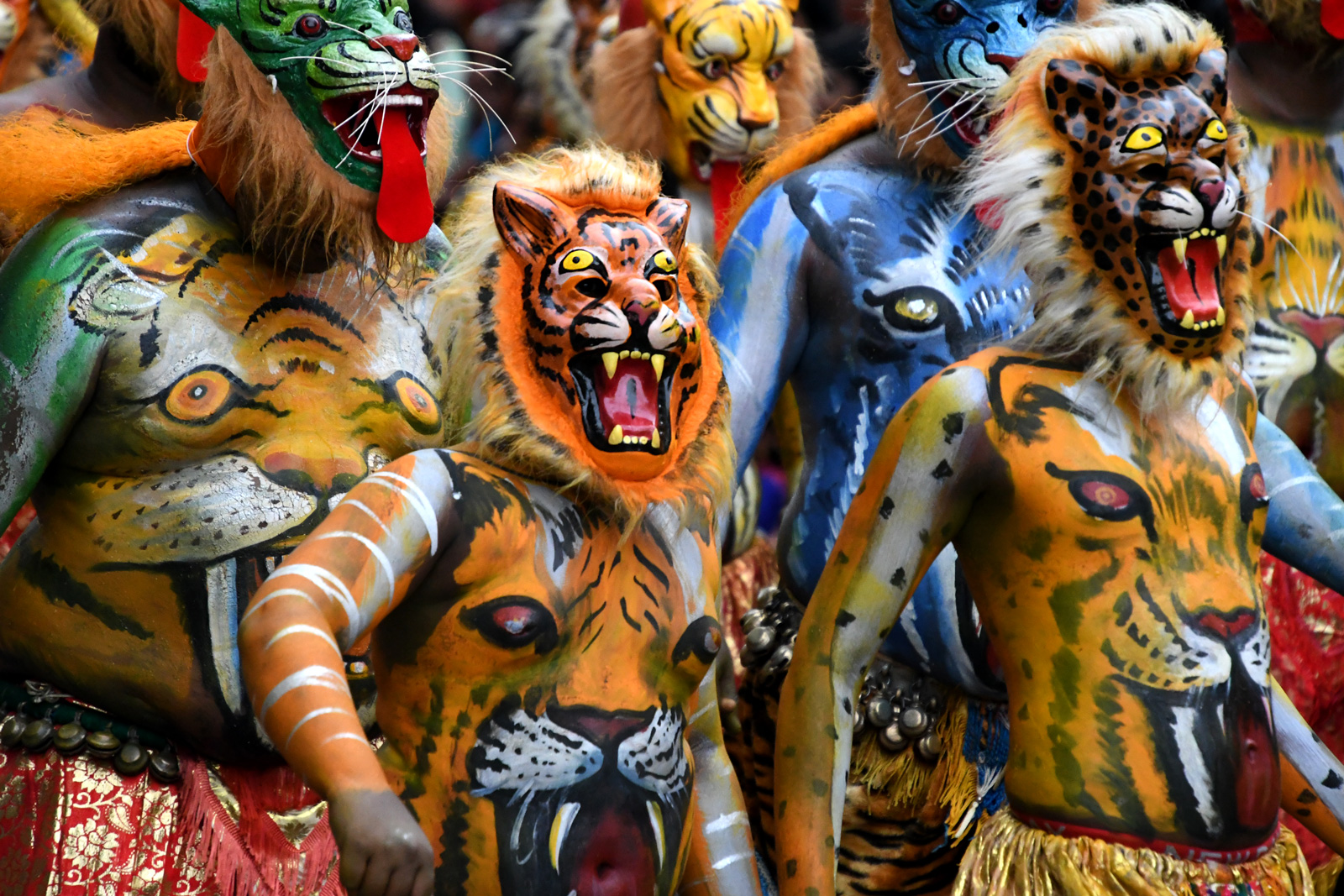
In this festival there are so many types of traditional dance performed like Kathakali , Pulikali, Kummattikali, Thumbi Thullal, Onam Kali etc. Thiruvathira Kali is a women’s dance, where they circle around a lamp. Kummattikali , which is a colorful-mask dance. In Thrissur, festivities include a procession consisting of caparisoned elephants surrounded by Kummatikali dancers. Onam Kali is a form of dance where players circle around a pole or tree or lamp,dance and sing songs from the Ramayana and other epics.  Kathakali is the most famous dance type. 

Pulikali is a different type of dance which is known as Kaduvakali during this festival where the performer is painted like tigers in bright yellow, red and black, and dances to the beats of instruments like Chenda and Thakil. It is a type of folk dance.

Another amazing part of this festival is Vallamkali which is a snake boat race. In this boat race numerous oarsmen row huge snake-shaped boats and men and women come from far and near to watch and cheer the snake boat race through the water. Particularly it happened on the Pampa River.

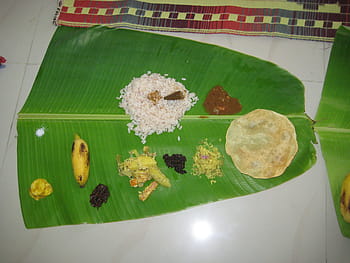
The Onam sadya, which is the feast, is  another amazing part of Thiruvonam and it is observed in every Keralite attempt . Chips , Sharkaraveratti ,Pappadam, various vegetable and soups such as Injipuli, Thoran, Mezhukkupuratti, Kaalan, Olan, Avial, Sambhar, Dal served along with a small quantity of ghee, Erisheri, Moloshyam, Rasam, Puliseri, Kichadi and Pachadi, Moru , Pickles both sweet and sour, and coconut chutney are the menu.

So it is the very interesting festival of our colourful India which is more colourful and delightful to us.

THE ART MACHINE- JAMINI ROY

The great artist and his great creation

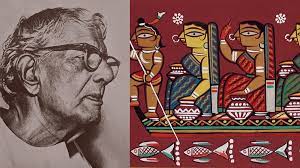
On 11th April of 1887 at Beliatore in Bankura,West Bengal the great Jamini Roy was born. His family was a simple middle class land-owner bengali family. He grew up with a lot of love for painting. His father , Ramanath Roy resigned Jamini Roy from the Government services  and was admitted to the Government College of Art in 1903 when he was 16 years only.

When he took admission in Art College then Abanindranath Tagore , the founder of Bengal School , was vice-principal of this college.Mr. Roy was taught under Abanindranath Tagore’s teaching. He was taught to print in the prevailing academic tradition by Abanindranath Tagore. He taught classical nudes and oil painting. In 1908 he finished his course and got a Diploma in Fine Art. 

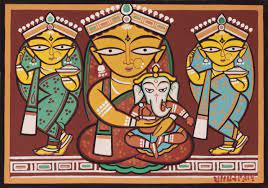
Jamini Roy started his painting with the western cultural art but his heart wanted to create something folk style traditional painting. He had a huge interest in traditional cultural  painting. Actually he got inspiration from ‘Kalighat Pat’ which is a kind of ‘Patachitra’ and it is drawn by bold sweeping brush-strokes. 

In the 1st stage of his career he painted portraits for commission but in depth he felt he was not satisfied with this. After that in 1925, he saw the ‘Kalighat Pat’ and was inspired by its style of painting.

Mr. Roy painted 20,000 paintings in his life for which he is famous by calling ‘Art Machine’. He focused always on the middle class culture or lifestyle for his painting. He believed that middle class ordinary people are more important than the higher class’ or Government because middle class people are the voice of his art. He did respect them too much. 

He had three motives: to capture the simplicity of middle class people in their daily life, to make them accessible to all over the people in India and lastly to give a own identity to the Indian Art. 

In 1938, it was his 1st art exhibition in Kolkata. In 1940, his painting came to a new light and became famous . He mixed up the Bengali middle class and the European community and it was the center of his art. After that in 1946 and in 1953 his art exhibited in London and New York City. His art was exhibited on international platforms and he was awarded by ‘Padma Bhusan’ in 1954. For most of his life he worked in Kolkata. We can see his art in many private and public collections like the London, Victoria and Albert museum .

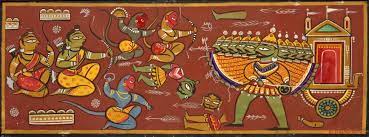
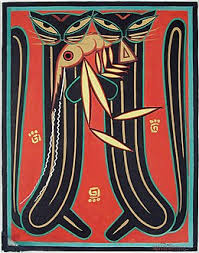
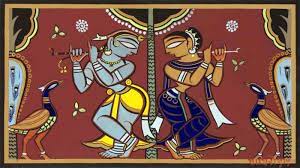
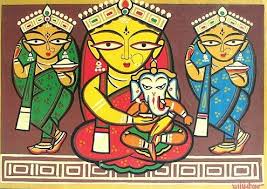
He liked to introduce himself as a ‘Patua’. His art collection is wonderful . In 1946, ‘Ramayana’ spread across 17 canvases. This painting is now displayed in the National Art Gallery .Jamini Roy created the ‘Dual Cats With One Crayfish’ series in 1968. In 1952 the ‘Bird and Two Companions’ standed out for its majestic indigo of Bengal. Besides these, ‘Crucifixion With Attendant Angels’ , ‘Krishna And Balaram’, ‘ Santal Boy With Drum’, ‘Krishna And Radha Series’ ‘Makara’, ‘St. Ann And The Blessed Virgin’, ‘Seated Woman In Sari’, ‘ Nol O Damayanti’ etc are famous creations .He was awarded by Viceroy’s gold medal in 1934 and Fellow of the Lalit Akademi in 1935. Unfortunately this wonderful personality passed away on 24rth April, 1972. 

THE GREAT ART OF JAMINI ROY

WARLI- THE TRIBAL ART

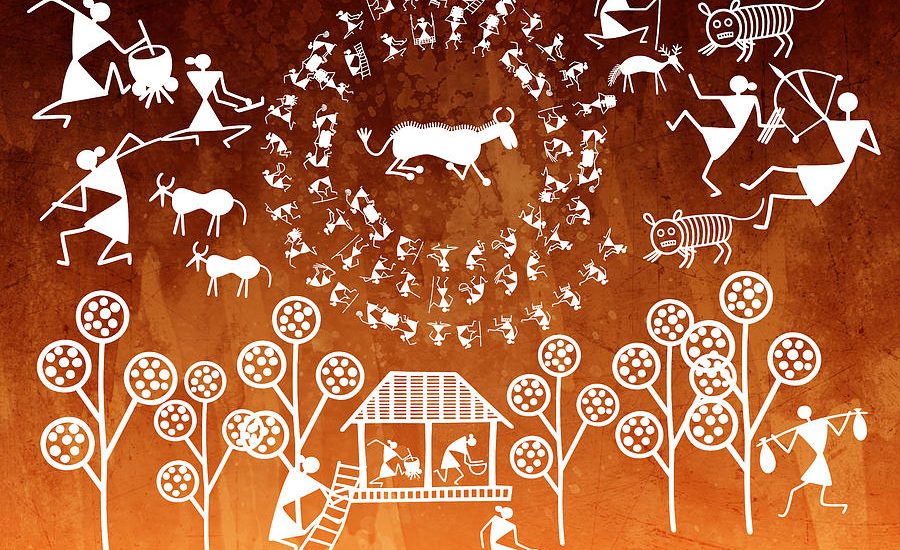
Tribal art is the visual arts and material culture of indigenous people. Warli is one of the Tribal art forms. India is a place of culture and Warli is a cultural folk style art. It is created by the tribal people from North Sahyadri Range in Maharastra, India. 

Warli painting traditions in Maharashtra are among the finest examples of folk culture. The Warli painting is created with the concept of Mother Nature and elements of nature. This type of painting was not discovered until the 1970s.Warli art is believed to have originated 2000years ago. 

The Warli painter’s main way of their life is farming and a large source of food for the tribe. So they greatly respect nature and they create the Warli art by centering this. The Wrli artists use their clay huts as the canvas.Basically this art is too simple to draw. It is characterized as geometrical shapes. The walls are only decorated to mark special occasions like weddings,festivals or harvests.

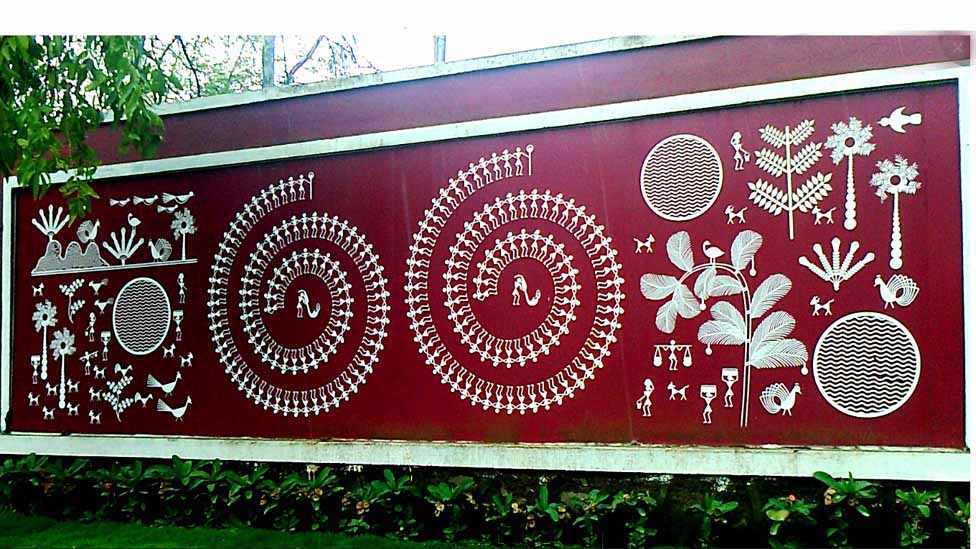
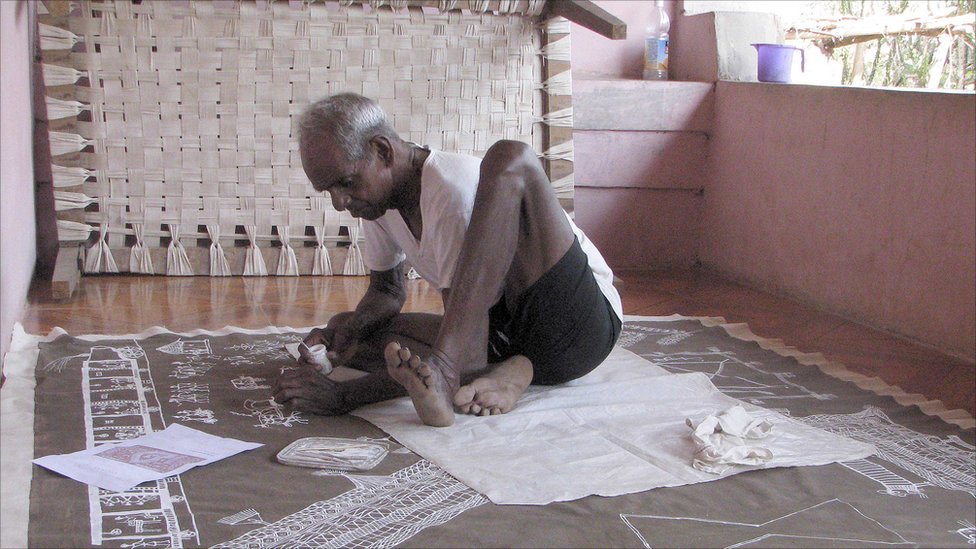
For this painting the preparation should be great. According to the Warli artists, to draw Warli on the clay huts there is some pre – preparation . Firstly , the walls should be covered by cow-dung, next earth and lastly with the reddish-brown terracotta paste. Then a paste of powdered rice and gum has to be prepared and as pens the artists use a thin stick of Baharu tree. And the upcoming result is the Warli paint. One interesting thing is there is no straight line in the Warli paint. The art is usually crooked lines, dots , circle , square , triangles and others geometric design. 

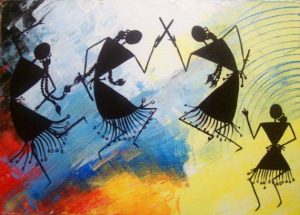
We must say that whoever discovers this art style he should be too intelligent because this art style has a symbol in every touch. This painting is a visual poetry where its evry symbols stand for a significance. Like, the circle represents the sun and moon. The  square represents the sacred land and the triangle represents trees and mountains. Square is the central motif in most of this type of painting. There is one more thing by which you will be more interested that is the central motif of this paint is such as pottery sense of hunting , fishing or farming , dancing or festive mode etc. Actually this type of painting indicates the daily life of villagers , which is apart from other modern art styles. You can notice in this art the ‘Tarpa dance’- actually tarpa is like any instrument , different men play it turn by turn. When music plays the villagers including men and women join their hands and move in a circle around the tarpa players.   

 But here I have a point to tell you that Jivya Soma Mashe , is the artist in Thane district who has played a great role in making Warli paint famous.

But all art is disappearing in this digital life . it is a matter of concern but all are not the same in this world. A few kind hearted people are still the same as they were in the past , and keep this wonderful traditional culturing art. Thus we can mention a saviour of this culture , Govardhan Eco Village in Thane district that keeps this painting alive by providing Warli artists a platform to display their art. In 2016 a group of Japanese artists made an effort to keep this art alive. They adopted the Ganjad village in Palghar district. To promote this art , this Japanese group has also been decorating huts according to the formula of Warli paint. By the way, Dahanu is one more village to keep this painting alive .  

RAJASTHAN- THE LAND OF KINGS AND COLOUR

THE GREAT RAJASTHAN

Rajasthan is the largest state of India and Jaipur is the capital of this state. Its area is 342,239km square. In the past, what is now Rajasthan were partly part of the Vedic Civilization and Indus Valley Civilization.  By population Rajasthan is the 7th largest state of India. It is located on the north-west side of India. Its big attraction is the GREAT INDIAN DESERT.

Rajasthan is actually “the land of kings”. The history of Rajasthan is 5000 years old. According to history Rajasthan is found in a stone inscription of 625 AD. In the 9th century, Rajasthan was grabbed by the “Rajput” royal family. So, we must say that it is the land of Rajput. In Rajput rulership there was much improvement in Rajasthan, the landmark was growing in their rulership. If anybody stroll along the path of Rajasthan they can see the magical historical building, sculpture, fort, temple which were built by the Rajput kingdom. But over the centuries the Rajput kingdom divided into 21 dynasties and 36 Rajput clans.

 After that in 10th century Rajasthan was grabbed by the “Chouhan” emperor but their rulership was not for long as “Rajput”. In 1192 AD the Prithvi raj Chauhan was defeated by Muslim sultan and concurred some part of the state.

In the early 13th century AD, there was the most powerful and prominent seat which was “Mewar”. In the modern period (1707-1947 AD) Rajasthan had never been united politically until its domination by Mughal Emperor but Mughal Emperor started to decline after 1707 AD. After the decline of Mughal Emperor, there was political disintegration by the dismemberment of Mughal Empire. After the decline of the Mughal Emperor the “Marathas” infiltrated in Rajasthan. In 1755 Marathas occupied Ajmer.

Rajasthan is a damn beautiful place. It is culturally rich and the culture has a touch of great tradition which is a reflection of ancient Indian way of life. There is a “folk culture” in the village which is a cultural symbol of the state. Their traditional folk dance is Ghoomar or Ghumar. Also, folk music is a part of Rajasthani culture, which is sung by Manganhar and Longa communities.

It is true that Rajasthan is well known for their traditional culture but there is also one more attractive feature which is the colorful art like block prints, tie and dye prints, Gota patto, Bagru print, Sanganer Prints and Zari embroidery. Their crafts are beautiful.

Rajasthan’s main festivals are Navaratri, Deepawali, Holi, Gangur, Teej, Gogaji, Janmashtami etc. In winter there is a desert festival in Rajasthan.

Tourism industry is the major income source of Rajasthan. Jaipur – the pink city is situated here. The foreign travelers are too attracted to Rajasthan. The main travel places are- Jaipur, temples of Rajsamand, Pali, the lakes of Udaipur, the sand dunes of Jaisalmer and Bikaner, Mandawa and Fatehpur, Dungarpur, Banswara, Pushkar etc. “Sonar Kella “which is the name of the famous fort of Jaisalmer is the big attraction of Rajasthan. The name “Sonar Kella ” was given by the great Bengali filmmaker Satyajit Ray for his movie named “Sonar Kella ”.  

 Jaipur’s Jantar Mantar, Mehrangarh Fort, Stepwell, Dilwara temples, Chittor Fort, etc are the tourist spots. Desert’s camel ride is the most interesting thing.

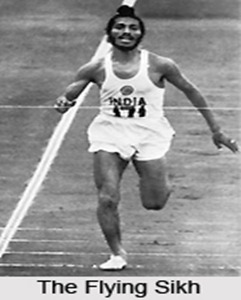
Milkha Singh – The Flying Sikh


‘The Flying Sikh’- yes, we all know him by this name and he is the great Indian track and field sprinter MILKHA SINGH. He was born in a Sikh family of Rathore Rajput origin, on 20th November ,1929 at Govind Pura in Panjab, British India. Govind Pura is 10 km from Muzaffargarh city in Panjab Province which is now belongs to Muzaffargarh District in Pakistan.
He was one of 15 siblings, 8 of whom dies before the Partition of India. There was an irony in his life, during the Partition of India his parents, a brother and 2 sisters were killed in the violence that ensued. After that he moved to Delhi, India, in 1947. He lived with his married sister’s family for few days.In that time, he was briefly imprisoned at Tihar Jail for travelling train without ticket. Then his sister sold some jewelries for releasing him. After that he spent sometimes at a refugee camp in Purana Qila and a resettlement colony in Shahdara, both in Delhi.
Singh’s life was totally different then, he was becoming a dacoit but his brother persuaded him to attempt recruitment to the Indian Army and this changed his life. He successfully gained entrance on his 4rth attempt, in 1951, and while stationed at the Electrical Mechanical Engineering Centre in Secunderabad he was introduced to athletics.
As a child Singh had run 10km distance to and from school and selected by the Army for special training in athletics after finishing sixth in a compulsory cross-country run for new recruits and it was the beginning of his “run of the better life”. He said “I came from a remote village, I didn’t know what running was, or the Olympics”.
When shing was in the Army he realized his abilities as a sprinter. After winning the national trials in 200-metre and 400-metre sprints he was eliminated in the preliminary heats at the 1956 Olympic Games in Melbourne. In 1958, he won both the 200-metre and 400-metre races in Asian Games. After that in this year he created a record in history of game, he captured the 400-metre gold at the Commonwealth Games, it was India’s 1st athletics gold. In 1960 Olympic Games in Rome, he narrowly lost the bronze medal in the 400-metre. In 1962, in Asian Games he retained his 400-metre gold and also took another gold as part of India’s 4×400-metre relay team. In 1964, in Tokyo Games as part of the national 4×400 team that failed to advance past preliminary heats. In 1964 he won silver in Calcutta National Games (400-metre). In 1959 he was awarded by Padma Shri which is the 4rth highest civilian honor.
Milkha Singh was persuaded by Jawaharlal Nehru to sit aside his memories of the Partition era to race successfully in 1960 against Abdul Khaliq in Pakistan.
During the felicitation ceremony, Pakistan’s president Gen Ayub Khan said to Milkha Singh, ‘Milkha, you came to Pakistan and did not run. you actually flew in Pakistan. Pakistan bestows upon you the title of the ‘Flying Sikh ‘.
In 1955 Singh met Nirmal Saini who was a former captain of the Indian Women’s volleyball team in Ceylon and in 1962 the get married and had three daughters and a son. In 1999, they adopted the Havildar Bikram Singh’s seven years old son after his death in Battle of Tiger Hill.
Singh and his daughter, Sonia Sanwalka, co-wrote Singh’s autobiography, “THE RACE OF MY LIFE”. It was published in 2013. In 2013 Bhaag Milkha Bhaag film was made inspired by his autobiography. This film won National Film Award and 5 awards at the International Indian Film Academy Awards in 2014.
In 2017, Singh’s wax statue created by sculptors of Madame Tussauds in London which was unveiled at Chandigarh.
But all good chapters have an end. here has also a pathetic end. In this COVID situation he was attacked by COVID-19 virus and passed away on 18th June of 2021. It’s true that he is no more among us physically but he will be live among us mentally.