Pollution in india

The process in which some toxic pollutants are added to our environment is called pollution. It makes the climate harmful for both all the living beings. Pollution mainly happens because of men made activities, whether done unknowingly or deliberately. Nowadays, it has become an important issue worldwide. Many countries are facing defective childbirths and high mortality rates due to pollution. It makes natural things like water, air, soil, etc. harmful for both the humans and the animals.The pollutants that mix in the air directly affect living beings as they get into the body directly while breathing.
Water pollutants are in the same way hazardous for living beings. In today’s time, manufacturing and construction units are significant sources of pollution. People living next to a manufacturing group often fall ill either by noise or air pollution. But the irony is that humans are the ones who are deliberately polluting the environment. They’re just opening their own. We can’t get an utterly pollution-free world. Still, we can decrease the level of pollution around us by becoming more sensible and controlling our activities, causing pollution.

“The purpose of our lives is to be happy” – Dalai Lama

What is life actually?

If we want to perceive the value of quote, first we must enrich our mind with the meaning of life.

Life is the aspect of existence that processes, acts, reacts, evaluates, and evolves through growth (reproduction and metabolism). The crucial difference between life and non-life (or non-living things) is that life uses energy for physical and conscious development.

Life exits in various forms such as animals, plants, fungi, bacteria, protozoa and so on. Our life on Earth is very short, which confines different kinds of experiences. It depends on each individual how they run-over each  circumstances and fetch meaning to their lives

What could be the real meaning of life ?

The meaning of life may have many biological answers. If we ask a scientist , what is the real meaning of life he may tell “a self-sustaining chemical system capable of Darwinian evolution”.

Psychologically , each man is questioned by life; and he can only answer to life by answering for his own life; to life he can only respond by being responsible.

So, let us not ruin our life by doing unwanted things. Let us design our life in the best way we want and also crave for the best design which is to be laid in our life!!

Let us understand the purpose of our lives

Each one in this world has individual destination in their life. Each of us work hard to reach that destination through education, etc. To reach our goal and to prosper in life  we must be ready to face  obstacles and challenges which may come in different forms. If we want to overcome our challenges, we should possess a strong mind and will. One will have a strong mind if he/she understand each and everything clearly in their life. So for all these, we need to be happy and satisfied in our life, which also keeps our mind healthy and stable. A stable mind can help us make right decisions and motivates us to face  obstacles in our life.

Yes!! At last the purpose of life is to be HAPPY which makes us healthy, feels motivated and keeps us strong.

Let us have a look on the benefits of being happy

Happiness is a broad term that describes the experience of positive emotions, such as joy, contentment and satisfaction. Emerging research shows that being happier doesn’t just make you feel better — it actually brings a host of potential health benefits. Now a days a healthy immune system is mandatory to all. Research has shown that being happier may help keep your immune system strong. Isn’t that interesting? So let us all stay healthy!! And safe.

Being happy may help reduce stress level which we all knew. Stress increases levels of the hormone cortisol, which can cause weight gain, disturbed sleep and high blood pressure. Happy people tend to produce lower levels of cortisol in response to stressful situations. Being happy may also reduce our blood pressure which keeps our heart healthy. The best part is being happy even extends our life span. That sounds great!!! Happiness is one of the most important aspect of positive psychology. Therefore let us stay happy and pursue our goal in life which gives us meaning and purpose of our life.

“The purpose of our lives is to be happy ” said by Dalai Lama has deep meaning in it.

If we have the will to understand it and practice it, surely we would have  a wonderful life.

STAY HAPPY FOREVER !!!!!

Bursting myths about sleep Deprivation

Sleeping brain has been a mystery for a very long time. Psychologists, Neuroscientists or even physiologists haven’t been able to fully unravel this mystery. This makes room for confusion and myths. Fortunately, scientists are able to understand some of sleep’s critical functions, and the reasons we need it for optimal health and wellbeing.

Let’s decode some myths about Sleep :

  • Sleep is a time when the mind and body shut down.

But this is not the case; sleep is an active period in which a lot of important processing, restoration, and strengthening occurs. This is one of the major reasons why maintaining your sleep schedule is so vital. 

  • One only needs 6 hours of sleep to function.

This isn’t true. To operate optimally, you need seven to eight hours of sleep. 

  • One can catch up on sleep on the weekends.

Those who are not able to have a healthy sleep schedule on weekdays tend to catch up on sleep on the weekends.This is partially true, but if you’ve had chronic partial sleep deprivation, it could take days to weeks to recover.

  • One can sleep too much.

The truth is you can’t sleep too much. You probably overslept because your body needs that rest. But if you do feel worse when you’re sleeping more, it’s probably because you’re recognizing your true sleep needs. 

  • If I wake up at night, I will play on my phone or watch my tv to help me relax.

We fall for the unhealthy habit of using our phone or watching tv to help us relax. What we don’t realise is that the bright light from our devices activates our brain, and also can shift our melatonin release, shifting our circadian rhythm which eventually ends up disturbing our sleep furthermore.

  • Alcohol helps me sleep.

Isn’t that a common statement? Well, it’s true that alcohol does help people relax. But the loophole is that once it’s cleared from the body, it fragments the sleep making it a poor quality. 

Here are some tips that can help improve your Sleep:

It is very crucial to maintain a regular sleep-wake pattern to establish a stable circadian rhythm which eventually helps in improving the quality of your sleep. 

Get the amount of sleep you need during the week, and avoid sleeping in on weekends, as doing so will disrupt your sleep rhythm. Even if you sleep poorly or not at all one night, try to maintain your regular schedule the next. 

If you have trouble falling asleep at night, avoid napping if possible. Evening naps should be especially avoided because they will make you less sleepy when you go to bed.

 A few changes in our sleep schedule can do wonders for our health.

We spend one third of our lives sleeping, so it’s very essential for us to have as many good night sleeps as possible. The best sleep habits are consistent, healthy routines that allow all of us, regardless of our age, to meet our sleep needs every night, and keep on top of life’s challenges every day.

Nellore ayurved medicine

Krishnapatnam village in Andhra Pradesh’s Nellore district witnessed a large gathering for a ‘miracle’ Covid-19 drug.

Even though there is no scientific evidence that says the drug is effective, people gathered in the village to collect the Ayurvedic ‘cure’ made by an elderly practitioner B Anandaiah who also stays in the same village. He claims that his drug is an effective cure for Covid-19.

He does not have any professional training and said he made the drug out of ‘experience’. He is now distributing the drug for free in his village.

Even though some people claimed the drug was effective, a preliminary test done by Ayurvedic Lab at Vijayawada found the drug was generic in nature and has no adverse effect. A detailed report is awaited.Dr. Rajalakshmi, the DMHO of the Nellore district, has pointed out the large gathering amid the lockdown and hinted at the possibility of a further spread of Covid due to such crowding.Andhra Pradesh is one of the states worst hit by Covid-19 and a lockdown is in force till the end of the month to curtail the spread.

IMMUNE DYSFUNCTION AND ITS CONSEQUENCES

 The evolution of immune system.

It can be defined as a complex evolutionary unit and it can be said that the immune system of primitive organisms is also primitive. The immune system involves numerous elements, which have undergone many evolutionary changes, some which are neutral, some are selected, to form the basis of modified organisms that live among us in the 20th century and whose immune systems have adapted to the damaging environment humans have created in this era. All these different species including, humans themselves, have perhaps evolved beyond their apparent primitive state into something more realistic to survive in today’s world. The immune systems have been modified by factors linked not only to the internal evolution of their elementary genes but also by coevolution with factors in the internal environment, such as cellular constraints, metabolism, mode of reproduction and progeny size. It is significant to learn and understand our immune system because increasing our knowledge in this area could help suggest solutions to clinicians when they are faced with deficiencies and anomalies in the immune system of man.

The outline of innate and adaptive immunity portrays an interactive system that defends the host from transferrable diseases and from cancer. This would not be comprehensive without stating that the resistant of our body can function indecorously. Occasionally the immune system fails to defend the host effectively or misdirects its activities to inflict uneasiness, incapacitating illness, or even death. There are numerous communal appearances of immune dysfunction:

■ Allergy and asthma

■ Graft rejection and graft-versus-host disease

■ Autoimmune disease

■ Immunodeficiency

Allergy and asthma are results of unsuitable immune responses, often to shared antigens such as plant pollen, food, or animal dander. The likelihood that certain substances amplified sensitivity rather than protection was documented in about 1902 by Charles Richet, who attempted to immunize dogs compared to the toxins of a kind of jellyfish, Physalia. He and his associate Paul Portier detected that dogs exposed to sublethal dosages of the toxin reacted almost suddenly, and fatally, to subsequent challenge with tiny amounts of the toxin. Richet decided that a successful injection or vaccination results in phylaxis, or defense, and that an contrary result may occur. Anaphylaxis in which contact to antigen can result in a possibly lethal sensitivity to the antigen if the contact is recurrent. Richet received the Nobel Prize in for his detection of the ana-phylactic response.

Providentially, most allergic reactions in humans are not quickly fatal. A specific allergic or anaphylactic response typically involves one antibody type, named IgE. Binding of IgE to its specific antigen (allergen) releases constituents that cause irritation and swelling. When an allergic individual is exposed to an allergen, signs may include sneezing, wheezing, and struggle in breathing (asthma); dermatitis or skin eruptions (hives); and, in more dangerous cases, asphyxiation due to blockage of airways by swelling. An important fraction of our health resources is used to care for those suffering from allergy and asthma. The occurrence of allergy and asthma in the United States place these grievances among the most shared reasons for a visit to the doctor’s dispensary or to the hospital emergency room.

When the immune system come across foreign cells or tissue, it responds sturdily to rid the host of the invaders. Nevertheless, in some cases, the transplantation of cells or an organ from additional individual, although observed by the immune system as a foreign assault, may be the only possible action for disease. For instance, it is projected that more than 60,000 persons in the United States alone could profit from a kidney transplant. Since the immune system will attack and reject any relocated organ that it does not identify as self, it is a serious blockade to this possibly life-saving treatment. An added hazard in transplantation is that any relocated cells with immune function may sight the new host as nonself and respond against it. This reaction, which is called graft-versus-host disease, can be lethal. The rejection reaction and graft-versus-host disease can be repressed by drugs, but this kind of treatment overpowers all immune function, so that the host is not threatened by its immune system and develops susceptible to infectious diseases. Transplantation educations have played a main role in the growth of immunology. A Nobel prize was presented to Karl Landsteiner, for the detection of human blood groups, a discovery that permitted blood transfusions to be carried out securely. , G. Snell, J. Dausset, scientists and B. Benacerraf were known for discovery of the major histocompatibility complex, in 1991, E. D. Thomas & J. Murray were prearranged Nobel Prizes for developments in transplantation immunity. To allow a foreign organ to be recognized without overpowering immunity to all antigens remains a test for immunologists today.

In many individuals, the immune system breakdowns by losing its sense of self and nonself, which allows an immune attack upon the host. This disorder, autoimmunity, can root a number of chronic incapacitating diseases. The indications of autoimmunity vary depending on which tissues and organs are under a threat. For instance, multiple sclerosis is caused by autoimmune dysfunction on the brain and CNS, Crohn’s disease affects the tissues of the gut, & rheumatoid arthritis is characterized by its affect on the joints of the arms and legs. The genetic and ecological factors that cause and sustain autoimmune disease are very dynamic areas of immunologic research, as is the hunt for improved treatments.

If any of the many mechanisms of innate or specific immunity is faulty because of genetic irregularity, or if any immune function is lost due to damage by chemical, physical, or biotic agents, the person suffers from immunodeficiency. The austerity of immunodeficiency disease

Allergy and Asthma

Even though the immune system serves to defend the host from infection and cancer, unsuitable responses of this organization can lead to disease. Common amid the consequences of immune dysfunction are allergies and asthma, together they are serious public health problems. Particulars of the mechanisms that cause allergic and asthmatic retorts to environmental antigens. Merely specified, allergic reactions are responses to antigenic impetuses that outcome in immunity based chiefly on the IgE class of immunoglobulin. Contact to the antigen

(or allergen) activates an IgE-mediated release of particles that cause symptoms extending from sneezing and dermatitis to swelling of the lungs in an asthmatic attack. The order of events in an allergic reply is portrayed in the reaction.

The uneasiness from common allergies like plant pollen allergy (ragweed allergy) contains a week or two of whooping and runny nose, which may seem minor compared with health complications such as cancer, cardiac arrest, or life-endangering infections. A grave allergic reaction is asthma.

Allergy and Asthma as Public Health issues a chronic illness of the lungs in which swelling, arbitrated by ecological antigens or infections, causes severe trouble in breathing. Roughly 15 million people in the US have asthma, and it causes about 5000 deaths in a single year. In the past twenty years, the occurrence of asthma in the Western World has folded.

AUTOIMMUNE DISORDERS

The device by which the huge diversity of B and T cells is generated is a haphazard process that unavoidably gives rise to some receptors that identify the body’s own elements as foreign. Lymphocytes having such self-reactive receptors, though, are eliminated or reduced impotent by numerous diverse mechanisms, so that the immune system does not usually make significant amounts of antibodies or T cells that are sensitive with the body’s mechanisms (self antigens). Yet, an immune response to self, termed autoimmunity, can happen, and some of the conducts that self-directed immune responses reason damage causes Allergies.

Knowing and classifying autoimmune disorders is hard given that all humans have numerous self-reactive antibodies in the blood but most of them show no sign of disease. Subsequently, the credential of autoantibodies is not a adequate diagnostic tool for defining the presence of an autoimmune disorder. There is a modification between an autoimmune response and disease: in the prior case the autoantibodies do not inflict dysfunction, but in the latter they do.

EXAMPLES OF AUTOIMMUNE DISORDERS

The range of autoimmune disorders is extensive, ranging from those that contain a single organ to others that mark several different organs as a secondary result of the presence of immune complexes in the gesticulation. Some of these autoimmune syndromes are discussed and causes are given. The subsequent disorders have been selected to illustrate some of the very different complications that can arise from autoimmunity.

Hashimoto disease, graves disease are 2 common autoimmune disorders in the thyroid gland

Autoimmune hemolytic anemia resultant from the formation of autoantibodies against the RBCS

Pernicious anemia, autoimmune gastritis occurs when there is a failure to absorb vitamin B12 that is essential for proper maturations of the RBCs

Rheumatoid arthritis is also a chronic swelling that affects connective tissues and the synovial membrane lining the peripheral joints.


Explosive study claims:Chinese scientists created Corona virus

An explosive study claimed that Chinese scientists created virus in lab: Amid all the studies and research, an explosive new study has found that Chinese scientists were responsible for Corona virus. The study has found that Chinese scientists created the virus in a laboratory in Wuhan, and later they tried to hide their tracks by some reverse engineering versions of the virus so that it may look like it has evolved naturally and it is not created by some artificial means.

As per a report by The Daily Mail on sunday, the novel coronavirus SARS-CoV-2 virus is not having any “credible natural ancestor” and was created by Chinese scientists who were working on a ‘Gain of Function‘ project in a Wuhan lab. The report was citing a new research paper by British professor Angus Dalgleish and Norwegian scientist Dr Birger Sorensen. As per the research, it is claimed that scientists took a natural coronavirus backbone which is usually present in Chinese cave bats. They later spliced onto it a new spike, which turned it into the deadly and rapidly transmissible Covid 19.

As per the report from The Daily Mail, researchers even found some unique fingerprints in some Covid 19 samples and it is evident that such fingerprints could have only arisen due to some manipulation in laboratory. It also claimed deliberate destruction, concealment or contamination of data at Chinese labs and the mysterious disappearing of many Chinese scientists who used to spoke about such activities. It is estimated that this research study is going to affect a lot to the current Covid issue and also intensify all the debates related to this.

In this 22 paged research, Dalgleish and Sorensen pieced together how Chinese scientists, some even working with American universities, allegedly built the tools to create the deadly coronavirus. In an exclusive interview with The Daily Mail, Sorensen told that there is positive charge on four amino acids on the spike, which makes this virus more infectious as the positive charge sticks to the negatively charged parts of human. Also since these positively charged amino acids repel each other, it is rare to find three in organisms. While, four amino acids are not natural for sure.

Dalgeish told that “the laws of physics mean that you cannot have four positively charged amino acids in a row. The only way you can get this is if you artificially manufacture it,” . He further added that “We think that there have been retro-engineered viruses created. They’ve changed the virus, then tried to make out it was in a sequence years ago,“. He also emphasised on the fact that the scientists who tried to throw some light on this issue were mysteriously disappeared. He estimated that the virus escaped from some low security areas where he believes Gain of Function research was performed.

He further also said “We have seen lab leaks and we know it’s happening. We also know from the reports we’ve seen, that coronavirus is worked on in Biosafety Level 2 or 3 labs. If they do Gain of Function in such labs, what do you expect?” Before this an Australian daily has also estimated the same. And now US has also announced that it will check on this issue.


How has the Pandemic affected the Education Sector?

The pandemic has brought with it nothing else but devastation and destruction. This destruction is not temporary, it will have an effect on the growth of our country in the upcoming years. One of the reasons would be the hardest hit education sector in our country.

The virtual mode of classes has gained the limelight but it has been very difficult for many children in rural areas to continue their studies without hurdles.

These virtual classes require an uninterrupted data connection and a gadget to attend classes on. They do not have access to these things, they might have sufficient data to access information from the web but to attend classes without network disturbance is not possible for them

Some of the government schools are not even holding virtual classes because they don’t have the resources and the teachers and students aren’t well equipped. The loss of these two academic years could have an adverse effect on the country’s future.

Teachers had to be trained to teach virtually and they tried their best to learn so that the studies do not get hampered but these teachers and students who have been teaching and learning in the physical mode for years can not suddenly transition to the digital mode. Children are better at adapting to new technologies but the teachers have had a hard time getting used to the digital mode and even then, the techniques and methods with which these experienced teachers used to teach couldn’t be implemented effectively through the screens.

The other problem faced by many school children is the lack of midday meal which was provided to them at their schools.Those children who benefitted from the Midday Meal Scheme are now deprived of nutrition although the government has now promised to give Rs.100 to each student of classes 1st to 8th who used to get the Midday meal but this is surely not enough to compensate the malnutrition faced by the students in the last year.

The unemployment rates have shot up and they have never been this bad. During the pandemic, many students are facing difficulties in getting placed into companies because many of them have initiated a hiring freeze for some time.

The fee has been a major issue during the lockdown period. Many schools and colleges are demanding the same amount of fees as during the regular classes but parents/guardians are not able to pay the fee of these educational institutions because many of them have lost their jobs. But it’s a loop because these educational institutions have also suffered due to the unpaid fees and hence considered lay off of teachers as an option.

All these issues have further increased the digital divide in our country. While many students are able to attend classes and continue the preparations for their exams, some of them are still struggling to get the uninterrupted data connection and many are devoid of online classes since the last year.

Skincare: An Essential or A Scam?

I was one of those few God’s favorites who had clear skin and perfect hair during my early and mid-teens. To my horror, my late-teens turned out to be a can of worms when I started getting oily skin, breakouts, acne, frizz, dandruff, hair fall, and what-not.

One of the main misconceptions about having oily skin is that people advise you to wash your face often to keep the oiliness at bay. Not knowing better, I followed the routine religiously. My mom and my grandma recommended some DIYs that could potentially benefit my skin. So, I tried putting lemon, baking soda, cinnamon powder, and other nasties to restore the natural oil balance. I never applied moisturizer or sunscreen for fear that it may make my skin oilier. I basically went all the way out, trying to get back my perfect skin. Unknowingly, I did more harm than good.

Fast forward to my days in college. I was tremendously insecure about my never-ending acne while all the other girls flaunted their flawless skin. I started wearing makeup in hopes that it would conceal my blemishes and imperfections. Again, I did not follow the correct methods in applying or removing the makeup.

I finally gave up thinking that perfect skin was not for me. I reverted back to my old ways when I let my skin do what it does naturally. It did not improve my skin, but it did not worsen it too. This was the time that I came across an Instagram page of a skincare blogger. Despite my skepticism, I was curious about what she had to say. I browsed through her feed. Based on her experience and reviews, I figured that she knew what she was talking about.

I messaged her and told her about my woes. She recommended that I start off simple with a mild cleanser, a moisturizer, and sunscreen. I decided to give it a try. What did I have to lose anyway? To this day, that was the best decision that I had ever taken.

After noticing a few positive changes in my skin, I researched various products. I desperately wanted to get it right this time. I thought a skincare routine might seem like high maintenance, but it really wasn’t. I learned that investing early in skincare could have lasting effects. Besides, less is more. It is vital to not layer too many products. Skincare makes you age gracefully. As we know, prevention is always better than cure. So, why take chances with your skin?

The basic skincare regimen consists of only three steps: cleanse, moisturize and protect against the sun. It is necessary to invest in a mild cleanser, a hydrating moisturizer, and a sunscreen having an SPF of at least 30. The first step is to identify your skin type and your skin concerns. The next step is to know the layering of your products. The final and crucial step is consistency. After following this routine initially, you can build on it using toners, exfoliators, serums, face masks, facial oils, etc.

Skincare is not an overnight miracle. It does not provide a temporary fix but gets the ball rolling to healthier skin. Patience is the key to seeing good results. You have to test different products to find which works best for you. To commit fully to having healthy skin, you should be ready to invest your time, energy, and money.

Every skin is unique. The same product can give different results for another person. A bad experience with a product does not signify that it is not a quality product. Based on your age, allergies, expectations, skin needs, preference of a fragrance or a texture, the results and experiences vary.

The billion-dollar skincare industry is growing steadily every day and doesn’t seem to be stopping anytime soon. For the most part, it consists of fraudulent and deceptive claims. A new brand launches a new product every hour. The industry thrives by feeding on your insecurities and flaws. Even though we don’t need most skincare products, the companies persuade us to buy more and more products. But, that does not mean that the entire industry is a scam. Ultimately, it is in our hands to not fall prey to the scamming leeches and invest in the right products.

Skincare changed my life for the better. It boosted my confidence and made me feel comfortable in my own skin. “Perfect skin” does not exist. Instead, healthy skin is what we should strive for.

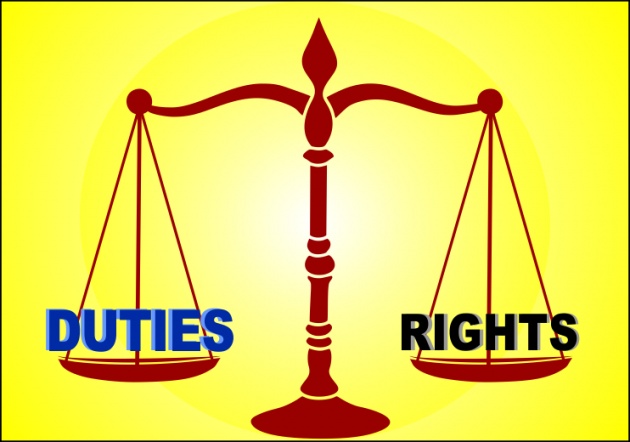
Rights and duties of a citizen

Rights go with duties. Every citizen owes much to the society he lives in and the society in turn also owes to him. The citizen should have the right of protection of life, liberty and property, freedom of speech, sanctity of the home, association and religious faith. Education, medical help, employment, disability or old age benefits are also some other rights a citizen should have. Among the other rights are also included the right to exercise franchise to elect the government.

If the citizen has his rights, he has his obligations and responsibilities too. The first and foremost obligation of a citizen in allegiance to the state. He must stand by the government to resist enemy attack to prevent foreign domination. A citizen is further obliged to cooperate with the government in running the administration and maintaining law and order. For running a government, money is needed and the citizens should, pay their own dues properly.

The citizens should observe discipline to maintain a good civic life. Every citizen must extend his or her hands to others who need them. Individual freedom is a precious thing no doubt, but it is our duty not to encroach upon other’s freedom.

WhatsApp Versus Indian Government

The whole nation is in turmoil due to the provisions of the new Information Technology Rules, 2021. To understand the situation better, we will see what the rules are and why they are causing conflicts with the Government. 

New IT rules that undermine the power of social media

The proposed new rules will cover social media companies like Facebook and Twitter, OTT platforms such as Netflix, Amazon Prime, Hotstar, and digital news publishers like The News Minute, Scroll, Quint, The Wire, Newslaundry, The Cue. 

Indian Government revealed the new social media rules on February 25, 2021. As per the new rules, social media intermediaries will now come under a three-tier regulatory regime. In this context, “social media intermediary” refers to an intermediary which primarily enables interaction between two or more users and allows them to create, upload, share, disseminate, modify or access information using its services. 

  • The First Tier

The first tier follows a self-regulating mechanism. The social media intermediary is required to appoint a resident Chief Compliant Officer, nodal contact person, and a resident Grievance Officer. The Chief Compliant Officer shall ensure compliance with the Act and the rules thereunder. The nodal officers shall coordinate with the law enforcement agencies to ensure compliance with their orders. The Grievance Officer shall acknowledge the complaint of a user within 24 hours and dispose of such complaint within a period of fifteen days from the date of its receipt. 

  • The Second Tier

The second tier is self-regulated by a self-regulating body. This body consists of a retired judge or an eminent person from the department of media, entertainment, or any relevant field. It has the power to censure, modify or delete any content it deems a cognizable offense.

  • The Third Tier

The third tier follows an oversight mechanism. It establishes an Inter-Departmental Committee that mainly performs the functions of the self-regulatory bodies. 

Some of the chief issues that worry the social media companies

  • Privacy concerns

One of the provisions of the new rules requires that the social media intermediaries disclose the identity of the “first originator” of the information that threatens the sovereignty and integrity of India, the security of the state, or public order.

  • Usage of AI

The Indian Government also requires the social media intermediaries to deploy technology-based measures to identify information that depicts any act or simulation in any form depicting rape, child sexual abuse, or conduct, whether explicit or implicit. 

Reactions to the imposed IT rules:

Obtaining the identification of the first originator would break the end-to-end encryption. By breaking the encryption, users cannot safely exchange chats, photos, or information on social media platforms without them being open to access not just by bureaucrats and government bodies but also by hackers.

While it is necessary to deploy Artificial Intelligence (AI) to monitor objectionable content, there are certain limitations to implementing it. With the number of users increasing, it is laborious to moderate the amount of content generated every day. 

WhatsApp’s stand against the Government

While Facebook has complied with the new rules and Twitter has remained a silent bystander, WhatsApp has filed a lawsuit in India which seeks to block the new digital ethics code from coming into force. For WhatsApp to identify the first originator of even one message, it has to restructure the entire platform. This feature compromises the privacy of billions of people who communicate digitally. The other concern is that freedom of speech and any form of expression of dissent would be hampered. 

IT Minister Ravi Shankar Prasad has stated, “It is WhatsApp’s responsibility to find a technical solution, whether through encryption or otherwise.” It will be interesting to witness how far India would go to press WhatsApp to comply with the new rule.

Working from home – its disadvantages

Covid 19 pandemic hit the globe unprepared – and then we were forced to transition into the working from home setups. Not being able to physically meet at the workplace, we’ve started to accept having get-togethers and meeting via online video communications platforms. Though we have to accept that the work-from-home scenario has helped in a lot of ways, especially in connecting people from different parts of the globe and connecting them when they were not able to physically travel because of the lockdown. Despite all its advantages, we will have to agree that working from home isn’t equal to the earlier times when we worked inside the office premises. Like every coin has two sides, along with its pros, working from home has its disadvantages. Let’s have at look at them –

  1. A lesser balance between work and personal life – When working from the office it’s easier to strike a balance between work and personal life – mostly once you left the office building you didn’t engaged in office work again till the next day. But now with work from home – we find ourselves always busy on a work call even later than office hours. With the physical transition of traveling to the office missing, the line between our work and personal life is also blurred.
  2. Lack of social life and feeling isolated – Not getting to meet our colleagues face to face, lesser social and human interaction end up making us feel isolated. More than half of the people have also reported increased loneliness because of working from home.
  3. Decreased motivation levels – You would generally make efforts to wake up early and look presentable while you were travelling to office every day. On the contrary, when at home we might just laze around in our pajamas all day, maybe sleep in the time we earlier used to dress up and get ready. This decreases our motivation, and we are generally less interested in the X-factor in the day – as the routine is pretty much the same each day.
  4. Lack of teamwork- Evidence finds that working from home can have negative effects on our thinking abilities as a team. When physically together, it’s easier to collate the brilliant ideas from each person in the team, help each other, and build rapport with the members. These seem to be missing when the only mode of communication for the team virtual.
  5. Presence of domestic distractions – Working from home has added difficulties, including the distractions from our home and the surroundings. Maybe you have someone in your family watching the TV in in front of you, or your children are demanding your time when you are in the middle of an important meeting. These distractions are absent while you are on the office premises which is designed in a way to let you work at your highest level of productivity.
  6. Decreased productivity and increased coordination costs – A study has shown that even though the number of hours worked while working from home has increased post the pandemic, the productivity levels have decreased. Extra efforts have to be made for the communication, coordination, and collaboration between the team in the virtual setting – affecting the productivity levels of the employees.

Though being safe and at home is definitely the priority right now, I’m sure most of us can’t wait to get back to our offices once the pandemic is over. Even with the few cons of working from home, we cannot be less appreciative of it and how it has let us to continue working in these difficult times.

CARBON FOOTPRINT

The 20th and 21st century have seen ginormous revolution and advancements in the field of industrialization and technology. The volume and amount of technological products and services that we use today and the vast scale of industrial development have surely made our lifestyle luxurious and hassle-free, but this face of evolution has surely taken its toll on the environment. Here, we discuss what is carbon footprint, the causes, how it affects climate change and a few ways and methods to decrease it.

What is Carbon Footprint?

According to WHO, “A carbon footprint is a measure of the impact your activities have on the amount of carbon dioxide produced through the burning of fossil fuels and is expressed as a weight of CO2 emissions produced in tonnes”. The New York Times describes it as “A carbon footprint is the total amount of greenhouse gas emissions that come from the production, use and end-of-life of a product or service. It includes carbon dioxide — the gas most commonly emitted by humans — and others, including methane, nitrous oxide, and fluorinated gases, which trap heat in the atmosphere, causing global warming.” These emissions are a result of an individual’s usage of basic amenities like transportation, housing and food and other technologies. For millions of years, these greenhouse gases present in proportion in the Earth’s atmosphere have kept the climate warm and conducive for habitation, but their huge emission levels have ended up heating the Earth beyond safe limits and have drastically affected its climate. Greenhouse gases trap heat released mostly from human activities like burning fossil fuels for heat, electricity, transportation, industries as well as agricultural, commercial and domestic activities. These unwanted levels of greenhouse concentrations cause complex shifts in the normal environmental cycle, leading to climate change and rising temperatures on the planet. Climate change has adverse effects on the environment resulting in extreme weather effects, shifting wildlife populations, melting glaciers, rising sea levels, change in precipitation, ocean acidification due to acid rains and a number of respiratory diseases from smog and air pollution due to entrapment of carbon dioxide, monoxide and other gases in the atmosphere.

How can we bring about reduction in the carbon footprint?

Well, a lot of efforts will go into almost restoring the natural balance of the environment and climate. But as they say, charity begins at home! Every individual can take small steps to reduce their carbon footprint and make a huge difference in the years to come. For instance, we can keep a daily check on our personal and household carbon footprint via Carbon Calculators, make a plan based on the provided reduction recommendations, and act upon solutions like limit unwanted use of electricity, heat and other products. LED lights are known to use 85% less energy and run 25% longer than conventional incandescent lights. Switching to energy efficient sources will surely help reduce our greenhouse emissions. Choosing to buy sustainably also helps. We can minimize the use of resources emitting greenhouse gases, reduce discarding non-biodegradable products and create awareness amongst our colleagues and co-workers about the same at our workplace.

Various reports stated that carbon emissions from transportation surpassed emissions from electricity generation as a top source of greenhouse gases. Going carless for a year could save about 2.6 million tonnes of carbon dioxide, according to 2017 study from researchers at Lund University and the University of British Columbia — that’s a little more than a roundtrip transatlantic flight. So, to reduce these emissions effectively, we can minimise the use of personal vehicles, keep maintenance of the vehicles regularly, travel by public transportation as much as possible or car-pool to the workplace, or invest into a better option – electric (green) vehicles!

A lot of energy is used up for our food production and consumption methods. We can reduce this energy usage by eating better and less processed food, lessening wastage, using decomposable plates and utensils rather than plastic ones, etc.

On a greater scale, optimizing industrial processes and changing to more sustainable ways of manufacturing goods, adopting renewable energy sources for daily use and creating policies to bring about reduction in the carbon footprint are necessary to reverse detrimental effects to the environment and climate in the coming decades.

Types of Sonnets

       A sonnet is a fourteen line poem  with a fixed rhyme scheme expresses one single thought or emotion and were usually written in iambic pentameter. Sonnet was originated in the Italian poetry which was composed at the court of Holy  Roman Emperor Fredrick ll in Sicily. The term sonnet was derived from the word sonneto which means ” a little sound or strain”. It was invented in 13th C  by Giacomo da Lentini who was the head of Sicilian school. By the 13th C, this poem  followed strict rhyme scheme and structure. During the Renaissance time ,  sonnet was the  choice mode or expressing romantic love. Later, Dante, a  genius used it in the latter half of 13th C. He may have been the predecessor of writing sonnets.

     There  are various types of including Italian sonnets,  spenserian sonnets and Shakespearean sonnets.

Italian sonnets:


      The other name for this sonnet  is Petrarchan  sonnet and also known as classical model because later it was followed by many other countries in the world. This sonnet is divided into two parts. The first eight lines are called octave and the next part consists of six lines called as seset.The octave has two rhyme  say a and b. The rhyme scheme for the octave is abbaabba. The seset sometimes has three rhymes sometimes different from those which employed in the octave.Eg: cdecde. At the end of the octave,  there  is a well marked pause  called caesura which is indicated by a punctuation or command or fullstop. The caesura is followed by Volta which means a change in thought or summarized. Milton  followed this type of Italian sonnet in his few works. In the hands of Milton, the scope of sonnets  were greatly widened  and it included within its range  all human feelings and experience.

Shakespearean sonnets:


       Sonnets was introduced by Thomas Wyatt in the first half of the 15th Century. Along with Wyatt, Henry Howard , Earl of surrey were the poets who made some changes in the Italian sonnets.  Surrey in particular adopted a different rhyme scheme. His rhyme schemes were ababcdcdefefgg. Concluding lines are called as couplets which is gg.  There is no structural connections . Later, Shakespeare followed his own form and it became famous after him. Italian sonnets have pause, comma or Volta but in the Shakespearean sonnets, there is no pause or change in thought. Only in the final couplet where the highest peak of the poet’s emotions are reached. The following sonnet by Shakespeare named “Remembrance ” is the model for the Shakespearean sonnets. There  was no set range of subjects for sonnets but Shakespeare limited its theme to love . Most of his sonnets celebrates his attachment  to his young friend to whom they are dedicated. Shakespeare wrote 154 sonnets which were all published together in ‘quarto’ in 1609.

Spenserian sonnets:


      This type of sonnets are structurally interconnected with three quatrains and it’s rhyme schemes are ababbcbccdcdee. There is a change of theme or meaning in the poem that usually  occurs in the nineth  line of the sonnet. Among the three types of sonnet,  this type of sonnets are little bit difficult to write. Spenserian sonnets requires two fewer rhymes. Best example for spenserian sonnet is ” One Day I Wrote Her Name Upon The Strand”.

WHY READING FICTION IS GOOD FOR YOU?

“Books are the quietest and most constant of friends; they are the most accessible and wisest of counselors, and the most patient of teachers.”
– Charles William Elliot

I’m certain that many of you will acknowledge what Charles William Elliot said. No one can deny the degree of power that books hold within itself and what lasting prints it leaves on us.
People usually pick up non-fiction books relating to- self-help, business, health, the lifestyle which are undoubtedly great to widen one’s horizons of knowledge. But fictions, on the other hand, are in a way an untapped reservoir of knowledge, wisdom, understanding, emotions, and countless other things.

If one wishes to develop an exceptional personality then he/she must inculcate the act of reading fiction. These are the most robust way of exercising your brain muscles and being more creative apart from developing a sense of understanding.

Reading fiction is like living many hundreds of life and experiencing all the heat and rain of it.

Ernest Hemingway said, “All good books have one thing in common — they are truer than if they had really happened, and after you’ve read one of them you will feel that all that happened, happened to you and then it belongs to you forever: the happiness and unhappiness, good and evil, ecstasy and sorrow, the food, wine, beds, people, and the weather.”
And only a fiction reader can relate to what Hemingway has said. While reading fiction the protagonist’s life gets affixed with the readers and whatever happens to him is experienced by the reader within himself and this is how the not-the-real story becomes an experience for the reader and it carries this experience throughout his life.

READING FICTION MAKES YOU MORE CREATIVE-


According to research conducted at the University of Toronto, it was found out that the students who read fiction experienced less need for “cognitive closure” (the human desire to eliminate ambiguity and arrive at definite conclusions ) than non-fiction readers.
Reading fiction novels makes the brain active and enables the reader to broaden his creativity and think of a situation or a thing from many different ways and angles.

FICTION HELPS UNDERSTAND OTHERS PERSPECTIVE-


You must have sensed while reading a fiction book a connection between you and the character. You see the situation through the character’s view and not from yours. That is where you blend yourself with the character and understand his perspectives, the way he opines, his actions, his arguments, and his justifications.

A good fiction runs deep in the dominion of psychology and philosophy. You start to accept and justify the other person’s viewpoint.

READING FICTION GIVES YOU WISDOM AND EXPERIENCE-


Many different books have many different stories. Each time you pick a book you are transported back to a completely different time and space. That is the power of reading fiction books.

You experience tragedies, happy endings, downfall, success, and whatnot. And while these experiences, you widen the realm of your wisdom. You clearly see the distinction between true and untrue, good and evil.
“You can never be wise unless you love reading”, says Samuel Johnson, an 18th CE English writer.

For instance, while reading a history academic textbook you just gulp down the fact and dates. But when you read historical fiction you walk down that path, experience the time and surrounding. And after you have put down your book you feel as if you are back in your time with a bagful of experiences and long-lasting impact.
“A good book is an event in my life.” is what Stendhal, a 19th-century French writer feels about reading.

FICTION HELPS YOU UNDERSTAND THE BIGGER PICTURE-


Fiction in its narration exhibits the bigger picture in a minuscule and detailed manner. It familiarises the readers with the ground situation and gives them a wholesome experience.

In the book “The Thousand Splendid Suns”, Khaled Hosseini portrays the life journey of a young girl to becoming an old woman in Afghanistan from the time of Soviet invasion to the reign of Taliban to post-Taliban rebuilding.
Through this deep-moving chronicle, the author teaches its reader about the life of common Afghanistani during the time, the hardships she goes through, and a beautiful, gripping description of her feelings and emotions.

Hosseini, through his book, tries to make his readers experience while sitting on their couch the turns and turmoils in the protagonist’s life and learn from the story the life morals, values, and virtues to hold on to.

All in all reading fiction gives you ‘EXPERIENCE’ of many lives and thus helps you in your overall personality.

US promises to help India in Covid Fight

Will never forget the help given to us by India’ says US promising help to India in its Covid fight: Indan minister of external affairs S Jaishankar who was in his official trip to US became the first cabinet minister to visit it since Joe Biden was appointed as US president i.e January 20th. On Saturday external affairs minister gave an statement related to expand production of vaccines in India with assistance from the United States. He gave this statement after lot of discussion with some officials of US regarding Covid pandemic and vaccines.

The primary focus of the visit obviously was on the relationship with the new administration. It is a very important relationship. Also, to engage with the senior cabinet members here,” said the external affairs minister while revealing reason of his visit to Indian reporters after concluding successfully most of his engagements. The minister further added “There was also of course the COVID-19 context because of the vaccine partnership between India and the US, and also Quad-based discussions on vaccines. That was also one of the important subjects. In fact, in many ways, I would say the most important subject of my discussion,”.

Over the last two days Jaishankar met many officials and cabinet ministers of US. He met Secretary of State Antony Blinken, Defense Secretary Lloyd Austin, National Security Advisor Jake Sullivan, US Trade Representatives Katherine Tai and Director of National Intelligence Avril Haines and some others. Jaishankar had some wide ranging talk with his counterpart from US i.e Anthony Blinken. He discussed many important issues with him and expressed his gratitude for Biden administration for it’s strong support and solidarity with India at a moment of great difficulty and for helping India in fighting with this deadly Covid 19 pandemic.

Blinken also expressed his gratitude for the help given to US by India while welcoming Jaishankar to the state department. He said that they will never forget that India was with US in the early days of Covid. He addressed to state department that “Now we want to make sure that we are there for and with India,“.

In the joint media interaction between the two leaders while addressing the reporters, Jaishankar said that “We have a lot of issues to discuss. I think our relations have grown stronger over the years and I’m very confident that it’ll continue to do so. I also want to take the opportunity to express to the Secretary, through him to the administration, (and) to the United States for the strong support and solidarity and at the moment of great difficulty (for us),” .

We are united in confronting COVID-19 together…We are united in dealing with the challenge posed by climate change and we are partnered together directly through the QUAD and other institutions in the United Nations in dealing with many of the challenges that we face in the region,” Blinken said emphasising on the unity of India and United States in supporting each other and fighting such challenges.