

One of the best social reformers in Tamilnadu. He was born on September 17, 1879 in Erode. He was the son of a wealthy businessman Erode, Venkatappa and Chinna Thayammal. He got married at 13th year and renounced his life ar 19th year. By wearing saint dress he went to many holy places like Varanasi. He held different official positions of Erode that included the Chairmanship of Municipal Council (1918-1919). In the context of the rise of the non-Brahmin leaders such as Periyar and P. Varadarajulu, at the initiative of C. Rajaji. In 1919 he joined Congress. He was elected as the secretary of Madras state Congress Committee in 1921. During Non Co-operation movement Periyar was the head Madras Congress. In 1922, he was President of the Tamil Nadu Congress Committee. In Vaikom people protested against this practice. In the initial stages George Joseph of Madurai played big role. After the local leaders were arrested Periyar led the movement and was imprisoned. People hailed him as Vaikom Virar (Hero of Vaikom). Kellapan and T.K. Madhavan played a major role in Vaikom. In the meantime, he was disturbed by the caste- based discrimination in the dining hall at the Cheranmadevi Gurukulam (School). It was run by V.V Subramaniam (a Congress leader) with the financial support of the Tamil Nadu Congress Committee. In 1925, Kanchipuram session Periyar tried to pass the resolution of Reservation in Government services for non-brahmins but in vain. This made him to quit Congress in 1925.
Author: Vaishnavi Selvakumar
RAJAJI
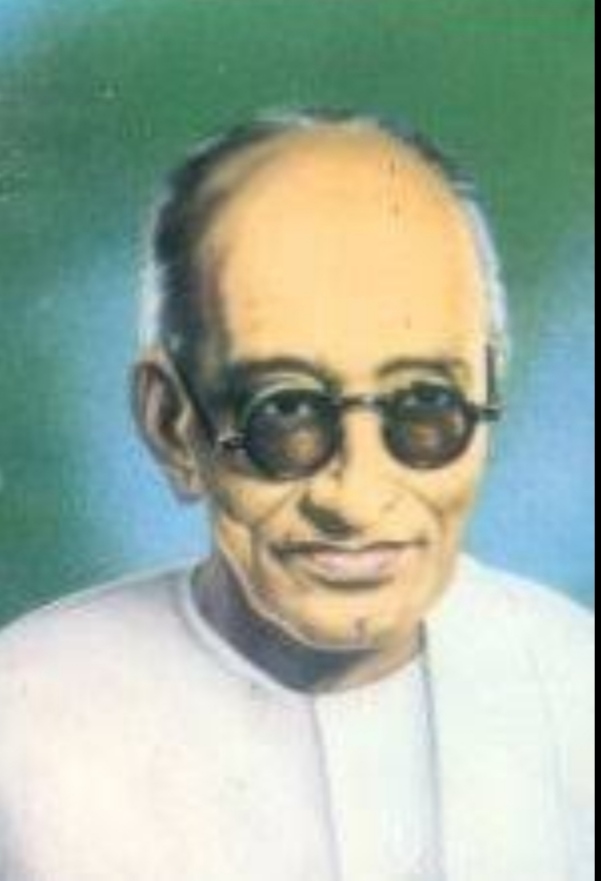
C. Rajaji was born on December 10th 1878 at Thorappalli. He joined the Inc and participated in 1906 Calcutta conference. He participated in 1907 Surat conference and become a staunch follower of Gandhiji. During 1919 Rowlatt act he joined in Independence struggle. He was the leader of the Tamilnadu Congress during the Salt Satyagraha. Vedaranyam Salt Satyagraha was successfully made in 1925. He won the 1937 provincial election and become the Chief Minister of Madras presidency. In 1937 he enforced a ban on alcohol in Salem. Rajaji resigned as Chief Minister in October 1939 when the Congress cabinet resigned, condemning the use of Indians in World War II. He did not support the Quit India Movement. He was the first Governor Indian General of free India. 1952 he formed the ministry in Tamilnadu. During that time he introduced “Kula Kalvi Thittam”. It was opposed by Kamaraj and E.V.R and at last Rajaji resigned from Chief ministership in 1954. In 1956, He spoke at the Amritsar Congress Conference on the Dakshina Pradesh, which includes Tamil Nadu and Kerala. Later he resigned form Congress and started Swantandra party in 1959. He was the editor of Mahatma Gandhi’s Young India newspaper. He was often referred as ‘Chanakya’ for his diplomatic skills. His literary works: Published a book called Prison Notes (Siraivasa Kuripugal). He wrote a biography of Socrates in the book Gokrathar. ‘ Sakkravarthi Thirumagal’ book about Ramayana. ‘Vyasar Virundhu’ about Mahabaratham. He died on December 25, 1972.
Man and the Environment

Environment is the surroundings of man. Earth is a big environment. Man lives in the environment. Man depends on the environment. Whatever he gets, he gets from the environment. Whatever he gives, he gives to the environment. The environment contains natural resources. He exploits them for his welfare. As he uses more and more, it deteriorates. Man knows the effects of deterioration. So he conserves environment.
Uses of Environment

The environment serves mam in the following respects:
1. It provides substratum for man to live.
2. It supplies food
3. It supplies oxygen for respiration
4. It supplies water
5. It supplies carbon dioxide for photosynthesis
6. It supplies energy resources such as coal, petrol, diesel, etc.
Threats from the Environment
Man controls his environment. However, man is threatened by natural disasters such as, Cyclones, Earthquakes, Floods, Droughts, Landslides, Volcanoes, Fire accidents, Nuclear accidents, etc.
Environmental Deterioration
Overpopulation, modern technologies and industrialization lead to the deterioration of the environment. The following factors cause the deterioration of the environment. Air pollution, water pollution, land pollution, oil pollution, thermal pollution , Nuclear pollution, Noise pollution, plastic pollution, pesticide pollution, acid rain, Ozone depletion, Global warming, world war, Nuclear weapons, Biological weapons, Photochemical smog, Loss of Biodiversity

Conservation of Environment

Man is well aware that environment becomes part and parcel of his life. He also knows that it is deteriorating. Hence he initiated steps to conserve the environments. The following steps are taken to conserve environment: limited use of resources, Reuse of wastes, Reduction of wastes, Recycling of wastes, Vermicomposting , Eco-friendly biofertilizers, Eco-friendly biopesticides, Rain water harvesting, Remote sensing, Use of clean technology, Use of wind energy, use of sunlight as energy

Heart of Man
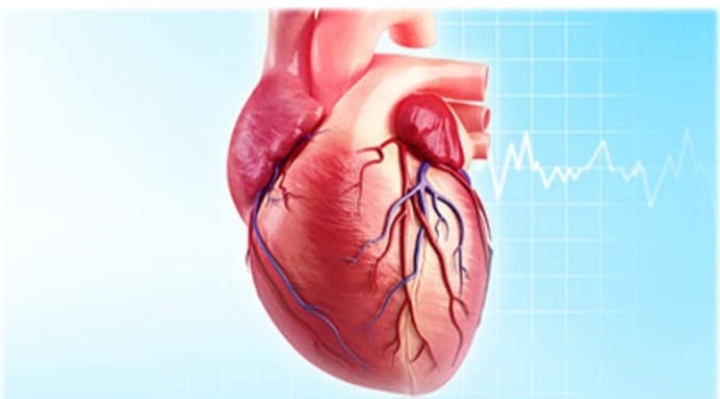
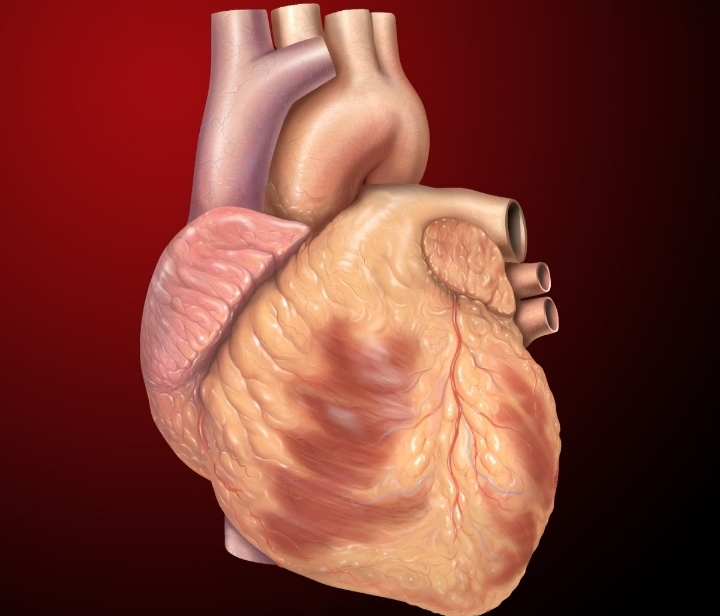
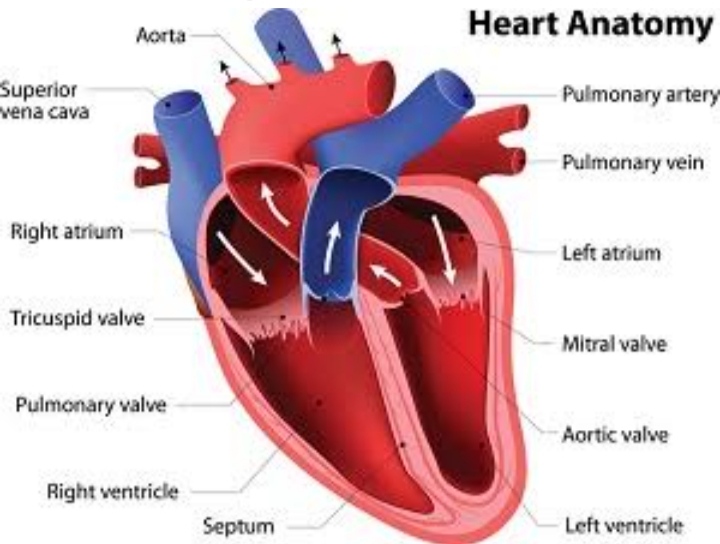
The heart is a four chambered muscular pump located inside the chest .It is ‘heart’ of circulatory system. The heart is conical in shape. The heart is a mesodermal derivative. The adult human heart is roughly about the size of a closed fist. It is a myogenic heart. The heart is covered by a fibrous sac called pericardium. The wall of the heart is primarily made up of cardiac muscles called myocardium. The inner surface of the heart is lined with a thin layer of epithelial cells called endothelium. The heart is formed of four chambers, namely two auricles and two ventricles. The auricles are named as right and left auricles. The ventricles are named as right and left ventricles. The right and left auricles are separated by a fibrous partition called interatrial septum. Similarly, the two ventricles are separated by an interventricular septum. The auricles are separated from the ventricles by an auriculoventricular septum.
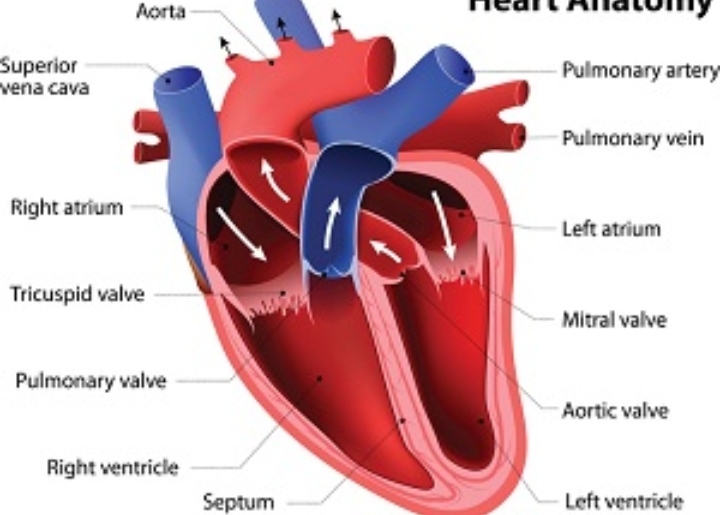
The right auricle opens into the right ventricle by a right auriculo ventricular aperture. Similarly, the left auricle opens into the left ventricle by a left auriculo ventricular aperture. The right auricle receives deoxygenated blood through three veins, namely inferior vena cava, superior vena cava and coronary vein. The left auricle receives oxygenated blood from the lungs through pulmonary veins. Two main blood vessels carry blood from the ventricles. One large aortic arch carries blood from the left ventricle to the various parts of the body except the lungs. The pulmonary aorta carries blood from the right ventricle to the lungs. The heart contains three types of valves. They are bicuspid valves , tricuspid valves and semilunar valves. The left auriculoventricular aperture is guarded by a valve called bicuspid valve . It has two flaps and hence the name ‘bicuspid’. The right auriculoventricular aperture is guarded by a tricuspid valve containing three flaps. Both bicuspid and tricuspid valves are fastened to small conical muscles called the papillary muscles on the ventricular wall through several tendinous strands, the chordae tendinae.
Thermoregulation in Camel
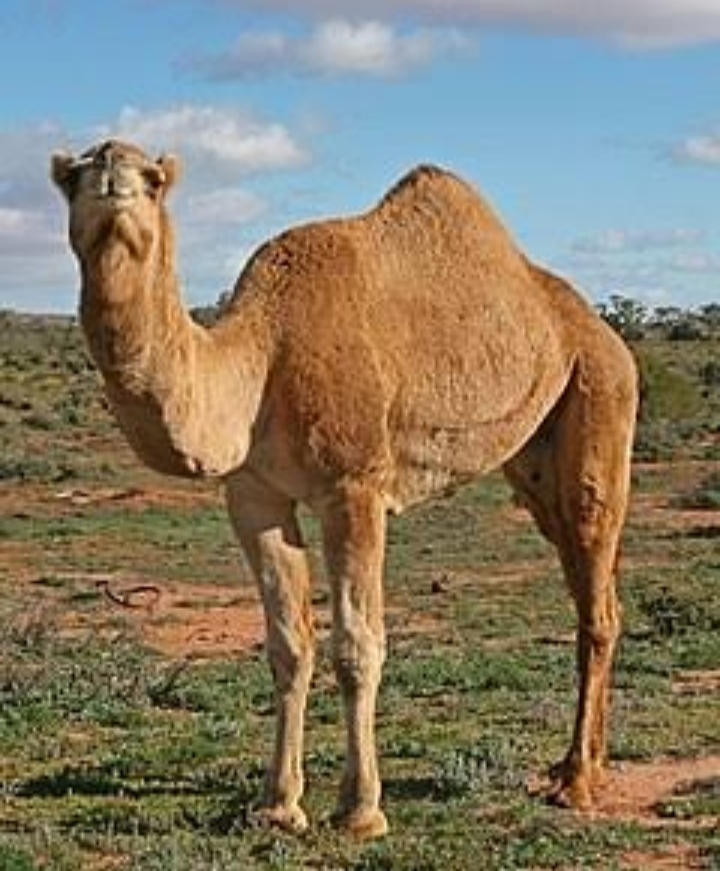
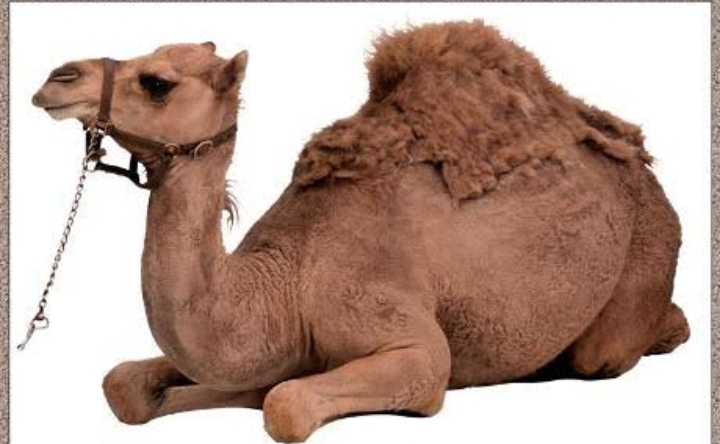
Camel is a desert mammal. It is called the ship of the desert as it is well adapted to live in hot sand of deserts. The camel has the following adaptations for desert life:
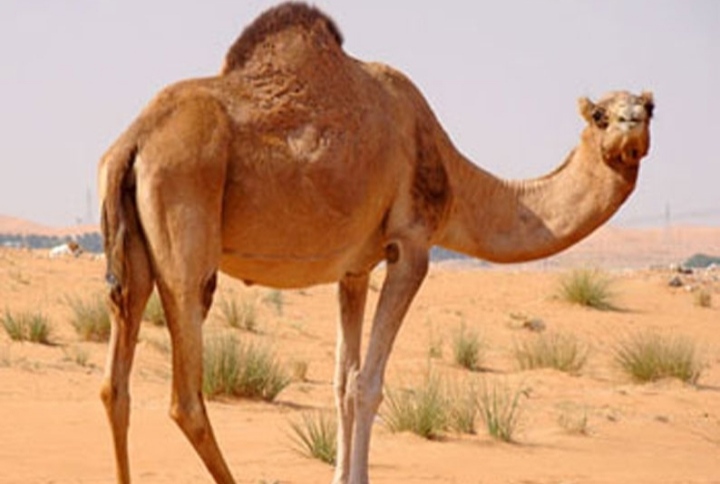
1. Camel is an eurythermal animals as it has the ability to tolerate wide variations in temperature. 2. Camel is a warm blooded animal (homeotherm) as it can keep its body temperature well above the ambient temperature as other mammals and birds. 3. Camel is also a hypothermic animal as it can keep its body temperature abnormally low during night. 4. Camel is an endothermic animal as it has the ability to generate temperature from the body. 5. The camel is a temporal heterothermic animal as their body temperature is very high during hot day and very low during cool night. It cannot maintain the body temperature within a narrow range. It absorbs heat and allows its body temperature to go high up 58°C*, on a hot day. Similarly, during night, it allows its body temperature to drop several degrees below normal. 6. Camel is a large animal. It cannot hide into a burrow like small animals during hot days. 7. As it is a large animal, its surface/mass ratio is low and heat capacity is high. 8. Camel has a thick pelagic that helps insulate from external heat. 9.Low surface area and thick pelagic retard the absorption of heat from the surrounding. 10. Camel has high specific heat of tissue water.This helps camel to absorb relatively large quantities of heat for a given rise in body temperature. 11. The dehydrated camel can also tolerate an elevation of its core temperature by several degrees, further increasing its heat absorbing capacity. 12. The camel allows its body temperature to go high up without sweating. This prevents loss of water from the body. 13. Camels fur acts as an effective barrier to heat transfer. It helps conserve water and retard heating up of the body. 14. Camel drinks large quantity of water in a short time.15. The camel has long eyelashes that keep its eyes safe from wind borne sand. 16. It has muscular nostrils that it can completely or partially close at will.
Hygiene
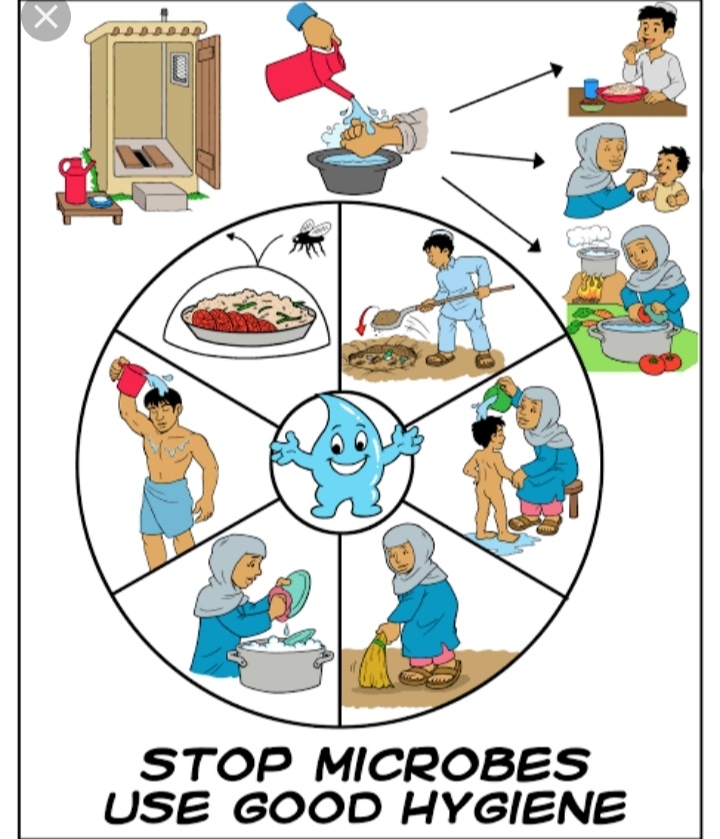
Hygiene is the science of rules of healthy living. Food hygiene is very important for healthy living because most of the diseases and disease producing germs are transmitted through food. The food may be contaminated at any stage during its journey from the producer to the consumer. It is contaminated during handling, distribution and serving. Hence hygiene refers to hygiene in the production, handling, distribution and serving of all foods. Each and every item of the food should be maintained under hygiene condition. Thus there are milk hygiene, meat hygiene, fish hygiene, fruit hygiene, vegetable hygiene, personal hygiene, etc.
Milk Hygiene
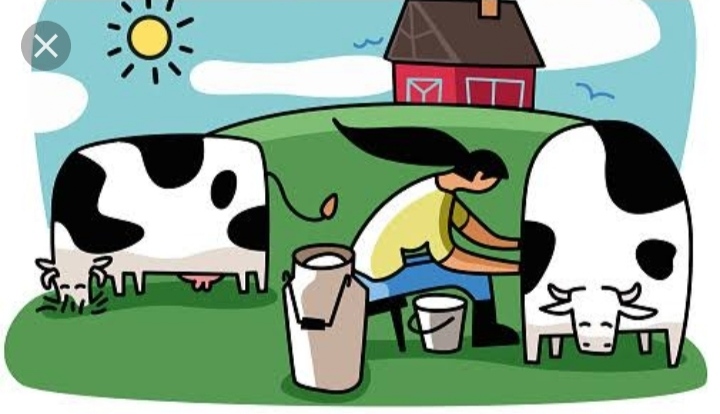
Milk is a suitable medium for most of the disease producing germs. Hence it is an efficient vehicle for many disease producing germs. It is contaminated by three main agents. They are:
The dairy animal. The human. The environment comprising contaminated vessels, polluted water, flies, dust, etc. The important diseases which are transmitted through milk are as follows:
Typhoid and paratyphoid fevers. Tuberculosis. Diptheria. Salmonellosis and streptococcal infections.
The milk hygiene is maintained by the following methods:
The dairy animal should be maintained clean and healthy. The udder should be washed and cleaned before and after milking. The dairy house should be sanitary. The vessels must be sterile and kept closed. Water used must be free from bacteria. Milkers must be free from contagious diseases. Milkers must wash their hands properly before milking. Milk should be stored at 50°F after milking. This will prevent bacterial growth.
Meat Hygiene
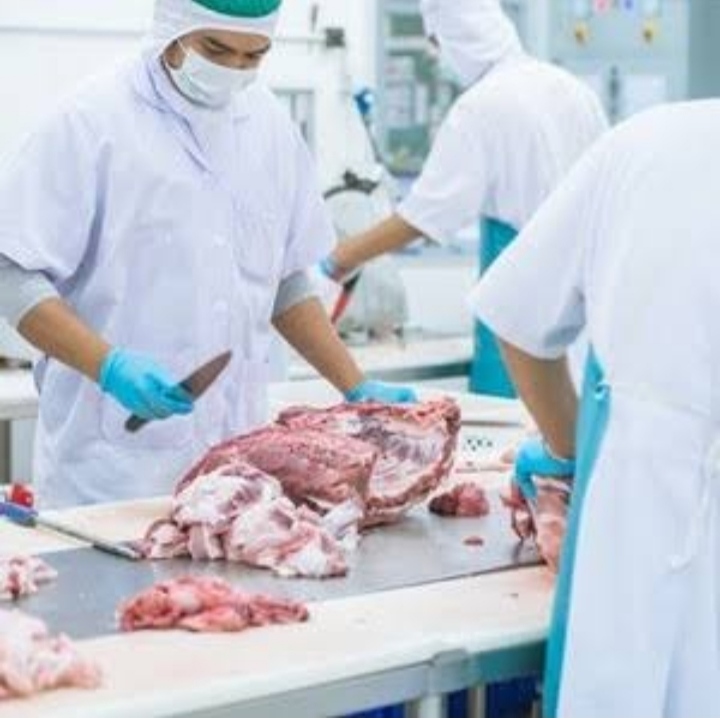
Meat includes a variety of edible animal tissues. The common diseases transmitted through meat are tape worm infestations and bacterial infections. Meat Hygiene is maintained by 1. Meat inspection and 2. Hygiene slaughter houses.
1. Meat Inspection:
The slaughtering animals should be subjected to proper antemortem and postmortem inspection. The unhealthy infected and pregnant animals should be eliminated.
2.Slaughter House:
The places where edible animals are killed are called slaughter houses. The hygiene of slaughter houses is very important to prevent contamination of meat. The slaughter house should satisfy the following conditions:
1. It should be located away from residential places. 2. Floors and walls should be easy to clean. 3. Provision for antemortem and postmortem inspection. 4. Provision for adequate and continuous water supply. 5. Other animals should not be allowed. 6. Meat should be stored in fly-proof and rat-proof rooms.
Fish Hygiene
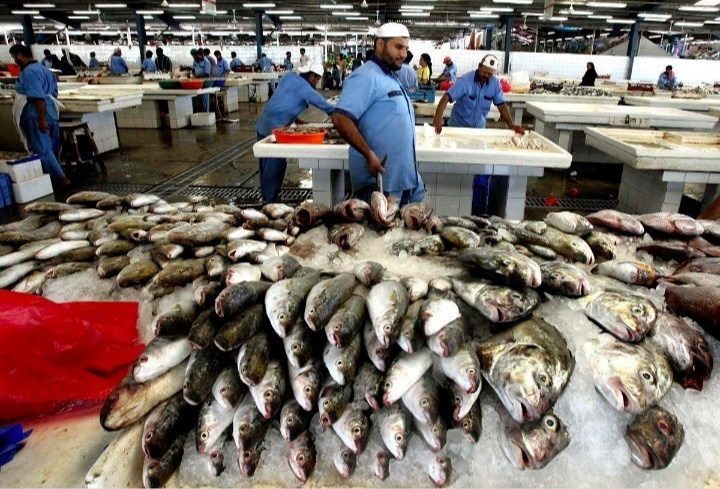
Fish loses its freshness or deteriorates because of autolysis after death. The deterioration of fish is due to the infection of bacteria. The stale fish should be condemned. The signs of good fish are:
1. Stiffness or rigor mortis. 2. Gills are bright red and 3. The eyes are clear and prominent.
Hygiene of Fruits and Vegetables
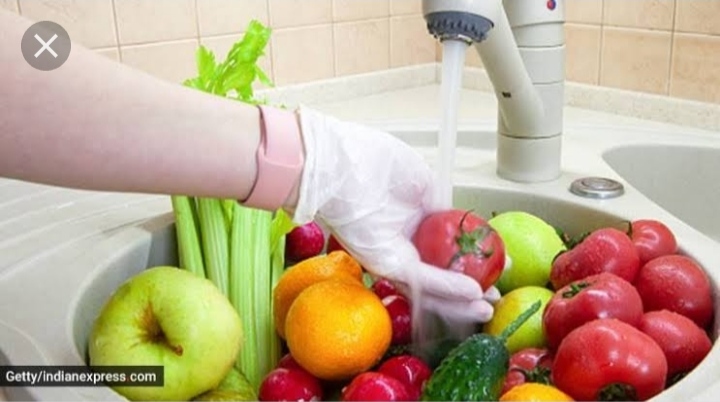
Fruits and vegetables should be properly washed before they are used.
Personal Hygiene

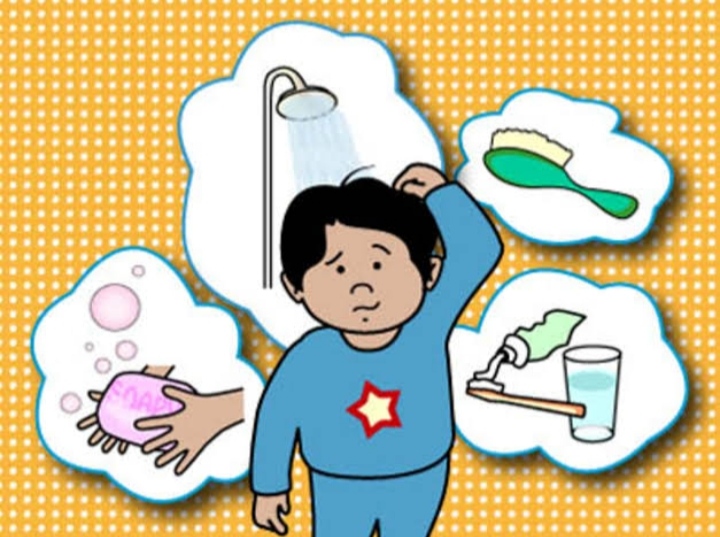
1.The food handlers should be thoroughly examined medically and physically at the time of appointment.2. Hands should be properly washed and cleaned before handling food. 3. Finger nails should be trimmed and free from diet. 4. Head coverings should be provided, especially in the case of women to prevent loose hairs entrance into foodstuffs. 5. Coughing and sneezing should be avoided near the food. 6. Licking the fingers before picking up a food is prevented. 7. Smoking is avoided.
Nutrition

Nutrition is a science dealing with the composition of food, food intake and its assimilation in the body. It includes food, ingestion, digestion, absorption and egestion.
Types of Nutrition

Nutrition is the process of obtaining nourishment. It includes food, ingestion, digestion, absorption and egestion. Protozoans exhibit 6 types of Nutrition. They are as follows:
Holophytic nutrition. Holozoic nutrition, Saprozoic nutrition,mixotrophic nutrition, parasitic nutrition and coprozoic nutrition.
Holophytic nutrition
Here the protozoans synthesize carbohydrate by photosynthesis. They are provided with chlorophyll. They synthesize carbohydrate with the help of CO_2, water and animals. Holophytic nutrition is exhibited by protozoans bearing chlorophyll. Eg. Euglena, Chlamydomonas, Volvox, etc.
Holozoic Nutrition
This type of Nutrition is like that of animals. In this type, the solid or semi-solid food is swallowed. Eg. Amoeba.
Saprozoic Nutrition
The absorption of decayed organic materials as food is called Saprozoic Nutrition. The food consists of decayed plants and decayed animals. They are absorbed in solution through the general body surface. Eg. Euglena, Entamoeba, etc.
Mixotrophic nutrition
Certain protozoans feed by more than one method. Eg. Euglena. It exhibits holophytic nutrition, holozoic nutrition and Saprozoic Nutrition.
Parasitic Nutrition
Parasites obtain their food from their hosts. They feed by holozoic method Saprozoic method. Parasites may feed on the digested food of the host or on the tissues of the host. Trypanosoma feeds on blood by Saprozoic method. Trichomonas feeds on the digested food.
Coprozoic nutrition
In this method, the faecal materials are swallowed as food. It is exhibited by Copromonas living in the faeces of vertebrates.
Food
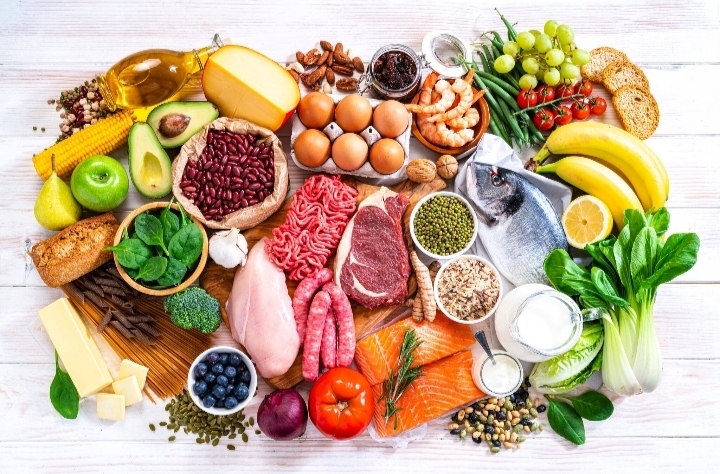
Life cannot exist without energy. Energy is inevitable for the day – to- day life activities. This energy is derived from food. Food is defined as a composite mixture of various substances which sustain life activities. Foodstuff is defined as anything which can be used as food. The foodstuff of animals is composed of the following six components:
Carbohydrates, Proteins, Lipids, Vitamins, Minerals and water
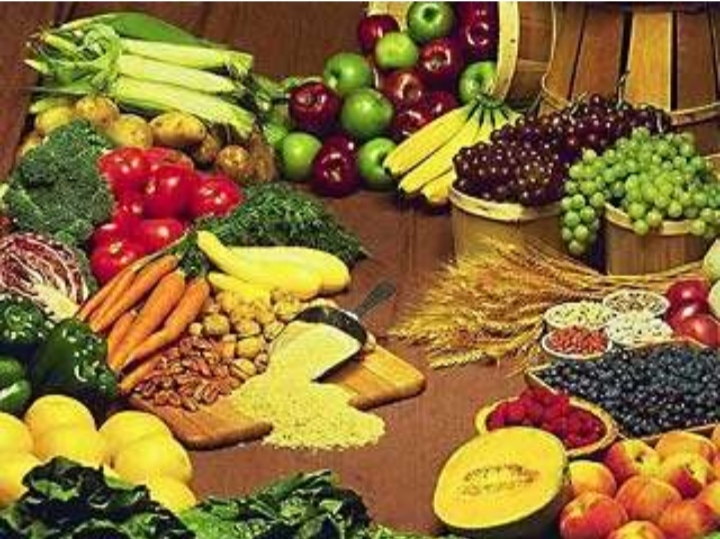
Role of Food
Food has four important functions in the life of animals. They are as follows:
It supplies energy which maintains the day-to-day life activities. Food is essential for the growth and repair of body and its parts. It gives temperature for the body. Certain type of food materials like vitamins regulate the activities of animals.
Carbohydrates

Carbohydrates are the cheapest sources of energy in the animal food. Carbohydrates are hydrates of carbon with an empirical formula Cn(H_2O). Hydrogen and oxygen are combined in the same ratio as in water (H_2O). Hence they were named as carbohydrates. But a number of carbohydrates, discovered later, do not have H and O in the above proportion; again some carbohydrates contain N_2 and S. Still the unsuitable name, carbohydrates, is retained. Carbohydrate is defined as an organic compound that contains carbonyl group, namely aldehyde or ketone in addition to two or more alcohol groups or that yields such compounds on hydrolysis. Eg. Glucose, Fructose, Sucrose, Lactose, Cellulose, Starch, Glycogen, etc.
Physiological Role of Carbohydrates
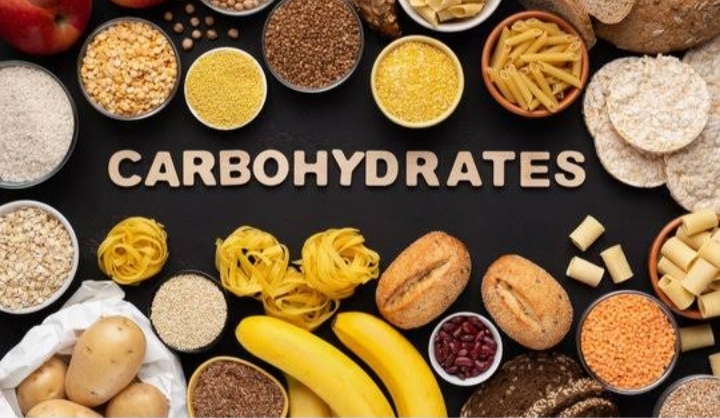
Carbohydrate has the following functions:
It is the main source of energy. Energy is essential for day- to-day activities. It plays main role in metabolism.
Proteins
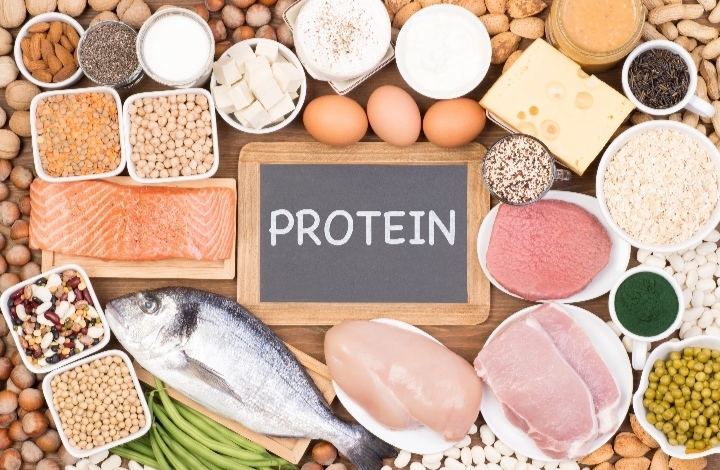
The term ‘protein’ is derived from a Greek word ‘protes’ meaning ‘prime’ or ‘first importance’. Proteins are complex organic nitrogenous compounds. They contain C, H_2,O_2,N_2 and S. Some proteins also contain P and Fe. Proteins are defined as high molecular weight polymers in which the building blocks are the aminoacids. Amino acids are the basic units of proteins. Each protein is formed of several amino acids. Eg. Albumin, Globulin, Haemoglobin, etc.
Physiological Role of proteins
In the animal world, protein has the following functions:
Most of the enzymes are protein in nature. The enzymes function as biocatalysts. The hormones secreted by endocrine glands are protein in nature. Haemoglobin transports gases. Immunoglobulin of blood plasma acts as antibodies. Proteins are essential for the growth and repair of animals. They supply energy and heat

Tobacco Abuse
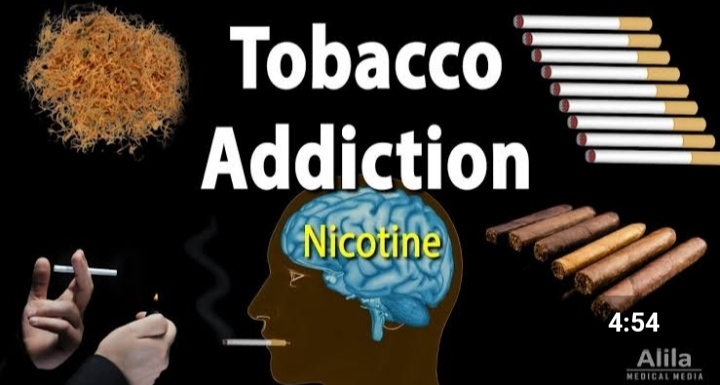
Tobacco is obtained from the tobacco plant Nicotiana tobaccum and Nicotiana rustica. The dried and cured leaves of its young branches make the commercial tobacco used worldwide. Addiction to tobacco is due to ‘Nicotine’ an alkaloid present in it. Nicotine is a stimulant, highly harmful and poisonous substance.

Tobacco is used for smoking, chewing and snuffing. Inhaling tobacco smoke from cigars, cigarettes, bidis, pipes, hukka is called smoking. Tobacco in powder form is chewed with Pan. When powdered tobacco is taken through nose, it is called snuffing.
Smoking Hazards and Effects of Tobacco
When smoke is inhaled, the chemicals get absorbed by the tissues and cause the following harmful effects
Benzopyrene and polycyclic hydrocarbons present in tobacco smoke is carcinogenic causing lung cancer.
Causes inflammation of throat and bronchi leading to conditions like bronchitis and pulmonary tuberculosis.
Inflammation of lung alveoli, decrease surface area for gas exchange and cause emphysema.
Carbon monoxide of tobacco smoke binds to haemoglobin of RBC and decreases its oxygen carrying capacity causing hypoxia in body tissues.
Increased blood pressure caused by smoking leads to increased risk of heart disease.
Causes increased gastric secretion which leads to gastric and duodenal ulcers.
Tobacco chewing causes oral cancer (mouth Cancer).
Prevention of Smoking
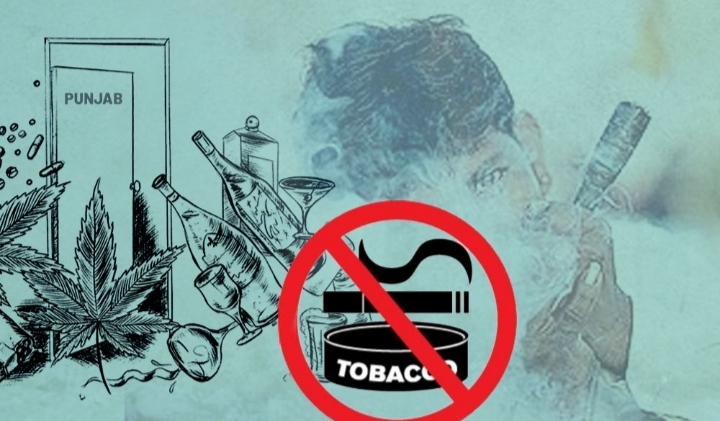
Knowing the dangers of smoking and chewing tobacco adolescents and the old people need to avoid these habits. Proper counseling and medical assistance can help an addict to give up the habit of smoking

Heart Disease
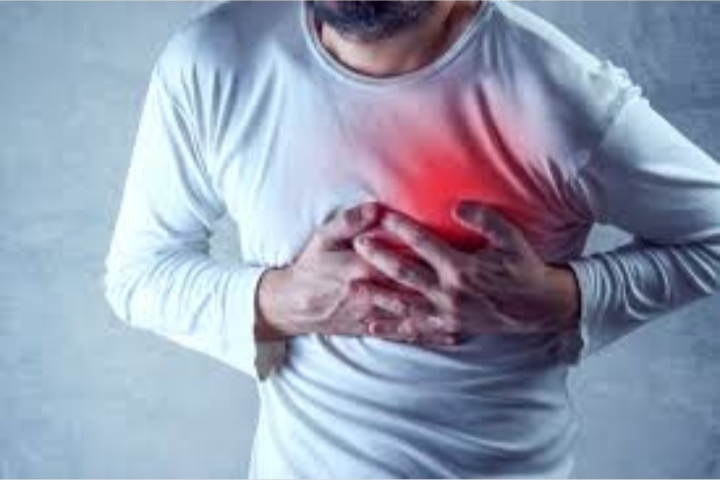
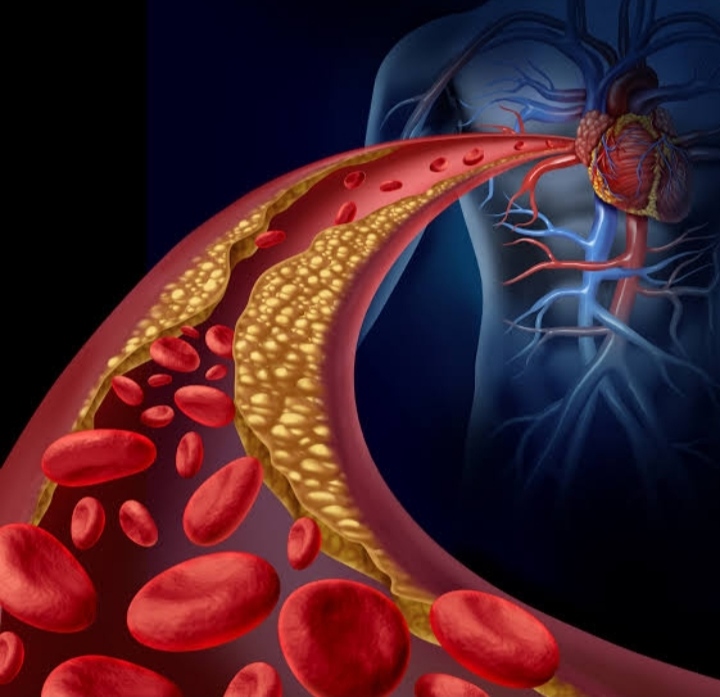
Cardiovascular disease (CVD) is associated with disease of the heart and blood vessels. Coronary heart Disease (CHD) is the most common form and is caused by deposition of cholesterol in the blood vessels.
It usually develops slowly over many years beginning from childhood, they may form a fatty streak to a fibrous complicated plaque. It leads to the narrowing of blood vessels leading to atherosclerosis in the large and medium sized arteries that supply the heart muscle with oxygen. It leads to sudden ischemia ( deficient blood supply to heart muscle) and myocardial infarction ( death of heart muscle tissue).
Risk factors:
Hypercholesterolemia ( High blood cholesterol) and high blood pressure ( Hypertension) are the major causes and contributing factors for heart disease and if untreated may cause severe damage to brain, kidney and eventually lead to stroke.
Causes:
Heredity (family history), diet rich in saturated fat and cholesterol, obesity, increasing age, cigarette smoking, emotional stress, sedentary lifestyle, excessive alcohol consumption and physical inactivity are some of the causes.
Symptoms:
Shortness of breath, headache, tiredness, dizziness, chest pain, swelling of leg, and gastrointestinal disturbances.
Prevention and control of Heart Disease
Diet Management:

Reduction in the intake of calories, low saturated fat and cholesterol rich food, low carbohydrates and common salt are some of the dietary modifications. Diet rich in polyunsaturated fatty acids (PUFA) is essential. Increase in the intake of fibre diet, fruits and vegetables, protein, minerals and vitamin are required.
Physical Activity:
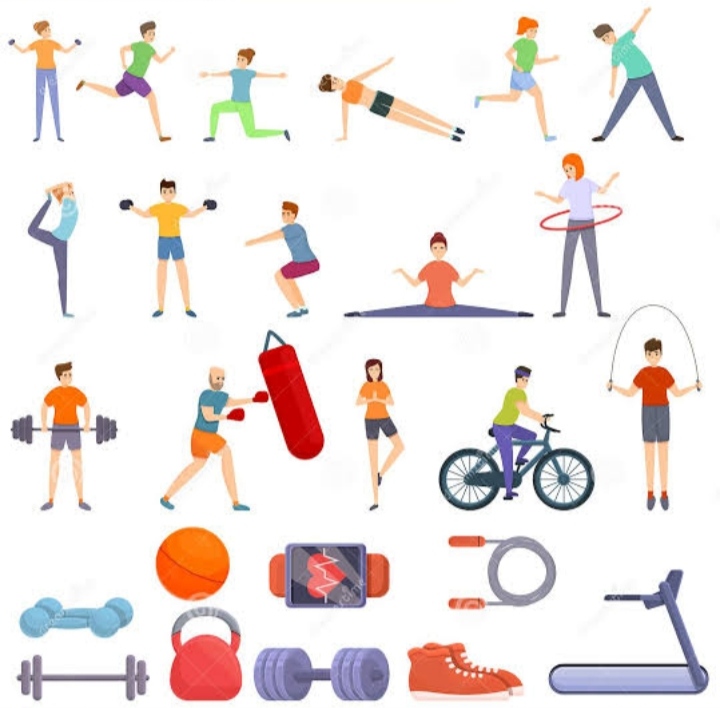
Regular exercise, walking and yoga are essential for body weight maintenance.
Addictive substance avoidance:

Alcohol consumption and smoking are to be avoided.
Solid Waste Management
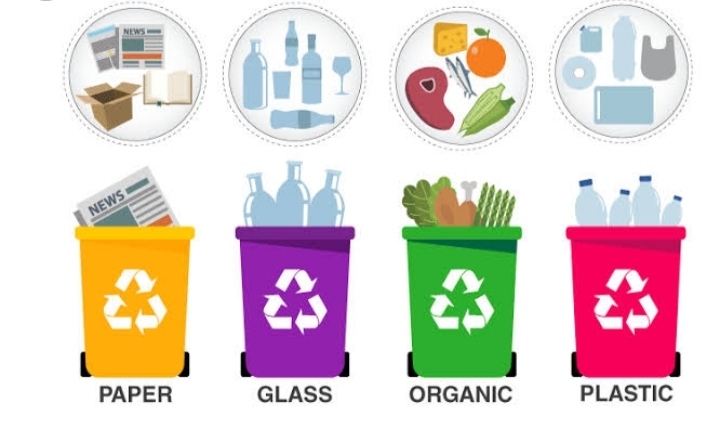
Solid Wastes mainly include municipal wastes, hospital wastes, industrial wastes and e-wastes etc. The solid wastes are dumped in the soil which results in landscape pollution.
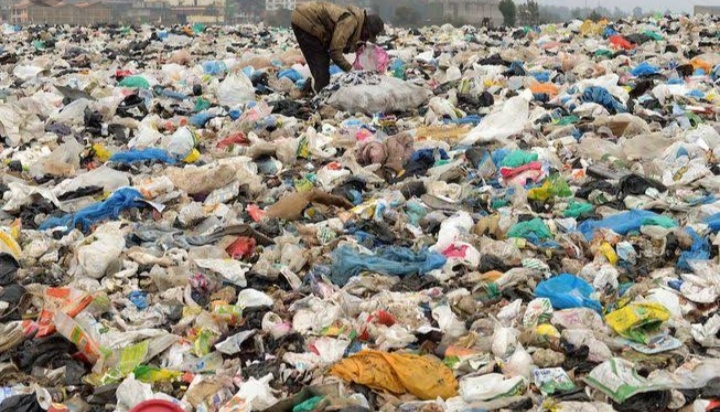
Solid- waste management involves the collection, treatment and proper disposing of solid material that is discarded from the household and industrial activities.

Methods of solid wastes disposal
Segregation:
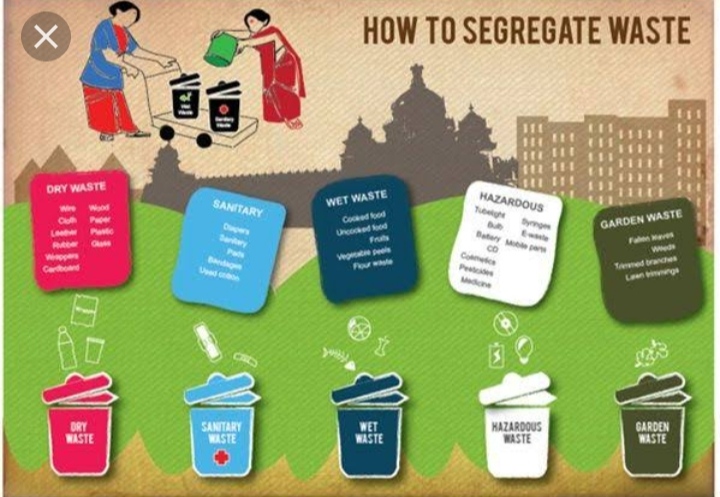
It is the separation of different type of waste materials like biodegradable and non biodegradable wastes.
Sanitary landfill:
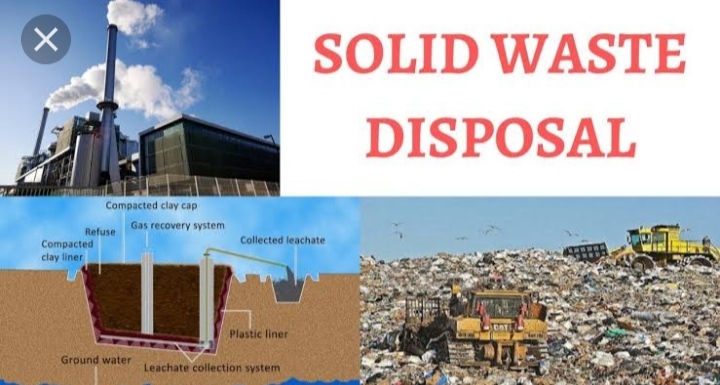
Solid Wastes are dumped into low lying areas. The layers are compacted by trucks to allow settlement. The waste materials get stabilised in about 2-12 months. The organic matter undergoes decomposition.
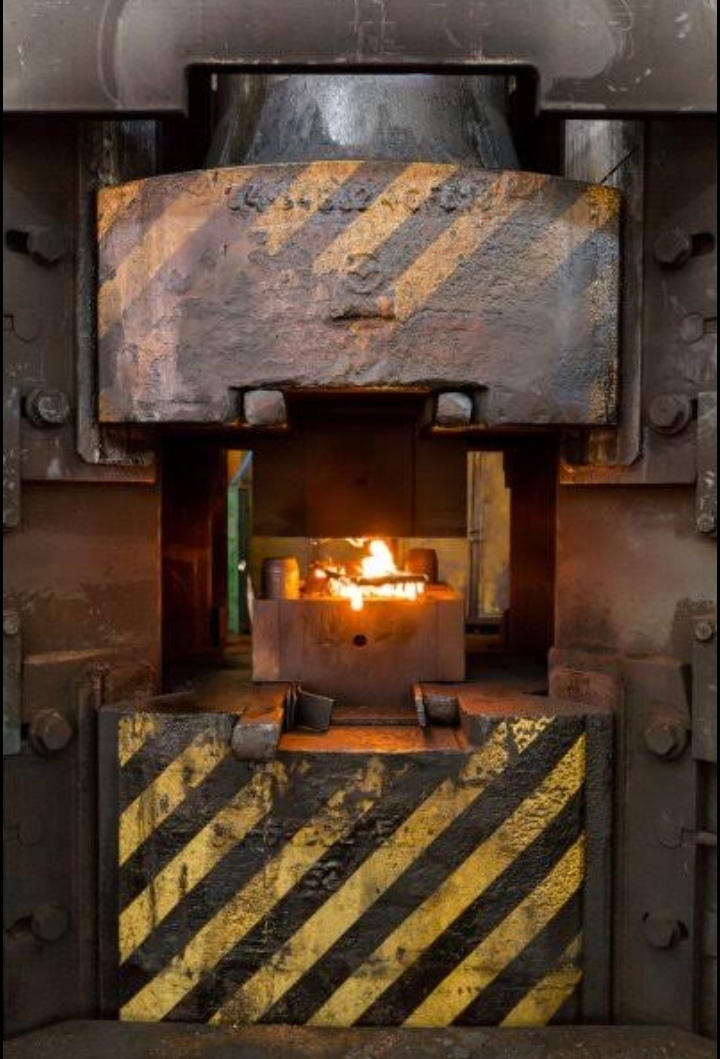
Incineration:
Composting:
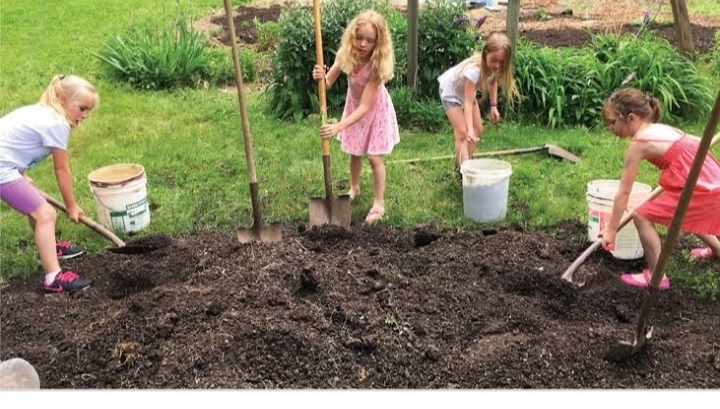
Biodegradable matter of solid wastes is digested by microbial action or earthworms and converted into humus.
Recycling of Wastes

Papers from old books, magazines and newspapers are recycled to produce papers in papermills. Agricultural wastes like coconut shells, jute cotton stalk, bagasse of sugarcane can be used to make paper and hard board. Paddy husk can be used as livestock fodder. Cowdung and other organic wastes can be used in gobar gas plant to provide biogas and manure for fields.
4R Approach
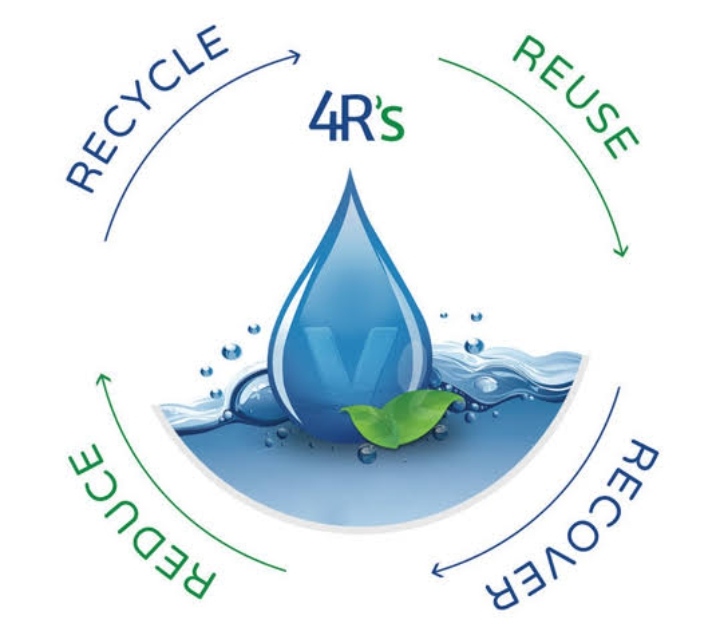
The 4R approach such as Reduce, Reuse, Recovery and Recycle may be followed for effective waste management.
Soil Erosion
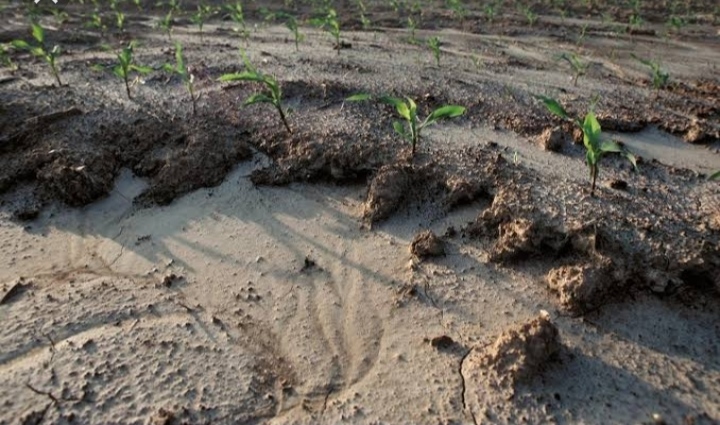
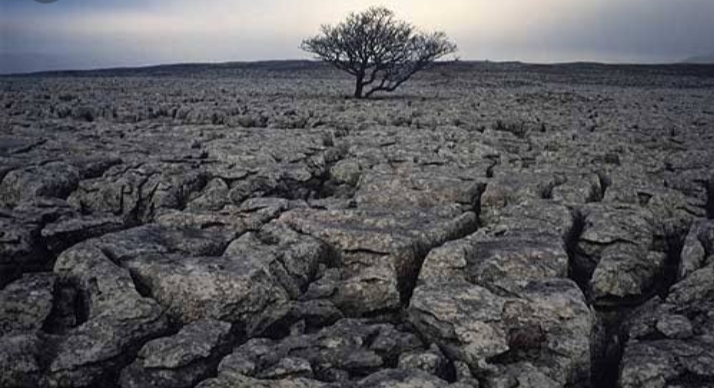
The top layers of soil contain humus and minerals salts, which are vital for the growth of plants. Removal of upper layer of soil by wind and water is called soil erosion. Soil erosion causes a significant loss of humus, nutrients and decrease the fertility of soil.
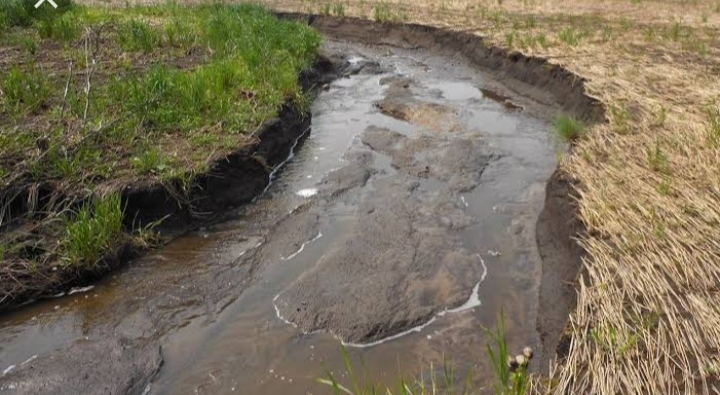
Agents of Soil Erosion
Agents of soil erosion are high velocity of wind, air currents, flowing water, landslide, human activities (deforestation, farming and mining) and overgrazing by cattle.
Management of Soil Erosion
Retain vegetation cover, so that soil is not exposed. Cattle grazing should be controlled. Crop rotation and soil management improve soil organi mattet. Runoff water should be stored in the catchment. Reforestation, terracing and contour ploughing. Wind speed can be controlled by planting trees in form of a shelter belt.
Wildlife and its Conservation

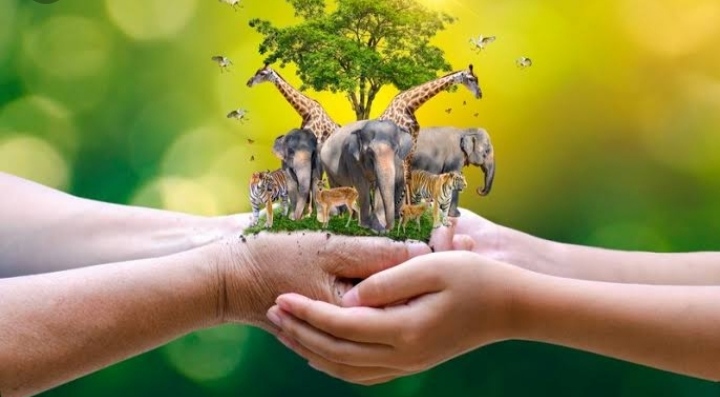
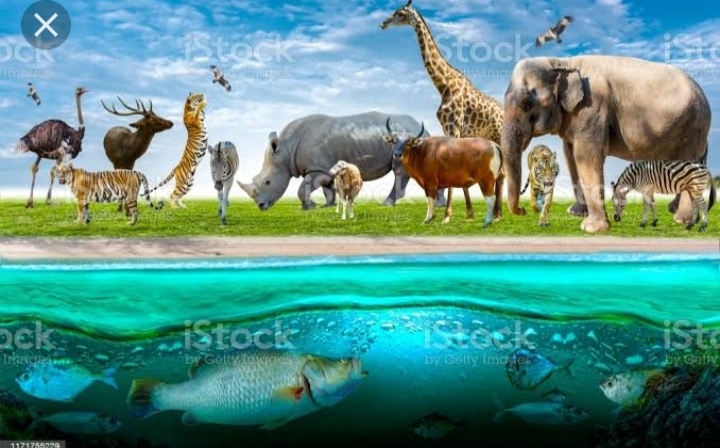
Wildlife refers to the undomesticated animals living in their natural habitats (forests, grasslands and deserts) an area without human habitation. They are needed for maintaining biological diversity. It also helps in promoting economic activities that generates revenue through tourism. Conservation of forest and wildlife is interrelated with each other.
Decline in Wildlife Population
Wildlife of India is a great natural heritage. Exploitation of wildlife resources has decreased global wildlife population by 52% between 1970 and 2014. Over exploitation and shrinking of forest cover areas has resulted in animals becoming extinct, some are threatened and some are on the verge of extinction. In recent years, increase in human encroachment has posed a threat to India’s wildlife.
Aims of Wild life Management
The main aim of wild life conservation are:
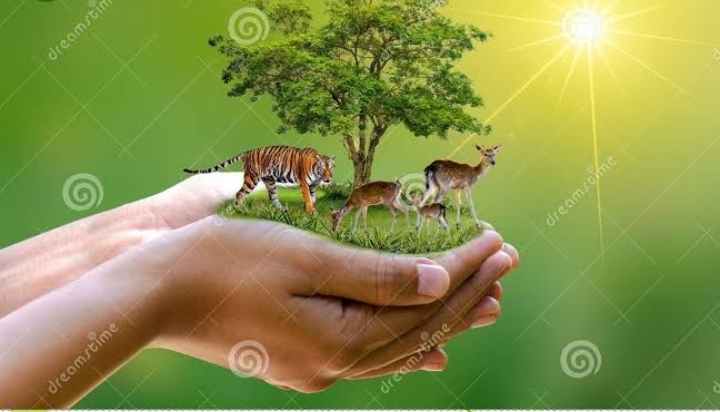
To control and limit exploitation of species. To preserve the plants and animals from extinction. Maintenance of threatened species and protect species which are on the verge of extinction. Preserve the endangered species. To study the ecological relationship of the plants and animals in natural habitat. Hunting and poaching should be prohibited. Establishment of National parks, wildlife sanctuaries, protected areas and Biosphere reserves.
The Wildlife Protection Act was established in 1972. The provisions of the act are
Prohibit killing and hunting of specified animals. Constitute sanctuaries, national parks, and closed areas for wildlife conservation. Special schemes for preservation of endangered species. Constitute Central Zoo Authority and recognition of zoos. Restrict, regulate or prohibit trade in Wild animals and products obtained from them.
Organisation Involved in Conservation of Wildlife
Indian Board for Wildlife (IBWL), World Wildlife Fund (WWF) for Nature, World Conservation Union (WCN), International Union for Conservation of Nature and Natural resources (IUCN), Convention of International Trade in Endangered Species (CITES), Bombay Natural History Society (BNHS), Wildlife Preservation Society of India, Dehradun.
Forest and it’s Importance
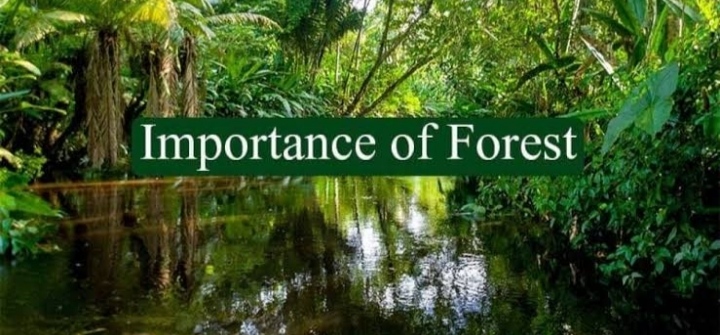
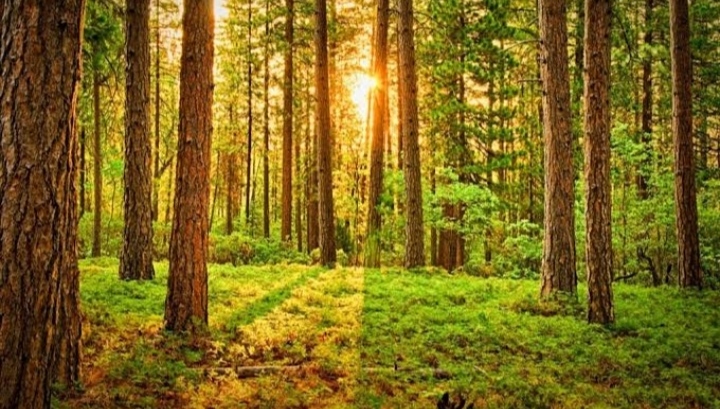
Forests are an important component of our environment and are dominated by microorganisms, flowering plants, shrubs, climbers, dense trees and provide a vast habitat for wild animals. Forests also contribute to the economic development of our country. Forests are vital for human life, it is a source for a wide range of renewable natural resource. They provide wood, food, fodder, fibre and medicine.
Forests are major factor of environmental concern. They act as carbon sink , regulate climatic conditions, increase rainfall, reduce global warming, prevent natural hazards like flood and landslides, protect wildlife and also act as catchments for water conservation. They also play a vital role in maintaining the ecological balance.
Deforestation and its Effects
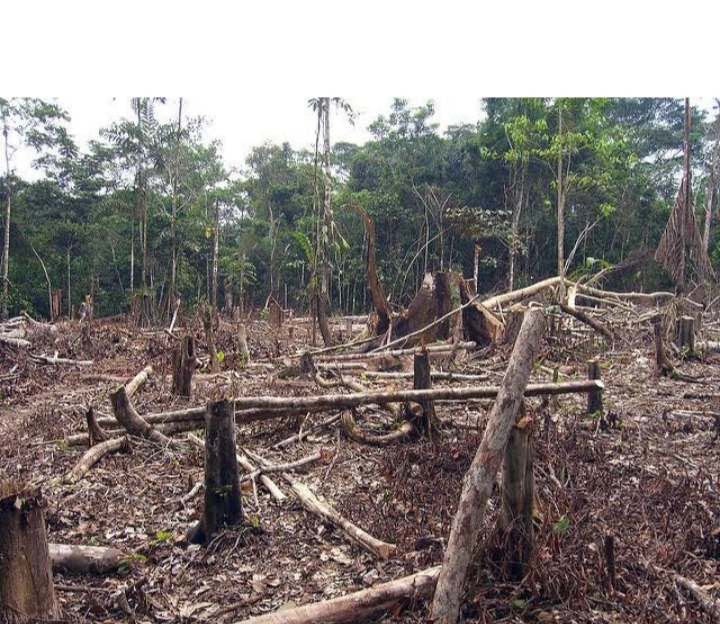
Deforestation is the destruction of large area of forests. This happens for many reasons like intensive agriculture, urbanization, construction of dams, roads, buildings and industries, hydroelectric projects, forest fires, construction of mountain and forest roads. It is a threat to the economy, quality of life and future of the environment. India is losing about 1.5 million hectares of forest cover every year.
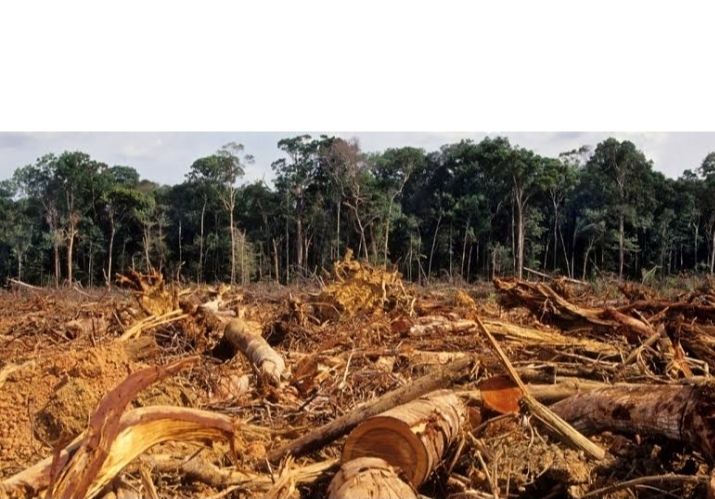
Effects of Deforestation
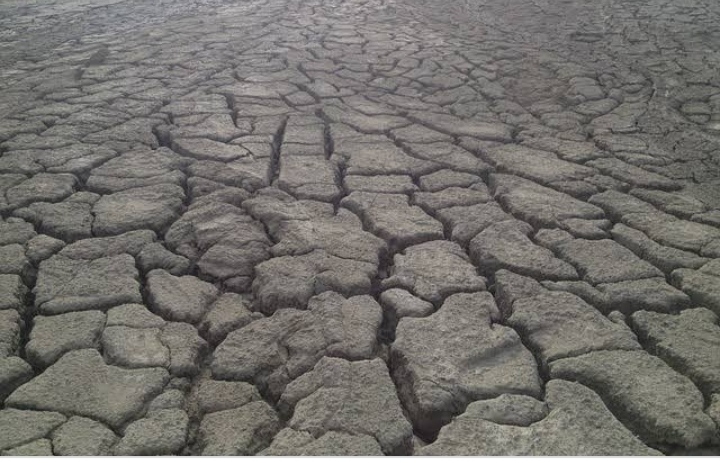
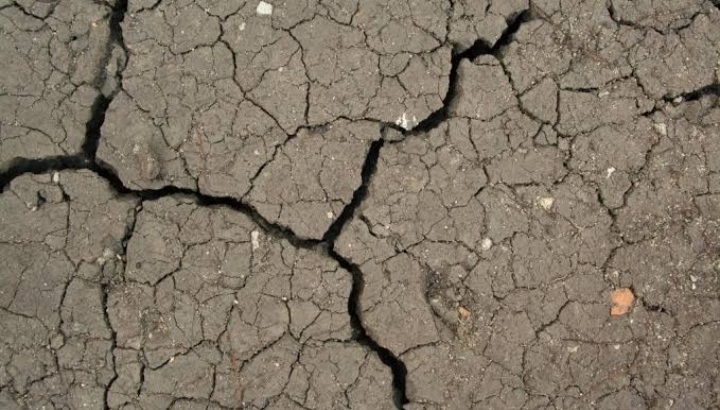
Deforestation gives rise to ecological problems like floods, drought, soil erosion, loss of wild life, extinction of species, imbalance of biogeochemical cycles, alteration of climatic conditions and desertification.
Conservation of Forests
India has an area of 752.3 lakh hectare classified as reserved forests and 215.1 lakh hectare as protected forests. The important measures taken for conservation of forests are as follows
Afforestation:
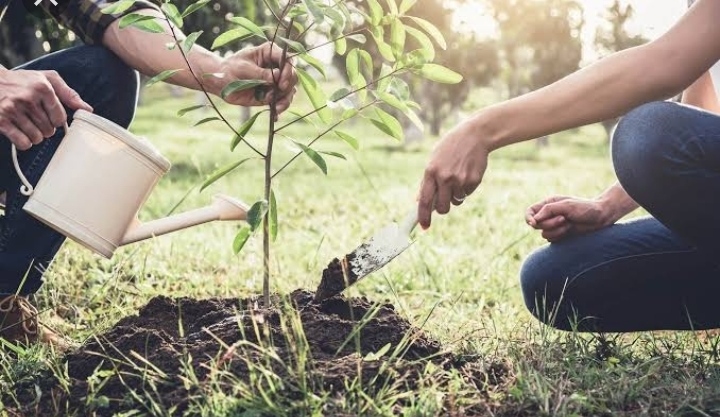
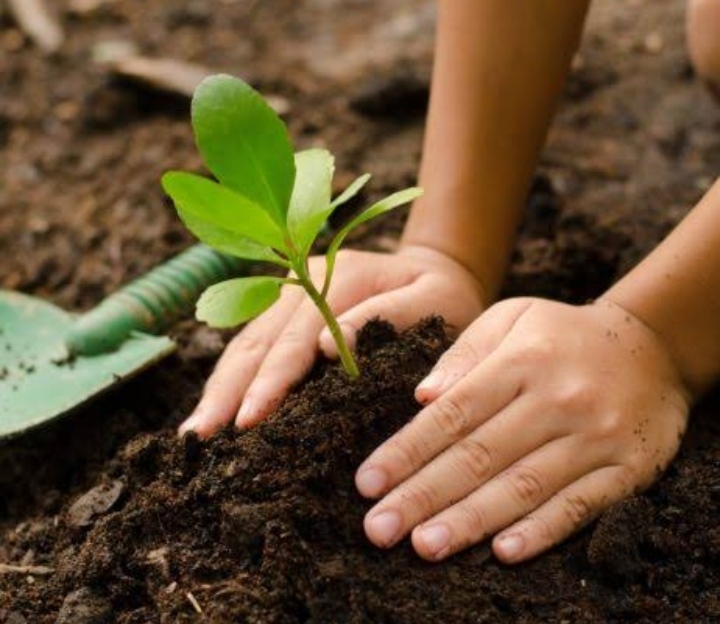
Activities for afforestation programme includes planting and protecting trees with multiple uses which help in restoration of green cover. Destruction of trees should be curtailed.
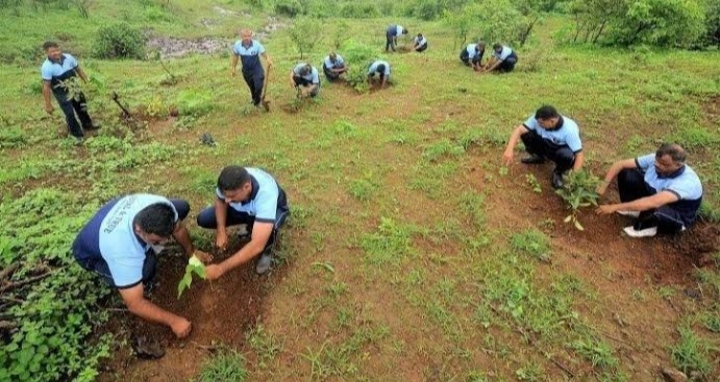
Social forestry programme:
It should be undertaken on a large scale with active participation of the public and utilization of common land to produce firewood, fodder and timber for the benefit of the rural community. This relieves pressure on existing forests and to safeguard future of tribals
Forest Conservation through laws:
Adopting stringent laws and policies to conserve and protect forests are through National Forest Policy, (1952 and 1988) and Forest Conservation Act, 1980.
External Morphology of leech
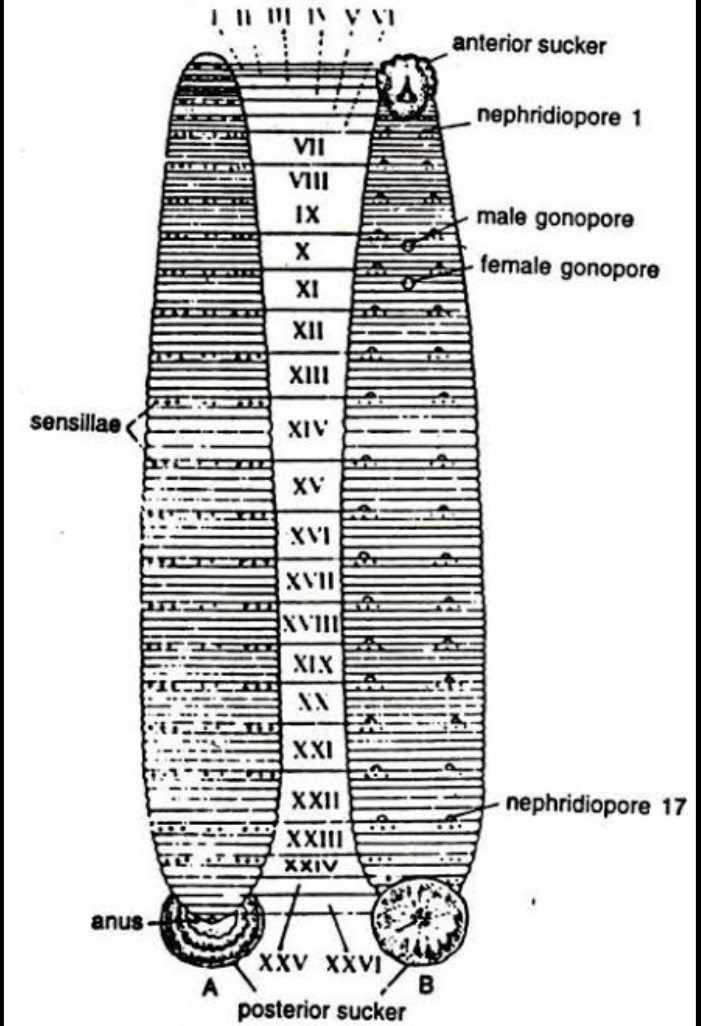
Shape and size: The body of a leech is soft, vermiform, elongated and segmented. It becomes ribbon shaped when extended and almost cylindrical when contracted. Leeches may grow to a length of 35cm.
Colouration: Dorsal surface is olive green in colour and the ventral surface is orange yellow or orange red in colour.
Segmentation: Metamerism is the segmentation of the body. The body of leech is metamerically divided into 33 segments. The segments are arranged one behind the other. Each segment is further superficially subdivided into rings or annuli. A temporary clitellum is formed on segments 9-11, which is meant to produce a cocoon during the breeding season.
Receptors: On the dorsal side there are five pairs of eyes on the first five segments. Each segment bears a number of sensory projections called receptors are located in each annulus and segmental receptors are located on the first annulus of each segment.
Suckers: leech has two suckers. The sucker located at the anterior end is called anterior sucker or oral sucker which is ventral in position occupying the first five segments. The posterior sucker is formed by the fusion of the last seven segments. The anterior sucker helps, in feeding, while both suckers help in attachment and locomotion.
External apertures
Mouth: It is located in the middle of anterior sucker.
Anus: Anus is a small aperture that opens on the mid- dorsal side of 26th segment.
Nephridiopores: Nephridia open to the exterior by 17 pairs of nephridiopores. They lie ventrally on the last annulus of each segment from 6 to 22.
Male genital pore: It is a mid – ventral opening, situated between second and third annuli of 10th segment.
Female genital pore: It lies mid- ventrally between second and third annuli of 11th segment.
 Eduindex
You must be logged in to post a comment.