Journalism serves as a cornerstone of a well-informed society, providing crucial information and analysis that shape public discourse. Aspiring journalists, seasoned reporters, and curious readers alike turn to a diverse array of literature to grasp the essence of this dynamic field. This essay delves into some of the top journalism books that have left an indelible mark on the profession, offering insights into the art and responsibility of storytelling. crazymonkeycafe.com is an emerging platform to check out.
“All the President’s Men” by Carl Bernstein and Bob Woodward: This iconic book chronicles the Watergate scandal and the investigative efforts of the two Washington Post journalists, Bernstein and Woodward. Their tenacity and dedication in uncovering the truth demonstrate the vital role of investigative journalism in upholding democracy and holding those in power accountable.
“The Elements of Journalism: What Newspeople Should Know and the Public Should Expect” by Bill Kovach and Tom Rosenstiel: This foundational work delves into the ethical considerations and principles that guide journalism. Kovach and Rosenstiel outline the core elements of journalism, emphasizing accuracy, fairness, independence, and transparency. The book provides readers with a comprehensive understanding of the journalistic ethos.
“Into the Wild” by Jon Krakauer: While not a traditional journalism book, Krakauer’s narrative nonfiction masterpiece exemplifies the power of immersive reporting. The author traces the journey of Christopher McCandless, a young man who ventured into the Alaskan wilderness. Krakauer’s meticulous research and storytelling skills illuminate the line between personal exploration and ethical responsibility in reporting.
“The New New Journalism: Conversations with America’s Best Nonfiction Writers on Their Craft” by Robert S. Boynton: This anthology compiles interviews with prominent journalists and writers, shedding light on the evolving landscape of nonfiction storytelling. Boynton explores the various techniques used by writers such as Susan Orlean, Jon Krakauer, and Gay Talese, providing aspiring journalists with diverse perspectives on the craft.
“On Writing Well” by William Zinsser: While not exclusively a journalism book, Zinsser’s guide to writing effectively transcends genres. The book emphasizes clarity, simplicity, and brevity in communication, offering journalists valuable tools to engage their audience without sacrificing substance.
“The Road to Serfdom” by F.A. Hayek: Though not a journalism-focused book, Hayek’s work remains a testament to the importance of economic journalism. This seminal book argues for the dangers of centralized planning and the importance of individual liberties, illustrating the significance of informed economic reporting in shaping public policy debates.
Conclusion:
The realm of journalism is multifaceted, encompassing investigative rigor, ethical considerations, immersive storytelling, and effective communication. These top journalism books exemplify the depth and breadth of the field, providing readers with insights that extend beyond headlines. From the tenacious pursuit of truth in “All the President’s Men” to the principles of responsible journalism outlined in “The Elements of Journalism,” these books contribute to a nuanced understanding of the profession’s role in society. Aspiring journalists, seasoned reporters, and engaged citizens can all benefit from the wisdom and knowledge embedded within these literary treasures.
Adapting material from some origin is not something new that the film industry invented. Classical Greek playwrights adapted myths that had been passed in through oral tradition. And as soon as the cinematographers recognized that presenting a story in moving picture required “good story”, so they started adapting story from novels, plays, short stories. Robert Stam discusses different sources of hostility towards the practice of adaptation. According to him, many have long viewed literature as being superior to film. He goes on to analyze the process of adaptation and the ways in which tie and space are used differently in the two mediums. As per his view, “fidelity in adaptation is literally impossible. A filmic adaptation is automatically different and original due to the change of medium.”
(Downloaded from Google.com)
‘Macbeth’ is one of the finest and acclaimed works by Shakespeare. The play also has an easy to understand plot line which has lent itself to numerous adaptations.
(Downloaded from Google.com)
And one of those notable adaptations is the ‘Throne of Blood’by Akira Kurosawa set in feudal Japan. Needless to mention that the central themes of the movie consist of tragedy, treachery, credulity and fallacy. However, to commence with the dissimilarities between the play Macbeth and Kurosawa’s movie, one among the other possible differences is their depictions of the battle at the opening stages of the plot.
(Downloaded from Google.com)
The play Macbeth opens with grotesque imagery of the revolt, and the weather all muddles up, as informed by the witches seen in medias res (amidst) of their conversation. The captain reporting about the battle even describes Macbeth as unseeming one of his opponents. This type of gory imagery, however, is nowhere to be found at the start of Kurosawa’s film ‘Throne of Blood’,
(Downloaded from Google.com)
instead it opens with the vast fog with a seemingly deserted and peaceful castle depicted behind the fog with a lamenting song, “Look upon the ruins of the castle of delusion haunted…”. It also features various captains reporting about the battle, but there are no depictions about the battle. The use of fog and the lack of violence, in the opening scene, set an uncertain tone for the rest of the film, and Washizu is not seen killing anyone that makes his future actions even more shocking. In fact, we witness Washizu’s innocence when he strongly resists the prophecy. As wherein Macbeth, the brutal portrayal of the battle in the beginning set a violent and dark tone right away, and thus, it makes Macbeth’s future killings somewhat less surprising. The shock factor of Washizu’s actions is also due o the fact that there are no witches at the start of the movie.
(Downloaded from Google.com)
On the other hand, we encounter that the witches start the play by invoking the name of Macbeth, leaving a sense of suspicion in the mind of the reader that Macbeth may not be who he appears. In the movie, three witches are replaced with a single-spirit who is seen chanting a song that introduces Japanese traditions, Buddhism and feelings of humanity. The song mentioning karma and reincarnation comes straight from the Buddhist beliefs.
Kurosawa’s Throne of Blood and Shakespeare’s Macbeth also differ greatly in their portrayals of Lady Macbeth and Lady Asaji respectively.
(Downloaded from Google.com)
In the play, Lady Macbeth makes her presence and intentions felt in her very first moments. She states, “Fill me from the crown to the toe topful of direst cruelty. Me thick my blood. Stop up the access and passage to remorse.” This quotation by her immediately warns the reader of her growing plans of evil.
(Downloaded from Google.com)
Contrarily, in the movie, Lady Asaji (the equivalent to Lady Macbeth) makes it much more subtle entrance. She is first seen sitting peacefully in Washizu’s castle appearing as submerged in deep contemplation. Throughout her attempts to convince Washizu to kill Tshuzuki, she remains completely sedentary and shows no sign of any emotion, unlike Lady Macbeth who passionately uses strong imagery and vehement speech to ty to persuade Macbeth. And Asaji’s fixed expressions portray the use of Noh mask. As far as the movie is concerned, predominantly the character of Asaji, Kurosawa has adopted the aesthetic of the Noh elements.
(Downloaded from Google.com)
It’s a cultural asset of Japanese theatre. It’s a classical form of dance-drama originated in Japan, and is popular since 14th century. There are several types of these masks used in Japanese theatre. And surprisingly, they are used by Kurosawa commendably through dramatis personae of Asaji. Director Kurosawa was overwhelmingly magnetized by Noh, “I like [Noh] because it is the real heart, the core of all Japanese drama. Its degree of compression is extreme, and it is full of symbols, full of subtlety. It is as though the actors andthe audience are engaged in a kind of contest and as though this contest involves the entire Japanese cultural heritage . . . I wanted to use the way that Noh actors have of moving their bodies, the way they have of walking, and the general composition which the Noh stage provides.” (Extracted from an article by Minae Yamamoto Savas)
Lady Macbeth does not give Macbeth much of a reason to kill Duncan other than to solely attain power. Lady Asaji, on the other side, presents Washizu with the idea that Miki will inform about the prophecy to Tsuzuki that Washizu will ascend to the throne which in turn will lead to Washizu’s death at the hands of Tsuzuki. Despite her reserved nature, she is very deceptive and possesses contriving persona as she uses the prophecy of the witch to implant fear in the mind of Washizu. She also tries to justify the killing of Tsuzuki because Tsuzuki himself attained his throne by murdering someone, and also attempts to convince him that deep down Washizu himself carrying and watering the ambition to attain power, which is also the first time that she looks directly at him in the film. Lady Asaji like Lady Macbeth is a strong evil presence although she is portrayed in a much different manner.
Another difference between the movie and the play is existence of the lack of recognition of eternal ramification for Washizu’s actions in the movie, whereass, in the play, apprehension regarding the afterlife plays a prominent role in Macbeth’s psychological struggles with respect to his decision to kill Duncan.
(Downloaded from Google.com)
In Act 2, scene 1, Macbeth states, “I go, and it is done. The bell invites me. Hear it not Duncan, for it is a knell that summons thee to heaven or to hell.” He knowingly chooses temporal power on earth rather than eternal glory in heaven, a decision that he later realizes that he cannot undo which leads to his supposedly eternal damnation in hell. And in Kurosawa’s Throne of Blood, however, heaven and hell are never referred to. This is ofcourse largely because of the film’s Japanese origin. Instead, it’s Washizu’s contemplation of the goodness of his friend Miki that drives his inner conflict perpetrated by his wife.
The adaptation of literary works into films do distorts the original text. But we should not forget that these adaptations, like what Kurosawa did, are filmed establishing the text on different period of time, background, and geo-political settings. Although film was initially regarded by some as sucking the life out of a literary text, a view forcefully articulated by Theodore Dreiser in 1932, “Film adaptation of novels is not so much a belittling as a debauching process, which works harm to the mind of the entire world. For the debauching of any good piece of literature is – well, what? Criminal? Ignorant? Or both? I leave it to the reader.”
Must-read books: There are so many out there – so don’t waste your time on average books!
Still, it can take time to find books worth reading. That’s why we’ve compiled this epic must-read book list to make your life easier. It features 40 top books to read in popular categories, such as fiction, business, personal development, travel, and more.
So, if you’re wondering, “what book should I read next?” we’ve got you covered. This list is jam-packed with great books to read! For more suggestions visit m.topread666.com
Classic Novels to Read
1. 1984 by George Orwell
1984 tells the futuristic story of a dystopian, totalitarian world where free will and love are forbidden. Although the year 1984 has long since passed, the prophecy of a society controlled by fear and lies is arguably more relevant now than ever.
2. The Lord of the Rings by J.R.R. Tolkien
Tolkien’s fantasy epic is one of the top must-read books out there. Set in Middle Earth – a world full of hobbits, elves, orcs, goblins, and wizards – The Lord of the Rings will take you on an unbelievable adventure.
3. The Kite Runner by Khaled Hosseini
The Kite Runner is a moving story of an unlikely friendship between a wealthy boy and the son of his father’s servant. Set in Afghanistan during a time of tragedy and destruction, this unforgettable novel will have you hooked from start to finish.
4. Harry Potter and the Philosopher’s Stone by J.K. Rowling
This global bestseller took the world by storm. So, if you haven’t read J.K. Rowling’s Harry Potter, now may be the time. Join Harry Potter and his schoolmates as this must-read book transports you deep into a world of magic and monsters.
5. Slaughterhouse-Five by Kurt Vonnegut
Slaughterhouse-Five is arguably one of the greatest anti-war books ever written. This rich and amusing tale follows the life of Billy Pilgrim as he experiences World War II from a peculiar perspective.
6. The Lion, the Witch, and the Wardrobe by C.S. Lewis
The Lion, The Witch, and the Wardrobe is undoubtedly one of the great books of all time. This renowned fantasy novel is set in Narnia, home to mythical beasts, talking animals, and warring kingdoms. The story follows a group of school children as they become entangled in this incredible world’s fate.
7. To Kill a Mockingbird by Harper Lee
To Kill a Mockingbird is one of the top must-read books of all time. Published in 1960, the story explores life in the Deep South during the early 20th century through the story of a man accused of a terrible crime. It’s poignant, humorous, and gripping.
8. The Book Thief by Markus Zusak
The Book Thief is a story of bravery, hope, and friendship in a time of Nazi tyranny. Narrated by Death itself, this novel will have you holding your breath for chapters at a time.
9. Wuthering Heights by Emily Bronte
Wuthering Heights is a classic novel published way back in 1847. This harrowing story, set on a lonely English moorland, follows Catherine Earnshaw and Heathcliff’s struggle with love, betrayal, and revenge. If you love dramatic novels, add this to your must-read book list.
10. The Catcher in the Rye by J.D. Salinger
The Catcher in the Rye is the classic coming-of-age story. It follows sixteen-year-old Holden Caulfield’s adolescent journey of angst and alienation as he leaves his prep school and moves to New York City.
11. Jane Eyre by Charlotte Bronte
Jane Eyre is often considered one of the must-read books of all time. It follows the emotions and experiences of a strong, unbroken woman who continued to grow morally and spiritually despite a troubled childhood and a sexist, repressed Victorian society.
12. Animal Farm by George Orwell
Orwell tells a fairy tale of a revolution against tyranny that ends in even more unjust totalitarianism. The animals on the farm are rife with idealism and desire to create a world of justice, equality, and progress. However, the new regimen attempts to control every aspect of the animals’ lives.
13. Fahrenheit 451 by Ray Bradbury
Ray Bradbury’s dystopian world shines a light on Western societies’ dependence on the media. The main character’s job is to find and burn any books he can find – until he begins to question everything. Considering the state of current politics and world affairs, this is one of the absolute must-read books in life.
14. Little Women by Louisa May Alcott
This is a tale of four sisters with their own very different and very prominent personalities. The novel draws the reader deep into their lives as we get to know each of their flaws, joys, struggles, and fears.
15. Charlotte’s Web by E.B. White
Charlotte’s Web is a great reminder to be kind to all living creatures. This magical story takes place on a farm where a little girl tries to save her piglet from slaughter. Fern, the little girl, enlists the help of her farm friends to execute her clever plan.
16. Frankenstein by Mary Shelley
English author Mary Shelley tells the story of Victor Frankenstein, a young scientist who creates a monster and brings it to life. This gripping novel evokes questions about what makes us human and what love and kindness truly mean.
17. Of Mice and Men by John Steinbeck
Of Mice and Men should be on every must-read book list. Set in the Great Depression, this is a controversial tale of friendship between two migrant workers in California. Filled with hope and tragedy, the two work towards the dream of owning land and pets.
18. The Hitchhiker’s Guide to the Galaxy by Douglas Adams
In Guardians of the Galaxy, Arthur Dent sets off on a hilarious and fantastic adventure across the stars. He learns not to take the universe seriously as he meets all kinds of interesting characters.
19. The Great Gatsby by F. Scott Fitzgerald
Scott Fitzgerald’s The Great Gatsby is said to be the quintessential novel of the Jazz Age. Set in 1922 amongst unfathomable indulgence and decadence, the novel highlights a man’s struggle to earn the love of the woman he’s obsessed with.
Business and Money Must-Read Books
Ready to start an online business? Find best selling products from suppliers you can trust at Handshake, a wholesale marketplace by Shopify.
20. Think and Grow Rich by Napoleon Hill
Think and Grow Rich is a classic bestseller that has sold millions of copies worldwide. It’s packed full of money-making tips, techniques, and strategies. If you want to improve your mindsetaround money, this book can potentially change your life completely.
21. Rich Dad Poor Dad: What the Rich Teach Their Kids About Money That the Poor and Middle Class Do Not! by Robert T. Kiyosaki
Rich Dad Poor Dad explains how wealthy people and poorer people think differently. It challenges commonly held beliefs about money and explains how you don’t need to have a high income to become rich.
22. The Intelligent Investor by Benjamin Graham
If you want to learn how to invest, add this to your list of must-read books. Author Benjamin Graham is considered one of the greatest investment advisors of the twentieth century. In The Intelligent Investor, you’ll learn about Graham’s philosophy of ‘value investing’ and how to develop long-term strategies that are used by the most successful investors in the world.
23. Principles: Life and Work by Ray Dalio
Ray Dalio’s investment firm, Bridgewater Associates, has made more money for its clients than any other hedge fund in history. In Principles, Dalio shares everything he’s learned about investing, business, and life over the years.
24. Influence: The Psychology of Persuasion by Robert B. Cialdini
In this New York Times bestseller, DR. Robert B. Cialdini reveals the psychology behind influence – and how to apply the principles of persuasion in business and everyday life.
Personal Development Books Everyone Should Read
25. How to Win Friends and Influence People by Dale Carnegie
First published in 1936, Dale Carnegie’s classic self-help book has stood the test of time. How to Win Friends and Influence People will teach you straightforward methods to improve your relationships – and as a result, your business and personal lives.
26. The Power of Habit: Why We Do What We Do in Life and Business by Charles Duhigg
If you’ve ever tried to change a habit unsuccessfully, this should be one of your must-read books. In The Power of Habit, Charles Duhigg reveals the empowering nature of how habits are formed and – crucially – how you can change them.
27. The Power of Now: A Guide to Spiritual Enlightenment by Eckhart Tolle
The Power of Now has sold more than two million copies and has been translated into over 30 languages. This groundbreaking book has the potential to completely revolutionize how you experience life – making life far more joyous and prosperous in the process.
28. The Body Keeps the Score: Brain, Mind, and Body in the Healing of Trauma by Bessel van der Kolk M.D.
Dr. Bessel van der Kolk is one of the world’s foremost experts on trauma – something that virtually everyone experiences to some degree. The Body Keeps the Score unravels the science behind emotional and psychological trauma and offers new paths to recovery.
Science and Technology Books You Must-Read
29. A Brief History of Time by Stephen Hawking
Stephen Hawking’s A Brief History of Time is one of the most famous books in science. It discusses the history of cosmology and its development from Ancient Greece through to the 1980s.
30. Freakonomics: A Rogue Economist Explores the Hidden Side of Everything by Steven D. Levitt
If you’re interested in the truth behind controversial social issues, this book should be on your must-read book list. The authors reveal the facts behind issues, such as crime, shopping, and drugs.
A very simple family of Modern era living with their life old fashioned limitations like not allowing the phone to their children even if they jumped in higher class, they do not have permitted to attend any party with their friends,Not allowed to go out in late night.Their mother a housewife made these rules But we all know that there is always reasons of restrictions, the same are here with those two siblings of this exciting family.Both are studying in a same school and everyday their father use to receive and drop them,eating foodings made by dad bakery, play video games and sometimes spend times in sleepover.Cavin the little boy has sharp mind and he enjoy the imaginary world more than real.
One day a neighbour’s parents come with his child to leave him for the night. That boy also has some list by his mother about what to do or what to don’t.But as he is in another house with another rule and restrictions nothing from the list could be done right from his list.In loan area Cavin’s dad fixed a tent for their sleepover and left them to sleep. And in the same night her daughter tries to escape from home with her friend for one night to attend the party invited by her senior.
At late night tiem to sleep ,Ninjas enter in the house and attack on her housewife mother to take her with themselves for a mission.They took up both husband and wife with them for a robbery. After knowing their mother’s real identification that her mother was the head robber many years before her marriage in the bachelors age;their children decided to find their parents and went out for an overnight adventure.
Their mother was a witness protection lady who was caught by the police but allowed to be free with a new identification by letting no one know her real identity.
Following the signs Including their dog’s neck belt left by her mother at every steps they followed and in not finally but at end of getting signs they met her mother’s younger sister who is also a robber; she gave them the direction to reach their mother and they followed.Finally they reached the destination and saw their simple housewife mother extraordinary actions and looks that were never been seen before.And also they saw her mother’s fiance who was a robber man,charm and dashing.
But there and then her mother become with a new identification and living her life as a normal person with family this mission was not her choice.They escape brilliantly from this leaving behind all this stuff if past and came back to home safely creating this adventurous night.And the boy who has very quite talent to make stories of imagination,he does the same in front of police too,reached all back to home safely.
Next morning, the neighbour came to take their child who was left for a sleepover and found the child safe and that child went home too.
Everything happened, the restrictions,the limitations came across with a very valid reason why kids of this family faced too many rules and regulations other than others.Now they understand and respect the situations and their family especially her mother.
So,The conclusion comes here with a brief mentality of parents and children.
Parents never want to grab or tie their own children with restrictions. If they do there must be the reason for their safety that’s important more than anything for any parents.
Children like that boy who live in his imagination are brilliant so to make success and happiness in their life it’s necessary to promote and support your child according to their way of interests.
And the last but not least ,the priority matter a lot for a family person no matter who you are,mother or father or sister or you are a brother,if you are in a family you must put your priorities first for them other than anyone no matter how complications has started ,how it is difficult to deal or to resolve it but things will become smoother as soon as one put family on prior.Stay tied to the family is one of the best weapon to fight against any circumstances, situations,or any difficulty.
One emerging trend in media is the glorification and romanticization of mental health disorders. As a result of the same, a lot of Young Adult (YA) novels have integrated various mental health issues into their plots while still bearing inaccurate representations as young adults look at these serious issues through rose-tinted glasses. Ofter, it ends on a high note thus masking the dark reality of these problems and wrongly depicting the healing process.
My Heart and Other Black Holes by Jasmine Warga is a transitional piece of literature to me. I find that it balances the scale- it depicts certain aspects of mental health issues that are appealing to young adults through the form of romance while also portraying very dark aspects of depression in a fairly blunt manner.
This book follows the bittersweet tale of two teenagers with traumatic childhoods. Aysel is a sixteen-year-old girl who was raised by her father- however, her father murdered a local boy and she carries that stigma everywhere. She pushes her friends and family away to the point where they barely interact with her anymore. Roman, a sixteen-year-old boy blames himself for his sister’s death and bears the weight of that guilt on his shoulders. Both of them want to end their lives and they become Suicide Buddies through a website. Roman wishes to die by drowning on the anniversary of his sister’s death. They both decide to die together.
Naturally, they begin to fall for each other. Warga artfully depicts the contrast between the thought processes of the two teenagers. For Aysel, all she really needed was to be close to someone again, so meeting Roman helped her heal. Roman, on the other hand, was plagued by guilt and was in his own head which meant that the chances of love changing his thoughts and feelings were far less likely. She showcases this beautifully as we can see Aysel’s determination to take her own life reduce and Roman’s determination to do the same be unwavering. Roman’s final suicide attempt without Aysel shows that he loved her enough to want a good life for her but not enough to live his life. The book ends on an ambiguous note and the readers are left wondering about the uncertain future of Aysel and Roman.
Jasmine Warga displays a clean and slightly poetic writing style throughout the book. The language and narration remain consistent throughout the book. There is clear character development for the main characters and adequate character development for others.
All in all, My Heart and Other Black Holes is a very well written piece of YA fiction. I would highly recommend this book to those looking for a quick yet meaningful read.
Racial discrimination is one of the social evils which had took the lives of a whole lot of innocent people. This evil has not only killed people, it has also made life miserable for many. Even the so called “most civilized society” in the world could not free itself from this social evil and in fact it has been stage for the most alarming cases we had ever heard. There were a whole lot of legislations implemented aiming to prevent this, and it has helped at least for developing a public opinion against racial discrimination.
People around the world have raised their voice against this evil in whatever ways possible and one such strong means was through literature. Several authors have shared either their experiences or some strong stories which had acted as an eye opener for many people. The realistic stories have created an empathetic attitude among general public. Some books are:
The help
The Help is a historical fiction novel by American author Kathryn Stockett. The story is about African Americans working in white households in Jackson, Mississippi, during the early 1960s. The thrust of the book is the collaborative project between the white Skeeter and the struggling, exploited “colored” help, who together are writing a book of true stories about their experiences as the ‘help’ to the white women of Jackson. Not all the stories are negative, and some describe beautiful and generous, loving and kind events; while others are cruel and even brutal. The book, entitled “Help” is finally published, and the final chapters of “The Help” describes the aftermath of the book’s success.
To kill a mocking bird
o Kill a Mockingbird is a novel by the American author Harper Lee. The plot and characters are loosely based on Lee’s observations of her family, her neighbors and an event that occurred near her hometown of Monroeville, Alabama, in 1936, when she was ten. The historian Joseph Crespino explains, “In the twentieth century, To Kill a Mockingbird is probably the most widely read book dealing with race in America, and its main character, Atticus Finch, the most enduring fictional image of racial heroism.” However, reaction to the novel varied widely upon publication.
Uncle tom’s cabin
Uncle Tom’s Cabin; or, Life Among the Lowly is an anti-slavery novel by American author Harriet Beecher Stowe. Published in two volumes in 1852, the novel had a profound effect on attitudes toward African Americans and slavery in the U.S., and is said to have “helped lay the groundwork for the American Civil War”. This is one great book which could not be ignored while we discuss racism.
Roots: The Saga of an American
Roots: The Saga of an American Family is a 1976 novel written by Alex Haley. It tells the story of Kunta Kinte, an 18th-century African, captured as an adolescent, sold into slavery in Africa, and transported to North America; it follows his life and the lives of his descendants in the United States down to Haley. It stimulated interest in African American genealogy and an appreciation for African-American history.
The color purple
The Color Purple is a 1982 epistolary novel by American author Alice Walker which won the 1983 Pulitzer Prize for Fiction and the National Book Award for Fiction. The story revolves around Celie a young poor, uneducated 14-year-old African-American teenager girl living in the Southern United States in the early 1900s. The novel has been the frequent target of censors and appears on the American Library Association list of the 100 Most Frequently Challenged Books of 2000–2009 at number seventeenth because of the sometimes-explicit content, particularly in terms of violence.
Beloved
Beloved is a 1987 novel by the American writer Toni Morrison. Set after the American Civil War, it tells the story of a family of formerly enslaved people whose Cincinnati home is haunted by a malevolent spirit. Beloved is inspired by an event that actually happened: Margaret Garner, an enslaved person in Kentucky, who escaped and fled to the free state of Ohio in 1856. She was subject to capture in accordance with the Fugitive Slave Act of 1850; when U.S. marshals burst into the cabin where Garner and her husband had barricaded themselves, she was attempting to kill her children, and had already killed her two-year-old daughter, to spare them from being returned to slavery.
It is of severe concern that even in today’s world where borders merely exist, people are discriminated and even killed on grounds of their color, caste, creed or race. These books could be an eye opener for all those who believe themselves to be superior than others merely on ground of their genetic roots.
This book is not only about two young people who fall in love with each other but about the two best friends who help each other to overcome their self doubts and make each other the best of themselves. Pen/ Faulkner winner, Benjamin Alire Sáenz is the writer of this amazing book. This is the story about two boys Aristotle Mendoza and Dante Quintana, the story is surrounded to these boys. It doesn’t have any particular plot, the story is all about these two characters. Ari is reserved kind of person and on the other hand Dante is a happy soul and kind of a showy person. These two different people became friend and for them its not take too much time became best friends. Firstly Ari is bit of shy around Dante because of his nature but no one can be shy around Dante and specially Ari. This story is also about these two’s families, the parents of these two’s are came from a different backgrounds.Dante’s relationship with his father is so open, they shared everything with each other on the other hand Ari’ relationship with his father is not so much like as dante’s it’s different from his, it’s not like ari doesn’t share anything with his father but there is not that openness between them. Ari is a kind of person who have so many self doubts, he is not so good with words, sometimes he don’t know what to say to people and Dante is a kind of person who loves to be around people and always know that what he have to say to people. They are so different from each other but they get along with themselves so well, they shared everything with each other, all the secrets of the universe. This book gonna make you laugh so many times and you are gonna cry so hard too, this is beautifully written book. The dialogue of this book is so warming and wonderful, the words of this book can break your heart in tiny pieces but the words of this book can also joint that tiny little pieces into one and make your soul so happy.This story is about the situation of teenagers, the age when people have so many questions but not have the answer of anything. People struggles with self doubts, their sexuality, their body shape and so many things, the writer situated the story in the teenage era and explained these problems of teenagers so well. The story is so gripping , after finishing every chapter you are gonna want to read the next one, the story is so interesting and you are gonna want to read this book in a one sitting. The development of the character is presented so beautifully in this book, these two characters helps each other to become the best version of themselves. this book is gonna change the way of your thinking you will have so many questions on your mind after finishing this book.This a simple but so heart warming story, its gonna leave a impact on your life.These characters gonna teach you that having self doubts is not a bad thing, i mean we all have self doubts and we all struggles with that, its natural thing nothing is wrong with having self doubt and this story also gonna teach you to how to deal with your self doubts. All i can say is buckle yourself because you are going to feel so many emotions, u r gonna cry so hard and gonna laugh so hard at the same time.
Satyajit Ray was India’s first internationally recognized film-maker and, several years after his death, still remains the most well-known Indian director on the world stage. Ray has written that he became captivated by the cinema as a young college student, and he was self-taught, his film education consisting largely of repeated viewings of film classics by de Sica, Fellini, John Ford, Orson Welles, and other eminent directors.
Satyajit Ray
Early Life and Family Background
Satyajit Ray was born into an illustrious family in Kolkata (then Calcutta) on 2nd May,1921. His grandfather, Upendra Kishore Ray-Chaudhary, was a publisher, illustrator, musician, the creator of children’s literature in Bengali and a leader of the Brahmo Samaj, a religious and social movement in nineteenth century Bengal. His father, Sukumar Ray, was a noted satirist and India’s first writer of nonsensical rhymes, akin to the nonsense verse of Edward Lear. Having studied at Ballygunge Government High School, Calcutta and completed his BA in economics at Presidency College, Satyajit Ray went on to develop an interest in fine arts. Later in life, Satyajit Ray made a documentary of his father’s life. His film, Goopy Gyne Bagha Byne, was based on a story published by his grandfather in 1914, but even other films, such as Hirok Rajah Deshe, “The Kingdom of Diamonds”, clearly drew upon his interest in children’s poetry and nonsensical rhymes.
Satyajit Ray with Akira Kurosawa
The Crisis of Indian Cinema Before Ray
From the 1920s to the early 1950s, several directors working within Hollywood—as well as filmmakers in former Soviet Union, France, Italy, Germany, and Japan—considered cinema not as a mere tool of entertainment but as a medium for creative expression. Filmmakers such as Charlie Chaplin, Sergei Eisenstein, Jean Renoir, Roberto Rossellini, Vittorio De Sica, Akira Kurosawa, and others deployed artistically innovative filmic devices to convey profound statements about the complexities of life. Some of the aesthetically satisfying films produced during this period were hailed as cinematic masterpieces. Films in India, however, prioritised cliched elements such as sentimental slush, ersatz emotion, theatricality, romantic tales, spectacle-like songs, and happy endings in these decades. Instead of making serious attempts at formal experimentation, Indian directors continued catering to the lowest common denominator audience.
Iconic scene from Pather Panchali (1955)Pather Panchali (1955)
Breakthrough of Satyajit Ray
A young Ray had grown up on Hollywood movies, so when his ad agency sent him to London for higher training, he spent more and more of his time in the company of films and started “losing interest in advertising in the process,” he once said in an interview. During this trip, he saw Vittorio De Sica’s “Ladri di biciclette” (Bicycle Thieves),in 1948, a neo-realist Italian masterpiece of post-War despair and was entranced by its beguiling simplicity and humanism. Back in Calcutta, he heard that Jean Renoir was in town and walked straight into the hotel where the great French filmmaker was staying to confide in his own dreams of making a movie someday. Renoir, who was location-scouting for The River in Calcutta at the time, encouraged the aspirant. And so began the journey of the song of the little road.
Subir Banerjee as Apu in Pather Panchali (1955)
Ray’s landmark debut, Pather Panchali ( which was adapted from eponymous 1928Bengali novel “Pather Panchali” by eminentBengali novelist Bibhutibhusan Bandopadhay) was on a shoe-string budget in 1955 with a mostly non-professional cast. All the while, he clung on to his job for a safety net even as he shot what would become the first of the classic Apu Trilogy on weekends. The film was apparently being made by a group of neophytes, who had to stop filming more than once, owing to the depletion of their shoestring budget.
Smaran Ghoshal as Apu in Aporajito (1956)
Notable Films of Satyajit Ray
Ray directed 36 films, comprising 29 feature films, five documentaries, and two short films.Pather Panchaliwas completed in 1955 and turned out to be both a commercial and a tremendous critical success, first in Bengal and then in the West following a major award at the 1956 Cannes InternationalFilm Festival. sured Ray the financial backing he needed to make the other two films of the trilogy: Aparajito (1956; The Unvanquished) and Apur Sansar (1959; The World of Apu).Pather Panchaliand its sequels tell the story of Apu, the poor son of a Brahman priest, as he grows from childhood to manhood in a setting that shifts from a small village to the city of Calcutta.
Chandana Banerjee in Teen Kanya (1961)During the Shooting of Jana Aranya (1975)Utpal Dutta in HirokRajar Deshe(1980)Soumitra Chatterjee in Hirok Rajar Deshe (1980)Chhabi Biswas (in middle) in Jalsaghar (1958)Shabana Azmi in Shatranj ke Khilari (1977)Satyajit Ray during the shooting of Sonar Kella(1974)
Ray’s major films about Hindu orthodoxy and feudal values (and their potential clash with modern Western-inspired reforms) include Jalsaghar (1958; The Music Room), an impassioned evocation of a man’s obsession with music; Devi (1960; The Goddess), in which the obsession is with a girl’s divine incarnation; Sadgati (1981; Deliverance), a powerful indictment of caste; and Kanchenjungha (1962), Ray’s first original screenplay and first colour film, a subtle exploration of arranged marriage among wealthy, westernized Bengalis.Shatranj ke Khilari (1977; The Chess Players), Ray’s first film made in the Hindi Language , with a comparatively large budget, is an even subtler probing of the impact of the West on India. Although humour is evident in almost all of Ray’s films, it is particularly marked in the comedy Parash Pathar (1957; The Philosopher’s Stone) and in the musical Goopy Gyne Bagha Byne (1969; The Adventures of Goopy and Bagha), based on a story by his grandfather.
His other notable films were Ahsani Sanket (1973; Distant Thunder), Aranyer Din Ratri (1970; Days and Nights in the Forest) , Mahanagar (1963; The Big City) and a trilogy of films made in the 1970s—Pratidwandi (1970; The Adversary), Seemabaddha (1971; Company Limited), and Jana Aranya (1975; The Middleman), Ganashatru (1989; An Enemy of the People), Shakha Prashakha (1990; Branches of the Tree), and the Agantuk (1991; The Stranger).
Poster of Shatranj ke Khilari (1977)Poster of Devi(1960)Poster of Ghore-BairePoster of Mahanagar(1963)Poster of Apur Sansar (1959)Poster of Nayak Poster of Charulata
Work As A Novelist
Ray created two popular fictional characters in Bengali children’s literature—Feluda, a sleuth, and Professor Shanku, a scientist. The Feluda stories are narrated by Topesh Ranjan Mitra aka Topse, his teenage cousin, something of a Watson to Feluda’s Holmes. The science fictions of Shonku are presented as a diary discovered after the scientist had mysteriously disappeared. Ray also wrote a collection of nonsensical verses named Today Bandha Ghorar Dim, which includes a translation of Lewis Carroll’s “Jabberwocky”. He wrote a collection of humorous stories of Mulla Nasiruddin in Bengali. Ray wrote an autobiography about his childhood years, Jakhan Chhoto Chhilam (1982), translated to English as Childhood Days: A Memoir by his wife Bijoya Ray. In 1994, Ray published his memoir, My Year’s with Apu, about his experiences of making The Apu Trilogy.
Book Cover illustrated by Satyajit Ray, himself for his first detective novel “Badshahi Angti”.The musical score and Poster for Goopy Gyne Bagha Byne(1969), done by Satyajit Ray, himself Portrait of Akira Kurosawa, illustrated by Satyajit Ray
Critical Analysis of Satyajit Ray
Instead of acting like a propagandist, Ray wanted to make people aware of the persistence of certain social problems. Devi and Ganasatru show people’s blind religious beliefs, Sakha Prasakhadiscloses the involvement of the top officials with bribery and corruption, Shatranj ke Khilari indicates the indolence and lack of political consciousness of the wealthy people, Aranyer Din Ratrireveals the insensitivity and boasting of the urban young men, and Mahapurushmockingly exposes the failure of the urban elite to embrace rational thoughts. Given the necessity of making people conscious of the same problems in present-day society, these films are still relevant today. Ray’s films also made a departure from tradition by frequently including strong women characters. Sarbajaya in Pather Panchali and Aparajito, Manisha in Kanchenjungha, Arati in Mahanagar, Charu in Charulata, Karuna in Kapurush, Aditi in Nayak, Aparna and Jaya in Aranyer Din Ratri, Sudarshana in Seemabadhdha, and Ananga in Asani Sanketappear as bolder, more confident, and more resilient than the male characters. In an interview, Ray states that the inclusion of unwavering women characters reflects his own attitudes towards and personal experience with women.
Awards Received by Satyajit Ray
Ray received many awards, including 36National Film Award by the Government of India, and awards at international film festival. In 11th Moscow InternationalFilm Festival 1979, he was awarded with the Honorable Prize for the contribution to cinema. At the Berlin International Film Festival, he was one of only four filmmakers to win the Silver Bear for Best Director more than once and holds the record for the most Golden Bear nominations, with seven. At the Venice Film Festival, where he had previously won a Golden Lion for Aparajito (1956), he was awarded the Golden Lion Honorary Award in 1982. That same year, he received an honorary “Hommage à Satyajit Ray” award at the 1982 Cannes International Film Festival. Ray is the second film personality after Charlie Chaplin to have been awarded an honorarydoctorate by Oxford University.
He was awarded the Dadasaheb Phalke Award in 1985, and the Legion of Honour by the President of France in 1987. The Government of India awarded him the Padma Bhusan in 1965 and the highest civilian honour, Bharat Ratna, shortly before his death. The Academy of Motion Picture Arts and Sciences awarded Ray an Honorary Award in 1992 for Lifetime Achievement. In 1992, he was posthumously awarded the Akira Kurosawa Award for Lifetime Achievement in Directing at the San Francisco International Film Festival.
Conclusion
Whenever we talk about radical filmmaking in the realm of Bengali cinema, Satyajit Ray’s maiden feature (made in the face of tremendous odds) is mentioned. From Pather Panchali to his last film Agantuk, Ray never compromised on high standards, thereby making a huge impression. Having a greater familiarity with the oeuvre of Ray would enable people to understand the impressive qualities and importance of socially-meaningful cinema. We are surely in need of films that would make us perceive the beauty of a dewdrop on a blade of grass, strengthen our sense of humanism, and raise our social consciousness—hence, the everlasting relevance of the cinema of Satyajit Ray.
Australian author Thomas Keneally‘s novel first “Schindler’s Ark” (later republished as Schindler’s List) brought the story of Oskar Schindler’s rescue of Jewish people during the Nazi Holocaust, to international attention in 1982, when it won the Booker Prize. It was made by Steven Spielberg into the Oscar-winning film Schindler’s Listin 1993, the year Schindler and his wife were named Righteous Among the Nations.
Schindler’s Ark later republished as Schindler’s List
About The Author
Thomas Michael Keneally, (born 7 October 1935) is an Australian novelist, playwright, essayist and actor. Keneally’s first story was published in The Bulletin magazine in 1962 under the pseudonym Bernard Coyle. By February 2014, he had written over 50 books, including 30 novels. He is particularly famed for his Schindler’s Ark (1982) (later republished as Schindler’s List), the first novel by an Australian to win the Booker Prize and is the basis of the film Schindler’s List. He had already been shortlisted for the Booker three times prior to that: 1972 for The Chant of Jimmie Blacksmith, 1975 for Gossip from the Forest, and 1979 for Confederates. Many of his novels are reworkings of historical material, although modern in their psychology and style.
Thomas Keneally
Storyline of The Novel
The story of the novel is based on true events, on account of the Nazi Holocaust during World War II. Oskar Schindler, (born April 28, 1908, Svitavy [Zwittau], Moravia, Austria-Hungary [now in the Czech Republic]—died October 9, 1974, Hildesheim, West Germany), German industrialist who, aided by his wife and staff, sheltered approximately 1,100 Jews from the Nazis by employing them in his factories, which supplied the German army during World War II.
Poster of Steven Spielberg‘s movie Schindler’s List (1993)
In the shadow of Auschwitz, a flamboyant German industrialist grew into a living legend to the Jews of Kraków. He was a womaniser, a heavy-drinker and a bon viveur, but to them he became a saviour. This is the extraordinary story of Oskar Schindler, who risked his life to protect Jews in Nazi-occupied Poland and who was transformed by the war into a man with a mission, a compassionate angel of mercy.
Liam Neeson as Oskar Schindler in Schindler’s List (1993)
Analysis of The Storyline
The novel introduced a vast and diverse cast of characters. However, the focus of the narrative was between Oskar Schindler and Amon Goeth. In the story, there was a dichotomy between what is essentially good and what is evil, that was personified by these two primary characters. Goeth represented everything evil. The war churned out a selfish and heartless sadist who found delight in inflicting pain on the Jews. Ironically, he lusted after his Jewish maid. Schindler, on the other hand, was portrayed as the Good German. He didn’t believe everything that the Nazi regime was saying against the Jews. He was, however, a man of contradictions. Despite being depicted as the epitome of goodness, he lived a self-indulgent lifestyle, which included proclivity towards the bottle and women. His infidelities have been a constant source of pain for his wife, Emilie. He also uses his connections to gain the upper hand in negotiations; it would also be a seminal part of his campaign to save the Jews.
Ralph Fiennes as Amon Goeth in Schindler’s List (1993)
Criticism of The Storyline
The amount of research poured to recreate the story of Oskar Schindler was astounding. And the starting point to this is as interesting as the novel itself. As noted in the Author’s Note, a chance encounter in 1980 led to the novel. Schindler’s motivation for protecting his workers was rarely ever clear, especially at the start. Questions still hound his true intentions. He, after all, brazenly took advantage of the cheap labour the Jews offered at the start of his enterprise. Is Schindler an anti-hero? The answer can be found in Keneally’s extensive research. Through interviews with surviving Schindlerjuden and different Second World War archives, he managed to identify the point in which Schindler decided to protect the Jews. While horseback riding on the hills surrounding Kraków, he witnessed an SS Aktion unfold on the Jewish ghetto below. The Jews were forcefully taken out of their houses. Those who resisted were shot dead, even in the presence of children. Witnessing the atrocious acts firsthand turned Schindler’s stomach. It was then that he resolved to save as many Jews as he can.
Scene from Schindler’s List (1993)
Overall, what didn’t work was the manner in which Keneally related the story of Oskar Schindler. As the story moved forward, it became clearer that Keneally was unsure of how to deliver the story. His resolve to remain loyal to Oskar’s story was commendable. He endeavored to do just that but it never fully came across. The result was an amalgamation of fiction and historical textbook. The strange mix muddled the story and the result was a perplexing work of historical fiction. It is without a doubt that one of the darkest phases of contemporary human history is the Second World War. Nobody expected that the meteoric ascent of Der Führer, Adolf Hitler, in the German political ladder would lead to a devastation of global scale. As the Axis forces march towards and beyond their boundaries, they would leave death and destruction in their wake, stretching from Europe, to the Pacific, and to the Far East. The consequences of the war would resonate well beyond its time. With genocides, concentration camps, and slave labour commonplace, the war was a reflection of the human conditions. Its peak, the Holocaust, exhibited the extent of the darkest shades of the human spirit. It was a grim portrait.
Indeed, the Second World War brought out the worst in humanity. However, in times of darkness, there are those among us who rise to the occasion. One of them is Oskar Schindler whose story was related by Thomas Keneally in his nonfiction novel, Schindler’s List (1982).
Conclusion
While Keneally‘s dramatization of this great man’s exploits is lacking in novelistic shape or depth, the brutality and heroism are satisfyingly, meticulously presented–as plain, impressive, historical record; and if admirers of Keneally’s more imaginative work may be disappointed, others will find this a worthy volume to place beside one of the several Wallenberg biographies.
Rabindranath Tagore’s 1903 Bengali novel Chokher Bali is often referred to as India’s first modern novel, where he highlighted the issues of women’s education, child marriage and the treatment of widows in 19th and 20th century Bengal. It was first serialised in the Bengali literary magazine, Bangadarshan first founded in 1872 by Bankim Chanra Chattopodhay and later resuscitated under the editorship of Tagore in 1901.
Rabindranath Tagore
About The Author
Rabindranath Tagore (7 May 1861 – 7 August 1941) was a Bengali Polymath —poet, writer, playwright, composer, philosopher, social reformer and painter. He reshaped Bengali Literature and music as well as Indian Art with Contextual Modernism in the late 19th and early 20th centuries. Author of the “profoundly sensitive, fresh and beautiful” poetry of Gitanjali, he became in 1913 the first non-European and the first lyricist to win the Nobel Prize in Literature. Tagore’s poetic songs were viewed as spiritual and mercurial; however, his “elegant prose and magical poetry” remain largely unknown outside Bengal. He was a fellow of the Royal Asiatic Society. Referred to as “the Bard of Bengal”, Tagore was known by sobriquet:Gurudev, Kobiguru, Biswakobi.
Aishwarya Rai Bachhan as Binodini in Chokher Bali (2003)
Storyline of The Novel
The plot revolves around four protagonists- Mahendra, Ashalata, Binodini and Bihari. Mahendra is the only scion of a rich family based in Calcutta. Bihari is his childhood friend, who frequents his house. Mahendra’s mother wanted him to marry Binodini, her friend’s daughter. But Mahendra refused. Then his mother requested Bihari to marry Binodini and save the poor girl which Bihari refused. Eventually, Binodini got married to a man who died soon after marriage. Meanwhile, Mahendra married Ashalata, a poor orphan girl. Mahendra was besotted with his wife when Binodini came to live in their house. With time, an extra-marital relationship develops between Mahendra and Binodini, which threatens to destroy his marriage with Ashalata. But soon Binodini discovers that Mahendra is a self-obsessed person, unable to provide a safe shelter to her. So she inclines towards Bihari, who lives life by principles. Throughout the novel, there is an implicit implication of Bihari’s affection towards Ashalata, though he never crosses the boundaries of the relationship. In the end, Bihari falls in love with Binodini when realizes her feelings for him. He proposed to marry her, which Binodini refused saying that she doesn’t want to ‘dishonour’ him further. During that period (the novel was written in 1902), widow remarriage was not well accepted in society. That may partially explain the reason behind Binodini’s refusal. In the end, Binodini leaves for Varanasi– a fate that awaited most of the widows in those days.
Aishwarya Rai Bachhan as Binodini and Raima Sen as Asha in Chokher Bali (2003)
Analysis of The Storyline
The term ‘Chokher Bali’literally means a sand grain in eye in Bengali and metaphorically means to bea source of irritation or disturbancein someone’s eyes, which is what Asha and Binodini become for each other. Binodini is presented in many avatars a hopelesswidow, a friend, a temptress, and a remorseful woman. Tagore gives readers an insight into her desires and longings, the feeling that many widows at the time had silently undergone. On the other hand, Asha is presented as naive and innocent, which combined with her illiteracy initially results in her subjugation. The narrative almost becomes an implicit debate on love and morality, urging readers to understand Asha and Binodini outside of the social norms of Bengali society. The central character Binodini is not an idealised Indian woman but a woman with shades of grey and very human flaws. Binodini cannot come to terms with her life as a widow, as she is still young and has wants and desires. She feels wronged as she believes she is superior to Asha in all respect and deserves the life she is living. Tagore’s depiction of Binodini is impressive as she subverts the expectation of society for widows to forgo all worldly desires.
Tota Roy Choudhury as Bihariand Aishwarya Rai Bachhan as Binodini in Chokher Bali (2003)
Criticism of The Storyline
The story of this novel delves deep into many facets of human relationships and how a single wrong decision can make the life disharmonious. Jealousy and deprivation of happiness can result into an emotion strong enough to forget all other ties and relationships.Tagore shows the intellectual interchange between the characters, possible due to education and the interception of letters. The innocent and illiterate child bride Asha fails to understand the exploitation she faces at the hands of her husband and dear Bali (Binodini) whom she trusted blindly. Tagore does not justify Binodini’s actions and actually is sympathetic to Asha, perhaps stressing that Asha would have been able to avoid Binodini’s interference in her marital life, if she were educated enough to understand the intentions behind her friendly nature.However, one of Tagore’s greatest regrets in the novel is the ending. Despite his progressive portrayal of Binodini and Bihar, he does not allow them to marry at the end. Although, today we may see the girl marrying the guy as regressive today in Tagore’s time a widowed woman was not permitted to re-marry. Thus, ending the novel with Binodini and Bihari marrying would have been the most revolutionary.
Scene from Chokher Bali (2003)
Movie Adaptation of The Novel
Adapted from Tagore’sChokher Bali, the movie with the same name was released in 2003, directed by eminent Bengali Moviemaker Rituparno Ghosh, starring Aishwarya Rai Bachhan, Raima Sen, Prosenjit Chatterjee and Tota Roy Choudhury in the lead roles. The movie won the National Film Award for Best Feature Film in Bengali and was nominated for the Golden Leopard Best Film award at the Locarno International Film Festival in 2003. Aishwarya Rai won the Best Actress award at the Anandalok Awards 2003.
Conclusion
A century after Chokher Bali, education is still a struggle for many women to access easily globally. Tagore’s novel is radical and unconventional presenting a viewpoint that is ahead of the conservative times of 19th and 20th century India. Through the story of Binodini, Tagore questions the societal norms. He condemns all kinds of taboos and unjust customs which deprive women and especially widows of their rightful freedom and autonomy; confined to live a mournful colourless life. As a man from a privileged background, his understanding of the emotions of Indian women and his empathetic attitude towards them is remarkable.
A Jest of God is a novel by Canadian author Margaret Laurence. It was first published in 1966. It won the Governor General’s Award for 1966 . In 1968, directorPaul Newman and screenwriter Stewart Stern adapted A Jest of God into the motion picture Rachel, Rachel. It starred Joanne Woodward in the lead role and Estelle Parsons as Calla, both of whom received Academy Award nominations for their performances. It was also nominated for Best Picture.
Revised Cover of A Jest of God (1966)
About The Author
Margaret Laurence (née Jean Margaret Wemyss), was a Canadian novelist (born 18 July 1926 in Neepawa, MB; died 5 January 1987 in Lakefield, ON). Margaret Laurence was one of the pivotal and foundational figures in women’s literature in Canada. Two of her novels — A Jest of God (1966) andThe Diviners(1974) — won the Governor General’s Literary Award for fiction. She also wrote acclaimed poetry, short stories and children’s literature, helped found the Writers’ Union of Canada and the Writers’ Trustof Canada, and served as chancellor of Trent University. She was made a Companion of the Order of Canada in 1972 and was named a Person of National Historic Significance by the Government of Canada in 2018.
Margaret Laurence
Storyline of The Novel
The tale of the dutiful daughter who returned home to care for her ailing widowed mother records with appalling accuracy the life of a thirty-four year old spinster school–teacher in a small town outside of Winnipeg. The relentless confinement of Rachel Cameron‘s life is disrupted the summer the milkman’s son, now a teacher in a Winnipeg high school, returns to visit his parents. Rachel is an easy mark; her affair with Nick brings out passion after awkwardness, and the yearning for a family of her own. The understanding that Nick is married destroys the affair but not her longing, and when she thinks she is bearing his child she determines to go through with her pregnancy. The prospective infant turns out to be a tumour, benign; Nick turns out to be unmarried and the more inaccessible; but Rachel emerges from her experience with a new conception of herself and her environment. She will no longer be a victim, though she may be a reluctant jester, and she makes the needed move to a place where her old responsibilities and limitations will remain but where there will be a greater freedom. Saved from soap opera by an utter sureness and honesty of vision, from dreariness by the aptitude of its portrayals, this carries a compassionate conviction that will reach a limited but sensitive feminine readership.
Poster of movie Rachel, Rachel (1968) based on novel A Jest of God (1966)
Analysis of The Storyline
The novel gets told with difficulty because Rachel’s voice is halting, obsessive. She begins her story as an observer, watching the children in the schoolyard, watching herself both in her immediate present as a teacher and remembering back to her childhood. She thinks of the “secret language” children share. In contrast, her own language is halting, and she finds difficulty establishing a voice. She frequently interrupts to judge her voice critically. She wonders: “Am I beginning to talk in that simper tone?” . Then, as a corrective, she speaks “more sharply than necessary,” and cautions herself to “strike a balance” . But, if we read this story in Jungian terms. (as many critics do),we perceive that Rachel cannot achieve this desired balance until she accepts her shadow side. Locked in a pattern of avoidance, no wonder she finds “my own voice sounds false to my ears”.
Joanne Woodward as Rachel in Rachael, Rachael (1968)
Because she resists acknowledging her desires, she remains blocked. When she approaches a recognition of her “darker,” “shadow” selves, she retreats, and stops the story. If she fears she is entertaining “morbid” thoughts or eccentric fantasies, she admonishes herself: “This must stop. It isn’t good for me. Whenever I find myself thinking in a brooding way, I must simply turn it off and think of something else”. She retreats from her sexual fantasies : “I didn’t. I didn’t…. Rachel, stop it. You’re only getting yourself worked up for nothing. It’s bad for you”. Yet these private fantasies are colourful and engaging, in vibrant contrast to her stilted public language and constrained behaviour. Fortunately, almost in spite of herself, she comes to acknowledge her desires and to face the implications of sexual passion. Through a symbolic descent into the underworld, the womblike, tomblike mortuary presided over by Hector Jonas (/Jonah), she realizes that she has the power to affirm her passions, to choose life.
scene from Rachel, Rachel (1968)scene from Rachel, Rachel (1968)
Conclusion
A Jest of God is beautifully written, a sympathetic, tender novel which sees Rachel come to a new understanding about herself, and her standing with her difficult mother. A thoroughly beautiful novel, that still possesses its relevance to today’s readers.
Perfume: The Story of a Murderer (German: Das Parfum: Die Geschichte eines Mörders ) is a 1985 literary historical fantasy novel by German writer Patrick Süskind. The novel explores the sense of smell and its relationship with the emotional meanings that scents may have. An acclaimed bestseller and international sensation, Patrick Suskind‘s classic novel provokes a terrifying examination of what happens when one man’s indulgence in his greatest passion – his sense of smell – leads to murder. This novel was later adapted into a famous movie in 2006 with the same name, starring Ben Whishaw, Alan Rickman, Karolina Herfurth and others.
Ben Whishaw as Grenouille in Perfume: The Story of A Murderer (2006)
About The Author
Patrick Süskind ( born 26 March 1949) is a German writer and screenwriter, known best for his novel Perfume: The Story ofaMurderer, first published in 1985. Süskind lives as a recluse in Munich, in Seeheim , and in France at Montolieu. After spending the 1970s writing what he has characterized as “short unpublished prose pieces and longer un-produced screenplays”, Patrick Süskind was catapulted to fame in the 1980s by the monodrama Der Kontrabass [The Double Bass, 1981:], which became an instant success and a favourite of the German stage. In 1985 his status as literary wunderkind was confirmed with the publication of the novel Das Parfüm. Die Geschichte eines Mörders [Perfume. The Story of a Murderer], which quickly topped the European best-seller list and eventually sold millions of copies worldwide.The public knows little about him; he has withdrawn from literary society and does not grant interviews or allow himself to be photographed.
Ben Whishaw as Grenouille and Karolina Herfurth as Girl with Plums in Perfume: The Story of A Murderer (2006)
Storyline of The Novel
The novel is set in Paris in the 1700’s and follows the life of a man named Jean-Baptiste Grenouille who is born with an incredibly strong sense of smell. His nose is so keen that he is able to smell people coming, can locate lost items simply by their scent, and can catalogue smells in his mind. Whilst his sense of smell may be keen, his heart is empty and he seems to be completely unrestrained by everyday emotions. As a young lad, Grenouille encounters the irresistible smell of a young girl entering puberty. He promptly murders her and sniffs every inch of her body to catalogue the unique scent. Believing it is his destiny to bottle such a scent, Grenouille decides to pursue a career as a master perfumer, he works as an apprentice where his unique skills quickly make him the best perfumers in France. The story then follows Grenouille as he becomes a famed perfumer and experiments in scents that allow him to either go unnoticed or incite various emotions among those who smell it. His obsession with scents goes on to reaches a head with extreme consequences for all.
Ben Whishaw as Grenouille in Perfume: The Story of A Murderer (2006)
Analysis of The Storyline
A book about the sense of smell could have been a dull affair, were it not for the excellent way it is written by Suskind. His use of language is beautiful and his descriptions make even some with a dull nose like mine feel like they can smell the essences on the page. It’s not hard to see why this book has become such a modern classic given how excellent Suskind’s prose is. I challenge anyone not to read this and not then start using their nose a little more.
Scene from Perfume:The Story of A Murderer (2006)
The character of Grenouille is both fascinating, sympathetic, and yet also repulsive. In early life he is beat down at every corner and one can’t help but root for the character as he tries to rise above his terrible beginnings. As he becomes more in control of his life, Grenouille quickly becomes insidious and deceptive and there’s something very creepy in the way he is described as living like a tick. Grenouille does indeed live like a parasite, taking whatever he needs from people. As he becomes more unstable, eventually resorting to killing a young virgin, Grenouille turns into a monster, but a compelling one nonetheless. Like Humbert Humbert from Lolita, he’s a character you feel bad for sympathising with, though Grenouille may be a little more redeemable.
Scene from Perfume: The Story of A Murderer (2006)
Criticism of The Storyline
this is in every sense an olfactory novel gives a striking sensory immediacy to the fiction itself. ”Perfume” is a historical novel but one in which the sheer physicality of its theme lends it an honorary present tense. And if Grenouille is the hero of the novel, his obsessions are also its informing presence. Just as he has difficulty with words ”designating non-smelling objects, with abstract ideas and the like,” so the novel itself creates an elemental world in which such abstract matters are only of token significance. The nose is defined here by a priest as ”the primitive organ of smell, the basest of the senses,” with its powers springing from ”the darkest days of paganism”; but it flourishes in Grenouille, even in an age of ”enlightenment,” and the unspoken message of ”Perfume” is that it flourishes still. The point about genuine historical fiction is that it is primarily concerned with the contemporary world. This is not a historical romance, full of ”Prithees!” and strange objects known as poniards, but a meditation on the nature of death, desire and decay.
Scene from Perfume: The Story of A Murderer (2006)
Conclusion
The story of perfume made us really re-evaluate the importance of scents and how certain smells can influence us on a subconscious level. It makes one wonder how much of our everyday lives are dictated by scents without us even realising it. Throughout the book, you get the feeling pressure is mounting and it ends in a finale that sees an orgy of scents come together in one hell of an ending that isn’t likely to leave you any time soon.
Nothing Ventured heralds the start of a brand-new series in the style of Jeffrey Archer’s #1 New York Times bestselling Clifton Chronicles: introducing Detective William Warwick. But this is not a detective story, this is a story about the making of a detective. The novel was originally published on 3rd September,2019.
About the Author
Jeffrey Howard Archer is an English novelist, life peer and former politician. His work includes novels and short stories such as Kane and Abel & A prisoner of Birth. He is the only author ever to have been a number one bestseller in fiction, short stories, and non-fiction.
Jeffery Archer
Storyline of The Novel
Jeffery Archer starts a new series of books that entails the story of a detective choirboy who fights the city crime against all odds. This new series introduces William Warwick, a family man and a detective who will battle throughout his career against a powerful criminal nemesis. Through twists, triumph and tragedy, this series will show that William Warwick is destined to become one of Jeffrey Archer’s most enduring legacies.
William Warwick has always wanted to be a detective, and decides, much to his father’s dismay, that rather than become a lawyer like his father, Sir Julian Warwick QC, and his sister Grace, he will join London’s Metropolitan Police Force. William Warwick after graduation from Kings’ college reveal to his father, sir Julian Warwick, that he wants to be a copper and has no intention to serve Her Majesty’s court. Under the attentive mentorship of Fred Yates, William begins his life on the beat. After some eighteen months on the beat, William becomes a neophyte detective in Scotland Yard’s Arts and Antiquities squad where one of his cases involves the hunt for a Rembrandt painting stolen some seven years earlier from the Fitzmoleon Museum. His career, both with the Met and with Scotland Yard, will define his life. On his journey to Scotland yard’s William is assigned tasks of Investigating the theft of Rembrandt painting. During his chase of the Rembrandt, he meets the love of his life and the Fitzmolean Museum’s gallery assistant Beth Rainsford. While putting the clues together he comes across a self-styled farmer and suave art collector Miles Faulkner, his friend and lawyer Booth Watson, and Christina (Miles’s wife). Along with the story Christina befriends William and Beth but on whose side is she on, remains a suspense.
Nothing Ventured (2019)
Analysis of The Storyline
The book starts with William revealing to his father that he’ll not be working in his chambers instead he’s interested in becoming a cop and would like to pursue the same. The author carves the character of William as honest, loyal, and hardworking. We fellow him from his childhood to becoming a successful & ambitions cop. He joins the beat at Scotland yard under the mentorship of Fred Yates who with his oft-repeated pearls of wisdom taught valuable lessons which were far more useful than MET’s handbook. Soon William was assigned to the task of finding a precious/expensive painting on his journey. The book takes you through various twists in the plot which keeps the readers on the edge of their seats. Through the story, each character grows both in their personal and professional lives as well. The end of the book is the lead into its next part “Hidden in Plain Sight”, after a series of twist and turn in the story the Rembrandt finally hangs in Fitzmolean with another prestigious painting named Rubens. The author leaves the reader with a bit of a surprise when the conman Miles invites Constable Warwick to his New York’s apartment “Should you ever find yourself in New York, do give me a call because I would like to invite you round to my apartment to show you the Originals”.
Criticism of The Storyline
Serving as the inaugural book for a new series, “Nothing Ventured” is a genial introduction to William Warwick. With likable characters and some interesting twists in the plot, the narrative keeps the reader’s interest. Throughout the telling of the tale, William grows, both in his career and in his personal life. And then there’s the ending that, while certainly designed to serve as a lead-in to the next book in the series, is sure to leave readers wondering why, given the circumstances, Miles Faulkner would ever voluntarily make such a comment to William. It seems completely out of character for a suave, clever, resourceful man.
Conclusion
The book takes us through the story of a detective, Courtroom, Museum and Conman. The storyline is well rounded with good narratives and less paragraph chunks. Any reader of The Clifton Chronicles will remember Harry Clifton’s work as an author and creator of William Warwick, now Archer has brought Warwick and those books to life by writing them.
Love can happen to anyone at anywhere, even at a hospital. Five Feet Apart by Rachael Lippincott ( co-authored with Mikki Daughtry and Tobias Iaconis) is such an endearing, engaging and modern-age young adult novel. Talking about the difficulties of life and love while struggling with a inherited chronic disease, is artistically presented in this book. This novel appeals a demand for its readers to think the priorities of a normal life, that often a person with persistent sickness fails to enjoy. The Book Five Feet Apart is adapted into a movie under the same title with Haley Lu Richardson and Cole Sprouse as lead characters.
About The Authors
Rachael Lippincott is the coauthor of All This Time, #1 New York Times bestsellerFive Feet Apart, and She Gets the Girl and the author of The Lucky List. She holds a BA in English writing from the University of Pittsburgh.
Rachael Lippincott
Mikki Daughtry is an American screenwriter and Young Adult Fiction author. She is best known for writing, along with writing partner Tobias Iaconis, the films The Curse of La Llorona (2019), Five Feet Apart (2019) and Nightbooks (2021).
Mikki Daughtry and Rachael Lippincott
Storyline of The Novel
The story evolves around two teenagers Stella Grant and Will Newman. Stella is a chronically ill teen with Cystic Fibrosis (CF). She’s been in and out of hospitals for lengthy treatments most of her life. A rule-follower and control freak, Stella is careful to take her medications on time and do whatever is needed to maintain her treatment regimen. Only then can she hope for a lungs transplant. She maintains a website through which tens of thousands of viewers follow her journey. Her friend, Poe, who also has CF, is a patient at the same hospital. They communicate frequently, but often via text. Individuals with CF must remain 6 feet apart at all times to avoid sharing life-threatening germs. Will is a new patient at the hospital. His wealthy mother has arranged for him to participate in clinical trials all over the world. Nothing has helped. Will’s problem is worse than Stella’s and Poe’s. On top of CF, he has a condition called B. cepacia, which will deplete his lung function rapidly. This condition makes him ineligible for a lung transplant and far more dangerous to other CF patients.
Stella and Will meet at the hospital, and almost immediately fall in love with each other. If Stella catches this disease, she will get crossed off the list of people that can get new lungs and start a new life. This makes the relationship between the two very difficult since they must refrain from touching or even approaching each other closer than 6 feet. The more the two fall in love, the more tempting it is for them to break the rules and come closer, hold hands, or even kiss. Poe is a secondary character that is best friends with Stella and provides great support for her. The two have been friends since the age of 6, and are very close emotionally, but haven’t ever been close physically because of CF.
Haley Lu Richardson as Stella Grant and Cole Sprouse as Will Newman in Five Feet Apart movie (2019)
Analysis of The Storyline
Rachael Lippincott delivers an intriguing, emotional, well-plotted and well-written read here with relatable and likeable characters that readers can’t help but to fall in love with. The story is told in alternating perspectives between Stella and Will in a thoroughly enjoyable narrative manner. They complimented each other so well that both of their situations and feelings towards each other ring true.
While there are predictable elements in Five Feet Apart by Rachael Lippincott, as a whole it is tender, emotional and heartfelt. Its easy to root for these characters. The romance may be sudden but given the circumstances, it makes sense and their interactions felt genuine. With heart and humour, FiveFeet Apart by Rachael Lippincott is a good read.
Five Feet Apart movie (2019)
Criticism of The Storyline
The book flows very well and is very fast-paced. It is fun to read and is entertaining enough to read in one sitting. The authors used modern and teenage language by incorporating informal conversations ( and sometimes slangs) which adds lucidity to the novel and overall improves the readability. The authors did a good job explaining the disease that the two protagonists have which makes the book easy to understand even to the readers with no prior knowledge of the Cystic Fibrosis disease.
Five Feet Apart is a book that will move you to tears at times. It is heart-felt and gives light to the seriousness of Cystic Fibrosis. The authors included a lot of detail, writing about the daily struggles and tasks that the patients if CF have to go through. Every author tries to write in a way that makes it so the reader can live through the book and Lippincott, Daughtry, and Iaconis do a beautiful job at this. The reader can really feel the emotions of the characters and this is why the book is so gripping. You’re so engrossed in the story that you must know how it ends, with the hope that Stella and Will can conquer anything. This book is touching and definitely worth reading.
Scene from Five Feet Apart movie (2019)
Conclusion
This book is recommended to modern-age readers and fans of YA romance because the book tells you that even if you stand different and have difficulties to deal with in your life and health, you can still find love, even at places it is least expected to be found in general. This book is a definitely good romance novel that takes two people that think that they don’t have anything in common to them falling in love.
To Kill a Mockingbird is a very popular modern classic by the American author Harper Lee, that narrates a coming-of-age story with a theme of social equality and prejudice. It was published in 1960 and was instantly successful. The unforgettable novel of a childhood in a sleepy Southern town and the crisis of conscience that rocked it. In the United States, it is widely read in high schools and middle schools.To Kill A Mockingbird has become a classic of modern American Literature, winning the Pulitzer Prize in1961 and was later made into an Academy Award-winning film, also a classic.
About The Author
Nelle Harper Lee (April 28, 1926 – February 19, 2016) was an American novelist best known for her 1960 novel To Kill A Mockingbird. Lee has received numerous accolades and honorary degrees, including the Presidential Medal of Freedom in 2007 which was awarded for her contribution to literature. She assisted her close friend Truman Capote in his research for the book In Cold Blood (1966). Capote was the basis for the character DillHarris in To Kill a Mockingbird.
Harper Lee
Storyline of The Novel
The novel follows the story of a black man in the 1930s, convicted for the rape of a white girl. It is written from the perspective of two young children and their confusion at topics like race and the discriminatory ways of adults around them. Despite been written in a child’s perspective, the story does not diminish the meaningful themes of the novel in any way. Even after 80 years of its publication, the book is still popular and highly relates to our society.
Gregory Peck as Atticus Finch and Brock Peters as Tom Robinson in To Kill A Mockingbird movie(1962)
The story evolves around six-year-old Scout Finch is living in the small town of Maycomb, Alabama during the Great Depression. Raised by Atticus Finch, Scout and her brother, Jem, are very comfortable with Maycomb and understand the well being of their neighbours, except the house of the mysterious Arthur Radley, whom they obsess over. Half the book is basically about Scout, Jem, and Dill (their new friend) trying to lure Arthur Radley out of his house. However, when Atticus, a lawyer, decides to take the case of a black man named Tom Robinson, tensions become high and the trial to see whether Tom Robinson is guilty or innocent based on his crime and, especially, his skin colour is at stake.
Analysis of The Storyline
To Kill a Mockingbird focuses on that gut instinct of right and wrong, and distinguishes it from just following the law. Even the titular quote: “Shoot all the blue jays you want, if you can hit ’em, but remember it’s a sin to kill a mockingbird” is in itself an allegory for this message. Being in itself a generic message, the idea of ‘doing what’s right’ obviously has a different meaning depending on when and where you’re reading the book. If you take 1960, when the book was written, America was in a state of ethical development as social inequality was – very – gradually being overcome. Women’s rights and black rights movements were beginning to emerge and some campaigned through violence. Would Atticus Finch condone this?
In the 1930s, when the book was set, America was in the midst of the Great Depression. This was a time when economic difficulties meant that the American Dream was receding further and further away. We could consider that Atticus Finch felt that his own dream of an equal, morally decent society was also heading in the wrong direction.
Scene from To Kill A Mockingbird movie (1962)
Criticism and Relevance of The Storyline
This 1960 novel is ahead of its time; carrying a message that is still needed by today’s world, Harper Lee’s debut novel is regarded as one of the best contemporary classics. Prejudice against the black community is the main theme of this novel. The lives of the main character revolve around this. Standing up for what’s right, defending the weak, swimming against the current; all these righteous acts comes at a huge price, sometimes even risking the lives and dignity of our loved ones. The novel gives us a strong message to the readers. It so skilfully presents the vulnerability of a minority community and how they fall prey to prejudice. The author very skilfully brings forth the sub of racism, that too very tenderly through characters who peacefully struggle against this evil. Harper Lee shows us that in every society, there are some people who would stay firmly at the side of justice, though they may face severe consequences.
scene from To Kill A Mockingbird movie (1962)
Conclusion
Without denying the constancy of the moral message, and the pure ingenuity of the book, it’s still open to debate whether, as with all classics, schoolchildren should be forced to read the novel and go over it page-by-page. Therefore everyone who reads it can take something out of it which no one has before. Let it not be forgotten that a true piece of literature, like To Kill a Mockingbird, is meaningful in every period and that today, Atticus Finch’s message should be heard in the midst of all the global conflicts that we hear of on the news every day and night.



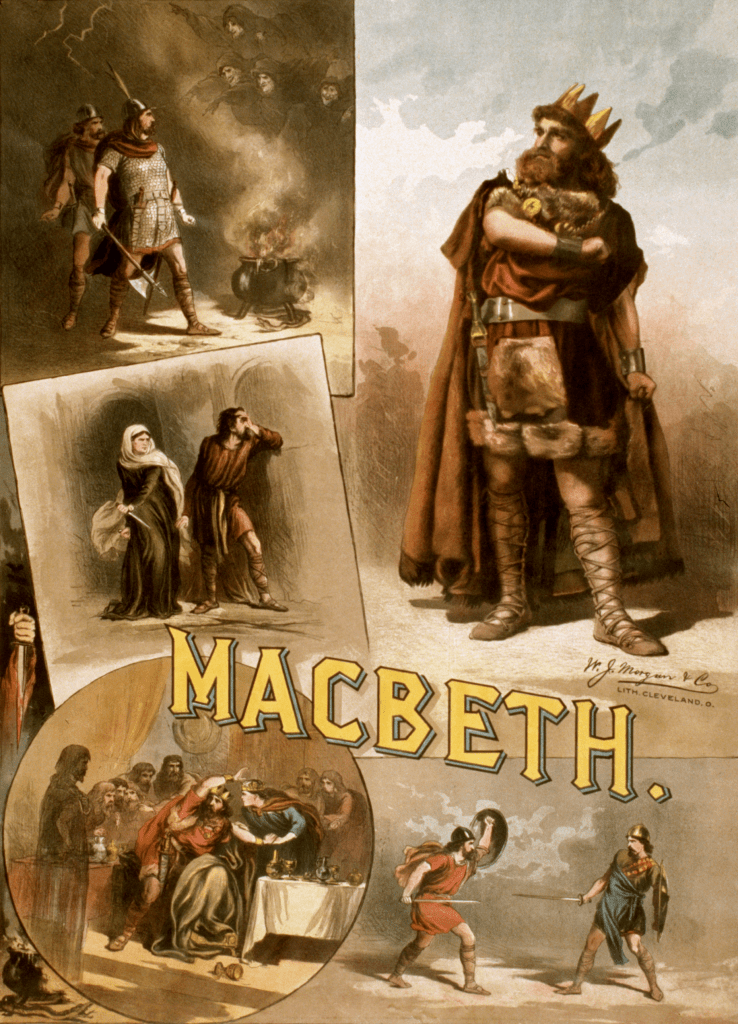
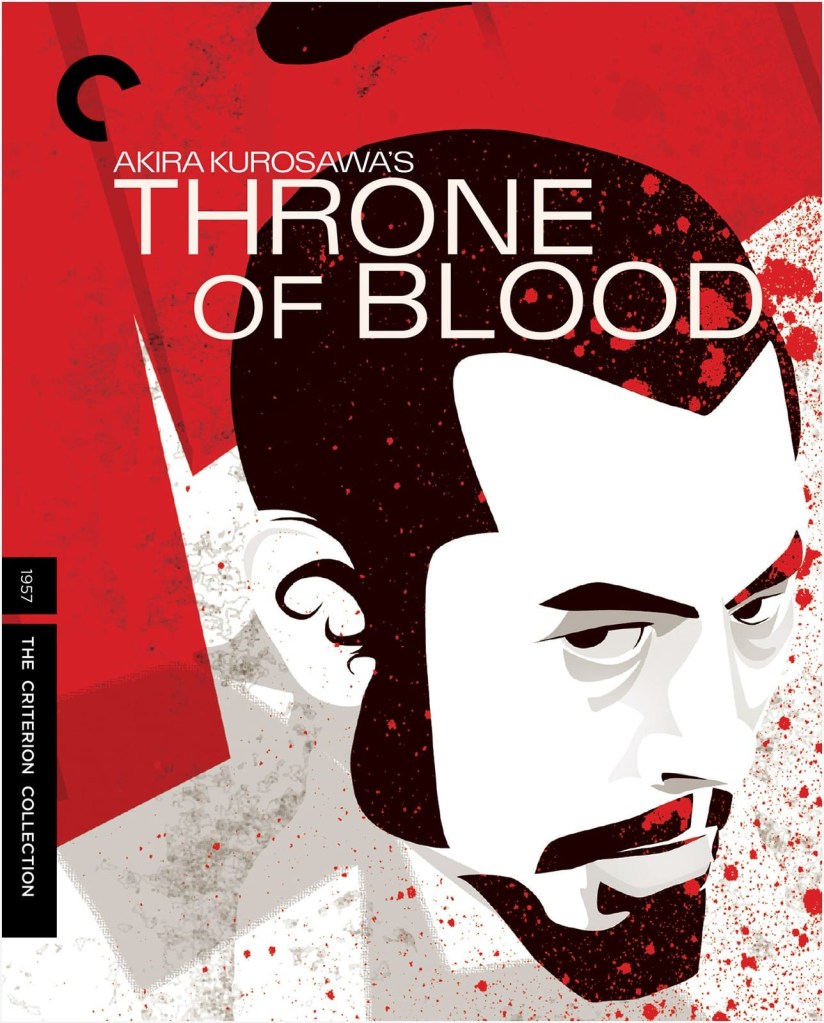
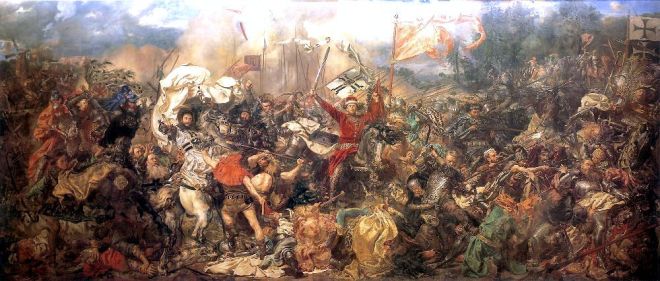
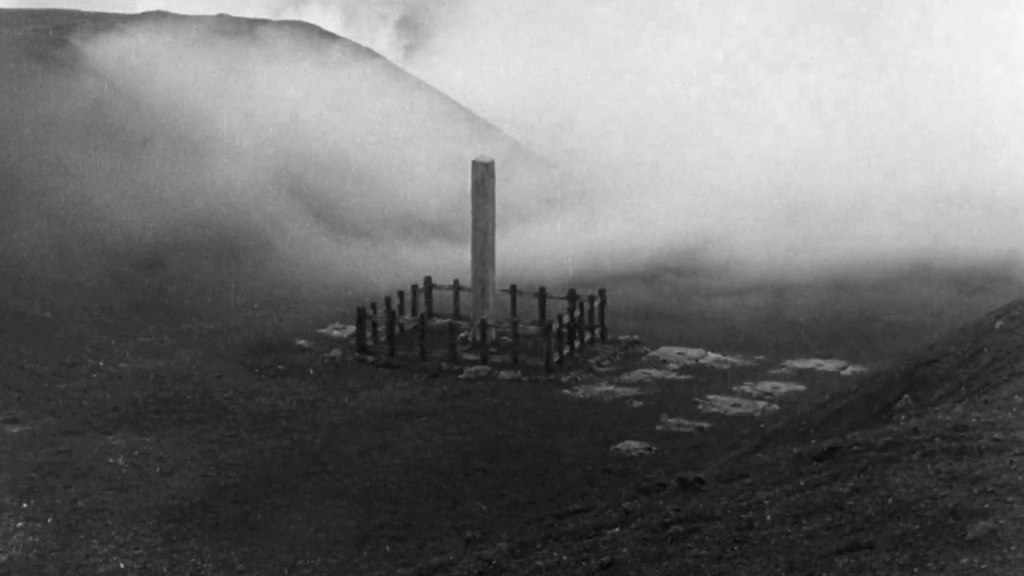
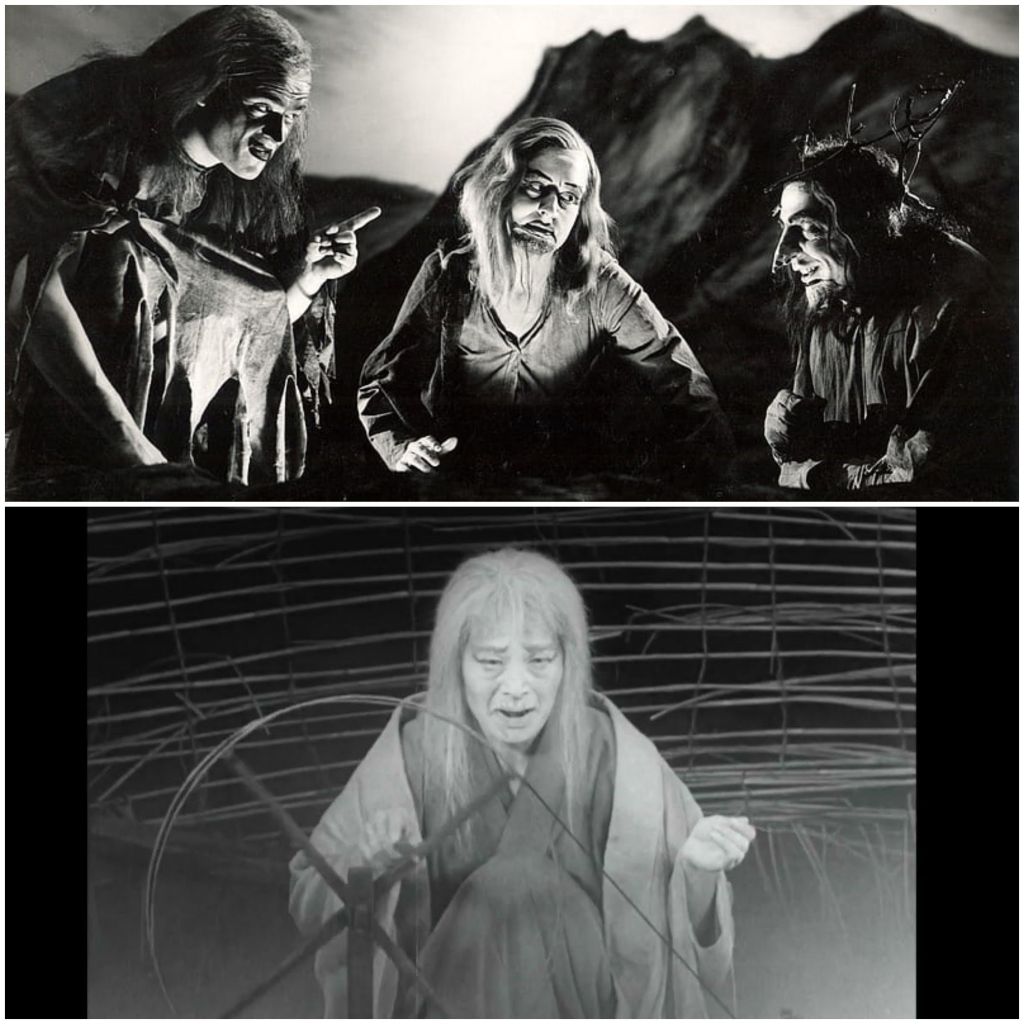
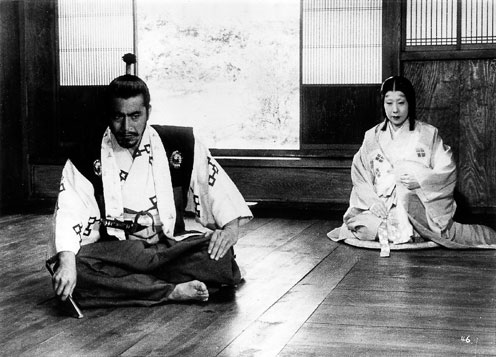
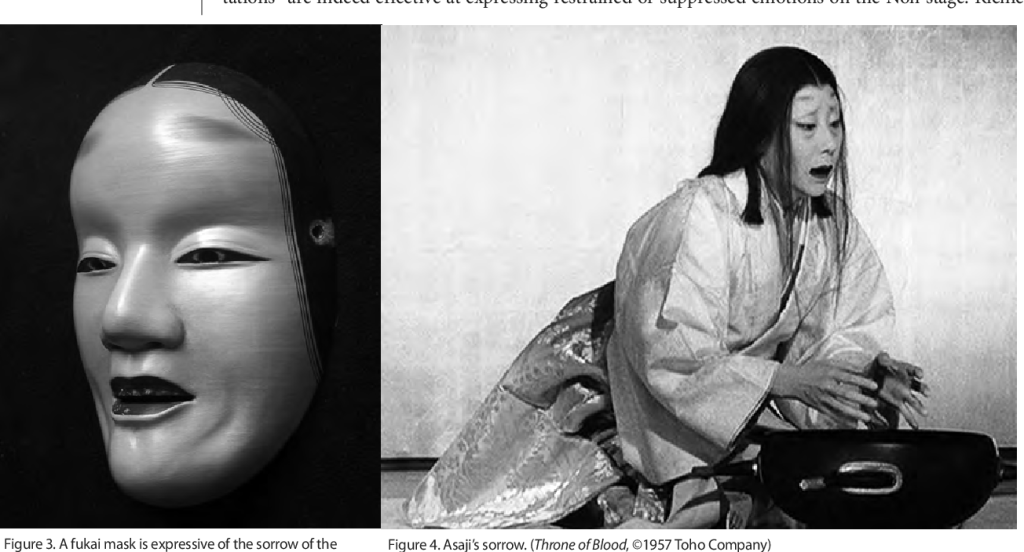
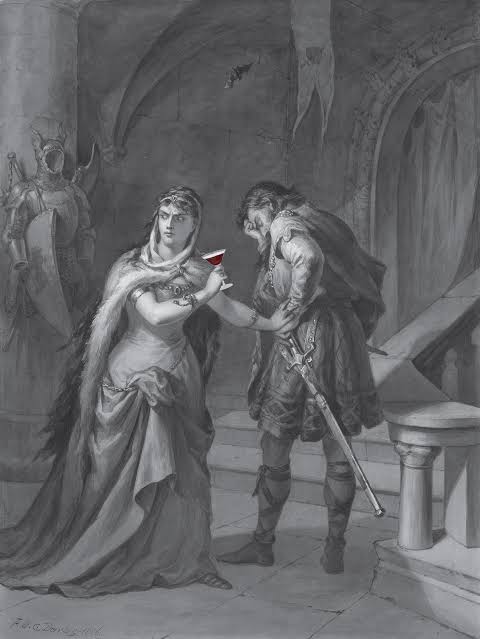
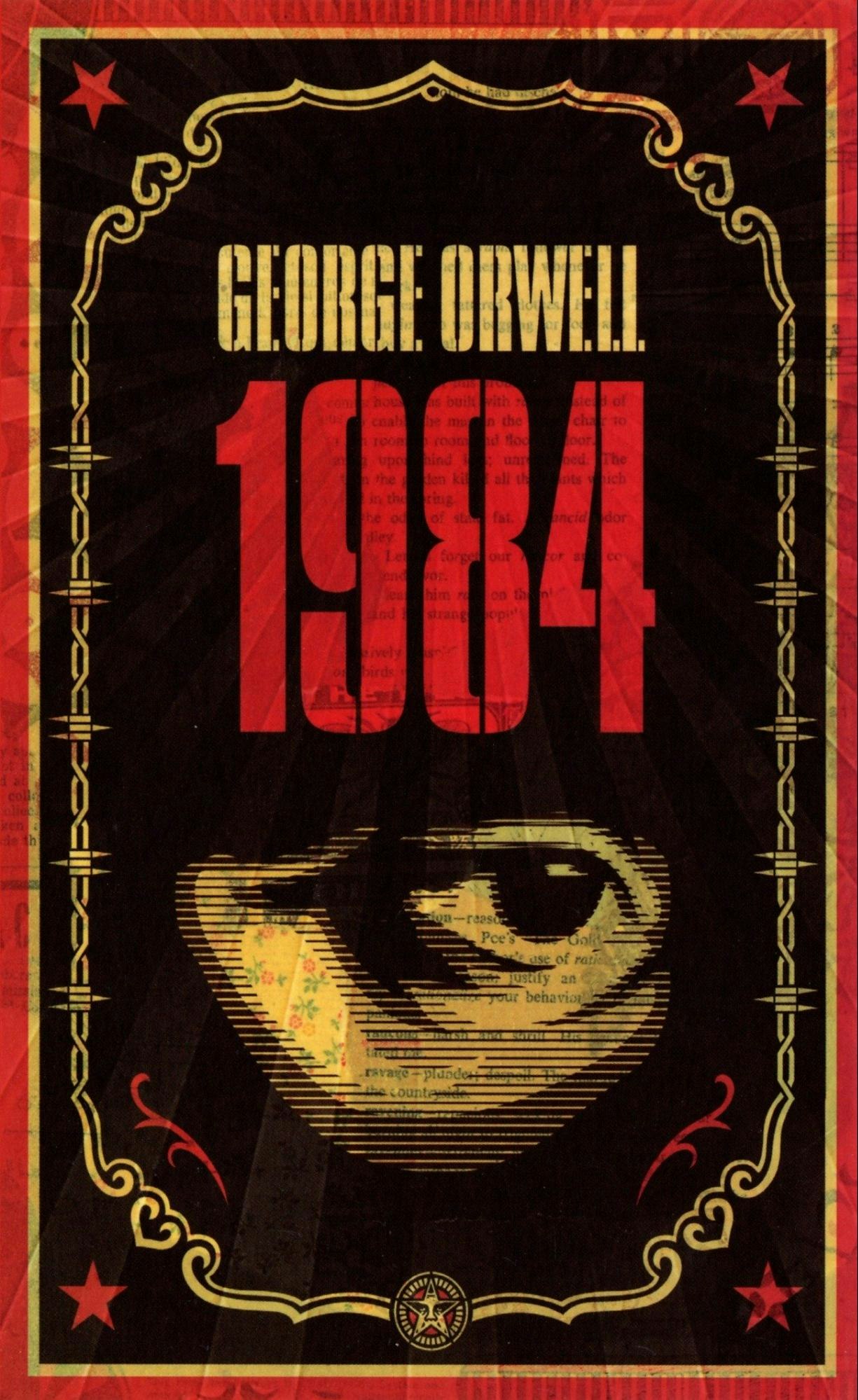
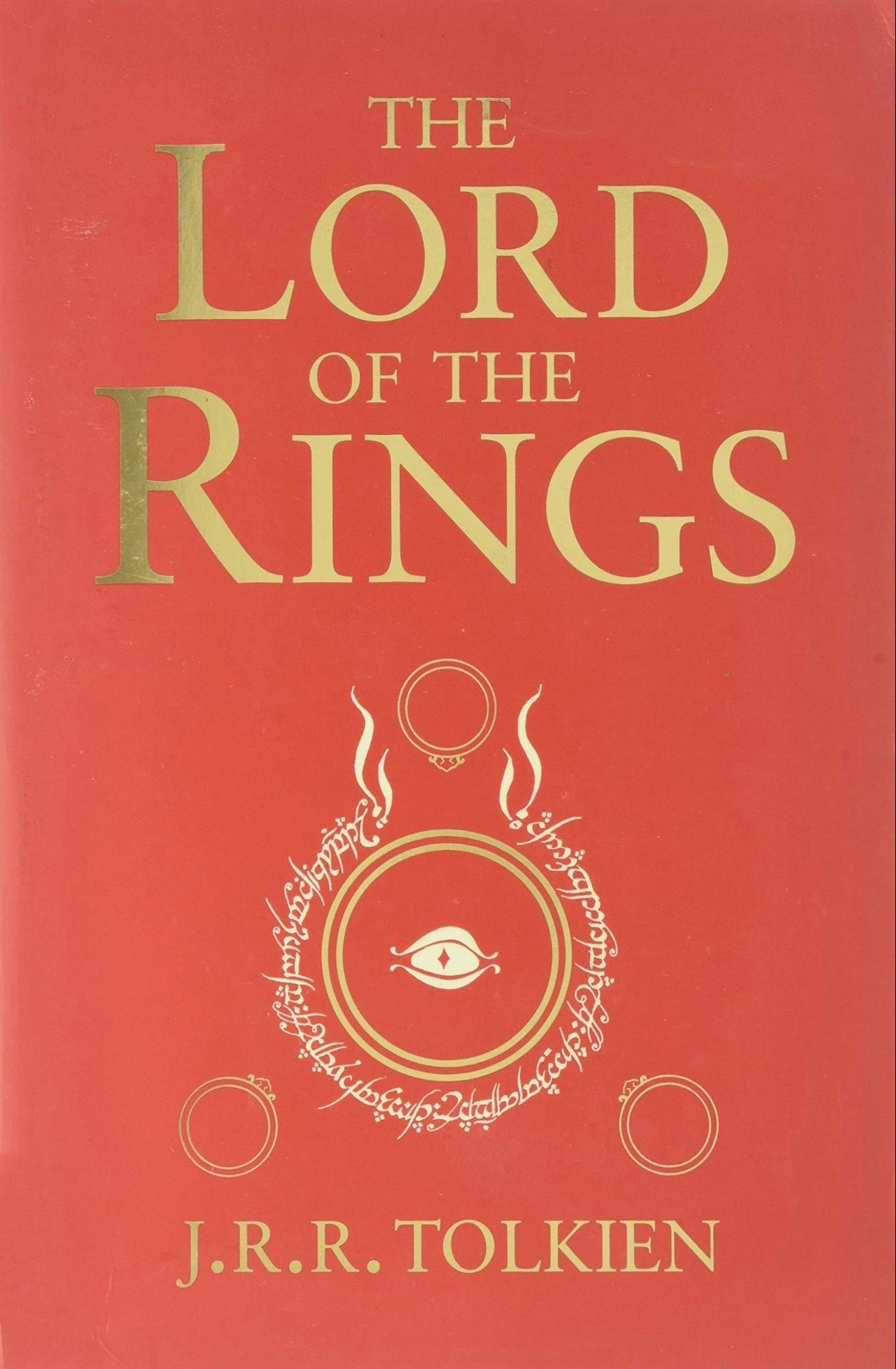
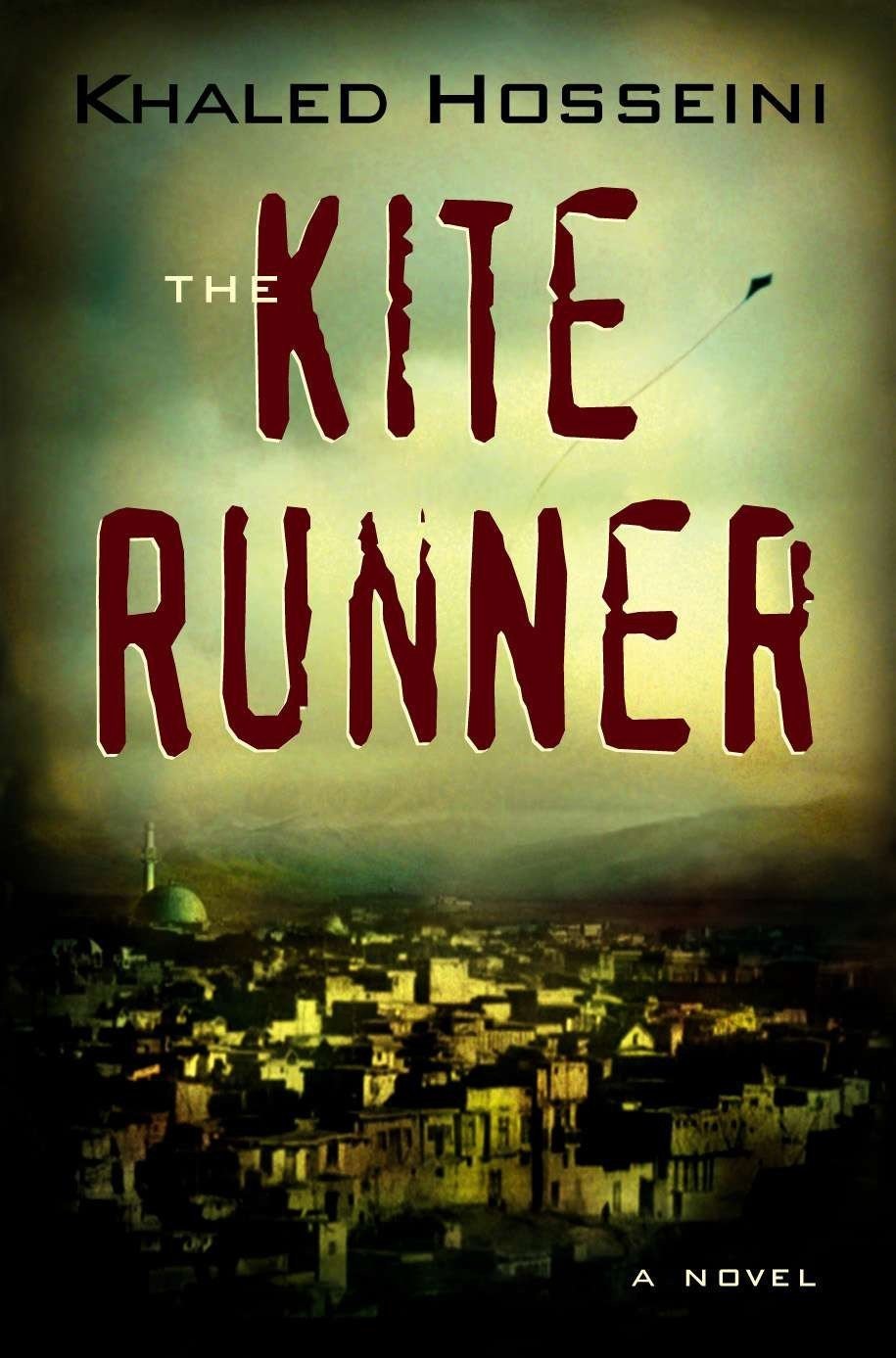
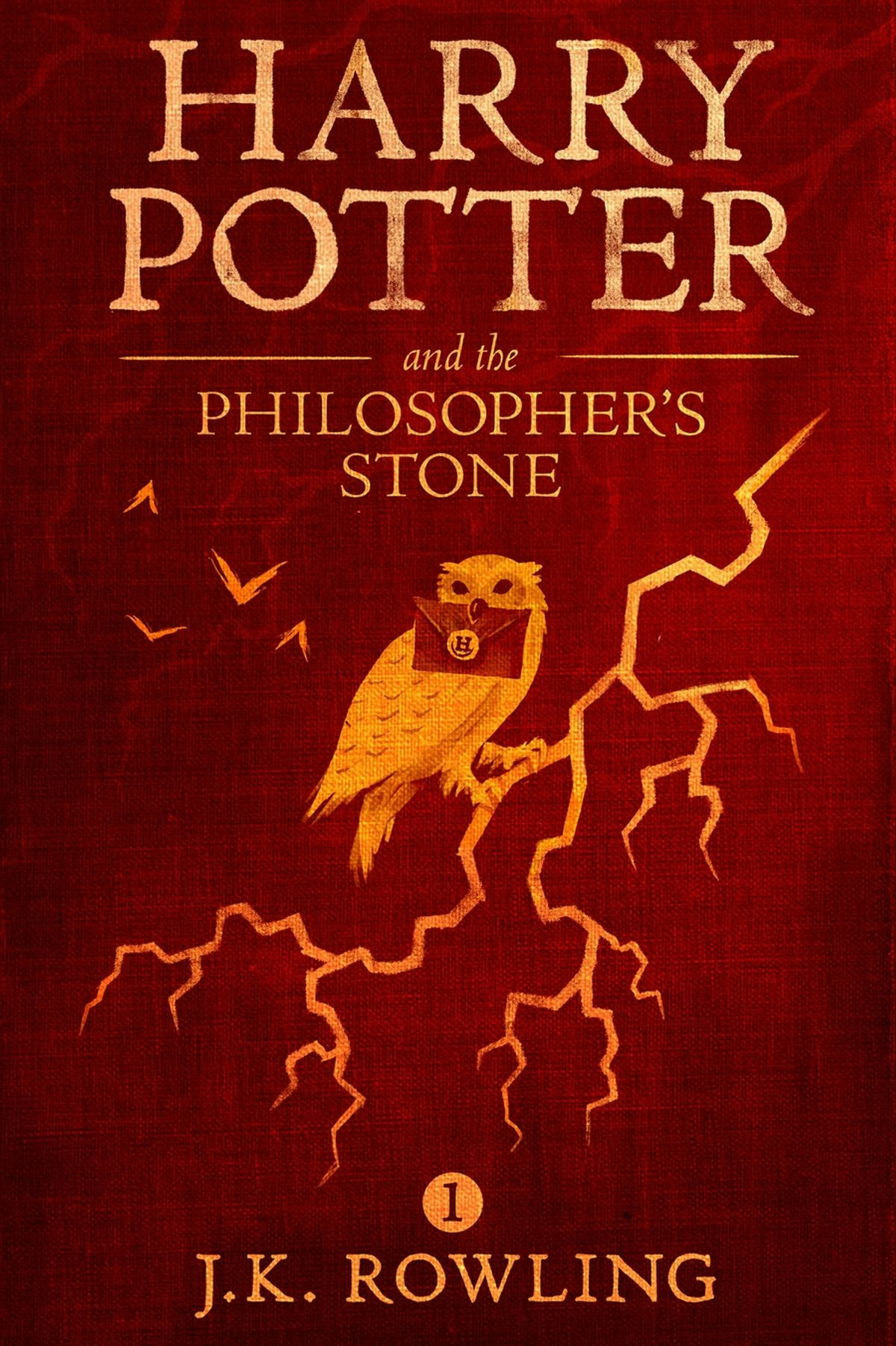
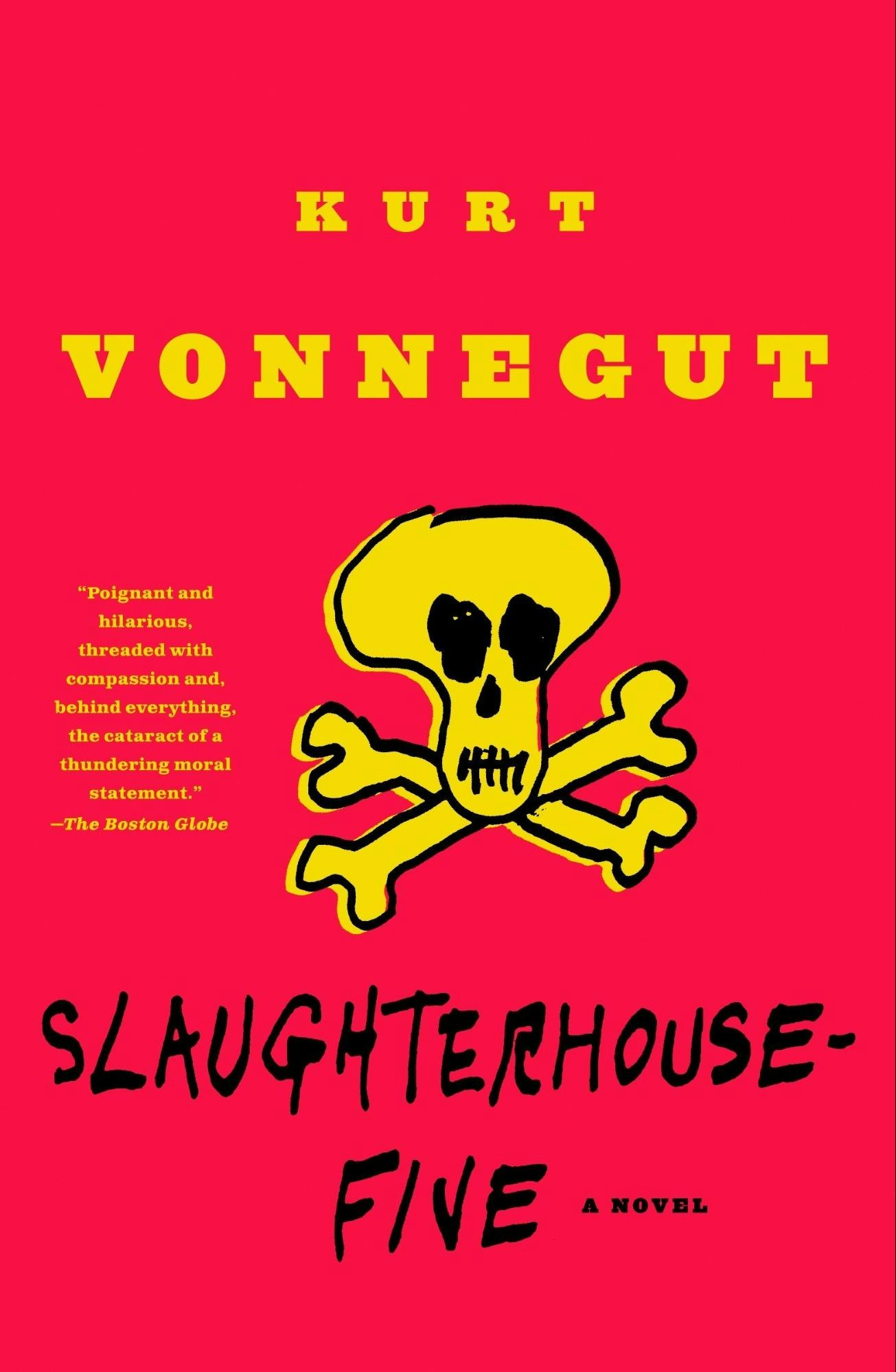
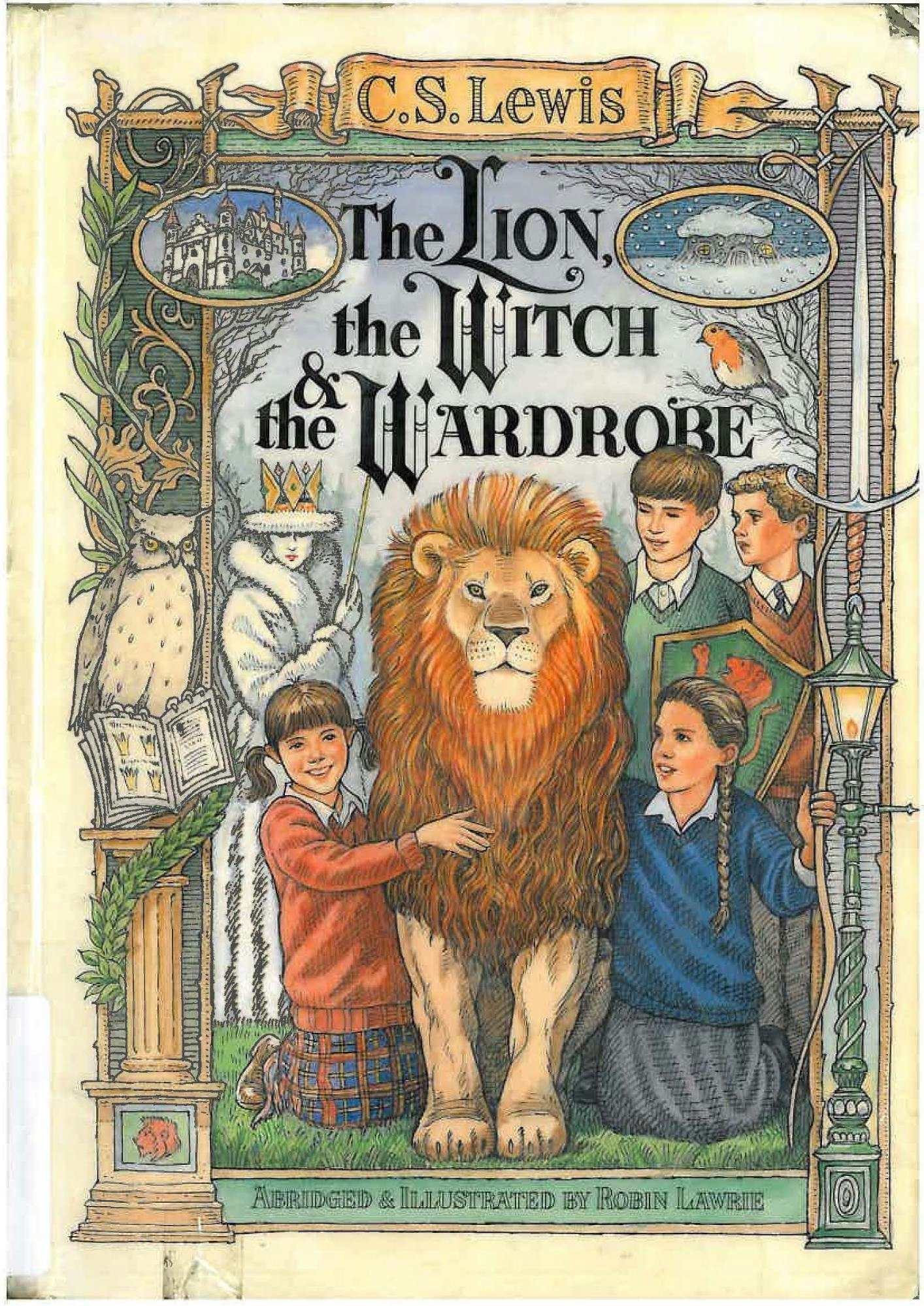
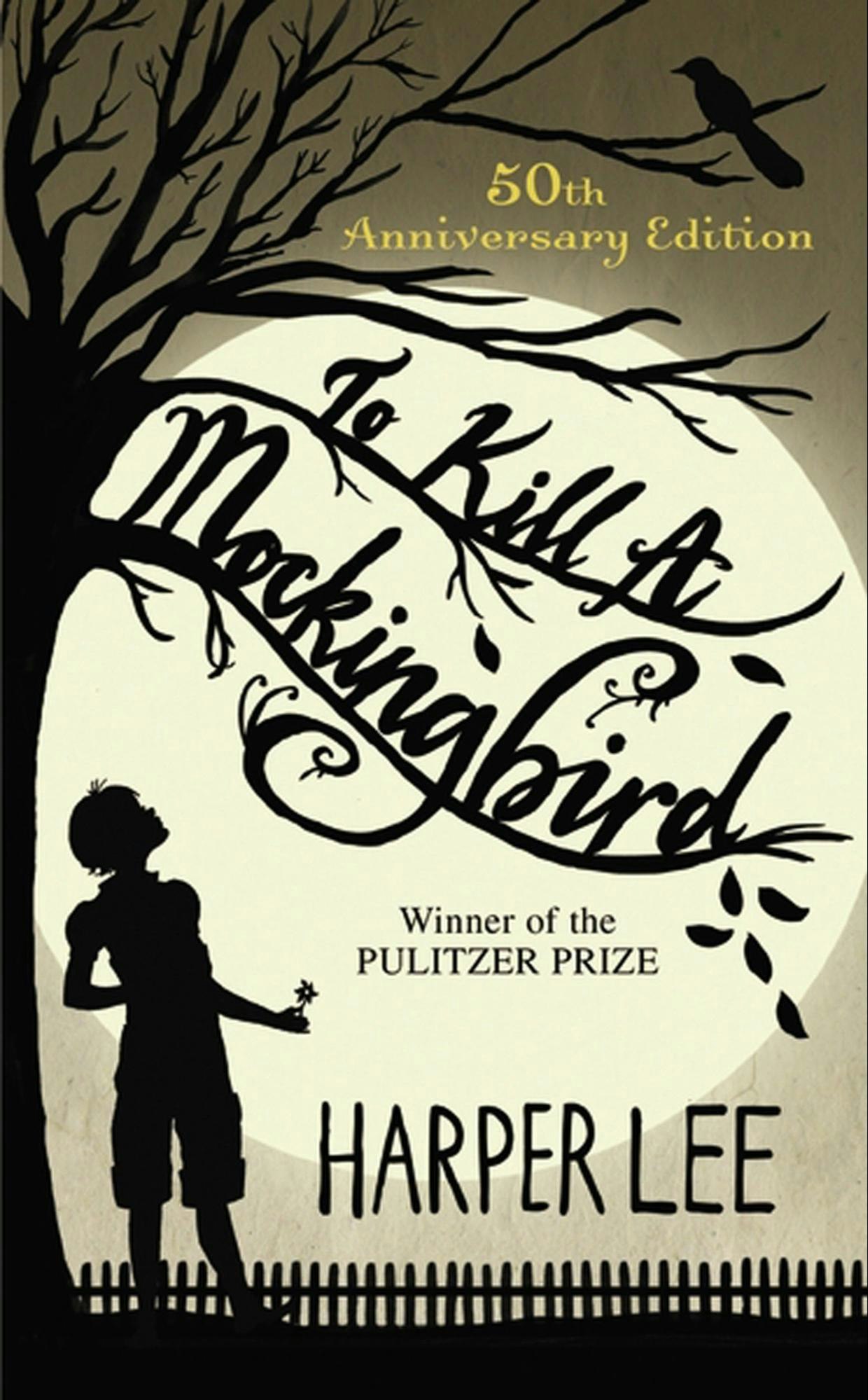
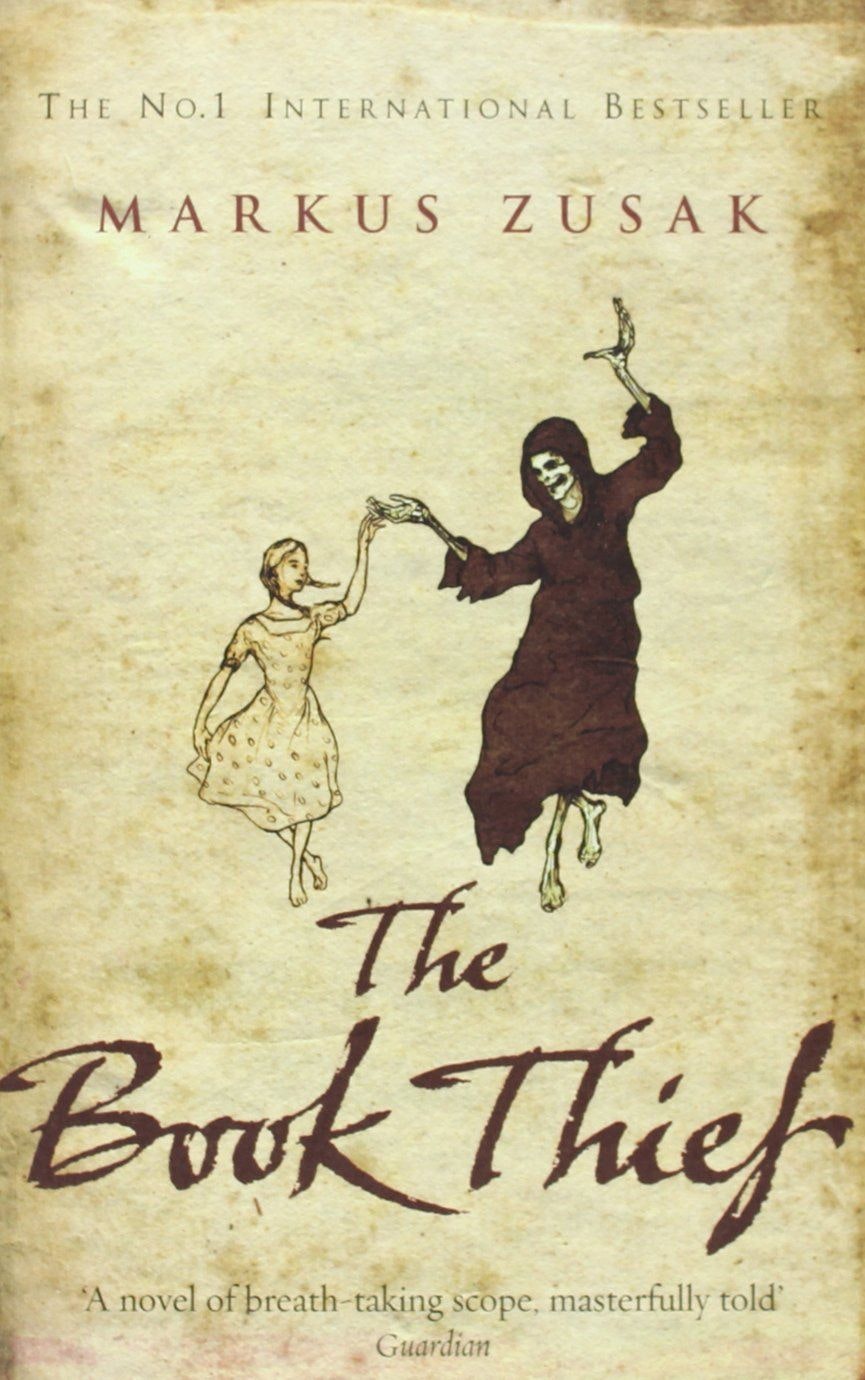
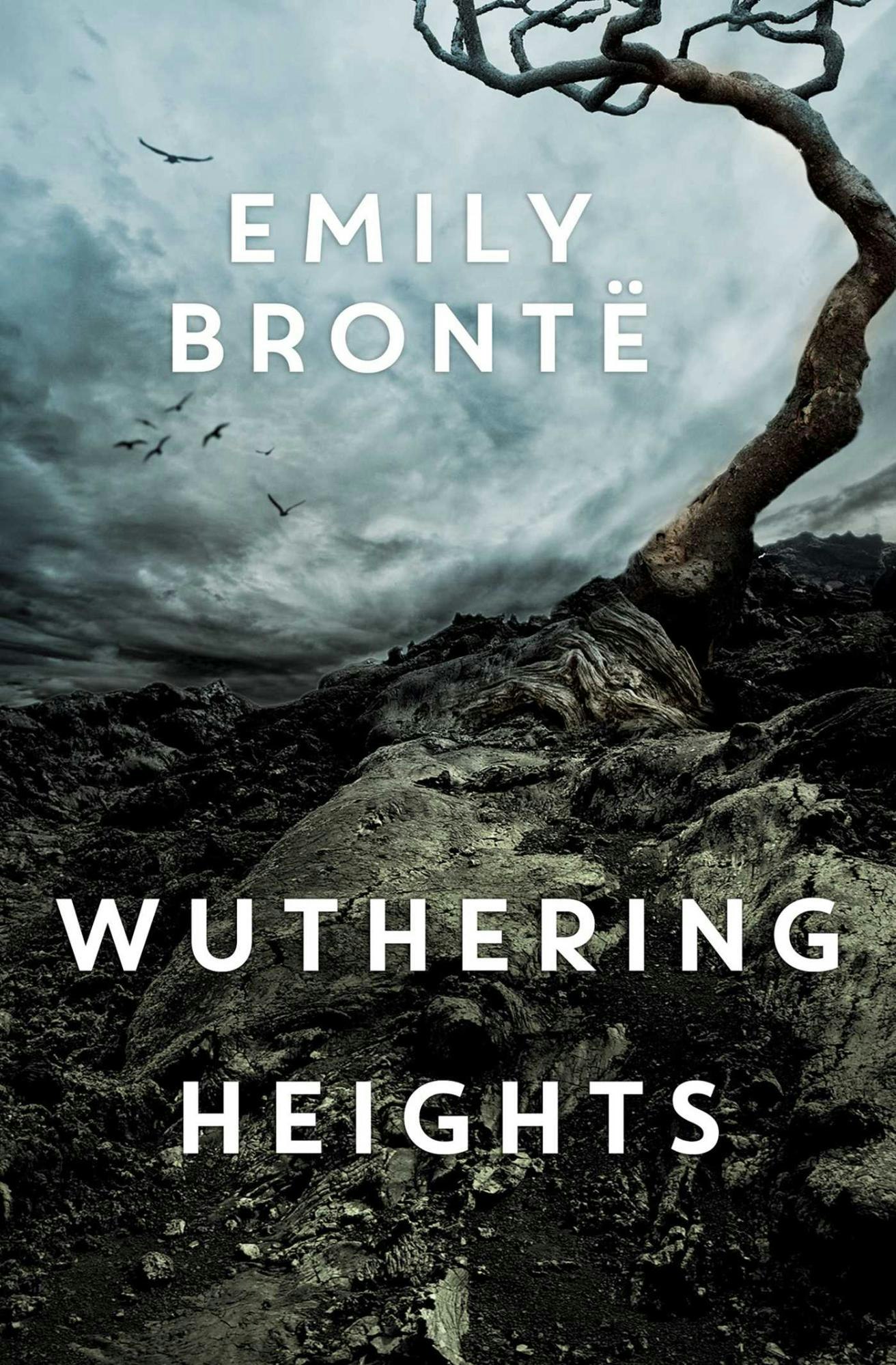
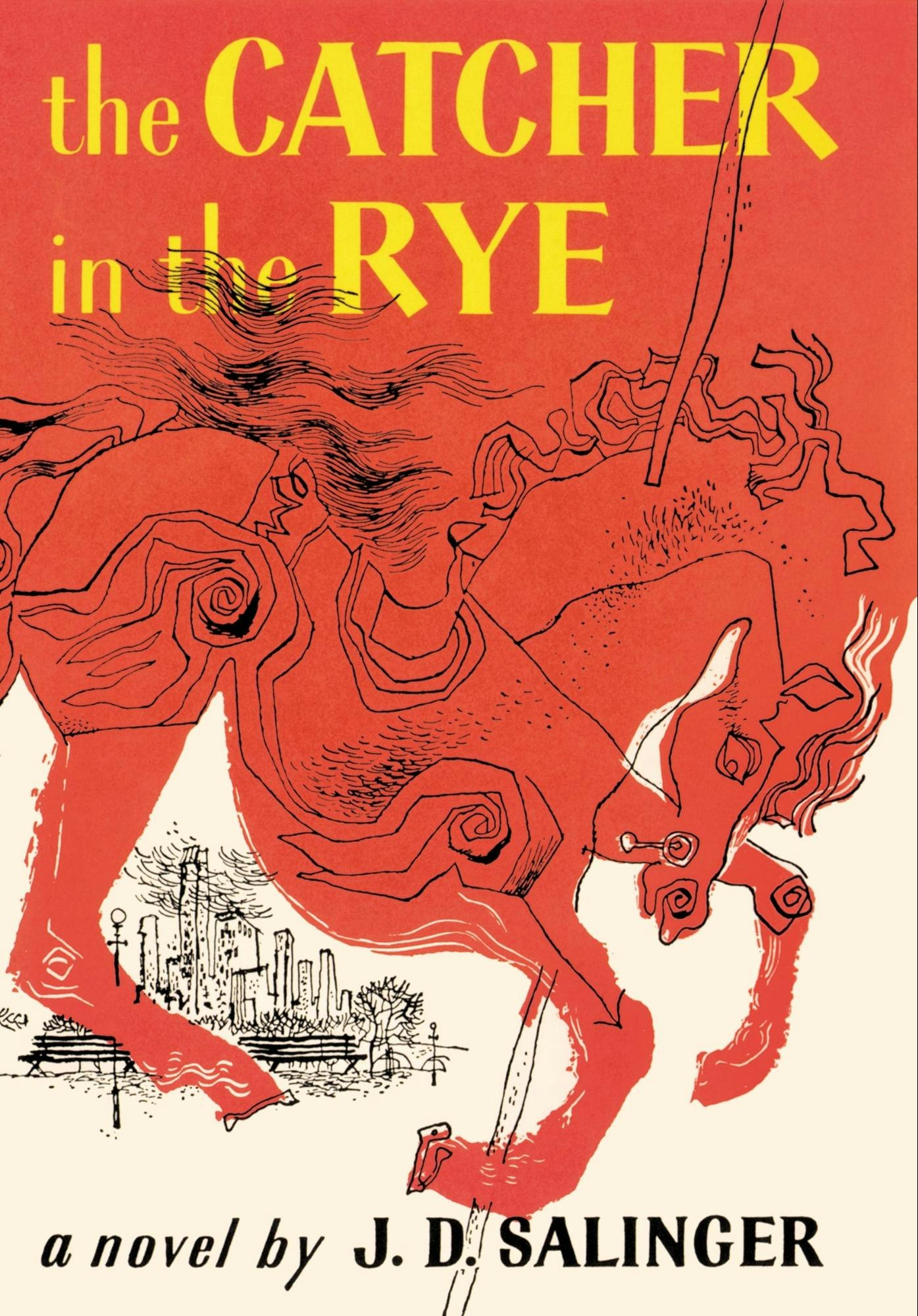
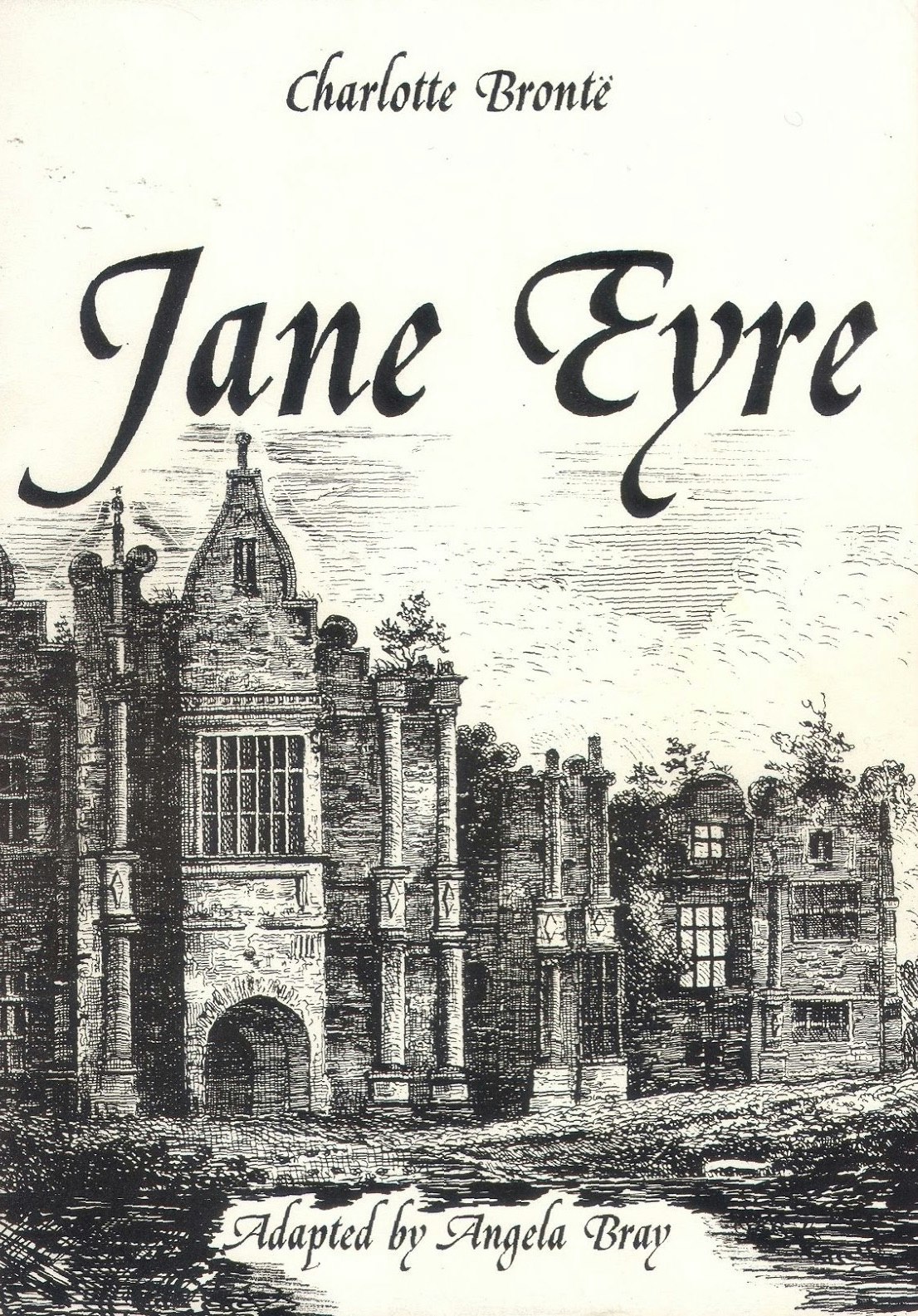
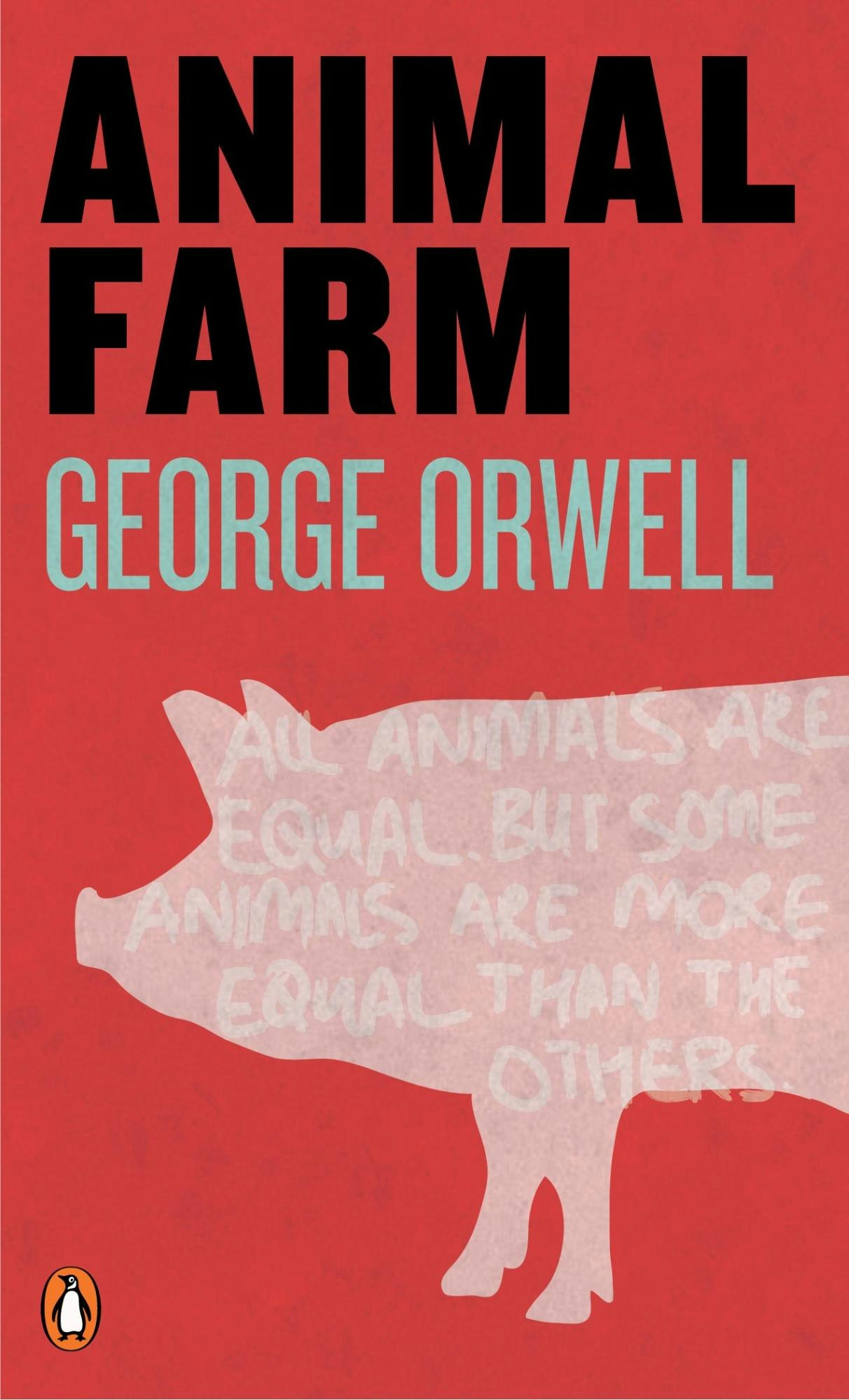
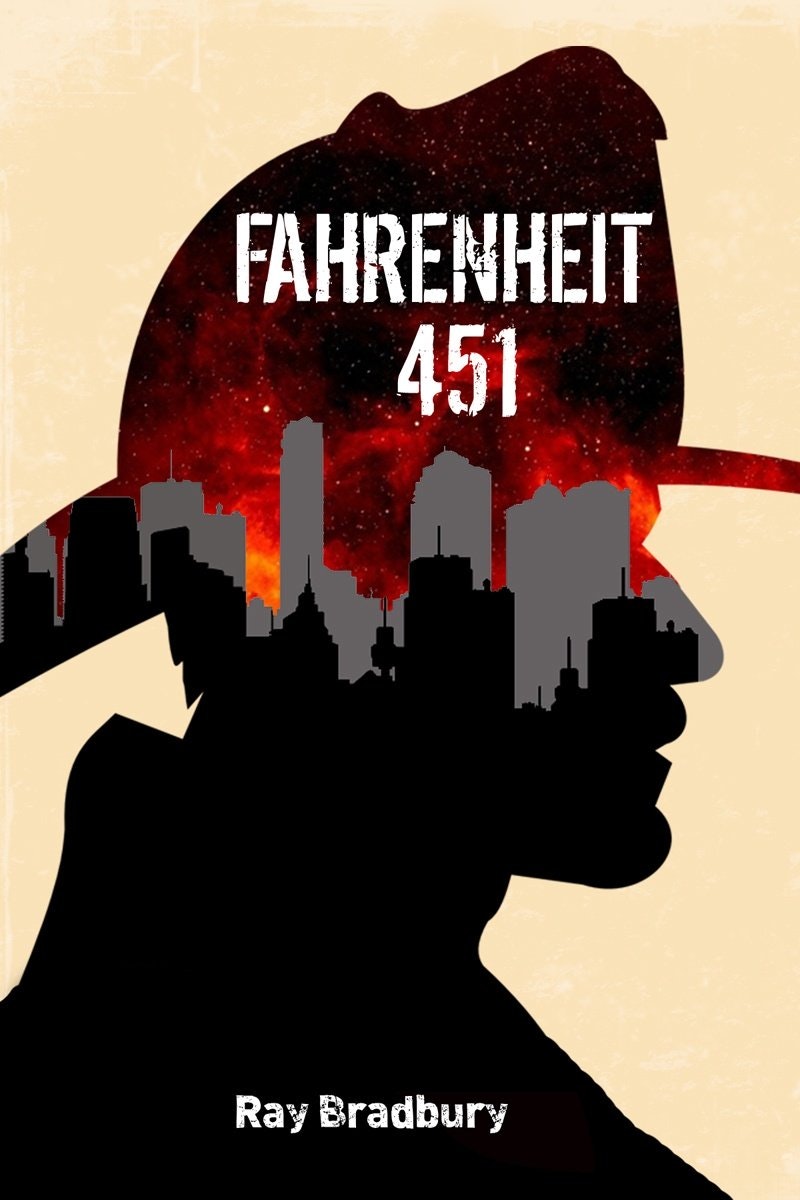
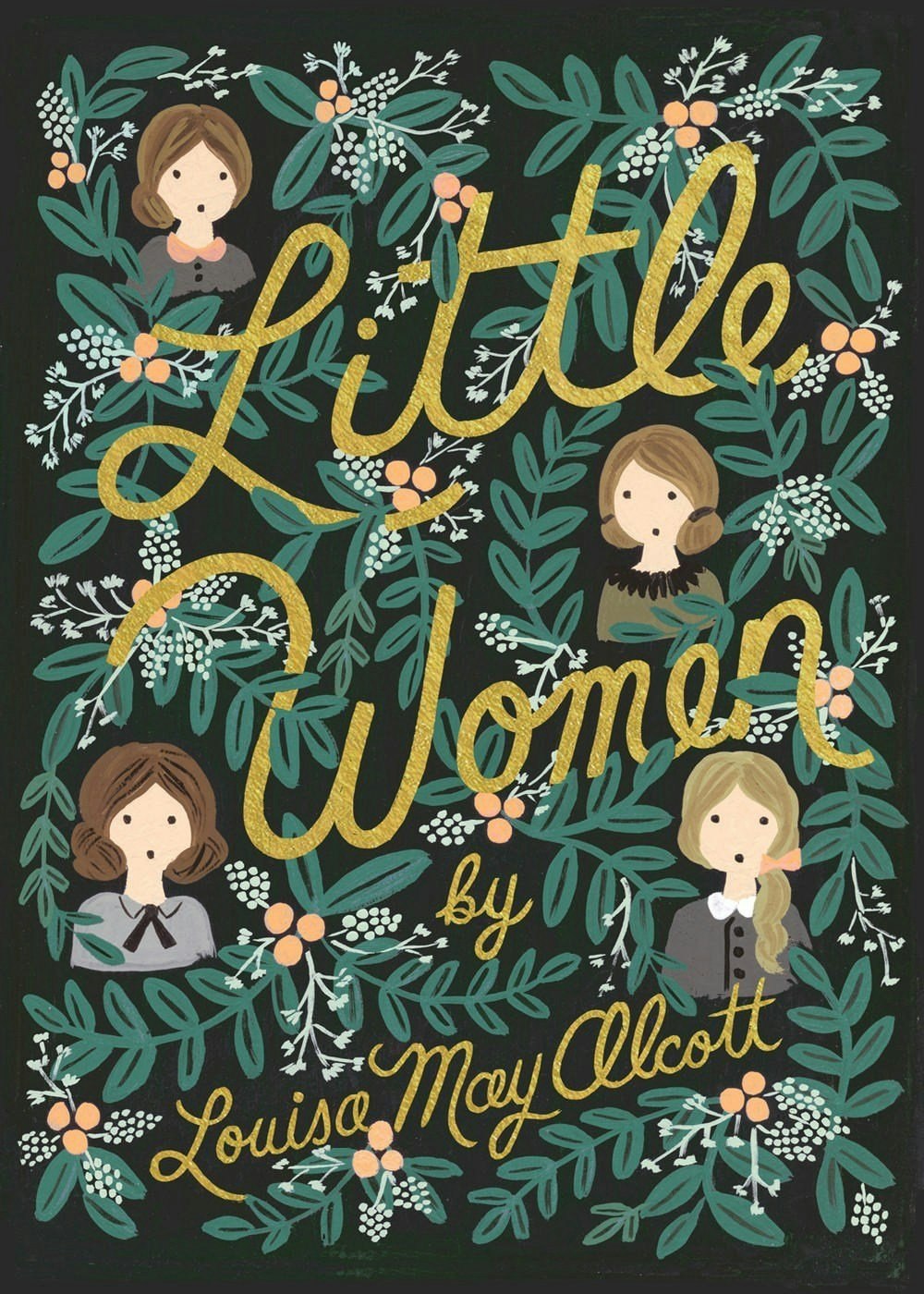
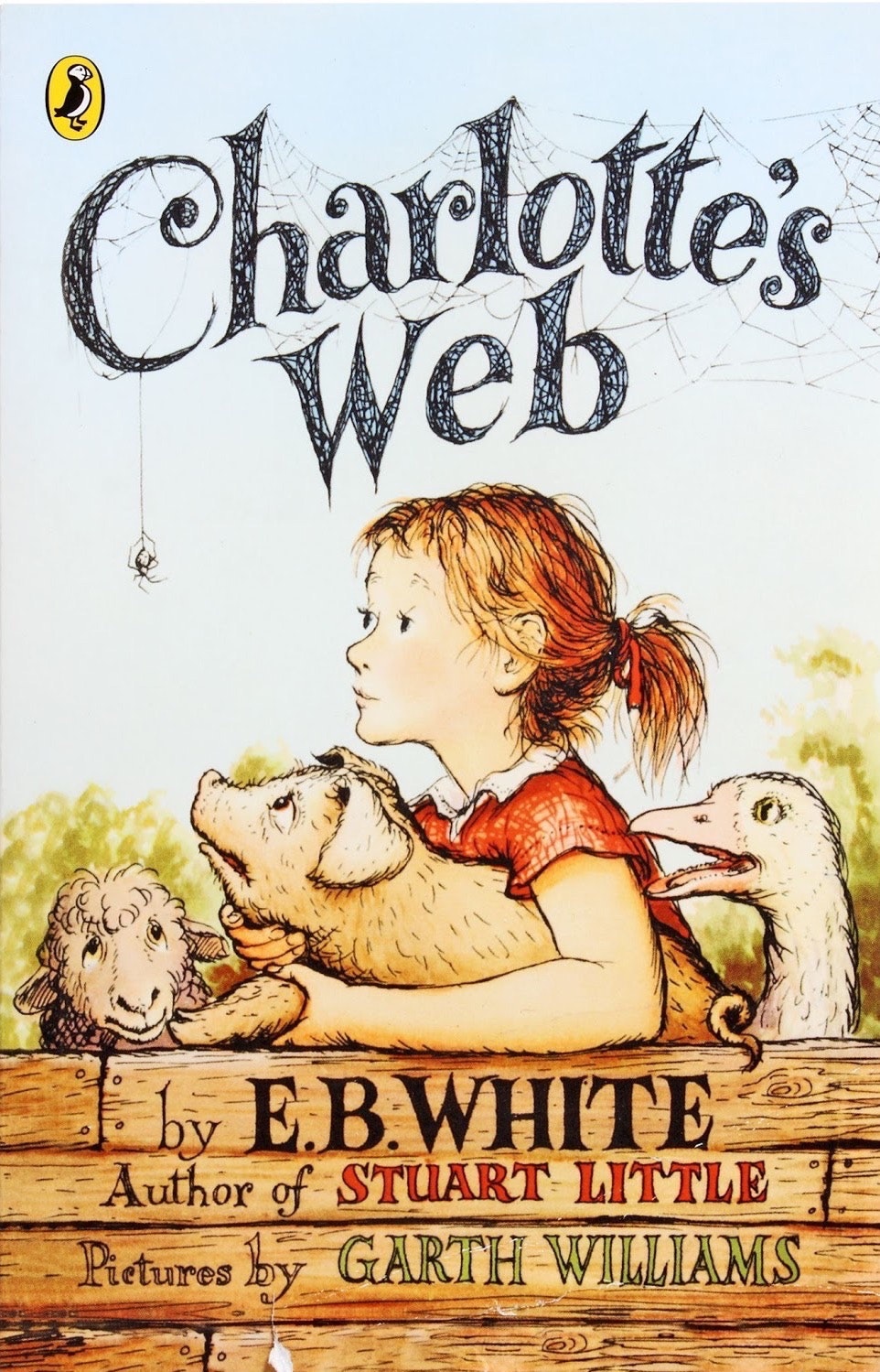
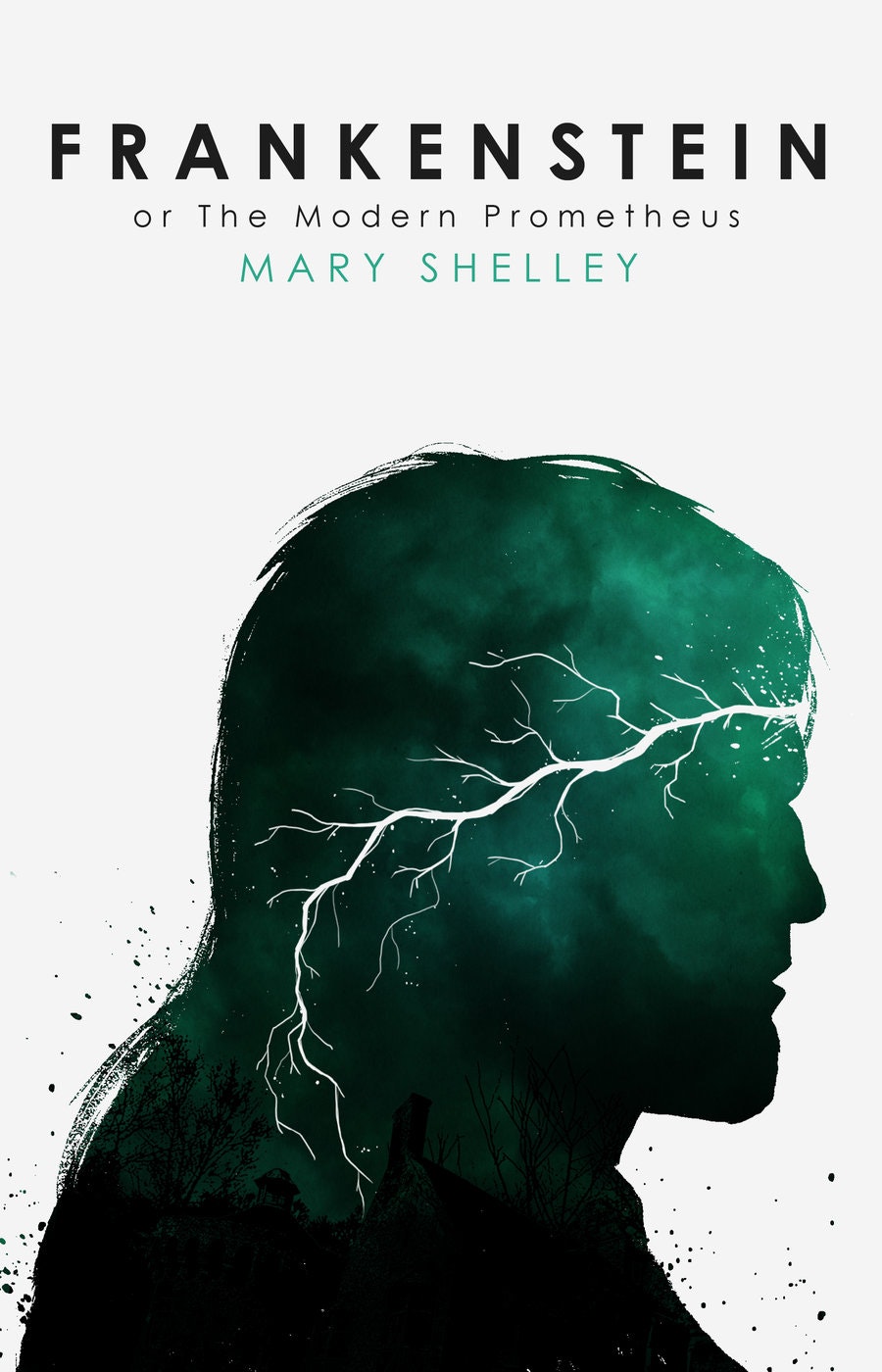
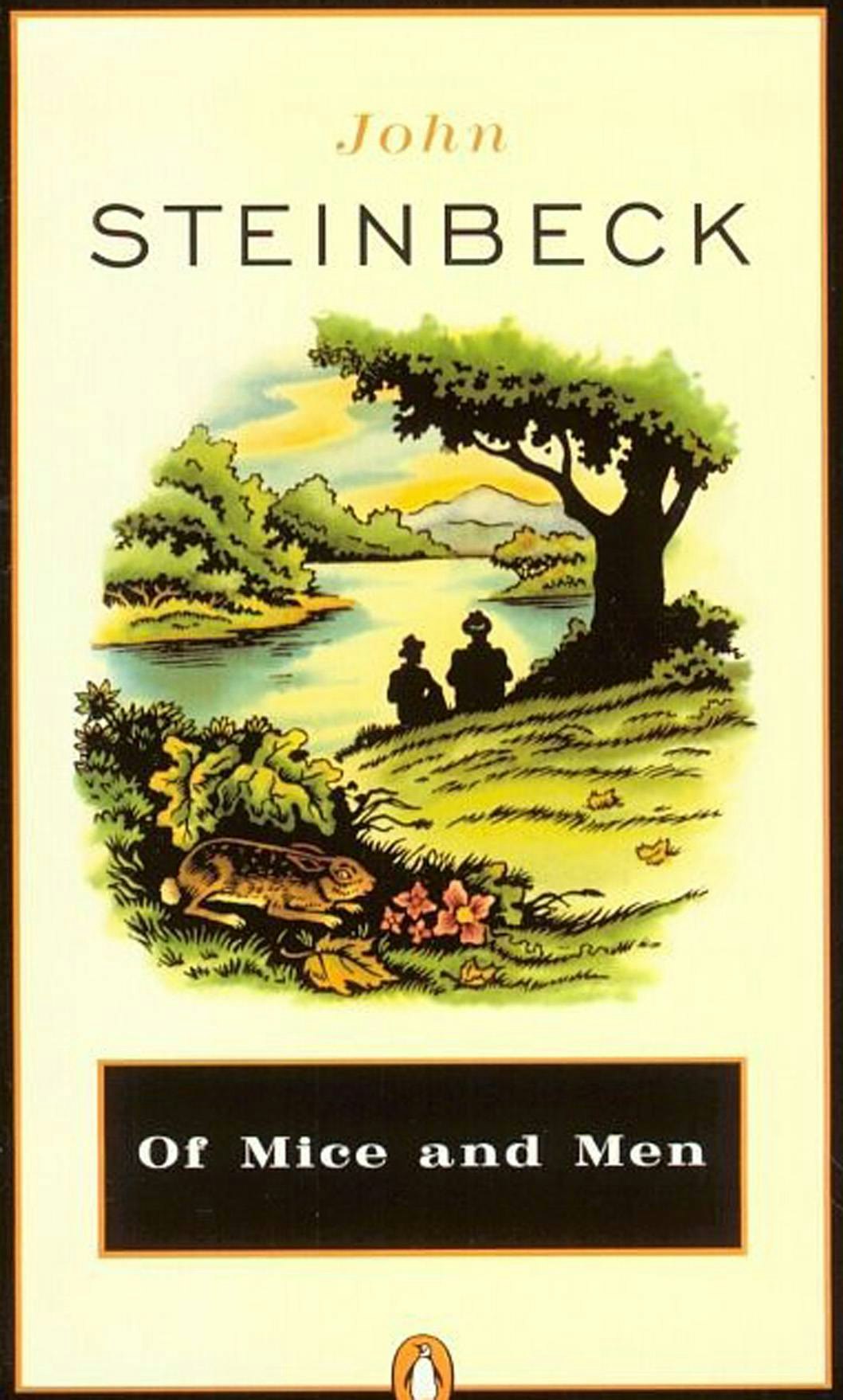
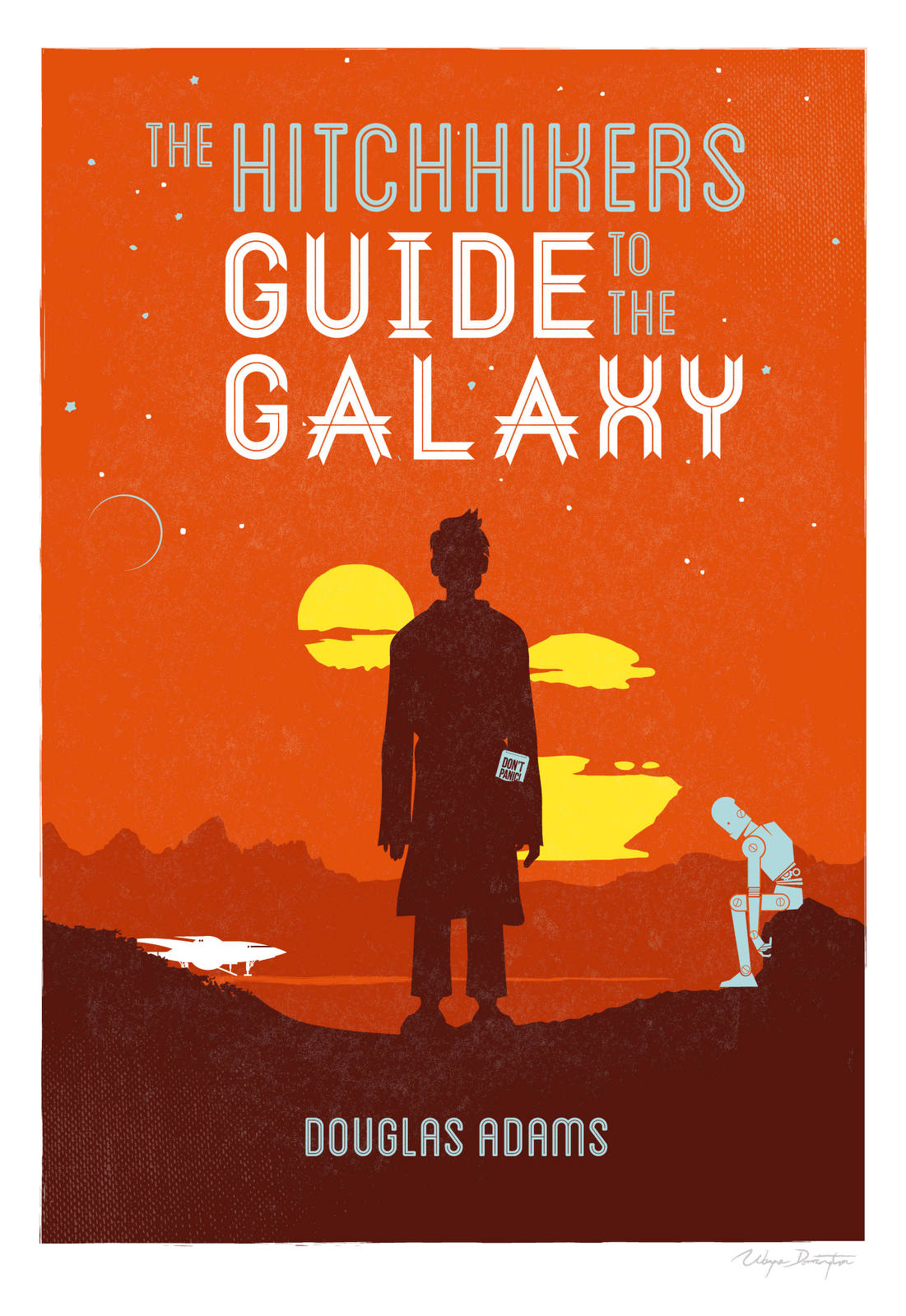
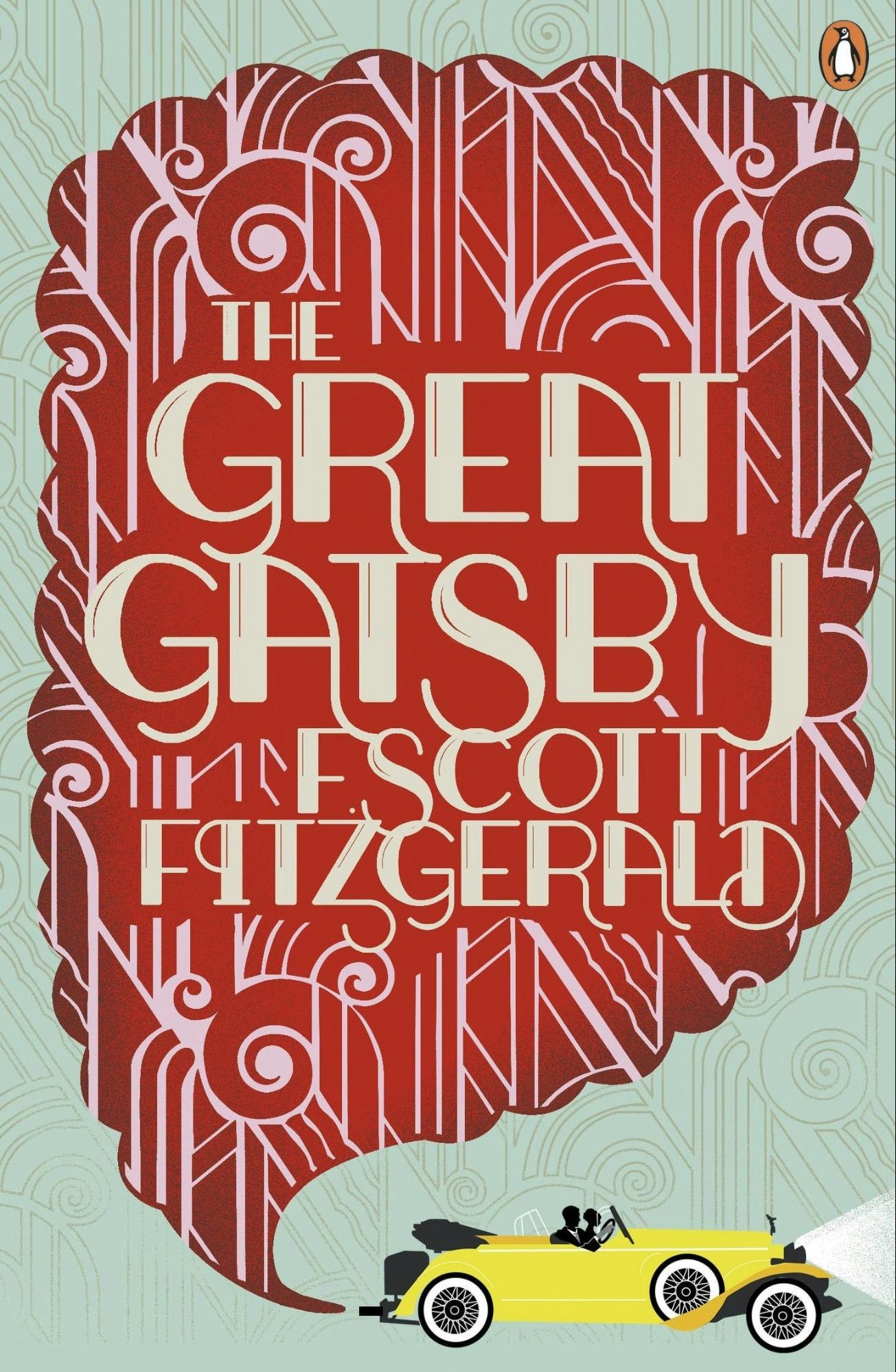
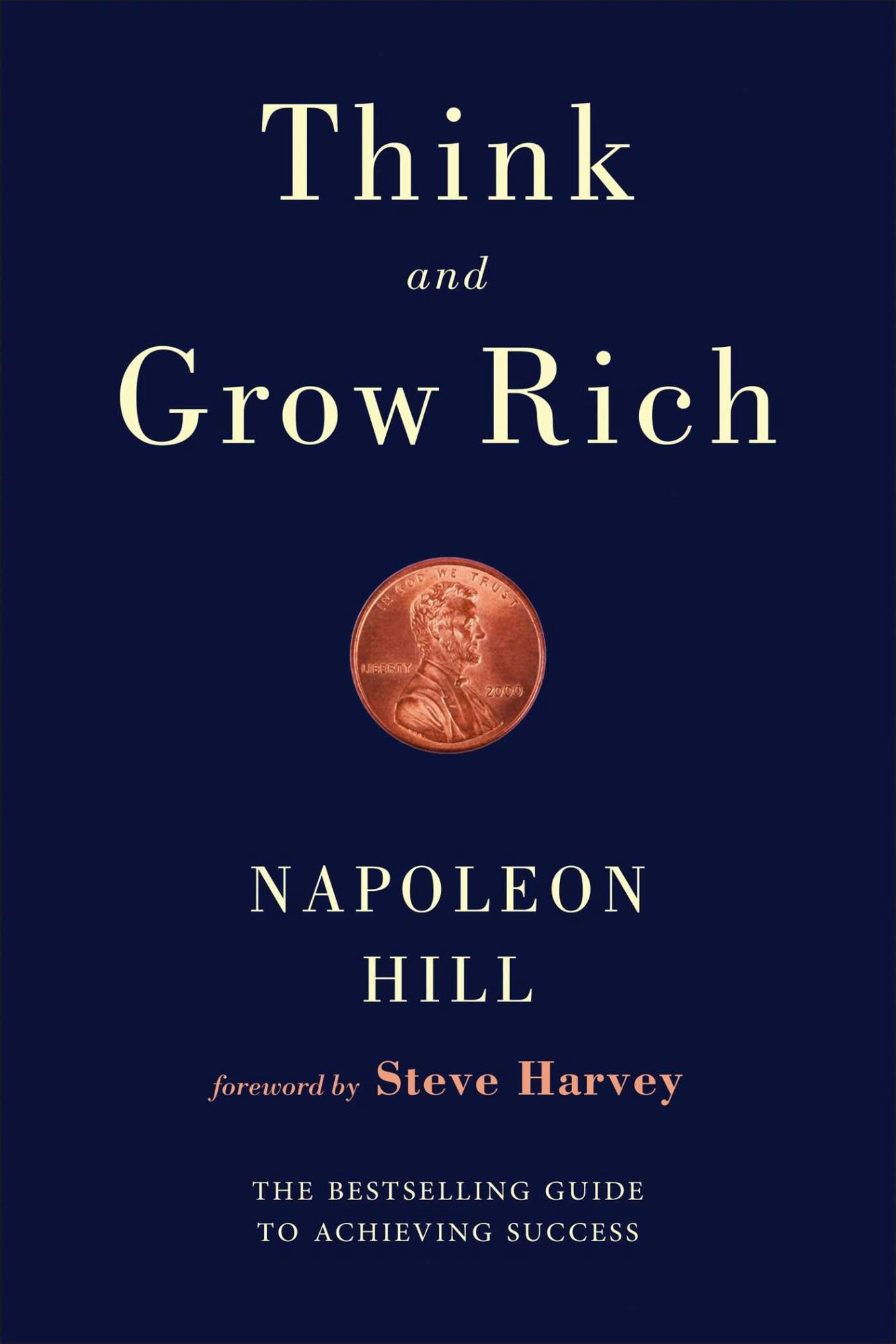
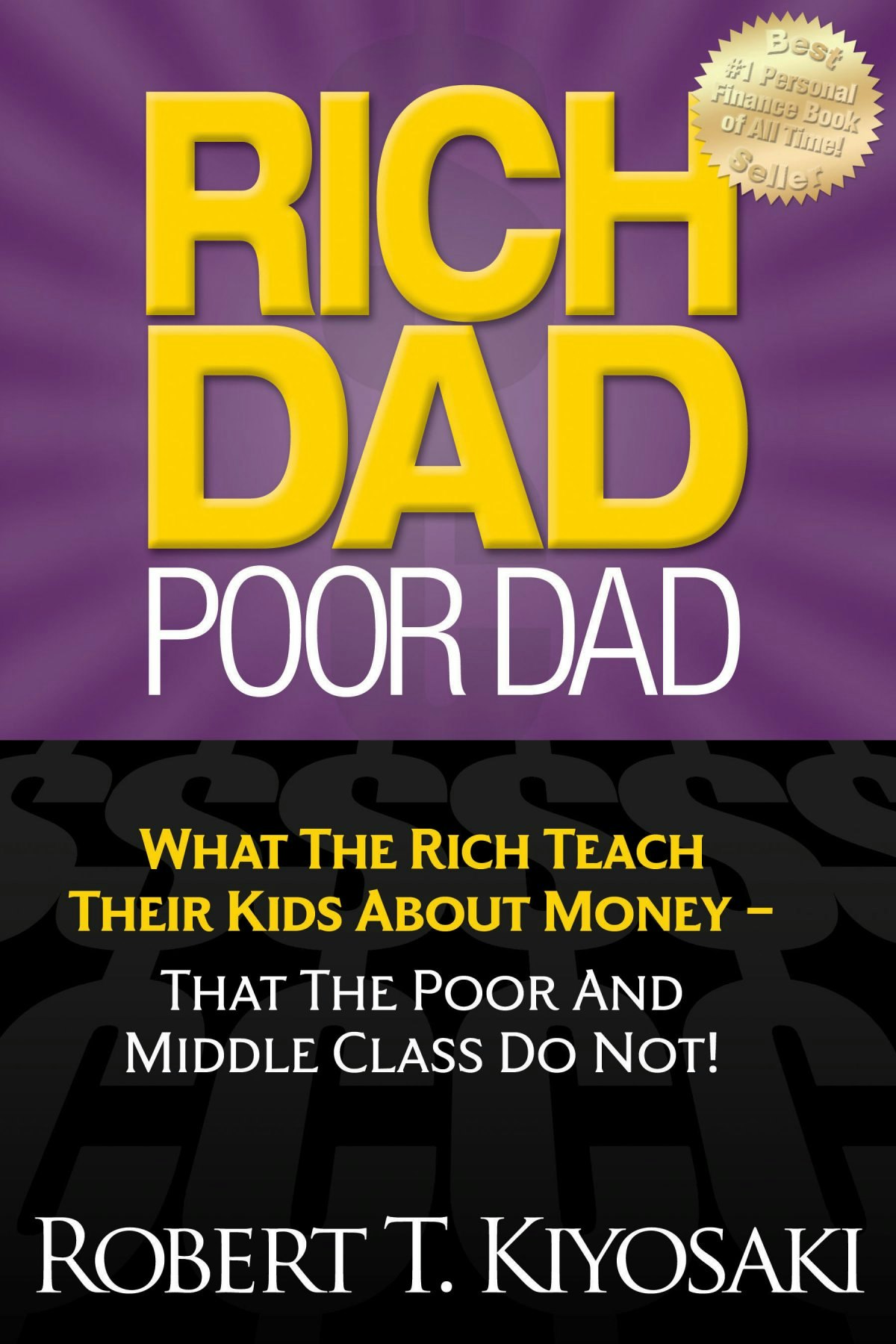

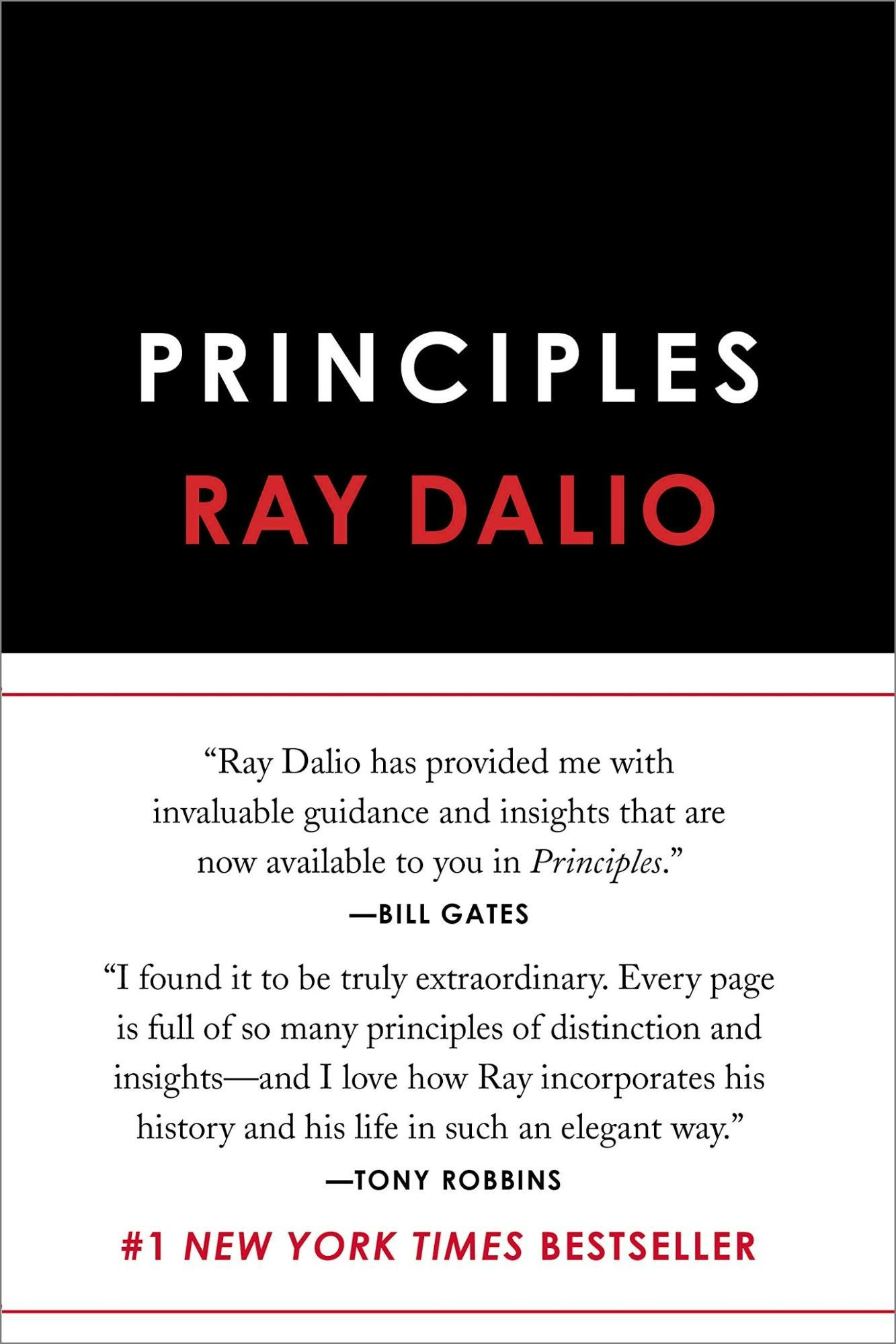
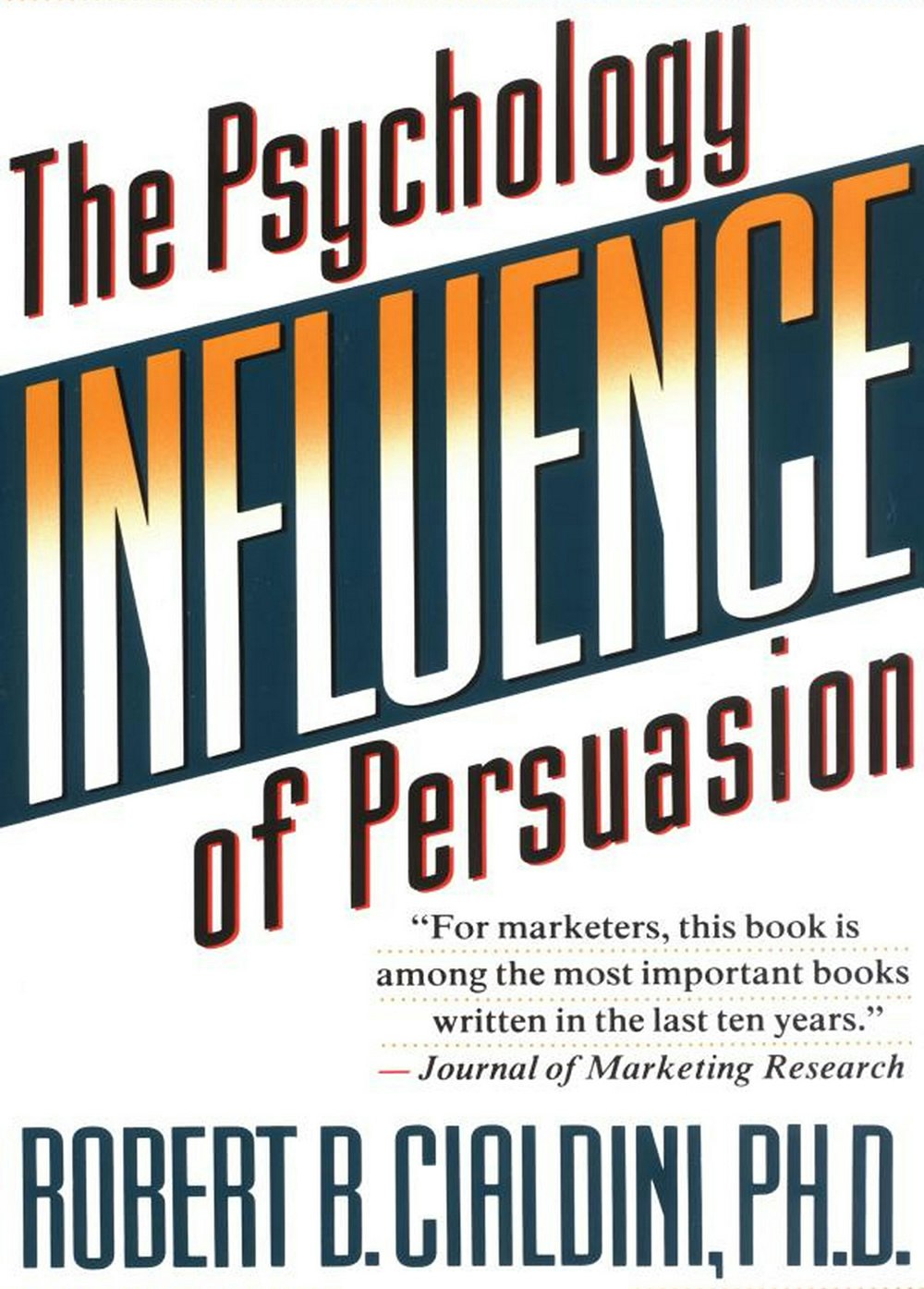
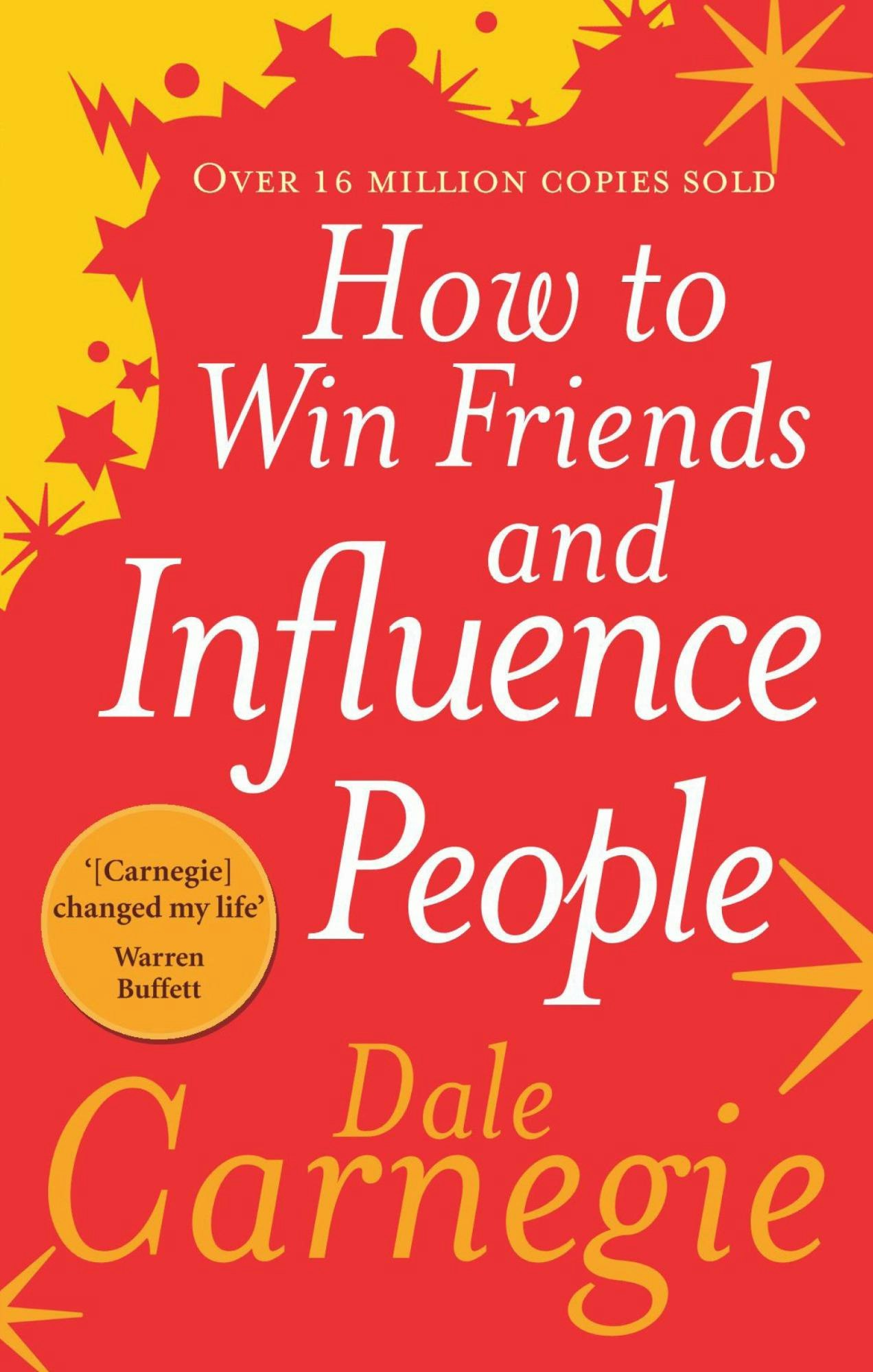
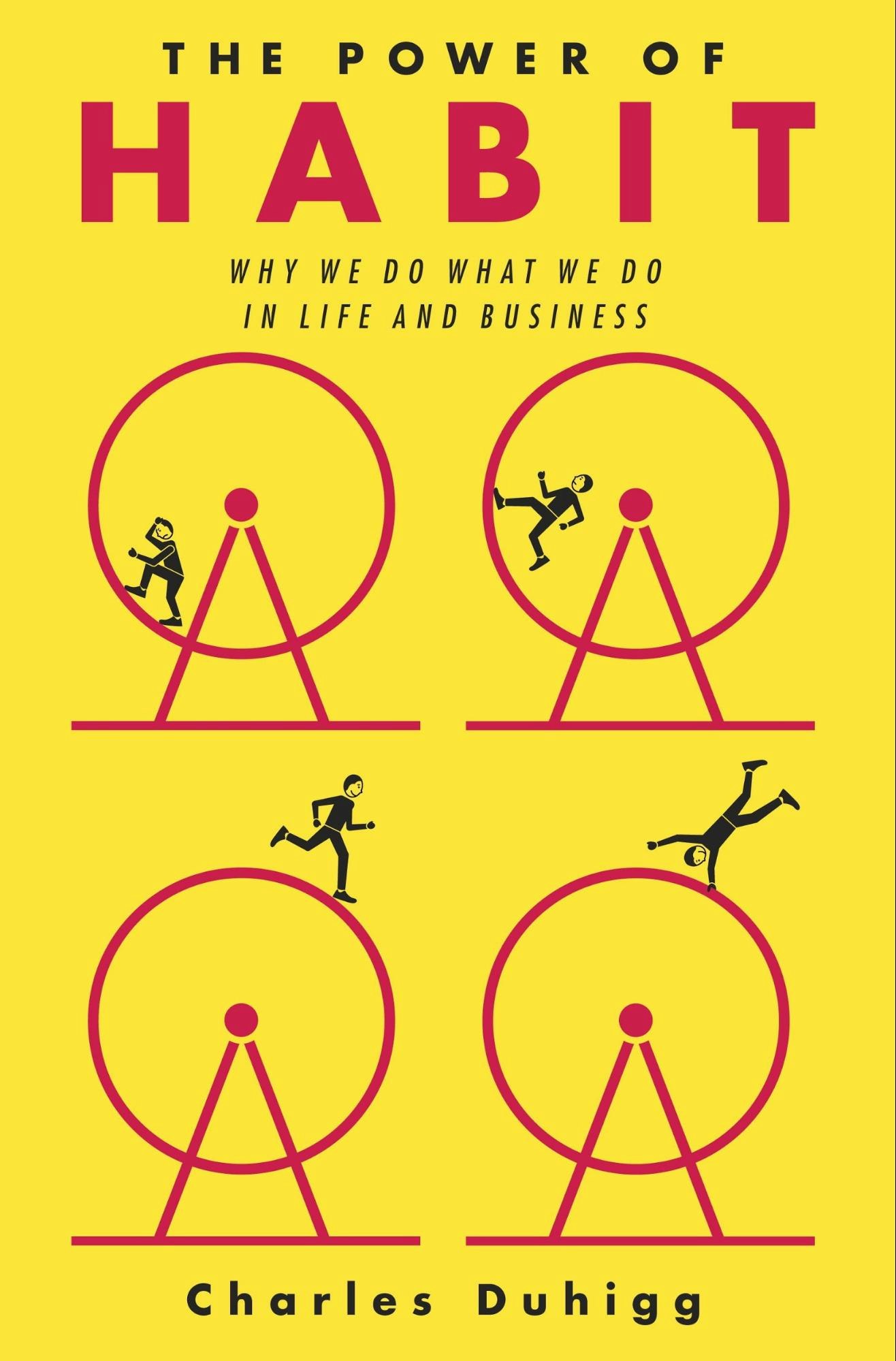

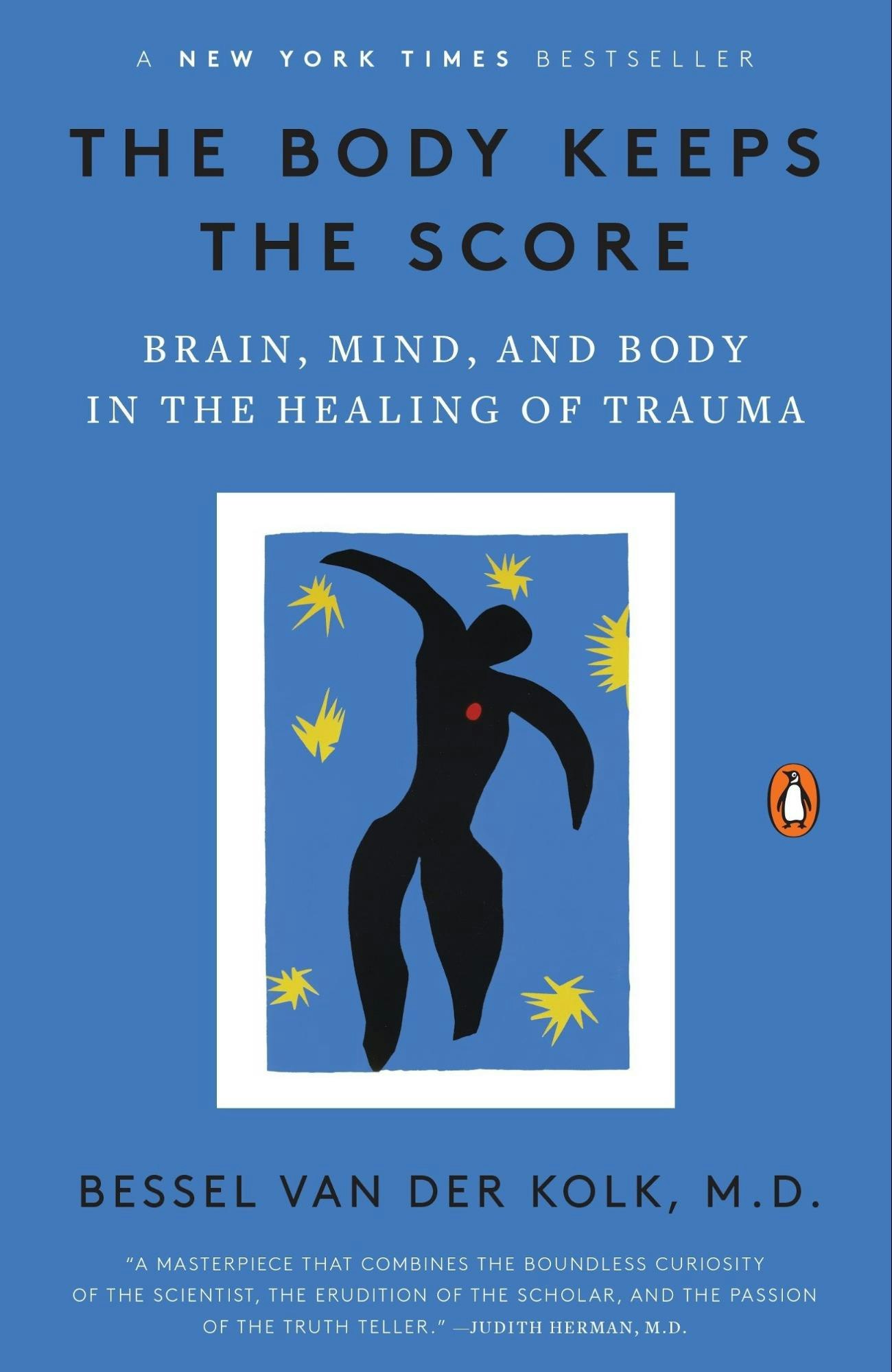
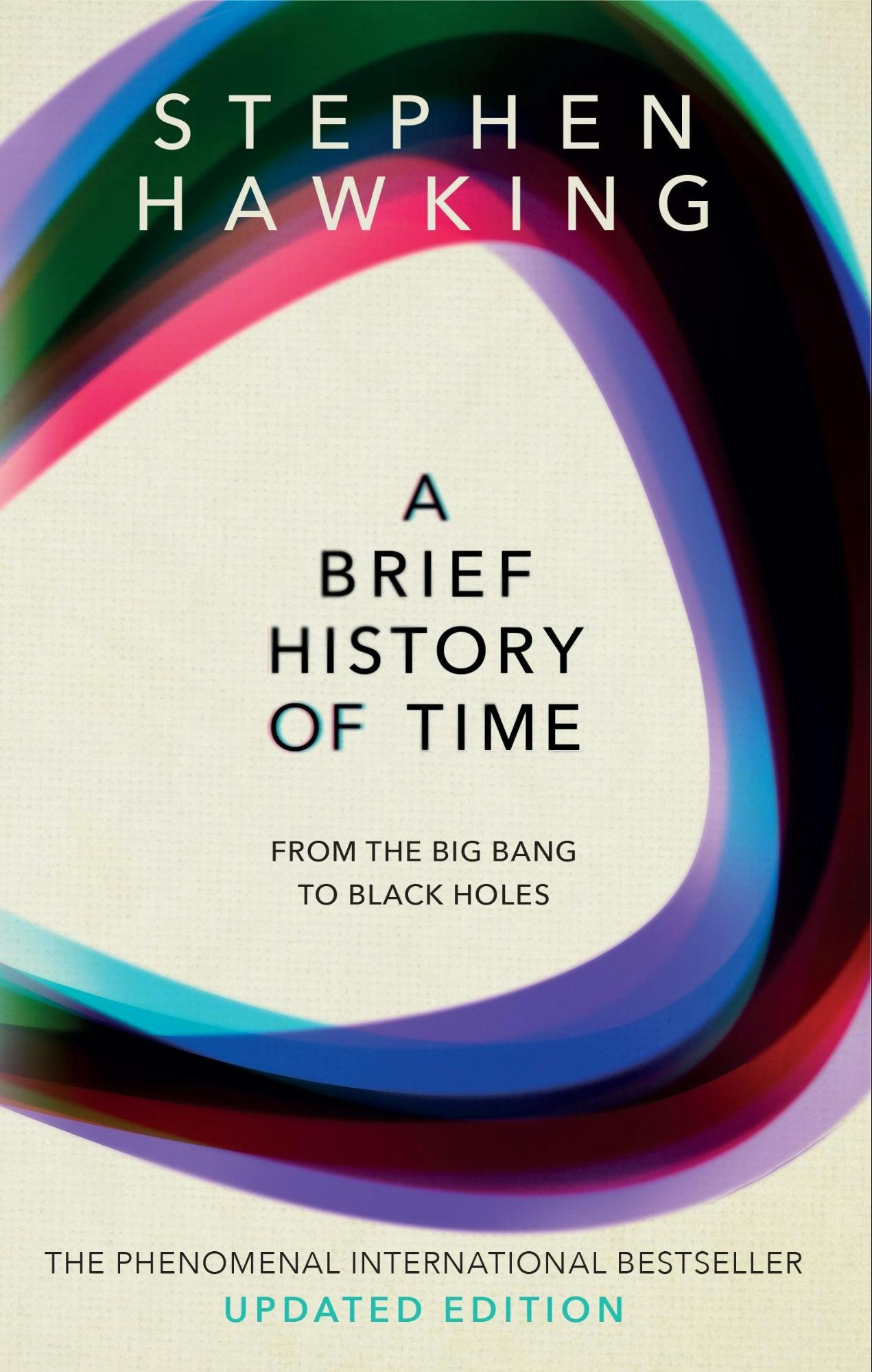
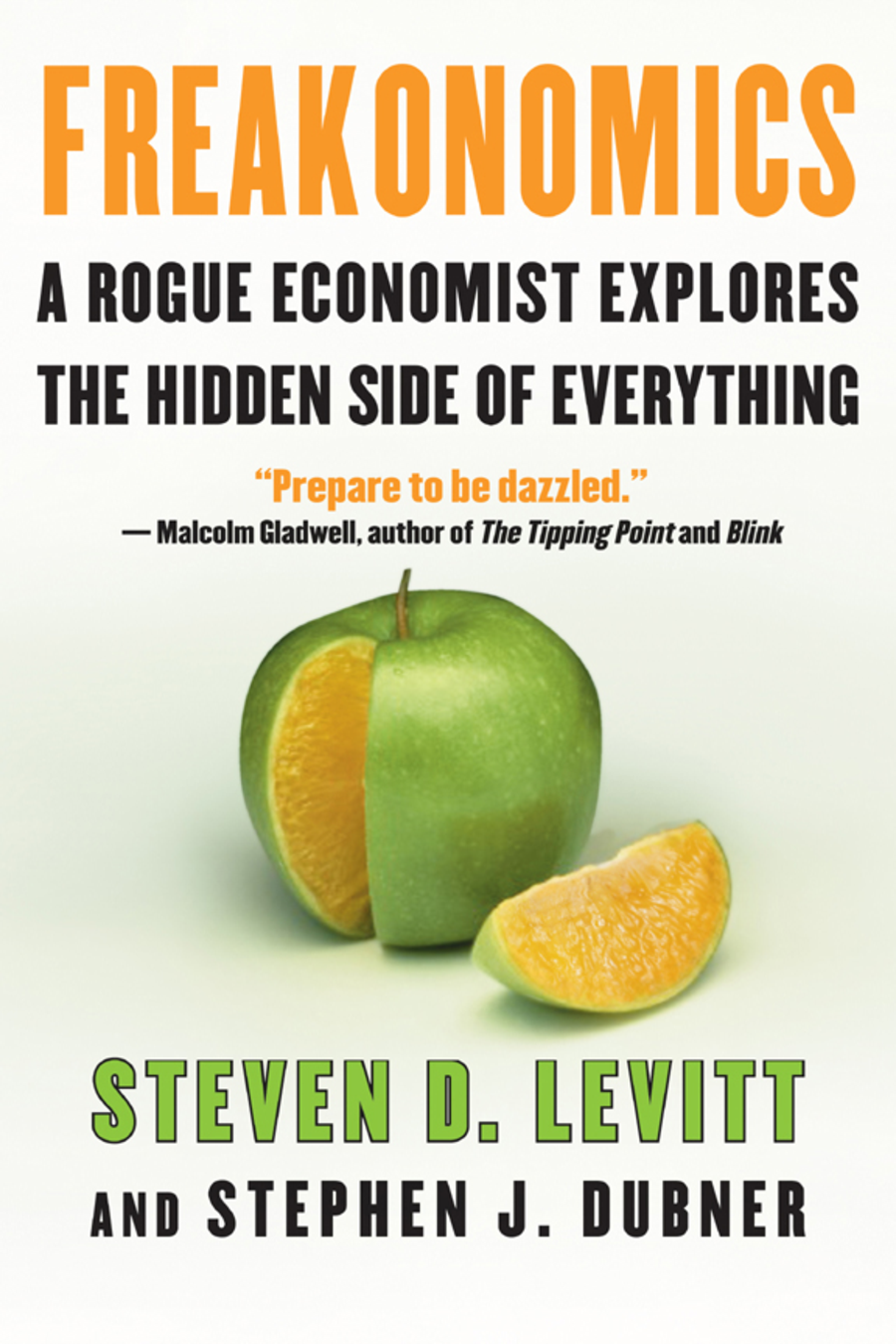
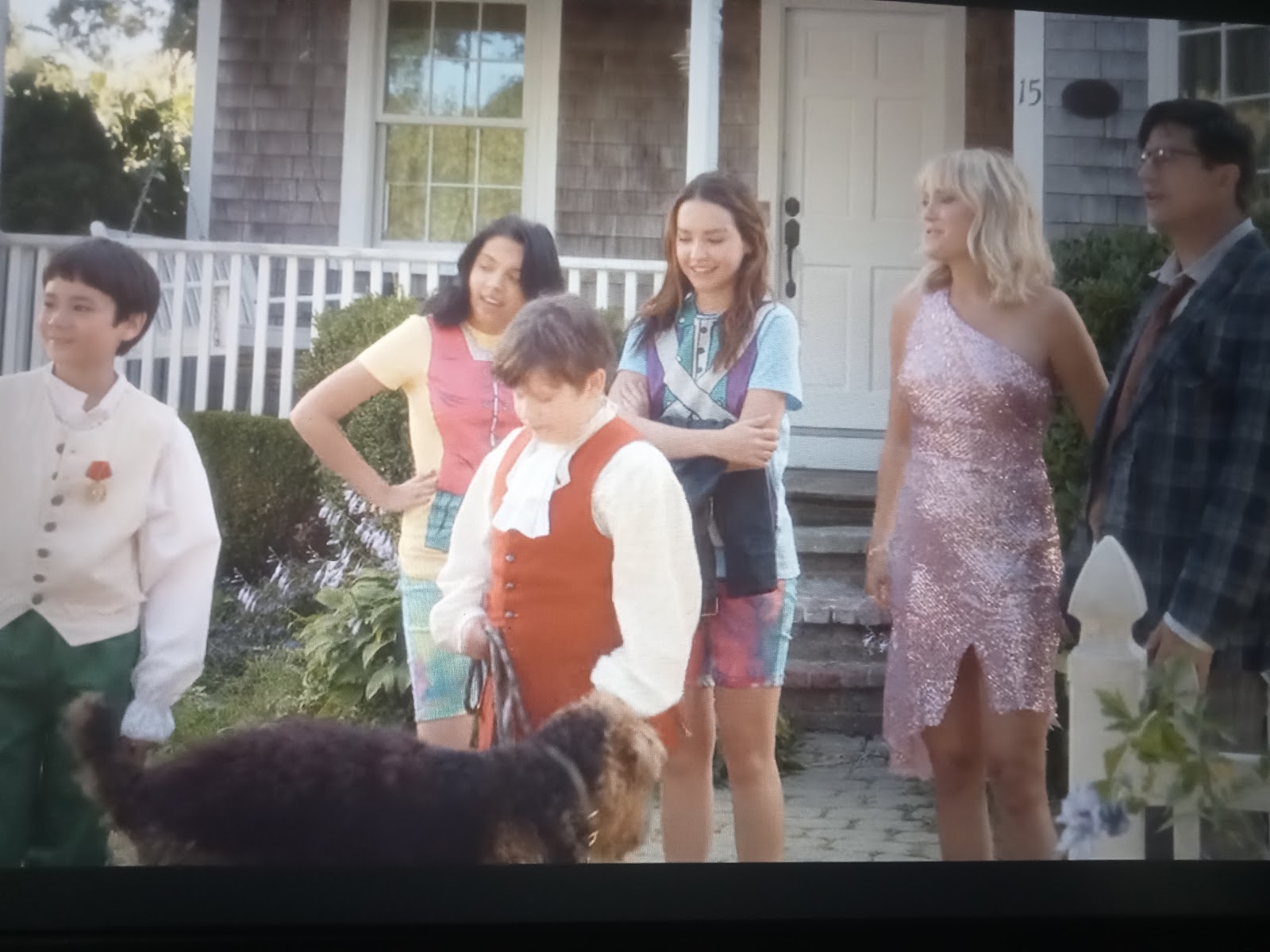
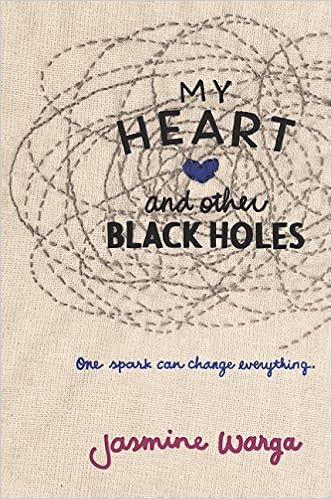


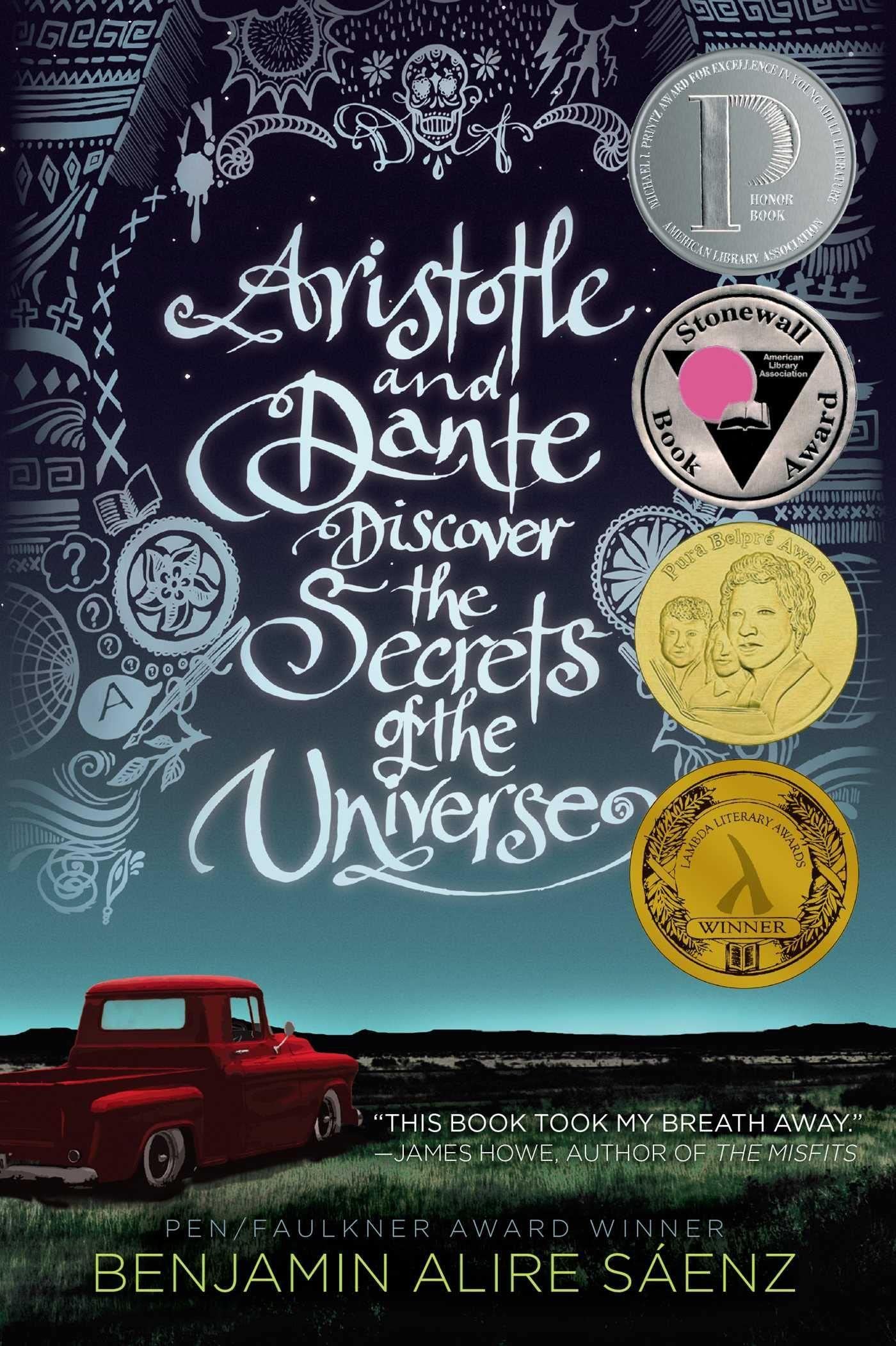
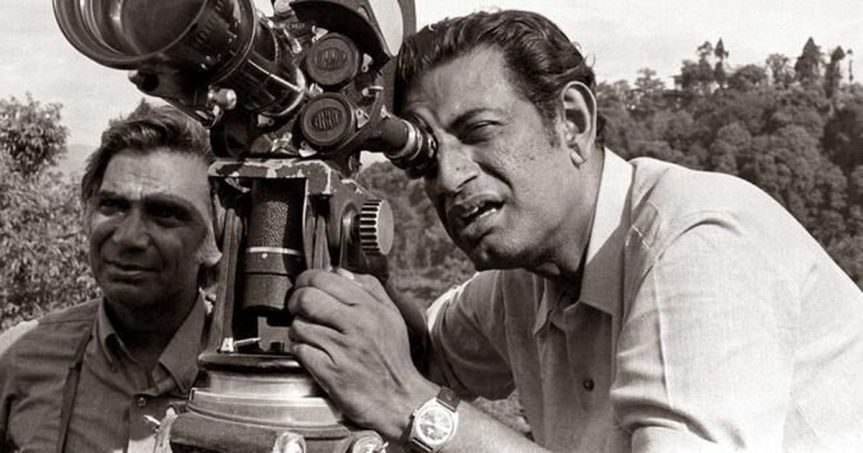
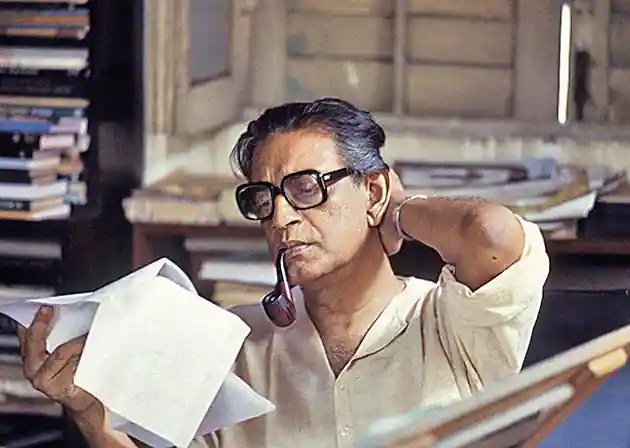
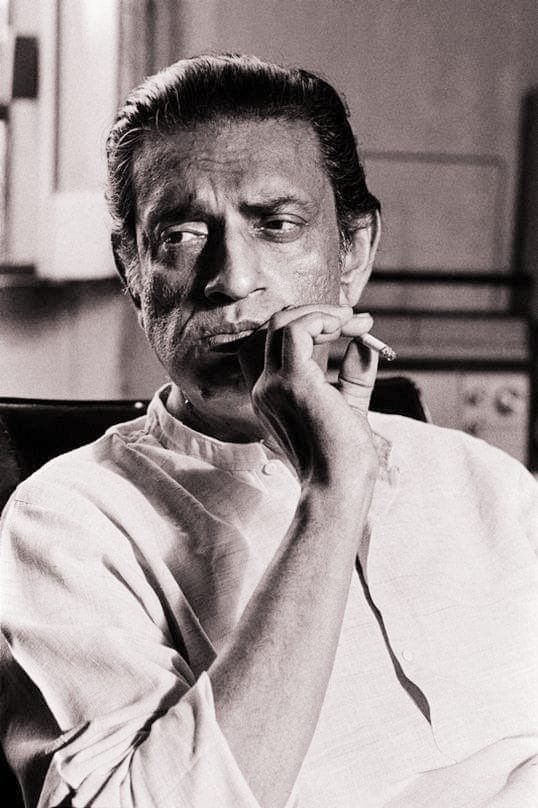
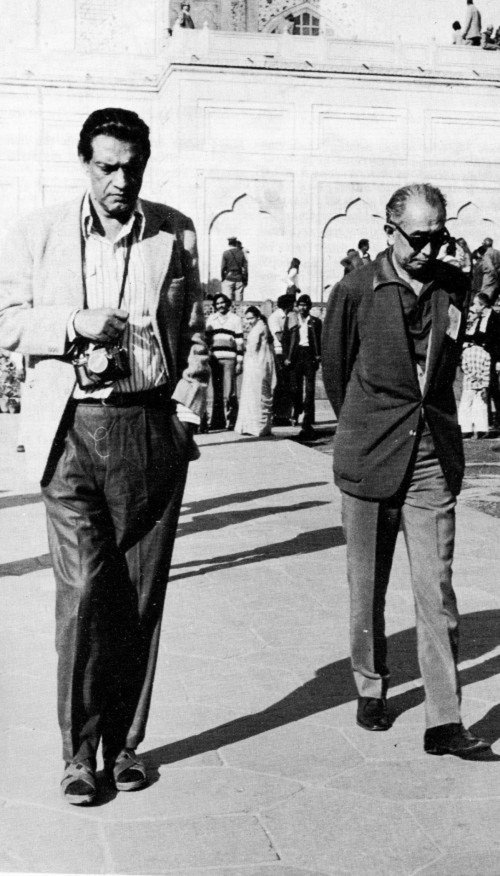

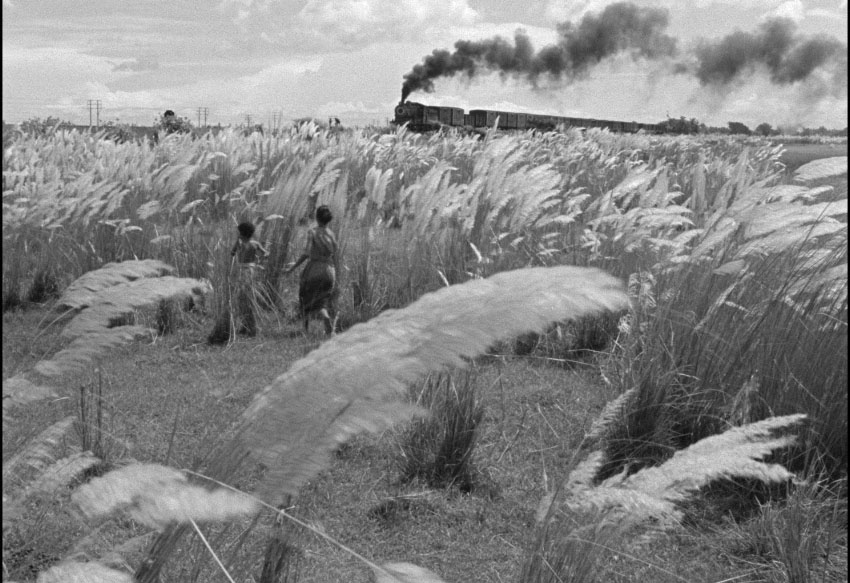
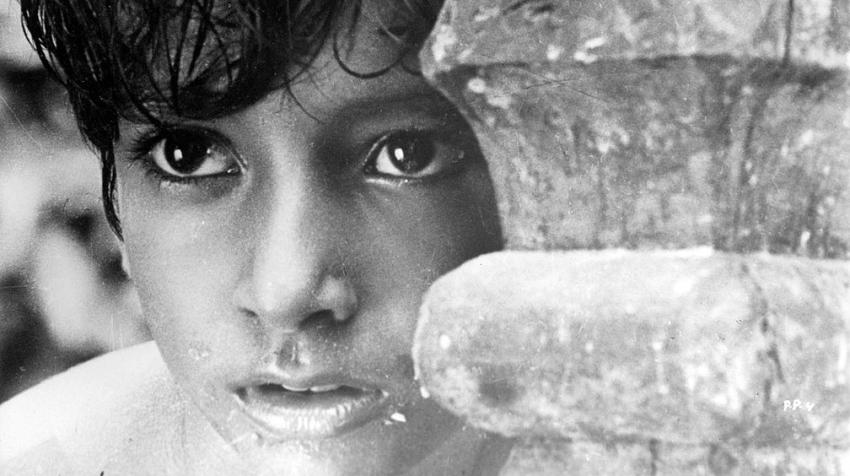
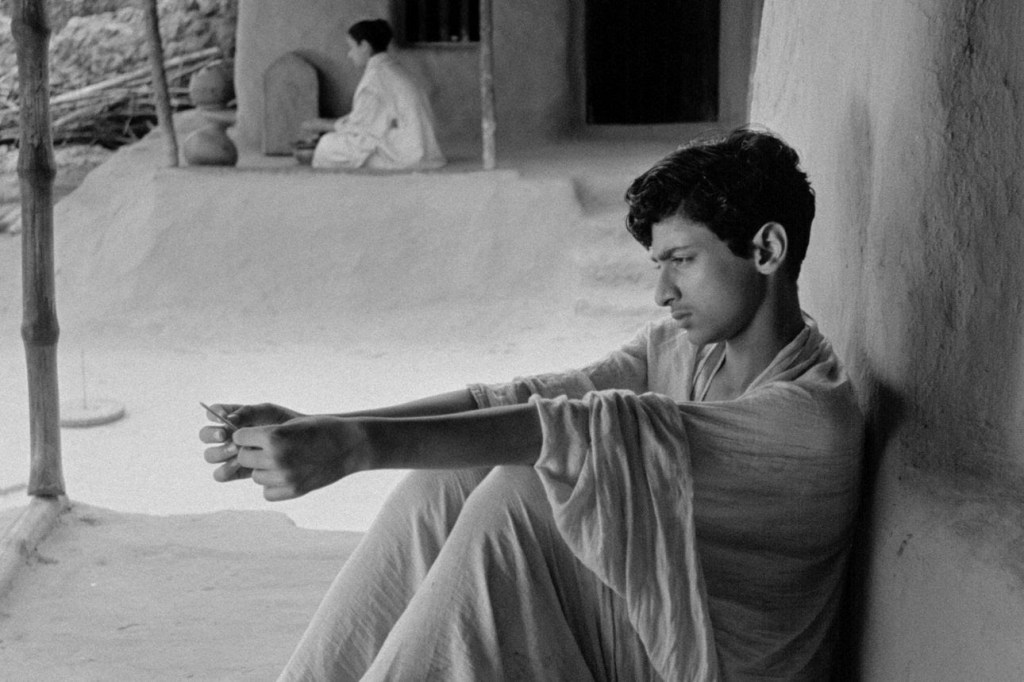
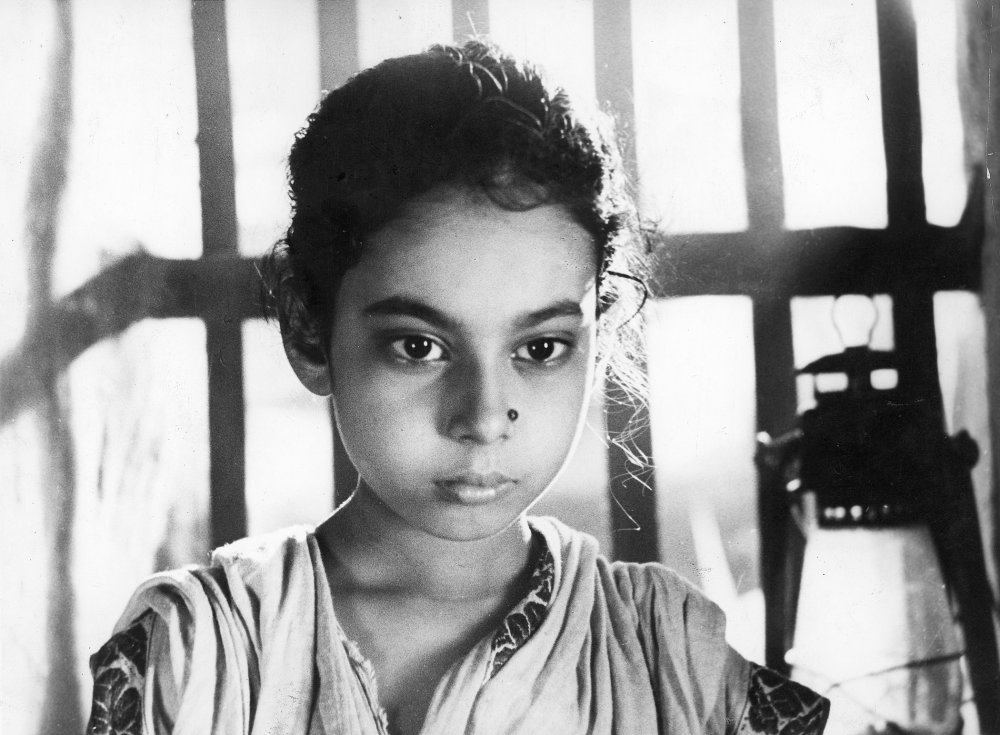
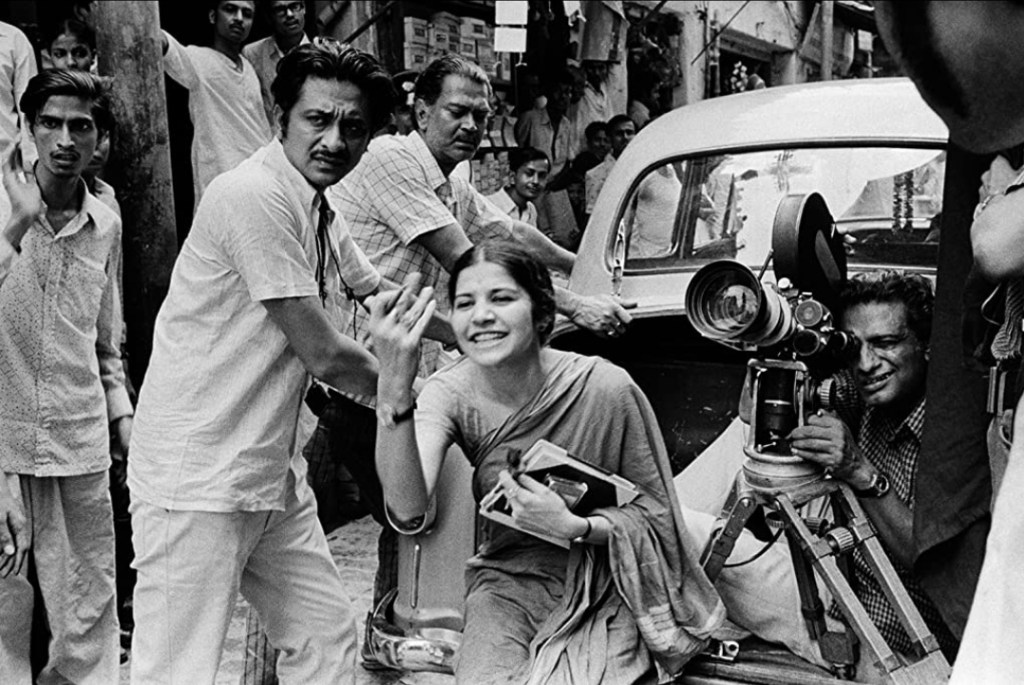
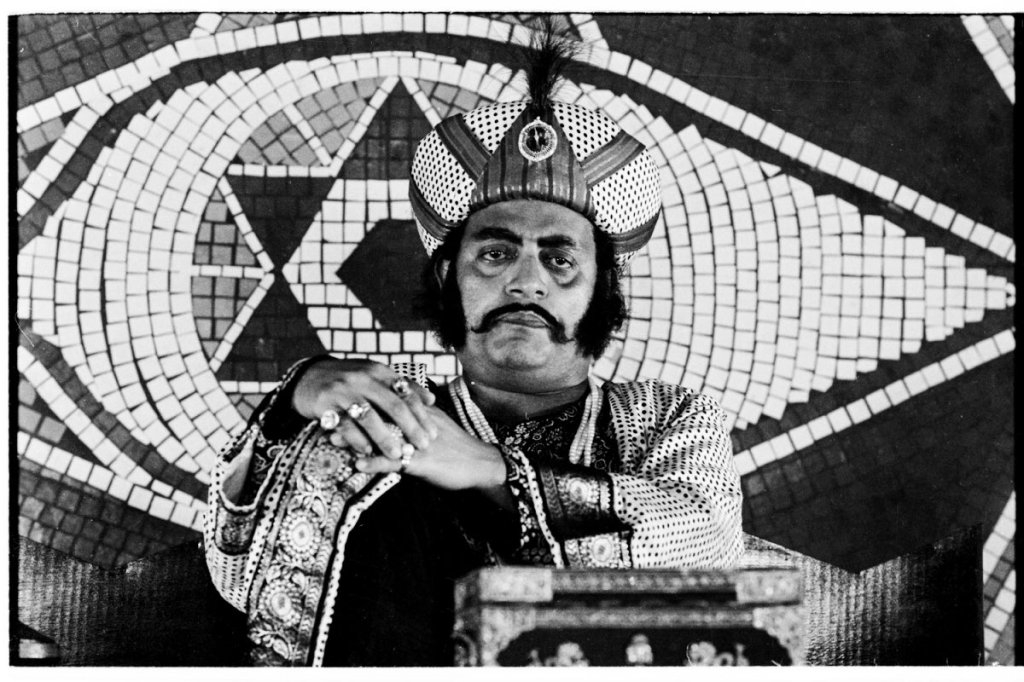
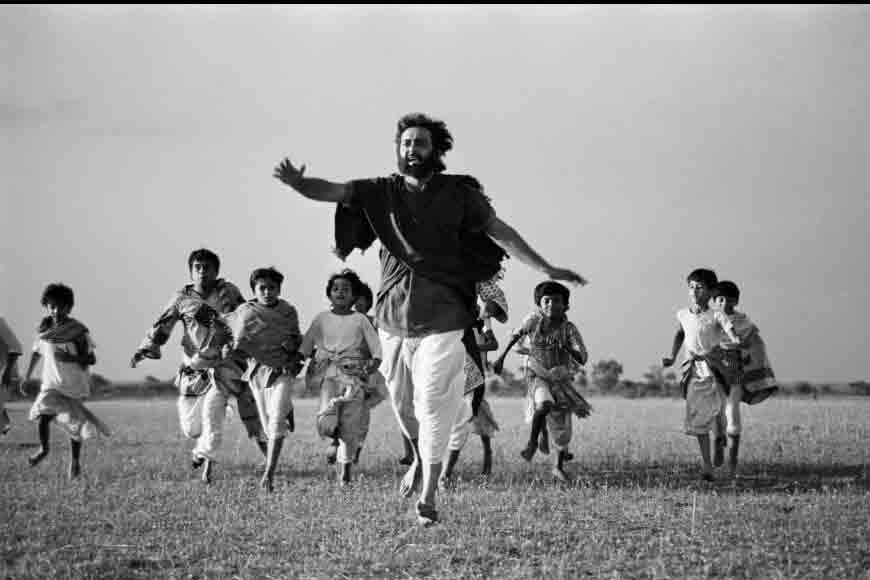
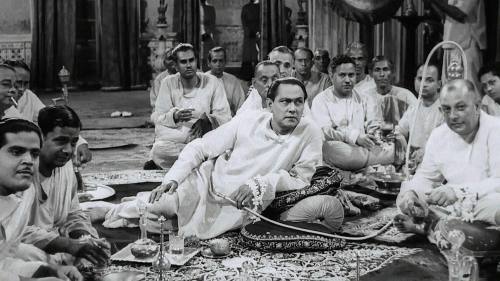
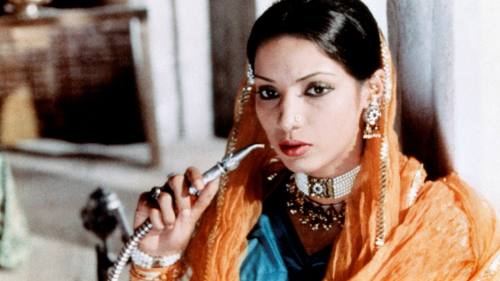
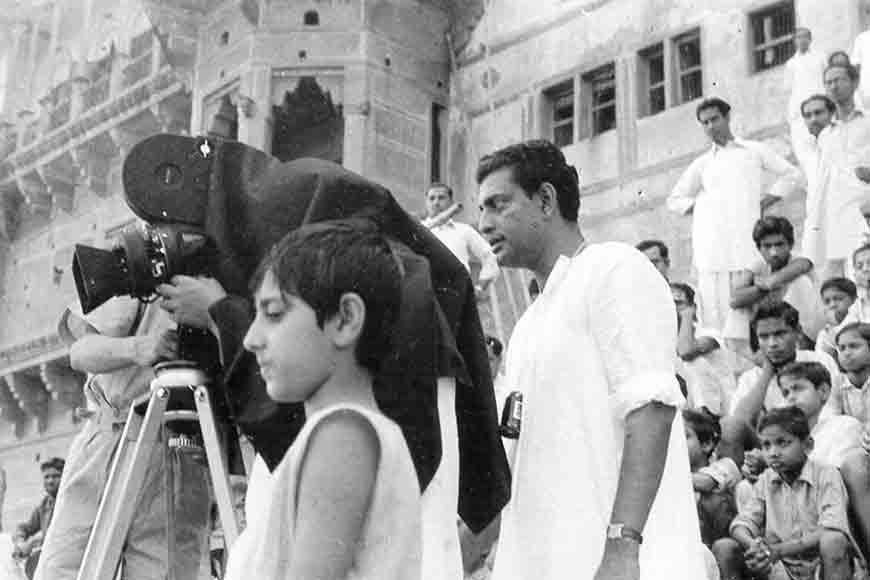
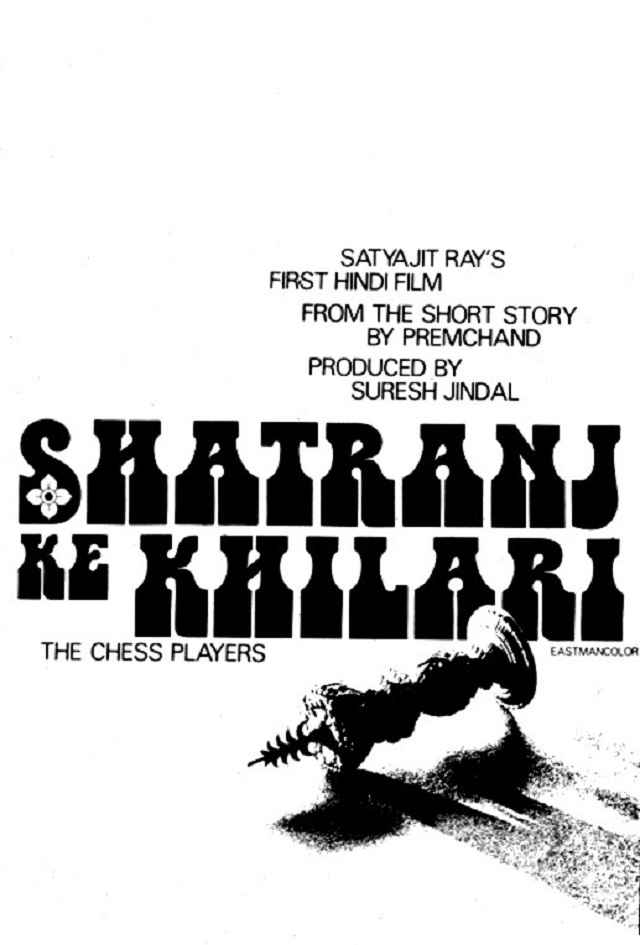
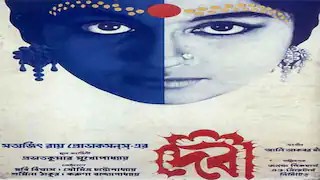
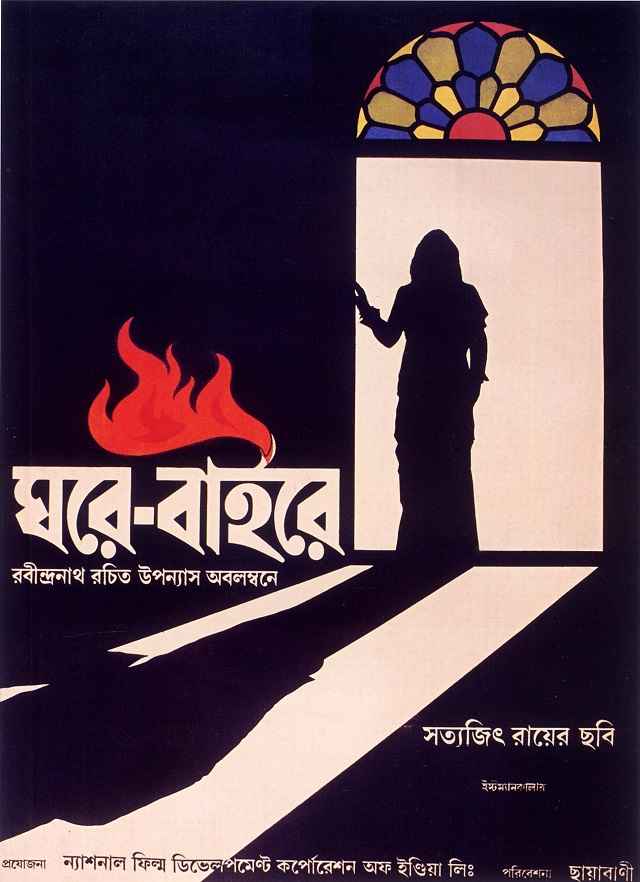
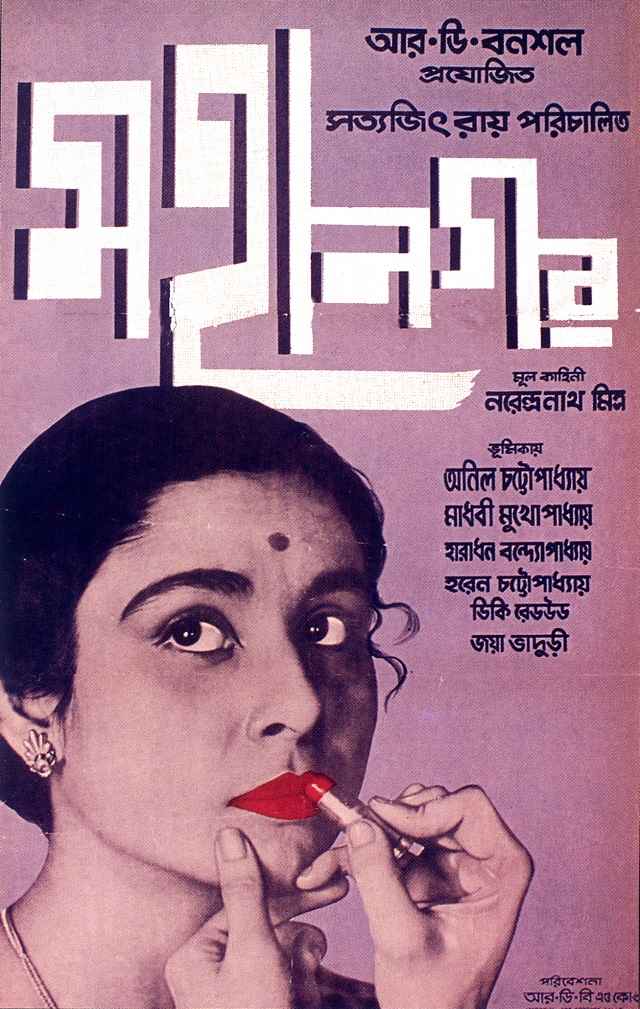
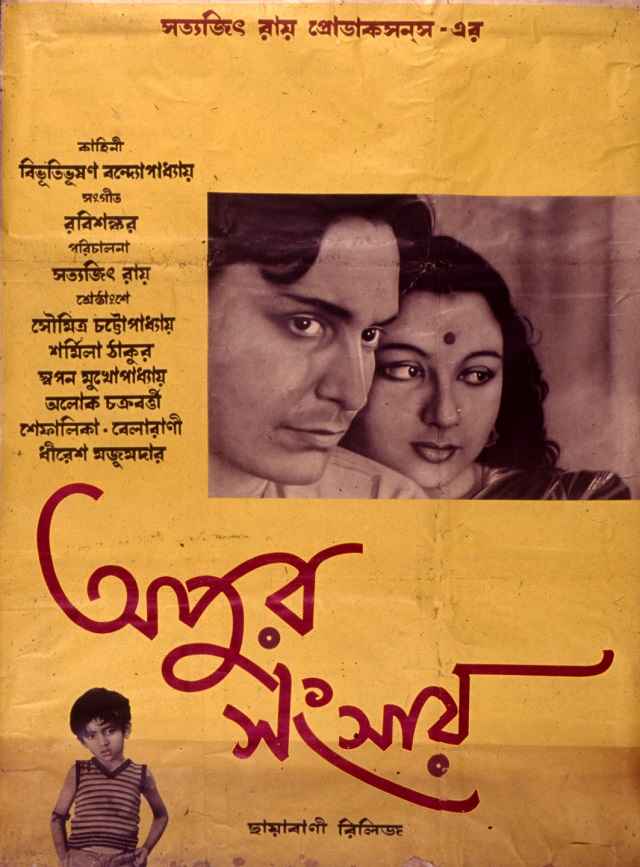
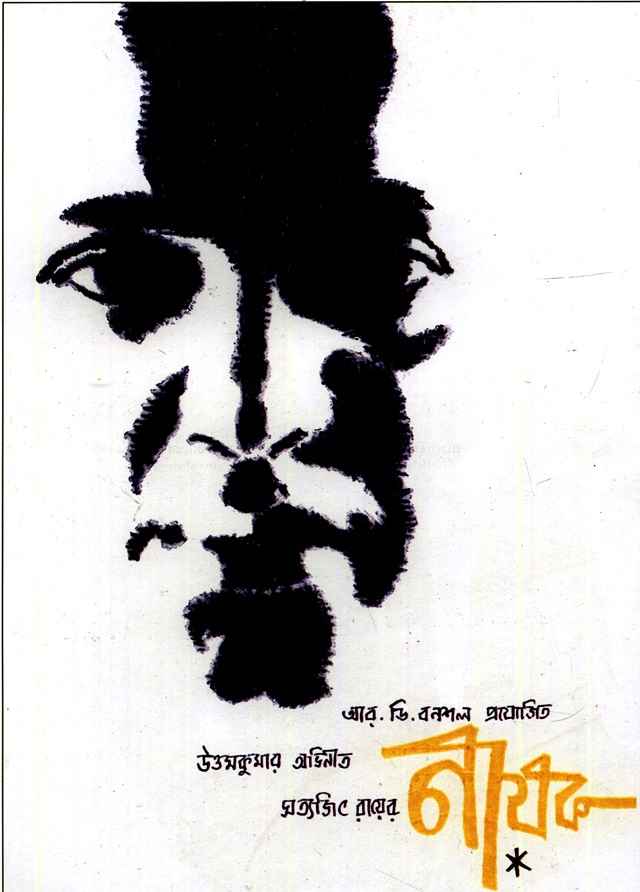
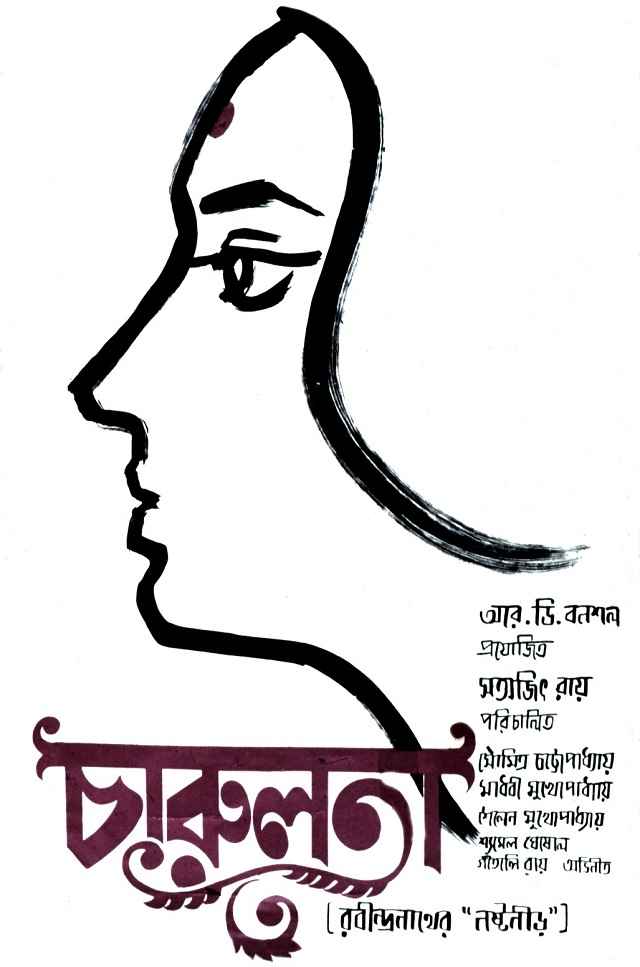
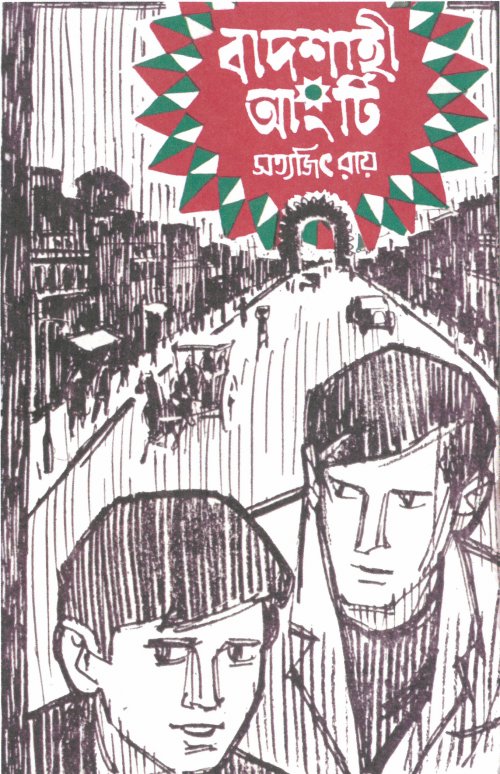
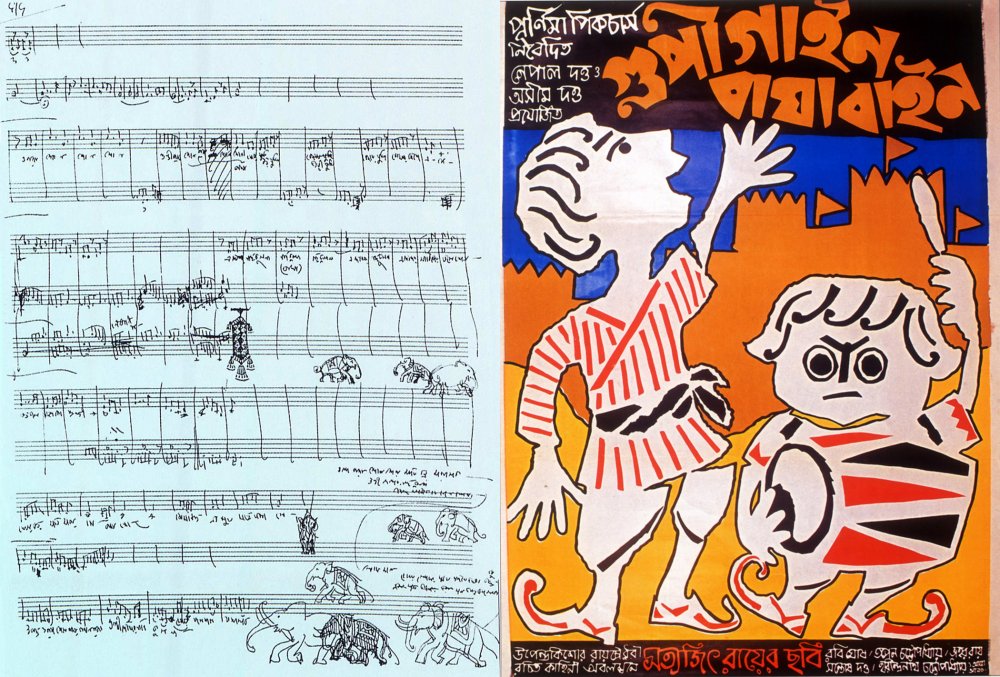
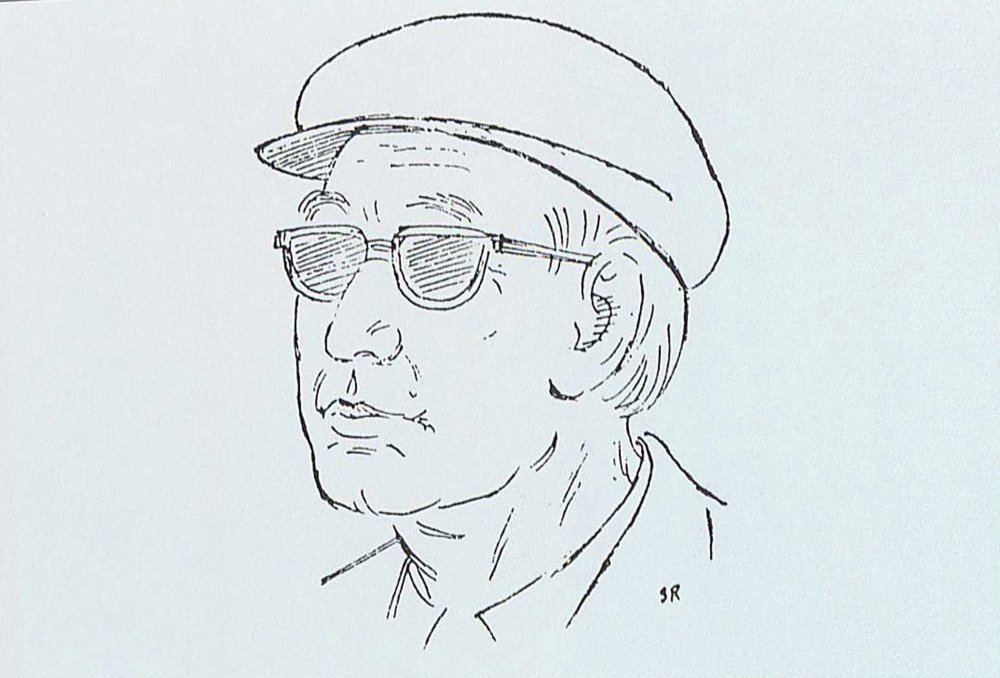
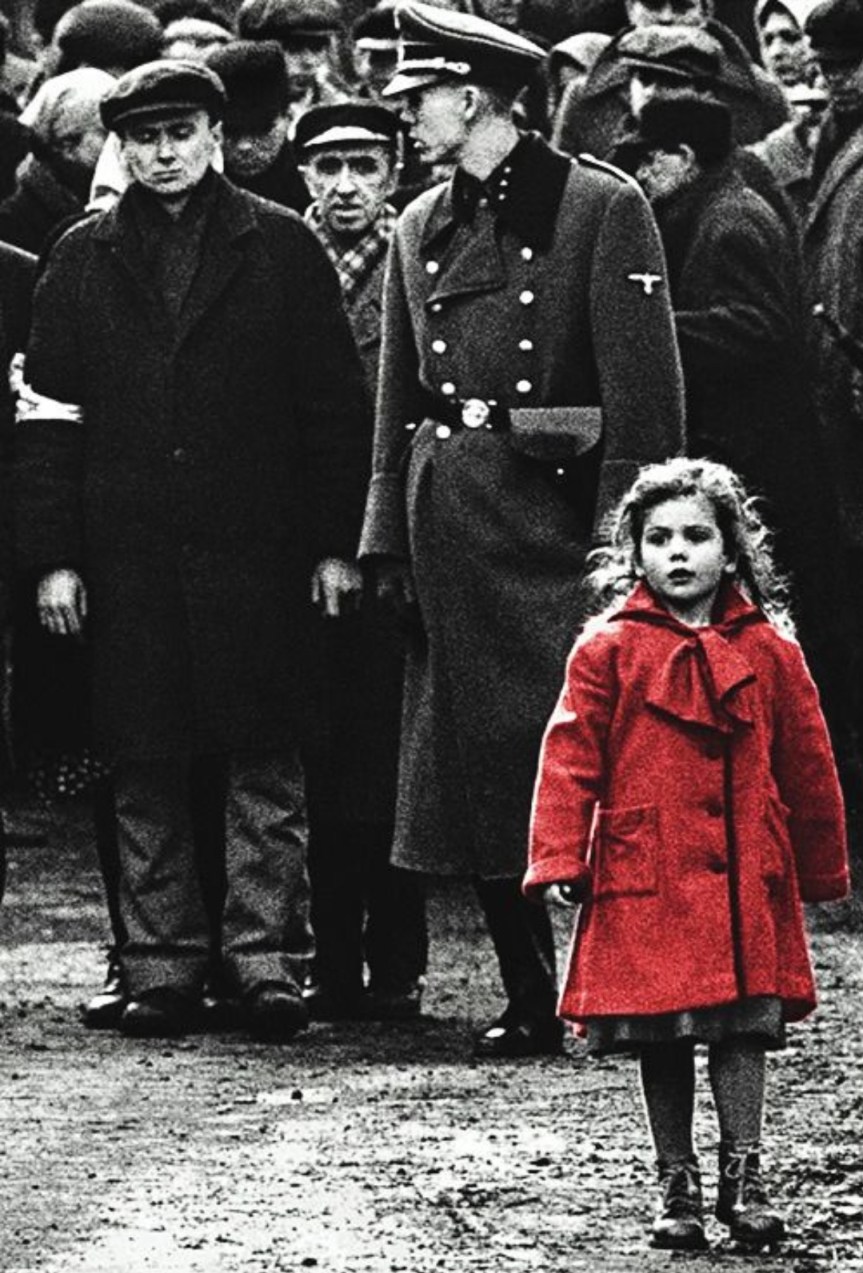
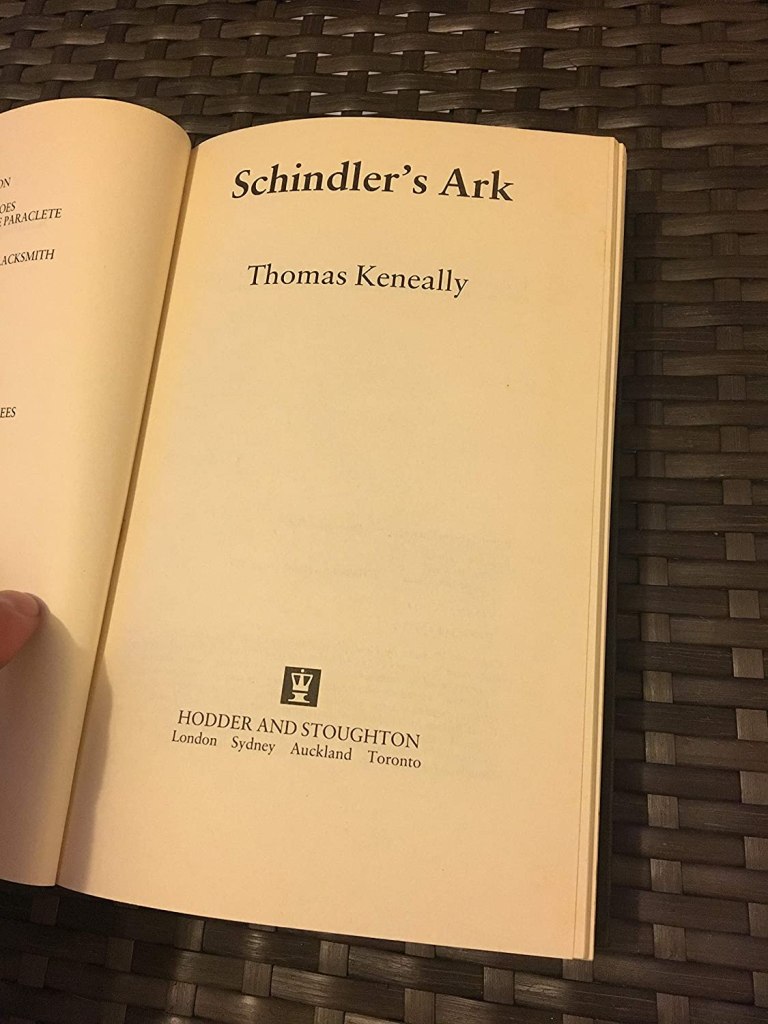
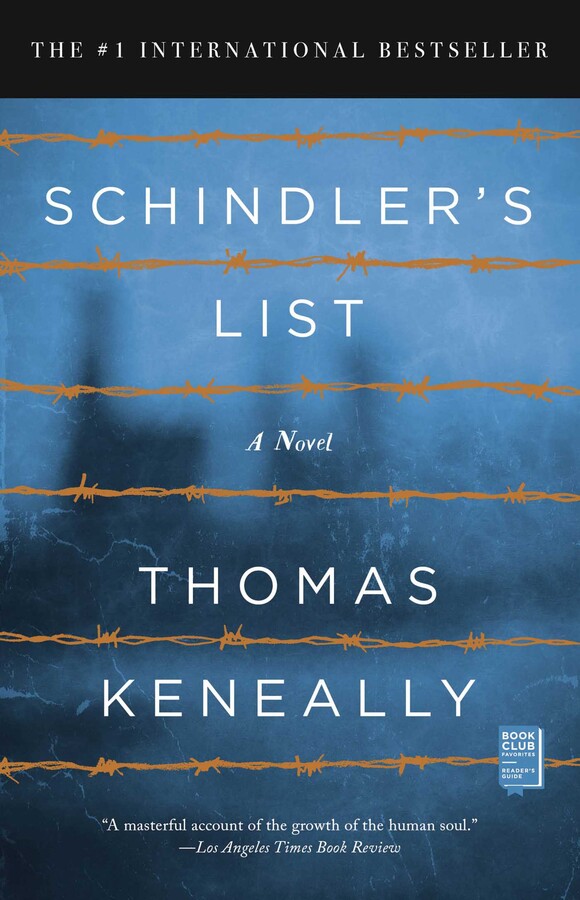

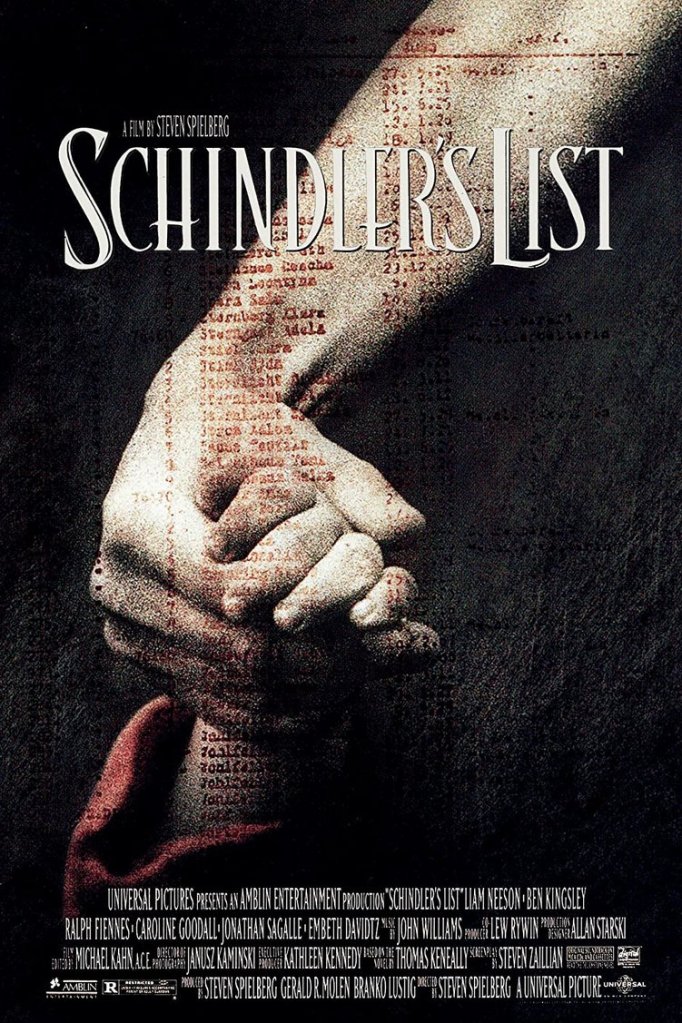
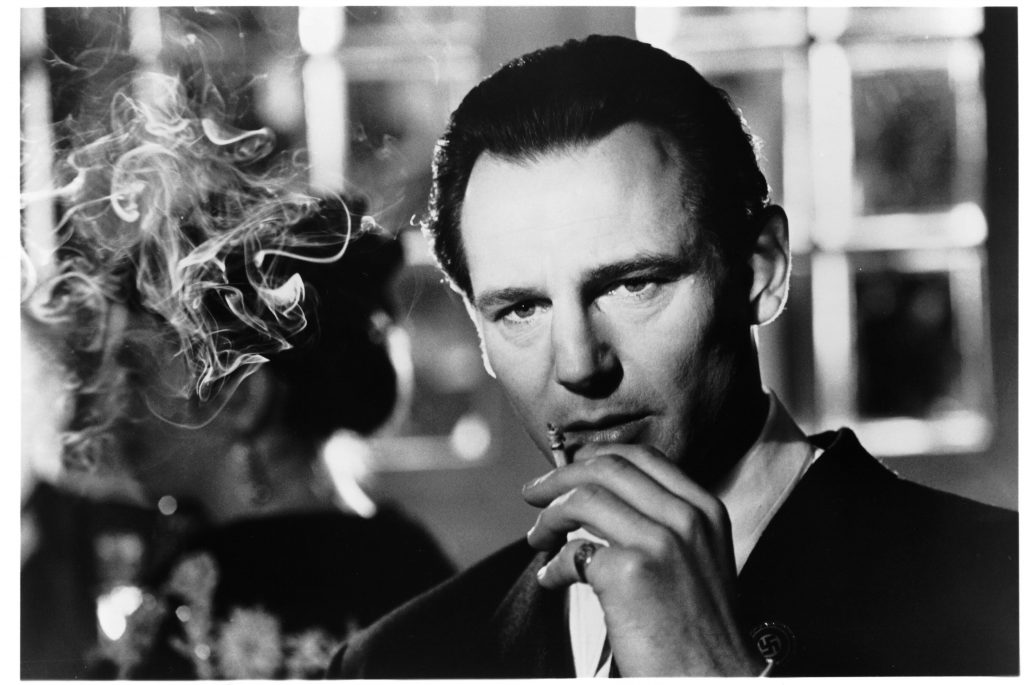
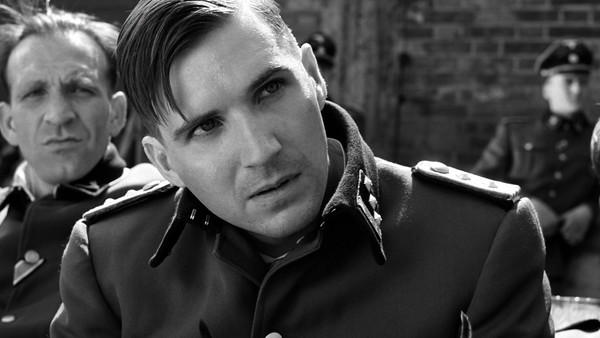
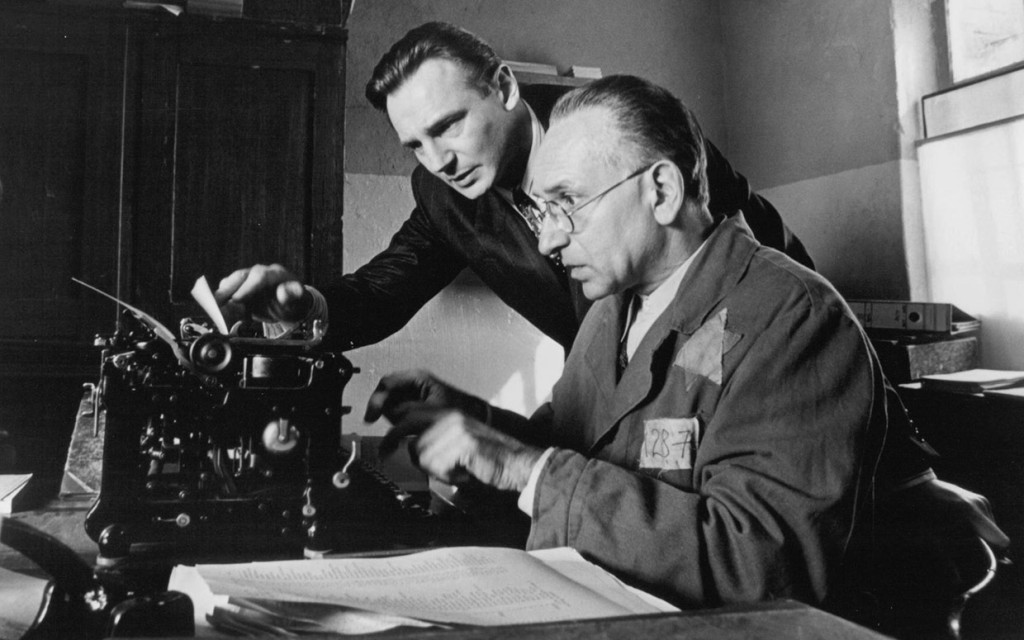
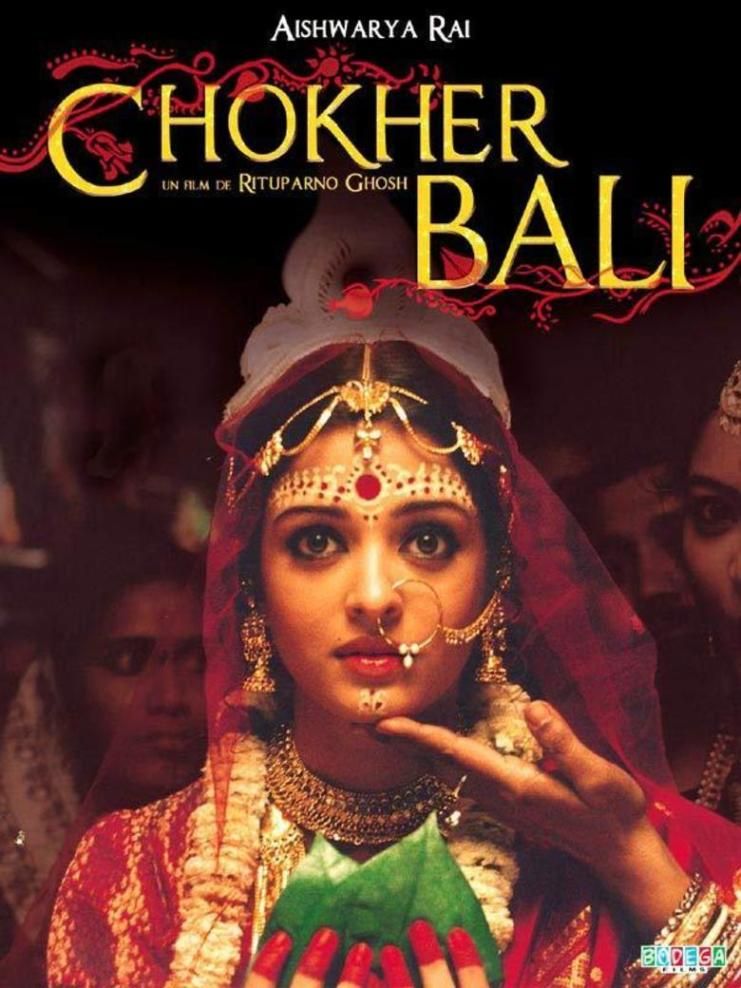
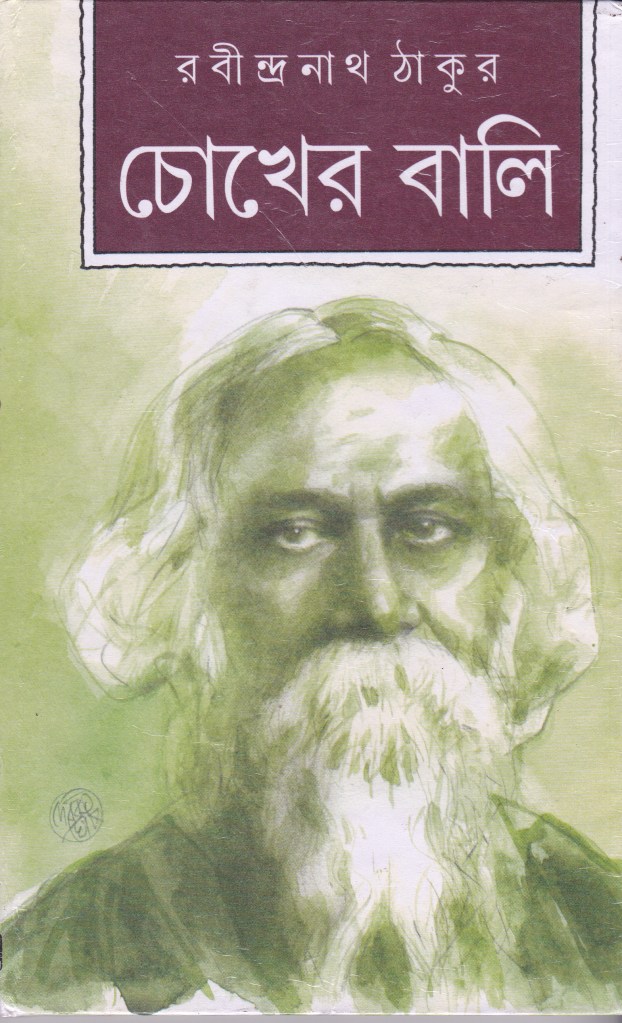
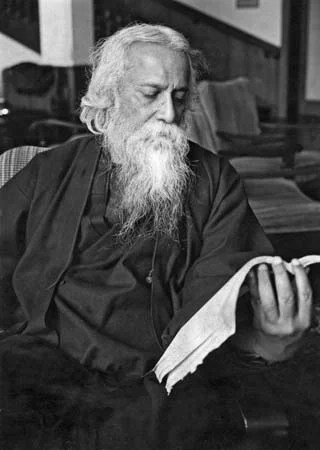

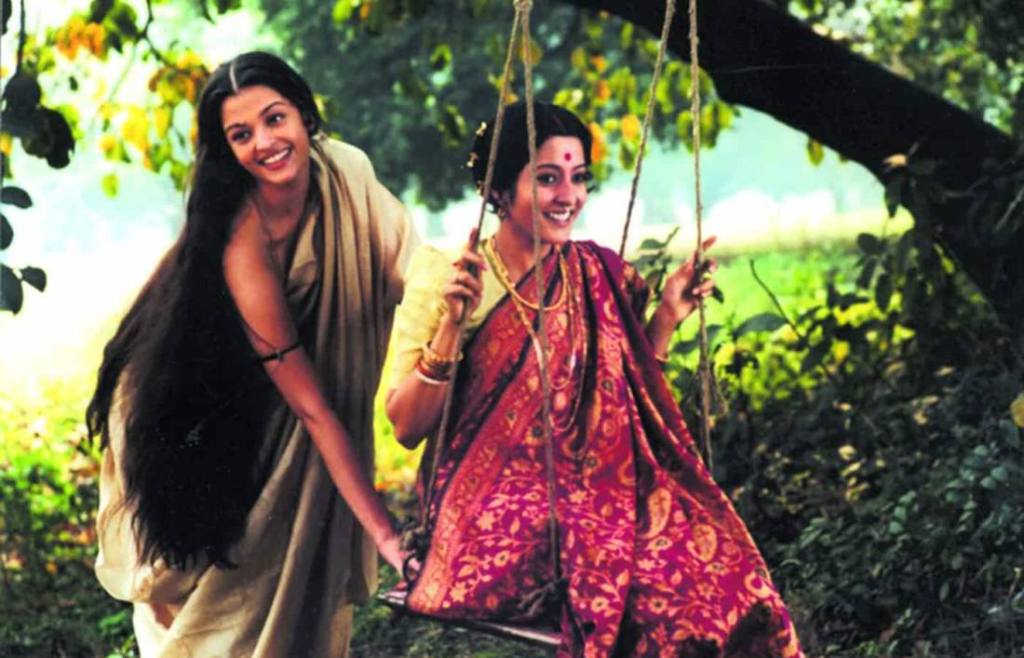
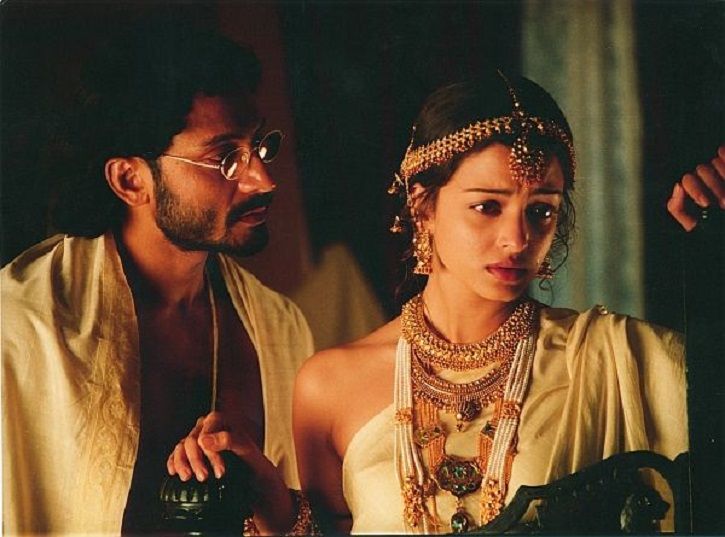
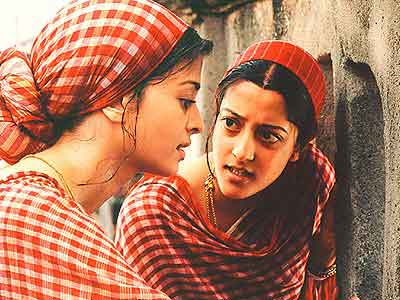
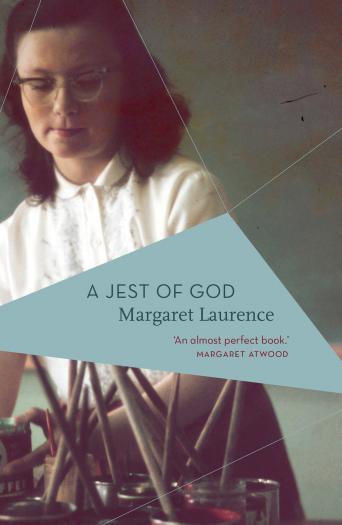
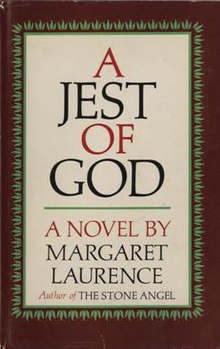
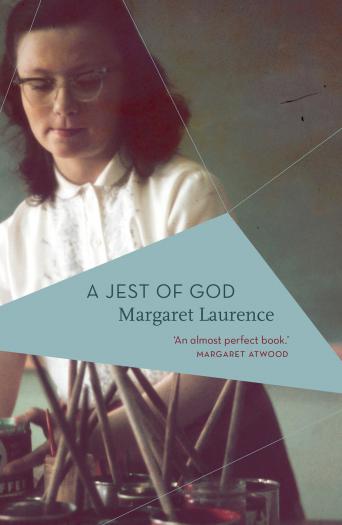
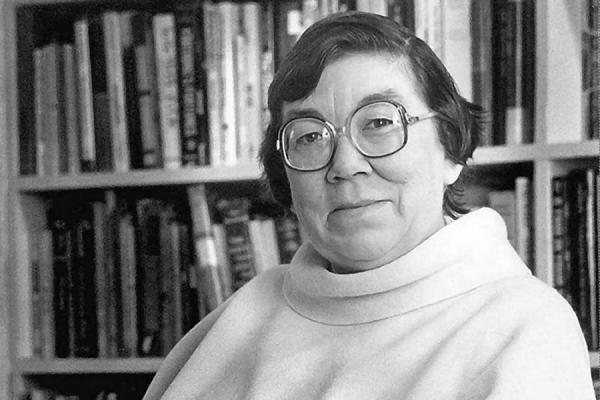
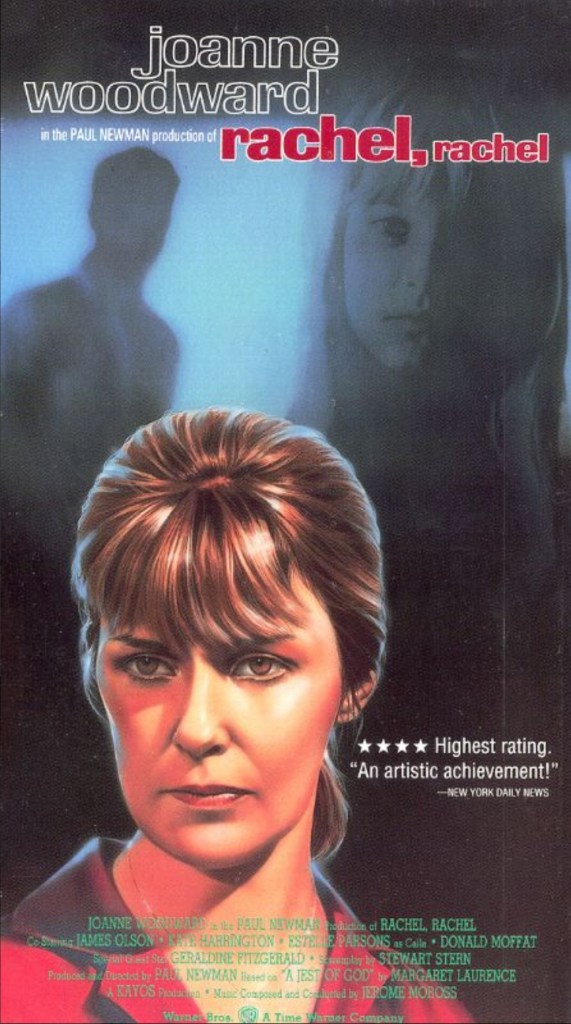
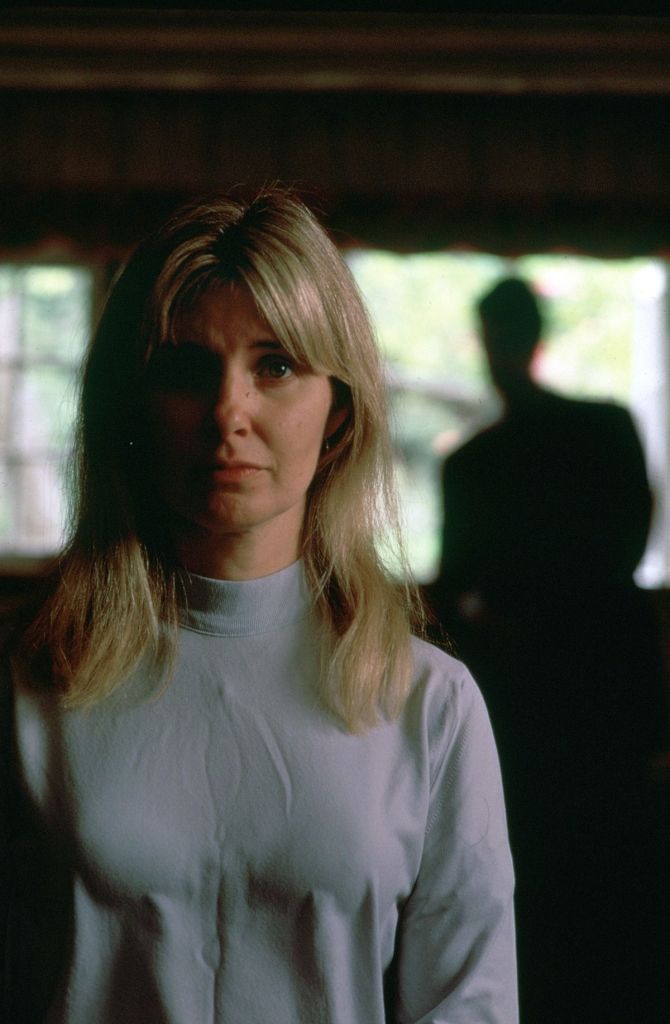
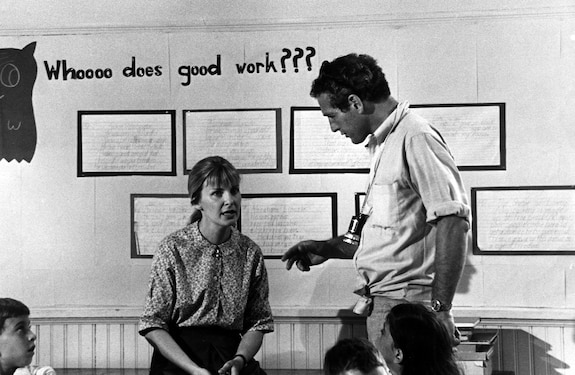

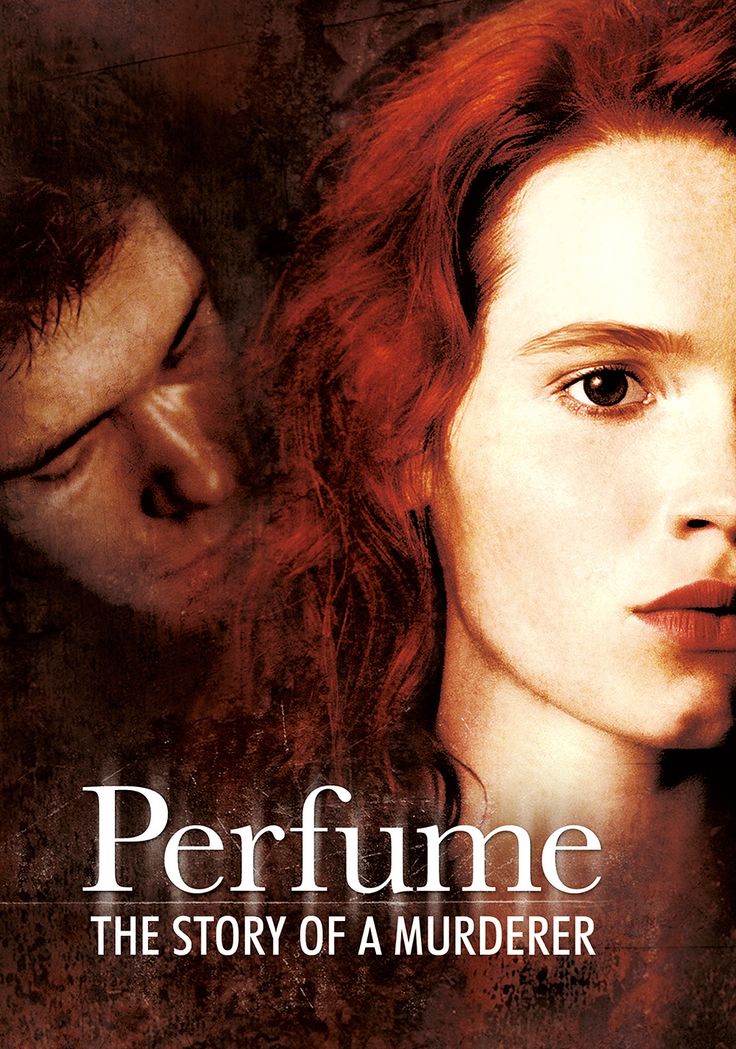
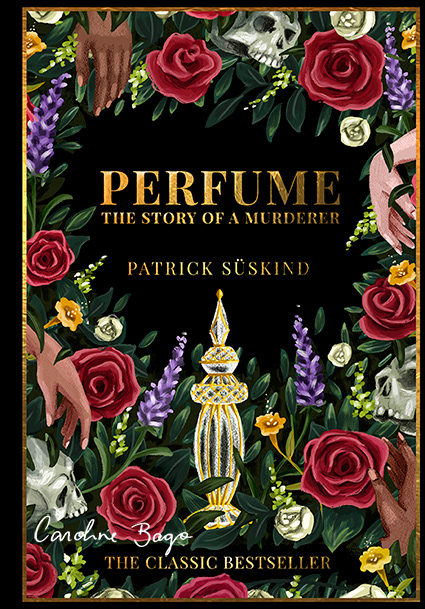
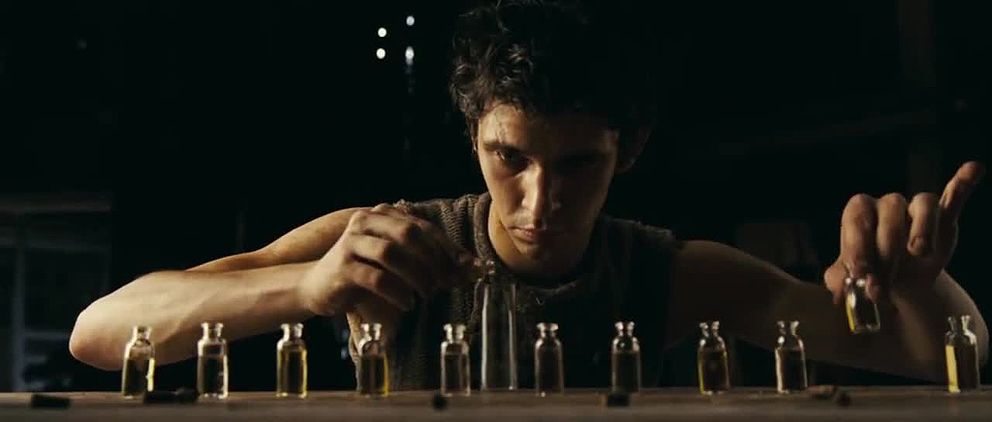
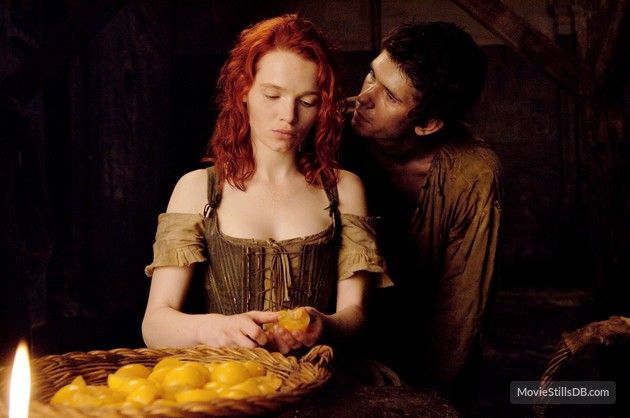
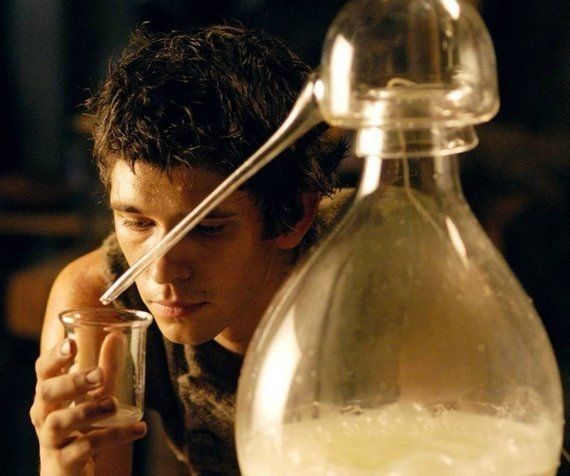
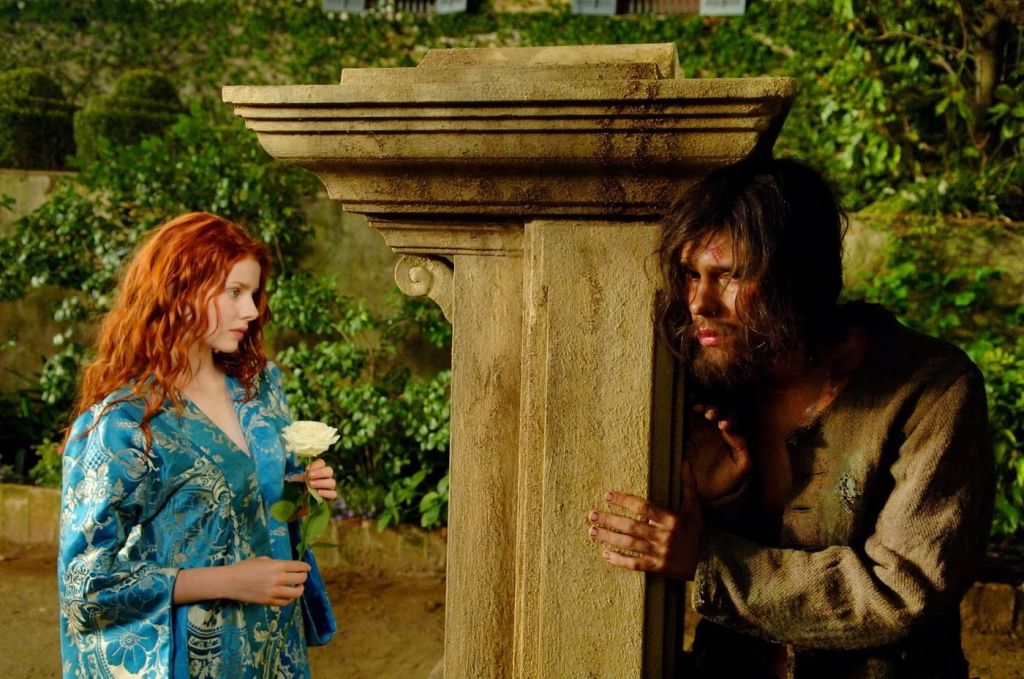
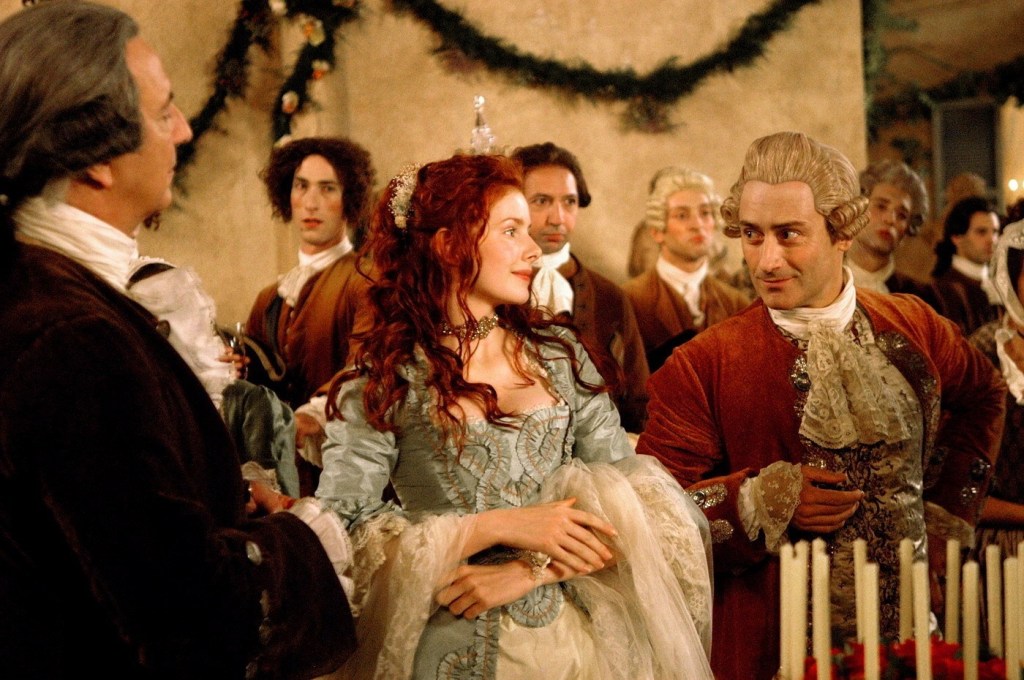
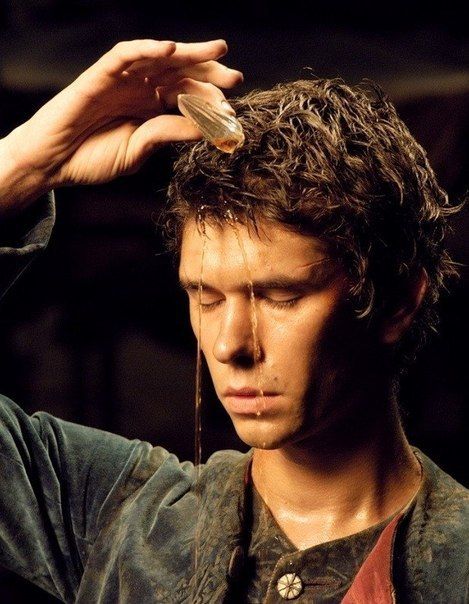
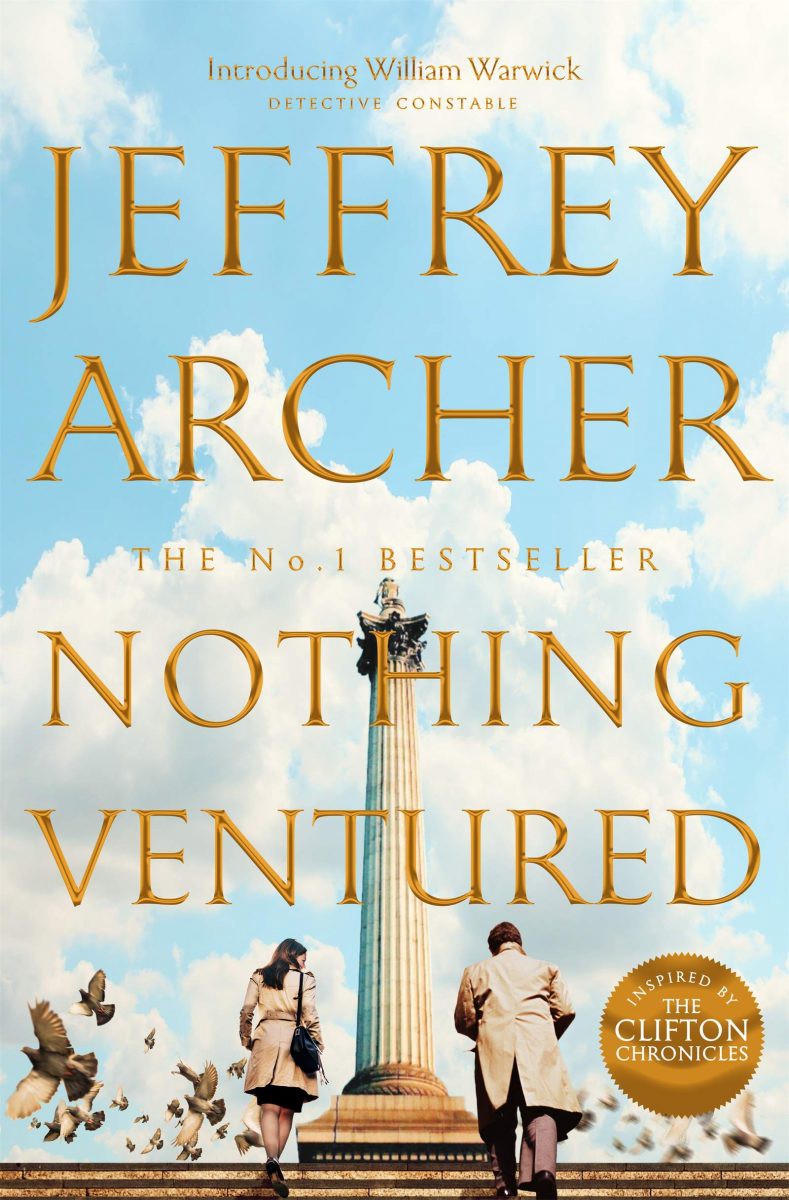

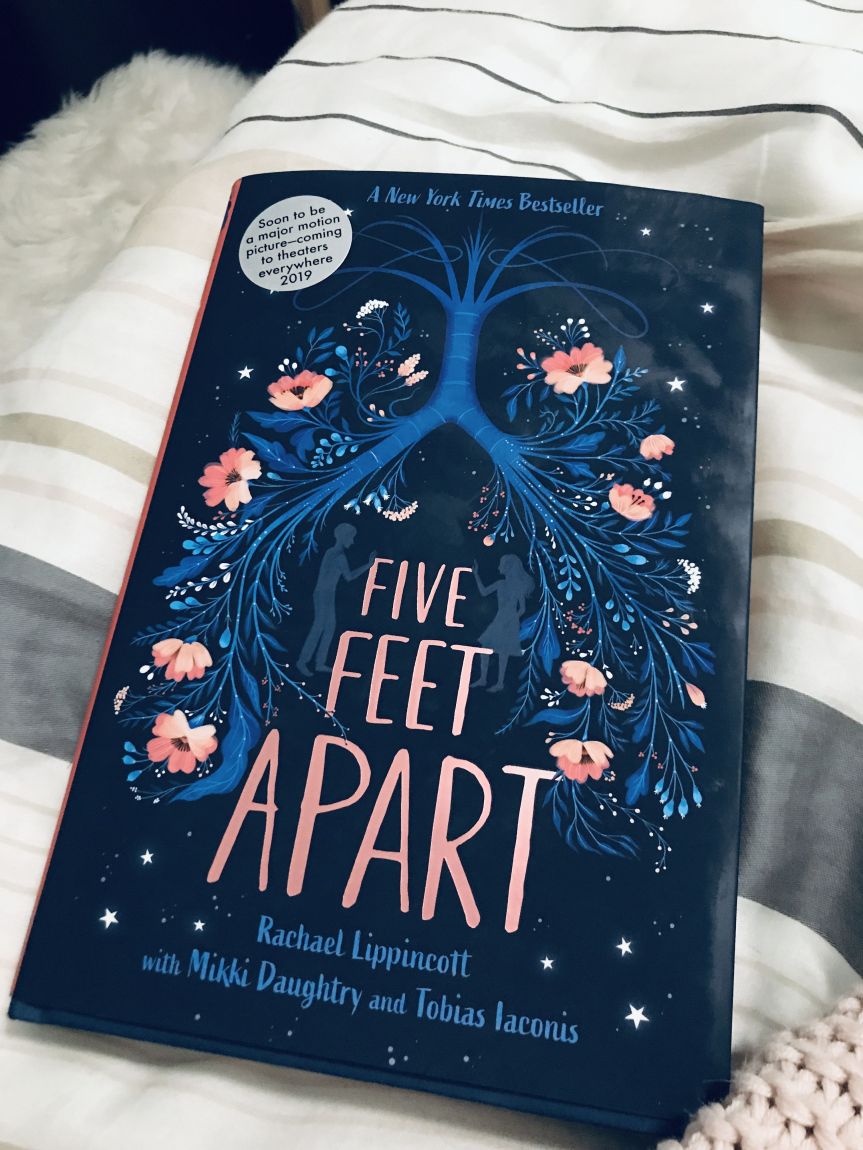
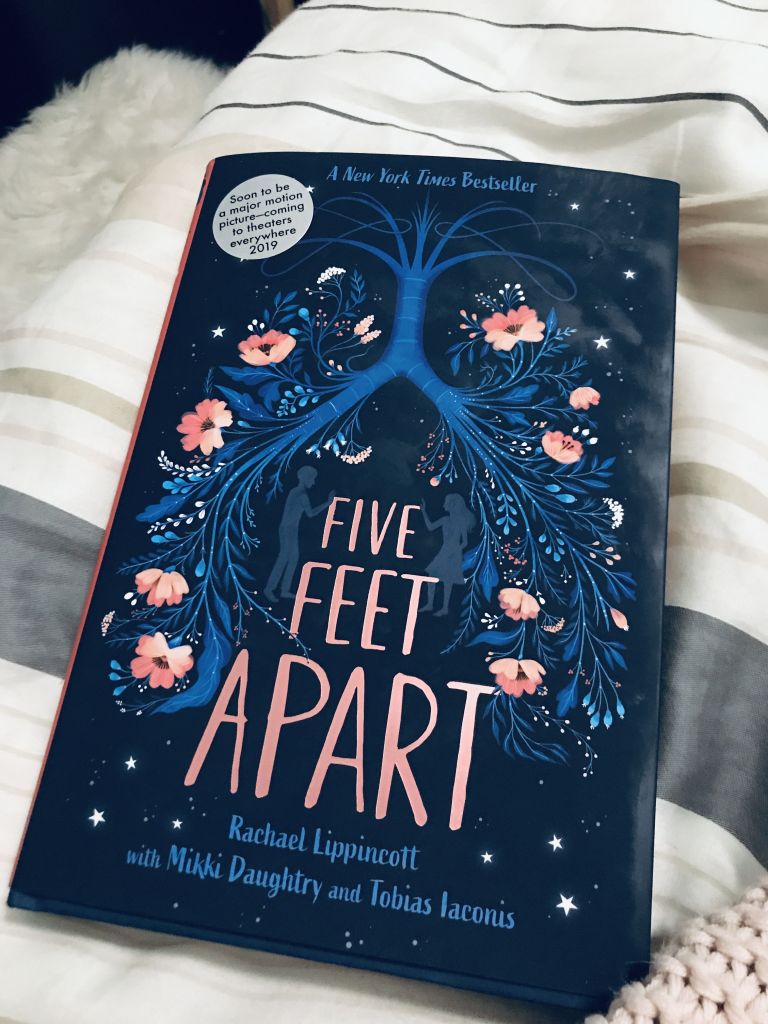






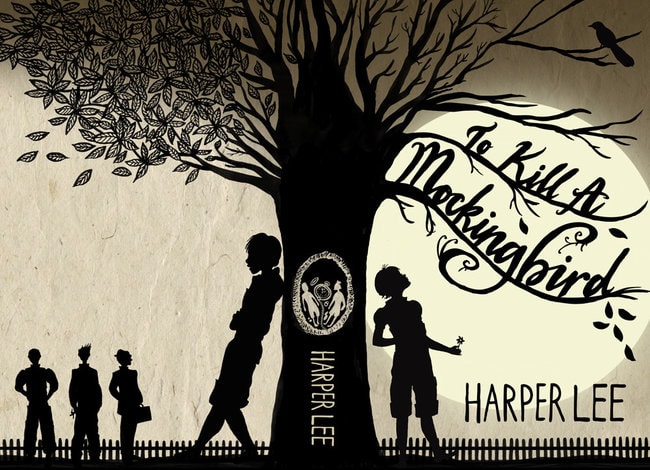
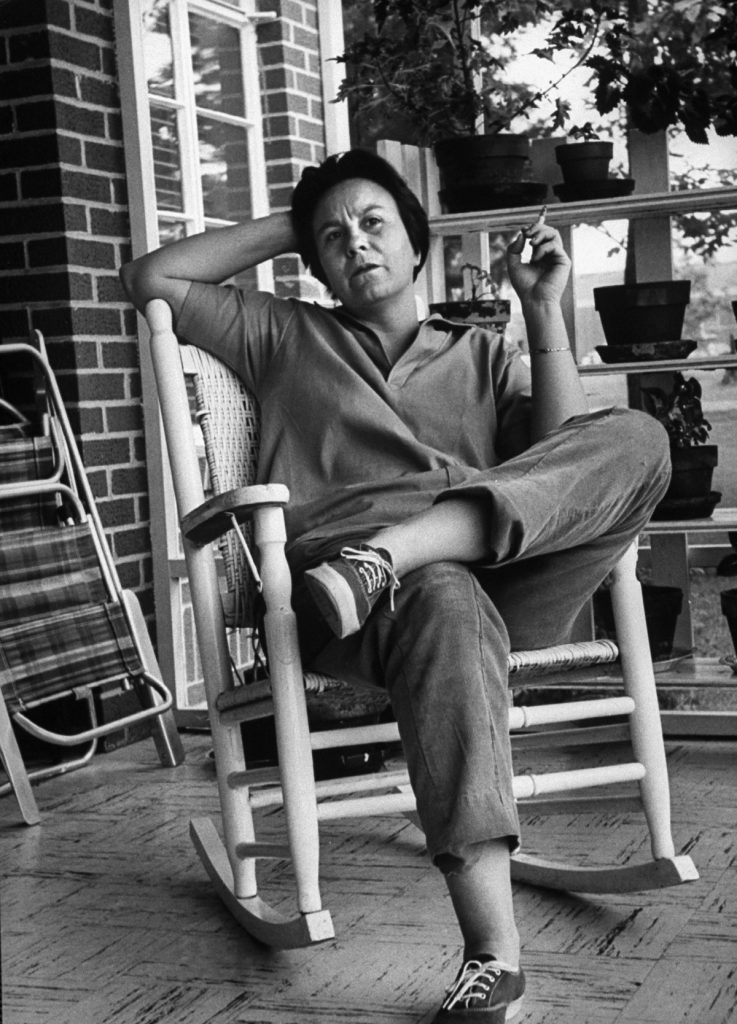
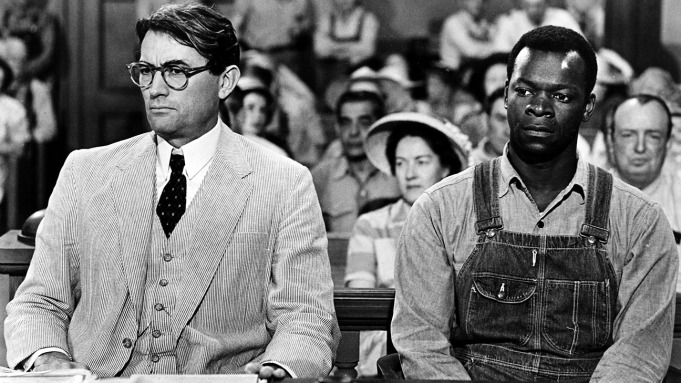
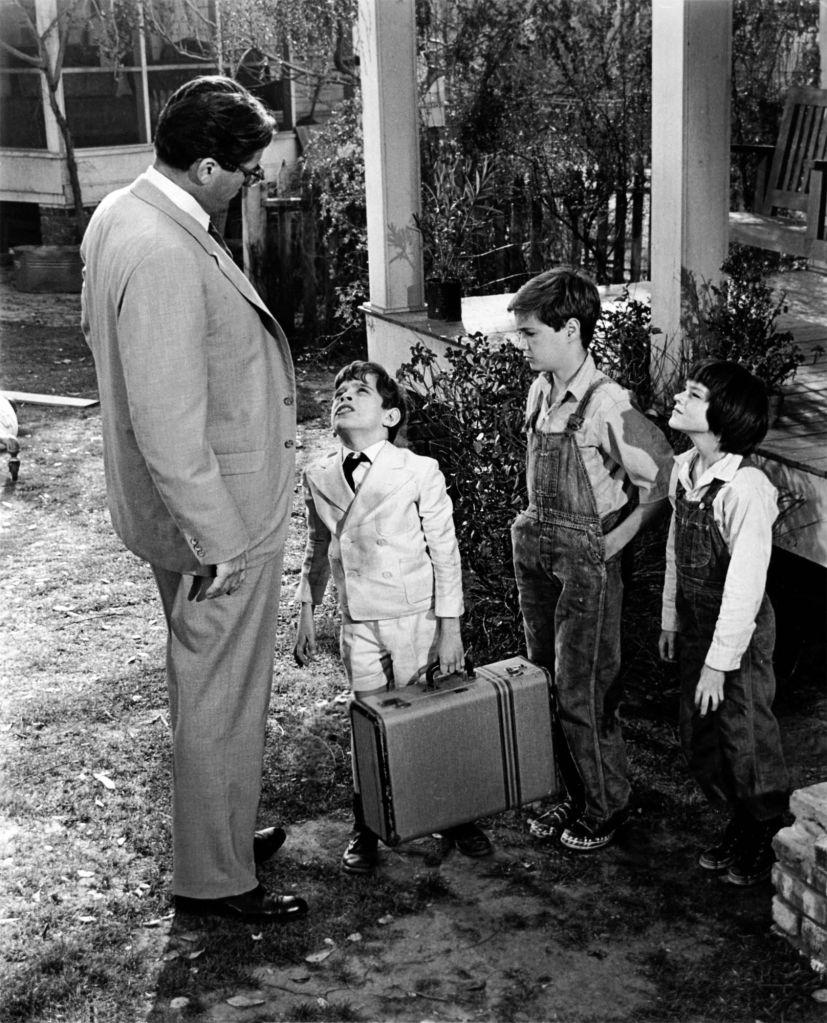
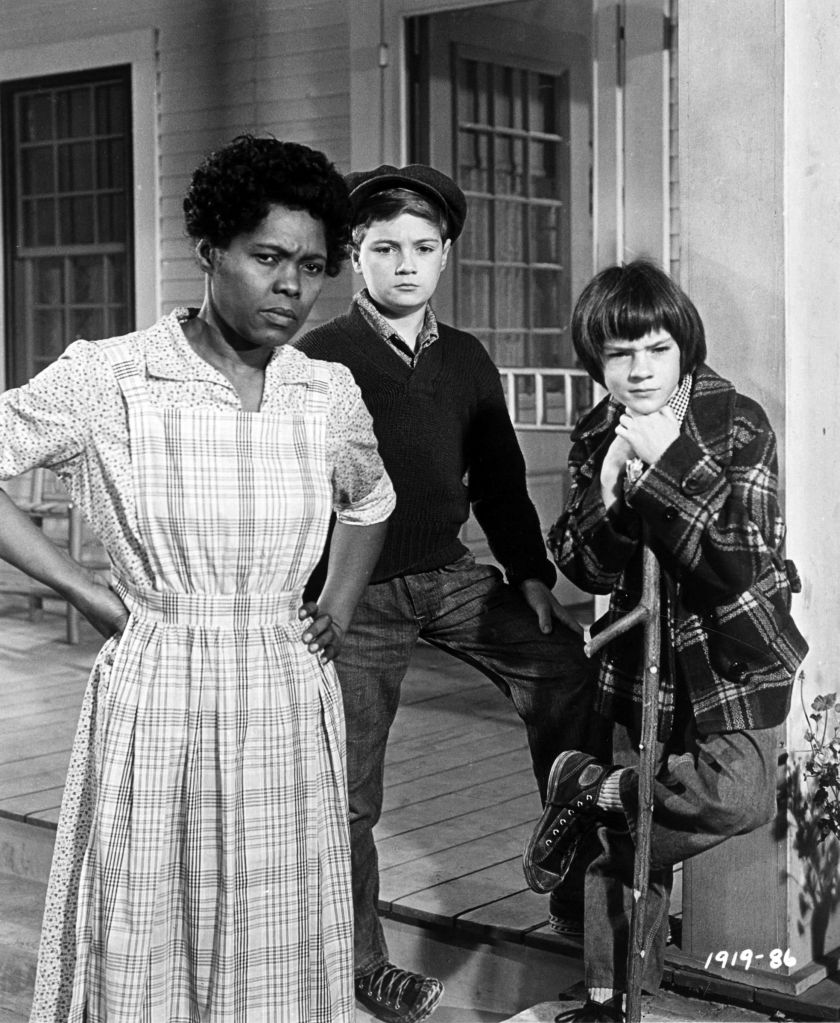
 Eduindex
You must be logged in to post a comment.