Sengol

On December 10,2020 when PM Narendra Modi laid the foundation stone of the new parliament building, the deadline for the completion of the project was October 2022 which was shifted to March, 2023. The March deadline was also not met, but everybody knows that the project is near completion, and the inauguration date could be announced any time and as per expectations 28 May is decided as the date for the inauguration of the new Parliament.

It was not surprising that as soon as the announcement was made, many opposition parties started firing allegation towards government. What came as a surprise for many of us was the pacing of ‘Sengol’ in the new parliament building. Many questions hits in mind one by one. What is Sengol? Where was it all the time? Who made it? What does it signify? Where will it be placed? Don’t worry. Your mind will be free from question related to Sengol after reading this write up as it contains answers to all your question.

The historic ‘Sengol’ that is going to be installed in the new parliament building was received by the first PM of India Jawaharlal Nehru from the then Viceroy of India Lord Mountbatten on 14 August 1947 at around 10:45 PM at his residence in the presence of many other prominent leaders of the time. PM Nehru received this as the symbol of the transfer of power from British at his residence. When the decision of the independence of India was final, Lord Mountbatten was sent as the viceroy to complete the process of independence without hinderance. Mountbatten being unaware of rituals and customs of Indian culture he asked PM Nehru about the special ceremony to be organized for the transfer of power. Nehru discussed this with C. Rajagopalachari fondly known as Rajaji, and after extensive research of Indian culture Rajaji told Pandit Nehru about the tradition of transfer of power during Chola dynasty and how ‘Sengol’ was used to mark this.

The Sengol gets its name from the Tamil word ‘semmai’, meaning righteousness. The sceptre is a historical symbol of Independence as it signifies the transfer of power from the British to the Indians. “The Sengol signifies justice, integrity and unfailing good governance of the king who holds it,” said Mani Maran, a Tamil Pandit at Saraswathi Mahal Library in Thanjavur in an interview given to Times of India on Wednesday. “Tamil emperors like Cholas were usually holding a sceptre in their hands. After crowning the new king, his predecessor or the rajaguru handed over the sceptre during the ceremonial occasion. Thiruvalluvar mentions the sceptre while referring to the rule of law. Sangam works like the Silapathikaram mentions the superiority and importance of the sceptre,” he added. Union Home Minister Amit Shah addressing a press conference on Wednesday said, “The ‘sengol’ represents values of fair and equitable governance.”
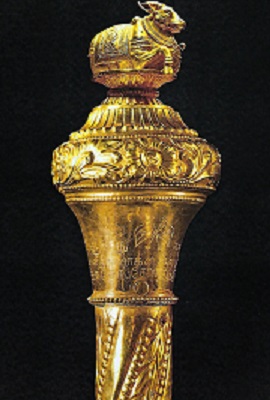
The responsibility of arranging a sceptre was handed to Rajaji by Pandit Nehru. Rajaji reached out to Thiruvaduthurai Atheenam, a well-known mutt in Tamil Nadu’s Tanjore district for assistance and its leader commissioned the manufacturing of the Sengol to Chennai-based “Vummidi Bangaru Chetty” jewelers, as per the official document. It was crafted by two men namely, Vummidi Ethirajulu and Vummidi Sudhakar. It is made of silver with a coat of gold. The sceptre is five feet tall and has a ‘Nandi’ bull on top, symbolizing justice and goddess Laxmi is inscribed on it. It was made in 30 days. According to the official documents, the sceptre was handed to Lord Mountbatten by the Deputy high priest of the Adheenam and was taken back. It was then taken to Pandit Nehru’s house in procession and handed over to him. A special song was rendered, as specified by the high priest. The ceremonial sceptre was kept at the Allahabad Museum, along with several other historical objects associated with Jawaharlal Nehru, as part of the Nehru Gallery of the museum.

Now the Sengol has been moved to Delhi and would be placed near the Lok Sabha speaker’s chair in the new parliament building. Citing resources India Today reported that the Sengol will be ceremoniously transported to the House in a grand procession. The occasion is likely to be steeped in Tamil tradition. The Nadaswaram, would lead the procession with a group of musicians will be playing Tamil Nadu’s traditional instrument. Modi is expected to walk along with the procession. “Adheenams,” or priests from Shaivite mutts in Tamil Nadu, will be present in the Lok Sabha’s Well. The priests will sanctify the Sengol with holy water after Modi greets them at the well, India Today added. The “Oduvars,” or Tamil temple singers, will lyrically recite the “Kolaru Padhigam” in the background as the Nadaswaram musicians enchant with their soulful music. The Sengol will be presented to the prime minister after this revered ceremony and placed in a glass case next to the Speaker’s seat in the House.

After decades of anonymity, this holy sceptre will quadruple the magnificence of new parliament building. and always remind us of the hardship that our forefathers had while fighting for independence and will motivate us to defend this independence.
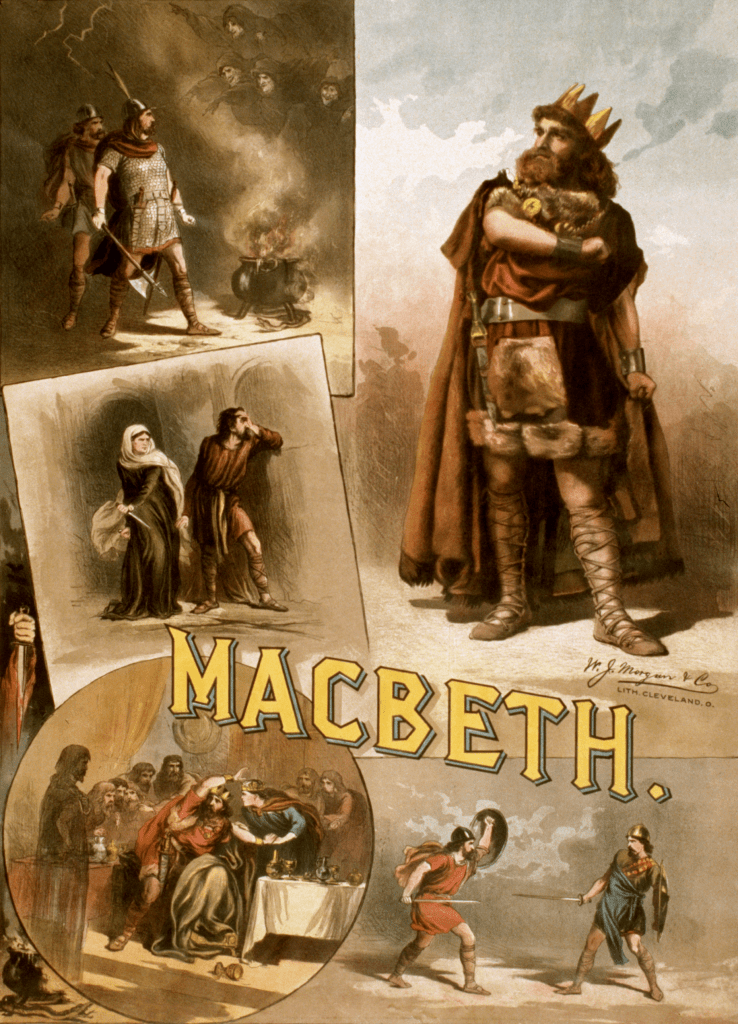

‘Macbeth’ and ‘Throne of Blood’. Does adaptation distorts original text?

Adapting material from some origin is not something new that the film industry invented. Classical Greek playwrights adapted myths that had been passed in through oral tradition. And as soon as the
cinematographers recognized that presenting a story in moving picture required “good story”, so they started adapting story from novels, plays, short stories. Robert Stam discusses different sources of hostility towards the practice of adaptation. According to him, many have long viewed literature as being superior to film. He goes on to analyze the process of adaptation and the ways in which tie and
space are used differently in the two mediums. As per his view, “fidelity in adaptation is literally impossible. A filmic adaptation is automatically different and original due to the change of medium.”

(Downloaded from Google.com)

Macbeth’ is one of the finest and acclaimed works by Shakespeare. The play also has an easy to understand plot line which has lent itself to numerous adaptations.

(Downloaded from Google.com)

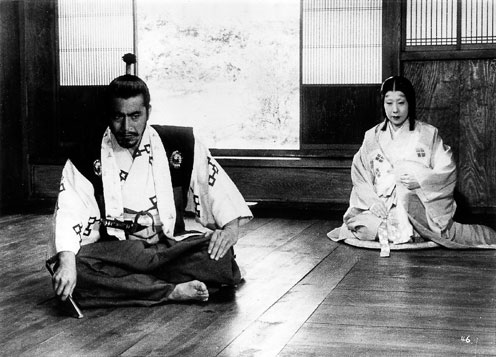
And one of those notable adaptations is the ‘Throne of Blood’ by Akira Kurosawa set in feudal Japan. Needless to mention that the central themes of the movie consist of tragedy, treachery, credulity and fallacy. However, to commence with the dissimilarities between the play Macbeth and Kurosawa’s movie, one among the other possible differences is their depictions of the battle at the opening stages of the plot.

(Downloaded from Google.com)

The play Macbeth opens with grotesque imagery of the revolt, and the weather all muddles up, as informed by the witches seen in medias res (amidst) of their conversation. The captain reporting about the battle even describes Macbeth as unseeming one of his opponents. This type of gory imagery, however, is nowhere to be found at the start of Kurosawa’s film ‘Throne of Blood’,

(Downloaded from Google.com)

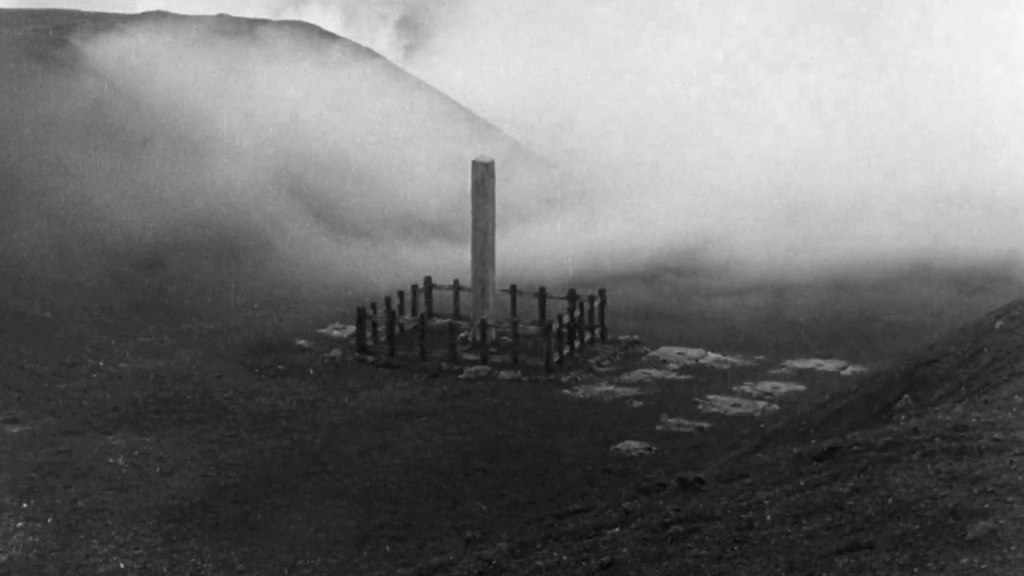
instead it opens with the vast fog with a seemingly deserted and peaceful castle depicted behind the fog with a lamenting song, “Look upon the ruins of the castle of delusion haunted…”. It also features various captains reporting about the battle, but there are no depictions about the battle. The use of fog and the lack of violence, in the opening scene, set an uncertain tone for the rest of the film, and Washizu is not seen killing anyone that makes his future actions even more shocking. In fact, we witness Washizu’s innocence when he strongly resists the prophecy. As wherein Macbeth, the brutal portrayal of the battle in the beginning set a violent and dark tone right away, and thus, it makes Macbeth’s future killings somewhat less surprising. The shock factor of Washizu’s actions is also due o the fact that there are no witches at the start of the movie.

(Downloaded from Google.com)

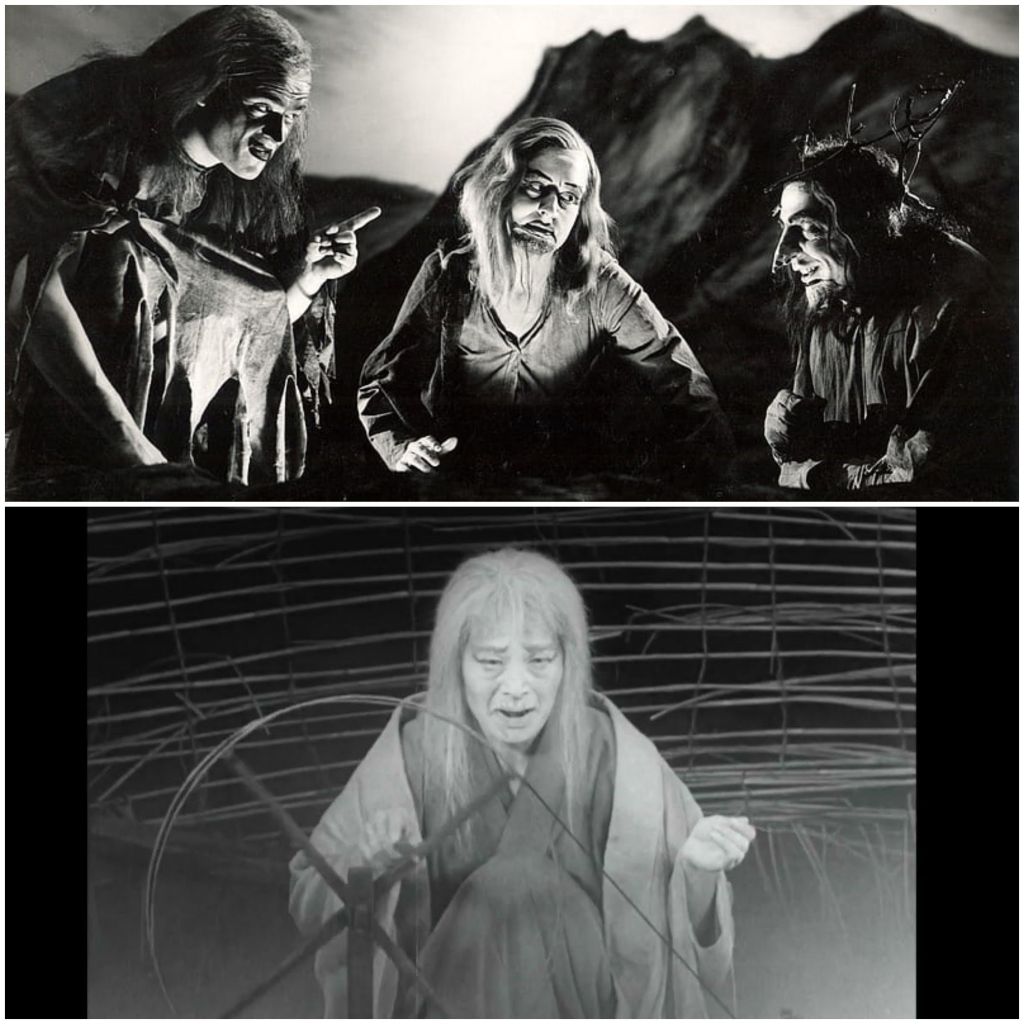
On the other hand, we encounter that the witches start the play by invoking the name of Macbeth, leaving a sense of suspicion in the mind of the reader that Macbeth may not be who he appears. In the movie, three witches are replaced with a single-spirit who is seen chanting a song that introduces Japanese traditions, Buddhism and feelings of humanity. The song mentioning karma and reincarnation comes straight from the Buddhist beliefs.

Kurosawa’s Throne of Blood and Shakespeare’s Macbeth also differ greatly in their portrayals of Lady Macbeth and Lady Asaji respectively.

(Downloaded from Google.com)

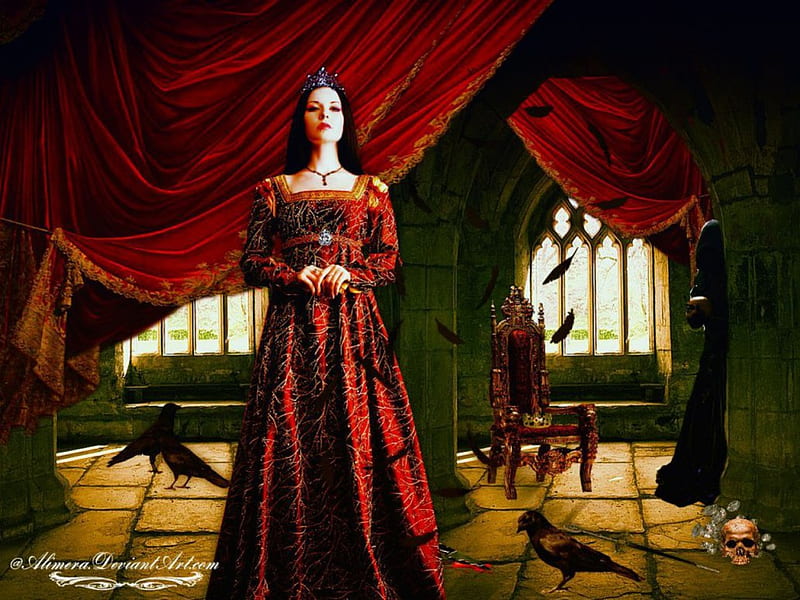
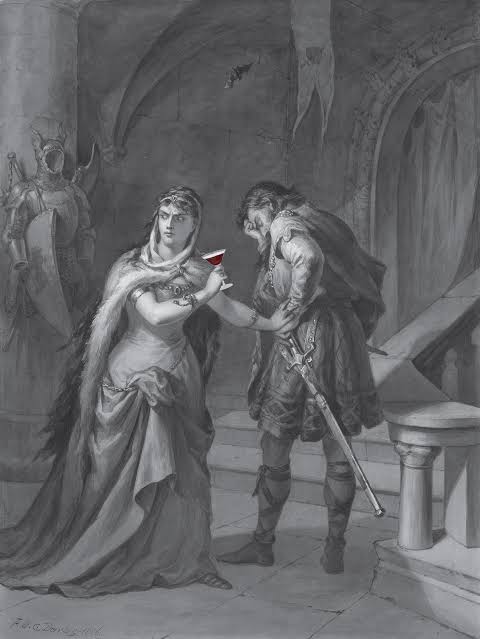
In the play, Lady Macbeth makes her presence and intentions felt in her very first moments. She states, “Fill me from the crown to the toe topful of direst cruelty. Me thick my blood. Stop up the access and passage to remorse.” This quotation by her immediately warns the reader of her growing plans of evil.

(Downloaded from Google.com)

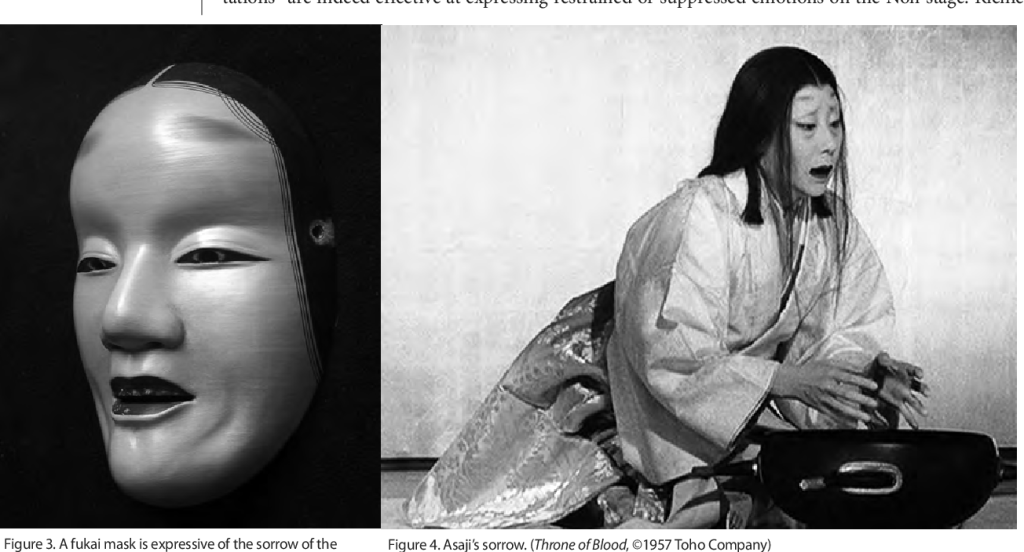
Contrarily, in the movie, Lady Asaji (the equivalent to Lady Macbeth) makes it much more subtle entrance. She is first seen sitting peacefully in Washizu’s castle appearing as submerged in deep contemplation. Throughout her attempts to convince Washizu to kill Tshuzuki, she remains completely sedentary and shows no sign of any emotion, unlike Lady Macbeth who passionately uses strong imagery and vehement speech to ty to persuade Macbeth. And Asaji’s fixed expressions portray the use of Noh mask. As far as the movie is concerned, predominantly the character of Asaji, Kurosawa has adopted the aesthetic of the Noh elements.

(Downloaded from Google.com)

It’s a cultural asset of Japanese theatre. It’s a classical form of dance-drama originated in Japan, and is popular since 14th century. There are several types of these masks used in Japanese theatre. And surprisingly, they are used by Kurosawa commendably through dramatis personae of Asaji. Director Kurosawa was overwhelmingly magnetized by Noh, “I like [Noh] because it is the real heart, the core of all Japanese drama. Its degree of compression is extreme, and it is full of symbols, full of subtlety. It is as though the actors and the audience are engaged in a kind of contest and as though this contest involves the entire Japanese cultural heritage . . . I wanted to use the way that Noh actors have of moving their bodies, the way they have of walking, and the general composition which the Noh stage provides.” (Extracted from an article by Minae Yamamoto Savas)

Lady Macbeth does not give Macbeth much of a reason to kill Duncan other than to solely attain power. Lady Asaji, on the other side, presents Washizu with the idea that Miki will inform about the prophecy to Tsuzuki that Washizu will ascend to the throne which in turn will lead to Washizu’s death at the hands of Tsuzuki. Despite her reserved nature, she is very deceptive and possesses contriving persona as she uses the prophecy of the witch to implant fear in the mind of Washizu. She also tries to justify the killing of Tsuzuki because Tsuzuki himself attained his throne by murdering someone, and also attempts to convince him that deep down Washizu himself carrying and watering the ambition to attain power, which is also the first time that she looks directly at him in the film. Lady Asaji like Lady Macbeth is a strong evil presence although she is portrayed in a much different manner.

Another difference between the movie and the play is existence of the lack of recognition of eternal ramification for Washizu’s actions in the movie, whereass, in the play, apprehension regarding the afterlife plays a prominent role in Macbeth’s psychological struggles with respect to his decision to kill Duncan.

(Downloaded from Google.com)

In Act 2, scene 1, Macbeth states, “I go, and it is done. The bell invites me. Hear it not Duncan, for it is a knell that summons thee to heaven or to hell.” He knowingly chooses temporal power on earth rather than eternal glory in heaven, a decision that he later realizes that he cannot undo which leads to his supposedly eternal damnation in hell. And in Kurosawa’s Throne of Blood, however, heaven and hell are never referred to. This is ofcourse largely because of the film’s Japanese origin. Instead, it’s Washizu’s contemplation of the goodness of his friend Miki that drives his inner conflict perpetrated by his wife.

The adaptation of literary works into films do distorts the original text. But we should not forget that these adaptations, like what Kurosawa did, are filmed establishing the text on different period of time, background, and geo-political settings. Although film was initially regarded by some as sucking the life out of a literary text, a view forcefully articulated by Theodore Dreiser in 1932, “Film adaptation of novels is not so much a belittling as a debauching process, which works harm to the mind of the entire world. For the debauching of any good piece of literature is – well, what? Criminal? Ignorant? Or both? I leave it to the reader.”


Citations

China’s first population fall in six decades.

China’s population fell last year for the first time in six decades, a historic turn that is expected to mark the start of a long period of decline in its citizen numbers with profound implications for its economy and the world.

The country’s National Bureau of Statistics reported a drop of roughly 850,000 people.

China’s birth rate has been declining for years, prompting a slew of policies to try to slow the trend.

But seven years after scrapping the one-child policy, it has entered what one official described as an “era of negative population growth”.

Most favourite spritual destination, report by OYO.

Northern India has emerged as the most favoured spiritual travel destination followed by Southern, Western and Eastern regions in the country, reveals OYO Cultural Travel 2022 Roundup Report by global hospitality chain OYO.

Regarded as the spiritual capital of India, Varanasi, which is also one of the oldest cities in the world, emerged as the top religious destination for bookers across India. This was followed by Tirupati, Puri, Amritsar and Haridwar, as per the report.

In the North zone, Varanasi emerged as the most popular destination due to its favored status among Hindus and Buddhists. This was followed by Prayagraj, Amritsar, Haridwar, Katra, and Rishikesh.

The cultural cities of Vijayawada, Mysore, Tirupati, Madurai and Vellore were most favored in South India. In the West zone, Shirdi received the maximum traction from travellers followed by Mahabaleshwar, Nashik, Ujjain, and Pushkar. Goa, which has always been a popular tourist spot, was the most favoured destinations in East India, along with Puri.

Report for most inclusive nation for religious minorities, India tops the list.

The Centre for Policy Analysis (CPA), in its first global minority report, has listed India at the top of the list of countries for its treatment of religious minorities. India has topped the list on counts of inclusiveness towards religious minorities.

Released by former Vice President of India Venkaiah Naidu, the report is based on conceptual issues relating to human rights, minorities, concept of religious freedom and culture dilemma of religious minorities, cause of religious differences and more.

While India has been ranked one in the global minority report, the United State of America (USA) bagged fourth spot. Nepal is ranked at 39, whereas Russia is ranked 52. China and Bangladesh were ranked at 90 and 99, respectively. Pakistan is ranked at 104 in the report, whereas Taliban-led Afghanistan secured 109th position.

This is for the first time that an Indian body has rated other nations on the basis of their treatment of religious minorities.

10 travel destinations in india

India is home to some of the most stunning natural attractions and historical sites in the world. With so many places to visit and things to do, it’s hard to know where to start. But if you want something off-the-beaten path, these 10 destinations are sure to satisfy your wanderlust.

1. Goa

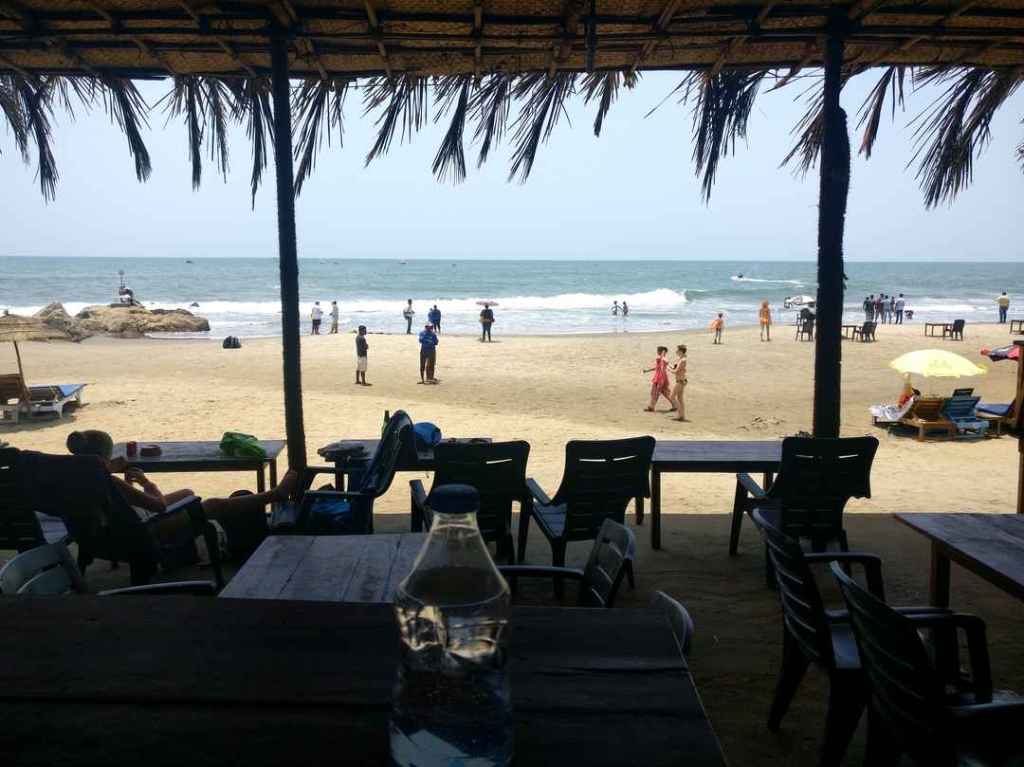
Vagator Beach, Goa

Goa is a popular tourist destination in India and has been attracting visitors for years. It’s known for its beaches, which are clean and have plenty of space to relax on them.

Goa also has great food, music and culture. The best way to experience all this is by staying at an airbnb or other bed & breakfast type place that hosts travelers from around the world!

2. Kerala

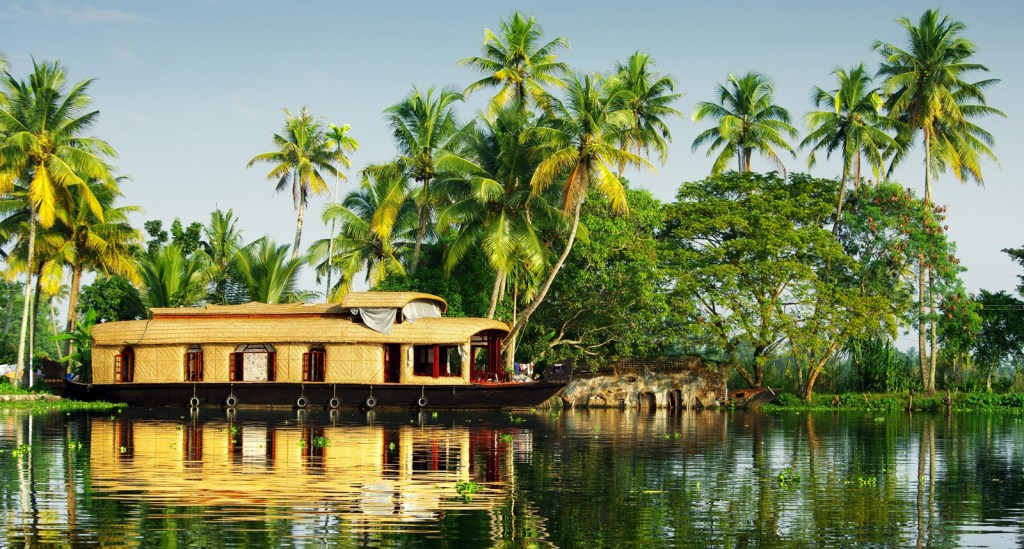
Kumarakom, Kerala

Kerala is a beautiful place to visit in India. It has many beaches, backwaters and historical sites. One of its most famous attractions is the backwaters of Alleppey that are home to some interesting wildlife sanctuaries. The state also has many temples which are a must-see during your trip here.

3. Andaman and Nicobar Islands

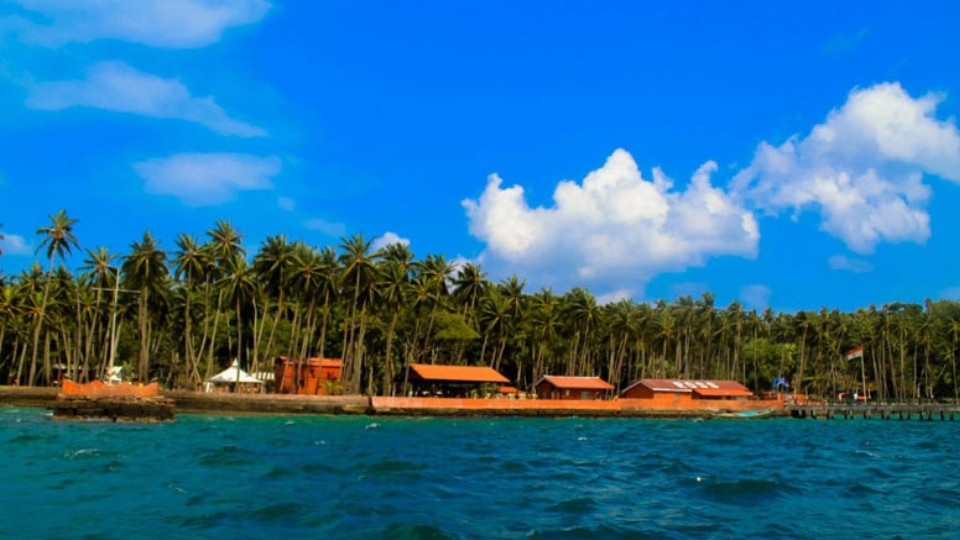
Andaman

The Andaman and Nicobar Islands are located in the Bay of Bengal, just off India’s coast. These islands are a part of India and home to many different tribes. The islands have a great climate for relaxation, as well as beaches with white sand.

4. Pondicherry

Serenity beach, Pondicherry

Pondicherry is a city in the union territory of Puducherry. It was formerly known as Pondicherry and it is located on the Coromandel Coast, India’s east coast, which is known for its beaches and resorts. The city has an old-world feel to it with buildings that date back to French rule over India during the 19th century.

Pondicherry has many beaches where you can go swimming or just relax on your day off from work.

5. Leh Ladakh

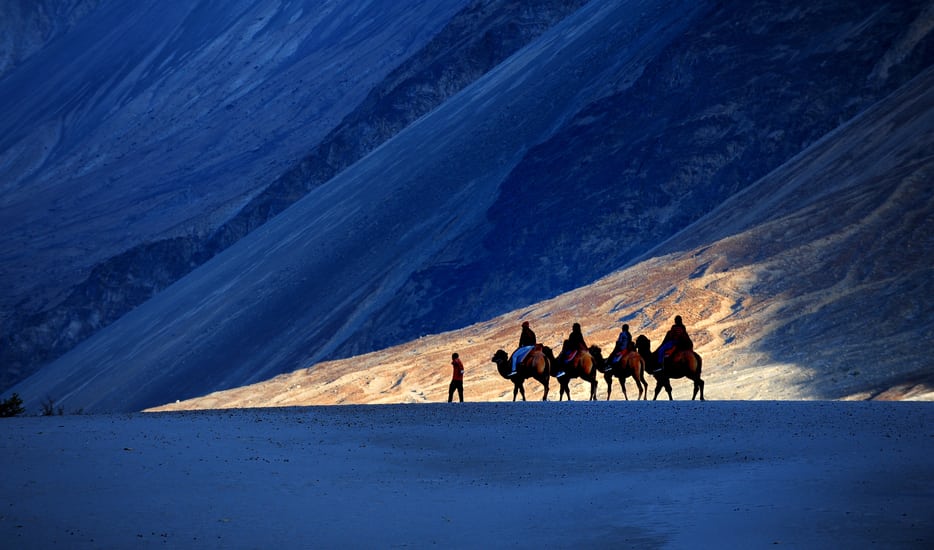
Nubra Valley, Ladakh

Leh Ladakh is a cold desert in the Himalayas, close to the Chinese border. It’s a great place to visit if you want to see the mountains and enjoy some hiking or trekking. There are many places where you can go for this activity, but one of them is called “Nubra Valley”. In this valley there are many different things that you can do: horseback riding (on horses), skiing down from a mountain peak or just walking around looking at all those beautiful views.

6. Rajasthan

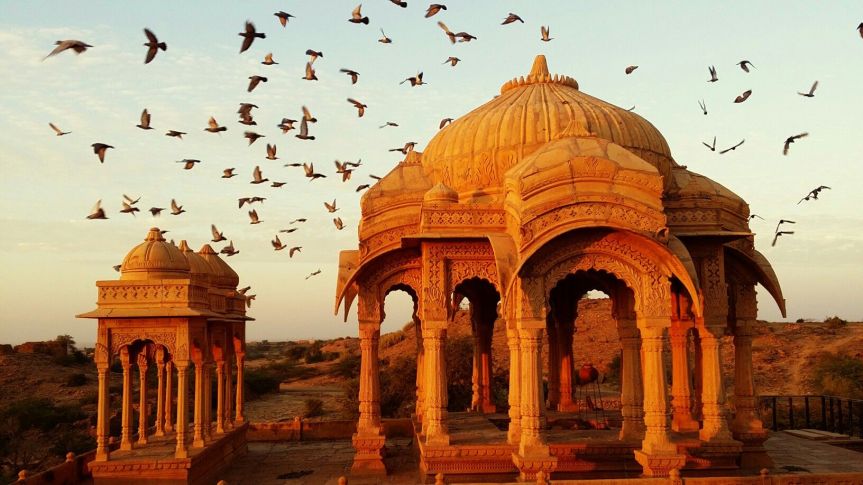
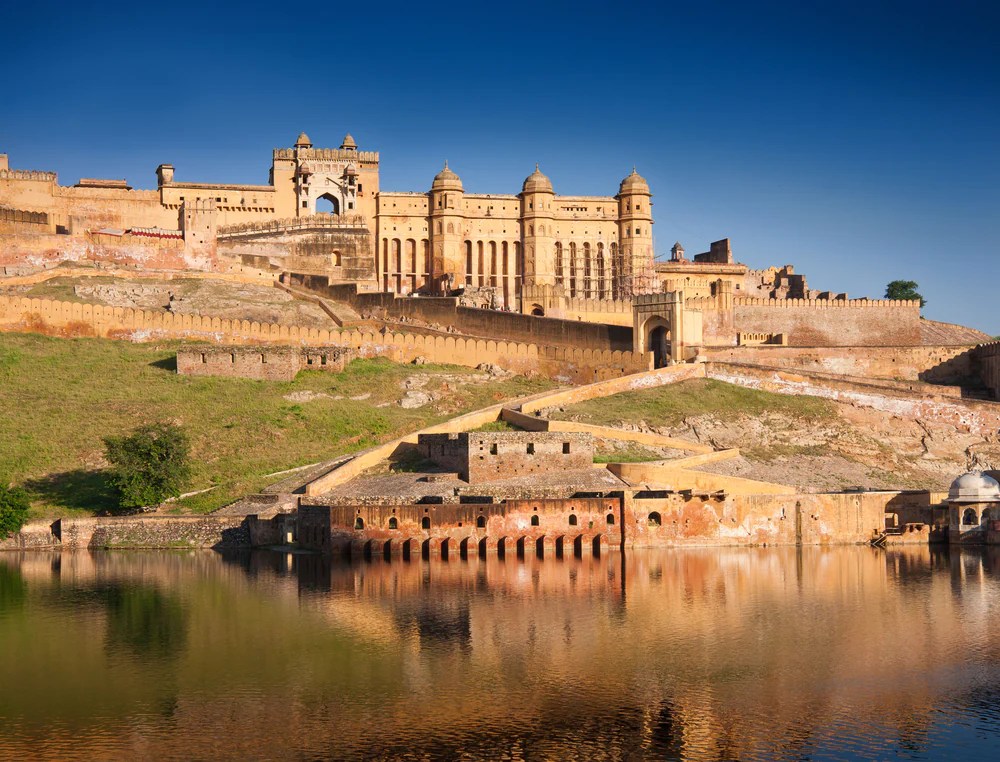
Amer fort, jaipur

Rajasthan is a state in northern India. It has a desert climate, but it’s also known for its palaces and forts. The city of Jaipur is home to several of these attractions, including the Amber Fort and Jantar Mantar Observatory. It also has many lakes, some famous (Lake Pichola) and some not so much (Kumbhalgarh). Some people visit these lakes during wintertime because they’re warm then; others go there in summer because it looks like an ice skating rink. There are plenty of temples as well: we’re talking about hundreds of them.

7. Darjeeling

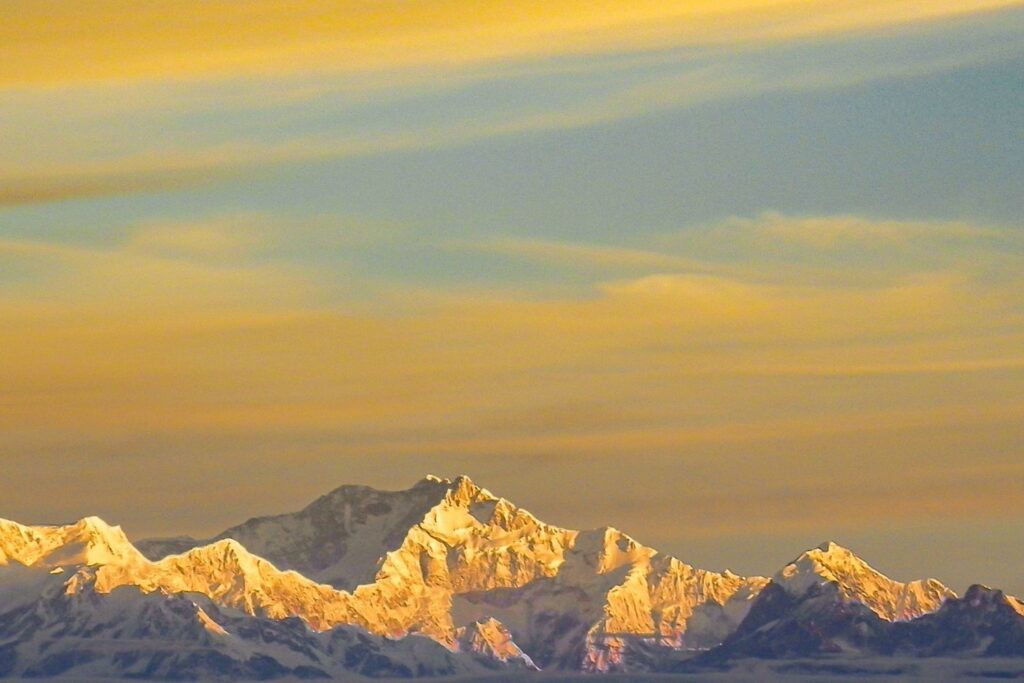
The Kanchenjunga

Darjeeling is a hill station in West Bengal. The city is located on the foothills of the Himalayas and offers panoramic views of the plains below.

The town has been known for its tea plantations since 1834 when it was first discovered by British colonists. It’s also a popular destination for trekkers, who can choose from several trails to explore this beautiful area along with its rich history and natural beauty.

8. Varanasi

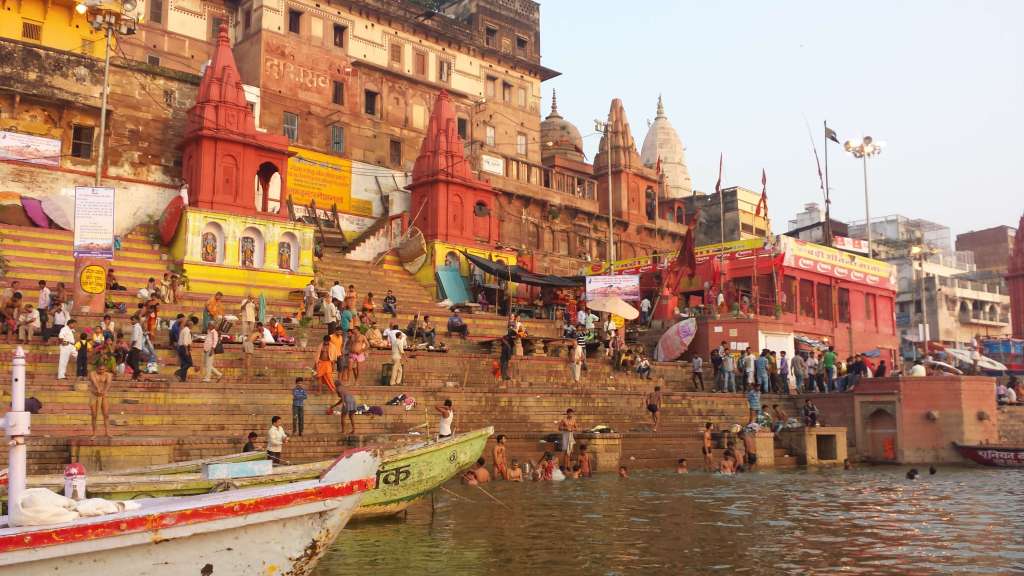
A ghat in varanasi

Varanasi is a religious, cultural and historical city located on the banks of River Ganges. It has been called one of the most sacred places in India as it’s believed that Lord Shiva resided here for some time before passing away.

The city is known for its ghats (steps leading down to the river), temples and food which are all part of its rich history. Varanasi offers tourists everything they need during their stay – from budget accommodation options to luxury hotels & resorts offering everything from pampering spa treatments to yoga classes at sunrise. Not only this but there are plenty of things to do when you visit Varanasi including visiting one or more ghat sites where pilgrims perform rituals during monsoon season when temperatures rise up high enough so visitors can bathe in freezing waters without getting cold feet.

9. Rishikesh

Rafting in Rishikesh

Rishikesh is full of amazing sights—from its spectacular natural surroundings to its historic temples and churches. Other sights include Lakshman Jhula Bridge built between 1822–1823 across River Ganges near Yamuna Sagar Lake during British rule; Vishwanath Temple dedicated specifically because he was considered Hindu god Vishnu’s favorite son; Kedarnath Temple built by King Bhagwan Nand Lal in memory of his father who died while building this temple during his lifetime. River rafting and other fun activities are organised here.

10. Gulmarg, Jammu and Kashmir

Gulmarg Golf Club area

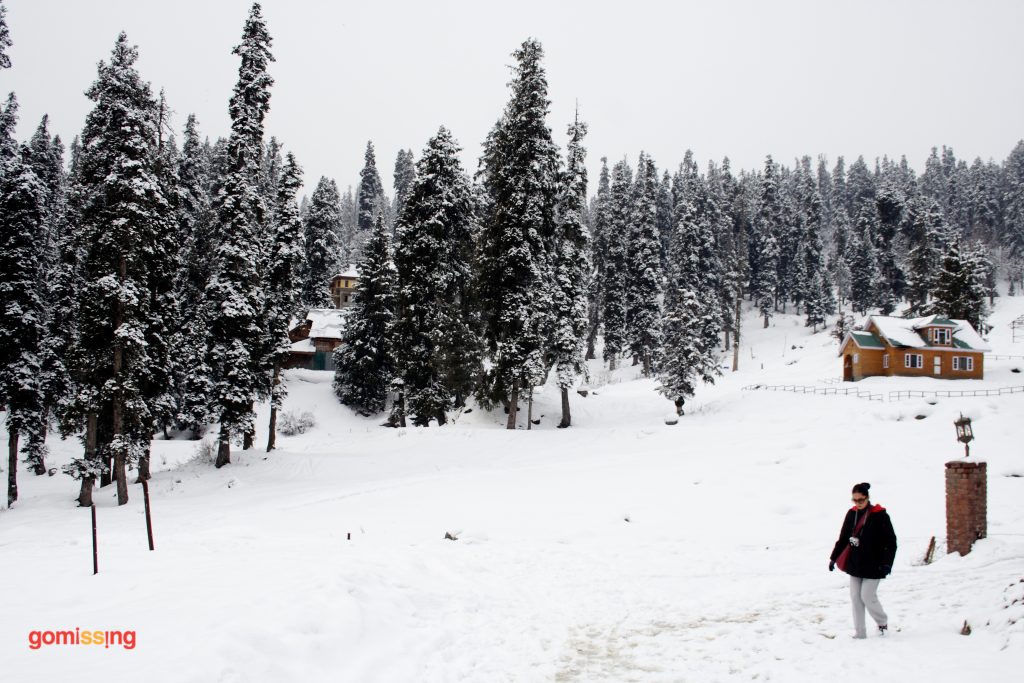
Gulmarg is a ski resort in Kashmir, located at an altitude of 11,500 feet. It is one of the oldest and most popular tourist destinations in Jammu and Kashmir. The area has 300 km of pistes that can be reached by cable cars or snowshoes. Gulmarg also hosts many other activities like skiing, heli-skiing, snowboarding and more.

These are just a few of the travel destinations in India that you can experience and enjoy.

Jaipur : A beautiful tourist destination.

Jaipur is the capital of India’s Rajasthan state. It evokes the royal family that once ruled the region and that, in 1727, founded what is now called the Old City, or “Pink City” for its trademark building color.. The Pink City of India, is an exotic destination, to say the least. From royal palaces to peppy pubs and from regal forts to plush restaurants, the city offers a fascinating mix of attractions for an avid traveler. And let’s not forget the welcoming vibe of the city, a quality that’s inherent to Rajasthan’s imperial culture and heritage. 

The city is known for its beauty, and it is unique in its straight-line planning. Its buildings are predominantly rose-coloured, and it is sometimes called the “pink city.” The chief buildings are the City Palace, part of which is home to the royal family of Jaipur; Jantar Mantar, an 18th-century open-air observatory that was designated a UNESCO World Heritage site in 2010; Hawa Mahal (Hall of Winds); Ram Bagh palace; and Nahargarh, the Tiger Fort. Other public buildings include a museum and a library.

Some of the tourist spots and monuments to visit in the city are :

Amber/Amer Fort.

At a distance of 13 km from Jaipur Junction Railway Station, Amer Fort or Amber Fort is located in Amer near Jaipur. It is one of the best-preserved forts in Rajasthan, The architecture of Amer Fort is influenced by both Hindu and Muslim styles. Among the famous tourist places in Jaipur, Amer Fort was built using red sandstone and overlooks Maota Lake which is the main water source to the Palace.

City Palace.

City Palace, Jaipur was constructed between 1729-1732, in Jaipur as it paints the picture of heritage and rich culture. Sawai Jai Singh II has started the work of this palace, exclusively the exterior architecture of the building. Moving from Amber, he has moved to the Jaipur city because of the increase in water shortage problem which resulted in an inadequate supply of water to people.

Nahargarh Fort.

Nahargarh is one of three forts in the vicinity of the “Pink City” of Jaipur. Despite its prominence, the fort remained sadly neglected until recent years, resulting in visitors frequently overlooking it in favor of iconic and well-preserved Amber Fort on the opposite end of the ridge. Extensive restoration works and some exciting new attractions have revitalized the fort though, making it one of the top tourist places in Jaipur.

Jai Garh Fort.

Situated on one of the mountains of the Aravalli Range, Jaigarh Fort is a landmark structure in Jaipur. The strategically designed Jaigarh Fort was fundamentally built to protect the Amer Fort from any attack. Jaigarh Fort is popular for numerous reasons and the two most prominent are its mesmerizing architecture, which is a fusion of Rajputana and Mughal style, and for being the hub of artillery during the Mughal era.

Jantar Mantar.

Jantar Mantar is one of the finest monuments and striking creations by astronomers and architectures. It is a compilation of architectural astronomical devices which provided accurate astronomical results. It has even struck the modern approach of science. Jantar Mantar is the most well-known observatories amongst all the buildings formed during the sovereignty of Maharaja Sawai Jai Singh II.

Hawa Mahal.

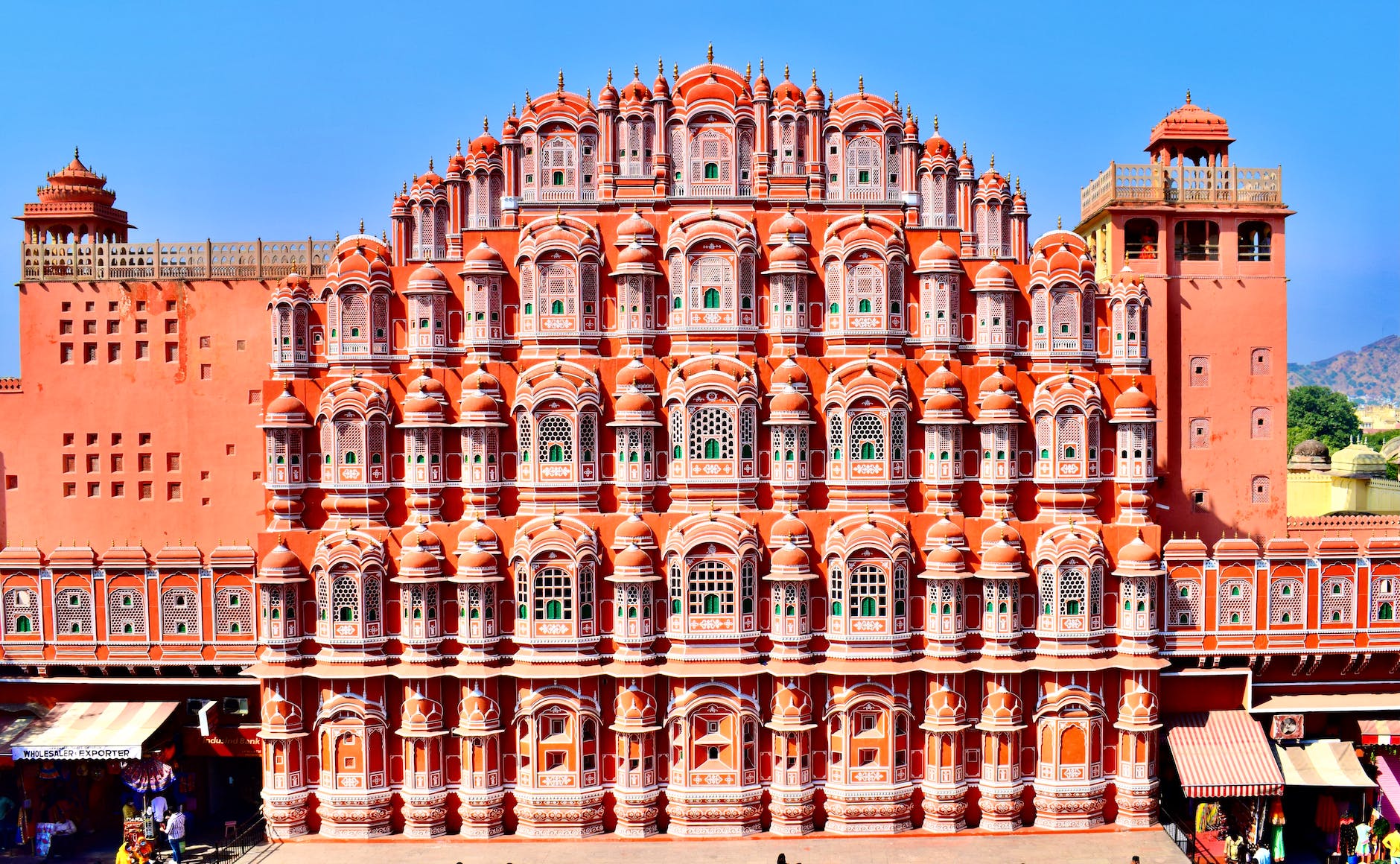
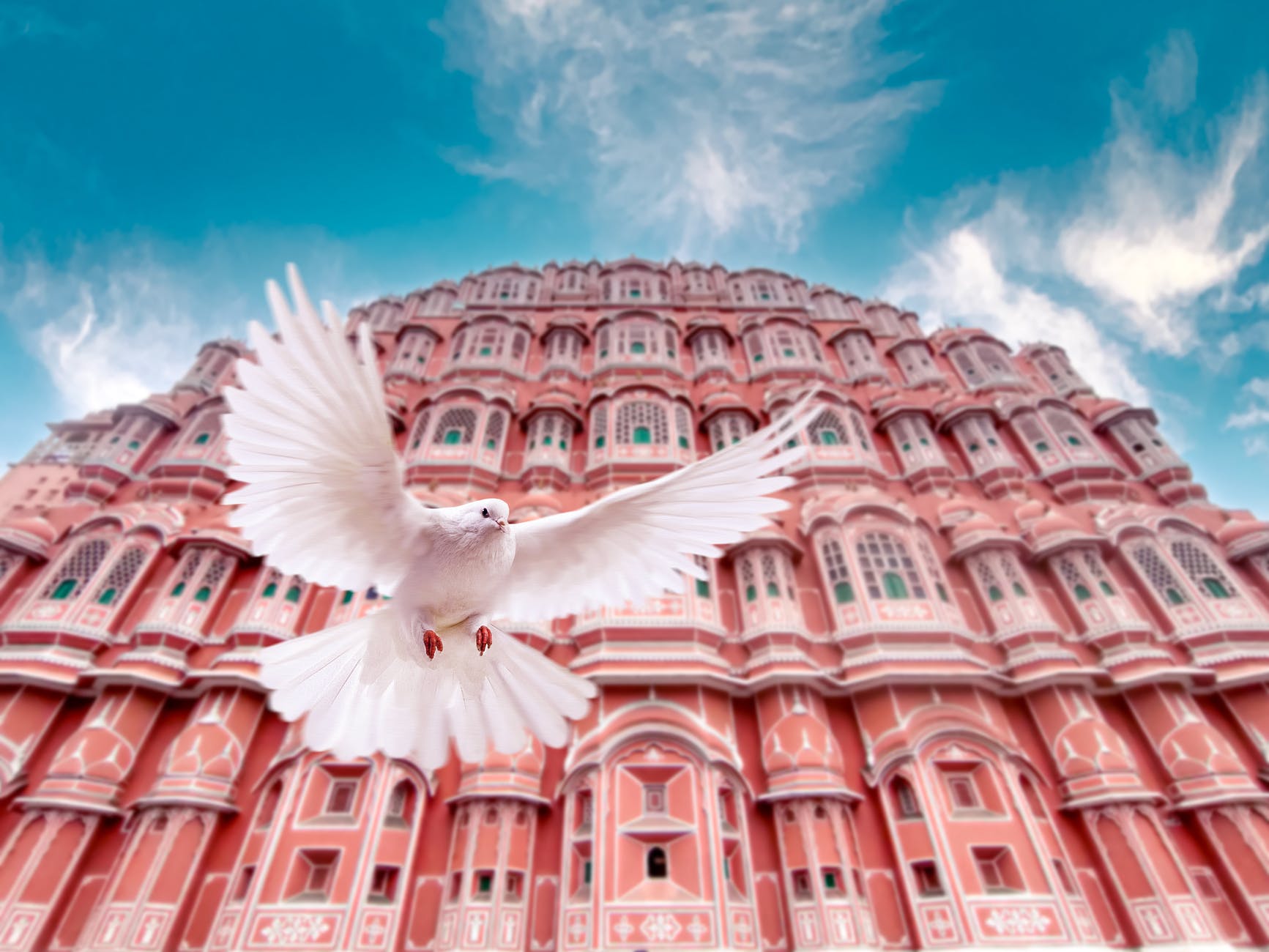
Hawa Mahal was built by Maharaja Sawai Pratap Singh in 1799 and was designed by architect Lal Chand Usta as a ‘Rajmukut’. The Hawa Mahal was built specifically for Rajput members, and especially for women, so that the royal ladies could watch the daily drama dance in the street below, as well as have a beautiful view of the city from the window.

Central Museum

Central museum is also known as ‘Albert museum’ or ‘Government Central Museum’. This is the oldest museum of the city and was constructed in 1876 beneath the command of Lt. Swinton Jacob. Initially the building was a town hall. But on the order of Maharaja Madho Singh it was transformed into an art museum.

Jaipur : The Pink City of India.

The capital of Rajasthan, the largest state in the country, Jaipur is all about its glorious history. It is also widely known as the Pink City. The name is derived from the fact that the erstwhile area of Jaipur which is now the area around the HawaMahal, was built of pink sandstone. The narrow streets, the colourful clothing, the lovely aromas bursting forth from the food, the vast number of palaces speak volumes of the deep rooted culture of the city.
Maharaja Sawai Jai Singh II invoked the artisans from all over the world and facilitated them with all the things they required, to help in creating the exotic city of beautiful architecture as Jaipur. Today, Jaipur is a hub for rich wedding destinations. Royal weddings are organized here. Exquisite destinations are specially designed for marriages, and offer an experience of one of its kind. Jaipur’s forts, monuments, and museums can be read about further.


Some of the best monuments and sites to visit in pink city are.


Amber/Amer Fort.
At a distance of 13 km from Jaipur Junction Railway Station, Amer Fort or Amber Fort is located in Amer near Jaipur. It is one of the best-preserved forts in Rajasthan, The architecture of Amer Fort is influenced by both Hindu and Muslim styles. Among the famous tourist places in Jaipur, Amer Fort was built using red sandstone and overlooks Maota Lake which is the main water source to the Palace.


City Palace.
City Palace, Jaipur was constructed between 1729-1732, in Jaipur as it paints the picture of heritage and rich culture. Sawai Jai Singh II has started the work of this palace, exclusively the exterior architecture of the building. Moving from Amber, he has moved to the Jaipur city because of the increase in water shortage problem which resulted in an inadequate supply of water to people.


Nahargarh Fort.
Nahargarh is one of three forts in the vicinity of the “Pink City” of Jaipur. Despite its prominence, the fort remained sadly neglected until recent years, resulting in visitors frequently overlooking it in favor of iconic and well-preserved Amber Fort on the opposite end of the ridge. Extensive restoration works and some exciting new attractions have revitalized the fort though, making it one of the top tourist places in Jaipur.


Jai Garh Fort.
Situated on one of the mountains of the Aravalli Range, Jaigarh Fort is a landmark structure in Jaipur. The strategically designed Jaigarh Fort was fundamentally built to protect the Amer Fort from any attack. Jaigarh Fort is popular for numerous reasons and the two most prominent are its mesmerizing architecture, which is a fusion of Rajputana and Mughal style, and for being the hub of artillery during the Mughal era.


Jantar Mantar.
Jantar Mantar is one of the finest monuments and striking creations by astronomers and architectures. It is a compilation of architectural astronomical devices which provided accurate astronomical results. It has even struck the modern approach of science. Jantar Mantar is the most well-known observatories amongst all the buildings formed during the sovereignty of Maharaja Sawai Jai Singh II.


Hawa Mahal.
Hawa Mahal was built by Maharaja Sawai Pratap Singh in 1799 and was designed by architect Lal Chand Usta as a ‘Rajmukut’. The Hawa Mahal was built specifically for Rajput members, and especially for women, so that the royal ladies could watch the daily drama dance in the street below, as well as have a beautiful view of the city from the window.


Central Museum
Central museum is also known as ‘Albert museum’ or ‘Government Central Museum’. This is the oldest museum of the city and was constructed in 1876 beneath the command of Lt. Swinton Jacob. Initially the building was a town hall. But on the order of Maharaja Madho Singh it was transformed into an art museum.

Bangladesh War 1971- One of the shortest wars in History

In 1971, India won the war against Pakistan that resulted in the birth of Bangladesh (then East Pakistan).
Pakistan lost half its country, its forces in the East, and had to publicly surrender to India. It was also the largest military surrender after World War II. 

So what happened during 1970s an internal crisis occured in Pakistan. So what happwned is when the 1st general elections took place a split occured between West Pakistan and East Pakistan. In West Pakistan , Zulfikar Ali Bhutto won the elections and in East Pakistan, the Awami league leaded by Sheikh Mujibur Rehman won . Now the bengali population that was in east Pakistan, they voted for Awami league because they were protesting against the dominance of West Pakistan and they were being treated as 3rd class citizens. But the Pakistan rulers in West and East Pakistan were not ready to accept this demovratic verdict.In 1971, Pakistani Army began to commit the genocide on innocent Bengali population, particularly in East Pakistan. So former Prime Minister Indira Gandhi decided to take action against Pakistan at the same time by give refuge to civilians from other side of the border. Throughout 1971, India had to bear the burden of some 80 lakh refugees who fled from East Pakistan and took shelter in India. After months of diplomatic tension and military build up a full scale war broke out between India and Pakistan on dec 1971. The war lasted 13 days and was one of shortest wars in history. The war ended after the Chief of Pakistani forces general AAK Niazi along with his troopes surrendered to Indian Army and Bangladesh’s Mukti Bahini.
General AAK Niazi signed the instrument of surrender in Dhaka marking the formation of East Pakistan as new nation of Bangladesh. Pakistan also lost half its territory after formation of Bangladesh.  On august 1972 India signed Shimla agreement with Pakistan under which the former agreed to release all the 93,000 Pakistani prisoners of war.

The 4 phases in Bollywood Cinema

Photo by Tima Miroshnichenko on Pexels.com

Bollywood, or the Hindi film industry of India which produces almost 1000 films every year is the world’s largest film industry. From the time the first Indian sound film, Alam Ara was produced in 1931 till the present decade, this industry has a remarkably rich history of producing a variety of movies, showcasing different spheres of Indian life, in myriad themes, be it comedy, romance, thriller, horror or drama. However, there has been a changing trend in the representation of Indian films through the years. The way movies were made in the 1950s is completely different from the way it is done in the twenty first century.
In this presentation I would like to share the changes that the Indian film industry has seen over the decades.

In order to understand the trends better let us divide it into 4 phases!
The first phase would consist of the movies made from the 1940s till the early 1960s. This phase is called the “Golden Era of the India cinema” where critically acclaimed movies like Awaara(1951), Shree 420(1955) and Mother India(1957) to name a few were made. These movies revolved around the common man, who faced various struggles in life, which the audience could relate to and would finally come out as a man with the right morals. These stories showed the protagonist to be poor who even though wavered from his path (mainly due to greed and success) would finally realize his mistakes and be a better person in the end and overcome his troubles in a just manner.

The second phase is the phase from late 1960s to the early 1980s. This phase saw a distinctive shift in the general storyline of the movies. Movies like Aradhana( 1969) , Anand (1970) , Bobby (1973) and Sholay(1975) mark this period.  These movies were more action based and romantic in nature. Violence became an integral part of the movies, and a lot of emphasis was given on villains, who were basically underworld mafias. The image of the “angry young man” was introduced here, a brooding hero who was very good at delivering his punches and kicks, would destroy the villains and win the lady’s heart in the end. A lot of films during this time revolved around this basic theme.

The third phase is from the late 1980s till early 2000s. This phase saw the most diverse shifts in the movie-making procedure in India. Advanced technology was introduced in the country. The first Indian sci-fi movie Mr. India was released in 1987 which was a runaway hit. Romance was still the main theme. Romance films have been popular with the masses in India. The target audience in the romance genre is youth. As urban populations grew in the 80s, the number of youth-centric romantic comedies increased considerably.The new wave of romance movies had situational comedy that became a hit with audiences. 
A lot of movies were shot abroad in this phase. Some of the best Bollywood romance movies and romantic comedies from late 1980s to early 2000s are – Qayamat Se Qayamat Tak- 1988, Andaz Apna Apna- 1994  Dilwale Dulhania Le Jayenge- 1995, Jab we met (2007) , Dostana(2008) and others.


The last and the ongoing phase started in late 2000s. This phase introduced a lot of technical advancements in the ways movies are made. From Koi Mil Gaya(2003) Ra.One(2011) to Mission Mangal (2019) movies put a greater emphasis on the visual effects rather than the story. A lot of movies have been shot abroad, with only the mention of India.

A state in India that is free of patriarchy

Photo by Angshu Purkait on Pexels.com

Meghalaya – a state in northeastern India has always been a far cry from the rest of India.The state is home to the Khasi and the Garo people, two of the few tribes to follow a matriarchal structure of society.

In a country like India, where the status of women is considered to be lower to that of men, where daughters of the household are treated as paraya dhan who are supposed to get married one day and go to her husband’s family , and the patriarchal system that subjugates women, oppresses women and tells them that they are not up to the mark and not as important as men,the fact that there are societies with a culture of dominant women is a wonder in itself! Unlike many places in India, where the birth of a girl is accompanied by reactions ranging from subdued acceptance to outright rage, the birth of a girl in places like Shillong is celebrated with mirth and laughter.There is no disparity in the treatment of women in urban and rural households of the Khasis and the Garos.In Khasi marriages, the men go and live with the wife and her family which is in stark contrast to most other communities in India, which see tearful goodbyes between the woman’s family.
An interesting and little known fact is that Khasi children take the title of their mother and her clan. This effectively means there are no illegitimate children among them.
It is refreshing to know that such a rare scene exists in our own country. For a nation plagued by a mindset of misogyny, the culture and traditions found in Meghalaya serves as a beacon of hope and change.

Arrival of Dutch in India

The Dutch are the people of Holland (now the Netherlands). The Dutch arrived in India shortly after the Portuguese. The Dutch have long been experts in sea trading. The Dutch government granted the United East India Company of the Netherlands license to trade in the East Indies, including India, in 1602. Dutch India was more of a geographical location than a political authority. In comparison to the Portuguese and the English, the Dutch had the shortest presence in India of all the European colonial powers.

Dutch history in India
The Dutch East India Company was founded in 1602 and signified the Dutch entrance in India. They arrived in Andhra Pradesh’s Masulipatam (now Machilipatnam). From 1605 to 1825, they occupied the Indian subcontinent. Given the growing demand for Indian spices from Asia in Europe, the Dutch arrived to India with the intention of trading. The establishment of the Dutch East India Company marked the beginning of the modern multinational company (MNC). Following a pact between the Zamorin of Calicut and the Dutch chief, Steven Van der Hagen, Dutch trading in India began on November 11, 1604. The goal was to force the Portuguese off the Malabar Coast, but this was never achieved. The Dutch, on the other hand, soon built commercial facilities in various parts of India and traded cotton, textiles, silk, Indigo, and Golconda diamonds. In 1661, the Dutch conquered the Portuguese and took control of all of Malabar. They had now mastered the pepper trade and made tremendous profits selling pepper, which was known in Europe as “Black Gold.” In the 17th century, nothing could stop the Dutch from capturing Pondicherry from the French in 1693. In the East Indies, the Dutch became a large producer of sugar and coffee, as well as a big exporter of spices and textiles. During their time in India, the Dutch tried their hand at currency manufacture as well. They established mints in Cochin, Masulipatam, Nagapatam Pondicherry, and Pulicat as their trade grew. Furthermore, the Pulicat mint issued a gold pagoda with an image of Lord Venkateswara (god Vishnu). The Dutch minted coins that were all based on local coinages.

The Decline of Dutch power The Dutch East India Company began to fade in the mid-eighteenth century. It was characterised by poor corporate practices, corruption, and political upheaval. Martanda Verma, the formidable monarch of Travancore, defeated the Dutch in 1741 and reclaimed control of Malabar. The fourth Anglo-Dutch war, in which the British navy sunk Dutch ships and seized trading ports, resulted to their bankruptcy in 1799. Finally, the Anglo-Dutch Treaty of 1825 ended the Dutch dominance in India by transferring all Dutch assets to the British.

Arrival of Portuguese in India

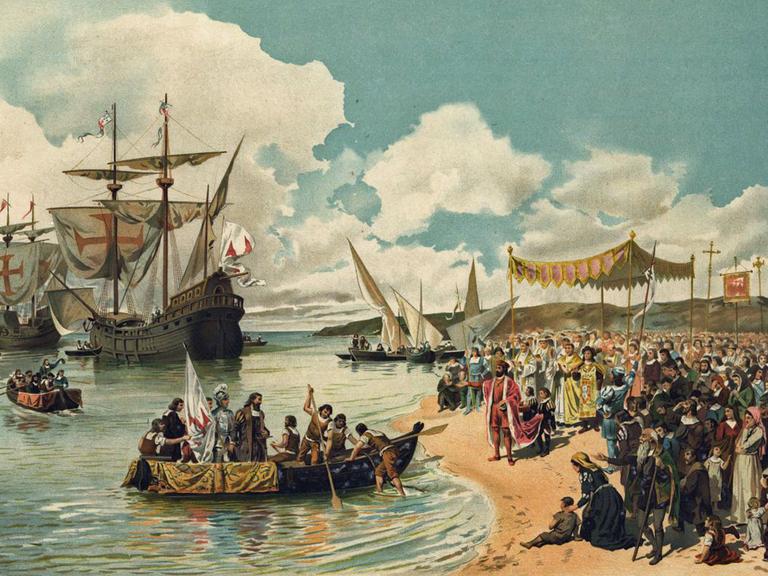
The Portuguese State of India was a Portuguese colonial state on the Indian Subcontinent. Vasco De Gama was the first Portuguese to set foot in India in 1498. However, Portuguese control in India is considered to have lasted from 1505 until 1961. Although Portuguese colonialism outlasted its English counterpart, it had little influence outside of its territories. The Portuguese were the first Europeans to arrive in India and the last to go.

Portugal’s Early Years in India
When Vasco da Gama arrived in Calicut on the Malabar Coast on May 20, 1498, Portuguese colonialism began in earnest. He met with the ruler of Calicut, the Zamorin, and received permission to trade in Calicut. But Vasco da Gama was unable to pay the customs duties and the cost of his merchandise. The Zamorin’s officials detained some of Vasco da Gama’s soldiers when the duties were not paid. This enraged him so much that he kidnapped some Indians and fisherman. However, the voyage was a success in the eyes of the Portuguese authorities in Lisbon. A sea path around the Ottoman Empire was discovered, and the expedition made a profit well in excess of its initial cost.

Expansion of Portuguese Colonialism
Vasco da Gama established a base of operations on the Malabar coast after further conflict with the Zamorin Kingdom. Francisco de Almeida, the first viceroy, placed his headquarters in what is now Cochin. Alfonso de Albuquerque, the second governer of the Portuguese territories in the East, was appointed in 1509. Off the coast of Calicut, a Portuguese fleet led by Marshal Fernão Coutinho arrives. Their orders were quite clear: destroy the Zamorin. The city was levelled and the palace of the Zamorins was taken, but the local soldiers rallied and attacked the invading Portuguese, forcing them to retreat and wounded Albuquerque. In 1510, Afonso de Albuquerque defeated the Sultanate of Bijapur, establishing Goa as a permanent settlement. It would later become the viceroy’s seat and the headquarters of the Portuguese colonial conquests in India. Modern-day Mumbai was likewise a colonial possession until 1661, when it was handed over to the British. From 1799 until 1813, the British conquered Goa for a brief while, eradicating the final vestiges of the inquisition. The capital was moved to Panjim, which was later renamed Nova Goa, in 1843, when it became the administrative center of Portuguese India. For the next century, Portuguese control would be limited to Goa and the enclaves of Diu and Daman.

Cause of Decline of Portugal in India
While the British granted independence to most of India, the Portuguese retained colonial colonies in India. Local anti-Portuguese demonstrations in Goa were violently suppressed. Despite repeated pleas from the Indian government, the Portuguese government, led by dictator António de Oliveira Salaza, refused to hand over its colonial holdings, saying that they were an intrinsic part of Portuguese territory. The invasion of Goa by the Indian troops took place in December 1961. The Portuguese attempted to resist against overwhelming odds, but were quickly crushed by the Indian Army. On December 19, 1961, the Governor of Portuguese India signed the Instrument of Surrender, freeing Goa after 450 years of Portuguese domination in India.

Six books about Black lives in American fiction

359 Racism Protest Illustrations & Clip Art - iStock

Racial discrimination is one of the social evils which had took the lives of a whole lot of innocent people. This evil has not only killed people, it has also made life miserable for many. Even the so called “most civilized society” in the world could not free itself from this social evil and in fact it has been stage for the most alarming cases we had ever heard. There were a whole lot of legislations implemented aiming to prevent this, and it has helped at least for developing a public opinion against racial discrimination.

People around the world have raised their voice against this evil in whatever ways possible and one such strong means was through literature. Several authors have shared either their experiences or some strong stories which had acted as an eye opener for many people. The realistic stories have created an empathetic attitude among general public. Some books are:

The help

The Help is a historical fiction novel by American author Kathryn Stockett. The story is about African Americans working in white households in Jackson, Mississippi, during the early 1960s. The thrust of the book is the collaborative project between the white Skeeter and the struggling, exploited “colored” help, who together are writing a book of true stories about their experiences as the ‘help’ to the white women of Jackson. Not all the stories are negative, and some describe beautiful and generous, loving and kind events; while others are cruel and even brutal. The book, entitled “Help” is finally published, and the final chapters of “The Help” describes the aftermath of the book’s success.

To kill a mocking bird

o Kill a Mockingbird is a novel by the American author Harper Lee. The plot and characters are loosely based on Lee’s observations of her family, her neighbors and an event that occurred near her hometown of Monroeville, Alabama, in 1936, when she was ten. The historian Joseph Crespino explains, “In the twentieth century, To Kill a Mockingbird is probably the most widely read book dealing with race in America, and its main character, Atticus Finch, the most enduring fictional image of racial heroism.” However, reaction to the novel varied widely upon publication.

Uncle tom’s cabin

Uncle Tom’s Cabin; or, Life Among the Lowly is an anti-slavery novel by American author Harriet Beecher Stowe. Published in two volumes in 1852, the novel had a profound effect on attitudes toward African Americans and slavery in the U.S., and is said to have “helped lay the groundwork for the American Civil War”. This is one great book which could not be ignored while we discuss racism.

Roots: The Saga of an American

Roots: The Saga of an American Family is a 1976 novel written by Alex Haley. It tells the story of Kunta Kinte, an 18th-century African, captured as an adolescent, sold into slavery in Africa, and transported to North America; it follows his life and the lives of his descendants in the United States down to Haley. It stimulated interest in African American genealogy and an appreciation for African-American history.

The color purple

The Color Purple is a 1982 epistolary novel by American author Alice Walker which won the 1983 Pulitzer Prize for Fiction and the National Book Award for Fiction. The story revolves around Celie a young poor, uneducated 14-year-old African-American teenager girl living in the Southern United States in the early 1900s. The novel has been the frequent target of censors and appears on the American Library Association list of the 100 Most Frequently Challenged Books of 2000–2009 at number seventeenth because of the sometimes-explicit content, particularly in terms of violence.

Beloved

Beloved is a 1987 novel by the American writer Toni Morrison. Set after the American Civil War, it tells the story of a family of formerly enslaved people whose Cincinnati home is haunted by a malevolent spirit. Beloved is inspired by an event that actually happened: Margaret Garner, an enslaved person in Kentucky, who escaped and fled to the free state of Ohio in 1856. She was subject to capture in accordance with the Fugitive Slave Act of 1850; when U.S. marshals burst into the cabin where Garner and her husband had barricaded themselves, she was attempting to kill her children, and had already killed her two-year-old daughter, to spare them from being returned to slavery.

It is of severe concern that even in today’s world where borders merely exist, people are discriminated and even killed on grounds of their color, caste, creed or race. These books could be an eye opener for all those who believe themselves to be superior than others merely on ground of their genetic roots.

Forgotten Inventions by Indian sages

Many modern-day scientists see themselves as the first to create all the technological advancements we use today. Yet many of the so-called discoveries are nothing more than re-inventions created by examining the knowledge of the ancients. Many things related to science and invention have their origins in the thoughts and imagination of the sages of Ancient India. Indian culture has evolved over the ages by India’s ancient Rishis, who at the banks of its holy rivers had ‘discovered’ the Vedic literature – the very foundation of Indian civilization. The term ‘Rishi’ originally denoted the composers and singers of Vedic hymns. However, the Rishi is also a ‘sage’ to whom the Gods revealed the Vedas (knowledge of the eternal truths about the Creator, His creation and means to preserve it).Some lost works of science by Indian sages are-

Acharya Sushruta – Father of Surgery

Acharya Sushruta was a great Indian Physician and was known to be as the Father of Surgery or Father of Plastic Surgery. The Sushruta Samhita is one of the most important survived ancient texts on medicine and it is considered a foundational text of Ayurveda. He was the world’s first surgeon who performed complicated surgeries 2600 years ago.The Sushruta Samhita has 184 chapters containing descriptions of 1,120 illnesses, 700 medicinal plants, 64 preparations from mineral sources and 57 preparation based on animal sources. It describes thoroughly the surgical techniques of making incisions, extractions of foreign body or particles, how to probe, excisions, tooth extraction, how to remove prostate gland, dilation of Urethral stricture, vesicolithotomy, hernia surgery, how to do C-section (Caesarian for baby delivery), laparotomy, management of intestinal obstruction, perforated intestines and accidental perforation of the abdomen with protrusion of omentum and the principle of fracture management. He also classified the eye diseases including cataract surgery.It is interesting to note that when surgery was not even heard and performed by the other parts of the world, here Sushruta was performing Rhinoplasty and many other challenging operations.

Panini – Father of Linguistics

Panini was an ancient Sanskrit philologist, grammarian and a received scholar in ancient India. He is considered as First Descriptive Linguist and is known as the Father of Linguistics. He is well known for his text Astadhyayi, a Sutra on Sanskrit grammar. He analyzed the noun compounds which is still been followed in the theories of the Indian language. Panini’s comprehensive and scientific theory on grammar is conventionally taken to mark the start of Classical Sanskrit.The Astadhyayi is the oldest linguistic and grammar text of any language and of Sanskrit surviving in its entity. His rules have a reputation for perfection – he described the Sanskrit morphology completely. Panini made use of technical metalanguage consisting of syntax, morphology and Lexicon. This metalanguage is organized according to a series of Meta – rules, some of which are explicitly stated while others can be deduced.The Astadhyayi consists of 3,959 sutras in eight chapters. This text attracted many of the ancient authors to upgrade their text in terms of Language.

Acharya Nagarjuna – Master of Chemical Science

Nagarjuna was a great Indian metallurgist and alchemistHe did his research for around 12 years in the field of chemistry and metallurgy. Textual masterpieces like “Ras Ratnakar”, “Rashrudaya” and “Rasebdramangal” are his renowned contributions to the science of chemistry. He also discovered the alchemy of transmuting base metals into gold. He did his experiments especially on mercury. He distinguished between the metals and the sub metals and also between solvents and soluble. He stated that Mercury could dissolve all metals. He also invented the processes of “Distillation” and “Calcinations”. He was the first person in the planet to use a Mercury as medicine. He found five types of mercury: red and grey were good; yellow, white or multi colored had so much of bad qualities and this should use as a medicine after several treatments.Alchemist or today what we called as Chemist was the Gifts for Nagarjuna. He made several discoveries which was the path to the other discovers to lead in this field.

Baudhayana – Discovered Pythagoras Theorem

Baudhayana was a great Mathematician, who was also called a priest. He is the author of the Sulba Sutra which contained several important mathematical results. He discovered the several concepts in mathematics which was later rediscovered by the other scientist in the western world. The value of the pie was discovered by him. Today all know how to use the pie and where to use (calculating the area and the circumference of a circle). He also discovered Pythagoras Theorem in Sulba Sutra. He provided how to find a circle whose area is the same as that of a square. The other theorems includes the diagonals of rectangle bisect with each other, diagonals of rhombus bisect at right angles, area of square formed by joining the mid points of a square is half of original.The mathematics given in the Sulba Sutras is there to enable the accurate construction of altars needed for sacrifices. It is clear from the writing that Baudhayana must have been a skilled craftsman. He was a great Practitioner.

Acharya Aryabhata – Motions of the Solar System

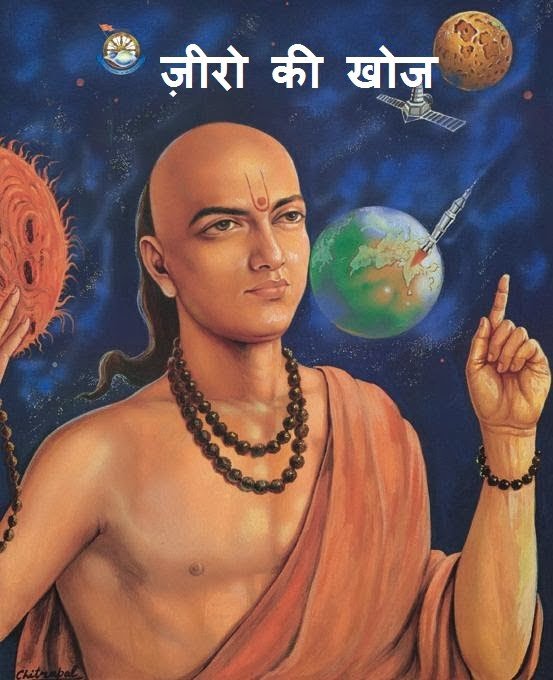
Acharya Aryabhata was the first mathematician astronomer from the classical age of Indian mathematics and Indian astronomy and is not an unknown name. His major work on Aryabhatiya was very successful. It is extensively referred in the Indian mathematical literature and has been survived to modern times.

Acharya Aryabhata correctly stated that the earth rotates about its axis dailyr. He also stated that the motion of the stars are being observed just because the earth is rotating. He was also succeeded in explaining the geocentric model of the Solar System. The positions and periods of the planet was calculated relative to uniformly moving points. He stated that the Mercury and Venus move around the earth at the same speed as of the sun. He was also succeeded in explaining eclipses in terms of shadows cast by and falling on earth. He also mentioned Units of Time or the Sidereal rotation that earth takes 23 hours, 56 minutes and 4.1 second to complete one revolution and the sidereal year has 365 days, 6 hours, 12 minutes and 30 seconds which in turn adds an extra one day every after four years which is called a leap year.Calendric calculation which was devised by him is still being used in India for Practical purposes for fixing the Hindu calendar. India’s first satellite Aryabhata and the lunar crater Aryabhata are both named in his honor.

Maharishi Bharadwaj –Invention of the First Airplane of Earth

In 1875, the Vymaanika Shaastra, a 4th Century BC text written by Sage Bharadwaj was discovered in a temple in India. The book greatly deals with the operation of ancient vimanas and included information on steering, precautions for long flights, protection of the airships from storms and lightning and how to switch the drive of solar energy or some other form of energy.

One of the chapter will reveal the secrets of constructing aeroplanes that cannot be broken or cut, that is indestructible, that is fire resistant. It also deals with the secret of making planes motionless and invisible. It also describes how to defeat the enemy planes etc. as per the Sage Bharadwaj the vimanas were classifies as per the Yugas. During the period of Krita Yuga, Dharma was establishes firmly. The pushpak Vimana which was used by Ravan was an Aerial vehicle. He used this vehicle to kidnap Sita from jungle and took him to his Kingdom Srilanka. Ramayana was during the Treta Yug in which the Vimanas were highly discovered. During this period “Laghima” gave them the power to lighten their vehicle do they can travel freely in the air.In present Kaliyuga both Mantra and Tantra Shakti are almost vanished from the earth and so the ability to control vehicle has also been gone. Today the artificial vehicles are built which is called as Kritaka Vimanas.

https://pravase.co.in/gyan-detail/86/indian-sages-scientist-invention-in-science-medicine