Shashi Tharoor is a writer and that too an extraordinary one. He is a legend and his pen has the power to change the world through his words. He writes others maybe imagine but can not put into appropriate words. He has many published works which are just perfect. One such work of his is the book named An Era of Darkness : The British Empire in India. This book was also published in United Kingdom under the name Inglorious Empire : What the British did to India. It was of course a best seller. This book basically depicts what is in Shashi Tharoor’s mind about the British rule in India. His ideology about the British Empire is written in this amazing work. Through this book he wants us to know about “the origins of the difficulties that confronted India.” , as stated by himself. In simple words, he wants us to understand about the evils of the British Rule in India and how it affected us. He strongly desires an apology from the British, same as whole of the country does. In his opinion, an apology would be most desirable, rather than compensation by cash or other valuables. This book also exposes the corruptions during that period along with questions their claim on superiority.
He deeply explains the way how it all came to the establishment of British Empire and also about why it all happened. He puts light on the manipulations of the British on the people of our country. He has clearly stated in his book that “this book is an argument and not a story.” He argues that the ruling record of the Indian governments is far better than the British. He accepts the fact that the British has in fact paid the reparations in form of aids over the years, but he is adamant that they were not due to guilt. According to Tharoor, India suffered many problems and conflicts due to racism, wars, disputes for kingdoms and other several problems, under the British Rule. He also states in his book that “this just basic knowledge about the history of our country but is still unknown even to the educated Indians.” He stresses on his point of the reparations, by saying that day by day it is getting late to amend things but it’s certainly not that late. The damage is done but can still be somewhat repaired to some extent.
Tharoor has remarked that every single thing the British did and the rules they imposed on the citizens were for their own benefit and not ours. He is right of course in all his arguments. The correct word for the Rule of British in India has to be ‘rotten’. The British Rule and their Empire was rotten in terms of all the policies they put up to follow, all the standards as compared to ours. He has done an impeccable job on the book and made us realize what we had forgotten with time.
Tiananmen square is a city square in Beijing, China. In 1989, there were student-led protests and demonstrations calling for democracy, free speech and free press in China that culminated in this square. The pro-democracy student protestors had marched through Beijing to Tiananmen Square following the death of Hu Yao bang, a former communist party leader who had worked to introduce democratic reform in China. In mourning Hu, the students called for a more open, democratic government and also demanded the resignations of Chinese Communist Party leaders who were deemed repressive and inadequate. For nearly three weeks, the protesters kept up daily vigils, marched and chanted. The event drew around one million participants and was being captured and reported on by news channels all over the world. It had become a global event, but one which would have a terrifying ending.
The Tiananmen Square Massacre
The government had considered negotiating with the demonstrators and offering concessions. However, many in power were opposed to this and decided that to avoid anarchy, the protests needed to be suppressed forcibly. To this end, martial law was declared in Beijing, and army troops were stationed around the city. Initially, attempts by the troops to reach Tiananmen Square were thwarted by the citizens of Beijing who flooded the streets and blocked their way. Eventually however, the Chinese government decided to crack down on the protestors in Tiananmen square with all their might. They sent soldiers and security police that stormed through Tiananmen Square, firing indiscriminately into the crowds of protesters. Tanks and heavily armed troops advanced toward Tiananmen Square, opening fire on or crushing those who tried to block their way.
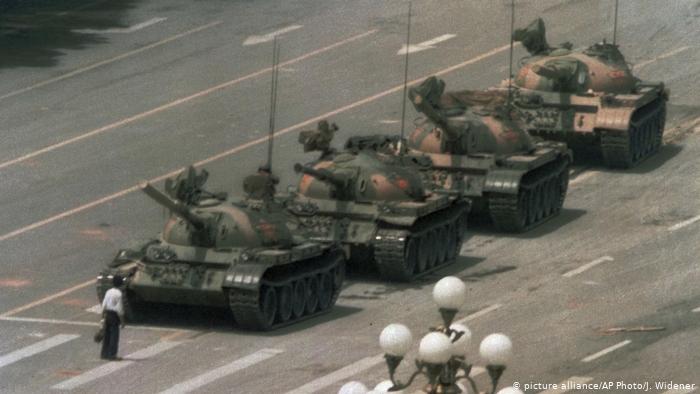
Hence, carnage ensued as tens of thousands of the young students tried to escape the terrorizing Chinese forces. Other protesters fought back, stoning the attacking troops and overturning and setting fire to military vehicles. Once the soldiers reached the square, a number of the few thousand remaining demonstrators chose to leave rather than face a continuation of the confrontation. By morning the area had been cleared of protesters, though sporadic shootings occurred throughout the day. By June 5, the military had secured complete control, though during the day there was a notable, widely reported incident involving a lone protester momentarily facing down a column of tanks as it advanced on him near the square. This incident is now a famous picture that serves as a representation of what happened at Tiananmen (featured image of the article).
The Aftermath
In the aftermath of the massacre and crackdown, the United States instituted economic and diplomatic sanctions on China for a time, and many other foreign governments criticized China’s handling of the protesters. Leaders and governments worldwide condemned the Chinese government’s military actions. Still, the Chinese government arrested thousands of individuals who were suspected to have been involved in the protests, and many of them received prison.
From the outset of the incident, the Chinese government’s official stance was to rationalize their actions, calling the protesters ‘counterrevolutionaries’ and minimizing the extent of the military actions. The government’s count of those killed was 241 (including soldiers), with some 7,000 wounded. However, most other estimates have put the death toll much higher. In the years since the incident, the government has attempted to suppress all references to it, and public commemoration of the incident is officially banned. However, the residents of Hong Kong have held an annual vigil on the anniversary of the crackdown, even after Hong Kong reverted to Chinese administration. It remains a sensitive topic to date in China, and there is little to no discussion or debate about in Chinese public forums. Regardless, everyone in China and in the world knows and remembers the tragic events that occurred in Tiananmen square and the protestors that died while wishing for a better China.
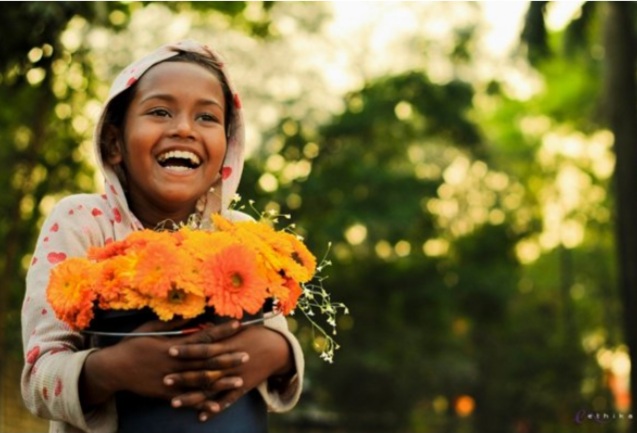
Happiness is a state of mind which we possess when something good happens to us and we feel that goodness at our heart. This is an abstract feeling which is not materialistic and cannot be bought by money or some other possession. Happiness brings with itself a lot of positivity and also provides us with the motivation to go ahead and achieve other milestones. Happiness also maintains the zeal and enthusiasm for doing things and experiencing new paths. Happy state of mind also increases the age of people and lets them live a longer life.
Happiness is a key to healthy life; it sets a soul free and encourages it to explore the world and also gives us power. Happiness is a part of being successful in life it is that fruit which we all want to grow and thus we do so much of hard work throughout our entire life so that we can live a happy peaceful life after all. Happiness cannot be ever faked it comes straight out from our heart and it is priceless. At the end of a hard-earned day all we care for is some peace and happiness in our families and ourselves so that we can start another fresh day ahead.
4 levels of Happiness :
” Happiness is the meaning and the purpose of life, the whole aim and end of human existence” . Of course, there are a number of different types of happiness and each person has different things in life that make them happy and unhappy. It is important for people to be self- aware and to truly understand what makes them happy and content as individuals. Take a look at the different types of happiness below and think about the things in your life that maku you happy.
There are main types of happiness, these being related to; pleasure, passion and purpose.
Pleasure :
Pleasure is important to us human beings but its related benefits are relatively short term. A delicious meal, a nice meeting with friends or listening to our favourite music all produce endorphins and offerus happy moments that can be the highlights of our day. However, these singular moments don’t equate to long- term satisfaction.
Passion :
Being passionate about something whether a hobby cause or group activity and actively being involved with it can be a great source of happiness. These activites deliver contentment in the medium term and provide a sense of achievement and variety in life
Purpose :
Feeling like you are part of something bigger than yourself and that your actions will really matter can lead to a deep sense of fulfillment and long- term happiness. We all like to think that our lives have menaing and if you can find your ” calling” or be part of great team, group or organisation that are making a difference then chances are you will be truly happy.
Ultimate Good :
The fourth level of happiness is known as ultimate good. This is a fundamental desire we have as human beings for perfect truth, goodness beauty and love . Many people find this form of happiness through their religious beliefs. Even those who don’t believe in a higher power can find happiness in their pursuit of truth, beauty, love and goodness in themselves and in helping others. This level is happiness is often considered the most enduring and profound.
Different types of Happiness :
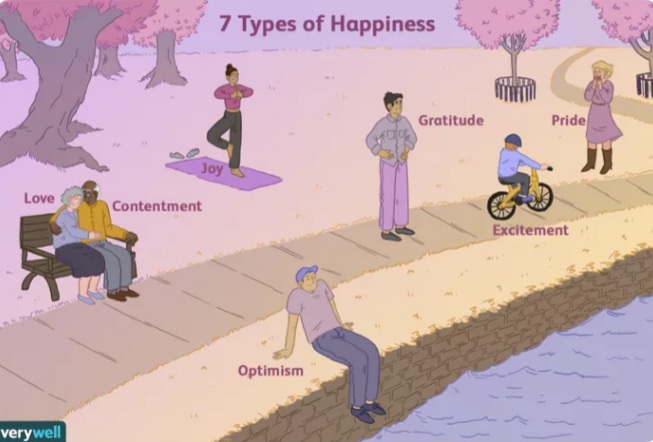
1. Joy :
Joy is when you win a hard- fought competition, you finally accomplish a project you’ve wanted to or times when you doible over in uncontrolled laughter when someone relates a hilarious story. Joy makes you feel great about yourself, makes you feel confident, assertive, capable, loved and fulfilled.
The feeling of joy is fleeting joy is presemt at the moment. It is possible to feel joy despite grief or uncertainty. Happiness can be found in many things. It transforms tough times into blessimgs and turns heartache into gratitude.
2. Love :
Second, on the list pf different types of happiness is love. Which means other things to different people still, a wholesome ,reciprocared love with another person seems to be the fundamental predictor of happiness. Here, we are not just talking about romantic love, it means to love with friends and family, as well as partners. When you’re in love, you’ re blissfully happy all the time.
3. Contentment :
The secret of Happiness is contentment which means a state of happiness or satisfaction . It isn’t a matter of being satisfied with what you have. Contentment not only holds the power tobmake you happy, but it will transforms your life in many ways.
4. Optimism :
Optimism is a type of happiness that reflects the belief that events or experience outcomes will generally be positive. The key to attaining happiness is to have an optimistic approach to life, as optimism reflects hope and faith, helping people believe that this world is the right place
5. Gratitude :
Gratitude creates positive emotions, like different types of happiness, joy, love, and contentment, it can undo the hold of negative emotions. It goes hand in hand with mindfulness in its focous on the present and greatfulness for what we have now, rather than wanting more and more.
6. Excitment :
Excitment can be anything from about a new job or moving to a different place and motivates youbto work harder and channel that positive energy into more constructive activity. Excitements is fleeting. It dissipates rather quickly and can turn into ennui. It sometimes acts as a motivating factor , and execitment often leads people to likely make a decision. Even a bad one as excitment leads to impulsivity.
7. Pride :
Last on the list of different types of happiness is pride. Yes, pride and happiness go hand in hand. You can take pride in your work and your family, your haome and yourself, and in anything you put effort, attention, and love into. It is a positive feeling in reactive to a jouous event.
There are 7 essential keys to happiness and successthat will help to materialize both those things in your life:
* Gratitude.
* Be present
* Manage time Effectively
* Set smarter Goals
* Embody an Empowering morning Routine
* Tackle the MITs
* Focus on Health and wellbeing.
To get the most bang for the happiness buck, I’ve realized that I should complete four stages of reveling in a moment of happiness :
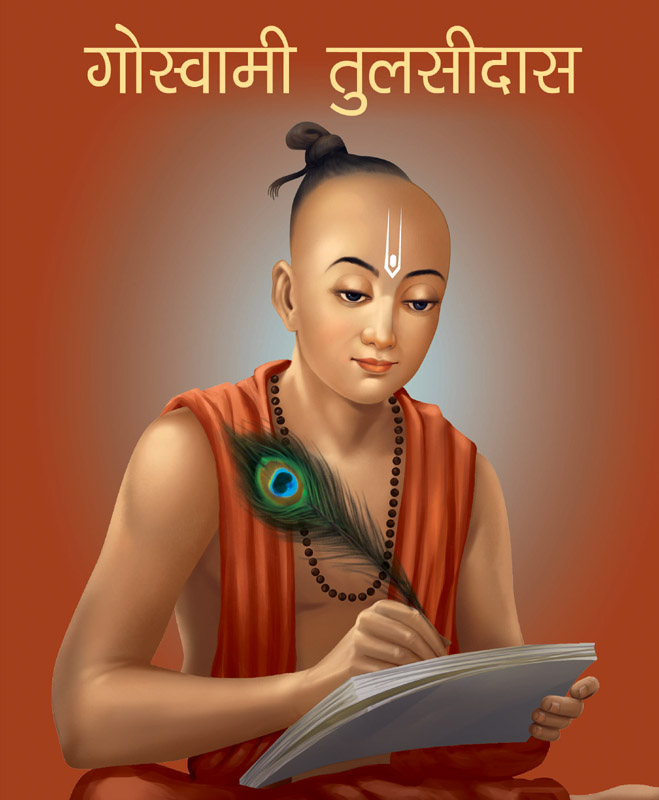
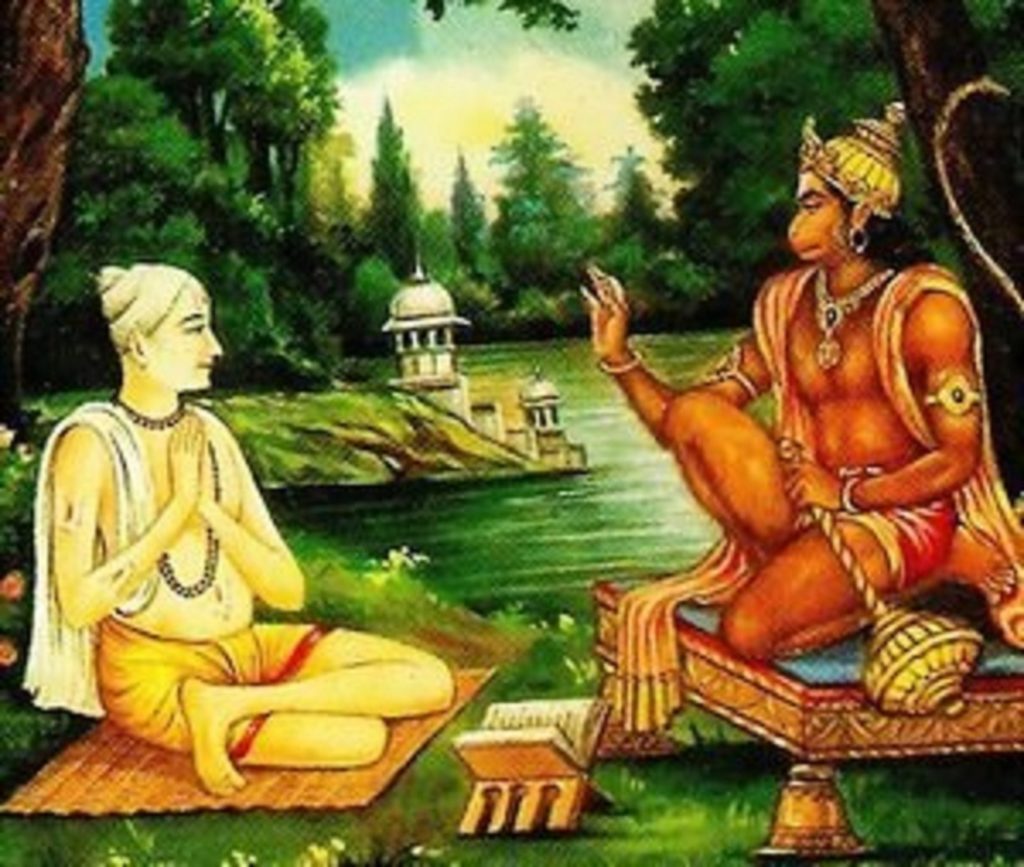
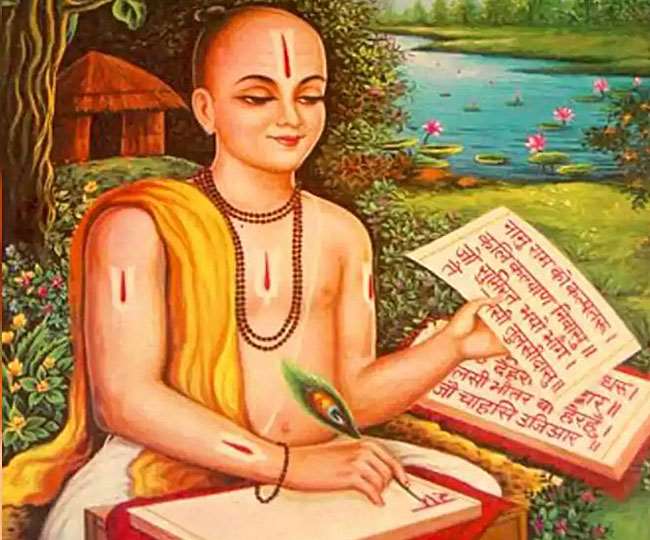
Tulsidas or Goswami Tulsidas was a 16th century great Hindu poet and saint, acclaimed as one of the Greatest Poet in Hindi, Indian and World literature. He is renowned for his dedication and devotion to the Lord Ram. He wrote several popular works in Sanskrit and Awadhi but is best known as the author of the epic Ramcharitmanas, a retelling of the Sanskrit Ramayana based on Rama’s life in the vernacular Awadhi. The word Ramcharitmanas literally means “lake of the deeds of Ram”. He is also considered to be the composer of Hanuman Chalisa, a popular devotional Hymn, dedicated to Hanuman- the divine devotee of lord Ram.
According to the sources, Tulsidas was born in the year 1497 at the banks of the river Ganga in Varanasi, Uttar Pradesh. After he was born, instead of crying he spoke the word “Ram” because of which he was named as “Rambola” meaning “one who utters Ram”. Tulsidas’s parents abandoned him after his birth because according to the Hindu Astrology he was born under the Abhuktamula constellation which was believed to cause immediate danger to the life of his father. He was sent away with Chuniya, a female servant who used to work at Tulsidas’s home. She took him to her village of Haripur and looked after him for five and a half years after which she died. Tulsidas was left to fend himself as an impoverished orphan and wandered from door to door begging for alms. It is believed that the goddess Parvati assumed the form of a Brahmin woman and fed Tulsidas every day.
At the age of five years, Tulsidas was adopted by Narharidas, a Vaishnava ascetic(worshiping the god Vishnu), of Ramananda’s monastic order who was believed to be the fourth disciple of Ramananda or alternately the disciple of Anantarcharya. Tulsidas was given the “Diksha” that is “initiation” and here he was given the name “Tulsidas”. His Guru repeatedly narrated the Ramayan to him which led him to understand it. Tulsidas later came to the sacred city of Varanasi and studied Sanskrit Grammar, scriptural reading of four Vedas, six Vedangas, Jyotisha and the six schools of Hindu Philosophy over a period of 15-16 years from Guru Shesha Santana who was based at a Ghat in Varanasi. After studying, by the permission of his Guru he started to live with his family and narrated the story of “Ramayan”.
Tulsidas got married to Ratnavali and they had a son named Tarak who died as a toddler. Once when Tulsidas had gone to a Hanuman Temple, Ratnavali went to her father’s home with her brother. When Tulsidas came to know about this, he Swam across the Yamuna river in the night to meet her. Ratnavali chided Tulsidas for this, and remarked that if Tulsidas was even half as devoted to God as he was to her body of flesh and blood, he would have been redeemed. Tulsidas left her instantly and left for the holy city of Prayag. Here, he renounced the Grihastha stage(householder’s life) and became a Sadhu(Hindu ascetic).
Tulsidas started composing poetry in Sanskrit in Varanasi on the Prahlada Ghat. Tradition holds that all the verses that he composed during the day, would get lost in the night. Tulsidas dreamt of composing a poetry in the vernacular instead of Sanskrit. Tulsidas woke up and saw both Shiva and Parvati who blessed him. He is also credited with having composed a number of wise saying and ‘Dohas’ on lessons for life.
Tourism is one of the main sources of economic strength in any country . Everyone loves visiting new places . People are usually attracted to historical tourist places for their rich history, beautiful stories and unsolved mystery . India also has a very eventful history which is till now remembered as there are many living proofs left behind of time . there are many archaeological sites, monument, buildings in India which holds this historical events in bright light in front of our eyes .Let’s talk about some of them —
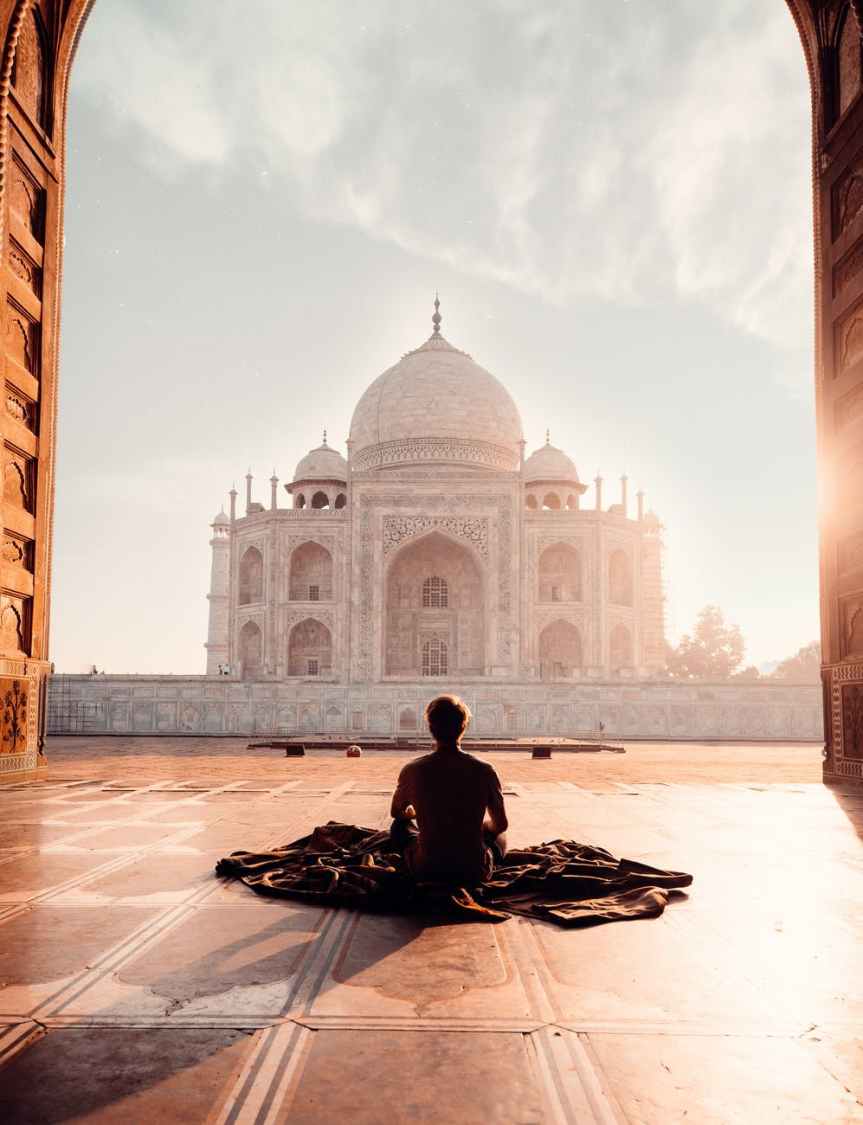
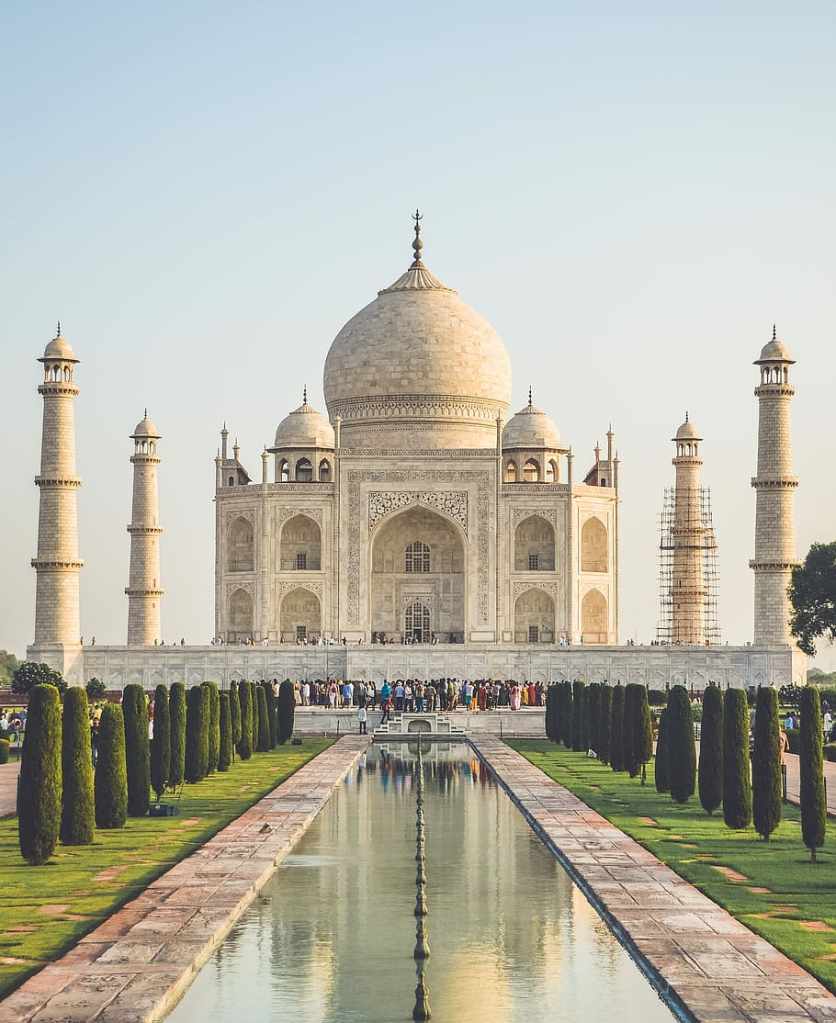
TAJ MAHAL : It is situated in Agra in New Delhi . It is one of the seven wonders of the world .It was acknowledged as a World Heritage site by UNESCO in 1883 . Mughal emperor Shah Jahan built it for the memory of his lovable wife Mumtaz Begum . It is built at the bank of the Jamuna river . Its construction started in 1632 and the whole Taj Mahal Complex was completed in 1653 .The architect of this Majestic Mahal is Ustad Ahmad Lahauri . The measurement of the whole complex is 17 hectares .In the current Indian currency It is 70 billion rupees to build the whole Taj Mahal . Shah Jahan tomb and Mumtaz tomb , both are inside a beautiful chamber of Taj Mahal .
Taj Mahal
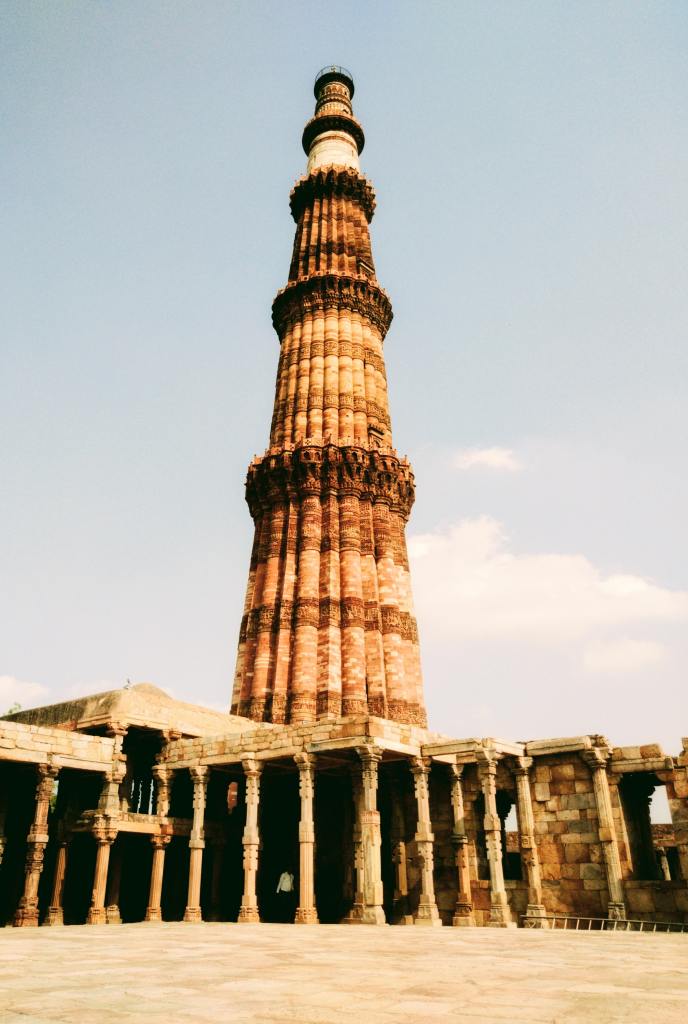
2. KUTUB MINNAR : It is situated in Mehrauli of New Delhi . It is also accepted as a World Heritage site by UNESCO . Its total height is 72.5 and it is the tallest brick made minar in the whole world .Its construction was started in 1199 by the founder of Delhi Sultanate , Sultan Qutb Ud-Din Aibak & was finished by his son-in-law Iltutmish in 1220 by adding the upper three additional stories in the minar .It was founded and the victory min for foundation of Delhi Sultanate .
Kutub Minar
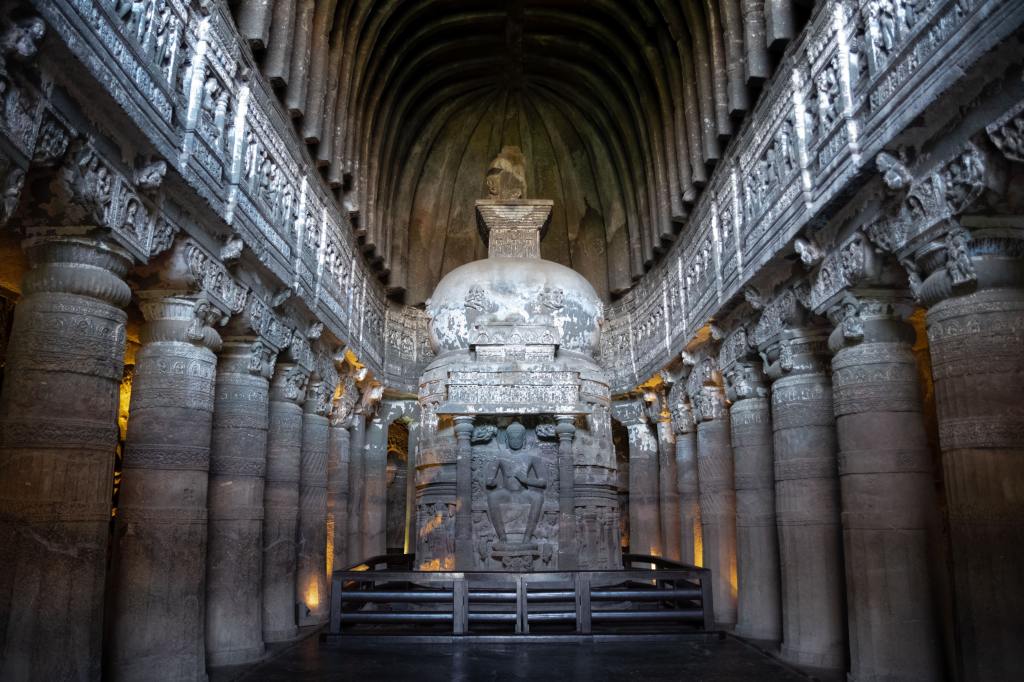
3. AJANTA CAVES: It is situated in Aurangabad, Maharashtra.It is the mixture of Buddhist, Jain and Hindu religion.Mainly Buddhist monuments can be found here. It is also acknowledged by UNESCO as a World Heritage site and now under the surveillance of the Archaeological Survey of India. It was founded in two parts in between the time of 2ndbeforeChrist (BC) to 6th AD. It has more than 29 caves.It depicts the finest art culture of ancient Indian civilization. There are lots of wall paintings and stone sculptures which show important historical events or common daily life events.
Ajanta Caves
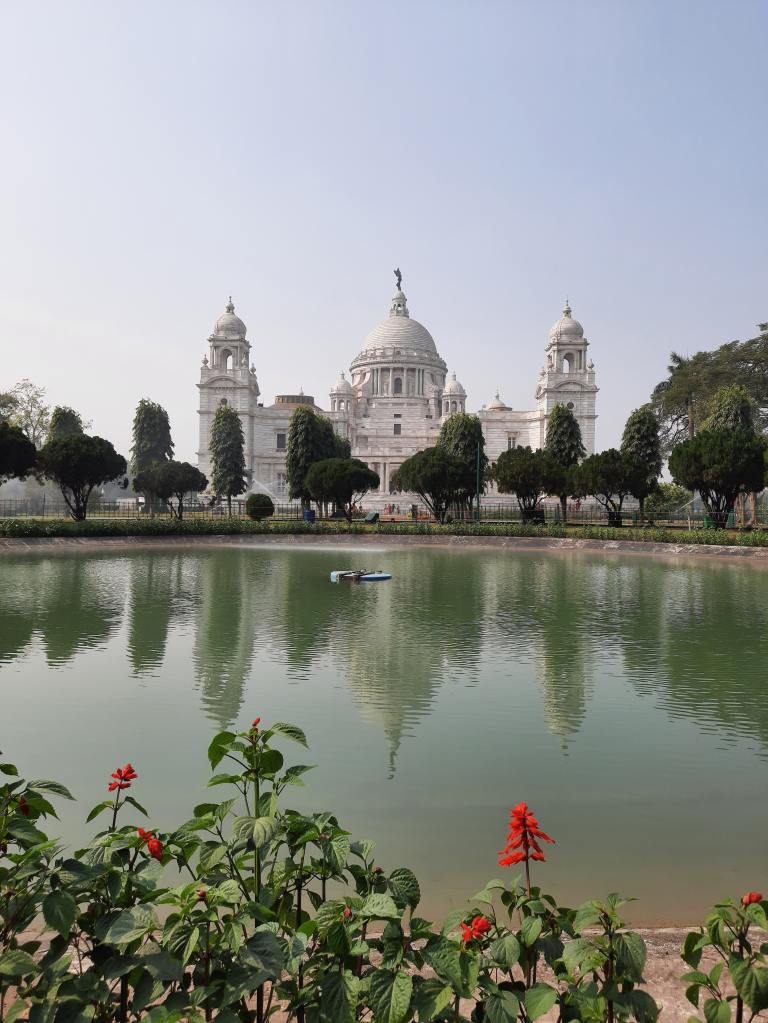
4. VICTORIA MEMORIAL HALL: It is situated at Jawaharlal Nehru road in Kolkata.It is under the survey of ministry of culture. It was built between 1906 to 1621.The architect of Victoria Memorial Hall or William Emerson and Vincent Esch.This Museum is made entirely by white marble. This was founded on the occasion of 25 years rule by a British Queen Victoria all over India.It consists of a beautiful garden and 25 galleries like Royal galleries, portrait gallery,sculpture gallery, which have collections of many antique books,work collections of famous peoples and portraits etc.
Victoria Memorial Hall
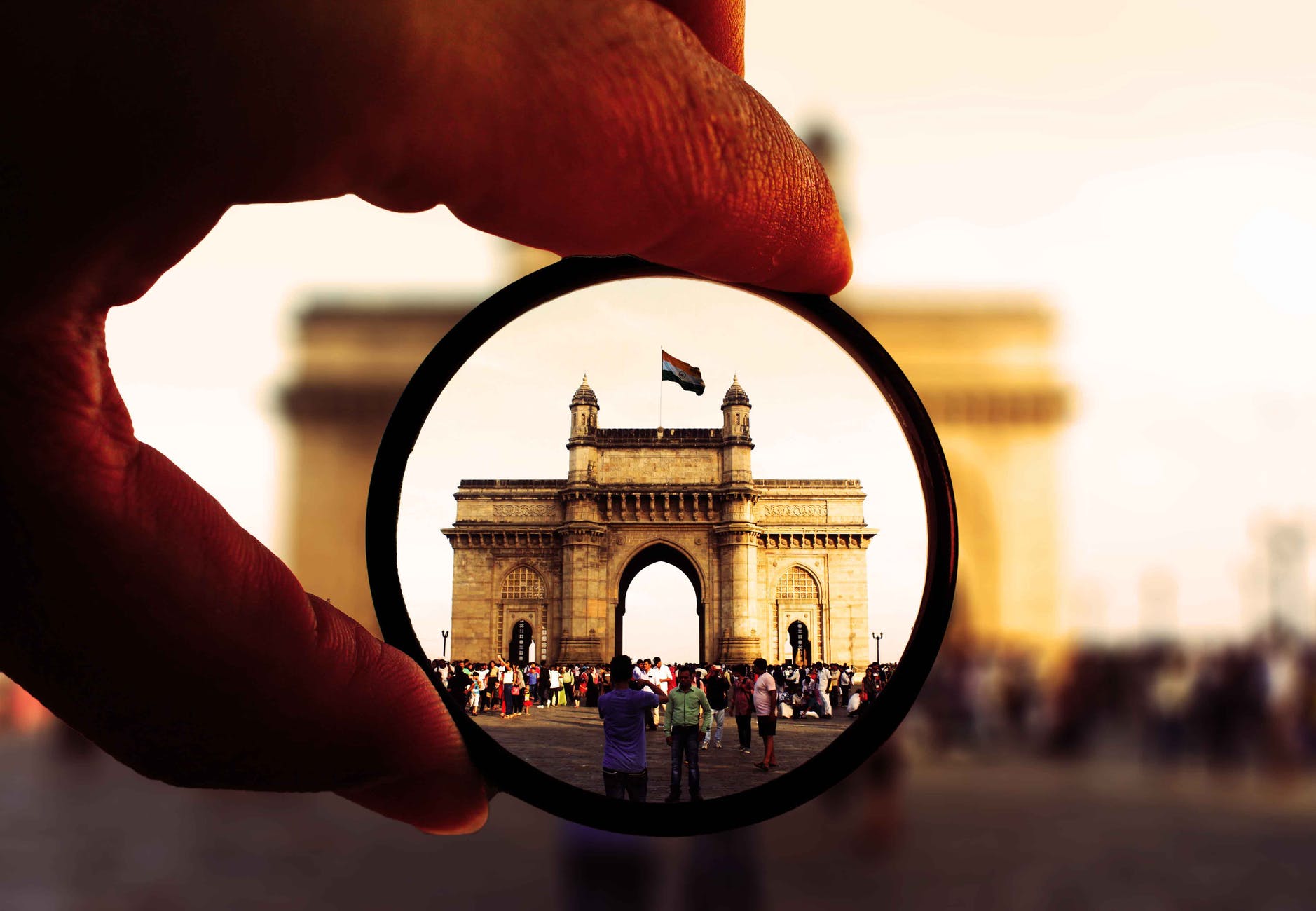
5. GATEWAY OF INDIA: It is situated in Mumbai renowned architect George Wiffet had made the Gateway of India.It was constructed for commemorating the visiting of welling for Pier by Emperor George V and his Emperie Mary in 1911. They were the first British Monarch who visited India.The construction of it finished in 1924 and now owned by Archaeological Survey of India.It is the symbol of Mumbai city.
Unemployment has become one of the biggest problems around the world. When an individual is an implied, he or she will know very less about the mankind. It is so difficult to face situation and handle situations when the individual is unemployed. Unemployment leads to many silly mistakes. And an unemployed person cannot take over the family and lead the family as well. There is a huge competition in highly populated countries like India. In order to be employed, the only method is to study hard and improve the skills and score better. Basically, the students are not showing good amount of interest towards the studies. Let us now see how to motivate them.
Covid crisis has made many people unemployed. It has taken away the basic need of living. Many people are left with the unfilled stomachs. Some people are dead about by not finding a way to live.
Types of unemployment :
There are four main types of unemployment in an economy frictional, structural, cyclical, and seasonal and each has a different cause.
1. Frictional unemployment :
Frictional unemployment is caused by temporary transitions in workers lives, such as when a worker moves to a new city and has to find a new job. Frictional unemployment also includes people just entering the labor force, such as freshly graduated college students. It is the most common cause of unemployment, and it is always in effect in an economy.
2. Structural unemployment :
Structural unemployment is caused by a mismatch in the demographics of workers and the types of jobs available, either when there are jobs available that workers don’t have the skills for, or when there are workers availabes but no jobs to fill. Structural unemployment is most obvious in industries undergoing technological advancements.
3. Cyclical unemployment :
Cyclical unemployment is caused by declining demand. When there is not enough demand in an economy for goods and services, businesses cannot offer jobs . According to keynesian economics , cyclical unemployment is a natural result of the business cycle in times of recession: if all consumers become fearful at once, consumers will attempt to increase their saving at the same time, which means there will be a decrease in spending, and businesses will not be able to employ all employable workers.
4. Seasonal unemployment :
Seasonal unemployment is caused by different industries or parts of the labor market being available during different seasons. Fot instance, unemployment goes up in the winter months, because many agricultural jobs end oncr crops are have harvested in the fall, and those wotkers are left to find new jobs.
Consequences of unemployment in an Economy :
Low unemployment is key to economic stability High and long- term unemployment can cause significant stress on a nation in three key areas.
* Individuals :
Unemployed people have no ability to fulfill their financial obligations and can become mentally stressed, ill, and even homeless.
* Economic efficiency :
During times of high unemployment many job seekers will accept new jobs below their skill level, a situation called “underemployment ” which translates to a loss of human capital for an economys labor market. Unemployed workers will also significantly decreases their consumer spending, which is one of the driving forces of economic growth. Without consumer spending, the economy will slow dramatically.
* socio- political stability :
If unemployment remains high, citizen dissatisfaction can rise to the point of widespread civil unrest.
Possible solutions for Unemployment :
Solving unemployment is a hotly debated topic, and no economists agree on one simple way to do it. However, in the U.S ,if unemployment rises noticeably, the government usually steps in with specific policies designed to lower the total number of unemployed people.
1. Monetary policy :
Monetary policy is financial influence implemented by a central bank . Monetary policies usually come in the form of lower interest rates, which increase the total money supply within an economy by allowing banks and businesses more access to loans and therefore, more accessible spending power.
2. Fiscal policy :
If expansionary monetary policy doesn’t adequately lower the unemployment rate government agencies will turn to fiscal policy. Fiscal policy is fiscal stimulus implemented by the national government and fiscal policies include spending on infrastructure, proposingtax cuts , increasing the minimum wage, or implementing unemployment benefits. These methods are designed to inject more demand into private economy and strengthen economic activity.
Let us now see some of the ways to motivate the students to study and get employeed.
• Make things easier :
Showing the things easier and explaining them with clarity helps the students to show better interest on the subject and makes them to pay more attention on what the teacher is trying to convey. When the topics are shown easier for the students, they start learning them and they feel achieved and they pay more attention to study. When a student learns a particular topic or a question, he/she feels comfortable and happy for getting it. Once if they start reading, they develop the interest in them and they continue to read more and more.
• Tell the importance :
The students must be motivated with good number of words to understand the need of studying and what happens if they don’t study. A student is like a bird without the wings when they don’t study. So, it is very important to motivate students to study and to make them understand the need of the situation. Motivation brings the right change in the students who are not interested in learning. It develops the interest in them to study.
It seems good if the government provides good number of jobs.
In the course of its long history, the Hindi Cinema has gone through constant evolutions and is still witnessing massive socio-cultural changes, however, from substantive and insular point of view; the Hindi Film Industry still retains its own unique and peculiar characteristics. Since the beginning, the Hindi Cinema has drawn its inspiration from the styles and aesthetics of the mega diverse Indian culture.
In general great emphasis has been put on classical Indian traditions over the years including Indian storytelling, epics, and poems and like. Although movies came to India in July 1896 as famous French Lumiere Brothers screened their short films in Watson Hotel, Mumbai, the first ever Indian film was ‘Raja Harishchandra’, a mythological film released in 1913 directed by Dada Saheb Phalke, who is often called as the father of Indian Cinema.
Film Poster of Raja Harishchandra, 1913.
Raja Harishchandra being a silent film had Hindi, Marathi and English interfiles. In 1905, filmmaker Hiralal Sen documented “Swadeshi Movement of India” and screened it at Town Hall, Calcutta on 22nd of September which is considered as India’s first political film. H.S. Bhatavdekar’s first movie and the first film by an Indian Filmmaker was shot in 1899 in which he shot a Wrestling Match in Mumbai’s Hanging Gardens. By the 1930s, the industry was producing 200 films per year and it was in 1931, the industry had its first sound film named ‘Alam Ara’ by director Ardeshir Irani which had a mixture of both Hindi and Urdu.
Alam Ara, India’s first Sound Film. (1931)
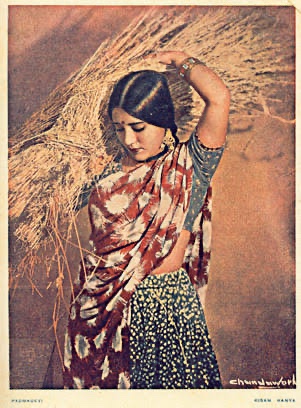
Since then the talkie films quickly were in high demand by the audience mostly in big cities and hence the industry permanently switched to sound films. The first ever Hindi color film was released in 1937 by Ardeshar Irani named “Kisan Kanya ”, however the colour films became popular among the audience only in late 1950s and early 1960s. The industry has also witnessed the breakdown of the studio system and complete on location shooting over the years. At present, Hindi Cinema produces over 1000 movies per year.
A still from Kisan Kanya (1937).
The Song and Dance Sequences
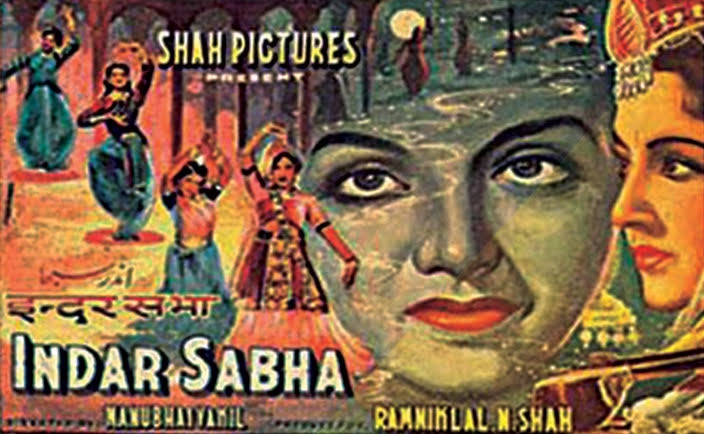
As mentioned earlier, the Hindi movies have always been a reflection of Indian culture and so hasn’t been any Hindi movie without a song till date. Two of the major characteristics of Hindi Cinema are songs and dance sequences. In fact, these two unique features are considered as the ‘peculiarities’ of Hindi Cinema which separates it from Hollywood or any other foreign film industry. In earlier times whenever there was a requirement of steamy scenes in movies, the protagonists, that is the hero and the heroine used to indulge into a song and dance sequel. The song and dance sequences pop up here and there according to necessary requirements and situations. The 1932 movie Indra Sabha was one of the first Indian movies with over 70 songs.
Film Poster of Indra Sabha (1932).
Truly, Hindi Cinema has entertained audiences worldwide for more than a century now. Informally and popularly known as Bollywood, Hindi Films will always have a special place in hearts of millions of Bollywood fans!
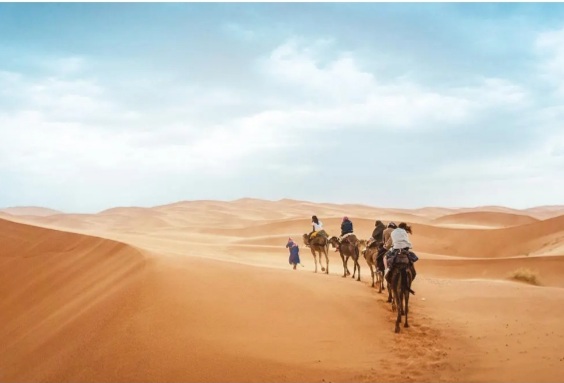
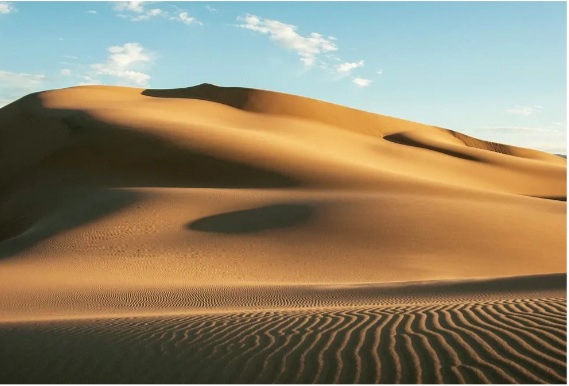
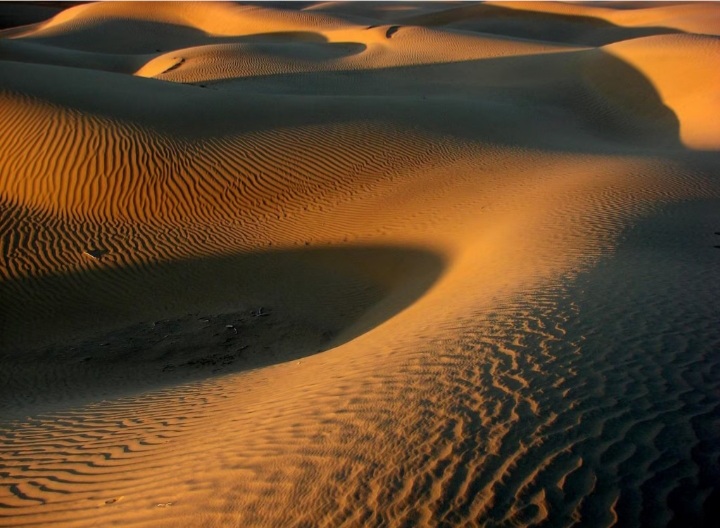
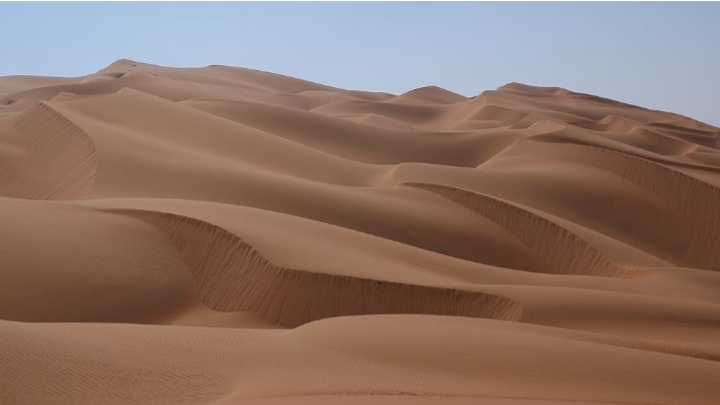
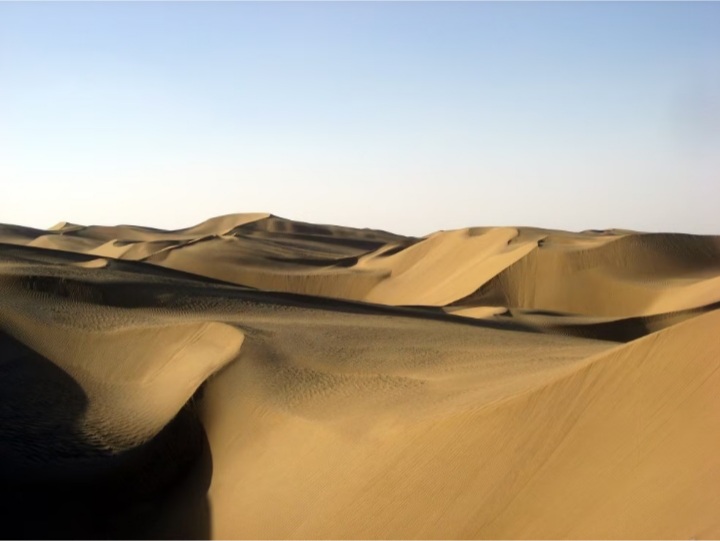
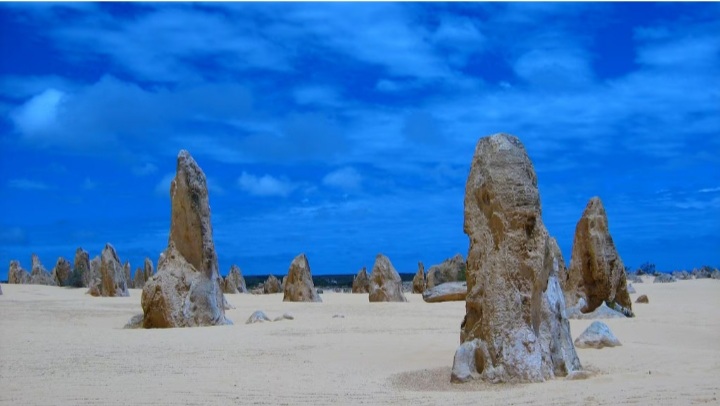
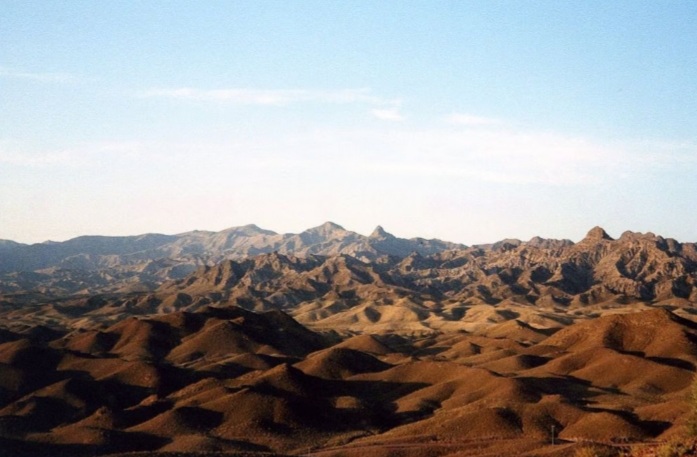
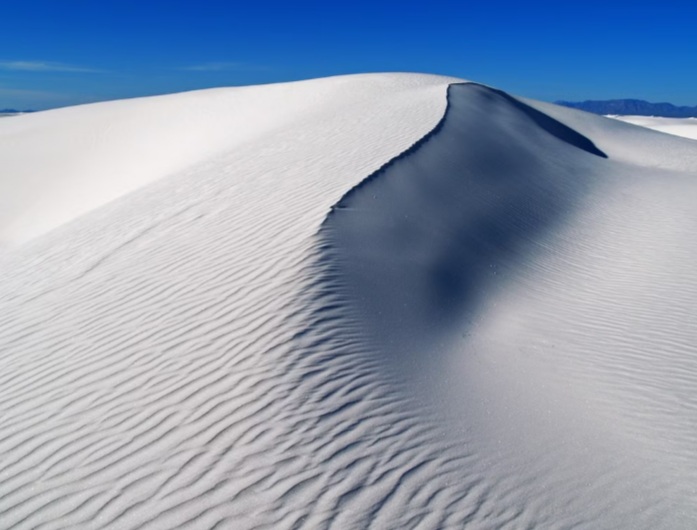
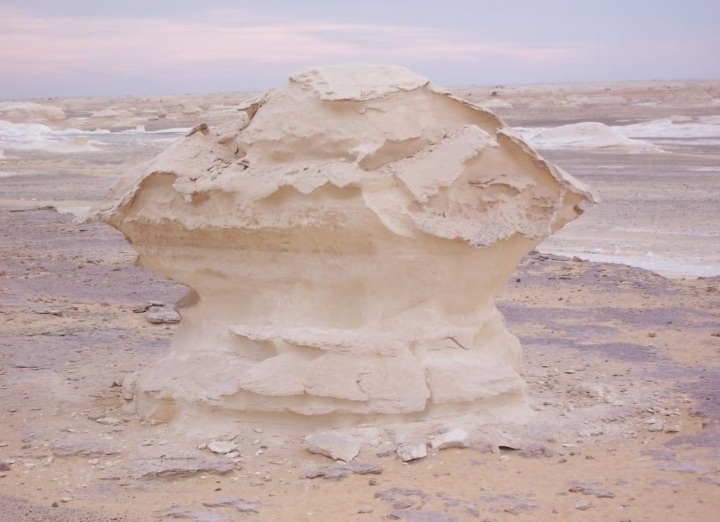
In the world we find varied geographical regions which includes mountains, plains, deserts, plateaus all with their own physical features. Desert is basically a piece of barren land which is filled with sand and lacks water bodies and have dry weather all along. In day time deserts are extremely heated up and at night it becomes chilling cold at the same place. In the Indian subcontinent we find desert in the western part of the subcontinent in the state of Rajasthan.
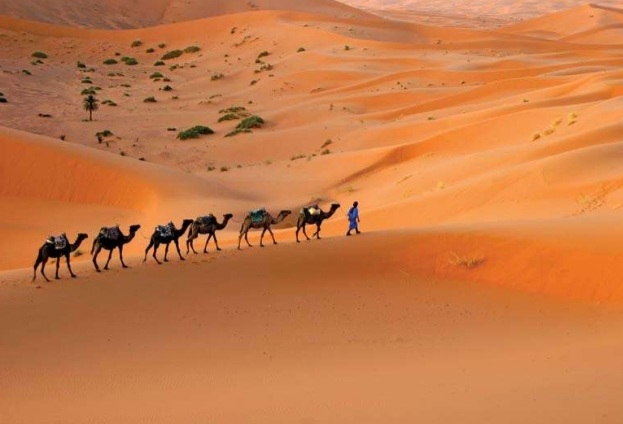
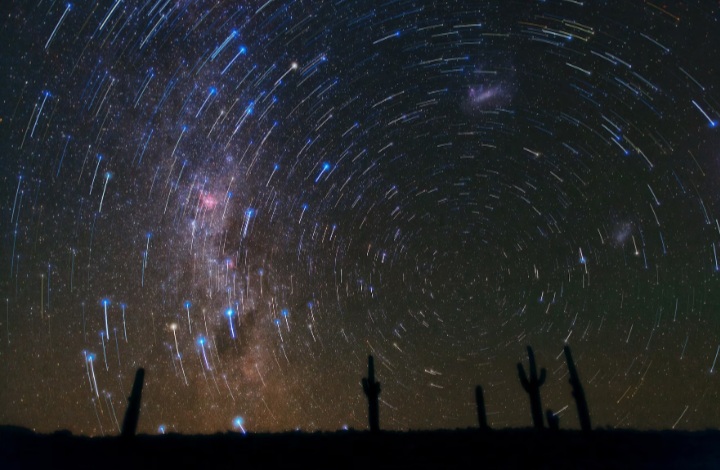
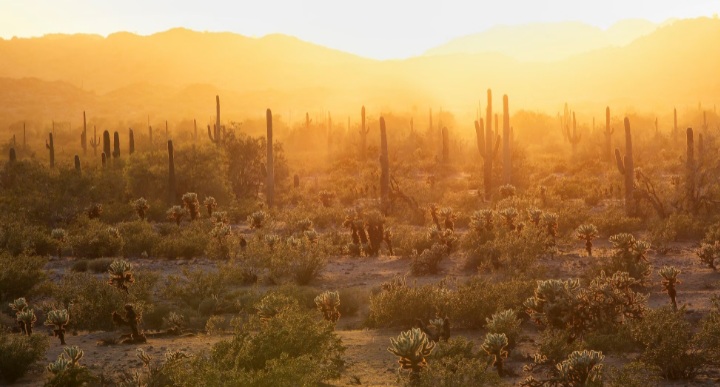
The animals and plants in the deserts have their own adaptations, among plants we find a variety of cactus, cactus plants have special adaptations to survive in the desert, they have fleshy stem which holds water in them which turns out to be useful when there is scarcity of water also they have very long roots which can penetrate deep inside the soil in search of water also they don’t have leaves and have thorns in place of them in cactus the food is prepared in the step as it contains chlorophyll and is green in color. Also, we find camel in desert their feet have adaptation to walk on the sand also they can survive with less water and they have long eyelashes to protect their eyes from dust storms.
Types of Deserts :
1. Coastal Deserts :
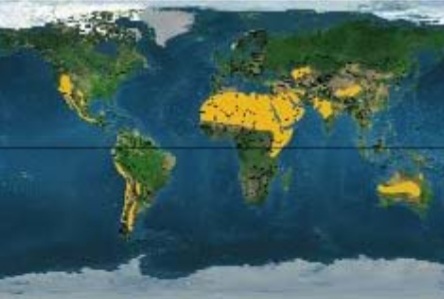
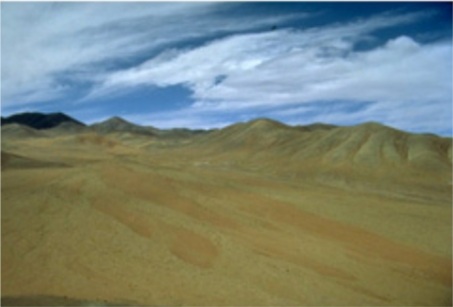
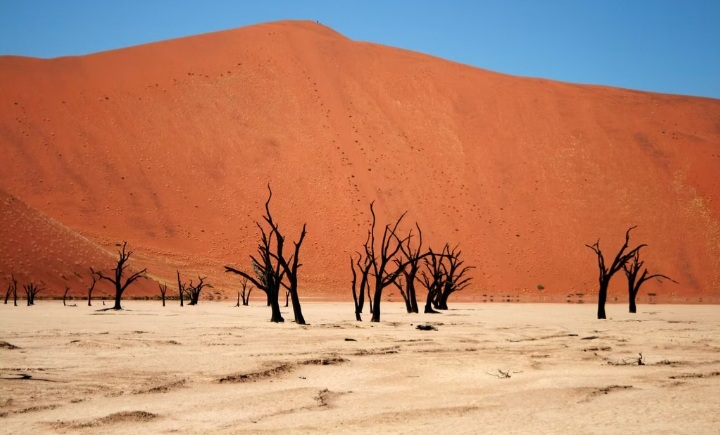
Coastal deserts occur in cool to warm areas along the coast. They have cool winters and long, warm summers. Coastal deserts are located on the west coasts of continents between 20° to 30° lattitude. Winds off the coast blows in an easterly pattern and prevents the moisture from moving onto the land. The Namib desert in Africa and the Atacama desert in chile are coastal deserts.
2. Subtropical Deserts :
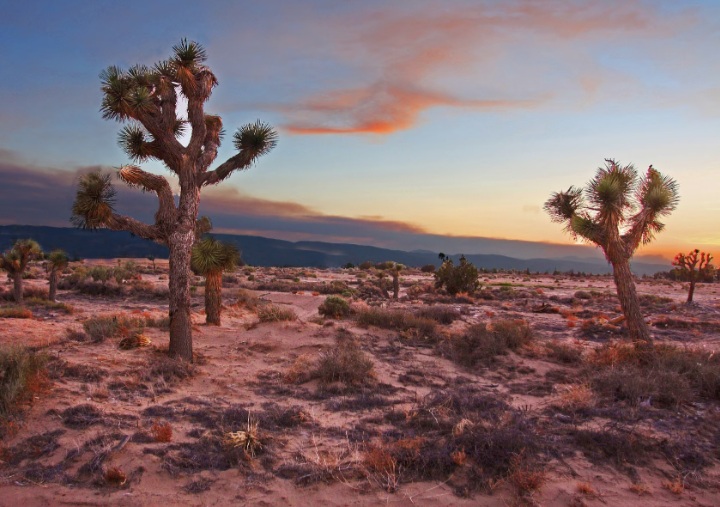
Subtropical deserts the hottest deserts. They are found in Asia, Australia, Africa and North and south America. In the united states, the chilhuahuan, sonoran and Mojave are all subtropical deserts. Subtropical deserts are very hot and dry in the summner and cooler but still dry in the winter. Rainfall happens in short bursts. The air is so hot and dry in these deserts that sometimes rain evaportaes before it even has a chance to hit the ground. The soil in subtropical deserts is usually either sandy or coarse and rocky.
Plants and animals in subtropical deserts must be able to withstand the hot temperatures and lack of moisture. Shrubs and small trees in the subtropical desert usually have leaves adapted to retain moisture. Animals in sbtropical deserts are usually active at night, when it is cooler.
3. Cold wintet Deserts :
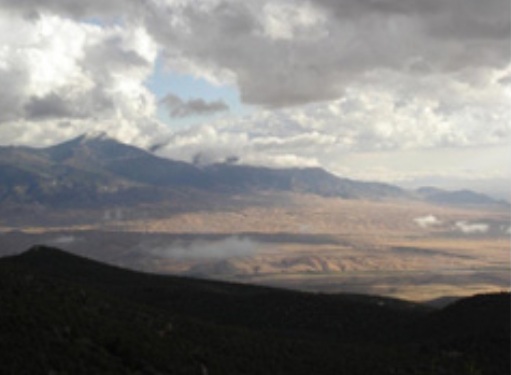
Cold winter deserts are also known as semiarid deserts . They have long, dry summers and cold winters with low rain or snowfall. In the united states the Great basin, the colorado plateau and the Red Desert are all cold winter deserts. Other cold winter deserts include the Gobi desert in china and Mongolia and the patagonian desert in Argentina. The lack of rainfall in cloud winter deserts is often caused by the rainshadow effect. The rainshadow effect happens when a high mountain range stops moisture from reaching an area. The Himalayan Mountain prevent rainfall from reaching the Gobi desert.
4. Ploar Deserts :
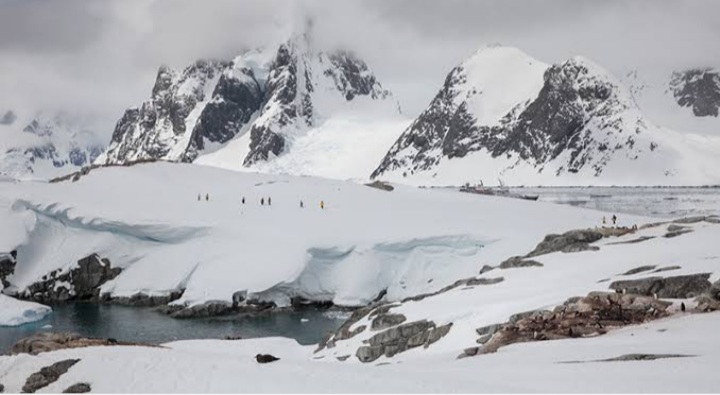
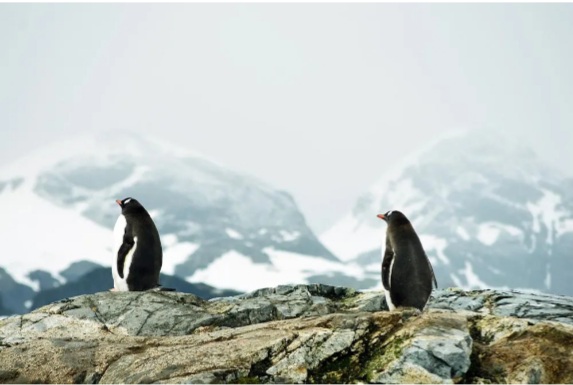
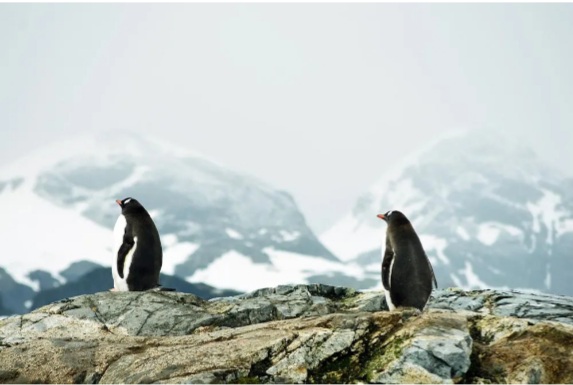
Polar deserts are found in the Arctic and Antarctic regions. Like warmer deserts, they also get very little precipitation.polar deserts are cold year- round.
Largest Desert in the world :
The antarctic polar Desert, which makes up the vast majority of Antarctica, is the largest desert in the world. In fact this single desert is larger than the combined size of the Gobi Desert, the Arabian Desert, and the sahara Desert.
* The driest desert of the world Atacama is surely the most dangerous desert of all.
The strongest animal in the Desert :
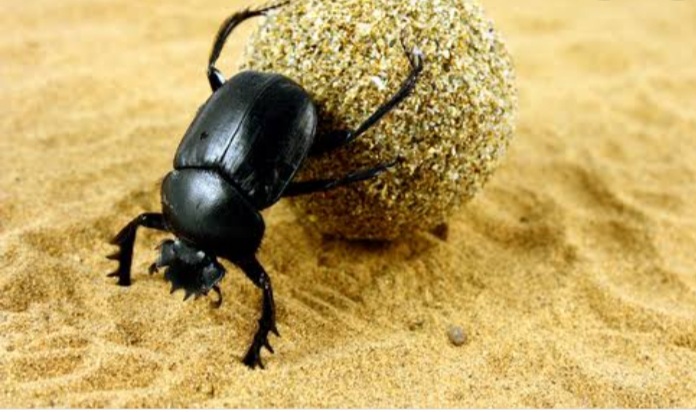
Based on strength to weight ratio, the dung beetle of the scarab is the strongest creature on earth. They can lift 1141 times their own body weight. It helps them a lot in finding the mate and food. The dung beetles also constitute a large percentage of scarab family.
The 7 hardest Animals to Hunt :
* Leopards
* Mountain Goats.
* Elk
* Eland.
* cape Buffalo
* Roan and sable
* Bears.
what can kill you in the Desert?
Aside from the oppressive heat and lack of water, the desert is also full of critters that can bite and sting. Some of these guys can even kill you if you aren’t able to find medical help. Spiders, scorpions, centipedes, and snakes are all found in dark places , abandoned builidings and under rocks.
Every living creature living in this universe is divided into different fragments of communities and societies. These societies are present in different countries and parts where we are all unique by the language and culture which we follow which represents our originality.
One thing which we all are united with each other is “Music”. It is one simple form of Art that makes all of us as one human being Community. The beautiful thing about Music is that it doesn’t need any language to be understood neither one tries to understand, rather music is a language of the heart. It is a feeling that everyone connects when they hear music.
Music in Diversity
A language, country, and Culture have always made a bridge among people and created consequences and war between them, but the only thing which unities all humans and breaks these boundaries are the presence of Music.
In Today’s era, we are all Living in Multicultural communities where we have different types of music tastes and our preferences are unique just like us, We have people around us who listen to different types of music which don’t match with ours, yet we are all united by music.
Music always creates a sense of belongingness among each other, even though we are unaware of each other’s religion, language and country but through music, it keeps us closer to each other.
We all have some kind of music that connects to our hearts and feelings, we get more connected because the magic a musician uses connects with our own life.
Music is a medium through which our soul remains blissful and we feel stressed from our bustling lives.
For decades, Music is one of those art forms which have revolutionized in many versions but have always gained popularity due to the sense of connectedness between the audiences and the Musicians.
Dated back then, when people used to watch operas which were one of the common elite forms of entertainments, which not only portrayed music but traveled through many stories through the tune of every string played through the music Instruments.
Music took a major role in plays and dramas, which is still Engraved in our magnificent history. It has also contributed a massive hand in legends of Literature. There were many prominent writers like Jane Austen and Pablo Neruda who claimed music as one of the key factors of human harmony.
Music always renovates as the decades passed by, presently music comes under the Category of Pop Music or Pop culture where many bands are popularizing music by making people aware of how music is important and how it plays a vital role to connect and how even in today’s generation music is helping society to know about the moral attitudes which we all need as human beings.
There are several forms of Music, taking one of the examples is K Pop Music which is gaining worldwide recognition with a high amount of social awareness. We can never forget some great bands like “The Beatles”, who are still considered one of the best Classical bands to date.
“BTS“, one of the famously known Boy Bands who are on the top-notch with the extraordinary songs and contribution they are providing to the music industry. There is a fandom for BTS all over the world that shows us that people don’t need any language to get connect rather it’s a heart-to-heart language to understand and feel the music.
Music was never meant to be always vocal, sometimes just a tune is all you need to connect, as rightly some artists like Mozart, Chopin’s explained us through their beautiful music.
Music Is a language that not only connects with a mind and body but also with a soul. No matter whatever the occasion is we humans were bound with music and music has different versions for different situations. The world of Music accepts a very living being that has a soul to connect with.
“We all just need a music to connect, rest the music will ultimately unite us with its alluring tune which strings with our heart forever”.
We human beings are the one who is responsible for polluting our nature and thus in turn nature also takes its revenge through various calamities, diseases, pandemic and so on. We all know that pollution is mainly caused by non-biodegradable wastes and plastic is such a non-biodegradable product which we human beings use very frequently in our everyday life, starting from plastic bags to toys, containers, food packaging almost everything has the use of plastic in it and thus is also generates a lot of waste daily. Plastic being a non-biodegradable waste stays into the soil or water for years and does not decompose rather they choke animal and water creatures also restricts plant growth and leads even to their death sometimes when the roots get entangled into them. Non-biodegradable plastic waste if burnt emits toxic fumes which in turn causes severe air pollution and is extremely harmful for living beings. We have got so much use of plastic that we cannot completely stop the use of plastic we can reduce it to some extent. To save the nature and environment from pollution we can follow the 3R’s i.e., Reduce, Reuse and Recycle. Recycling plastic is a great method which is even sustainable and can help us save our nature.
Package :
Several design options and features are available. Some bags have gussets to allow a higher volume of contents, special standup pouches have the ability to stand up on a shelf or a refrigerator, and some have easy opening or reclosable options. Handles are cut into or added into some. Bags can be made with a variety of plastics films. Polyethylene is the most common. Other forms, including laminates and co- extrusions can be used when the physical properties are needed. Plastics to create single use bags are primarly made with Fossil fuels. International plastic bag free day is celebrated on july 3.
Medical uses :
Plastic bags are used for many medical purposes. The non purpose quality of plastic film means that they are usefu for isolating infections body fluids ; other porous bags made of nonwoven plastics can be sterilized by gas and maintain this sterility. Bags can be made under regulated sterile manufactoring conditions ,so they can be used when the infection is a health risk. They are lightweight and flexiblr, so they can be carried by or laid next to patients without making the patients as uncomfortable as a heavy glass bottle would be. They are less expensive than re- usable options, such as glass bottles.
Flexible intermediate bulk container :
Flexible intermediate bulk containers are large industrial containers, usually used for bulk powders or flwables. They are usually constructed of women heavy-duty plastic fibers.
Plastic shopping bags :
Open bags with carrying handles are used in large numbers. Stores often provide them as a convience to shoppers. Some stores charge a nominal fee for a bag. Heavy duty reuseable shopping bags are often considered environmentally better than single use paper or plastic shopping bags. Because of envirpnmental a little problems, some locations are working toward a phase- out of lightweight plastic bags.
Danger to children :
Thin, comfortable plastic bags, especially dry cleaning bags, have the potential to cause suffocation. Because of this about 25 children in the united states suffocate each year due to plastic bags, almost nine- tenth of whom are under the age of one. This had led to voluntary warning lables on some bags posing a hazard to small children.
Uses :
Plastic bags are used for diverse applications. Bags of crisps, gardening supplies, bagging vegetables, blood platelets, inner bladder for bag-in – box , pastry bag with convenience closure, ostomy bag, bin bag, string bag made of plastic fibers, porous bag for cooking rice, Intravenous therapy, evidence bag, travel toiletries in a reclosable plastic bag, woven plastic fiber bags used for sand, A plastic body bag.
Different Types of plastic Bags :
* High Density polyethylene (HDPE)
* Low Density polyethylene ( LDPE)
* Linear Low Density Polyethylene ( LLDPE)
* Medium Density polyethylene (MDPE)
* polypropylene ( pp)
* The problem with plastic bags. Plastic bags start out as fossil fuels and end up as deadly waste in landfills and the ocean. Birds often mistakes shredded plastic bags for food, filling their stomachs with toxic debris.
The society maintains its order by means of the Normative system . Normativity is the phenomenon in human societies of designating some actions or outcomes as good or desirable or permissible and others as bad or undesirable or impermissible. A norm in this normative sense means a standard for evaluating or making judgments about behavior or outcomes.
Normative system refers to the system of rules which the people are expected to accept , obey and appreciate .
When the people act in consonance with the norms they become “Conformists “.
People often choose to conform to society rather than to pursue personal desires – because it is often easier to follow the path others have made already, rather than forging a new one.
Norms which are implicit, specific rules, shared by a group of individuals . Conformity is action that is oriented to social norms and falls within the range of behaviour permitted by the norms .
Hence , conformity is the act of matching attitudes, beliefs, and behaviors to group norms. Unwillingness to conform carries the risk of social rejection. Conformity strongly affects humans of all ages.
Conformity implies behaving in accordance with the norms . It implies that the individual consciously approves of a particular behaviour and is presented to follow the same .
___________________________________________
Types of Conformity :-
Kelman stated three different types of conformity:
• Compliance (or group acceptance)
According to Kelman, , this occurs “when an individual accepts influence because he hopes to achieve a favorable reaction from another person or group. He adopts the induced behavior because….he expects to gain specific rewards or approval and avoid specific punishment or disapproval by conformity “
Compliance stops when there are no group pressures to conform, and is therefore a temporary behavior change.
• Internalization (genuine acceptance of group norms) According to Kelman , this occurs ‘
“when an individual accepts influence because the content of the induced behavior – the ideas and actions of which it is composed – is intrinsically rewarding. He adopts the induced behavior because it is congruent [consistent] with his value system”
This is the deepest level of conformity where the beliefs of the group become part of the individual’s own belief system. This means the change in behavior is permanent. Internalization always involves public and private conformity. A person publicly changes their behavior to fit in with the group, while also agreeing with them privately.
• Identification (or group membership)
According to Kelman , this occurs
” when an individual accepts influence because he wants to establish or maintain a satisfying self-defining relationship with another person or group.”
Individuals conform to the expectations of a social role, e.g.doctorsv, lawyers , nurses, police officers. It is similar to compliance as there does not have to be a change in private opinion. ___________________________________________
Causes of Conformity:-
Harry Johnson established a few causes of Conformity to the social norms . Some of them are :-
• Socialisation :- it is through the process of socialisation that social norms are internalised by the individuals. Hence , norms become an inseparable part of their personality . Proper social training always supports conformity.
• Hierarchy of Norms :- Norms are ranked in order of precedence . The hierarchy of norms as well their time and place aspect is part of culture . For instance , a soldier may be put to such a conflicting situation in which either he will have to attend to the needs of the ailing mother who is on the deathbed or rush to the battle ground to attend to the urgent call of the army . The hierarchy values and norms of his society help the soldier to make the appropriate decision.
It is through the socialisation hierarchy aspects of the norms are learnt . If the different aspects of the culture system are properly integrated an individual will have no difficulty in following the expected forms of behaviour .
• Social Control :- Various formal as well as Informal means of social control help the socialised actor to imagine and anticipate what would happen to him if he violated the norms . Thus sanctions lead to conformity even though they are not actually applied .
• Ideology :- People’s conformity to group norms depends to some extent upon the ideas and ideology that they hold . The norms partly express broader values that are more purely and precisely emphasized in ideology . Ideology strengthens faith in the existing system. Ideology adds to the norms themselves a kind of an “Intellectual ” support . Hence helps to motivate people to conform to its norms.
• Vested Interest :- Conformity to social norms does not always depend upon idealistic motives alone . Sometimes , due to vested interest or self – interest also people conform to them . Norms define rights as well as obligations . They protect our rights also . Some of the rights protect the exclusion of other members . Those who enjoy such advantages are likely to be satisfied with the norms that protect them . Hence , they support these norms with a greater sense of conviction than the disadvantaged persons . Property rights are a good example in this regard.
Other causes
Robert Bierstedt gives four causes for the question – ” why we conform to the norms “ Some causes are :-
• Indoctrination :- We conform to the norms simply because we have been indoctrinated to do so . Indoctrinated refers to the process of injecting into the personality of the child the group norms . The norms that are indoctrinated become a part and parcel of the personality of the individual. Conformity to the norms becomes very natural because of indoctrination.
• Habituation :- What is customary is likely to become habitual in many cases . Some norms are indoctrinated in the beginning , but they become habitual practices afterwards. We are taught to wash our hands and mouth before and after meals but after a while it becomes a matter of habit . Repetition makes a practice a habit and most of the folkways come to be rooted in the individual in this way . Habituation reinforces the norms and guarantees the regularity of conformity.
• Utility :- Norms help us interact with others with much comfort and ease . We appreciate the unity of norms and hence we conform to them . In many social situations we realised the utility of the norms to which we conform.
• Group Identification :– We conform to the norms of our own social groups rather than to those of groups to which we do not belong . We thus conform to the norms because conformity is a means of group identification . By conformity to the norms we express our identification with the groups . Sometimes , some groups even conform to some irritating folkways because they are their own and they identify them with their society and their own social groups.
___________________________________________
Social Control and Conformity
“ Social control ” refers to various ways and means by which a group or society attempts to achieve social order . Social Order could be achieved by making the people accept and follow the group norms . Behaving in accordance with norms or rules can be referred to as Conformity.
Thus , one of the main purposes of social control is conformity . Social control also involves the processes and means whereby deviations from social norms are limited by the group.
Conformity to institutionalised norms is ,of course , ‘normal ‘. The individual having internalised the norms , feels something like to need to conform.
Both internalised need and sanctions are effective in bringing about conformity . Conformity is achieved by two different ways – : Immediate conformity which is the result of social pressure or control : Long term result of conformity which is the product of socialisation .
Social factors constrain the individual to follow the group pattern . The reason an individual greatly values group life is because the group provides us many advantages and satisfaction.
The social control towards conformity is always in terms of the prevailing norms . Many individuals who don’t agree with certain norms accept and conform to them outwardly . Those who are not convinced of them lack the power to resist them .
Thus in conformity we find two factors which may or may not be consistent :compliance and conviction .
“Conformity without conviction occurs when the individual cannot withdraw from the group or values much his membership in the group and does not wish to offend or is afraid of the consequences of non Conformity. “
Group norms are actually group standards which the members are encouraged to imitate or follow . But some deviation is bound to be there in every group.
“ As the deviation from the norm becomes greater the more serious the offence becomes in the eyes of the group and the more serves becomes the penalty .”
Conformity influences the formation and maintenance of social norms, and helps societies function smoothly and predictably by the self-elimination of behaviors seen as contrary to unwritten rules.
Hence, for social control it’s important to have social conformity where deviations from social norms are limited by the group .
Staying healthy and fit are directly proportional to each other. In order to lead a healthy and fit life we need to focus on some prime practices which will not only make us physically fit but will also provide us with peace of mind. Staying heathy and fit keeps us away from diseases and thus its medications and side effects. A healthy body homes a healthy mind, and a healthy mind boosts the productive thoughts help us to deal life with positivity in a healthy way. But staying healthy and fit requires discipline, one must have a balanced diet, eating less never makes someone healthy and fit whereas eating the right nutritious food in the right quantity does so. A healthy diet must constitute of all the five nutrients as well as water and roughage. Starving is highly not recommended, giving the body the required nutrients is important. In order to stay fit and healthy one must also regularly practice yoga and physical exercise; these enables movement of each and every part of the body and thus ensures its flexibility also ensures growth and increases stamina. Staying away from negative environment and people is another major practice which is encouraged in order to ensure a healthy and fit body.
If you want to start your journey a having a better body to feel great, here are some tips :
* Exercise daily for at least an hour
* Eat the Right foods and portion each meal.
* keep track of calories and food intake per day.
* Be sure to get sleep.
* Stay motivated.
5 components of physical Fitness :
* cardiovascular Endurance.
* Musular strength.
* Muscular endurance.
* Flexibility
* Body composition.
* The difference between fitness and health is Health is defined as a state of complete mental, physical and social well- being, not merely the absence of illness or infirmity. Fitness is the ability to meet the demands of the environment.
* The connection between health and fitness is physical fitness, by its very nature, significantly strengthens the bod’s immune system. Therefore, it may substantially reduce the likelihood of liness and disesase, and well as improve the way the body copes with illnesses when they occur.
* The three categories of health fitness and wellbeing is physical, emotional and social wellbeing.
Why is health and fitness so important?
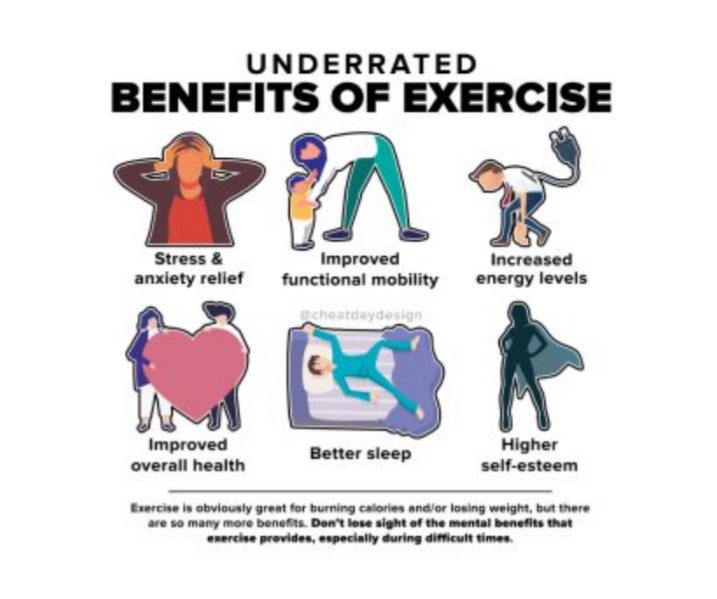
Regular exercise and physical activity promotes strong muscles and bones. It improves respiratory, cardiovascular health, and overall health. Staying active can also help you maintain a healthy weight reduce your risk for type 2 diabetes heart disease and reduce your risk for some cancers.
* There are six skill- related fitness components: agility, balance, coordination speed, power and reaction time. skilled athletes typically excel in all six areas. Agility is the ability to rapidly and accurately change the direction of the body
* The principles of specificity, progression, overload, adaption, and reversibility are why practising frequently and consistenly are so important if you want to improve your performance.
The health benifits of exercise :
* helps you contro your weight.
* Reduce your risk of heart disease.
* Help your body manage blood sugar and insulin levels.
* Help you quiet smoking
* Improve your mental helath and mood.
* Help keep your thinking , learning and judgement skills sharp as your age.
* Exercise prescription is based on 5 priniciples are type, duration, frequency, intensity and volume.
So stay healthy and stay safe . This pandemic days wants more food to our bodies to get more immunity. Be fit and Be happy . We fight with this covid with our lifes . Be strong these are all will helps to us.
Ethics is a branch of philosophy dealing with the issue of morality. It implies the concepts of what right and wrong conducts are. Ethics define how a person should act in some specific situations. It is not a new term, but it has been there since the Stone Age. Different religions and many philosophers have also made a substantial contribution to ethics.
There are different branches of ethics. First of all, comes descriptive ethics. Descriptive ethics include what people actually consider right and wrong. Accordingly, laws are made regarding that and if they are even acceptable or not. The moral principles of society keep on changing from time to time. However, the basic ethics remain the same. Descriptive ethics are also called comparative ethics. They are given the name comparative ethics as they are used to compare the ethics of past and present scenarios. Also, they are used to compare the ethics of different societies as well.
Then comes the next branch of ethics- Normative Ethics. Normative Ethics deals with some specific norms or a set of considerations. These norms indicate how people should act in some given situations. These ethics set out the rightness or wrongness of people’s actions. Normative Ethics are also known as prescriptive ethics. This name is given as there are principles involved with these ethics and those principles determine whether the actions of people are right or wrong in different situations.
Types of ethics :
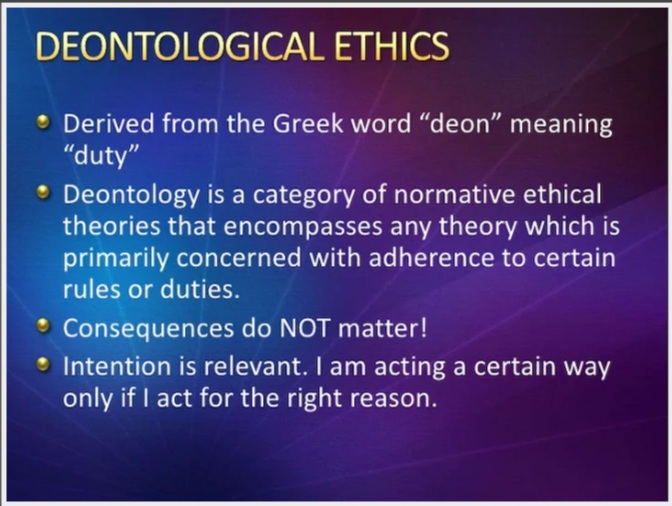
1. Deontological Ethics :
* In moral philosophy, deontological ethics or deontology is the normative ethical theory that the morality of an action should be based on whether that action itself
* Deontology is an ethical theory that uses rules to discern the moral course of action. Diffusion of responsibility. Diffusion of responsibility occurs when people fail
* Deontology morality is about following a system of rules, like ” Do Not Lie ” or ” Do Not Steal” .
* Ethics or moral philosophy is a branch of philosophy that involves systematizing, defending Deontological ethics.
2. Utilitarianism :
* The most common example of normative ethical theories are utilitarianism, kantian duty- based ethics and divine command theory.
* utilitarianism means, act in your own self- interest. Utilitarianism is that which is moral only if the act produces the greatest.
* Utilitarianism is a moral theory that implements fair choices is an effort to ensure the least amount of harm is done to all parties involved.
* However, some contemporary utilitarians , such as peter singer, are concerned with maximizing the satisfaction of preferences, hence prefernce utilitarianism.
* utilitarianism is an ethical theory that asserts that right and wrong are best determined by focusing on outcomes.
3. Consequentialism :
* consequentialism refers to moral theories that hold the consequences of a particular action form the basis for any valid moral judgment about that action.
* consequentialism is a class of normative, teleological ethical theories that holds that the consequences of one’s conduct are the ultimate basis for any judgment.
* consequentialism is an ethical theory that judges an action’s moral correctness by its consequenes. Corporate social Responsibility.
* on our definition of consequentialism, only the direct view is a genuinely consequentialist position, and rule consequentialism.
4. Professional Ethics :
* Rules imposed on an employee in a company, or as member of a profession. For instance, journalists, doctors, lawyers. Etc.
* professional ethics encompass the personal and corporate standards of behavior expected by professionals.
5. Applied ethics :
* Applied ethics is the branch of ethics which consists of the analysis od specific, controversial moral issues such ad abortion, animal rights, or euthanasia.
*Applied Ethics includes a philosophical examination of certain public and private life problems. The examination of those issues generally takes place from a moral standpoint. This branch of ethics is generally used by professions like doctors, teachers, etc.
* Applied ethics which deals with the actual application of ethical priniciples to a particular situation. While it is helpful to approach the field of ethics.
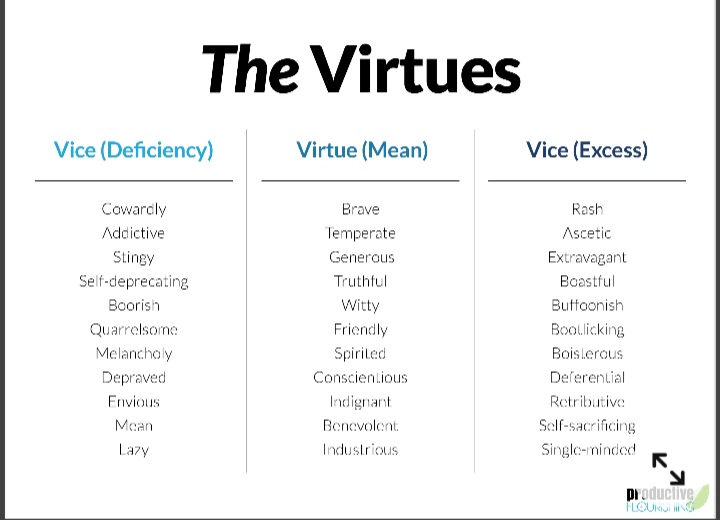
6. Virtue Ethics :
* virtue ethics is an approach to ethics that emphasizes an individual’s character as the key element of ethical thinking, rather than rules about the acts themselves.
* virtue ethics not only idea deals with the rightness or wrongness of individual actions, it provides guidenece as to the sort of characteristics and behaviour a good person will seek to achieve.
An abstract way of analyzing ethics is called Meta-Ethics. They do not deal with whether the actions are right or wrong, rather they question what morality is.
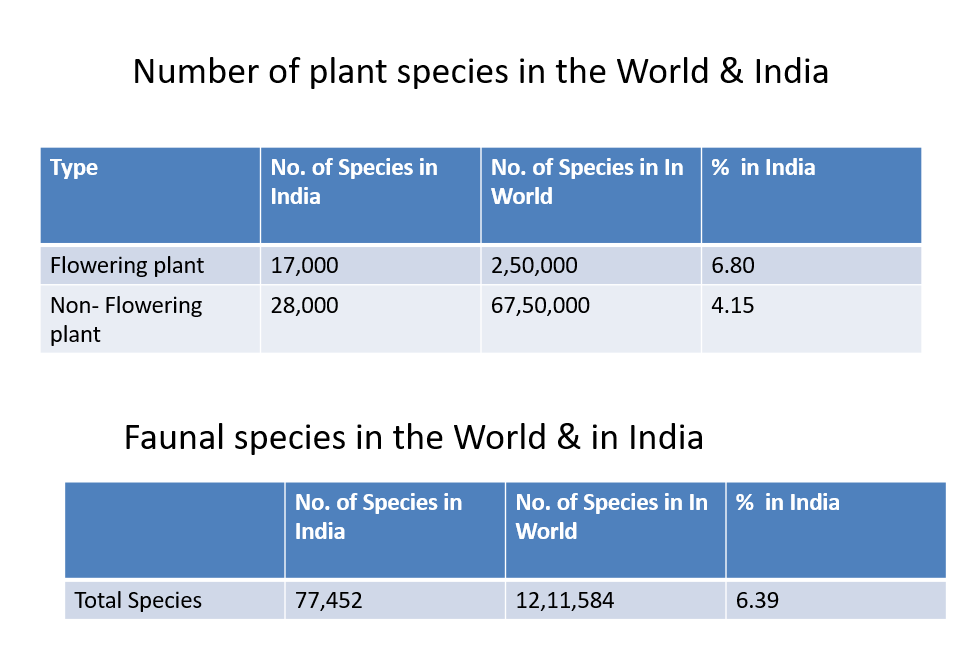
Biological diversity’ means the variability among living organisms from all sources including, inter alia, terrestrial, marine and other aquatic ecosystems and the ecological complexes of which they are a part; this includes diversity within species, between species and of ecosystems. The word Biodiversity means Gk. Bios- Life, diversity- forms. The occurrence of difference species of organisms with the whole range of their variants (Biotypes) & genes adapted to different climates, environments along with their interactions & processes. This term was coined by Walter G. Rosen- 1985. Biodiversity refers to the numbers, variety and variability of living organisms and ecosystem. It includes all terrestrial, marine and other aquatic organisms. Also covers diversity within species, between species as well as variations among ecosystems.
Biodiversity has contributed in many ways to the development of human culture, and, in turn, human communities have played a major role in shaping the diversity of nature at the genetic, species, and ecological levels.
Types of Biodiversity
Genetic diversity – Diversity of genes within a species. i.e. genetic variability among the populations and the individuals of the same species. Genetic diversity is the total number of genetic characteristics in the genetic makeup of a species. Ex. Domestic Dogs. Humans have created distinct breeds of dogs within the species by selectively breeding individuals.
Species diversity – Diversity among species in an ecosystem. “Biodiversity hotspots” are excellent examples of species diversity. Species diversity is defined as the number of species and abundance of each species that live in a particular location. Each species is distinct from other species in form & character such as cow & goat. Species diversity is the most common level to describe biodiversity of any area.
Ecosystem diversity – Diversity at a higher level of organization, the ecosystem. To do with the variety of ecosystems on Earth. Ecosystem diversity deals with the variations in ecosystems within a geographical location and its overall impact on human existence and the environment. EX. deserts, forests, grasslands, wetlands and oceans. Ecological diversity is the largest scale of biodiversity, and within each ecosystem, there is a great deal of both species and genetic diversity.
VALUES OF BIODIVERSITY
1. Consumptive value : The most important point of consumptive use is that some rural communities closets to the forests or other natural areas can prosper through the sustainable harvesting of wildlife species. Hunting, Direct consumption-herbs, plants, mushrooms are all consumptive uses.
2. Productive Value : Products that are commercially harvested for exchange in formal markets. Each species is valuable to human. The global collection of genes, species, habitat & ecosystems is a resource that provides for human needs. It is also essential for human survival in the future. This is often then only value of biological resources that is reflected in the income accounts.
3. Social Value : Social value of biodiversity refers to religious and cultural importance. Trees are worshiped as God. ex. Banyan tree, Peepal Tree. Flowers, Tulsi leaves are offered during pooja.
4. Ethical Value : ‘All life must be preserved’ based on ‘Live & let live’. This means we don’t use the species directly or indirectly, but we feel sorry about the loss of species. They have a existence value.
5. Aesthetic Value : It is related to the beauty of biodiversity. The pleasure, excitement & visual peace of any area. Concept of Eco- tourism & willingness to pay are gaining grounds, leading to monetary estimate for aesthetic value of biodiversity.
6. Option Value : The option values of biodiversity suggests that any species may be proved to be a valuable after someday. At present the potentials/ uses/ values are unknown. Ex. Growing technology field is searching new species for causing the diseases of cancer & AIDS.
HOT SPOTS OF BIODIVERSITY
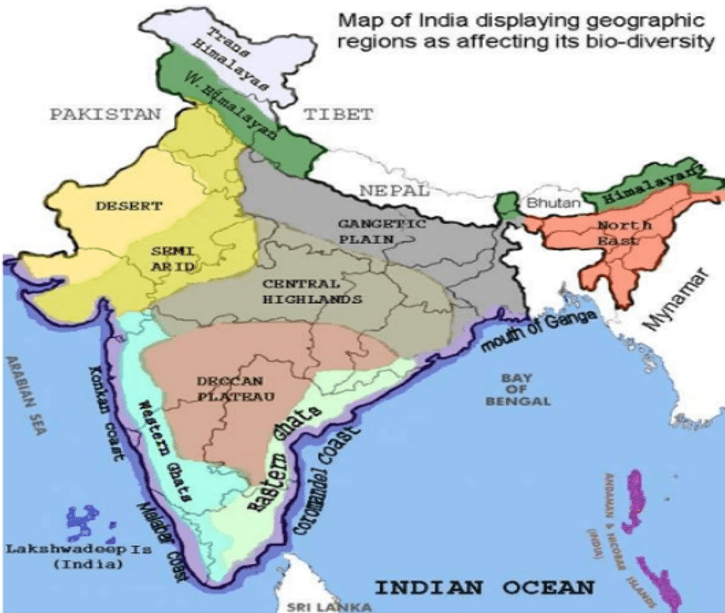
A biodiversity hotspot is a bio-geographic region that is both a significant reservoir of biodiversity and is threatened with destruction. The term biodiversity hotspot specifically refers to 25 biologically rich areas around the world that have lost at least 70 percent of their original habitat. The original 25 hotspots covered 11.8% of the land surface area of the Earth.
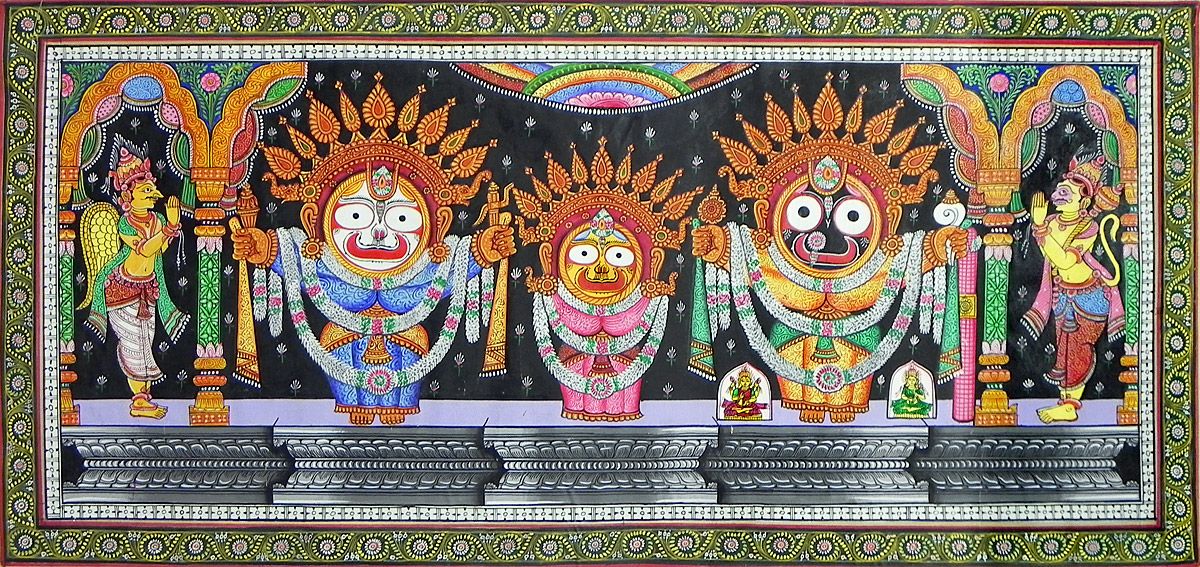
Pattachitra or Patachitra is the ancient traditional and indigenous cloth based painting technique of Odisha and is highly known for its intricate details. The word Pattachitra is derived from Sanskrit words, “Patta” meaning canvas and “Chitra” meaning painting or picture. Thus, Pattachitra is painting which is done on canvas and makes use of rich colors, creative motifs and designs for mythological narratives and folktales.
Pattachitra is a traditional and popular art forms of Odisha, India and is inspired by Jagannath and Vaishava. The specialty of the painting is that, it uses colors that are natural and are fully made by Chitraakaras or Odiya Painter. The tradition of Pattachitra painting is more than thousand years old and is still practiced in the state.
HISTORY OF THE ART FORM
The arts inscribed in “Pattachitra” resemble the ancient murals of Odisha and Lord Jagannath is taken as the source of the art form. The artform mainly shows the religious centers of Puri, Konark and Bhubaneswar region and the best works of the artform are found in and around Puri and especially in village of Raghurajpur. Other such regions were the artform is still being practiced in Paralakhemundi, Chikiti and Sonepur. The color schemes used in the artform are similar to the color schemes of deities of Puri. The wooden statues of the three deities of Puri are covered with cloth and are painted with the four limited colors of red, yellow, white and black. These deities also have their traditional art and painting which shows their life events and different tales and these are as old as the deities themselves.
Some of the popular tales or themes that are depicted in this art form are “Thia Badhia: A Depiction fo temple of Jagannath”, “Krishna Lila: Enactment of Jagannath as Lord Krishna and his powers displayed during his childhood”, “Panchamukhi: Depiction of Lord Ganesh as a five headed deity” etc. These themes are the soul of the art form and are the true reason behind the existence of this artform. The artform requires unbending concentration and careful craftmanship and it takes nearly five days of work for completing the art and it may take long or shorter period onnthe basis of the complexity of work and labour required.
Pattachitra showing Krishna Lila
Pattachitra showing Thia Badhia
Pattachitra showing Panchamukhi
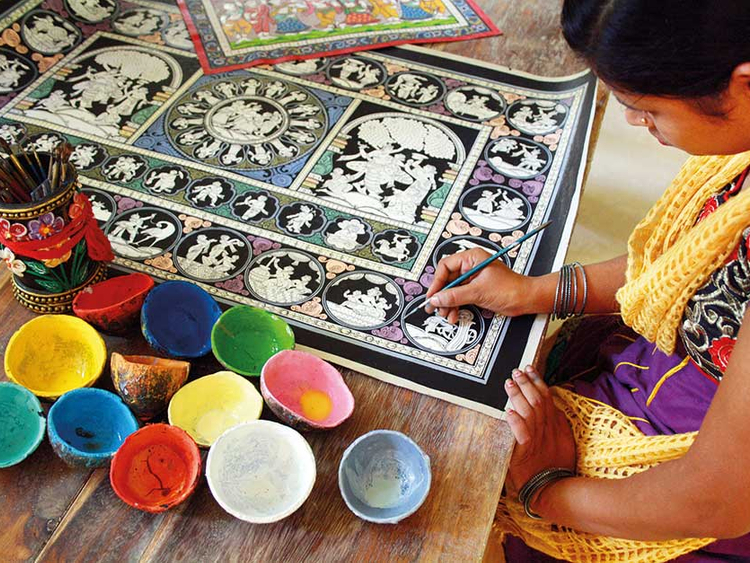
THE MAKING OF PATTACHITRA
Making of Pattachitra
While making Pattachitra following steps are followed:
Making the Patta : Done with the help of tamarind paste and my soaking tamarind seeds in water for three days and then are crushed to make paste which is called Niryas Kalpa.
Holding the two pieces of cloth together with the tamarind paste and coating a powder of soft clay to make it firm.
After the cloth becomes dry, it is polished with rough stone followed by wood or smooth stone until the surface becomes smooth and leathery.
The canvas is ready for being painted.
Preparing the paste using naturally available raw materials to being about indigenous paints. This is the most important step in preparation of Pattachitra.
The root of Keya plant is the most common ingredient used for making the brush and then the cloth is painted.
WHAT MAKES PATTACHITRA SPECIAL ?
Pattachitra Wood Necklace
Pattachitra painting is a disciplined art form and the makers always stick to the use of natural products only for making Pattachitras. They have certain rules the follow and abide by while making an artform and end up creating remarkable paintings that depict emotions, tales, history, culture etc. and the Chitrakars try their best to being the most accurate expression through the use of the rich colorful motifs.
Pattachitra has came a long way and has gone through large number of transitions and the chitrakaras have painted on tussar silk and even on palm leaves. Wall hangings and showpieces are also being created. And all this is done by strictly following the rules and these have remained intact throughout generations.





















































 Eduindex
You must be logged in to post a comment.