Judicial Activism in India


Judicial activism must re-emerge as guardians, finally rescuing the populace and reminding/pressuring the authorities to carry out their duties. There is no disputing that we are living in unprecedented times, but it is equally true that extraordinary circumstances necessitate extraordinary answers, or at the very least a genuine attempt to deliver extraordinary remedies. The inhabitants are not upset because the standards are not being met due to a lack of resources; rather, the actual issue is a lack of complete will. The second wave appears to have been abandoned by all authorities, or at least policymakers. They have accepted defeat in front of the court.
Separation of powers, judicial review, judicial activism, and the role of the judiciary across time are discussed in the sections that follow.

Many people and in various locations have defined the term “separation of powers,” including multiple judicial rulings. However, the meaning of power separation can be divided into three categories:

A person who is a part of one organ should not be a part of another.

1.The functioning of one organ should not be hampered by the functioning of the others.

2. It is not appropriate for one organ to perform the functions of another.
3. It was admittedly done since none of the organs could possibly conduct all of the functions in a systematic and suitable manner.

As a result, the powers are divided among the legislative, executive, and judiciary in order for them to work properly. Let us now look into the specifics of each organ’s operation.

The legislature’s primary role is to enact legislation. Enacting a law conveys the state’s will and also serves as a waiver of the state’s autonomy. It is the foundation upon which the executive and judicial branches of government operate. Executives are in charge of carrying out, carrying out, or enforcing the state’s will as expressed by the constituent assembly and the legislature.

1) Legislative Action Reviews,

2) Judicial Decision Reviews, and

3) Administrative Action Reviews

are the three types of judicial review. As a result, judges have a responsibility to maintain the balance of power, protect human rights, fundamental rights, and people’ rights to life and liberty.

The Evolution of Judicial Activism
For the first decade after independence, judicial activism was essentially non-existent; the government’s executive and legislative institutions actively dominated and intervened in the judiciary’s operations. The Supreme Court began to consider the judicial and structural aspects of the constitution in the 1970s.

The Golaknath case, the nationalisation of banks case, the elimination of privy purses case, and the Minerva mills case are all examples of judicial review.
When it comes to judicial activism, one of the most common criticisms we hear is that it is done in the guise of interpreting constitutional provisions. The claims are that the judiciary frequently rewrites them without saying so. Some of the judges’ personal beliefs become legal principles and constitutional values as a result of this process.

Another critique is that, in the name of judicial activism, the principle of separation of powers is thrown out the window, and the judiciary is undermining the legislative and executive branches of government by intruding into their domains.

Conclusion
In summary, I believe that judicial activism has both positive and harmful aspects. If the court meddles too much in the operations of other government institutions and attempts to overstep its constitutional authority, the concept of judicial activism loses its significance and meaning. Power separation theory is being undermined in the name of activism, and the judiciary frequently rewrites personal opinions in the name of activism.


What is Firewall and its types

A firewall forms a barrier through which the traffic going in each direction must pass. A firewall security policy dictates which traffic is authorized to pass in each direction. A firewall may be designed to operate as a filter at the level of IP packets, or may operate at a higher protocol layer. Firewalls can be an effective means of protecting a local system or network of systems from network-based security threats while at the same time affording access to the outside world via wide area networks and the Internet.

TYPES OF FIREWALLS

  1. Packet Filtering Firewall

It is simplest, fastest firewall component. It is Foundation of any firewall system. Examine each IP packet (no context) and permit or deny according to rules. Hence restrict access to services (ports). A packet filtering firewall applies a set of rules to each incoming and outgoing IP packet and then forwards or discards the packet. The firewall is typically configured to filter packets going in both directions (from and to the internal network).

2. Stateful Packet Filters

A traditional packet filter makes filtering decisions on an individual packet basis and does not take into consideration
any higher layer context. To understand what is meant by context and why a traditional packet filter is limited with regard to context, a little background is needed. Most standardized applications that run on top of TCP follow a client/server model. A stateful packet inspection firewall reviews the same packet information as a packet filtering firewall, but also records information about TCP connections.

3. Application Level Gateway (or Proxy)

An application-level gateway, also called an application proxy, acts as a relay of application-level traffic. Application-level gateways tend to be more secure than packet filters. Rather than trying to deal with the numerous possible
combinations that are to be allowed and forbidden at the TCP and IP level, the application-level gateway need only scrutinize a few allowable applications. In addition, it is easy to log and audit all incoming traffic at the application level. A prime disadvantage of this type of gateway is the additional processing overhead on each connection.

4. Circuit Level Gateway

This can be a stand-alone system or it can be a specialized function performed by an application-level gateway for certain. A circuit-level gateway does not permit an end-to-end TCP connection; rather, the gateway sets up two TCP connections,
 Between itself and a TCP user on an inner host.
 Between itself and a TCP user on an outside host.

Lifestyle.

Lifestyle often refers to:

Lifestyle (sociology), the way a person lives
Otium, ancient Roman concept of a lifestyle
Style of life, dealing with the dynamics of personality.

Lifestyle is the interests, opinions, behaviours, and behavioural orientations of an individual, group, or culture. The term was introduced by Austrian psychologist Alfred Adler in his 1929 book, The Case of Miss R., with the meaning of “a person’s basic character as established early in childhood”. The broader sense of lifestyle as a “way or style of living” has been documented since 1961. Lifestyle is a combination of determining intangible or tangible factors. Tangible factors relate specifically to demographic variables, i.e. an individual’s demographic profile, whereas intangible factors concern the psychological aspects of an individual such as personal values, preferences, and outlooks.

But why does everyone wants a good standard of living life. As in this is a mental tandancy human wants are unlimited. And the resources are scarce but that doesn’t matter the thing is lifestyle as all of us want to live a good life eat what we want Live where we want and spend the whole money where we want to the best.

Lifestyle may also refer to:

*Lifestyle business, a business that is set up and run with the aim of sustaining a particular level of income.
*Lifestyle center, a shopping center or mixed-used commercial development that combines the traditional retail functions of a shopping mall with leisure amenities.
*Lifestyle (department store), a retail fashion brand which is part of the Dubai-based Landmark Group.

And many more, but all this centers, businesses offers the best for an individual’s lifestyle.

Social Control and Self-Control Theory of Crime Causation

Sociologists, psychologists, and criminologists have been attempting to explain delinquent behavior for decades. Despite their tireless efforts and vast expertise, a perfect explanation for delinquent behavior has yet to emerge. Only after a comprehensive examination of the literature dedicated to the search for a single answer does one come to the conclusion that it simply does not exist. Rather, there is universal agreement and evidence that crime is the outcome of a combination of causes rather than a single factor. Whatever its perspective, a comprehensive theory of crime must explain how delinquent patterns of behavior form, what causes people to engage in a delinquent manner, and what sustains their delinquent behaviors. So, Travis Hirschi developed “Social Control Theory” and “Self-Control Theory” in an attempt to encapsulate crime. Hirschi collaborated with Michael Gottfredson to create the latter theory.

Social control theory and self control theory are two theories that explain why some people choose to act on deviant behavior while others do not. Both have opposing yet similar viewpoints on the subject. According to social control theory, people’s behavior is influenced by their social ties; if they have strong ties to society, they will adapt, whereas if they don’t, they will act out or engage in criminal or violent behavior. Individuals are inherently driven to deviate, according to the theory, and will do so unless they are constrained by strong ties to society. This distinguishes the theory from self-control theory, which claims that individuals are socialized to create a personality marked by low self-control throughout their early years of life, and they will have this trait with them for the rest of their life.

According to the social control theory, weak relationships, such as attachment, lead to criminal behavior. Teenagers form strong ties with their friends in some cases, but this type of attachment can be dangerous. They are frequently concerned about being accepted by their peers and will participate in delinquent behavior to acquire acceptance. In example, a lack of parent–child connection during adolescence, especially in the middle, is likely to lead to an increase in peer association. This is also true of the self-control theory, which claims that a child’s level of self-control is predicted by the style of parenting an individual received. Children whose parents provide them with inadequate parental supervision will have low levels of self-control, making them more inclined to participate in criminal behavior. Because commitment is a key component of both theories, the self-control theory and the social control theory are similar. Individuals with poor self-control crave rapid pleasure, and commitment clashes with their drive for the “here and now.” According to these theories, a person who lacks commitment is more prone to engage in deviant behavior. Both the self-control and social control theories point to beliefs as a factor for people not committing crimes. Individuals who are extremely devout may be subjected to stricter constraints in order to combat criminal temptations. Having a strong belief and value system gives significant rewards for self-control, making it easier to resist impulsive behavior temptation. Both theories appear to have survived the test of time and operate concurrently to provide a basic explanation for individual deviant behavior. Although there are some existing inconsistencies and contradictions between the two theories, the depth of their complementary relationship cannot be underestimated, especially since it has not been stated that the Social Control Theory and Self-Control Theory are inherently incompatible.

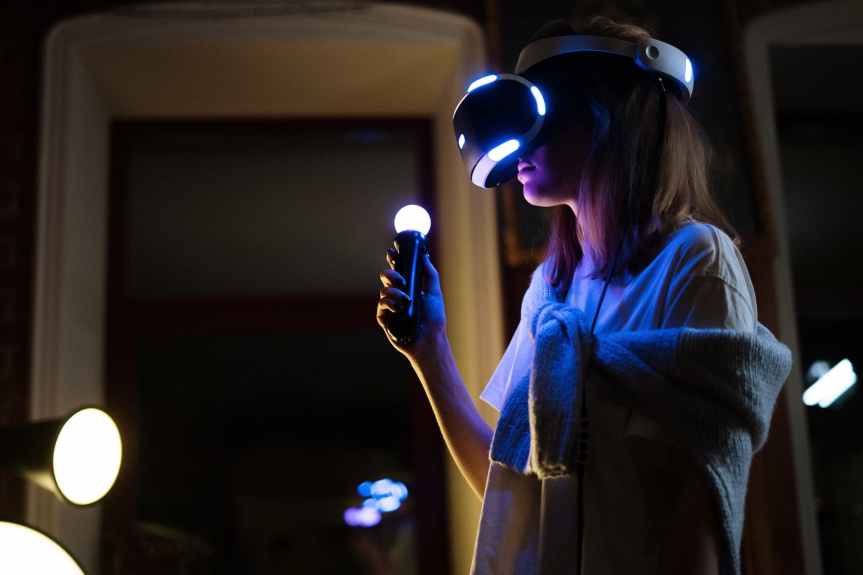
Virtual Reality: Its history and future

Virtual Reality has a brief yet rich history with many ups and downs. Even though the formal name was defined much later, there had been many attempts that resembled the Virtual Reality that we know it as today. Let’s first define the goal of Virtual Reality. It is to trick the brain to believe that something is real with the help of virtual elements, these elements can be auditory (sound) or visual (sight). But there are many parallel definitions of VR but one of the essential differentiating factors of Virtual Reality compared to other forms of media is that VR has some sort of interactivity. Unlike Movies or 3D movies where a person can only view but not interact, VR facilitates the freedom to touch, interact and control what a person sees on their screen.

History of VR

The fascination with VR goes way back to the 1930s when science fiction writer Stanley G. Weinbaum wrote a story where he mentions about Pygmalion’s spectacles. The wearer would be able to experience the virtual world. VR was further popularized by the popular Sci-fi movie, Star Trek: The Next Generation and its Holodeck.  

­One of the first examples of VR HMD (Head Mounted Display) was ‘Sword of Damocles’ developed by Ivan Sutherland and his student Bob Sproull. The HMD was connected to a computer. The contraption setup was intimidating, cumbersome, and heavy. The graphics that were shown if the HMD were quite simplistic and trivial, but it was a convincing step towards the VR we know today. The term ‘VR’ was popularized in the 1980s by Jaron Lanier. By the end of the 1980s, NASA with the assistance of Crystal River Engineering, created Project VIEW. It was a VR simulator that was developed to train the astronauts. The 1990s saw the use of VR in multimedia and mainstream commercial spaces. Numerous virtual reality arcades were introduced in the public spaces where players could play games with immersive stereoscopic 3D visuals. The mid-1990s saw the VR foray by console manufacturers. Nintendo and SEGA both showcased their VR gaming headsets but both were a commercial failure due to technical limitations and lack of software support.

In 2012 Oculus Kickstarter had raised 2.5 million dollars and this gave the startup a monetary jumpstart that previous VR projects were not able to attain. In 2014 Facebook bought the Oculus and this ensured that the VR startup would be adequately funded in their VR developments. 2014 also saw the launch of numerous other VR developments like Google cardboard, Sony PSVR and Samsung Gear VR. In 2016 HTC released its advanced VR headset, HTC Vive. Now the focus was to make VR truly standalone free from the assistance of a dedicated computer or a smartphone.

The Future

The Future of VR looks bright, there are many factors for this but one of the major factors is the price of VR has significantly gone down. There are continual developments in the sphere of VR and various new technological innovations are attempting to make the adoption of VR much more seamless, comfortable and intuitive to use. The use of VR is not just limited to gaming but now VR is also used for many commercial and business purposes. Recently Microsoft signed an agreement with the US government to supply 120,000 semi-custom versions of Hololens VR/AR headsets. VR is increasingly used in the health and manufacturing sectors as well. With a compound annual growth of 21.6% from 2020 to 2027, it seems that VR is only going to get more mainstream in the future.

References:

https://nix-united.com/blog/the-past-present-future-of-virtual-reality/

https://www.vrs.org.uk/virtual-reality/history.html

News and Current affairs

What is news

News is information about current events. This may be provided through many different media: word of mouth, printing, postal systems, broadcasting, electronic communication, or through the testimony of observers and witnesses to events. … The genre of news as we know it today is closely associated with the newspaper.

What is current affairs

Technically Current Affairs is defined as a genre of broadcast journalism where the emphasis is on detailed analysis and discussion of news stories that have recently occurred or are ongoing at the time of broadcast.

Difference

Current affairs is a genre of broadcast journalism. This differs from regular news broadcasts that place emphasis on news reports presented for simple presentation as soon as possible, often with a minimum of analysis.

Day to Day life many things happened that information will pass to us in the form of news and current affairs

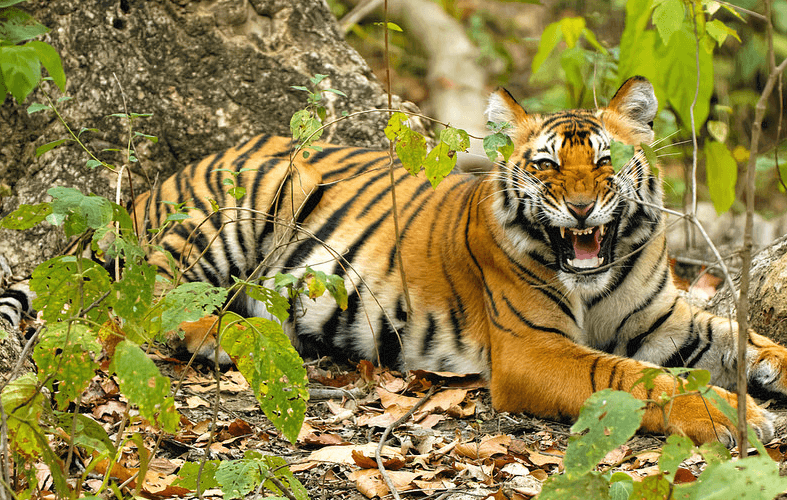
WHY IS IT IMPORTANT TO SAVE TIGER

We have often come across various initiatives raised by many conservationist with the title of SAVE TIGERS. There are also many rigid laws formed by the government to protect Tigers. Have you ever wondered that why this ferocious feline needs protection and is so important that has many acts in the Constitution of India for its protection as well as has a huge fan following which wants this animal to be saved. Well the very first reason which may across any Indian’s mind is that – it is our national animal, our pride and we ought to protect it. The reason is very absolute but there is more to it. Read this blog completely to know how this ferocious predator acts as a climate regulator and a job provider to many , maybe indirectly if not directly.

Tiger known by the scientific name of Panthera tigris is one of the most endangered species of the world today. Known for its strength and agility which makes it the apex predator in the ecosystem, today the existence of this species has reduced to just 4000 big cats all over the world from the huge number of 1,00,000 which used to be a century ago. IUCN(The International Union for Conservation of Nature) has recognized 9 subspecies of the big cats out of which 3 are critically endangered while the other six are almost extinct.

Why is Tiger important for our existence?

  • Tigers are considered to be the indicators of Ecological wellness as they are the dominant predators of the ecosystem. They mainly hunt on herbivores keeping their number in check . The decrease in the number of tigers can lead to the increase in the number of herbivores and ultimately if the tigers get completely extinct there will be no check on the population of herbivores which will disrupt the ecological balance proving extremely fatal for the entire living species on the earth. The forests which acts as climate regulator and controller will be destroyed by the herbivores as they will eat all the plants and trees. Also, forests help in maintaining the carbon storage value in the atmosphere. Keeping in adherence with the above point , the loss of green cover for this particular reason will lead to the increase in the carbon value thus destroying earth. For example- Forests protected for Amur tigers in Russia reserves around 130,000 tonnes of carbon per year which is equivalent to the carbon produced by over 25000 cars per year.
  • We all know forests are the natural regulators of climate helping to keep every compound of atmosphere in check. Due to globalization we have already lost a large area of forest cover which has lead to several problems such as global warming. Also , since tigers need a large green cover for their habitat, it has also become important to save their habitat which in turn will save atleast some of the forest cover . It has also been noted that protected forests generate cleaner water and regulate the flow of water. While the cloud forests increase the flow of water flowing in rivers passing through the protected tiger habitats , the humid forests decrease the flow, hence maintaining the flow of water, the absence of which could lead to floods or drought conditions in several areas.
  • Apart from the indirect ecological service that the tigers provide by preserving forests, they also generate employment and promotes industrialization . The forests in Tiger habitats are a home for large number of medicinal plants ,other animals , forest products such as timber and provides employment opportunity to many people who work to access the forest commodities . The tiger habitats also attracts a large number of tourists which gives more job and increase the tourism sector.

The population of big cats in India

Since India houses almost 70 percent of the total tiger population of the world at a time , we had to play the important role in tiger conservation. Keeping which in mind the Government of India had started “Project Tiger” in 1972 with the aim to conserve the big cats. India has managed to maintain a number of almost 2800 big cats by converting many forests into protected Tiger reserves. India has more than 50 tiger reserves today.

Do the problem ends here? No, it does’ not. This blog was just a small effort to let people know the actual reasons behind tiger conservation and to create awareness that ” no tigers, no forests, no life”.

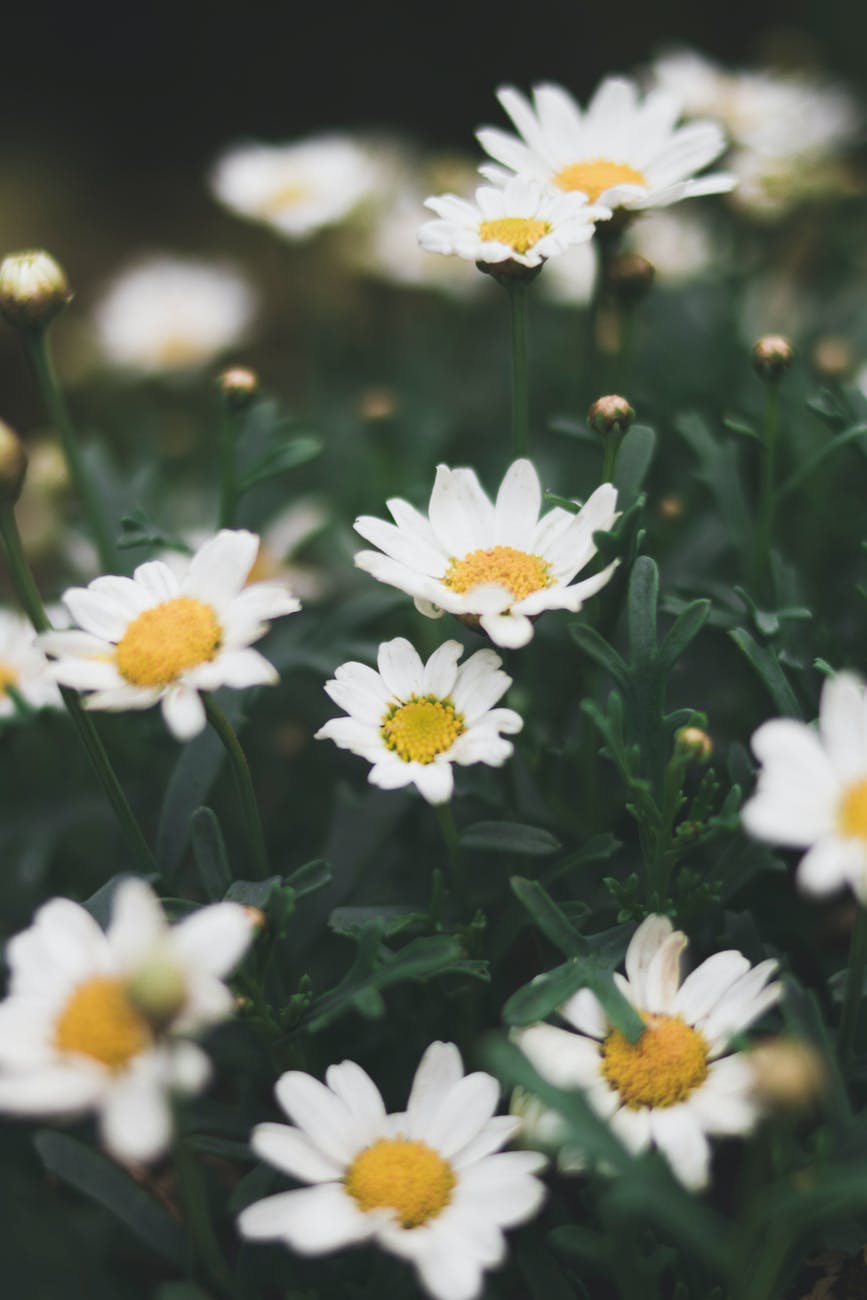
Flawless flowers

Photo by Dominika Roseclay on Pexels.com

The beautiful flower that

blooms overnight,

at morning

it is definitely a beautiful

sight.

“Flowers are nature’s gift, a gift which is inimitable.”

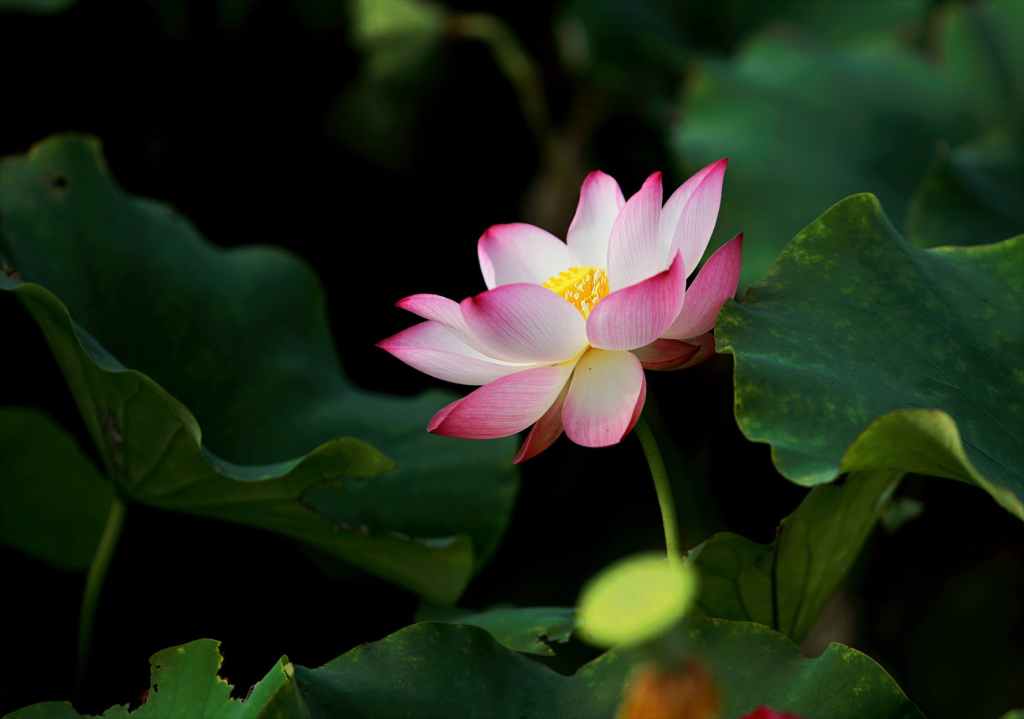
Photo by Hiu1ebfu Hou00e0ng on Pexels.com

Flowers can be of various types various colours, different kinds and their uses are also different.

Flowers assure us of existence of beauty in the whole world, IF the world is a canvas they fillthis black and white world into that of colourful. So today I am going to write about the flawless nature of flowers that I am aware of.

Do you guys watch anime? .If you notice there will one common thing in all of those anime’s, yes I am talking about the sakura (cherry blossoms),I have heard that people from many different countries visit japan during spring time for flower viewing.

Have you ever heard of edible flowers, yes! not only they look beautiful but some flowers also are used in various food items that we eat, they use these flowers as a decoration on the cakes, and flowers with medicinal values are used to make tea, they give a refreshing vibe to the tea and calms the nerves.

Flowers are used to decorate as they exude the classiness and turns a plain place into a wholesome place, a place where the view turns refreshing, flowers are used in weddings, they are used for proposals, flowers are exchanged on various occasion as each and every flower has a very significant meaning.

DO you guys now that each and everyone of us has a birth flowers that is different for each and everyone based on their birth dates, month and year. so knowing which flower you represent is very exciting .

we definitely have to talk about their fragrance, the perfumes we wear also use the flowers essence, the floral perfumes are mostly liked by everyone as most of them give calming and fresh vibes, Flowers like hyacinth, freesia, lilies, roses are some of the most fragrant flowers.

Flowers can also poisonous depending on the type of environment they grow in, such as

The elegant Nerium oleander, the blossoms of which are crimson, magenta or creamy white, is one of the most toxic plants in the world. Every part of the plant, from its stem to its sap, is incredibly poisonous if ingested. Even inhaling the smoke from a burning oleander is a health threat.

livescience.com

There is a saying goes

“The more you love roses the more you must bear with thorns.”

similarly life also has its ups and downs but what you must never forget is at the end there will definitely be a beautiful destination.

Flowers are pretty at this stage only because they had to go through difficult process of budding. As they say nothing lasts forever, after sometime even these flawless flowers also will wither and fall on to the ground but a new flower will be born so endings are the new beginnings.

So the flawless here is appreciating its nature of gracefully passing through all stages of its life .”

THANKYOU^^.

Colours.

colour (Commonwealth English), is the characteristic of visual perception described through color categories, with names such as red, orange, yellow, green, blue, or purple. This perception of color derives from the stimulation of photoreceptor cells (in particular cone cells in the human eye and other vertebrate eyes) by electromagnetic radiation (in the visible spectrum in the case of humans). Color categories and physical specifications of color are associated with objects through the wavelengths of the light that is reflected from them and their intensities. This reflection is governed by the object’s physical properties such as light absorption, emission spectra, etc.

By defining a color space, colors can be identified numerically by coordinates, which in 1931 were also named in global agreement with internationally agreed color names like mentioned above (red, orange, etc.) by the International Commission on Illumination. The RGB color space for instance is a color space corresponding to human trichromacy and to the three cone cell types that respond to three bands of light: long wavelengths, peaking near 564–580 nm (red); medium-wavelength, peaking near 534–545 nm (green); and short-wavelength light, near 420–440 nm (blue). There may also be more than three color dimensions in other color spaces, such as in the CMYK color model, wherein one of the dimensions relates to a color’s colorfulness).

The photo-receptivity of the “eyes” of other species also varies considerably from that of humans and so results in correspondingly different color perceptions that cannot readily be compared to one another. Honey bees and bumblebees have trichromatic color vision sensitive to ultraviolet but insensitive to red. Papilio butterflies possess six types of photoreceptors and may have pentachromatic vision.The most complex color vision system in the animal kingdom has been found in stomatopods (such as the mantis shrimp) with up to 12 spectral receptor types thought to work as multiple dichromatic units.

POLLUTION : A THREAT TO THE ENVIRONMENT

What is pollution?

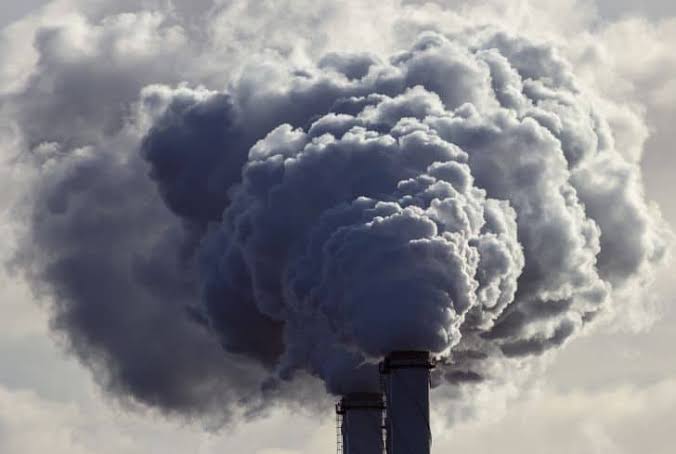
The condition in which harmful and hazardous materials get mixed with the environment making it impure is called pollution . The harmful materials that make the environment impure are called pollutants. Pollutants can be natural as well as man made. For example volcanic ash is a natural pollutant whereas trash or runoff produced by factories are the pollutants created by humans. Pollutants damage the quality of air, water, and soil.

Types of pollution

Usually there are three types of pollution. They are as follows :-

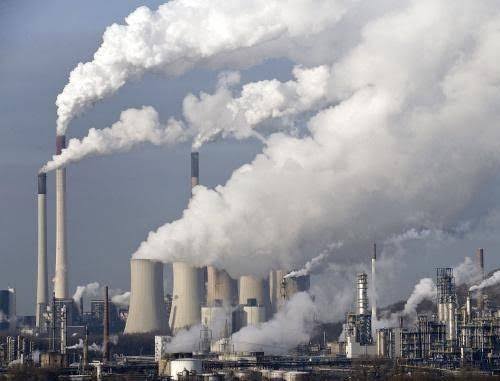
Air pollution : When the harmful hazardous substances mix with the air making it impure to breathe, it causes air pollution . According to the World Health Organization (WHO), every year almost seven million deaths occur because of air pollution. Nine out of ten human beings currently breathe air that exceeds the WHO’s guideline limits for pollutants, with those living in low- and middle-income countries suffering the most.
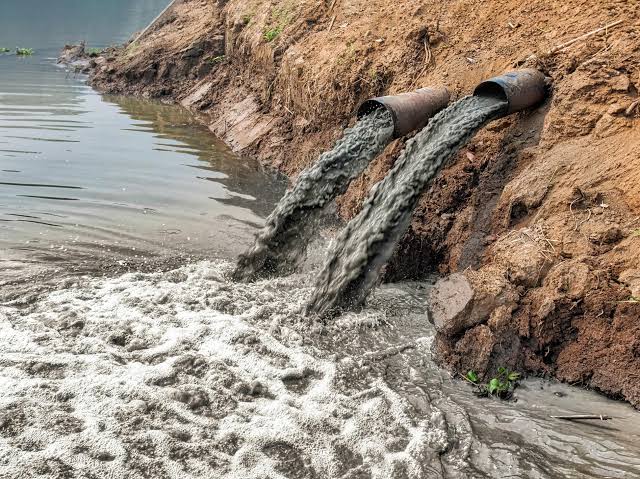
Water pollution : Water pollution (or aquatic pollution) is the contamination of water bodies, usually as a result of human activities. Therefore when harmful pollutants and chemicals mix with the water of water bodies like lakes, rivers, oceans, aquifers and groundwater leads to water pollution. Water pollution is the leading worldwide cause of death and disease, e.g. due to water-borne diseases.
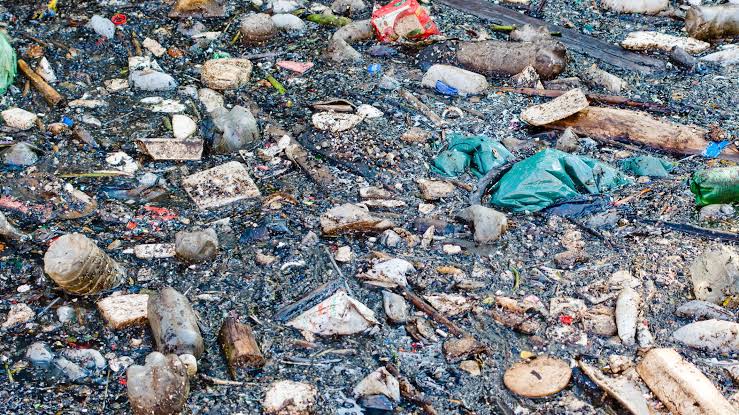
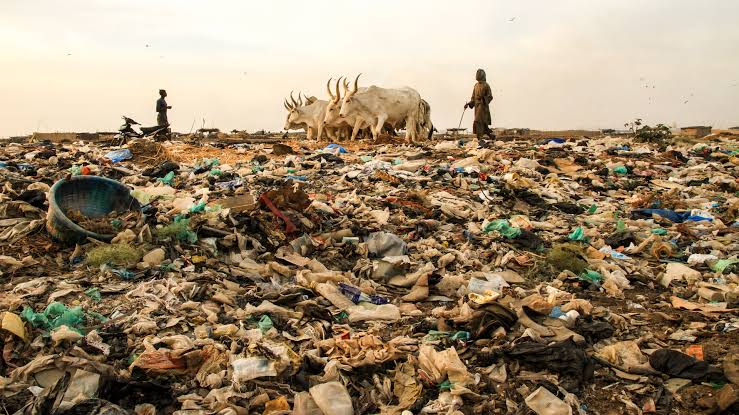
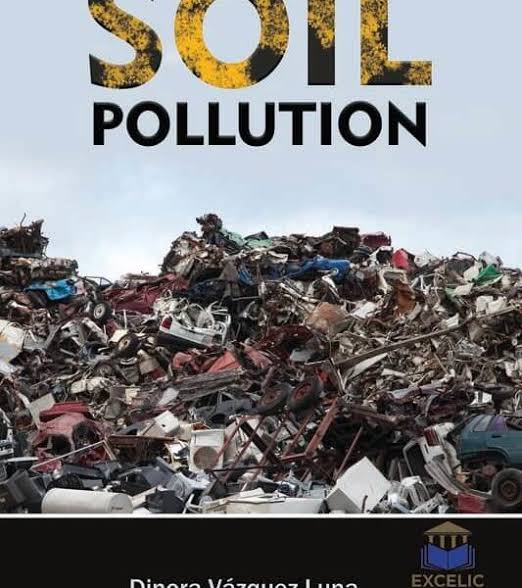
Soil Pollution : The removal of useful substances from the soil or the addition of harmful substances to it is called soil pollution. Garbage, cotton clothes, newspapers, tree waste, are the causes of soil pollution. Plastic, glasses and metal objects may also cause soil pollution.

Causes of pollution in environment :

There are many causes of environmental pollution. The causes of pollution are as follows :
Industries
From the time of the industrial revolution,Industries have been polluting our environment. This is caused due to the increasing use of fossil fuels. In the 19th century and for a significant part of the 20th century, human force was being replaced by coal to make machines work faster.

Pollution by industries is the main cause of air pollution but it also causes contamination in soil and water. This is particularly the case for power-generating industries, such as plants producing electricity (May they be a dam, a nuclear reactor or some other type of plant).
Transportation can also be harmful for the environment like petrol is transported through pipelines. A leak in the pipeline will automatically pollute the soil.
At the same time, if the tanker transporting petrol from its production plant to the place where it will be consumed leaks or sinks then it will contaminate the water.

2. Transportation
After the time when people r using petrol vehicles for transportation instead of using animal power the rate of environmental pollution has increased. Its levels have only been increasing day by day. Similarly to industries, pollution caused by transport can mainly be attributed to fossil fuels.

3. Agricultural Activities
Agricultural waste is mainly a cause of water and soil pollution. This is caused by the increased use of pesticides, as well as by the intensive character of its production. Most of the pesticides are made from chemical substances and are meant to keep diseases and threatening animals away from the crops.
However, by keeping these forms of life away, the harm is almost always made to the surrounding environment as well.

4. Trading Activities
The production and exchange of goods and services fall under this category. As regards goods, pollution can be caused by packaging (which often involves the use of plastic, which is made from fossil fuels) or transport, mainly.


5. Residences
Finally, residential areas provide their fair share of pollution as well. To build homes, the natural environment has to be destroyed in one way or another.
Wildlife and plants are driven away and replaced by human constructions. As it requires the work of industries, construction itself is also a source of contamination of the environment.

Effects of Environmental Pollution

Now that we have identified the main causes of environmental pollution, let us study the negative effects it has:

1. Effects on Humans
The effects of environmental pollution on humans are mainly physical, but can also turn into neuro-affections in the long term. It causes respiratory infections, in the form of allergies, asthma, irritation of the eyes and nasal passages, or other forms of respiratory infections. Environmental pollution has been proven to be a major factor in the development of cancer. This can happen, for example, when we eat reminiscences of pollutants used in the production of processed foods or pesticides from the crops. Other rarer diseases include hepatitis, typhoid affections, diarrhea, and hormonal disruptions.

2. Effects on Animals
Environmental pollution mainly affects animals by causing harm to their living environment, making it toxic for them to live in. Acid rains can change the composition of rivers and seas, making them toxic for fishes; an essential quantity of ozone in the lower parts of the atmosphere can cause lung problems to all animals.
Toxic algae overgrowth will be caused due to Nitrogen and phosphates present in water preventing other forms of life to follow their normal course.

Soil pollution will cause harm and, sometimes, even the destruction of microorganisms, which can have the dramatic effect of killing the first layers of the primary food chain.

3. Effects on Plants
As for animals, plants, and especially trees, can be destroyed by acid rains ozone in the lower atmosphere block the plant respiration, and harmful pollutants can be absorbed from the water or soil.


4. Effects on the Ecosystem
In short, environmental pollution, almost exclusively created by human activities, has a negative effect on the ecosystem, destroying crucial layers of it and causing an even more negative effect on the upper layers.

Prevention of environmental pollution

Environmental pollution can be reduced in many ways. The ways are as follows:
The most important thing we can do is reduce , reuse and recycle goods like plastic things etc.
We should lower the use of non biodegradable wastes
Uses of chemical fertilizers must be reduced.
To avoid pollution we should start afforestation.
We must take care during sewage disposal so that the chemical does not contaminate the soil or water.

@track2trainingseminar @track2trainingservice @track2traininginstitute @edunewsnetwork

https://www.britannica.com/science/pollution-environment

https://www.journals.elsevier.com/environmental-pollution

CIVILIZATION PROGRESSES ON THE LAP OF FOREST

“Earth provides enough to satisfy every man’s needs, but not every man’s greed.” ― Mahatma Gandhi

FORESTS: SOURCES OF MANY ESSENTIAL MATERIALS

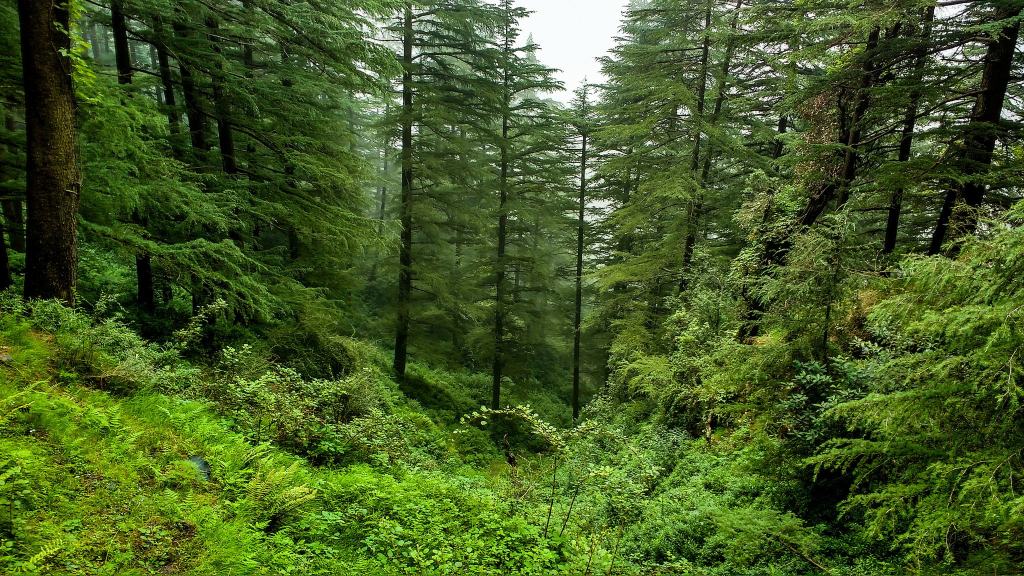
Forests are very important for the survival of man on earth. They fulfil our fundamental needs-food, clothes and shelter. Whatever we eat are the product of plants and trees. The clothes we wear are made from the plant fibre. The houses we live in are made of wood or have wooden materials. Not only this, the plants and trees are the sources of many essential materials-firewood, varieties of resin and gum, herbal medicines, etc. They also attract clouds and thus cause rain which is essential for agriculture. They defend soil from erosion and purify atmosphere by absorbing carbon-di-oxide and releasing oxygen. They also give shelter to birds and animals.

POPULATION EXPLOSION AND DEFORESTATION: DANGEROUS

“To be poor and be without trees, is to be the most starved human being in the world. To be poor and have trees, is to be completely rich in ways that money can never buy.” ― Clarissa Pinkola Estés, The Faithful Gardener: A Wise Tale About That Which Can Never Die

But the growth of civilization has led to the removal of forests. The population explosion and industrialisation have led to the indiscriminate felling of trees. It has proved to be very dangerous. It has reduced the amount of rainfall. As a result, vast areas of land have become barren. Many pools and ponds have lost their existence. The rarity of pure air has led to many dangerous diseases. The pollution of air has caused crack in the ozone-layer which saves life on earth from the scorching sunrays. The rise of atmospheric temperature year by year is the result of deforestation.

PRESERVATION OF FORESTS IS VERY NECESSARY

“Wildness is the preservation of the World.”― Henry David Thoreau, Walking

So, the preservation of forests is indispensable. Deforestation was done for the progress of civilization; afforestation is necessary for the continuity of civilization. Destroy forest is to destroy life; to save forest is to save life. Nature does not betray the heart that loves her; she does not spare the heart that disturbs her. Man’s ignorance has upset the balance of Nature; Nature’s wrath has upset the joy of man.

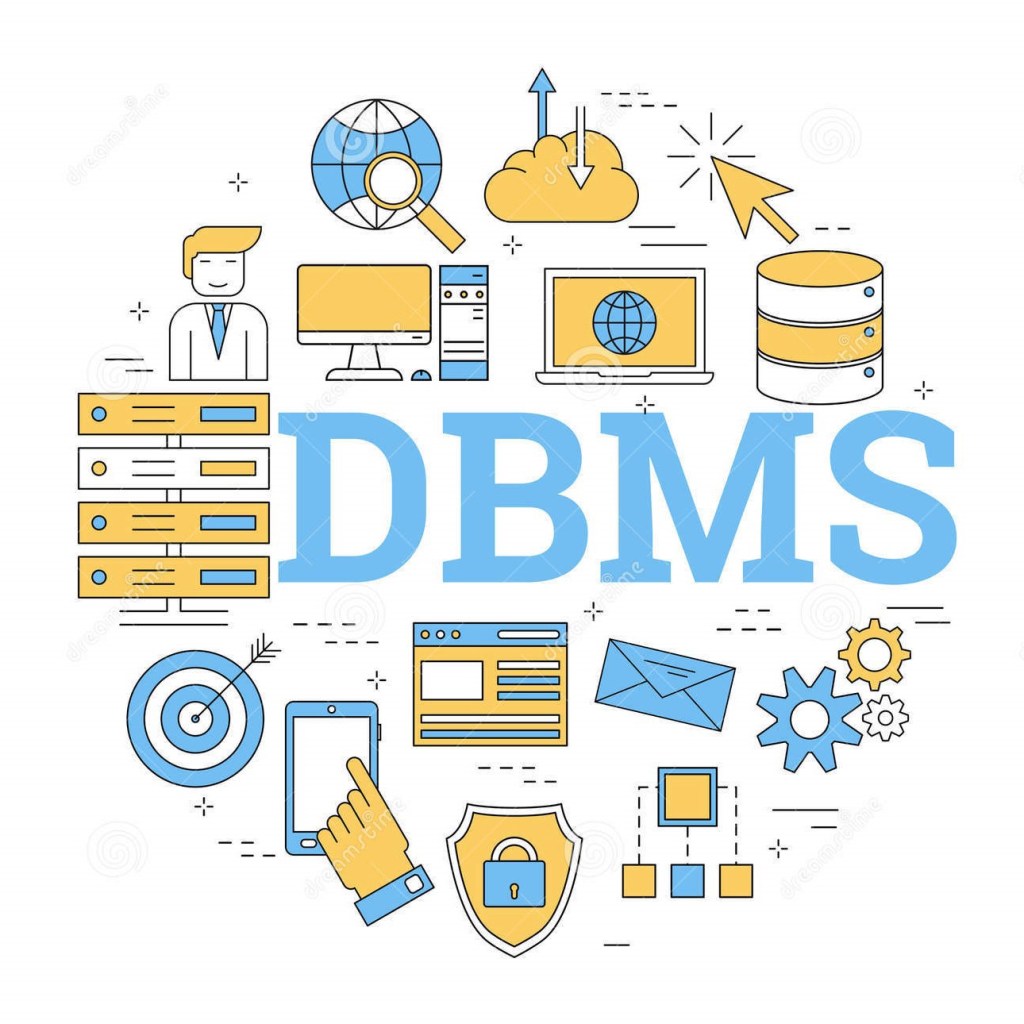
The Basics Of Database Management System

Data processing has undergone evolutionary changes in the past 30 years. Processing with a database management system offers a number of advantages. Presents the basics of today′s dynamic database management systems. Reviews the relevant professional magazines and concludes that systems now are more user‐friendly.
A collection of interrelated data together with a set of programs to access the data, also called database system, or simply database. The primary goal of such a system is to provide an environment that is both convenient and efficient to use in retrieving and storing information.
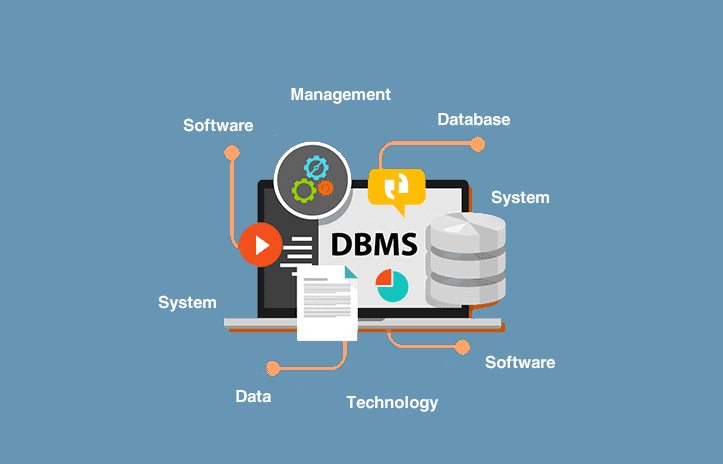
A database management system (DBMS) is designed to manage a large body of information. Data management involves both defining structures for storing information and providing mechanisms for manipulating the information. In addition, the database system must provide for the safety of the stored information, despite system crashes or attempts at unauthorized access. If data are to be shared among several users, the system must avoid possible anomalous results due to multiple users concurrently accessing the same data.
Examples of the use of database systems include airline reservation systems, company payroll and employee information systems, banking systems, credit card processing systems, and sales and order tracking systems.

A major purpose of a database system is to provide users with an abstract view of the data. That is, the system hides certain details of how the data are stored and maintained. Thereby, data can be stored in complex data structures that permit efficient retrieval, yet users see a simplified and easy-to-use view of the data. The lowest level of abstraction, the physical level, describes how the data are actually stored and details the data structures. The next-higher level of abstraction, the logical level, describes what data are stored, and what relationships exist among those data. The highest level of abstraction, the view level, describes parts of the database that are relevant to each user; application programs used to access a database form part of the view level.
The overall structure of the database is called the database schema. The schema specifies data, data relationships, data semantics, and consistency constraints on the data.
Underlying the structure of a database is the logical data model: a collection of conceptual tools for describing the schema.
The entity-relationship data model is based on a collection of basic objects, called entities, and of relationships among these objects. An entity is a “thing” or “object” in the real world that is distinguishable from other objects. For example, each person is an entity, and bank accounts can be considered entities. Entities are described in a database by a set of attributes. For example, the attributes account-number and balance describe one particular account in a bank. A relationship is an association among several entities. For example, a depositor relationship associates a customer with each of her accounts. The set of all entities of the same type and the set of all relationships of the same type are termed an entity set and a relationship set, respectively .

The information in a database is stored on a nonvolatile medium that can accommodate large amounts of data; the most commonly used such media are magnetic disks. Magnetic disks can store significantly larger amounts of data than main memory, at much lower costs per unit of data.
To improve reliability in mission-critical systems, disks can be organized into structures generically called redundant arrays of independent disks (RAID). In a RAID system, data are organized with some amount of redundancy (such as replication) across several disks. Even if one of the disks in the RAID system were to be damaged and lose data, the lost data can be reconstructed from the other disks in the RAID system.
Data manipulation is the retrieval, insertion, deletion, and modification of information stored in the database. A data-manipulation language enables users to access or manipulate data as organized by the appropriate data model. There are basically two types of data-manipulation languages: Procedural data-manipulation languages require a user to specify what data are needed and how to get those data; nonprocedural data-manipulation languages require a user to specify what data are needed without specifying how to get those data.
A query is a statement requesting the retrieval of information. The portion of a data-manipulation language that involves information retrieval is called a query language. Although technically incorrect, it is common practice to use the terms query language and data-manipulation language synonymously.
Database languages support both data-definition and data-manipulation functions. Although many database languages have been proposed and implemented, SQL has become a standard language supported by most relational database systems. Databases based on the object-oriented model also support declarative query languages that are similar to SQL.
SQL provides a complete data-definition language, including the ability to create relations with specified attribute types, and the ability to define integrity constraints on the data.
Data Security:
The DBMS can prevent unauthorized users from viewing or updating the database. Using passwords, users are allowed access to the entire database or a subset of it known as a “subschema.” For example, in an employee database, some users may be able to view salaries while others may view only work history and medical data. See database security.
Data Integrity:
The DBMS can ensure that no more than one user can update the same record at the same time. It can keep duplicate records out of the database; for example, no two customers with the same customer number can be entered.
Intelligent Databases:
All DBMSs provide some data validation; for example, they can reject invalid dates or alphabetic data entered into money fields. But most validation is left up to the application programs.
Intelligent databases provide more validation; for example, table lookups can reject bad spelling or coding of items. Common algorithms can also be used such as one that computes sales tax for an order based on zip code.
When validation is left up to each application program, one program could allow an item to be entered while another program rejects it. Data integrity is better served when data validation is done in only one place. Mainframe DBMSs were the first to become intelligent, and all the others followed suit.

SPACE-TIME-GRAVITY

Gravity is the curvature of space time-

According to Albert Einstein’s general theory of relativity, gravity is no longer a force that acts on massive bodies, as viewed by Isaac Newton’s universal gravitation. Instead, general relativity links gravity to the geometry of spacetime itself, and particularly to its curvature.

In classical physics, time proceeds constantly and independently for all objects. In relativity, spacetime is a four-dimensional continuum combining the familiar three dimensions of space with the dimension of time.

To account for gravity in relativity, the structure of this four-dimensional spacetime must be extended beyond the rules of classical geometry, where parallel lines never meet and the sum of a triangle’s angles is 180°. In general relativity, spacetime is not ‘flat’ but is curved by the presence of massive bodies.

This artistic representation visualises spacetime as a simplified, two-dimensional surface, which is being distorted by the presence of three massive bodies, represented as coloured spheres. The distortion caused by each sphere is proportional to its mass.

The curvature of spacetime influences the motion of massive bodies within it; in turn, as massive bodies move in spacetime, the curvature changes and the geometry of spacetime is in constant evolution. Gravity then provides a description of the dynamic interaction between matter and spacetime.

1) Introduction to the solar tree

Photo by Pixabay on Pexels.com

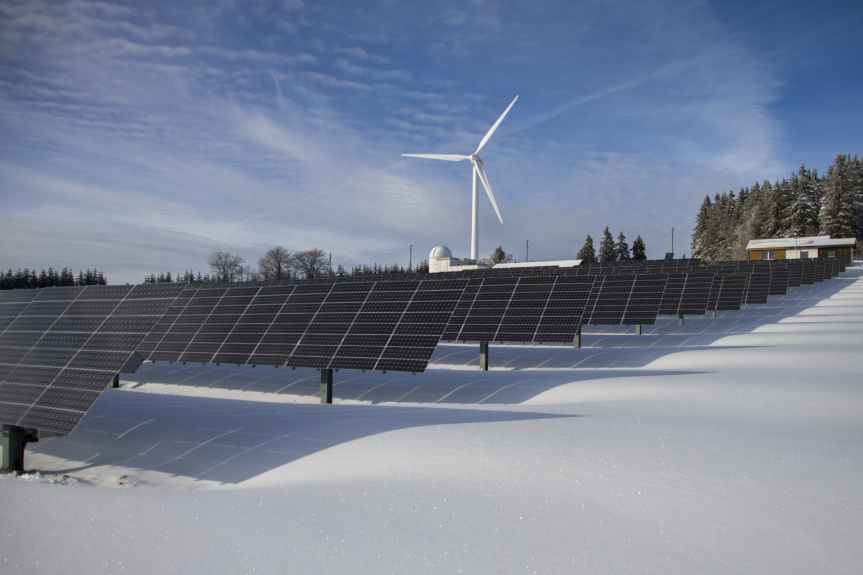
Solar Tree or Solar Photovoltaic Trees are a kind of construction that looks similar to trees. They may be framed from small scale to big scale. It is an artwork which is a combination of creative and technological effort. Solar panels are put on top of its “branches”. Utilizing the sunlight energy, solar panels produce electric energy which is then used for charging gadget. It is very essential now to use the solar energy due to growing pollution form different energy producing power plant. And dew to growing population it is best renewable source of energy with no causing pollution and natural hazards.

It consumes very less space as compared to conventional flat a

.2) Introduction of Solar panel & types of solar panel

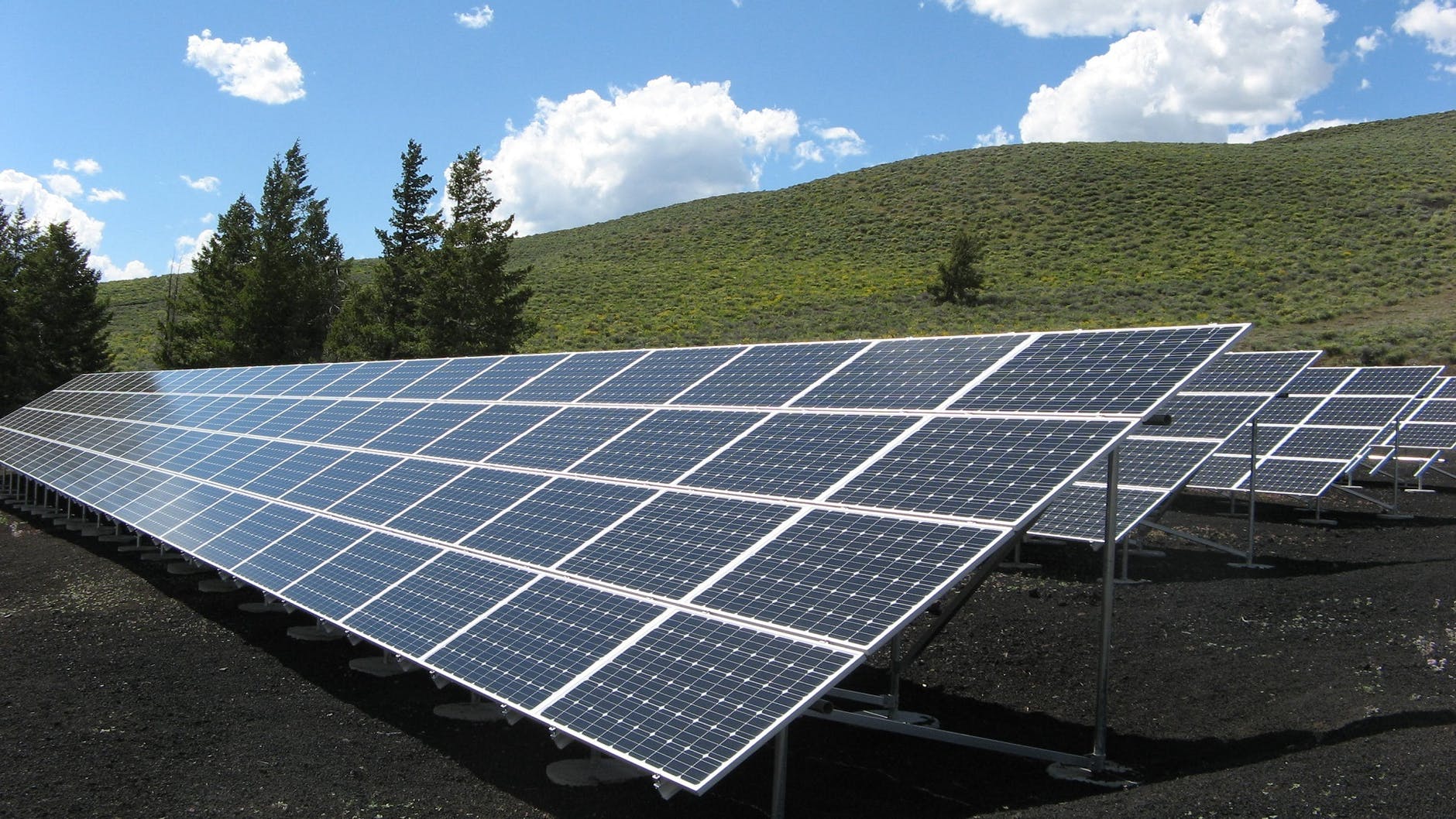
Solar panel are made of small unites called solar cell this is made up of silicon this works on the photo-voltaic (P-V) module.A PV module is an assembly of photo-voltaic cells mounted in a framework for installation. Photo-voltaic cells use sunlight as a source of energy and generate direct current electricity. In this module two type of silicon is used

  • N-type silicon
  • P-type silicon

And the combination is known as P-N junction this creates the positive and negative charge.

These days, solar panels are used in wide-ranging electronic equipments like calculators, which work as long as sunlight is available.

However, the only major drawback of solar panels is that they are quite costly. Also, solar panels are installed outdoors as they need sunlight to get charged.

Reference links

https://www.google.com/url?sa=t&source=web&rct=j&url=https://en.m.wikipedia.org/wiki/Solar_tree&ved=2ahUKEwiIhMS3o73xAhWgILcAHW81DD8QFjAYegQIPRAC&usg=AOvVaw3TwxzdGYrs4aiZTmc9RdaI

https://www.google.com/url?sa=t&source=web&rct=j&url=https://mercomindia.com/india-develops-largest-solar-tree/&ved=2ahUKEwiIhMS3o73xAhWgILcAHW81DD8QFjAXegQIKxAC&usg=AOvVaw0r5jJu2b–zk89PRBKfyep

RANN OF KACHCHH

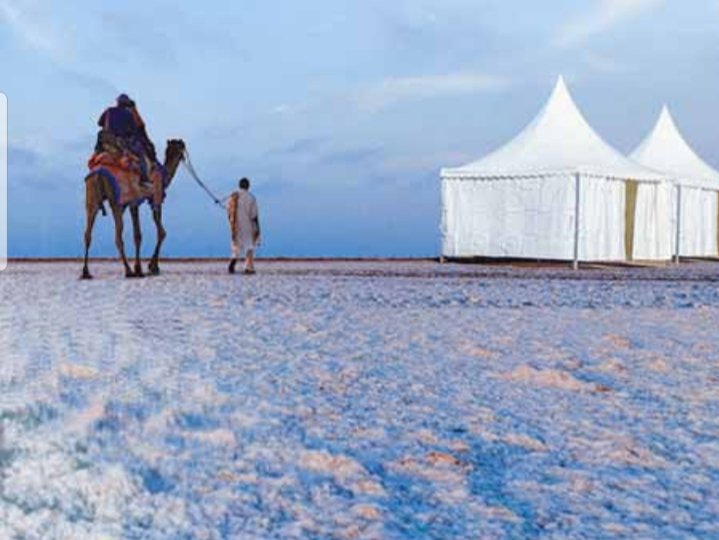
The Great Rann of Kutch  is a salt marsh in the Thar Desert in the Kutch District of Gujarat, India. It is about 7500 km2 (2900 sq miles) in the area and is reputed to be one of the largest salt deserts in the world . It is an extension of the Thar Desert.

The Rann of Kachchh is a salt marshy land in the Thar Desert in the Kachchh district of western Gujarat. It lies between Gujarat in India and the Sindh province in Pakistan. … The Rann of Kachchh is famous for its white salty desert sand and is reputed to be the largest salt desert in the world.

Winter is really the best time to go to Rann of Kutch. It really comes into its own during this season. There’s nothing like sitting around a warm bonfire and enjoying a night of the local culture, especially on a full moon night.

If you prefer greater comfort in your choice of accommodation, then the Rann Utsav is definitely the best time to visit the Rann of Kutch! Sightseeing: Rann Utsav packages come with many included and optional sightseeing tours of other interesting places nearby such as Bhuj, Dhordo, Mandavi Beach, and Dholavira etc.

Rann Utsav, the Carnival of Music, Dance & Culture of Gujarat. Enhance the natural beauty of White Rann when the light of Full Moon spread it on the white land.

Rann Utsav is a festival of crafts, art, music, dance, food, nature and the people of Kutch attended by thousands of people every year. This annual festival celebrates the rich heritage of the ecologically and ethnically diverse land of Kutch district, Gujarat.

Handicrafts and Traditional Shopping during Rann Utsav –

• Embroidery. Kutch is renowned world over for its mirrored embroideries.

• Hand block printing.

• Wood carving.

• Mud wall painting.

• Silver work.

• Pen knives and nutcrackers.

• Iron bells with copper coating.

• Seashell toys.