Hello & welcome all the dear readers . I am hoping this article will be mostly viewed by the students who are in college or going to join college very soon .
As a 12th passout student after getting out from that hectic board exams pressure many students imagines that they do not need to study in colleges but that isn’t correct . College life is something where you can learn a lot of new things you can acquire lot of new skills that will going to help you in future times . Till class 12th you are not aware about many things but during college life you are going to face lot of new challenges . Till class 12th as a student your first priority is to score goods marks in your boards examination but that is not similar in the college life. Because going ahead in your life your skills will matter more than your professional degrees . And in colleges the syllabus are also not that much broad (except few courses like medical )you can easily learn new skills if you have dedication towards that .
Now lets talk about that 1st day of college . After getting marks in boards examination if a student gets admission in top universities like delhi university then they thinks that 1st day when he/she will go college they will have a great welcome as they are toppers of their respective colleges/state/district and many students will come and they are going to feel like a celebrity as they have scored that much amount of marks but beleive me nothing happens like that . No one going to ask you about your marks & percentages specially in top universities like du & bhu .your first day is going to be very normal .so never be in that imaginary situation like you are going to have a celebrity like feeling or something like that .
You can explore your college life by meeting new peoples in your college from different states by knowing about them , their cultures their traditions & lot more . In colleges like Du there are societies to enhance your skills so join societies according to your interest. Next way is to do internships so that you can gain practical knowledge & also can earn something so that you can manage your expenses . It is also an important part of college life that you must have to earn by your own so that you can learn new new things & get prepared/awarded about challenges that you might face in future.
Now moving ahead I would must say that you must have to explore your college life. Learn as many skills as you can . Be the best version of yourself . This 3 or 4 years of college life cannot Destroy your whole life but if you want than you can do something very very extraordinary by utilising these 3 or 4 years whatever you have . Simply you don’t have something to lose but you have many many things to win . & At last best of luck for your college life.
Shimla is among the one of the greatest tourist spot in India. It is a hillstation lies in northeast of Chandigarh on a ridge of the Himalayas foothills at an elevation about 7100 feet (2200 m) . In this article I am going to tell you about the beauty of this place & the places where you can visit in shimla. Shimla is popularly known as “The queen of hills” Mainly shimla is famous for its beautiful environment (natural beauty), snowfall, Toytrains, several tourist places and many more. Shimla is also considered as great vacation spot. It is all season famous hill station because in winter season it is famous for heavy snowfall & in summer it looks even more beautiful.
Various places to visit in shimla Now I am going to talk about various places where you can visit whenever you go to shimla. • Green valley • Annandale • Kuffri • Viceregal lodge • Christ church • Himachal state museum • The Ridge • Jakhoo temple • Toy train Green valley It is just 7km away from shimla bus stand. It lies on national highway 22, on the way to kufri from shimla. Green valley is famous for its elite beauty that’s why it is also considered as one of the best places for photography. It is surrounded by verdant hills that are covered with dense forests of pine and deodar. You will also find some local shacks and markets here. Sometimes rare animals like yaks can be seen wandering and grazing here. Annandale It is locality of shimla city which is just 2km away from shimla railway station. Annadale has a very beautiful army heritage museum. Due to its lush green environment, historical importance and first seen place by every VVIP visit, it is also known as the “HEART OF SHIMLA”. The area of Annandale is situated between lush green mountains and deodar trees. It is often used as picnic sports by visitors. Kufri It is a tiny hill station located near shimla. It is famous for snowfall and adventurous sports like ice skating, horse riding and also famous for nature parks and picnic sports. Kufri is situated just 14 km away from shimla. Kufri is also known as “Switzerland of east” and “Shimla ki barfili topi”. While coming back from kufri to shimla you can also visit jakhoo temple which is very famous place in shimla. Jakhoo Temple It is an ancient temple situated in shimla dedicated to lord hanuman. Because this temple is situated on the height so, views are really amazing from this site. Recently in Jakhoo temple rope way are created due to which the numbers of people visiting shimla are getting very much attracted towards jakhoo temple. The ticket price of rope way is RS500. Mall Road It is the major hangout point and shopping center in shimla. It is located a level below the Ridge. Tourists can visits mall road for shopping the things which they want to buy but at mall road he/she have to show their bargaining skills. It has a number of showrooms, departmental stores, shops, Restaurants and cafes. Some of the attractions points on mall road are scandal point, Gaiety Theatre, Kali Bari temple, Town hall etc. Viceregal Lodge It is located on the observatory Hills of shimla. It is formally the residence of the British viceroy of India. The viceregal lodge was designed by British architect Henry Irwin. It is also known as “rashtrapati niwas”. Visitors can visit rashtrapati niwas between 10.00 am to 5.00 pm. This viceregal lodge has its own history taking the help of guide will be benefital for you while visiting this amazing place.
Himalayan Bird Park It is situated near viceregal Lodge. If you are a nature lover then definitely you must have to visit Himalayan Birds Park. The park was established in 1984 and is spread over an area of 1171km2, altitude within the Park Range between 1500 and 6000 meter. This park contains numerous flora and more than 375 fauna species. Then after a drive of 20 minutes you can visit Tara Devi Temple which is surrounded by beautiful mountains of Himalayas. So, These are the details about the places where you can visit in shimla. Personally I will definitely recommend you all to visit shimla at least once in your life time. After reading all these things you all have already understood why shimla is the heaven on the earth. Now if I talk about staying in shimla then there are number of hotels available where you can stay as shimla is very famous and commercialized hill station there are all kinds of hotels are available . Generally if you take a normal room then cost will be around 1500 to 2000. Snowfall lovers can visit shimla during winter season (Nov to March) and even in summers you can visit here because it is among the one of the best places to visit in summer. Dear readers hope this article will be helpful for you all and you have acquired important information’s about shimla the heaven on earth.
Ghana is well known for it’s dark chocolate. Infact, it is the 2nd largest chocolate exporter in the world. Several children are forced into child labour for the extraction of cocoa seeds and they are made to work from the crack of dawn till night. To keep the price of chocolate minimum, child labour is infused since children are not paid for their work. Top international chocolate brands such as Nestle, Hershey’s and Mars buy cocoa from them. Apart from child labour, there is another ritual since prevalent in Ghana that is inflicted upon young women. Trokosi or female ritual servitude still exists in parts of Ghana, Togo , Benin and parts of Nigeria too till this very day. It takes place when a member if a family commits a crime. The crime can be rape,theft , murder etc. And once the crime is uncovered the family members fear punishment from the gods. So in order to please the gods, the father of the family would take one of his virgin daughters and give her to a local shrine as atonement for the crimes made by the family member. The shrines are run by old male priests. The young girls are forced to work for these priests without any proper education, food or clothing and often raped and sexually assaulted and in many cases leaving her with children who continue to live and work in these shrines. However NGO’s and other human rights organizations are fighting this practice. Many individuals and private groups in Ghana have had successes in persuading priests to stop this practice. Since 1998, International Needs Ghana which is a local group played an integral part in a campaign which led to the release of around 2,800 Trokosi girls and the banning of the Trokosi practice in Ghana. Even Today, International Needs help many of the liberated girls by providing education and vocational training.At the Adidome Vocational Training Centre, the girls can take free training courses to learn new skills. They can learn how to bake, sew , make beauty products and so on. They are also given literacy classes.The centre also offers medical check-ups counselling and support for the girls. And once they are done with the training and leave the centre they are supported with equipments so they can begin their own small business and make a living.
The studies of History never ceases to amaze us with its unfolding secrets, bizarre facts and notable events that took place throughout ages. History has made many rulers popular, many famous and many infamous through their deeds during their ruling periods. But, Cleopatra VII of Egypt, still remains a fantasy for the connoisseurs of History for her incredible brain and beauty. In Today’s editorial, we’re going to discuss about Cleopatra, the empress of Egypt who enticed the world with her inevitableruling skills and irresistiblecharm.
Cleopatra VII
Cleopatra: Who She Was
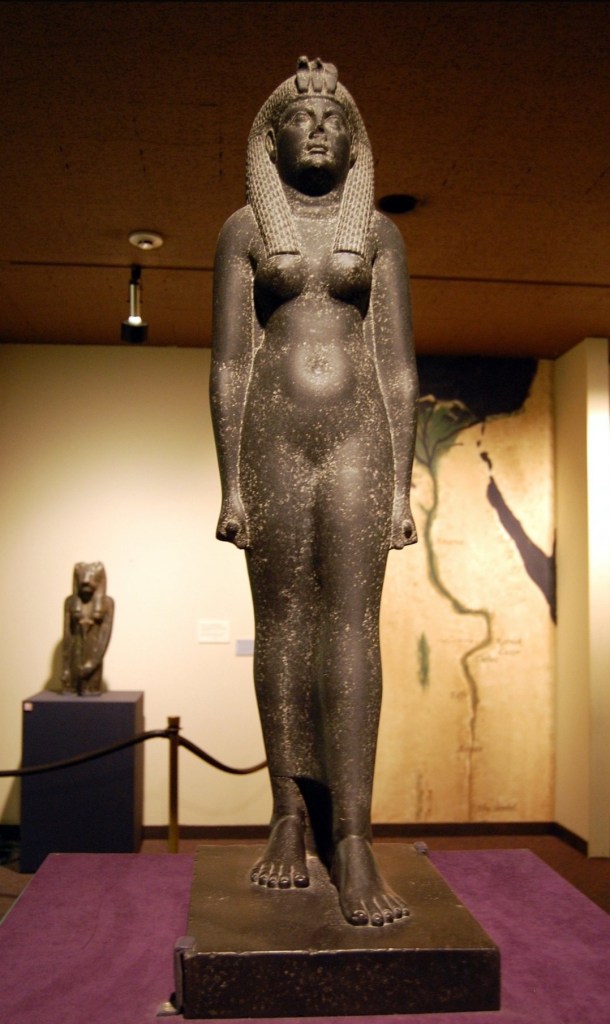
Cleopatra VII ruled ancient Egypt as co-regent (first with her father, then with her two younger brothers and finally with her son) for almost three decades. She was part of a dynasty of Macedonian rulers founded by Ptolemy, who served as general under Alexander the Great during his conquest of Egypt in 332 B.C. Well-educated and clever, Cleopatra could speak various languages and served as the dominant ruler in all three of her co-regencies. Her romantic liaisons and military alliances with the Roman leadersJulius Caesar and Mark Antony, as well as her supposed exotic beauty and powers of seduction, earned her an enduring place in history and popular myth.
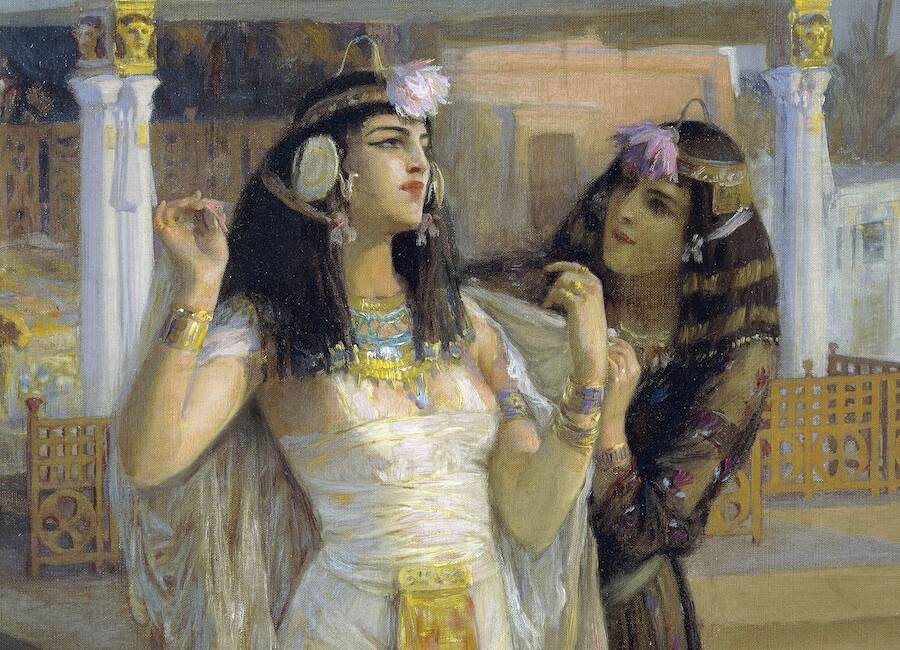
Artwork of Cleopatra, by Frederick Arthur Bridgman (1896)
Early Life and Ascension to The Throne
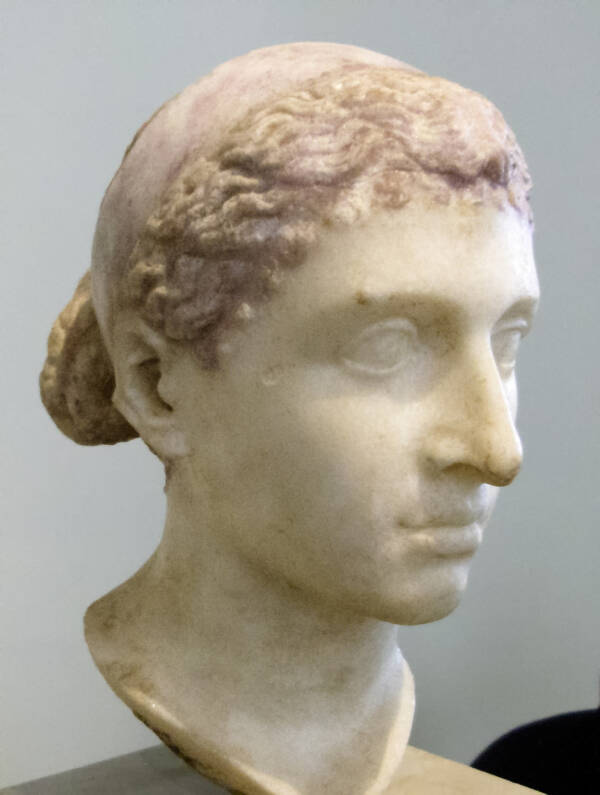
Cleopatra, in full Cleopatra VII Thea Philopator (born 70/69 BCE—died August 30 BCE, Alexandria) was the daughter of King Ptolemy XII Auletes. Cleopatra was destined to become the last queen of the Macedonian dynasty that ruled Egypt between the death of Alexander the Great in 323 BCE and its annexation by Rome in 30 BCE. The line had been founded by Alexander’s general Ptolemy, who became King Ptolemy I Soter of Egypt. Cleopatra was of Macedonian descent and had little, if any, Egyptian blood. Coin portraits of Cleopatra show a countenance alive rather than beautiful, with a sensitive mouth, firm chin, liquid eyes, broad forehead, and prominent nose. When Ptolemy XII died in 51 BCE, the throne passed to his young son, Ptolemy XIII, and daughter, Cleopatra VII. It is likely, but not proven, that the two married soon after their father’s death. The 18-year-old Cleopatra, older than her brother by about eight years, became the dominant ruler. Evidence shows that the first decree in which Ptolemy’s name precedes Cleopatra’s was in October of 50 BCE. Soon after, Cleopatra was forced to flee Egypt for Syria, where she raised an army and in 48 BCE returned to face her brother at Pelusium, on Egypt’s eastern border. The murder of the Roman general Pompey, who had sought refuge from Ptolemy XIII at Pelusium, and the arrival of Julius Caesar brought temporary peace.
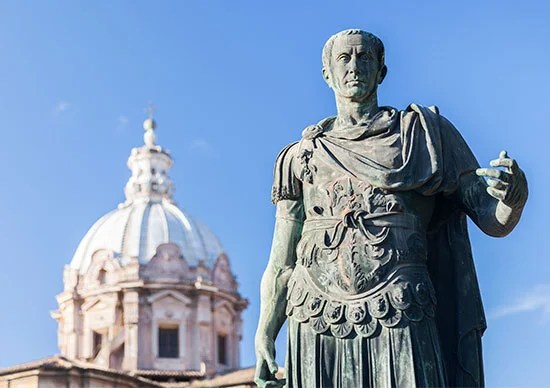
Statue of Julius Caesar in Rome, Italy
Cleopatra’s Romantic Roman Connection
Cleopatra realized that she needed Roman support, or, more specifically, Caesar’s support, if she was to regain her throne. Each was determined to use the other. Caesar sought money for repayment of the debts incurred by Cleopatra’s father, Auletes, as he struggled to retain his throne. Cleopatra was determined to keep her throne and, if possible, to restore the glories of the first Ptolemies and recover as much as possible of their dominions, which had included southern Syria and Palestine. Caesar and Cleopatra became lovers and spent the winter besieged in Alexandria. Roman reinforcements arrived the following spring, and Ptolemy XIII fled and drowned in the Nile. Cleopatra, now married to her brother Ptolemy XIV, was restored to her throne. In June 47 BCE she gave birth to Ptolem Caesar . The Child was believed to be Caesar’s child, and was known by the Egyptian people as Caesarion, or Little Caesar.
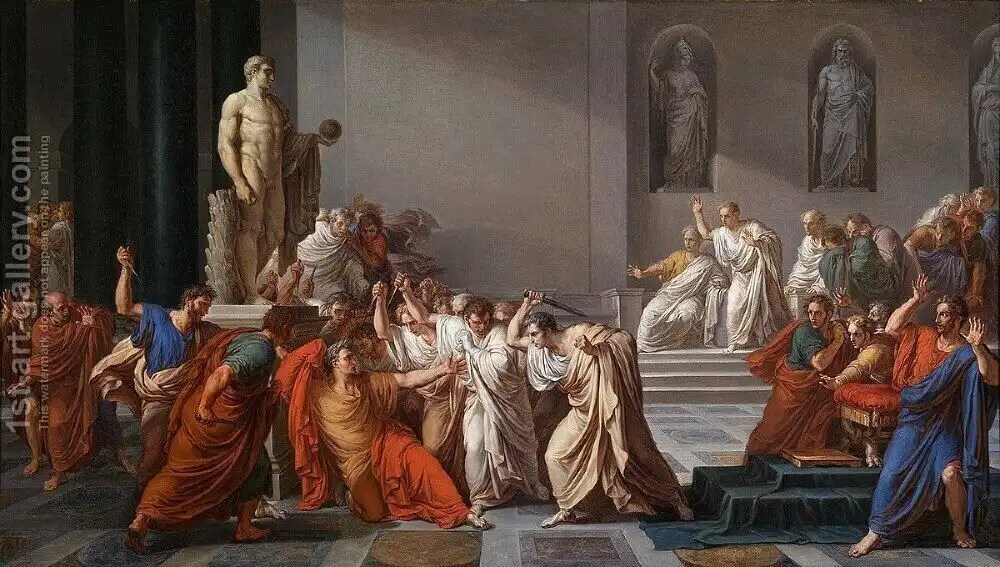
Assassination of Julius Caesar
Sometime in 46-45 B.C., Cleopatra traveled with Ptolemy XIV and Caesarion to Rome to visit Caesar, who had returned earlier. After Caesar was assasinated in March 44 B.C., Cleopatra went back to Egypt; Ptolemy XIV was killed soon after (possibly by Cleopatra’s agents) and the three-year-old Caesarion was named co-regent with his mother, as Ptolemy XV.
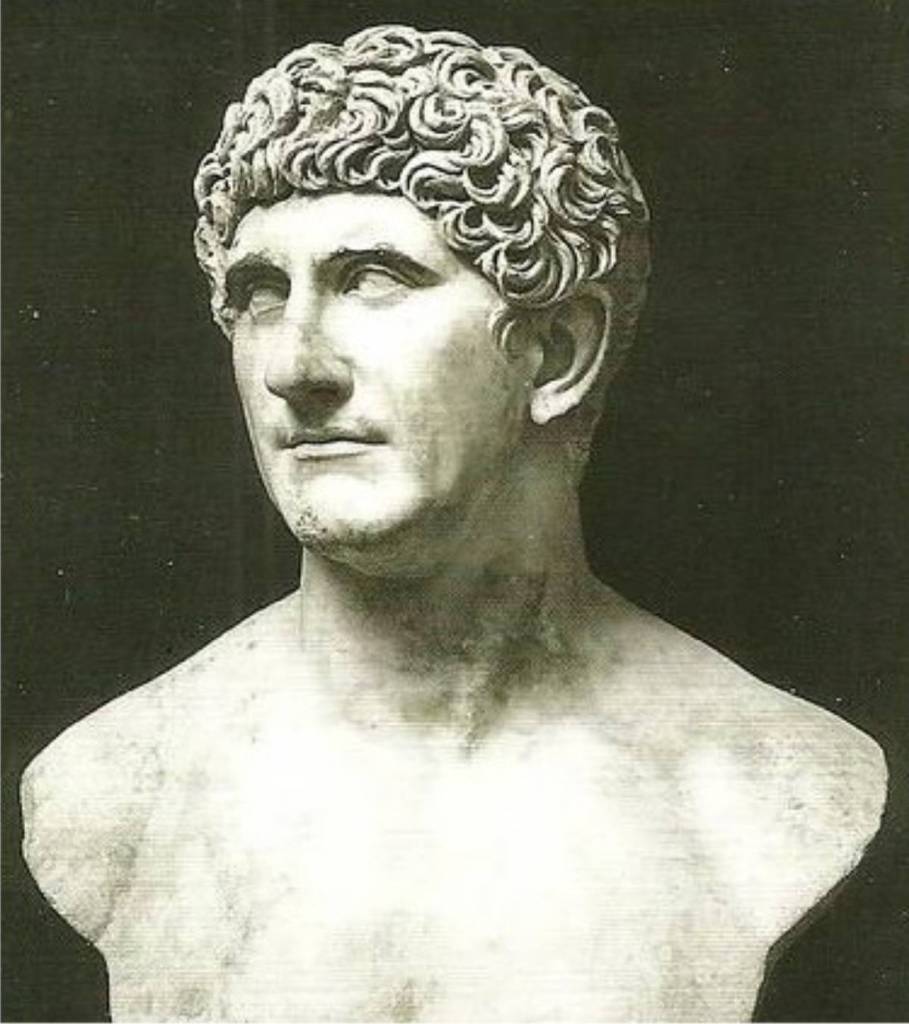
Mark Antony
Mark Antony: The Love of Cleopatra
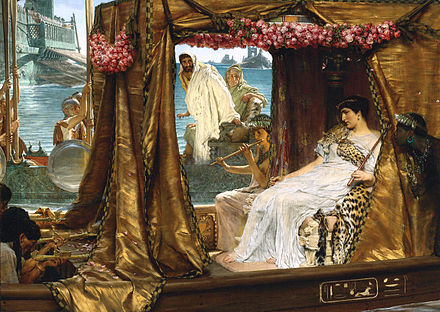
When, at the Battle of Phillpi in 42 BCE, Caesar’s assassins were routed, Mark Antony became the heir apparent of Caesar’s authority—or so it seemed, for Caesar’s great-nephew and personal heir, Octavian, was but a sickly boy. Antony, now controller of Rome’s eastern territories, sent for Cleopatra so that she might explain her role in the aftermath of Caesar’s assassination. She set out for Tarsus in Asia Minor loaded with gifts, having delayed her departure to heighten Antony’s expectation. She entered the city by sailing up the Cydnus River in a barge while dressed in the robes of the new Isis. Antony, who equated himself with the God Dionysus, was captivated.
Decadent affair between Mark Antony and Cleopatra
In 40 BCE Cleopatra gave birth to twins, whom she named Alexander Helios and Cleopatra Selene.
Cleopatra’s Death: The End
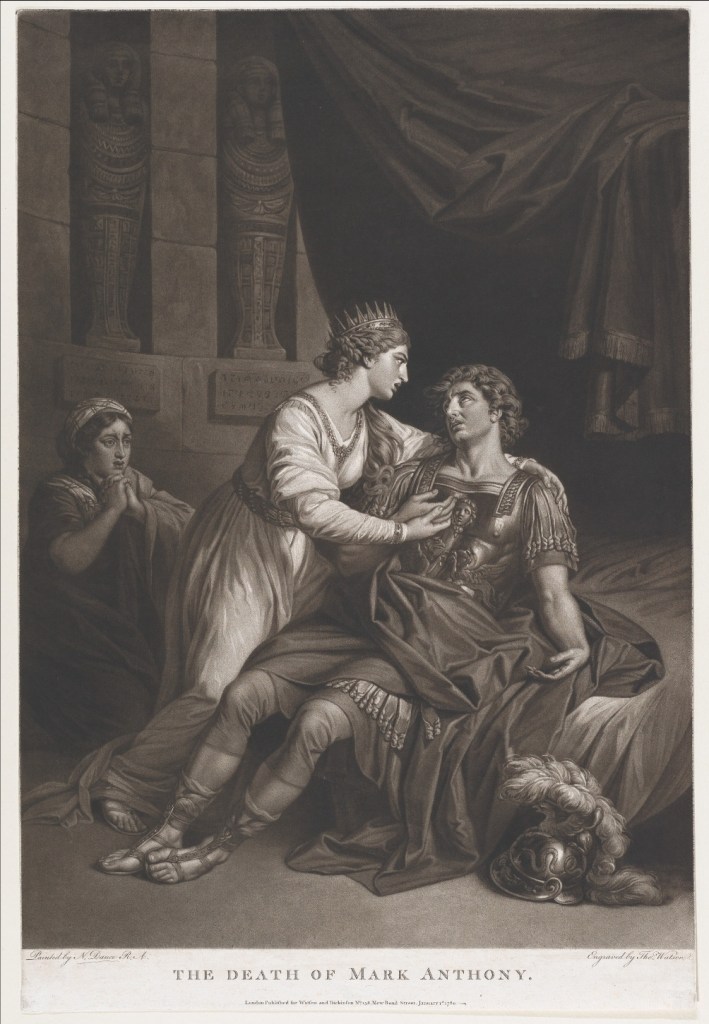
On September 2, 31 B.C., Octavian’s forces soundly defeated those of Antony and Cleopatra in the Battle of Actium . Cleopatra’s ships deserted the battle and fled to Egypt, and Antony soon managed to break away and follow her with a few ships. With Alexandria under attack from Octavian’s forces, Antony heard a rumour that Cleopatra had committed suicide. He fell on his sword, and died just as news arrived that the rumour had been false.
Mark Antony‘s Death
On August 12, 30 B.C., after burying Antony and meeting with the victorious Octavian, Cleopatra closed herself in her chamber with two of her female servants. The means of her death is uncertain, but Plutarch and other writers advanced the theory that she used a poisonous snake known as the asp, a symbol of divine royalty, to commit suicide at age 39. According to her wishes, Cleopatra’s body was buried with Antony’s, leaving Octavian (later Emperor AugustusI) to celebrate his conquest of Egypt and his consolidation of power in Rome.
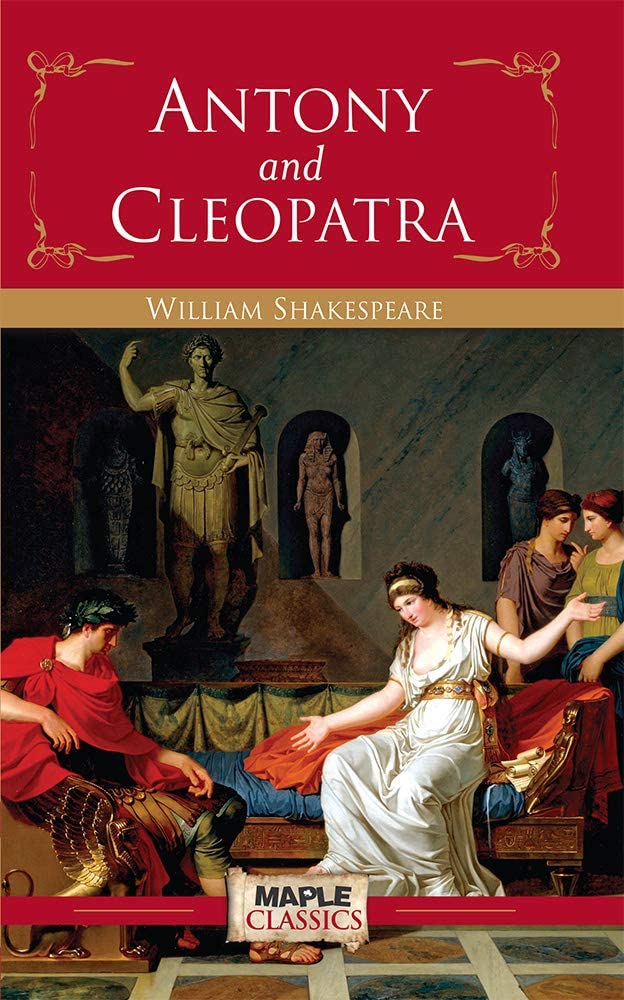
William Shakespeare‘s Antony and Cleopatra
Cleopatra: The Enchantress Throughout Ages
Cleopatra remains a charm to cultures having relevance even today. Her bizarre beauty hacks including pomegranatelip-tint and a bath regime curated out of jennet(female donkey) milk arestill a talk among Beauty enthusiasts. Her famous pearl in vinegar concoction drink stirs curiosity among people. Her life was made into various plays and movies. From Shakespeare stems a wealth of Cleopatra-themed art—plays, poetry, paintings, and operas. In the 20th century Cleopatra’s story was preserved and further developed through film.
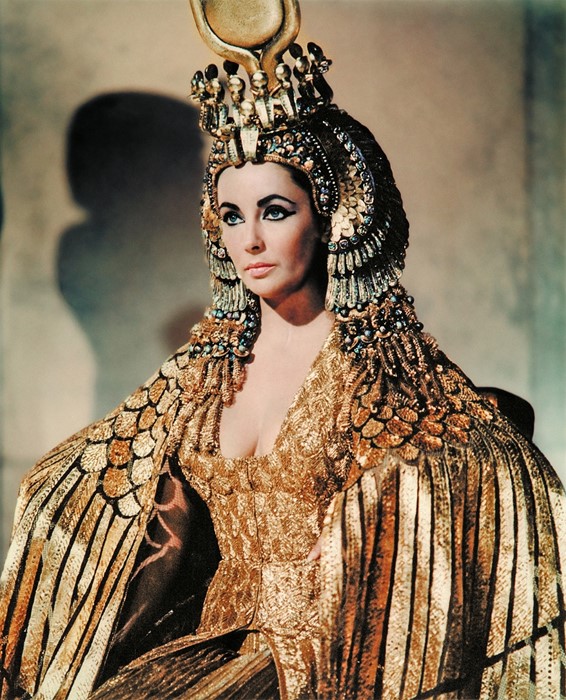
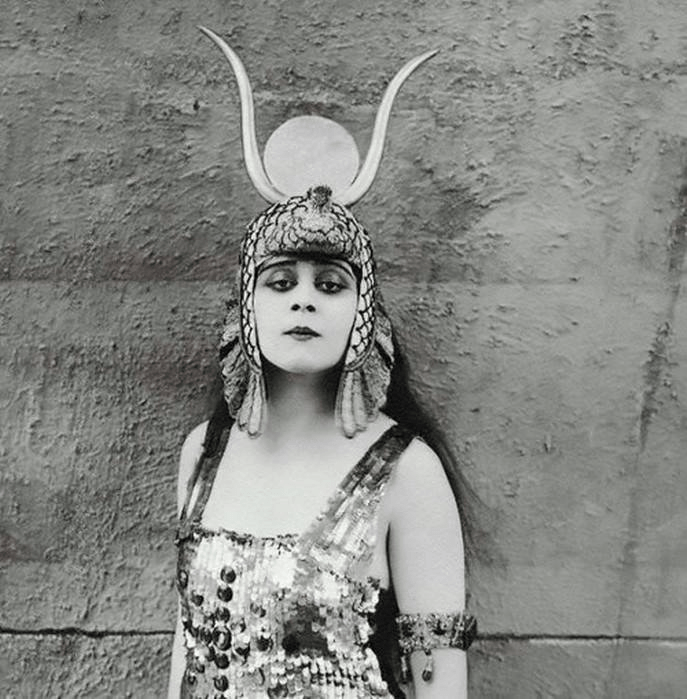
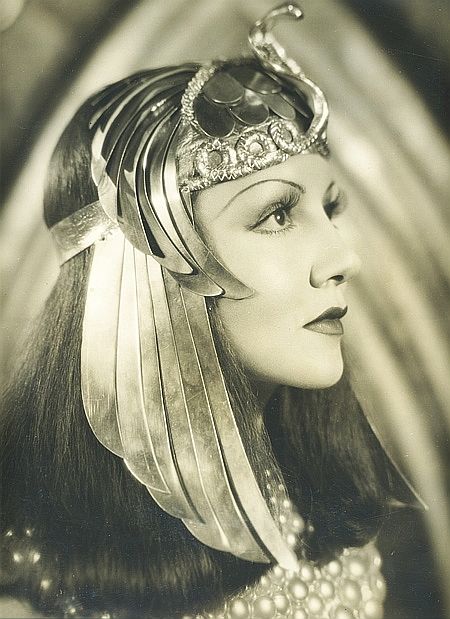
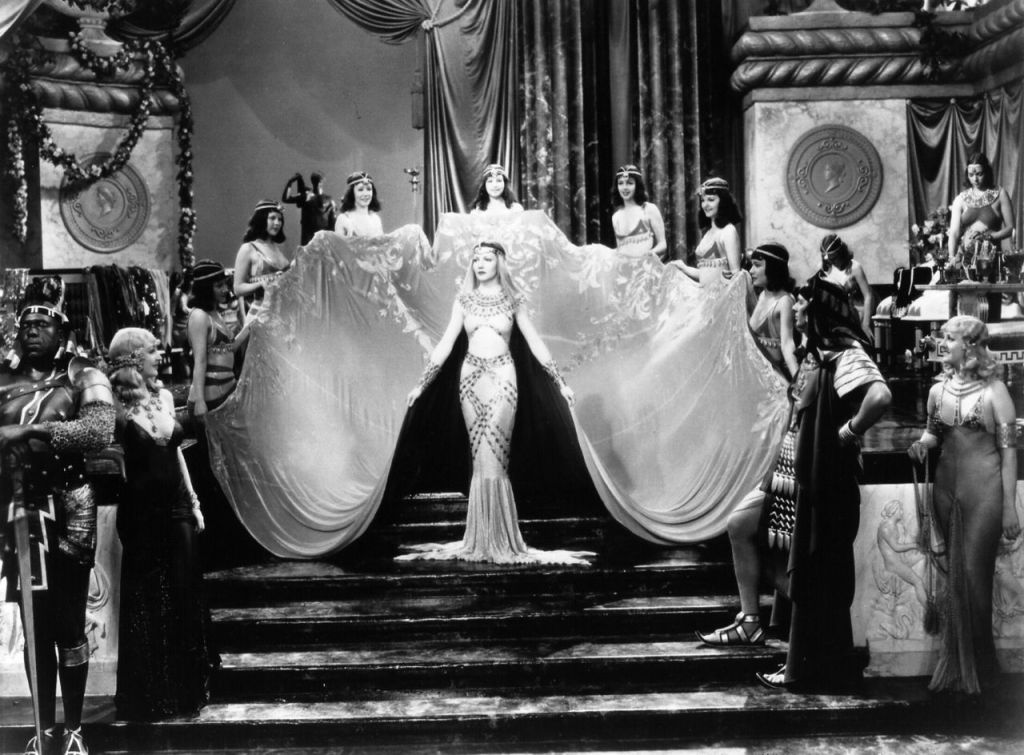
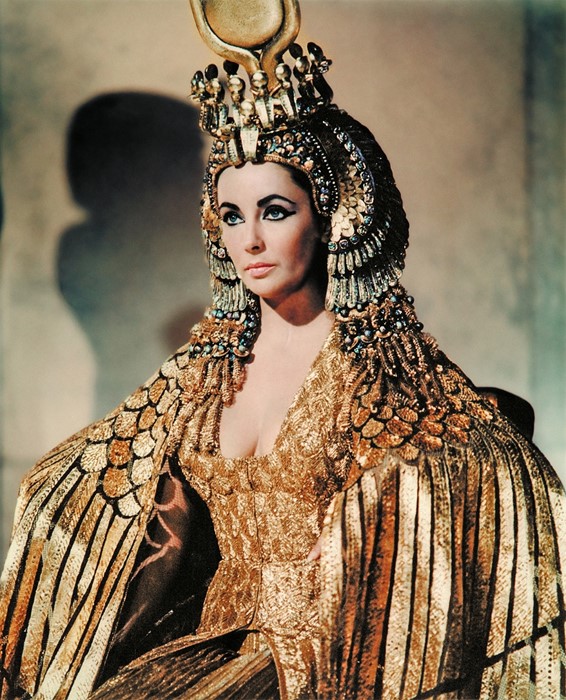
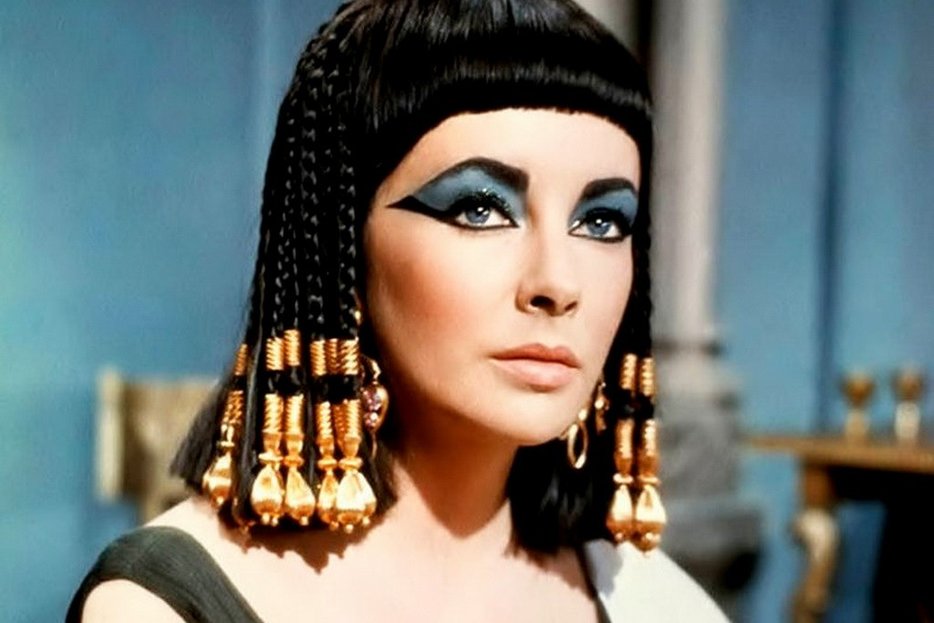
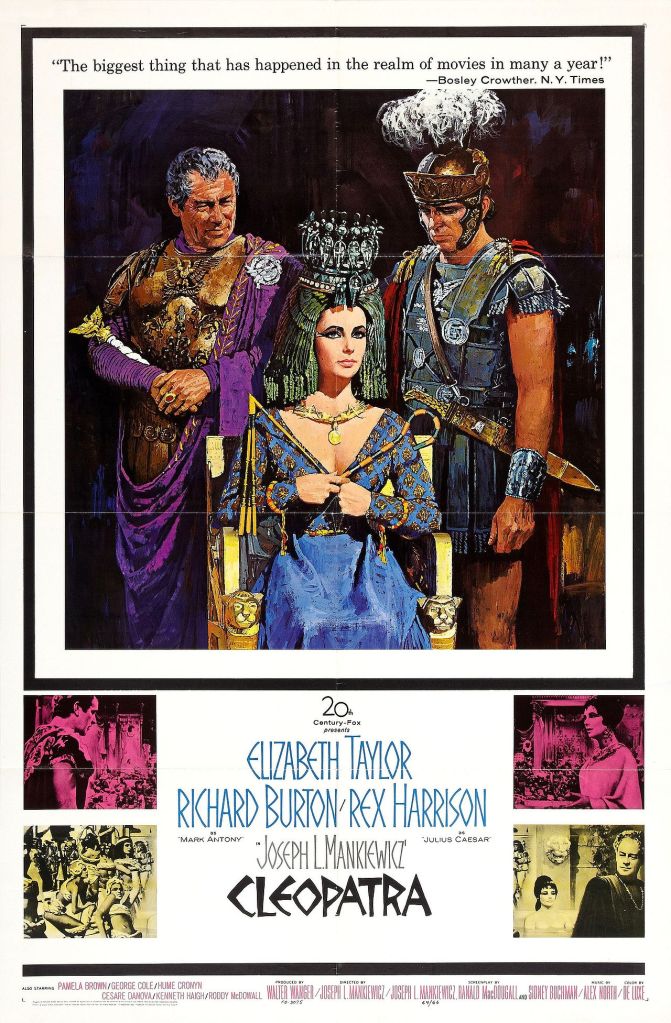
Theda Bara as Cleopatra (1917)Claudette Colbert as Cleopatra (1934)Cleopatra (1934)Elizabeth Taylor as Cleopatra (1963)Cleopatra (1963)Cleopatra (1963) poster
Many actresses, including Theda Bara (1917), Claudette Colbert (1934), and Elizabeth Taylor (1963), have played the queen, typically in expensive, exotic films that concentrate on the queen’s love life rather than her politics. Caesar and Cleopatra, four-act play by George Barnard Shaw , written in 1898, published in 1901, and first produced in 1906. It is considered Shaw’s first great play. Cleopatra, American epic movie, released in 1963, that was perhaps best known for its off-screen drama, notably production overruns that nearly bankrupted Twentieth Century-Fox and the affair between stars Elizabeth Taylor and Richard Burton.
Conclusion
A queen, an empress, a ruler, a passionate lover, a beauty with brain – Cleopatra was literally all in one. She’s definitely considered as one of the most celebrated queen recorded in World history. Tales of her rule and of her beauty still make her unforgettable to the modern Era of History learners. She was a legend, who is encrypted in History forever, with the never ending myths surrounding her life.
1.You owe it to yourself to experience a total solar eclipse | David Baron
Ever heard of the word ‘umbraphile’ ? Meet David Baron : not-mystical, not-spiritual eclipse evangelist. In 12 minutes and 20 seconds David tells the story of his first tryst with eclipses and subsequent adventures. A gifted story-telling episode that makes you want to sit in the front row and experience it live. He then passes on the advice that changed his life –’before you die, you owe it to yourself to experience a total solar eclipse’
I’ve lived as a man & a woman — here’s what I learned | Paula Stone Williams | TEDxMileHigh
“Now, I get my hair cut about half as often as I used to, but it costs ten times as much.So, I can go on vacation or I can get my hair cut ”
Paula stone was fired from her job as the president of the christian church planting organization Orchard Group when she came out as a transgender woman. Unfortunately that wasn’t it, she went on to face many obstacles because of her transition. But she was now gifted with knowledge only few on earth would possess: to have lived as a man AND as a woman. In her hilarious and eye-opening talk she tells us anecdotes on her experiences of mansplaining, gender politics and of course womens’ jeans pocket sizes!
3.Your elusive creative genius | Elizabeth Gilbert
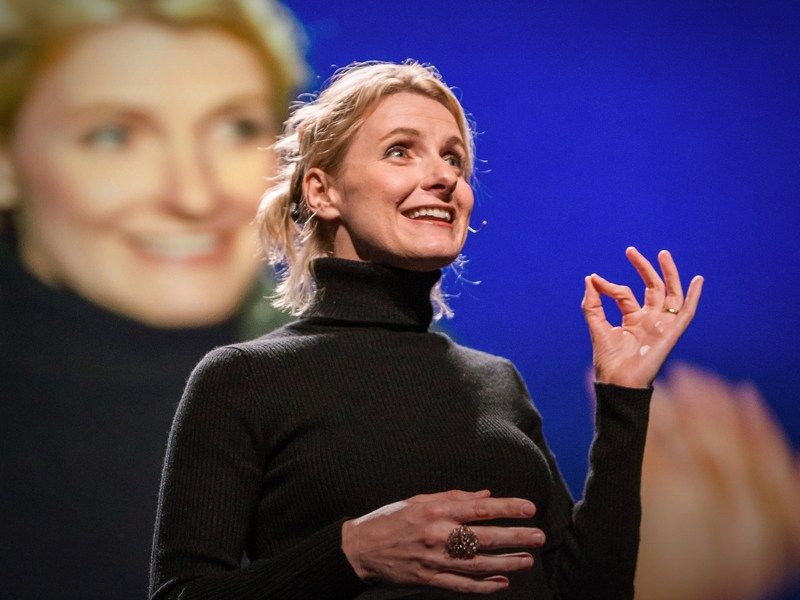
Elizabeth Gilbert, no doubt, is one of the most gifted speakers of all time. As an aftermath of the success of her memoir Eat,Pray,Love, Elizabeth has a realization that leads her to uncover the truth of creative mindset.I can only describe this talk as her splitting and disintegrating our society’s stereotypes of artists and creative geniuses. She makes us question if we should stick to our renaissance-cy thought process that has only brought our artists pain and anguish or if we should re-invent.
4. I got 99 problems… palsy is just one | Maysoon Zayid
Listen to the hilarious comedian maysoon as she tells us about her life with cerebral palsy. Her anecdotes are charming and inspirationa.At the end you will be in awe of her positive attitude and determination to achieve her dreams.You will appreciate life a little more.
5. Inside the massive (and unregulated) world of surveillance tech | Sharon Weinberger
Thanks to dystopian novels, we all know surveillance is a weapon in the information age. But it might shock you to know that selling surveillance technology does not require you to have an export license in most countries including the United States(the way most arms sales would). It’s this unregulated weapon technology that journalist Sharon Weinberger warns us about. From devices that can collect DNA just by swiping across the skin to devices that can identify a person and their exact geographical location just based on their unique voice print technology in the spy bazaar is alarming. This talk will open your eyes to the dangers of an unregulated market.
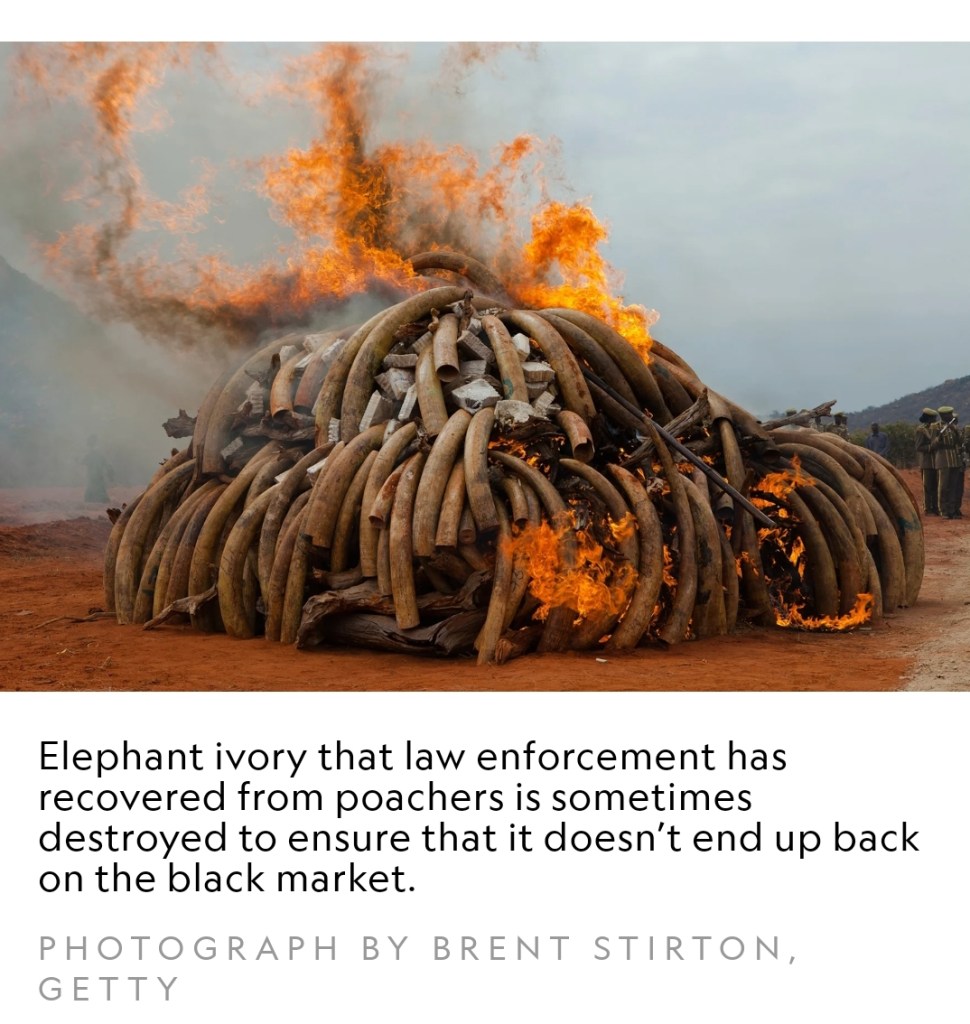
It is distressing to see the plight of the tusk-bearing animals these days. Numerous news headlines are daily highlighting the illegal smuggling of ivory. The extortionate value and demand of the ivories are not only in India, but also in the international markets. Wild animals are mercilessly being poached on a massive scale, possessing a major existential threat to wildlife. But do we really care or do enough to stop this inhumane and selfish act?
Let us first understand the connotation of the word ‘poaching’.
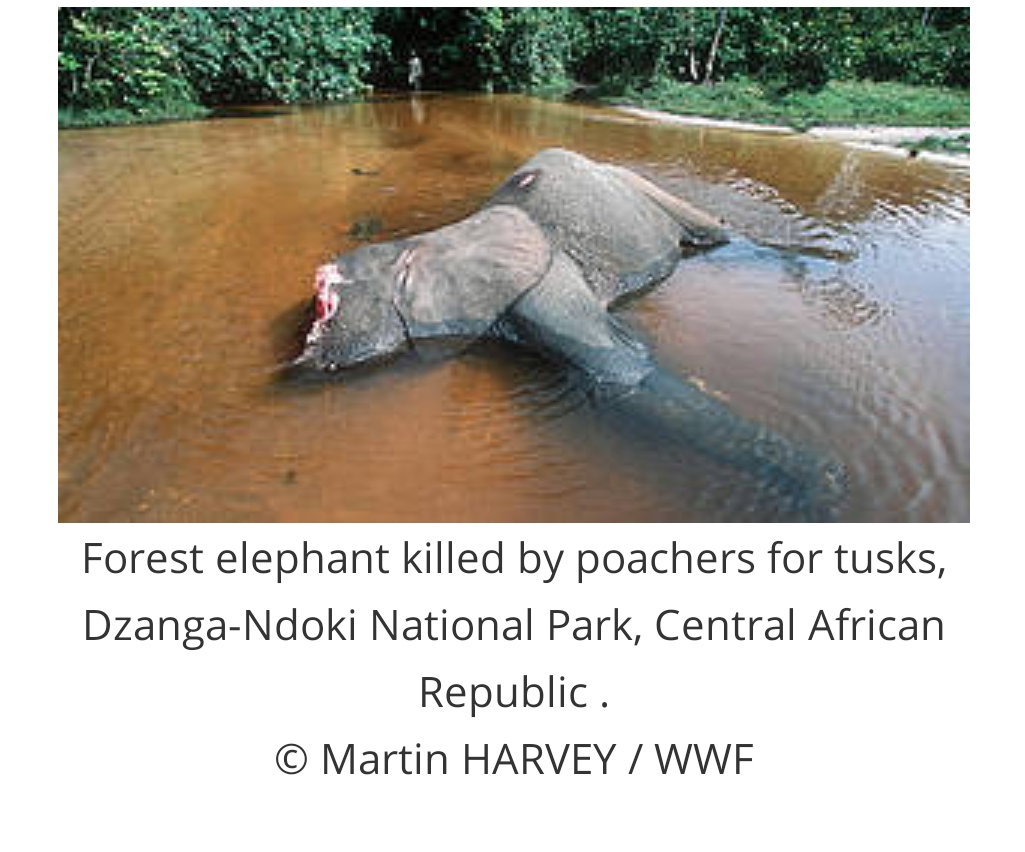
Poaching, in simple words, is the illicit act of killing, shooting, hunting or capturing of animals. The aim of this illegal act is mainly for the purpose of trade of animal products like skin, teeth, horn, bone, etc. Poaching plays a decisive role in being a contributor to biodiversity loss. Due to this felonious act, the number of extinctions has increased dramatically over the past decades. It is necessary to understand that poaching is not only about the uncontrolled killing of protected animals or endangered animals but any unlawful killing of animals.
Smuggling of elephant tusks
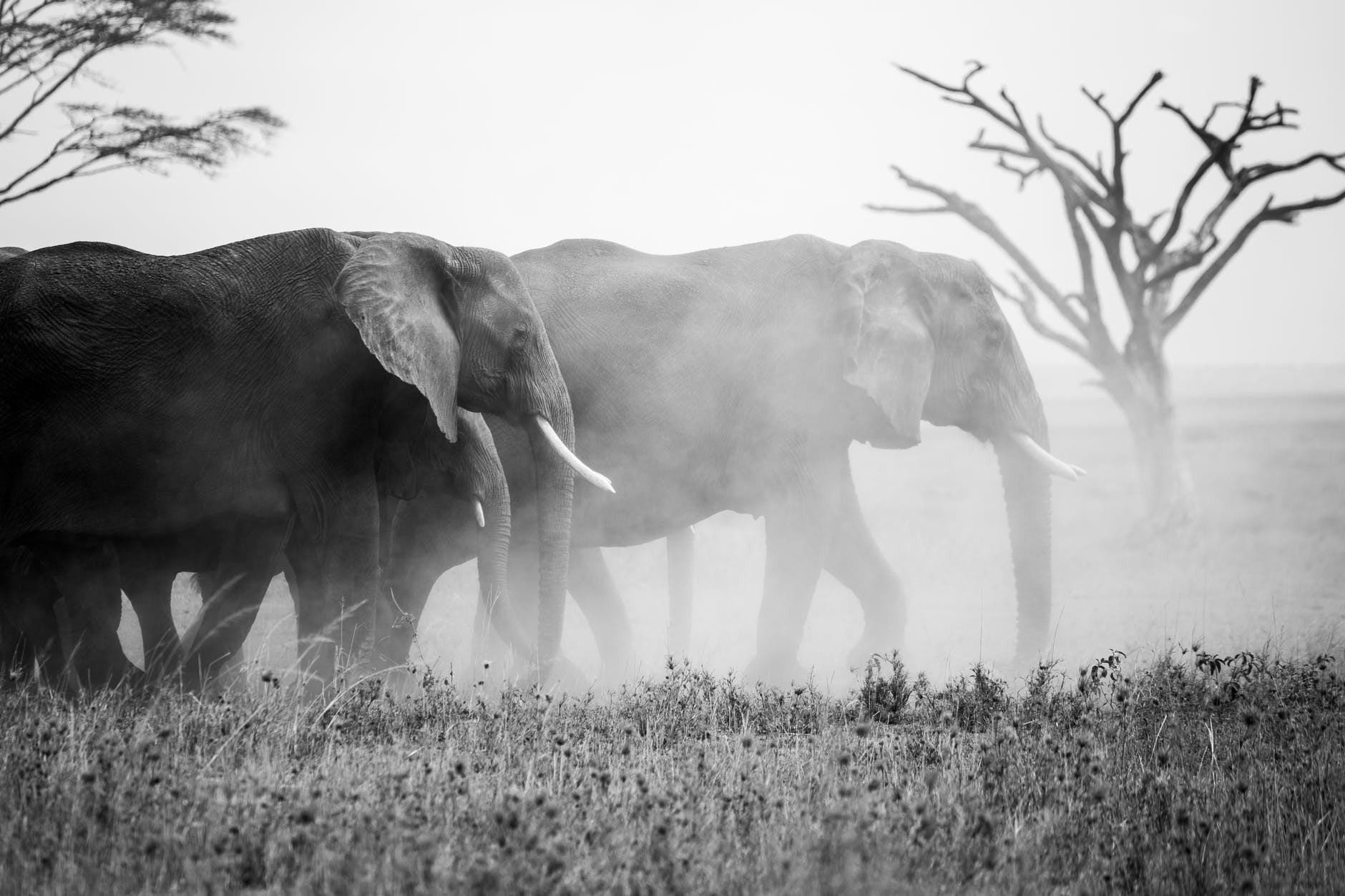
In India, poaching of elephants is very common and a major challenge to be combated. Ivory trade is in high demand mostly in the Asian countries. About 20,000 elephants are mercilessly killed every single year for their tusks. These ivory tusks are then smuggled in the international markets to eventually end up as ivory trinkets.
Ivory trade has been in practise for millennia. In the 14th century BCE, the exportation of ivory and slaves from Africa and Asia were done extensively. The freshly captured slaves along with the tusks were sold. The ivory was then used to make ornaments and aesthetically pleasing commodities.
On July 6, 2016, a complete ban on commercial trade in African elephant ivory went into effect in the United States. The African elephant population has decreased dramatically. Near about 350,000 elephants are left in Africa, as per 2019 data. It is quite shocking to know that 10,000 to 20,000 elephants are slain every year. Elephant numbers have dropped by 62% over the last decade, and if not brought under control, then they’ll be extinct by the end of the next decade.
Major countries where these tusks are sold
China is the biggest consumer market for ivory products. However, a ban was enforced on ivory trade by China in the year 2017. But it is evident that ivory is in high demand in many countries. Illegal selling of ivory is still rampant. In the year 2011, a whopping amount of 100kg of ivory was seized by Tanzanian officials. That same year several countries including Tanzania and Kenya seized a total of 17 ivory shipments weighing 800 kg.
According to surveys and in-depth interviews the demand for ivory is known to be concentrated in: China, Thailand, Vietnam, the Philippines, and the United States.
Last year, about 8.8 tonnes of ivory items were seized in Singapore.
The adverse effects of tusk-removal on the elephants
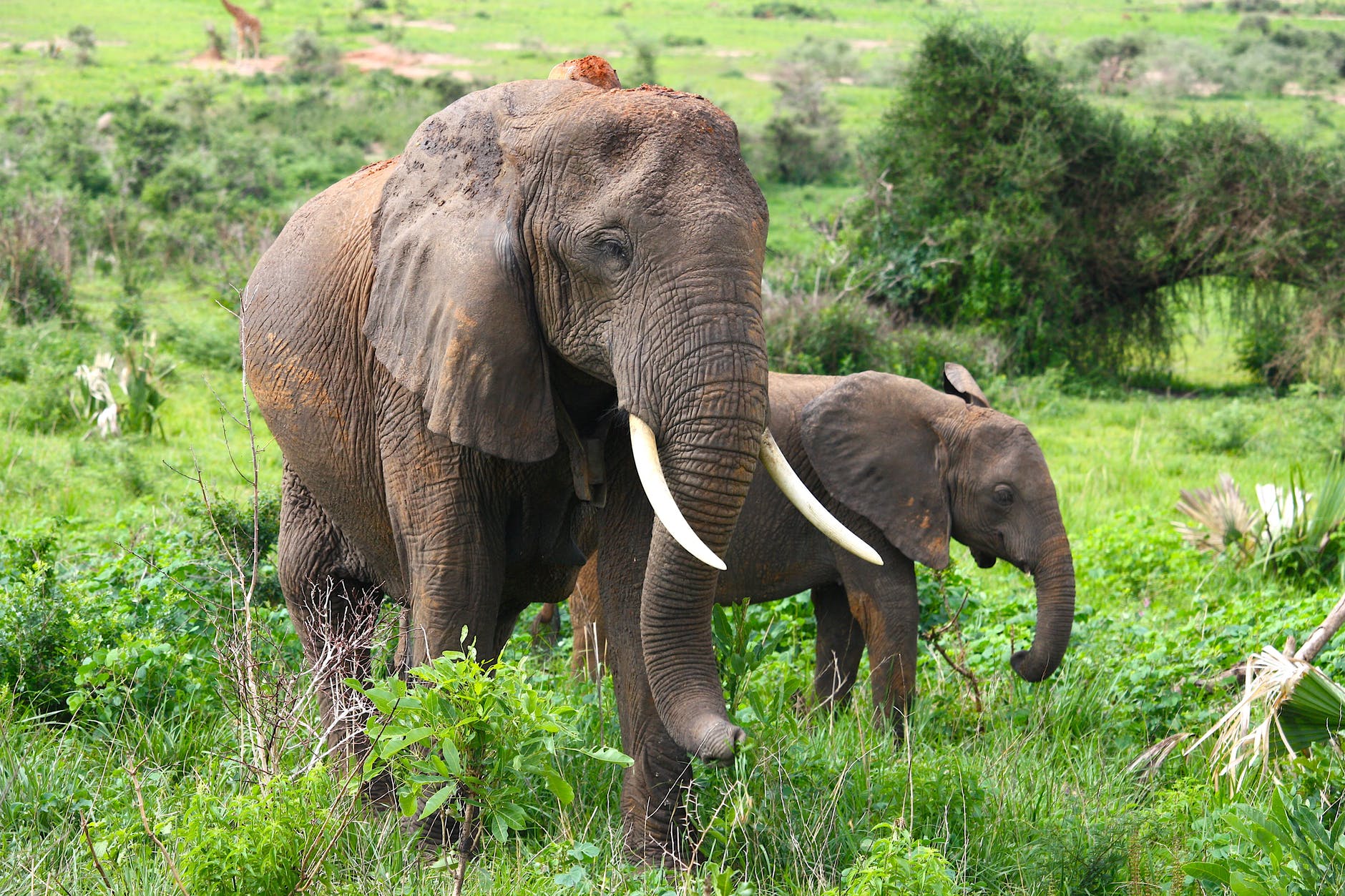
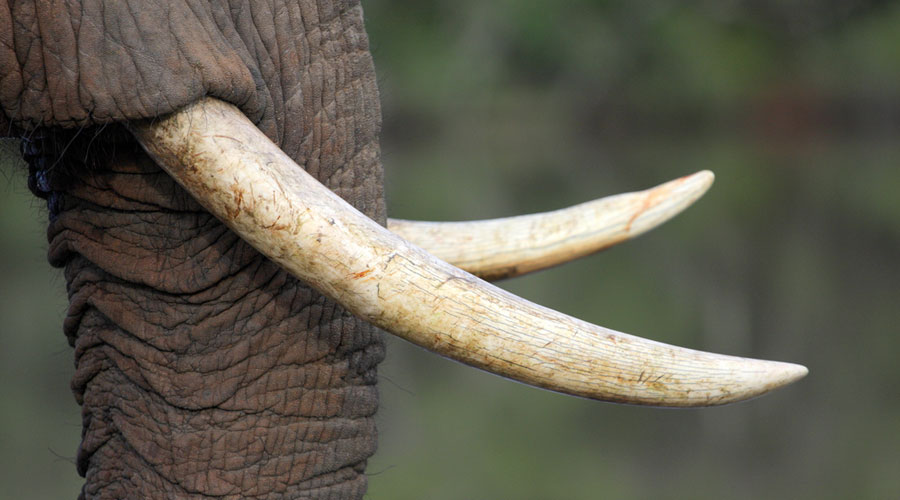
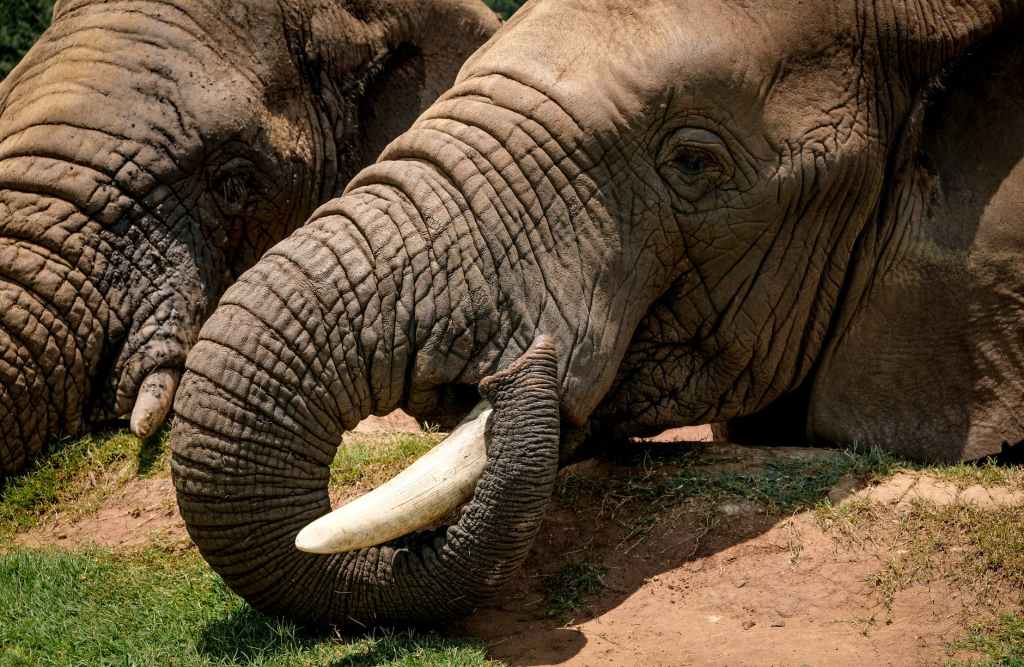
I am sure that we have all seen the majestic elephants flaunting big, off-white tusks on either side of their trunks. These tusks are both beautiful on the elephant and of utmost importance in the species’ survival.
Many poachers claim that there are no after effects of tusk-removal. Either the elephants are killed or sedated before removing their beautiful tusks.
An elephant’s tusk is deeply embedded in its skull. When the tusks are removed, there is a big hole left afterwards. The hole is big enough to stick your arm into it. If the tusks are removed at the point where it protrudes from the head, the nerve is exposed. Either way, now the wound is open and vulnerable to all sorts of infection. So, even though the elephant remains alive it is still at risk. Now, suppose there is an ivory poacher. Any poacher will want as much ivory as he can acquire with as little risk as possible. If he opts for the removal of the tusk completely, he/she will have to completely sedate or kill the elephant, because of little time and the fear of getting caught.
The answer is a ‘Big No’. Ivory has been valuable since ancient times in art and manufacturing a range of items and artefacts. Though elephant ivory is the most important source, ivory of walruses, mammoth, killer whale, sperm whale, hippopotamus, narwhal and warthog are used as well.
The international and national trade of ivory of threatened species such as African and Asian elephants is illegal.
The presence of media in our lives is extensive. Take a look around you and observe all the various forms of media available. When are we not really surrounded by some form of media? According to Statista Research Department (2021), there are more than 143000 registered newspapers and periodicals across India. Around 210 million households own a television and 744 million users access the internet using mobile phones(Sandhya Keelari, 2021). There is a penetration rate of 54% for smartphones in India.
An important question arises in this age of saturated information and intense political situations – Are we as media literate as we should be? Before coming to the importance of media literacy, let us look at its proper definition. Media literacy has been defined as the ability to access, analyze and evaluate the power of images, sounds and messages which we are now being confronted with daily and are an important part of our contemporary culture. It also refers to being able to communicate competently in media available on a personal basis. Media literacy basically refers to how much a person can identify the different types of media and understand their messages. These can be television, radio, print, advertisements, memes, video games, etc. Understanding the objective or goal of the author/creator of a media is the basis of media literacy. Media literacy is an essential topic of study, particularly for the youth, for the following reasons:
For Gaining Right Information:
Media literacy helps you access and understand new information, ideas, and perspectives. Media helps us collect data which can be very useful for school or work. A common example is how all students now go to the internet first when a project or presentation work is given to them. It helps them find out what they had missed before.
However, we must also be able to understand when inaccurate or wrong information is presented to us. As the media bombard us with information from all sides, finding the right data may be difficult. Media literacy helps us identify reliable sources. While misinformation has been a prevalent issue for years, it has become even more evident during the lockdown periods of the COVID-19 pandemic. Misinformation has caused both minor and major social and health issues in the country. Misinformation refers to wrong or inaccurate information spread unintentionally. A vast majority of forwarded messages in your family groups on Whatsapp would fall into this category. Disinformation, on the other hand, is false information propagated intentionally. People must be made aware of the nuisance of misinformation and disinformation. They should develop a skepticism towards digital information but not to the extent that they lose their natural curiosity.
Critical Thinking:
We need to be able to critically analyze the media presented to us. This means that on watching a news report, we should understand how the reporter has framed the news and if there is an underlying purpose or bias in the report. Media literacy also helps us recognize how biased media can affect our perceptions of an event or issue. In a country like India, almost all the media we are exposed to can be politically-charged. Directly or indirectly, most newspapers, television channels and media houses are affiliated with some political group or their views. This bias is not right or wrong as long as it is not the deciding factor above everything. Whether it is right or not, we as consumers should be able to recognize various perspectives presented by the media and respond rationally. This also applies to social media posts. Someone who has good media literacy skills can spot paid promotions or advertisements on social media and television.
Media literacy is an area of education that should be given more significance in India. It should be taught so that on exposure to any kind of media, people can find the answers to the following queries on their own:
What is the correct source of this message?
What creative techniques are used to grab my attention?
How might different people understand this message from me?
What values and points of views are represented in or avoided from this message?
Over the last two years in India, some of the most significant changes in thought and opinion, both positive and negative, were seen on the issue of mental health. Mental health refers to a person’s psychological, emotional, and social well-being. As individuals, we tend to be more focused on our physical well-being. But it is important to maintain a healthy body and a healthy mind as well.
When the COVID-19 pandemic hit the world, there was fear, panic, and a lot of confusion. People’s mental health took a heavy toll. The situation in India was not different either. According to a study by Lancet in 2020, there was an increase of 35% in the number of anxiety and depression cases reported in the country. Covid-19 patients often suffer from depression, anxiety, and post-traumatic stress related to the disease. Front-line workers and people in the healthcare system also face issues of stress and insomnia and may face a lot of stigma from their communities. The situation has obviously relaxed these days, but the lockdown days were definitely a difficult period for everyone. The general population also suffered from issues such as stress, anxiety, depression, and loneliness. Spending time in isolation or quarantine led to increased concerns regarding suicidal thoughts and suicidal ideation, particularly among the youth. There was increased alcohol consumption and drug use, even as many cases of people suffering from severe withdrawal symptoms were reported due to the sudden unavailability of alcohol and other addictive substances during the lockdown.
While there has been a lot of distress, the lockdown has been beneficial for a fraction of people too. For some, it gave them the opportunity to spend previously unavailable time at home with their family, with work and studies going online.
In India, mental illness has long had a perceived sense of judgment attached to it. Mental disorders are usually not considered a real problem that requires proper medical care and treatment. There is a lot of stigma regarding it in our society. While timely diagnosis, professional help, and therapy can be very helpful for patients with mental illnesses, many are not usually ready to seek the required help. They feel a sense of shame and embarrassment in having to seek medical help. Lack of awareness and education also makes it difficult for people to properly express their emotional distress in such cases. Many are not aware of disorders like PTSD, behavioral and eating disorders. Mental health services may also not be easily available or affordable for everyone. There is a major portion of the population whose mental issues go untreated.
Regardless, the pandemic period has evidently brought a change in the mentality of people regarding this topic. With more people talking openly about their mental health struggles, the conversation around this topic has become more mainstream. Many now understand the importance of opening up and seeking help for their mental issues. They also understand the Importance of supporting those who require help. In a study conducted by LiveLoveLaugh in 2020, 92% of those surveyed said that they would seek treatment and support those who seek treatment for mental illness. This is a definite increase from the 54% who were of this opinion in the same survey conducted in 2018.
The central and state governments have also done work in increasing the general awareness about mental health and improving the country’s mental health services. The Government of India has initiated two major programs to tackle this problem. The NationalMental HealthProgram (NMHP) was launched by the Government in 1982 with the following objectives:
To ensure the availability and accessibility of minimum mental healthcare for all in the foreseeable future, particularly to the most vulnerable and underprivileged sections of the population
To encourage the application of mental health knowledge in general healthcare and in social development
To promote community participation in the mental health service development and to stimulate efforts towards self-help in the community.
Under NMPH, the District Mental Health Program(DMHP) was launched in 1996 which also concentrated on improving public awareness, providing training to professionals, and ensuring early detection and treatment of mental illnesses.
During the lockdown period, the three central mental health institutions- National Institute of Mental Health and Neuro-Sciences (NIMHANS), Central Institute of Psychiatry (CIP), and Lokopriya Gopinath Bordoloi Regional Institute of Mental Health (LGBRIMH), under the direction of Central Ministry of Health and Family Welfare, started a national helpline with the aim of supporting people with mental health concerns that arose out of the COVID-19 pandemic.
It is essential that such efforts and meaningful conversations regarding the topic of mental health take place in our society. Everyone should be educated and made aware of such issues, including children. They need to accept that mental health issues are normal. The important thing is to take action and reach out for professional help. A person seeking help for their mental health issues is not inferior or weird, and they require all the support they can get.
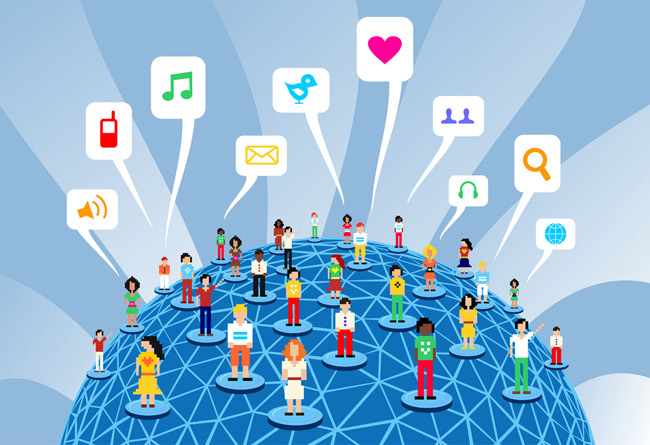
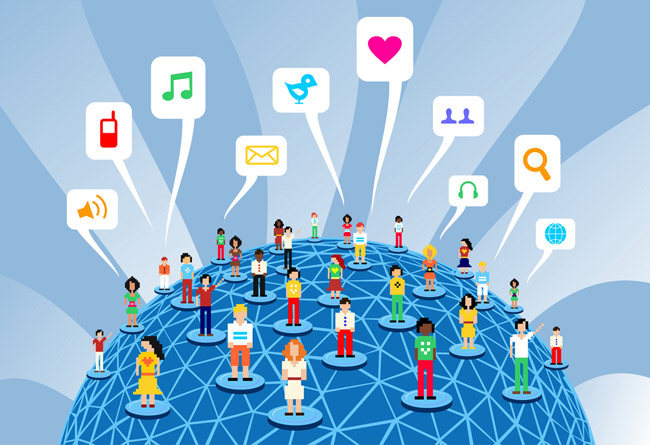
As millennials or members of Gen Z, most of us have been exposed to some form of social media from quite a young age. Our parents’ generation saw social media begin its growth, we grew up with it, and the coming generation is not going to know a life without it. So, where did it all start, and how did we reach here?
Precursors:
In simple terms, social media refers to computer-based platforms that can be used to share thoughts, ideas, and information through the internet. It gives users quick electronic communication of content, such as personal information, documents, videos, and photos.
But before the internet, there was the Morse Code as a precursor to the social media we know of today. Morse code used a series of dots and dashes which were tapped out by hand on a telegraph machine to communicate some information. The first message using Morse code was sent on 24 May 1844 from Baltimore to Washington D.C.
The emergence of ARPANET (Advanced Research Projects Agency Network) in 1969 by the United States Department of Defense and NSFNET (National Science Foundation Network) in 1987 by the National Science Foundation was crucial for laying the technical foundation of the Internet.
The Timeline:
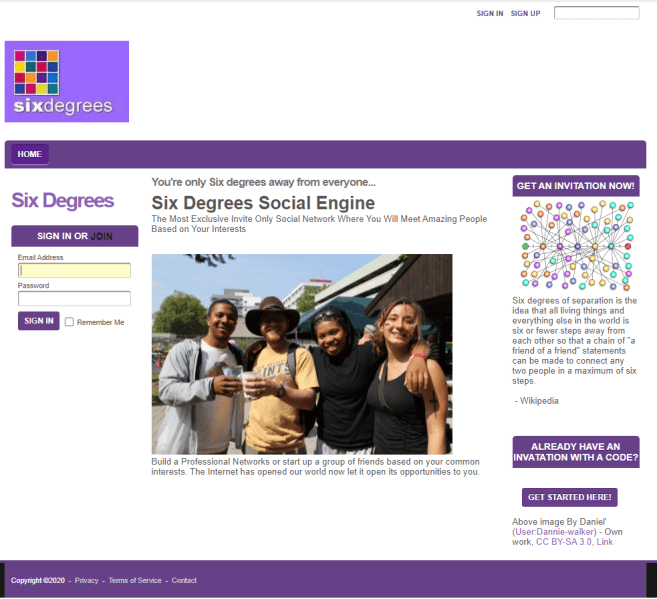
With the advent of the Internet, there were a lot of communication services coming up in the U.S such as CompuServe, America Online, and Prodigy. They provided users digital communication services through email, bulletin board messaging, and real-time online chatting. But the first online social media is considered to be Six Degrees which was the first platform that made it possible for users to have a profile. A profile is like a virtual character that resembles the user’s identity. Six Degrees was developed by Andrew Weinreich in 1997 and the name was derived from the “six degrees of separation” theory according to which “everyone in the world is connected to everyone else by no more than six degrees of separation”. This platform was shut down in 2000 but is now active again and you can find it with a simple Google search!
The landing page of Six Degrees
A lot of instant messaging applications came up between 1997 and 1999, like AOL Instant Messenger, Yahoo Messenger, and Microsoft’s MSN Messenger. Brad Fitzpatrick founded LiveJournal which caused a large number of people to get into blogging.
Friendster was another platform that was launched in March 2003. It allowed users to contact other members, maintain those contacts, and share online content and media with those contacts. Users could share videos, photos, messages, and comments with other members via profiles and networks. it was redesigned as a social gaming platform in June 2011.
Both LinkedIn and MySpace were launched in 2003. LinkedIn was founded as a networking site for career-minded professionals and still remains the social media site of choice for job-seeking people as well as employers looking for qualified professionals. MySpace allowed users to share new music on their profile pages and was the most visited website on the planet by 2006. It was beaten in popularity by Facebook in 2008, which has now grown into a huge networking service that literally everybody knows about.
Modern Social Media:
Facebook was founded in 2004 by Mark Zuckerberg and his Harvard collegemates and gained popularity over other social media sites because it provided frequently updated content in their News Feed. “The Wall” feature also enabled its users to post publicly. The “Like” button was introduced in 2009 and “The Wall” was replaced by the “Timeline” feature which organized the user’s posts chronologically. Over the years, Facebook has also been the subject of various controversies, including issues related to user privacy, mass surveillance, and political manipulation. The platform has 2.8 billion active monthly users, as of 2020.
Steve Huffman launched Reddit in 2005 as a web-content rating and discussion website where users can vote content up or down. In 2006, Jack Dorsey launched Twitter as a microblogging site where users can post and interact with messages known as “tweets”. As of 2020, Twitter has 186 million active users.
Instagram is another big social media site that was launched in 2010 by Kevin Systrom. It was launched as a photo-sharing website but has now included sharing of media content that can be edited using filters and featuring hashtags. Viewers can like, browse other users’ posts, and view trending content. Instagram was purchased by Facebook in 2012. It has since then come up with several features like messaging, ‘stories’ and live-stream features, and ‘reels’ which allows users to post quick 15, 30, or 60-second video clips. It is said to have 1.386 billion active users as of 2022.
Pinterest was launched in 2010 by Ben Silbermann as an image sharing and social media service site. Users can save and find information using images, GIFs and animated videos. Snapchat is another popular site that was launched in 2011 by Evan Spiegel. Instagram developed its ‘stories’ feature because of the competition from Snapchat which allows users to post pictures and messages that are available only for a short time.
Other popular social media platforms include TikTok, which was founded in 2016 by a Chinese company called ByteDance. Users can post very short videos on the site and it has rapidly grown to be hugely popular among teens and young adults across the world. As of 2021, it has about 1 billion users, even though it has been banned in various countries due to issues with content and security.
Over the years, social media has grown from being a place for people to connect with friends and family, to also being a major platform for businesses and corporations. Sponsored advertisements have been a part of all the modern social media sites like Facebook, Twitter, and Instagram. Companies use organic social media marketing to increase brand awareness, develop and nurture relationships with customers, generate leads and increase conversions, and learn from competitors. Social media sites like Facebook, Instagram and Twitter also regularly come under fire for spreading fake news, and causing psychological effects like addiction, and self-esteem issues in teenagers and young adults.
The landscape of social media is rapidly changing and we can only wait and watch how this industry grows and changes in the future.
An IP address abbreviation of Internet Protocol address, it is an address that is provided by the Internet Service Provider to the user, it is just like a postal address code that is pin code to find the location or place where to send the message. An IP address is a unique group of number what are separated by the period (.), it varies from 0 to 255, and every device has a separate and unique IP address that is assigned by the specific Internet Service Provider (ISP) to identify which particular device is communicating with them and accessing the internet from there.
If you want to access internet from you device which may be your Android, I phone, Computer the service provider assigned them a particular, unique address that is help them to communicate send, receive information from the right person without any misunderstanding, mistake the message is pass to the authentic person to whom it has to send. This problem is solved by the IP address, in olden days; we have postal address to send the message/letter to the person, the message that has to be sent with the help of the address which may be his house number, city, town, postal code. The sender will write the address on the top of the letter envelope so that it will be delivery to the right person. If the person connected his device to internet provide by the hotel, the hotel‘s Internet Service Provider will assign an IP address to the device.
Types of IP addresses
There are different types of IP based on different categories, types.
Consumer IP addresses
A Consumer IP addresses is the individual IP addresses of a customer who connects his/her device to a public or private network. A consumer connects his device through internet from his Internet Service Provider, or from the Wi-Fi. In these days the Consumer has many electronic gadgets which he connects to his router that transfer the data from the Internet Service Provider.
Private IP addresses
A Private IP addresses are a secure one that is connected Private Network and every devices that is connected to this Private Network is assigned a unique IP address that is assigned by the Internet Service Provider. All Mobile devices, Computer, and Internet of Things that are connected to this private network are assigned a unique string number to the devices.
Public IP addresses
A Public IP addresses is the main address that is related to your network, as stated above that the IP address are assigned by the Internet Service Provider, the Public IP address is also assigned by the Internet Service Provider, The Internet Service Provider has a large amount of IP addresses that are stored and assigned to the customer. The public IP address is the address that devices that are outside the network use to identify the network.
The Public IP addresses are further classified into two types they are:
Dynamic
Static
Dynamic IP addresses
The Dynamic IP address are the IP address that changes very frequently, so the Internet Service Providers purchase a very huge amount of IP addresses , they assign it mechanically to the customer . This frequently changing the IP address helps the customer not to make the security actions. The frequently changing IP address won’t let the hacks to track or pool your data.
Static IP addresses
The Static IP addresses is the contradictory to the Dynamic IP address, it remain fixed. The IP address remains fixed when it is assigned by the Internet Service Provider. The mostly many person and business man don’t choose static because it is risk of getting easily track, but most business which are trying host her own website server choose Static IP address so it will easier for the customer to find them.
The IP address can be protect by 2 ways that are using proxy and the other one is use of Virtual Private Network. A proxy server acts as a intermediary between the internet server and your internet service providers, when you visit any website it will show the proxy IP address not yours.
Where to find IP address is Device?
The IP address set up in every device that is connected to the Internet, but the steps or direction is different in different devices. Some of device direction is given below:
In this Digital age, the market has became more global than ever it has been, the use of internet has been at peak, than it has never before, the small business that were in the street has started to open a wide market through the use of Internet, the local shop has reached to other parts of the world through the use of internet, websites, social media etc., many big multinational company has been facilitating the tools and facilities for the small business owner to come on the much bigger platform than ever before through the internet. Global integration through this medium that remove the barrier of trade, investment, communication, factor flows, bringing the economics together for the development.
There is a global change in the world, in this pandemic, changes in economies, business, technology, communication, politics and many more. This changes make the require the business to adapt to this changes as quick as possible or else they will get outdated, obsolete and might even wind up the business. There are many uncertainties in the business, so the entrepreneur must adapt to this changes, think about the future of the business. There are many other factors that are forcing the business to make changes, like limited resources, limited market, huge competition, highly skilled labor to change from traditional way to alternative way for getting the business more successful and to get in global market. Advantages of going international: It can able to take advantage of market opportunities in abroad countries through internet, trade. It also defends and grips the position of the business from the competitive position in varying technology, and also from domestic rivalry or government policies. It also enhances their return from the higher revenue and also lowers their cost of production. It also reduces it imports and try to increase their exports It breaks the barriers of places, geographical locations through internet. It also amplifies their relations with the International Diplomats. It also takes benefits from the international technology, labor and many opportunities. To get more access to the global markets and get the resources at low price without compromising its quality. The Domestic business is a business that buys or sells the goods and services within the national boundaries. It gets its resource within the country boundaries doesn’t have any option to search for the better option and even for the markets, it has limited its boundaries in terms of place, markets, resources unlike International business where goods and services are traded across the boundaries of the country, it can be either the countries or between the multinational companies from the different countries. The Domestic business has some limitation that it operates only within the boundaries, limited to narrow markets, no new customer, no customer visibility and reach, scare resources with high price, not good quality, but whereas International business all this limitations are eradicated with the help of technologies which remove the barrier of place, market, time, and new customer with high quality product with reasonable price, and the owner get the raw material with good quality and with reasonable price. In domestic business, the business get a constant threat of competition, rival companies as they don’t have new markets and large reach for their products, it becomes difficult for the domestic business to survive in the market. Many domestic businesses are going in the way of globalization, market integration with the use of technologies and becoming the international business and removing all the hindrance of the small business problems, competition.
International Journal of Research (IJR) provides a forum for sharing timely and up-to-date publication of scientific research and review articles. The journal publishes original research papers at the forefront of law and social sciences. The topics included and emphasized in this IJR journal are, but not limited to, law, political science, economics, environment, history, communication, sociology and safety. Current isssue of the journal is available at
International Journal of Research (IJR) publishes a broad range of social science research and thinking on the interaction of natural resource ecology and management around the world and at multiple scales. Papers published in the journal go through a double-blind, peer review process and meet standards of contributing significantly to theory and/or transformative policies and practices, offering scholarly depth but broad appeal to our diverse readership. The mission of the journal is to conduct interdisciplinary research, instruction, and extension education to address the sustainable management and conservation of the fishery, forest, rangeland, and wildlife resources all over the world.
Send papers for publication in this journal to ijr@ijrjorurnal.com
When we talk about women’s empowerment, gaining formal education, a career or some form of a stable means of livelihood forms an important part. From not allowing girls entry into schools and colleges to witnessing women make pioneering discoveries in the fields of science, technology, medicine, and space, the world has come a long way.
However, let us also not forget the fact that only 33% of researchers globally are women (UN Women 2022). They are also provided fewer funds than men and promoted less. According to a study conducted by The Times of India in 2018, women made up only about 25% of the scientific faculty of universities and institutions. While they form a significant fraction of science teachers in both government and private schools and colleges, the number of women sitting in top positions and with successful careers in these fields is quite small. This is mostly because women more often than not face the pressure of balancing their careers with their families. There remains an inherent belief among many that maintaining the family is primarily the women’s responsibility and cannot be compromised because of their job. A portion of female students enrolled in PG courses and female Ph.D. researchers end up unable to complete their courses due to family pressure regarding marriage. More than 50% of female graduates end up choosing a teaching career, rather than working as professionals in physics, mathematics, and engineering.
Then there are also the numerous complaints of harassment and biased and discriminatory behavior reported in such institutions. The representation of women in the overall field of science is small because people generally see science as a profession for men.
Despite all this, there have been many women visionaries in India who have made significant contributions in the field of science. Here are some of the well-known females in India’s scientific field:
Kamala Sohonie {1912-1998} was the first female student of C.V. Raman and was the first woman to obtain a Ph.D. degree in a scientific discipline. She discovered that every cell in a plant tissue contained the ‘cytochrome c’ enzyme which was involved in the oxidation of all plant cells.
Anandibai Gopalrao Joshi (1865-1887) was the first Indian woman to have graduated with a degree in western medicine in the U.S and went on to become the first woman physician in India.
Janaki Ammal (1897-1984) was a talented botanist who worked on developing different varieties of homegrown sugarcane and eggplant. She received the Padma Shri award in 1977 and was also appointed the Director-General of the Botanical Survey of India.
Asima Chatterjee (1917-2006) was a chemist well-known for her contribution in the fields of organic chemistry and phytochemistry.
Tessy Thomas (1963-) is the Director-General of Aeronautical Systems of DRDO. She is also the first woman scientist to head a missile project in India.
Major women scientists of ISRO, like Ritu Karidhal, T.K. Anuradha, Nandini Harinath, and V.R. Lalithambika among many others have received widespread praise and recognition for their work on various successful space missions like Mangalyaan, Chandrayaan, etc.
All of this goes to show us that science is not just a men’s field of play. It is as much a woman’s subject as it is a man’s and this is definitely not the last we will see of women in the field of science.
Porter’s 5 Forces Model is a business model and a tool which helps in identifying main competitive forces of an industry or a sector. The 5 Forces Model is mainly used to create a corporate strategy which will help a company to enhance its long- term profitability.
Understanding Porter’s Five Forces Model
The 5 Forces Model was created by Harvard Business School’s Professor Michael E. Porter and was published in his book “Competitive Strategy: Techniques for Analyzing Industries and Competitors” in 1980. The model was created to explain why various industries are able to maintain varying level of profitability. Porter’s 5 Forces helps in analyzing the industry of the company so that a company can adjust their corporate strategy, boost their profitability and beat their competition.
What are the five forces of the Porter’s Model?
Competition in the industry
Potential of new entrants into the industry
Power of Suppliers
Power of Customers
Threat of substitute products
Competition in the Industry
For most industry, the level of competition in the industry determines the positioning of the product in the market. The intense the competition in the market, the more the company has to focus on innovation, marketing, price, etc. of the product. When the competition is less, a company has more authority to charge higher prices and establish the terms of deals in order to increase sales and profits.
Potential of New Entrants into the Industry
A company’s positioning is also affected by the new entrants in the market. This in turn puts pressure on prices, costs, and the rate of investment needed to sustain a business within the industry. The less the time, money and effort it takes for a competitor to enter the market, more is the threat for a company to lose its market share. On the contrary, if there are strong barriers to entry in the industry, companies more secure about their market share.
Power of Suppliers
Power of suppliers in a market means how easily suppliers can increase the cost of the inputs. The suppliers’ power in the market is determined by the factors like number of suppliers in the market, uniqueness of the inputs they provide, cost of switching a supplier for a company. If the number of suppliers in an industry is less, a company would depend more on its current supplier, thus giving more power to supplier in terms of cost of inputs and other advantages in trade. However, if the suppliers are more in the market, then company has the advantage of switching the supplier in case the supplier increases the price or if a company finds a cheap supplier, thus keeping their input costs low and increasing their profitability.
Power of Customers
Customers are more powerful in an industry when there are less number of customers in an industry and more number of suppliers. Because the client base for a company is smaller and more strong, each customer has greater negotiating leverage to get better rates and deals. A company with a large number of smaller, independent consumers will find it easier to raise prices and increase profits.
Threat of Substitute Products
A substitute is a product or service that can be easily replaced with another by consumers. In economics, products are often substitutes if the demand for one product increases when the price of the other goes up. When there are no close substitutes in the market, a company can take advantage of charging higher prices. However, if there is availability of close substitutes, customers will switch to substitutes in case of increase of the prices of the products of a company.
Understanding Porter’s Five Forces and how they apply to a particular industry can help a company change its business plan to make better use of its resources and generate more profits for its shareholders.













 Eduindex
You must be logged in to post a comment.