New policy of Education system 2022

The president of India Sri Ramnath Kovind inaugurated a virtual conference of governors on the role of national education policy NEP 2020 and transforming higher education in New Delhi. Today Prime Minister Narendra Modi addressed the inaugural session of the conference which was attended by union education minister sir Ramesh April Shank for Education Sri Sanjay Dutta governors lieutenant governor administrations of states and also some sat chief ministers and education ministers addressing the conference. 

Photo by Fox on Pexels.com

The president of India said that the national education policy NEP will take the country, especially the youth forward by the needs and aspirations of the 21st century congratulated the prime minister for his visionary leadership and inspiring role in shaping this historical document he also appreciated Dr. Kastura Runyan and ministers as well as the officials of education ministry for giving shape to NEP. Through an elaborate process that took into consideration more than two lack suggestions received 2.5 lakhs gram panchayats more than 12.5 thousand local bodies and about 675 districts if changes are effectively brought about India will emerge as an education superpower he added elaborating on the NEP. The president said that governors being chancellors of states Universities have a crucial role to play in the implementation of NEP there are some 400 states Universities with about 40k colleges affiliated with them hence it was imperative to establish coordination and dialogues with these universities which could be done by governors who are also the chancellors the president said that Education is the most effective way for social justice and hence the NEP calls for an investment of about 6 percentage of GDP  jointly by the center and the states. He said the NEP emphasized strengthening public educational institutions for a vibrant democratic society and at the same time inculcating respect among students for fundamental rights duties constitutional values and patriotism speaking on the occasion the prime minister said the education policy and education system are important means of fulfilling the aspirations of the country. The prime minister said that though the responsibility of education lies with the central state and local level governments their interference in the policy should be minimal. He said the relevance and effectiveness of the education policy will increase when more and more teachers, parents, and students get associated with it. He added that NEP 2020 was drafted after receiving feedback from millions of people across the country and from those related to the Education sector which is why there is a sense of ownership and an all round acceptance among people about this policy. The prime minister further said that NEP is not only directed at reforming the education system but also at giving a new direction to the social and economic fabric of 21st-century India. he said the policy aims at making India self-reliant or atma nirbhar by making our youth further ready in a rapidly changing world and equipping them with the knowledge and skills as per the requirements of the future. He added that NEP focuses on learning rather than studying and goes beyond the curriculum to emphasize his critical thinking he said there is more emphasis given on passion practically and performance than a process he said that the policy aims at making India a knowledge economy in the 21st century. He said that it also allows for offshore campuses of top international Universities in India which will address the issue of brain drain in his welcome remarks union education Minister Sri Rameshh’s portrayal of Shank touched upon the journey evolution and consultation process of the NEP. The minister said this policy is the result of a wide-ranging consultation process covering Laksa villages block districts’ academicians vice chancellor principal teachers and scientists he stressed the new direction and support to research that will be given through the national research foundation. He said the NEP will make our education system both flexible and stable he said the focus and the police are on reform transform and performance and hope the road to a swatch status act atma nirbhar and Ek Bharat Shrestha Bharat will go through this NEP policy the minister of State for Education Sri Sanjay dutra appreciated the entering insights from the governor’s conference and thanked all the participants of the conference discussion sessions with governors lieutenant governor and education minister of the states and union Territories were held during the conference the prospect of transformational reforms in higher education under the new NEP 2020 and the road ahead was elaborately discussed upon in the session the governors and lieutenant governors briefed the president and other participants about various issues with regards to their states and union Territories.

The New Education Policy is a comprehensive and all-encompassing policy that seeks to revamp the Indian education system in its entirety. One of the most significant changes proposed by the NEP is the switch from the 10+2 education structure to a new 5+3+3+4 education system.

Under the new system, students will spend five years in elementary school, three years in middle school, three years in high International schools, and four years in college. This will allow for a more well-rounded and holistic education, as students will be exposed to a broader range of subjects and disciplines.

In addition, the New Education Policy 2022 also proposes introducing multiple exit options so that students can choose to leave the education system after completing elementary school, middle school, or high school if they so desire.

The NEP 2022 is an ambitious and far-reaching policy that seeks to transform the Indian education system into one that is on par with the best in the world.

This national education policy focuses on students’ individual needs. It aims to create a more flexible and adaptive education system that can meet the needs of students and the economy.

Vocational Education is part of the new education policy. It includes teaching the mother tongue and provincial languages up to the 5th year of schooling. Training in vocational skills will be included from the 6th class onwards.

HAMARI PEHCHAN NGO

Hamari Pehchan NGO is a non-governmental organisation with the main motive of improving and changing the lives of people and leading them towards a better and happier life. It provides a platform for different people across the country as well as the society to show their skillsets and develop a unqiue niche for themselves. Through this NGO, many underprevlideged have been able to improve their livelihood and have also been able to overcome the fear of living their lives in jeopardy.

The NGO continuously thrives in changing the lives of people who are deprived of the basic essentials and are unable enjoy their company. Hamari Pehchan is not just limited to a specific gender, age group or a particular methodology for conditioning the advancement of the society. Whether it is about women, children, older people, it tries to reach out to everybody and every section of society. The main motto as earlier stated is always to help all the underprevildged ones and provide them an essential platform to showcase their skills and expertise.

Mission-

Seeking a world of hope, tolerance and social justice where poverty has been eradicated and all people live with dignity and security.

Vision-

 To help everyone in creating their own ‘Pahchan’ and live a life with dignity.

Values driven-

Believing in urgent action, innovation and the necessity of transformation—within the world and our own organization.

The NGO has created almost 390+ campaigns throughout the country to spread awareness regarding the donation programs and making lives of the underprivledged much better. And not just this, it has also helped almost 10,000+ people across the country in create their own niche and live their lives with dignity. The organization has been up and running for the past 5 years. With collaboration and support of the Delhi police, School Teachers, Advocates, experienced Doctors and especially the school and college youth, the organization has come a long way with now over 5000 active members working relentlessly to support various causes.

Help is the most expensive gift, so be Rich by heart- Tarun Mathur

Web Series

Web series

Introduction

The rise of Web series,episodic video entertainment produced for the internet and mobile devices and look into the motivations of their creators which first emerged in the late 1990s and became more prominent in the early 2000s.

Definition:Web SeriesAlso called Web Shows,A series of scripted or non scripted online videos that are available in the form of episodes and seasons uploaded on Websites.Web Shows,A series of scripted or non scripted online videos that are available in the form of episodes and seasons uploaded on Websites.

  In early days Individuals had to watch their favourite shows on Television with time barriers and even with a trauma of missing shows because there were no any features that can recap or replay the missed episodes.But Nowadays it’s became easy to resume or play any show anywhere that are broadcasting on websites.An individual can access for their entertainment ,interest and for their spending time.Individuals make up over 70% of the population of India,and the majority of them use the Internet.The new generation’s tendency is now using the internet.Due to the tendency of young people to become addicted to social Media,web series are easily produced and are becoming more and more popular in India.

Types of Web Series 

It is based on genre are given below:

  • Action/Thriller/crime 
  • Fantasy/Romantic
  • Comedy/Drama
  • Documentary
  • Anime
  • Horror
  • Sci-fi
  • For Children
  • Anthology
  • Sports
  • Award-Winning
  • Bollywood/Hollywood
  • Hindi/English/Bengali/ Malayalam/Telugu/Tamil/Marathi 
  • Stand-up Comedy 

 Providers of Web Series

      Websites called Providers on which all series are available to watch anytime anywhere.Out of them, there are many series available free to watch but for more to watch one have to subscribe or can say have to take subscription (Amount are different for different websites).

Here are those website:

  • Netflix 
  • Amazon Prime Video 
  • Hotstar
  • Jio Cinema 
  • MX Player 
  • Voot
  • Zee5 and more.

   On these platforms individuals can watch their favourite and interest based series, movies and episodes that inspires one whether they want to watch episode to episode or binge-watching.

Binge-watch– The practice of watching content like streaming services for a long time span, usually a single series or show.

In India it’s going fastest in this field of watching Web Series/Shows. In this context Hum log, India’s first series, debuted in 1984-1985 and ran for 154 episodes,making it the longest series in India history at the time of its finale. A 60 million strong audience watched it. The last episode lasted approximately for 55 minutes,while each episode lasted around 25 minutes.

And now web series have become more popular as it provides all types of entertainment and the majority of the series at the end leave some moral for the viewers. It has the chance to “go viral” by being viewed online and by people all over the world. It also has the potential to be “picked up,” or given a distribution deal, by well-known TV and film studios. There have been numerous web series awarded their own television shows.

Durga Puja & Ravan Dahan

Durga puja & Ravan Dahan

Durga puja is the largest festival for Bengalis as It originated in Kolkata many years ago.

Durga puja, Durgotsava, Vijaydashmi, or Sharodotsava is a yearly Hindu festival that is celebrated in the Indian subcontinent that honors and reveres the Hindu Goddess Durga and celebrates Goddess Durga’s victory over Mahishasura.

While, Ravan Dahan _ On the same day, somewhere in a different era, Ravana was killed by Lord Rama. In today’s India, Ramlila is organized for the last 9 nights and Ravana Dahan marks the day where good triumphs over evil.

In the significance of Durga Puja,
According to Hindu mythology, Lord Brahma granted the demon Mahishasura the boon of invincibility, which meant that no man or god could kill him. After receiving the blessing, Mahishasura attacked the gods and chased them out of heaven. To defeat the demon king, all the gods gathered to worship Adi Shakti. Maa Durga was created by the divine light that emanated from all the gods during the puja.


The first day of Durga Puja marks the arrival of the goddess and is called Mahalaya.

On the sixth day, Sasthi celebrations and worship begin. The goddess is worshipped in her various forms as Durga, Lakshmi, and Saraswati over the next three days. Maa Durga’s battle with Mahishasura lasted ten days. On the tenth day, Goddess Durga slew the demon king, and thus the day is celebrated as Vijaya Dashami, symbolizing the triumph of good over evil.

While, From the 1st to the 9th day, Ram-Leela events happen all over the country to celebrate the festival.

On the last day, devotees immerse Goddess Durga’s idol in the holy Ganges water. It is referred to as Durga Visarjan. Worshippers march in procession before the immersion, accompanied by drumming, singing, and dancing.

While on the same last day, people do Ravan Dahan as Lord Ram killed Ravan.

# Both the events Durga Puja and Ravan Dahan take place on the day of Vijayadashami. The myth and motive behind these two events is the end of Evil by God.
#Victory of God upon Evil.

Shadow Puppetry in India;Gender role & Divisions

Shadow Puppetry

In India Puppetry has been one of the most ancient folk skill forms of traditional entertainment and has the richest variety of types and styles of shadow puppets.

Shadow puppets are made up of leather that has been carved into flat figures.

The audience is seated in front of the screen, and shadow puppets are pressed up against the screen with a powerful source of light behind it. The interaction between the light and the screen creates vibrant shadows for the audience. Popular regions for these puppets include Orissa, Kerala, Andhra Pradesh, Karnataka, Maharashtra, and Tamil Nadu.

Indian shadow puppetry examples include: 

Togalu Gombeyatta (Karnataka),

Tholu Bommalata (Andhra Pradesh), 

and 

Ravanachhaya (Odisha)

Togalu Gombeyatta: 

Togalu Gombeyatta is the name of Karnataka’s shadow theatre. 

Most of these puppets are small in size. 

However, the puppets’ sizes vary according to their social standing; for example, kings and religious figures are larger than ordinary people or servants, who are smaller.

Tholu Bommalata:

The majority of it comes from the state of AP. The puppets have jointed shoulders, elbows, and knees and are quite huge. On both sides, they are colored. As a result, these puppets cast colorful shadows on the screen. The Ramayana, the Mahabharata, and the Puranas are used as the inspiration for the puppet plays’ themes, and the music is mostly influenced by local classical music.

Ravanachhaya, Orissa:

This is a type of puppet from that state. There are no joints and the puppets are in one piece. Since they lack color, they cast opaque shadows on the screen. Along with the usage of human and animal characters, several props are also employed, including trees, mountains, chariots, etc. Despite being smaller in size—the tallest Ravanachhaya puppets are less than two feet tall and lack jointed limbs—they cast incredibly tender and lyrical shadows.

Gender role and division on Shadow puppetry in India:

For a long time, this art has hampered the involvement of women in taking part in the playing role of puppets. Women are mostly hidden or invisible in play and men’s roles are exclusively visible. A study conducted on the role of women in the traditional puppeteer family in India on
two major forms of puppetry-‘String puppetry and Leather- Shadow puppetry which shows women are not involved in making puppets even in South India that are made of wood called string marionettes.

Women are mostly involved in the fabrication of natural dyes and colors, such as those made from dirt, mud, leaves, tree bark, seeds, and charcoal, on cloth, the preparation of appam (Wall putty) utilizing soft lay, tamarind seeds, and traditional glue, and the designing and dressing of costumes are all more commonly done by women. puppets that are stitched using a needle and thread.

What studies say?

Traditional puppeteers did not allow women to take part actively as in Kerala, Shadow puppetry and the place and performance going on are like a temple and puppets are made of Gods and goddesses to be played on stage where they are not allowing women for the reason by the Custom or their menstruation. Only Male members are allowed to connect the profession and play roles.

What’s now?

Nevertheless, Today Women from Traditional families and women who are interested in puppetry come under an umbrella called Contemporary puppeteers. As a result, women in puppetry are using puppetry to revive the art form,  to address some of India’s most pressing social problems, to impart education, awareness campaign, in theatre, and also as therapeutic value. 

Women artists today not only contribute to this rich art form, but they also hold their own as equal puppeteers and performers. The evident cultural rebirth can be seen in the appropriation of traditional art, modifications, exploration of interconnection, artistic and creative modules connecting the international models, for teaching, education, social cause, campaign, and lastly to entertain with a message.

Reference:

Many Voices, One World (1982). New Delhi: Oxford, IBH.
Melkote, S.R. (1991). Communication for Development in the Third World: Theory and Practice. New Delhi: Sage.
Mukhopadhyay, D. (1994). Folk Arts and Social Communication, New Delhi: Publications Division.

Why can’t you, if they are Alive

…Just in front of me sitting up with my Cozy Posture

A door that opens in the balcony has a building closer,

Besides my vision looks a bit left for no reason

That building of more than five stories holding up too much weight of floors has a plant of sesame

I found it there, stems cracking the wall and they are strong enough, grown long grasping many leaves

Leaves …are floating with the blow of the wind

They are Alive, They seem to be happy and have a smile

Cuddling together, kissing each other looking at no complaints they have about what isn’t right or it’s not fair

I observed their roots… scrambling out on the wall appears as their foots

It’s too easy to grow in soil but their fate took them up on walls where it’s nearly impossible to uproot

They are Alive, their Green flicks shouting their victory of life

Why can’t you if they are alive…

How to cope with stress in your daily life

Stress is a natural part of life, and like many things, it’s important to learn how to manage it. If you’re suffering from stress, here are some helpful tips for coping:

Find a hobby

If you’re looking for a way to manage stress and unwind, a hobby can be an excellent option. It doesn’t have to be something specific or intense; you could simply enjoy doing something that inspires you every day.

Whatever it is that makes your heart race with excitement, there’s probably an outlet for it in your life—if not now then at some point in the future. Taking up knitting or painting might seem like an odd choice when you’re stressed out by midterms and finals, but these activities can become routine sources of relaxation as well as hobbies!

When we were kids growing up, many of us were fond of playing sports: football or baseball games were favorite pastimes at our houses during the summer months because they gave us something physical (and occasionally competitive) to do together after school hours were over. Nowadays however there are plenty other ways for parents and kids alike alike enjoy getting involved together outside on weekends – whether through volunteering with community organizations like Habitat For Humanity; going camping together on family camping trips; taking part in organized activities such as dance lessons where everyone learns new moves together while having fun at once too 🙂

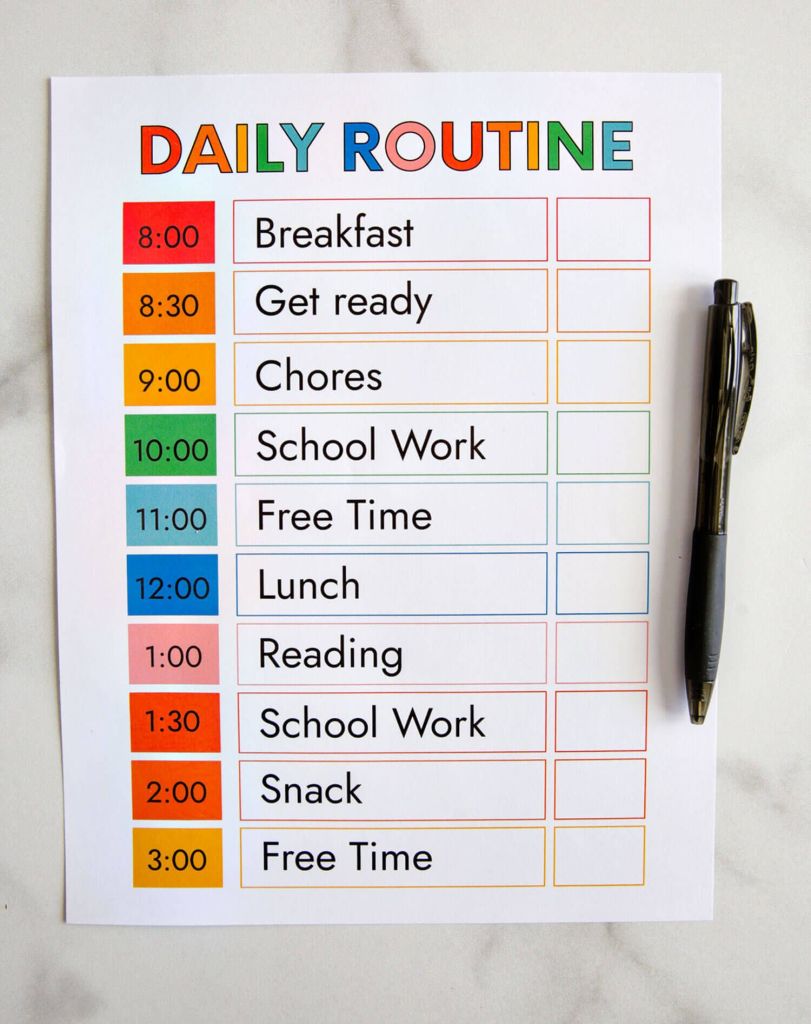
Build a daily routine

The first step to managing stress is building a daily routine. A morning routine, afternoon routine and evening routine are all good places to start.

Make sure you have your coffee (or tea) before 7:30 AM. This will help you get going in the morning and prevent late-night cram sessions later on in the day when you’re tired or distracted by something else that needs doing.

Get through at least one workout session per week—even if it’s just walking around campus for 30 minutes with friends or playing basketball with teammates after class! Exercise helps burn off energy so that mentally challenging tasks don’t seem insurmountable anymore; moreover, exercise has been shown to reduce anxiety levels as well as improve moods overall.* Go grocery shopping once per week rather than buying food from convenience stores because they tend to have higher prices than supermarkets do; however replacing fast food with healthy alternatives like salads instead of burgers will save money while still providing nutritious meals throughout each day.* Try not using social media sites like Facebook or Twitter too frequently either during lunch breaks at work because this causes users’ lives outside office hours become blurred together into one giant blur which makes everything seem more difficult than before since now there’s no separation between work life & personal life anymore.

Eat healthy food

Eating a balanced diet is key to managing stress. It helps you feel more energized and less tired, which can help you avoid getting sick or stressed out by hunger pangs. If possible, eat a healthy breakfast every morning—this will give you the energy boost that makes it easier for you to get through your day!

If eating junk food is something that stresses out your stomach (and let’s be honest here: who doesn’t love pizza?), try finding healthier snacks like fruit salad bites or even granola bars instead of sugary ones. The key here is moderation; no one should ever eat too much junk food because this will only make them feel worse afterwards.

Get in touch with your family

Stress is a normal part of life and as such, it’s important to find ways to manage your stress. One way you can do this is by talking with your family about how they can help.

Family members are a great source of support when it comes to helping you manage stress—and they may not even realize how much they’re helping! If you have parents or siblings who live nearby, consider asking them if they’d like some help managing their own lives and those around them. You could even offer up some of your time (or money) in exchange for their assistance so that everyone benefits from their efforts together.

Get enough sleep

Sleep is important for learning and memory.

It’s also linked to stress reduction.

Getting enough sleep can help reduce your stress levels, which will make you more productive at school or work.

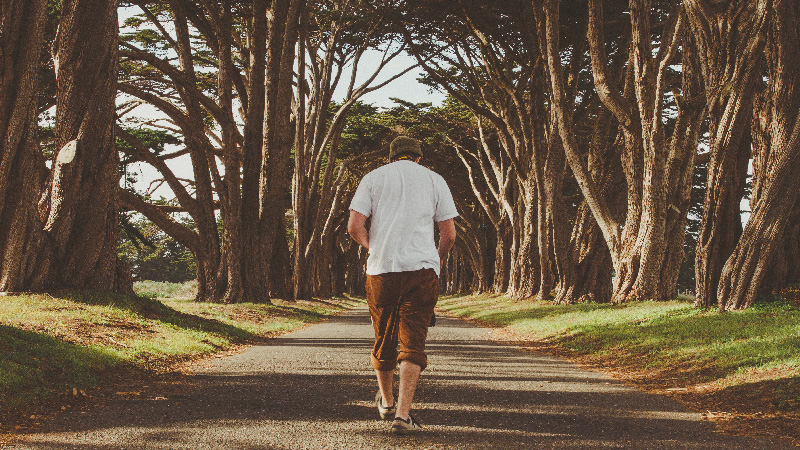
Go for a walk

You can get away from the stress of school by going for a walk.

Go for a walk alone or with friends if you’d like, but don’t worry about being seen—the point of walking is just to move your body, not impress others. Listen to music while you walk (or listen in silence), and try to take in some fresh air too. Take your dog for a long walk around the neighborhood; they’ll love it! If possible, try walking at least 10,000 steps each day—that’s equivalent to running one mile per hour continuously for 30 minutes straight! When I was younger and had more energy than I do now as an adult who’s trying everything she can think of not only stay healthy but also keep fit at age 55+.

Listen to music


Music is a great way to relax and de-stress. You can listen to any music you like, but try not to choose something that’s too hard or fast. Music can also help you focus on what’s important in your life, which will help keep things in perspective when they get overwhelming.

Music can also help with sleep! I recommend listening before bed because it helps calm your mind enough so that it doesn’t keep tossing and turning at night because of all the stressors going through your head during the day (or even week).

Meditate

Meditating is a great way to relax and unwind. It can help you deal with stress, anxiety and depression, improve your memory and creativity, even slow down the aging process.

If you’re new to meditation or have never tried it before there are plenty of ways that beginners can begin:

Sit comfortably in a comfortable position (sitting or lying down).

Close your eyes if possible – this might help you focus better on what you are doing (most people choose not to cover their eyes).

Start by breathing normally through both nostrils for one minute without counting the breaths or trying anything else at first; this will help clear any thoughts from your mind so that when they come back again later on during meditation they won’t distract us from our task at hand which is meditating.

Talk to someone about your stressors

Talking to someone about your stressors is an important part of managing them. You can talk to your friends and family, but it’s also helpful to talk about the stressors with a therapist or counselor. If you feel comfortable talking about this issue with a doctor, go for it! The same goes for religious leaders, coaches and mentors who have experience dealing with similar issues in their own lives. And if none of these people are available yet, teachers are usually willing to listen when students come seeking guidance from them (or even just want advice on how they should handle their own problems).

Few more steps to encounter stress

Stress can be caused by a variety of factors including work-related issues, relationships with friends and family members or even just having too much on your plate at once. In order to manage stress effectively there are some steps that you can take:

Start taking breaks from time to time during the day (even if only for 5 minutes). This will help you relax and recharge so that when you return back into work mode again; everything feels fresh again.

Try getting outdoors more often during the day so that there’s less time spent indoors where all these feelings tend to accumulate over time because there isn’t much else going on besides watching TV shows while eating pizza as opposed being outside enjoying nature around us all… You get what I mean? 🙂


I hope this article has given you some useful tips for managing your stress. Remember that the best way to deal with a stressful situation is to stay calm and take action. Use our tips above and find something that helps you relax, like giving yourself time away from your responsibilities or getting some exercise – anything will do.

Teacher’s Day !

The word teacher in India is much more than a word of professional identity. The feeling goes very deep with a teacher. If we look into ancient India, we can find a vast role of gurus (teachers) in shaping the beliefs of our disciples. This tradition still exists today, even though it has waned a bit after being hit by the fierce waves of time.

In India, Teachers’ Day is celebrated on 5th September on the birth anniversary of Dr. Sarvepalli Radhakrishnan.  In the year 1965, some of the prominent students of Late Dr S. Radhakrishnan organised a gathering to pay obeisance to that Great Teacher of repute. In that gathering, in his speech Dr Radhakrishnan expressed his deep reservation regarding his birth anniversary celebration and emphasised that his birth anniversary should be celebrated as ‘Teachers’ Day’, by paying homage to other Great Teachers of India and Bangladesh. Since the year 1967, 5th September is celebrated as Teachers’ Day till date.


There is a celebratory tradition that students across the country follow in the vibe of the prestigious day. Students dress up like their teachers and do roleplaying activities with junior classes, showing a glimpse of admiration for their modern age gurus. Teachers are showered with gifts, flowers and handmade greeting cards and many more tokens of appreciation from their students as a symbol of respect and gratitude for providing versatile guidance to them. Students also organize cultural events, up memorable speeches, shows, group activities and much more.


The word Guru is derived from two Sanskrit words GU meaning Darkness and RU meaning Destroyer so guru means “one who destroys darkness”. The above Sanskrit quote means that the guru or teacher is a combination of three deities (Brahma, Vishnu, and Mahesh) from Indian mythology who bestow great wisdom and remove darkness from the lives of their students.

Though becoming a teacher is not an easy task, they have to be patient and solve their students’ problems for a better future. They teach their students about the importance of time and how to manage and achieve something in their life. They teach us how to respect our elders and parents and how to treat other people around us. The future and present of children totally depend on the education they get from their teachers and it is only they who sometimes become our best friends and help us to remove the mess created by us somewhere in our life.

RainWater Harvesting

N kavya

Rainwater harvesting is a sustainable process that helps in preserving water for future needs. Water scarcity is a major concern in today’s scenario. The process of rainwater harvesting is a good way to conserve water. Rainwater Harvesting is one of the most used methods to save water. It refers to storing rainwater for various uses. The notion behind rainwater harvesting is to not waste the rainwater and prevent it from running off. In other words, it is done to collect rainwater using simple mechanisms. It is usually collected at the place the rain falls from the ground or rooftops. Rainwater harvesting is an alternative to reduce the stress of public water supply sources. The recharge of rainwater to the ground in the coastal regions prevents seawater immersion into the freshwater. Finally, rainwater harvesting reduces water supply bills.

Rainwater Filtration -:

Rainwater can be harvested or purified in multiple ways. The catch area before harvesting must be cleaned thoroughly, and the pipelined must be flushed regularly. Initially, the water flow is diverted to wash or rinse the area.
Rainwater contains contaminants or other waste materials that affect the quality of the water. Contaminants such as dust, Bird excreta, pollution, leaves, and sand particles can affect water quality.


Filtration removes contaminants and other impurities and purifies rainwater for drinking and other purposes. However, the harvested water must be treated and tested before consumption to ensure the right quality check.
Industries use the practice of pre-filtration to ensure that the purified water is directed water to the tank. The pre-filtration measure is a vital step that the water supply system should not compromise in terms of water quality.


Some techniques of rainwater purification are solar sterilization, the use of chemicals like iodine or chlorine, or sediment filtration. However, harvested rainwater used for drinking purposes can be filtered through Reverse Osmosis (RO).

Favorable aspects of Rainwater Harvesting -:

Rainwater Harvesting positively affects underground water quality. It dilutes the number of nitrates, fluorides, and salinity of the underground water. It contains zero hardness and almost neutral pH, making it highly suitable for industries, homes, institutions, industries, and other commercial establishments. Rainwater Harvesting reduces water supply bills. It is an excellent method that solves the water shortage crisis and lessens the energy consumption in water disturbance. Rooftop Rainwater harvesting controls urban flooding. The recharge of rainwater to the ground in the coastal regions prevents seawater immersion into the freshwater. Rainwater harvesting is an alternative to reduce the stress of public water supply sources. Construction of deeper wells can damage the natural environment as well as upscale. Therefore, the source of rainwater is highly effective and dependable. Stored harvested rainwater can be used as an alternative to municipal water and used during the water crisis.

Rainwater harvesting can be done in a variety of methods, including -:

1. A watershed is a region where precipitation flows directly into a river or another reservoir.
2. There are two ways to keep water: on the roof or the ground.
3. Normally, rainwater is collected on the rooftops. The rainwater from the roof is usually collected in PVC pipes and stored in a sump (a deep pit dug into the earth) or a tank.
4. The water in the tank can then be used for home purposes after it has been filtered.
5. Rainwater collection also helps to restore natural aquifers.

The two types of rainwater harvesting -:

1. Surface runoff harvesting -:

In this method, rainwater flows away as surface runoff and can be stored for future use. Surface water can be stored by diverting the flow of small creeks and streams into reservoirs on the surface or underground. It can provide water for farming, cattle, and for general domestic use. Surface runoff harvesting is most suitable in urban areas.
Rooftop rainwater/storm runoff can be harvested in urban areas through:
• Recharge Pit
• Recharge Trench
• Tubewell
• Recharge Well

Groundwater recharge -:

Groundwater recharge is a hydrologic process where water moves downward from surface water to groundwater. Recharge is the primary method through which water enters an aquifer. The aquifer also serves as a distribution system. The surplus rainwater can then be used to recharge Grothe underwater aquifer through artificial recharge techniques.

3. Rainwater in rural areas can be harvested through -:

• Gully Plug
• Contour Bund
• Dugwell Recharge
• Percolation Tank
• Check Dam/Cement Plug/Nala Bund
• Recharge Shaft


Although rainwater harvesting measure is deemed to be a desirable concept for the last few years, it is rarely implemented in rural India. Different regions of the country practiced a variety of rainwater harvesting and artificial recharge methods. Some ancient rainwater harvesting methods followed in India includes Madaras, Ahar Pynes, Surangas, Taankas, etc.

Advantages of Rainwater Harvesting -:

1. Less cost.
2. Helps in reducing the water bill.
3. Decreases the water demand.
4. Reduces the need for imported water.
5. Promotes both water and energy conservation.
6. Improves the quality and quantity of groundwater.
7. Does not require a filtration system for landscape irrigation.
8. This technology is simple and easy to install and operate.
9. It reduces soil erosion, stormwater runoff, flooding, and pollution of surface water with fertilizers, pesticides, metals, and other sediments.
10. It is an excellent source of water for landscape irrigation with no chemicals, or dissolved salts, and is free from all minerals.

Disadvantages of Rainwater Harvesting-:

1. In addition to the great advantages, the rainwater harvesting system has a few disadvantages like unpredictable rainfall, unavailability of the proper storage system, etc.
2. Listed below are a few more disadvantages of the rainwater harvesting process.
3. Regular maintenance is required.
4. Requires some technical skills for installation.
5. Limited and no rainfall can limit the supply of rainwater.
6. If not installed correctly, it may attract mosquitoes and other waterborne diseases. 7. One of the significant drawbacks of the rainwater harvesting system is storage limits.

The world faces an increasingly critical need to address climate change, and the impact that water conservation has on a sustainable environment is undeniable. Groundwater is the primary source of freshwater that caters to the demand of the ever-growing domestic, agrarian, and industrial sectors of the country. Over the years, it has been observed that the necessity for the exploitation of groundwater resources for various everyday needs, like toileting, bathing, cleaning, agriculture, drinking water, industrial and ever-changing lifestyles with modernization is leading to tremendous water wastage. Harvesting and collecting rainwater is an adequate strategy that can be used to address the problem of water crisis globally. The use of a rainwater harvesting system provides excellent merits for every community. This simple water conservation method can be a boost to an incredible solution in areas where there is enough rainfall but not enough supply of groundwater. It will not only provide the most sustainable and efficient means of water management but also unlock the vista of several other economic activities leading to the Empowerment of people at the grass-root level.

For this, the Government should come out with an appropriate incentive structure and logistic assistance to make it a real success. Rainwater harvesting is something that thousands of families across the world should participate in rather than pinning hopes on the administration to fight the water crisis. This water conservation method is a simple and effective process with numerous benefits that can be easily practiced in individual homes, apartments, parks, and across the world. As we all know that charity begins at home, likewise, a contribution to society’s welfare must be initiated from one’s home.

EMPATHY

N kavya

The term “empathy” is used to describe a wide range of experiences. Emotion researchers generally define empathy as the ability to sense other people’s emotions, coupled with the ability to imagine what someone else might be thinking or feeling. The term “empathy” is used to describe a wide range of experiences. Emotion researchers generally define empathy as the ability to sense other people’s emotions, coupled with the ability to imagine what someone else might be thinking or feeling.

Contemporary researchers often differentiate between two types of empathy: “Affective empathy” refers to the sensations and feelings we get in response to others’ emotions; this can include mirroring what that person is feeling or just feeling stressed when we detect another’s fear or anxiety. “Cognitive empathy,” sometimes called “perspective taking,” refers to our ability to identify and understand other people’s emotions. Studies suggest that people with autism spectrum disorders have a hard time empathizing.

Empathy seems to have deep roots in our brains and bodies, and our evolutionary history. Elementary forms of empathy have been observed in our primate relatives, in dogs, and even in rats. Empathy has been associated with two different pathways in the brain, and scientists have speculated that some aspects of empathy can be traced to mirror neurons, cells in the brain that fire when we observe someone else act in much the same way that they would fire if we performed that action ourselves. Research has also uncovered evidence of a genetic basis for empathy, though studies suggest that people can enhance (or restrict) their natural empathic abilities.

Having empathy doesn’t necessarily mean we’ll want to help someone in need, though it’s often a vital first step toward compassionate action.

Empathy manifests in education as well as between teachers and students. Empathy becomes difficult when there are differences between people regarding culture, language, skin color, gender, and age. Empathy is considered a motivating factor for unselfish behavior. Lack of empathy is similar to antisocial behavior. Empathy develops deep roots in our brains, as our evolutionary history. Having empathy does not mean that a person is willing to help someone. It is an essential step toward compassionate action.

Empathy forms one of the most critical components of creating harmonious relationships. It reduces stress and enhances emotional awareness. People are well attuned to their feelings and emotions. Getting into someone’s head can be challenging at times. People tend to be empathetic when they listen to what others have to say. It makes an individual overwhelmed by tragic incidents. Empathy can make an individual concerned about the well-being of another individual.

Empathy helps to make an individual a better person. By understanding what people are thinking and feeling, people can respond appropriately. Social connections build up as a result of empathy. It helps in both physical and psychological well-being. Empathizing with others helps to regulate a person’s own emotions. It helps an individual to manage his feelings even at times of great stress.

Empathy helps a person to engage themselves in helpful behaviors. Not everyone experiences empathy. Some people may be more naturally empathetic than others. How a person perceives another person can influence empathy to a great extent. Being empathetic toward others will help to understand others’ suffering and create harmony in the world.

Key aspects of empathy -:


1. In the absence of empathy, relationships remain shallow.
2. Empathy does not form a part of intuition; it is about understanding others.
3. Empathy is a learned behavior.
4. The capacity of being empathetic to another person depends on each individual.
5. Empathetic people tend to help others more.
6. Painkillers can reduce your capacity of being empathetic toward other people.
7. Anxiety and tension can influence empathy to a great extent.
8. An individual can heighten their empathy through meditation.
9. All humans are inclined toward empathizing with others in their pain and suffering.
10. A genetic defect can reduce an individual’s empathy.

Empathy can be learned and practiced. It is a vital aspect of our everyday lives. It enables an individual to show compassion. It helps to relate to other people, relatives, colleagues, and loved ones and helps to impact the world positively. Some people are born with empathy while some learn it and can increase or decrease it. It is a part of emotional intelligence, which can be taught to children at a very early stage. Children can be taught to be empathetic by sharing their things and not hurting others.

Solar Energy for The Future

N kavya

Solar energy is any type of energy generated by the sun. Solar energy is created by nuclear fusion that takes place in the sun. Fusion occurs when protons of hydrogen atoms violently collide in the sun’s core and fuse to create a helium atom. Solar technologies convert sunlight into electrical energy either through photovoltaic (PV) panels or through mirrors that concentrate solar radiation. This energy can be used to generate electricity or be stored in batteries or thermal storage.

The Process of Solar Energy –

This process, known as a PP (proton-proton) chain reaction, emits an enormous amount of energy. At its core, the sun fuses about 620 million metric tons of hydrogen every second. The PP chain reaction occurs in other stars that are about the size of our sun and provides them with continuous energy and heat. The temperature for these stars is around 4 million degrees on the Kelvin scale (about 4 million degrees Celsius, 7 million degrees Fahrenheit).

In stars that are about 1.3 times bigger than the sun, the CNO cycle drives the creation of energy. The CNO cycle also converts hydrogen to helium but relies on carbon, nitrogen, and oxygen (C, N, and O) to do so. Currently, less than 2% of the sun’s energy is created by the CNO cycle.

Nuclear fusion by the PP chain reaction or CNO cycle releases tremendous amounts of energy in the form of waves and particles. Solar energy is constantly flowing away from the sun and throughout the solar system. Solar energy warms the Earth, causes wind and weather, and sustains plant and animal life.

The energy, heat, and light from the sun flow away in the form of electromagnetic radiation (EMR).

The electromagnetic spectrum exists as waves of different frequencies and wavelengths. The frequency of a wave represents how many times the wave repeats itself in a certain unit of time. Waves with very short wavelengths repeat themselves several times in a given unit of time, so they are high-frequency. In contrast, low-frequency waves have much longer wavelengths.

The vast majority of electromagnetic waves are invisible to us. The most high-frequency waves emitted by the sun are gamma rays, X-rays, and ultraviolet radiation (UV rays). The most harmful UV rays are almost completely absorbed by Earth’s atmosphere. Less potent UV rays travel through the atmosphere and can cause sunburn.

The sun also emits infrared radiation, whose waves are much lower frequency. Most heat from the sun arrives as infrared energy.

Sandwiched between infrared and UV is the visible spectrum, which contains all the colors we see on Earth. The color red has the longest wavelengths (closest to infrared), and violet (closest to UV) the shortest.

Natural Solar Energy

1. Greenhouse Effect
2. Photosynthesis
3. Fossil Fuels
• Harnessing solar Energy (The methods use either active solar energy or passive solar energy)
• Photovoltaics
• Concentrated solar energy
• Solar Architecture

Advantages & Disadvantages of Solar Energy

1. Advantages
• Solar energy is clean. After the solar technology equipment is constructed and put in place, solar energy does not need fuel to work. It also does not emit greenhouse gases or toxic materials.
• There are locations where solar energy is practical. Homes and buildings in areas with high amounts of sunlight and low cloud cover have the opportunity to harness the sun’s abundant energy.
• Solar energy complements other renewable sources of energy, such as wind or hydroelectric energy.


Homes or businesses that install successful solar panels can produce excess electricity. These homeowners or business owners can sell energy back to the electric provider, reducing or even eliminating power bills.

2. Disadvantages
• Solar energy equipment is also heavy. To retrofit or install solar panels on the roof of a building, the roof must be strong, large, and oriented toward the sun’s path.
• Both active and passive solar technology depends on factors that are out of our control, such as climate and cloud cover. Local areas must be studied to determine whether or not solar power would be effective in that area.
• Sunlight must be abundant and consistent for solar energy to be an efficient choice. In most places on Earth, sunlight’s variability makes it difficult to implement as the only source of energy.

Racialism

N kavya

A belief that races are the fundamental determinant of human traits and capacities and that racial differences produce an inherent superiority of a particular race. Ladino elites used racism to justify the displacement and enslavement of the indigenous population, and these beliefs, along with resentment created by the continued exploitation of indigenous land and labour, culminated in the Guatemalan Civil war (1960-1996). Racism is also called racialism.

(Racism)

After, Germany’s defeat in World War I, that country’s deeply ingrained anti-Semitism was successfully exploited by the Nazi Party, which seized power in 1933 and implemented policies of systematic discrimination, persecution, and eventual mass murder of Jews in Germany and the territories occupied by the country during World War II. In North America and apartheid-era South Africa, racism dictated that different races (chiefly blacks and whites) should be segregated from one another; that they should have their distinct communities and develop their institutions such as churches, schools, and hospitals; and that it was unnatural for members of different races to marry. Historically, those who openly professed or practiced racism held that members of low-status races should be limited to low-status jobs and members of the dominant race should have exclusive access to political power, economic resources, high-status jobs, and unrestricted civil rights. The lived experience of racism for members of low-status races includes acts of physical violence, daily insults, and frequent acts and verbal expressions of contempt and disrespect, all of which have profound effects on self-esteem and social relationships. Racism was at the heart of North American slavery and the colonization and empire-building activities of western Europeans, especially in the 18th century. In the 19th century, racism matured and spread around the world. In many countries, leaders began to think of the ethnic components of their societies, usually religious or language groups, in racial terms and to designate ‘higher and ‘lower races. The expressions and feelings of racial superiority that accompanied colonialism generated resentment and hostility from those who were colonized and exploited, feelings that continued even after independence. In the mid-20th century, many conflicts around the world have been interpreted in racial terms even though their origins were in the ethnic hostilities that have long characterized many human societies. By this time, many societies had begun to combat racism by raising awareness of racist beliefs, and practices by promoting human understanding in public policies, as does the Universal Declaration of Human Rights, set forth by the United Nations in 1948. Despite constitutional and legal measures aimed at protecting the rights of racial minorities in the United States, the private beliefs and practices of many Americans remained racist, and some groups assumed lower status was often made a scapegoat. That tendency has persisted well into the 21st century.

(Racism)

Racism reflects an acceptance of the deepest forms and degrees of divisiveness and implies that differences between groups are so high that they cannot be transcended. Racism evokes hatred and distrust and preludes any attempt to understand its victims. Many societies have concluded racism is wrong, and social trends have moved away from racism. For many people, “race” is linked to physical differences among people, and such features as dark skin colour have been seen as markers of low status, some experts believe that racism may be difficult to eradicate. Indeed, minds cannot be changed by laws, but beliefs about human differences can and do change, as do all cultural elements.

Government policies regarding Education in India.

Before 1976, education was exclusively the responsibility of states; the Central government was only concerned with certain areas like co-ordination and determination of standards in technical and higher education, etc. In 1976, through a Constitutional amendment, education became a joint responsibility.

The Indian government has been trying to enhance the quality of education since the time of independence. There have been numerous policies and schemes that aimed at providing better education for everyone, irrespective of caste and religion. Indian constitution allows children with the right to education, which means that education isn’t just something that children want, it is their right.

The Indian government has had some long-term education policies along with some latest additions. Mentioned below are some of the best schemes that were framed to promote education in India-

Samagra Shiksha

Under this scheme, the government has decided to treat the school education from class 1 to 12 holistically and without segments. This scheme is framed to increase the efficiency of school education and provide students with better facilities to promote holistic growth. This has been done due to the long-time need for change in the education system of India.

Eklavya Schools

A lot of scheduled caste and minority people face issues like discrimination while trying to get educated; they generally don’t have enough money to have a proper education. This is why the government of India introduced this scheme. Under this scheme, special schools are to be made for scheduled caste and minority students that will provide basic education along with skill development in sports and other fields. This is being done to provide them equal opportunities.

Free education for poor

This was a masterstroke by the state government of Assam, and under this everyone with a BPL card will be allowed to avail free high quality senior secondary education, polytechnic and other degree courses from government institutions. This is done to help people to get an education even if they cannot afford it. This is sure to promote education in those areas.

Scholarships

One of the main reasons for people opting for not to educate their kids is due to limitations caused due to lack of money. Indian government runs a lot of scholarship schemes like Kanya Vidhya Dhan, which aims at providing funds for the education of girls. Similarly, there are a lot of other programs that cover meritorious students, minorities, etc.

Providing sanitation facilities

One of the main reasons for girls not attending schools in India was the lack of female sanitation facilities in government schools. Government has implemented a variety of policies and schemes to tackle this situation. Now over 80% of schools in India have proper sanitation facilities for students. This has worked efficiently till now and the government is planning to invest more in this area.

Gender education

Telangana government has announced that all the schools coming under their jurisdiction have to facilitate gender education to students compulsorily. This step will help in reducing the widespread inequality in gender in backward areas. Gender inequality is one of the main reasons as to why a lot of Indian kids don’t get a proper education.

Mid-day meals

This is one of the oldest running educational policies of the Indian government. Under this policy, primary schools in rural areas offer a one-time meal to their students. This policy has worked wonders and has been efficiently doing so for a long time now. The schools have to provide meals to students according to the government prescribed meal chart, to facilitate proper growth among students.

Free stationary and dress

Government schools have this policy for a long time now due to its efficiency. Under this policy, 2 members from a family that have a BPL card are allowed to get education from government schools without paying the fee. Stationery and schools dress are also provided to them.

Online Professional Degrees.

Online degree courses are by definition, those courses which can offer a degree certificate from an accredited university or college upon completion of the course by a student through the online or digital medium of the Internet. Online courses are preferred by many students who want a flexible course where they can study at their own time and place. 

Indians saw a sudden rise in online education in recent times, bringing one of the most debated subjects in the field of e-learning. There are several Indian universities offering online courses in India, thus putting an end to the drawbacks of classroom-based learning, such as location, accessibility, transport, and cost. Moreover, thousands of students in India move to different countries to get higher education and professional prospects. With Indian universities providing online courses, students can gain world quality education at the comfort of their home. For many online learning has become a way to complete their higher education. It has become a boon for working professionals as well as anyone who has other engagements to opt for online courses as it doesn’t carve into their already busy schedule. Some of the most enrolled online courses by students are :

  • Online BA
  • Online B.Com
  • Online BSc
  • Online BBA
  • Online MBA
  • Online MCA
  • Online MSc
  • Online Accounting Courses
  • Online Language master course
  • Online Content Writing course

Various websites that are providing these certified courses are.

  • Udemy
  • Coursera
  • SkillShare
  • Upgrad
  • LinkedIn Learing
  • Edx
  • UdaCity
  • Code Academy
  • Future Learn
  • Alison

Interesting places to visit in India

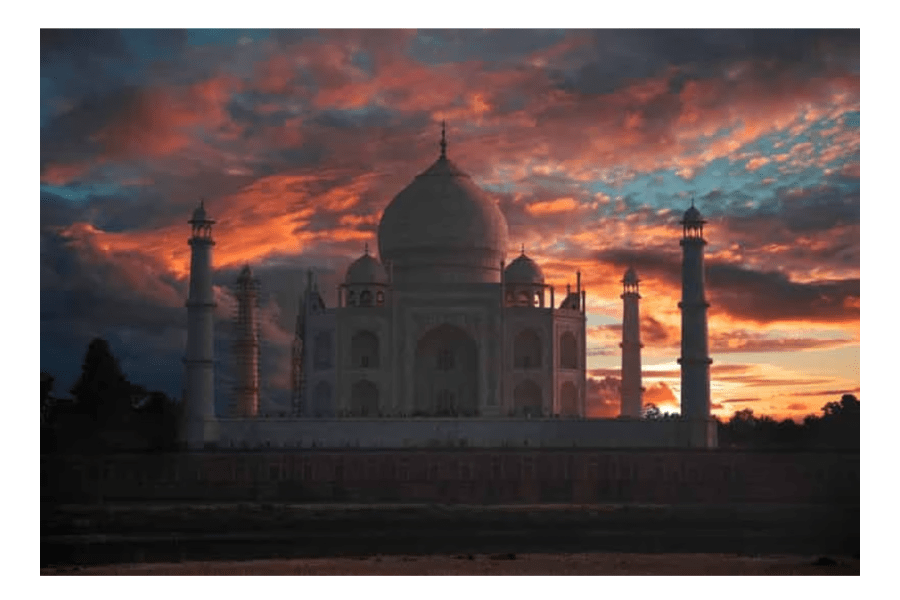
Agra Agra is home to several historic monuments, making it one of the most visited places in India. Of course, top of this list of places to see in Agra is the Taj Mahal, one of the most famous buildings in the world.This beautiful building, finished in white marble, is a perfect example of Mughal architecture, as are the Agra Fort, Akbar’s Tomb and Fatehpur Sikri. Also a great place to gorge on wonderful Mughlai food.

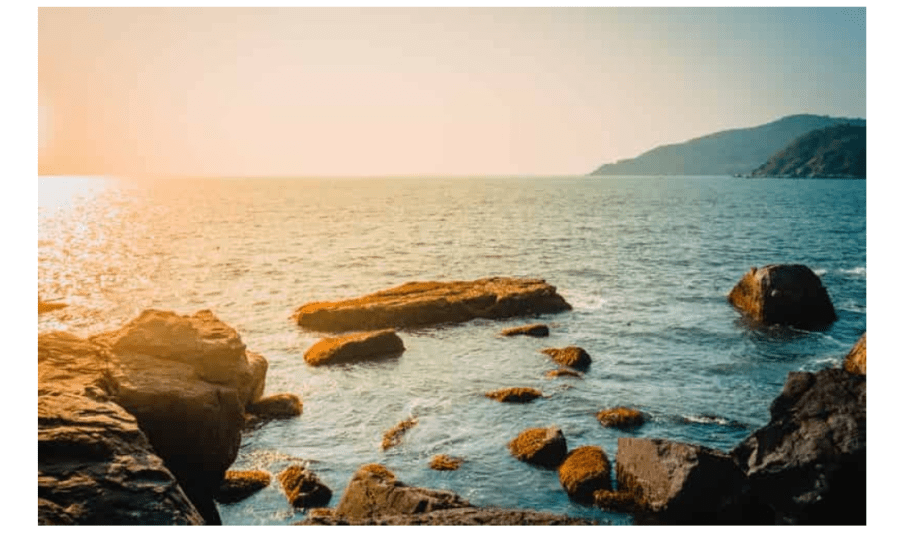
Goa With 51 beaches along the coastline, Goa is considered one of the best tourist places to visit in India. Its white sandy beaches, palm trees, low tax rate, amazing coastal cuisine and laid-back attitude make it a wonderful tourist place in India.The best time to visit this place is the winter, as the weather is just perfect (though this is when it can get expensive, too). Apart from the beach, its nightlife is surely not something you should miss.

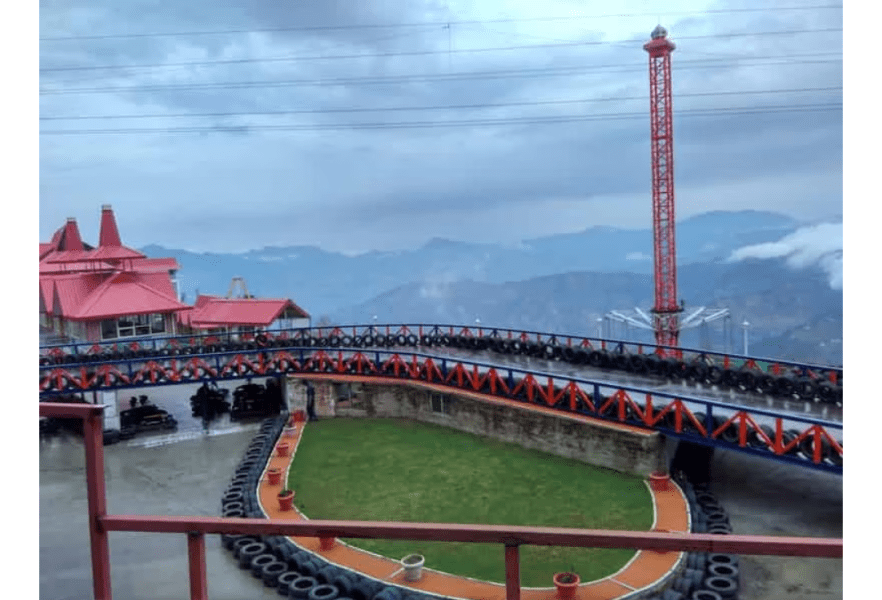
Shimla Shimla, the capital of Himachal Pradesh, is one of the famous hill stations in India. With the Town Hall at its centre and the breathtaking view of the Himalayas, this place attracts a lot of tourists.To know the real legacy of Shimla, you can visit the Viceregal Lodge, Christ Church and Gorton Castle. During winters, the snowy mountains and narrow alleys are worth viewing and exploring.

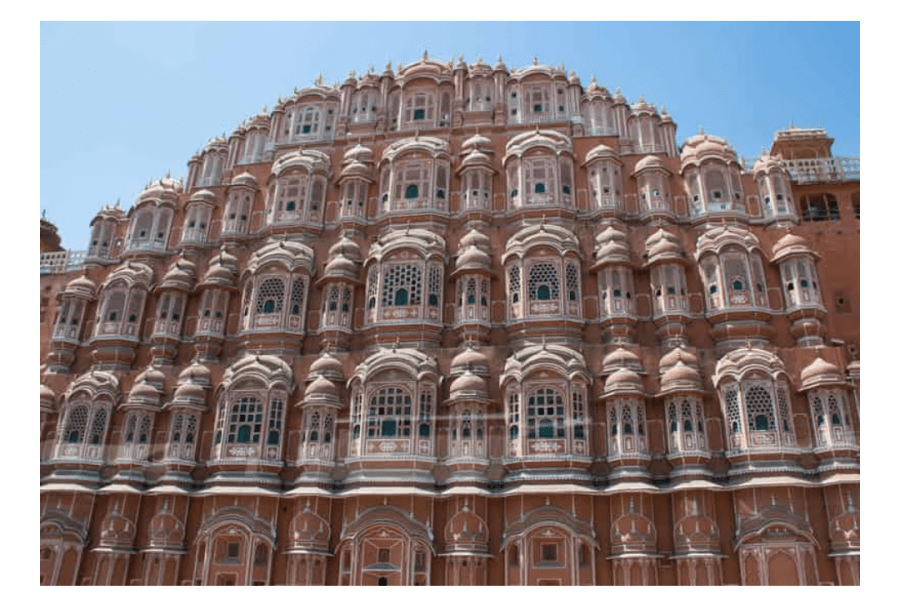
•Jaipur Jaipur, the capital city of Rajasthan, is popularly known as the ‘Pink City’ and is famous as a tourist and education destination in India. There are only a few cities that capture and showcase the rich history of the past and Jaipur is one of them.The popular destinations here are the Hawa Mahal, City Palace, Jantar Mantar and Amber Fort. If you want to experience the royal legacy and architecture this place is a must visit. Do not miss the Sound & Light Show at Amber Fort, narrated by Mr. Amitabh Bachchan himself.

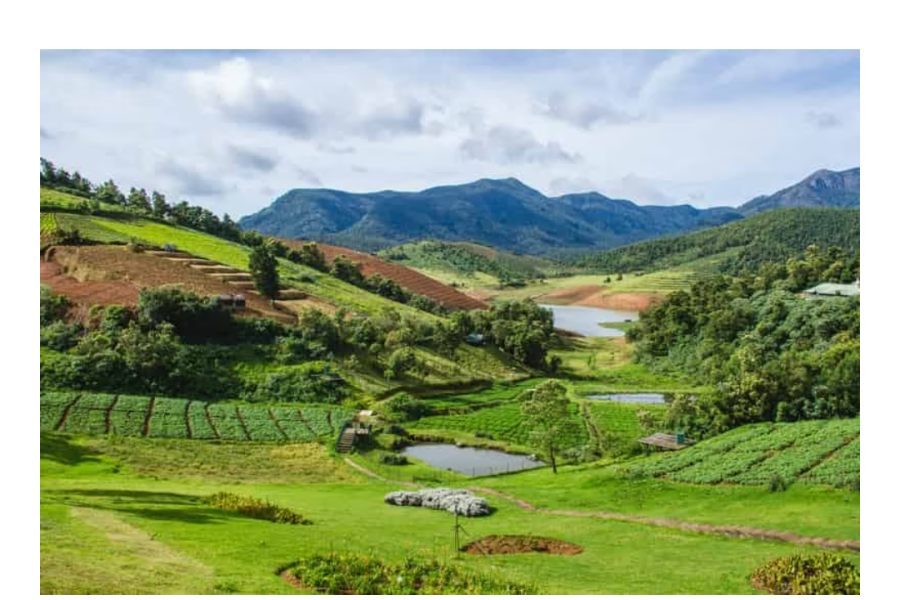
Ooty Udhagamandalam, also known as Ooty, is a hill station in the state of Tamil Nadu. The pleasant climate, the view of India’s Western Ghats and the peaceful atmosphere make a great tourist place for both family and friends.It is famous for its tea plantations, lush gardens, British era bungalows and spicy food. It is usually crowded during the summer holidays, as many families spend a week or two here. Once a small town, Ooty is today a buzzing tourist centre with plenty of activity all year round.

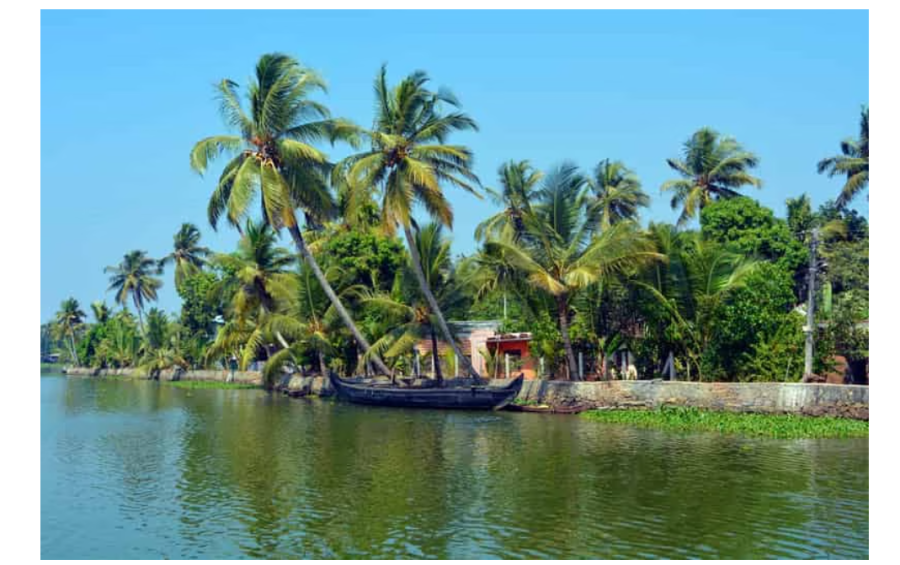
Alleppey Alleppey is one of the ten most gorgeous locations in the world, according to the National Geographic Traveler. Located on the Malabar Coast, the backwaters of Kerala showcase the true beauty of nature.
It is also famous for its Ayurvedic massages. Of course, you cannot miss the houseboat experience and the lovely Kerala cuisine, especially Malabar Chicken Curry and Puttu.

Ladakh Ladakh, the capital of Leh, is in the eastern parts of Jammu and Kashmir. Ladakh is known for its pristine lakes, freezing winds, glaciers and sand dunes. It has kept its distance from the modern world – and thank heavens for that.The most famous tourist attractions here are Pangong Lake, Tso Moriri lake and Leh Palace. There’s also many adventures to be found here, from white water rafting to mountaineering and trekking.


“India is a place where colour is doubly bright. Pinks that scald your eyes, blues you could drown in.”

-Kiran Millwood Hargrave