Covid effected the Engineering students and ways to cope up once the college’s reopens

Since the start of 2020 the world has been witnessing a health calamity with uncertain implications.
The coronavirus pandemic or covid-19 has created havoc causing immense damage in terms of loss
of human lives, financial and economic shortfalls and affected student’s education.

We, the students, I feel, are among those whose lives took an unalterable turn. The school or
college going community had to suddenly shift in-class action to onscreen lectures and
demonstrations. The students understood that theory classes can be done from home. Students can
get notes and study materials online. But the Engineering students or students from technical
background are lacking behind as they are not attending the practical classes. Practical classes are of
utmost importance for any technical students to work further in any technical field after graduation.

So, when the colleges will reopen now, the students need to focus on some topics and need to know
where they need to focus now.

Students need to attend more laboratory/practical classes once the college reopens, as we know
now that theory can be done online and we can gain theoretical knowledge by attending different
online video lectures, PDF notes etc. available on the internet.

Students must participate in events or exhibitions, they should know what projects can be made, the
topics that are needed in order to have a strong grip on the subjects. One must take technical fests
seriously and make new projects. If one is not making them, at least he/she can spectate others’
work or the events.

Once the college reopens, start looking for industrial training, start looking for companies or
workshop jobs (odd/even jobs) which one needs to gain experience.
If students want to start their own company, they must start once the college reopens, especially
the final year students can start their own projects or can start-up with innovation and implement
their skills and potential.

There would always be an increasing demand for creative reasoning, design thinking and problem-
solving skills looking at the current recruitment trends.

In a nutshell, the whole engineering fraternity will have to let go of the traditional mindset and think
out of the box to find innovative solutions to the way forward.

As the dust settles down on these outbreaks, the new dawn would bring in new challenges of
survival and those who adapt and adopts faster will win the race.

CARL ROGERS THEORY OF SELF

CARL ROGERS

He was an American psychologist born in 1902 , who took the humanistic approach to psychotherapy. According to Rogers every individual has tendency to actualize himself. According to him mentally healthy individuals have congruence between self and their experience.

According to him every person has the tendency to actualize themselves and a mentally healthy individual have congruence between their experience and their self concept. Neurotic individual deny their sensory and emotional experience. There are two concepts related to this;

REAL SELF

Real self is what we truly are. It is important for good psychological health. Self image directly affects how a person feels, thinks and acts in this world. Real self is our inner personality who is aware about their strength and weakness. It may not be perfect but it is our real part.

IDEAL SELF

It is what desire to be. It represents our ambitious and goals. By ideal self , Rogers meant some goals which are beyond our capabilities. This causes gap between real and ideal self.

If ideal self and real self are alike our self concept is accurate. High congruence between real self and ideal self leads to greater sense of self worth and a healthy productive life and if there is incongruence between them it leads to maladjustment.

Career opportunities for BA Programme students

If you are a BA student and confused about what to do after graduation, don’t worry we have sorted out some career paths that you can choose after getting a bachelor’s degree in BA programme.

As we all know BA is one of the most popular undergraduate course among students specially humanities students. This three year course allows you to study a combination of subjects ranging from English, Hindi, Economics to History, political science and philosophy. Due to variety of subjects it opens up many job opportunities. Following are the most popular career paths after doing BA:

  1. Post Graduation in courses like B.Ed. or M.A. (in a specific subject).

After M.A in Education, candidates are eligible for PGT jobs, elementary and secondary teaching jobs in private and government schools. After qualifying NET/SET in education, candidates are also eligible for university level teaching jobs in private and government institutions while obtaining a degree of B.Ed. only provides an opportunity to be a teacher in a government or private school.

2. MBA (Masters in Business Administration) is another sought after course after a degree in BA programme where upon completion, candidates are offered jobs in private/ government financial institutes.  In an MBA program, you’ll learn about solving business problems, which would allow you to become a competent manager. You need to give the Common Admission Test (CAT) to apply for MBA degrees in numerous colleges and universities. Your CAT Score determines which colleges you can enter.  Students of every stream are eligible for this course. This job pays handsome amount of money. Average salary of a MBA graduate is 5-10 LPA.

3. Civil Services Examination, Bank PO Exams, NDA Exams – After completing graduation, students are eligible to apply for civil service examinations and Bank PO exams. They can apply in Union public service communication for posts like IPS, IAS, IFS, Indian defense service. Jobs in public sector banking system is another good option. As these jobs provide job security.

4. Computer Courses– A B.A. graduate can pursue many certifications like web designing, animations, coral draw etc. to get a job/profession in the media industry in fields like web and graphics designing. This field is becoming broader with the rise of social media platform and inclusion of AI. It is almost certain that this field will provide a large number of jobs in near future.

5. Law – Students who have studied English, Hindi, Political Science as subjects can pursue law as a career. The program imparts extensive knowledge on topics like Jurisprudence, Environment Laws, Arbitration, Law of Insurance, Consumer Protection Act. Upon completing the course, one can either pursue LLB, start practice after registering oneself with the respective councils or can work in government or private sectors.

6. Master of Fine Arts is another sought after course for ones who are inclined towards artistic endeavors. Some of the prominent specialization offered under master’s level design programmes are: Industrial design, design computing, architectural design, fashion and textile design, shoe designing, leather designing, graphic designing, house design etc. After completion of the course, one can practice as a designer in the field of specialization in the private/government sector.

7 spices of India

Photo by Taryn Elliott on Pexels.com

India is the biggest producer, consumer and exporter of spices in the world. India exports about 180 different spices to 150 countries of the world. A wide variety of spices are grown in different parts of the country many of which are native to these places. Others are imported and cultivated locally. Spices have been used in Indian kitchens for centuries, they are one of the most important thing in our daily diet. Spices are added to food to give it flavor, aroma, and to preserve it, also spices are said to be really good for health. Several spices are blended together to give food the known Indian taste. Not only in kitchens but spices play a vital role in pharmaceutical products, medicines, cosmetics, etc. Spices are known to help in curing many deseases like arthritis cancer, diabetes.

Spices add a twist to our foods. Without spices food looks, smells and tastes dull and lifeless, a pinch of common spices is what we all need. Be it cardamom in our tea, turmeric in lentils or curry leaves in curry, all the spices offer something different and are an essential part of our lives. They are known to be effective in gastric problems, blood disorders, infectious diseases. There are 7 spices which are a must to have in indian households. These spices are used for their aroma and spices and for their potential health benefits.

TURMERIC

Photo by Skitterphoto on Pexels.com

Turmeric has been used since ancient times as a healer, coloring agent and most importantly to give a yellow shade to our food and all the health benefits it provides us with consuming just a small amount daily. It is like a sack of nutrients. It has many benefits including, it’s antioxidant and antispetic properties. It has been a prominent ingredient in cosmetic industry as well. Face creams, face washes, etc with the goodness of turmeric are found in abudance. It is grown as a rhizom and can be used as fresh or dried. Cucurmin is the main component of turmeric. It is also helpful in stopping blood for minor cuts. Also known as golden spice or indian saffron. It helps relieve pain, aids digestion and supports immune system. A glass of milk with turmeric can be very effective at night for better sleep and digestion. It is known to provide warmth to the body, clean blood and cure skin realted problems.

CUIMIN

Photo by Jubair Bin Iqbal on Pexels.com

Cumin consists of oil that provide a particular aroma to the seeds. It is the basic and one of the first ingredient used while cooking. Smal boat shaped seeds is an ancient spice used as whole or powder and is infused with the hot oil or lightly roasted to bring out the flavor. It has an earthy aroma, and is beneficial for heart related diseases due to its antioxidant properties and has various vitamins and minerals in it. Cumin seeds improve taste and craving. Cumin oil posesses antifungal and antimicrobial properties. It is helpful in toothache and jaundice as well and is widely used in pharmaceutical industries.

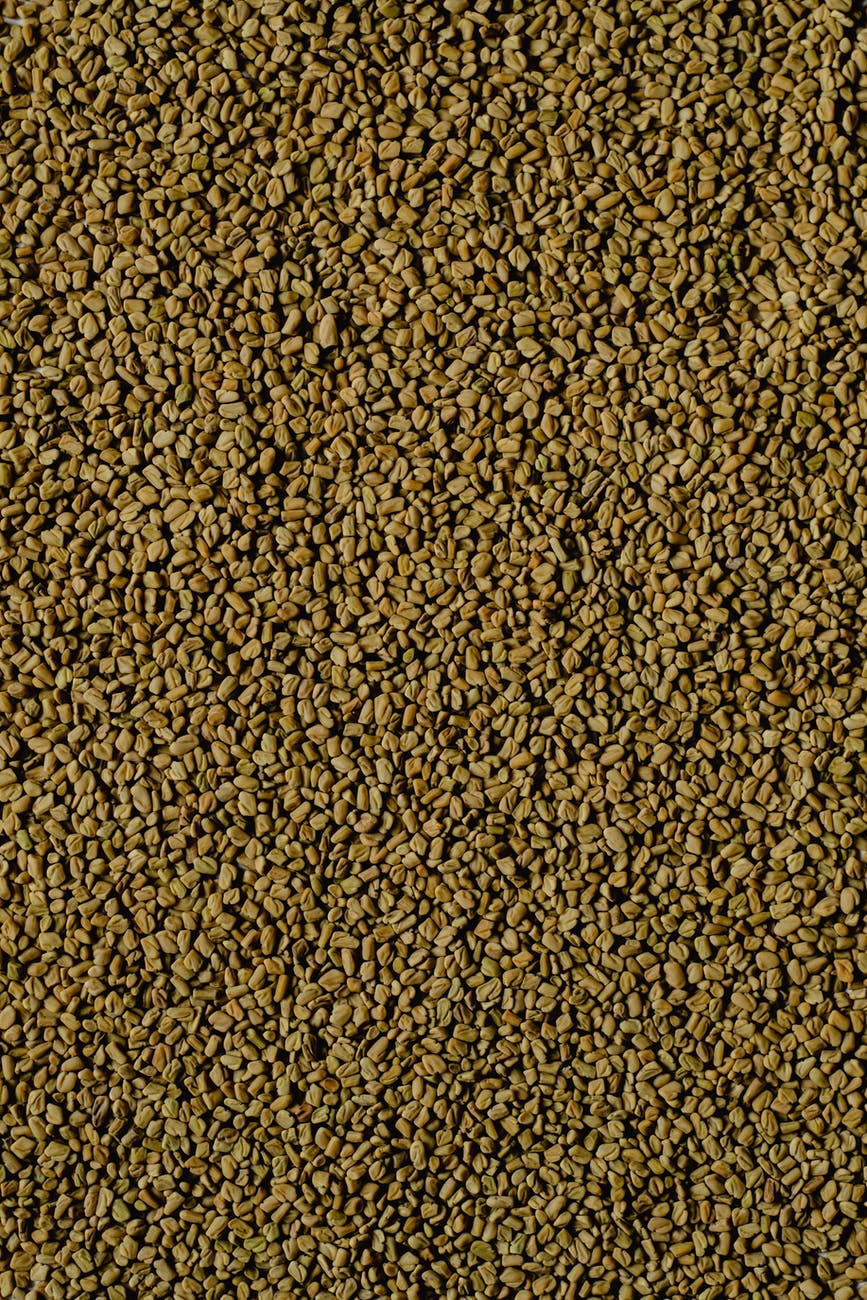
FENUGREEK

Photo by Eva Elijas on Pexels.com

India accounts for the major production of fenugreek and is derived from various states out of which Rajasthan alone gives 80% of the indian output. The majority is cultivated and consumed in India itself. It is used as a herb dried or fresh in cooking, it possesses bitter taste which is reduced by roasting the seeds. Fenugreek plant is about 2-3 feet tall, it’s green leaves and pods that contain small, golden-brown seeds. For many years it has been used in Chinese medicines to treak skin problems many other diseases. And for similar reasons it has long utilized in households and can be found in shampoos and soaps as well. For it’s nutritious value and sweet nutty taste it has been a must to have spice in Indian kitchens. Fenugreek may be helpful in aiding diabetes and is also taken as supplement.

CORIANDER

Photo by Eva Elijas on Pexels.com

Coriander is one of the most used herb to flavor dishes, the seeds known as Coriander and the leaves as cilantro. Commonly known as dhaniya in india, It is also known as chinese parsley. Used in soups, currie masalas in India, middle, eastern and asian meals. While leaves and dried or ground seeds are used, coriander is useful in lowerin blood sugar, boosting immune system, lower heart related deseases. Both seeds and leaves of coriander are very different in taste. Whole seeds are added to vegetables, pickes, lentils and baked goods. Their aroma is released by warming. While leaves are used to garnish dishes. Coriander seeds are toasted and ground before eating as their texture can be hard to chew. A bright shining green plant. Surprisingly it has several skin benefits. It slowly absorbs the sugar in stomach and stimulates insulin and is found effective in lowering blood sugar levels in diabetic patients.

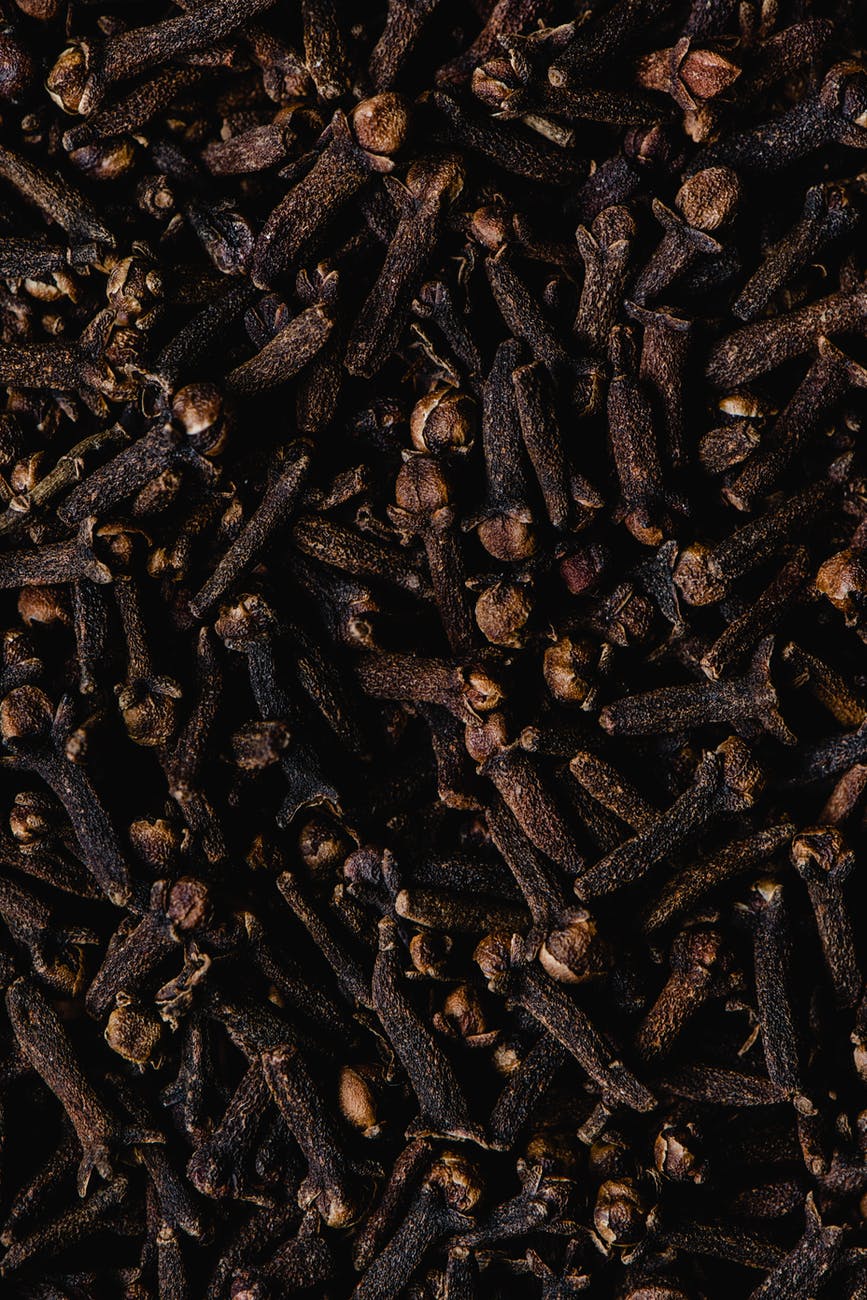
CLOVE

Photo by Eva Elijas on Pexels.com

Clove is grown in Asia and America, its oil, stem, dried flower buds and leaves are used in making medicines. Clove is very effective in dental problems and can cure toothache when applied directly to it. Also used as a flavoring in foods and beverages, toothpaste, perfume, soaps and cigarettes. It resembles a nail in shape. It’s use in culinary is mainly for flavoring as it blends both with sweet and savory dishes. Clove oil has antispetic and antibiotic properties and is used especially in dentistry. Clove is often found in indian cuisine for it aroma and flavor and is a part of garam masala, which is a mixture od different spices.

CINNAMON

Photo by Nicole Michalou on Pexels.com

Cinnamon is a spice extracted from bark, leaves, flowers, fruits, and roots of the cinnamon tree and has been a part of traditional medicine for thousands for years. It has many health benefits and is also used for flavoring and fragrance. It is effective in blood sugar levels, lower cholesterol, stomach issues and obesity. It has antioxidant, antibiotic and anti inflammatory properties and has traces of nutrients in it. In india it is used in making chutneys, meat or rice dishes. Sometimes while cinnamon sticks are also used.

CARDAMOM

Photo by Nidhin K S on Pexels.com

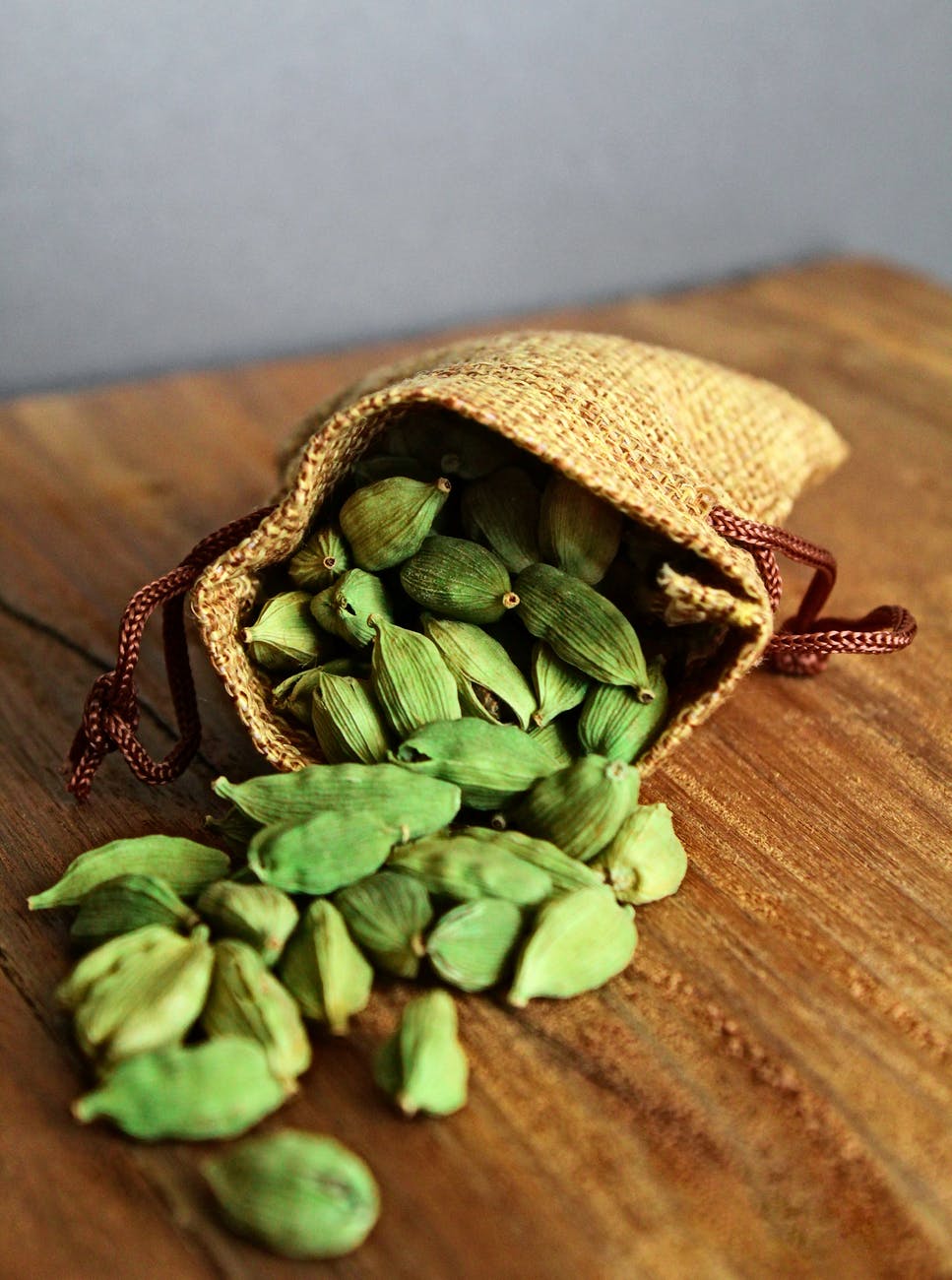
After Saffron and vanilla, cardamom is the most expensive spice in the world. This versatile pod is used in teas, spices and many sweets are garnished using cardamom. In indian cuisine whole pods of cardamom are used in making curry, milk deserts and many other dishes. It is widely used in making chai as it for its aroma and flavor. It benefits in gastric problems, cardiovascular issues, controlling cancer and cholesterol and is rich in nutrients. It is also included in garam masala as an essential ingredient. These small green and black pods have a wide range of uses added to their list.

POVERTY

POVERTY IS THE WORST FORM OF VIOLENCE – MAHATAMA GANDHI.

Poverty can be defined as the condition where an individuals basic necessities are not fulfilled like; shelter, clothing, education. Today world is heading towards globalization, but still poverty remains a prime issue in many countries. Poverty has become a complex problem. It leads to other problems. A poor person is not able to get education which causes increase in illiteracy. An illiterate person is not qualified for jobs roles which leads to unemployment and in many cases humans exploitation and child labour. An unemployed person is not able get proper nutrition diet leading to power health and no energy for work. Most of the underprivileged class lives in slum areas. They lack in proper sanitation and drinking water, eventually leading to an early death. We can say that poverty is the root cause of other problems in society. There are various causes of poverty and one of the chief cause is population explosion. Rising population is putting load over the resources and budgeting of the country. In some countries past civil war had made poverty widespread. Natural disaster has also contributed to countries poverty. Today the rich are getting richer and poor are getting more poor. Government has come up with many plans to eradicate poverty but we can get better by joint efforts of government and people.

Courses and jobs to do after B.com hons.

Lack of clarity in choosing future may haunt you at night. If not addressed properly it may cost you your career. Just having B.com degree is not enough in extremely competitive corporate. You must add more skills.

Some of you may choose to work right after graduation while some may decide to purse masters. So I have sorted some most popular courses and jobs that you can do after B.com hons. Hopefully this article will help you in clarification.

Courses

  1. Masters of commerce (M.com):It is the most popular course after doing b.com hons.  This course is most suitable for students who want to pursue career in academics or as a market researcher, economist, lecturer etc. Duration of this course is 2 years.
  2. Masters of business administration (MBA): Another very popular course. You get to learn about various aspects of business based on specialization you choose. In addition to your graduation you are required to have valid score in relevant exams like CAT, CMAT to pursue this course. Duration of this course is also 2 years.
  3. Chartered financial analyst (CFA): It is offered by CFA institute of America and is considered of highest standard. You can take up jobs like a financial analyst, statistician, market research etc. Duration of this course is 2.5 years.
  4. Business accounting and taxation (BAT): This course is well planned to give you practical understanding of accounting, taxation, reporting and other relevant skills. These skills are mandate for accounting firms, KPO, and other hardcore finance and accounting jobs. Duration of this course is only 8-12 weeks.
  5. Certified management accountant (CMA): It demonstrates your professional expertise in the field of financial planning, analysis, decision report etc. You need to clear two exams in order to become eligible for this course. You are also required to have 2 year work experience. Duration of this course is 6 months.

Jobs

  1. Financial risk manager: FRM is a globally recognized certification for finance and banking professionals. It provides many lucrative jobs in the field of risk management, wealth management etc. Average salary of this job is Rs. 10-18 LPA.
  2. Business analyst:  One more career option is to apply for job as a business analyst in MNCs and corporates.  These companies always look for graduates. You will also gain experience and skills. Average salary is Rs. 3.5 to 5.5 LPA.
  3.  Digital marketer: Due to rise in digital marketing platform, MNCs are looking for candidates with commerce background and certification in digital marketing. Average salary is Rs. 4.5 to 10 LPA.
  4. Public sector banking: You can apply in banks like IBPS, SBI RBI etc and earn handsome of money with additional perks. Average salary of this job profile is Rs. 5 -12 LPA.
  5. Accountant:  An accountant handles tax related tasks and examines financial statements. You need subject specific degree to become eligible for this job. Average salary is INR 3.5- 18 LPA.

HUMAN MICROFLORA

BY DAKSHITA NAITHANI

INTRODUCTION

Microorganisms that survive on another living thing (human or animal) or inanimate item without producing disease are referred to as normal flora. The human body, like most other ecosystems on the planet, provides a vital habitat for millions of microorganisms such as bacteria, fungus, protozoa, and viruses. 

From shortly after birth until death, every human being’s skin and mucous membranes are home to a varied microbial flora. The human body, which has around 1013 cells, is home to about 1014 microorganisms on a regular basis. The typical microbial flora is made up of this bacterial population. The typical microbial flora is very stable, with certain genera occupying different bodily areas at different times in a person’s life. Microorganisms from the typical flora may help, damage, or exist as commensals with the host. Despite the fact that most members of the natural microbial flora found on human skin, nails, eyes, oropharynx, genitalia, and gastrointestinal system are innocuous in healthy people, these organisms commonly cause disease in sick people. Most researchers do not consider viruses and parasites to be part of the normal microbial flora since they are not commensals and do not help the host.

The Human Microbiome Project takes on the task of sequencing the human microbiota’s genome, with an emphasis on the microbes that live in the skin, mouth, nose, digestive system, and vaginal area. When it released its early results in 2012, it marked a watershed moment in the project’s history.

SIGNIFICANCE

The host’s anatomy, physiology, susceptibility to infections, and morbidity are all influenced by the normal flora.

Until germ-free animals became accessible, it was not generally known that the normal flora has a significant impact on the host’s well-being. The investigator got germ-free animals by caesarean delivery and kept them in special isolators, allowing him to raise them in an environment devoid of detectable viruses, bacteria, and other organisms. Two intriguing discoveries regarding animals grown in germ-free environments were made. First, the animals which were free of germs survived nearly twice as long as their traditionally kept counterparts, and second, the principal reasons of mortality in the two groups were different. Infection commonly killed traditional animals, whereas intestinal atonia killed germ-free animals regularly.

Despite the fact that the bacterial flora may be unfavourable, research on antibiotic-treated animals show that the flora protects people against infections. Streptomycin was used to decrease the normal flora, and subsequently animals were infected with streptomycin-resistant Salmonella. Normally, around 106 organisms are required to develop a gastrointestinal infection, however infectious illness was caused by less than 10 organisms in streptomycin-treated mice with altered flora. After birth, humans’ typical flora normally develops in an orderly sequence, or succession, leading to stable populations of bacteria that make up the normal adult flora. The nature of the local environment, which is influenced by pH, temperature, redox potential, and oxygen, water, and nutrient levels, is the most important element influencing the makeup of the typical flora in a body area. The local setting is similar to a concerto in which one main instrument generally takes centre stage.

So, what does the regular flora have to do with anything? The flora appears to impact human anatomy, physiology, longevity, and, ultimately, cause of death, according to animal and human research. Although the causal link between flora and mortality and illness in humans is well established, the human microflora’s participation in these processes requires additional investigation.

FLORA PRESENT ON SKIN

The nature of the microenvironment influences the makeup of the dermal microflora, which differs from site to site. Each of the three areas of skin has its own bacterial flora: (1) axilla, perineum, and toe webs; (2) hand, face, and trunk; and (3) upper arms and legs. Partially occluded skin sites (axilla, perineum, and toe webs) contain more germs than non-occluded skin sites (legs, arms, and trunk). Gram-negative bacteria populate the axilla, perineum, and toe webs more commonly than dry skin regions.

The quantity of germs on a person’s skin remains essentially constant; bacterial survival and colonisation depend on a combination of factors, including skin exposure to a specific environment and innate and species-specific bactericidal action. Bacterial adhesion to epithelial surfaces also requires a high degree of specificity. Staphylococci, which make up the majority of the nasal flora, have a clear advantage over Viridans streptococci when it comes to colonising the nasal mucosa. Viridans streptococci, on the other hand, are rarely found in significant quantities on the skin or in the nose, but they dominate the oral flora.

The density of bacteria on the skin is inconsistent in the microbiology literature; one explanation for this is the diversity of techniques used to collect skin germs. For a particular skin area, the scrub technique produces the highest and most accurate counts. The majority of microorganisms dwell in the Stratum corneum surface layers and the higher portions of hair follicles. Some microbes, on the other hand, live in the deeper parts of the hair follicles and are immune to standard disinfection methods.

FLORA PRESENT IN NAIL

A typical nail’s microbiology is quite similar to that of the skin. Depending on what the nail comes into touch with, dust particles and other foreign things may become trapped behind it. These dust particles may contain fungus and bacilli in addition to existing skin flora. The most common fungus found beneath the nails are Aspergillus, Penicillium, Cladosporium, and Mucor.

FLORA IN ORAL AND UPPER RESPIRATORY TRACT

Dental caries and periodontal disease, which afflict roughly 80% of the people in the Western world, are caused by the oral flora. Many brain, face, and respiratory problems are caused by anaerobes in the oral flora, which are commonly characterised by abscess development.

Anaerobes, Staphylococci, Neisseriae, Diphtheroids, and other bacteria are found in the pharynx and trachea, as well as those found in the normal oral cavity. The pharynx may also include pathogenic organisms such as Haemophilus, mycoplasmas, and pneumococci. Anaerobic microbes are also commonly reported. Pathogens (Neisseria meningitides, C. diphtheriae, Bordetella pertussis, and others) frequently colonise the upper respiratory tract, and it may be regarded the primary point of assault for such organisms.

FLORA OF THE GASTROINTESTINAL TRACT

Bacteria find the stomach to be a hostile habitat. It comprises of germs that have been ingested with food as well as those that have been expelled from the mouth. Helicobacter species that may colonise the stomach are linked to gastritis type B and peptic ulcer disease. In most people, aspirates of duodenal or jejunal fluid contain around 103 organisms per millilitre. The majority of the bacteria cultivated (streptococci, lactobacilli, Bacteroides) are considered transients. The lack of organisms in the upper GI system may be explained in part by rapid peristalsis and the existence of bile. Bacterial populations begin to rise farther up the jejunum and into the ileum, reaching 106 to 108 organisms/ml at the ileocecal junction, with Streptococci, Lactobacilli, Bacteroides, and bifidobacteria predominating.

Although infections are inhibited by the natural flora, several of its members can cause disease in humans. Intra-abdominal abscesses and peritonitis are caused by anaerobes in the digestive system. Appendicitis, cancer, infarction, surgery, or gunshot wounds all cause bowel perforation, which nearly invariably seed the peritoneal space and surrounding organs with the normal flora. Anaerobes can also wreak havoc on the gastrointestinal tract.

The animal microbiota has more information than the human microbiome. According to animal studies, unique filamentous bacteria adhere to ileal epithelial cells and alter host membranes with few or no negative consequences. Microbes have been found on gastrointestinal surfaces and in the Lieberkuhn crypts in dense layers. Other research suggests that the gut flora might influence immune response.

FLORA IN THE UROGENITAL AREA 

Flora which is prevalent in the vaginal area is determined by the host’s age, pH, and hormone levels. During the first month of life, Lactobacillus spp. is predominant in female newborns (vaginal pH, about 5). Glycogen release appears to stop around the age of one month and continues till puberty. Diphtheroids, S. epidermidis, Streptococci, and E. coli prevail at a higher pH during this time (approximately pH 7). Glycogen secretion restarts at puberty, the pH decreases, and women develop an adult flora dominated by Lactobacillus acidophilus, Corynebacteria, Peptostreptococci, Staphylococci, Streptococci, and Bacteroides. The pH increases again after menopause and the flora recovers to that of prepubescent females due to less secretion of glycogen. Yeasts (Torulopsis and Candida) are present in the vaginal area on a regular basis (10 to 30% of women); they can grow and can induce vaginitis.

FLORA IN CONJUNCTIVAL AREA

Flora of the Conjunctiva is limited. Around 17 to 49% of culture specimens are found to be negligible. Lysozyme, which is produced in tears, may have a role in bacterial control by disrupting with the development of their cell walls. Corynebacteria, Neisseriae, and Moraxellae are cultivated when positive samples indicate bacteria. Staphylococci and streptococci are also prevalent, and Haemophilus parainfluenzae has been found in 25 percent of the total of Conjunctival samples, according to latest findings.

INFECTIONS IN THE HOST CAUSED BY NORMAL FLORA

The normal human flora has been briefly described; however, the infectious processes of a species and the clinical syndromes in which they have been implicated have not yet been explored. A breach in mucosal surface frequently leads to the host becoming infected by various members of the natural flora. Infections with species of the regular human flora include caries, periodontal disease, abscesses, foul-smelling discharges, and endocarditis. Furthermore, host impairment or host defences might cause the normal flora to fail to inhibit transitory infections or for members of the normal flora to infiltrate the host. Both the cases may result into the death of the host.


ROLE OF QUAD IN SOUTH CHINA SEA

BY DAKSHITA NAITHANI

The Quadrilateral Dialogue was established in 2007 when four countries—the United States, India, Japan, and Australia—joined forces. However, it did not take off at first due to a variety of factors, and it was resurrected in 2017 after almost a decade due to factors such as growing country convergence, the expanding importance of the Indo-Pacific area, and rising threat sentiments toward China, amongst many others.

The origins of QUAD may be traced back to the Malabar Exercise. Malabar began as a modest Passage Exercise named PASSEX between the Indian and US Navies in 1992, but was halted after India’s nuclear testing in Pokhran in 1998. It was later restarted in 2002. Since its inception in 2002, QUAD has become an annual event. With the addition of Japan in 2015, it has become a trilateral practice.

The Quad’s goal remains intact: to promote the economic and security objectives of those nations with genuine and essential interests, to devise a new approach for keeping the Indo-key Pacific’s maritime lanes free of foreign influence. It has become necessary in view of the increased need for information exchange in the maritime sector. With the growing presence of the Chinese Navy in the Indian Ocean, awareness is a key subject for the Navy. After 2008, China increased its presence in the Region under the pretext of anti-piracy operations, even deploying submarines for the objective. In 2017, China formally established its first overseas facility near Djibouti, in the Horn of Africa.

What are the underlying challenges?

The environment in which QUAD has been resurrected, as well as subsequent engagements like as Malabar Exercise 2020, are regarded as governed by a counter-China narrative. There are several features that may not constitute sites of convergence, despite how they appear.

China’s influence: China has significant economic links with Quad partners, particularly Australia, which is what it may use to compel or sway nations to its side. This might prove to be an issue for India.

Maritime orientation: Quad is a marine rather than a land-based organisation because of its strong concentration on the Indo-Pacific. This raises some important concerns about the basis of collaboration with Asia-Pacific and Eurasian countries.

Differing perspectives. There are conflicting viewpoints on certain situations, such as the Myanmar crisis as seen through the eyes of the United States and India. India has remained silent in the face of Japan’s expressed worry that China is attempting to alter the status quo in the East and South China Seas.

Advantages in Space- When QUAD representatives join forces in space, they have significant benefits and are able to fight China. This includes (a) lowering the extremely high expenses of building a dock in order to promote the development of interplanetary vehicles (IPVs). (b) One member state has benefits that will compliment each other and will lead to a successful Mars exploration and the construction of support facilities that will be necessary for effective asteroid belt mining. (c) All member countries bring a high degree of convergence in space applications, for example, the United States has the advanced technological base required for advanced avionics, which will form the backbone for both the construction of a space dock and the construction of IPVs; India has a highly educated and inexpensive working population, which will lower the cost of space; and Australia has the natural resources required for exploration.

The Quad met in Tokyo on October 6, 2020, for the second time since the organisation revived in November 2017. It was the second such gathering, following the inaugural virtual meeting in June, and the first high-level Quad meeting since the 2019 foreign ministers’ meeting in New York on the margins of the UN General Assembly meeting. Furthermore, given mounting worries about Beijing’s hostile conduct and growing suspicions about China’s management of the COVID-19 outbreak in Wuhan, the meeting’s timing and circumstances added to its relevance.

China’s ‘incremental encroachment strategy’ in the South China Sea (SCS) is a source of worry not only for the countries currently affected by the loss of influence over the Exclusive Economic Zone (EEZ), but also for the rest of the world, as China may be able to exercise a monopoly over SCS Sea Lines of Communication (SLOC). Affected nations lack the necessary power to stand up to China, and so will be forced to accept a one-sided agreement such as the China-driven “Code of Conduct” (COC).

As a result, Chinese adventurism must be restrained by other major maritime countries in the global interest. The fact that China could establish a military facility in the SCS despite the existence of the US Navy shows that worldwide criticism and more effort are required to prevent the SCS from becoming “China’s lake.”

Quad may not have the fangs it needs right now, but there is no other option than to establish a prospective structure like this involving likeminded maritime countries with shared strategic objectives in the Indo-Pacific. Various perspectives on the Quad’s role, viability, and prospects have been expressed on several occasions. Because Quad is a security conversation platform rather than a military alliance, aspirations from it must be suitably limited for the time being. 

In the Indo-Pacific, each Quad member sees a distinct threat. While three of the Quad’s warships (Australia, the United States, and Japan) operate under the NATO military alliance structure, India is not a member of any military alliance, while being a reliable ally of two of them. Without India, the trilateral conversation between the three NATO partners has been since 2002. Because India is the only Quad member with an unresolved land boundary with China, it will take a different strategy to dealing with China.

The Quad has emphasised the importance of ASEAN in the Indo-Pacific; nevertheless, their membership in it is a contentious topic owing to Chinese influence. In reaction to China’s claim to the nine-dash line in the SCS, there are divisions within the ASEAN grouping. Some of the ASEAN nations that have been harmed had previously raised a faint voice opposing Chinese aggressiveness, expecting international powers to rein in China’s antics.

Quad’s shared goal of putting its vision of a free and open Indo-Pacific on a “rules-based” legal framework to ensure freedom of passage in the global SLOC requires some reflection and strengthening. The United Nations Convention on the Law of the Sea (UNCLOS III) has been ratified by Australia, India, and Japan, but the United States has yet to do so. This ratification will be required in order to maintain a high moral ground when implementing the agreement.

China is relatively certain that the US and any other country would not employ military action against it, given the current world geopolitical situation. Beijing is also beefing up its naval capabilities. Quad aims to upgrade beyond its Malabar workouts in this situation.

In the Indo-Pacific, Quad members must maintain freedom of navigation exercises and military posture as China continues to do so. Chinese expansion must continue to be condemned by the international community. Quad may not be powerful enough to stop Chinese adventurism in its current form, but it has the potential to become one of the most effective instruments if the afflicted nations and the international community band together to address their mutual concerns.

The navies of Australia, India, Japan, and the United States conducted their largest naval drills this month, sending warships, submarines, and aircraft to the Indian Ocean, signalling the four countries’ seriousness in countering China’s military and political influence in the Indo-Pacific region, according to analysts. Officials in Beijing were silent, but Chinese state media denounced the Malabar naval manoeuvres, calling them a threat to regional stability, according to the Global Times newspaper.

Conclusion

The Quad is developing as one of the major multilateral which is committed to increased security collaboration in the post–COVID-19 international order, given the rising pace and scope of the group’s work. Furthermore, having an active Quad dispels the long-held belief that the Indo-Pacific is mainly inert. With the stakes higher than ever, each of the Quad’s four members must play a larger role in balancing the Indo-threats Pacific’s and power moves. Every step made by the Quad will make it more difficult for Beijing to realise its great-power goals. As a result, China will be unnerved by the Quad’s emergence as a united front championing a free and open Indo-Pacific. Furthermore, if China continues to push the security boundaries and put the Quad members to the test, the organisation will morph into the anti-China squad Beijing fears.

VACCINE TECHNOLOGY

BY DAKSHITA NAITHANI

ABSTRACT

The immune system is a system that operates 24 hours a day, seven days a week to keep assaults at bay and diseases at bay. The whole system is made up of organs, tissues, and a variety of cell types that work together to defend the body. Immune cells must be able to tell the difference between native and non-native cells and proteins. Microbial cells have antigens that serve as identifiers. Antigens can induce an immune response in the human body. Each species has its own set of characteristics. Vaccines function by inducing an antibody memory response in the body without producing illness. As a result, you build immunity without becoming sick. It must include at least one antigen from the target species to trigger a response.

INTRODUCTION TO VACCINE TECHNOLOGY

A vaccination, often known as an immunisation, is a biological substance that protects people from disease-causing microorganisms. They make advantage of our immune system’s built-in ability to fight infection.

They’re produced from the same pathogens that cause the disease. They have, however, been destroyed or reduced to the point that they are no longer a source of it. Certain medicines just contain a part of the microorganism.

This is why they work so well as medications. They don’t treat or cure diseases like conventional medications; instead, they prevent them. They deceive the immune system that it has been invaded by a real intruder. When real germs enter our bodies, the same thing happens, but you don’t become ill. If you ever come into touch with a pathogen, your immune system will remember it and eradicate it before it can damage you.

TYPES

Vaccines are made using a number of techniques. Various vaccine types need different techniques to development. Antigens can be used in a variety of ways, including:

These can be delivered by a needle injected into the human skin, or ingested orally or through the nasal route.

LIVE (CHICKEN POX AND MMR)

Attenuated vaccines can be made in a variety of ways. All methods involving the transmission of a virus to a non-human host result in a virus that can be recognised by the immune system but cannot replicate in humans. When given to a human, the resulting will not be able to proliferate sufficiently to cause disease, but it will protect the individual from infection in the future. Its protection outlasts that of a dead or inactivated vaccination in most cases.

INACTIVATED (POLIO VIRUS)

A pathogen is inactivated using heat or chemicals to create this sort of vaccination. Because destroyed viruses are unable to replicate, they cannot revert to a more virulent form capable of causing disease. They are, however, less effective than live vaccines and are more likely to require renewals in order to acquire long-term protection.

RECOMBINANT (HPV)

They have been genetically modified in a lab. This method may be used to duplicate a certain gene. The HPV vaccine may be tailored to protect against strains that cause cervical cancer.

SUBUNIT (INFLUENZA AND ACELLULAR PERTUSSIS) AND CONJUGATE VACCINES (HAVING ONLY PIECES OF THE PATHOGEN)

Subunit vaccines use only a fraction of a target pathogen to elicit a response. This can be accomplished by isolating and administering a specific pathogen protein as a stand-alone antigen.

Conjugate vaccines, like recombinant vaccines, are made up of two different components. The “piece” of microbe being supplied would not typically elicit a substantial reaction on its own, but the carrier protein would. The bacterium is not the sole cause of the disease, but when combined with a carrier protein, it can render a person resistant to subsequent infections.

TOXOIDS (DIPHTHERIA AND TETANUS)

Some diseases are caused by a toxin produced by bacterium rather than by the bacterium themselves. Toxoids are inactivated toxoids that are used in vaccinations. Toxoids are classed as killed vaccines, although they are sometimes given their own category to emphasise the fact that they include an inactivated toxin.

DEVELOPMENT AND PRODUCTION

Vaccine development is a lengthy process that involves both public and private parties and takes almost a decade. Millions of individuals receive them each year, and the most of them have been in use for decades. Before being included in a country’s vaccination programme, they must undergo extensive testing to ensure their safety. Each vaccine in development must first go through screenings and evaluations to determine which antigen should be utilised to elicit a reaction. This step is completed without the use of humans. Animals are used to assess the safety and disease-prevention potential of experimental vaccinations.

STAGE 1

It takes around 2-4 years to produce and necessitates some fundamental research. Antigens, whether natural or synthetic, are identified by scientists and may help in disease prevention or therapy. Antigens might be virus-like particles, attenuated viruses or bacteria, weakened bacterial toxins, or other pathogen-derived substances.

STAGE 2

Using tissue or cell-culture techniques and animal testing, studies assess the candidate vaccine’s safety or ability to elicit an immune response. Animal topics include fish, monkeys, and mice. These studies give an idea of what to expect in terms of cellular responses in people. This period often lasts 1-2 years.

PHASE I TRIALS

The vaccine is administered to a small number of volunteers to determine its safety, confirm that it induces a reaction, and determine the optimum dosage. This round of testing is carried out on young, healthy adult participants. The goals are to determine the type and number of reactions generated by the candidate vaccine, as well as to assess the candidate vaccine’s safety.

PHASE II TRIALS

The vaccine is then given to several hundred participants to assess its safety and ability to elicit a response. Participants in this phase share the same traits as the vaccine’s intended recipients. Several studies are often undertaken during this phase to test various age groups and vaccination formulations. In most studies, a non-vaccinated group is included as a comparison group to check if the changes in the vaccinated group were due to chance or medicine.

PHASE III TRIALS

The goal is to assess vaccine safety in a large group of patients. Certain rare side effects may not have showed themselves in the low numbers of people tested in the first phase. Thousands of volunteers are given the vaccination compared to a similar number of individuals who did not receive the injection but received a comparator product to assess the vaccine’s efficacy against the illness. It is meant to protect against and to examine its safety in a much bigger group of people. To guarantee that the performance findings are applicable to a wide variety of persons, the bulk of phase three trials are conducted across various countries and different sites within a country.

PHASE IV TRIALS

Firms may conduct optional studies following the launch of a vaccine. The producer may do additional testing to determine the vaccine’s safety, efficacy, and other potential applications.

REVERSE VACCINOLOGY

Reverse vaccinology is the use of genetic information combined with technology to make vaccines without the use of microorganisms. It assists in the study of an organism’s genome for the purpose of identifying novel antigens and epitopes that may be utilised as prospective candidates. This method has been around for at least a decade. By unravelling the entire genomic sequence, it is possible to determine what molecules make up the genomic sequence. Without needing to grow the pathogen for a longer amount of time, candidate antigens can be discovered.

Reverse vaccinology has been used to create vaccines for meningococcal and staphylococcal diseases all over the world. Infections are caused by Staphylococcus bacteria, which can be found on the skin or in the nose of even healthy persons. The bacteria Neisseria meningitidis causes a serious infection of the thin covering of the brain and spinal cord.

PRODUCTION QUALITY CONTROL AND COMMERCIALIZATION

Vaccines are biological compounds that are frequently hybridised and complex to understand. They are made through a succession of manufacturing and formulation steps, with the finished product often containing a large number of component items. As a result, unlike a tiny molecule medicine, the finished product is impossible to classify. This needs a highly controlled production system as well as a personnel capable of performing such processes on a continual basis. Control testing takes over two years and occupies more than half of the time in the subsequent manufacturing process.

 STEP 1- PRODUCTION

Following clinical trials, when a vaccine reaches the pre-approval stage, it is evaluated by the applicable regulatory authority for quality, safety requirements.

STEP -2 MAKING

Businesses will create development plans for a vaccine on their own. Once a vaccine is approved, production begins to pace up. The antigen has been rendered inactive. All of the components are mixed to make the final product. The entire process, from testing to manufacturing, can take a lengthy time to complete.

STEP- 3 PACKAGING

It is then bottled in glass vials and packed for safe cold storage and transportation once it is produced in bulk. It must be able to resist severe temperatures as well as the dangers associated with international shipping. As a result, glass is the most often used material for vials since it is robust and can keep its integrity under severe extrinsic factors.

 STEP- 4 STORAGE

When it is excessively hot or cold, it loses its effectiveness and may even become inert. Vaccinations can be destroyed or rendered dangerous to use if kept at the improper temperature. Most vaccinations must be kept chilled between 2 and 8 degrees Celsius, necessitating the use of specialist medical freezers.

STEP-5 SHIPPING

They are transported out using particular equipment so as to maintain its integrity. Lorries deliver them from the airport to the warehouse cool room after supplies arrive in the market. New innovations have resulted in the development of portable devices that can keep vaccines cold for several days without the need of power.

QUALITY CONTROL

Once they are given out, authorities continuously check for – and assess the severity of – any potential side effects and responses from the recipients. Safety is a top priority, with frequent reviews and post-approval clinical trials reporting on its effectiveness and safety.

CAREER SCOPE

There are several prospects in vaccine research and development, clinical trials, vaccine manufacturing, and public distribution. These jobs are available at universities, companies, government laboratories and agencies, hospitals, and on the front lines of vaccine distribution all around the world. When different components of a project are handled by different groups at the same time in industry, greater teamwork is usually required, whereas a scientist in an academic lab may be a lone worker overseeing all parts of a project.

The balance between creative science and all of the business administration that comes with securing money, maintaining a budget, and overseeing other scientists or assistants is the most challenging aspect.

 Research allows scientists to work on a project that has the potential to have a direct influence on public health, whether it’s on a lab bench, a production line, or to support a clinical trial.

SOME OF THE MAJOR PSYCHOLOGICAL DISORDERS

1) ANXIETY DISORDERS

The word anxiety is derived from Latin word ‘Anxietas’ which means uneasy or troubled mind. When a person feels nervous without any obvious reason for a long time and it affects the person daily life it is termed as Anxiety Disorder. There are many types of Anxiety Disorder let’s look at few;

GENERALIZED ANXIETY DISORDER

Humans feels tension in their daily life it can be termed as a a good pressure as it compels us to face difficult situation in a systematic and planned manner like studying for exams or some responsibilities. But when this pressure becomes too intense and start to interfere with our daily routine it can be called as generalized anxiety disorder.

– PHOBIC DISORDER

The word phobia is derived from Phobos the name of a Greek god of fear. When an individual has an intense and irrational fear of some object or situation which they are not able to overcome it is termed as phobia; there are many types of phobia like fear of heights, fear of water , social phobia, etc.

2) DEPRESSIVE DISORDER

When a person experiences an extreme feeling of sadness as well as guilt due to some negative incidences or some other external factors for atleast two weeks it is called depressive disorder. People may experience suicidal thoughts, feeling of hopelessness, lack of sleep and many more.

3) BIPOLAR DISORDER

This is also called Manic depressive disorder. An individual experiences alternate phases of extreme sadness, hopelessness, stress at one time and extreme happiness, enthusiasm, and elation at other times. In some cases this conditions happens one after the other. Genetic factors, imbalance in neurotransmitter in brain, mainly norepinephrine, serotonin and dopamine are found to be the main causative factors.

PLIGHT OF WOMEN IN AFGHANISTAN

BY DAKSHITA NAITHANI

The Afghan women, maybe more than anybody else, have dreaded the Taliban’s return. There have been many advances in women’s rights over the last 20 years, which appear to be set to erase nearly overnight.

A quick lesson from history…

The Taliban, a political and military force, is said to have started in Islamic schools in Northern Pakistan in the early 1990s. Its aim was to restore order in Afghanistan following the withdrawal of Soviet troops in 1989, as well as to impose a harsh form of Sharia law. By 1998, the organisation had seized 90% of Afghanistan’s territory.

Once in control, the organisation garnered worldwide condemnation for a slew of human-rights violations. The ban on female education above the age of ten as well as harsh limitations on day-to-day liberties, were among the stringent mores imposed on women and its influence has frequently threatened to expand beyond, to places like Pakistan, where the organisation memorably shot teenager Malala Yousafzai in 2012. Women were treated worse than at any previous period or by any other culture throughout its rule (1996–2001). They were prohibited from working, leaving the house without a male escort, seeking medical assistance from a male doctor, and being compelled to cover themselves from head to toe, including their eyes. Women who had previously worked as physicians and teachers were compelled to become beggars or even prostitutes in order to feed their families during the Taliban’s rule.

Following the 9/11 attacks, it was thought that the Taliban were harbouring Al-Qaeda soldiers, thus an US-led international operation was started against Afghanistan. As a consequence, the Taliban were deposed from power, an Afghan government was established, and soldiers occupied the country for 20 years. It destabilised several regions of the nation due to battles with US and UK forces on a regular basis, and Afghan people were continued to be assaulted. Many would agree that the political and cultural status of Afghan women had improved significantly since the Taliban’s collapse in late 2001.

The Bush administration’s acceptance of women’s rights and empowerment as rationale for its assault on the Taliban is long gone. So it was under the Barack Obama administration, when then-Secretary of State Hillary Clinton stated that the Taliban’s repudiation of al-Qaida and promise to support the Afghan constitution and safeguard women’s rights were preconditions for US discussions with them. The rejection of al-Qaida has yet to be declared openly and publicly less than 10 years later; the constitutional order and women’s rights are still subject to intra-Afghan talks and will be influenced by the changing balance of military power.

In February 2020, US-Taliban peace talks were concluded, with the US pledging a quiet departure in exchange for an end to hostilities. Afghan leaders and top military generals have warned that the government will collapse without foreign assistance. It looks like the worst has transpired only weeks before Biden’s deadline of September 11th.

The Taliban rule wreaked havoc on the institutions and the economy, which had already been ravaged by decades of conflict and the Soviet scorched-earth counterinsurgency policy.

The post-Taliban constitution of 2004 granted Afghan women a wide range of rights, and the political epoch brought social and economic progress, which greatly improved the socioeconomic situation. From a crumbling health-care system with almost no healthcare available to women during the Taliban years, the post regime built 3,135 functional facilities by 2018, giving more than 80 percent of Afghans access to a medical facility within two hours’ drive.

 Less than 10% of females were enrolled in elementary schools in 2003; by 2017, that figure had risen to 33%, while female secondary school attendance increased from 6% to 39%. As a result, 3.5 million Afghan females were enrolled in education, with 100,000 of them enrolled in academic institutions. Women’s life expectancy increased from 56 to 66 years in 2017 and maternal mortality fell from 1,100 per 100,000 live births in 2000 to 396 per 100,000 in 2015. By 2020, women made up 21% of Afghan public workers, including 16% of top management positions, and 27% of Afghan parliamentarians.

 These benefits for women have been dispersed inequitably, with women in metropolitan areas benefiting considerably more than women in rural regions. Despite formal legal empowerment, life for many rural women has not improved much since the Taliban era, notably in Pashtun regions but also among other rural minority groups. Many Afghan males are staunch conservatives. Families often let their daughters to complete a primary or secondary education before proceeding with planned marriages. The burqa is worn by the majority of Afghan women in rural regions without any pushing from the Taliban.

What is the situation for women in Afghanistan now?

Women’s rights in Afghan had arguably maintained pace with many other Western countries prior to the 1970s. Women were granted the right to vote in 1919, one year after women in the United Kingdom. In the 1950s, gender segregation was eliminated, and in the 1960s, a constitution was enacted that included women in political life. As the region became more unstable in the 1970s, these rights were steadily eroded.

Only 38% of the international humanitarian response plan for Afghanistan is financed as of August 2021. This gap might result in the loss of specialised protection services for 1.2 million children, putting them at risk of abuse, recruitment, child labour, early and forced marriages, and sex abuse. About 1.4 million females, many of whom are survivors of domestic abuse, would be left without access to safe spaces where they may receive full care.

Females, who have experienced life with rights and freedoms, are among the most exposed as a result of the Taliban’s fast progress in Afghanistan. As the Taliban capture control of Kabul, they risk losing their hard-won achievements.

Those cries for aid may be too late as the capital city falls into the clutches of Islamist rebels. There have been several stories of the Taliban going door-to-door and compiling a list of women and girls aged 12 to 45 who are then compelled to marry Taliban warriors. Women are told that they cannot leave the house without a male escort, that they cannot work or study, and that they cannot wear anything they want. Schools are also being shuttered.

There is a lot to lose for a whole generation of Afghan women who entered public life – legislators, journalists, local governors, physicians, nurses, teachers, and public administrators. While they worked alongside male colleagues and in communities that were unfamiliar with people in positions of power to help establish a truly democratic civil society, they also wanted to pave the way for future generations to follow in their footsteps.

The Taliban offers itself a broad range of possibilities by claiming that they will “protect” women’s rights under sharia but refusing to explain how women’s rights and life in Afghanistan will alter if they achieve their goals. Even if the government did not openly adopt as cruel a system for women as in the 1990s, the Taliban’s dispositions are quite likely to undermine women’s rights, impose cultural prohibitions on women, and reduce socio-economic possibilities for them.

In summary, even with this change in behaviour, the Taliban in power would almost certainly strive to curtail Afghan women’s legal rights, exacerbating their social, economic, and political circumstances. How much and in what manner, is the question.

BEST COLLEGES IN MUMBAI

A college assists a student in building their career. Colleges are necessary for converting the thoughts into action. The institution acts as a bridge for their career pathways. In college we are taught how to make into the society and working industry and progress in life, the institution boost our overall development. A college provide with many activities, fest, placement, etc so that an individual growth is secured. It’s on us to work hard and achieve our dream; here are few of the best colleges in Mumbai.

1) IIT BOMBAY – INDIAN INSTITUTE OF TECHNOLOGY

It is a public technical and research university, located in Powai. It was established in 1958, the Chairman is Dr Pawan Goenka and the Director is Subhasis Chaudhari. The institute has physically expanded to include more than 584 major building. The institute grant’s admission through JEE and Advance. It offers many courses such as bachelor of technology, bachelor of science. It offer courses for post graduate, doctoral and postdoctoral level. The centre has five primary research areas. It offers a great campus area and an awesome student life.

2) ST. XAVIER’S COLLEGE

It is a private Catholic autonomous higher education institution run by The Society of Jesus in Mumbai, located in the Fort area of South Bombay. It was established in 1869, the Chairman is Fr. Arun de Souza, SJ and the Principal is Dr. Rajendra Shinde. The college was greatly expanded in 1930s and is built in Indo-Gothic style. The college is equipped with modern amenities and has a large common library. It also has a leisure space area known as ‘The Woods’. The college is affiliated with the University of Mumbai, offering undergraduate and postgraduate courses in Arts, Science, Commerce and Management. One can opt for this college for a better career development.

3) MITHIBAI COLLEGE OF ARTS, CHAUHAN INSTITUTE OF SCIENCE AND AMRUTHBEN JIVANLAL COLLEGE OF COMMERCE AND ECONOMICS

Mithibai college is affiliated by the University of Mumbai and was granted the status of autonomous in 2018. The college was established in 1961 by Shri Vile Parle Kelavani Mandal as a part of the trust’s Silver Jubilee Celebration, located in Vile Parle. The principal was Dr. Rajpal Hande. It has 50% reservation for gujrati speaking community. It has been consistently featured on the top 5 ranks in India Today College rankings. It offers an undergraduate and postgraduate courses in commerce. Other courses include bachelor of management studies, bachelor of science and master of science courses in biochemistry, biotechnology and computer science.

4) JAI HIND COLLEGE

Jai Hind College is an autonomous college affiliated by the University of Mumbai, located in Churchgate Mumbai. It was established in 1948, the Principal of the college is Ashok Wadia. The college offers both junior college and regular degree college. The college provides bachelor degree in science, commerce and arts and also offers MSc in Big Data Analytic. It offers great students life and hosts big college fests every year. Once can consider this college if they have to enjoy their college life along with their studies.

Dealing With Dandruff

CAUSES OF DANDRUFF

Although the cause of dandruff is not completely understood, it is currently theorized that one of the main causes is a breakdown of the scalps natural lipid barrier, leaving it more exposed to infection by the microscopic yeast that is commonly found in the scalp. When the yeast overgrows, it leads to an inflammatory response that kills off scalp cells at a high rate, which in turn slough off in sticky patches and flakes.


The condition is identified by:

– White or clear flakes on the scalp, through the hair, and on clothing.

– Itchy scalp which may be red and inflamed.

Some young teens find they develop dandruff when they hit puberty because their hygiene habits haven’t changed to meet the challenges of newly accelerated sebum production.

Stress, poor hygiene and poor diet can make the scalp more susceptible to dandruff. High sugar foods in particular are known to exacerbate yeast infections.

The hair should be brushed regularly to loosen flakes and stimulate blood supply to the scalp, which will accelerate the natural immune response to infection.

TREATING DANDRUFF

There are few habits you can develop and natural treatments you can use to treat dandruff.


Nutrition: An excess of sugar in the diet can exacerbate any yeast infection. Try reducing your intake of all sugars and refined starches while treating for dandruff.


Cleansing: Massage your scalp thoroughly with your fingertips when shampooing. This will help loosen and remove any dead skin flakes and help prevent the infection from continuing. Wash your hair daily until the infection is cleared up.

Conditioning: Use a protective hair condition on the ends of hair only. Avoid getting conditioner on your scalp where it can clog pores and interfere with healing of the skin.

Other Treatments:

– Massage: Massaging your scalp several times a day with the pads of the fingers only will stimulate blood supply to the hair follicles and help loosen the dead skin flakes.

– Brushing: Brushing your hair thoroughly on a daily basis will help loosen and remove dead skin flakes, increase the smooth flow of sebum along the hair shaft, and increase blood supply to the hair follicles.

– Wash Hands After Brushing and Grooming Hair: Fungal infections of the skin are highly contagious, and it is easy to reinfect and spread to other areas of the body. This is why it’s important to wash your hair daily and to brush out any loose dandruff flakes – so that healthy areas of the scalp will not be infected. Washing your hands after brushing, massaging and grooming your hair will also help prevent reinfection or cross infection.

The following herbs and nutrients have been shown to reduce dandruff infections:

Natural Internal Treatments for Dandruff

Alpha-Lipoic Acid, Vanadyl Sulfate, Gynema Sylvestre and Chromium are all natural regulators of blood sugar levels. The can help prevent feeding the infection by keeping blood sugar levels normalized.

Olive Leaf and Oregano Leaf are both natural systemic antifungal agents.

Natural External Treatments for Dandruff

The following herbs can be used as a tonic for reducing fungal infections on a topical basis. Extracts of these herbs or a several drops of their essential oils dissolved in aloe vera gel or witch hazel can greatly relieve the symptoms of itching and flaking in dandruff. Tea tree oil is particularly effective against fungal and bacterial infections.

Clary Sage

Desert Sage

Eucalyptus

Fumitory

Ginkgo Biloba

Ginsen

Grapefruit Seed Extract

Grapefruit Essential Oil

Grapeseed Extract

Juniper Berry Essential Oil

Lavender Essential Oil

Lemongrass

Myrtle

Oregano

Poike Root

BRANCHES IN PSYCHOLOGY

Today psychology has evolved to much higher level, it’s an important science in modern day. Now a days more than 50 branches of psychology are existing to study human behaviour from various points. Let’s know few of them;

1) CHILD PSYCHOLOGY

Child psychology is the study of subconscious and conscious childhood development. It deals with the biological, psychological and emotional changes that occur during childhood. A child psychologist uses standardized psychological test to measure intelligence, etc. They perform researches on effective child practice, etc.

2) COGNITIVE PSYCHOLOGY

Cognitive psychology is the scientific study of the mind as an information processor. It focuses on higher mental processes like thinking, reasoning and decision making. It concern about the study of attention, perception, language development, thinking, memory and problem solving.

3) CLINICAL PSYCHOLOGY

Clinical psychology looks into the area of diagnosis and treatment of emotional and behavioural problems like mental illness, alcoholism, etc. To do the diagnosis a psychologist takes the detailed information of the patient by different test and interview. They use proper psychotherapy to help the patient to deal with the problem.

4) CRIMINAL PSYCHOLOGY

Criminal psychology deals with the study of criminal mind and their personality and the causes of this behaviour and suggesting effective methods to prevent this criminal behaviour and implementing it. A criminal psychiatrist plays an important role in forensic department to understand and detect the scene of crime place and interpreting clues for investigation. They generally work with law enforcement department or in a criminal rehabilitation centre or other departments of this field.

13 REASONS WHY?

As a student it is important to have a balanced lifestyle, for the better physical and mental well being. It’s important to find things that your enjoy and it’s possible only when we keep our body, mind and ot⁸her factors in control. We go through several changes at this age, socially and personally so, to be able to sustain a good life we need to check our overall lifestyle. We don’t have to go overboard for it simple habits can make a huge difference.


I have listed a few reasons as to why we should…

1 Wake up early

Photo by Acharaporn Kamornboonyarush on Pexels.com

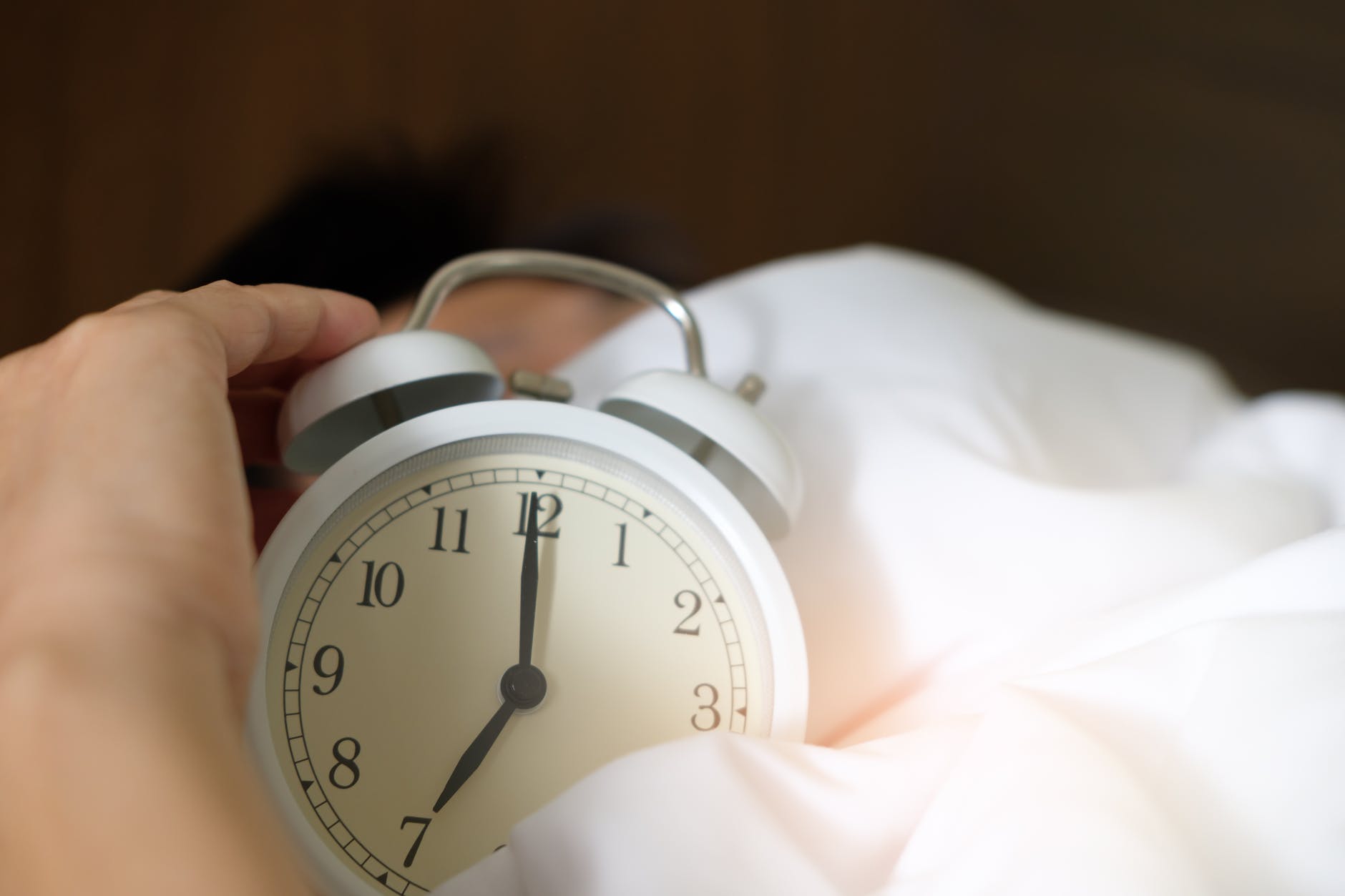
Every parent has told their child to wake up early in the morning and we all have ignored it like we ignore assignments on holidays. There are ‘n’ no. of reasons to turn into an early bird. It gives us a lot of time for our work, helps in getting a good sleep, decreases stress and respiratory issues. It motivates us to get fresh air and meditate. Gives us enough time to eat our breakfast, most important meal of the day. Girls got a bonus reason for it as it gives a healthy, good skin to flaunt.

2 Drink water

Photo by Pixabay on Pexels.com

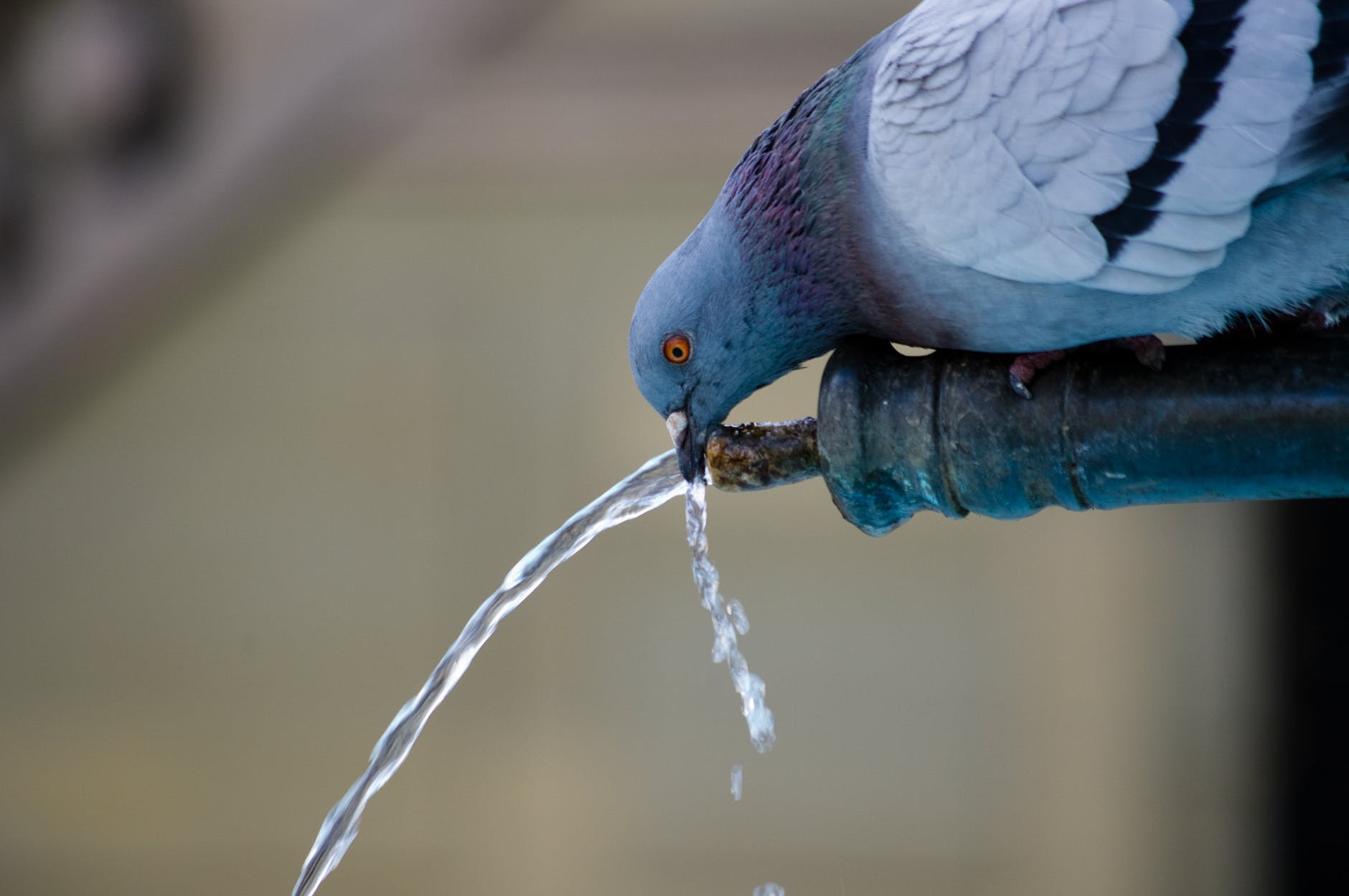
Although water is tasteless but only real drinkers know the taste of water. Water carries oxygen and nutrients to the cells of our body. Drink at least 3 L water daily to get the toxins out of our body, to get a healthy skin and a glow on the face. Helps in flushing bacteria from our bladder and helps indigestion. Water level affects energy and brain function of our body so, drinking a good amount of water is beneficial and it’s the best thing to prevent kidney stones. There are so many health benefits of water that the list can go on and on.

3 Read books

Photo by Mau00ebl BALLAND on Pexels.com

One of the most important habit in a person’s life is reading, from a very young age we are taught it’s importance as it helps in developing the mind. It reduces stres and helps us in escaping the stressful world for a moment. It gives power to our imagination, improves vocabulary and helps us learn new things. We should read everyday even if it’s for few mintues. Every night before sleeping ditch your phone and television with books. It will help you to develop reading habit.

4 Take a walk

Photo by Sebastian Voortman on Pexels.com

After a busy day of studying and scrolling memes on your phone it’s important to give your mind and body a break and what’s better than going out for a walk. A brisk walk for half an hour can be effective in burning a hell lot of calories. It will boost your mood and for your next session of studying you will be as fresh as a new rose bud. You can discover new things as you walk in your neighborhood. It also helps in lowering blood sugar level and will keep the weight in check.

5 Eat healthy

Photo by Jill Wellington on Pexels.com

Eating healthy food is important for students to keep their health as well as mind in proper state. Our mind will work properly only if our body is working properly and to get all the valuable nutrients one should eat vegetables, fruits and lentils in good quantity. Follow a balanced diet and eliminate the unhealthy food. Eating junk once in a while is okay but it should be avoided on a regular basis.

6 Write a journal

Photo by Bich Tran on Pexels.com

With the onset of digital world we have almost forgotten how to write. The only time we take up a pen is while writing our exams otherwise everything including notes are available on mobile phone. Writing has been included as one of the must to have skills. It helps you improve vocabulary and clarifies your thinking. Writing is a powerful skills that can help you get a wider perspective on thing and to influence other people. It gives you the power to frame your creativity and imagination on a piece of paper.

7 Do internships

Photo by Magnetme on Pexels.com

Internships play an important role whenever you apply for a job after all you need to have some experience and also it helps you learn new things related to the respective field. Big companies prefer students with a good number of internships over students with less or no experience in internships. So, take a Internship whenever you can.

8 Take a online course

Photo by Katerina Holmes on Pexels.com

Apart from school and college, there are so many online course available online, you can find and enroll yourself in any of them as per your interests. They will not only enhance your skills but they will provide you with a certificate as well that you can add in your resume. You can easily complete these courses while sitting in your home, you can turn your free time into a productive one.

9 Be socially active

Photo by Lisa on Pexels.com

Maintaining social relationships is equally vital as scoring good marks. You can’t excel in your life without relations. You need people to grow at times and being active socially helps you in a lot of ways like enhancing your communication skills, being up to date. If you are isolated from the outer world there are chances of you to feel depressed. So, for your mental, physical and social well being going out of the house once in a while is crucial.

10 Take up a hobby

Photo by Porapak Apichodilok on Pexels.com

Hobbies are always our best friends. They bring out the best in us, they give us way to express our creativity. They de-stress us and boost our mental health. Hobbies encourage us to have some ‘me-time’ and are like a mental escape from our daily routine. We don’t have to be perfect in something, we can always enjoy our hobbies as we like.

11 Watch series

Photo by John-Mark Smith on Pexels.com

Series or movies are not just for entertainment, many series are educational, motivational and good for mental health. They are a great stress relievers, and you can choose any genre from the heap of series like FRIENDS when you want to feel good, THE OFFICE when you want to laugh.They are also helpful in refining language skills. You can also connect with the characters and also you can write a review of the series it will upgrade your writing skills.

12 Listen music

Photo by Pixabay on Pexels.com

Music has proven to be mood uplifter. When we listen to our favorite music, our brain releases dopamine which promotes positive effects on mood. It reduces stress, anxiety and produces a positive effect on mind. You can even do you homework while listening to music on a low volume. Music is one the best way to kill boredom.

13 Take proper sleep

Photo by u0410u043bu0435u043au0441u0430u043du0434u0430u0440 u0426u0432u0435u0442u0430u043du043eu0432u0438u045b on Pexels.com

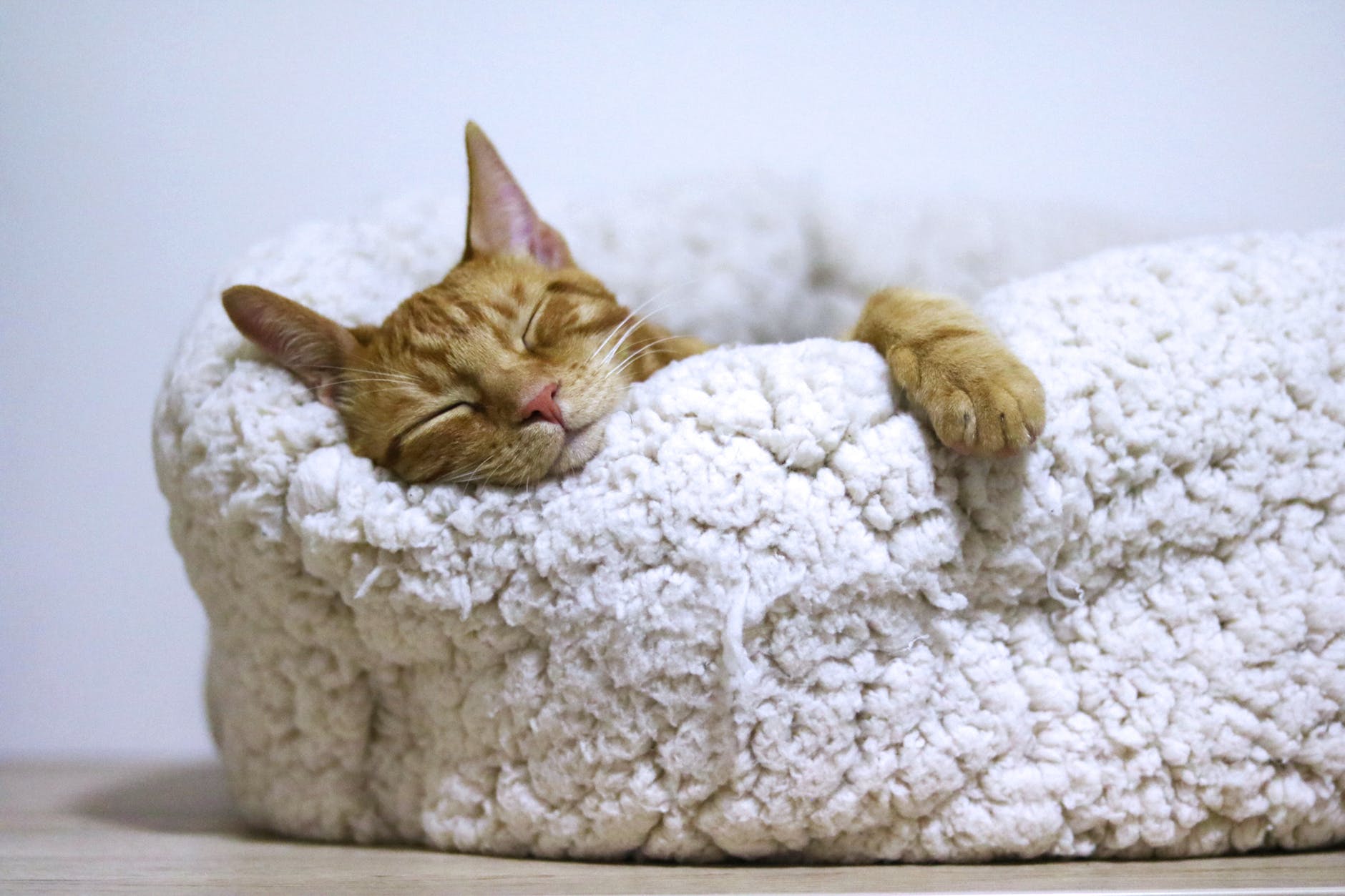
A full 8 hour sleep is as important as eating healthy and doing exercise. If the body doesn’t get proper rest all the above mentioned things will be in vain because improper sleeping schedule will affect your body and ultimately your studies. It will affect the brain function as well which will lower your concentration level. So, Keep all your electronics away at night and also eat light food to get a peaceful sleep.