Is Chocolate Good For Our Health?

We all love eating chocolate but our parents always scolded for eating them. But is it really good for our health or it just brings obesity.

Although eating too much chocolate is not good but in adequate amount it serves various benefits. Researchers have found that an ingredient in chocolate – cocoa beans contains antioxidants (a substance that inhibits oxidation, especially one used to counteract the deterioration of stored food products.) which reduces the damage to our cells which otherwise may lead to cancer development. Some report that eating chocolate may lower the risk of certain cancers, while others show no benefit.

 Flavanols ( naturally occurring compounds found in cocoa) have been shown to lower blood pressure and make heart, veins, and arteries work better. Chocolates contains maximum amount of cocoa are considered best in terms for our heart.  Chocolate is also said to fight against bad cholesterol and so consuming a bit of chocolate once in a while will keep the bad stuff away for a long time.

 Dark chocolate is loaded with soluble fiber and many essential minerals like zinc, iron, magnesium and copper. Since it contains sugar it is thus a great source of energy. It is also found that dark chocolate contains certain chemicals that signals brain to release a happy hormone- dopamine which is a stress relieving hormone.

Apart from these benefits – “Excess of everything is bad”. Since it contains high amounts of sugar therefore it should be taken in less amount and is not recommended to obese people. Moreover eating high level of chocolates is also not good for our teeth and we should always brush our teeth after having them. Furthermore only those chocolates should be taken which contains high amount of cocoa atleast 70% of cocoa and less amount of cocain. It might give your heart some benefit, and it generally has less sugar and saturated fat than milk chocolate or other kinds of chocolate. 

Educational status in India after 1947

Between 1935 to 1955 there is the development in the area of education in university. New universities were opened and the strength of students were also increased. But after the independence there was increased in the field of education in university. After separation only 19 universities were there but after that new 14 universities were opened. So that the government decided to create a team for the survey of university for analysis the new technology gained by the university. New educational program provides to the students for the development of students.

Aim of university education

Aim of university education :- After the independence our social, cultural and political facts are changed that changes increase the work of universities. Universities will give the affort towards the new technology. Now they the wants that type of education which increase the occupation, business etc.

Commercial education :- In commission 1st preference is given to commercial education. The field comes on this are agriculture, commercial, engineering and technology, teaching and health.

Engineering and technology :- At present engineering and technology are be the national property and we should try to increase it or improve this. All apportunity should be given to students who are studying in engineering college to work in the industry.

Medical :- Only those students get admission in medical colleges who have knowledge.

Teaching :- Syllabus of the university should be modified and changed according to the time. There must be exam conducted among the students.

Agricultural :- In rural areas new institutes are opened for the students so that they learn about the agriculture.

This is all modifications done after in independent of India.

INSPIRATION LEADS TO SUCCESS.

Inspiration can come from anywhere, it’s something that makes you want to change in your life for the better, or someone who pushes you or set’s an example, or someone that makes you think about your life and how you want to change it.

My inspiration was my envy! Yes you heard it right. Growing up as a student was a challenging task. A child is vulnerable during this stage of life. The influence which the social sphere lay’s on them is very overwhelming. A child is born as an empty slate with capabilities; that child becomes a well adjusted individual by manifesting the potential they possess in a right way.

Let me share my piece of story. My experience as a student was, I lacked the quality of confidence and was not motivated enough to perform well in my desire area of interest, Literature. Every year mu school use to host English Recitation Competition in which I wanted to participate and win, but didn’t had the grit to admit my self into the competition. My teacher who always encouraged every student to exploit their potential advised me,“Winning doesn’t matter, what matter is participating”. That piece of encouragement was sufficient to to kick start my journey in search of my confidence aand winning that competition. I participated in the competition but I lose I was disheartened but was determine to win next year, but again success was not on my side and that’s when envy came into the frame. I was envious towards the winners and compared myself with them not releasing I was demotivating my own self. Consequently I observed the winners in the following years analyzing their ploy and instructed myself if they can do it why can’t I! I worked on my language skills and hand gestures evently advancing in the reciting tactics. I made the winners my model and changed my envious attitude into a matured one, which helped me to boost my motivation. This changes helped me to win the competition after a consistent failures in the past years. That’s when I learnt “INSPIRATION LEADS TO SUCCESS”

New Education Policy

Photo by Julia M Cameron on Pexels.com

Education is the most powerful weapon we can use to change the world- Nelson Mandela”

The knowledge and skills acquired by a person depends on the education system. A person cannot become a saint by learning about the scriptures and holy books, for this he must practice some basic self-actualization habits to conquer the hurdles and to achieve the desired position. Likewise, an engineer in his degree period is not restricted to the technical books. for this he also comes across the practical field to excel in the career.

The policies of education in the teaching sector are the backbone of it. Education policy is a plan where government is involved in the educational sphere and laws of education system. The most common place where education policy plays its part are- field of schools, include school size, class size, school choice, school privatization, teaching selection, education and certification, teacher pay, teaching method, curricular content, graduation requirement and school infrastructure investment. All the major part of the education revolves around the education policy. The stronger the policy the better will be the future of schooling.

With the onset of pandemic, the education policy has taken a big turn. For which, the whole world had to undergo the revision of education policy. In India, Government has come with National Education policy of 2020 where there are some modifications of rules and guidelines. Here, school curriculum  will be restructured in a new 5+3+3+4 form. Early childhood care and education (ECCE) focuses on investment infrastructure such as children playing equipments. There is also a Foundational literacy and Numeracy plan (FLN) where there is a three month preparatory course to students to access digital contents through energized textbook ETB-Diksha. It also aims to achieve universal foundational literacy and numeracy in primary schools by 2025. The policy also states that higher education system shall aim to be multidisciplinary by 2040. One of the most needed guidelines for teachers (Teachers and teacher education) where the policy proposes the minimum education degree requiring   a 4 year B.Ed undergraduate programme.  Policy also demands to allow promotion based on merit. A big change where this policy is coming up with “Equitable and inclusive education” plan where there is gender equality and promises to female and transgender students by driving state level inclusion activities, developing sufficient infrastructure for safety, and targeted boarding. Talking about the ground system and the building structure of education in country, this policy plans to re-organize smaller schools with very low enrolment into a school complex structure which connects 10-15 such small schools into one administrative which will help reduce school isolation efficiently, use teaching learning resources, and increase governance and accountability, especially in rural/ adivasi parts of India.

Thus, it is quite evident that the countries education system has reversed. There is a big competition in the education field to achieve the best goal. With the right plan and structures this country could attain success. As said,” Education is the best economy policy there is – Tony Blair”

Global Warming- Heating the mind to stress

Photo by Pixabay on Pexels.com
Photo by Guillaume Falco on Pexels.com

It is happening every summer that we find it hotter than the last one. Ever wondered why?

It is not because we can’t tolerate heat but try to blame it all on the season. It is a real phenomenon taking place namely, Global Warming. It points to the increasing heat in the atmosphere and on the surface of the Earth due to the presence of pollutants and carelessness of people.

The problem is increasing manifold with no concern among the people. They are continuing to use products which are harmful for the health of our planet and cause damage and depletion of its ecosystem.

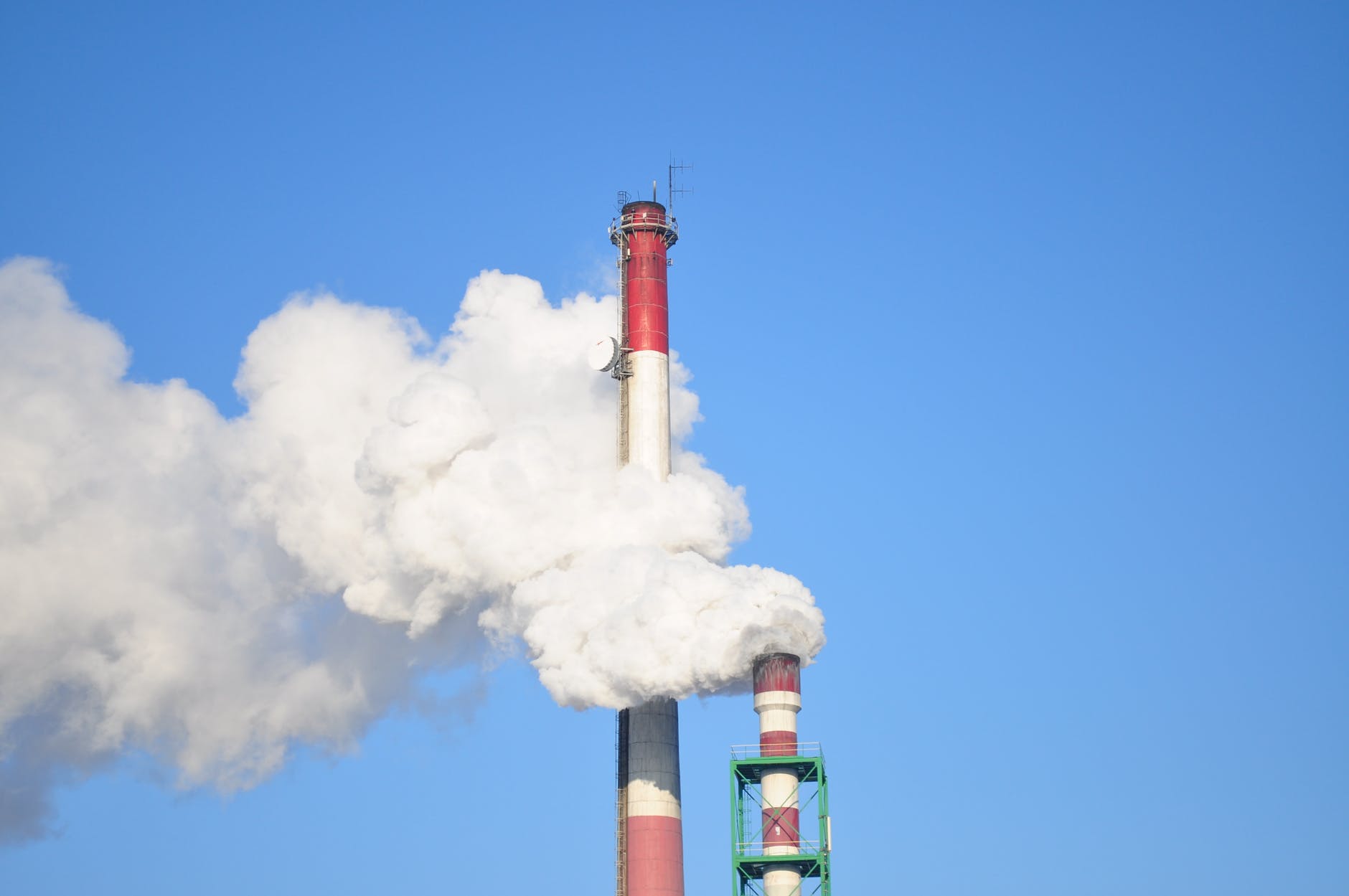
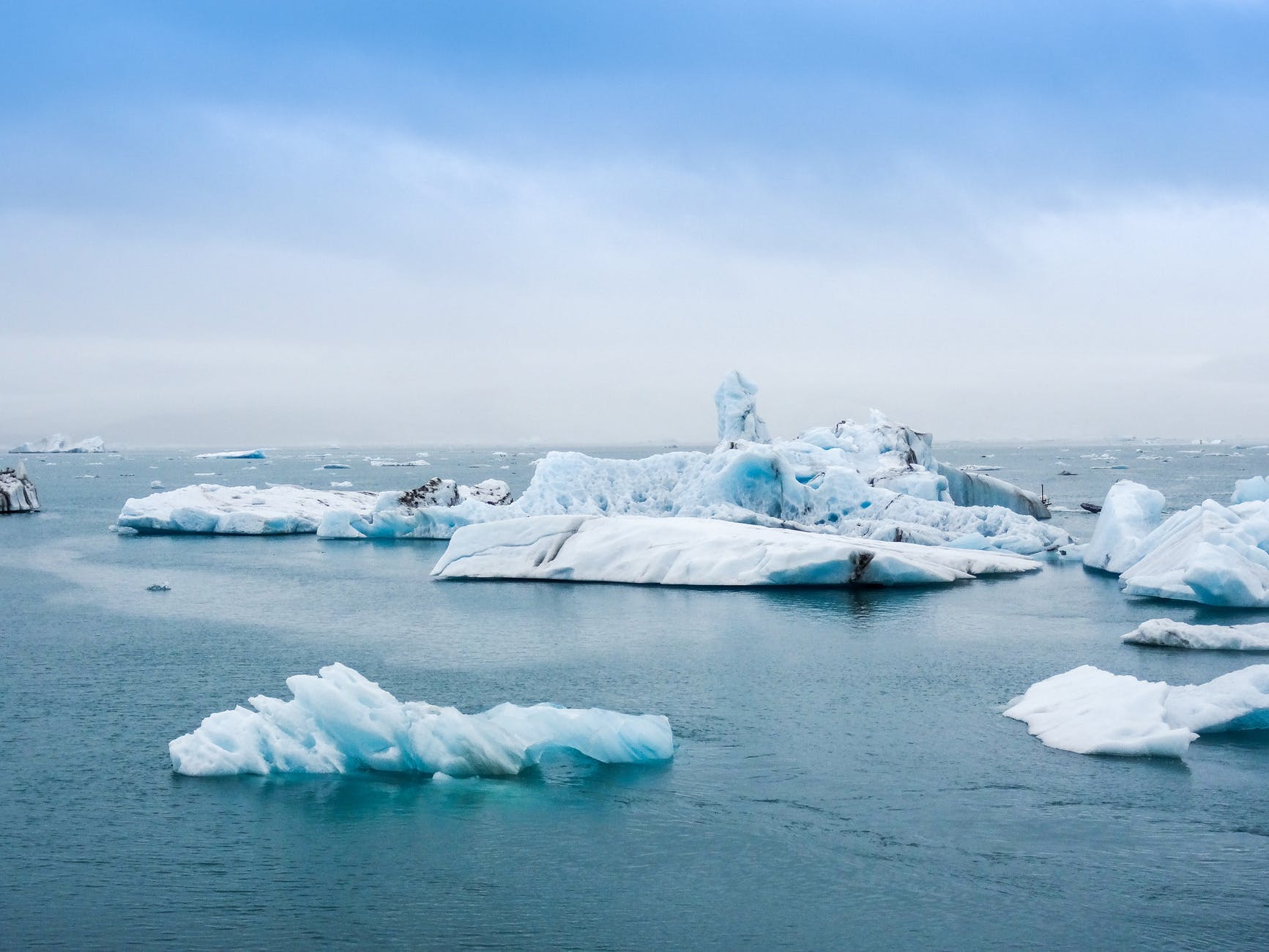
The presence of smoke and melting of Glaciers clearly signals the need to conserve the environment. The issue is we notice the Smog covering the atmosphere and obstructing our vision during winters, but do not find reasons and solutions to it. We read and listen news about the Glaciers melting out rapidly but do not try to find out the reasons behind the same. Even when we know the problem, we leave it all to the government to sort it out for us. However it is equally important for us to participate in them and support the authorities which are working for it. Only few can’t solve a problem created by us all. We all are responsible for it and should work towards the solution. The pollution has been created because we all use ACs, refrigerators, Private vehicles or any of such products which emit pollutants harming the ecosystem. Industries are growing, so is the pollution. The ozone layer is depleting bringing in harmful sun rays that cause skin diseases, cancer, cataract. We are aware about them but still don’t work for them which is completely foolish. We are keeping ourselves in the dark. The effects may not be visible to the careless eyes now but it would lead to long term consequences which can destroy Life on the planet.

Photo by Pixabay on Pexels.com

Talking about the present, this increased heat on the surface of the Earth is affecting the mental health in a way. It becomes too hot during the summers and too cold during the winters which is all due to the Global Warming. These adversities of the climate affect the mind and the thinking skills of a human. They affect other life forms as well but focusing on the humans, they affect our power of mind.

You might have heard “Too much of anything is not good”. It implies in this situation as well. It’s important for it being hot in summers and cold during winters but too much of them affects the lifestyle. Our body is designed to adapt the natural changes that take place automatically but the changes in the nature that are happening due to our carelessness go against the environment, which is unfavorable for us as well. We cannot hold on to much of heat. It starts moving to our brain from the upper body surface and affects out mental capability.

Anger is the most observed and typical example to prove it. You must have seen people getting angry on small things, during the day, which is because they already handle load of work which is now being complemented by the harmful heat of the day. The sun rays affect the mind. The difference is, it is positive when in limits but converts to negative when exceeds the requirements of the human body. The stress shoots up and you might feel headache very often.

DEEP LEARNING SERIES- PART 6

The previous article was about the procedure to develop a deep learning network and introduction to CNN. This article concentrates on the process of convolution which is the process of taking in two images and doing a transformation to produce an output image. This process is common in mathematics and signals analysis also. The CNN’s are mainly used to work with images.

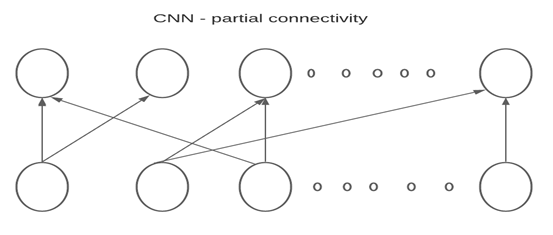
In the CNN partial connection is observed. Hence all the neurons are not connected to those in the next layer. So the number of parameters reduces leading to lesser computations.

Sample connection is seen in CNN.

Convolution in mathematics refers to the process of combining two different functions. With respect to CNN, convolution occurs between the image and the filter or kernel. Convolution itself is one of the processes done on the image.

Here also the operation is mathematical. It is a kind of operation on two vectors. The input image gets converted into a vector based on colour and dimension. The kernel or filter is a predefined vector with fixed values to perform various functions onto the image.

Process of convolution

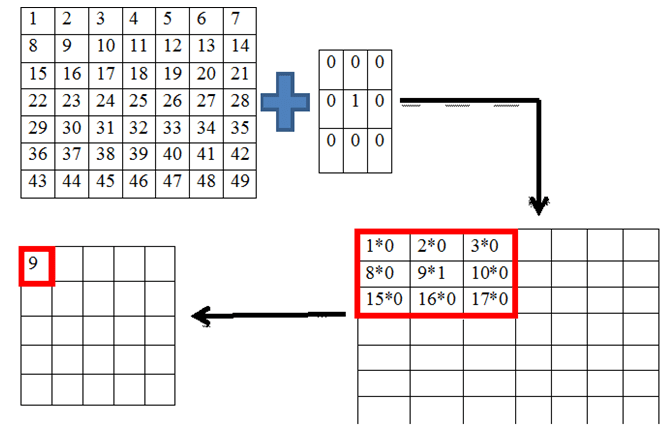
The kernel or filter is chosen in order of 1*1, 3*3, 5*5, 7*7, and so on. The given filter vector slides over the image and performs dot product over the image vector and produces an output vector with the result of each 3*3 dot product over the 7*7 vector.

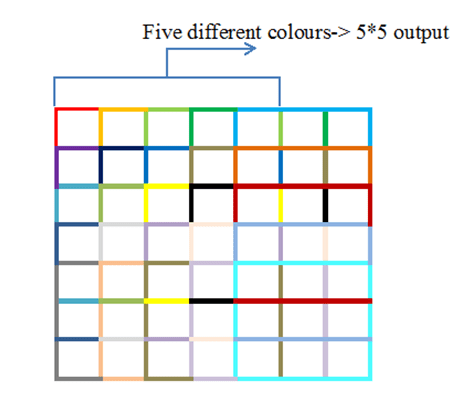
A 3*3 kernel slides over the 7*7 input vector to produce a 5*5 output image vector. The reason for the reduction in the dimension is that the kernel has to do dot product operation on the input vector-only with the same dimension. I.e. the kernel slides for every three rows in the seven rows. The kernel must perfectly fit into the input vector. All the cells in the kernel must superimpose onto the vector. No cells must be left open. There are only 5 ways to keep a 3-row filter in a 7-row vector.    

This pictorial representation can help to understand even better. These colors might seem confusing, but follow these steps to analyze them.

  1. View at the first row.
  2. Analyse and number the different colours used in that row
  3. Each colour represents a 3*3 kernel.
  4. In the first row the different colours are red, orange, light green, dark green and blue.
  5. They count up to five.
  6. Hence there are five ways to keep a 3 row filter over a 7 row vector.
  7. Repeat this analysis for all rows
  8. 35 different colours will be used. The math is that in each row there will be 5 combinations. For 7 rows there will be 35 combinations.
  9. The colour does not go beyond the 7 rows signifying that kernel cannot go beyond the dimension of input vector.

These are the 35 different ways to keep a 3*3 filter over a 7*7 image vector. From this diagram, we can analyse each row has five different colours. All the nine cells in the kernel must fit inside the vector. This is the reason for the reduction in the dimension of output vector.

Procedure to implement convolution

  1. Take the input image with given dimensions.
  2. Flatten it into 1-D vector. This is the input vector whose values represent the colour of a pixel in the image.
  3. Decide the dimension, quantity and values for filter. The value in a filter is based on the function needed like blurring, fadening, sharpening etc. the quantity and dimension is determined by the user.
  4. Take the filter and keep it over the input vector from the first cell. Assume a 3*3 filter kept over a 7*7 vector.
  5. Perform the following computations on them.

5a. take the values in the first cell of the filter and the vector.

5b. multiply them.

5c. take the values in the second cell of the filter and the vector.

5d. multiply them.

5e. repeat the procedure till the last cell.

5f. take the sum for all the nine values.

  • Place this value in the output vector.
  • Using the formula mentioned later, find the dimensions of the output vector.

HAPPY LEARNING!!

THE FIGHT AGAINST CHILD TRAFFICKING

Child trafficking alludes to the abuse of girls and boys, essentially for labor work and sexual exploitation. Children account for 27% of all the illegal exploitation victims around the world, and two out of each three child victims are girls. Some of the time sold by a relative or an associate, in some cases baited by bogus guarantees of education and a “superior” life.

Child Trafficking in the European Union - Humanium

The reality is that they take advantage of children. They are held in slave-like conditions without sufficient food, haven or clothing, and are regularly seriously manhandled and cut off from all contact with their families. Every country on the planet is influenced by human trafficking, and subsequently, kids are compelled to exit school, hazard their lives and are denied of what each child deserves ,a better future.

We can stop this by supporting unprivileged children who are denied of legitimate education, health and shelter. It’s a child right to get legitimate education, heath and shelter fundamentally a superior living. We can do this by interfacing with NGOs which work in improvement of kids’ lives. We can donate cash, garments and different accomplices to them. Also strict action should be taken against those who are involved in this vicious crime. Children are future of a country if they are not safe then a country will never develop.

RESOURCES:

https://www.savethechildren.org/us/charity-stories/child-trafficking-awareness

BACTERIAL MENINGITIS

BY- DAKSHITA NAITHANI

INTRODUCTION

The inflammation of the meninges is known as meningitis. The Dura mater, arachnoid mater, and pia mater are the three membranes (meninges) that border the vertebral canal and skull, encapsulating the brain and spinal cord. Symptoms such as headaches, fever, and stiff neck are common.

Prior to the discovery of antibiotics, this was a fatal illness. Despite tremendous advancements in healthcare, the disease still has a death rate of over 25%. Many different pathogens can cause the disease, but bacterial meningitis has the largest worldwide impact.

Despite advances in diagnosis, treatment, and immunisation, 8.7 million cases of meningitis were recorded globally in 2015, with fatalities as much as 379,000. In early 2020, the first incidence of meningitis linked to COVID 19 was discovered. Every year on April 24th, World Meningitis Day is commemorated. Meningitis is one of the leading causes of illness and death in children under the age of five worldwide. According to Indian studies, meningitis is one of the main causes of mortality among infants under the age of five. 

TYPES OF MENINGITIS

Viral meningitis: It is the most frequent, but not the most dangerous, form of meningitis, accounting for 85 percent of cases. Enteroviruses are among the most prevalent causing viruses.

Bacterial meningitis: Bacterial meningitis is the second most prevalent kind of meningitis, affecting around 3 per million individuals each year. N. meningitidis, S. pneumoniae, H. influenzae, and S. aureus are the microorganisms that cause this kind of meningitis. Inflammation of the meninges can be caused by the same bacterium that causes TB.

In most countries, N.meningitidis is the primary cause of meningitis and a feared illness. The fatality rate from bacterial meningitis is frequently greater in underdeveloped nations than in industrialised countries.

Fungal meningitis: It’s a rare occurrence that generally leads to persistent meningitis. It is caused by a fungus that infects the body and travels from the blood to the nervous system, as the name implies.

Parasitic meningitis: It is less frequent than viral or bacterial meningitis and is caused mostly by parasites found in soil, excrement, cereals, or chickens. The infection is spread through ingesting the parasite’s eggs rather than normal routes. One of the most severe diseases is amoebic meningitis.

Non-infectious meningitis: It is a complication of an underlying health condition, rather than an infection. Inflammation in the tissues can be caused by a variety of factors, including drug use, head trauma, brain surgery, and cancer-related issues.

HOW DOES IT SPREAD FROM ONE INDIVIDUAL TO ANOTHER?

Meningitis caused by fungi, parasites, or non-infectious organisms is not contagious, while viral and bacterial are extremely contagious. Sneezing, coughing, and sharing utensils, cutlery, and toothbrushes are all ways to spread viral and bacterial meningitis. People who have these viruses or bacteria in their nose or throat but are not ill are generally carriers.

RISK FACTORS FOR MENINGITIS:

Risk factors for meningitis include:

•People who do not complete or skip their recommend childhood or adult immunization schedule

• Most of the viral cases occur in children younger than five years of age. Bacterial cases are common to those under the age of twenty years. Age also plays a big role in determining the risk factor.

 • It is possible to live in a community. Meningococcal meningitis is more common in college students who live in dorms and children who attend boarding schools or child care centres. This is most likely due to the bacterium’s ability to spread fast among big populations through the respiratory pathway.            

• Immune system dysfunction. Meningitis is also made more likely by AIDS, alcoholism, diabetes, immunosuppressive medications, and other immune system disorders. Anyone without a spleen should be immunised to reduce their risk.

SYMPTOMS

Meningitis affects more than two-thirds of children under the age of two, with the majority of cases occurring in the first two years of life. This might be related to low immunity and increased brain vascularity, which puts children at a higher risk. Furthermore, due to the immaturity of the central nervous system (CNS) in babies and children, the symptoms of infection are also hazy. Due to these reasons doctors depend more on the diagnostic tests rather than the symptoms.

-Fever for more than a week

-Neck stiffness

-Headaches

-Nausea and vomiting

-Altered or reduced level of consciousness

-Lethargy

-Rash

-Convulsions

Meningitis rash

A mild rash is one of the late indicators that one of the bacteria that causes meningitis, Neisseria meningitidis, is present in your circulation. The rash will become more visible as the illness progresses and spreads. The palms of the hands and the inside of the mouth, for example, may exhibit indications of a rash more easily than other parts of the body.

TREATMENT AND MANAGEMENT OF DISEASE

The therapy is determined on the underlying aetiology of meningitis. Antibiotics are used to treat bacterial meningitis, which may necessitate urgent hospitalisation. This might aid in the prevention of brain injury. The treatment of fungus meningitis may need the use of antifungal medicines. Viral meningitis may go away on its own, but you’ll need to see a doctor to figure out what’s causing it and how to treat it properly. On the basis of symptoms present parasitic meningitis is treated.

In all instances of bacterial meningitis, prompt treatment and supportive care and antibiotics are essential. Antibiotics are chosen depending on the organism that is thought to be causing the illness. In order to give the optimum antimicrobial coverage, the physician must consider the patient’s medical history.

Steroid Therapy: There isn’t enough data to back up the use of them in bacterial meningitis.

Chemoprophylaxis: Close contacts of a patient with N. meningitidis and H. influenzae type B meningitis should take this medication. People who have shared utensils, and health care providers in close proximity to secretions are all examples of close interactions.

Physical Therapy Management

In most cases, physical rehabilitation begins in the intensive care unit. It’s critical to remember a patient’s chart contraindications to therapy, such as intracranial pressure, cerebral pressure, and other lab results that dictate rehabilitation recommendations, while starting a plan of care. In the acute phase, proper posture and range of exercises should be started as soon as it is safe to do so. Proper pillow and towel placement will maintain the integrity of the skin and avoid contractures. Maintaining trunk and neck mobility is critical for functional mobility.

The earlier a patient begins therapy, the lower the risk of subsequent impairments, allowing for a better treatment.

If left untreated it can lead to significant brain problems and is sometimes deadly. In 10–20 percent of survivors, it can cause brain damage, hearing loss, or learning disabilities, as well as amputations in certain cases.

DIAGNOSTIC TESTS

 It is detected by analysing the cerebrospinal fluid, which includes a white blood cell count, glucose, protein, and, in rare circumstances, a polymerase chain reaction (PCR). A lumbar puncture is used to collect CSF, and the opening pressure can be monitored.

Bacteria in the blood are identified using blood cultures. Bacteria have the ability to move from the bloodstream to the meninges. Both sepsis and meningitis can be caused by a variety of bacteria, including N. meningitidis and S. pneumonia.

A differential complete blood count is an indicator of health general. The amount of red and white blood cells in your blood is counted. Infection is fought by white blood cells. In meningitis, the count is generally high.

Pneumonia, TB, and fungal infections can all be detected using chest X-rays. Meningitis can develop as a result of pneumonia.

A head CT scan may reveal issues such as a brain abscess. From the sinuses to the meninges, bacteria can spread.

A glass test may also be performed by doctors. The doctor performs this test by rolling a glass over the rash formed. It’s most probable meningitis rash if the rash doesn’t disappear with pressure. The odd patches on the skin may be the consequence of another ailment if it fades away.

PREVENTION

Microbes that cause meningitis can easily be dispersed all around through aerosols when a carrier coughs, sneezes or shares utensils or other oral items. A few steps which are present to prevent it are:-

• Please wash your hands. Hand cleaning is important in preventing the transmission of germs. Hands should be washed before and after meals, touching objects or animals in public places. Show children how to wash and rinse their hands completely and properly.

 •Practice good oral hygiene. Do not share edibles and utensils with anybody else.

•Maintain a good immune system by keeping a good diet and staying healthy.

 •One should always cover their mouth while coughing or sneeze.

• If you’re expecting a child, be cautious about what you eat. Reduce your risk of listeriosis by cooking meat to 165 degrees Fahrenheit, which includes hot dogs.  Choose pasteurised milk cheeses that are clearly stated on the package.

Why are the whales the biggest animals ever?

Most people are aware of the whales that can grow up to a massive 98 feet in length but did you know that just a few million years ago they only grew to about 32 feet. There are lots of different species of whales out there in today’s time approximately over 80 and some of the popular whales are the killer whale, the humpback whale, the beluga whale, the grey whale, the sperm whale and the blue whales. They are somewhat different in colour and shape but one common thing is that they’re all pretty impressive in size. For example, the sperm whale is the largest toothed predator on earth and the blue whale is the largest animal ever they are even larger than a dinosaur, woolly mammoth or any other living creature we know of that has ever lived on our planet.


Nearly 50 million years ago, Whales first came into existence and they looked nothing like they do today in fact they didn’t even live underwater. The first whale was Pakicetus, this was a four-footed land mammal and is known as the first whale and it was about the size of a wolf and was a carnivore.


According to the American Museum of Natural History fossils found in Pakistan back in 1983 revealed that these mammals lived on land by shallow waters. Some scientists believe that Pakicetus was a land dweller who is forced to swim in the ocean due to a lack of food on land or warm temperatures as they spent more and more time in the water the animal evolved into a creature that lived in the sea over the years this evolution helped the whales to develop features like fins instead of legs so that they could adapt to living in the water.


Pakicetus displayed whale-like characteristics like a long skull paleontologists also had a unique ear bone something that’s distinctive. They evolved thanks to our environmental changes over time that influenced the animal’s habitat diet and behaviour. The Natural History Museum in London explains that one of the first evolved mammals to come from Pakicetus was a species known as Ambulocetus, who lived near an estuary between 50 to 48 million years ago. Similar to Pakicetus this species of early whale had four feet however its hind legs were shorter and resembled flippers they also formed a special tail for swimming using these to swim faster in the water.


Over a period of about 37 million years, Pakicetus gradually evolved into over 80 different species of whales you heard that right it took 37 million years for this evolution to take place that’s why 27 and a half million years ago one of the first whales was significantly smaller than they are today this particular species of whale was just 18 feet long and had baleen instead of teeth. For some who don’t know baleen then, Baleen is a filtration system that whales have that pushes the water out of their mouths keeping animals like krill which are small shrimp-like crustaceans in their mouths for them to eat the bristles of baleen are comprised of keratin the same keratin that humans have in their fingernails and hair today about a dozen existing whale species have baleen the rest have teeth but these teeth are different than the ones humans have.


Since they’re designed to catch prey rather than chew it whales definitely didn’t start out as the Titans of the sea they are today as their smaller size made them easy prey for predators like hungry sharks it wasn’t until three million years ago if things started to shift in the whales favor this time was known as the Ice Age as temperatures in the water began to drop whales instinctively needed to pack on extra pounds of blubber to keep them warm they are warm-blooded mammals after all thanks to shifting currents and temperature changes in the water the ocean floor grew rich with plankton and with this plankton came hungry krill to sate whales were well fed at this time was an understatement whales everywhere filled their tummies with scrumptious krill and they grew larger and larger the whales that had developed baleen instead of teeth took full advantage of this never-ending feast since they were better equipped to swallow up dense patches of food thanks to their growing size they were able to swim longer distances to look for even more food and reach warmer waters which encouraged even more growth.


Today’s humpback whales can travel over 5000 miles each year that’s one of the largest migrations of any animal on earth whales are consistently the biggest animal on our planet. For example, the blue whale weighs more than a Boeing 757 passengers and its belly buttons are the size of a dinner plate. The blue whale is currently so massive that if you were to take all its blood vessels and form them into a continuous line. Today’s whales are fully evolved from Pakicetus you can still see a glimpse of their ancestors not just with the naked eye of course some whales still have remnants of what used to be a bone for a hind leg in their skeleton it just doesn’t show outside the skin.
While science has proven that whales have evolved from Pakicetus they have another possible relative that still lives on earth with us today. The study conducted at the University of Calgary in 2009 Hippopotamus is believed to be the closest living relative to the whale based on fossil evidence in DNA data there seems to be a strong relationship between whales and Hippopotamus. Many scientists believe that the hippopotamus also descended from Pakicetus. Today’s Hippopotamus like whales spend tons of time in the water and are also mammals.


However, before this study was conducted many scientists argued that hippopotamuses were more closely related to pigs cows sheep and even giraffes. It’s still argued in different circles whether hippopotamus are more closely related to whales or pigs but as more and more studies are conducted many scientists are leaning toward calling hippopotamus and whales cousins no matter which mammals whales are most closely related to there’s no denying that when it comes to size they’re truly one of a kind.


Many scientists believe that whales have hit their capacity for growth once they measure 109 feet that’s because at 110 feet a whale can’t physically close their mouth within 10 seconds before its prey escapes if it took any longer they wouldn’t be able to eat which would lead to their death. A whale of 109 feet can consume enough water to fill up a large living room and that’s every time it opens its mouth to feed.

Education

The meaning of education is to educate. The education is the smallest unit of development of that child in which they have interest. Education developed healthy mind in healthy body. Education is the development of internal power of people.

Meaning of education

Narrow meaning of education :- In this education given inside the four walls of school. Broad meaning of education :- In this whole world comes through which every day children learn new skills or news words. There is no definite place to get education.

Aim of education

Three things are important for education

  1. Why education? :- In this what is aim of education is decided.
  2. How education? :- In this the process of education is to be decided.
  3. What education? :- In this syllabus is to be decided.

Need of education

  1. It gives the path.
  2. It gives the idea to do any work.
  3. Education gives the confidence.
  4. It makes selfsupporting.

Factors that determine the purpose of education

  1. Place and time
  2. Need and problems of society
  3. Political ideology
  4. Social ideology
  5. Cultural ideology

All these factors is responsible for education. Also all of these are interlinked to each other. For example a political ideology wants that child learn only that thing, a cultural ideology wants that child learn only the culture of different places.

Hence for this a child can get all types of education through different different people or place.

Marginalization

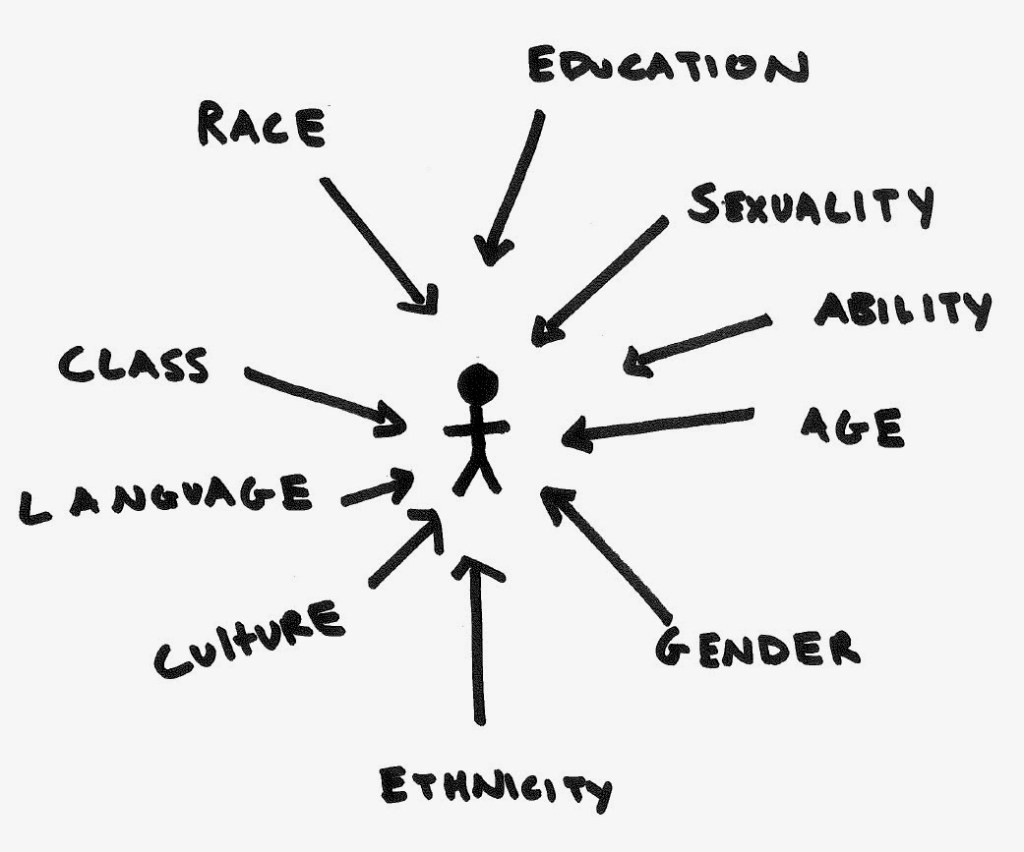
Marginality is an experience that affects millions of people throughout the world. People who are marginalized have relatively little control over their lives, and the resources available to them. This results in making them handicapped in delving contribution to society. A vicious circle is set up whereby their lack of positive and supportive relationships means that they are prevented from participating in local life, which in turn leads to further isolation. This has a tremendous impact on the development of human beings.

What is Marginalization?

Marginalization is when an individual or group is put into a position of less power or isolation within society because of discrimination. When an individual is marginalized, they are unable to access the same services and resources as other people and it becomes very difficult to have a voice in society.

It deprives a large majority of people across the globe from participating in the development. It is a complex problem, and there are many factors that cause marginalization. This complex and serious problem needs to be addressed at the policy level.

Meaning of Marginalization

In general, the term ‘marginalization’ describes the obvious actions or tendencies of human societies, where people who they perceive to undesirable or without useful function, are excluded, i.e., marginalized. These people, who are marginalized, from a GROUP or COMMUNITY are known as ‘marginalized groups’. This limits their opportunities and means for survival.

The Encyclopedia of Public Health defines marginalized groups as, “To be marginalized is to be placed in the margins, and thus excluded from the privilege and power found at the center”. Latin observes that ‘Marginality’ is so thoroughly demeaning, for economic well-being, for human dignity, as well as for physical security. Marginal groups can always be identified by members of dominant society, and will face irrevocable discrimination.

Characteristics of Marginalized Groups

Usually, a minority group has the following characteristics :

  • It suffers from discrimination and subordination
  • They have physical and/or cultural traits that set them apart, and which are disapproved of, by a dominant group
  • They share a sense of collective identity and common burdens
  • They have shared social rules about who belongs, and who does not
  • They have a tendency to marry within the group

Various Marginalized Groups and their Problems

1. Women

Under different economic conditions, and under the influence of specific historical, cultural, legal and religious factors, marginalization is one of the manifestations of gender inequality. Gender-based violence and domestic violence is high among women in general in India. Girl child and women from the marginalized groups are more vulnerable to violence. The dropout and illiteracy rates among them are high. Early marriage, trafficking, forced prostitution and other forms of exploitation are also reportedly high among them. In situations of caste conflict, women from marginalized groups face sexual violence from men of upper caste i.e., rape and other forms of mental torture and humiliation.

2. People with Disabilities

People with disabilities have had to battle against centuries of biased assumptions, harmful stereotypes, and irrational fears. The stigmatization of disability resulted in the social and economic marginalization of generations with disabilities, and, like many other oppressed minorities, this has left people with disabilities in a severe state of impoverishment for centuries. The proportion of the disabled population in India is about 21.9 million.

3. Scheduled Caste

The caste system is a strictly hierarchical social system based on underlying notions of purity and pollution. Brahmins are on the top of the hierarchy and Shudras or Dalits constitute the bottom of the hierarchy. The marginalization of Dalits influences all spheres of their life, violating basic human rights such as civil, political, social, economic and cultural rights. A major proportion of the lower castes and Dalits are still dependent on others for their livelihood. Dalits do not refer to caste but suggest a group who are in a state of oppression, social disability and who are helpless and poor. Literacy rates among Dalits are very low. They have meagre purchasing power and have poor housing conditions as well as have low access to resources and entitlements.

4. Scheduled Tribes

They constitute a large proportion of agricultural laborers, casual laborers, plantation laborers, industrial laborers etc. This has resulted in poverty among them, low levels of education, poor health and reduced access to healthcare services. They belong to the poorest strata of the society and have severe health problems.

5. Elderly or Aged People

Lack of economic dependence has an impact on their access to food, clothing, and healthcare. Among the basic needs of the elderly, medicine features as the highest unmet need. Healthcare of the elderly is a major concern for society as aging is often accompanied by multiple illnesses and physical ailments.

6. Sexual Minorities

Due to the dominance of heteronomous sexual relations as the only form of normal acceptable relations within the society, individuals who are identified as having same-sex sexual preferences are ridiculed and ostracized by their own family and are left with very limited support structures and networks of community that provide the conditions of care and support. Their needs and concerns are excluded from various health policies and programs.

7. Patients of Communicable Diseases

Those living with HIV/AIDS, mental illness and disability are more venerable among others. These groups face severe forms of discrimination that denies them access to treatment and prevents them from achieving a better health status.

8. Children

Children Mortality and illness among children are caused and compounded by poverty, their sex and caste position in society. All these have consequences on their nutrition intake, access to healthcare, environment, and education. Poverty has a direct impact on the mortality and morbidity among children. In India, a girl child faces discrimination and differential access to nutritious food and gender-based violence is evident from the falling sex ratio and the use of technologies to eliminate the girl child.

GUANO ISLANDS

Guano islands were discovered on a series of islands off the coast of Peru. These islands are rocky and barren and have no vegetation owning to lack of rain in the area.

The word ‘GUANO’ originated from the Andean indigenous language Quechua, which refers to any form of dung used as a fertilizer in agriculture. So what is guano? Dropping of certain fish eating birds are called as guano. Three birds are primarily producers of guano- white breasted cormorants, grey pelicans and white head gannets or piqueros. Millions of this types of birds reside on these islands because of this island isolation from natural predators and large reserves of anchovy fishes. Due to lack of rain their dropping gets baked in the dry atmosphere preventing nitrates in these droppings from evaporating make it a good fertilizer. Over the course of years guano reserves have accumulated into a thick layer of 100-150 feet guano fertilizer.

Guano has valuable agricultural benefits as it’s a natural fertilizer the crop yields improved which made it high prized commodity during 19th century. It was heavily traded by the European and American traders. It helped to build Peru economy. It Haas been estimated that around mid 1800’s Peruvian excavated over 20,000,000 tons of guano making a huge profit. Eventually Peru suffered a loss due depleted guno and introduction of artificial fertilizers.

Since 1909, the Peruvian government has taken measures to conserve guano reserves by establishing the GUANO ADMINISTRATION COMPANY . The methods includes;

. Keeping the islands off limits to reacumulate their guano reserves and not disturbing the natural habitat of these birds.

. Controlling the commercial fishing industry and setting measures to conserve guano birds feeds.

. Establishing preservation parks on the main land where some birds can migrate so that they can be safe from predators.

. Limiting guano exports and preventing disruption of ocean ecosystem.

FACTS ABOUT HUMAN BODY

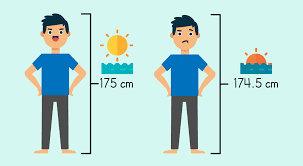
1.You are taller in the morning

Measure yourself in the morning, then again at night. You’re going to be taller in the morning because of how the cartilage in your bones compresses during the day.

2.Your heart beats about 100,000 times a day

Depending on your beats per minute, your heart beats about 100,000 times a day. That implies it sends 2,000 gallons of blood through the body.

Biometric Identifies You in a Heartbeat - Scientific American

3.Your highest blood flow is in your kidneys

The most noteworthy blood stream isn’t in your heart, liver, or cerebrum, it’s in your kidneys. That’s because kidneys are the body’s normal filtration framework.

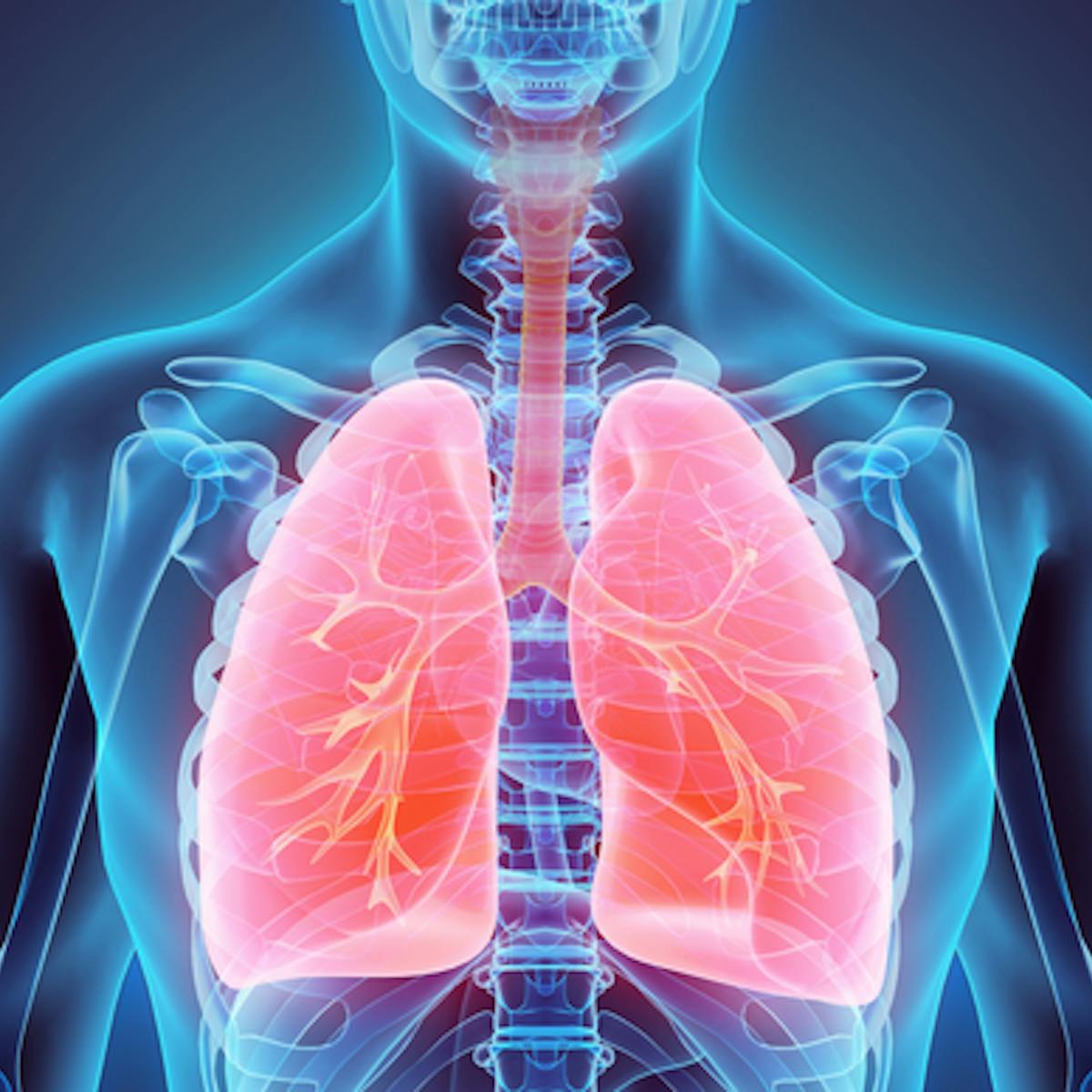
4.Lungs which are pink in color are healthy

Healthy lungs look pink and rubbery outwardly. The more you smoke however, the more falter and dark they become.

Your lungs are really amazing. An anatomy professor explains why

5.Dreaming in black and white

12% of people dream in black and white. What’s stranger is that people used to rest and dream in high contrast significantly more before color television (~15%). The normal individual actually dreams in color, yet it’s intriguing to perceive how the human cerebrum is defenseless to media.

20 Amazing facts about dreams that will change your perception! -  Trendpickle

6.Your blood vessels could circle the globe

However people have little veins, the systems administration is incredibly long. In case they were spread out they would quantify in excess of 60,000 miles.

7.The normal human grown-up has 2000-4000 taste buds

They aren’t just situated on the tongue. These minuscule receptors that enable us to taste are additionally situated toward the rear of your throat, your nose, and your throat. Truth be told, your nose doesn’t simply smell, it can taste as well! The feeling of smell is a vital part of tasting.

8.Your body has more than 600 muscles


Your strongest muscle is located in your jaw known as the masseter muscle. The stapedius muscle, located in the middle of your ear, is your weakest muscle.

How many muscles are there in the human body? - Quora

9.Your skin has 1000 unique types of microorganisms on it

Your skin is imperative in assurance of the body against microscopic organisms, which is the reason the external layer of your skin persistently reestablishes itself. The whole course of skin cell recharging requires around 28 days.

Team:Paris Bettencourt/SkinMicrobiome - 2020.igem.org

10.You’re presumably more like your father

Specialists showed that in the scales between the female egg and male sperm that your qualities will in general support your father, particularly over numerous ages. This phenomena is known as “gene expression”.

RESOURCES:

  1. https://www.nectarsleep.com/posts/fun-facts-about-the-human-body/

2. https://www.osgpc.com/amazing-facts-about-the-human-body/


SWATCH BHARAT SWASTH BHARAT

SWATCH BHARAT SWASTH BHARAT
Whether the Sun shines or it Rains; Cleaning the India should be our aim.
Pledge for cleanliness to show your keenness to clean India. India will teach us the tolerance and gentleness of mature mind, understanding spirit and a unifying, pacifying love for all human beings.” – Will Durant
India is in dire need of a cleanliness drive like Swachh Bharat Abhiyan to eradicate dirtiness. It is important for the overall development of citizens in terms of health and well-being. This a scheme to help us amd to make India healthy and clean and to make India swatch and swasth.

Swachh Bharat Abhiyan is one of the most significant and popular missions to have taken place in India. Swachh Bharat Abhiyan translates to Clean India Mission. This drive was formulated to cover all the cities and towns of India to make them clean. This campaign was administered by the Indian government and was introduced by the Prime Minister, Narendra Modi. It was launched on 2nd October in order to honor Mahatma Gandhi’s vision of a Clean India. The cleanliness campaign of Swachh Bharat Abhiyan was run on a national level and encompassed all the towns, rural and urban. It served as a great initiative in making people aware of the importance of cleanliness. This helped in making the message reach wider. It aims to build sanitary facilities for all households. One of the most common problems in rural areas is that of open defecation. Swachh Bharat Abhiyan aims to eliminate that. Generally, in these areas, people do not have proper toilet facilities. They go out in the fields or roads to excrete. This practice creates a lot of hygiene problems for citizens. Therefore, this Clean India mission can be of great help in enhancing the living conditions of these people. When we will dispose of waste properly and recycle waste, it will develop the country. As its main focus is one rural area, the quality of life of the rural citizens will be enhanced through it. Similarly, they also wanted to make people aware of health and education through awareness programs. After that, a major objective was to teach citizens to dispose of waste mindfully. Most importantly, it enhances the public health through its objectives. This helped in making the message reach wider. It aims to build sanitary facilities for all households.
Every small step towards sanitation will bring a big change for the nation.
Heaven could be on earth, Cleanness is something which has priceless worth.

The main objective of Swachh Bharat Abhiyan is to aware the citizens of the country of their utmost priority and responsibility towards cleanliness in the nearby surroundings and the spread of filth and infectious parasites. The campaign primarily focuses on eradicating the unhealthy practices of open defecation and provide basic sanitation facilities by constructing toilets, solid-liquid waste disposal systems, supplying clean drinking water, etc.

“Let’s make this our plea; we will make India open defecation free.
Cleanness can provide us inner peace, clean India mission is something that we need.
For cleanness we still have hope, because Swachh Bharat Abhiyan has a big scope.”


Swatch Bharat Abhiyan is a great accomplishment and proved out to a one of a kind project in the history of India. We must carry forward the practices of cleanliness with the same enthusiasm and zeal and help each other by keeping our Mother India clean and beautiful.
There are lots of schemes made for us by our government. These Abhiyan tries to make our beautiful India more beautiful and to make us healthier.
We can make our country beautiful; by participating in Swachh Bharat mission we can achieve something fruitful.
Let’s work on cleanliness from our side, and make India feel pride and clean your houses, roads and street, Cleanliness is our basic need. Make India great again, participate in Swachh Bharat mission to bring new reign.
Due to waste lying in the streets cause dangerous diseases which hampers our health and may cause dangerous diseases. These Abhiyan is a kind initiative to help us and to free us from these dangerous diseases. These are some examples how these Abhiyan help us and gift us a healthy life.
Clean India mission is something which we need for progress of our country.

Contaminated water causes many water-borne infections like diarrhoea, and also serves as a carrier for vectors such as mosquitoes spreading epidemics. Open defecation means no sanitation. It fouls the environment, and spreads diseases. According to WHO-UNICEF report (2010), India has the highest rate of open defecation. Access to safe drinking water and good sanitation are vital for family well-being. It results in control of enteric diseases, and boosts child health. A healthy child has better learning and retaining ability. Girls avoid going to school where there are no proper sanitation measures. Sanitation makes a positive contribution in family literacy. One key goal of sanitation is to safely reduce human exposure to pathogens. Pathogens are excreted by infected individuals and if not properly contained or treated, may present a risk to humans who come in contact with them. These individuals can also be exposed to pathogens through drinking water or eating food contaminated with pathogens found in human excreta. According to a UNICEF study, for every 10 per cent increase in female literacy, a country’s economy can grow by 0.3 per cent. Thus, sanitation contributes to social and economic development of the society.
Improved sanitation also helps the environment. Clean drinking water and good sanitation would not prevent infections without practicing good hygiene. A simple habit of washing hands goes a long way towards preventing diseases. The stored water supply may also serve as a source of infection in the absence of hygiene. Sanitation envisages promotion of health of the community by providing clean environment and breaking the cycle of disease. Sanitation systems aim to protect human health by providing a clean environment that will stop the transmission of disease, especially through the fecal–oral route. For example, diarrhea, a main cause of malnutrition and stunted growth in children, can be reduced through adequate sanitation.

If we follow the sanitation system then we can create a healthy world . If we live healthy then we can be wealthy. Swatch bharat is swasth bharat is a true word. If the world become clean then everyone become healthy.
If we want to make India a developed nation then clean India mission is the necessity.
Let’s take oath; by participating in clean India mission we will make our country proud.
Clean India mission is something which we need for progress of our country.
Working towards sanitation will bring a significant positive change for the nation.

DEEP LEARNING SERIES- PART 4

The previous article dealt with the networks and the backpropagation algorithm. This article is about the mathematical implementation of the algorithm in FFN followed by an important concept called hyper-parameter tuning.

In this FFN we apply the backpropagation to find the partial derivative of the loss function with respect to w1 so as to update w1.

Hence using backpropagation the algorithm determines the update required in the parameters so as to match the predicted output with the true output. The algorithm which performs this is known as Vanilla Gradient Descent.

The way of reading the input is determined using the strategy.

StrategyMeaning
StochasticOne by one
BatchSplitting entire input into batches
Mini-batchSplitting batch into batches

The sigmoid here is one of the types of the activation function. It is defined as the function pertaining to the transformation of input to output in a particular neuron. Differentiating the activation function gives the respective terms in the gradients.

There are two common phenomena seen in training networks. They are

  1. Under fitting
  2. Over fitting

If the model is too simple to learn the data then the model can underfit the data. In that case, complex models and algorithms must be used.

If the model is too complex to learn the data then the model can overfit the data. This can be visualized by seeing the differences in the training and testing loss function curves. The method adopted to change this is known as regularisation. Overfit and underfit can be visualized by plotting the graph of testing and training accuracies over the iterations. Perfect fit represents the overlapping of both curves.

Regularisation is the procedure to prevent the overfitting of data. Indirectly, it helps in increasing the accuracy of the model. It is either done by

  1. Adding noises to input to affect and reduce the output.
  2. To find the optimum iterations by early stopping
  3. By normalising the data (applying normal distribution to input)
  4. By forming subsets of a network and training them using dropout.

So far we have seen a lot of examples for a lot of procedures. There will be confusion arising at this point on what combination of items to use in the network for maximum optimization. There is a process known as hyper-parameter tuning. With the help of this, we can find the combination of items for maximum efficiency. The following items can be selected using this method.

  1. Network architecture
  2. Number of layers
  3. Number of neurons in each layer
  4. Learning algorithm
  5. Vanilla Gradient Descent
  6. Momentum based GD
  7. Nesterov accelerated gradient
  8. AdaGrad
  9. RMSProp
  10. Adam
  11. Initialisation
  12. Zero
  13. He
  14. Xavier
  15. Activation functions
  16. Sigmoid
  17. Tanh
  18. Relu
  19. Leaky relu
  20. Softmax
  21. Strategy
  22. Batch
  23. Mini-batch
  24. Stochastic
  25. Regularisation
  26. L2 norm
  27. Early stopping
  28. Addition of noise
  29. Normalisation
  30. Drop-out

 All these six categories are essential in building a network and improving its accuracy. Hyperparameter tuning can be done in two ways

  1. Based on the knowledge of task
  2. Random combination

The first method involves determining the items based on the knowledge of the task to be performed. For example, if classification is considered then

  • Activation function- softmax in o/p and sigmoid for rest
  • Initialisation- zero or Xavier
  • Strategy- stochastic
  • Algorithm- vanilla GD

The second method involves the random combination of these items and finding the best combination for which the loss function is minimum and accuracy is high.

Hyperparameter tuning would already be done by researchers who finally report the correct combination of items for maximum accuracy.

HAPPY READING!!!