Have you ever got disturbed while watching movie? Have you ever thought about the absurdity of some scenes in movies? Have you ever wondered about the need of a so called “item dance” in movies? If yes, then this article will help you in your way ahead.
Films are always considered as a medium of entertainment and stating this argument many of the film makers have taken the liberty to do whatever they like, ignoring the great impact it could have on the society. By putting forth the shallow argument that people are looking for commercial movies, they have shut the doors of political correctness.
All of you would have found some scene or the other incorrect in most of the so-called “mass movies”. Objectification of women as well as men, denial of choice, body shaming, sexist jokes, establishment of caste supremacy and several other disturbing trends are being normalised in movies these days.
The filmmakers should realise the impact these could have on the society, particularly the younger population, as the heroes themselves are endorsing these practices.
Most of the commercial movies these days will have the central character from a high caste family, with his friends always being inferior to him. The hero could love any woman based on her looks and she is obliged to love him back without any freedom to choose or else the hero could adopt any means from stalking to making suicide threats. Also, the hero is always glorified by pointing out the inefficiencies of his friends. Most of the songs would also be means for objectification.
This do not signify that all movies are wrong. There are several movies which uphold political correctness. Let us look into some such movies:
The great Indian Kitchen
The Great Indian Kitchen is a 2021 Indian Malayalam-language drama film written and directed by Jeo Baby. The film tells the story of a newlywed woman who struggles to be the submissive wife that her husband and his family expect her to be. The central characters are not given names, which is the biggest political idea. Just like the name signifies, it mainly happens inside the kitchen and clearly shows the monotonous lives of Indian wives and finally ends with the wife breaking the chains of marriage.
Thappad
Thappad is a 2020 Indian Hindi-language drama film directed by Anubhav Sinha, which he also co-produced with Bhushan Kumar of T-Series. The film, starring Taapsee Pannu, was released in theatres on 28 February 2020.Amrita Sandhu and Vikram Sabharwal are happily married. Amrita is a sparkling woman and a homemaker, who is shown to spend her days looking after Vikram and the house. As the story progresses, she comes to some realizations and gradually breaks the marriage which had cost her self-respect and passion.
Pink
Pink is a 2016 Indian Hindi-language legal thriller film directed by Aniruddha Roy Chowdhury and written by Shoojit Sircar, Ritesh Shah and Aniruddha Roy Chowdhury. Pink features an ensemble cast, which includes Taapsee Pannu, Kirti Kulhari, Andrea Tariang, Amitabh Bachchan, Angad Bedi, Tushar Pandey, Piyush Mishra, and Dhritiman Chatterjee. It clearly put forwards the statement, “no means no, whoever says it”.
Visaranai
Visaranai is a 2015 Indian Tamil-language crime drama film written and directed by Vetrimaaran. The film deals with lives of two men before and after thrown into a Kafkaesque scenario in which they get tortured for confession. The film strongly stands against the encounter. The story is an eye opener for all those who blindly supports encounter.
Ishq
Ishq is a 2019 Indian Malayalam language thriller film written by Ratheesh Ravi and directed by Anuraj Manohar. The film revolves around the life of a man from Kochi, named Sachi and his girlfriend, Vasudha. The story mainly revolves around the moral policing that they had to face. But the more than that it ends with the message that virginity is not the ultimate measure of a woman’s worth.
The great success of these movies clearly explains the acceptance for these movies. It shows that audience are ready to accept movies which deals with serious topics.
The advent of OTT platforms and the receptive audience have encouraged filmmakers to experiment with their creations. The extent of criticism in the era of social media has also instilled fear in many. Even though it is the case, the film industry needs a revamp. It should be updated
Tourism is one among those economic activities that existed since the ancient times. During ancient and medieval era people travelled to experience the cultural differences. Over the time tourism has also evolved and has become a significant contributor to the national income of many countries. There are many nooks and corners of the world which solely depends on tourism and its allied activities for their living.
Earlier the main motive behind visiting places were to see and experience their culture along with enjoying the natural beauty of the area. But, in this era of globalization the scope of tourism has widened and many nations are trying to gain a competitive edge in this industry. Let us take a look at various types of tourism now prevailing around us:
Cultural tourism
Cultural tourism is a type of tourism that allows the tourist to participate in local cultural activities, like festivals and rituals. As a result, the tourist can enjoy a genuine cultural exchange with the locals.
Religious tourism
Religious tourism, spiritual tourism, sacred tourism, or faith tourism, is a type of tourism with two main subtypes: pilgrimage, meaning travel for religious or spiritual purposes, and the viewing of religious monuments and artefacts, a branch of sightseeing.
Environmental tourism
Environmental tourism typically defined as travel to destinations where the flora, fauna, and cultural heritage are the primary attractions. Responsible ecotourism includes programs that minimize the adverse effects of traditional tourism on the natural environment, and enhance the cultural integrity of local people.
Health tourism
Health tourism is a form of tourism that consists of patients traveling to other countries to get medical treatment or assistance. It comprises all the services associated with tourism like transport, accommodation, and hospitality.
Culinary tourism
Culinary tourism is the focus on food as an attraction for exploration and a destination for tourism. Although food has always been a part of hospitality services for tourists, it was not emphasized by the tourism industry until the late 1990s.
Adventure tourism
Adventure tourism is defined as the movement of the people from one to another place outside their comfort zone for exploration or travel to remote areas, exotic and possibly hostile areas.
Enotourism
Enotourism, oenotourism, wine tourism, or vinitourism refers to tourism whose purpose is or includes the tasting, consumption or purchase of wine, often at or near the source.
Rural tourism
Rural tourism focuses on actively participating in a rural lifestyle. It can be a variant of ecotourism. Many villages can facilitate tourism because many villagers are hospitable and eager to welcome (and sometime even host) visitors. Agriculture is becoming highly mechanized and therefore, requires less manual labor.
Sports tourism
Sports tourism refers to travel which involves either observing or participating in a sporting event while staying apart from the tourists’ usual environment. Sport tourism is a fast-growing sector of the global travel industry and equates to $7.68 billion.
Eco tourism
Ecotourism is defined as “responsible travel to natural areas that conserves the environment, sustains the wellbeing of local people and involves interpretation and education”
Agritourism
Agro-tourism refers to people visiting working farms or other agricultural operations for the purpose of enjoyment, education, or other active involvement. Agri-tourism encompasses a wide variety of activities and provides a means for farmers to diversify and supplement their income.
Sustainable tourism
Sustainable tourism is defined by the UN Environment Program and UN World Tourism Organization as “tourism that takes full account of its current and future economic, social and environmental impacts, addressing the needs of visitors, the industry, the environment and host communities.”
Space tourism
Space tourism is a type of space travel that allows individuals to visit outer space for the purpose of recreation or leisure. Suborbital flights, orbital trips, and missions to distant planets are all examples of space tourism
Business tourism
Business tourism is the provision of facilities and services to the millions of delegates who annually attend meetings, congresses, exhibitions, business events, incentive travel and corporate hospitality.
India is a country with wide scope for tourism. It should try to incentivize the emerging trends in tourism industry and strive to be a global leader.
watsapp which well known to people of all generations including kids,now a days it is main source of communication or intraction between people’s.
Now a days buisness are going online so meta company also introduced a best application for buisiness it is watsapp buisines, although everyone who are reading this blog are familiar with this application but please spend some of your valuable time in reading this in which we know best updated buisines watsapp Together with WhatsApp chatbot, WhatsApp Business is a very powerful tool for commerce. Thanks to many new features that the platform keeps on releasing, WhatsApp is becoming a great retail place, especially during remote times. Even if you are not going to build a WhatsApp chatbot, there
Let’s look closer at WhatsApp Business app features that you might enjoy as much as we do:
Create a business profile with helpful information for your customers, like your address, business description, email address, and website. Business accounts help brands to gain a user’s loyalty. A business profile gives the company a familiar “face” and identity. To have a “Verified” badge next to your company name, WhatsApp has to confirm that this is a verified business account.
Steps to add details about your business: Go to WhatsApp Business app – Open Settings > Business settings > Profile.
3.Quick Reply
These are frequent messages to answer common questions. Quick replies let you save and reuse messages you frequently send so you can easily answer common questions in no time. Simply press the “/” on your keyboard to select a quick reply and send.
3.Automatic Greeting Message
WhatsApp for business enables you to create a greeting message that users will receive when they start a dialog with your company or after 14 days of inactivity. By sending an instant message, you welcome and introduce a company to a new potential customer with no delays and waiting time.
Steps to set up a greeting message: Settings > Business settings > Greeting message. From here, you can create a new greeting message or edit an existing one.
4.Setting Away Message
Away messages are like greeting messages. They send a custom message to people who are trying to connect with the company after your working hours. You can write a custom message or send your working hours. You can set up for them to activate at the chosen time.
Steps to set up an away message: Settings > Business settings > Away message > “Activate away message
You can also edit your away message from here and schedule when you want to send this message. You can choose from Always send, Custom schedule, or after your work hours
5.Label Contacts
Businesses can organize their contacts and categorize them with labels for easy access. This way, you can easily search through your contacts and keep them grouped and organized.
Steps to add a label to a new contact: Click the menu button on the client’s chat page > choose a label and then save.
Steps to add a new label: Click the menu button on the client’s chat page > click “ New label” > click save
6.Access Message Statistics
WhatsApp for Business lets you access vital metrics like how many of your messages were sent, delivered, and read.
Steps to access statistics: Tap the Menu button > Settings > Business Settings > Statistics
7.Catalogs and Collections
The other feature that will be beneficial for your business is Catalogs. They look like this:
Catalogue for bakery
For each item in your catalog, you can add information, including price, description, and product code. This is so much easier for your customers than having to ask you about each item separately or go from WhatsApp to the website.
In October 2021, WhatsApp added Collections to make shopping even easier. They will act as folders to group items inside a business account. Users can navigate to the category they’re looking for right away without scrolling through the whole product list.Once added, you’re free to modify the Collection just like items to keep the information up to date.
Pro Tip: think of collections as categories on ecommerce websites. “Last chance” or “Sale” could be as converting in WhatsApp as they are on the website. Using these on WhatsApp Business account means providing similar well-paved shopping experience.
Ever heard multiple sides to a story from eye witnesses and had a tough time deciding which one is true or which to believe? Such a conundrum is brought about by subjective views, observer bias, perspective and memory of the observer. All these parameters can be summed into a single word known as The Rashomon. The Rashomon effect refers to an instance when the same event is described in significantly different (often contradictory) ways by different people who were involved.
This phenomenon first came to be observed in a book called “in a grove “by Japanese author, Reyonosuke Akutagawa written in the early 1920’s. This was later adapted and made into a movie, by Japanese filmmaker Akira Kurosawa, who directed the 1950 film Rashomon, giving the effect its name. The plot revolves around which four different people provide contradictory accounts of a samurai’s murder, despite all having witnessed the crime. Each witness tale is varied from another, yet so very plausible, that a definite conclusion cannot be drawn, embroiling all of them.
The film explored the issues of the unreliability when depending on witness testimony explores a situation using a similar literary device, wherein the story is told through the viewpoints of different characters who supply conflicting stories. Whether the people’s competing explanations are different because of the fallacy of memory or because of self-serving interests varies. This film became revolutionary with how one understands the human mind, justice and the truth. It since then has become a cultural metaphor and is synonymous with happenings of everyday events as it’s not a sci-fi or an abnormal event, but a very natural course of nature that seems very striking .
Akira Kurosawa
Conditions and characteristics.
Not every story will have The Rashomon effect. It mostly occurs when there is no gripping and final evidence but a lot of eyewitnesses and when there is a pressure to achieve closure and coercion to find the truth. In both the movie and the book, no side of a person’s view is given more emphasis and all are shown in an equal scale, each testimony bearing its own truth and plausibility. The script and story writing does tell the audience how to feel or what to believe. The audience had to decide that for themselves making it engaging and deceiving at the same time. Such a premise has conflict as a driving. Conflict in a story drives a plot forward, reveals character, and engages an audience. The Rashomon Effect is based on contradicting reports of the same event and search for the truth through these reports can be a driving force of conflict for a story. The use of an unreliable narrator is another feature, opposed to the presentation from a more objective point of view. This allowed audiences to see the characters as they were and value neutral. To top it off, an ambiguous ending after such a mind boggling series of events, looks like the right justice to this type of storytelling. Our realization that none of the witnesses are reliable leaves us with more questions than answers. While most films at the time had a clear ending, the ending of Rashomon has no clear resolution. This unconventional decision left audiences baffled. It can be frustrating to some as it subverts from its unorthodox counterparts but , it is not ambiguous for the sake of mystery or confusion, but rather to reiterate themes and larger concepts like the intricacy of the human brain.
Conclusion
Research studies have found that when people form a memory, a visual experience is often influenced by external cues, internal prejudice and past experiences. While a few are completely individualistic, most are universal. An example of this is egocentrism, i.e., having a positive view on their actions but disregard to the other person . it is a subconscious act , most of the times, and these psychological phenomenon means that the rashomon effect can pop up anywhere.
The Rashomon effect finally boils down to the minutiae and can range from studies of anthropology and biology to the general public analyzing a historic world event. In conclusion this broke a psychobiological barrier of having the right answer to every crisis and rather shifted the focus to versions of the same event that can tell us about the time, place and people involved, how to go about different mind-sets, backgrounds and biases. It emphasized on the fact that sometimes, the objective truth cannot always be obtained and that it is normal to have an obscure, vague ending, which should be embraced and valued in certain circumstances.
Good content driven movies are not new phenomena in indian cinema. We have already encountered since 60s but like change is part of any civilization or human life same occurred in Indian cinema which eventually turned out only in Bollywood. Firstly we need to understand Bollywood is not sole representer of Indian cinema infact it is just a entity of ocean. Why I am saying content had it’s own long back story with filmmakers like Bimal Roy, hrishikesh Mukherjee, shyam benegal, guru dutt.
We had tendency to watch good cinema but off course how human evolve too fast in peculiar manner as no other species able to do. That’s how ‘Art of filmmaking ‘ appeared to distorted in 80s and 90s.
What is content? First, we need to track down the meaning of CONTENT that what do we mean by content ?
Information , experience of our surrounding ; expressing through the medium of writing , speech, poster and film. The main components are here – Information and experience. When any filmmaker portraying real life challenges , situations what happens people feel attach to those situations audience ready to believe what writers wants us to believe audience feels like he/she like me it okay not to be okay.
Content is something when filmmaker become successful to build that bond between script and audience which was result of real life experiences.
Golden age of Cinema
60s and 70s was the time when Indian cinema was on it’s peak of content driven script best part was audience love those movie. Let’s talk about few movies from that time – A kannada film Malaikkallu (1954) beautiful love story , Bedara kannapa. Bimal Roy was one of the finest filmmaker in india. He made movies on class struggle, casteism. For instance Do bigha zameen (1953) which was story of misuse of Power, Sujata( 1959), Bandini (1963). Each film has their own questions to the Society. These are not critical claim movies but real entertainment even in 21th century.
Hrishikesh Mukherjee who introduced new blend of entertainment and depicted the real life difficulties beautifully like in Anand (1971), Anari ,Abhimaan (1973) these films has its own substance to deal with filmmaking. If we talk about Abhimaan , Mukherjee was depicted as love, bliss, anger, ago, heartbreak and reunion of love again.
Now, the man who inspires and motivates young filmmakers to work on their ideas makes us all love his movies that is one and only satyajit Ray who changed the entire experience of filmmaking. The Apu trilogy (1955- 59) , The music room (1964) even though these films are in Bengali Language but language couldn’t switch off the impact.
Guru dutt another renowned filmmaker who made such incredible films – pyasa, kagaaz ke phool, chaudhvin ka Chand. Shyam benegal is one of understated filmmaker in modern time and for millennials. He gave Nishant , ankur, manthan( Indian’s first crowdfunded film by farmers who donated 2 rupees each) & terikal. Nishant was emphasize on during the time of feudalism in India, rural elite and sexual exploitation of women. This movie selected for Palme d’or 1976 Cannes film festival. The treatment of movie was so real that appeared very much real even in today’s time.
One element was common in 60s and 70s that filmmaker were not afraid to make good cinema, those makers knows how to write script that turned into great screenplay. Remember this is all happening in 60s where no use of excessive technology or no business Mongols of Bollywood.
Emphasis of Bollywood
From the time of 80s the style of filmmaking was changed or more likely to say distorted. Now, in 90s the explosion of star power corrupted the scripts , producers more inclined towards taking big stars in their movies without thinking about script and screenplay.
In 80s & 90s most common script pattern was “love story” and STARS like we don’t have mind to understand other kind of genres. Movies like – Tezaab, lamhe, raja hindustani , Dil toh pagal hai Chandni and kuch kuch hits hair, Hum aapke hair kon an d Hum sath sath hai etc. Now, we are not saying these were the only type of movies at that point of time exist ; there was also good movies like parinda, arth, sparsh, masoom, ek doctor ki maut, Drishti.
Reign of the good movies
After the gangs of wasseypur (2012) Bollywood discovered new and improved love for content driven cinema. After that Bollywood flooded with good filmmakers but old, rotten content still not vanished but level was decreased.
Queen, gangs of wasseypur, Hindi medium, The lunchbox , Vicky donor, udta Punjab , Shahid, talvar , piku are the movies which got tremendous account of love from audience as well as critical claimed movies. So now happened producers started to invest their money in fresh and fine scripts distributors had to turned their sides.
Let’s talk about web series if we talking about content web series culture changed the whole market for digital media. Where filmmakers are ready to play with screenplay, giving twist and turn. In this process , actors who are talented but put on backfoot now got their fair chance and basically employment.
When Content became Business
Movie business is unknown to commoners but insiders (families of Bollywood) knows really well how this business runs , have their production house. The whole idea is big production house grabs more screens on the basis of big stars only. Distributors are all set to do whatever these big house demands for example Thugs of Hindustan. In terms of box office collection masaan was flop but not literally. Ishqzaade, jab Tak hai jaan , rowdy rathore, ek tha tiger, agneepath, cocktail , Chennai express were all big blockbusters but as far as we see content was in dry and ancient well.
Regional Cinema of India
Regional Cinema has vast variety of exploration , big spectrum of ideas most importantly courage to implement their ideas in better screenplay. Veedu , sairat, chumbak, jogwa naal, aamas , visaranai, baaram all these movies has their different way to deal with society norms which wrapping in entrainment.
Conclusion
We should start praising good movies, audience (we) are everything in show business. If we find bad scripted film good because of stars then we are at the wrong side. We are investing our money at wrong recreation in terms of movies. Now we have to decide what we want in our entrainment list. Create a kind of environment for stars that if they produce and feature in trash films we not going to watch then stars will also take serious measures in the departments of script, writers and audience.
Remember we make them stars so, we are more responsible!!
Of all the different types of media available to us today, podcasts may be the ones we have the least exposure to. Even while podcasts are less popular compared to other media forms like videos and blogs, the number of podcast listeners has risen steadily each year since it started in 2004. The Covid-19 pandemic and the worldwide lockdowns are what kickstarted my habit of listening to podcasts. Whether the episode features experts’ advice on topics like mental health and exercise, celebrity interviews, or film and TV show reviews, listening to podcasts has been both educational and entertaining for me.
When I talk to people about podcasts, a lot of them are confused about what it is. A podcast refers to a series of digital audio files prepared and distributed through RSS feeds or apps (Spotify, Apple Podcasts, etc), that can be accessed through the internet or downloaded. The audio files can be about anything – you name it, you can probably find podcast episodes on it. It can be news, comedy, science, and niche topics. You can find great reviews of new and old films, TV shows and series. Podcasting initially started as an easy and inexpensive way for individuals like bloggers and musicians to communicate their ideas and opinions and build a close community of similar-minded people. Comedian Joe Rogan’s The Joe Rogan Experience is the most popular podcast globally. Dear Hank and John by authors and YouTubers John and Hank Green discuss almost everything their listeners want answers to. Podcasts today have also been adopted by large and small companies, radio networks (BBC, for example), and media organizations like NPR and New York Times. For a lot of businesses, it is an effective content marketing technique for cultivating brand loyalty and customer relationships.
One of the greatest advantages of listening to podcasts is how easy it is to access. Users can listen to any podcast from their mobile phones at any time of the day. If you are like me, you will appreciate how it makes a lot of your daily chores like cleaning or washing dishes fun. It makes multitasking so much easier. You can listen and learn new things while you go through your daily chores or travelling to work/class. It is also a very effective way of reducing the time you spend looking at the laptop or mobile phone screen. Listening to podcasts is a great way of learning and unlike visual media, it doesn’t exert strain on your eyes. It also keeps your brain active as you use your imagination more with podcasts. The vast variety of topics on which podcasts are made also means you get to learn unique stuff often directly from the subject experts. That is a lot of education and entertainment guaranteed.
Many popular podcasts have seasons with a series of episodes in each season. These episodes may be released daily, weekly, or at any time the podcaster wishes. You can subscribe to podcasts and get notified when a new episode is posted. People get into podcasting because it is a comparatively easier and cheaper way of producing your own show. You do not need to depend on radio broadcast stations and can talk about anything you like. You just have to make sure you have the right audio recording equipment and audio editing software, and choose the right topic to talk about. Podcasts can go as short as a few minutes or be longer than an hour. You can use any of the popular podcast hosting websites and apps to search for podcasts on the topics you like.
Satyajit Ray was India’s first internationally recognized film-maker and, several years after his death, still remains the most well-known Indian director on the world stage. Ray has written that he became captivated by the cinema as a young college student, and he was self-taught, his film education consisting largely of repeated viewings of film classics by de Sica, Fellini, John Ford, Orson Welles, and other eminent directors.
Satyajit Ray
Early Life and Family Background
Satyajit Ray was born into an illustrious family in Kolkata (then Calcutta) on 2nd May,1921. His grandfather, Upendra Kishore Ray-Chaudhary, was a publisher, illustrator, musician, the creator of children’s literature in Bengali and a leader of the Brahmo Samaj, a religious and social movement in nineteenth century Bengal. His father, Sukumar Ray, was a noted satirist and India’s first writer of nonsensical rhymes, akin to the nonsense verse of Edward Lear. Having studied at Ballygunge Government High School, Calcutta and completed his BA in economics at Presidency College, Satyajit Ray went on to develop an interest in fine arts. Later in life, Satyajit Ray made a documentary of his father’s life. His film, Goopy Gyne Bagha Byne, was based on a story published by his grandfather in 1914, but even other films, such as Hirok Rajah Deshe, “The Kingdom of Diamonds”, clearly drew upon his interest in children’s poetry and nonsensical rhymes.
Satyajit Ray with Akira Kurosawa
The Crisis of Indian Cinema Before Ray
From the 1920s to the early 1950s, several directors working within Hollywood—as well as filmmakers in former Soviet Union, France, Italy, Germany, and Japan—considered cinema not as a mere tool of entertainment but as a medium for creative expression. Filmmakers such as Charlie Chaplin, Sergei Eisenstein, Jean Renoir, Roberto Rossellini, Vittorio De Sica, Akira Kurosawa, and others deployed artistically innovative filmic devices to convey profound statements about the complexities of life. Some of the aesthetically satisfying films produced during this period were hailed as cinematic masterpieces. Films in India, however, prioritised cliched elements such as sentimental slush, ersatz emotion, theatricality, romantic tales, spectacle-like songs, and happy endings in these decades. Instead of making serious attempts at formal experimentation, Indian directors continued catering to the lowest common denominator audience.
Iconic scene from Pather Panchali (1955)Pather Panchali (1955)
Breakthrough of Satyajit Ray
A young Ray had grown up on Hollywood movies, so when his ad agency sent him to London for higher training, he spent more and more of his time in the company of films and started “losing interest in advertising in the process,” he once said in an interview. During this trip, he saw Vittorio De Sica’s “Ladri di biciclette” (Bicycle Thieves),in 1948, a neo-realist Italian masterpiece of post-War despair and was entranced by its beguiling simplicity and humanism. Back in Calcutta, he heard that Jean Renoir was in town and walked straight into the hotel where the great French filmmaker was staying to confide in his own dreams of making a movie someday. Renoir, who was location-scouting for The River in Calcutta at the time, encouraged the aspirant. And so began the journey of the song of the little road.
Subir Banerjee as Apu in Pather Panchali (1955)
Ray’s landmark debut, Pather Panchali ( which was adapted from eponymous 1928Bengali novel “Pather Panchali” by eminentBengali novelist Bibhutibhusan Bandopadhay) was on a shoe-string budget in 1955 with a mostly non-professional cast. All the while, he clung on to his job for a safety net even as he shot what would become the first of the classic Apu Trilogy on weekends. The film was apparently being made by a group of neophytes, who had to stop filming more than once, owing to the depletion of their shoestring budget.
Smaran Ghoshal as Apu in Aporajito (1956)
Notable Films of Satyajit Ray
Ray directed 36 films, comprising 29 feature films, five documentaries, and two short films.Pather Panchaliwas completed in 1955 and turned out to be both a commercial and a tremendous critical success, first in Bengal and then in the West following a major award at the 1956 Cannes InternationalFilm Festival. sured Ray the financial backing he needed to make the other two films of the trilogy: Aparajito (1956; The Unvanquished) and Apur Sansar (1959; The World of Apu).Pather Panchaliand its sequels tell the story of Apu, the poor son of a Brahman priest, as he grows from childhood to manhood in a setting that shifts from a small village to the city of Calcutta.
Chandana Banerjee in Teen Kanya (1961)During the Shooting of Jana Aranya (1975)Utpal Dutta in HirokRajar Deshe(1980)Soumitra Chatterjee in Hirok Rajar Deshe (1980)Chhabi Biswas (in middle) in Jalsaghar (1958)Shabana Azmi in Shatranj ke Khilari (1977)Satyajit Ray during the shooting of Sonar Kella(1974)
Ray’s major films about Hindu orthodoxy and feudal values (and their potential clash with modern Western-inspired reforms) include Jalsaghar (1958; The Music Room), an impassioned evocation of a man’s obsession with music; Devi (1960; The Goddess), in which the obsession is with a girl’s divine incarnation; Sadgati (1981; Deliverance), a powerful indictment of caste; and Kanchenjungha (1962), Ray’s first original screenplay and first colour film, a subtle exploration of arranged marriage among wealthy, westernized Bengalis.Shatranj ke Khilari (1977; The Chess Players), Ray’s first film made in the Hindi Language , with a comparatively large budget, is an even subtler probing of the impact of the West on India. Although humour is evident in almost all of Ray’s films, it is particularly marked in the comedy Parash Pathar (1957; The Philosopher’s Stone) and in the musical Goopy Gyne Bagha Byne (1969; The Adventures of Goopy and Bagha), based on a story by his grandfather.
His other notable films were Ahsani Sanket (1973; Distant Thunder), Aranyer Din Ratri (1970; Days and Nights in the Forest) , Mahanagar (1963; The Big City) and a trilogy of films made in the 1970s—Pratidwandi (1970; The Adversary), Seemabaddha (1971; Company Limited), and Jana Aranya (1975; The Middleman), Ganashatru (1989; An Enemy of the People), Shakha Prashakha (1990; Branches of the Tree), and the Agantuk (1991; The Stranger).
Poster of Shatranj ke Khilari (1977)Poster of Devi(1960)Poster of Ghore-BairePoster of Mahanagar(1963)Poster of Apur Sansar (1959)Poster of Nayak Poster of Charulata
Work As A Novelist
Ray created two popular fictional characters in Bengali children’s literature—Feluda, a sleuth, and Professor Shanku, a scientist. The Feluda stories are narrated by Topesh Ranjan Mitra aka Topse, his teenage cousin, something of a Watson to Feluda’s Holmes. The science fictions of Shonku are presented as a diary discovered after the scientist had mysteriously disappeared. Ray also wrote a collection of nonsensical verses named Today Bandha Ghorar Dim, which includes a translation of Lewis Carroll’s “Jabberwocky”. He wrote a collection of humorous stories of Mulla Nasiruddin in Bengali. Ray wrote an autobiography about his childhood years, Jakhan Chhoto Chhilam (1982), translated to English as Childhood Days: A Memoir by his wife Bijoya Ray. In 1994, Ray published his memoir, My Year’s with Apu, about his experiences of making The Apu Trilogy.
Book Cover illustrated by Satyajit Ray, himself for his first detective novel “Badshahi Angti”.The musical score and Poster for Goopy Gyne Bagha Byne(1969), done by Satyajit Ray, himself Portrait of Akira Kurosawa, illustrated by Satyajit Ray
Critical Analysis of Satyajit Ray
Instead of acting like a propagandist, Ray wanted to make people aware of the persistence of certain social problems. Devi and Ganasatru show people’s blind religious beliefs, Sakha Prasakhadiscloses the involvement of the top officials with bribery and corruption, Shatranj ke Khilari indicates the indolence and lack of political consciousness of the wealthy people, Aranyer Din Ratrireveals the insensitivity and boasting of the urban young men, and Mahapurushmockingly exposes the failure of the urban elite to embrace rational thoughts. Given the necessity of making people conscious of the same problems in present-day society, these films are still relevant today. Ray’s films also made a departure from tradition by frequently including strong women characters. Sarbajaya in Pather Panchali and Aparajito, Manisha in Kanchenjungha, Arati in Mahanagar, Charu in Charulata, Karuna in Kapurush, Aditi in Nayak, Aparna and Jaya in Aranyer Din Ratri, Sudarshana in Seemabadhdha, and Ananga in Asani Sanketappear as bolder, more confident, and more resilient than the male characters. In an interview, Ray states that the inclusion of unwavering women characters reflects his own attitudes towards and personal experience with women.
Awards Received by Satyajit Ray
Ray received many awards, including 36National Film Award by the Government of India, and awards at international film festival. In 11th Moscow InternationalFilm Festival 1979, he was awarded with the Honorable Prize for the contribution to cinema. At the Berlin International Film Festival, he was one of only four filmmakers to win the Silver Bear for Best Director more than once and holds the record for the most Golden Bear nominations, with seven. At the Venice Film Festival, where he had previously won a Golden Lion for Aparajito (1956), he was awarded the Golden Lion Honorary Award in 1982. That same year, he received an honorary “Hommage à Satyajit Ray” award at the 1982 Cannes International Film Festival. Ray is the second film personality after Charlie Chaplin to have been awarded an honorarydoctorate by Oxford University.
He was awarded the Dadasaheb Phalke Award in 1985, and the Legion of Honour by the President of France in 1987. The Government of India awarded him the Padma Bhusan in 1965 and the highest civilian honour, Bharat Ratna, shortly before his death. The Academy of Motion Picture Arts and Sciences awarded Ray an Honorary Award in 1992 for Lifetime Achievement. In 1992, he was posthumously awarded the Akira Kurosawa Award for Lifetime Achievement in Directing at the San Francisco International Film Festival.
Conclusion
Whenever we talk about radical filmmaking in the realm of Bengali cinema, Satyajit Ray’s maiden feature (made in the face of tremendous odds) is mentioned. From Pather Panchali to his last film Agantuk, Ray never compromised on high standards, thereby making a huge impression. Having a greater familiarity with the oeuvre of Ray would enable people to understand the impressive qualities and importance of socially-meaningful cinema. We are surely in need of films that would make us perceive the beauty of a dewdrop on a blade of grass, strengthen our sense of humanism, and raise our social consciousness—hence, the everlasting relevance of the cinema of Satyajit Ray.
The Indian film industry is enormous, with more than 1800 movies being released every year in over 20 languages. In fact, Bollywood is the largest film industry in the world! With top movies like Baahubali and Dangal earning a box office collection of over 300 crore Rs, it is evident that films are a big deal in India. People flock to theatres to see their favourite movie stars and enjoy their films. For years, the film industry has been considered a male-dominated workspace. But there have been several women who have broken through this pre-conceived barrier and risen to become some of the best in the industry. Fatma Begum is credited as the first woman feature director in India for her work in the silent film Bulbul-e-Paristan (1926). She was a director, actor and writer who established her own production company Fatma Films in 1926. Jaddam Bai, Protima Dasgupta and Shama Zaidi are some of the pioneering women directors and screenwriters in India. Women directors were not under the spotlight for a lot of years after then till unique and creative women started gaining attention for their directing and screenwriting skills in the last few decades.
A lot of female filmmakers and producers are going mainstream these days, many of them bringing their own fresh and interesting takes on filmmaking and storytelling. Anjali Menon films like Manjadikuru (2008), Bangalore Days (2014) and Koode (2018) are some of the most heartfelt and warm films in Mollywood. Soorarai Pottru in Tamil was also directed by the talented Sudha Kongara. Meghna Gulzar’s work in Raazi (2018) and Chaapak (2020) has been impressive as well. Gauri Shinde brought back the legendary actress Sridevi on screen in 2012 with the highly acclaimed English Vinglish. Rima Das is a director and screenwriter whose film in Assamese, Village Rockstars (2017) won many national and international awards. Zeenat Lakhani was the co-writer for the 2017 Hindi comedy-drama Hindi Medium. Mira Nair (Monsoon Weddings, 2001) and Gurinder Chadha (Bend it Like Beckham, 2002) are directors who found fame outside of India for their work. Zoya Akhtar, the daughter of poet and screenwriter Javed Akhtar, has directed and produced several hugely popular and commercially successful films. Her most recent work was with Gully Boy (2019) and she has announced a road-trip movie, Jee Le Zara featuring some of the female superstars of Bollywood like Alia Bhatt, Priyanka Chopra and Katrina Kaif. This has been planned as a sequel to Zindagi Na Milegi Dobara (2011) which was such a big success on its release it remains one of the most loved films in Bollywood by the masses. Top actresses in Bollywood like Priyanka Chopra, Anushka Sharma and Deepika Padukone have also taken up producing, with many of them establishing their own production houses.
Some of the most significant evolutions can be seen in the depiction of female characters in Indian cinema. For ages, these characters were simply the side pieces, simply pretty, too emotional and dependent on the male characters in the movie. Oftentimes, she was the “damsel in distress”, needing the “hero” to save her from the villains so that he could show off how strong and cool he is. Over the last 2 decades, there have been several films that showcased strong women characters – both physically and mentally. More female-oriented movies are being made like Kahaani (2012), Queen (2013), Raazi (2018) and the recently released Gangubai Kathiawadi (2022), which showcase the diverse personalities and strengths of women. Even in some male-oriented films, women are represented as strong-minded individuals in their own right. Their characters no longer lack substance. Take the 2020 Tamil film Soorarai Pottru for example. Even though Surya’s Maaran is the central character, the character of his wife Bommi, played by Aparna Balamurali, is one of the highlights of the film. With her strong principles and ambitious personality, she impresses the audience by standing up for herself and supporting her husband. Films have a lot of influence on the socio-political stance of society regarding various issues. When there are movies like Kabir Singh (2019) still garnering a huge fan following for their depiction of toxic masculinity and abusive relationships, stories like that of Soorarai Pottru are required for providing a good example of what a healthy relationship should look like and how women are just as strong, funny, ambitious and efficient as men. Filmmakers these days understand how impactful cinema is as a communication medium and try to bring attention to the various issues faced by women like discrimination, abuse and acid attacks through their films.
Women have come a long way in Indian Cinema. Here’s to hoping we get to see more of their work and a lot more real and relatable female characters on screen in the coming years.
Models walk the runway at the 3.1 Phillip Lim Fashion Show during Mercedes-Benz Fashion Week Fall 2015 at Skylight Clarkson SQ. on February 16, 2015 in the Brooklyn borough of New York City.
Introduction
The sense of fashion never goes out-of-date for a true fashionista. Among the Millions of fashion lingos in today’s market , one that often dominantly buzzes around, is the term “Contemporary Fashion”.Meant to describe labels with a designer aesthetic and more accessible price points and we use the term “accessible” loosely, with most pieces averaging out around $500 , the term means big bucks where the fashion industry’s concerned, having become one of the biggest areas people spend their money in the last few years.
What Contemporary Fashion Is
Contemporary apparel is clothing that is accessible, in price and in terms of the way people wear it. The contemporary category often contains more modern-style clothes compared to the higher end luxury market. The voice of the contemporary industry is a bit more modern and a tad younger. Contemporary brands appeal to both the luxury shopper and the new breed of aspirational shopper. This tier has become a go-to for women who can no longer justify shelling out huge amounts of cash on designer garb. It is also appealing to people bored of regular fashionand who are prepared to spend that little bit extra for something that will last.
A great contemporary brand is one with a unique look and feel. Garments and accessories will have interesting construction details and a good-quality finish. The collections are in line with seasonal trends but also incorporate signature items that consumers immediately recognize and associate with the designer brand.
A Harpen Fashion Show
Is It Futurist: The Sustainability Question
In fashion, the term ‘futuristic’ is often used to describe avant-garde clothing designs. It could refer to several things, such as the clothing’s method of production, the materials used, or the garment’s design. Futurism can even refer to the 20th century Italian art movement, and indeed, this movement addressed the problem of designing fashion for the 20th century. We would learn much by examining Futurist fashions in order to understand its legacy in relation to contemporary fashion designers viewed as futuristic today. This paper will review this legacy by looking at five specific examples—Italian Futurists and their contribution to classless and genderless fashion; French designer Yves Saint Laurent’s iconic minidress inspired by the De Stijl art movement; fashion designed specifically for women with active lifestyles; technological advancement and space exploration seen in the designs of André Courrèges and Pierre Cardin; and advancements in textile manufacturing during the late 20th and early 21st century in relation to Karl Lagerfeld, Donatella Versace, and Hussein Chalayan. This leads to the primary analysis of Iris van Herpen and other contemporary designers including Noa Raviv and Neri Oxman. Their designs will be discussed in relation to the problem of labelling fashion as futuristic.
A Paris Georgia Apparel
Challenges of Contemporary Fashion
The contemporary brands fashion market is clearly brimming with a high level of competition. The up-and-coming contemporary designers are forced to continuously compete with older, established luxury brands in the targeting of the younger generation of consumers. The contemporary market began out of consumers’ need and want to own versatile clothing that could be worn on a daily basis. Stylish consumers were hungry for locating a head-to-toe outfit that luxury brands create, but could be sold at a more reasonable tag.
Simone Racha Catwalk Show at London Fashion Week
Scopes of Contemporary Fashion
Due to the fact that contemporary brands appeal to several groups of consumers, this industry will continue to see global opportunities. Fashion editors and industry insiders agree that contemporary brands have stolen the limelight and are helping to bridge the gap between luxury brands and main street.
Not only will contemporary labels allow you to up your designer arsenal without forcing you to exist on an exclusively Kraft Dinner diet, but the pieces are also constructed with everyday wear in mind (no couture-like assembly required). Not to mention that contemporary lines still boast that oh-so-coveted designer aesthetic and quality craftsmanship—perfect if you’re looking to break away from the usual suspects in fast fashion retail.
Famous Contemporary Fashion Designers and Their Works
Carven: Founded in 1945 in Paris, Carven has enjoyed a resurgence since the hiring of designer Guillaume Henry in 2009, who transformed the house from old-school couturier into the cool girl’s label du jour.
Carven Spring 2014 ready-to-wear collection Carven Fall-Winter 2015-16 collection
N°21: Started in 2010 in Milan by designer Alessandro Dell’Acqua, the brand offers a smorgasbord of whimsical designs that can be effortless.
Jonathan Simkhai: Starting from NYC His first womenswear collection was shown in 2010, where Simkhai debuted his take on dressing for today’s cosmopolitan woman. A master at tailoring oversized pieces to flatter the female form, his designs run the gamut from exaggerated boxer shorts to basketball jerseys.
Simkhai Fall 2017 collection Simkhai Fall 2020 ready-to-wear collection
Sandro : Launched by husband-and-wife duo Didier and Evelyne Chétrite, Sandro is a well-known and popular brand in the contemporary market. Since its launch in 1984 (in the Marais district of Paris), the label has gathered a cult following with women charmed by its insouciant, season less separates and rock’n’roll aesthetic. Sandro has stores worldwide in places such as New York and Japan, and a flagship store based in Covent Garden, central London.
A Sandro StoreSandro Spring-Summer 2021 Menswear Collection
Conclusion
Consumers want to feel like they own something special and unique. They want exclusive quality labels that are not mass produced, yet are still affordable. It is important to keep in mind that this category is less expensive then higher tiers such as Haute Couture, but the prices are clearly higher than budget collections.The changing demographic of fashion consumers and the rise of contemporary brands. To stay in the game, luxury fashion marketers must compete on a global scale.
Kathakali is one of the eight major classical dance forms as recognised by the Sangeet Natak Academy. Other dance forms that Sangeet Natak Academy recognises are, Kathak, Manipuri, Sattriya, Odissi, Kuchipudi, Bharatanatyam and Mohiniattam
Kathakali is a narrative dance form, from the state of Kerela. Kathakali is the amalgamation of two words, ‘Katha’ which means story, and ‘kali’ means a dance or a performance, in Malayalam. The dance form is based on the stories from Ramyana, Mahabharata and stories from Shaiva literature. Although not clearly traceable, it be believed that this classical dance from originated in the late 16th and early 17th century India.
Distinct features
The art form developed in courts and theatres of Kerala’s dynasties, that is, it was an outcome of a long line of theatrical practices, contrary to other Indian classical dances which predominantly developed in Hindu Temples and monastic schools. Another distinct features was, unlike other classical dance forms, Kathakali is traditionally performed by only male performers, who play the role of both males and females.
Kathakali involves the use of intricate make-up code, costume, face masks, head dresses and brightly painted faces. The colourful make-up of Kathakali performers is quite complicated and unique among all the other classical dance forms. The intricate make-up is called vesham, which is based on the psychology of colour. The costumes consists of full skirts, a heavy jacket, numerous garland and necklaces, and headgears.
Five main roles
Kathakali is a highly expressive dance form and requires vigorous trainings to be able to deliver such precision and mastery. In order to deliver such performances, make-up plays an important role in classifying the character in Kathakali. Thus, there are five important character veshams (make-up) in Kathakali, they are;
Pacha vesham– It is a green coloured make up on the face that is used to portray noble male characters like kings and divine beings.
Kathi– It denotes arrogant and evil character. The make is basically green showcasing that they are high born, but a red mark like an upturned moustached or knife (Kathi) is painted on the cheeks to show they are evil.
Kari vesham– This is the colour black, and it is used for demonic characters, playing the most heinous figures on the stage.
Minukku vesham– It symbolizes gentleness and high spiritual qualities, denoted by using radiant lighter colours.
Thadi vesham– This refers to the beard, it can vary in length and colours, depending on the gravity of the character.
Apart from these five character veshams, there are eighteen other special characters that cannot be fitted into any particular category.
Kathakali in the present times
Traditionally Kathakali dances revolved around themes from religious sagas, legends, mythologies, folklores and spiritual tales, derived from the ‘Puranas’ and the Hindu epics. However, apart from such traditional themes, the modern day Kathakali troupes have also incorporated themes based on legends from Christianity and also adapted themes based on stories of renowned western authors such as William Shakespeare and more.
Another development that can be seen in present day Kathakali is the inclusion of women in the troupes. Traditionally Kathakali was performed by an all-men troupe who played the parts of both men and women. But now, this seems to be changing, as there has been a growing number of women participating in performing the dance form. This new changes have been welcoming, and viewers are accepting and appreciating these changes to an extent.
However, certain things remain the same such as beginning the performance by lighting a lamp and playing orchestra music, and the voiceover continues to be in Sanskritised Malayalam. Kathakali as a dance form not only entertains us but also provides a window to have a glimpse into the past and an opportunity to comprehend the ancient heritage that has been preserved for centuries through Kathakali performances.
Over the years, there have been many books that have been converted into on-screen adaptations. Film-makers run the risk of causing disappointments among book-lovers if the story being made into a film is not represented properly. In many cases, it can be pretty challenging to bring the entire plot and all the character stories completely into a 2-hour movie. There have been several good attempts made though, and here are some of the best book-to-film adaptations everyone should see, in no particular order.
The Color Purple (1985)
A deep and stirring movie, The Color Purple was based on an equally touching novel of the same name by author Alice Walker in 1982. Directed by Steven Spielberg with an amazing performance by Whoopi Goldberg, this film tells the story of Celie, a black woman in the early 20th century as she goes through life and learns to grow strong and rise above all the abuse, violence, and racism she has faced.
The Shawshank Redemption (1994)
This cult-classic was written and directed by Frank Darabont and it was based on the novella Rita Hayworth and Shawshank Redemption by Stephen King in 1982. Starring Tim Robbins and Morgan Freeman in lead roles, the film follows Andy Dufresne, a banker who is sentenced to life imprisonment in Shawshank State Penitentiary for the murder of his wife and her lover, even as he claims innocence. It remains the highest-rated movie on IMDb to date.
Gone Girl (2014)
This widely acclaimed psychological thriller was based on a novel of the same name written by Gillian Flynn in 2012. Directed by David Fincher, this film grips the viewer’s attention while going into topics like manipulation, misogyny, and complications in marriage. It follows events surrounding the mysterious disappearance of Amy Dunne while her husband Nick Dunne becomes the prime suspect in the case. The film stars Ben Affleck and Rosamund Pike whose performance received numerous accolades and award nominations.
The Godfather Trilogy (1972-1990)
Considered by many as some of the greatest films of all time, The Godfather trilogy, directed by Francis Ford Coppola, was based on the 1969 novel of the same name written by the Italian American author Mario Puzo. The trilogy of crime films released in 1972, 1974, and 1990, follow the life of the Corleone family, a fictional Italian American mafia family. This highly acclaimed film series has won 9 out of the 28 total Academy Award Nominations.
Little Women (2019)
This classic coming-of-age novel written by Louisa May Alcott in two volumes is a semi-autobiographical story about four sisters- Meg, Jo, Beth, and Amy, and their life. The novel published in 1868 has been adapted into the screen several times but the most recent remake starring Meryl Streep, Saoirse Ronan, Emma Watson, and Florence Pugh might be the best one yet. The film has also added new scenes and played with the storyline to make it more engaging to a modern audience.
The Harry Potter Series (2001-2011)
The fantastic story of Harry Potter and his wizarding friends at Hogwarts School of Witchcraft and Wizardry spanning seven books has been a fan-favorite for decades now. Their eight movie adaptations have also been some of the most popular films of all time. Some of the minor characters and storylines may be missing in the films, understandably so with such a grand plot-line and limited screen time. Even then, it makes for a very enchanting watch, particularly if you have grown up reading the books.
‘A Silent Voice’ (‘Koe no Katachi’ in Japanese which literally translates to ‘The Shape of Voice’) is a 2016 Japanese animation film (‘Anime’) directed by Naoko Yamada. This film is based on the manga (Japanese comics) of the same name written and illustrated by Yoshitoki Ōima and received widespread acclaim upon its release. I have always enjoyed Disney and Pixar animation films (Big Hero 6 and Coco being some of my favorites) and when a close friend of mine suggested this movie, I realized that I have never seen a Japanese animation film before. Somehow it just never came up on my radar. Curiosity got the best of me when the film also somehow came up in my Netflix recommendations. And that is how I watched one of the most poignant and touching animation films.
‘A Silent Voice’ is a romance drama film that tells the story of the friendship between Shoya Ishida and Shoko Nishimiya, two high-schoolers who used to be classmates in elementary school. We see the whole film from Ishida’s perspective. The actual story begins when Nishimiya, a deaf girl, transfers to Ishida’s elementary school where she gets horribly bullied by him. Ishida gets into trouble for it and ends up becoming an outcast in his own school while Nishimiya changes schools. Years later, in high school, Ishida has lost all his friends and has a bad reputation in school. But he has learned from his mistakes and never wants to hurt Nishimiya or anyone ever again. He has learned sign language which he was unwilling to learn before and is able to start a sweet friendship with Nishimiya. He wants her to be happy so he tries to bring her old friends and classmates back together. In the 2 hours 30 minute movie, we see how their friendship helps them with their issues which majorly arose from bullying. The film shows how bullying affects both the victim and the bully as we see both the characters suffering from loneliness and self-loathing. Nishimiya, as sweet and kind as she is, still suffers the after-effects of the bullying she faced. She believes that she is the reason why Ishida lost all of his friends. Ishida has realized his mistake but has now become an outcast.
One of the most striking points of the film is how grounded and natural all of the characters and their arcs are, particularly the main protagonists’. At the beginning of the film, one feels so much dislike towards Ishida when we see him tearing Nishimiya’s hearing aids from her ears, throwing them out the window, and blowing sand in her face. But all of that hatred slowly melts away seeing him trying his best later. He becomes quiet and careful even as nobody in school actually cares about him. He is scared of looking at his classmates directly and hates feeling judged by them. The animation depicts his fear with blue crosses over his classmates’ faces. He is filled with self-hatred, even considering suicide at one point, and struggles to apologize to Nishimiya.
Friendship is also an important topic in this film. We see all kinds of friendships. Ishida gains a loyal friend in Nagatsuka, a bullied boy who also helps him find Nishimiya. Some of her classmates talk sweetly to Nishimiya while making fun of her behind her back, even refusing to learn sign language. Ishida’s friends find it easy to place all the blame on him even though they also took part in the bullying. Some of them change for the better, while others don’t.
There is something about this film that makes it so much more humane and emotional than other animations I have seen. The animation style by Futoshi Nishiya is so different from the usual, yet so welcome. The film has beautiful and detailed sceneries of the roads, lakes and the buildings of the town. The film also tackles a lot of relevant social issues like bullying, suicidal and self-deprecating thoughts, social anxiety, and the struggles of people with disabilities. It is interesting how an animation film can be this realistic in terms of its story because these are definitely some of the issues teenagers of this age face. It may appear to be a simple story of high-school romance at first but the film tackles so many complex and deep matters. It is also pretty impressive to me how an animation film is able to move its viewers so much emotionally while also making it entertaining and not boring.
In conclusion, A Silent Voice is a very heart-touching and sweet film. It is insightful and enjoyable for a wide range of age groups. I would definitely recommend it to all animation lovers. In fact, it would be a good starting point for people who have never seen Japanese animation films before.
The movies of Alfred Hitchcock, seem to have a permanent place in both American and Global Cinematic history. He is a common topic to turn when discussing auteur directors, film history, suspense and psychoanalysis. His visual style is very distinct, the close-ups, subjective camerawork, unusual camera angles and the list goes on. Today, in this article, we intend to analysis the visual choices of Hitchcock’s most well known works including Vertigo, Rear Window and Psycho.
Sir Hitchcock before the shooting for Psycho (1960)
About Alfred Hitchcock
Sir Alfred Joseph Hitchcock (13 August 1899 – 29 April 1980) was an English filmmaker who was one of the most influential figures in the history of cinema. In a career spanning six decades, he directed over 50 feature films, many of which are still widely watched and studied today. Known as the “Master of Suspense“, he became as well known as any of his actors thanks to his many interviews, his cameo roles in most of his films, and his hosting and producing the television anthology Alfred Hitchcock Presents (1955–65). His films garnered 46 Academy Awards nominations, including six wins, although he never won the award for Best Director despite five nominations.
Sir Hitchcock
Techniques and Methodology of Hitchcock’s Works
Alfred Hitchcock’s attention to detail in his films is one of the many things that makes him one of the most recognized film auteurs of all time. He was very particular what about he wanted seen on screen and how he wanted to get those shots. From camera movements to the things found in the mise-en-scène, Hitchcock was very precise about every little thing that is seen in his on screen worlds. He would strategically place objects throughout the mise-en-scène and have characters wear certain clothing. By doing this, Hitchcock is able to let the audience know things about the characters and the plot without it having to be said on camera. Hitchcock once said that “If it’s a good movie, the sound could go off and the audience would still have a perfectly clear idea of what was going on” . To Hitchcock, the conversations in his films were not important. Visuals were of the utmost importance. He loved point of view shots, which showed a shot of the actor and then cut to a shot of what the actor was looking at in order to convey what the actor is looking at; pretty much, the Kuleshov effect.
Sir Alfred Hitchcock on the set of one of his movies
The soundtrack was extremely important to Alfred Hitchcock, as he managed to sync the music with the actions of the scenes. His most famous scene would be the shower scene in Psycho, where the orchestra is perfectly correlated with the murder. In his famous film, Hitchcock also incorporated the use of shot/reverse shot, a standard shot pattern that directors use to film conversations between two characters. In general, the actors avoid speaking directly to the viewer, because doing so acknowledges the audience’s presence and destroys the illusion of a naturally unfolding story. From panning shots, to tracking shots Alfred Hitchcock used his techniques in filming and editing in order to create great products that continue to intrigue audiences to this day.
James Stewart as Jeff and Grace Kelly as Lisa Carol in Hitchcock’s Rear Window (1954) movie
Analysis of The Film “Rear Window” (1954)
The cinematography ofRear Window mainly focuses on the use of lighting and shadows. With the darkness and mystery of the film, Alfred Hitchcock was able to use his lighting to his best advantage. The light always is picking up on important symbols or messages in the scene. Such as the scene when the salesman finally comes into Jeff‘s room, the light only picks up on Jeff’s most valuable senses; his hands and eyes. Along with the lighting, the interesting angles are very common. Not only did it create suspense, it creates confusion and the viewer wants to see more. Mise en Scene was very important in this film, as all of the scenes happened in the same group of apartments. In the city of New York, everything is very tight because of the huge population. The use of the differently decorated rooms also created personality and character for the roles who didn’t even speak.
Scene from Hitchcock’s Rear Window (1954) movie
Although sound and music weren’t always in the film, it was there when it needed to be. The traffic and sounds of the city were placed delicately to remind the viewer of the area. The mix of piano from the songwriter in one apartment, from the screeching violins during nail-biting moments, created emotions for the viewer. Editing was evident everywhere, especially during a fight scene, or used very consciously during high suspense. The fades were apparent from day to day, which helped the viewer better understand the passage of time.
Poster of Hitchcock’s Vertigo (1958) movie
Analysis of The Film “Vertigo” (1958)
Vertigo is a 1958 suspense thriller directed by Alfred Hitchcock, written by Alec Coppel and Samuel Taylor and based upon the 1954 novel ‘D’entre Les Morts’ by Pierre Boileau and Thomas Narcejac. Starring James Stewart, Kim Novak and co-starring Barbara Bel Geddes.
James Stewart as John Ferguson and Kim Novak as Madeleine in Hitchcock’s Vertigo (1958) movie
Vertigo is a film which functions on multiple levels simultaneously. On literal level it’s a mystery suspense story of a man hoodwinked into acting as an accomplice in a murder, his discovery of a hoax, and the unravelling of the threads of the murder plot. On a Psychological level, the film traces the twisted , circuitous routes of a psyche burdened down with guilt, desperately searching for an object on which to concentrate its repressed energy. Finally, on an allegorical or figurative level, it is a retelling of a immemorial tale of a man who has lost his love to the death and in hope of redeeming her descends into the underworld, the most famous of these stories being that of Orpheus and Eurydice in Greek Mythology. Vertigo’s complexity however does not end with this multilevel approach to its tale, the film also succeeds in blurring the already fine line between objectivity and subjectivity . It takes the viewers so far into the mind of its main characters ( Scottie, played by Hitchcock veteran James Stewart), that audiences’ own objectivity, at least initially, is lost and replaced by complete identification with Scottie’s fantasies and obsessions.
Anthony Perkins as Norman Bates in Hitchcock’s Psycho (1960) movie
Analysis of The Film “Psycho” (1960)
Hitchcock’s Psycho has been commended for forming the archetypical basis of all horror films that followed its 1960 release. The mass appeal that Psycho has maintained for over three decades can undoubtedly be attributed to its universality.
Scene from Hitchcock’s Psycho (1960) movie
In Psycho, Hitchcock allows the audience to become a subjective character within the plot to enhance the film’s psychological effects for an audience that is forced to recognize its own neurosis and psychological inadequacies as it is compelled to identify, for varying lengths of time, with the contrastingpersonalities of the film’s main characters. Hitchcock conveys an intensifying theme in Psycho, that bases itself on the unending subconscious battle between good and evil that exists in everyone through the audience’s subjective participation and implicit character parallels. The initial confrontation between Marion and Norman Bates is used by Hitchcock to subtly and slowly sway the audience’s sympathy from Marion to Norman. Hitchcock compels the audience to identify with the quiet and shy character whose devotion to his invalid mother has cost him his own identity. Upon the introduction of Norman, Hitchcock introduces the first of several character parallels within Psycho. The clash between Marion and Norman, although not apparent to the audience until the end of the film, is one of neurosis versus psychosis.
Anthony Perkins as Norman Bates and Janet Leigh as Marion Crane in Hitchcock’s Psycho (1960) movie
The fear that Psycho creates for the audience does not arise from the brutality of the murders but from the subconscious identification with the film’s characters who all reflect one side of a collective character. Hitchcock enforces the idea that all the basic emotions and sentiments derived from the film can be felt by anyone as the unending battle between good and evil exists in all aspects of life.The effective use of character parallels and the creation of the audience’s subjective role in the plot allows Hitchcock to entice terror and convey a lingering sense of anxiety within the audience through a progressively intensifying theme. Hitchcock’s brilliance as a director has consolidated Psycho’s place among the most reputable and profound horror films ever made.
Scene from Hitchcock’s Psycho (1960) movie
Conclusion
Alfred Hitchcock who has been entitled to the master of apprehension, suspense and fear, entices the audience to discern his unknown inner in a simulation over cinema curtain. Human, sets back his instincts for years; withholds sex and anger and wrap it in his inner depths where even is impenetrable for himself. But there is always probability of arising it in the society as a coarse event. Eruption of anger from sub-consciousness of Hitchcock’s characters brings along murder, crime and often imagination, tragic psychic disturbances. Anyone might be involved with the condition of these characters in real world. Most of Hitchcock’s movies create suspense in very first minutes of the show. The propensity to know arouses in him. He limits and draws attention of the audience to the film.Dark spaces, long and fearsome roads, deserted places and empty of habitat, are signs and symbols which sometimes refers to unaware and its inner events. Making use of sharp-pointed lines and thorn-shaped edges in locations and shades, which are taken from Gothic style, makes the movies horror and terror. Hitchcock through increasing vigilance, guides the audience toward making a powerful “ego” against incidents which mostly indicates determinism.
A one of a kind business reality TV series that has got India hooked is Shark Tank, India. Shark Tank is a series were aspiring entrepreneurs pitch in their business models to a panel of investors whom they refer to as Sharks, and persuade them to invest in their ideas. Shark tanks provides budding entrepreneurs the opportunity to secure the deals that would make them successful businesses.
This reality show is the Indian franchise of the American business reality show of the same name, which first aired in 2009. The Indian version is broadcasted on Sony Entertainment Television (SET), and is available online on its respected OTT platform and YouTube.
About the Sharks
The Indian version has seven panellist on board. All the panellists are giants in their respective area of business and hence, Sharks. The list includes:
Ashneer Grover- founder and Co-founder of BharatPe
Anupam Mittal- founder and CEO of People Group Shaddi.com
Aman Gupta- Co-founder and CMO of boat
Vineeta Singh- Co-founder and CEO of Sugar Cosmetics
Namita Thapar- Executive Director of Emcure Pharmaceuticals
Ghazal Alagh- Co-founder and CIO of Mama Earth
Peyush Bansal- Founder and CEO of Lenskart
All the Sharks brought on the table their area of expertise to help the entrepreneurs with their venture along with investment for a reasonable percentage of equity.
The investments
The show helped 67 start-ups bag funding for their venture which is estimated to be at 41.98 crores in total. The highest investments were made for 1 crore to 10 start-ups. The start-ups that bagged the investment were genuine problem solvers whose product or service could help the nation along with generating enough revenue and profit.
The investments ranged from ice popsicles, sugar free ice creams, Ed tech apps, textiles, braille literacy device, canned cocktail, lounge wears, and more. The Sharks invested in a wide variety of start ups in exchange for reasonable, and sometimes negotiable equity.
However, there were instances were participants had to head back with no investment, nevertheless the participants received constructive criticism from the Sharks for their start up, and to further establish it.
Success of the Show
The show has been a massive success and there are possible rumours of a second season. The show has 9 point rating on IMDB, and a substantially good TRP ratings. The show first aired from 21st December 2021, and has 35 episodes.
There were 50,000 plus applicants out of which 198 candidates for selected for the show. And after the massive success of the first season, the application number is only expected to increase in the possible next season.
The presence and popularity of the show was also felt on social media, as feeds and homepages were flooded with relevant and funny memes made from Shark Tank India. This is one of the reason the show gained a massive audience, and helped connect with the youth on a closer level and inspired more entrepreneurs to follow their entrepreneurial venture.
Shark Thank India not only entertained but also provided crucial business advice to entrepreneurs both on the show and the ones outside who just started with their entrepreneurial journey. Such reality shows truly justify entertainment with a purpose.
The Perks of Being A Wallflower(1999), is a modern age novel written by Stephen Chbosky. The novel is about the dilemma of passivity vs passion that marks the stunning debut of a provocative new voice in contemporary fiction. Stephen Chbosky has created this deeply affecting coming-of-age story, a powerful novel that would spirit the readers back to those wild and poignant roller coaster days known as growing up. The novel is later adapted to a movie under the same title in 2012.
About The Author
Stephen Chbosky is an American screenwriter, film producer, film director, novelist, television writer, and television producer. He is best-known for writing the bestseller The Perks of Being A Wallflower(1999), as well as for writing and directing the 2012 film adaptation of the book. Most recently, he directed the 2017 drama Wonder and the 2021 film adaptation of Dear Evan Hansen. His first psychological horror novel, Imaginary Friend, was published in October 2019.
Stephen Chbosky
Storyline of The Novel
The Perks of Being a Wallflower by Stephen Chbosky is narrated by fifteen-years-oldCharlie, the titular ‘wallflower’, in a series of letters that he writes to a stranger, beginning the night before he starts his freshman year of high school in 1991. These letters catalogue Charlie’s attempts to “participate”, as he wanders wide eyed through a series of house parties and Rocky Horror Picture Show productions with his new, older friends. Along the way, Chbosky intelligently explores stock Young Adult themes such as mental health, substance abuse and sexuality, whilst simultaneously reminding the reader about how exciting it is to be young and idealistic.
Logan Lerman as Charlie in Perks of Being A Wallflower (2012) movie
Though shy and sensitive in nature, Charlie is an intelligent boy with unconventional thinking capabilities. His first letters starts with Charlie mentioning about suicide of his Middle School’s friend and death of his favourite aunt Helen and how these tragic incidents have took toll in his life. Charlie befriends two seniors Patrick and Sam and ends up indulging in alcohol and other drugs with Sam. In the meantime, Charlie also learns about his sister having relationship with an abusive guy and eventually getting pregnant. The flashback of his aunt dying in car crash stops haunting Charlie, as he starts enjoying company of his friends and Sam. While playing Truth and Dare, he is asked to kiss the prettiest girl in the room; he kisses Sam for which he faces neglect from the group. Overall this is a story filled with drama and lots of emotions, including, friendship, first love and teenage sexuality.
Logan Lerman as Charlie, Emma Watson as Samand Ezra Miller as Patrick in Perks of Being A Wallflower movie
Analysis of The Storyline
Throughout the book, through the characters, the author seems to be attempting to answer some of the questions we all face at some time in our life. The author seems to be trying to find the reason why some good people chose bad people to love. This question is raised by Charlie to Mr. Bill and the answer he gives seems to be the central theme of the book “We accept the love we think we deserve”. This can be seen in various characters. Sam is in a relationship with a guy, who seems to consider that everything that is good about her, is good because of him. She seems to have gone through some tough times in her life, and the fact that she didn’t consider herself worthy, seems to have played a role in this.
Scene from Perks of Being A Wallflower movie
The whole book seems to be asking the reader to love themselves. The author, by writing the story as a series of letters, seems to be trying to speak to the readers, as if speaking to a friend, a friend he sees in high regard, no matter how they see themselves.
Iconic scene of Emma Watsonin Perks of Being A Wallflower movie
Criticism of The Storyline
Charlie, the protagonist of the novel suffers extreme teenage crisis that sometimes breaks the readers’ hearts that all he had to handle alone inside his head. The book shows all the sides of being a teenager and isn’t afraid to cover mature themes. The book uses its more mature situations in order to relate to teenagers. Many teenagers have experienced these hardships either first hand or by hearing about them. The characters partake in activities that some may see as unwise. These are in the book however to add realism not to encourage or promote these acts. This book will most likely only be fully appreciated by older teenagers due to its unflinching depiction of teenage life. Before reading this book readers should know there are themes of sexual abuse and those that are sensitive to that topic should be cautious about reading this book.
Logan Lerman and Emma Watson in Perks of Being A Wallflower (2012)
Conclusion
The book has received love all over from many of its readers for its very realistic portrayal of teenage life, complex characters, and thought-provoking commentary from Charlie. This book displays a wide range of emotions. Its relatable and complex characters allow the readers to feel the same emotions the characters are feeling. The book’s use of journal entries to tell its story helps the reader connect to Charlie and it adds to the realism, which makes this book an absolute winner.



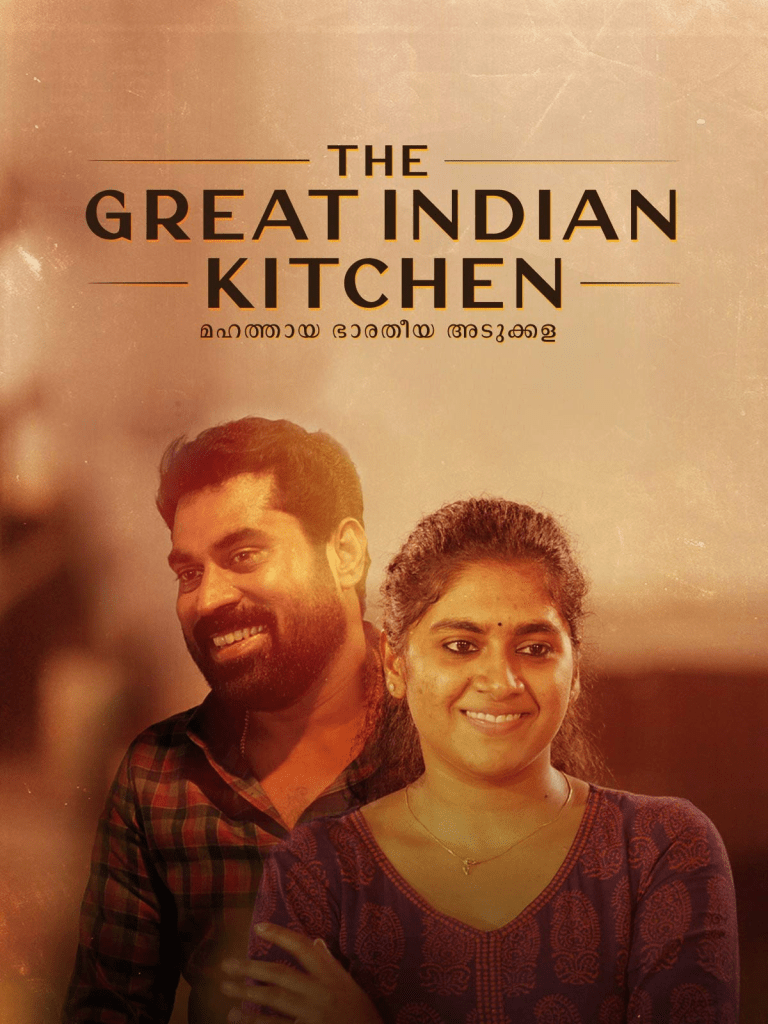
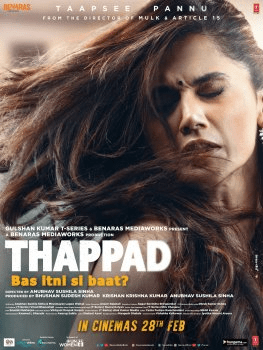
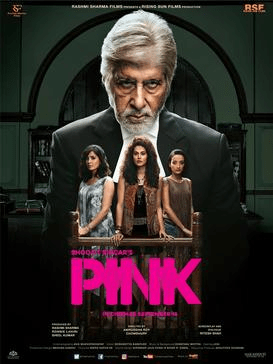
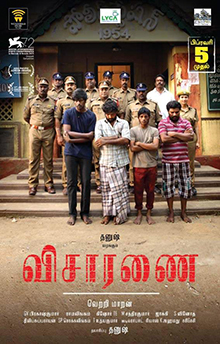









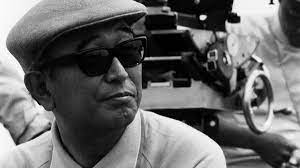
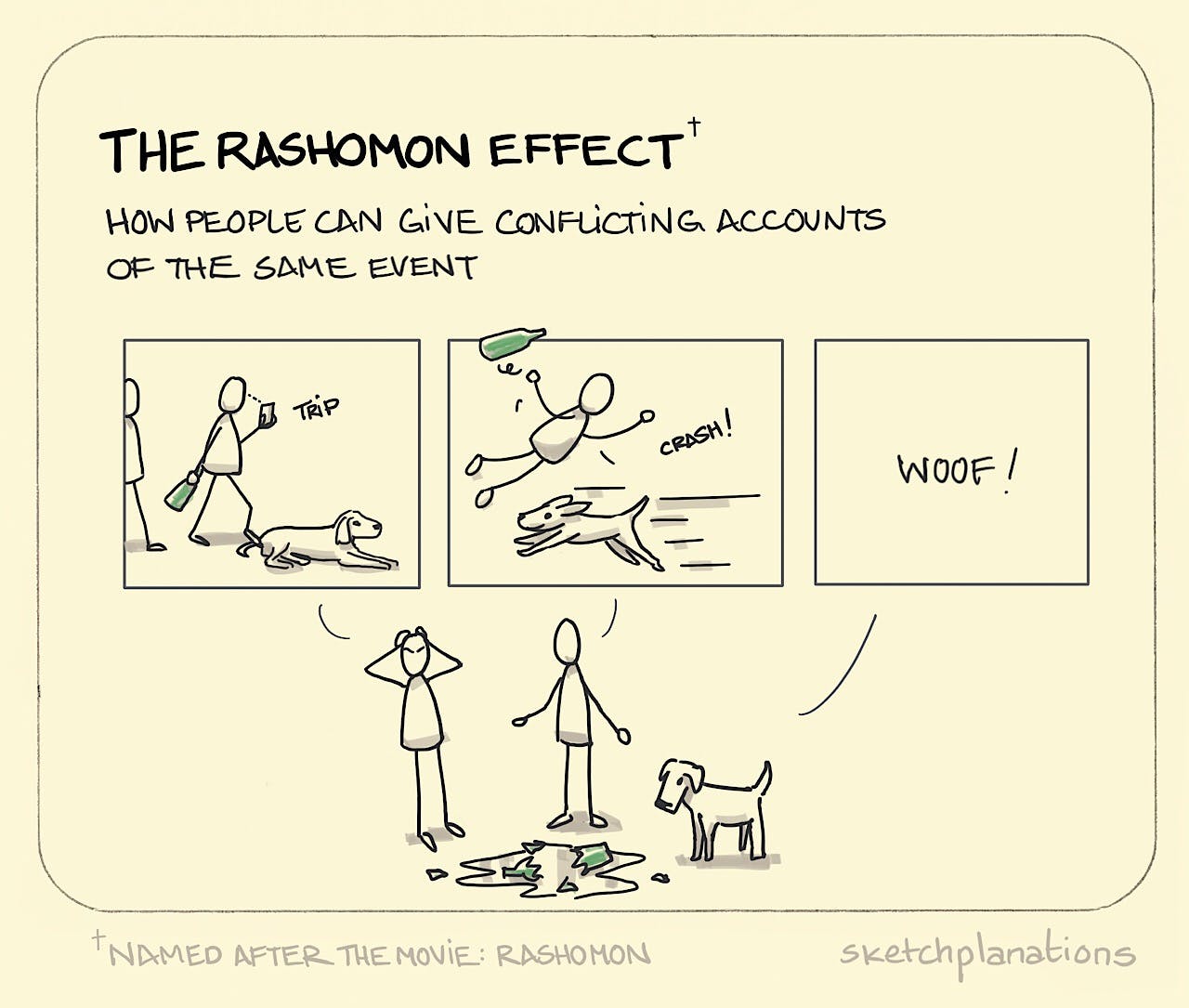
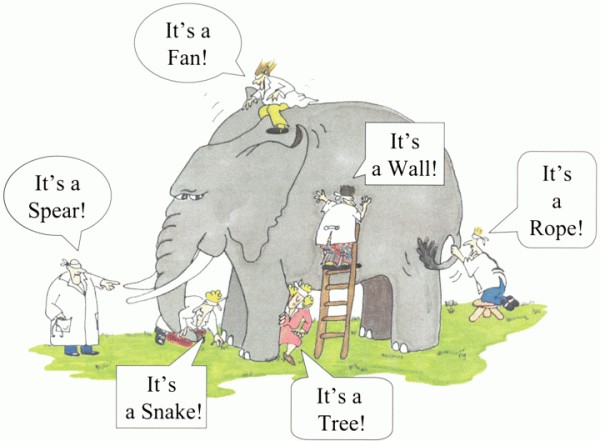
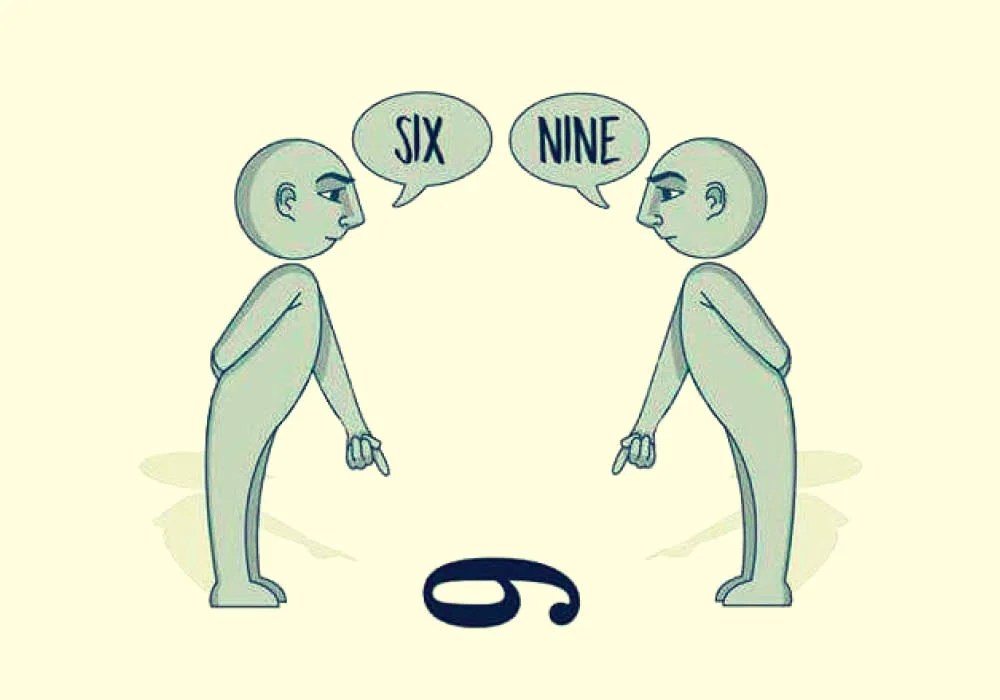
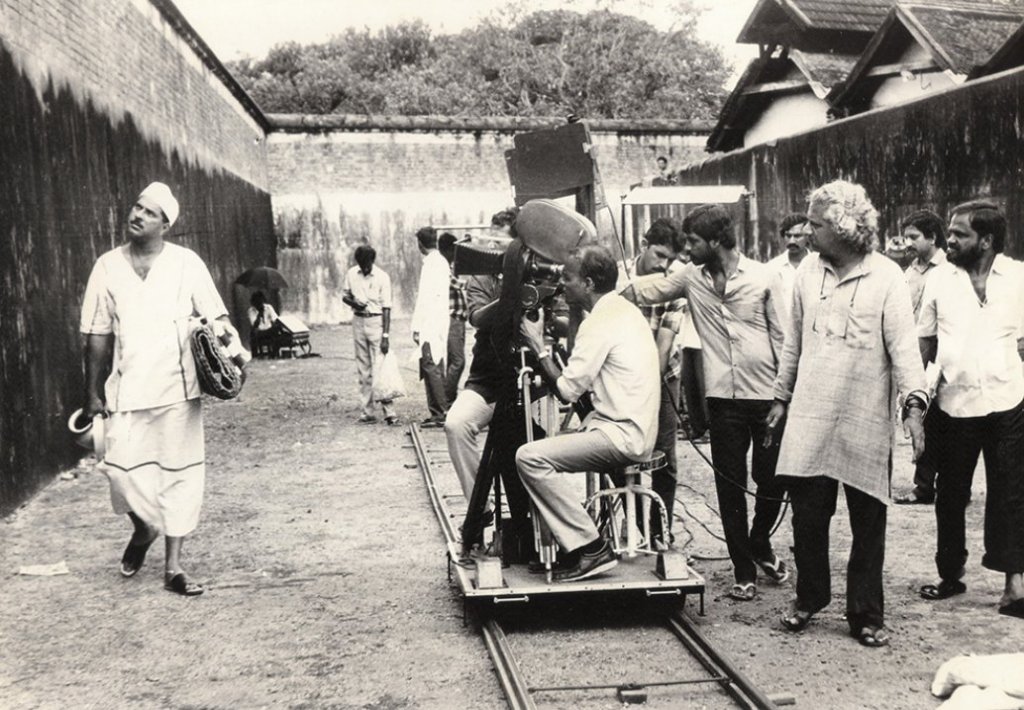
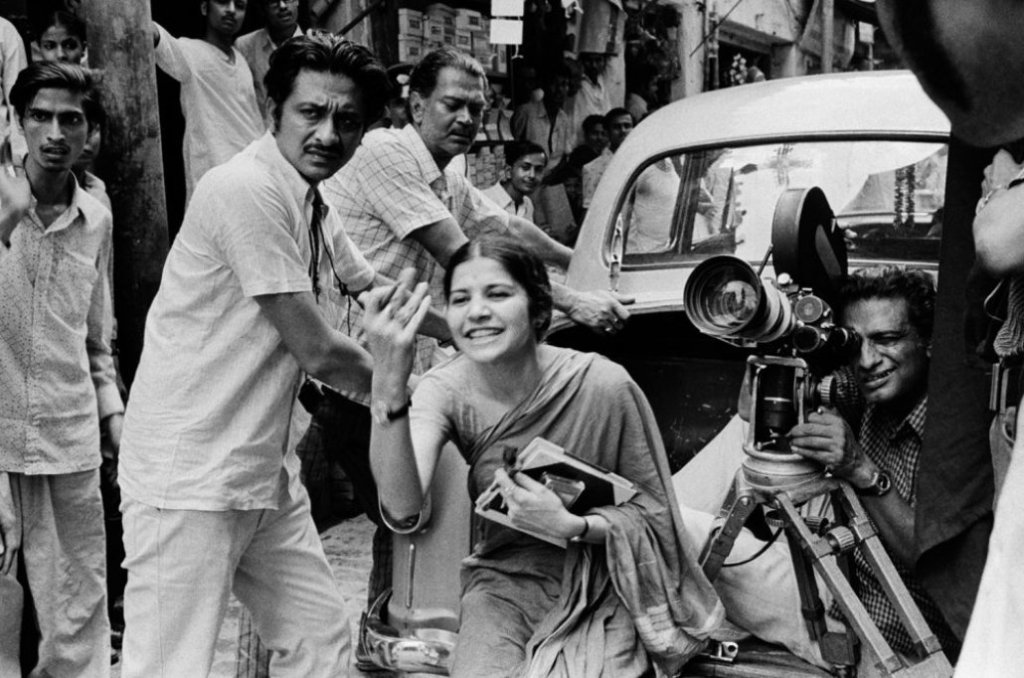




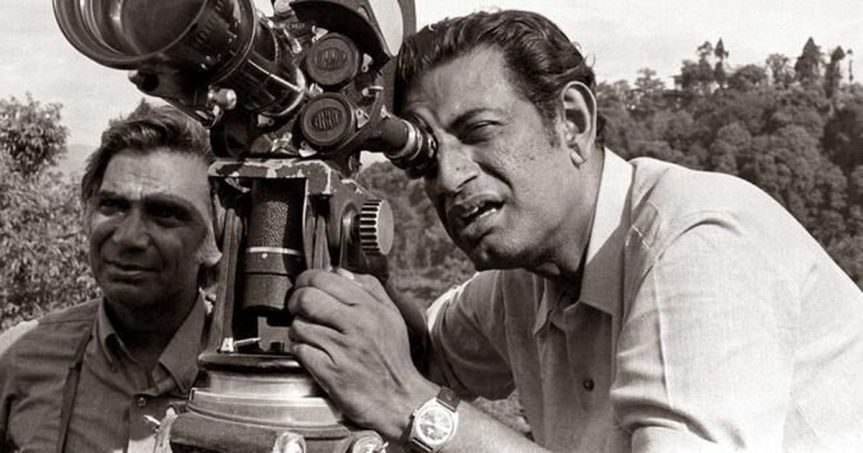
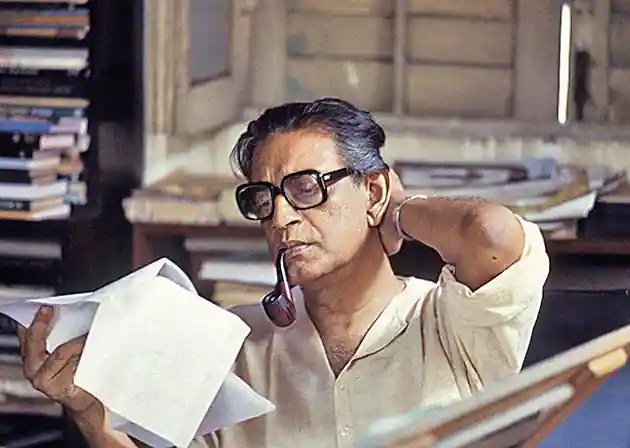
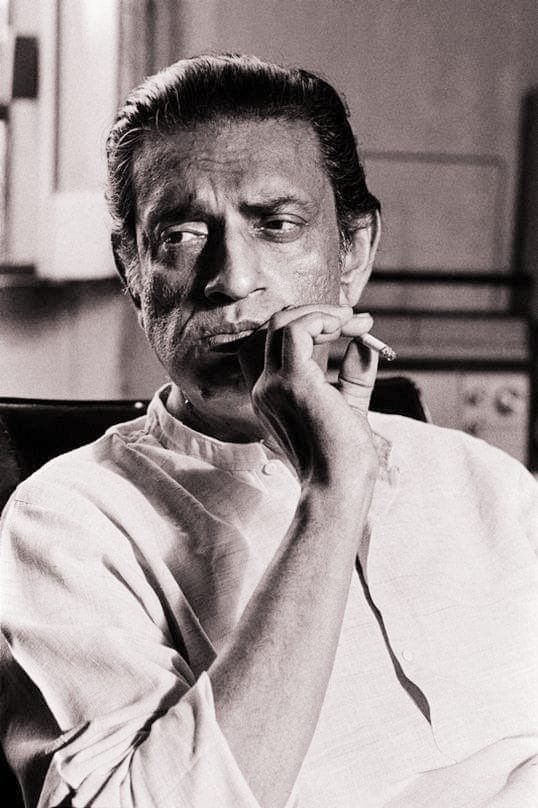
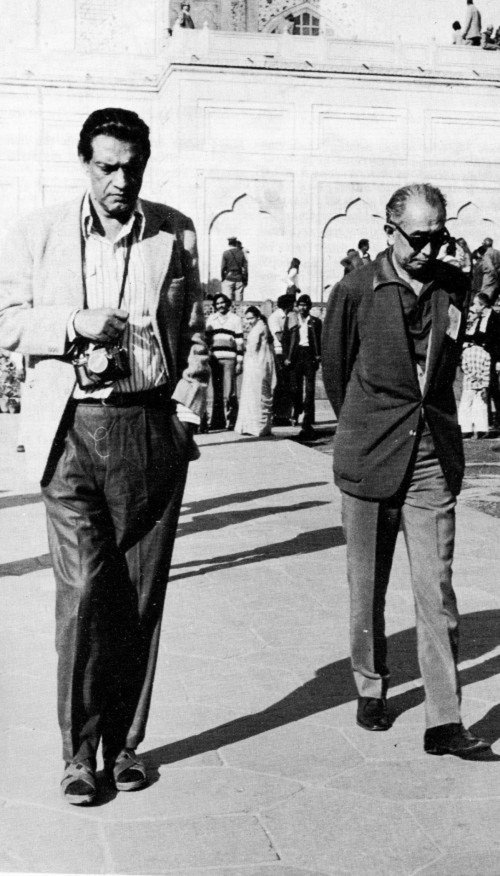
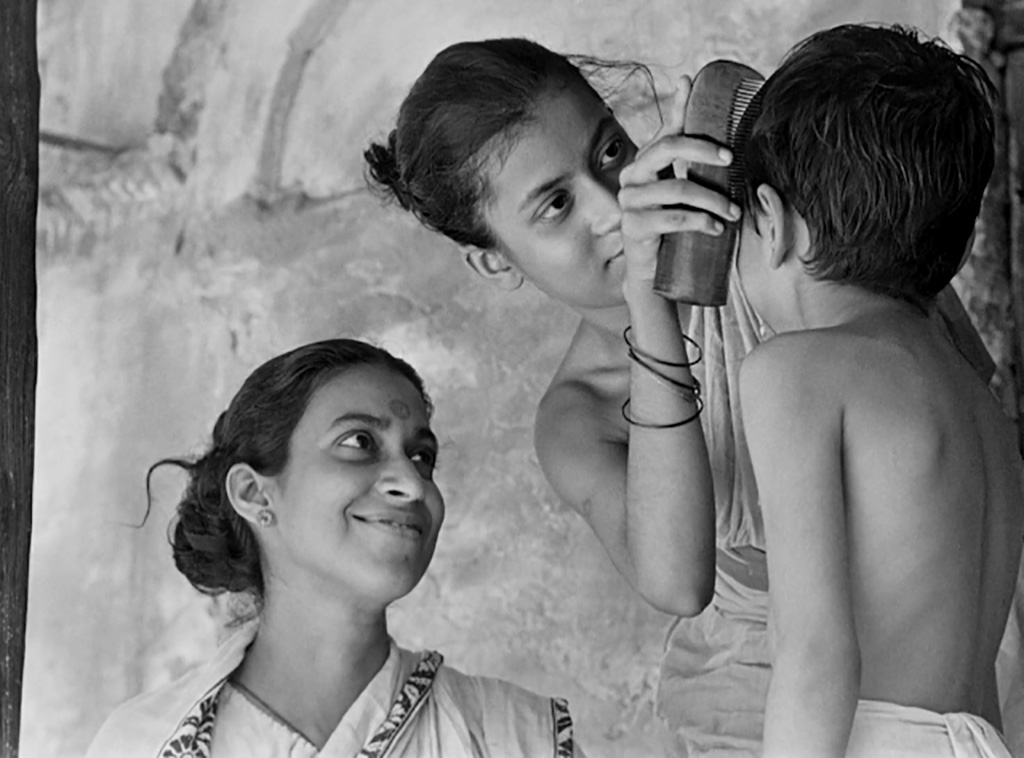

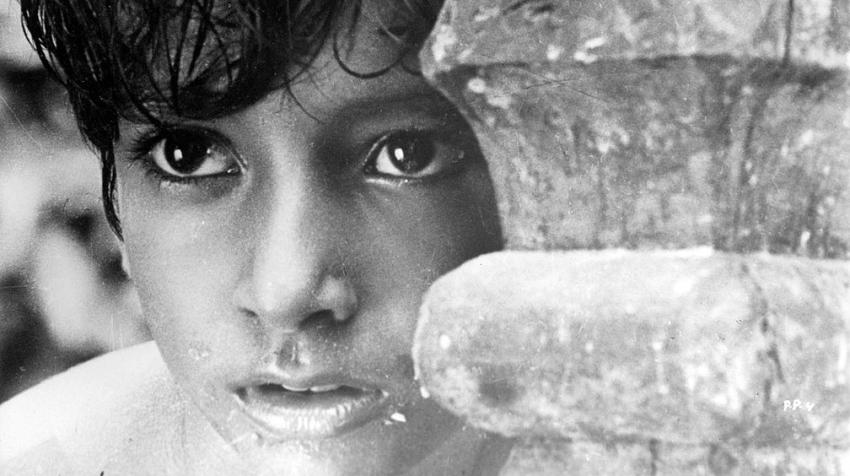
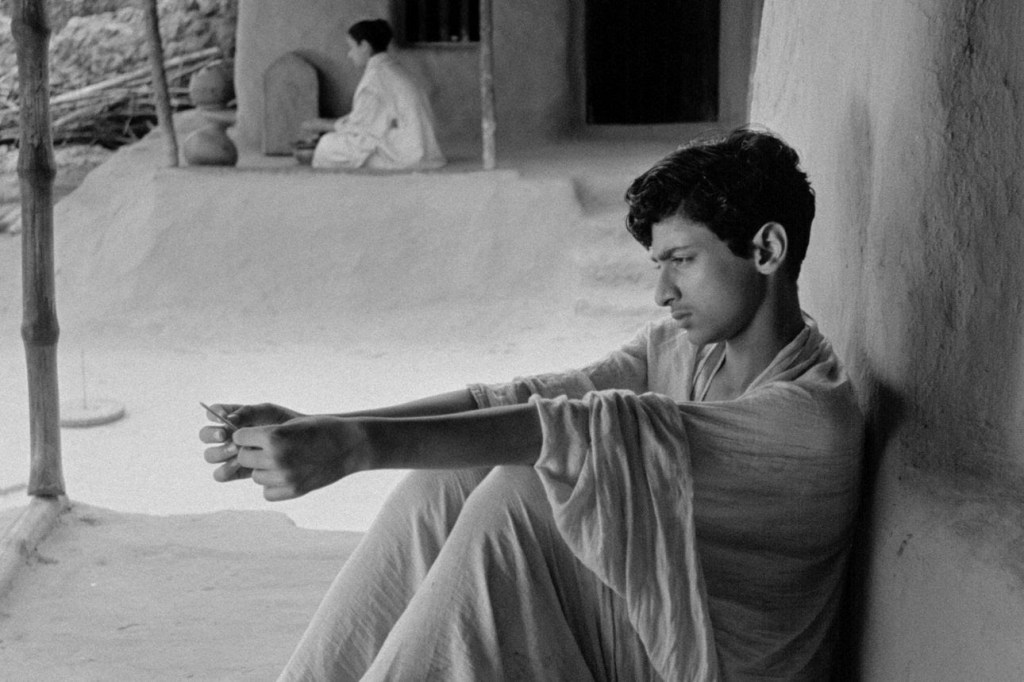
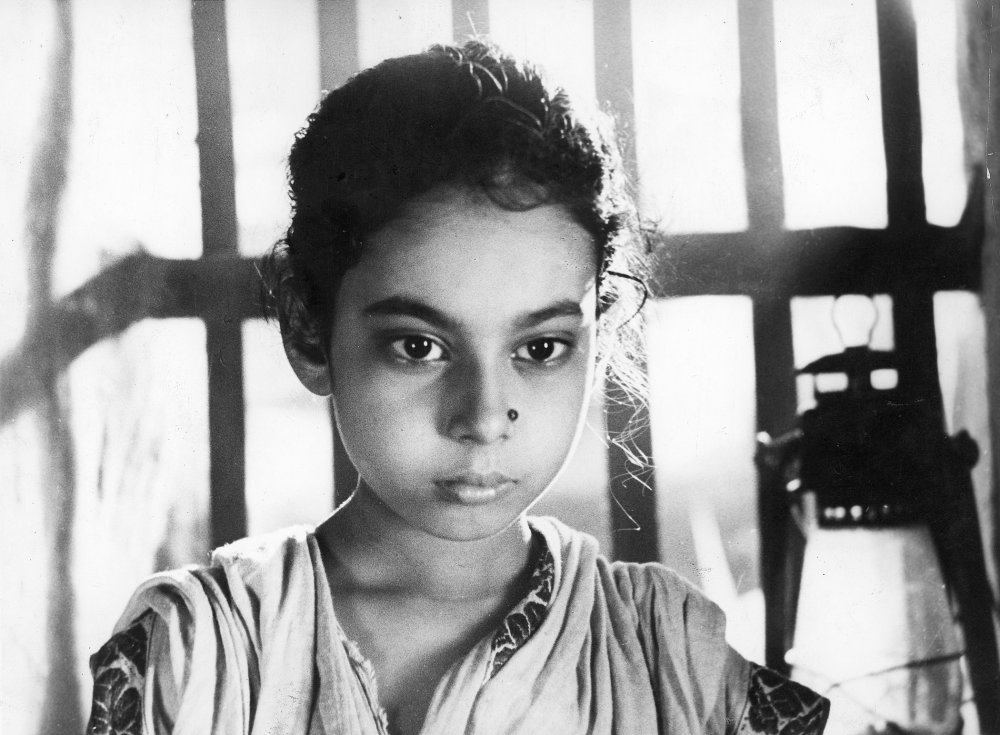
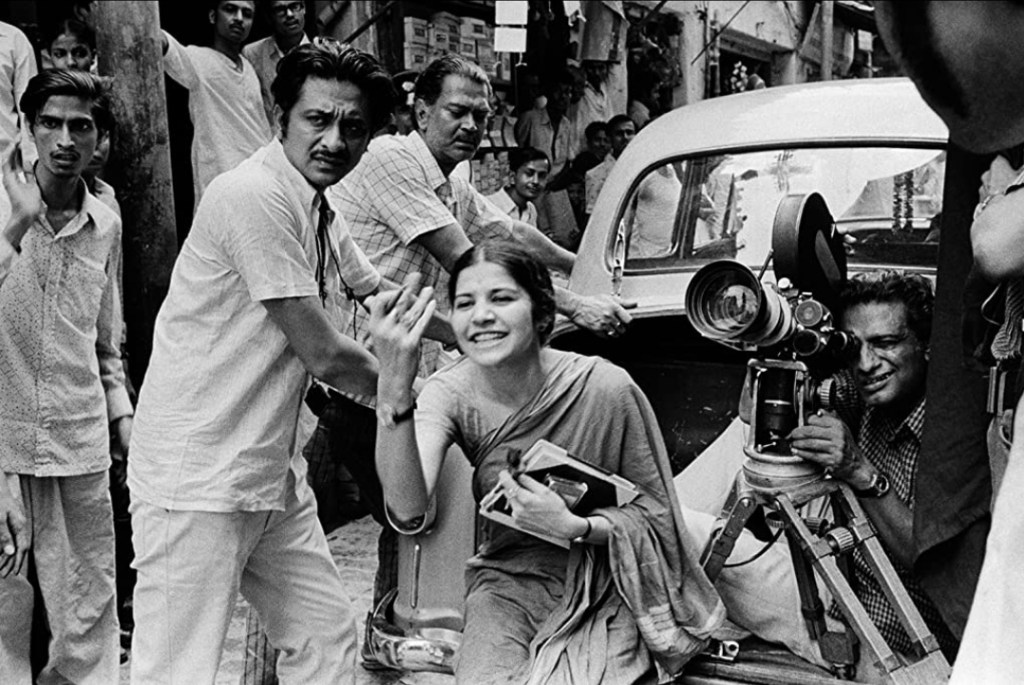
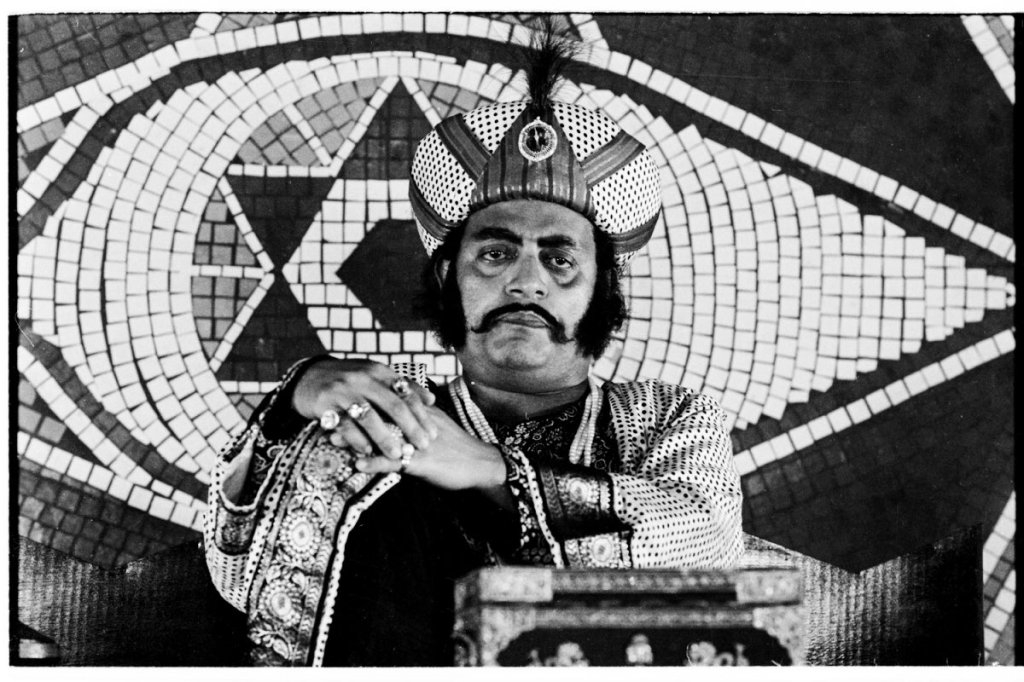
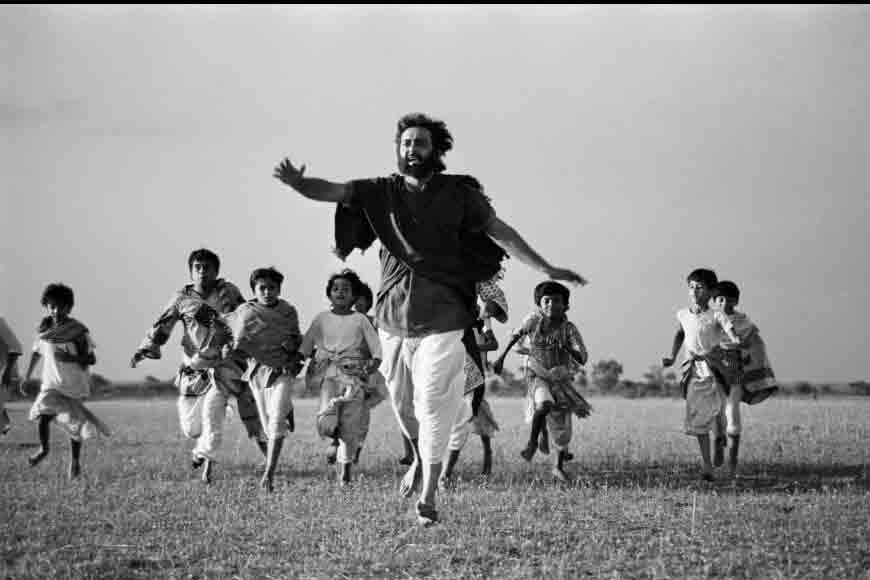
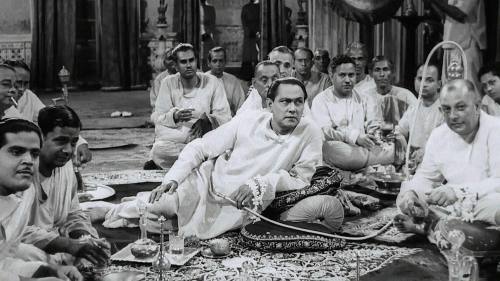
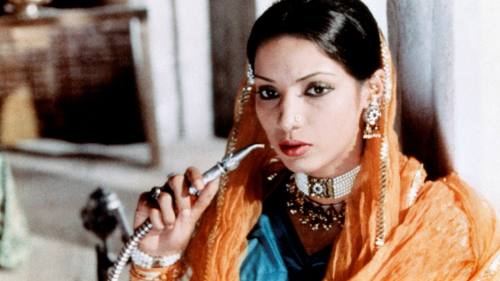
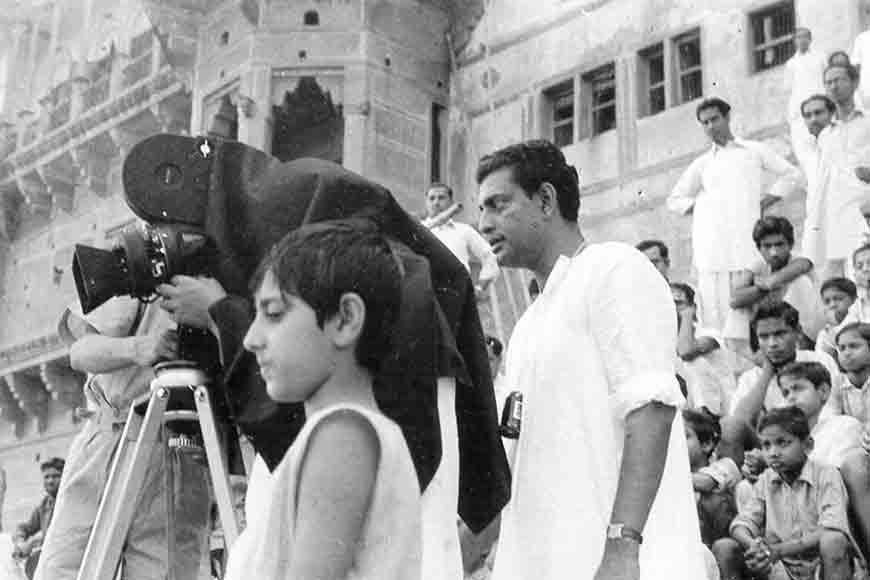
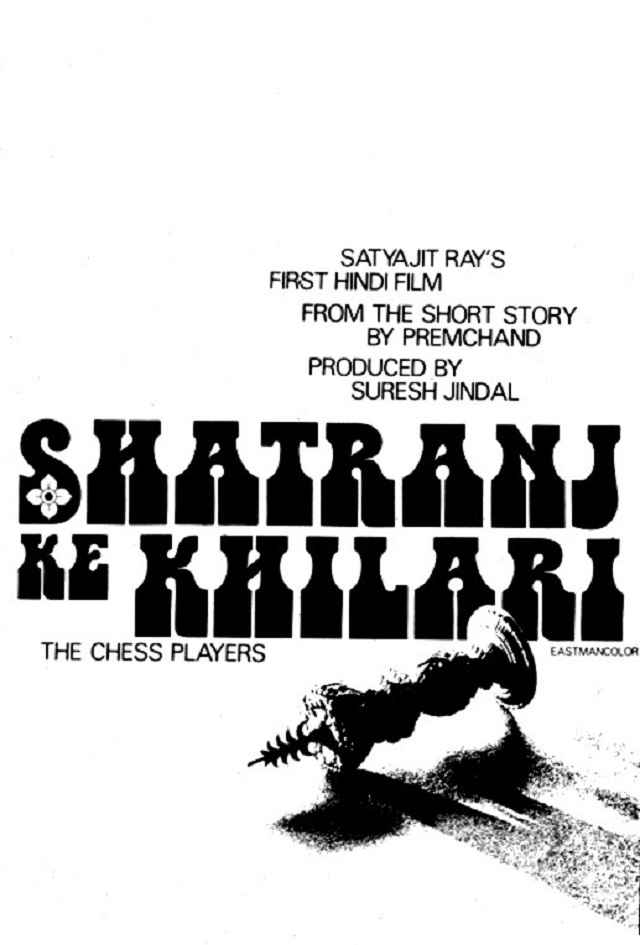
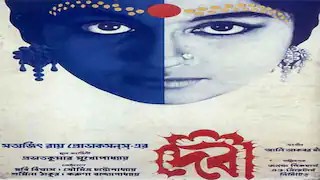
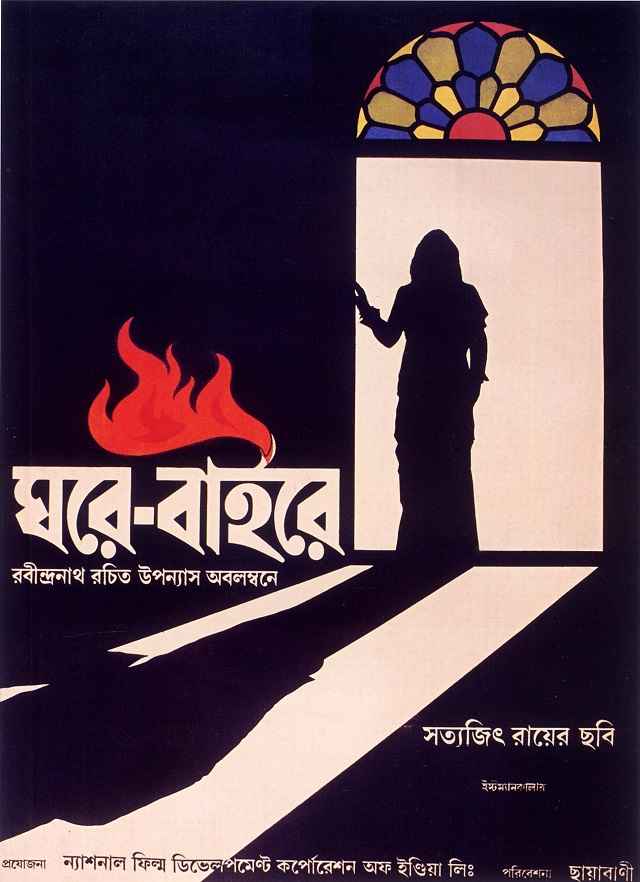
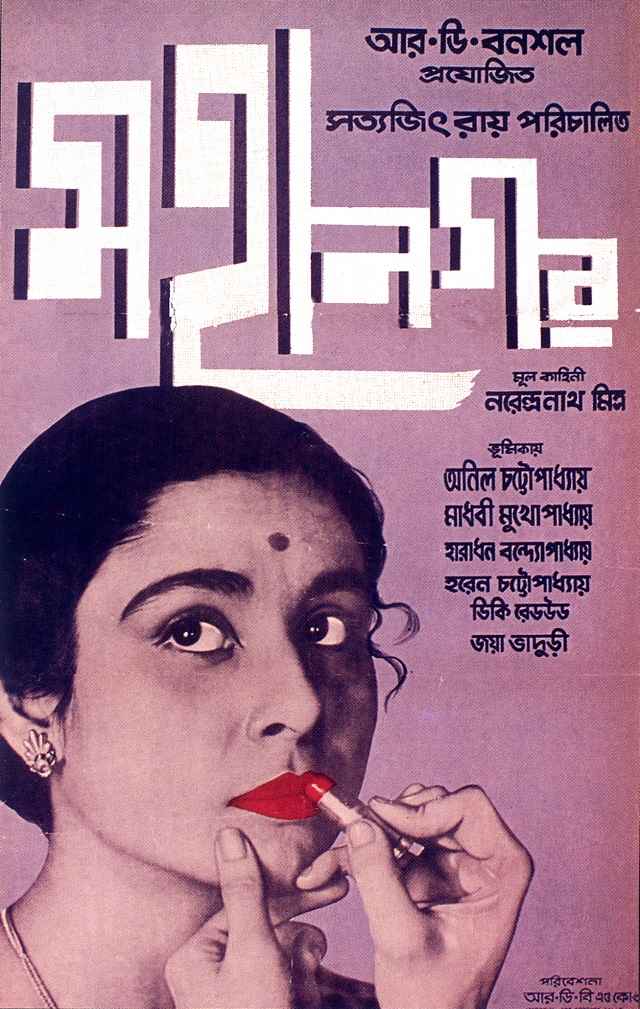
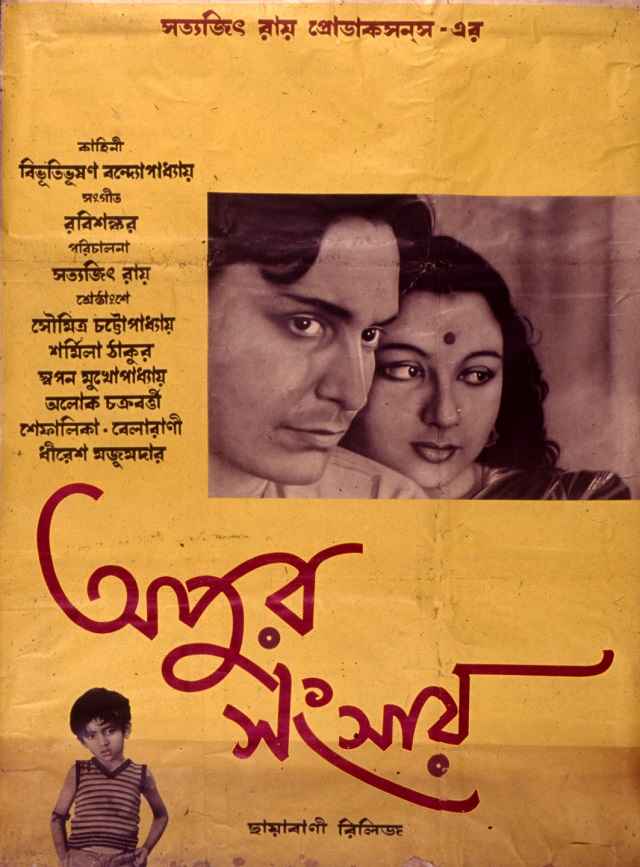
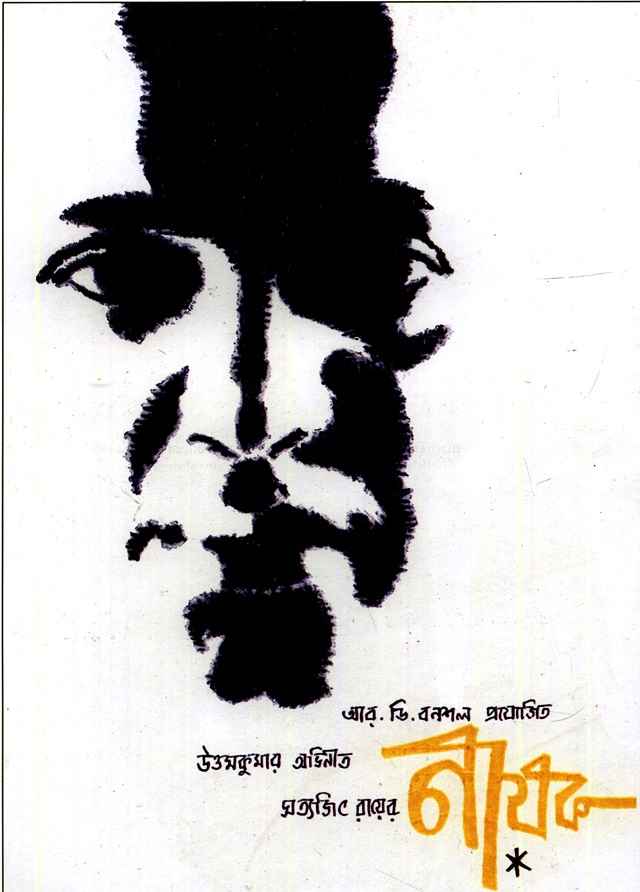

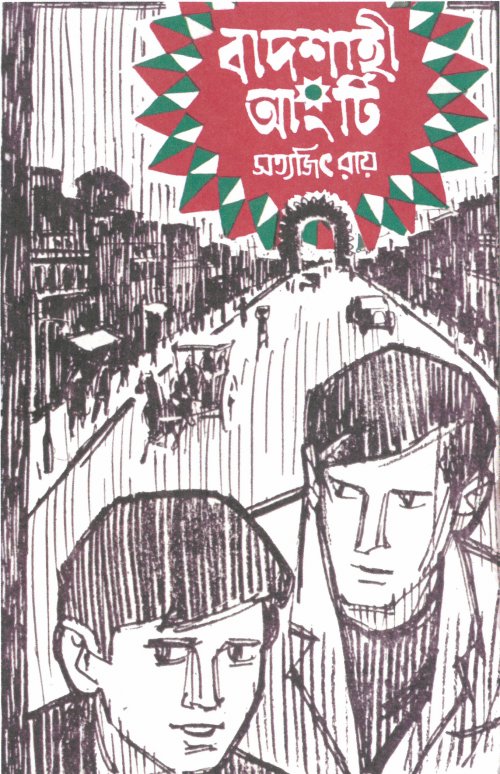
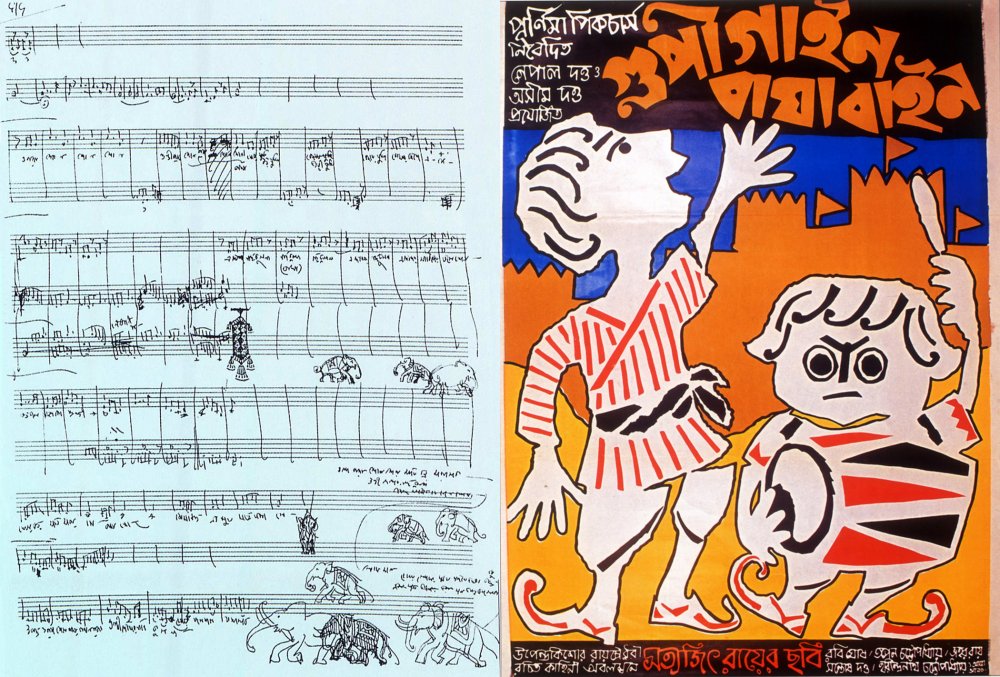
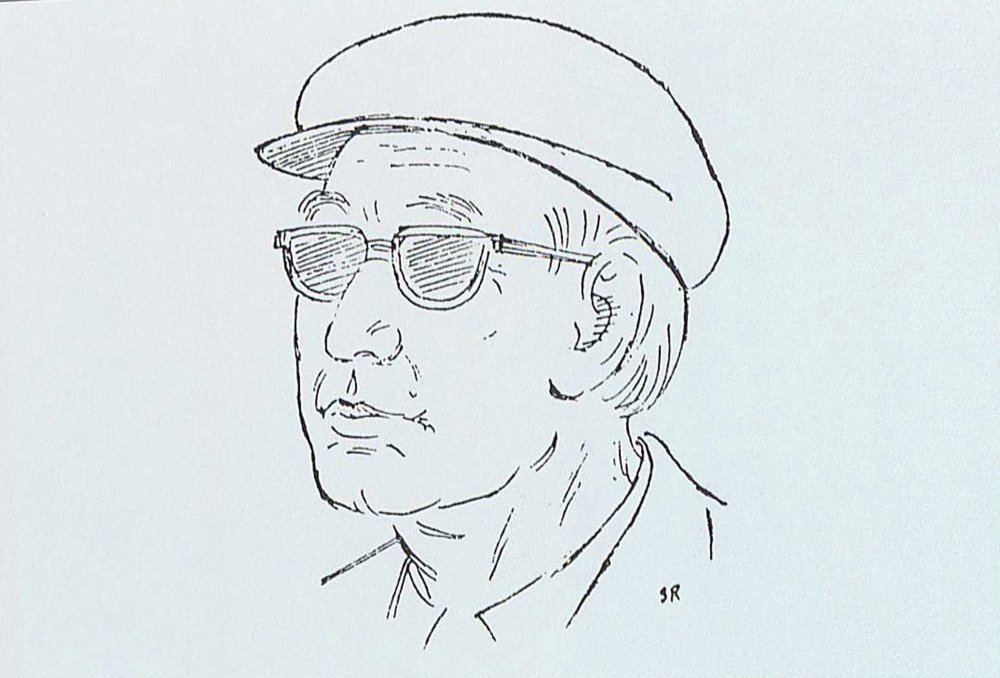















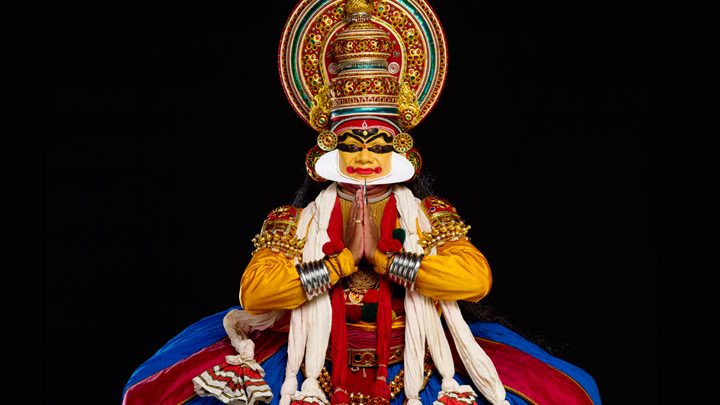
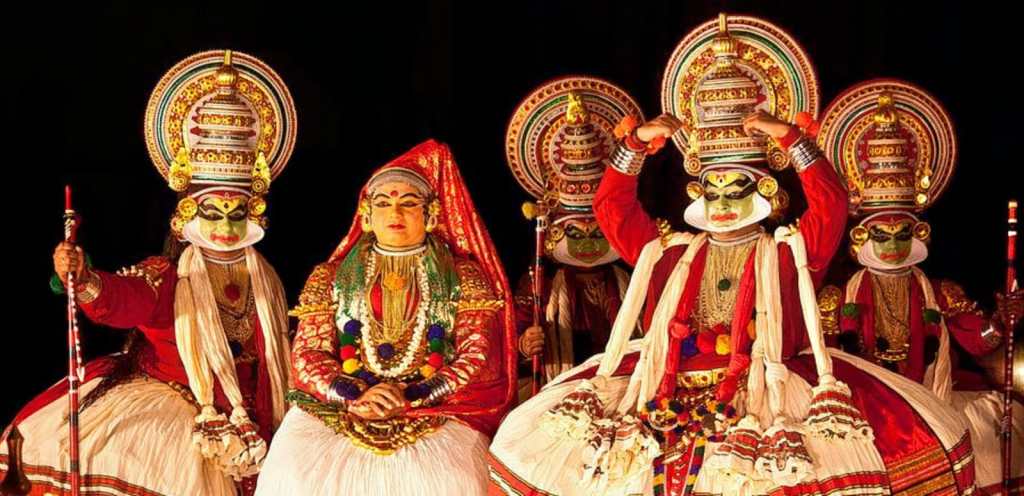
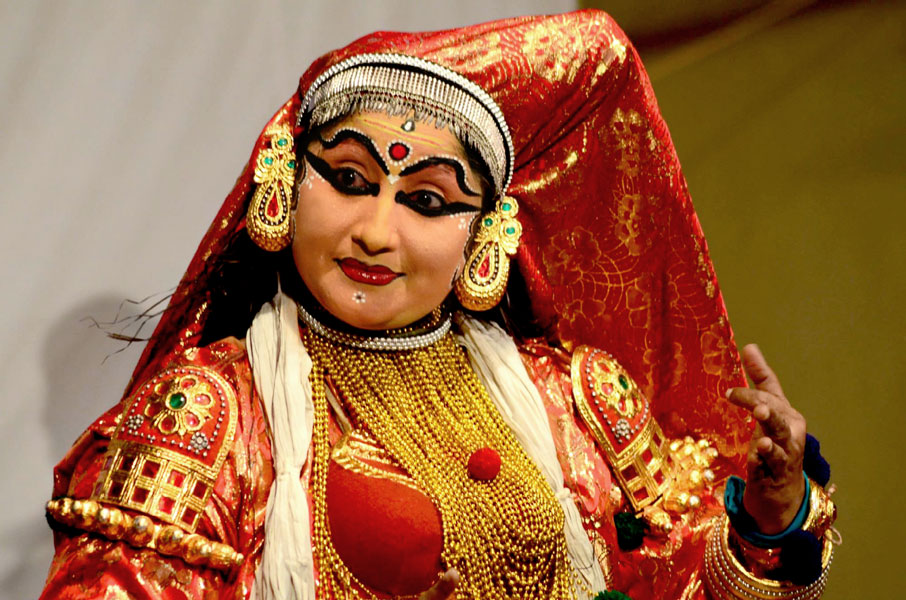

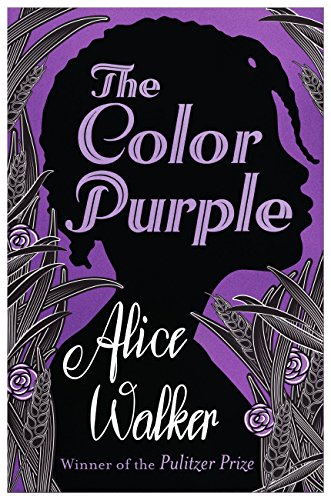
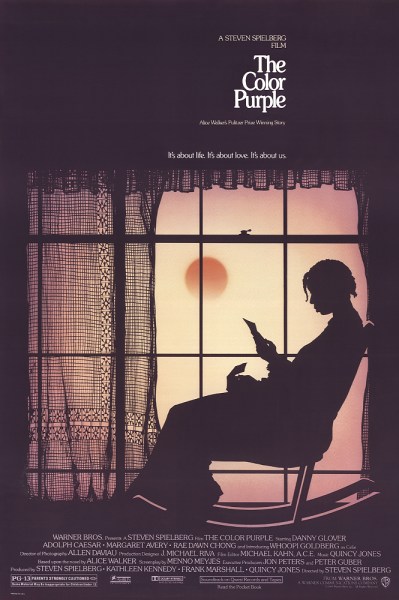
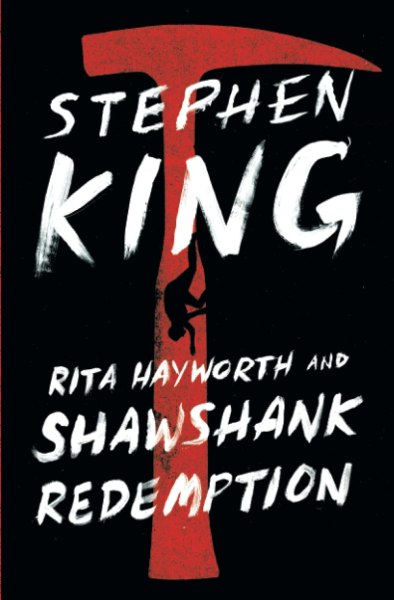
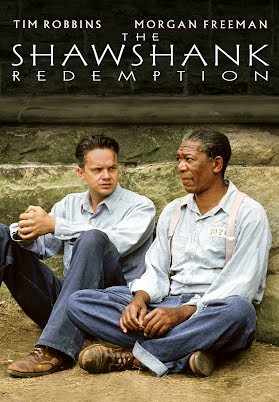
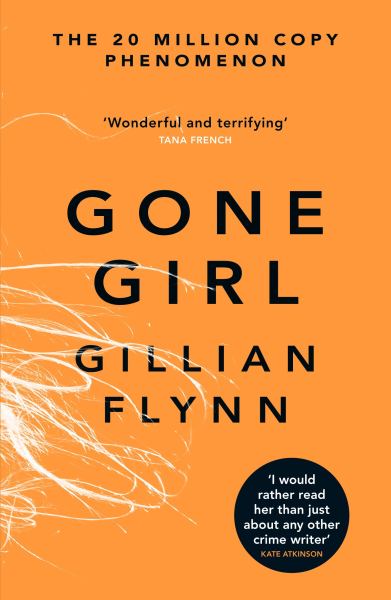
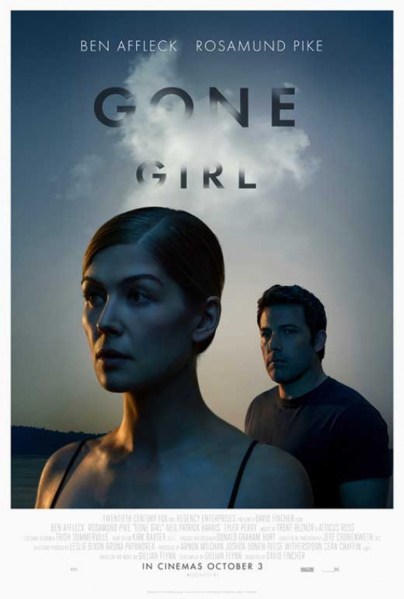
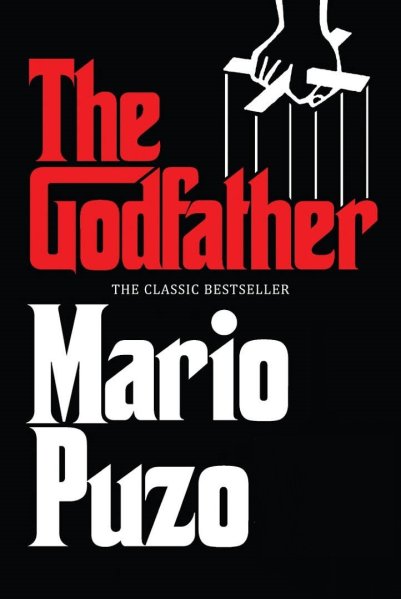
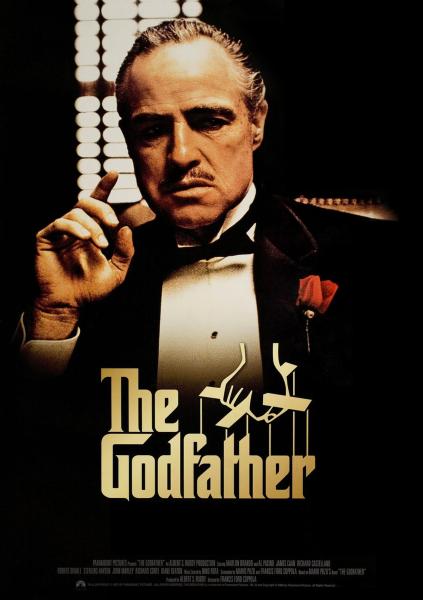
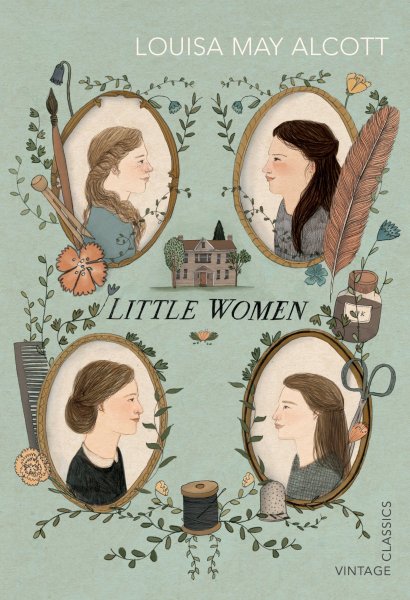
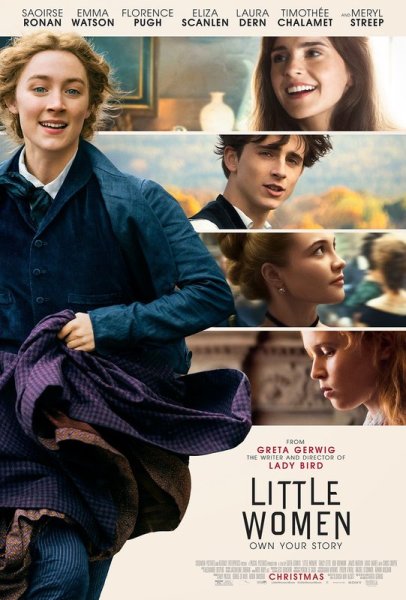
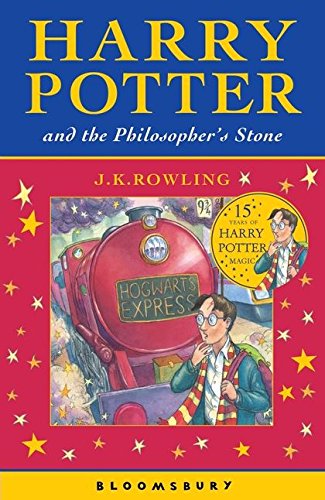
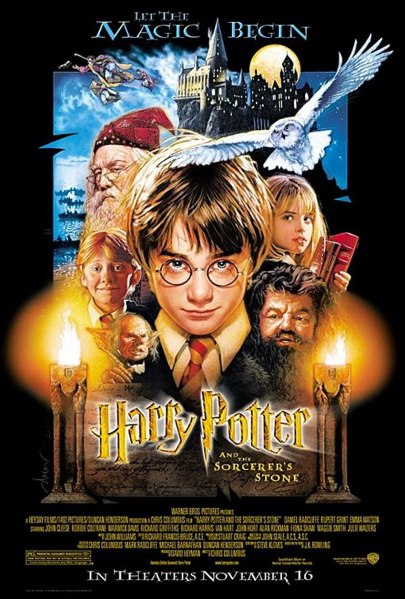
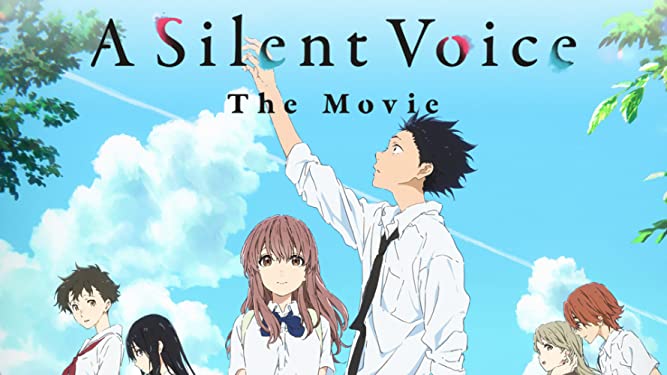
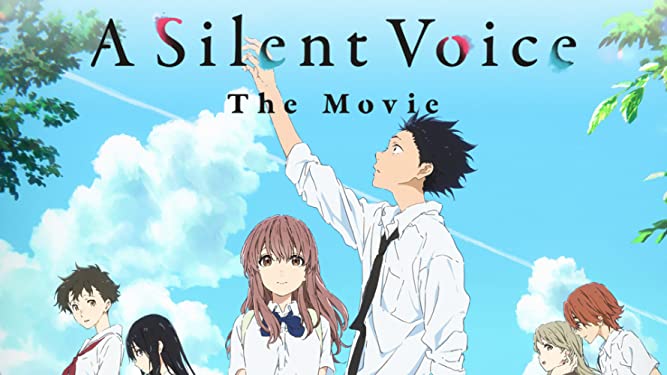


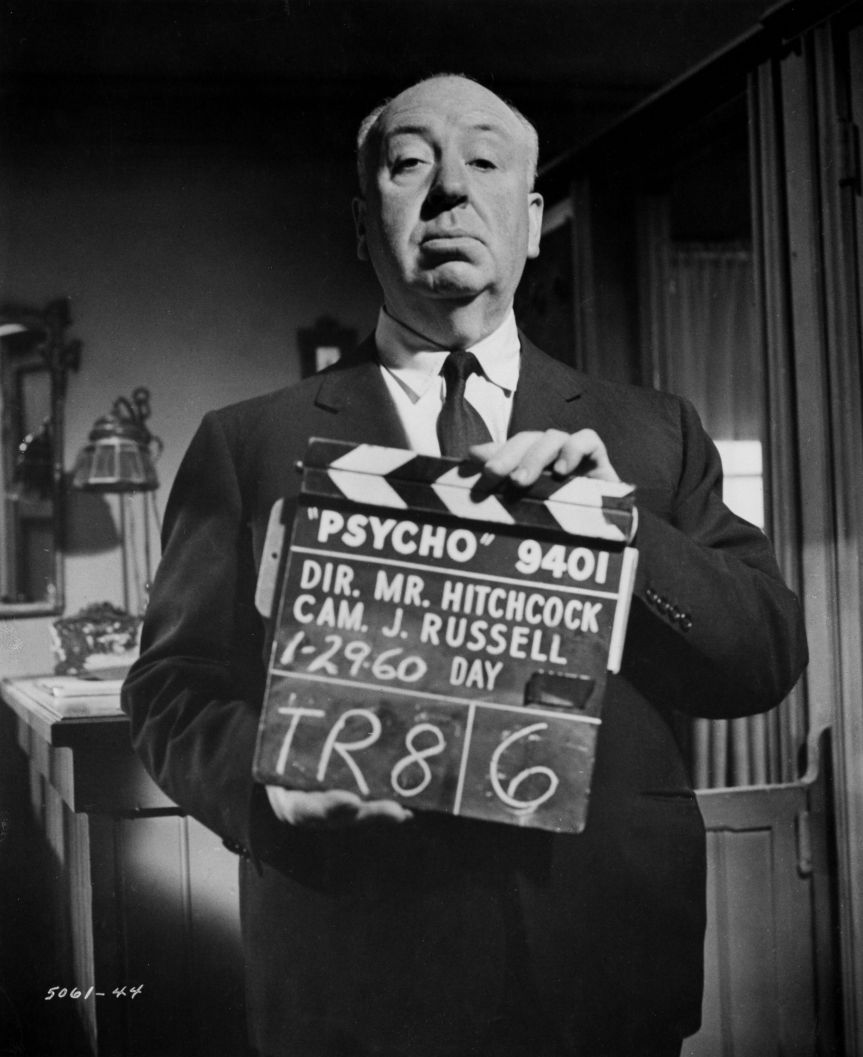
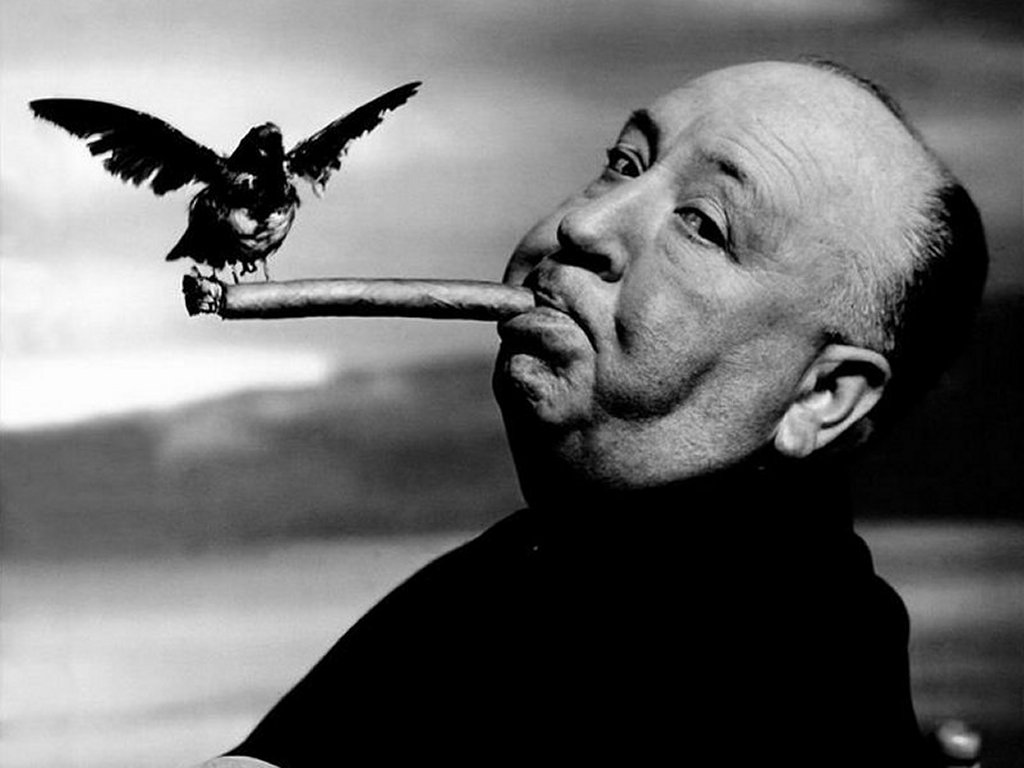
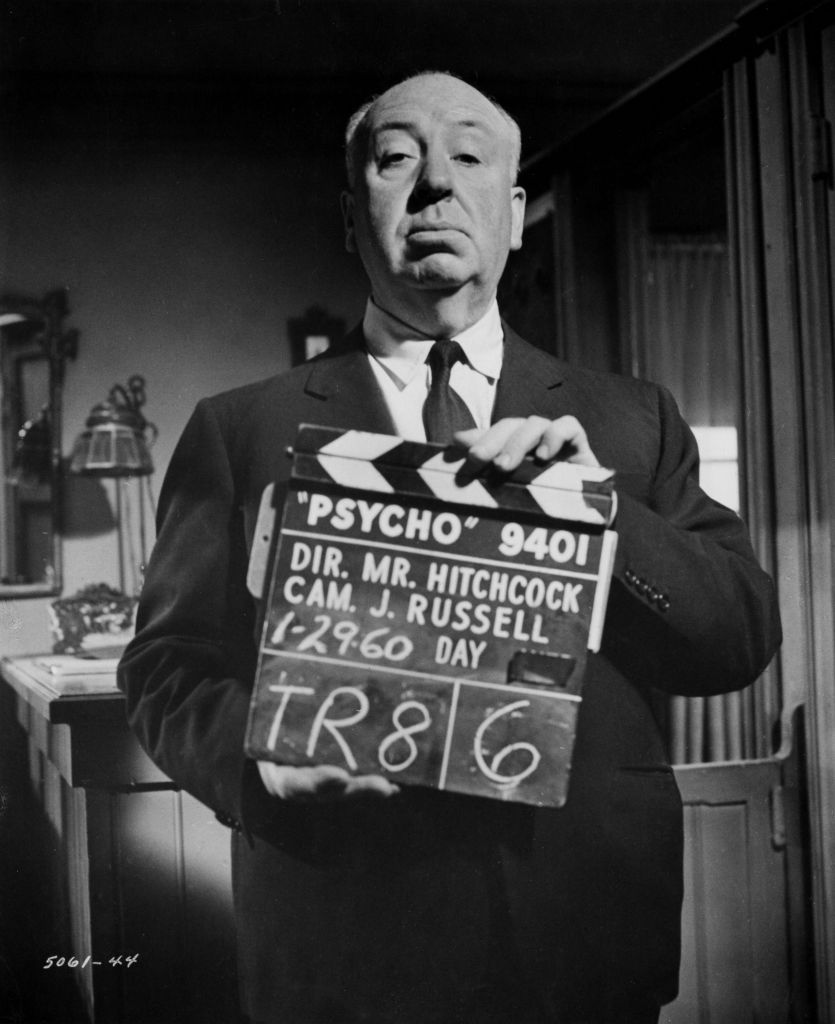
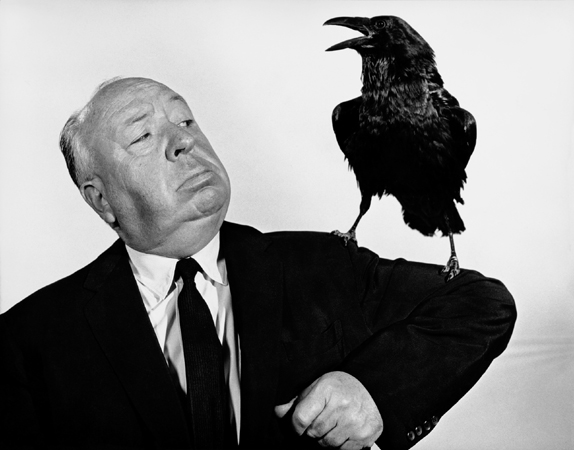
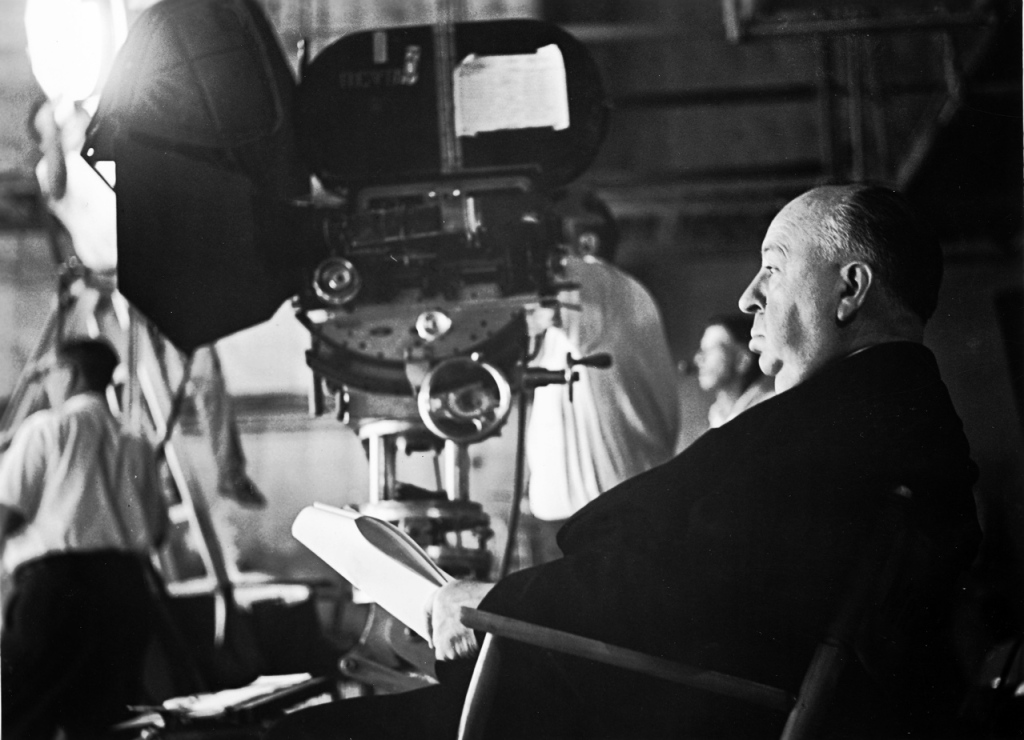
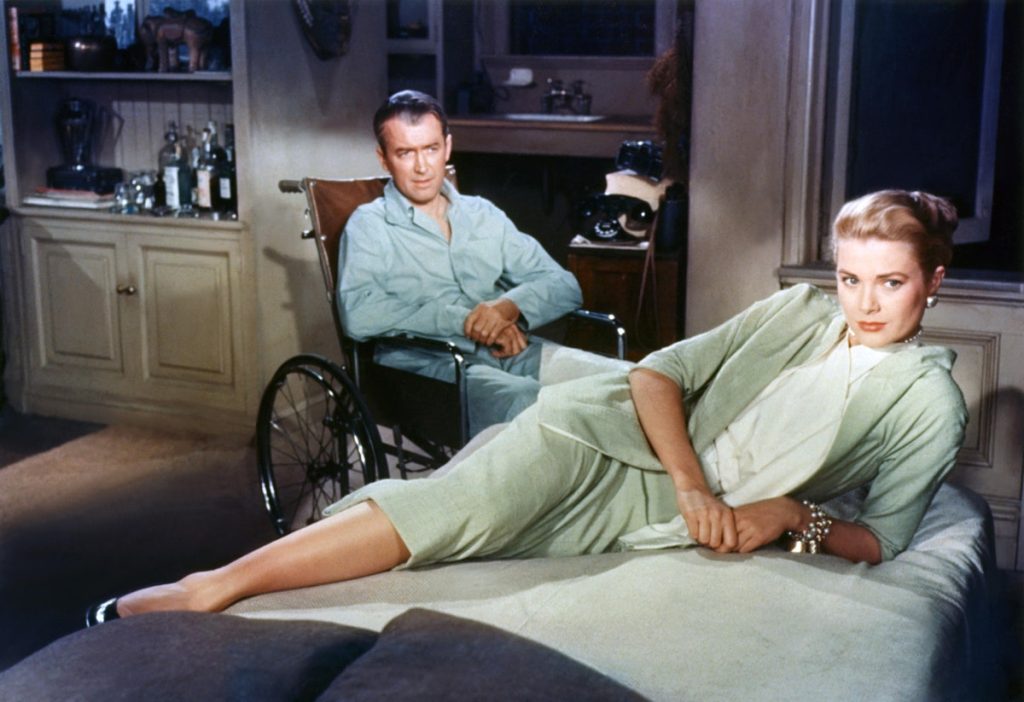
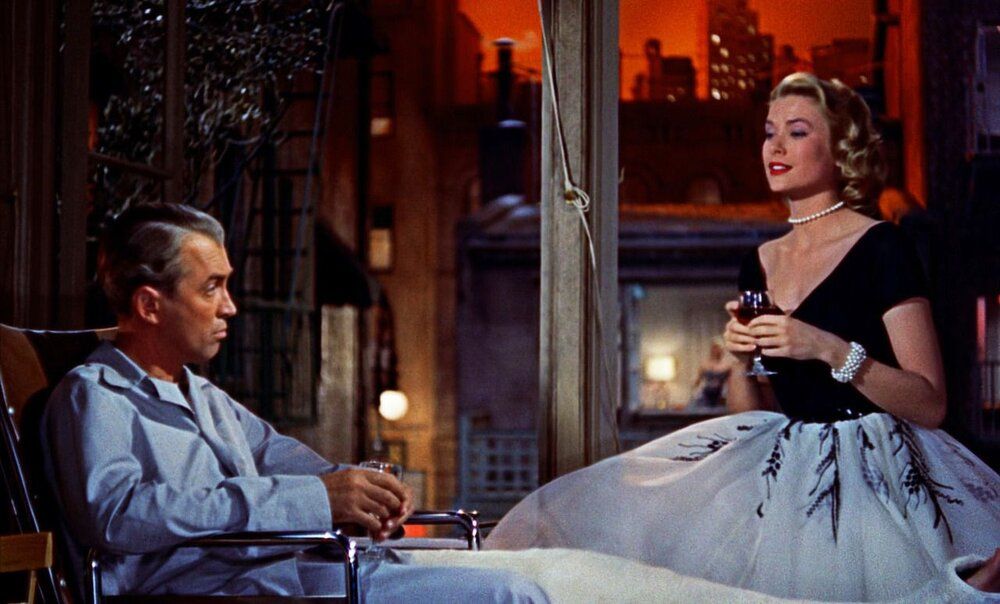
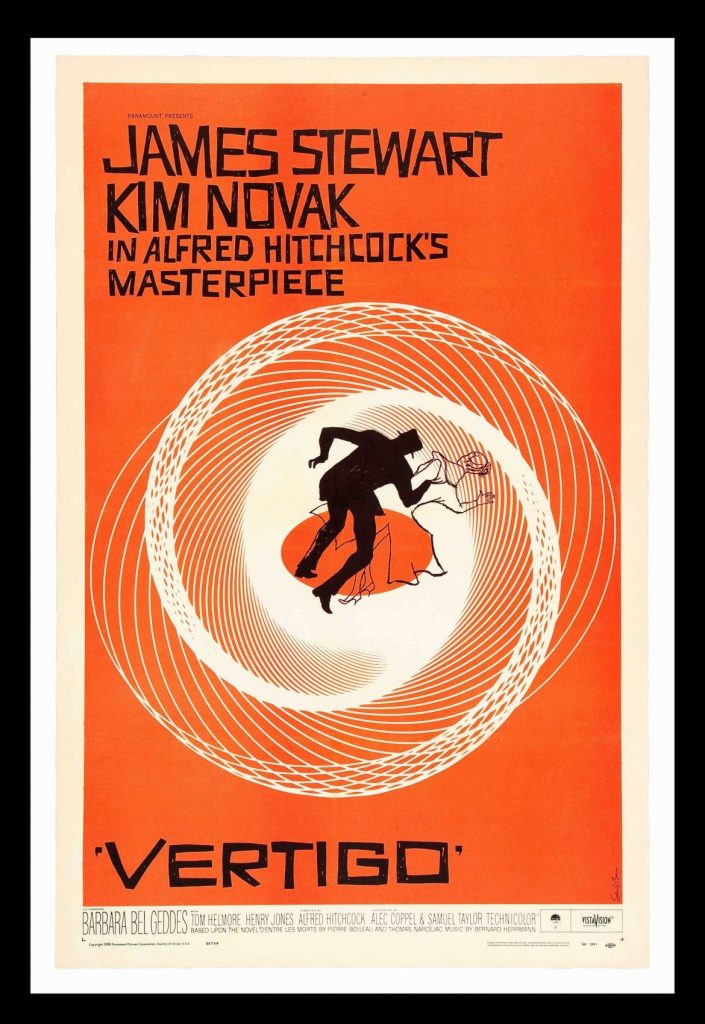
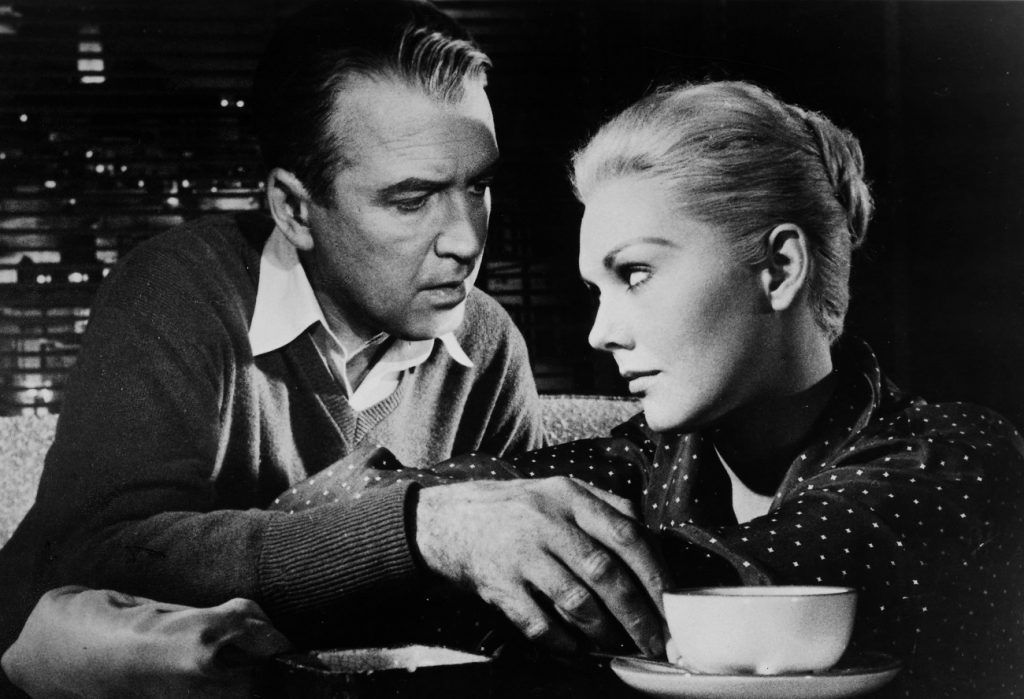
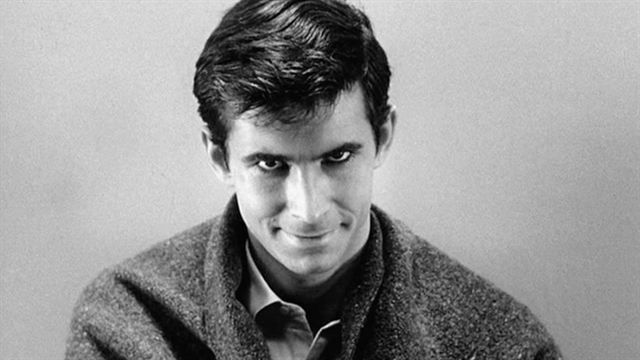
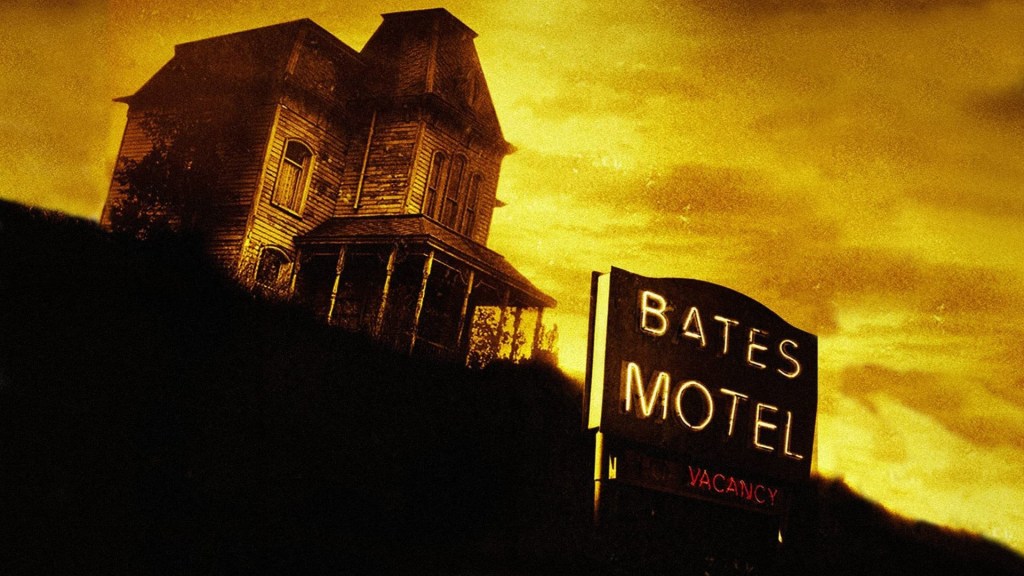
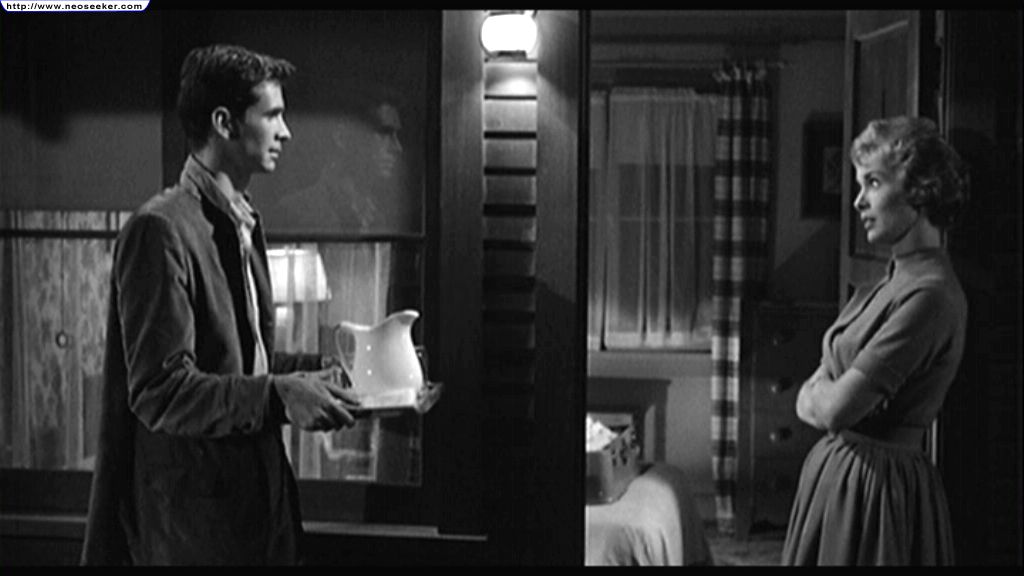
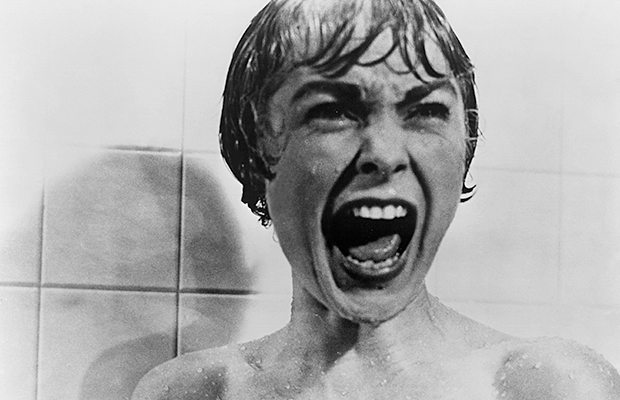
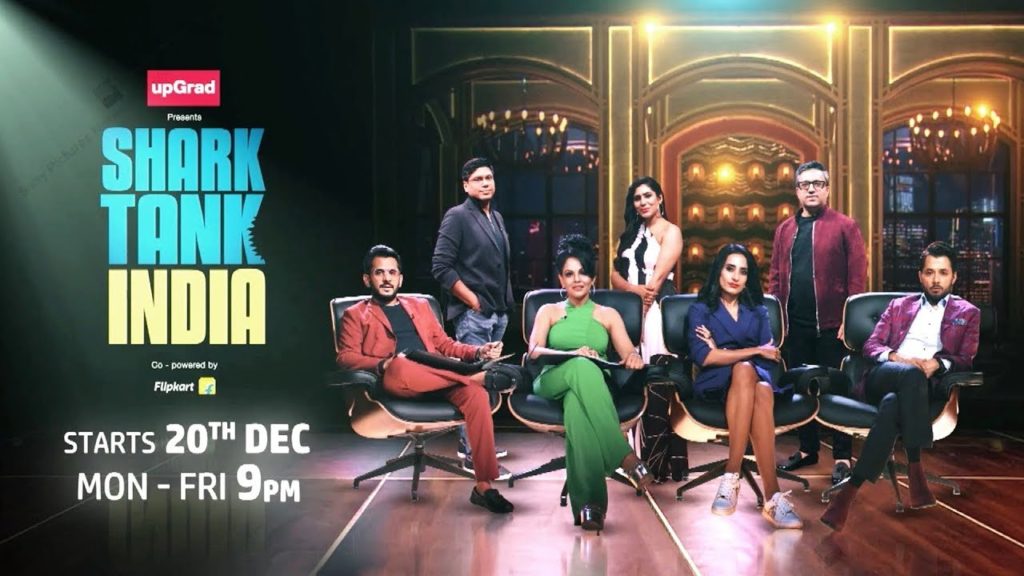
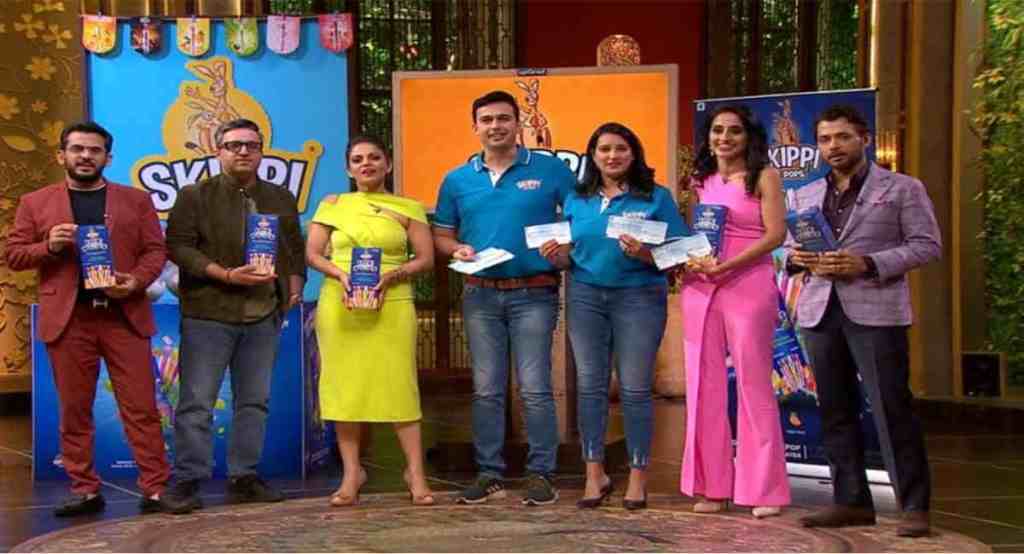
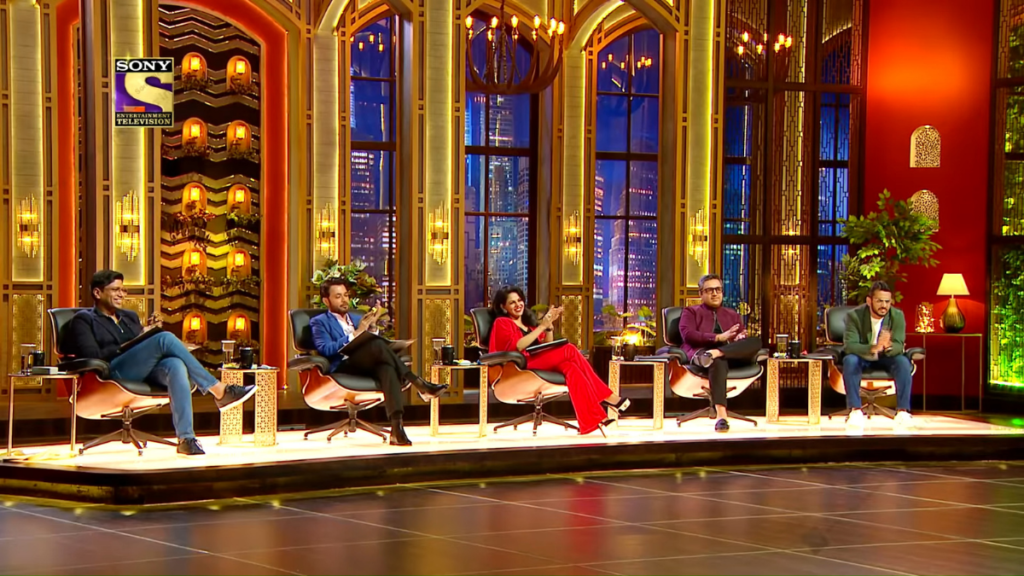
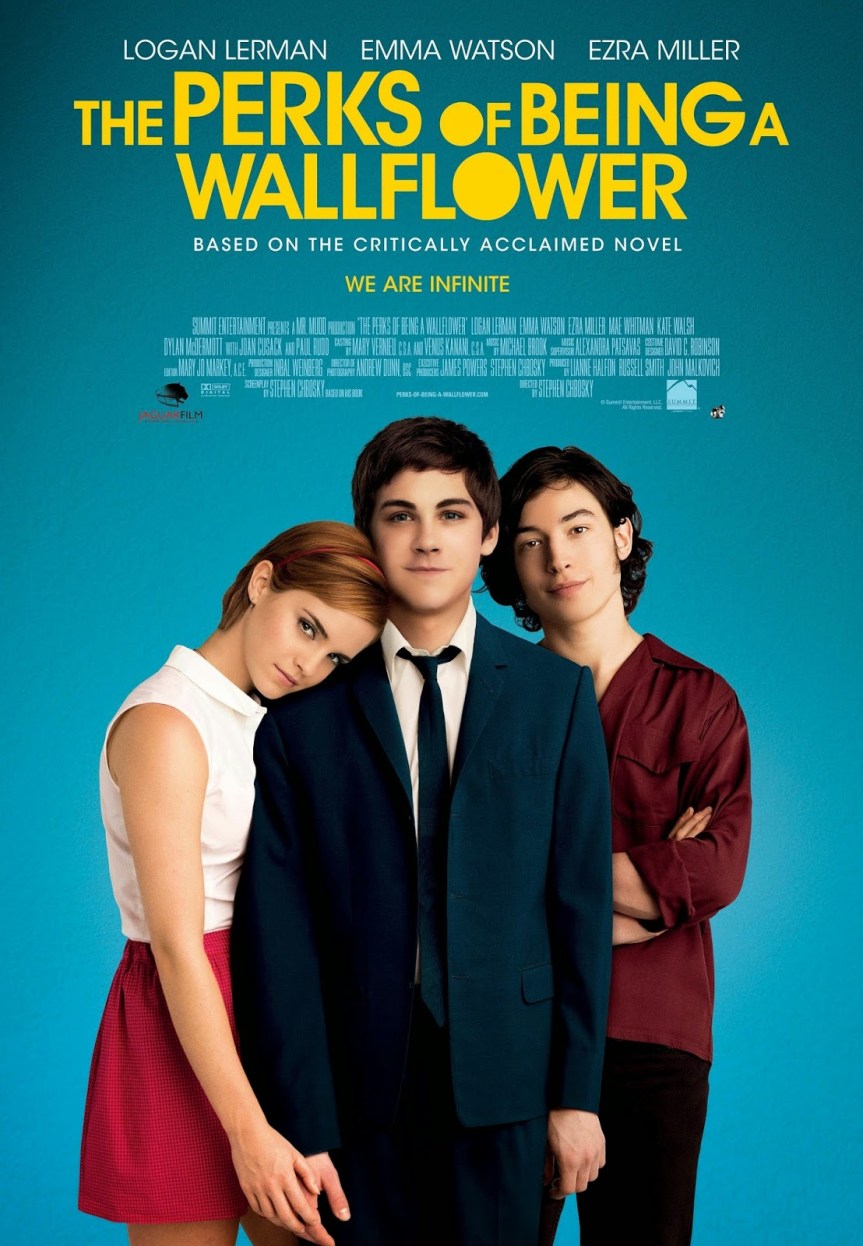
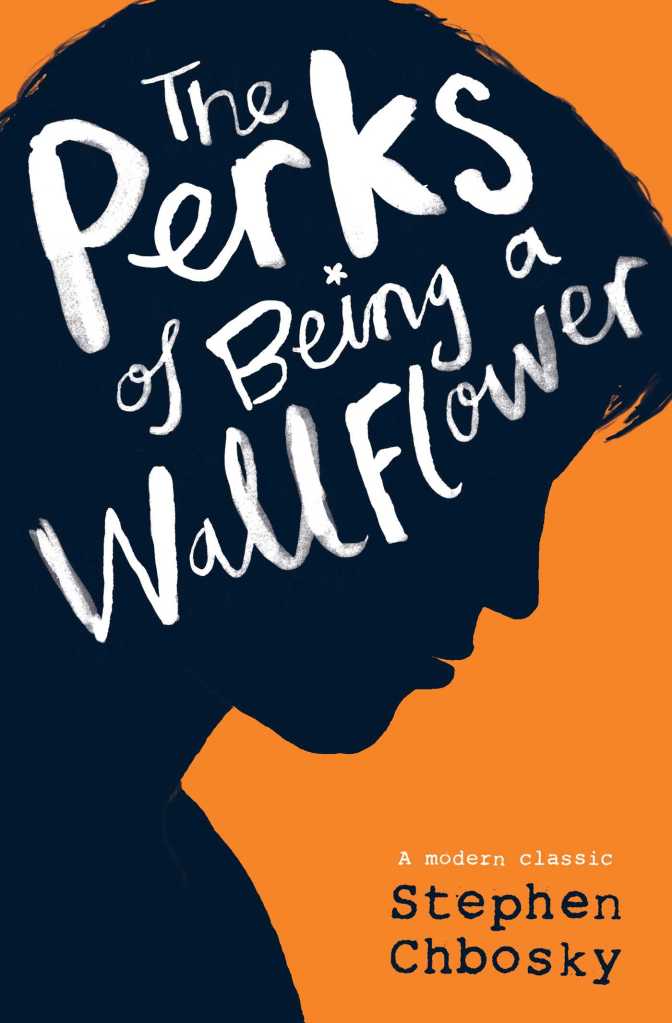
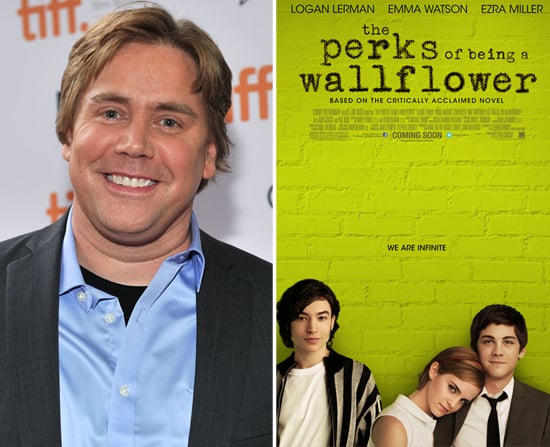
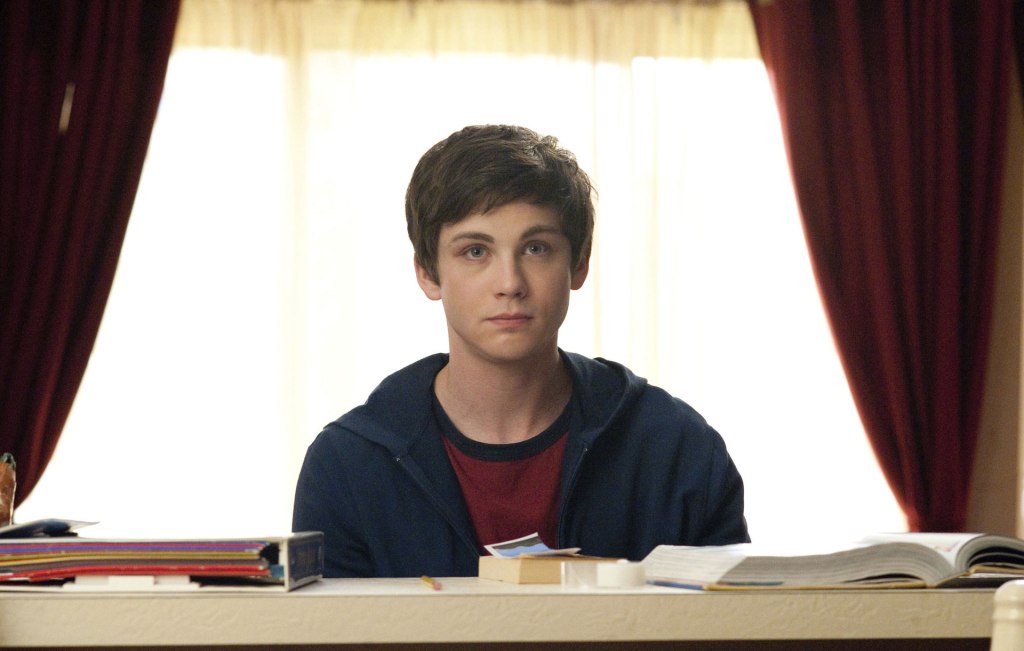
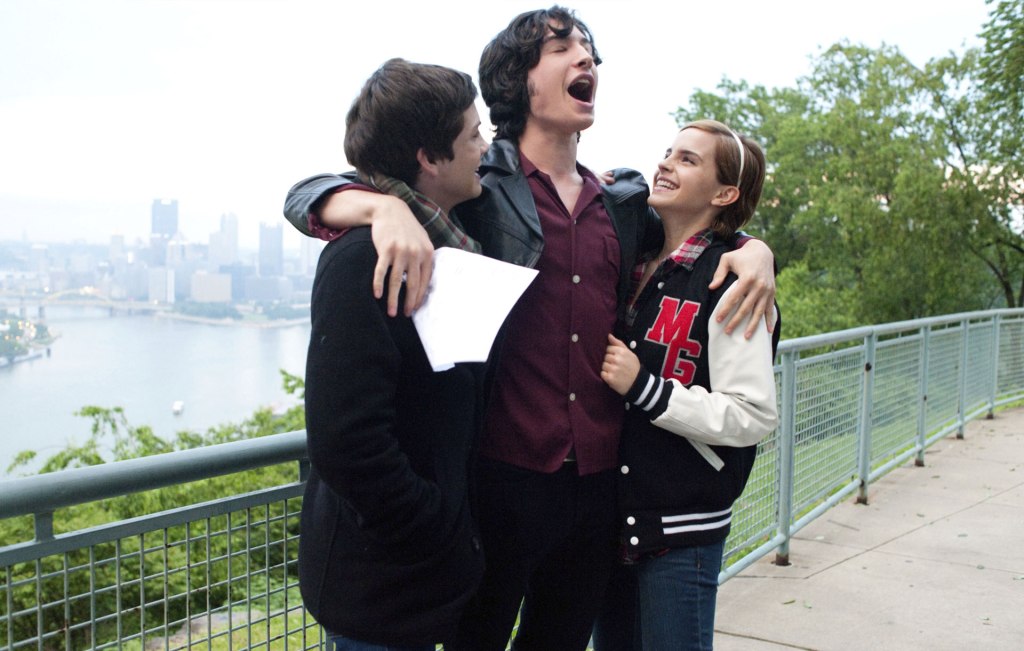
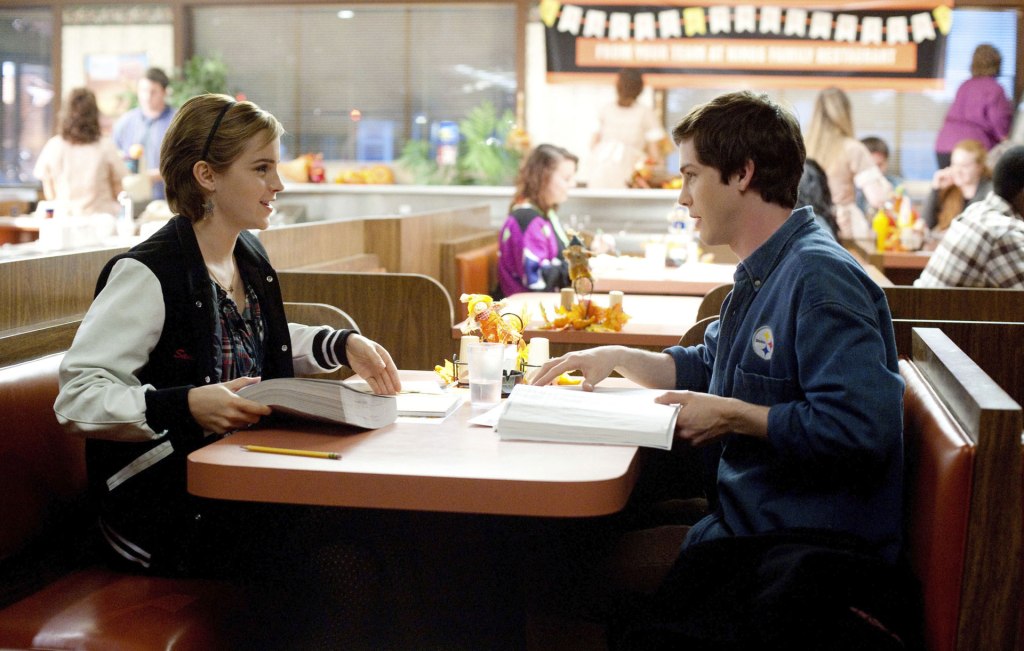

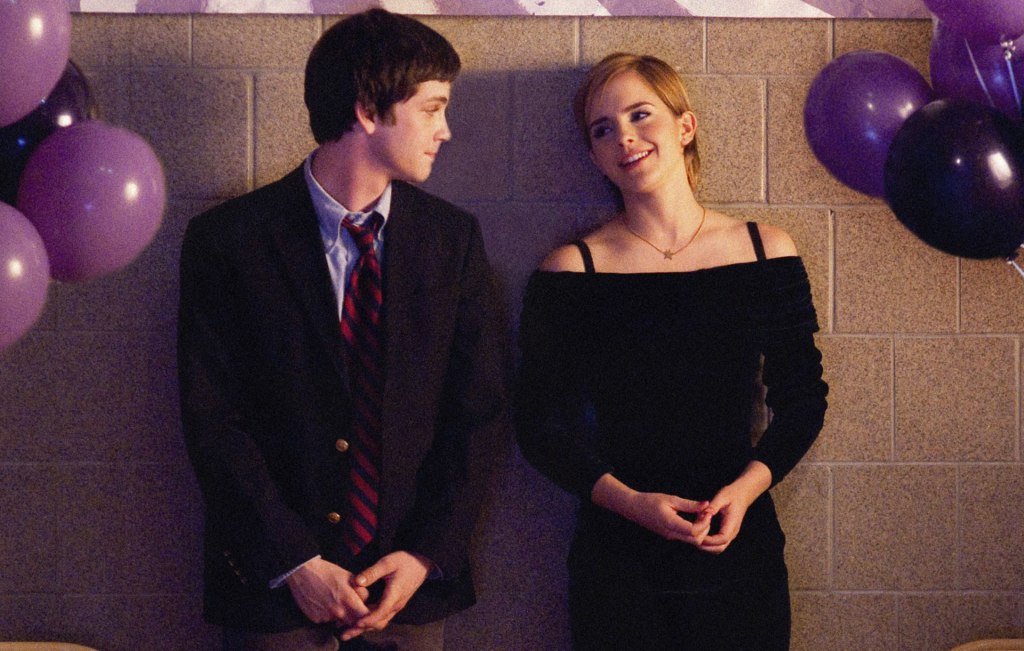
 Eduindex
You must be logged in to post a comment.