“Success rate of Indian startups is higher than rest of the world” said the commerce minister.

The success rate of startups in India is relatively higher than the rest of the world, Union commerce minister Piyush Goyal said while answering a question in the Lok Sabha on 14th december.

The number of recognised startups has increased from 452 in 2016 to 84,012 as on November 30, 2022, the Minister said.
Startups are offered the funding at various stages of their business cycles through the Fund of Funds for Startups (FFS), Startup India Seed Fund Scheme (SISFS), and Credit Guarantee Scheme for Startups (CGSS).

The SISFS has been approved with a corpus of 945 crore and has also been sanctioned for four years beginning in 2021–22. It aims to give entrepreneurs financial support for concept proofing, prototype development, product trials, market-entry, and commercialization.

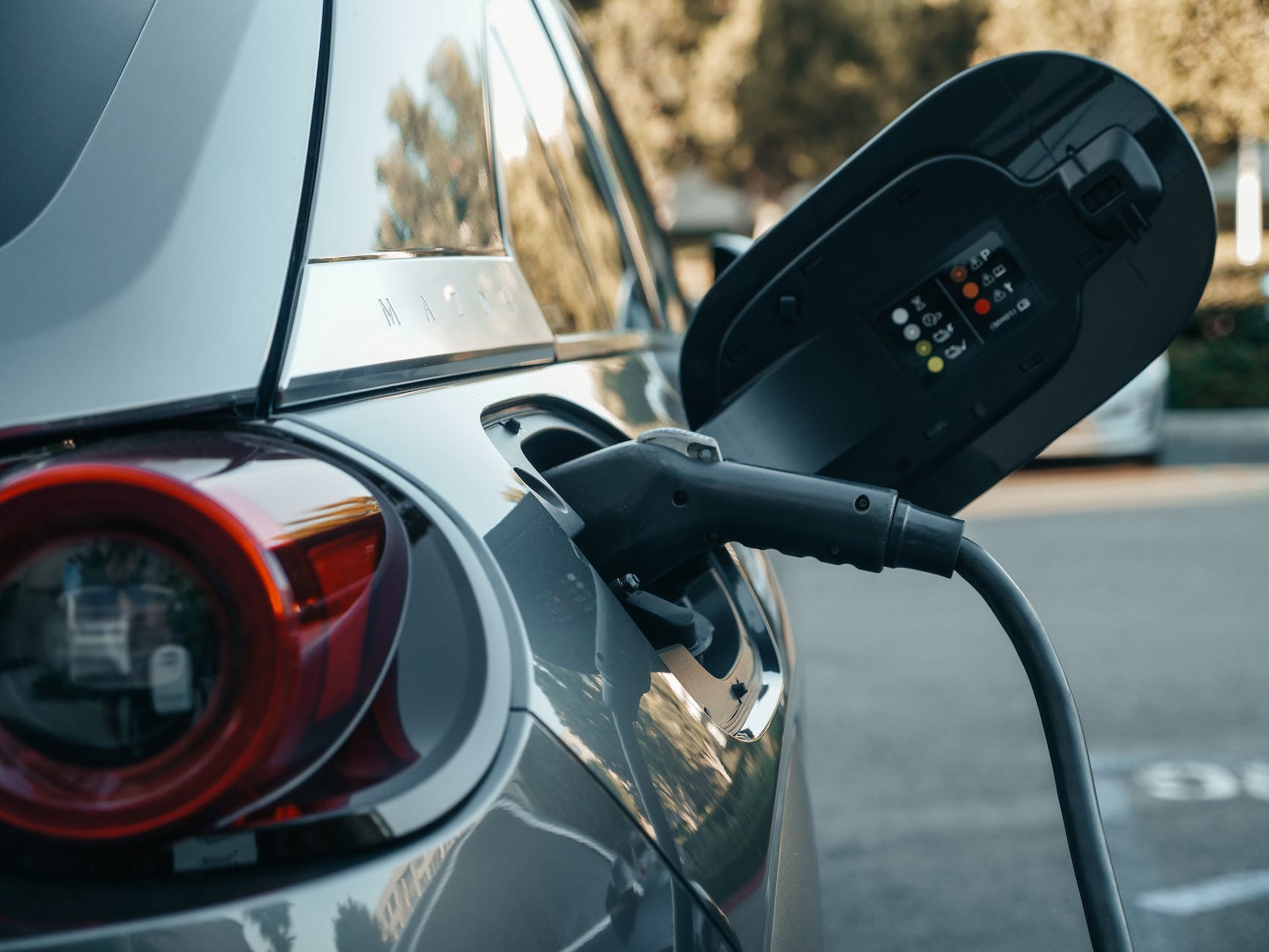
EV on monthly subscription, by a Benguluru based startup.

Electric vehicles (EVs) may play a critical role in the future of mobility but the journey so far has been fraught with challenges. While customers may fundamentally be in favour of switching to electric alternatives, when it comes to buying one, they are still hesitant. The biggest impediments to the adoption of these vehicles on a large scale are range anxiety (the worry that the vehicle will run out of charge before reaching the destination or charging point) and its price. According to an EY report, an electric car costs 2X times an ICE variant in India. The cost of an electric two-wheeler is 15% more than that of an ICE variant.

A Bengaluru-based startup SWYTCHD provides electric vehicles on a monthly subscription basis. This subscription is all inclusive which covers insurance, charging refunds, servicing, maintenance, and breakdown support.

The Bengaluru-based startup, founded in December 2021 by Sameer Arif, offers a range of EVs (both two-wheelers and cars) on a monthly subscription model. The subscription includes costs of insurance, general servicing, maintenance (including normal wear and tear), breakdown support, and charging refunds, up to a maximum distance of 1,200 km a month.

 “Unlike a purchase process that requires a lot of time, dedication and capital, SWYTCHD is an easy decision with minimal paperwork, which can be done from the comfort of the home.”says Sameer

The subscription starts from Rs 5,000 for two-wheelers and Rs 30,000 for four-wheelers per month. The service is currently available only in Bengaluru.  SWYTCHD has partnered with Bounce as the official leasing and subscription partner for its Infinity scooter. Apart from this, the company also offers two-wheelers from Ather, Revolt Motors, Hero, and Ola, and cars such as TATA Tigor XZ+, TATA Nexon EV XZ+ Lux, Hyundai Kona Premium, and MG ZS EV Exclusive.


What is Business Process Outsourcing (BPO)?

Business Process Outsourcing (BPO) is the delegation of the Ownership, Administration, and Operation of a process to a third party. Many people see it as an evolution from Information Technology Outsourcing (ITO). Business Process Outsourcing (BPO) is the delegation of one or more IT-intensive business processes to an external provider that in turn owns, administers and manages the selected process based on defined and measurable performance criteria. Business Process Outsourcing (BPO) is one of the fastest growing segments of the Information Technology Enabled Services (ITES) industry.

Several MNCs are increasingly unbundling or vertical disintegrating their activities i.e. they have begun outsourcing activities which formerly performed in house and concentrating their energies on a few functions. Outsourcing involves withdrawing from certain stages/activities and relying on outside vendors to supply the needed products, support services or functional activities. These outside vendors are called BPOs. The outsourcing industry is growing from strength.

Why do everything yourself, when someone else can do it at low cost? In the current scenario, the theory says exactly the same. The global market today is highly competitive and continuously changing. A company must, thus, focus on improving productivity and at the same time, cut down costs. This is the basic premise of outsourcing. Outsourcing works because what is non-core for one organisation, is core for another.

In brief, business process outsourcing can be seen as a process in which a company delegates some of its in-house operations or processes to a third party. Thus, it is a transaction through which one company acquires services from another, while maintaining ownership and ultimate responsibility for the processes.

The company then informs its provider what it wants, and how it wants the work to be performed. The main motive for business process outsourcing is to allow the company to invest more time, money and human resources into core activities and building strategies, which fuel company growth.

What is “SETU” initiative by GoI.

In a bid to connect Indian startups with the US-based investors, SETU programme (Supporting Entrepreneurs in Transformation and Upskilling) has been launched by Union Minister Piyush Goyal.  SETU will act as a bridge between American and Indian companies. The start-up will help entrepreneurs in upskilling, transforming and leveraging the success stories of the Indian diaspora in the US.

SETU will be a Techno-Financial, Incubation and Facilitation Programme to support all aspects of start up businesses, and other self-employment activities, particularly in technology-driven areas. It aims to create around 100,000 jobs through start-ups.

The initiative would connect startups in India to US-based investors and startup ecosystem leaders with mentorship and assistance in various areas including funding, market access and commercialisation.

SETU is designed to break geographical barriers between mentors based in the US who are willing to invest in entrepreneurship and sunrise startups in India. The interaction will be supported through the mentorship portal under the Startup India initiative MAARG, or the Mentorship, Advisory, Assistance, Resilience, and Growth programme, which is a single-stop solution finder for startups in India.

The portal has been developed with the idea to be made accessible from every corner of the country to connect with a mentor. A mentor will offer human intelligence in guiding the startups.

Role of Small Scale Industries(SSI) in India.

In a developing country like India, the role and importance of small-scale industries is very significant towards poverty eradication, employment generation, rural development and creating regional balance in promotion and growth of various development activities.

It is estimated that this sector has been contributing about 40% of the gross value of output produced in the manufacturing sector and the generation of employment by the small-scale sector is more than five times to that of the large-scale sector.

This clearly shows the importance of small-scale industries in the economic development of the country. The small-scale industry have been playing an important role in the growth process of Indian economy since independence in spite of stiff competition from the large sector and not very encouraging support from the government.

The following are some of the important role played by small- scale industries in India.

Employment generation:

The basic problem that is confronting the Indian economy is increasing pressure of population on the land and the need to create massive employment opportunities. This problem is solved to larger extent by small-scale industries because small- scale industries are labour intensive in character. They generate huge number of employment opportunities. Employment generation by this sector has shown a phenomenal growth. It is a powerful tool of job creation.

Mobilisation of resources and entrepreneurial skill:

Small-scale industries can mobilize a good amount of savings and entrepreneurial skill from rural and semi-urban areas remain untouched from the clutches of large industries and put them into productive use by investing in small-scale units. Small entrepreneurs also improve social welfare of a country by harnessing dormant, previously overlooked talent.

Equitable distribution of income:

Small entrepreneurs stimulate a redistribution of wealth, income and political power within societies in ways that are economically positive and without being politically disruptive.

Thus small-scale industries ensures equitable distribution of income and wealth in the Indian society which is largely characterised by more concentration of income and wealth in the organised section keeping unorganised sector undeveloped. This is mainly due to the fact that small industries are widespread as compared to large industries and are having large employment potential.

Regional dispersal of industries:

There has been massive concentration of industries m a few large cities of different states of Indian union. People migrate from rural and semi urban areas to these highly developed centres in search of employment and sometimes to earn a better living which ultimately leads to many evil consequences of over-crowding, pollution, creation of slums, etc. This problem of Indian economy is better solved by small- scale industries which utilise local resources and brings about dispersion of industries in the various parts of the country thus promotes balanced regional development.

Promotes exports:

Small-scale industries have registered a phenomenal growth in export over the years. The value of exports of products of small-scale industries has increased to Rs. 393 crores in 1973-74 to Rs. 71, 244 crores in 2002-03. This contributes about 35% India’s total export. Thus they help in increasing the country’s foreign exchange reserves thereby reduces the pressure on country’s balance of payment.

Supports the growth of large industries:

The small-scale industries play an important role in assisting bigger industries and projects so that the planned activity of development work is timely attended. They support the growth of large industries by providing, components, accessories and semi finished goods required by them. In fact, small industries can breath vitality into the life of large industries.

Social Responsibility and why it is important for modern businesses.

The concept of social responsibility in relation to business means that the firm functions to accomplish its financial objectives and serves the society as well. No business exists in isolation. Every organ of the society contributes towards the success of a business. Thus it becomes imperative that business too does something for the society in return. This responsibility of business towards the society is called social responsibility.

A socially responsible firm should not work solely for profit maximization but should also seek the welfare of different sections of the society. Social responsibility of business refers to its obligations to take those decisions and perform those actions which are acceptable in terms of the objectives and values of the society.

Why business need to do social responsibility?

Business is a Part of Society:

Since business organisations are a part of society they must have a positive attitude towards the needs of society. Business is only a sub-system of society and this sub-system must contribute to the welfare of the main system. Therefore, the decisions taken by the manager should take into consideration the welfare of not only his organisation but also the welfare of other sub-systems (different parts of society like customers, shareholders, employees, etc.)

Long-Term Interest:

It is in the long-term interest of the business to discharge its social obligations by serving different interest groups such as employees, consumers, government and citizens. Wise business persons know that unless they serve the society by fulfilling its needs, they will not be able to climb the success ladder.

Indebted to Society:

A business uses the resources of the society for its functioning. Hence, it becomes obligatory for it to pay back its dues by serving the society. Businessmen should tend to the needs of the society and use its resources for community welfare. This practice ultimately helps the organization in establishing itself on the strong foundation of a pleased society and a cooperative labour force.

Public Image:

The activities of business towards the welfare of the society earn goodwill and reputation for the business. The earnings of business also depend upon the public image of its activities. People prefer to buy products of a company that engages itself in various social welfare programmes. Again, good public image also attracts honest and competent employees to work with such employers.

Social Awareness:

These days, employees and customers are more informed about their rights. While consumers expect the seller to abide by the fair trade practices, workers want fair wages and other employee benefits. If the expectations of these interest groups are not met, they may resort to either anti-social activities or seek help from trade unions and consumer courts. This will lead to industrial turmoil and unrest within the society which is harmful for proper functioning of the business.

BCG Matrix.

Boston Consulting Group (BCG) Matrix is a four celled matrix (a 2 * 2 matrix) developed by BCG, USA. It is the most renowned corporate portfolio analysis tool. It provides a graphic representation for an organization to examine different businesses in it’s portfolio on the basis of their related market share and industry growth rates. It is a two dimensional analysis on management of SBU’s (Strategic Business Units). In other words, it is a comparative analysis of business potential and the evaluation of environment.

According to this matrix, business could be classified as high or low according to their industry growth rate and relative market share.

Relative Market Share = SBU Sales this year leading competitors sales this year.

Market Growth Rate = Industry sales this year – Industry Sales last year.

The analysis requires that both measures be calculated for each SBU. The dimension of business strength, relative market share, will measure comparative advantage indicated by market dominance. The key theory underlying this is existence of an experience curve and that market share is achieved due to overall cost leadership.

BCG matrix has four cells, with the horizontal axis representing relative market share and the vertical axis denoting market growth rate. The mid-point of relative market share is set at 1.0. if all the SBU’s are in same industry, the average growth rate of the industry is used. While, if all the SBU’s are located in different industries, then the mid-point is set at the growth rate for the economy.

Resources are allocated to the business units according to their situation on the grid. The four cells of this matrix have been called as stars, cash cows, question marks and dogs. Each of these cells represents a particular type of business.

Stars- Stars represent business units having large market share in a fast growing industry. They may generate cash but because of fast growing market, stars require huge investments to maintain their lead. Net cash flow is usually modest. SBU’s located in this cell are attractive as they are located in a robust industry and these business units are highly competitive in the industry. If successful, a star will become a cash cow when the industry matures.

Cash Cows- Cash Cows represents business units having a large market share in a mature, slow growing industry. Cash cows require little investment and generate cash that can be utilized for investment in other business units. These SBU’s are the corporation’s key source of cash, and are specifically the core business. They are the base of an organization. These businesses usually follow stability strategies. When cash cows loose their appeal and move towards deterioration, then a retrenchment policy may be pursued.

Question Marks- Question marks represent business units having low relative market share and located in a high growth industry. They require huge amount of cash to maintain or gain market share. They require attention to determine if the venture can be viable. Question marks are generally new goods and services which have a good commercial prospective. There is no specific strategy which can be adopted. If the firm thinks it has dominant market share, then it can adopt expansion strategy, else retrenchment strategy can be adopted. Most businesses start as question marks as the company tries to enter a high growth market in which there is already a market-share. If ignored, then question marks may become dogs, while if huge investment is made, then they have potential of becoming stars.

Dogs- Dogs represent businesses having weak market shares in low-growth markets. They neither generate cash nor require huge amount of cash. Due to low market share, these business units face cost disadvantages. Generally retrenchment strategies are adopted because these firms can gain market share only at the expense of competitor’s/rival firms. These business firms have weak market share because of high costs, poor quality, ineffective marketing, etc. Unless a dog has some other strategic aim, it should be liquidated if there is fewer prospects for it to gain market share. Number of dogs should be avoided and minimized in an organization.

SWOT Analysis explained.

SWOT is an acronym for Strengths, Weaknesses, Opportunities and Threats. By definition, Strengths (S) and Weaknesses (W) are considered to be internal factors over which you have some measure of control. Also, by definition, Opportunities (O) and Threats (T) are considered to be external factors over which you have essentially no control.

SWOT Analysis is the most renowned tool for audit and analysis of the overall strategic position of the business and its environment. Its key purpose is to identify the strategies that will create a firm specific business model that will best align an organization’s resources and capabilities to the requirements of the environment in which the firm operates.

In other words, it is the foundation for evaluating the internal potential and limitations and the probable/likely opportunities and threats from the external environment. It views all positive and negative factors inside and outside the firm that affect the success. A consistent study of the environment in which the firm operates helps in forecasting/predicting the changing trends and also helps in including them in the decision-making process of the organization.

An overview of the four factors (Strengths, Weaknesses, Opportunities and Threats) is given below-

Strengths – Strengths are the qualities that enable us to accomplish the organization’s mission. These are the basis on which continued success can be made and continued/sustained.

Strengths can be either tangible or intangible. These are what you are well-versed in or what you have expertise in, the traits and qualities your employees possess (individually and as a team) and the distinct features that give your organization its consistency.

Strengths are the beneficial aspects of the organization or the capabilities of an organization, which includes human competencies, process capabilities, financial resources, products and services, customer goodwill and brand loyalty. Examples of organizational strengths are huge financial resources, broad product line, no debt, committed employees, etc.

Weaknesses – Weaknesses are the qualities that prevent us from accomplishing our mission and achieving our full potential. These weaknesses deteriorate influences on the organizational success and growth. Weaknesses are the factors which do not meet the standards we feel they should meet.

Weaknesses in an organization may be depreciating machinery, insufficient research and development facilities, narrow product range, poor decision-making, etc. Weaknesses are controllable. They must be minimized and eliminated. For instance – to overcome obsolete machinery, new machinery can be purchased. Other examples of organizational weaknesses are huge debts, high employee turnover, complex decision making process, narrow product range, large wastage of raw materials, etc.

Opportunities – Opportunities are presented by the environment within which our organization operates. These arise when an organization can take benefit of conditions in its environment to plan and execute strategies that enable it to become more profitable. Organizations can gain competitive advantage by making use of opportunities.

Organization should be careful and recognize the opportunities and grasp them whenever they arise. Selecting the targets that will best serve the clients while getting desired results is a difficult task. Opportunities may arise from market, competition, industry/government and technology. Increasing demand for telecommunications accompanied by deregulation is a great opportunity for new firms to enter telecom sector and compete with existing firms for revenue.

Threats – Threats arise when conditions in external environment jeopardize the reliability and profitability of the organization’s business. They compound the vulnerability when they relate to the weaknesses. Threats are uncontrollable. When a threat comes, the stability and survival can be at stake. Examples of threats are – unrest among employees; ever changing technology; increasing competition leading to excess capacity, price wars and reducing industry profits; etc.

SWOT Analysis is a strategic management tool that assists an enterprise in discerning their internal Strengths, and Weaknesses, and external Opportunities, and Threats, to determine its competitive position in the market.


Branding and its Components.

The Branding is a marketing process wherein the firm tries to create a unique image of the product in the minds of the customer and establish a differentiated presence in the market with the intent to retain the customer loyalty.

A brand is the name, symbol, icon, image or the combination of these which is intended to identify the goods and services of a particular seller or group of sellers and to differentiate them from those of the competitors. 

The branding is a comprehensive term and includes the following:

Brand Name: The brand name consists of a word, letter or the combination of words that are vocalized or can be pronounced easily. The brand name gives a unique identity to the goods and services of a particular seller and can be easily differentiated from the other brands available in the market. Such as Tata Salt, Usha Fans, Nike shoes, etc.

Brand Mark: A brand mark is the part of the brand that appears in the form of a symbol, logo, design, shape or distinctive coloring which can be recognized only through the site and cannot be pronounced. The brand mark increases the recognition of the brand. Such as, a symbol of Swoosh of Nike, Amul Girl of Amul Butter, Maharaja of Air India, etc.

Trade Mark: When the brand name and the brand mark are given the legalized protection such that no other firm can use it for its product then it becomes a trademark. Thus, the trademark is the protection given to the seller to use the brand name and the brand mark and prohibiting others from using it.

Trade Name: The trade name is frequently used as a synonym for either the brand name or a brand mark, but actually it is the name of the business, preferably the name of the organization itself. Most often, the trade name is used as a brand name, but it serves two purposes, give the identity of both the manufacturer as well as the product. Such as Godrej and Tata are both the trade names and are also the brand names for most of their products.

Patents: The Patents are the legal protection given to the new inventions pioneered by any business. Any firm can get its inventions such as new process, new product or the new machine patented so that an exclusive right to use it is obtained solely by the inventor. The patent confers the right to the inventor to use the new technology while prohibits the unauthorized persons for a fixed number of years from making the commercial use of the technological invention.

Copyright: The copyright is applicable in the case of books, dramatic, musical and artistic work and carries the similar meaning as that of the patents. The copyright provides protection to the work of an author so that no other person can copy it.

Green consumerism: New way of life

Green Consumerism: Importance, Examples and Strategies - Conserve Energy  Future

We all are consumers in some way or the other. Even before we are born, we are consumers and this cycle completes only after our death. In this era of consumerism, it is extremely difficult for one to not be a consumer and being a consumer is something to be ashamed of.

Even though being a consumer is not bad, exploitation by consumer is something to worry about. Unlike a socialist economy in a capitalist world, the producers produce what the consumers demand. So, the responsibility vested with the consumer is rising day by day. When a consumer makes an irresponsible choice, he is encouraging the producer to be exploitative. Realising this power of consumers, a new term has originated, green consumer.

Who is a green consumer?

A green consumer is a person who makes a wise choice. They buy a product or avail a service after considering the environmental impact. They check the components of the product, the environmental effects of the product and such aspects in detail.

Economic, social, and cultural forces have set the framework for green consumerism. This is because it is a social attitude and movement in the modern era, especially aimed at encouraging people to be more aware of the firms’ production processes and only to buy or use products and services that do not harm the environment. For this reason, green consumerism has created a balance between the buyers’ behaviours and the organizations’ profit objectives as it mostly based on the sustainable and pro-environmental behaviour of consumers.

Why is it important to be a green consumer?

From second half of the twentieth century, world has started its efforts for environment conservation. Even though commerce and industries are one of the largest contributors to environment degradation, they were the last to act for environment protection. One such arena is green consumerism. In a world which spins on the axis of consumerism it is important for a consumer to make environment friendly choices. Also, there is shift in the mindset of the businesses from seller centric to consumer centric approach. Recognizing this immense power vested with them consumers could influence the market to produce environment friendly goods. Also, the fact that environment degradation could lead even to the extinction of humankind has opened the eyes of general public.

How to be a green consumer?

  • Use paraben free products.
  • Use cloth bags and don’t demand plastic carry bags.
  • Promote organic goods.
  • Avoid using synthetic materials that could harm the world
  • Avoid pollutants while choosing products.
  • Use recycled products.
  • Avoid the practice of use and throw.
  • Give importance to energy efficiency.
  • Practice modern methods of environment protection.
  • Shop according to the need.
  • Minimize paper usage
  • Check energy labels in daily utility products
  • Avoid using bottled water
  • Reduce electricity consumption
  • Reduce your carbon footprint
  • Check for environment friendly certification.

Ultimately change of mindset is the most significant factor in green consumerism. It requires people to avoid certain comforts and embrace the difficult but fruitful path. It is the duty of consumers to influence the producers to shift towards a greener path. The consumer is the king in the present scenario. They should use their power for the good of the world.

Let us all strive to act green for a better future. We should lead a sustainable living and preserve what inherited for the coming generations.

How to spot a pyramid scheme. 

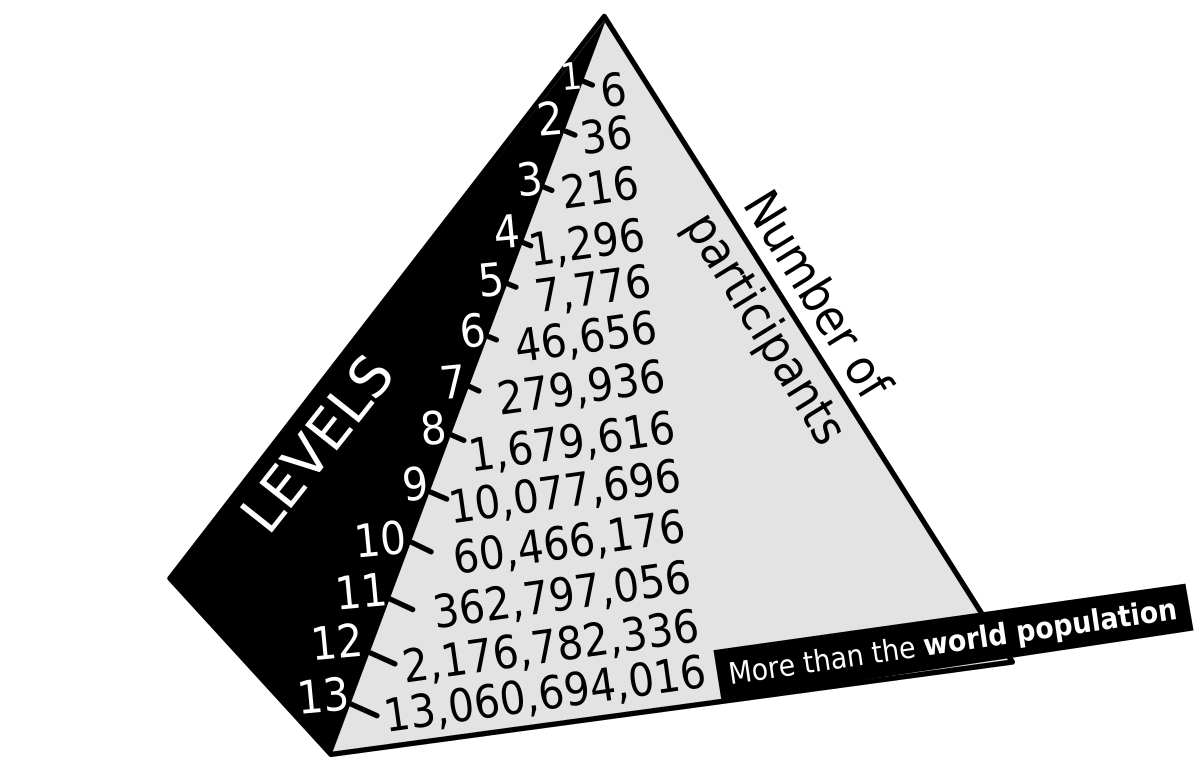
A pyramid scheme is a fraudulent system of making money based on recruiting an ever-increasing number of “investors.”  The initial promoters recruit investors, who in turn recruit more investors, and so on. The scheme is called a “pyramid” because at each level, the number of investors increases. The small group of initial promoters at the top require a large base of later investors to support the scheme by providing profits to the earlier investors.

Let’s assume the following: Founder Mike sits alone at the top of the heap, represented by the number “one.” Assume Mike recruits 10 second-tier people to the level directly below him, where each newbie must issue him a cash payment for the privilege of joining. Not only do those buy-in fees funnel directly into Mike’s pocket, but each of the 10 new members must then recruit 10 tier-three members of their own (totaling 100), who must pay fees to the tier-two recruiters, who must send a percentage of their takes back up to Mike. According to the hard-sell pitches made at recruitment events, those bold enough to take the pyramid plunge will theoretically receive substantial cash from the recruits below them. But in practice, the prospective member pools tend to dry up over time. And by the time a pyramid scheme invariably shuts down, the top-level operatives walk away with loads of cash, while the majority of lower-level members leave empty-handed. It should be noted that because pyramid schemes heavily rely on fees from new recruits, the vast majority do not involve the sale of actual products or services with any intrinsic value.

Unfortunately, these types of scams sometimes prey on people who need income quickly. For example, if you lost your job and are having a hard time finding a new job, you might be more willing to look into an opportunity that offers a fast return. But avoid the temptation to overlook the feeling that something is too good to be true. Instead, take a moment to calm yourself so you can make a legitimate plan after losing your job. Go over your budget—or create one for the first time—so you can manage your money in the best way possible while you try to increase your income.

How to Spot a Pyramid Scheme

Pyramid schemes and MLM sound a bit alike, don’t they? Here are some signs of a pyramid scheme, provided by the US Securities and Exchange Commission, to help you understand whether you’re considering a scam or a legitimate MLM opportunity:

  • You’re not selling something real. Legitimate MLMs sell tangible goods—many times there’s a ready-made market for them.
  • Get-rich-quick promises. If you’re being offered overnight success, get-rich-quick guarantees, or passive income promises, it’s probably too good to be true. People who make money with legitimate MLMs put a lot of time and effort into their businesses.
  • The company can’t prove it generates retail income. If the business can’t show you financial statements that demonstrate income from the sale of product, it could be generating all its income from recruiting people into the pyramid.
  • Strange or unnecessarily complex commission processes. Legitimate MLMs have easy-to-understand, product-based commissions.

The Bottom Line

Pyramid schemes are illegal in many countries. The model of profiting by using the network effect often traps individuals into recruiting their acquaintances, which can feel slimy for everyone involved and can ultimately strain relationships. Some people may shoot their shot each time and invest in multiple schemes losing money each time. Victims of pyramid schemes are often embrassed into silence and keep blaming themselves for not being tenacious enough to earn the promised returns, when in truth it’s the system that is faulty. Get rich quick schmes never work and will allways have some strings attached to it that can put people into legal trouble. Vigilance and knowledge about where your money goes are important factors that people must know, preventing them from falling pray for traps like the pyramid scheme.

sources – https://www.investopedia.com/insights/what-is-a-pyramid-scheme/ https://www.credit.com/blog/what-is-a-pyramid-scheme/

All you need to know about an Economic Recession.

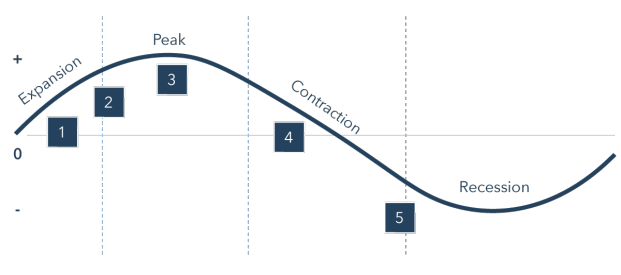
The National Bureau of Economic Research (NBER) defines a recession as “a significant decline in activity spread across the economy, lasting more than a few months, visible in industrial production, employment, real income, and wholesale-retail trade.” A recession is also believed to be signalled when businesses cease to expand, the GDP diminishes for two consecutive quarters, and the unemployment rate rises. The nature and causes of recessions are simultaneously evident and uncertain. Recessions are, in essence, a cluster of business failures being realized simultaneously. Firms are forced to reallocate resources, scale back production, limit losses, and, usually, lay off employees. Those are the clear and visible causes of recessions. There are several different ways to explain what causes a general cluster of business failures, why they are suddenly realized simultaneously, and how they can be avoided.

What Causes a Recession?

Some recessions can be traced to a clearly-defined cause. For instance, the recession of 1973-1975 began as a result of the 1973 oil crisis. However, most recessions are caused by a complex combination of factors, including high interest rates, low consumer confidence, and stagnant wages or reduced real income in the labour market. Other examples of recession causes include bank runs and asset bubbles.

Psychological Factors of a Recession

Psychological factors are frequently cited by economists for their contribution to recessions also. The excessive exuberance of investors during the boom years brings the economy to its peak. The reciprocal doom-and-gloom pessimism that sets in after a market crash at a minimum amplifies the effects of real economic and financial factors as the market swings. Moreover, because all economic actions and decisions are always to some degree forward-looking, the subjective expectations of investors, businesses, and consumers are often involved in the inception and spread of an economic downturn.

Economic Factors of a Recession

Real changes in economic fundamentals, beyond financial accounts and investor psychology, also make critical contributions to a recession. Some economists explain recessions solely due to fundamental economic shocks, such as disruptions in supply chains, and the damage they can cause to a wide range of businesses. Shocks that impact vital industries such as energy or transportation can have such widespread effects that they cause many companies across the economy to retrench and cancel investment and hiring plans simultaneously, with ripple effects on workers, consumers, and the stock market. There are economic factors that can also be tied back into financial markets. Market interest rates represent the cost of financial liquidity for businesses and the time preferences of consumers, savers, and investors for present versus future consumption. In addition, a central bank’s artificial suppression of interest rates during the boom years before a recession distorts financial markets and business and consumption decisions.

What Are the Indicators of a Recession?

Economists determine whether an economy is in recession by looking at a variety of statistics and trends. Factors that indicate a recession include:

  • Rising in unemployment
  • Rises in bankruptcies, defaults, or foreclosures
  • Falling interest rates
  • Lower consumer spending and consumer confidence
  • Falling asset prices, including the cost of homes and dips in the stock market

All of these factors can lead to an overall reduction in the Gross Domestic Product (GDP). The European Union and the United Kingdom define a recession as two or more consecutive quarters of negative real GDP growth.

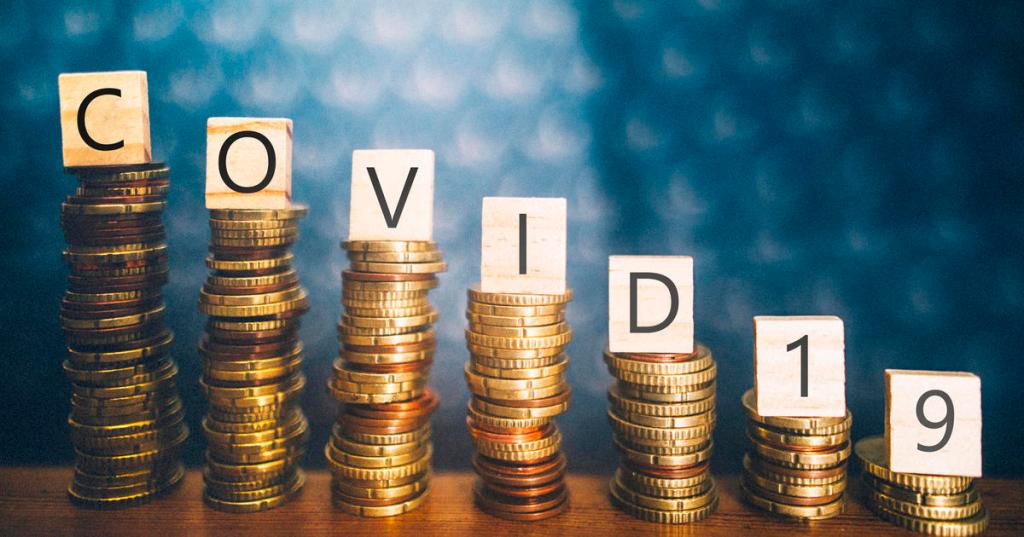
Impact of Covid-19 Pandemic on the Economy

In February 2020, the National Bureau of Economic Research (NBER) announced that according to their data, the U.S. was in a recession due to the economic shock of the widespread disruption of global and domestic supply chains and direct damage to businesses across all industries. These events were caused by the COVID-19 epidemic and the public health response. Some of the underlying causes of the two-month recession (and economic hardship) in 2020 were the overextension of supply chains, razor-thin inventories, and fragile business models. The pandemic-related recession, according to NBER, ended in April 2020, but the financial hardship caused by the pandemic is still impacting Americans.

For simpler understanding-

https://www.youtube.com/watch?v=SwaCg7Gwtzw: All you need to know about an Economic Recession.

Need for switch from physical to human capital

Human capital refers to stock of ‘skill and expertise’ embodied in humans. Human capital is as important as physical capital for economic development. Human capital formation is the process of adding to stock of human capital over time. Human capital can be developed through creation of skilled, trained and efficient labour force by providing better education, health care facilities, etc. Highly skilled people can create new ideas and methods of production. Thus, expenditure on education, on health and on on-job-training are key instruments of human capital formation. Expenditure on education is one of the most important way of enhancing and enlarging a productive workforce in the country. Expenditure on health can create more efficient and more productive human capital. Further, on-the-job-training helps workers to update skills. Training enhances the productivity and is expected to accelerate the process of human capital formation.

Human Capital and Economic Growth

When we talk about economic growth, human capital is the main reason for the accelerated growth and expansion for many countries that provide investment in human capital. This gives the best advantages to these countries for providing the best situations for work and lifestyles.A significant advantage in generating a stable environment for growth is that the nation has the expanded high-quality human capital in fields like health, science, management, education, and other fields. Here, the main components of human capital are definitely human beings, but presently, the principal component is a creative, educated, and enterprising person with a high level of professionalism.

Human capital in the economy manages the central portion of the national wealth. Hence, all researchers consider that human capital is the most important resource of the community, which is more powerful than nature or wealth. In most countries, human capital determines the rate of development, economic, technological, and scientific progress.

(i) Inventions, innovations, and technological improvement

 (ii) Higher productivity of physical capital

 (iii) Raises production

 (iv) High rate of participation and equality

 (v) Improves the quality of life

The difference between human capital and physical capital

Both forms of capital formation are outcomes of conscious investment decisions. Decision regarding investment in physical capital is taken on the basis of one’s knowledge in this regard. The entrepreneur possesses knowledge to calculate the expected rate of return to a range of investments and internationally decide which one of the investments should be made. Physical capital is the outcome of the conscious decision of the owner the physical capital formation is mainly and economic and technical process. A substantial part of human capital formation takes place in one life when she or he is unable to decide whether it will maximize her or his earnings. Children are given different types of school education health care facilities by parents and society. The peers, educators and society influence the decisions regarding human capital investment even at the tertiary level, at the college level. Human capital formation at this stage is dependent upon the already from human capital at the school level. Human capital formation is partly a social process and partly a conscious decision of the possessor of the human capital. The owner of a physical capital, does need not be present in the place where it is used; a bus driver who possesses the knowledge and ability to drive the bus should be present when the bus is used for transportation of people and other materials physical capital is tangible and can be easily sold in the market like any other commodity. Human Capital is intangible it is endogenously built in the body and mind of its owner. Human Capital is not sold in the market; service of human capital is sold and hence there arises the necessity of owner of the human capital to be present in the place of production. Physical capital is variable from its owner where does the human capital is in separable from its owner. The two forms of capital differ in terms of mobility across space. Capital is completely mobile between countries except for some artificial trade restrictions. Human capital is not a perfectly movable between countries as movement is restricted by nationality and culture. Physical Capital formation can be built it even do import, human capital formation is to be done through conscious policy formulations in consensus with nature of society and economy expenditure by the state and the individual.

Both forms of capital depreciate with the time but the nature of depreciation differs between the two continuous use of machine lead to depreciation and change of Technology makes a machine of solute. Human capital, eating but can reduce, for large through continuous investment in education and health on the job training. This investment also facilitates the human capital to cope with change in technology which is not the case with physical capital. Natures of benefits flowing from human capital are different from that of physical capital. Human Capital benefits not only the owner but also the society in general. This is called external benefit. Educated person can effectively take part in a democratic process and contribute to the socio economic progress of a nation. Healthy person, by maintaining personal hygiene and sanitation, stops the spread of contagious diseases and epidemics. Human Capital creates both private and social benefits where as physical capital creates only private benefits. That is, benefits from a capital good flow to those who pay the price for the product and services provided by it.

Importance of Human Capital Formation:

Although the accumulation of physical capital is quite important in the process of economic growth of a country but with the passage of time, it is being increasingly realised that the growth of tangible capital stock depends extensively on the human capital formation must get its due importance.In the absence of adequate investment in human capital, utilisation of physical capital will be at low pace, leading to retardation of development.Prof. Galbraith observed, “We now get the larger part of our industrial growth not from more capital investment but from investment in men and improvements brought about by improved men.” Unless these developed economies spread education, knowledge, know-how and raise the level of skills and physical efficiency of their people, the productivity of physical capital would have been reduced at this moment.

Most of the underdeveloped countries are suffering from low rate of economic growth which is again partially resulted from lack of investment in human capital. These underdeveloped countries are facing mainly two basic problems. They lack critical skills very much needed for the industrial sector and again have a surplus labour force.Thus human capital formation wants to solve these problems by creating necessary skills in man as a productive resource and also providing him gainful employment.In order to remove economic backwardness of the underdeveloped countries as well as to instill the capacities and motivations to progress, it is quite necessary to increase the level of knowledge and skills of the people.Thus in the absence of proper development of the quality of the human factor, the underdeveloped countries will not be able to attain the desired rate of progress.

Takeaway

Economic and social benefits of human capital formation and Human Development are well-known. The spread of education and Health Services across different sectors of the society should be ensured so as to simultaneously attain economic growth and equity. The need of the hour is to better it qualitatively and provide such conditions so that they are utilised in our own country.

New era of socially responsible toys

Buy Wooden Shape & Number House: Educational Puzzle Set Toy – Shumee

A child’s play is not simply a reproduction of what he has experienced, but a creative reworking of the impressions he has acquired.

~Lev Vygotsky

As rightly quoted by Soviet psychologist Lev Vygotsky a child not only reproduces what he has experienced but also shows the impressions they have formed through their actions. That time has passed when people believed that a child cannot understand the things happening around them. Due to this misconception, very less effort was taken to make shape their concept formation in a socially responsible manner.

As a result of the research conducted around the world people have reached to a conclusion that childhood is the period when a major portion of the concept formation takes place. This realization has developed a demand for toys which could contribute towards a positive outlook development. Realizing this rising demand several brands have shifted towards developing socially responsible toys.

Let us look into some examples:

Barbie dolls

Mattel Inc., the company producing Barbie dolls, has released a wide range of inclusive dolls which are different from conventional dolls. The company has introduced dolls of three sizes slim, broad and original. It has also released dolls in wheel chair as well as with artificial limb. The company has also tried to make it more inclusive by providing dolls in different skin tones, hair types and eye color. Apart from this, they have also introduced Moschino Barbie which caters towards boys, thereby breaking the stereotype that dolls are not meant for boys.

Lego

The company which sells building blocks have decided to make their products gender neutral after realizing the need for gender equality. It has also promised to shift from plastic packaging to other alternatives. The company’s initiative to produce sustainable bricks will also contribute towards reduction of carbon footprint of one of the biggest toy manufacturers.

Mega bloks Green Town Line

It is a set of carbon neutral construction toys for preschoolers. Mega Bloks bought carbon offsets from the Darkwood Forests conservation project in Canada to get this label. The manufacturers have specified that the toys are made from a minimum of 56% plant-based materials rather than plastic.

Hasbro

Hasbro is a company dealing with wide variety of toys and they adopt a whole lot of activities towards sustainability. Its major initiative is to replace plastic packaging with environmentally friendly materials. It also provides provisions for recycling the toys by collecting the toys and creating new toys from them. It also checks for the environment assessment of their suppliers.

Colors of the world- skin tone crayons

This is a pack of crayons which provides twenty-four shades. What makes it different from other crayons is that it has 24 skin colours from extra light to deepest. It helps to develop a sense of inclusion and generate a non-discriminatory mindset among the children. It helps children to realize that it is normal to have all shades of skin and not strive for achieving the so called “ideal” skin shade.

Similarly, several companies have initiated different measures to make their toys inclusive and climate conscious. The indigenous toys of our country could also be an alternative in this new era.

Being grownups, it is our duty to promote ethical products and thereby assist in positive concept formation of our upcoming generation.

Let us make use of the available resources and pave way for a compassionate, inclusive and climate conscious generation.

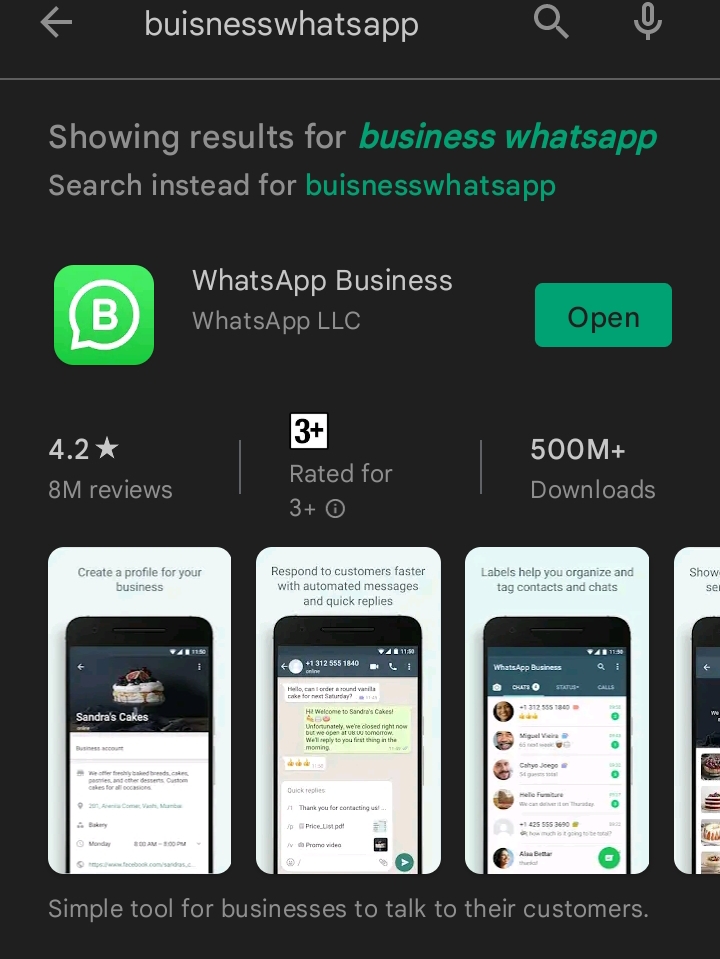
Features of buisness watsapp

watsapp which well known to people of all generations including kids,now a days it is main source of communication or intraction between people’s.

Now a days buisness are going online so meta company also introduced a best application for buisiness it is watsapp buisines, although everyone who are reading this blog are familiar with this application but please spend some of your valuable time in reading this in which we know best updated buisines watsapp Together with WhatsApp chatbot, WhatsApp Business is a very powerful tool for commerce. Thanks to many new features that the platform keeps on releasing, WhatsApp is becoming a great retail place, especially during remote times. Even if you are not going to build a WhatsApp chatbot, there

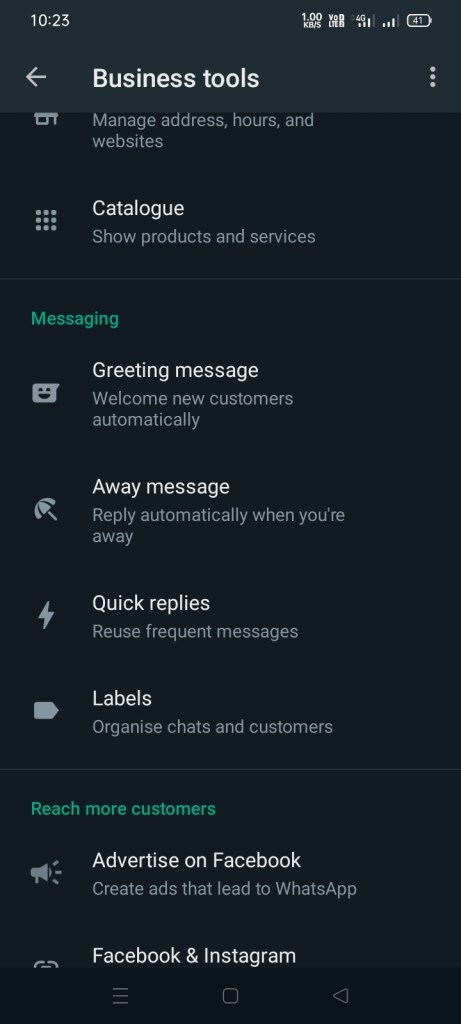
Let’s look closer at WhatsApp Business app features that you might enjoy as much as we do:

1. Business Profile
2. Quick Replies
3. Automatic Greeting Message
4. Automatic Away Message
5. Contacts Labels
6. Message Statistics
7. Catalogs

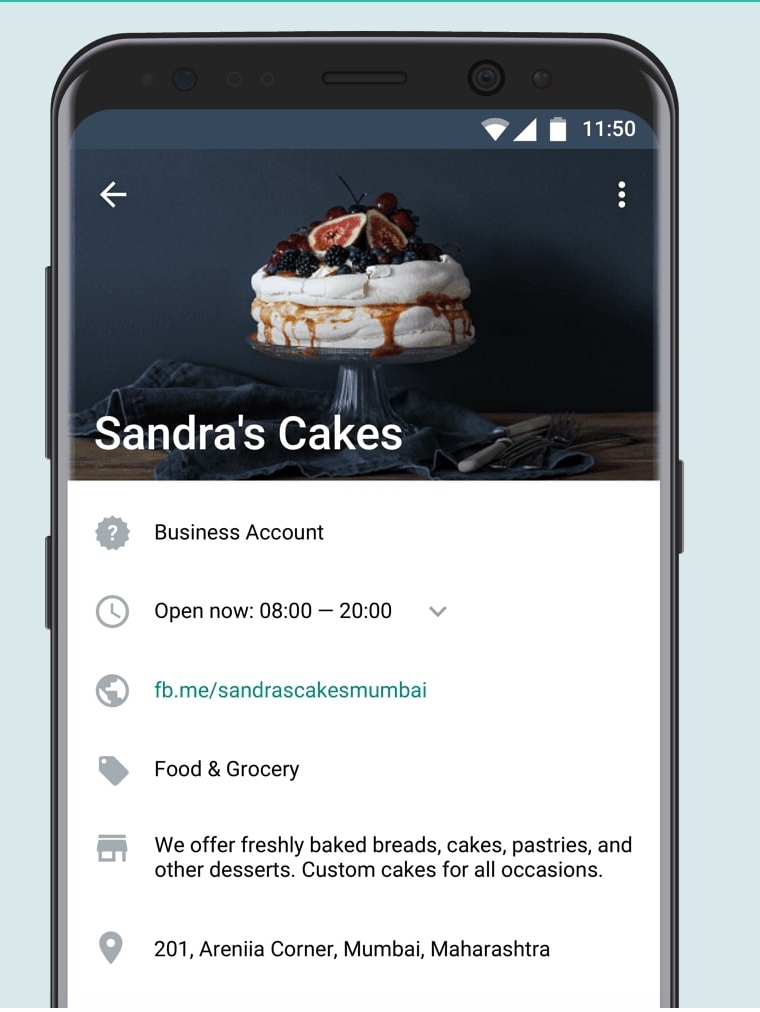
1.Business Profile

Create a business profile with helpful information for your customers, like your address, business description, email address, and website. Business accounts help brands to gain a user’s loyalty. A business profile gives the company a familiar “face” and identity. To have a “Verified” badge next to your company name, WhatsApp has to confirm that this is a verified business account.

Steps to add details about your business: Go to WhatsApp Business app – Open Settings > Business settings > Profile.

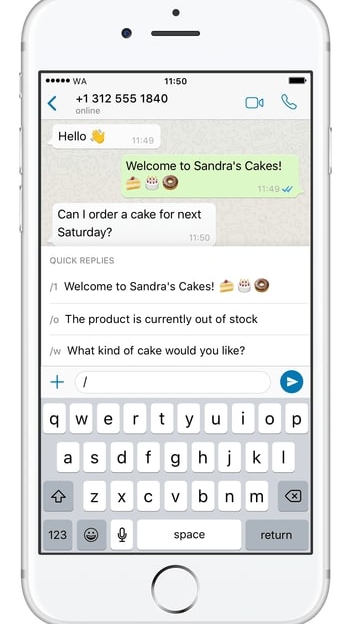
3.Quick Reply

These are frequent messages to answer common questions. Quick replies let you save and reuse messages you frequently send so you can easily answer common questions in no time. Simply press the “/” on your keyboard to select a quick reply and send.

3.Automatic Greeting Message

WhatsApp for business enables you to create a greeting message that users will receive when they start a dialog with your company or after 14 days of inactivity. By sending an instant message, you welcome and introduce a company to a new potential customer with no delays and waiting time.

Steps to set up a greeting message: Settings > Business settings > Greeting message. From here, you can create a new greeting message or edit an existing one.

4.Setting Away Message

Away messages are like greeting messages. They send a custom message to people who are trying to connect with the company after your working hours. You can write a custom message or send your working hours. You can set up for them to activate at the chosen time.

Steps to set up an away message: Settings > Business settings > Away message > “Activate away message                                     

You can also edit your away message from here and schedule when you want to send this message. You can choose from Always send, Custom schedule, or after your work hours

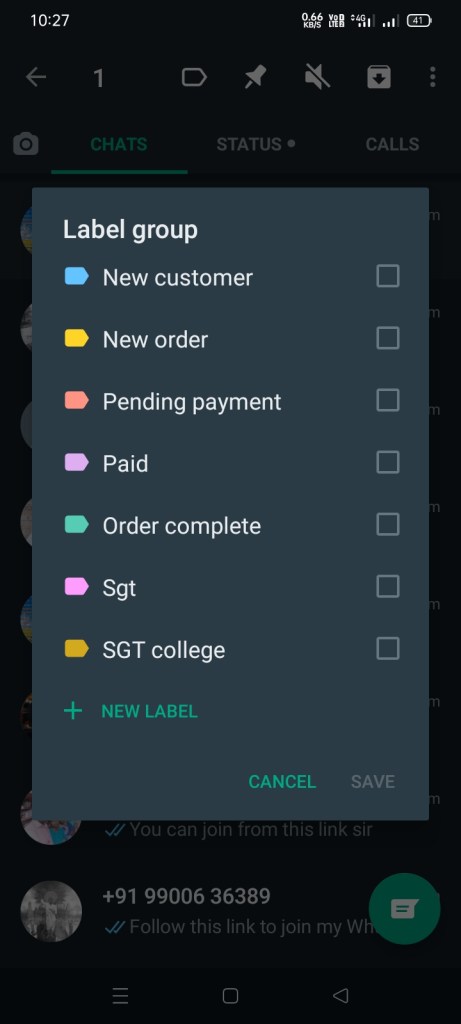
5.Label Contacts

Businesses can organize their contacts and categorize them with labels for easy access. This way, you can easily search through your contacts and keep them grouped and organized.

Steps to add a label to a new contact: Click the menu button on the client’s chat page > choose a label and then save.

Steps to add a new label: Click the menu button on the client’s chat page > click “ New label” > click save

6.Access Message Statistics

WhatsApp for Business lets you access vital metrics like how many of your messages were sent, delivered, and read.

Steps to access statistics: Tap the Menu button > Settings > Business Settings > Statistics

7.Catalogs and Collections

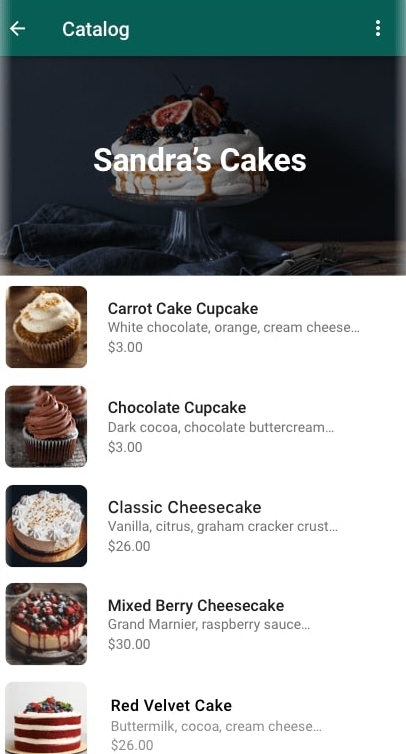
The other feature that will be beneficial for your business is Catalogs. They look like this:

Catalogue for bakery

For each item in your catalog, you can add information, including price, description, and product code. This is so much easier for your customers than having to ask you about each item separately or go from WhatsApp to the website.

In October 2021, WhatsApp added Collections to make shopping even easier. They will act as folders to group items inside a business account. Users can navigate to the category they’re looking for right away without scrolling through the whole product list.Once added, you’re free to modify the Collection just like items to keep the information up to date.

Pro Tip: think of collections as categories on ecommerce websites. “Last chance” or “Sale” could be as converting in WhatsApp as they are on the website. Using these on WhatsApp Business account means providing similar well-paved shopping experience.

@channa2021

Thank you for reading this blog i believe this is helpful to you