There is enough in the world for everyone’s need, but there is not enough to meet everyone’s greed, said Mahatma Gandhi, Father of our nation. By these Mahatmaji is calling our attention towards the greed of the world’s most greedy species, namely the human being. As human beings are the only species which could think and feel, it is also the only species that exploits the nature in any which ways possible for their short-term gain. Ignoring the fact that human beings are comparatively new species when we consider the entire time frame of life on earth, we are behaving as if the entire planet and its resources are solely meant for making human lives easier.
The social and economic development of a country owes a lot to the development of energy resources. Man’s greed and uncontrolled use of these resources has resulted in its depletion and in turn has put a question mark on the future of this beautiful planet.
Scientists fear that the conventional energy sources like crude oil, natural gas, etc may become extinct before the end of this century. This has turned man towards the development and promotion of alternate energy resources.
The most important source is solar power because sun is the largest source of energy in this universe. Our country India receives 5000 trillion kilo watt of solar radiation per year. Most part of our country have not less than 300 clear days in a year. It is possible to generate 20 mega watt solar power per square kilometer land area. This energy can be used for a variety of applications like cooking, water heating, water pumping, lighting, etc. Latest innovations have made it possible to run vehicles like cars, trains and even small aircrafts. The German railway, a pioneer in the entire organization will be operated by solar energy by the end of another 25 to 30 years.
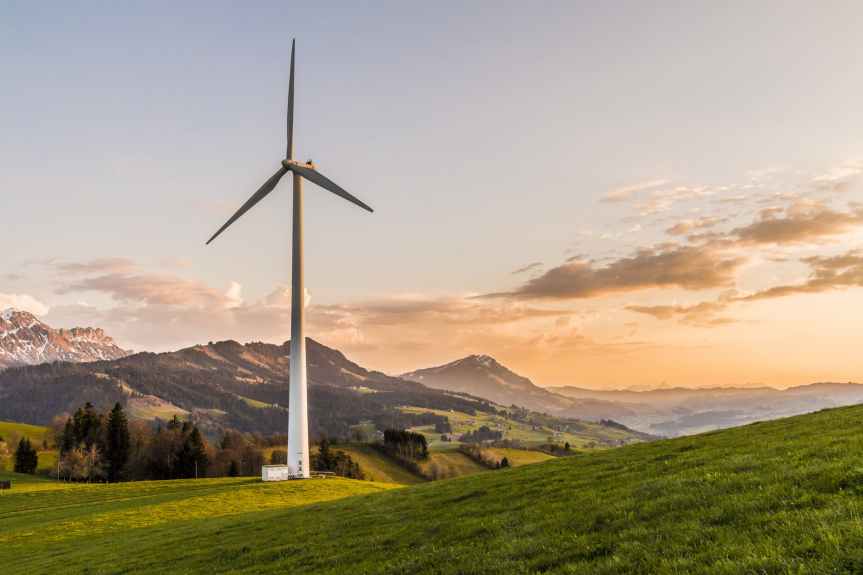
Another one is wind power. India now holds a significantly high position in the list of wind power capacity. The gross wind power potential of India is estimated to be above 45000 milli watt, while the present technical is only near one third of this capacity. It should be noted that the government has initiated several plans and policies to make use of this immense potential.
We can also obtain energy from biomass. It includes food and food waste, municipal waste, land fills gas and biogas. The use of Ethanol blended fuel and bio diesel is also an emerging trend which could replace several other means effectively.
Hydro power is also a prospect for the world with two third of the planet covered with water. If widely used hydro power could be generated from the enormous water resources available in this planet by setting up small hydro power plants.
As the eminent scholar professor Yashpal rightly quoted, “we have not inherited this world from our ancestors, but we have borrowed it from our children”. So, it is high time we turn to some alternative energy sources and leave something for our future generation also.
For decades, filmmakers have tackled the sensitive and emotionally-driven theme of World War II in an array of noteworthy and poignant pictures. These moving and oftentimes brutal depictions of the horrors, shocking realities, and devastating impacts of the violent war seem to deeply touch audiences across the world. Production studios continuously harness tales of this frightening and monumental period of history with gripping and heartbreaking stories, and moviegoers can’t help but be drawn to them. The most shocking stories are showed in light, reminding us that world wars were truly the most horrifying times, a person could live through. Some of Hollywood’s most talented and esteemed visionaries have ventured into the touching and difficult subject, crafting memorable and thought-provoking results, and frequently winning Best Picture Oscars as a result. Here is a list of brilliantly made war movies you mustn’t miss out on
The Pianist
The Pianist is based on the Holocaust memoir of Polish-Jewish pianist and composer Władysław Szpilman, depicting his struggles to survive the destruction of the Warsaw ghetto of World War II. The emotionally-moving picture has a deep connection with Polanski, as he escaped from the Kraków Ghetto after the death of his mother and ended up living in a Polish farmer’s barn until the war’s end.
Hacksaw Ridge
Hacksaw Ridge focuses on the World War II experiences of pacifist combat medic Desmond Doss who, as a Seventh-day Adventist Christian refused to use or carry a weapon or firearm of any kind. The film was based on the 2004 documentary The Conscientious Objector, and after initially turning down the project twice, Gibson finally agreed and was tasked with creating a concoction of violence and faith. Andrew Garfield powerfully portrays Doss, and the biopic features the additional talents of stars like Sam Worthington, Teresa Palmer and Vince Vaughn. Upon reading the screenplay for the first time, Garfield revealed he was moved to tears. The Oscar-nominated drama garnered universal acclaim upon its release, earning praise for both Gibson’s directing and Garfield’s moving performance.
Schindler’s List
Spielberg’s deeply personal masterpiece is perhaps the most moving war film ever made. All the more so with the knowledge that it was based on the true story of Oskar Schindler, who originally set out to make his fortune by exploiting cheap Jewish labour in Krakow.However, as Schindler witnesses the unfolding horror of the Holocaust, his motivation changes and he bribes Nazi leaders to keep his employees out of the extermination camps, saving more than 1,100 lives. The winner of seven Oscars, Schindler’s List does full justice to Thomas Keneally’s source novel and remains just as powerful and relevant today.. Liam Neeson delivers the performance of a lifetime as Schindler, and appears alongside the gifted Ralph Fiennes and Ben Kingsley.
Dunkirk
Dunkirk, which depicts the Dunkirk evacuation of World War II through the perspectives of the land, sea, and air. The outstanding ensemble cast features some of cinema’s finest performers like Kenneth Branagh, Cillian Murphy, and Tom Hardy, and the drama was portrayed with very little dialogue, as Nolan wanted to create suspense with the stunning cinematography and music. The filmmaker conceived the premise of the war flick in the mid-1990s, when he and his wife sailed across the English Channel, following the path of many small boats in the Dunkirk evacuation.
Saving Private Ryan,
Saving Private Ryan, which is set during the Invasion of Normandy and follows a group of U.S. soldiers who go behind enemy lines to retrieve a paratrooper whose brothers have been killed in action. The gripping film stars a myriad of distinguished leads including Tom Hanks, Edward Burns and Matt Damon and was partially inspired by the Niland brothers, four American brothers from New York who served in WWII, with only two surviving. On why he repeatedly returns to the subject, Spielberg revealed, “I think that World War II is the most significant event of the last 100 years; the fate of the Baby Boomers and even Generation X was linked to the outcome. Beyond that, I’ve just always been interested in World War II.” The Oscar-winning Saving Private Ryan is frequently cited as influential in the war and action film genre, and is credited with renewing World War II interest in the media.
Casablanca
Classic Hollywood movie is considered one of the finest films ever created. The 1942 romantic drama Casablanca famously features Hollywood icons Humphrey Bogart and Ingrid Bergman, centring on a cynical American expatriate who must decide whether he wants to help his former lover and her fugitive boyfriend escape the Nazis in French Morocco. The iconic picture was based on an original play by writer Murray Burnett, who drew inspiration after traveling to Vienna in 1938.Since Casablanca’s premiere, its popularity has only continued to grow, with Burnett once calling it, “true yesterday, true today, true tomorrow.”
Grave of the Fireflies
Heartbreaking and thought-provoking anime from Studio Ghibli about brother and sister Japanese orphans desperately trying to survive in the dying days of the war. A haunting anti-war statement almost without peer, adapted from the story by Akiyuki Nosaka and based on his own experiences in the firebombed city of Kobe.
Inglourious Basterds,
Inglourious Basterds, telling an alternate history story of two plots to assassinate Nazi Germany’s leadership: one planned by a group of Jewish U.S. soldiers and the other by a French Jewish theater owner. Tarantino spent over a decade creating the script, and viewed the project as his masterpiece-in-the making and his best work thus far. He described the men of the picture as “not your normal hero types that are thrown into a big deal in the Second World War.” The famed director wanted the character of Hans Landa portrayed by a native German-speaking actor and cast Austrian Christoph. Tarantino was worried the part was unplayable, but Waltz delivered an Oscar-winning knockout performance as the ruthless SS officer
Letters From Iwo Jima
A companion piece to Eastwood’s Flags of Our Fathers, which told the story of the battle for Iwo Jima from the American perspective, this is the better of the two films, told from the viewpoint of the Japanese. The film marks the culmination of Eastwood’s growth as an artist, as he eloquently and movingly humanises the Japanese soldiers fighting against near impossible odds.Letters from Iwo Jima is stunning, depicting a group of soldiers even more bound by tradition and honour than their American counterparts, trapped in an unwinnable war and dreaming only of home.
On October 17, 1949, Article 370 was added to the Indian constitution, as a ‘temporary provision’, which exempted Jammu & Kashmir, permitting it to draft its own Constitution and restricting the Indian Parliament’s legislative powers in the state. It was introduced into the draft constitution by N Gopalaswami Ayyangar as Article 306 A.
Under Article 370: The Constituent Assembly of Jammu & Kashmir was empowered to recommend which articles of the Indian Constitution should apply to the state,The J&K Constituent Assembly was dissolved after it drafted the state’s constitution. The article allowed the state a certain amount of autonomy – its own constitution, a separate flag and freedom to make laws. Foreign affairs, defence and communications remained the preserve of the central government.As a result, Jammu and Kashmir could make its own rules relating to permanent residency, ownership of property and fundamental rights. It could also bar Indians from outside the state from purchasing property or settling there.
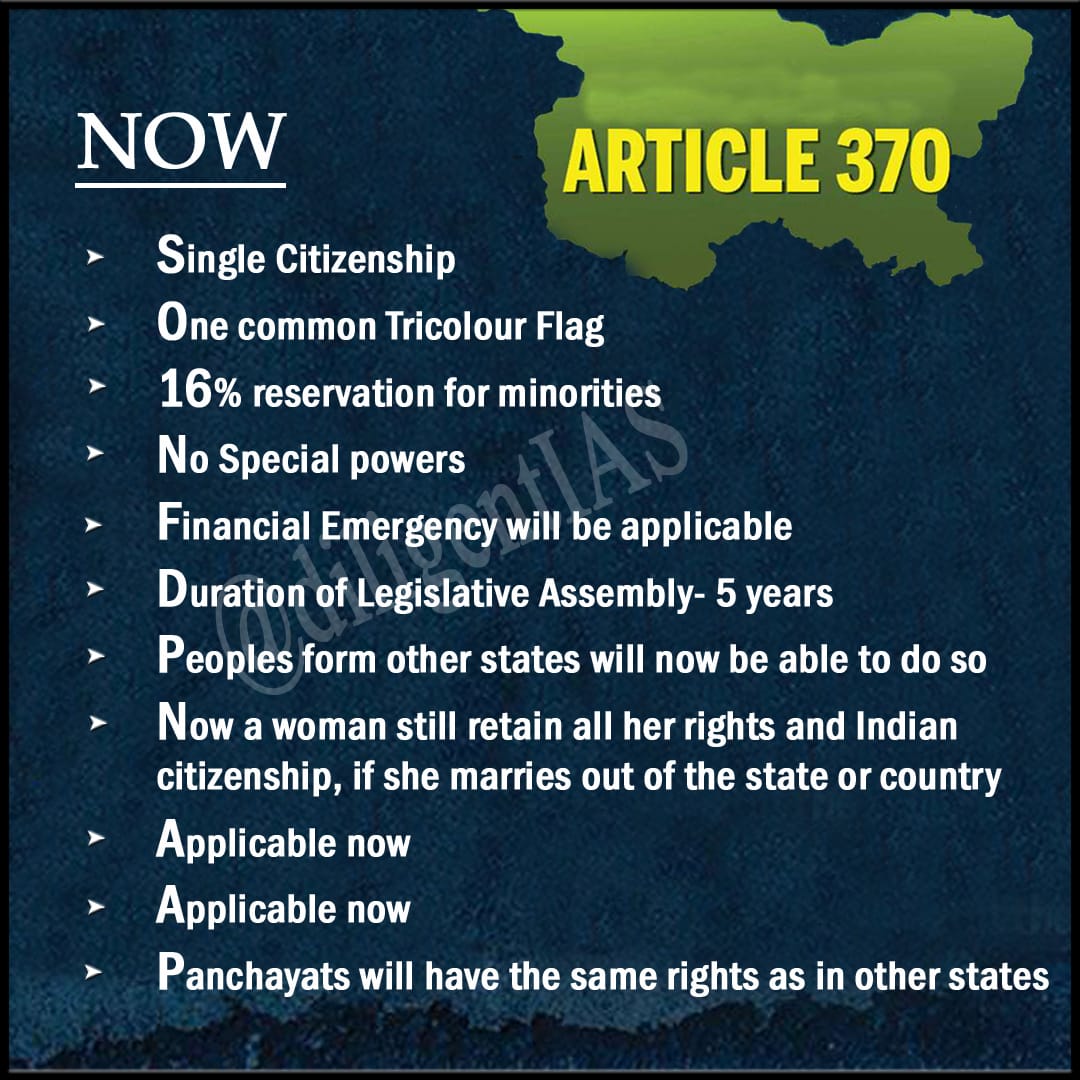
On 5th August 2019, President of India in the exercise of the powers conferred by Clause (1) of Article 370 of the Constitution had issued the Constitution (Application to Jammu and Kashmir) Order, 2019. Through this, Government of India has made modifications in Article 370 itself (not revoked it).With this, the Government of India has dramatically altered the relationship between the state of Jammu and Kashmir and the Indian Union. Order, 2019 has replaced Presidential Order of 1954.Subsequently, the Jammu and Kashmir Reorganisation Bill, 2019, passed by Parliament divides the state of Jammu and Kashmir into two new Union Territories (UTs): Jammu & Kashmir, and Ladakh.This is the first time that a state has been converted into a UT.Of the six Lok Sabha seats currently with the state of Jammu and Kashmir, five will remain with the union territory of Jammu and Kashmir, while one will be allotted to Ladakh.The UT of Jammu and Kashmir will have an Assembly, like in Delhi and Puducherry.Instead of 29, India will now have 28 states. Kashmir will no longer have a Governor, rather a Lieutenant .The special status provided to J&K under Article 370 will be abolished. Jammu & Kashmir will no longer have the separate constitution, flag or anthem. The citizens of Jammu and Kashmir will not have dual citizenship. As the new union territory of Jammu and Kashmir will be subject to the Indian Constitution, its citizens will now have the Fundamental Rights enshrined in the Indian constitution. Article 360, which can be used to declare a Financial Emergency, will now also be applicable. All laws passed by Parliament will be applicable in Jammu and Kashmir, including the Right to Information Act and the Right to Education Act. The Indian Penal Code will replace the Ranbir Penal Code of Jammu and Kashmir. Article 35A, which originates from the provisions of Article 370 stands null and void. Since Presidential Order has extended all provisions of the Constitution to Jammu and Kashmir, including the chapter on Fundamental Rights, the discriminatory provisions under Article 35A will now be unconstitutional.
The Need for Changes in abolishing A370 was dire. Article 370 was added in the Indian constitution to provide autonomy to J&K.However, it failed to address the well-being of Kashmiris who have now endured two generations of insurgency and violence. It contributed to the gap between Kashmir and the rest of the nation. In the newly-formed Union Territory of J&K, the central government is trying to formulate new rules that will give domicile rights to residents over land and in government jobs. This has been a response to the perception that the unemployment rate in J&K is higher than the national average.Domicile rights have also been a long-standing demand of the Dogras of Jammu and the Buddhists of Ladakh. While most of those interviewed by this author chose to remain silent on the issue of domicile rights, a few expressed their fears that such a move will further limit the employment opportunities for the local youth and also lead to a demographic disruption in the Valley.
Possible Consequences include rise in militancy as Article 370 was seen by Kashmiris as a marker of their separate identity and autonomy. Widespread protests and violence as a reaction to the dilution of Article 370 are bound to take place .Terror elements in Pakistan would find Kashmir to be the most fertile ground for breeding terrorism. The unrest can affect the democratic progress that has been made so far. Opposition political parties could launch a legal challenge but Kashmir is an emotive issue with many Indians, and most parties would be wary of opposing the move lest they be branded anti-India. All in all, Kashmir and the people there are reaching towards normalcy after 2 years of removing article 370, but for how long will peace prevail? India is hoping for a long one.
There are endless varieties of indoor plants to choose from, and if you’ve never cared for a plant before, you might have no idea which one to choose. Factor in that some plants are much harder to care for and require a lot of attention, and it’s even more of a challenge. If you want to spruce up your home with a little greenery but you’re new to plant parenthood and want to stick to plants that are more forgiving and low-maintenance, here’s what you need to know, from which plants to buy to how to keep them alive and happy
You don’t need a ton of time, space or even light to grow your own indoor garden, either. In fact, some plants prefer a low level of light and infrequent watering. If you live in an apartment or home with little natural light or just want something a bit more low maintenance, there are many houseplants for you to choose from.
Jade Plant
Succulents are always an indoor houseplant go-to thanks to their sturdiness and ability to survive with little to no water. This one has a defined look with plush oval leaves and a substantial height In fact; a jade plant can grow to be 3-6 feet tall. It’s a slow grower, though, so this won’t happen overnight. Like many succulents, jade plants need a lot of bright, indirect sunlight.
Aloe
As long as it gets a lot of really bright light, the Hedgehog Aloe is pretty resilient. Aloe plants grow in nutrient-poor conditions, so they’re very good at assimilating and holding onto their nutrients.Aloe is happiest in the brightest windows, so stick it in a space that faces the sunset.
Snake Plant
snake plants are tall, dark, and handsome. In addition to being able to withstand pretty much any living conditions, snake plants are also really powerful air purifiers.they can pretty much take whatever you throw at them, so they’ll be fine in slightly darker and more humid rooms.
Parlor Palm
Bright filtered light is best for this lush palm plant, but it can adapt to low light if necessary. In terms of watering, make sure you avoid over-watering your parlor palm. Keep it in a warmer spot and give it the occasional misting for good measure.
Bamboo
Like air plants, that can actually grow without soil. Simply place the stalks in a vase full of water with pebbles or marbles at the bottom. And if your bamboo starts to get too big for its container, just upgrade to a new one with a similar set-up—no actual reporting required.
With war declared, hundreds of working-class women flocked to the studio where they were employed to paint watches and military dials with the new element radium, which had been discovered by Marie Curie a little less than 20 years before. Dial painting was “the elite job for the poor working girls”; it paid more than three times the average factory job, and those lucky enough to land a position ranked in the top 5% of female workers nationally, giving the women financial freedom in a time of burgeoning female empowerment. Radium’s luminosity was part of its allure, and the dial painters soon became known as the “ghost girls” — because by the time they finished their shifts, they themselves would glow in the dark. They made the most of the perk, wearing their good dresses to the plant so they’d shine in the dance halls at night, and even painting radium onto their teeth for a smile that would knock their suitors dead.
What’s more, the painters ingested the radioactive substance as part of their job. Because some of the watch dials on which they worked were extremely small, they were instructed to use their lips to bring their paint brushes to a fine point. When they asked about radium’s safety, they were assured by their managers that they had nothing to worry about.Of course, that wasn’t true. Radium can be extremely dangerous, especially with repeated exposure. Marie Curie suffered radiation burns while handling it, and she eventually died from radiation exposure.
It wasn’t long before the “Radium Girls” began to experience the physical ravages of their exposure. Among the first was Amelia (“Mollie”) Maggia, who painted watches for the Radium Luminous Materials Corp. Maggia’s first symptom was a toothache, which required the removal of the tooth. Soon the tooth next to it also had to be extracted. Painful ulcers, bleeding and full of pus, developed where the teeth had been. Maggia died on September 12, 1922, of a massive hemorrhage. Doctors were puzzled as to the cause of her condition. In growing numbers, other Radium Girls became deathly ill, experiencing many of the same agonizing symptoms as Maggia. For two years their employer vociferously denied any connection between the girls’ deaths and their work. Facing a downturn in business because of the growing controversy, the company finally commissioned an independent study of the matter, which concluded that the painters had died from the effects of radium exposure.
In 1925 a pathologist named Harrison Martland developed a test that proved conclusively that radium had poisoned the watch painters by destroying their bodies from the inside. The radium industry tried to discredit Martland’s findings, but the Radium Girls themselves fought back. Many knew that their days were numbered, but they wanted to do something to help their colleagues still working with the deadly substance. Ingested radium had subsequently settled in the women’s bodies and was now emitting constant, destructive radiation that “honeycombed” their bones. It was literally boring holes inside them while they were alive. It attacked the women all over their bodies.
In 1927, a smart young lawyer named Raymond Berry accepted their case, and Grace (along with four colleagues) found herself at the canter of an internationally famous courtroom drama. The women had been given just four months to live, and the company seemed intent on dragging out the legal proceedings. The New Jersey radium girls’ case was front-page news, and it sent shockwaves across America.
It was the mid-1930s: America was in the grip of the Great Depression. Catherine and her friends , victims of this heinous poisoning, were shunned by their community for suing one of the few firms left standing. Though close to death when her case went to court in 1938, Catherine ignored her doctors’ advice and instead gave evidence from her deathbed. In doing so, and with the help of her lawyer, Leonard Grossman, she finally won justice not only for herself, but for workers everywhere.
The radium girls’ case was one of the first in which an employer was made responsible for the health of the company’s employees. It led to life-saving regulations and, ultimately, to the establishment of the Occupational Safety and Health Administration, which now operates nationally in the United States to protect workers. . The women also left a legacy to science that has been termed “invaluable.”
Once considered a niche diet, veganism has gone mainstream — so much so that the number of people following a vegan diet has increased by 350% in the last decade. By definition, veganism is a way of living in which people exclude, as much as possible, all forms of animal exploitation and cruelty.
At first glance, a vegan diet may seem complicated or overly restrictive. Many of my clients who are considering switching over to a vegan diet are initially worried about finding suitable vegan alternatives to their favourite meals. Yet, most find that once they get a few basics down, the transition is less difficult than they initially expected.
According to the Vegan Society, the term “vegan” was coined back in 1944 by a small group of vegetarians who broke away from the Leicester Vegetarian Society in England to form the Vegan Society. In addition to refraining from eating meat, they chose not to consume dairy, eggs, or any other products of animal origin The term “vegan” was chosen from the combination of the first and last letters of “vegetarian.” By 1949, the first definition of veganism had been born. It has changed slightly over the years to become what it is known as today. Many people use the term “vegan” to refer exclusively to diet. However, by this latest definition, veganism extends beyond eating a plant-based diet.
Those who identify as vegans typically aim to exclude animal exploitation or cruelty in all aspects of their lives, including the clothes they wear, the cosmetics they use, and the leisure activities they take part in .As a result, many vegans avoid purchasing wool coats, leather furniture, or down pillows and comforters. They may also opt to visit animal sanctuaries instead of going to zoos, the circus, or animal petting farms.
Reasons people go vegan
Health-Some people choose a vegan diet for its potential health benefits. Diets high in meat — especially red meat — have been linked to cancer, heart disease, and type 2 diabetes .On the other hand, plant-based diets have been linked to a lower risk of developing or prematurely dying from these diseases. Lowering your intake of animal products in favour of more plant-based options may also improve your digestion and reduce your risk of Alzheimer’s disease .A vegan diet can also help minimize the side effects linked to the antibiotics and hormones used in modern animal agriculture .Finally, vegan diets appear to be especially effective at helping people lose unwanted weight. Several studies link a vegan diet to a lower likelihood of obesity
Moral ideals-Ethical vegans strongly believe that all creatures have a right to life and freedom. They view all animals as conscious beings that, just like humans, wish to avoid pain and suffering .Because of this, ethical vegans are opposed to killing an animal in order to eat its flesh or wear its fur or skin. Vegans are also opposed to the psychological and physical stress that animals may endure as a result of modern farming practices — for instance, the small pens or cages that animals typically live in and rarely leave between their birth and slaughter.
Environment
People may also choose to avoid animal products in an attempt to limit their environmental impact. According to recent data, animal agriculture heavily contributes to greenhouse gas emissions (GHGEs), which cause climate change.Meat eaters are thought to be responsible for 2–2.5 times more GHGEs than people following a vegan diet. Ruminant animals, such as cattle, sheep, and goats, appear to emit the largest amount of greenhouse gases per gram of protein they deliver. Therefore, diets that reduce or totally eliminate dairy also produce significantly fewer GHGEs.
Foods that vegans eat
Avoiding animal products doesn’t restrict you to eating salads and tofu alone. There’s a wide variety of delicious foods you can eat on a vegan diet.
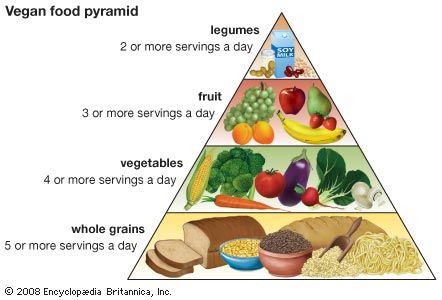
Beans, peas, and lentils: such as red, brown, or green lentils; chickpeas; split peas; black-eyed peas; black beans; white beans; and kidney beans
Soy products: such as fortified soy milk, soybeans, and products made from them, such as tofu, tempeh, and natto
Nuts: such as peanuts, almonds, cashews, and their butters
Seeds: such as sunflower seeds, sesame seeds, and their butters, as well as flaxseed, hemp seeds, and chia seeds
Whole grains: such as quinoa, whole wheat, whole oats, and whole grain brown or wild rice, as well as products made from these foods, such as whole grain bread, crackers, and pasta
Starchy vegetables: such as potatoes, sweet potatoes, corn, squash, beets, and turnips
Nonstarchy vegetables: such as broccoli, cabbage, asparagus, radishes, and leafy greens; these may be raw, frozen, canned, dried, or pureed
Fruit: such as apples, pears, bananas, berries, mango, pineapple, oranges, and tangerines; these may be purchased fresh, frozen, canned, dried, or pureed
Other plant-based foods: such as algae, nutritional yeast, fortified plant milks and yogurts, and maple syrup
There’s a good chance that many of the dishes you currently enjoy either already are vegan or can be made vegan with a few simple adjustments.For instance, you can swap meat-based main dishes for meals containing beans, peas, lentils, tofu, tempeh, nuts, or seeds.
Transitioning to a vegan diet is easier than most people think. That said, it does require a little additional nutrition knowledge.So if you’re interested in making the switch, consider seeking advice from a registered dietitian specializing in plant-based diets to make sure you’ve got your basics covered.Depending on your knowledge, budget, and culinary skills, you may also want to consider taking certain supplements to ensure you’re providing your body with all the nutrients it need
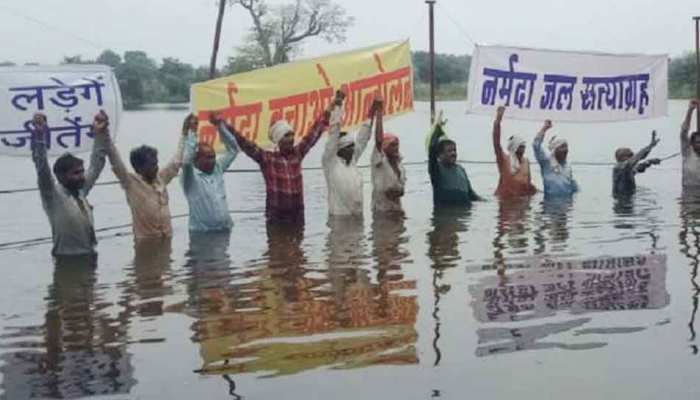
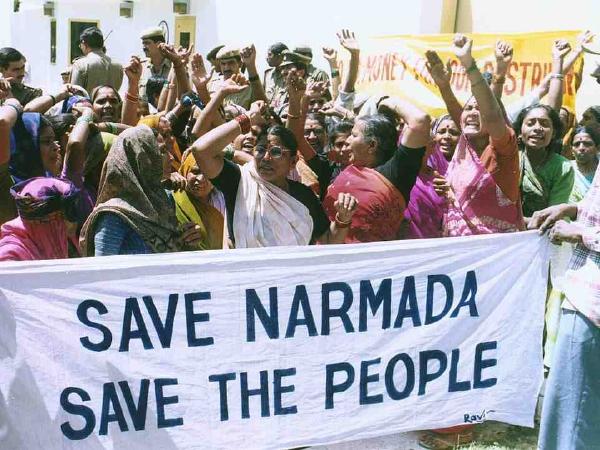
In 1985, Narmada bachao andolan became an Indian social ,and environmental movement. Narmada Bachao Andolan is the most powerful mass movement, started in 1985, against the construction of huge dam on the Narmada river. Narmada is the India’s largest west flowing river, which supports a large variety of people with distinguished culture and tradition ranging from the indigenous (tribal) people inhabited in the jungles here to the large number of rural population. The proposed Sardar Sarovar Dam and Narmada Sagar will displace more than 250,000 people. Narmada bachao andolan was led by native tribals, farmers environmentalists and Human Rights activist. Narmada bachao andolan was against and number of large Dam projects across the river Narmada, which to the states of Gujarat Madhya Pradesh and Maharashtra. The big fight is over the resettlement or the rehabilitation of these people. The two proposals are already under construction, supported by US$550 million loan by the World Bank. There are plans to build over 3000 big and small dams along the river. This protest, to express the views against a large number of dams being contrasted near Narmada river, brought a large number of adivasis, farmers, environmentalists, and human rights activists together. The movement involved prominent celebrities and people went on hunger strikes to show their support for the cause. The decision is still pending, though the court initially ruled the decision in the Andolan’s favor, thereby effecting an immediate stoppage of work at the dam and directing the concerned states to first complete the rehabilitation and replacement process. Later the court allowed the construction to proceed.
It is a multi crore project that will generate a big revenue for the government. The Narmada Valley Development plan is the the most promised and most challenging plan in the history of India. The proponents are of the view that it will produce 1450 MW of electricity and pure drinking water to 40 million people covering thousand of villages and towns. Some of the dams have been already been completed such as Tawa and Bargi Dams. But the opponents says that this hydro project will devastate human lives and bio diversity by destroying thousand of acres of forests and agricultural land. On the other hand it will overall deprive thousands of people of their livelihood. They believe that the water and energy could be provided to the people through alternative technological means that would be ecologically beneficial.
Medha Patkar and Baba Amte together let a series of protests, some of which failed while the others achieved success. In September 1989, Amte led a 60,000-person anti-dam NBA rally in Harsud—a town of 20,000 people in Madhya Pradesh that faced submersion. In May 1990, a massive NBA five-daydharna (sit-in) at then-Prime Minister V. P. Singh’s residence in New Delhi forced the Prime Minister to agree to ‘‘reconsider’’ the project. In December 1990, Amte, along with 5,000 protestors, began the Narmada Jan Vikas Sangharsh Yatra (Narmada people’s progress struggle march), marching over a hundred kilometers from Amte’s headquarters near Barwani in Madhya Pradesh to Ferkuva on the Madhya Pradesh–Gujarat border. The government reacted by deploying the Gujarati police force and by bussing in thousands of governmentsupported pro-dam demonstrators from urban centers in Gujarat. Following the government’s announcement that rising waters from the dam would begin to submerge villages, domestic protest intensified and with it the resulting backlash from the state. On January 5, 1991, Amte began a ‘‘dharna [sit-in] unto death.’’
The most popular slogans of the NBA were Vikas Chahiye, vinash nahin! (‘‘We want development, not destruction’’) and Koi nahi hatega, bandh nahi banega! (‘‘No one will move, the dam will not be built’’).Led by one of the prominent leader Medha Patkar, it has now been turned into the International protest, gaining support from NGO’S all around the globe. Protestors are agitating the issue through the mass media, hunger strikes, massive marches, rallies and the through the on screen of several documentary films. Although they have been protesting peacefully, but they been harassed, arrested and beaten up by the police several times. The Narmada Bachao Andolan has been pressurizing the world bank to withdraw its loan from the project through media .The strong protests throughout the country not only made impact on the local people but has also influenced the several famous celebrities like film star Aamir Khan , who has made open efforts to support Narmada Bachao Andolan. He said he only want that those who have been rendered homeless should be given a roof. He pleaded to the common people to take part in the moment and come up with the best possible solutions. .
In october 2010 Supreme Court approved construction in decided that the height of the Dam to be raised 90m. This is much higher than 88m which anti Dam activist demanded but it is definitely lower than the proposed height of 130 m. As the World Bank withdrew its financing in 1933 the project is now largely financed by the state governments and market borrowings ,now the project is expected to be fully completed by 2025.
Hydrogen is the chemical element with the symbol H and atomic number 1. Hydrogen is the lightest element. At standard conditions hydrogen is a gas of diatomic molecules having the formula H2. It is colorless, odorless, tasteless,[8] non-toxic, and highly combustible. Hydrogen is the most abundant chemical substance in the universe, constituting roughly 75% of all normal matter.
In the era of sustainability, Hydrogen could contribute significantly. It is considered as the fuel for future. It could be used in nuclear fusion and other innovative ideas which could be a game changer in current scenario.
Realizing the role of hydrogen, it has been classified into different categories based on color. They are:
Green hydrogen
Green hydrogen is hydrogen produced by splitting water by electrolysis. This produces only hydrogen and oxygen. We can use the hydrogen and vent the oxygen to the atmosphere with no negative impact. To achieve the electrolysis we need electricity, we need power.
Blue hydrogen
Blue hydrogen is touted as a low-carbon fuel that is used for generating electricity, heating buildings, and powering cars, trains, trucks etc. It is produced by separating natural gas into hydrogen and carbon dioxide (CO2). Blue hydrogen is often touted as a low-carbon fuel for generating electricity and storing energy, powering cars, trucks and trains and heating buildings.
Grey hydrogen
Grey Hydrogen is hydrogen produced using fossil fuels such as natural gas. Unfortunately, this accounts from roughly 95% of the hydrogen produced in the world today. Most of the hydrogen produced today is gray hydrogen. It is relatively inexpensive and commonly used in the chemical industry to make fertilizer and for refining oil.
Black or brown hydrogen
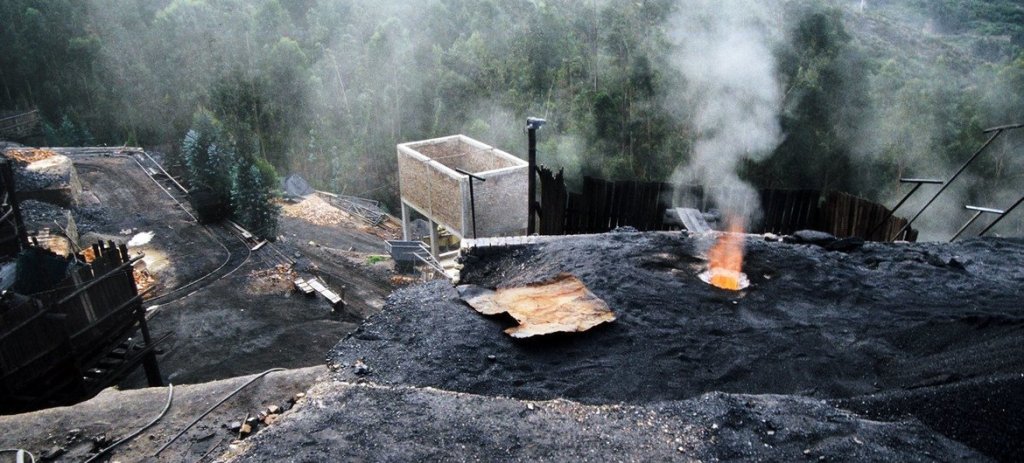
Black or brown hydrogen is produced from coal. The black and brown colors refer to the type bituminous (black) and lignite (brown) coal. The gasification of coal is a method used to produce hydrogen. It’s considered the least environmentally friendly, creating as much carbon dioxide as burning the source fuel would have in the first place. For every tons of brown hydrogen produced, around 10-12 tons of CO2 are produced.
Turquoise hydrogen
Turquoise hydrogen is made using a process called methane pyrolysis to produce hydrogen and solid carbon. In the future, turquoise hydrogen may be valued as a low-emission hydrogen, dependent on the thermal process being powered with renewable energy and the carbon being permanently stored or used.
Purple hydrogen
Nuclear-produced hydrogen can also be referred to as purple hydrogen or red hydrogen. In addition, the very high temperatures from nuclear reactors could be used in other hydrogen productions by producing steam for more efficient electrolysis or fossil gas-based steam methane reforming.
Pink hydrogen
Pink hydrogen is generated through electrolysis powered by nuclear energy. Nuclear-produced hydrogen can also be referred to as purple hydrogen or red hydrogen. The Saudi royal and politician said that women are particularly pleased to see progress being made in this industry.
White hydrogen
White hydrogen is a naturally-occurring geological hydrogen found in underground deposits and created through fracking. There are no strategies to exploit this hydrogen at present.
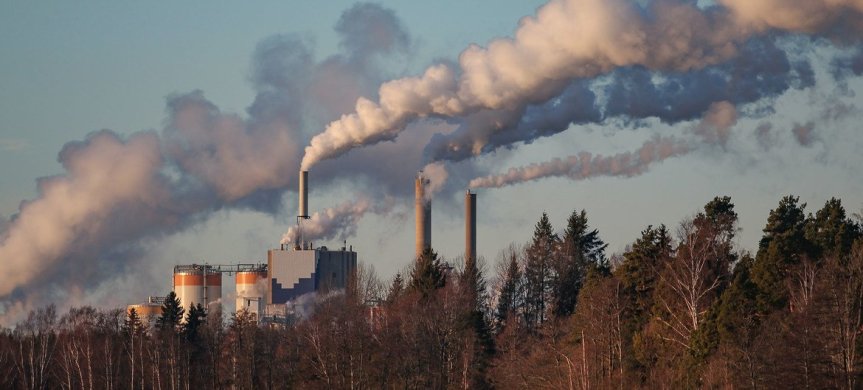
We know that India is the second most populous nation in the world. In order to meet the needs of this growing population, India is putting large amount of pressure on the natural resources. The carbon emissions and natural resource depletion by the nation is on the high.
In terms of natural resources exploitation, India is among the first ten nations. As it is a developing nation it’s contribution towards controlling these emissions is also limited.
However, realizing it’s global position as one of the leader of developing countries, it has started initiatives towards environment friendly initiatives.
Let us look into such initiatives:
Panchamrit or “five elixirs.”
These are goals laid down by India regarding its climate action. Four out of five of these so-called elixirs are short-term goals that would pave the way for achieving a net-zero emissions target by 2070. The immediate goals are:
Reaching a non-fossil fuel energy capacity of 500 GW by 2030;
Fulfilling 50 percent energy requirements via renewable energy by 2030
Reducing CO2 emissions by 1 million tons by 2030
Reducing carbon intensity below 45 percent by 2030
India will achieve net zero by 2070
Net zero goal
India’s announcement that it aims to reach net zero emissions by 2070 and to meet 50% of its electricity requirements from renewable energy sources by 2030 is a hugely significant moment for the global fight against climate change. India is pioneering a new model of economic development that could avoid the carbon-intensive approaches that many countries have pursued in the past – and provide a blueprint for other developing economies.
International solar alliance
The International Solar Alliance (ISA) is an alliance of 105 signatory countries (81 of whom are members), most being sunshine countries, which lie either completely or partly between the Tropic of Cancer and the Tropic of Capricorn. The primary objective of the alliance is to work for efficient consumption of solar energy to reduce dependence on fossil fuels. This initiative was first proposed by Indian Prime Minister Narendra Modi in a speech in November 2015 at Wembley Stadium (London HA9 0WS, United Kingdom), in which he referred to sunshine countries as Suryaputra (“Sons of the Sun”). The alliance is a treaty-based inter-governmental organization. Countries that do not fall within the Tropics can join the alliance and enjoy all benefits as other members, with the exception of voting rights.
National action plan for climate change
National Action Plan for Climate Change (NAPCC) is a Government of India’s programme launched in 2008 to mitigate and adapt to the adverse impact of climate change. The action plan was launched in 2008 with 8 sub-missions. The plan aims at fulfilling India’s developmental objectives with focus on reducing emission intensity of its economy. The plan will rely on the support from the developed countries with the prime focus of keeping its carbon emissions below the developed economies at any point of time.
Indian government has also formulated several new schemes and incorporated climate conscious initiatives in its existing schemes realizing the urge of the hour. Being a large nation, India’s efforts will contribute significantly towards world efforts.
Let us join our hands in the efforts of the nation.
Methane is a rapidly accelerating part of the climate problem. It is the primary component of natural gas, and it warms the planet more than 80 times as quickly as a comparable volume of atmospheric CO2 over a comparable amount of time
Methane receives much less attention than carbon dioxide, but it’s recently been in the news due to the conflict in Ukraine and due to new research on leakage of the gas in the Permian Basin — a fossil fuel-rich part of the United States (US).
Although methane is rising in the atmosphere, there’s no consensus among scientists on how much methane is coming from various sources.
Why is Methane More Harmful?
Methane is an invisible gas that can significantly exacerbate the climate crisis. It is a hydrocarbon that is a major constituent of natural gas used as fuel to run stoves, heat homes, and also to power industries.
Methane can be thought of as a thicker blanket than carbon dioxide — one that is capable of warming the planet to a greater extent in a shorter period.
It has an immediate effect on warming the planet. However, unlike carbon dioxide which remains in the atmosphere for hundreds of years, methane exerts its warming effects for roughly a decade.
Methane pollution, which is a primary component of ground-level ozone and emitted alongside toxic chemicals such as benzene, has been linked to heart disease, birth defects, asthma and other adverse health impacts.
What are the Sources of Methane?
Biological Sources: There are biological sources of methane – it is made from some organic compounds by methane-generating microbes known as methanogens.
Methanogens are found in various natural environments where little or no oxygen is present.
Such environments include wetlands, landfills that are not well vented, and submerged paddy fields.
Agriculture: Agriculture is the predominant source of global methane emissions. Livestock emissions – from manure and gastroenteric releases – account for roughly 32% of human-caused methane emissions. Cows also belch out methane.
Paddy rice cultivation – in which flooded fields prevent oxygen from penetrating the soil, creating ideal conditions for methane-emitting bacteria – accounts for another 8% of human-linked emissions.
Emissions from Fuel and Industries: Fugitive emissions of methane from gas, coal, and oil sites are contributing to the climate crisis, but the extent of leakage of this potent greenhouse gas has been difficult to determine.
Methane leakage occurs at every stage of the supply chain from extraction and transport to use in homes and industries.
Much of the methane being released is due to “ultra-emitters”, which spew out copious amounts of the gas.
What has been Done to Curb Methane Emissions?
COP 26 Pledges: At COP26 in Glasgow, over 100 countries signed an agreement to cut methane emissions by 30% by 2030 as methane might be easier to deal with than carbon dioxide (which is more deeply embedded in the global economy).
Ahead of this agreement, the US President announced the Global Methane Pledge, which is an US-EU led effort to cut methane emissions by a third by the end of this decade.
MethaneSAT: Controlling methane emissions will require further scrutiny of its sources. To this end, satellites that will track methane leakage such as MethaneSAT have been planned to launch.
MethaneSAT is a planned American-New Zealand space mission scheduled for launch later in 2022.
It will be an Earth observation satellite that will monitor and study global methane emissions in order to combat climate change.
UN Initiatives: The UN Food Systems Summit in September 2021 was also aimed at helping make farming and food production more environmentally friendly.
The UN’s Koronivia Joint Work on Agriculture initiative is supporting the transformation of agricultural and food systems, focusing on how to maintain productivity amid a changing climate.
India’s Initiative: Central Salt & Marine Chemical Research Institute (CSMCRI) in collaboration with the country’s three leading institutes developed a seaweed-based animal feed additive formulation that aims to reduce methane emissions from cattle and also boost immunity of cattle and poultry.
What Measures can be taken Further to Reduce Methane Emissions?
In the Energy Sector: Methane emissions occur along the entire oil and gas supply chain, but especially from fugitive emissions from leaking equipment, system upsets, and deliberate flaring and venting.
Existing cost-effective solutions can help reduce emissions, including initiating leak detection and repair programs, implementing better technologies and operating practices, and capturing and utilizing methane that would otherwise be wasted.
In Agriculture: The farmers can provide animals with more nutritious feed so that they are larger, healthier and more productive, effectively producing more with less.
Indian Council of Agricultural Research (ICAR) has developed an anti-methanogenic feed supplement ‘Harit Dhara’ (HD), which can cut down cattle methane emissions by 17-20% and can also result in higher milk production.
When it comes to staple crops like paddy rice, experts recommend alternate wetting and drying approaches that could halve emissions.
Rather than allowing the continuous flooding of fields, paddies could be irrigated and drained two to three times throughout the growing season, limiting methane production without impacting yield.
That process would also require one-third less water, making it more economical.
In the Waste Sector: The waste sector accounts for around 20% of global human-caused methane emissions.
The cost-effective mitigation solutions with the greatest potential related to separating organics and recycling also have the potential of creating new jobs.
Upstream avoidance of food loss and waste is also key.
Additionally, capturing landfill gas and generating energy will reduce methane emissions, displace other forms of fuels and create new streams of revenue.
Role of Government: The Government of India should envision a food system transition policy to help its people grow and consume food differently.
Instead of working in silos, the government must develop a comprehensive policy that moves farmers to sustainable modes of plant-based food production, diverts subsidies from industrial livestock production and its associated inputs, and looks at job creation, social justice, poverty reduction, animal protection and better public health as multiple aspects of a single solution.
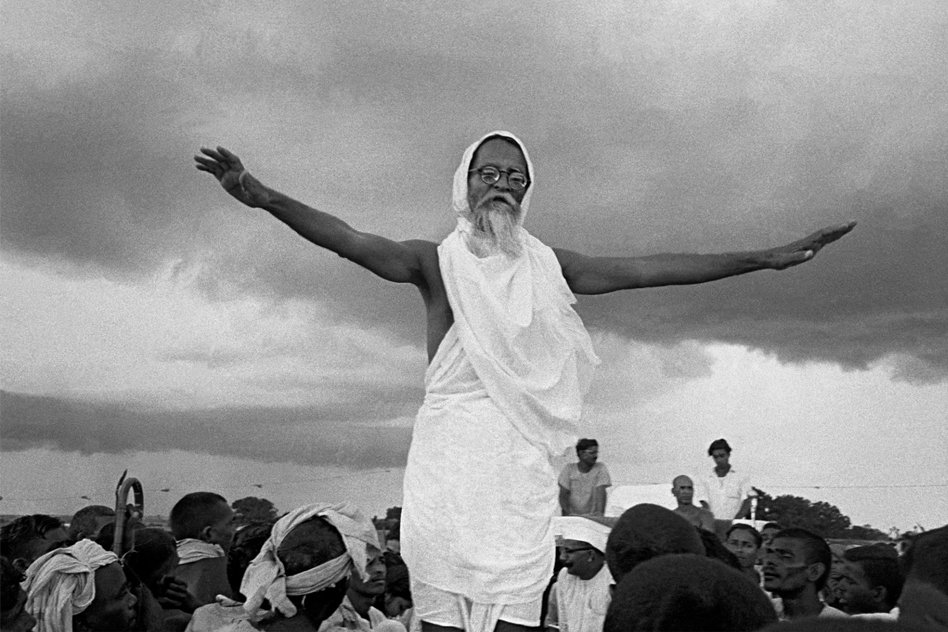
Vinoba Bhave was born in Gagode village, Raigad, Maharashtra. A keen follower of Mahatma Gandhi, Vinoba Bhave took part in the freedom struggle and started the Bhoodan movement in 1951. He was an avid social reformer throughout his life. Vinoba Bhave, a humble spiritual leader, the first non-violent resister to the Britishers and reformer of Independent India started what we know as the Bhoodan movement – a landmark in Indian history where its mission was to persuade wealthy landowners to willingly give a small share of their land to the landless people .About four years later after india gained independence, Vinoba Bhave carried out a unique movement of his own. He travelled across all of India to convince the wealthy land-owners or land-lords to share a small area of their land with their poor and downtrodden neighbours with the condition that they can’t sell the land. Over a span of 20 years, a total of 4 million acres of land was shared across the country through this movement. Bhoodan literally means a donation of land. As implied by the name, in this movement, landlords voluntarily give up land to be distributed to landless labourers, who would then cultivate the land..
How it started
Bhoodan or Land Gift movement began with Acharya Vinoba Bhave in 1951 in Telangana. An inspirational icon, Vinoba Bhave’s work & dedication impacted people all across the country. He vowed to life-long celibacy as well as selfless service for others when he was as young as 10 years old. As it is said about him, “Perhaps none of Gandhi’s followers have created so many worshippers of Truth & Non-violence, so many genuine workers as has Vinoba Bhave.” It all began on April 18th 1951, which we now know as the historic day this movement began. Vinoba Bhave stepped into the Nalgonda district, which was the epicenter of communist activity in the region. He stayed at Pochampalli, a village with about 700 families who have him a hearty welcome. He visited the ‘untouchables’ or Harijan colony, where they asked for 80 acres of land for 40 families. As documented in history, while the discussion was going on, Ram Chandra Reddy who was the local landlord, got up and exclaimed, “I will give you 100 acres for these people.” This made Vinoba come up with an idea, that this may have the solution for possibly resolving land issues across the country. Soon, this movement led to become the Gramdan or village-gift movement and went through many levels of allied programmes and initiatives. In October 1951 rose a demand for fifty million acres of land for the landless in the whole of India by 1957, thus turning a small goal into a mass-scale movement. The success lasted till 1957, post which it slowly faded.
Outcomes
It gained a lot of success, especially in Northern India in UP and Bihar. Over 4.5million acres of land in India was given as a donation by 1957. The core belief of land being a gift of earth which belonged to everyone made its way into minds of everyone. With time, many problems seeped into the movement later such as slow progress, bribery, donating bogus land, greed to get more land or incorrect implementation in some regions. The movement soon failed due to increasing misuse of a voluntary movement for self-serving purposes by a few.
To conclude taking an overall view it cannot be gainsaid that the Bhoodan – Gramdan Movement, despite all its real & apparent limitations, it would ever be deemed as a glorious attempt for a peaceful & non-violent solution of the basic land problem of Indian society & through it for a non-violent reconstruction of the Sarvodaya socio-economic-politico order of universal relevance & significance
We all are consumers in some way or the other. Even before we are born, we are consumers and this cycle completes only after our death. In this era of consumerism, it is extremely difficult for one to not be a consumer and being a consumer is something to be ashamed of.
Even though being a consumer is not bad, exploitation by consumer is something to worry about. Unlike a socialist economy in a capitalist world, the producers produce what the consumers demand. So, the responsibility vested with the consumer is rising day by day. When a consumer makes an irresponsible choice, he is encouraging the producer to be exploitative. Realising this power of consumers, a new term has originated, green consumer.
Who is a green consumer?
A green consumer is a person who makes a wise choice. They buy a product or avail a service after considering the environmental impact. They check the components of the product, the environmental effects of the product and such aspects in detail.
Economic, social, and cultural forces have set the framework for green consumerism. This is because it is a social attitude and movement in the modern era, especially aimed at encouraging people to be more aware of the firms’ production processes and only to buy or use products and services that do not harm the environment. For this reason, green consumerism has created a balance between the buyers’ behaviours and the organizations’ profit objectives as it mostly based on the sustainable and pro-environmental behaviour of consumers.
Why is it important to be a green consumer?
From second half of the twentieth century, world has started its efforts for environment conservation. Even though commerce and industries are one of the largest contributors to environment degradation, they were the last to act for environment protection. One such arena is green consumerism. In a world which spins on the axis of consumerism it is important for a consumer to make environment friendly choices. Also, there is shift in the mindset of the businesses from seller centric to consumer centric approach. Recognizing this immense power vested with them consumers could influence the market to produce environment friendly goods. Also, the fact that environment degradation could lead even to the extinction of humankind has opened the eyes of general public.
How to be a green consumer?
Use paraben free products.
Use cloth bags and don’t demand plastic carry bags.
Promote organic goods.
Avoid using synthetic materials that could harm the world
Avoid pollutants while choosing products.
Use recycled products.
Avoid the practice of use and throw.
Give importance to energy efficiency.
Practice modern methods of environment protection.
Shop according to the need.
Minimize paper usage
Check energy labels in daily utility products
Avoid using bottled water
Reduce electricity consumption
Reduce your carbon footprint
Check for environment friendly certification.
Ultimately change of mindset is the most significant factor in green consumerism. It requires people to avoid certain comforts and embrace the difficult but fruitful path. It is the duty of consumers to influence the producers to shift towards a greener path. The consumer is the king in the present scenario. They should use their power for the good of the world.
Let us all strive to act green for a better future. We should lead a sustainable living and preserve what inherited for the coming generations.
Jadav Peyang from Jorhat district in Assam was given the title of “The Forest Man” in Delhi by government of Indian on World Earth Day in 2010 for turning a barren land of 550 acres into a forest all by himself. It took him nearly 30 years to accomplish the task. It is officially called as Molai Forest. The locals call it “Molai” as a tribute to Jadav who used to be a fair child with pink cheeks, thus resembling a Mola(raddish in local language). At the age of 16, Jadav Payeng had experienced that a large number of snakes died due to excessive heat after floods washed them onto the sandbar. He then planted around 20 bamboo seedlings on the sandbar of the Brahmaputra river.
He started working in the forest from 1979 when the Social Forestry division of Assam’s Golaghat district had launched a scheme of tree plantation on 200 hectares of land at Aruna Chapori, situated about five kilometres from Kokilamukh in Jorhat district. He was one of the labourers of the project which was completed after five years. Jadav has a simple solution to the global problem of depleting forest cover: teach our children to love Nature. “The rest will happen on its own,” he feels. According to wildlife experts, the forest atrracts around world’s 80% migratory birds.Jadav’s story also inspired a children’s book, Jadav and the Tree Place, that tells his story of how he made a forest that is now home to wild animals. He has been the subject of award-winning documentaries and now people travel across the globe to see the Molai forest. His inspirational story is also being taught in ecology classes at schools across the United States.
The first Earth Day in 1970 launched a wave of action, including the passage of landmark environmental laws in the United States. The Clean Air, Clean Water, and Endangered Species Acts were created in response to the first Earth Day in 1970, as well as the creation of the Environmental Protection Agency (EPA). Many countries soon adopted similar laws. Earth Day continues to hold major international significance: In 2016, the United Nations chose Earth Day as the day when the historic Paris Agreement on climate change was signed into force.
Now, the fight for a clean environment continues with increasing urgency, as the ravages of climate change become more and more apparent every day. As the awareness of our climate crisis grows, so does civil society mobilization, which is reaching a fever pitch across the globe today. Earth Day was a unified response to an environment in crisis — oil spills, smog, rivers so polluted they literally caught fire. On April 22, 1970, 20 million Americans — 10% of the U.S. population at the time — took to the streets, college campuses, and hundreds of cities to protest environmental ignorance and demand a new way forward for our planet. The first Earth Day is credited with launching the modern environmental movement and is now recognized as the planet’s largest civic event.
Earth day continues to grow as a worldwide event focused on promoting clean living and a healthy, sustainable habitat for all living beings. The day also reminds us how fragile our planet is and how it is important to save it from the global climate crisis that is worsening with each passing day. The theme of Earth Day 2022 is to ‘Invest in our planet’, urging businesses to shift towards sustainable practices. According to the UN, “Despite on-going efforts, biodiversity are deteriorating worldwide at rates unprecedented in human history. It is estimated that around one million animal and plant species are now threatened with extinction”. As per Earth Day Organization, “We need to act (boldly), innovate (broadly), and implement (equitably). It’s going to take all of us all in. Businesses, governments, and citizens — everyone accounted for, and everyone accountable. A partnership for the planet.”
On the occasion of Earth Day 2022, American tech giant Google also dedicated the artwork through its Doodle to raise awareness about climate change. The artwork showcases real time-lapse imagery from Google Earth Time-lapse and other sources to showcase the impact of climate change across different regions.
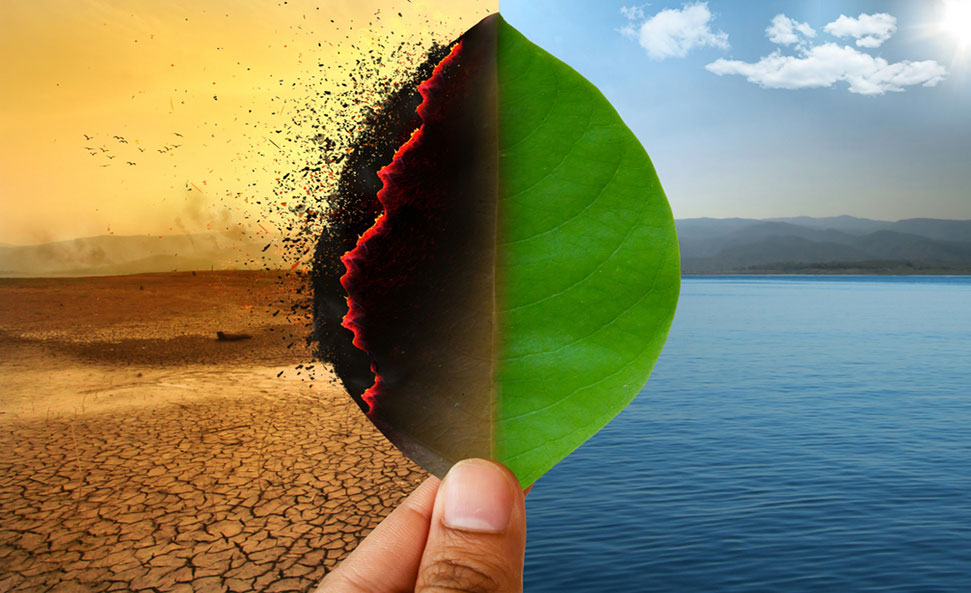
Every year we celebrate earth day on 22nd of April as a reminder for the mankind to protect and safeguard the mother earth and its species, to make Earth a better place for the coming generations. It’s gained a lot of popularity and significance in the world in the recent years as to global crisis relating to environment like global warming, deforestation, climate change etc.
We celebrate our mother earth with ‘World Earth Day, which marks the anniversary of the Modern Environmental Movement, which started in 1970. World Earth Day is a reminder for mankind to protect and safeguard the mother earth and its species, to make Earth a better place for the coming generations. April 22, 2022, will mark 52 years of Earth Day. Today, Earth Day is widely recognized as the largest secular observance in the world, marked by more than a billion people every year as a day of action to change human behaviour and provoke policy changes.
The color green is often associated with sustainability and environment protection. Similarly, when we refer to commerce, we often associate it with exploitation of environment. But with change in time commerce has also realized the need for going green.
Recognizing the urge of the hour commerce has also developed a whole lot of initiatives. Recently, several branches of commerce have evolved with the idea of going green. These require the co operation of entire community as it involves an overall shift in the practices.
Let us look into some of these areas:
Green consumerism
Green consumerism deals with the process in which consumers demand products and services that have undergone an eco-friendly production process or one that involves recycling and safeguarding the planets’ resources. The green consumer is an opinion leader and a careful shopper who seeks information on products. Including information from advertising about the green aspects of products. If you want to be a green consumer start with small initiatives like avoid demanding plastic carry bags, start using paraben free products, etc. There Is a direct environmental impact of green behaviors. The growing environmental hazards, associated with the ever-growing consumption of such poisonous produces, have been creating several health-related problems, giving way to greater concerns over the consumption of these products among the people.
Green governance
The inculcation of green initiatives with corporate governance is termed as green governance. In India the provisions of Information technology act have led to the growth of green governance. The act promotes usage of digital documents and provides legal validity for digital signature. It has also laid down provisions for regulating hard copy of documents. Similarly, several initiatives are adopted around the world in the field of corporate governance to promote green initiatives.
Green marketing
Green marketing is the marketing of products that are presumed to be environmentally safe. It incorporates a broad range of activities, including product modification, changes to the production process, sustainable packaging, as well as modifying advertising. It not only refocuses, adjust or enhance existing marketing thinking and practices but also provides a substantially different perspective. In a broader sense, eco marketing belong to the group of approaches which seek to address the lack of fit between marketing as it is currently practiced and the ecological and social realities of the wider marketing environment.
Green finance
Green financing is emerging as on equivalent to socially responsible investing Eco-investing or green investing, is a form of socially responsible investing where investments are made in companies that support or provide environmentally friendly products and practices. These companies encourage new technologies that support the transition from carbon dependence to more sustainable alternatives. Green finance is “any structured financial activity that has been created to ensure a better environmental outcome.” Green financing could be promoted through changes In countries regulatory frameworks, harmonizing public financial incentives, increases in green financing from different sectors, alignment of public sector financing decision-making with the environmental dimension of the Sustainable Development Goals, increases in investment In clean and green technologies, financing for sustainable natural resource-based green economies and climate smart blue economy, increase use of green bonds, and soon.
Along with the shift in global thoughts, commerce and its allied activities have also moved towards green alternatives. Recognizing the need for climate resilient initiatives we all should assist the businesses in adopting the above initiatives.
Rather than putting the blame on a particular industry or sector, let us all join our hands in making our earth greener. Ultimately it’s the implementation of these initiatives that matter the most.







-5.jpg?q=50&fit=crop&w=750&dpr=1.5)

























 Eduindex
You must be logged in to post a comment.