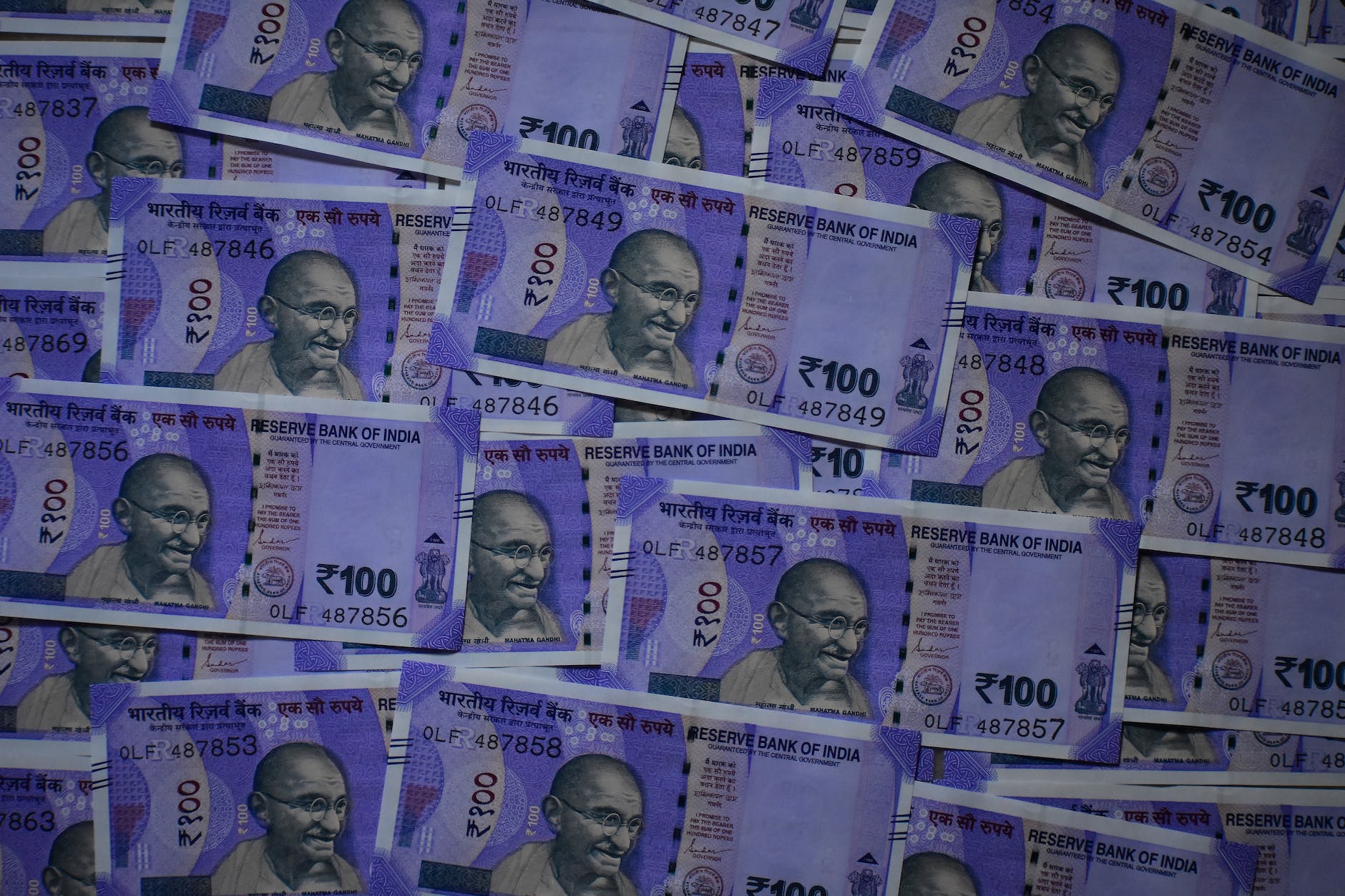
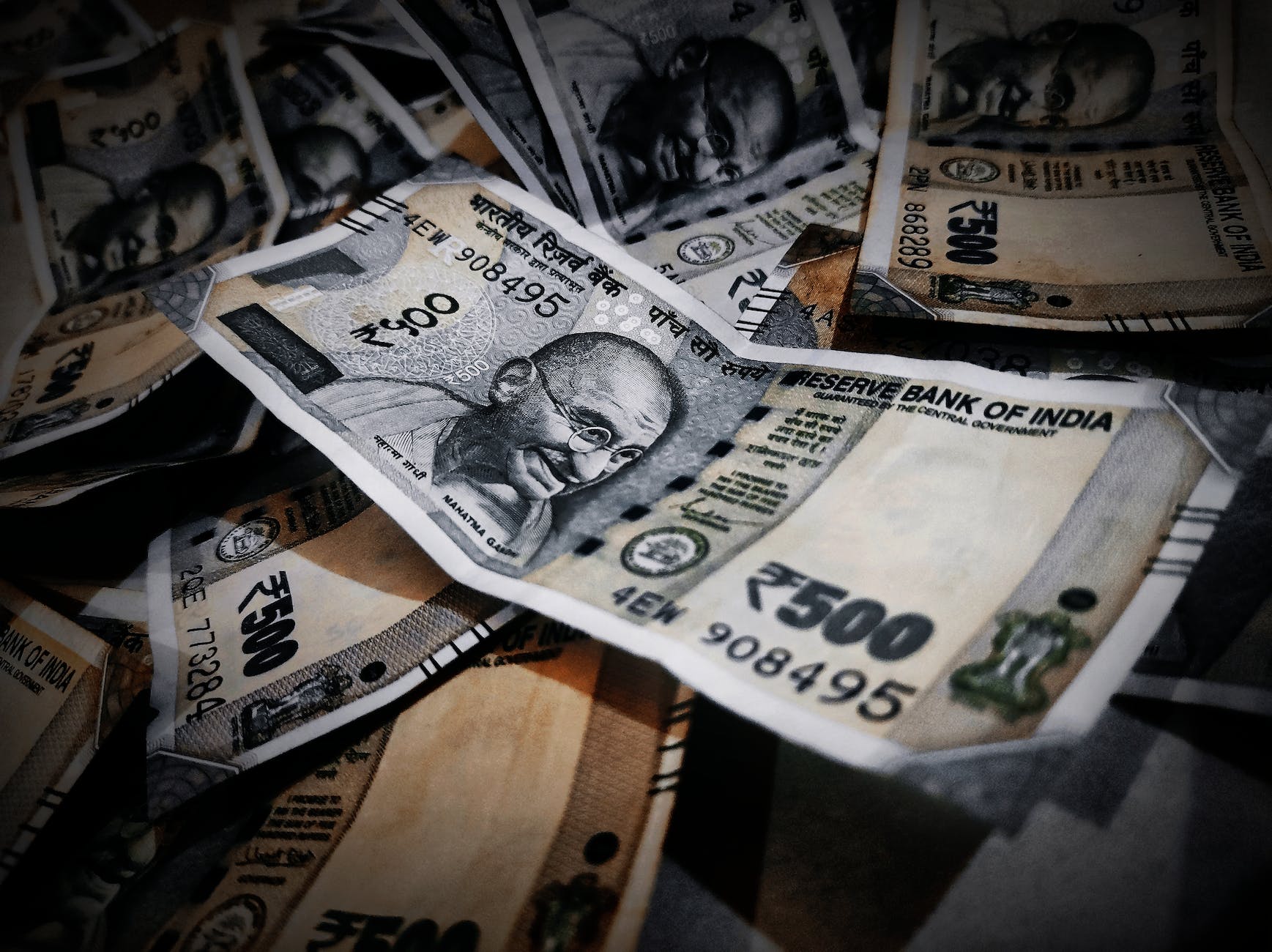
USA removes India from its currency monitoring list.

The United States Department of Treasury has taken off India’s name from the from its Currency Monitoring List of major trading partners. In its biannual report to Congress, the US’ Treasury Department conveyed that along with India, it had also removed Mexico, Thailand, Italy and Vietnam from the list. With this, seven economies that are now on the current monitoring list include Japan, China, Korea, Singapore, Germany, Malaysia and Taiwan.

The Currency Monitoring List closely follows the currency policies of some of the US’ major trade partners. If a country appears on the list, it is regarded as a “currency manipulator”. A ‘currency manipulator’ is a designation that the US government authorities give to countries that according to the US, engage in “unfair currency practices” for trade benefits. Thus, inclusion in the list simply means that the country is artificially lowering the value of its currency to get an advantage over others. This is because a lower currency value leads to reduced export costs from that country. 

Removal of India from the list by the US’ Treasury Department can be seen as a positive news both in terms of market aspect and India’s monetary policy-making. If Indian market experts are to be believed, the development means that the Reserve Bank of India (RBI) can now take robust measures to manage the exchange rates effectively, without being tagged as a currency manipulator. This may also be a big win from a markets standpoint and also signifies the growing role of India in global growth.

Rupee might slide further, according to a recent report.

The Indian rupee has been hitting new lows, week after week. From holding on to 74 against the US dollar in January to dropping to 83 last week — a double-digit fall in percentage terms in just 10 months — the rupee’s depreciation has not augured well for the economy. Economists caution that the currency could plunge further in the coming months before settling down. Some forecasters argue that the rupee could rebound and gain strength in the next fiscal year.

The fall of the rupee has been precipitated by global factors and an unusual strengthening of the dollar against almost all major currencies of the world. While the rupee has performed way better against the greenback than biggies such as the pound and the euro, the runaway dollar can’t be taken lightly since it has a massive fallout on India’s import bills and inflation.

The rupee will fall further against the US dollar over the rest of the year, a Reuters poll last week showed, setting up the currency for its steepest annual decline in at least nine years due to a widening domestic trade balance and surging US interest rates.

It is likely to fall further to 84.50 by December, according to the mean and median forecasts of a poll of 14 bankers and foreign exchange advisors. The estimates in the poll ranged between 83.25 and 86, showing a broad consensus that the Rupee would not recover this year.

Status of India’s Forex reserve.

Until the beginning of this year, the country had saved enough for the rainy day, because of strong capital flows in the past. However, those reserves are depleting fast. India lost nearly $85 billion of its forex reserves in the first half of the fiscal year, the second biggest depletion among major emerging market (EM) peers during the period.

India’s forex reserves were $528.4 billion as of 14 October, the lowest since July 2020, and sharply down from the record $642.4 billion last year. The rupee has crashed more than 10% against the US dollar this year and slipped below 83 for the first time in past few weeks.


To help arrest rupee’s record fall, the Reserve Bank of India has also burned $114 billion from its forex coffer, triggering concerns on this front as well. The central bank has however attributed about two-thirds of the decline to valuation effects. The decline of the forex reserves cannot be solely attributed to a central bank’s intervention to defend the currency against the dollar.

There has been a sharp depletion of forex reserves in the last few months, but what is comforting is India’s high level of reserves that has enabled it to withstand the sharp depletion without any major panic so far. Another comforting factor is the country’s low external debt (20% of gross domestic product) and the short-term debt as a share of total external debt is around 20%.

Inflation not yet in control.

In twin blows to Indian economic revival, higher food prices drove retail inflation to a five-month high of 7.4 per cent while factory output fell for the first time in 18 months. This relates to data of september month.

The second consecutive month of rise in consumer price index (CPI)-based inflation will add to the pressure on the Reserve Bank of India (RBI) to again raise interest rates to tame high prices.

Inflation has been above the targeted zone for the ninth month in a row and as per statute, the RBI will now have to explain to the government in writing why it failed to keep prices below 6 per cent.

This is the ninth consecutive month where the inflation print has remained above the upper band of 6 per cent and the second successive quarter where the average is higher than 7 per cent.

Irregular rainfall is said to be the primary reason behind higher inflation in vegetable and fruits. While inflation in cereals has also inched up, the steps taken by the government and a reasonably healthy Kharif output are expected to address the concerns behind the further hike in prices.

RBI may soon launch E-Rupee on pilot phase.

E-rupee or digital rupee is a digital version of the Indian rupee that the RBI is exploring. The RBI has proposed to issue two versions – wholesale for interbank settlement and retail for the public. According to the indirect model proposed by the RBI, you will hold the digital rupee in a wallet with a bank or service provider.

The Reserve Bank of India on 7th october said it will soon commence the pilot launch of digital Rupee or e-Rupee for specific use cases as it tests digital currency in India.

“As the extent and scope of such pilot launches expand, RBI will continue to communicate about the specific features and benefits of e-rupee, from time to time,” the central bank said in a concept note on Central Bank Digital Currency (CBDC).

The concept note also discusses key considerations such as technology and design choices, possible uses of the digital rupee, and issuance mechanisms, among others.

Depreciating Rupee.

The Indian rupee on 22 September fell to all-time low of 81.20 against US dollar in early trade on the back of US Treasury yields climbing to fresh multi-year highs and dollar demand from importers. Currently the rupee had suffered its biggest single session percentage decline since February, due to lack of aggressive intervention by the Reserve Bank of India (RBI) and a very U.S. hawkish Federal Reserve rate outlook, traders said.

One of the reasons that RBI couldn’t rescue the fall in the currency was inadequate liquidity in the banking system which is currently in deficit. RBI’s intervention in the spot market could make the case worst for the banking system liquidity amid short-term interest rates going higher.

The Central bank in a an attempt to handle the depreciating rate of rupee, frequently burnout forex. In just eight months between mid-January and mid-September this year, forex reserves have depleted by almost $90 billion, or approximately an average of $11 billion a month. For the week-ended September 16, India’s forex reserves stood at $545.65 billion compared with $634.97 billion in the week-ended January 14.

However, faced with dwindling forex reserves, the Reserve Bank of India (RBI) may not be aggressive in defending the Indian currency and allow it to catch up with other emerging market (EM) currencies that have dropped more.

How UPI is a financial revolution.

United Payment Interface (UPI), a term unheard or unbelieved until April 2016, but in Modern India, UPI is the flag-bearer of the ongoing Financial Revolution.

From a tea vendor selling a Rs 10 Cutting Chai to a showroom with a pricey product range, a large section of our society has adapted to UPI. It actively utilises the mechanism for seamless payments. In the early stages, a year after the launch of UPI, the total number of payments was 6% compared to 36% of Card payments. However, in FY 2021, UPI’s share expanded to 63%, while the percentage of Card payments shrunk to 9%. The progressive advancement of UPI has not just constructed an efficient payment instrument, but it has connected millions on an inclusive and well-structured Digital platform.

It must be noted that the underlying infrastructure of Immediate Payment Service (IMPS) has been paramount for UPI’s grand success. Adopting a UPI ID rather than entering bank account numbers and IFSC codes has made transactions effortless. Integration with Bharat Bill Payment System (BBPS) for recurring Bill Payments has been crucial in creating an innovative platform.

The Indian real-time payments market is well developed when directly compared with other markets like the US, the UK, Canada and Australia, according to a report published by ACI Worldwide. The report also forecast that the share of all transactions occurring via real time instrument was expected to increase to 70.7 per cent in 2026 from the present 31.3 per cent. The report predicted that in 2026, business and consumer level benefits due to India’s real time instant payment was expected to reach $92.4 billion, adding, that it will have an impact of $54.9 billion or 1.12 per cent in India’s GDP.

Inflation and its types.

Inflation is a general progressive elevation in the prices of services and goods within the economy. It denotes the rate of prices’ elevation within a specific duration. Inflation reduces the purchasing power of money since every unit of currency buys lesser services and goods. Generally, when inflation occurs, the income usually stays the same; however, the level of spending increases. The definition of inflation is the reduction of the purchasing power of a particular currency over a specific timeframe. Inflation is quantitatively estimated by reflecting the elevated average level of prices of selected services and goods within an economy over a given duration. Inflation in economics refers to the collective elevation in money supply, in prices or money incomes. Thus, inflation is an excessive increase in the general level of prices. The inflation concept in common parlance outlines inflation as a quantifier of the elevating rates of services and goods within the economy. In this light, inflation is deemed to occur due to an increase in prices when there is an elevation in the cost of production. However, inflation can occur when there is a demand for particular services and products because the buyers are willing to purchase the product at higher prices. Inflation also declines the value of money.

Types of Inflation.

Demand-Pull Inflation 

Demand-pull Inflation emerges when the total demand for goods and supply is higher than the capacity of production in the market. An increase in demand with constant rate production creates a demand-supply gap. In this type of Inflation, demand is much higher than the production, which in turn increases the prices of goods and services.

Cost-Push Inflation 

Sudden shortfall of supply leads to a surge in the cost of production, which increases the rate of Inflation. For example, soap and shampoo prices may rise if the chemicals used in making these become costlier. This is known as cost – pull Inflation. 

Built-in Inflation

When the cost of wages of the workers increases, to keep up with their demand, the firm increases the cost of production, which leads to the rise in the cost of goods.

Inflation in India:

In India, the ministry of statistics and program implementation measures Inflation. India’s central bank i.e., The Reserve Bank of India (RBI), limits the inflation rate through its monetary policy by using tools such as repo rate, the reverse repo rate, CRR, etc. Inflation is measured by two indices in India, which is the Consumer Price Index (CPI) and Wholesale Price index (WPI). CPI and WPI measure retail and wholesale level price changes, respectively. CPI measures the rise in prices of commodities and services such as medical care, food, education, etc. WPI captures goods or services sold by a business to smaller businesses for selling further.

Reducing India’s Forex reserves.

India’s forex reserves are at an alarmingly low stage and have dropped with the aid of 23 months of use. For the week ending September , India’s overseas foreign exchange (forex) reserves fell to $553. The lowest level in over a year, consistent with figures from the Reserve Bank of India (RBI).

The Reserve Bank of India saved its currency and intervened to save the rupee from falling beyond eighty to the greenback at some point every week whilst the greenback surged to over-decade highs, inflicting India’s forex reserves to plummet to their lowest stage in more than a decade and staining the third consecutive week of decline.

The rupee has fallen from around seventy-four to close to eighty against the greenback, a trend that experts say the RBI has maintained vehemently, echoing a drop in FX reserves of slightly more than sixty-seven billion since the Ukraine disaster and more than eighty billion from all-time highs last year. The effect of the appreciation or depreciation of non-greenback currencies like the Euro, British Pound Sterling, and Japanese Yen held in forex reserves is blanketed within the overseas forex belongings expressed in US dollars.

Experts say that the forex reserves have witnessed a fall as a result of the Reserve Bank of India’s (RBI) intervention to rein the currency volatility. In 2022, the rupee has declined by about 7 per cent, which has also made imports costlier.  Even though India’s forex reserves have seen a decline in the past few months, experts say the situation is not at all alarming. Experts say the country has a significant amount of forex reserves.

“Using UPI is not going to be chargeable” Clarified.

The RBI discussion paper issued earlier this month said, UPI as a fund transfer system is like IMPS and therefore, it could be argued that the charges in UPI need to be similar to charges in IMPS for fund transfer transactions.

To clarify, Ministry of Finance quoted  “UPI is a digital public good with immense convenience for the public and productivity gains for the economy. There is no consideration in government to levy any charges for UPI services,” the Ministry of Finance said in a statement.

The clarification came amid speculations that UPI transactions could be charged, as a discussion paper released by the Reserve Bank of India (RBI) on August 17 sought feedback related to the subject. “Charges for payment services should be reasonable and competitively determined for users while also providing optimal revenue stream for the intermediaries,” the central bank said in a release. The feedback received would be used to guide policies and intervention strategies.

In the context of UPI, the RBI, in the discussion paper, has questioned if UPI transactions are charged, they should be administered by the regulator, or whether they should be market determined. While clarifying it was not considering any service charge on UPI transactions, the finance ministry reiterated its support for the further adoption of the digital payments system.

Launching of first International Bullion Exchange in India.

India being the second biggest consumer of precious metals, tries to regulate the market for the precious metal. For this Prime Minister on July 29 laid the foundation of India International Bullion Exchange (IIBX), based at Gujarat International Finance Tec-City, or GIFT City in western Gujarat state.

India imported 1,069 tonnes of gold in 2021, up from 430 tonnes a year ago. Indian households own an estimated collective 25,000 tonnes of gold, which passes from one generation to the next. New Delhi has been trying to monetise these holding to reduce the imports. Gold is tightly regulated in India and currently only nominated banks and agencies approved by the central bank can import gold and sell to dealers and jewellers. The opening of the international bullion exchange is aimed to standardize the gold pricing in India. It further seeks to it easier for small bullion dealers and jewellers to trade.

Currently, there are nominated banks and agencies who have been approved by the central bank to conduct trade or import gold and sell it to dealers.

“IIBX with its technology-driven solutions, will facilitate transition of Indian bullion market towards a more organised structure by granting qualified jewellers a direct access to import gold directly through the exchange mechanism,” the exchange said in a statement.

The International Bullion Exchange shall be the Gateway for Bullion Imports into India, wherein all the bullion imports for domestic consumption shall be channelized through the exchange, as per a government’s notification.

The exchange ecosystem is expected to bring all the market participants at a common transparent platform for bullion trading and provide an efficient price discovery, assurance in the quality of gold, enable greater integration with other segments of financial markets and help establish India’s position as a dominant trading hub in the World.

Web 3.0 : Financial Service Industry

How will the evolution of the web have an effect on Financial Services? This is a question that puts many financial institutions in peril but is it really something that will put banks out of business? 

What is Web 3.0?

Web 3.0 is a new evolution phase that is coming into reality. The web as we know, is evolving into something more secure with more opportunities and various features. A lot of people don’t understand Web 3.0 and are scared of it. This will be a massive change on how we see the internet and how we will use it. It is going to be a decentralized platform and it will be individualized wherein you can customize your internet browsing experience. 

The Royal Bank of Canada is utilizing millions of data points to train its own AI, resulting in fewer client calls and faster application delivery. Meanwhile, BNY Mellon, the world’s largest cross-border payments service provider, improved its fraud prediction accuracy by 20%. By researching real-time market data within nanoseconds, AI and high-performance computing (HPC) are combining to provide better and faster trading intelligence.

What does this mean for Financial Services?

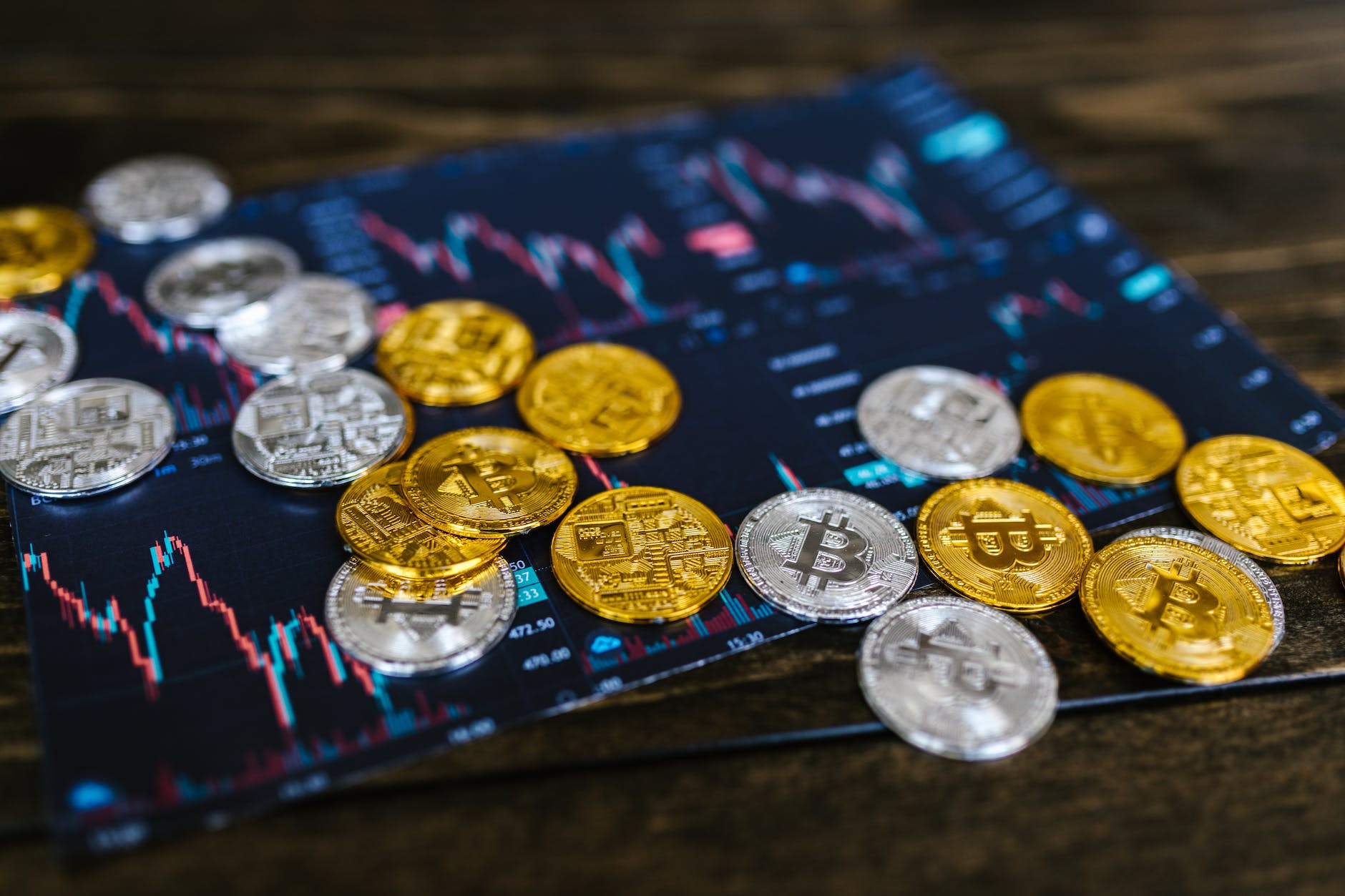
Web 3.0 is transforming the finance sphere slowly into a decentralized place. Basically, you don’t need a financial institution governing your transaction or authorizing them. The transaction will only be initiated by you and reaches the receiver, in a matter of moments, without any middlemen. Using cryptocurrency, you can make transactions over blockchain that eliminates that bank server from between. Cryptos are digital assets that let users transact directly without a payment service provider in the intermediary, which means that they enable new forms of capital. Although Bitcoin remains comparatively low now, it still may provide effective money governance by preserving and protecting the data or memory of what our money represents. Then there is the unparalleled manipulation of fiat money. We can observe how central banks have significantly extended their balance sheets since the GFC and the ongoing pandemic COVID-19. 

DeFi

DeFi is short for decentralized finance where there are no middlemen between you and the receiver. The transaction will be on the blockchain where the transaction time is reduced from time of hours/days, to moments that you can count on your hands. With DeFi, you can perform all transactions and services that are offered by traditional banks, without the bank in between. Now, you might wait for your transaction to be passed through because your bank should allow it and then it has to pass through the bank’s server. 

DeFi uses cryptocurrency as the main currency because they are programmed using blockchain technology. There is a huge difference between CeFi and DeFi. 

Effect on Financial Services

Undoubtedly, Web 3.0 has opened its doors for infinite opportunities and many FinTechs are utilizing them while traditional institutions are being left behind. These organizations are investing in their technology and its improvement in this rapidly changing market. These FinTechs’ major part of investment is into AI which are being programmed to understand the different problems faced by people and able to give out the solutions in a matter of seconds. This dependance on AIs is being constantly improved which are learning from their own errors and giving better and more efficient solutions. A survey by NVIDIA , according to it, nearly 83% of finance service professionals say that AI is essential for the companies’ success. It is also said that AI can improve company growth by 20%.

Conclusion

Web 3.0 is bringing so many opportunities while improving the present technology and organizations that are utilizing it will not be taking rest anytime soon. This technology is just going to become better and better. Every single day that we see this technology step up just shows that we are not done with technology, it can be better and more efficient and these companies are proving that to use everyday. Web 3.0 is showing more freedom of speech and thoughts than the present restricted web 2.0, decentralization is going to put back the control back in the hand of the User.

“Where there is life, there is growth

Where there is age, there is evolution.”

~Charles Darwin

Thank you so much for reading this article. I have added information from different websites and I thank them for their view on this topic. Do leave comments on different aspects of Web 3.0 that you think will change us.

The links to pages that helped me understand Web 3.0 better:

Financialit.net: How web 3.0 is transforming the financial services industry?

https://www.finextra.com/the-long-read/231/how-ai-is-powering-the-future-of-financial-services

https://n26.com/en-eu/blog/what-is-defi#:~:text=How%20does%20DeFi%20work%3F,are%20secured%20through%20blockchain%20technology.


The World Runs on Finance

Wherever you go, you hear the terms of budget, loans, bonds, stocks, crypto, and many more. Finance has become one of the highest searched topics that people want to learn. People want to get control, build different streams of income, build passive income, buy real estate, buy bonds and increase their wealth. Compared to 1980s to the present day, finance has developed and spread its branches across the world. With technology, finance has become easier to access.


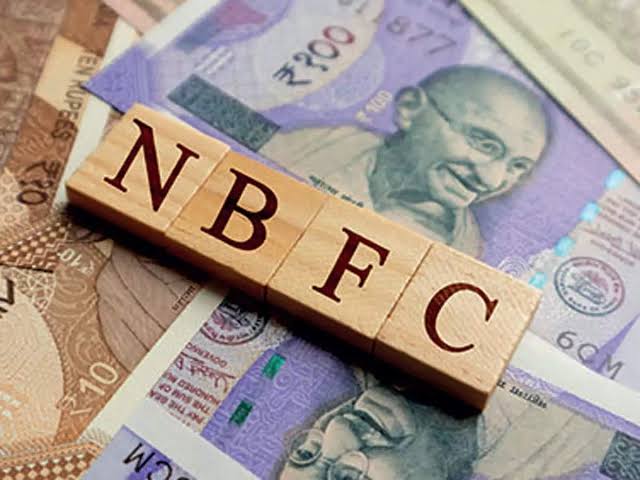
Small NBFCs( Non-Banking Financial Corporations) have created apps that people can get for small amounts of loan. From 100₹ to 1,00,000₹, these corporations have found an untouched market in loan requirements, small loans. The term may be quite little, but it has huge potential. A lot of people take loans or borrow money from loan sharks at high interest rates, but do they always have money to give?


This question itself has created this part of market. With technology, payments have become quicker and able to move in a matter of minutes. NBFCs found this to be their best advantage of all time. People sign up on these apps with all their details and take the loan at exorbitant rates. They charge interest for each passing day ( 3% or more) and disburse the amount with the click of a button.


As many people are, no one wants to go through the terms & conditions because it is long and boring. Here lies the secret to the destruction of your reputation between you and the world. Many think that these apps are to be taken simply and not to be minded when the payment date comes. These NBFCs aren’t banks so they don’t give repeated notices for the payment, instead, they send your contacts all your details, with the amount of money you have taken and ask them to pay. They use godawful ways to get the payment.


Few messages are so disgusting and low that it breaks your reputation into pieces. You cannot rebuild your reputation and it keeps going on till the payment has been done. It’s a small yet such powerful blow that you cannot recover from. After the payment has been made, they don’t send a message stating that you have made the payment which doesn’t help you in any way but makes you droop down more. These interest rates on meager amounts is how they make the most money on.

Every time you borrow money, you are robbing time from your future self.

Nathan W. Morris


Loans are not a joke. You learn from the mistakes you make. Scars are lessons for what we have gone through. Learn from your experiences, teach them to your kith and kin, no matter what they are aged. If an 18 year old with a bank account, comes across the app and doesn’t know the effect of not paying on time, it’s not a wound that they can recover from easily.

Teach your younger ones about finance, how to maintain, when and where to use them but not teaching them leads to a higher damage. Be careful and do not go down this path unless you know how to come back from it.

Understanding inflation

The Inequities of Inflation - Positively Naperville

Inflation is a term we here very frequently in today’s world. Several economies of the world are now in the crunches of inflation. In this situation, let us read about inflation in detail.

What is inflation?

In economics, inflation is a general increase in prices of goods and services in an economy. When the general price level rises, each unit of currency buys fewer goods and services; consequently, inflation corresponds to a reduction in the purchasing power of money. The opposite of inflation is deflation, a sustained decrease in the general price level of goods and services. The common measure of inflation is the inflation rate, the annualized percentage change in a general price index. As prices do not all increase at the same rate, the consumer price index (CPI) is often used for this purpose.

Causes of inflation:

There were different schools of thought as to the causes of inflation. Most can be divided into two broad areas: quality theories of inflation and quantity theories of inflation.

Currently, the quantity theory of money is widely accepted as an accurate model of inflation in the long run. Consequently, there is now broad agreement among economists that in the long run, the inflation rate is essentially dependent on the growth rate of the money supply relative to the growth of the economy. However, in the short- and medium-term inflation may be affected by supply and demand pressures in the economy, and influenced by the relative elasticity of wages, prices and interest rates.

The quality theory of inflation rests on the expectation of a seller accepting currency to be able to exchange that currency at a later time for goods they desire as a buyer. The quantity theory of inflation rests on the quantity equation of money that relates the money supply, its velocity, and the nominal value of exchanges.

Measures of inflation

Consumers’ cost of living depends on the prices of many goods and services and the share of each in the household budget. To measure the average consumer’s cost of living, government agencies conduct household surveys to identify a basket of commonly purchased items and track over time the cost of purchasing this basket. The cost of this basket at a given time expressed relative to a base year is the consumer price index (CPI), and the percentage change in the CPI over a certain period is consumer price inflation, the most widely used measure of inflation.

Core consumer inflation focuses on the underlying and persistent trends in inflation by excluding prices set by the government and the more volatile prices of products, such as food and energy, most affected by seasonal factors or temporary supply conditions. Core inflation is also watched closely by policymakers. Calculation of an overall inflation rate—for a country, say, and not just for consumers—requires an index with broader coverage, such as the GDP deflator.

Types of inflation

Cost-Push Effect

Cost-push inflation is a result of the increase in prices working through the production process inputs. When additions to the supply of money and credit are channeled into a commodity or other asset markets and especially when this is accompanied by a negative economic shock to the supply of key commodities, costs for all kinds of intermediate goods rise.

Built-in Inflation

Built-in inflation is related to adaptive expectations, the idea that people expect current inflation rates to continue in the future. As the price of goods and services rises, workers and others come to expect that they will continue to rise in the future at a similar rate and demand more costs or wages to maintain their standard of living. Their increased wages result in a higher cost of goods and services, and this wage-price spiral continues as one factor induces the other and vice-versa.

Demand-Pull Effect

Demand-pull inflation occurs when an increase in the supply of money and credit stimulates overall demand for goods and services in an economy to increase more rapidly than the economy’s production capacity. This increases demand and leads to price rises.

RBI and credit control

ReserveBankOfIndia (@RBI) / Twitter

RBI governor, Shaktikanth Das, on May 4 2022 revised the repo rates. On this context, let us look more about the credit control measures adopted by Reserve bank of India.

Reserve bank is the apex body to control the banking system in India. As we all know banks are the major link in money supply. Thus, RBI can control the money in the economy by controlling the banks. These policies are termed as monetary policy.

RBI could adopt either quantitative or qualitative methods.

Quantitative methods

Statutory Liquidity Ratio

Statutory Liquidity Ratio or SLR is the minimum percentage of deposits that a commercial bank has to maintain in the form of liquid cash, gold or other securities. It is basically the reserve requirement that banks are expected to keep before offering credit to customers. The SLR is fixed by the RBI and is a form of control over the credit growth in India.

The government uses the SLR to regulate inflation and fuel growth. Increasing the SLR will control inflation in the economy while decreasing the statutory liquidity rate will cause growth in the economy. The SLR was prescribed by Section 24 (2A) of Banking Regulation Act, 1949.

Cash Reserve Ratio

CRR is an essential monetary policy tool used for controlling the money supply in the economy, a regulation implemented in almost every nation by the Central Bank of that country.

CRR rate is the minimum percentage of cash deposits (as specified by RBI) that must be maintained by every commercial bank as per the requirement of the Central Bank.

Cash Reserve Ratio Rate is computed as a percentage of the net demand and time liabilities of each bank. Net Demand and Time Liability is reached with the total of the savings account, current account, and fixed deposit balances.

Bank rate

Bank rate is a rate at which the Reserve Bank of India (RBI) provides the loan to commercial banks without keeping any security. There is no agreement on repurchase that will be drawn up or agreed upon with no collateral as well. The RBI allows short-term loans with the presence of collateral. This is known as Repo Rate. Bank Rates in India is determined by the RBI. It is usually higher than a Repo Rate on account of its ability to regulate liquidity.

Open market operations

Open market operations refer to the selling and purchasing of the treasury bills and government securities by the central bank of any country in order to regulate money supply in the economy.

It is one of the most important ways of monetary control that is exercised by the central banks. Under this system, the central bank sells securities in the market when it wants to reduce the money supply in the market. It is done to increase interest rates. This policy is also known as the contractionary monetary policy.

Similarly, when the central bank wants to increase the money supply in the market, it will purchase securities from the market. This step is taken to reduce the rate of interest and also to help in the economic growth of the country. This policy is known as the expansionary monetary policy.

Qualitative methods

Margin Requirement:

Margin requirement refers to the difference between the current value of the security offered for loan (called collateral) and the value of loan granted. It is a qualitative method of credit control adopted by the central bank in order to stabilize the economy from inflation or deflation.

Rationing of Credit:

Rationing of credit refers to fixation of credit quotas for different business activities which is introduced when the flow of credit is to be checked particularly for speculative activities in the economy.

Moral Suasion:

The central bank makes the member bank agree through persuasion or pressure to follow its directives which is generally not ignored by the member banks. The banks are advised to restrict the flow of credit during inflation and be liberal in lending during deflation.